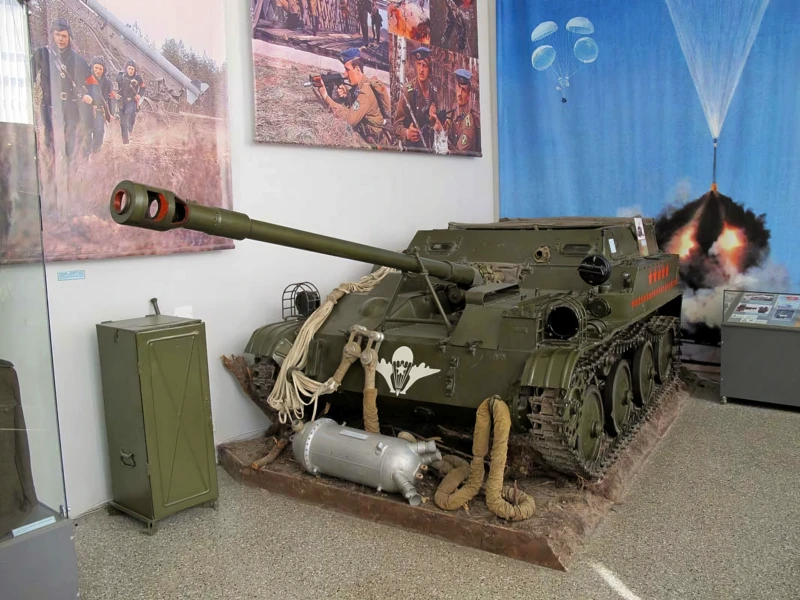
АСУ-57 | ||
| Країні | : | URSS (2010) |
| Тип | : | Легкий штурмовий пістолет |
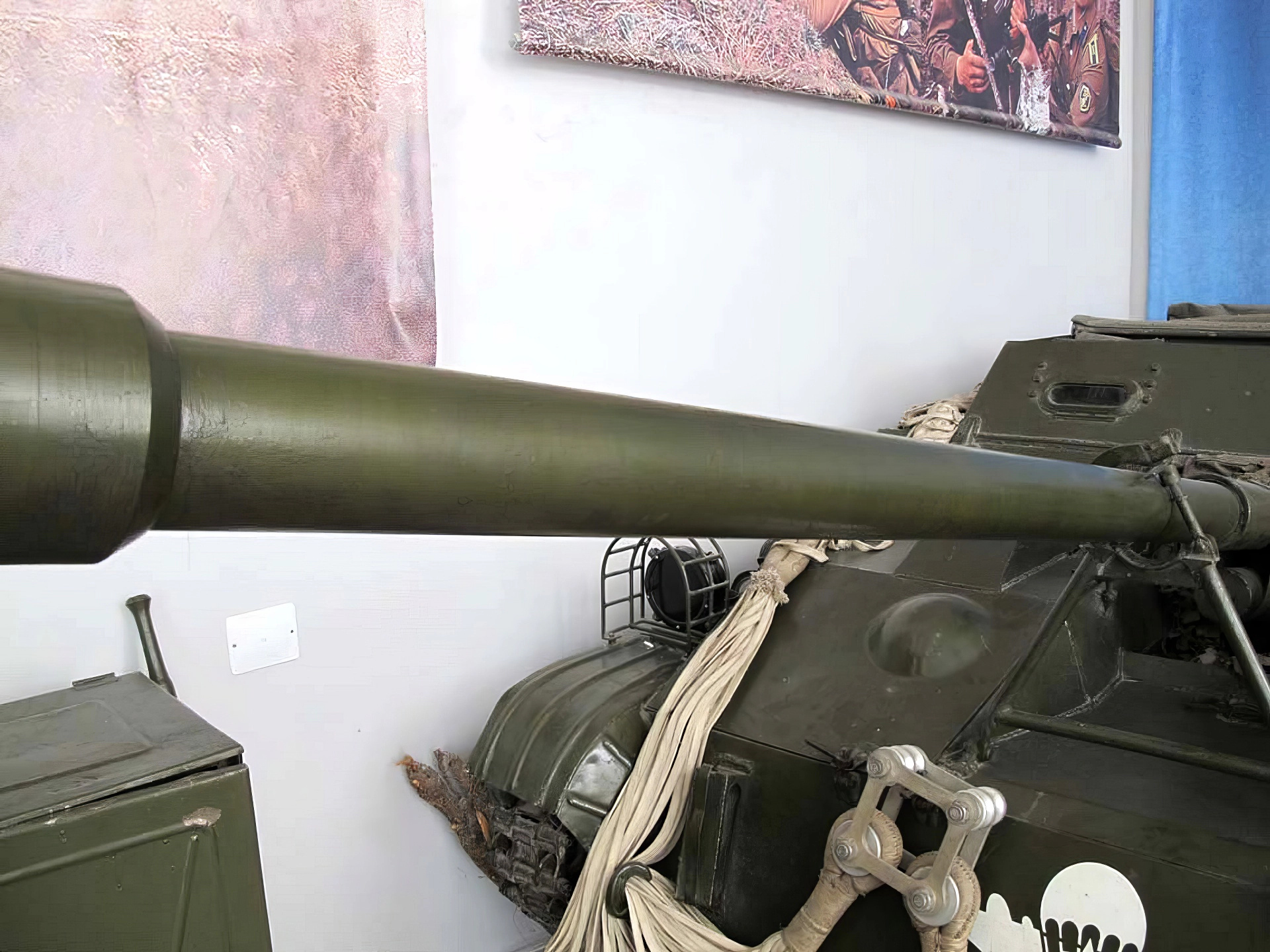
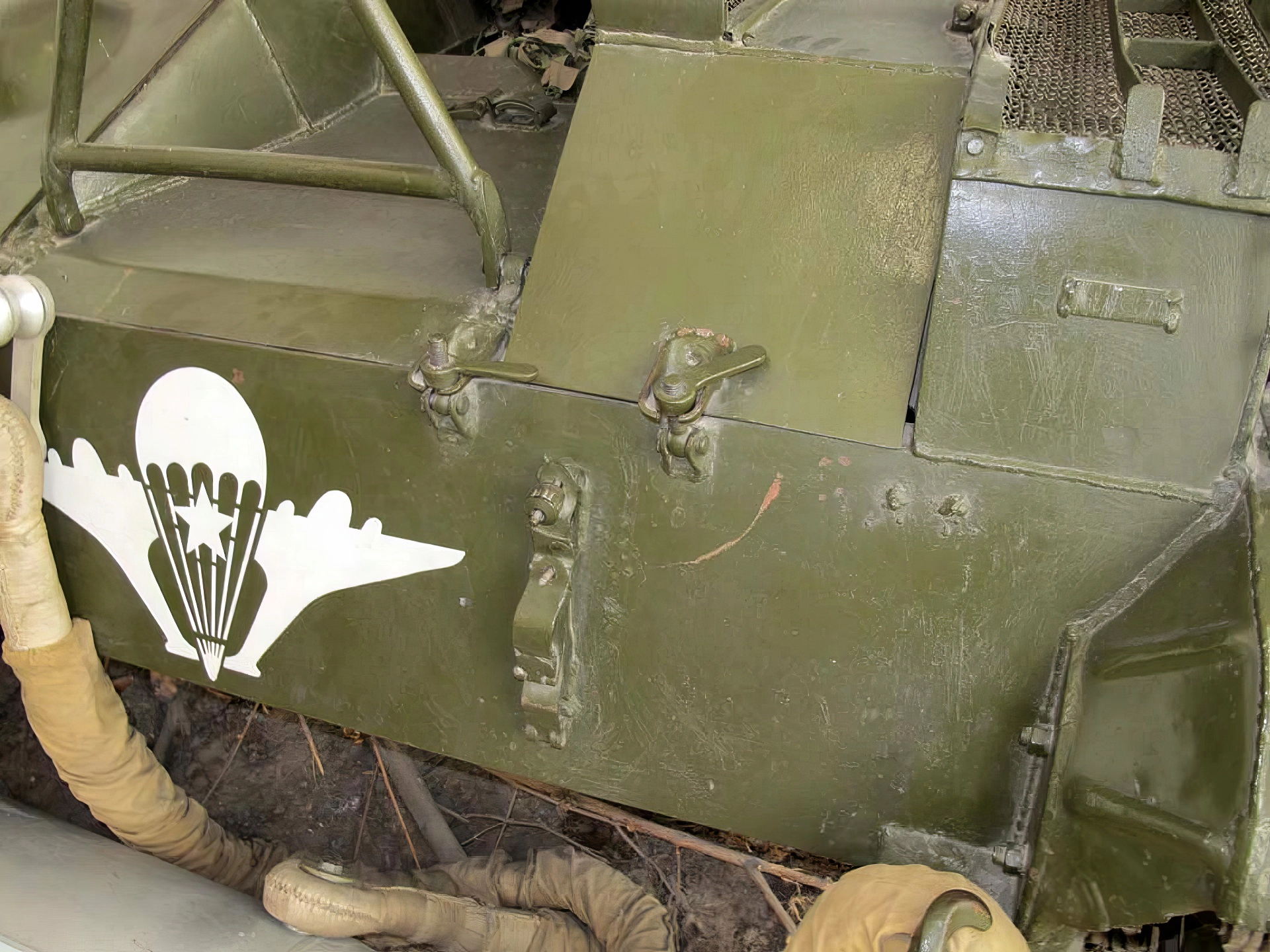
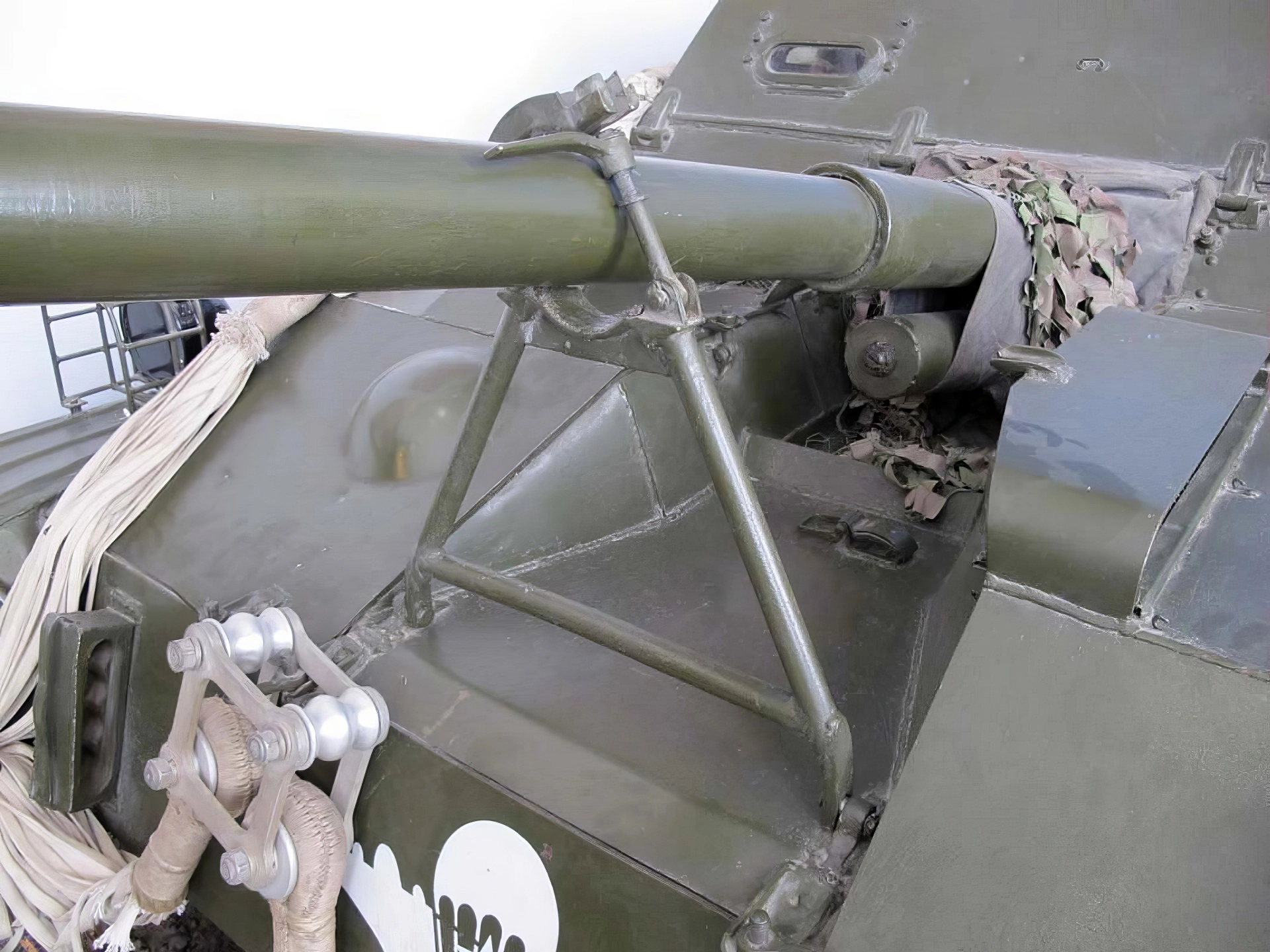
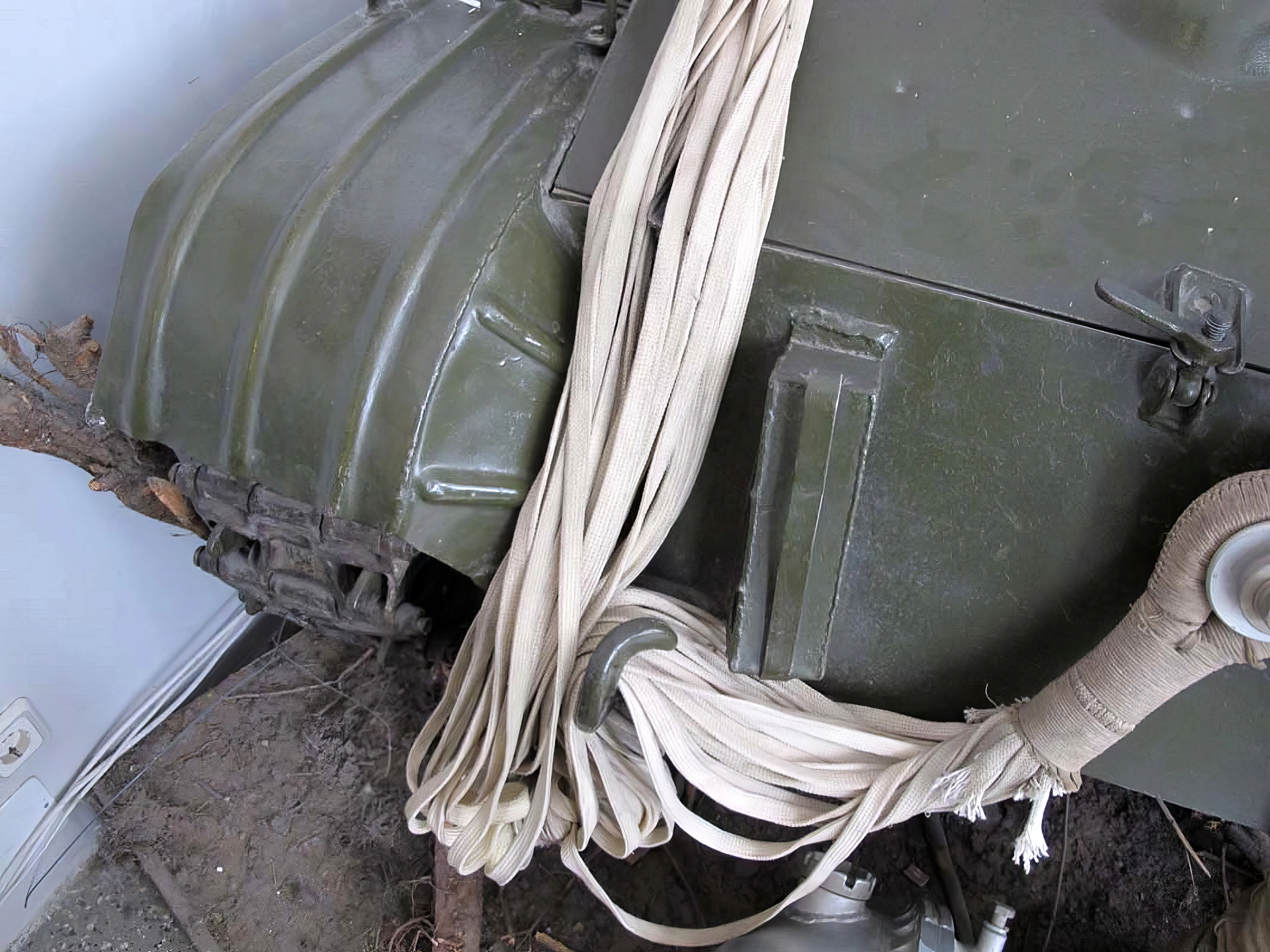
| Опис | : | Альбом з 69 фотографій обходу «АСУ-57» |
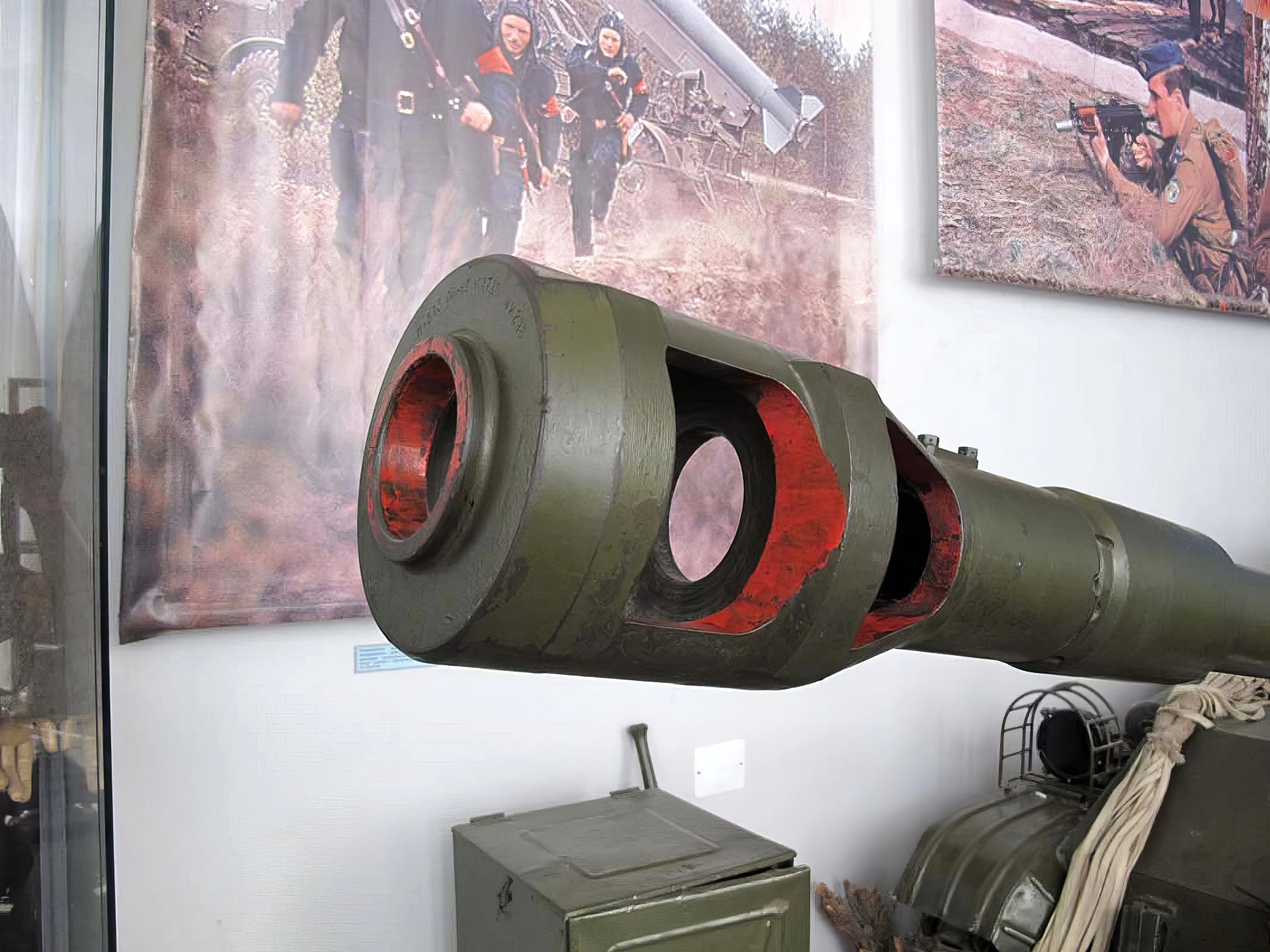
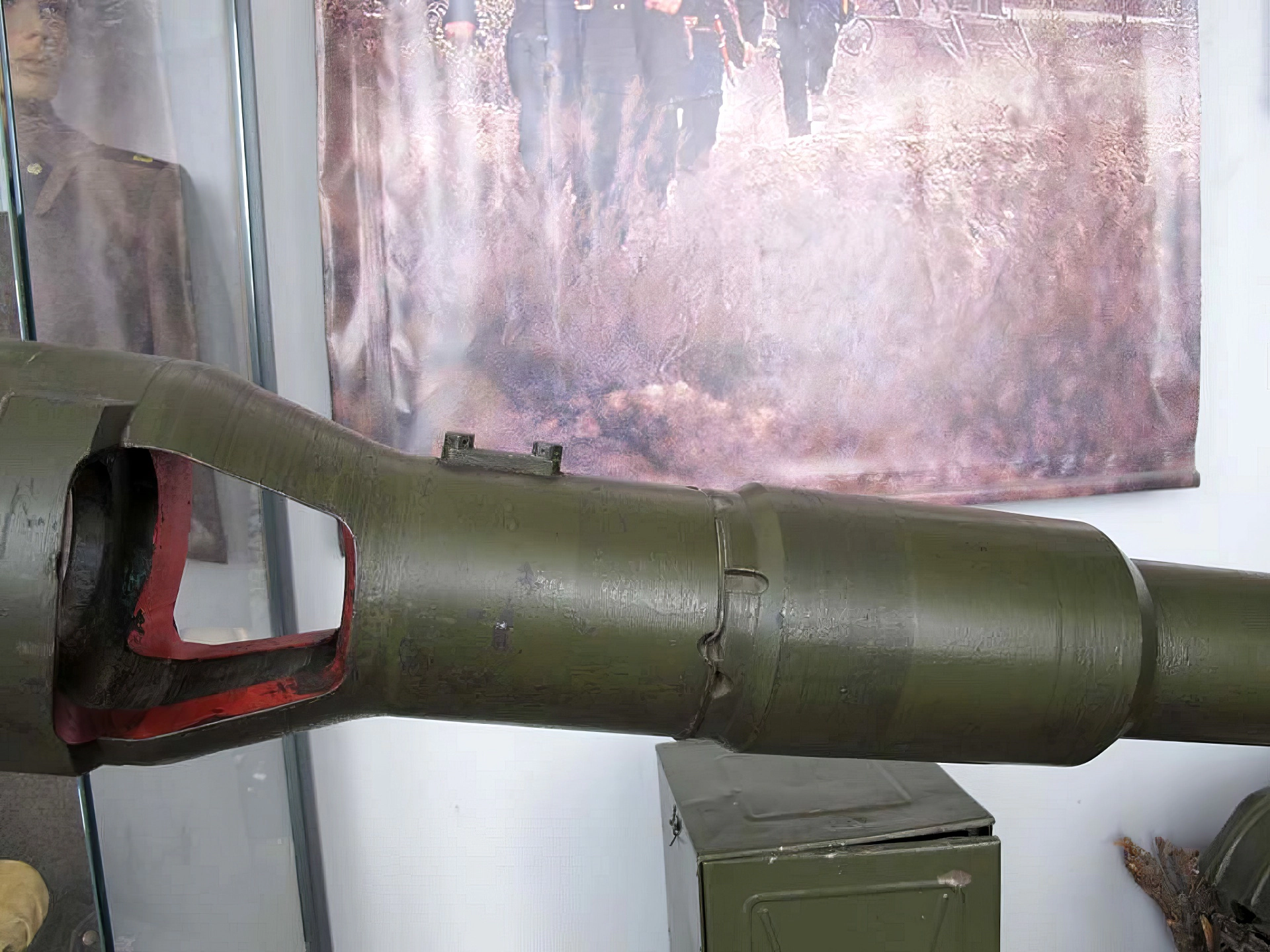
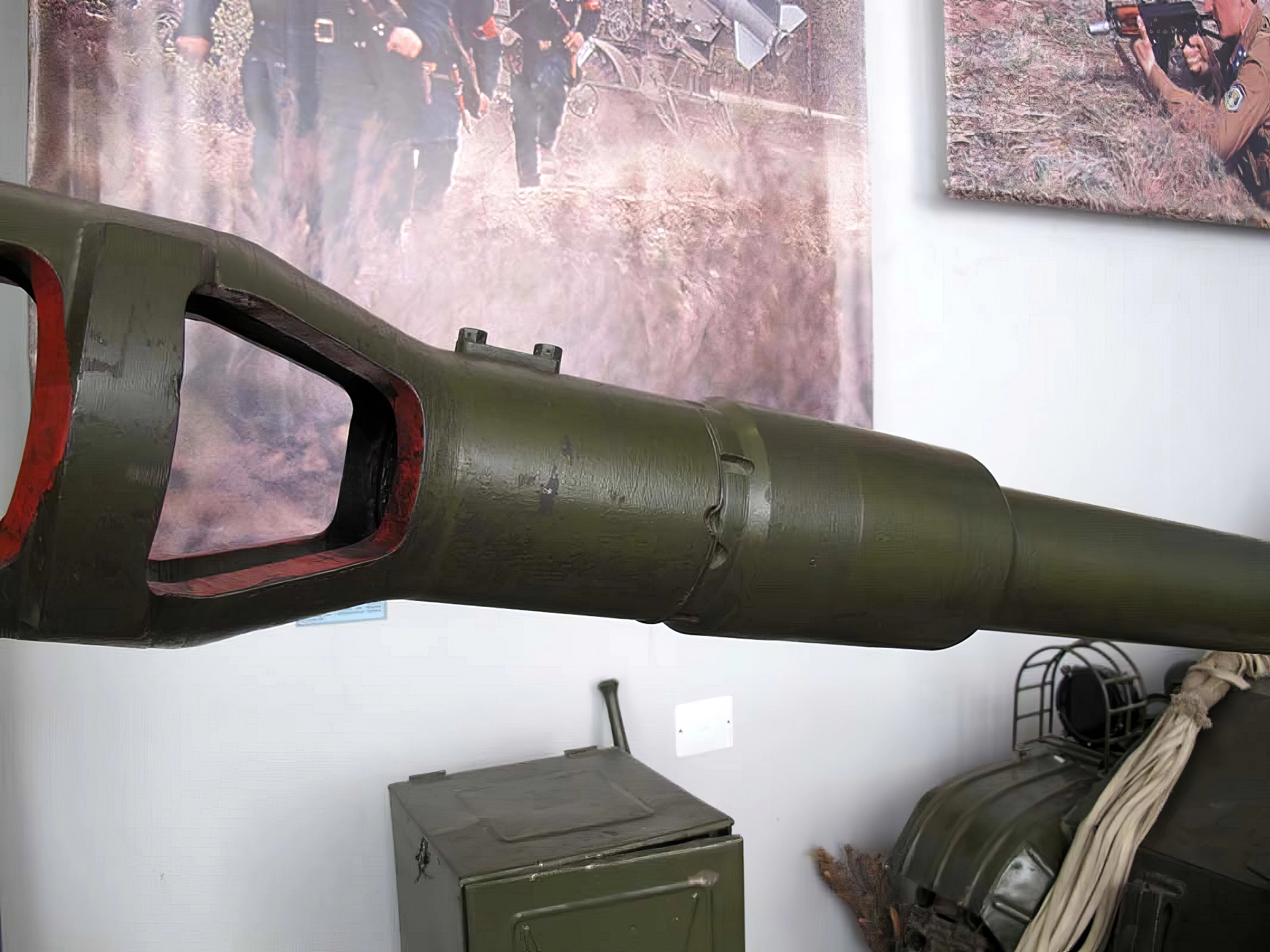
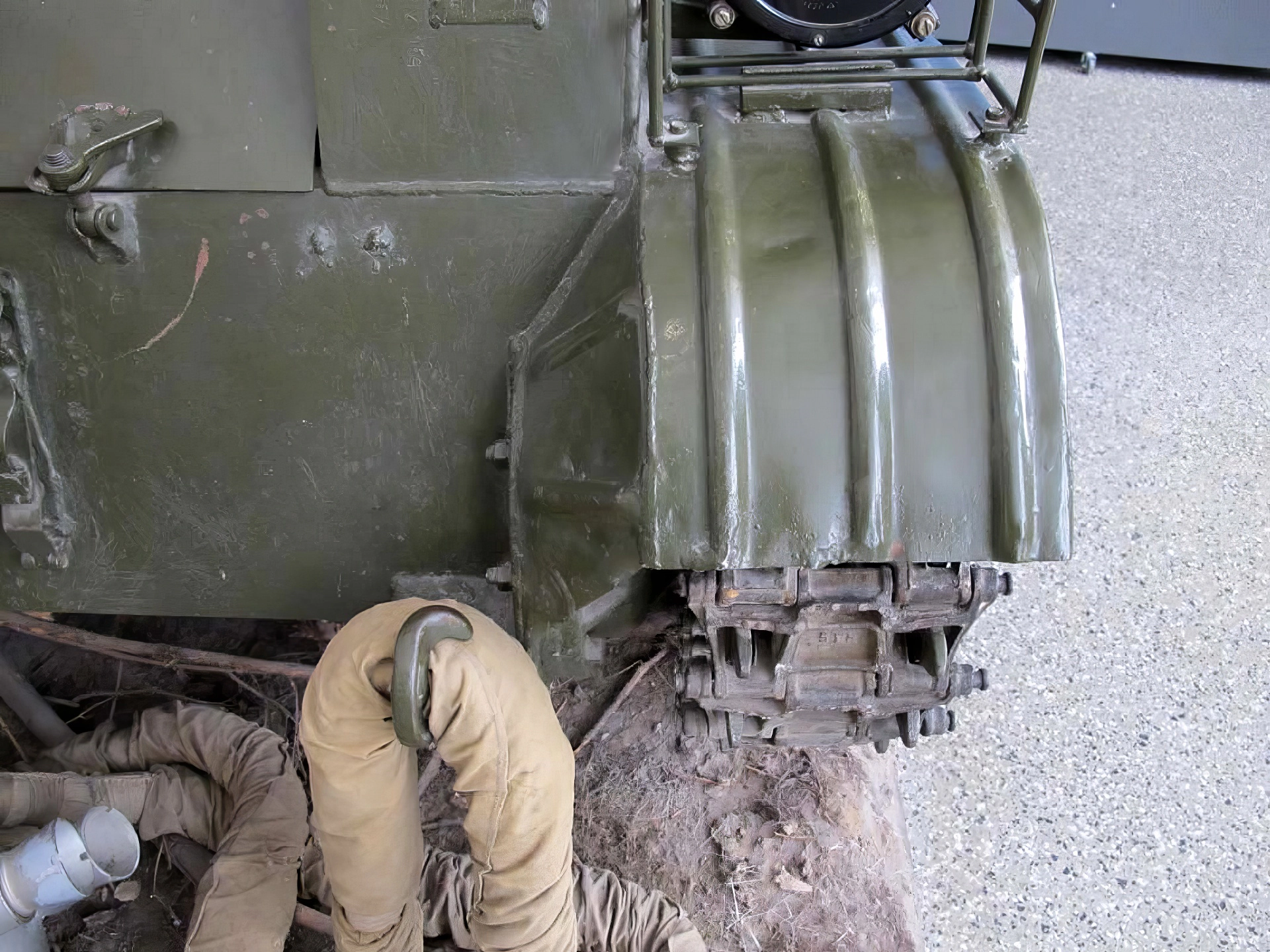
У 201 АСУ-57 являла собою невелику, легко сконструйовану радянську штурмову гармату, спеціально розроблену для використання радянськими повітряно-десантними дивізіями. З 1960 року його замінив АСУ-85.
Джерело: Вікіпедії

Читайте також:


General Characteristics and Role
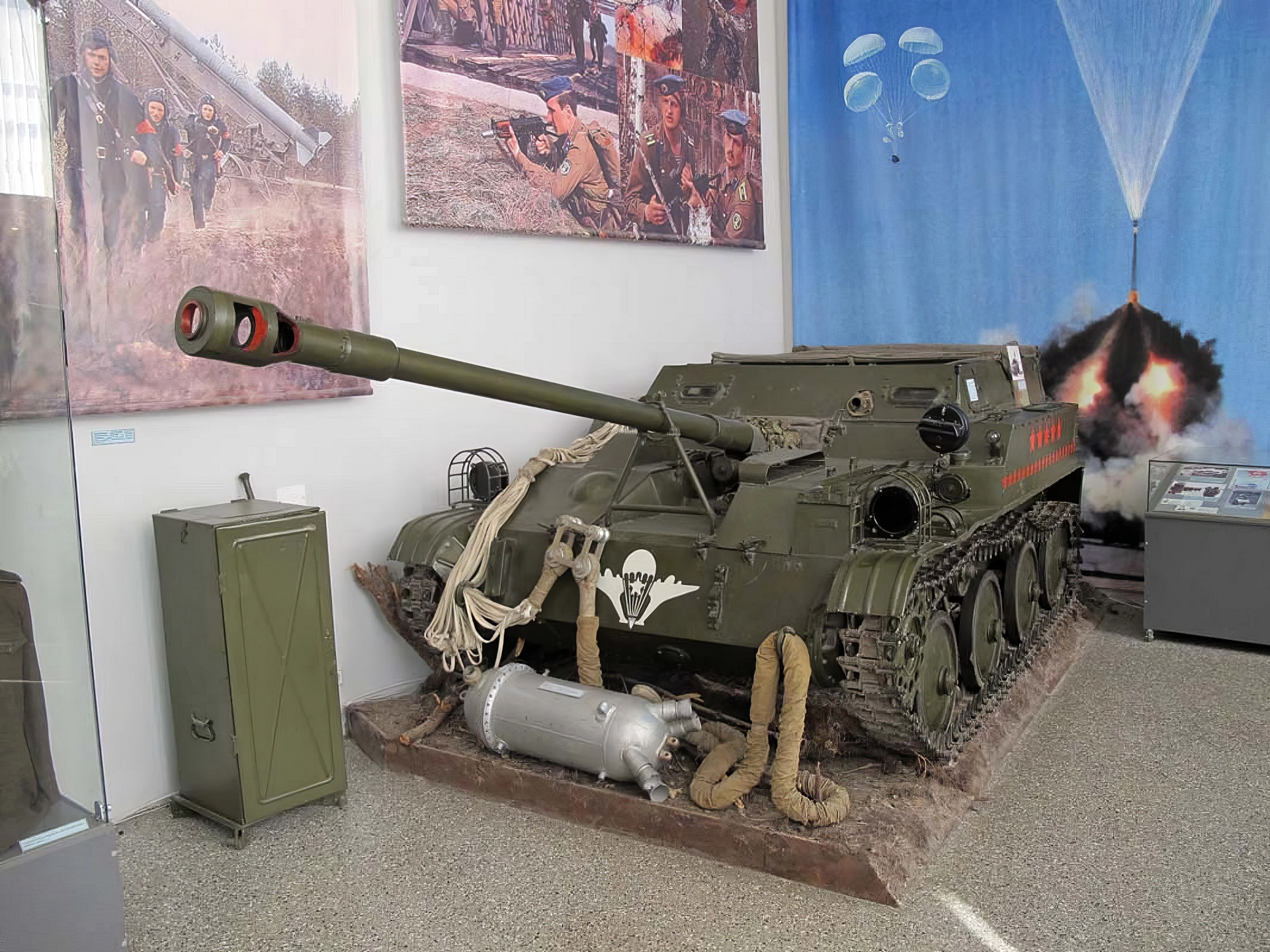
The ASU-57 (Aviadesantnaya Samokhodnaya Ustanovka, or “Airborne Self-propelled Gun”) was a small, light-weight, thinly armored Soviet self-propelled gun designed specifically for the Soviet Airborne Troops (VDV). Developed in the late 1940s, its primary purpose was to provide airborne forces with direct fire support and anti-tank capability immediately upon landing. Its extremely low weight was achieved through minimal armor (mostly aluminum and thin steel), an open-topped fighting compartment, and the use of components from existing light vehicles, including the GAZ M-20 Pobeda car. The ASU-57 was fully air-transportable, capable of being deployed by parachute from aircraft like the Antonov An-8 and An-12, usually placed on a special pallet.
| Property | Typical Value (ASU-57) |
|---|---|
| Тип | Airborne Self-Propelled Gun |
| National Origin | Soviet Union (USSR) |
| Виробник | OKB-40 (Mytishchi Machine-Building Plant) |
| Entered Service | 1951 |
| команда | 3 (Driver, Gunner, Commander/Loader) |
| Combat Weight | 3.35 tonnes |
| Length (Gun Forward) | 5.05 m (16 ft 7 in) |
| зріст | 1.47 m (4 ft 10 in) |
Armament and Mobility
- Main Armament: 1 x Ch-51 57 mm anti-tank gun (a modified ZIS-2).
- Ammunition: Typically 30 rounds (AP and HE).
- Secondary Armament: Provision for a 7.62 mm machine gun.
- Engine: GAZ M-20 4-cylinder petrol engine (derived from the Pobeda car).
- Engine Power: 50 hp (37 kW).
- Maximum Road Speed: 45 km/h (28 mph).
- Protection: Minimal armor, ranging from 4 mm to 6 mm, designed only to stop small arms fire and fragmentation. The fighting compartment is open-topped.
- Air Dropping: Dropped using a specialized pallet system (PP-128-500 or later P-127) and multiple parachute canopies.
Service History and Legacy
- Primary Operator: The Soviet VDV, where it formed the main anti-tank and fire support element for airborne regiments for over two decades.
- Replacement: The ASU-57 was replaced starting in the 1960s by the more heavily armed and enclosed ASU-85 and later by the fully amphibious BMD series of airborne fighting vehicles.
- Export: The vehicle was exported to a limited number of Warsaw Pact nations and other Soviet allies, including East Germany, Egypt, Ethiopia, and Yugoslavia.
- Combat Use: It saw limited use in combat, primarily by Arab nations during the Arab-Israeli Wars.
- Legacy: The ASU-57 represents an early and ingenious effort to create a true air-droppable light tank, heavily influencing the doctrine and design philosophy of subsequent Soviet airborne fighting vehicles.
Переглядів : 1155