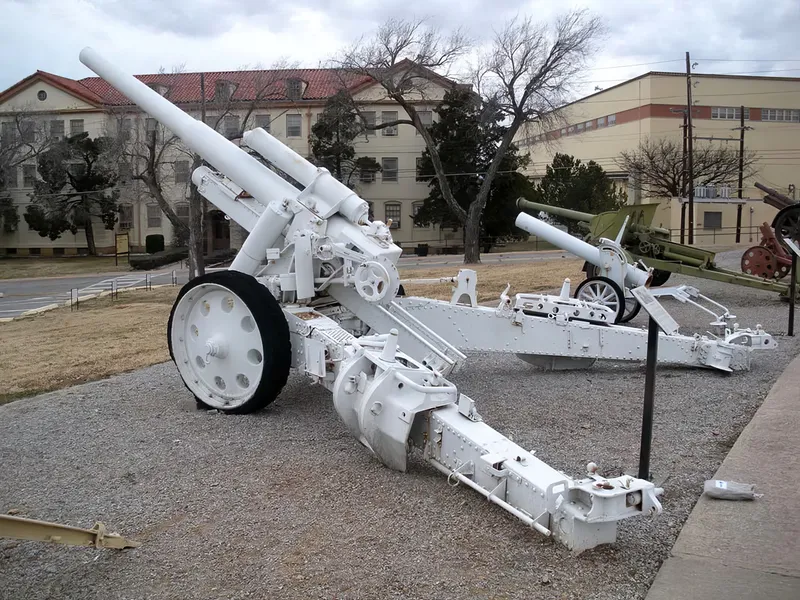
150mm s.F.H.18 | |
|---|---|
| Betalar | Tyskland |
| Typ | Haubits |
| Period | Världskriget |
Fotogalleri på en 150mm pistol s.F.H.18 Howitzer , 15 cm schwere Feldhaubitze 18 (sFH 18) är en kanon Genomsnittet av andra världskriget med en räckvidd på 13 500 m, skalets vikt är 43 kg och dess hastighet är 518 m/s.
Källkod: sFH18 Howitzer på Wikipedia
| Tyska 150mm s.F.H.18 Howitzer | |
|---|---|
| Fotograf | Unknow |
| Lokalisering | Unknow |
| Bilder | 72 |
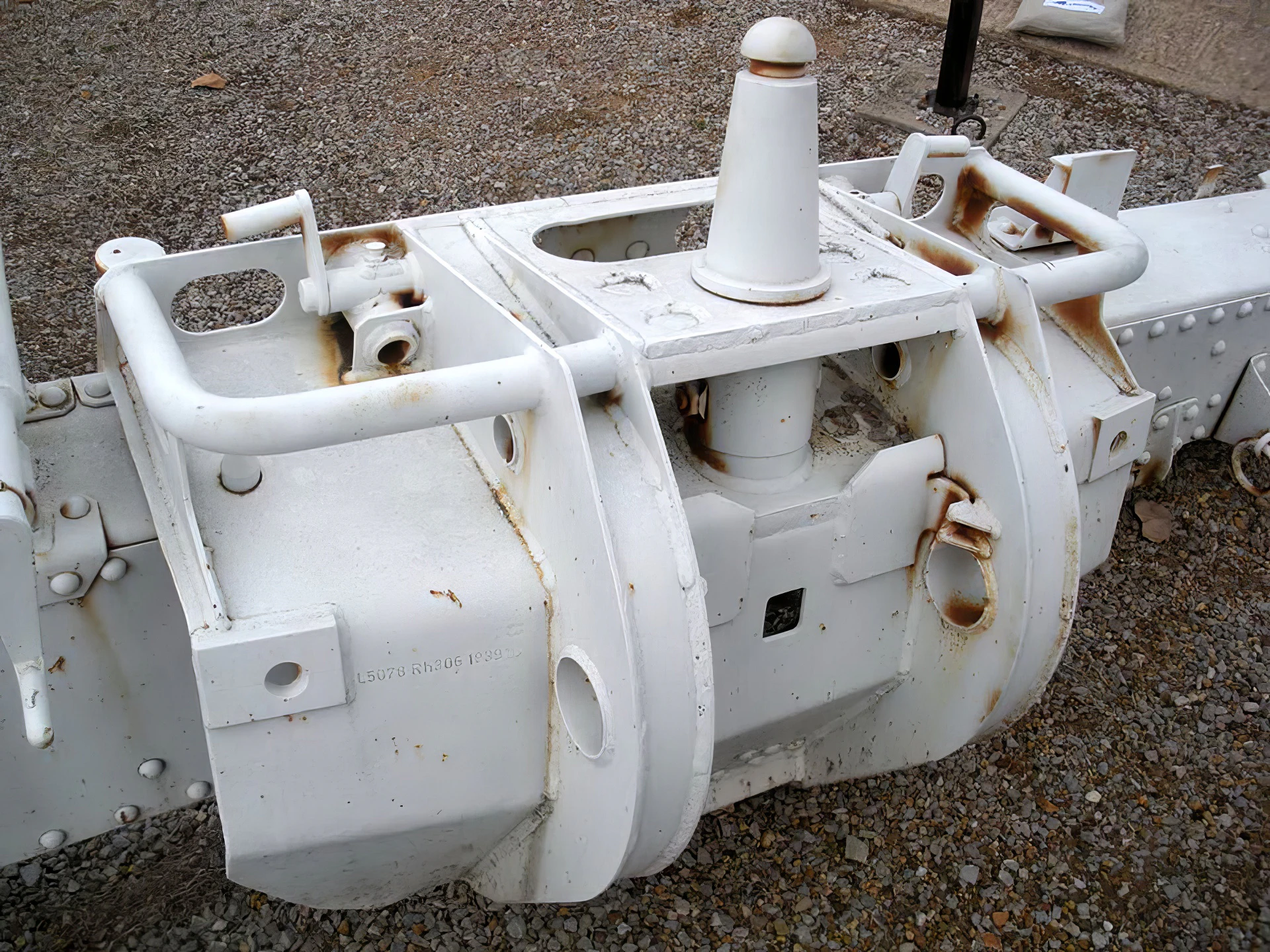

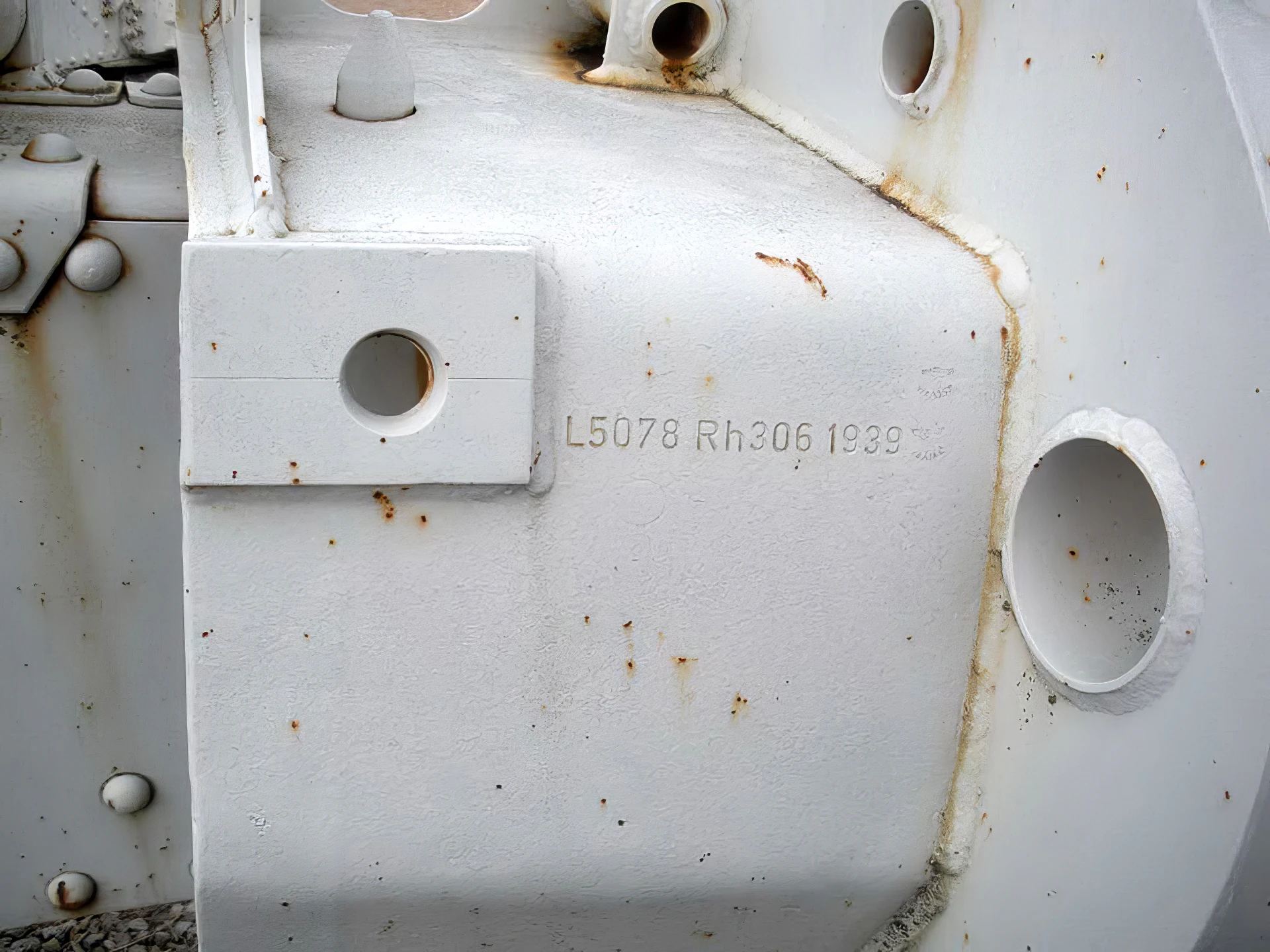
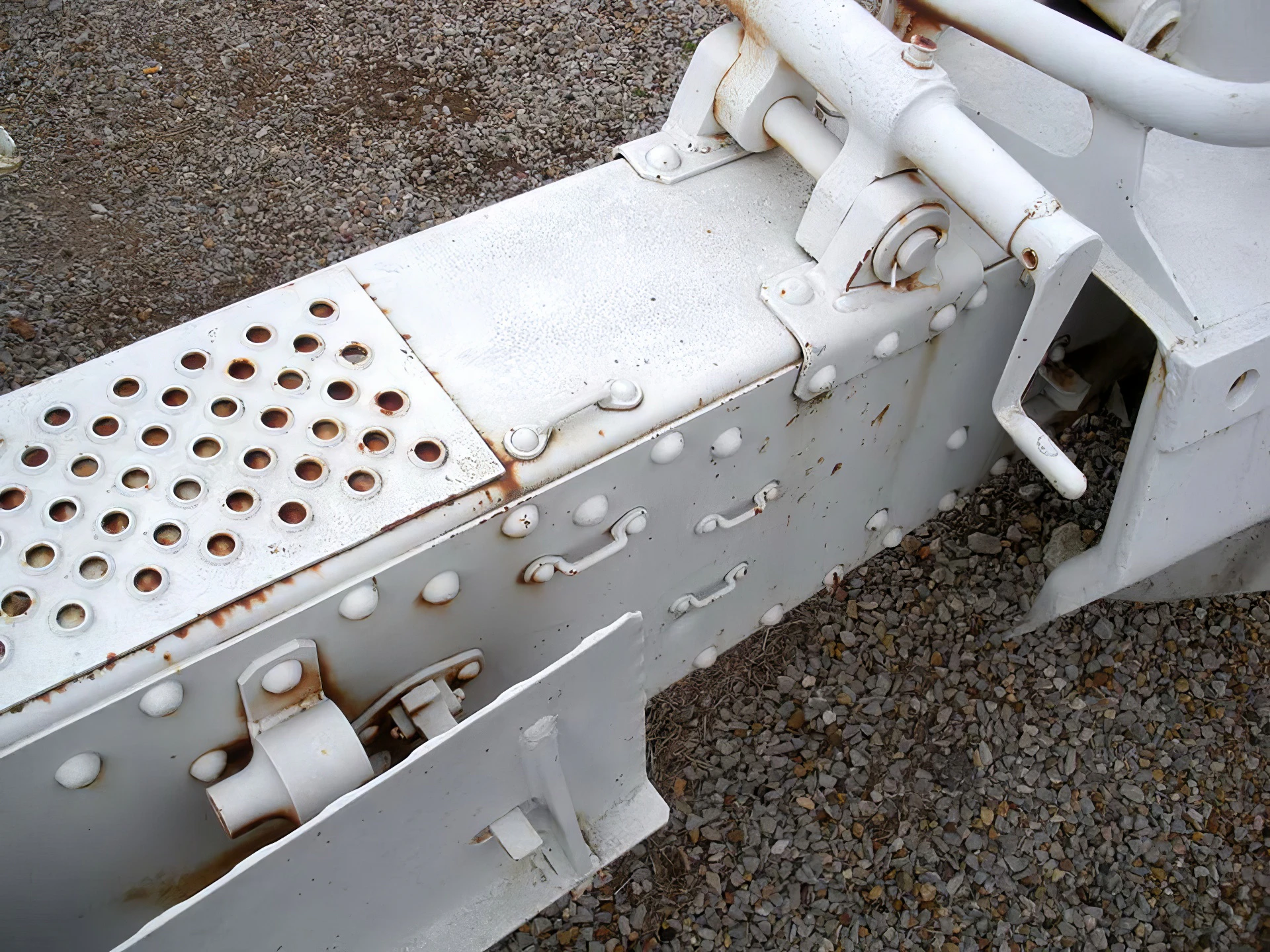
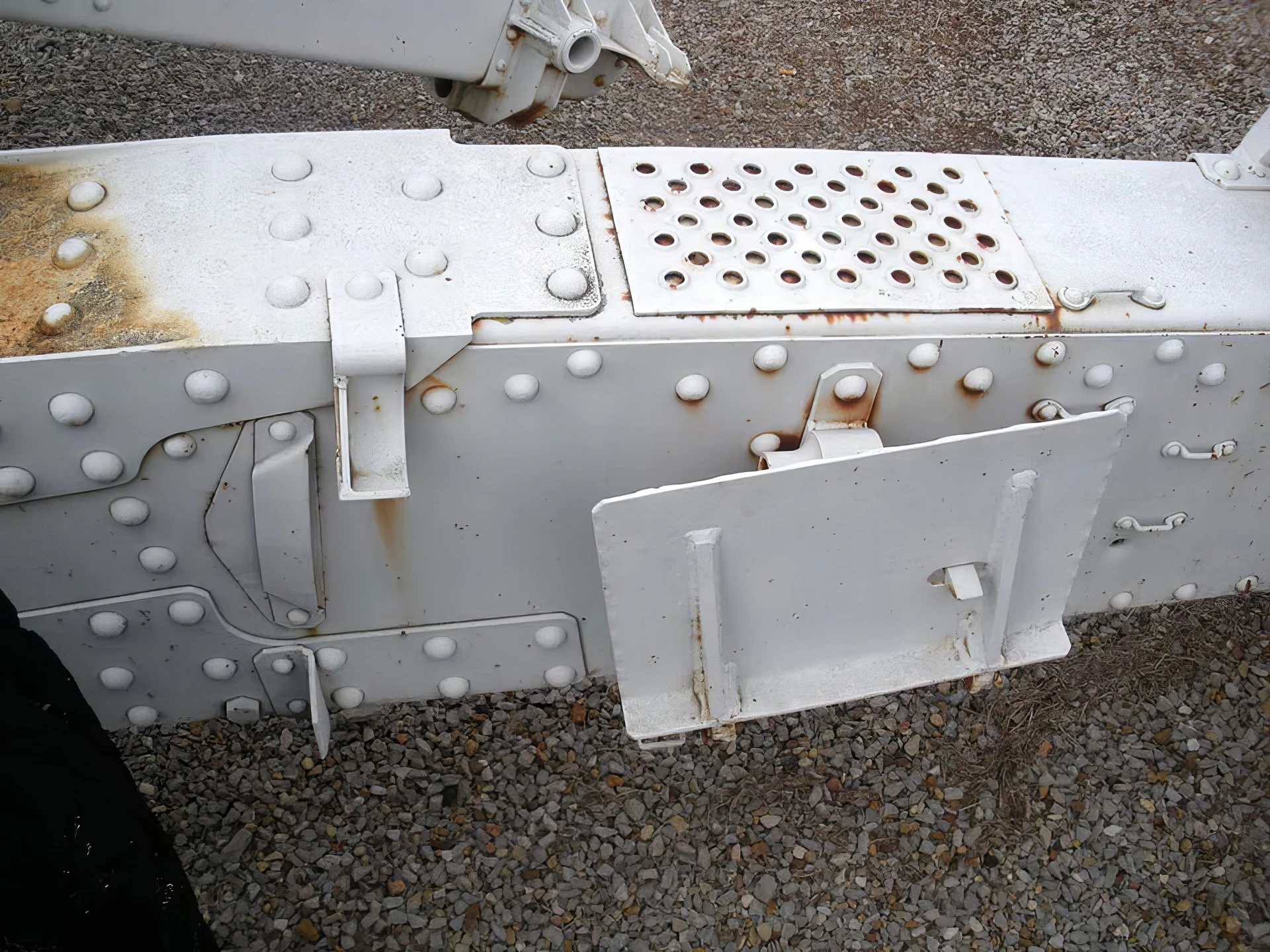
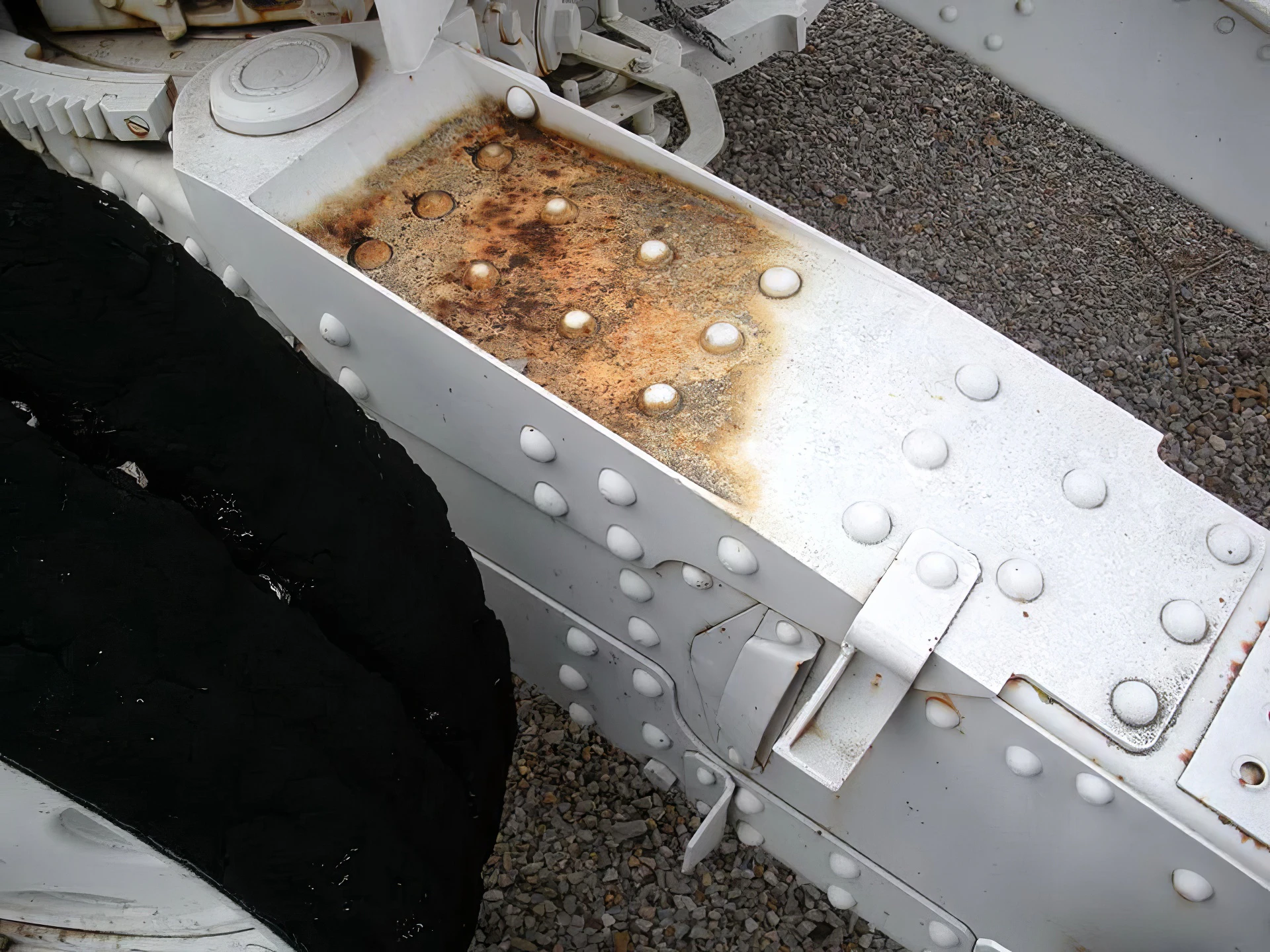
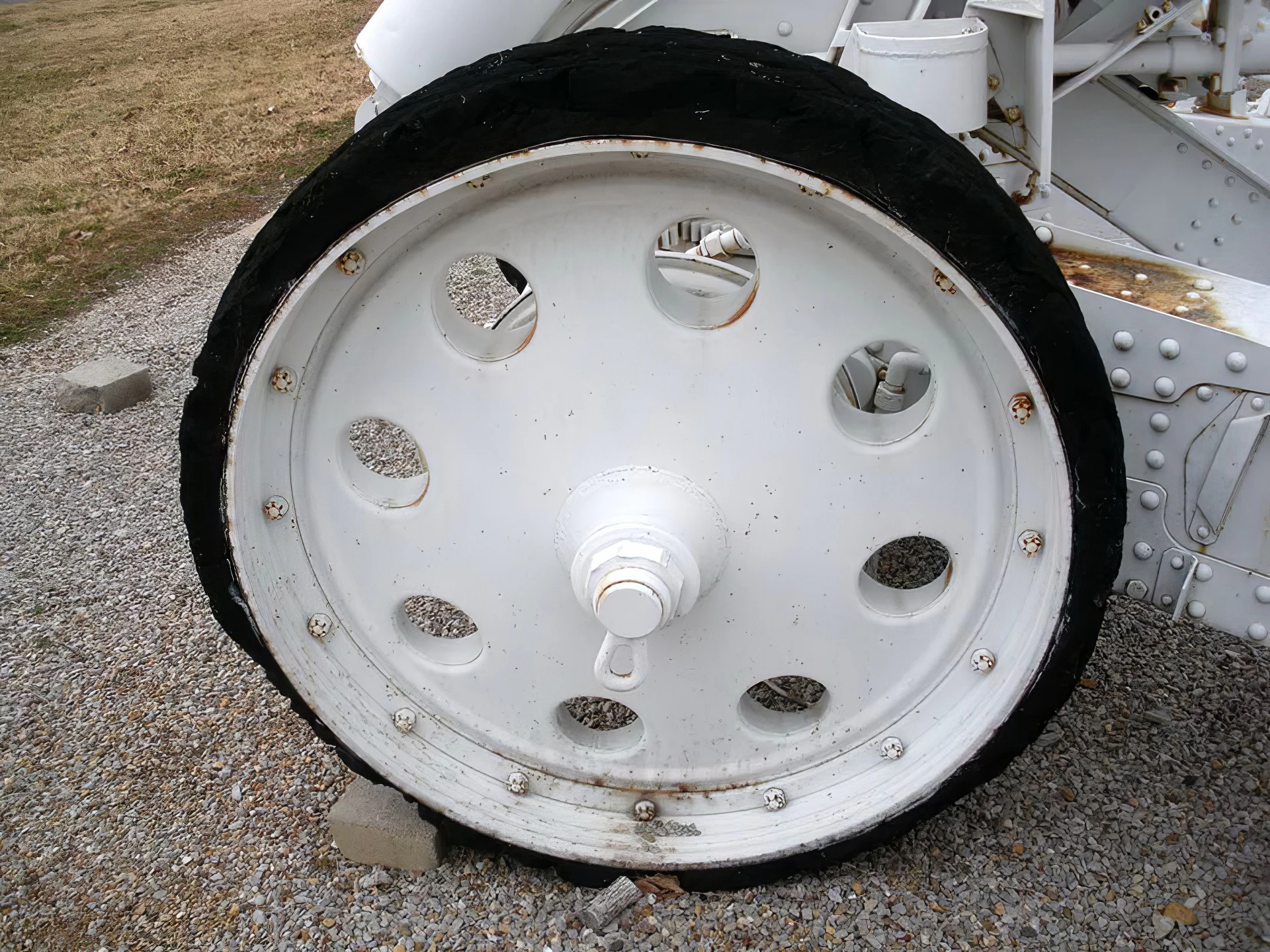
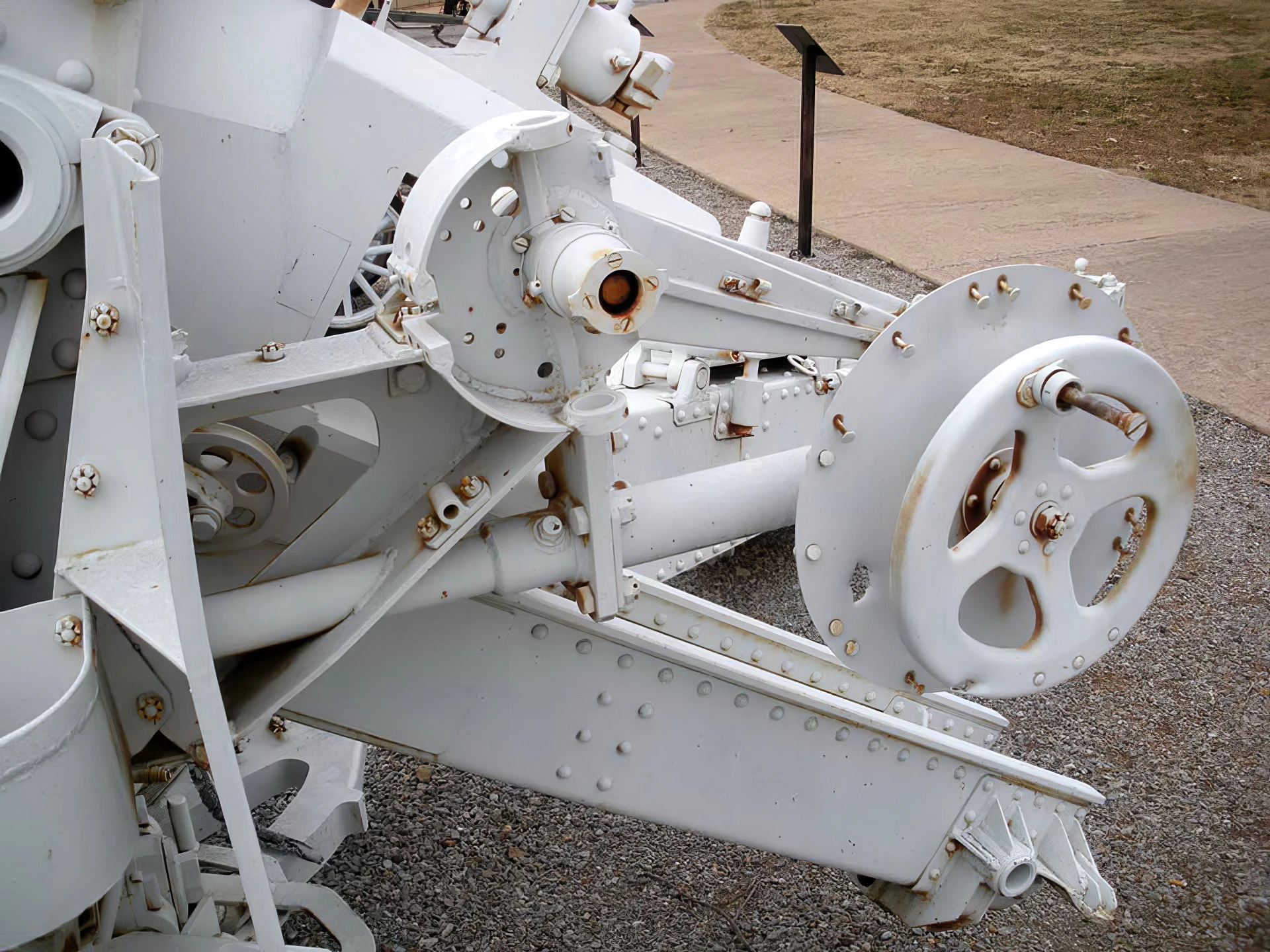
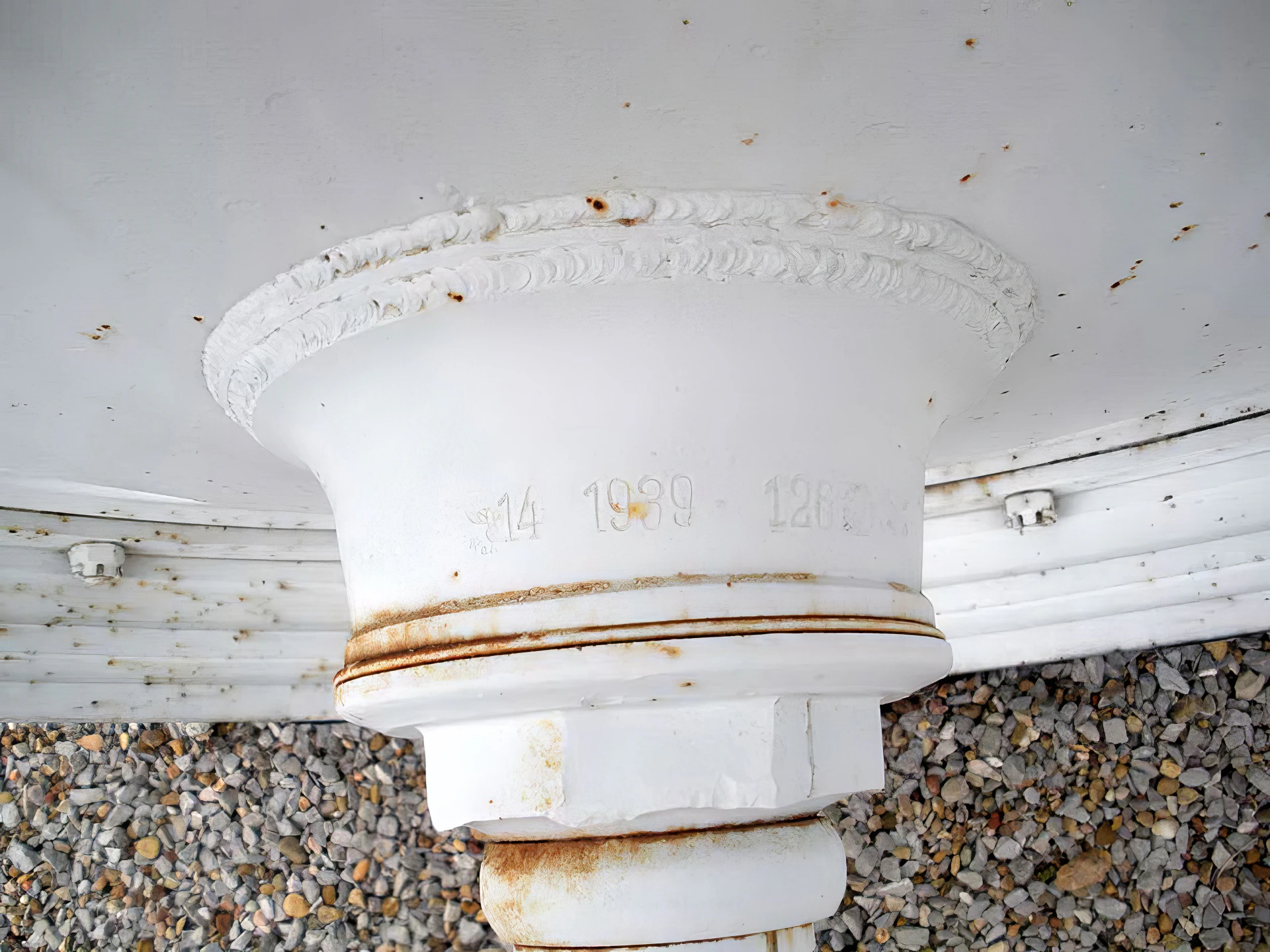

| 15 cm Howitzer sFH 18 Gå runt | |
|---|---|
| Fotograf | Garret |
| Lokalisering | Unknow |
| Bilder | 10 |
Se även:


The Heavy Artillery Backbone of the Wehrmacht
Den 15 cm schwere Feldhaubitze 18 (literally “Heavy Field Howitzer, Model 18”), abbreviated as the s.F.H.18, was the foundational heavy artillery piece deployed at the divisional level by Nazi Germany throughout World War II. Developed in tandem by industrial giants Krupp and Rheinmetall during the late 1920s under the guise of an upgrade to pre-existing WWI guns to bypass Treaty of Versailles restrictions, it served as the true heavyweight hammer of German blitzkrieg tactics. While the lighter 10.5 cm le.F.H.18 provided direct, close support, the massive s.F.H.18 was brought up to utterly shatter heavily fortified defensive lines, eliminate enemy artillery batteries, and level urban centers. Known by German infantrymen as the “Immergrün” (Evergreen) due to its ubiquitous presence across every front, it was a highly accurate and destructive weapon, though its massive weight created immense logistical headaches when forced into the muddy, trackless expanses of the Eastern Front.
| Attribute | Technical Specification (15 cm s.F.H.18 Production Standard) |
|---|---|
| Roll | Heavy Field Artillery / Divisional Howitzer |
| besättning | 11 to 12 men (Gun commander, gunners, loaders, ammunition handlers) |
| Kaliber | 149.1 mm (5.87 inches) |
| Barrel Length | 4.44 meters (14 feet 7 inches) L/29.8 |
| Weight (In Action) | 5.5 metric tons (6.1 short tons) |
| Weight (In Transport) | 6.1 metric tons (6.7 short tons) |
| Elevation Arc | -3° to +45° |
| Traverse Arc | 60° total (30° left or right on split-trail carriage) |
| Maximum Firing Range | 13,325 meters (14,572 yards / ~8.3 miles) | Extended with rocket-assisted shells |
| Rate of Fire | 3 to 4 rounds per minute (Maximum) | 1 to 2 rounds per minute (Sustained) |
| Ammunition Weight | Standard HE (High Explosive) shell: 43.5 kg (96 lbs) |
| Production Total | ~6,750 units manufactured between 1934 and 1945 |
Design Engineering: Hidden Joint Ventures and the Dual-Transport Dilemma
- A Secret Corporate Collaboration: Because the Treaty of Versailles explicitly banned Germany from developing heavy artillery, Krupp and Rheinmetall secretly pooled their engineering assets. Krupp designed the highly advanced split-trail carriage—which allowed the gun legs to spread wide for greater stability and wide aiming traverse—while Rheinmetall engineered the massive, high-velocity barrel and advanced hydraulic-pneumatic recoil system. It was deceptively backdated as “Model 18” to pretend it was an old design left over from 1918.
- The Two-Load Ammunition System: Unlike modern artillery that uses self-contained cartridges, the s.F.H.18 utilized separate-loading ammunition. The crew would first hoist the heavy 96-pound steel shell into the breach and ram it forward. Then, depending on how far away the target was, the loader would select one of eight separate canvas bags filled with varying amounts of cordite propellant, insert it behind the shell, and close the horizontal sliding-wedge breech block.
- The Horse-Drawn Mobility Nightmare: Weighing over 6 tons in transport configuration, the howitzer was an absolute monster to move. Because early German motorized production was limited, the vast majority of s.F.H.18 batteries were entirely horse-drawn. Moving a single gun required a team of six to eight massive, heavy-breed draft horses. Because the complete assembly was too heavy for horses to pull in one piece, the howitzer had to be mechanically split into two separate loads—the barrel was detached and pulled on its own transport wagon, while the carriage followed behind—doubling the setup time.
- Motorized Solid-Rubber Upgrades: For elite Panzer and motorized infantry divisions, the s.F.H.18 was retrofitted for vehicle towing behind heavy half-tracks like the Sd.Kfz. 7. These motorized versions traded the heavy spoked wooden wheels for solid steel wheels fitted with thick rubber tires and integrated air brakes. This allowed the gun to be towed in a single, unified piece at speeds up to 40 km/h, dramatically reducing the transition time from road march to firing configuration.
Operational History: From Blitzkrieg Triumphs to the Frozen Mires of Russia
- The Destruction of Fort Eben-Emael (1940): During the invasion of Belgium, the s.F.H.18 played a decisive role in neutralising the heavy concrete fortress network surrounding Liège. Firing from hidden, coordinated positions miles away, the heavy 150mm batteries methodically pounded the fort’s steel armored gun turrets and concrete observation bunkers into submission, clearing the path for the rapid advance of the German armored columns.
- Outranged on the Russian Steppes (1941): When the Wehrmacht invaded the Soviet Union, the s.F.H.18 ran into a terrifying shock. The Red Army deployed the advanced 152mm ML-20 gun-howitzer, which completely out-ranged the German s.F.H.18 by over 4 kilometers. Soviet artillery batteries could park safely out of reach of German counter-battery fire and methodically blast the German positions apart. This forced German engineers to urgently develop the *s.F.H.18 R*—a specialized rocket-assisted shell that extended the gun’s range out to 18 kilometers, though at the cost of severe barrel wear.
- The Mud Crisis of Rasputitsa: During the autumn and spring mud seasons on the Eastern Front, the horse-drawn s.F.H.18 batteries became completely paralyzed. The heavy carriage wheels sank up to their axles in the thick, glue-like Russian clay. Exhausted horse teams routinely collapsed and died of heart failure trying to pull the heavy split loads, forcing retreating German units to abandon hundreds of perfectly functioning heavy howitzers to the advancing Red Army.
- The Hummel Self-Propelled Evolution: Recognizing the desperate need to keep these heavy 150mm guns highly mobile across rough terrain, Germany created the **Hummel** (Bumblebee) in 1943. Engineers stripped the s.F.H.18 barrel off its heavy split-trail carriage and mounted it directly onto an open-topped, tracked chassis combined from Panzer III and Panzer IV components. This turned the heavy howitzer into a highly agile, self-propelled artillery piece that could move right alongside the main Panzer divisions.
Views : 10868
Du kan också se:
 Howitzer 149-19 – Photos & Video
 15 cm sFH 13 – Gå Runt
 M108 haubits - Foton & Videor
 M119 haubits – Foton & videor
 Obice da 75/18 modello 35 – Foton &; videor
 Brittisk 9,2 tums haubits – Foton &; Video
 105mm leFH auf Hotchkiss 39H – Foton &; Video
 M55 Självgående haubits – Foton &; Video
 21cm Morser 18 Haubits – Gå runt
 70mm Typ 92 Haubits - WalkAround