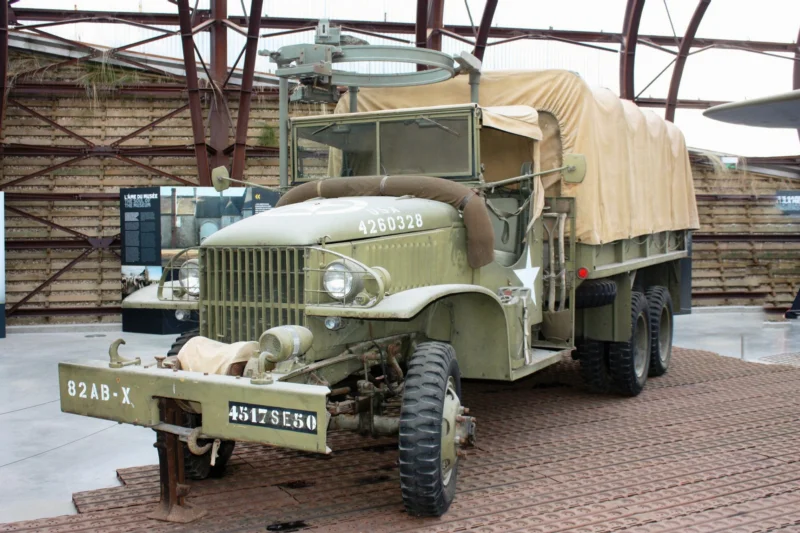
GMC CCKW 2½-ton 6×6 truck | |
|---|---|
| Zemlja | Sad |
| Ulogu | 6×6 Teretni kamion |
| Proizvodi | 1941–45 |
| Izgradio | 562750 |
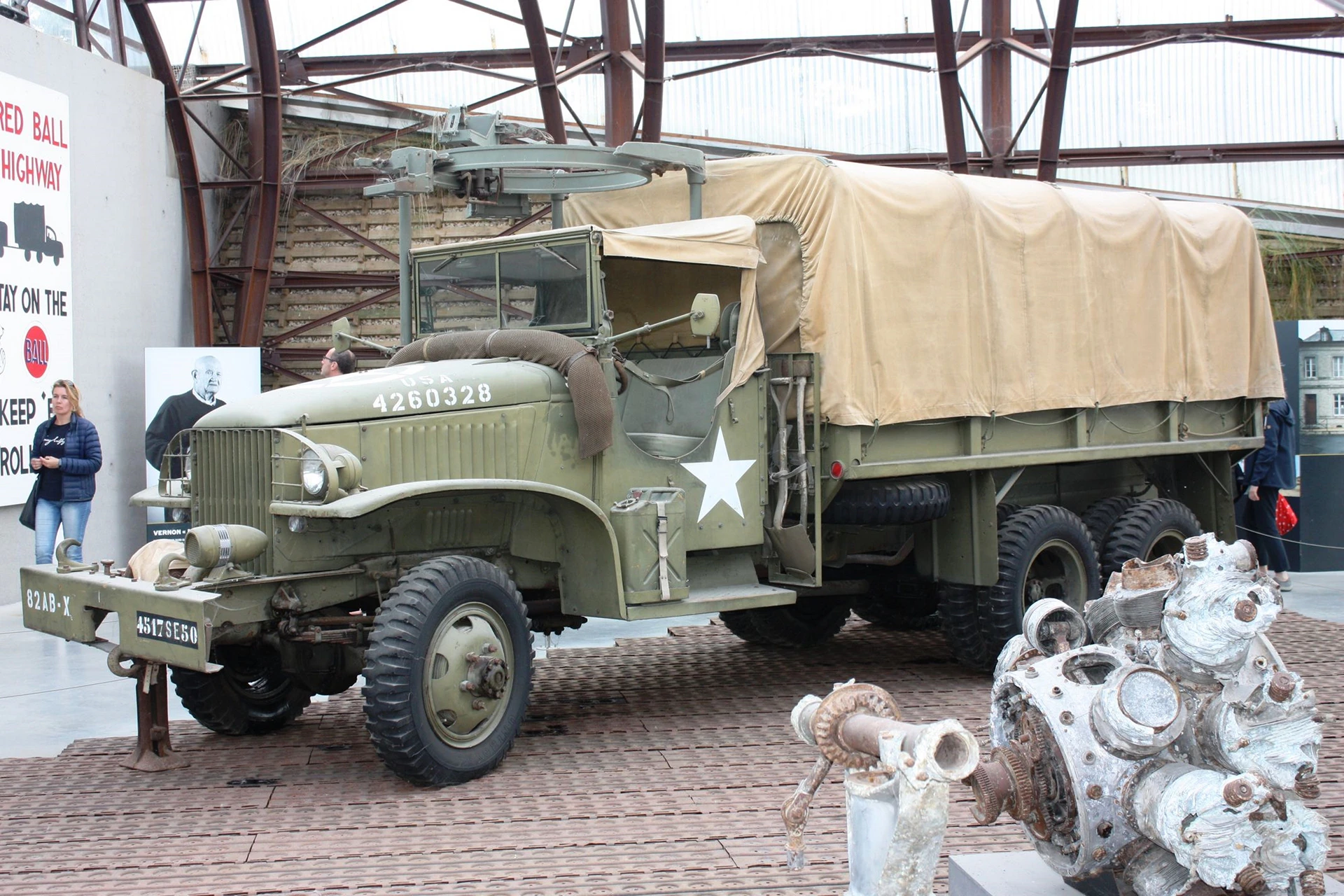
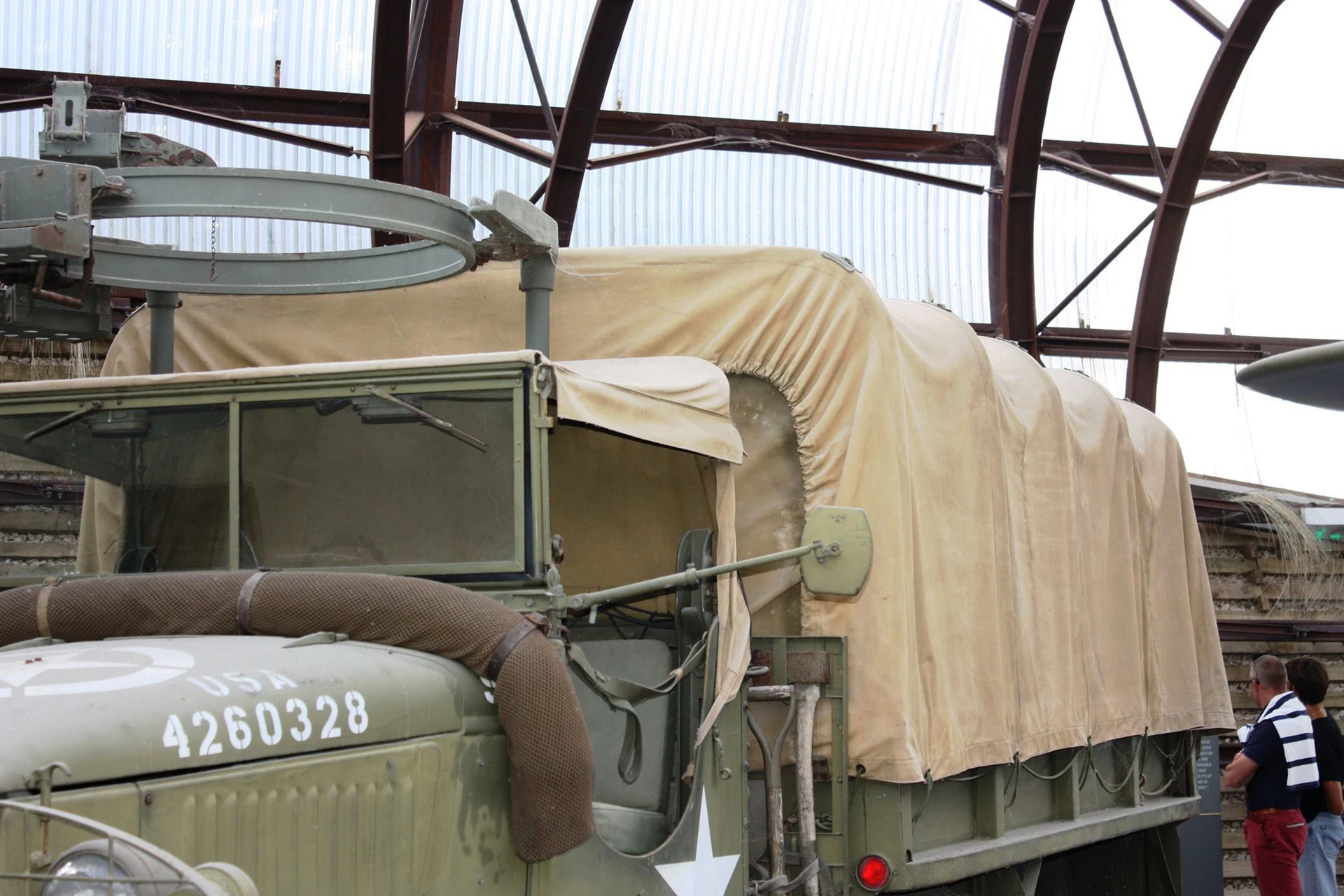
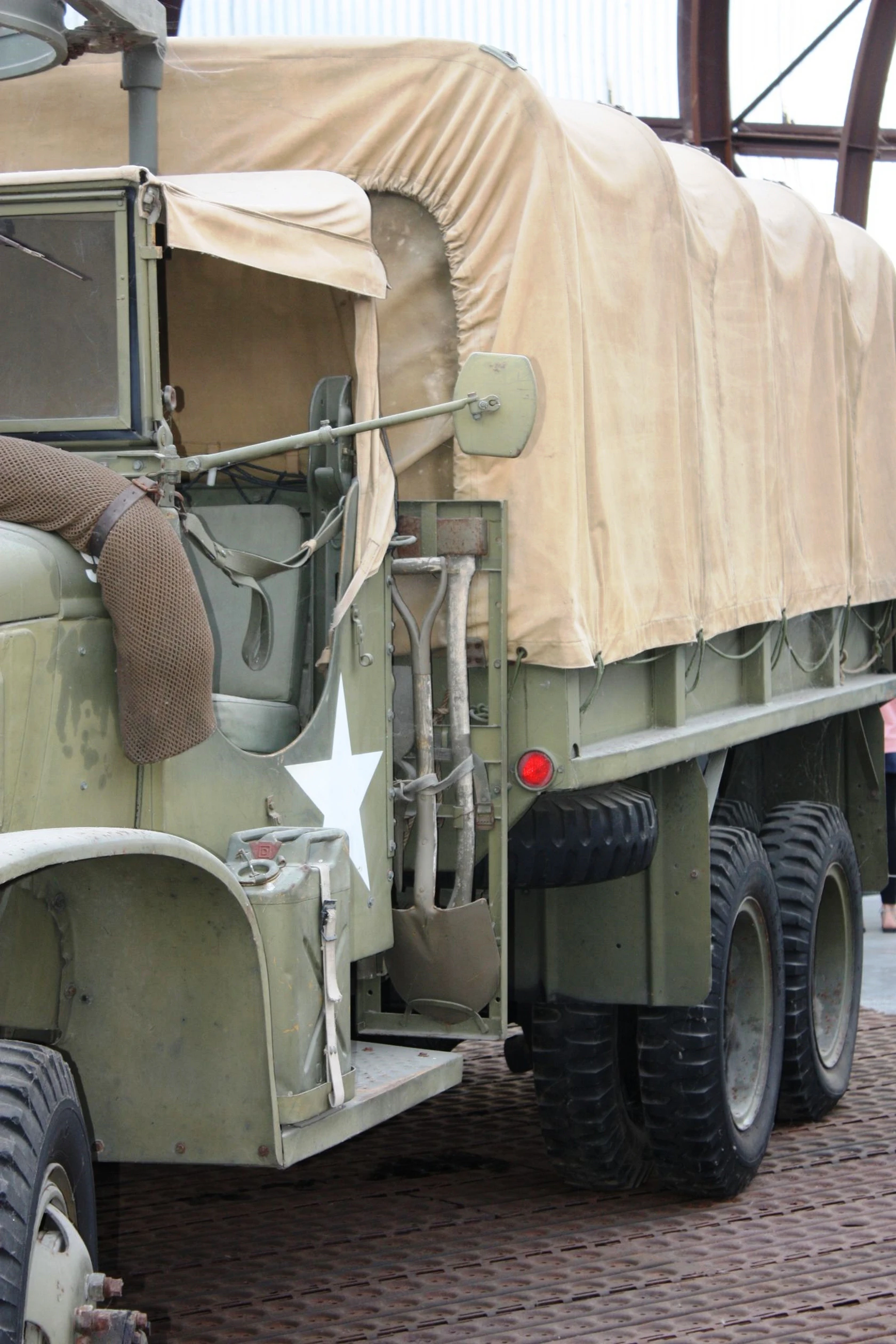
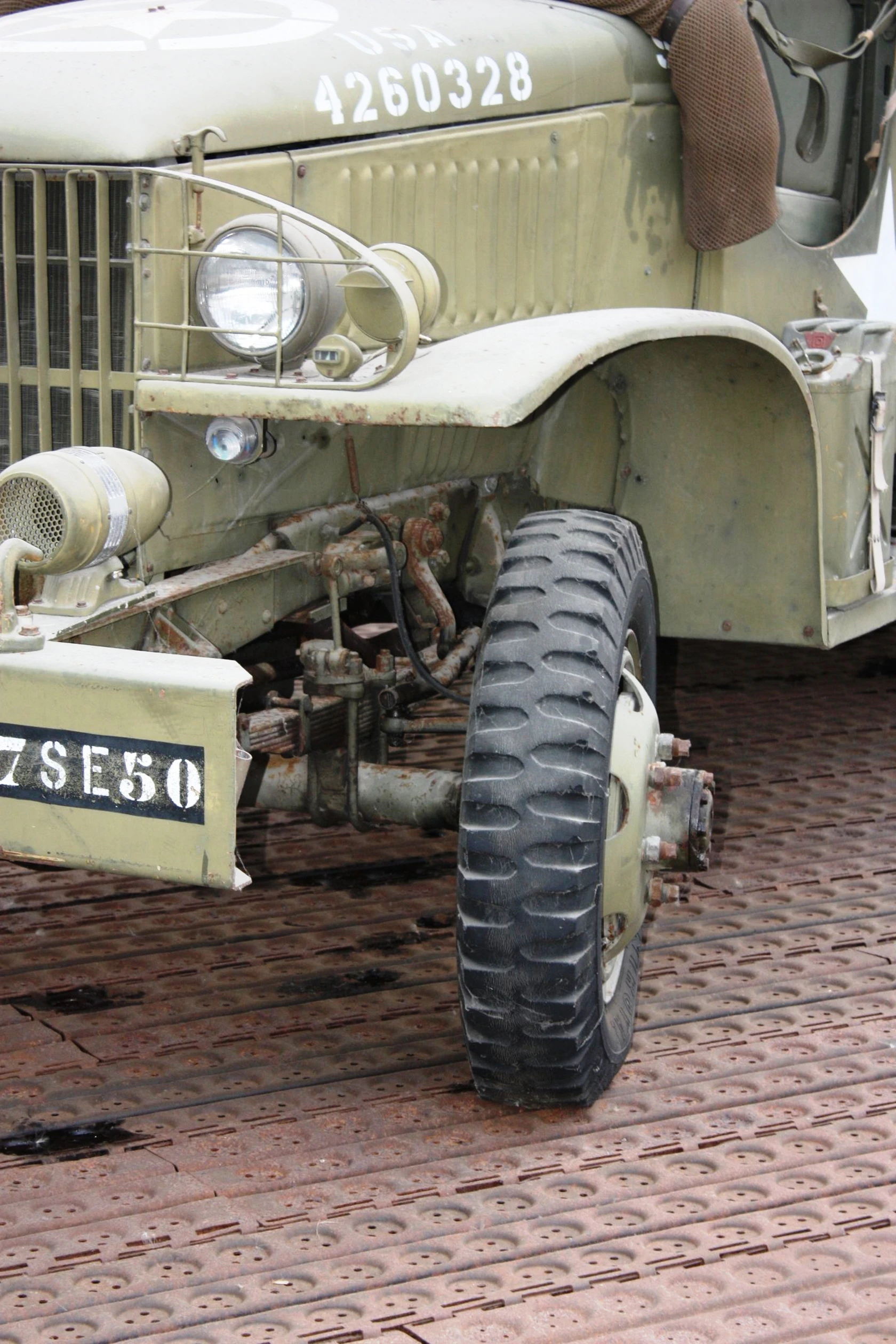
Čaj GMC CCKV je 21/2-tona 6×6 U.S. Army cargo truck that saw heavy service in both World War II and the Korean War. The original “Deuce and a Half”, it formed the backbone of the famed Red Ball Express that kept Allied armies supplied as they pushed eastward after the Normandy invasion. The CCKW came in many variants, including open or closed cab, long wheel base (LWB 353) and short (SWB 352), and over a score of specialized models. It began to be phased out with the deployment of the 6×6 M35 in 1950, but remained in active U.S. service until the mid-1960s. It is related to the Chevrolet G506, built at the same factory.
Izvor: GMC na Vikipediji
| GMC 353 | |
|---|---|
| Fotograf | Nepoznato |
| Lokalizacija | Nepoznato |
| Fotografije | 51 |
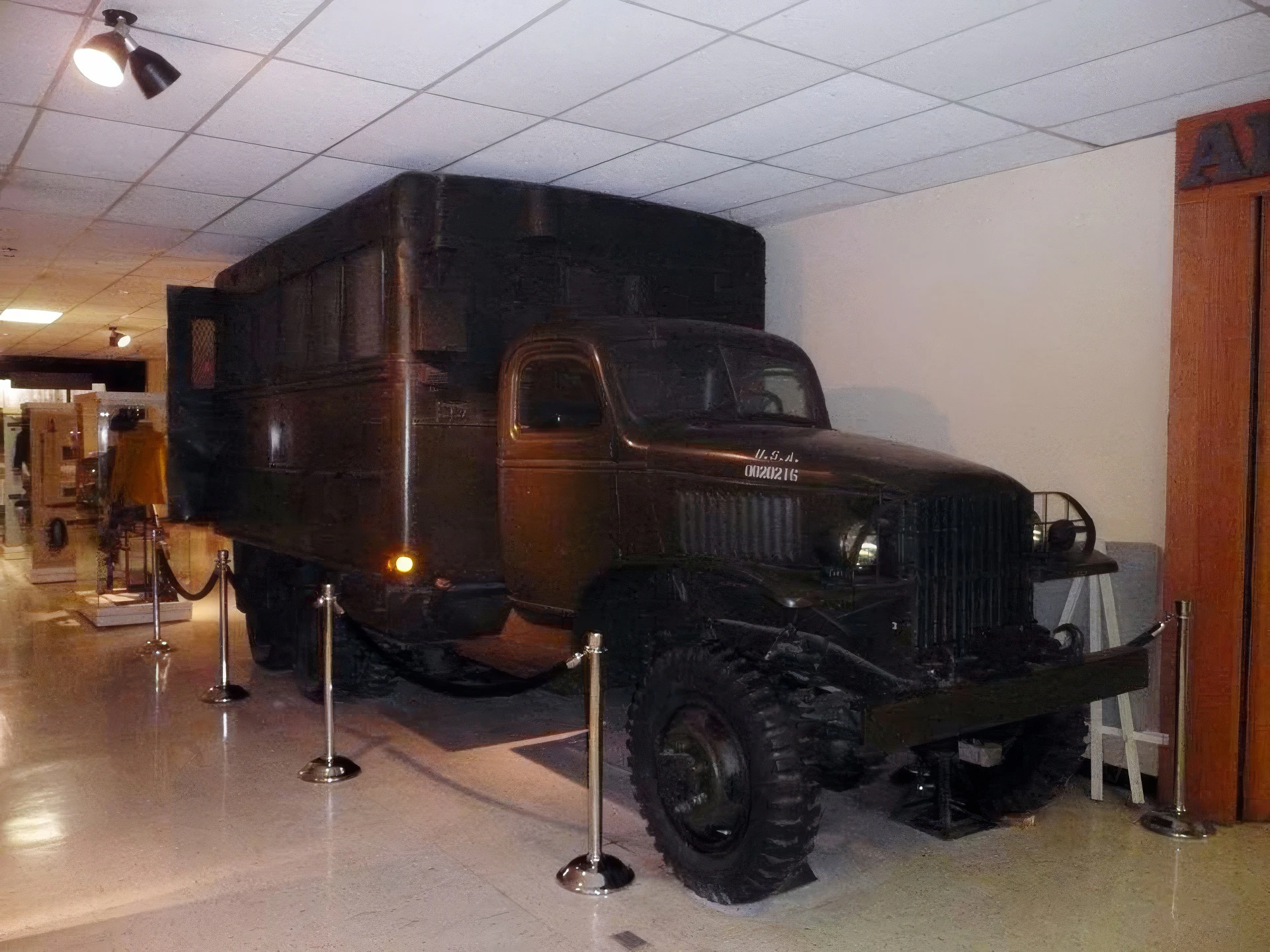
GMC 353 01
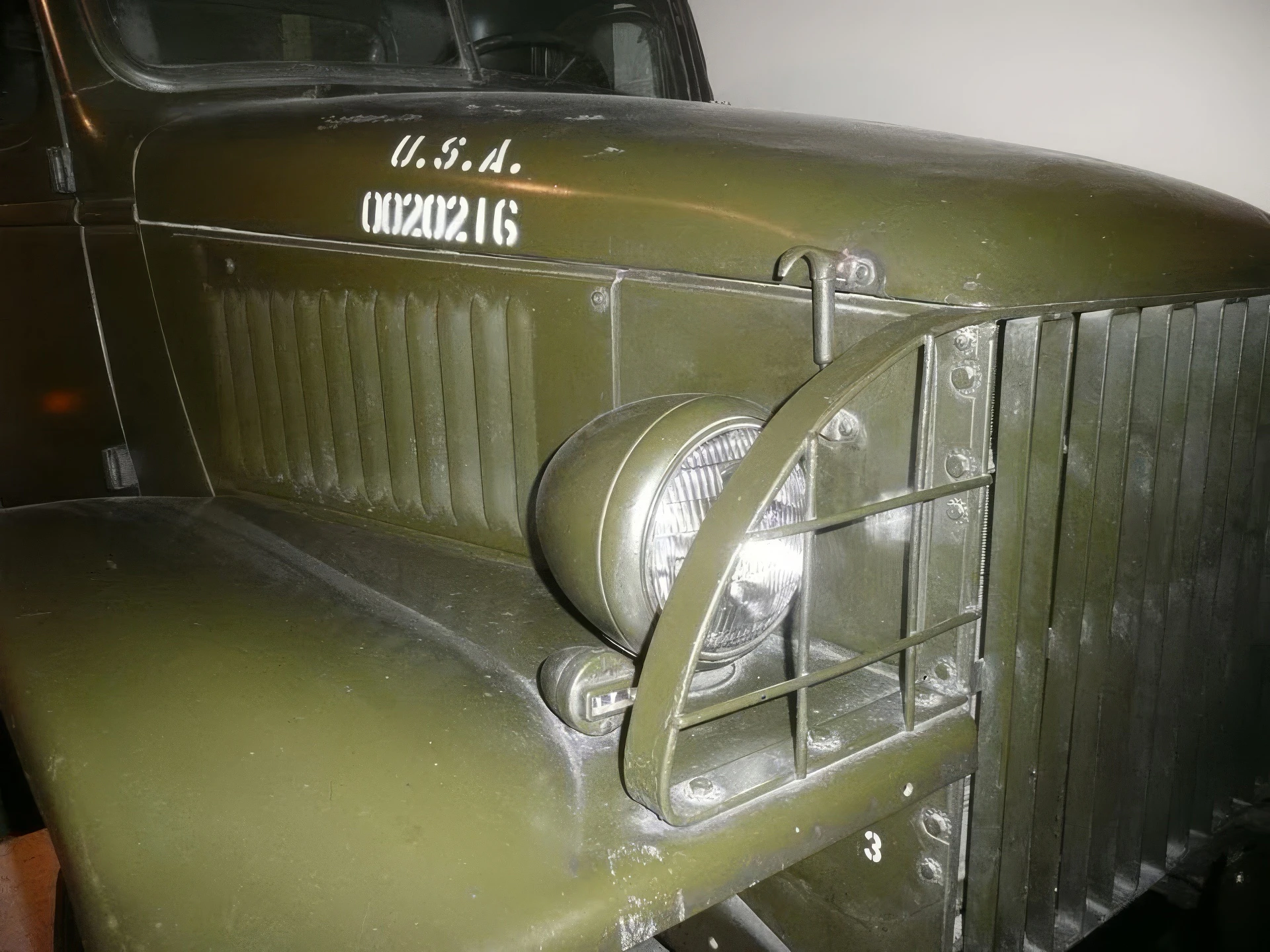
GMC 353 02
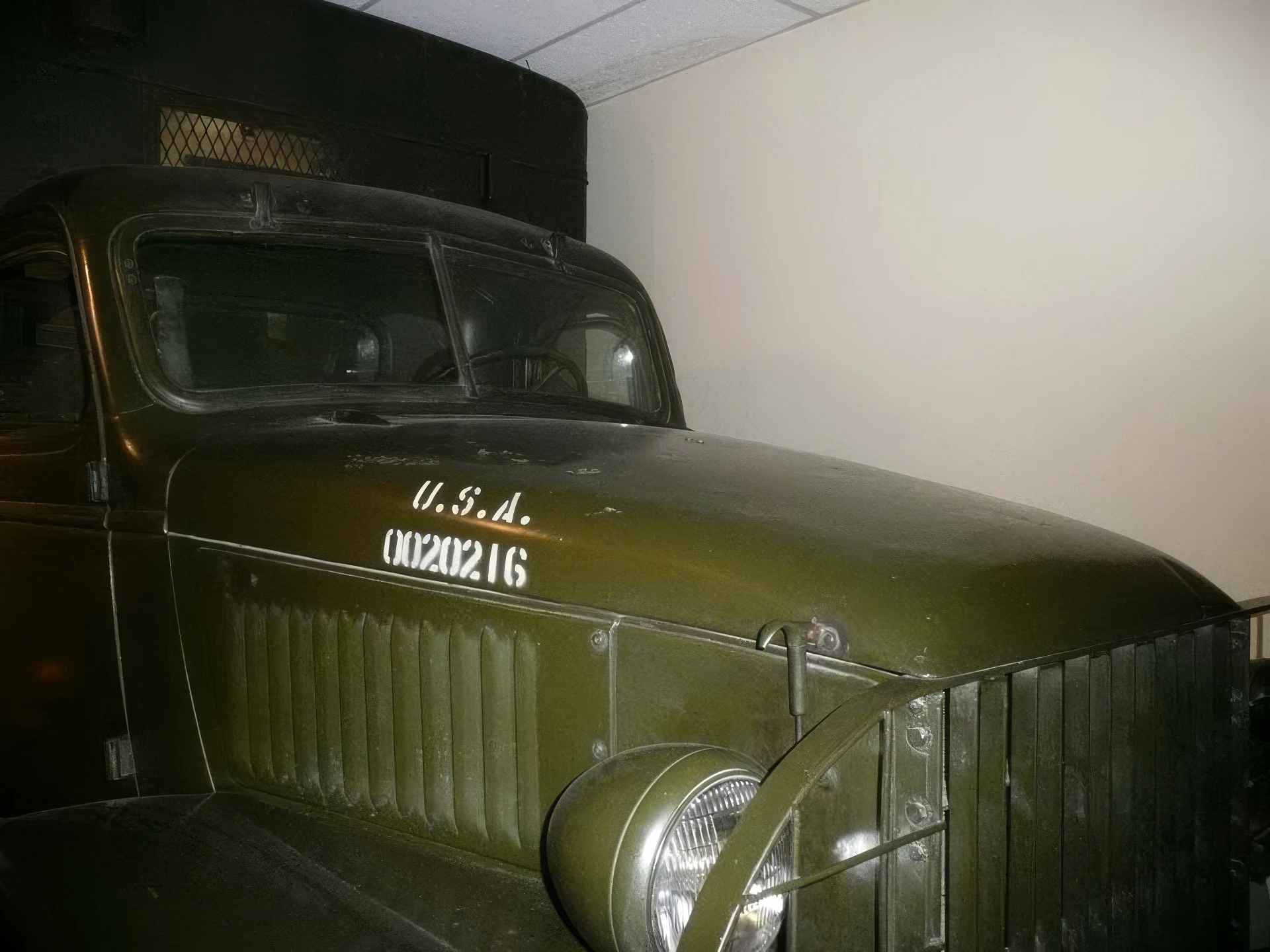
GMC 353 03
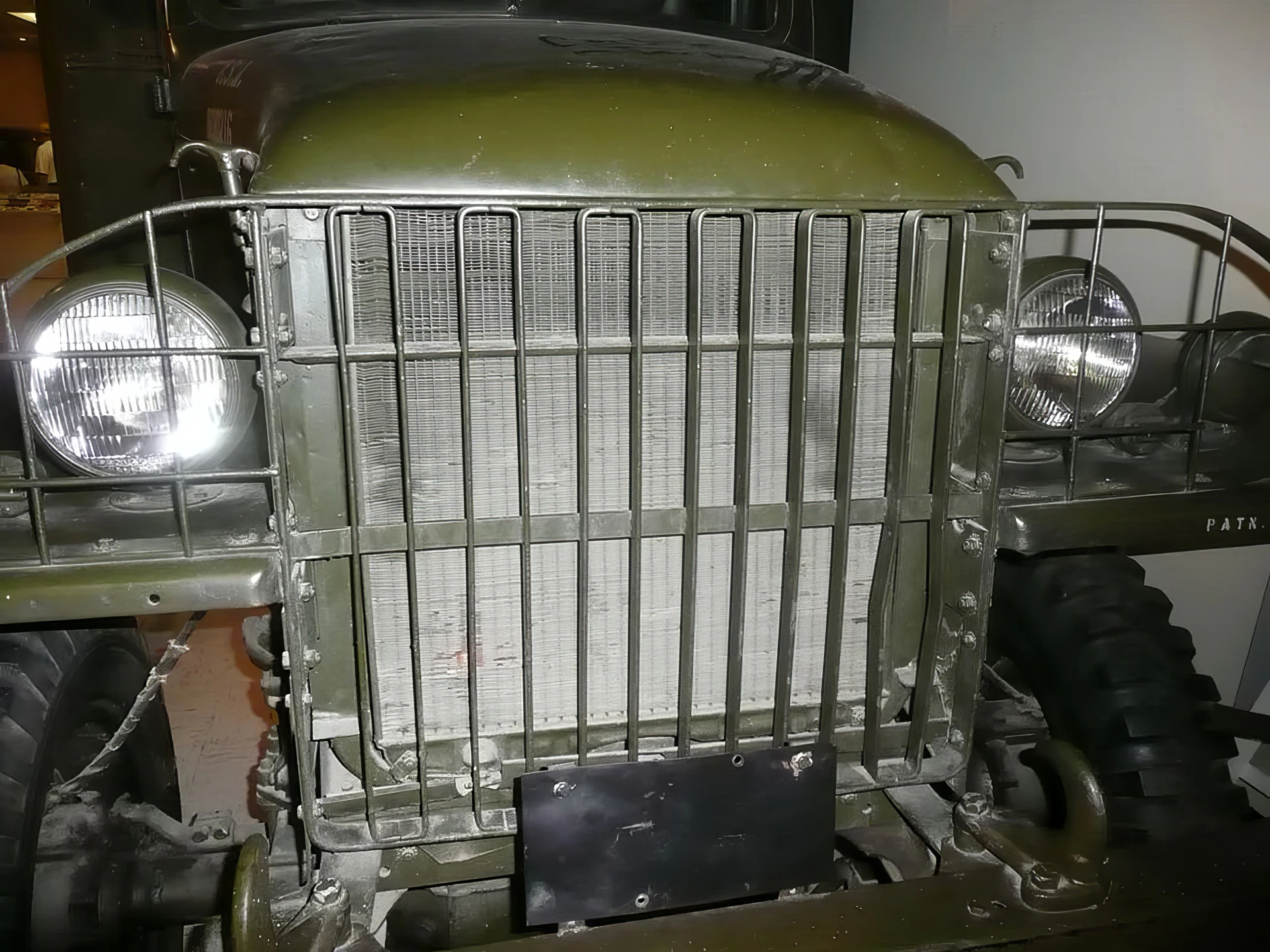
GMC 353 04
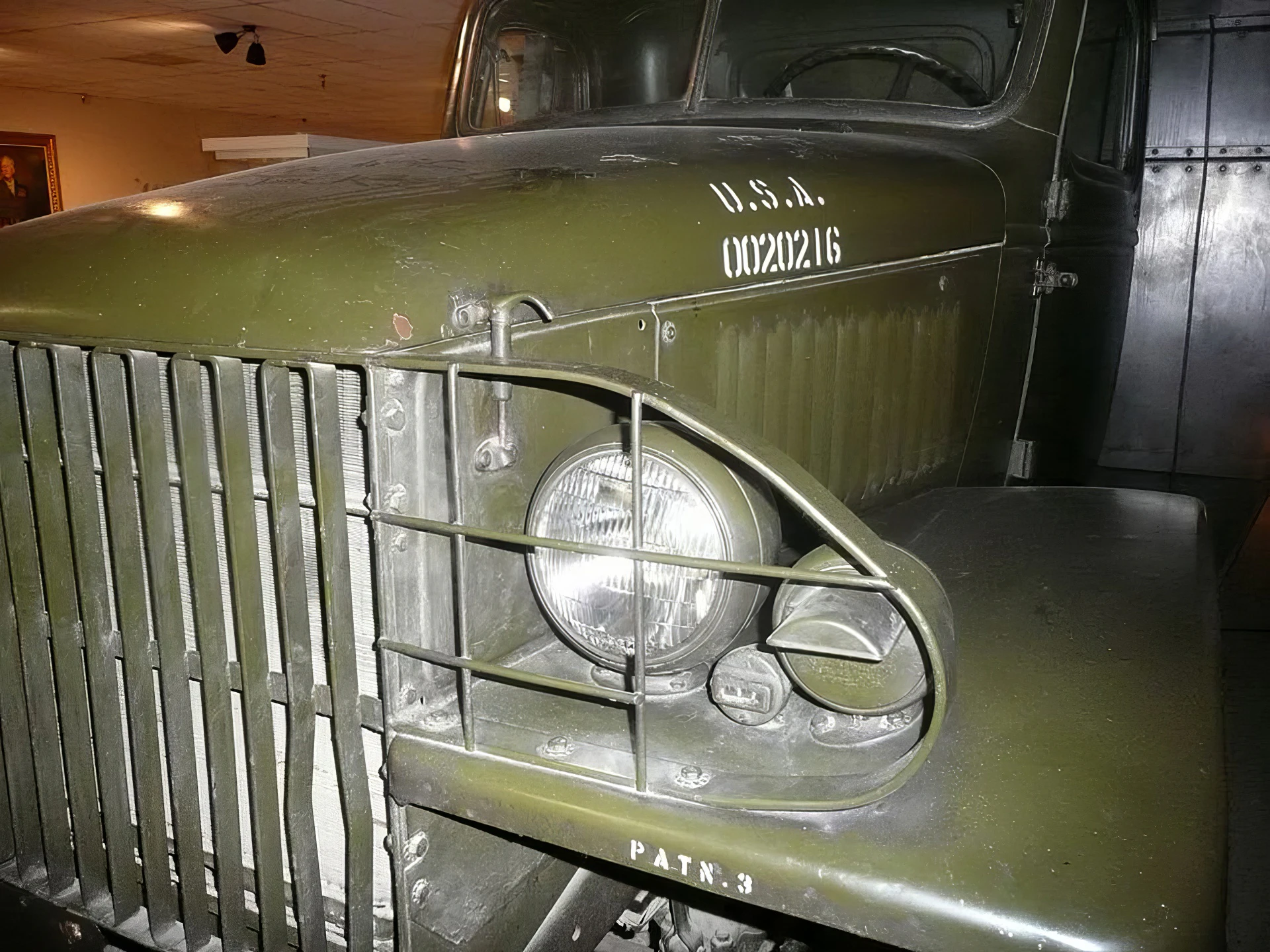
GMC 353 05
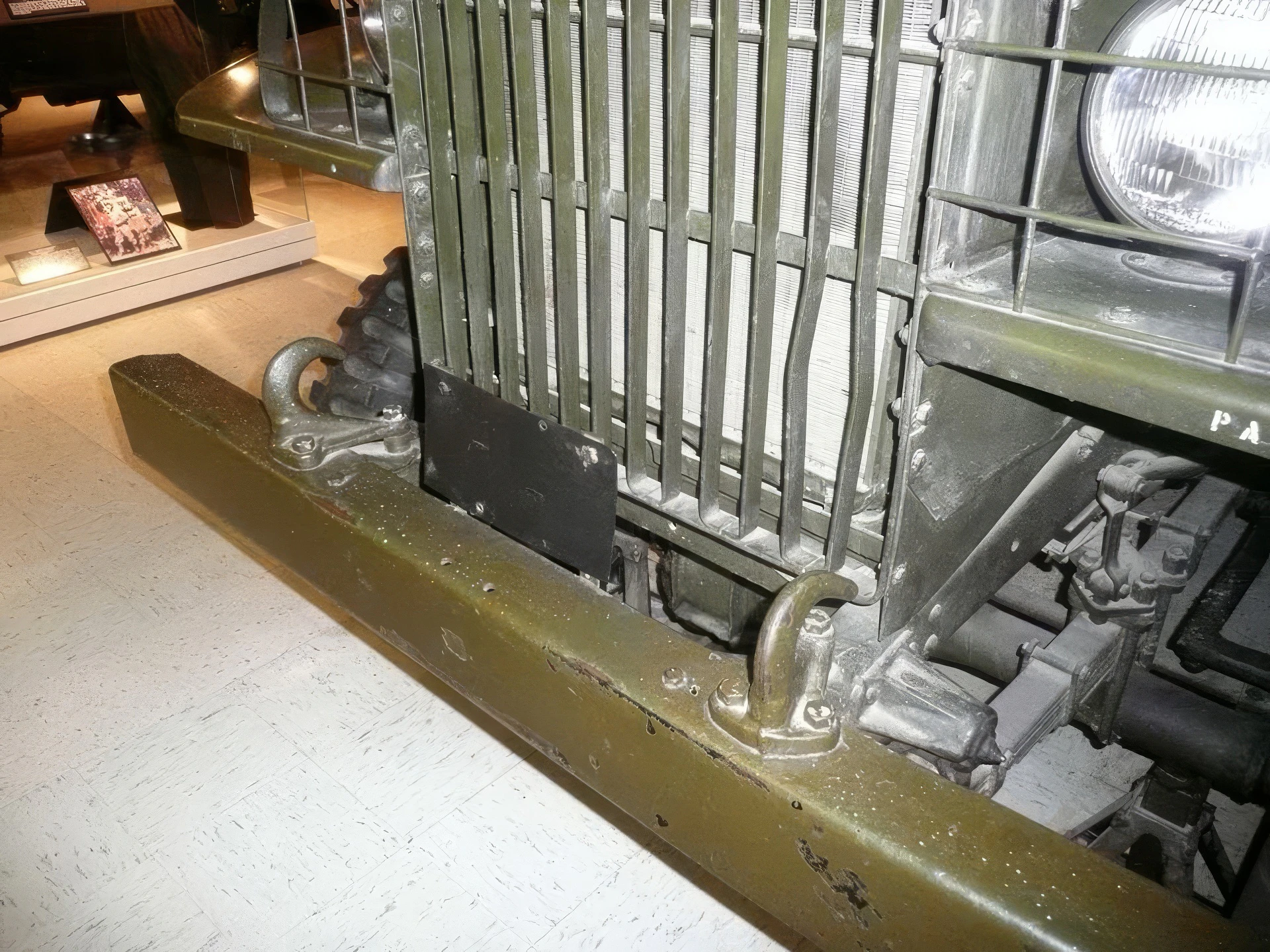
GMC 353 06
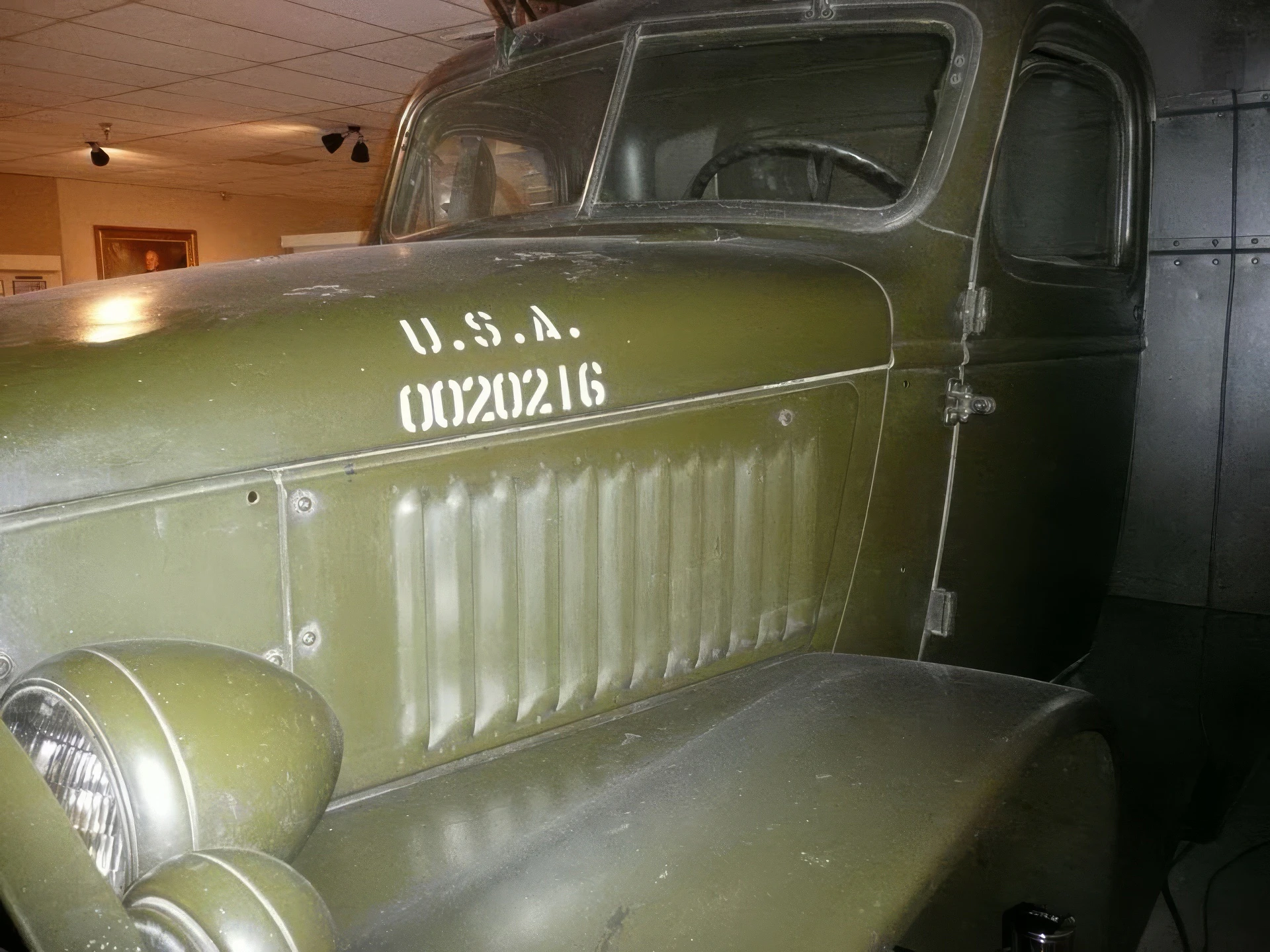
GMC 353 07
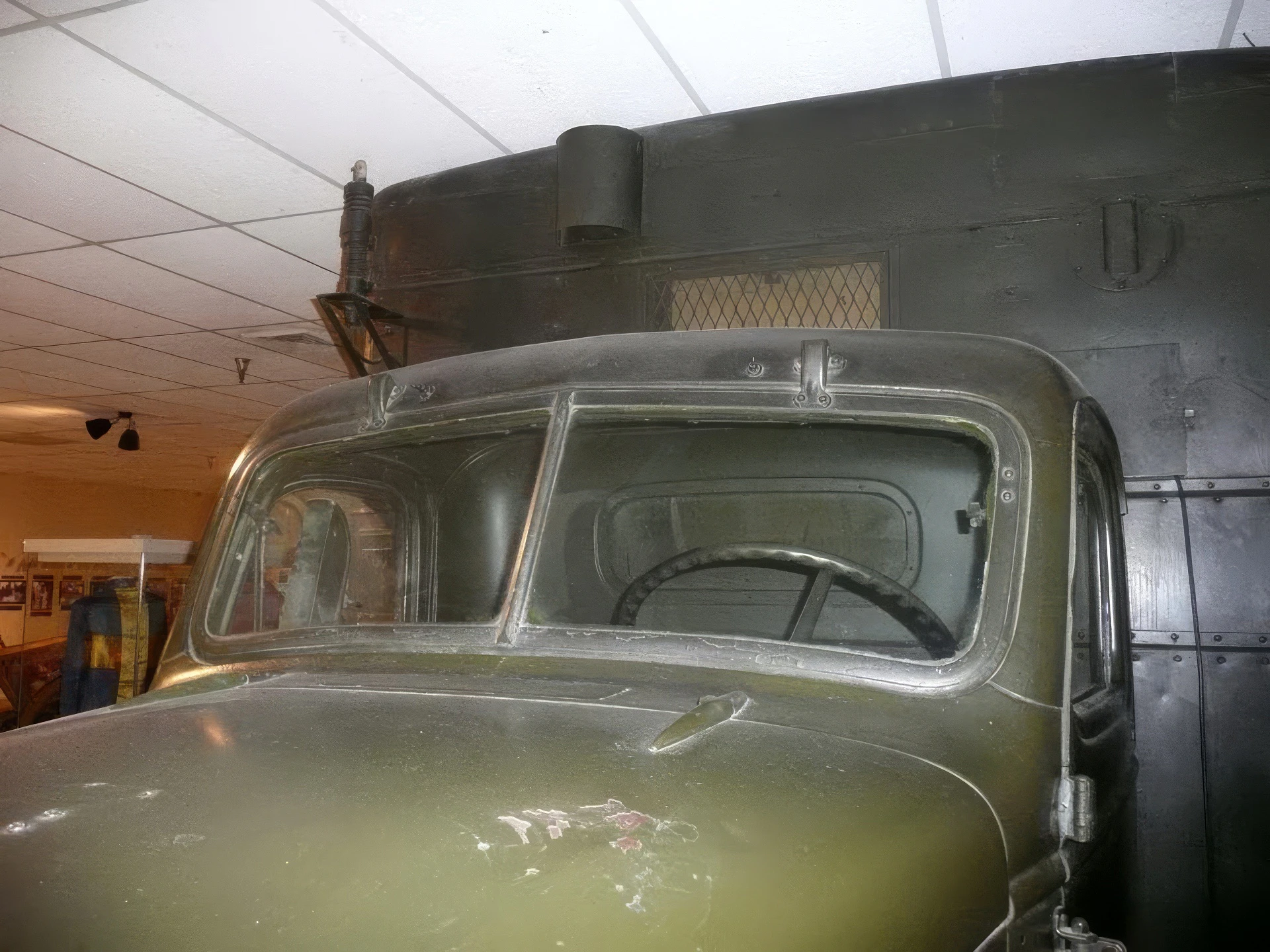
GMC 353 08
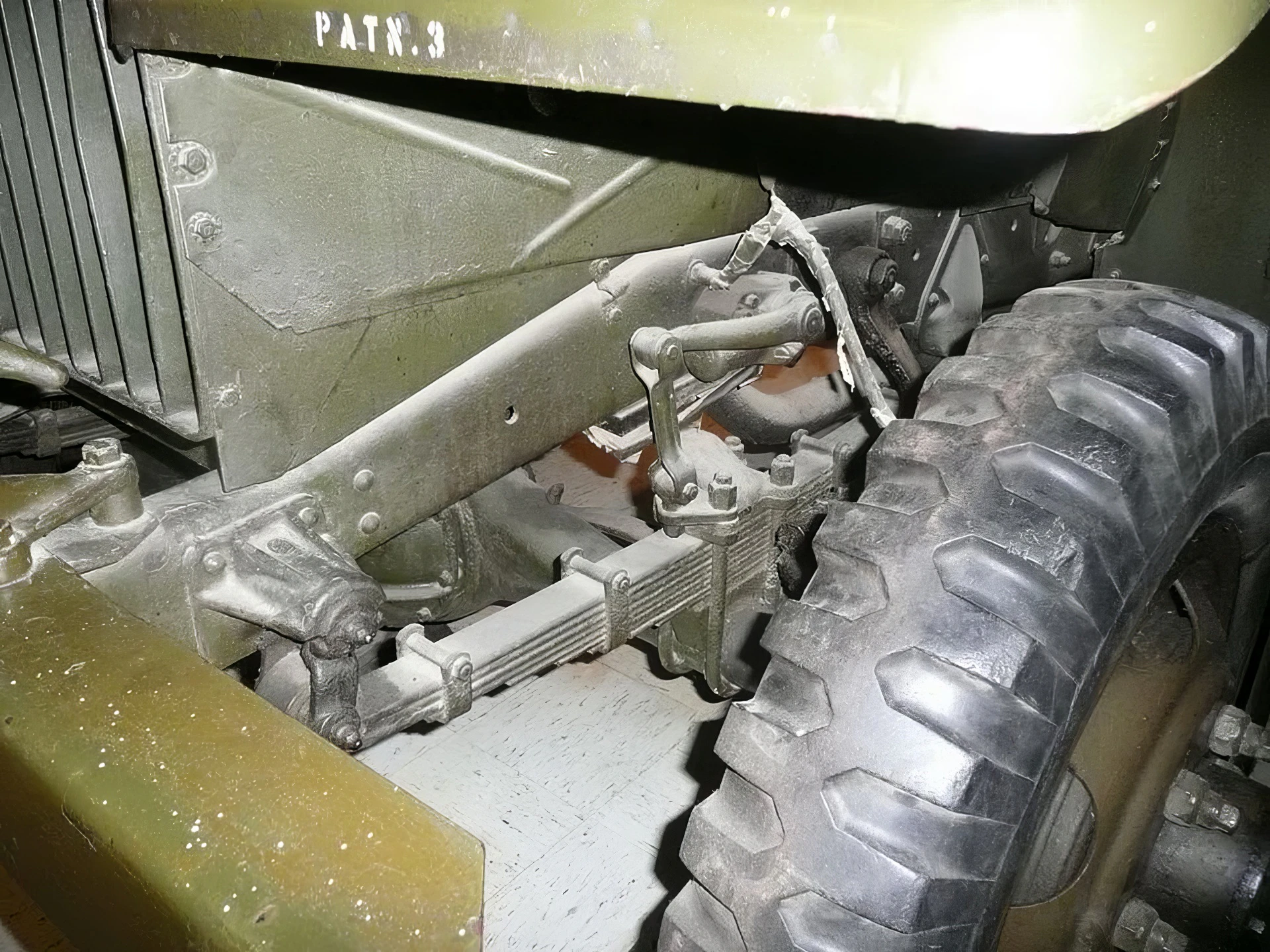
GMC 353 09
Čekajte, Searching GMC 353 za vas...

| M135 Walk Around | |
|---|---|
| Fotograf | Vladimir Yakubov |
| Lokalizacija | Nepoznato |
| Fotografije | 107 |
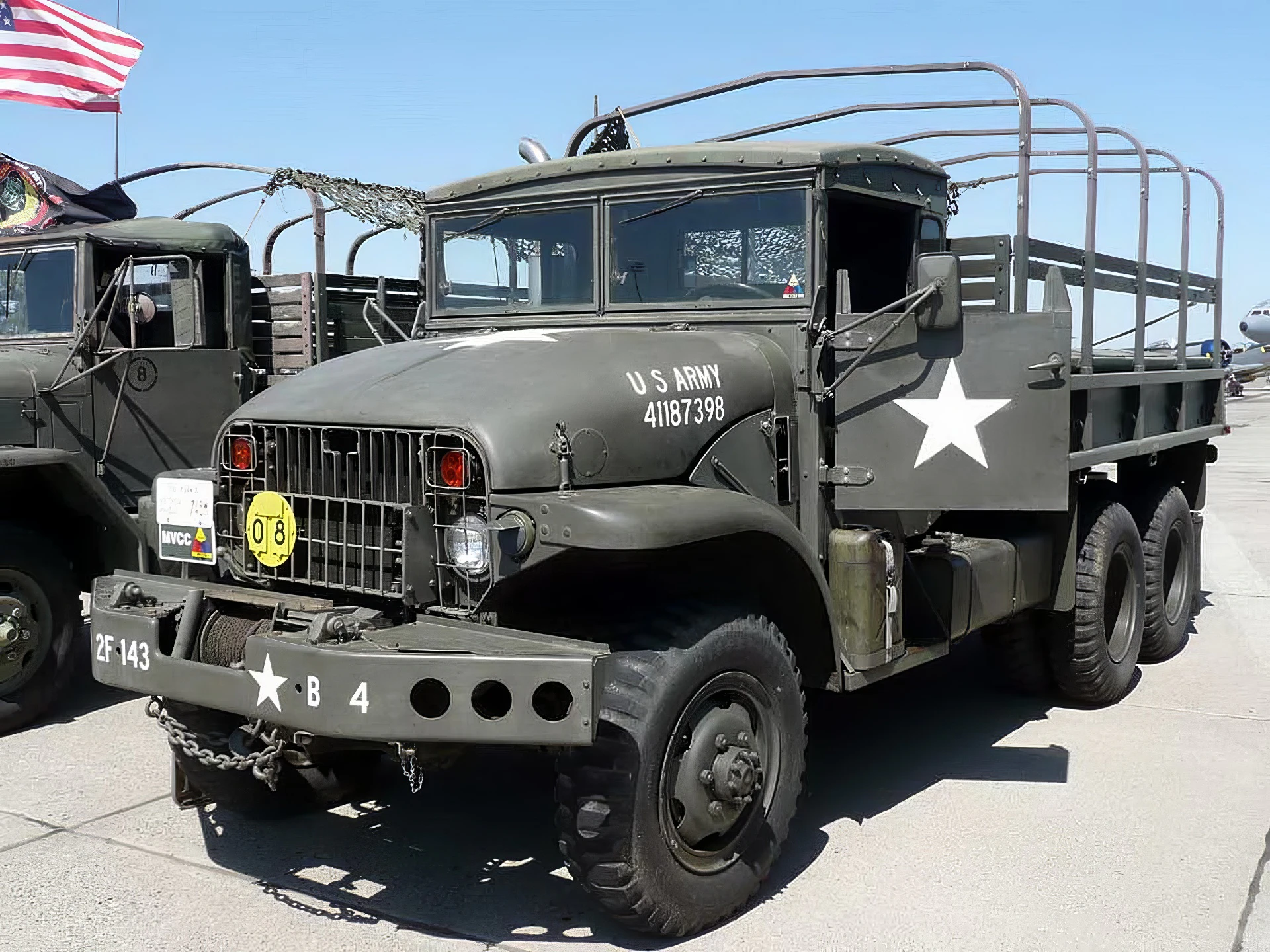
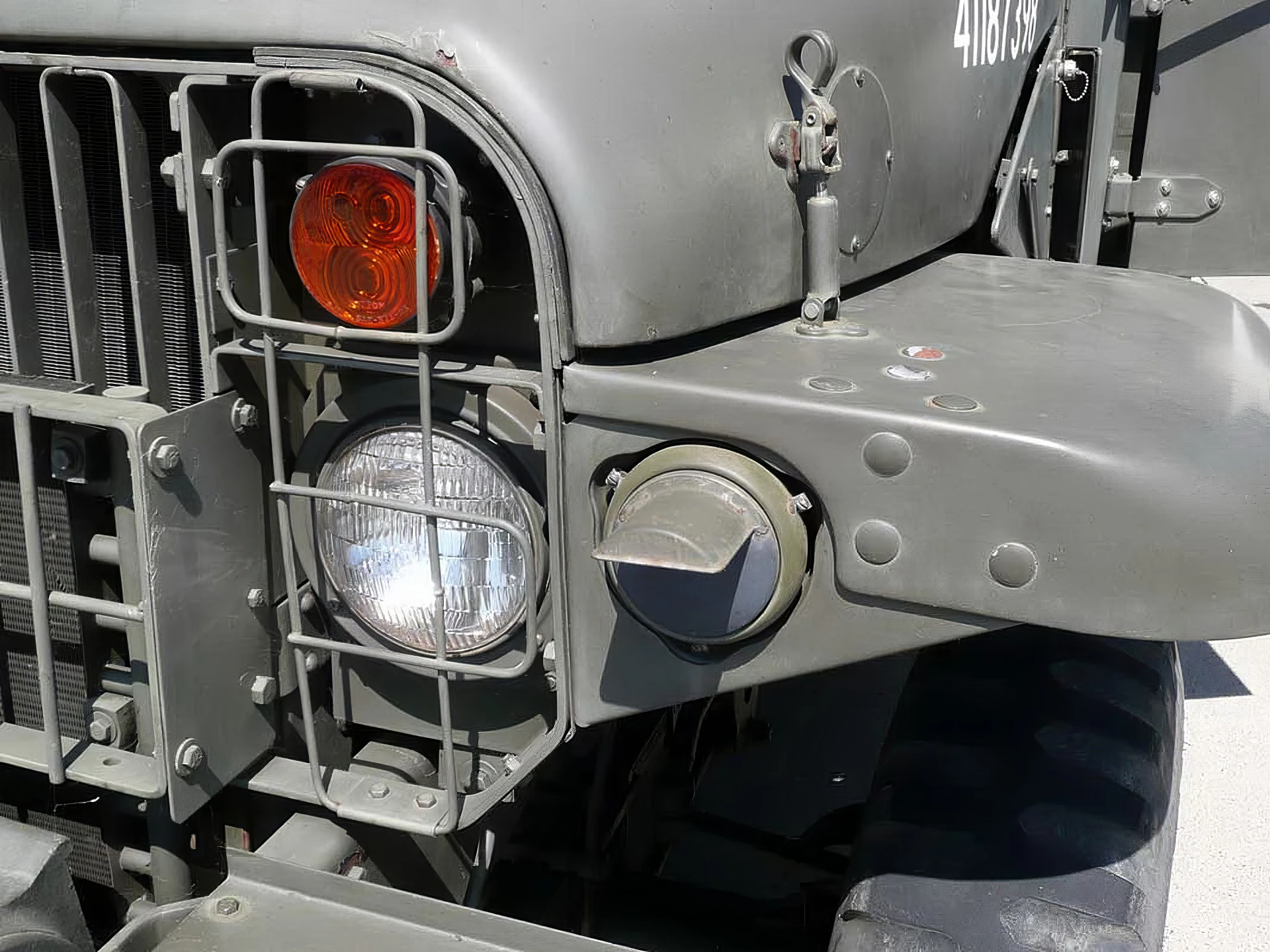
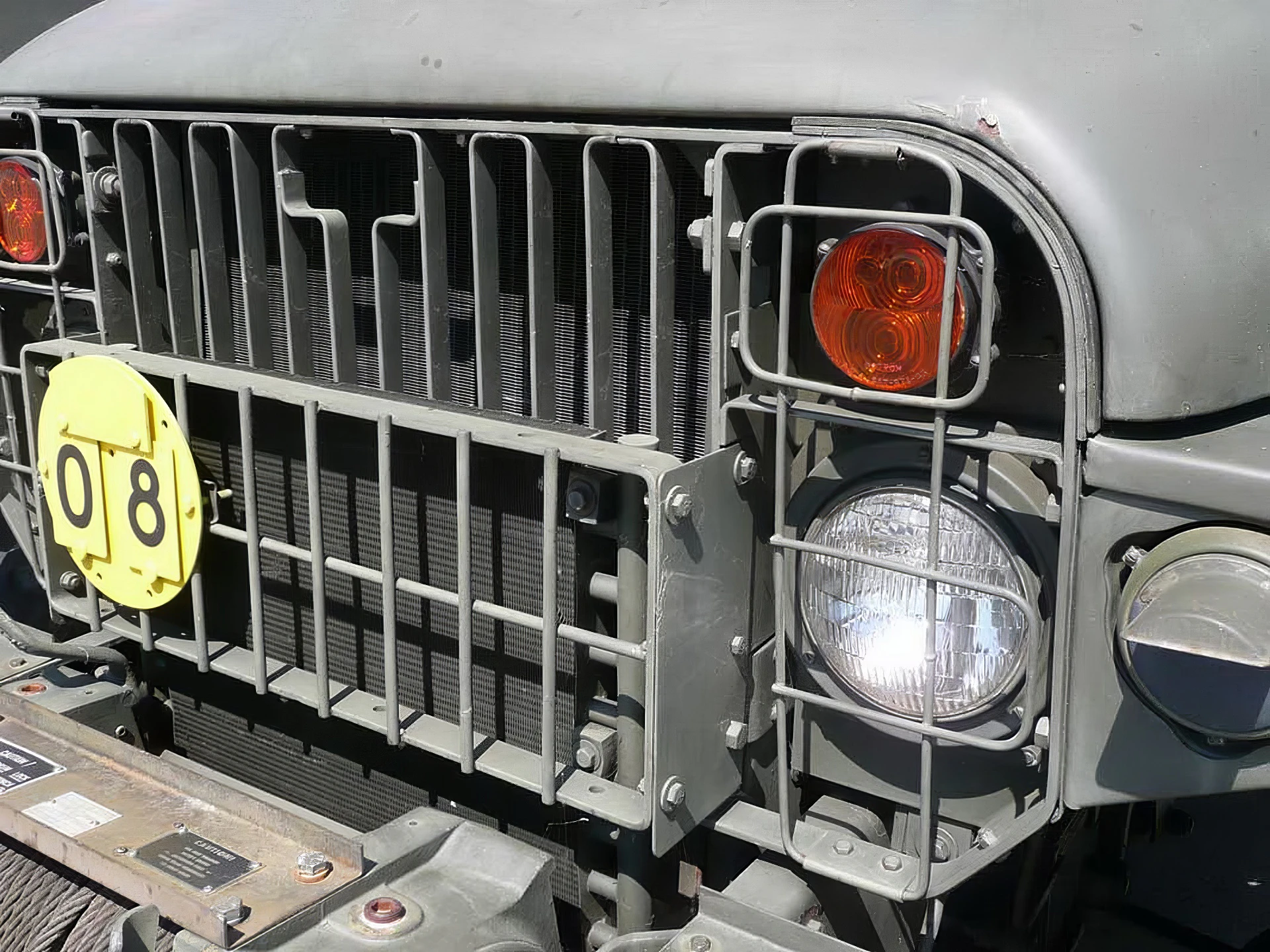
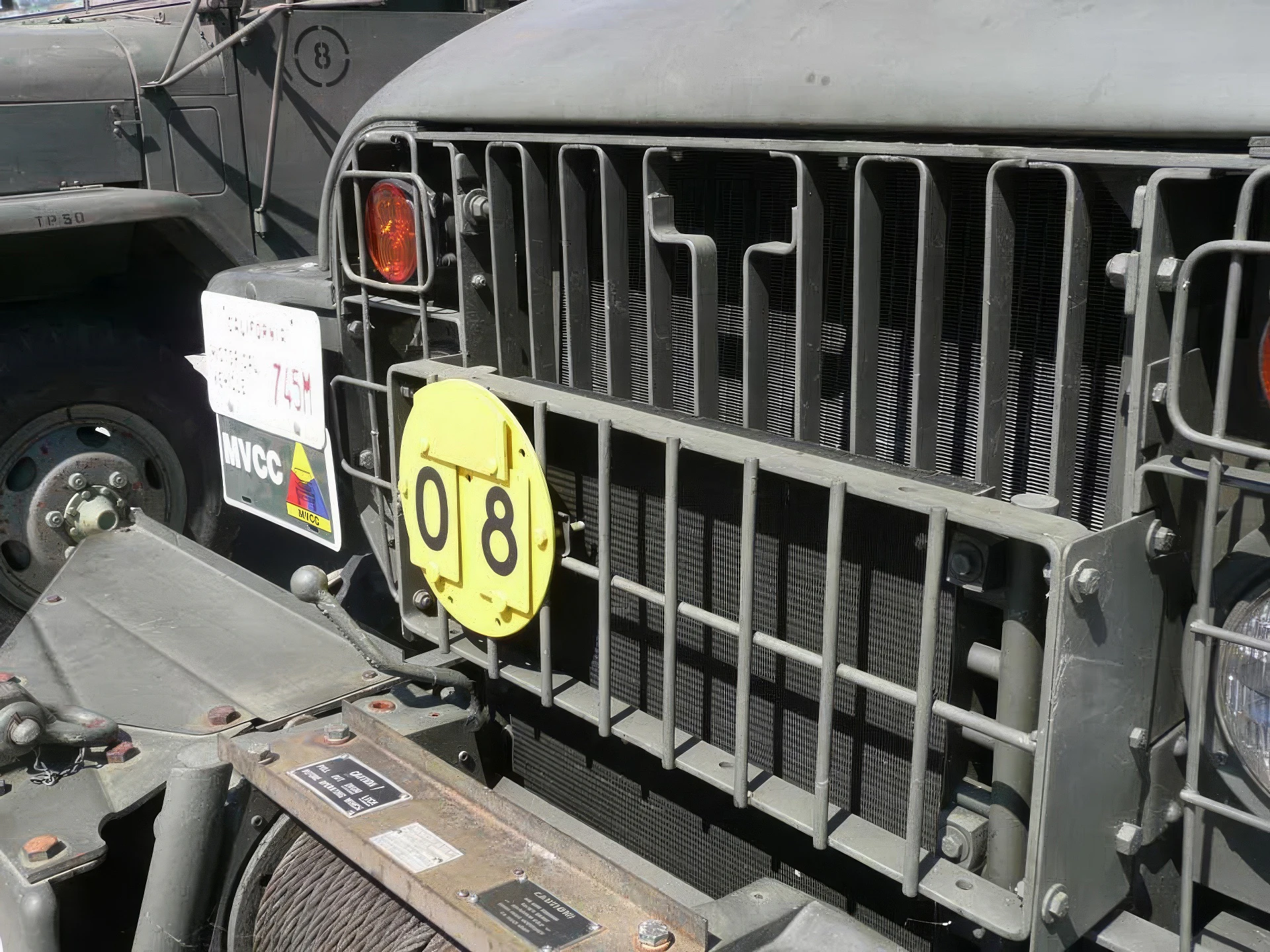
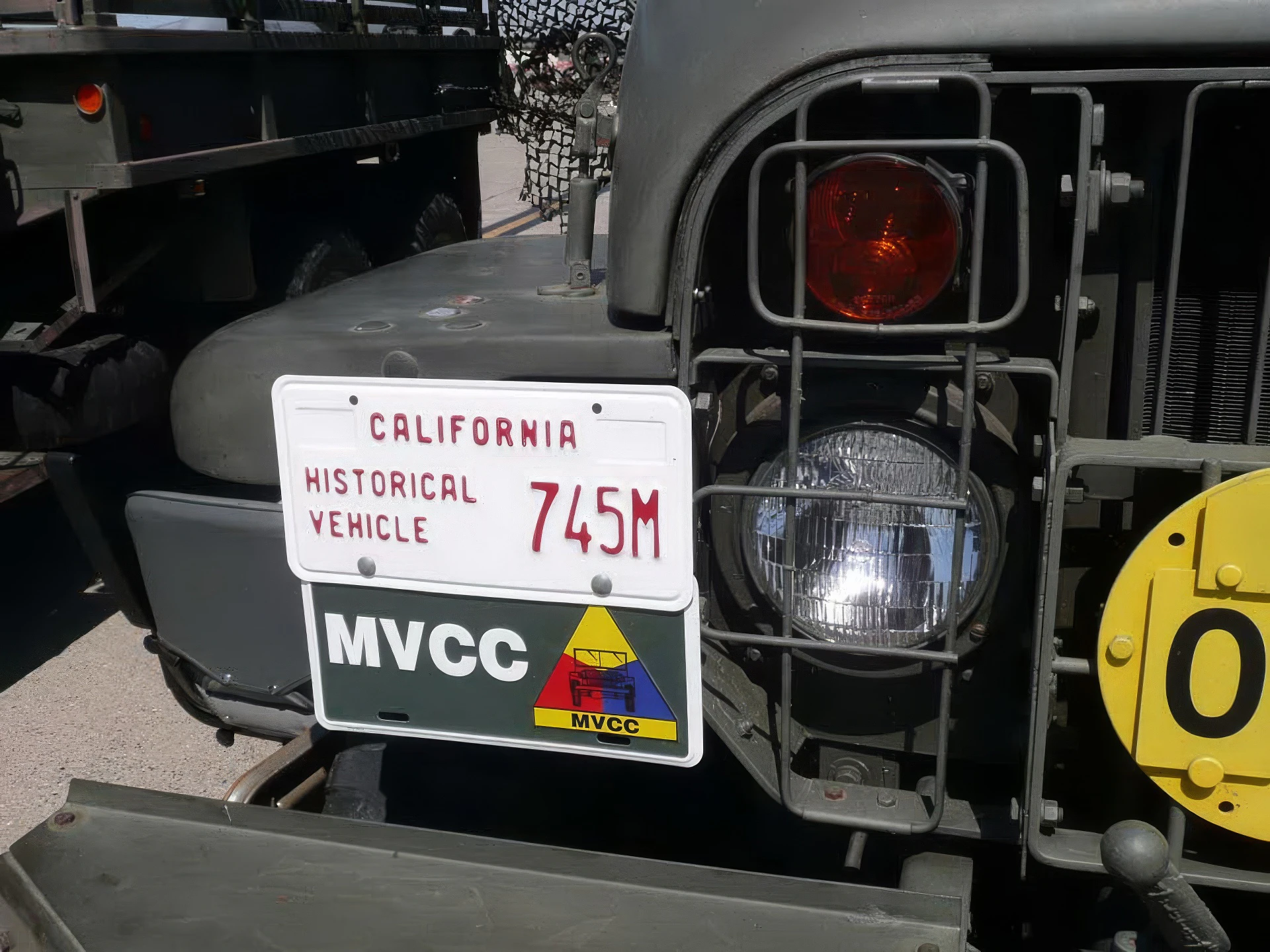
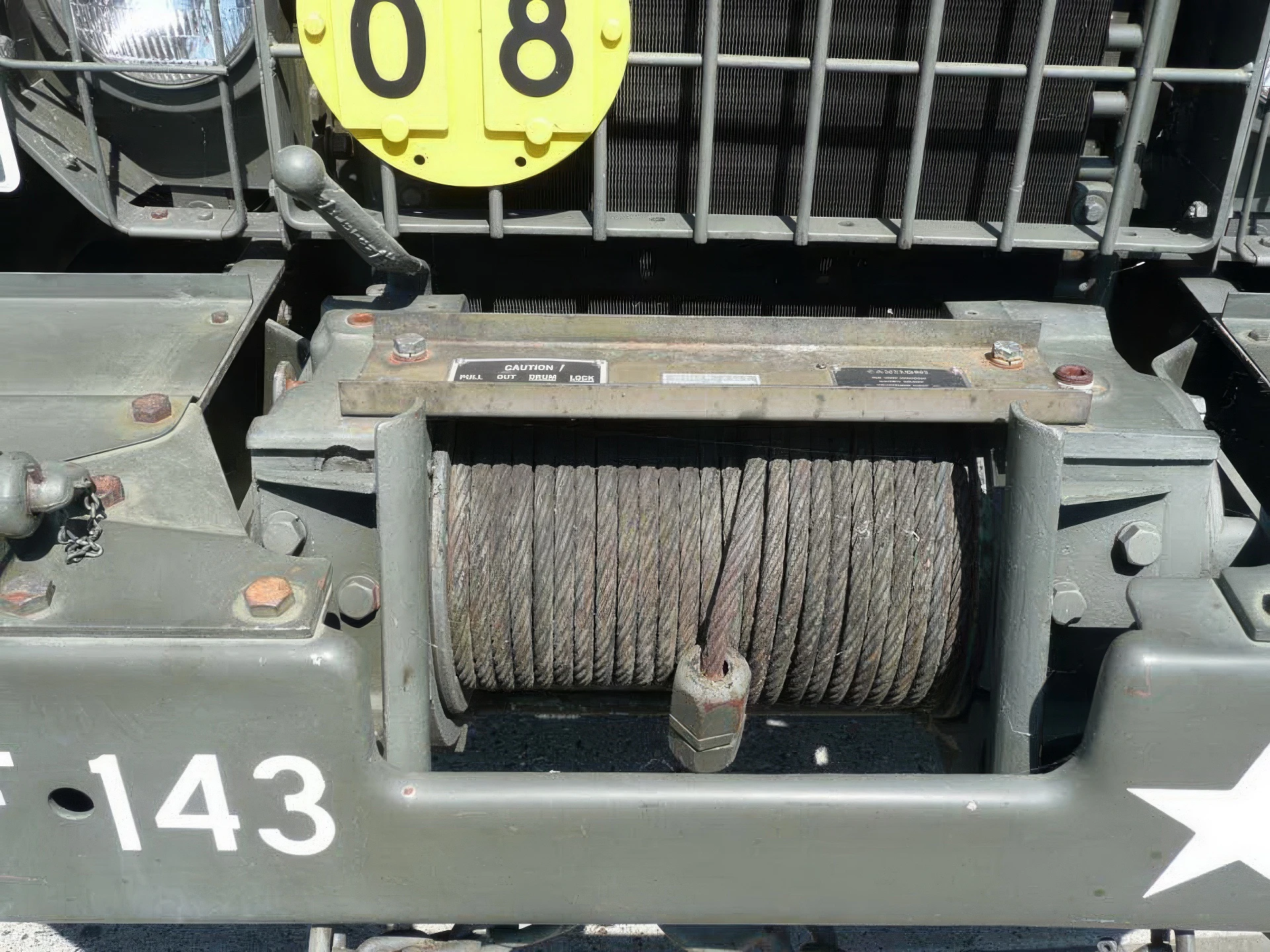
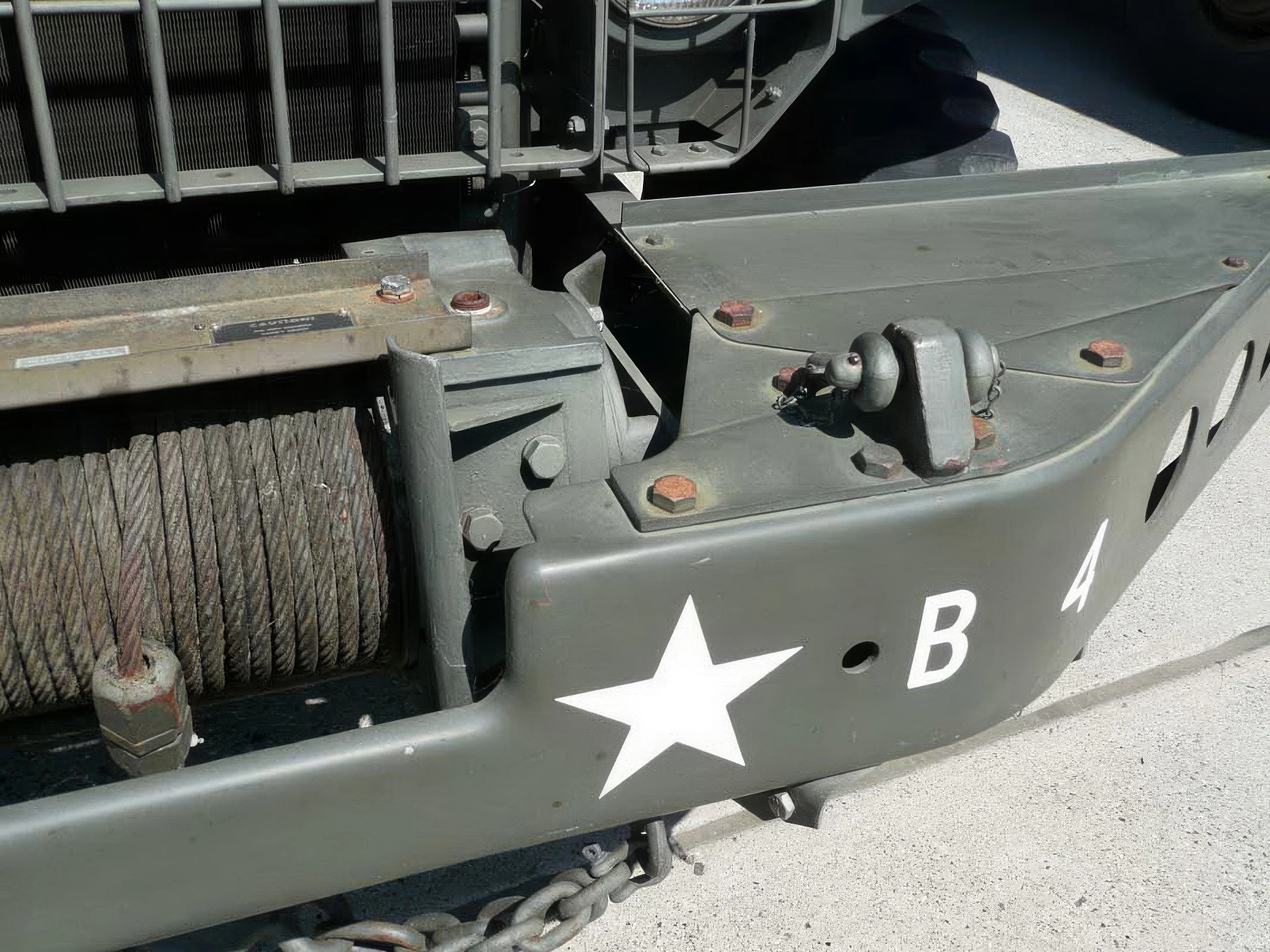
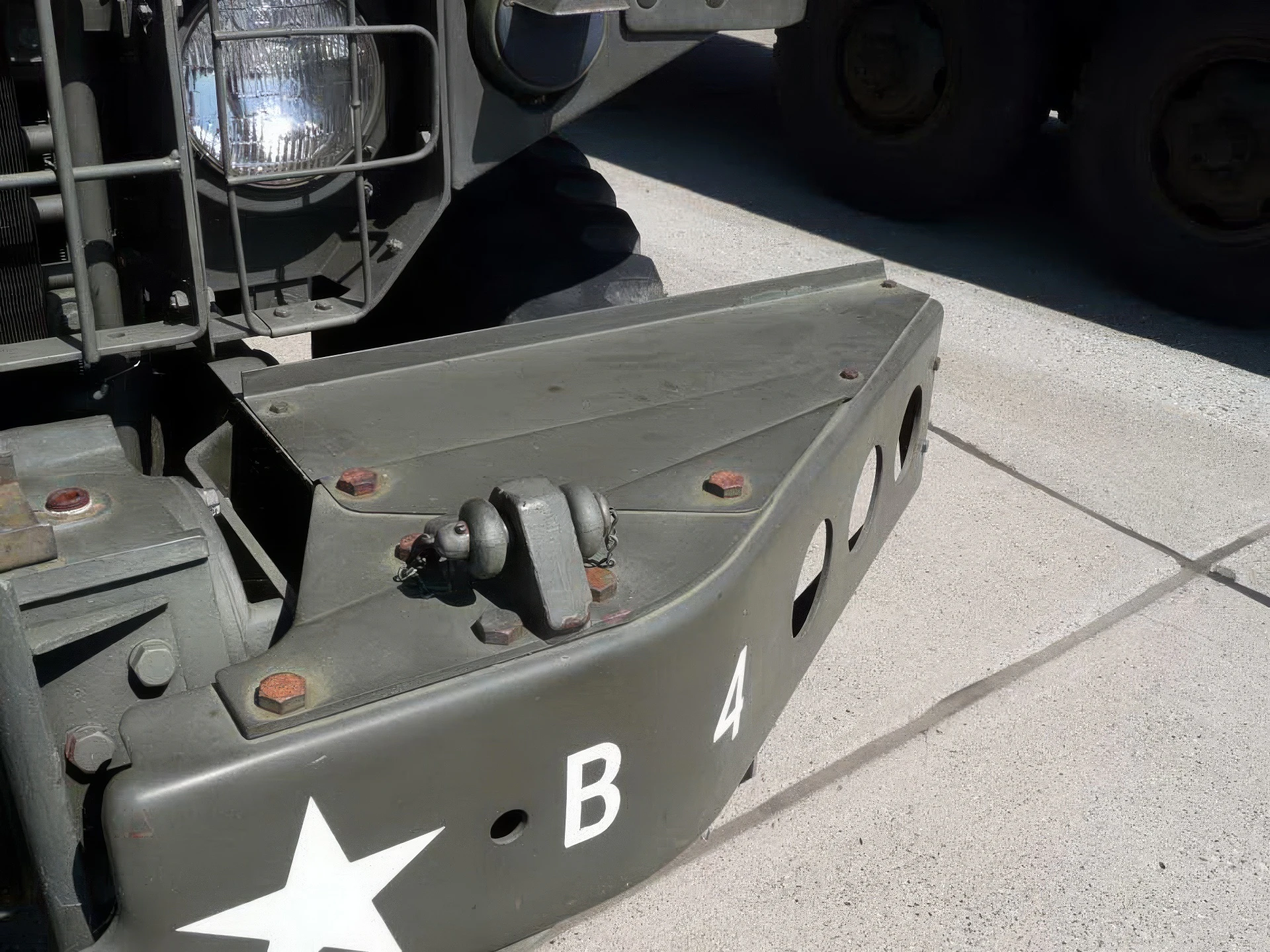
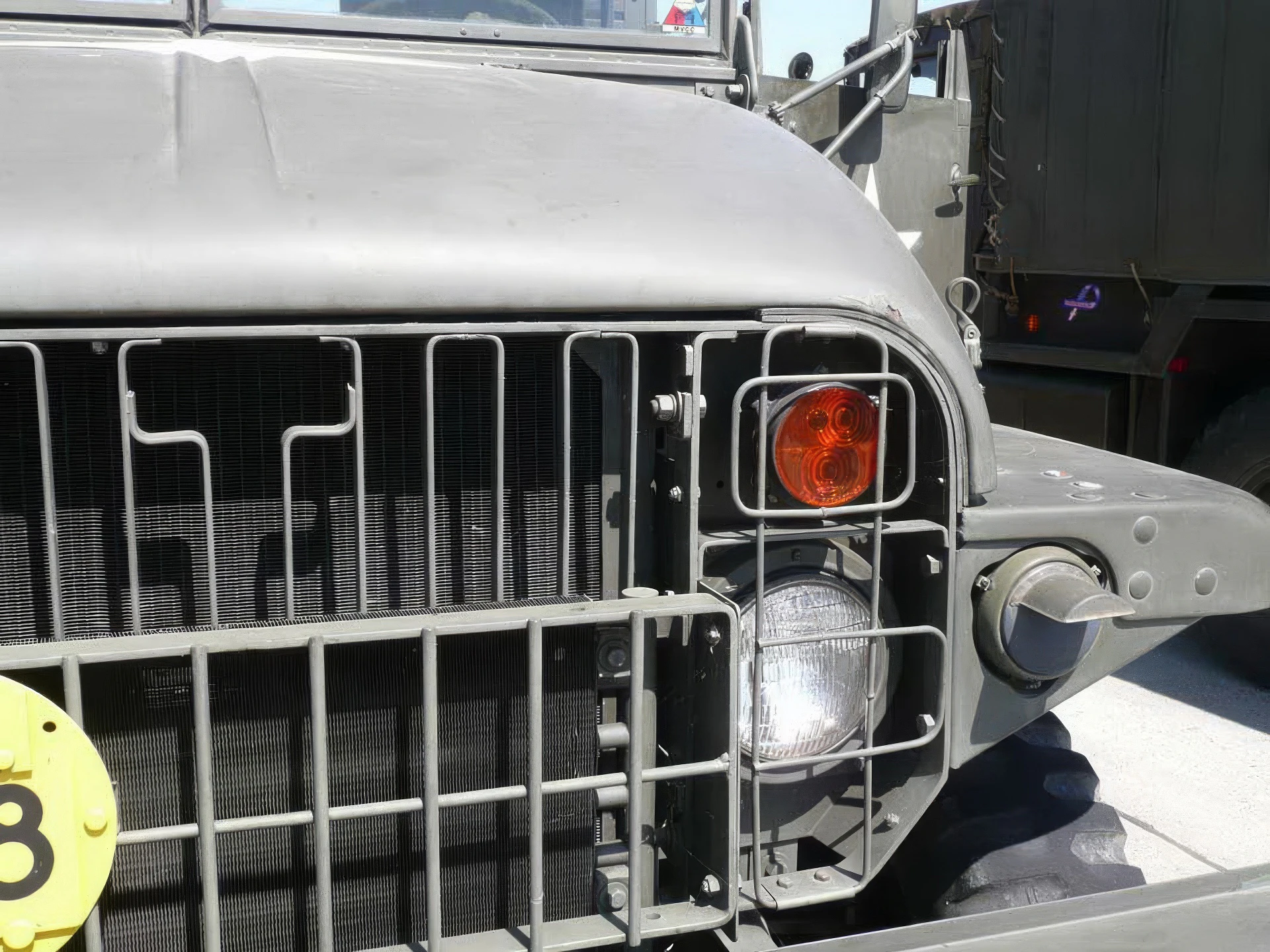
Pogledajte i:


| GMC CCKW Walk Around | |
|---|---|
| Fotograf | Vladimir Jakubov |
| Lokalizacija | Avioni slavnog avio-šoua |
| Fotografije | 78 |
| GMC CCKW 353 Cabine tolee | |
|---|---|
| Fotograf | Nepoznato |
| Lokalizacija | Nepoznato |
| Fotografije | 19 |
| GMC CCKW 353 Utah Beach Walk Around | |
|---|---|
| Fotograf | Nepoznato |
| Lokalizacija | Nepoznato |
| Fotografije | 31 |
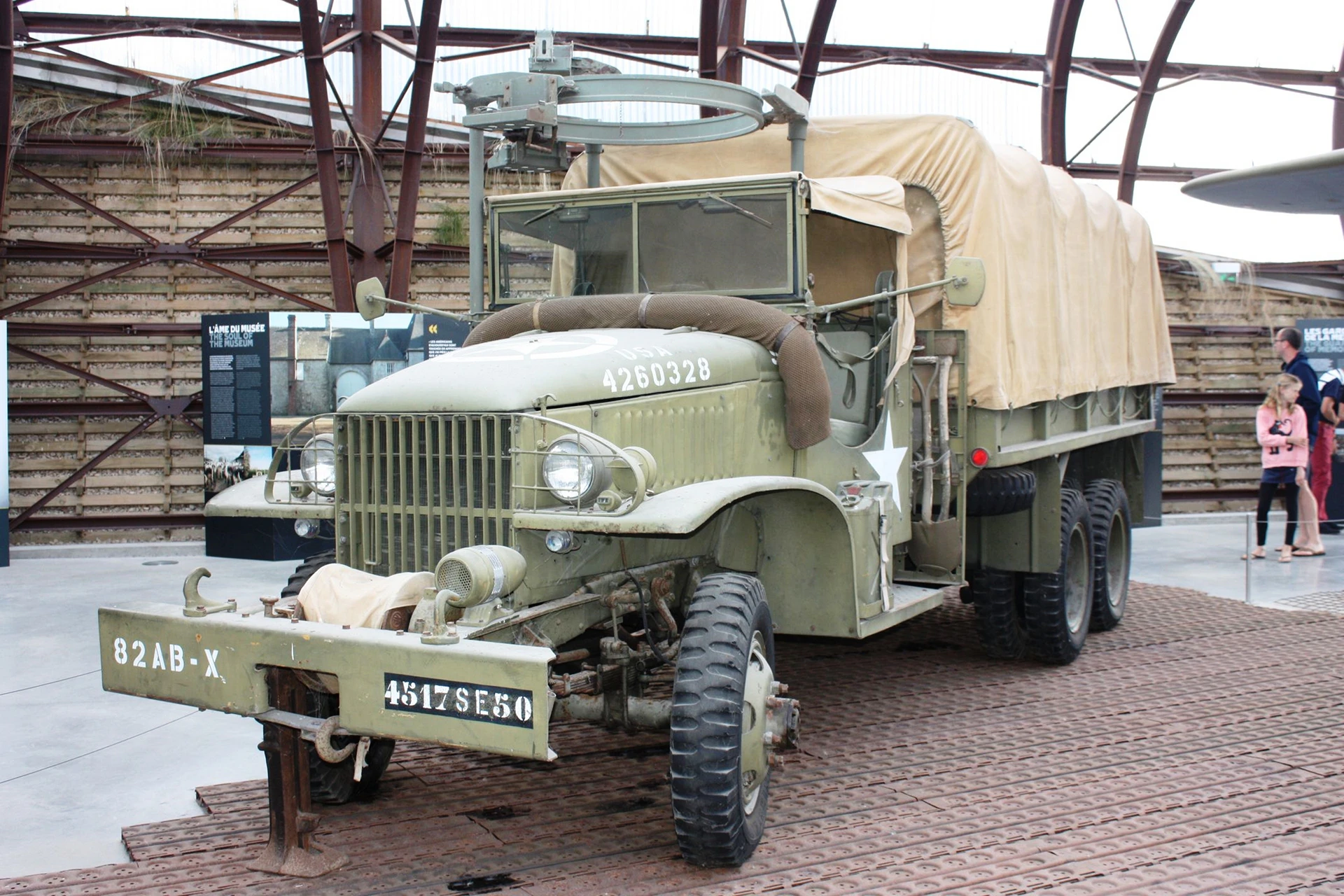
GMC CCKW 353 01
GMC CCKW 353 02
GMC CCKW 353 03
GMC CCKW 353 04
GMC CCKW 353 05
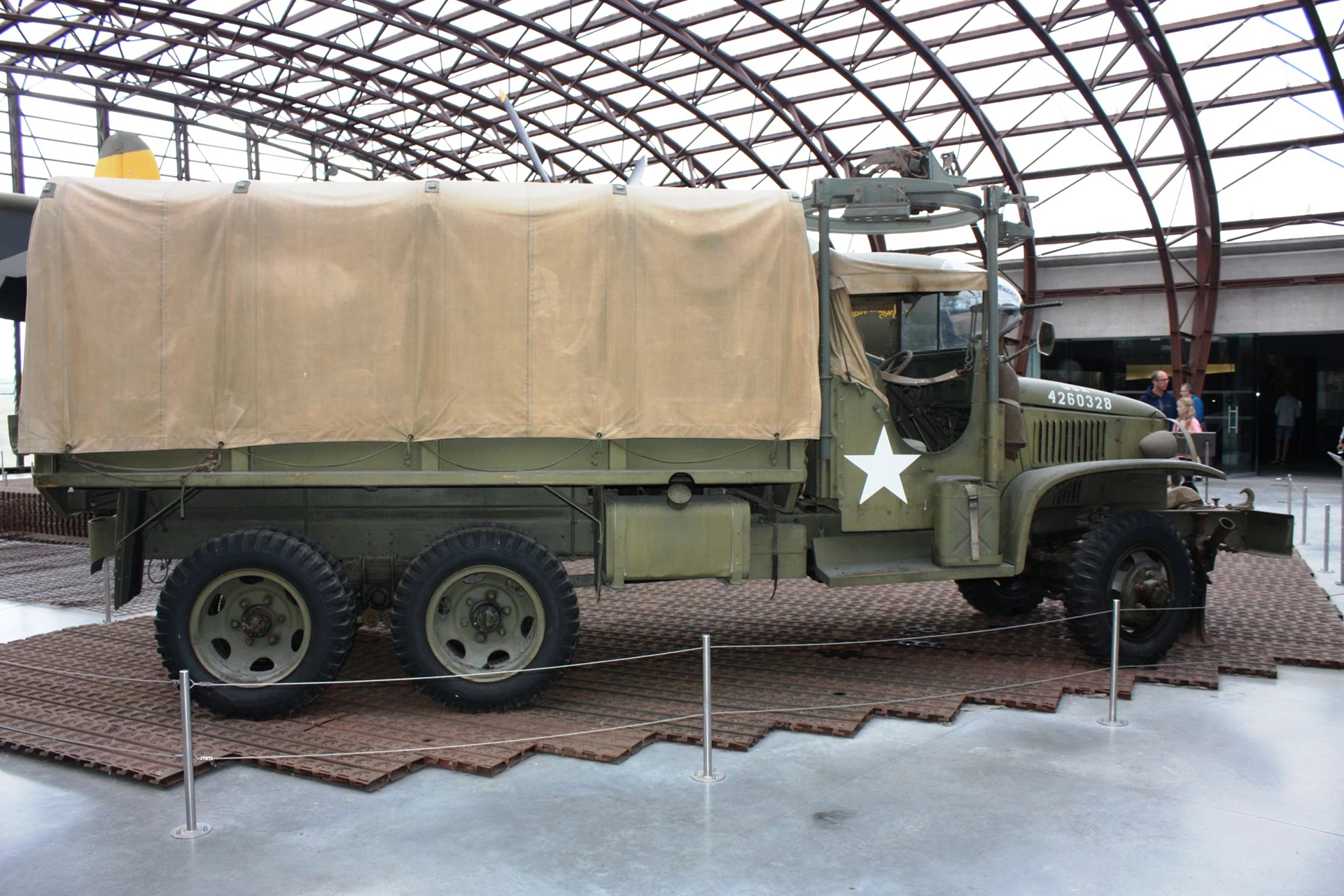
GMC CCKW 353 06
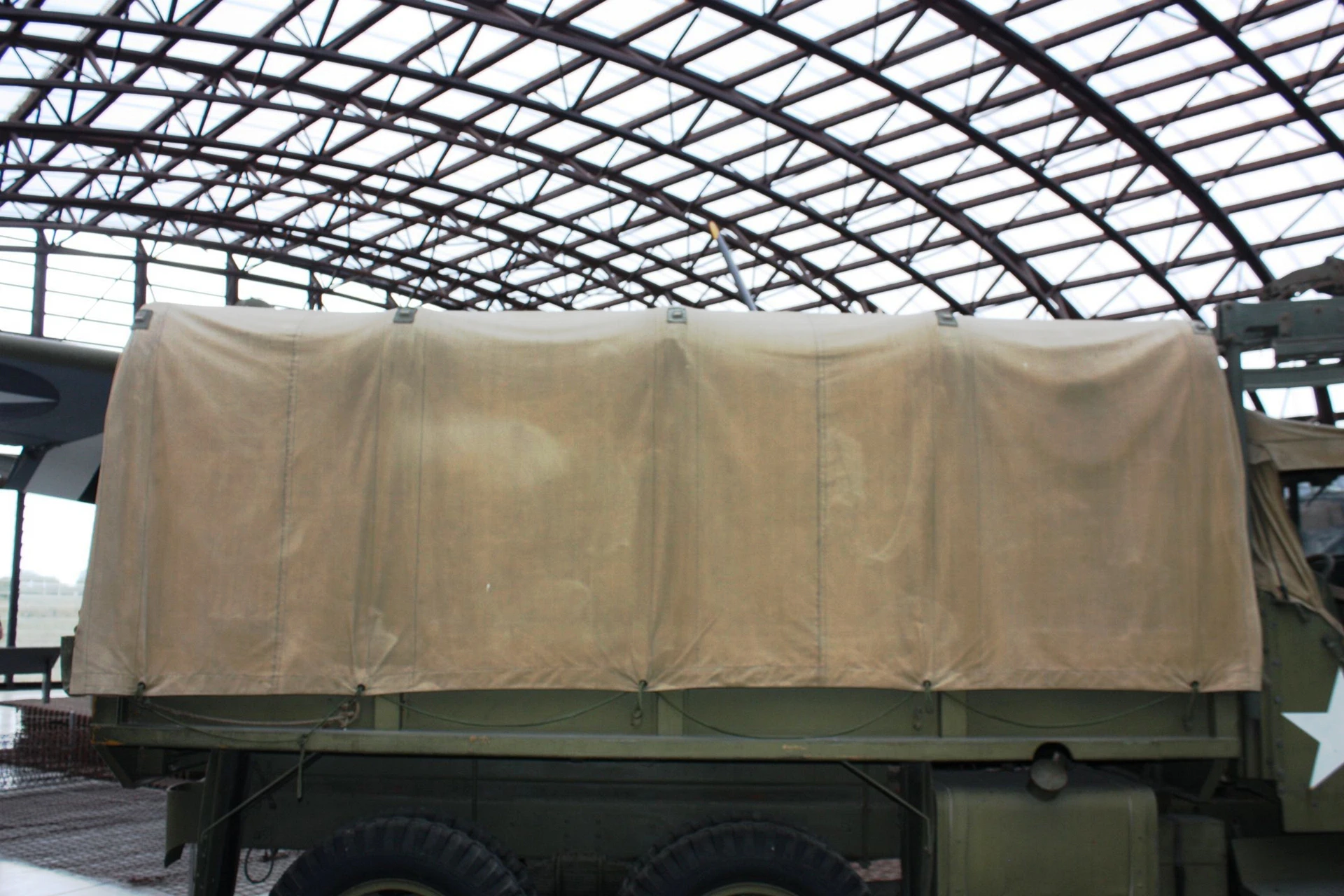
GMC CCKW 353 07
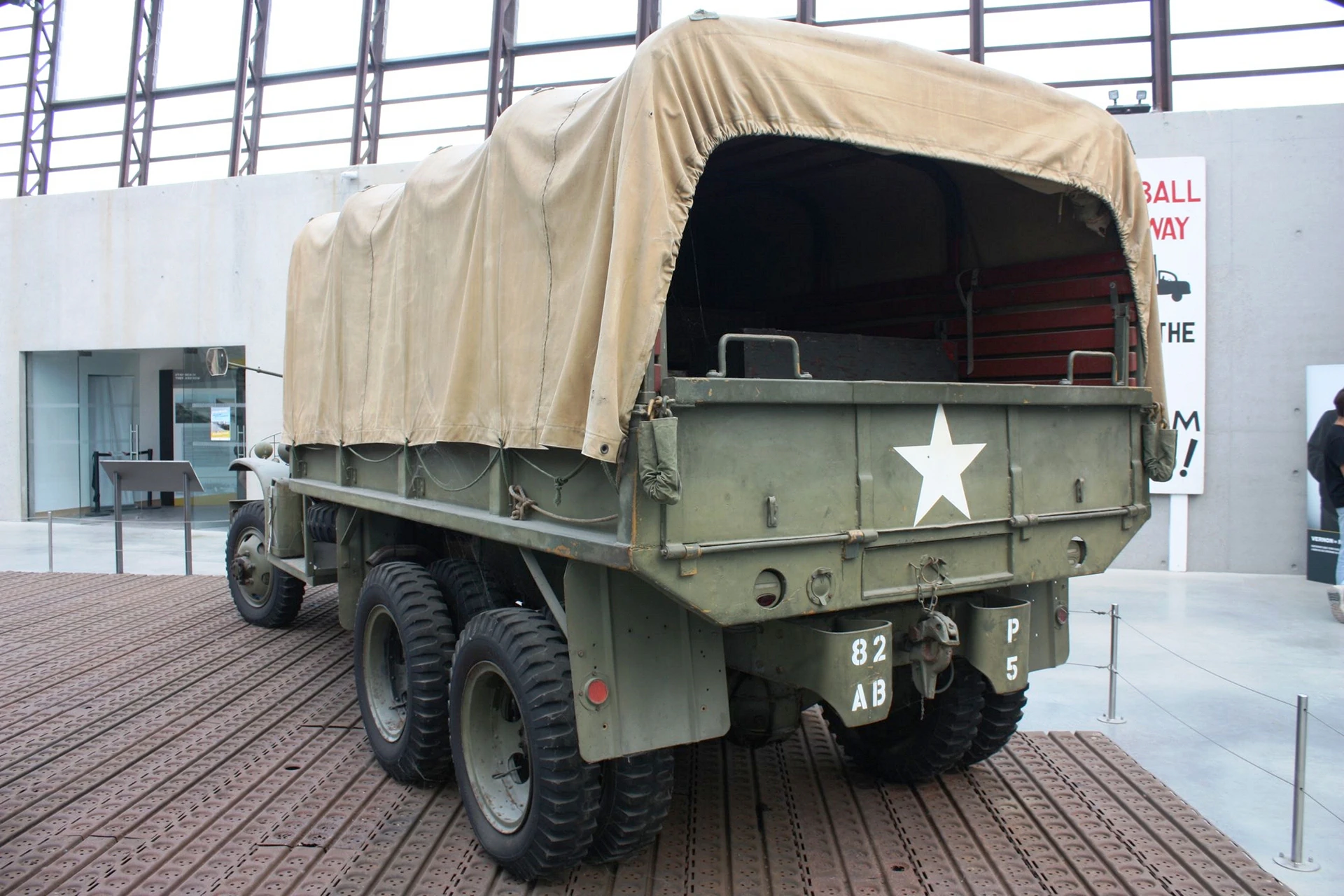
GMC CCKW 353 08
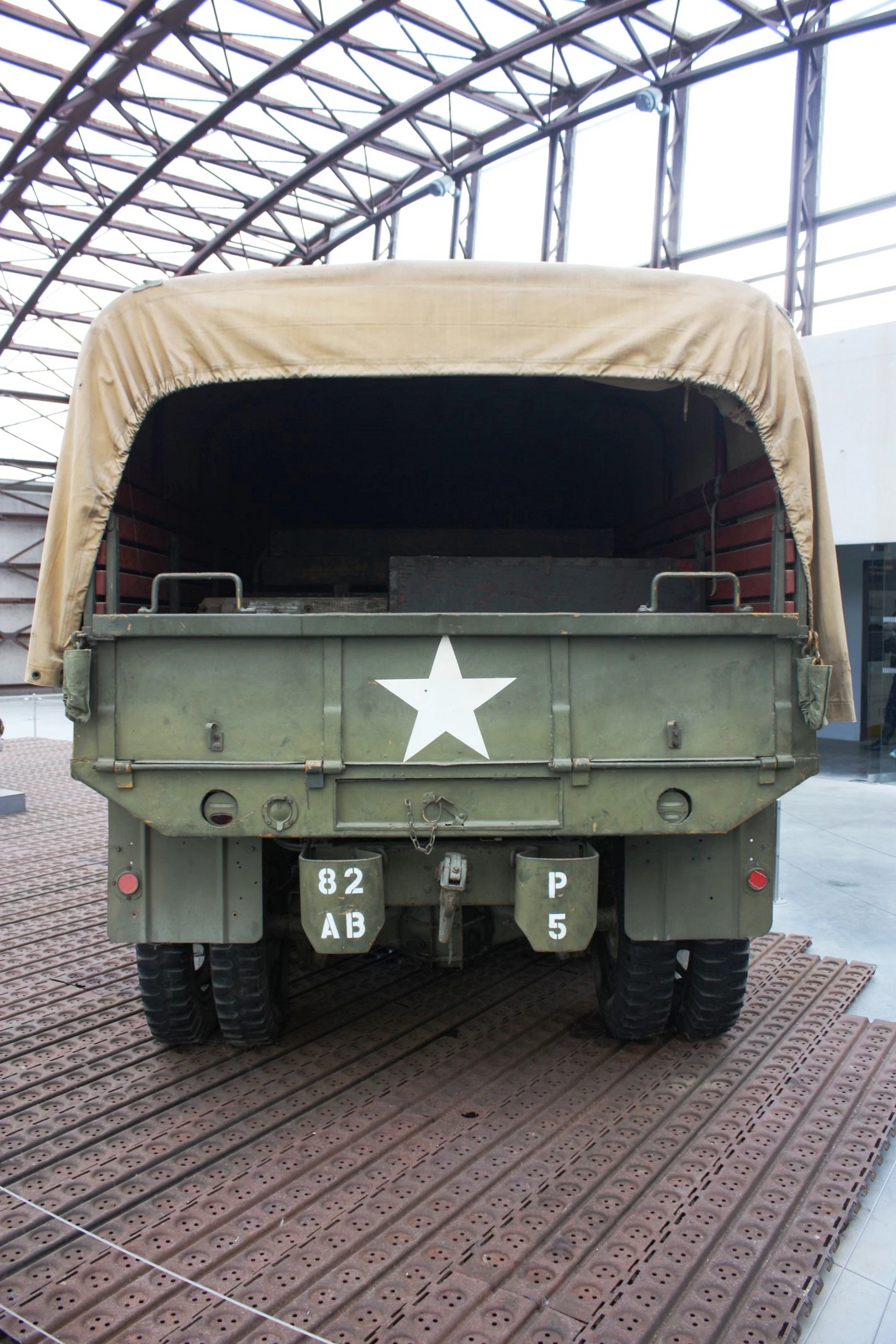
GMC CCKW 353 09
Views : 5386
Možete videti i :
 ZiS-151 – Photos & Video
 M923 Guntruck – Photos & Video
 Teretni kamion M35 21/2 tona – Fotografije & Video
 Chevrolet CMP 4×4 – Walk Around
 Gaz MM – Walk Around
 Studebaker US6 vol2 – WalkAround
 Studebaker US6 – WalkAround – Camion
 GMC – Wydawnictwo Militaria 166
 Gaz AA – Walk Around
 GMC CCKW Truck Walk Around – Eskadrila Signal SS5718