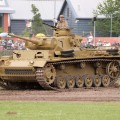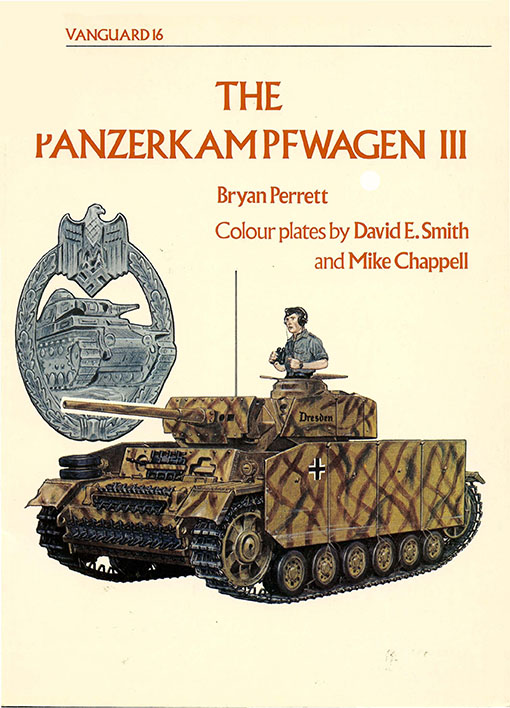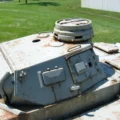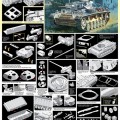
Panzer III | |
|---|---|
| Državi | Germnay |
| Kategorija | Oklepna vozila |
| Vrsta | avtomobil |
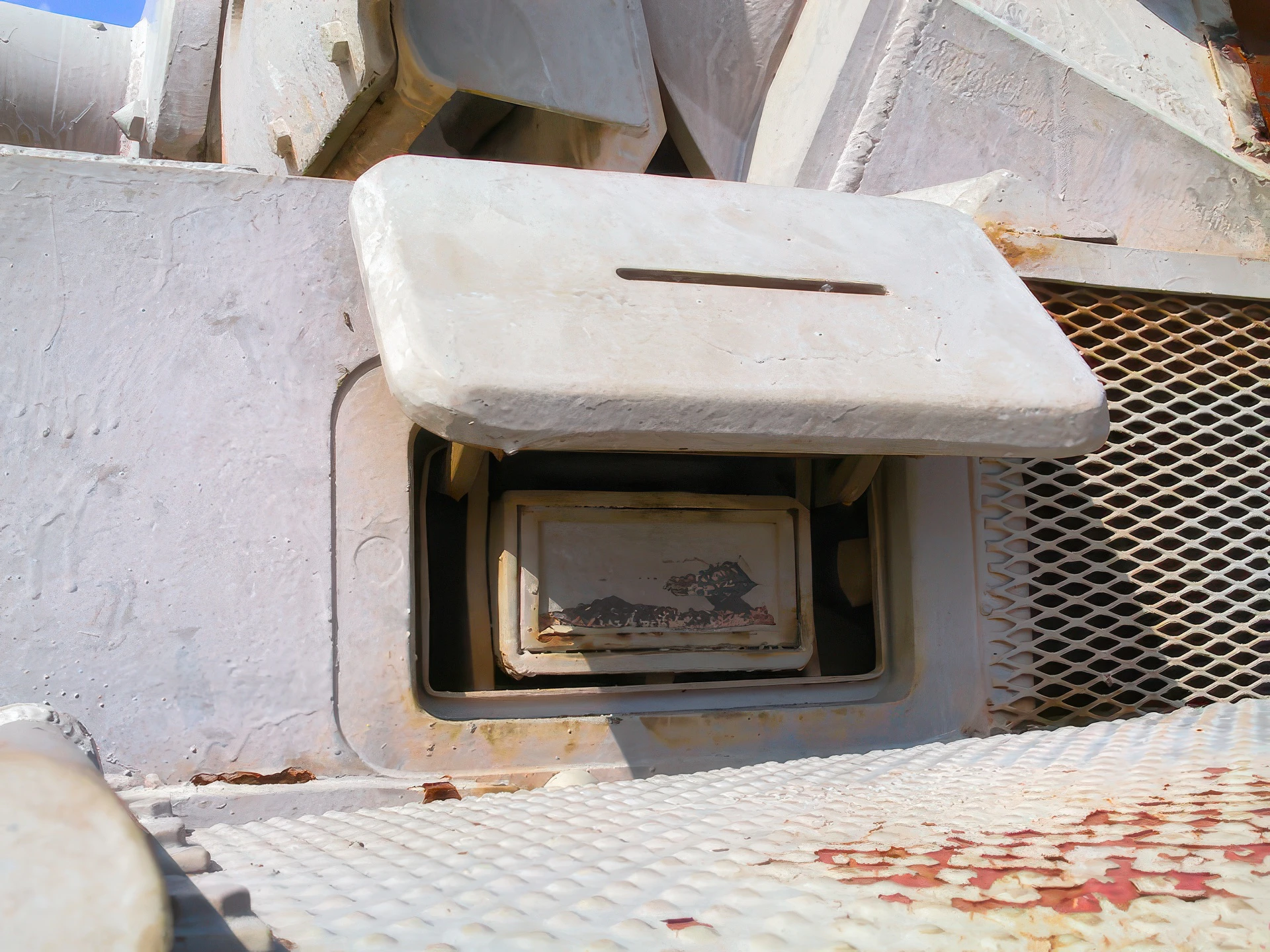
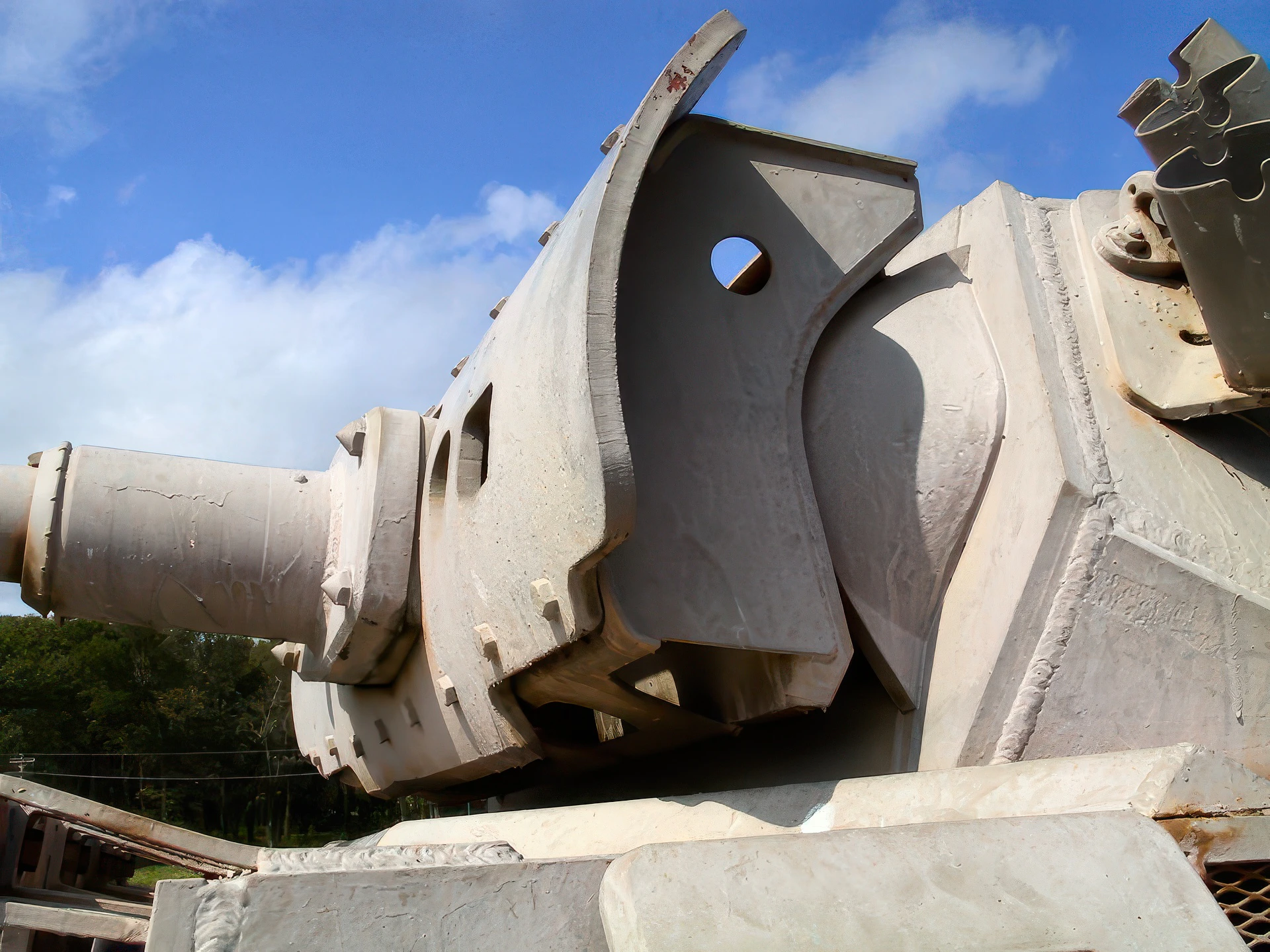
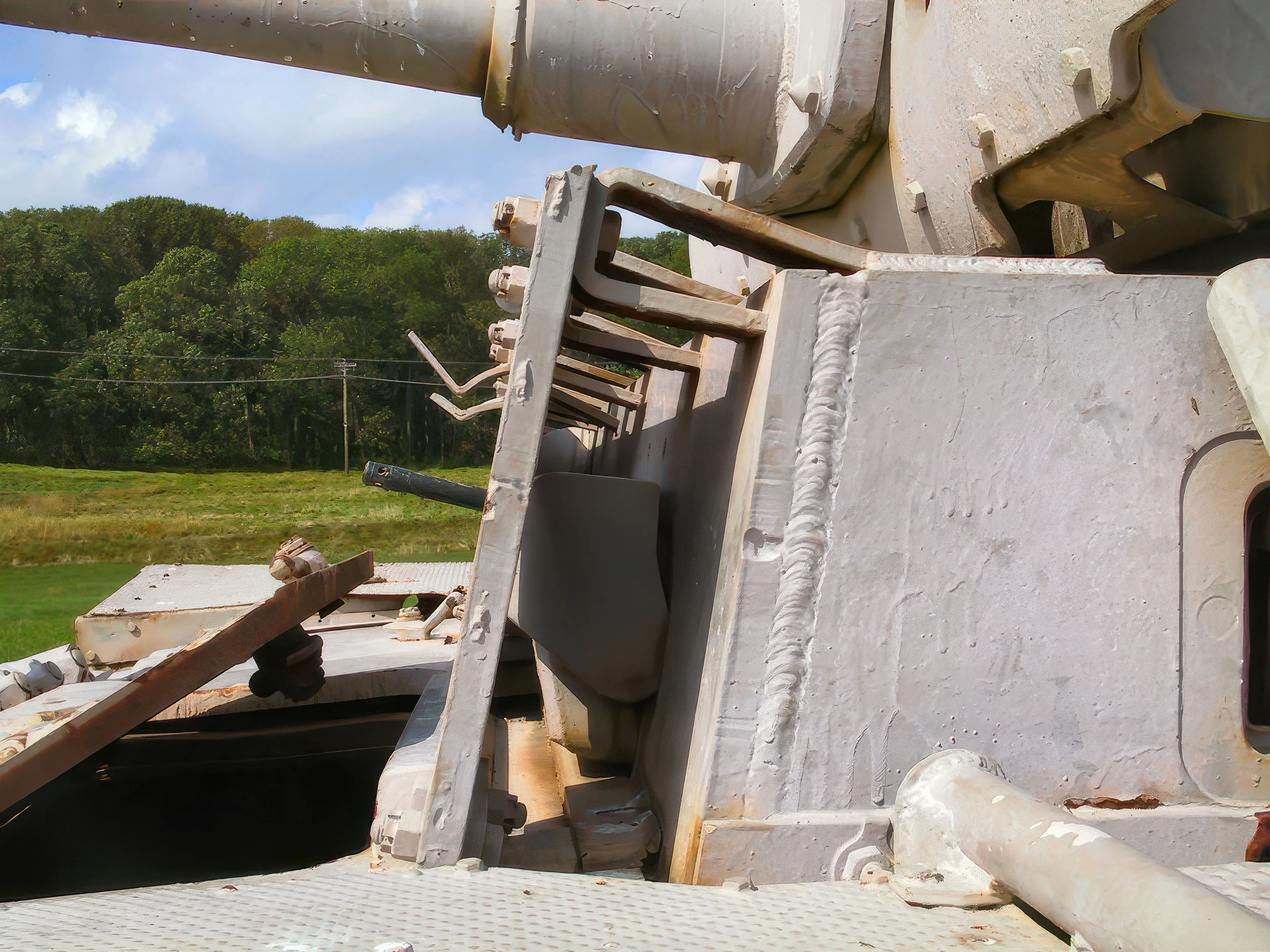
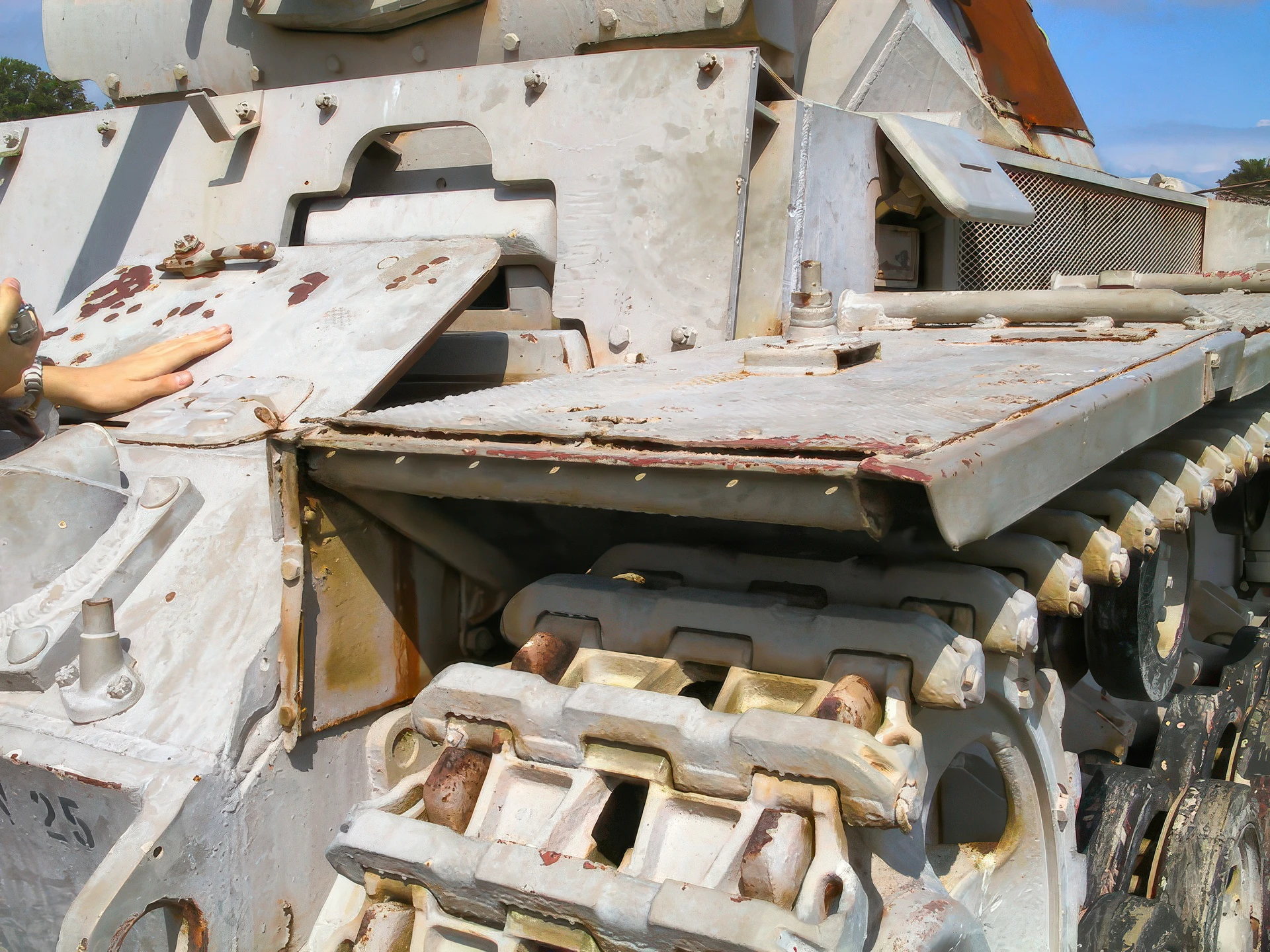
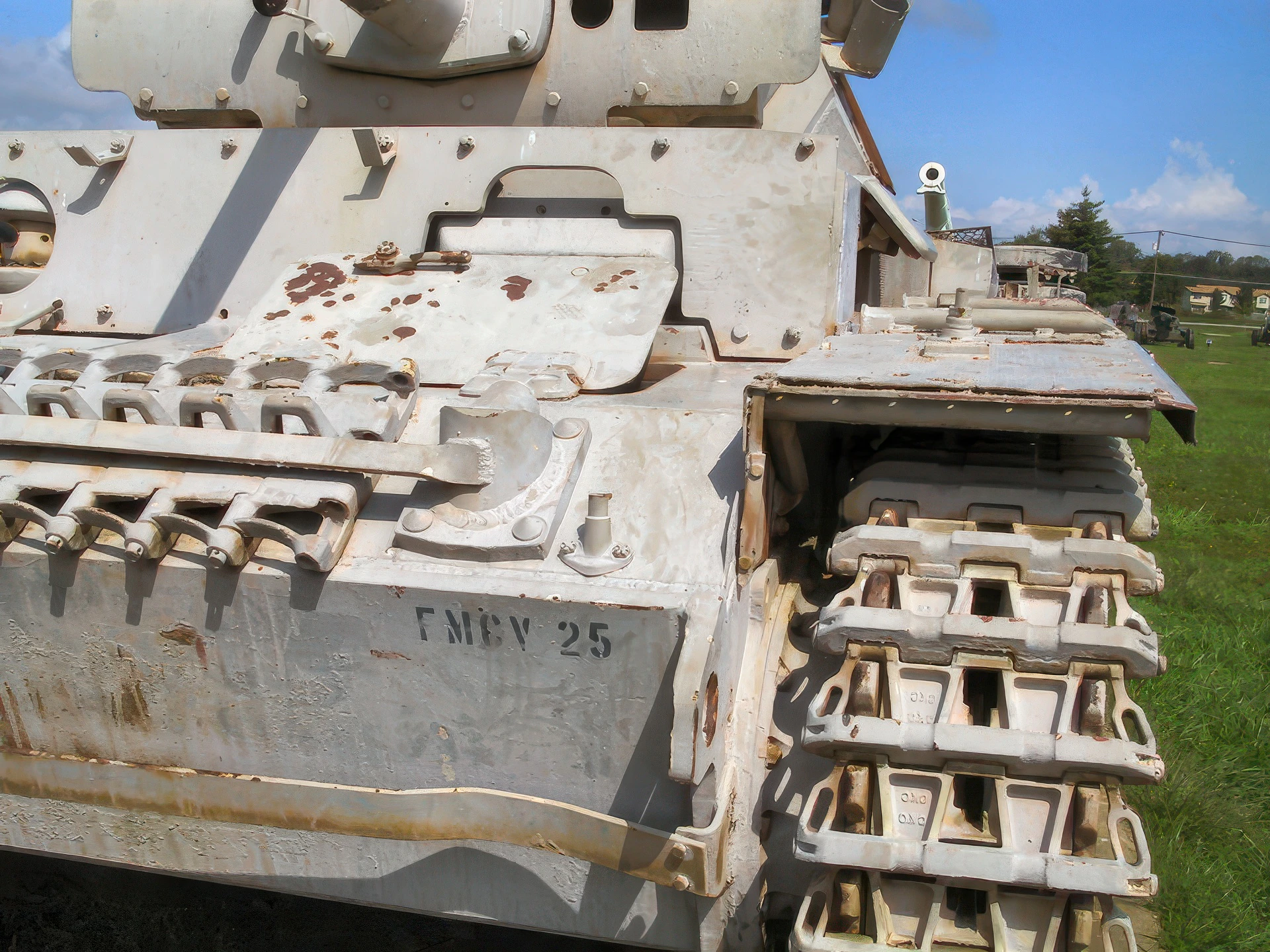
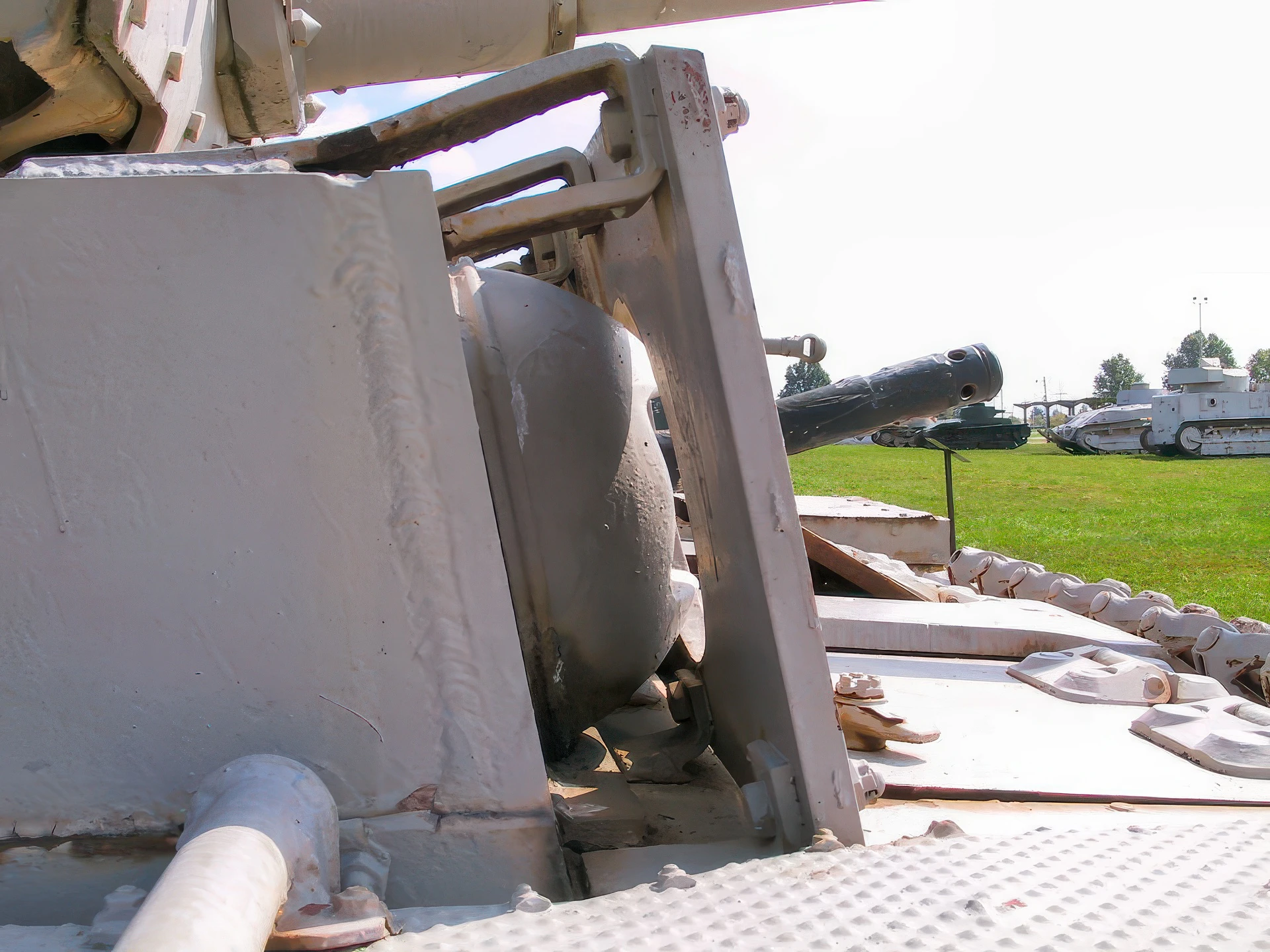
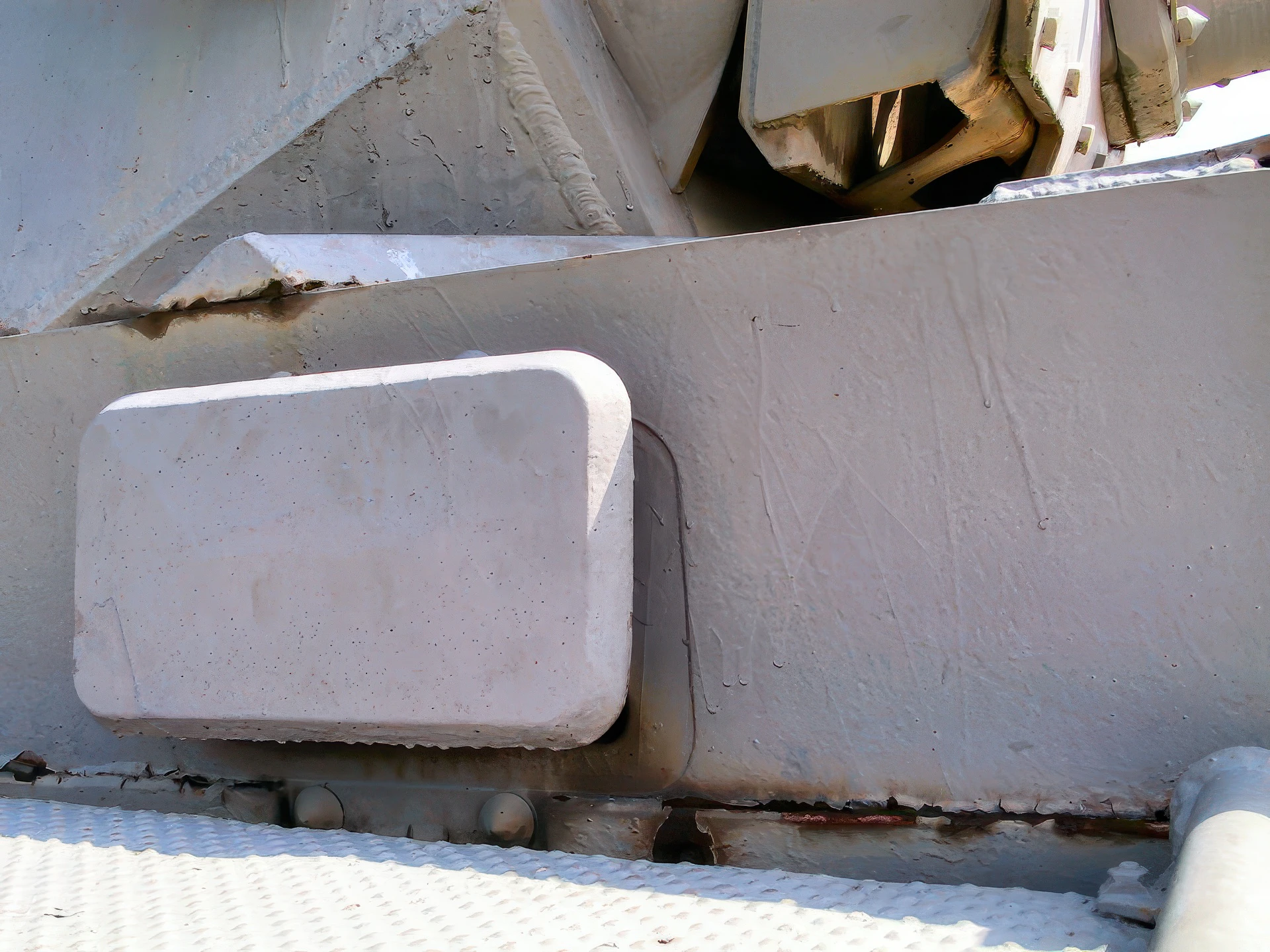
| Opis | Album 128 fotografije, sprehod po du char «Panzer III» |
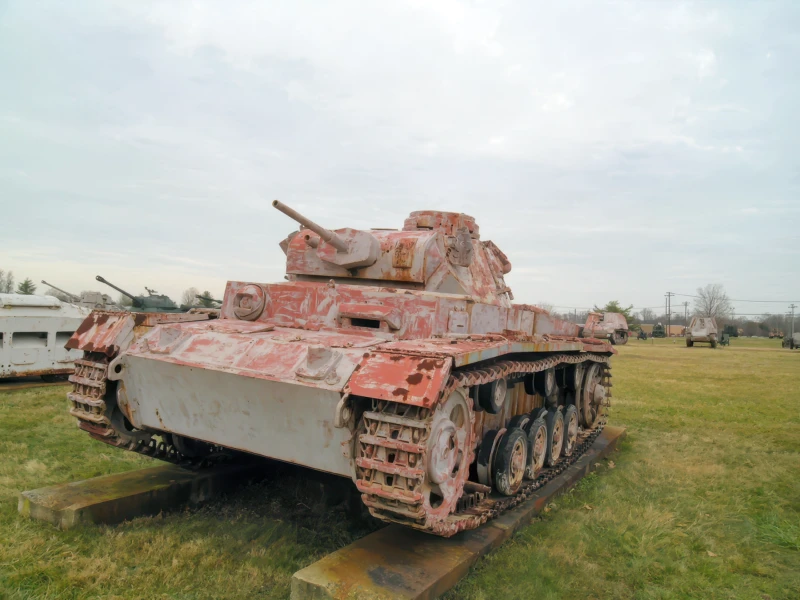
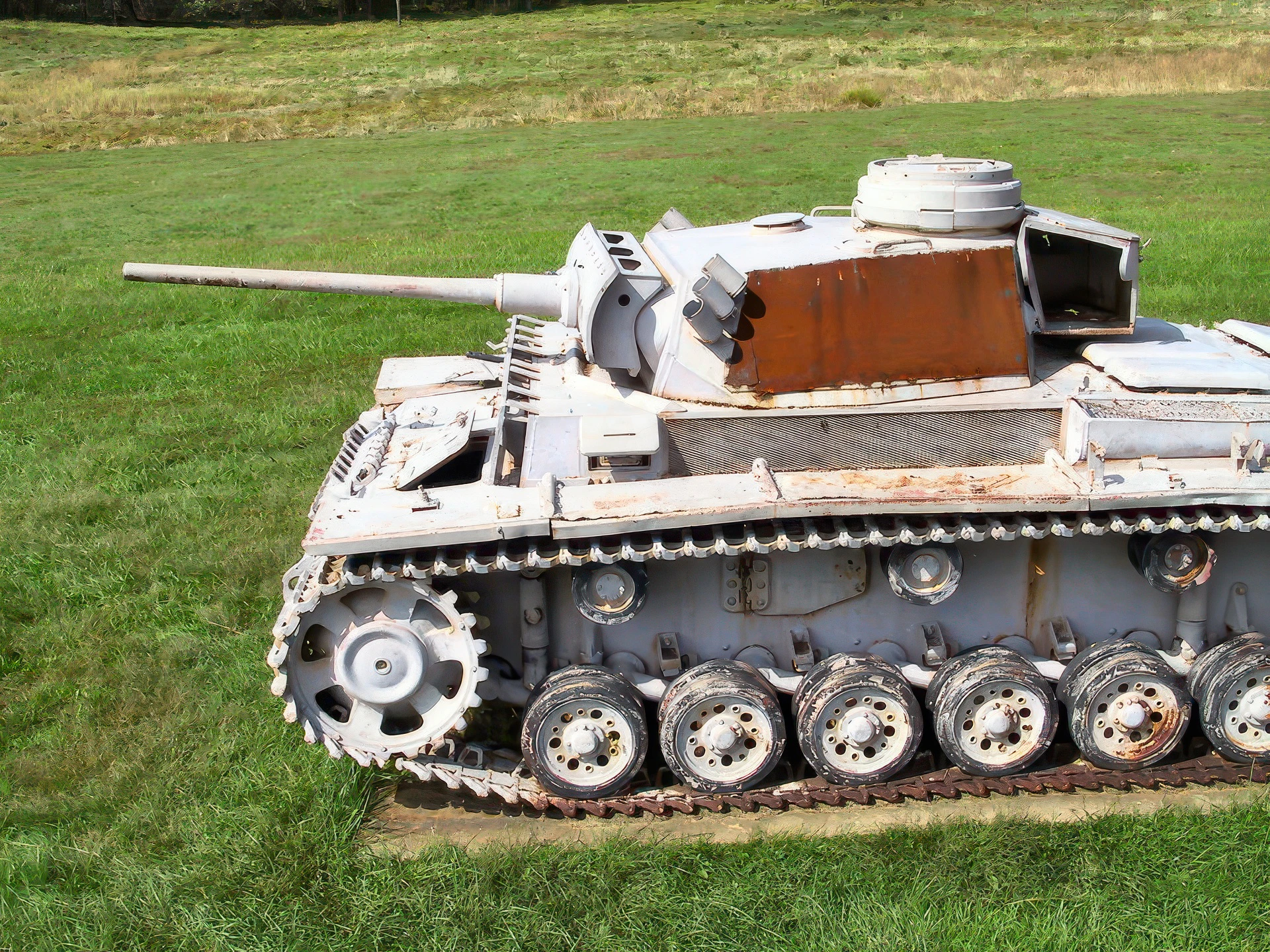
Galerie fotografija d'un char Panzer III, Le SdKfz 141 Panzerkampfwagen III (PzKpfw III), ou Panzer III est un char d'assaut allemand, conçu à la fin des années 1930.

Glej tudi:


Role and Development
The Panzer III (officially Panzerkampfwagen III, Sd.Kfz. 141) was a German medium tank designed in the 1930s and used extensively during the first half of World War II. It was conceived as the Wehrmacht’s primary anti-tank vehicle, intended to engage and destroy enemy armor, while the lighter Panzer IV was originally designed for infantry support.
Its design was revolutionary for its time, featuring a sophisticated crew layout of five (driver, radio operator, loader, gunner, and commander) which greatly improved command efficiency and combat effectiveness.
Armament and Variants
The Panzer III’s history is defined by its constant up-gunning to keep pace with Allied and Soviet armor improvements:
- Early Models (Ausf. A–F): Armed with the 3.7 cm KwK 36 L/45 cannon. This was sufficient for early campaigns (Poland, France) but quickly proved ineffective against heavily armored British and French tanks.
- Mid-War Models (Ausf. G–J): Upgraded to the 5 cm KwK 38 L/42 cannon. This provided a much-needed increase in anti-tank capability for the North African and early Eastern Front campaigns.
- Late-War Models (Ausf. J–M): Further upgraded to the powerful 5 cm KwK 39 L/60 cannon, which significantly enhanced its performance, though it was still often outmatched by tanks like the Soviet T-34.
- Secondary Armament: All variants carried multiple 7.92 mm machine guns, usually two coaxial with the main gun, and one mounted in the hull.
Armor and Mobility
The armor protection of the Panzer III also saw continuous upgrading:
| Aspect | Detail |
|---|---|
| Armor (Early) | ~30 mm on all sides, riveted/bolted construction. |
| Armor (Late) | Upgraded to 50 mm frontal armor (welded) with additional 20 mm or 30 mm bolted-on appliqué armor plates, particularly on the glacis and turret mantlet. |
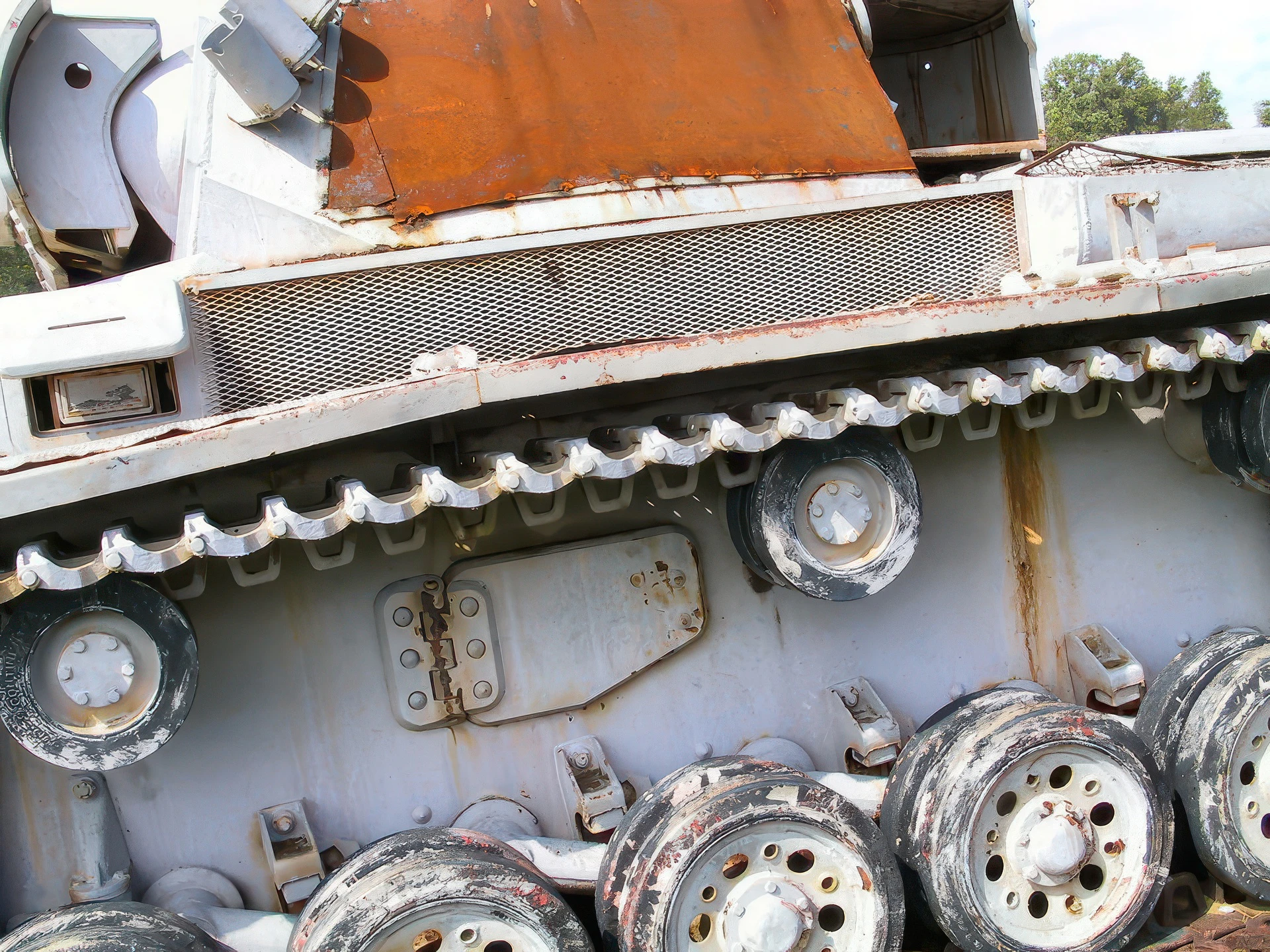
| Mobilnost | Powered by a Maybach HL 120 TRM engine, providing a maximum road speed of around 40 km/h (25 mph). It featured a robust torsion-bar suspension system. |
| Vzmetenje | V torsion bar suspension (later models) provided excellent stability and good cross-country performance. |
By 1943, the Panzer III was generally obsolete as a main battle tank due to the development of better-armored and heavier-gunned enemy tanks. However, its reliable chassis was successfully adapted to produce the highly effective Sturmgeschütz III (StuG III) assault gun, which became Germany’s most produced armored fighting vehicle of the war.
Views : 5726