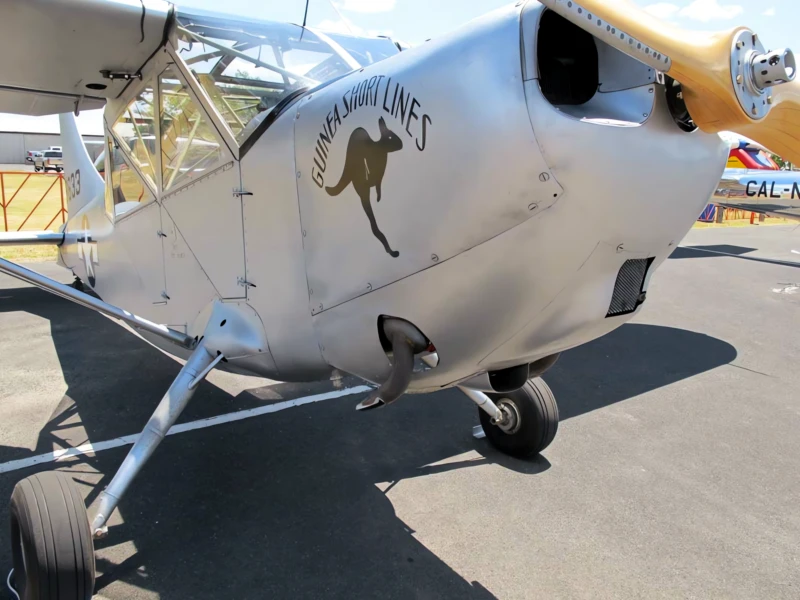
Stinson L-5 Sentinel |
|
|---|---|
| Krajiny | Spojené štáty americké |
| Úlohu | Spojenie / pozorovanie / svetelná rovina |
| Vyrobené | 1942–1945 |
| Postavený | 3896 |
Komisia Stinson L-5 Sentinel bolo spojovacie lietadlo z obdobia druhej svetovej vojny používané všetkými zložkami americkej armády a britským kráľovským letectvom. Bol vyrobený spoločnosťou Stinson Aircraft Company. Spolu so Stinson L-1 Vigilant bolo L-5 jediným ďalším americkým spojovacím lietadlom druhej svetovej vojny, ktoré bolo účelovo postavené na vojenské účely a nemalo žiadny civilný náprotivok. Všetky ostatné vojenské spojovacie lietadlá prijaté počas druhej svetovej vojny boli ľahko upravené "off-the-shelf" civilné modely.
Zdrojový: Stinson L-5 Sentinel na Wikipédii
| Stinson L-5 Sentinel Walk Around | |
|---|---|
| Fotograf | Vladimír Jakubov |
| Lokalizácia | Letecká šou Madera |
| Fotografie | 51 |
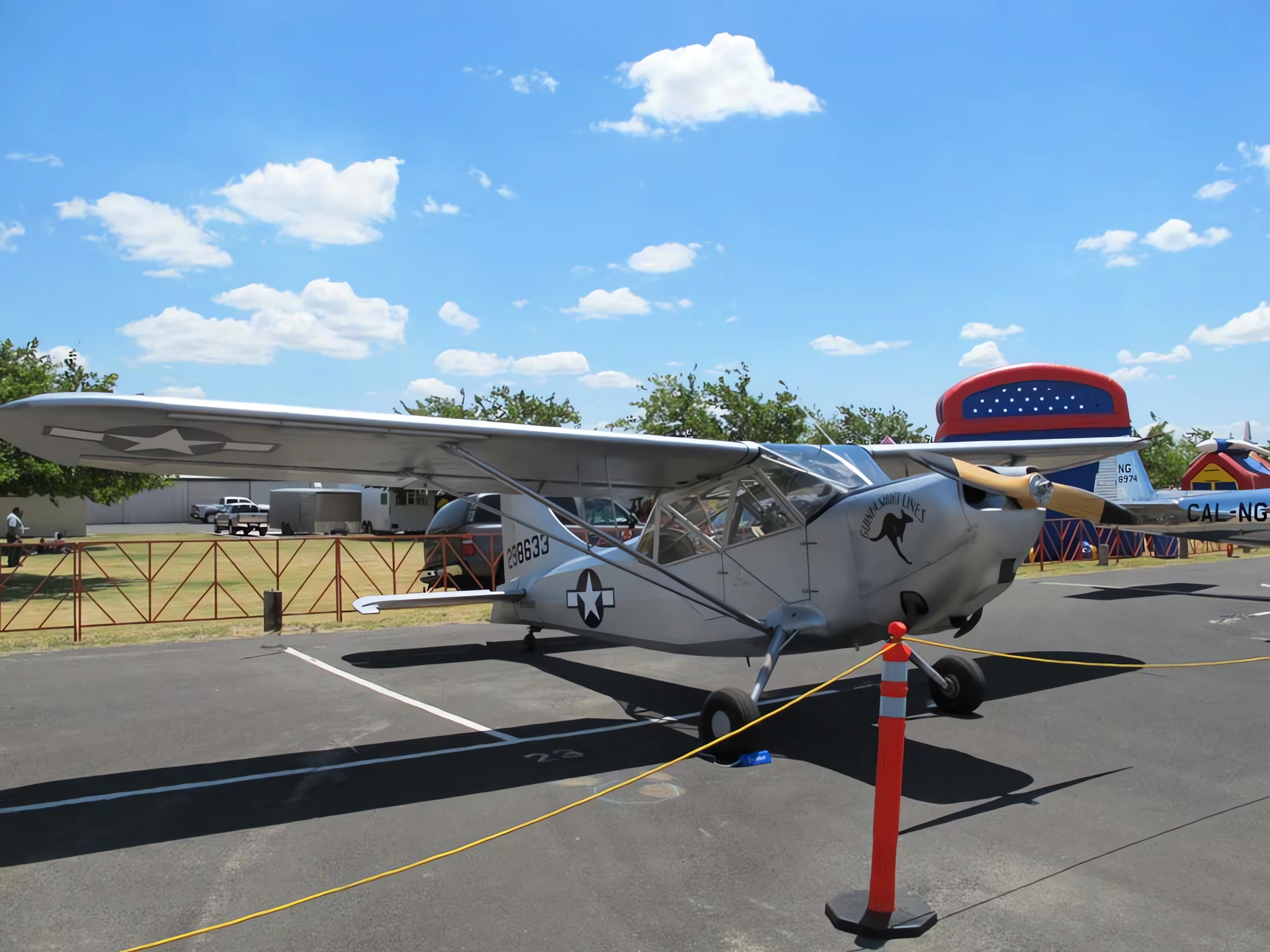
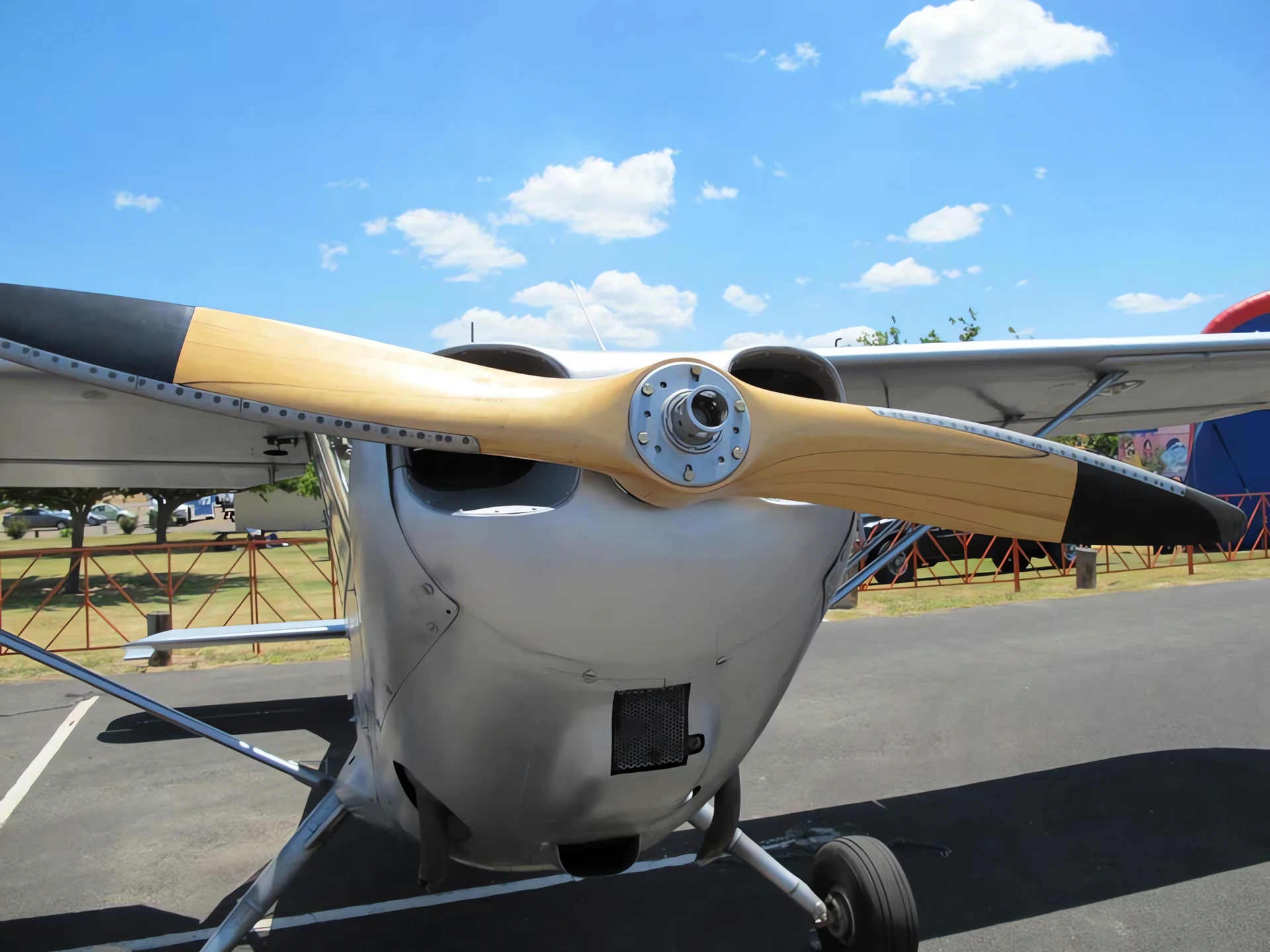
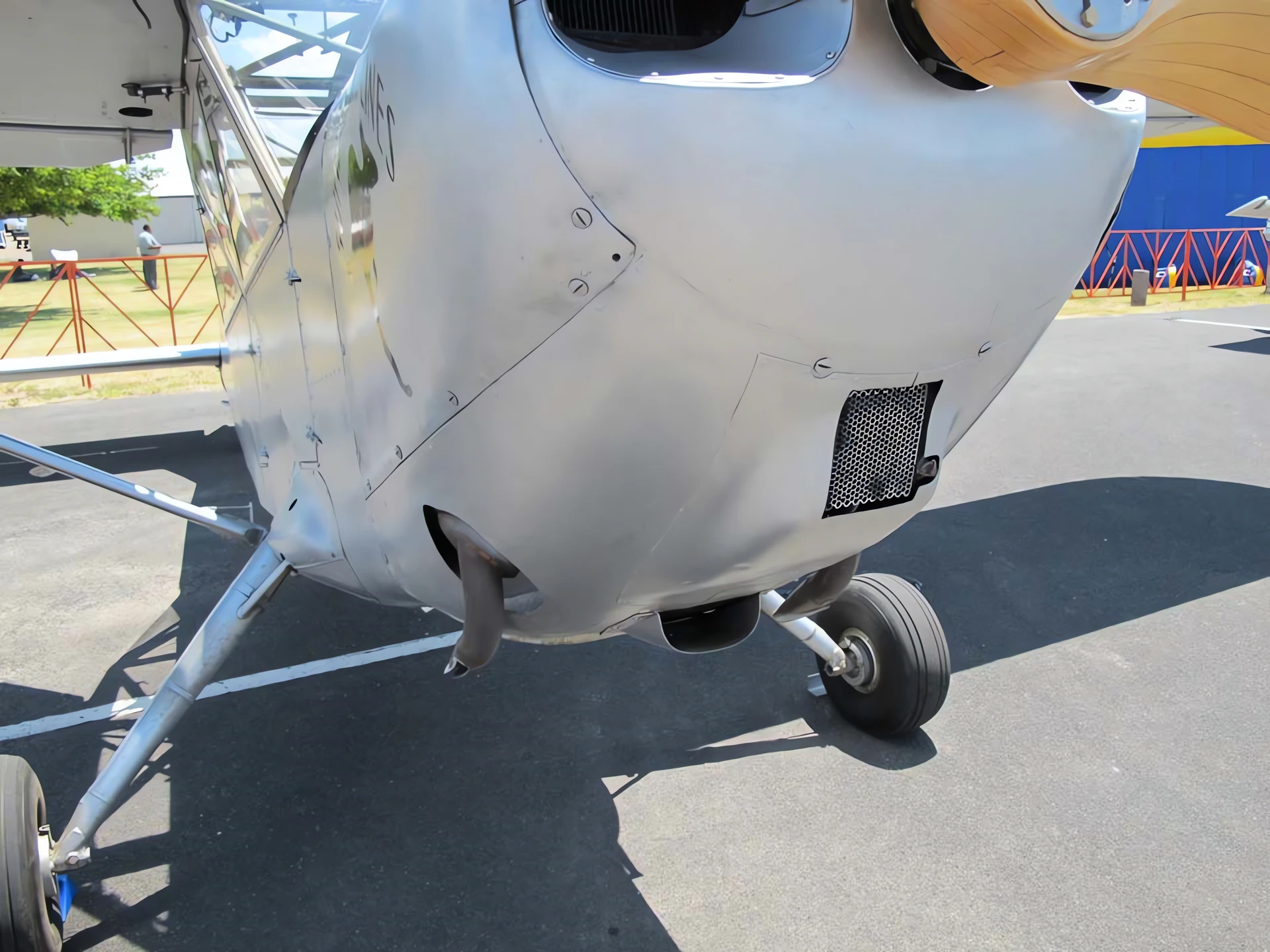
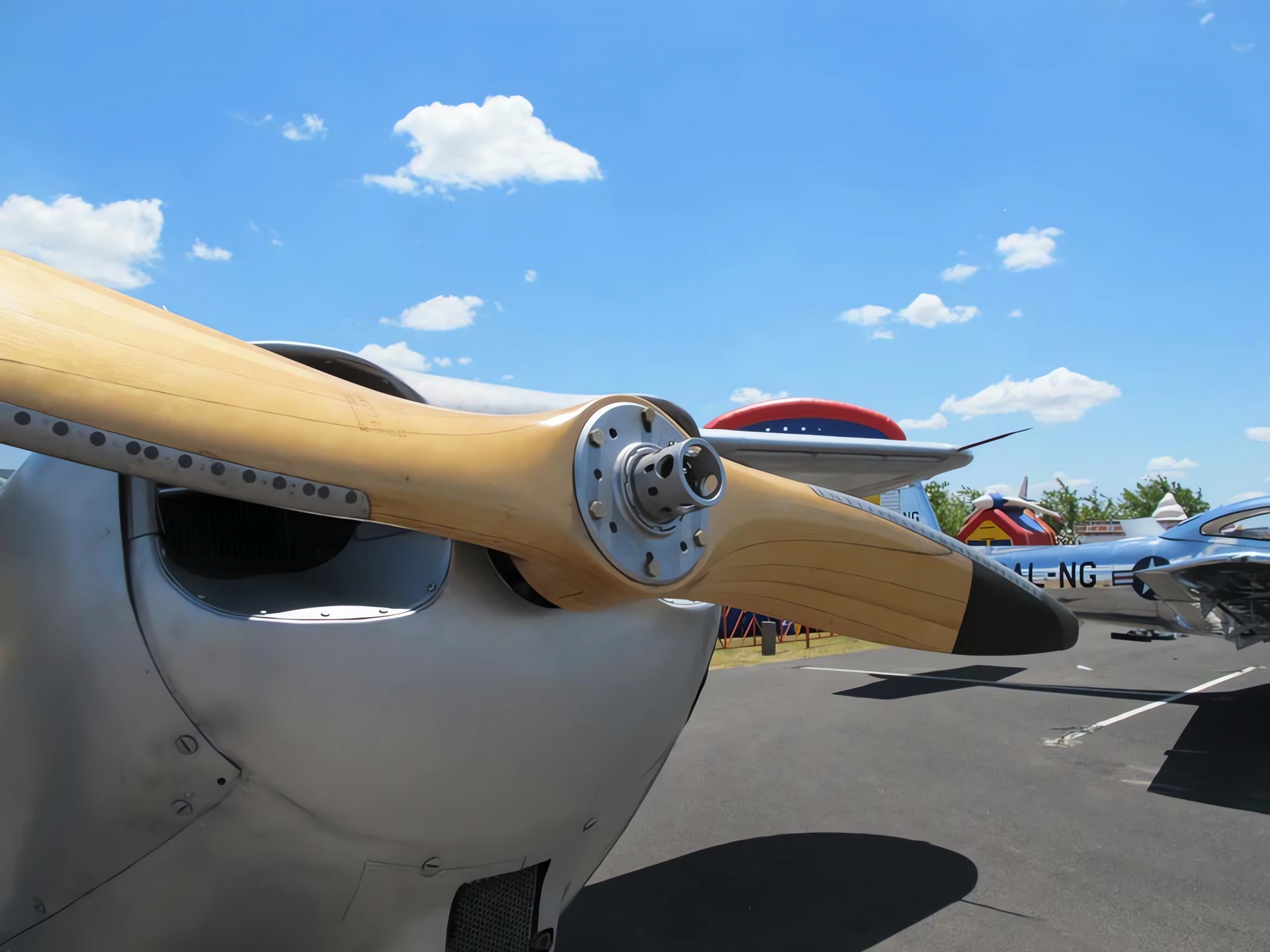
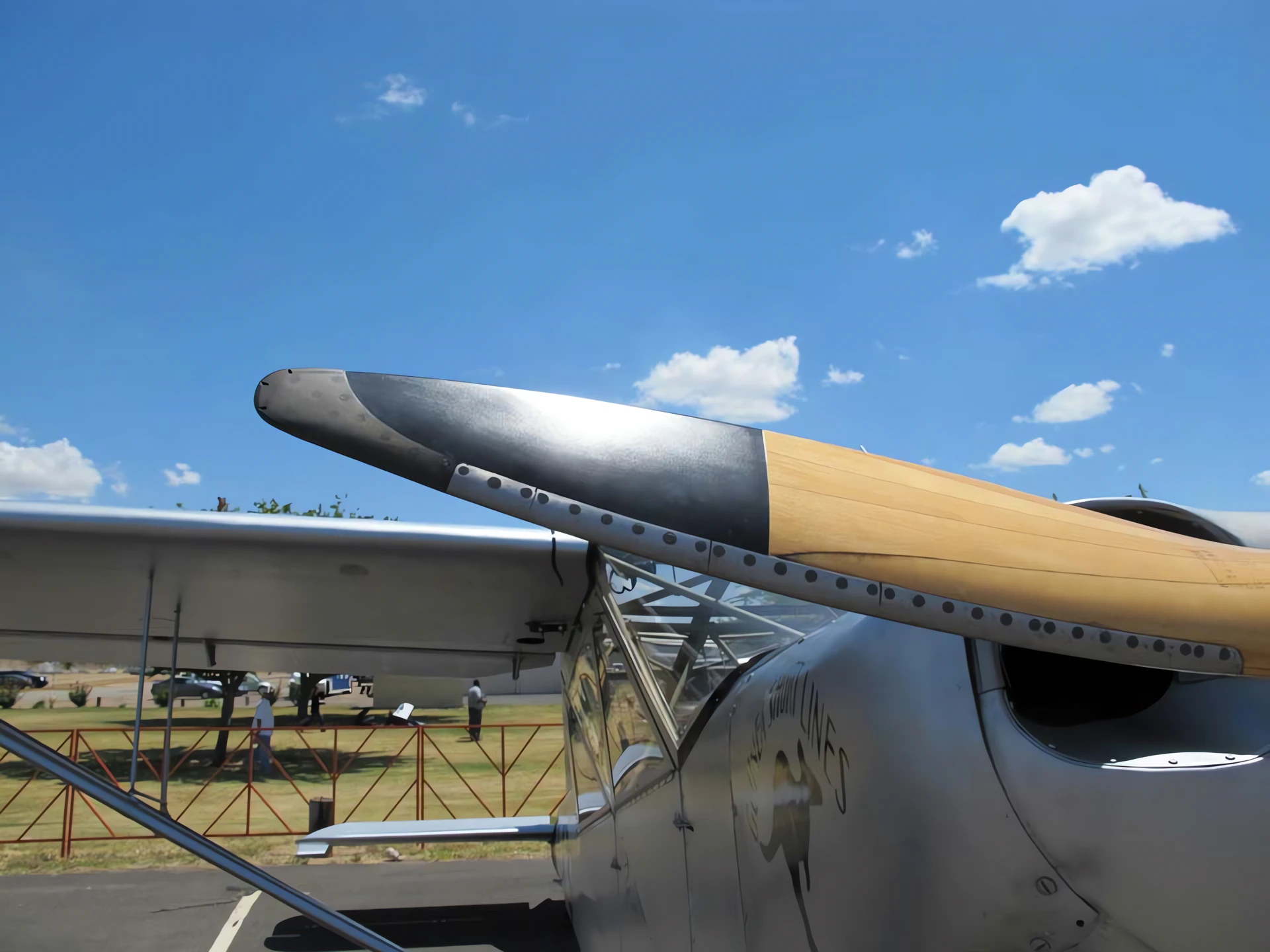
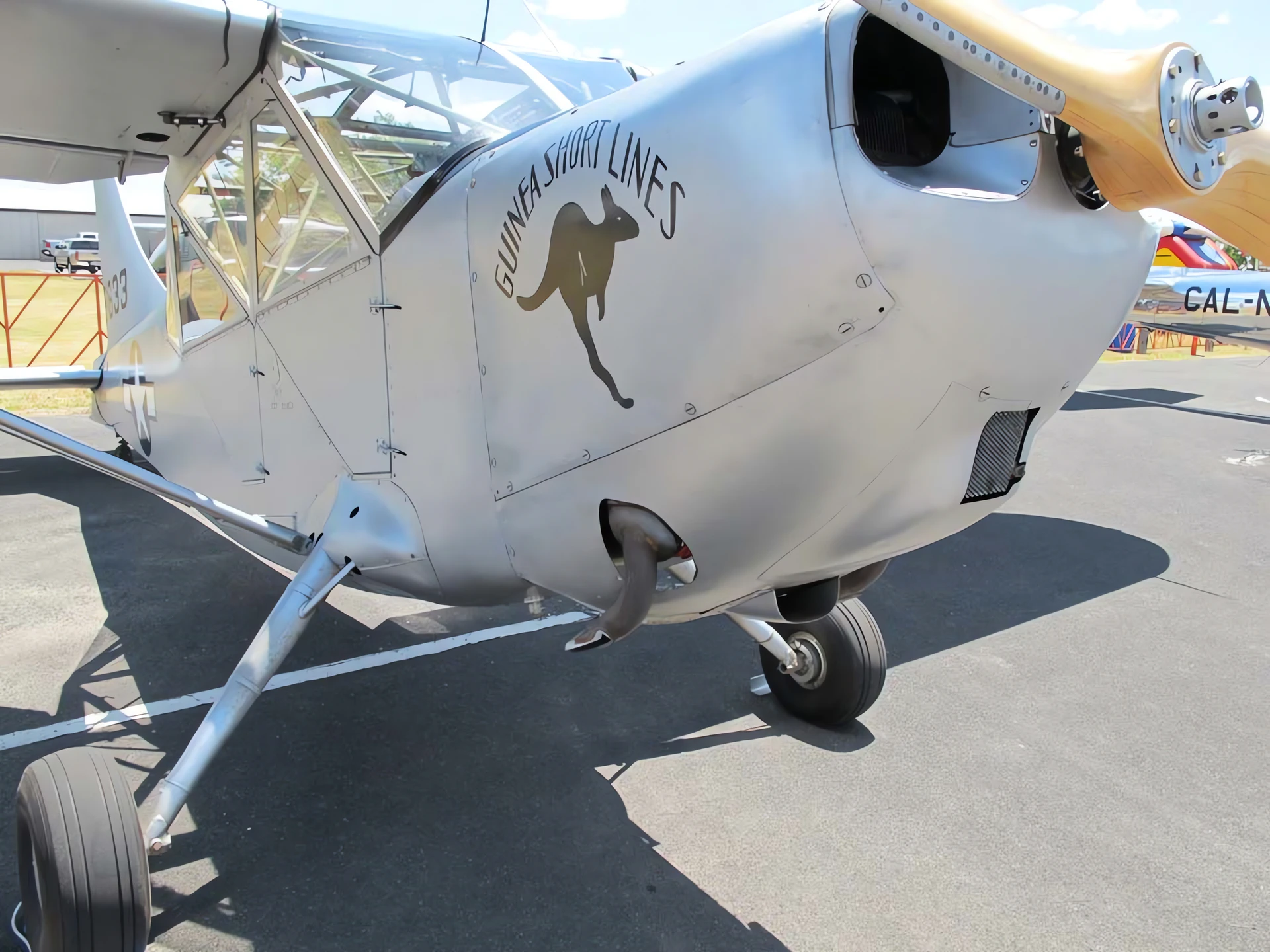
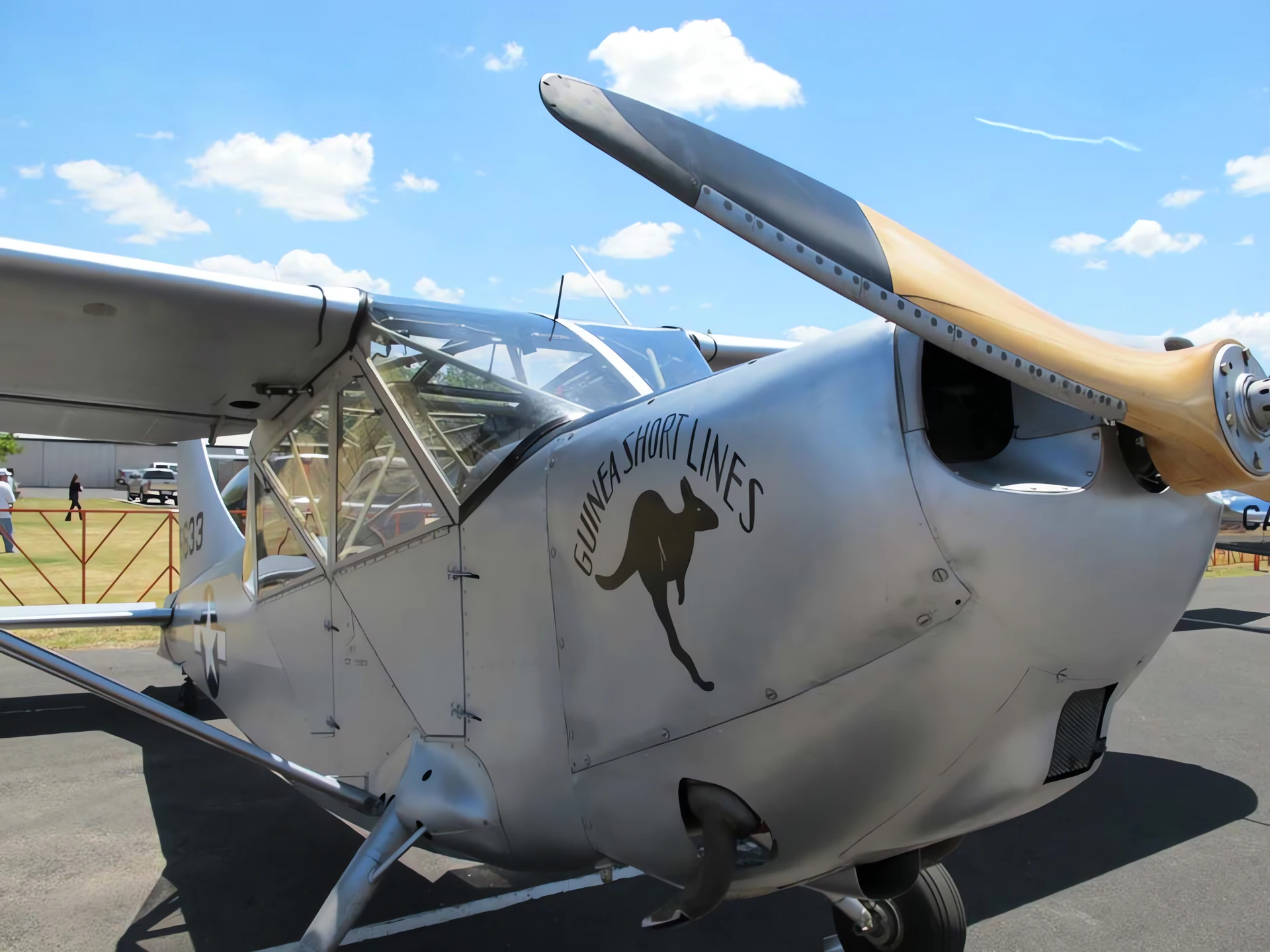
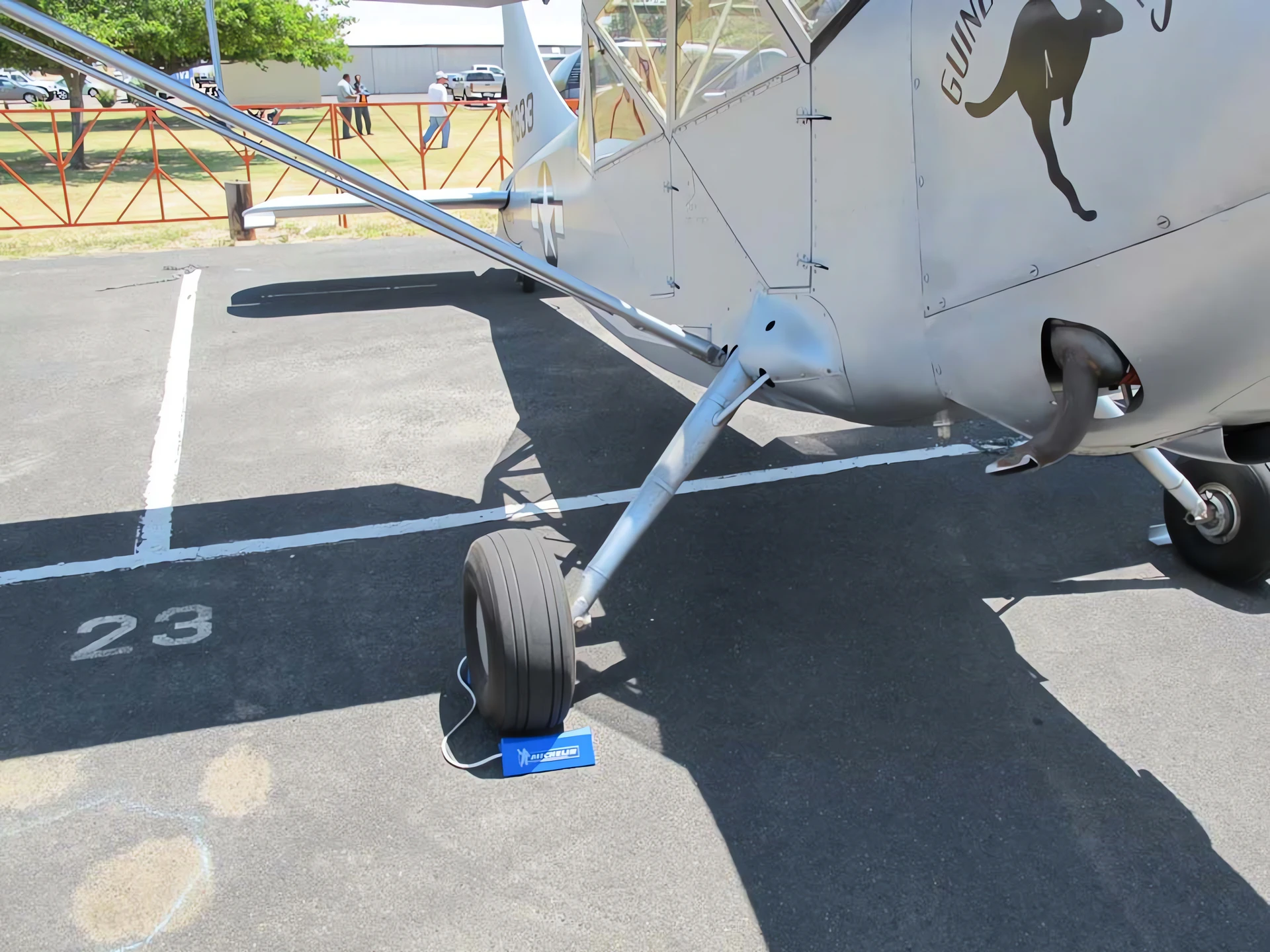
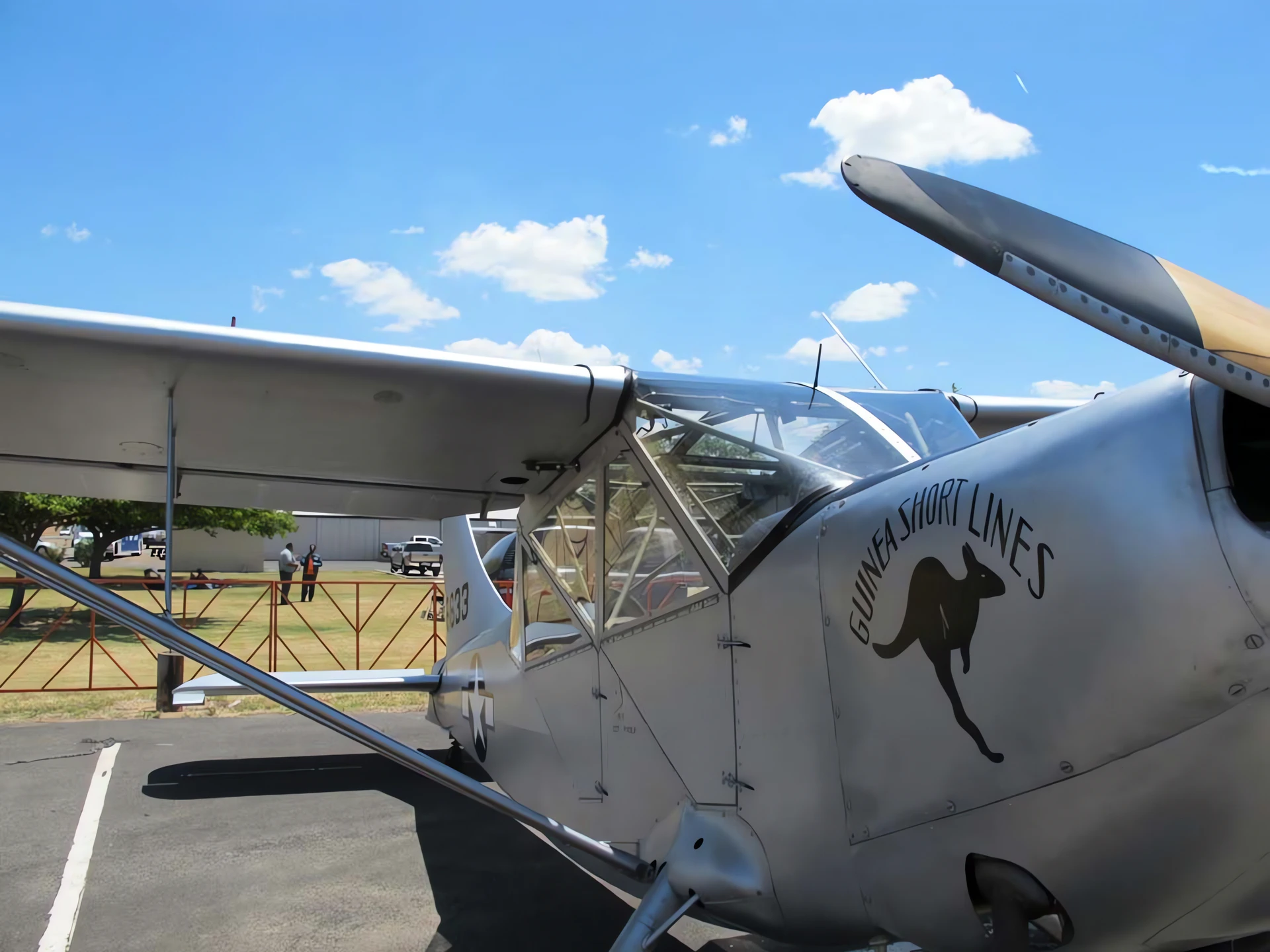

Pozri tiež:


| Stinson L-5E Sentinel | |
|---|---|
| Fotograf | Vladimír Jakubov |
| Lokalizácia | Letecká šou Madera |
| Fotografie | 75 |
The Versatile Liaison
Komisia Stinson L-5 Sentinel was the “Swiss Army Knife” of the U.S. Army Air Forces during World War II. While lighter planes like the Piper L-4 “Grasshopper” were simpler, the L-5 was built to be faster, more powerful, and significantly more rugged. It could operate from tiny, unimproved clearings, fields, or even carrier decks. Whether it was spotting artillery, delivering critical messages, or evacuating the wounded, the L-5 was ubiquitous across every theater of the war.
| Attribute | Technical Specification (L-5) |
|---|---|
| Úlohu | Liaison / Observation / Medevac |
| Posádky | 2 (Pilot and Observer) |
| First Flight | 1941 |
| Pohonná jednotka | 1 × Lycoming O-435-1 six-cylinder boxer engine |
| Horsepower | 190 hp (142 kW) |
| Maximálna rýchlosť | 130 mph (209 km/h) |
| Stall Speed | 43 mph (69 km/h) |
| Service Ceiling | 15,800 feet (4,816 m) |
Built for the Front Lines
- STOL Engineering: The L-5 was designed with a high-lift wing and large flaps, allowing it to take off in as little as 200 feet. This made it ideal for operating in the dense jungles of the Pacific or the rugged terrain of the China-Burma-India theater.
- Mixed Material Construction: The fuselage was made of welded steel tubing for strength, while the wings were wooden structures—all covered in doped fabric. This allowed for easy repairs in the field using basic tools and materials.
- The “Greenhouse” Rear: To allow the observer to see in almost every direction, the rear of the cockpit was extensively glazed, including panels that allowed for views directly below and behind the aircraft.
- Medevac Modifications (L-5B/C): Later variants featured a modified rear fuselage with a large side-opening door, allowing a standard litter (stretcher) to be loaded directly behind the pilot.
Service and Legacy
- Multi-Service Use: Used by the Army, Marines (as the OY-1), and the British RAF, the Sentinel was a truly international liaison platform.
- Brodie System Trials: The L-5 was famously used to test the “Brodie System,” a wire-and-hook arrangement that allowed aircraft to take off and land from ships or mountain cliffs without a runway.
- Post-War Utility: Thousands were sold as surplus after 1945, becoming popular “bush planes” for civilian pilots due to their ability to carry heavy loads into remote areas.
- Survivors: Because so many were built (nearly 4,000), many L-5s are still flying today in the hands of private collectors and commemorative air force units.
Počet zobrazení : 2243
Môžete tiež vidieť:
 Hawker Siddeley Nimrod – fotografie a video
 Dornier Do-27 - fotografie a video
 Aero L-29 Delfín – fotky a video
 Verville-Sperry M-1 Messenger – fotografie a video
 Mitsubishi A6M Zero – Chodiť
 Hawker Hurikán – Chodiť
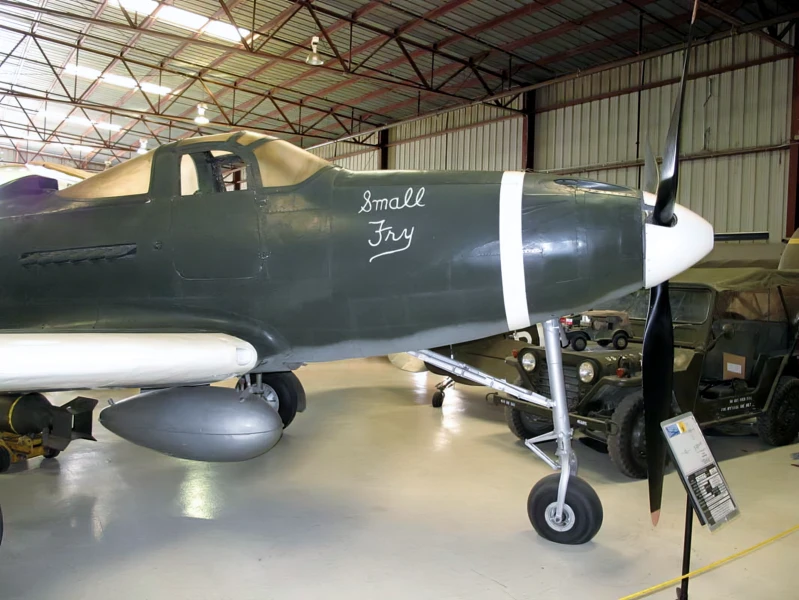 Zvonček P-39N Airacobra – WalkAround
 Konsolidovaný B-24M Liberator – WalkAround
 P-47D Thunderbolt – WalkAround
 A-20 Havoc – WalkAround