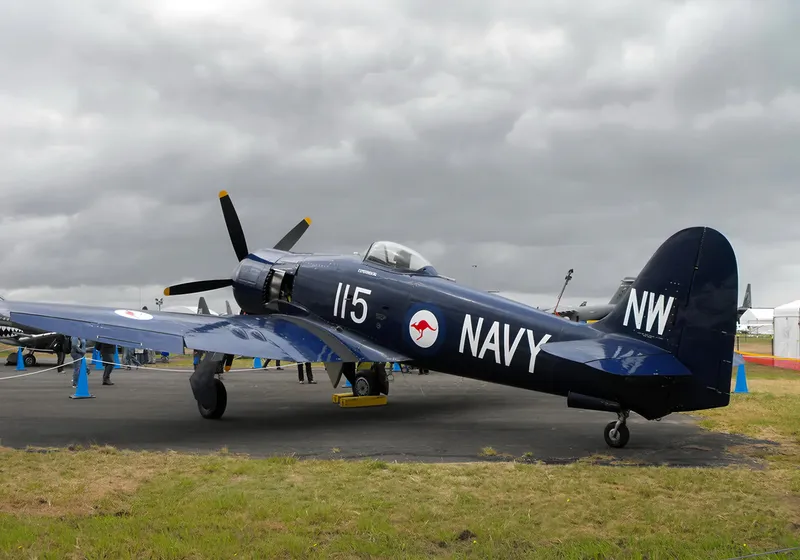
Hawker more Fury | |
|---|---|
| Krajiny | Uk |
| Obdobie | 2. svetová vojna |
| Typ | Chasseur |
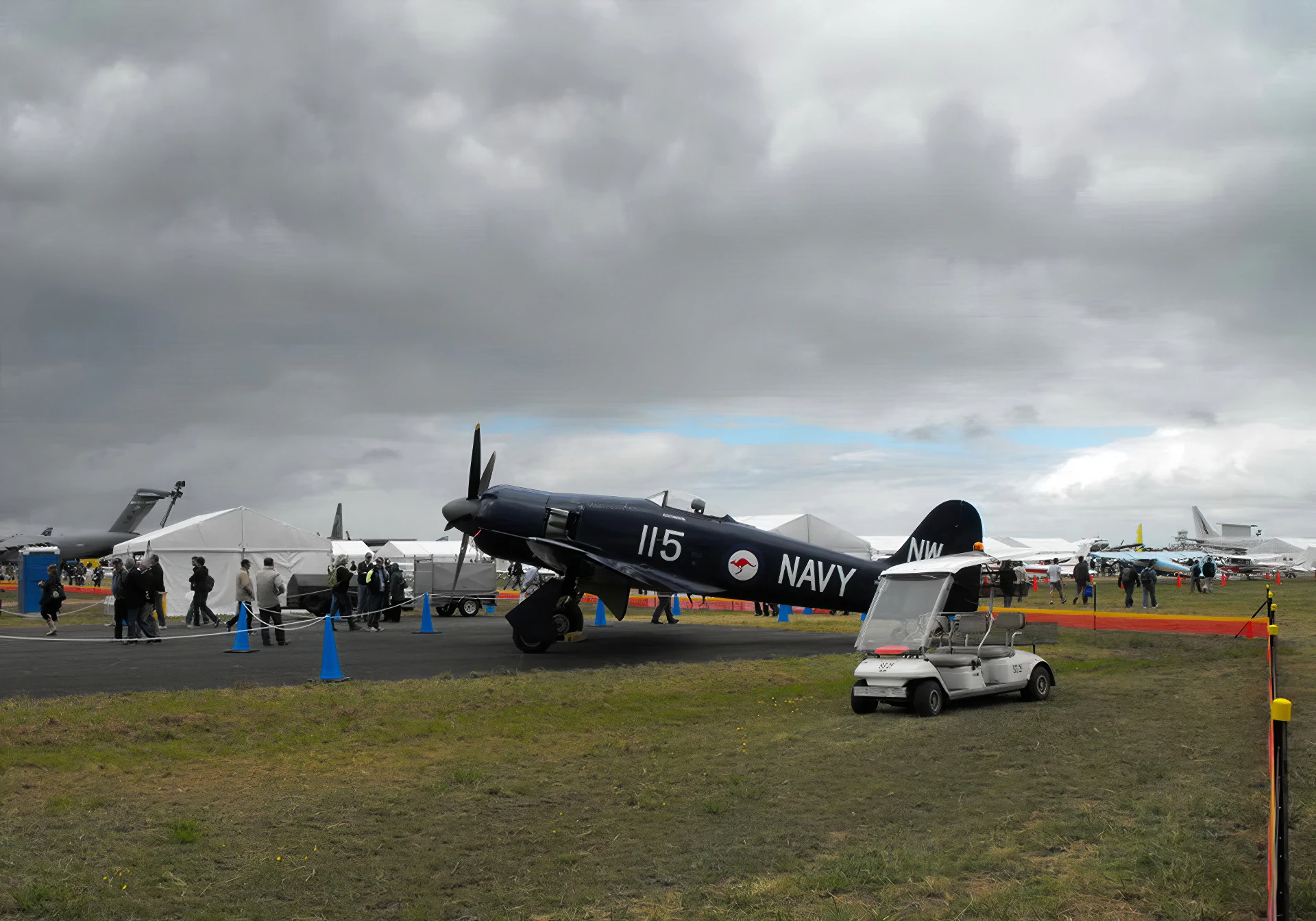
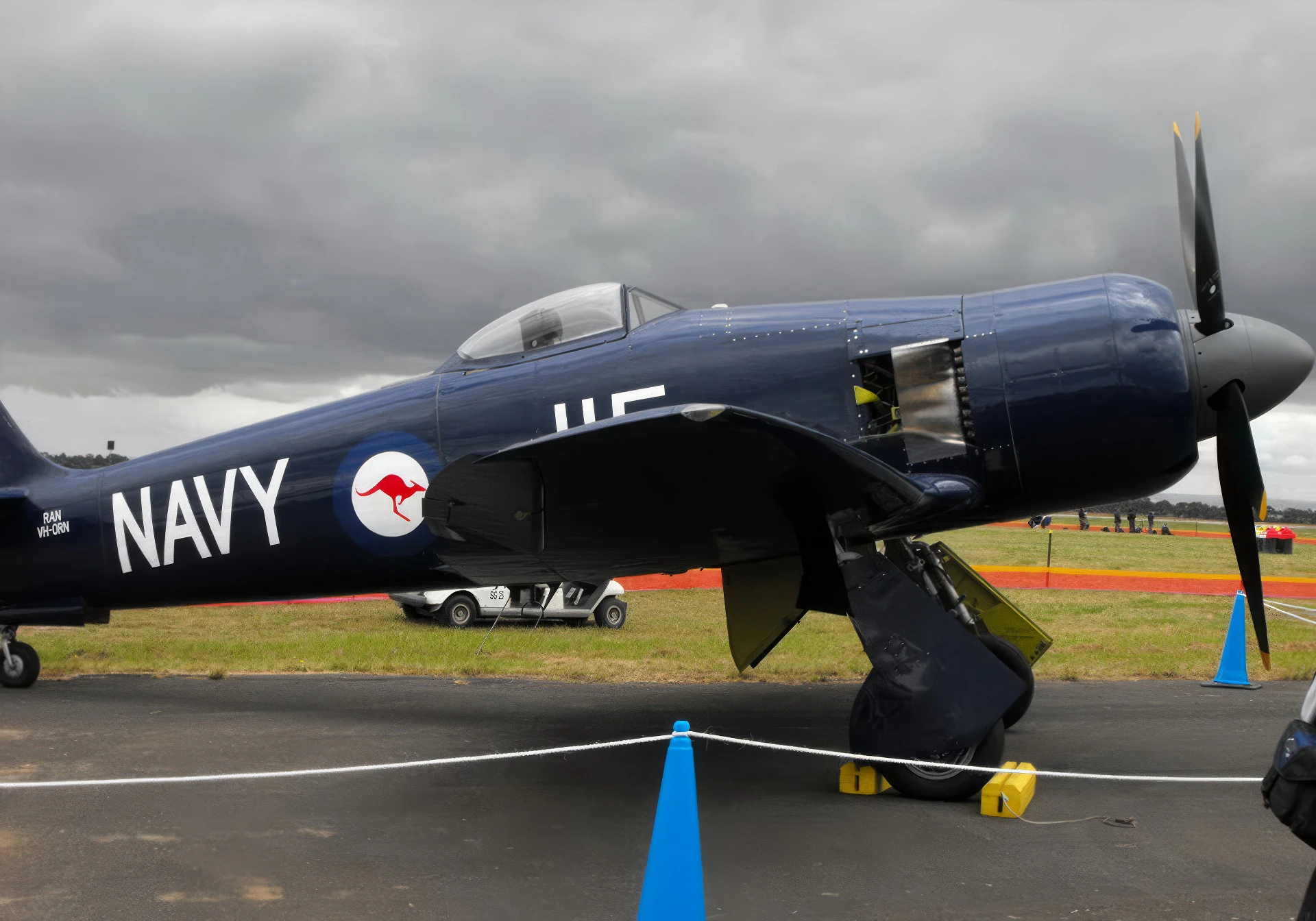
| Popis / kontrol | Album de 23 prechádzkové fotografie stíhačky "Hawker Sea Fury" |
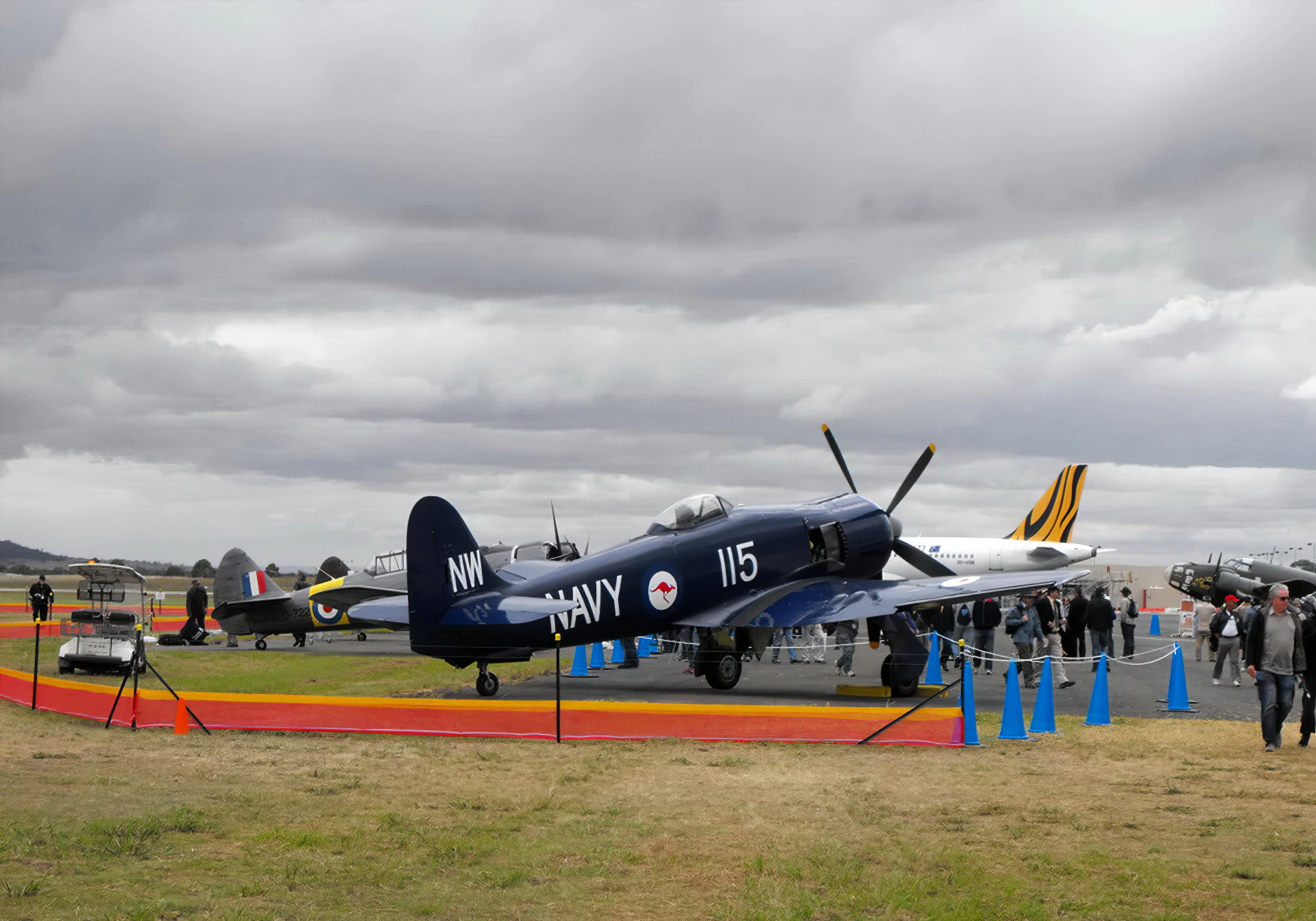
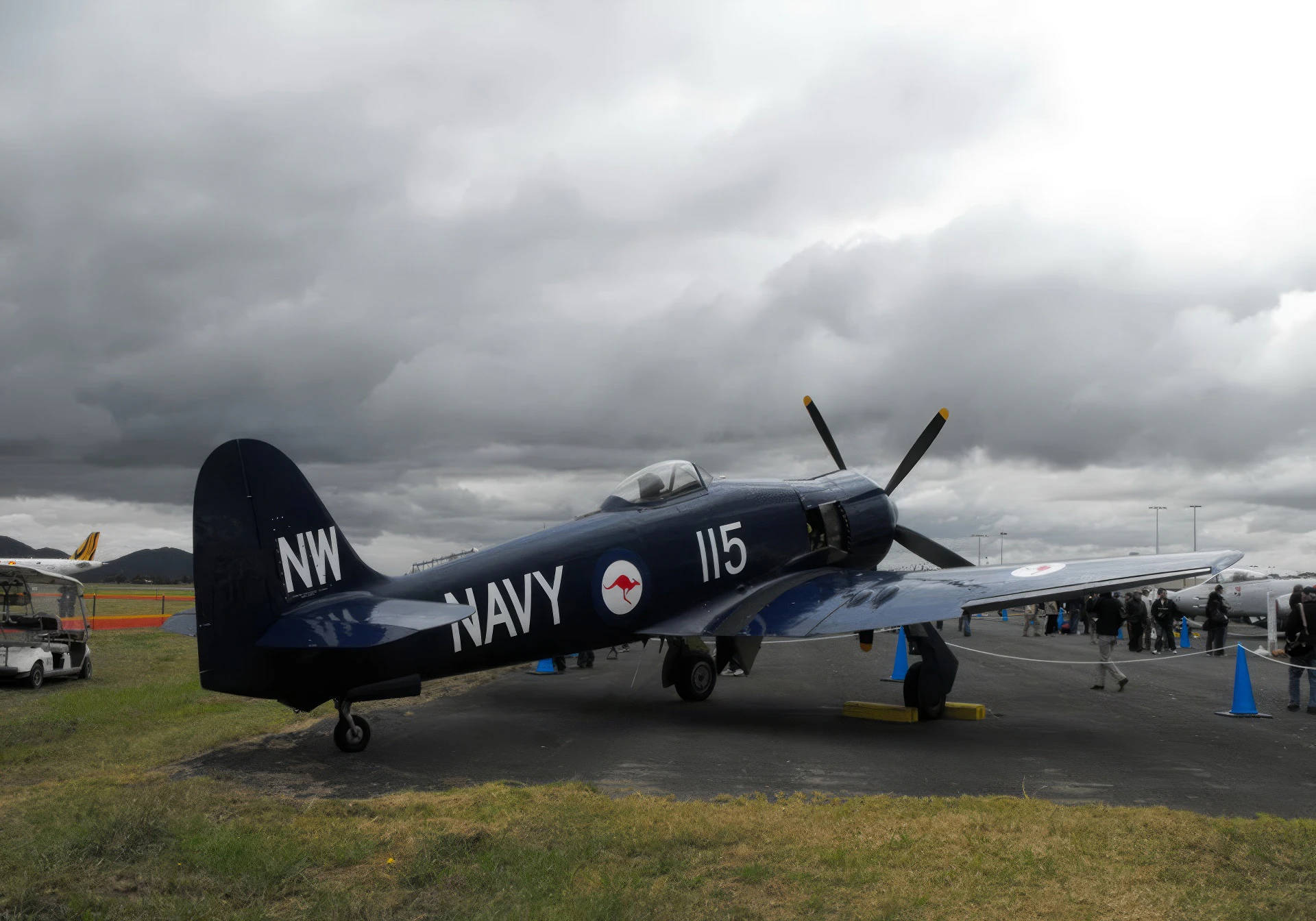
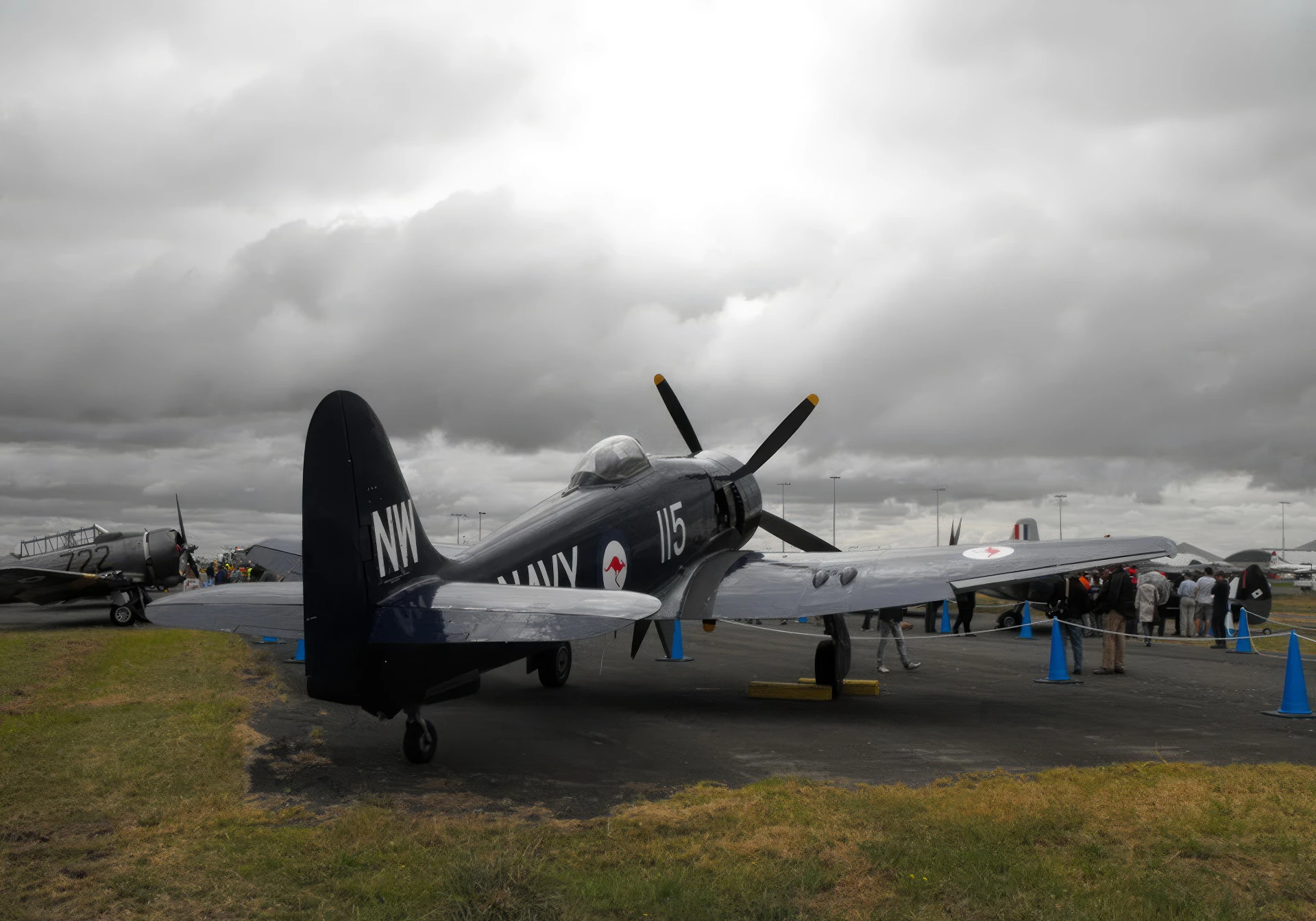
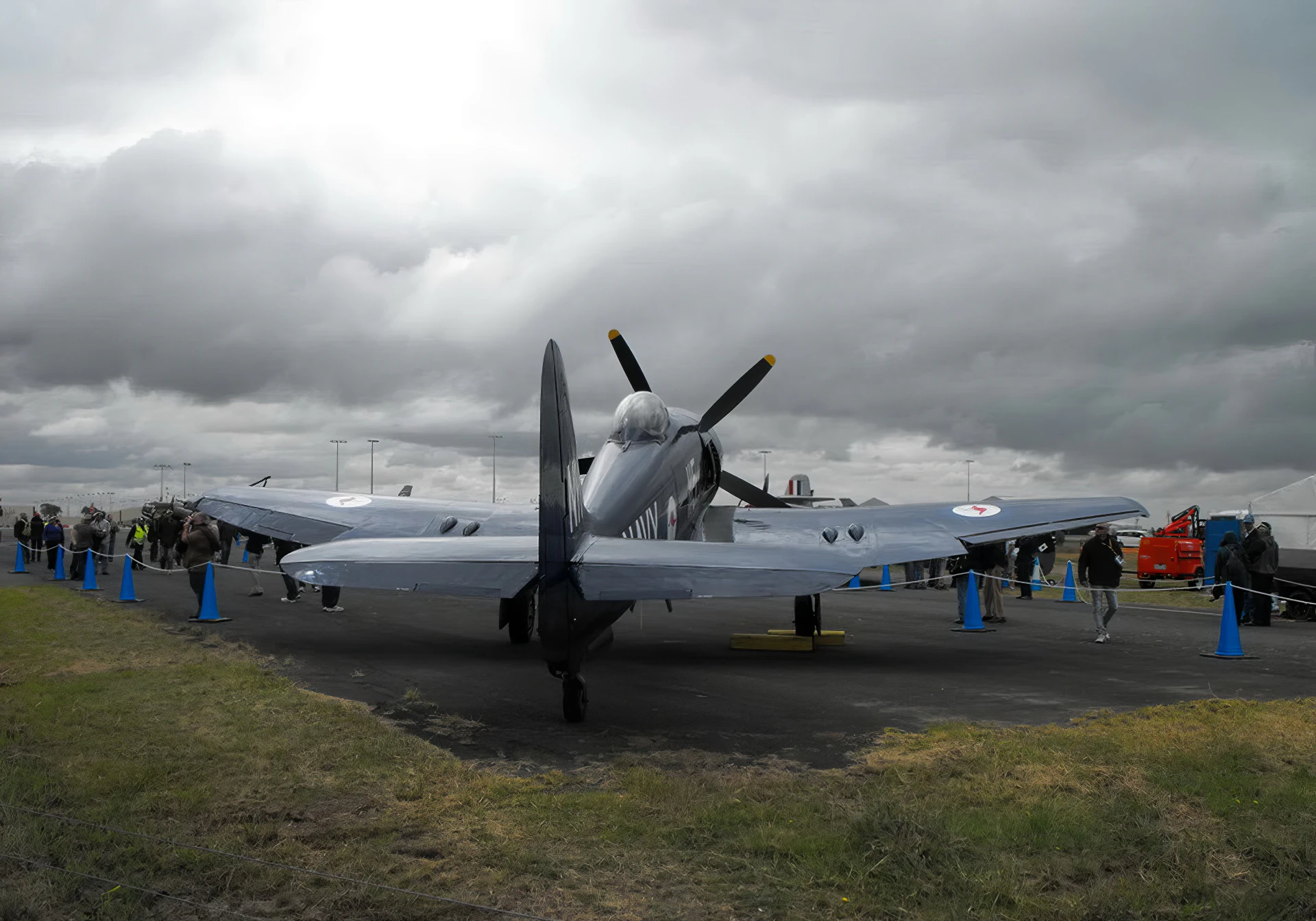
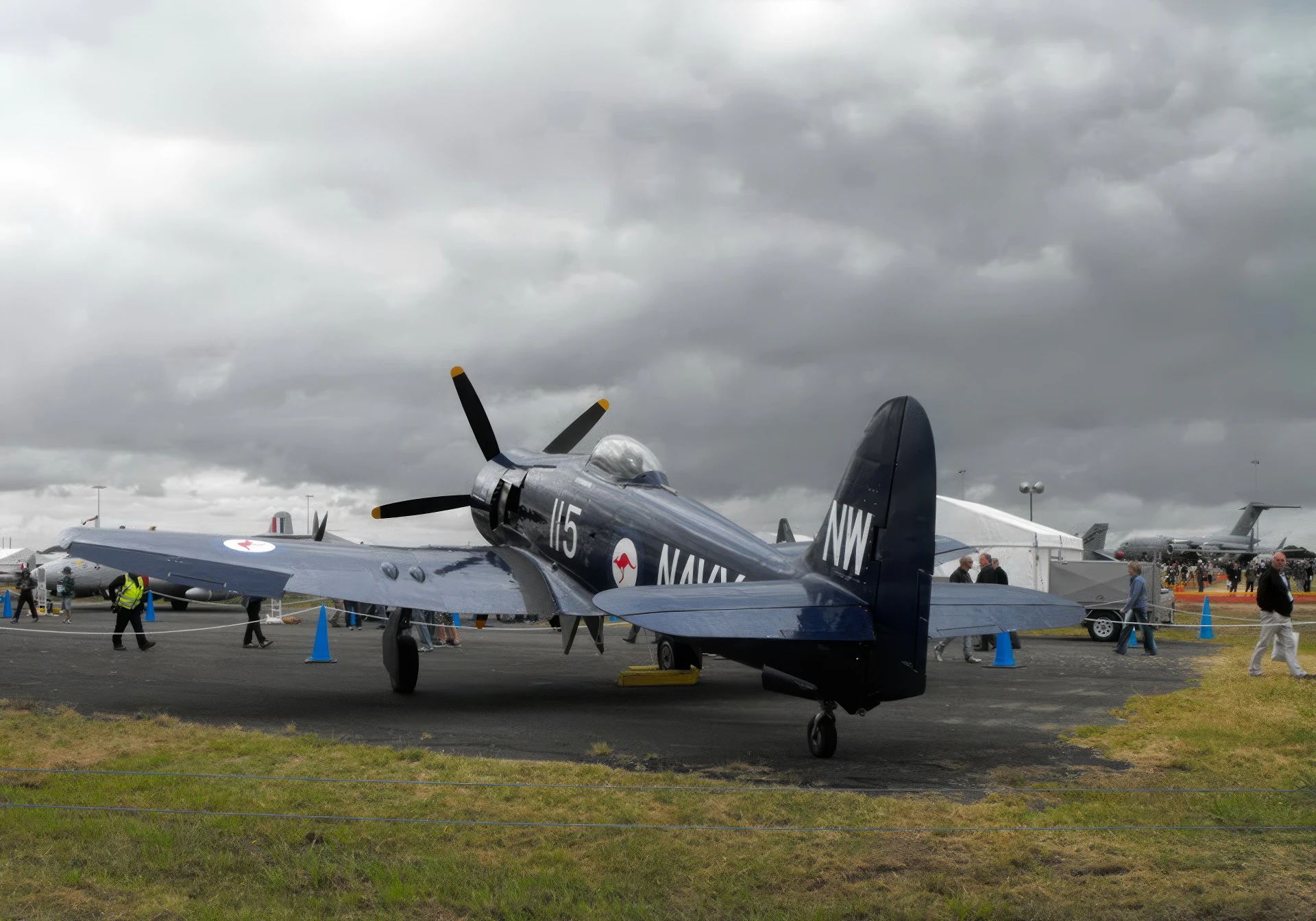
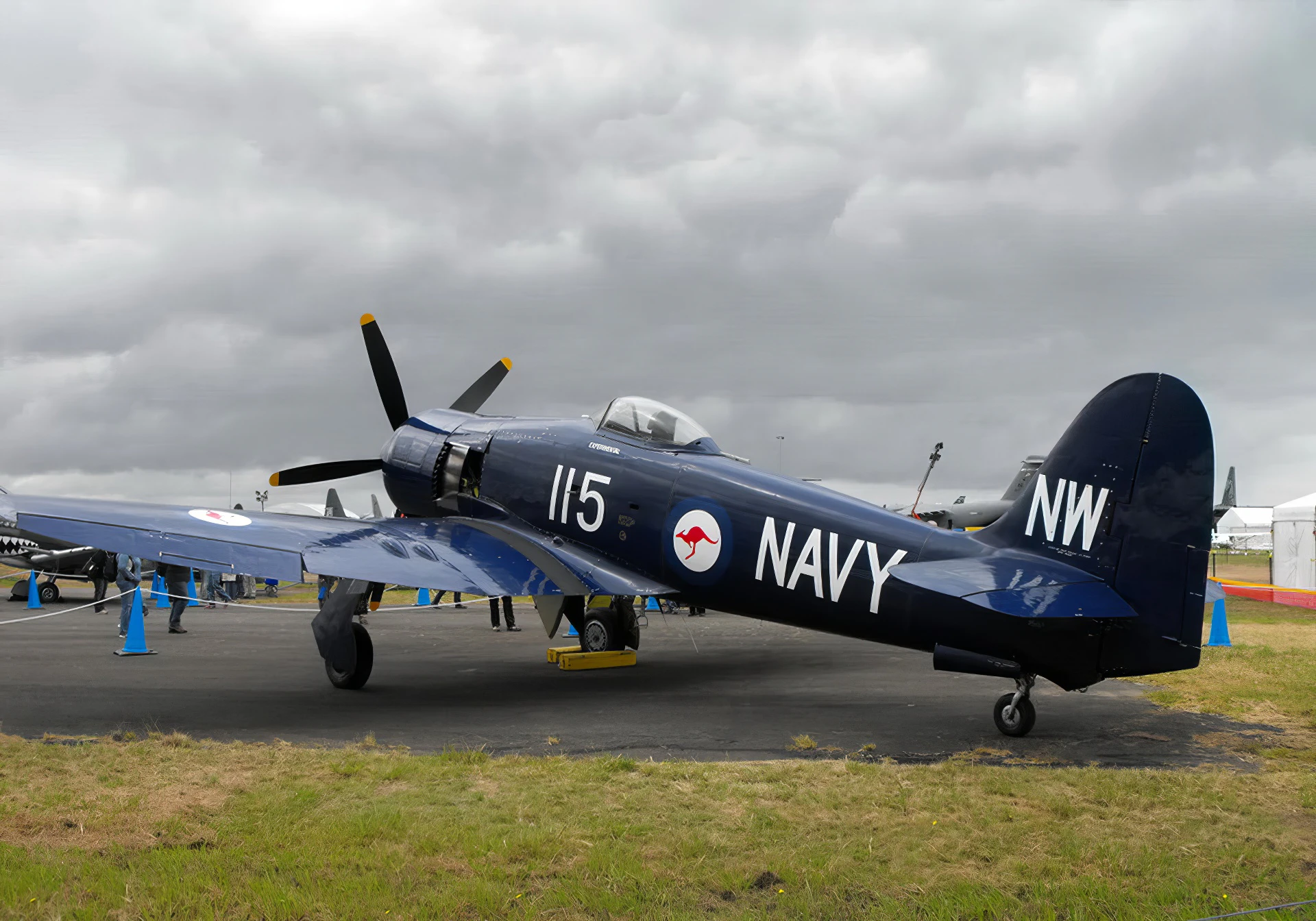
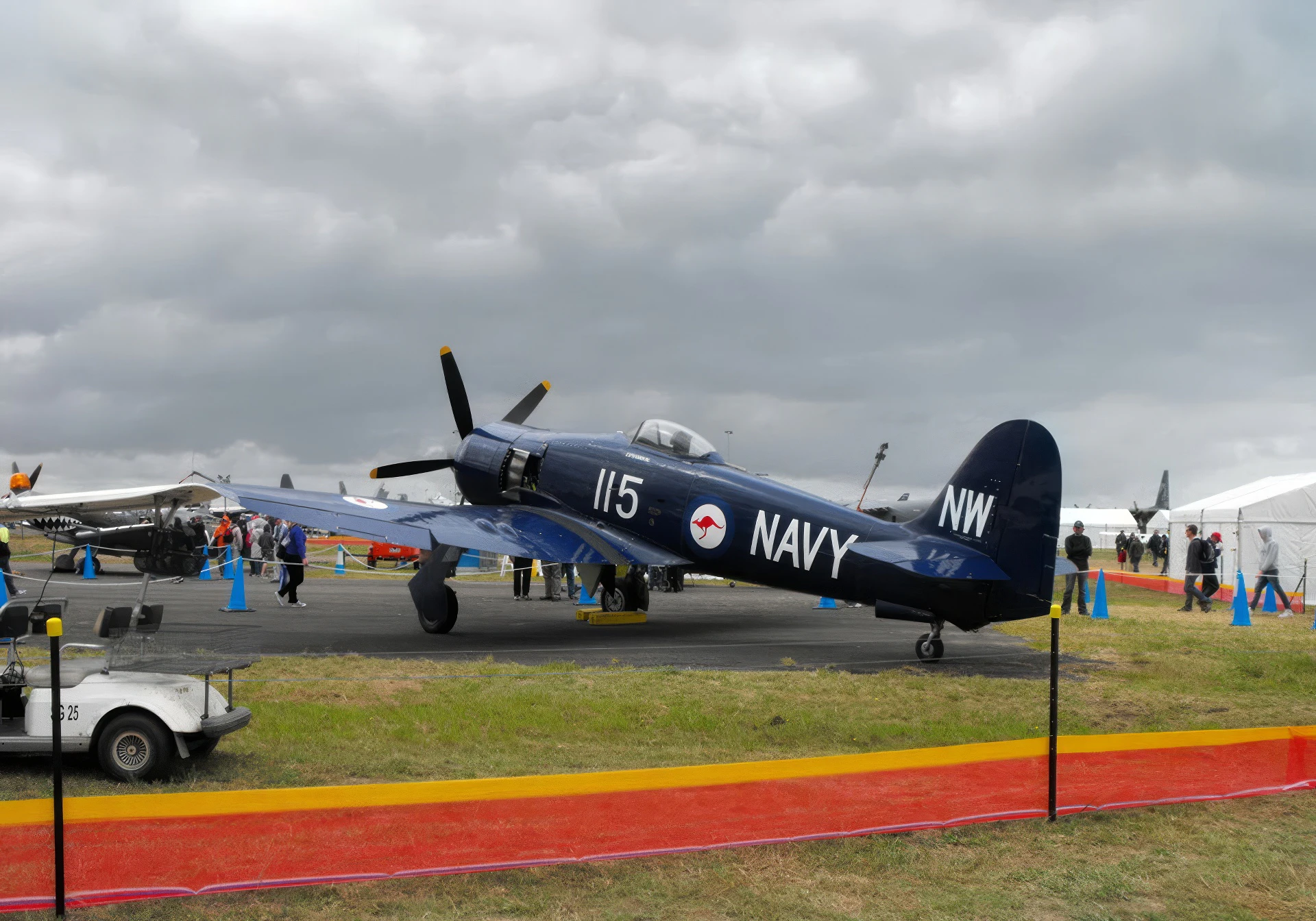
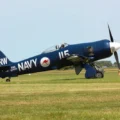
Fotogaléria o Hawker Sea Fury, Morská zúrivosť était un chasseur britannique développé pour la Royal Navy par le constructeur Hawker-Siddeley durant la Seconde Guerre mondiale. Il fut le dernier appareil à hélice de la Royal Navy, l’un des plus rapides monomoteurs à pistons jamais construit, et le dernier chasseur à hélice à abattre un avion à réaction. Le Hawker Fury bol nástupcom Hawker Typhoon a Hawker Tempest. Fury navrhol v roku 1942 slávny Sidney Camm ako odpoveď na tender vypísaný Kráľovským letectvom na nahradenie Tempest II. Navrhnutý ako "ľahší Tempest", používal rovnako ako jeho predchodca poloeliptické krídlo prinitované do stredu trupu. Samotný trup bol podobný Tempestu, ale úplne monokok a so zvýšeným kokpitom, aby poskytoval lepšiu viditeľnosť pre pilota.
Zdrojový: Hawker Sea Fury na Wikipédii

Pozri tiež:


The Hawker Sea Fury was a British carrier-borne fighter-bomber developed during World War II, though it entered service shortly after the war ended. It was the last propeller-driven fighter to serve with the Royal Navy and is considered one of the fastest production single piston-engined aircraft ever built.
Key Specifications (Sea Fury FB.11)
| Rys | Detail (FB.11 Variant) |
|---|---|
| Úlohu | Carrier-based Fighter-Bomber |
| Výrobca | Hawker Aircraft Limited |
| Posádky | 1 Pilot (Trainer T.20 variant had 2) |
| Max Takeoff Weight | Approx. 5,670 kg (12,500 lb) |
| Rozpätie krídel | 11.7 m (38 ft 4¾ in) – Wings Folded for carrier storage |
| Pohonná jednotka | 1 × Bristol Centaurus 18-cylinder radial engine, ~2,480 hp |
| Maximálna rýchlosť | Approx. 740 km/h (460 mph) at 5,500 m (18,000 ft) |
| Hlavná výzbroj | 4 × 20 mm Hispano Mk.V cannons (wing-mounted) |
| External Ordnance | Up to 908 kg (2,000 lb) of bombs or 16 × 3 inch rockets |
Operational History Highlights
The Sea Fury had a distinguished, albeit short, front-line career, most notably:
- Korean War: It was heavily used by the Royal Navy (RN) and Royal Australian Navy (RAN) for ground attack and interdiction sorties.
- Jet Kill: On August 9, 1952, a Sea Fury FB.11, flown by Lieutenant Peter Carmichael, famously shot down a Soviet-built MiG-15 jet fighter, a rare event for a propeller aircraft in the jet age.
- Final Piston Fighter: It was the last piston-engined fighter to serve in the Royal Navy’s Fleet Air Arm before being replaced by early jet fighters like the Hawker Sea Hawk.
Air Racing: Heavily modified Sea Furies remain extremely popular and successful participants in modern air races, such as the Reno Air Races, often setting speed records for piston-powered aircraft.
Zobrazenia : 2594
Môžete tiež vidieť:
 Martin 4-0-4 – fotografie a videá
 Bristol F.2 Fighter – fotografie a videá
 Northrop JB-1 Bat – fotografie a videá
 Convair F2Y Sea Dart – fotografie a videá
 Miles Magister - fotografie a videá
 FM-1 Divoká mačka – WalkAround
 Grumman F-14 Tomcat – WalkAround
 Mikoyan-Gurevich MiG-17 – WalkAround
 MiG-23MLD – WalkAround
 Hawker Sea Fury FBII vol2 – Chodiť