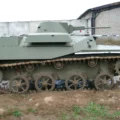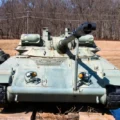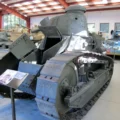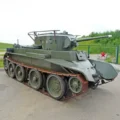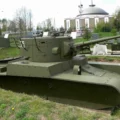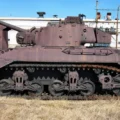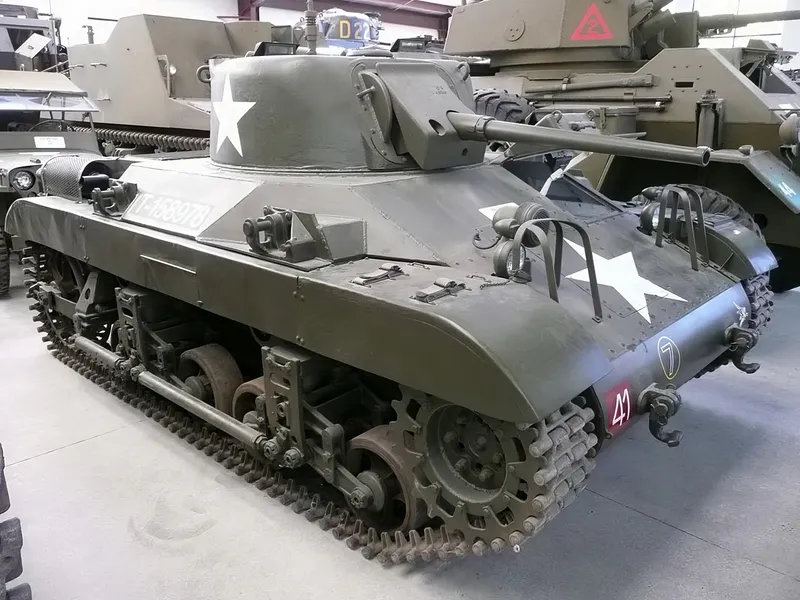
M22 — саранча | |
|---|---|
| Страны | США |
| Тип | Легкий танк |
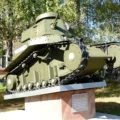
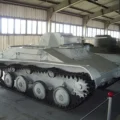
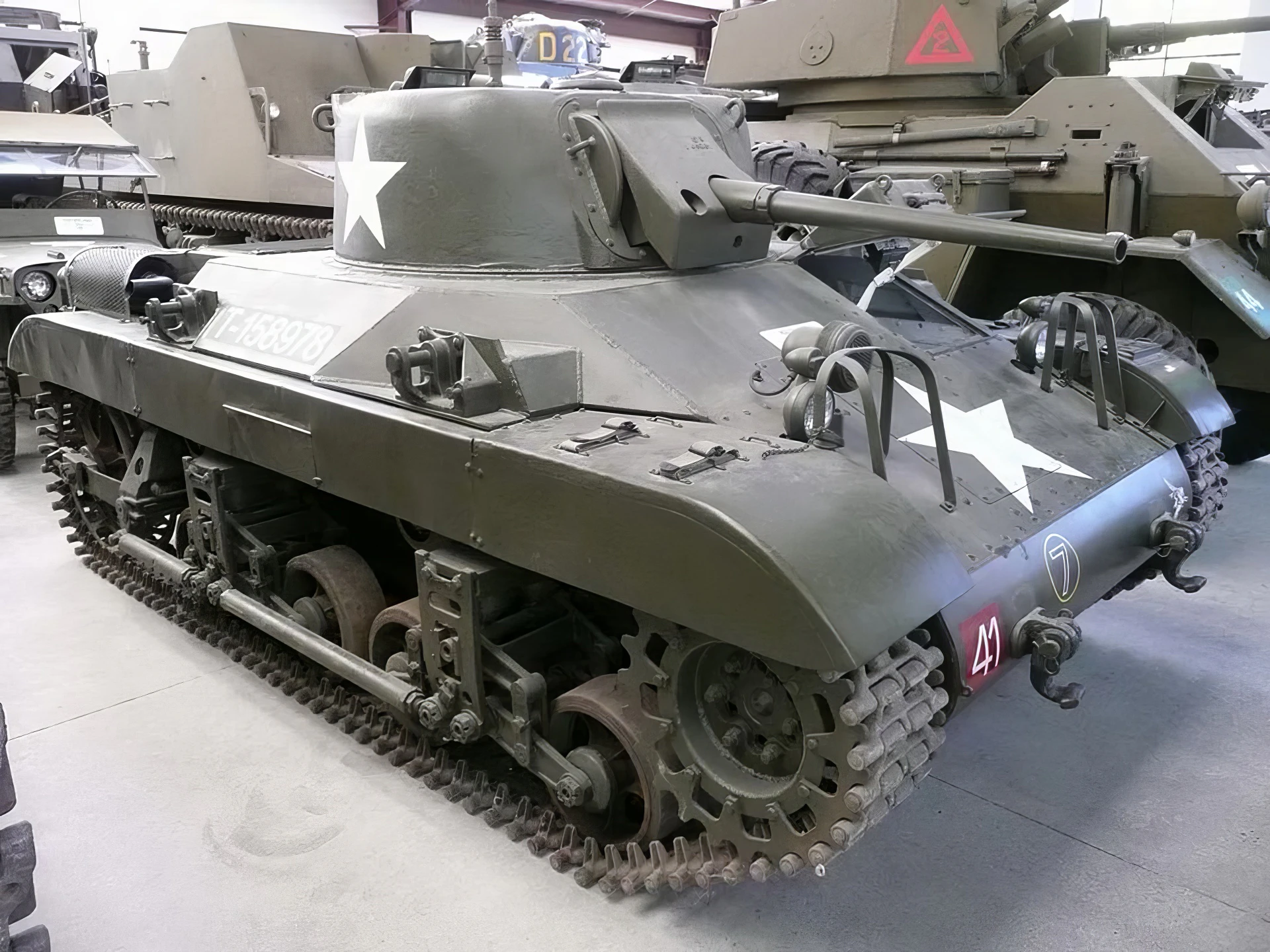
Фотогалерея танка M22 Locust, Легкого танка (Airborne) M22 был американский легкий танк, используемый во время Второй мировой войны. Англичане обозначили их саранча (кузнечик).
Источник: M22 Саранча в Википедии
| M22 Locust – Walk Around | |
|---|---|
| Фотограф | Неизвестная |
| Локализации | Неизвестная |
| Фотографии | 90 |
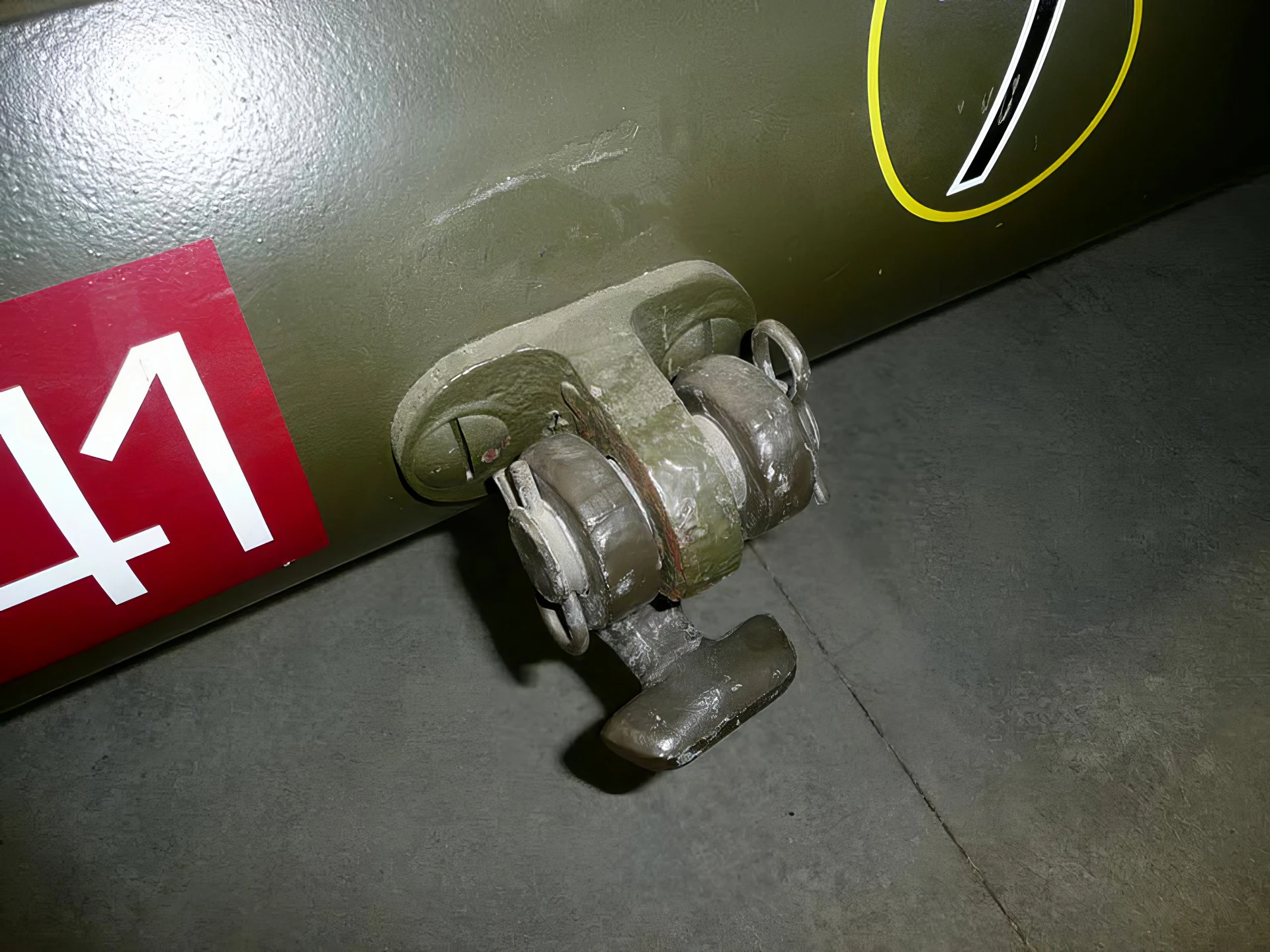
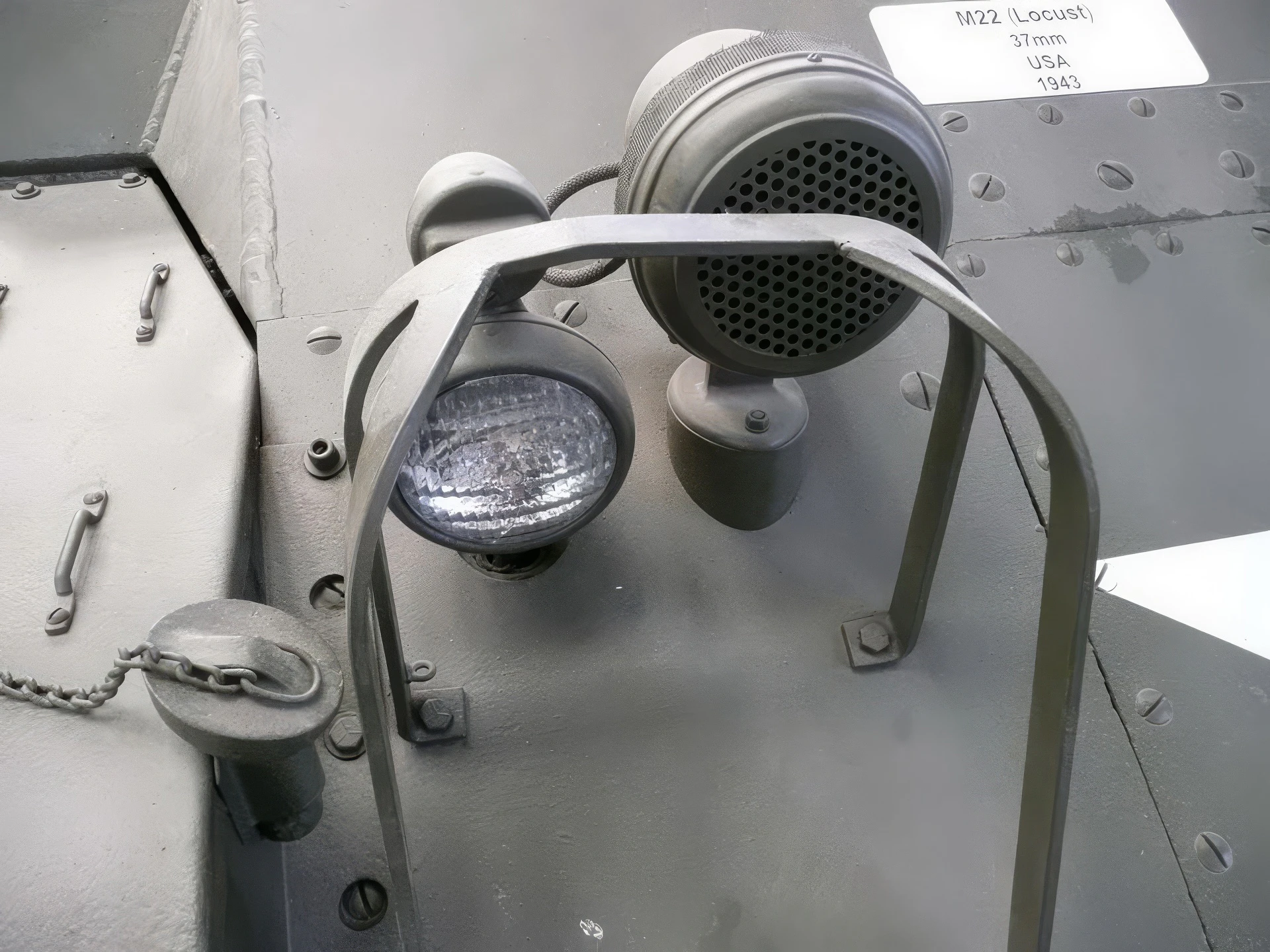
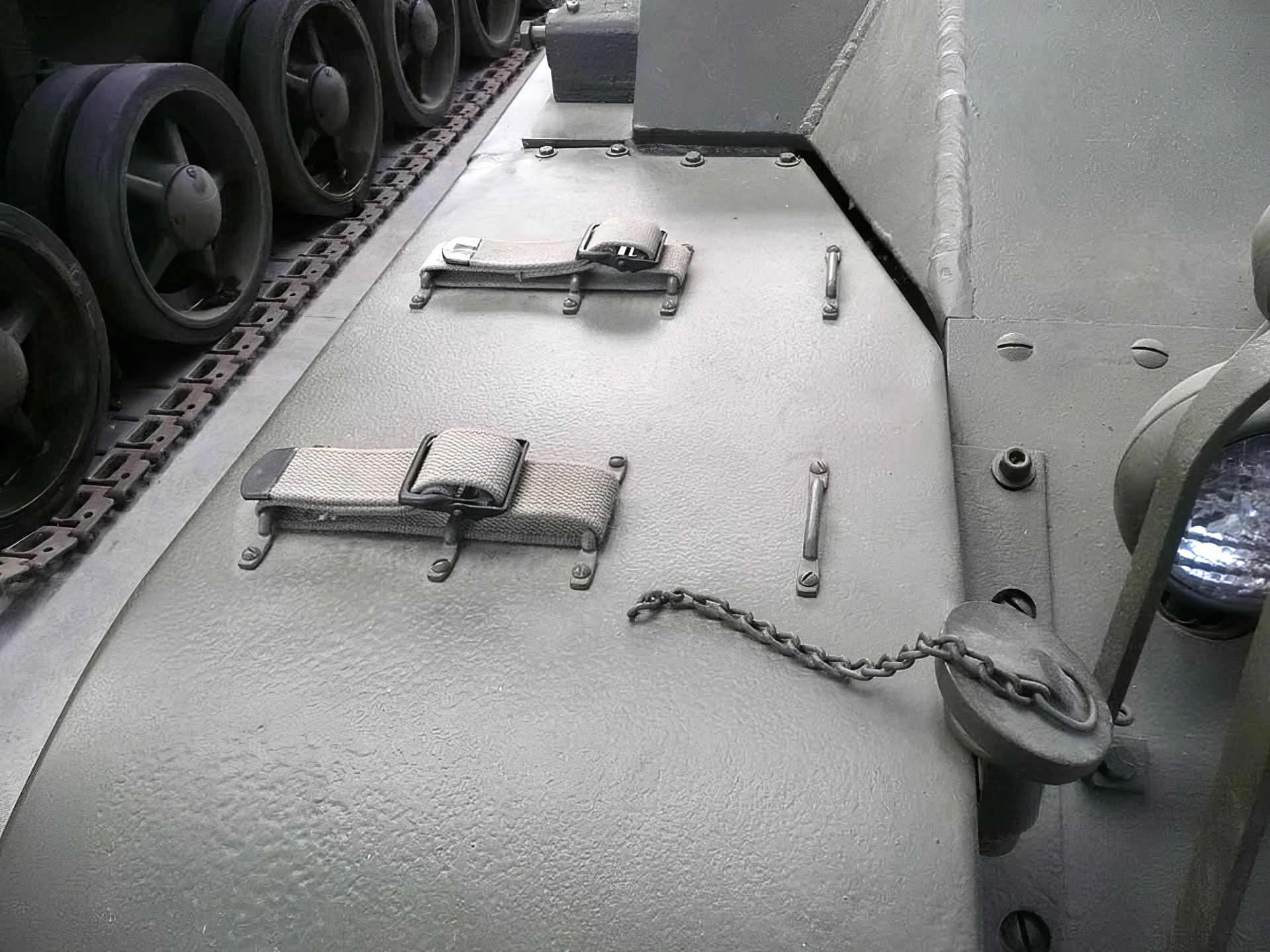
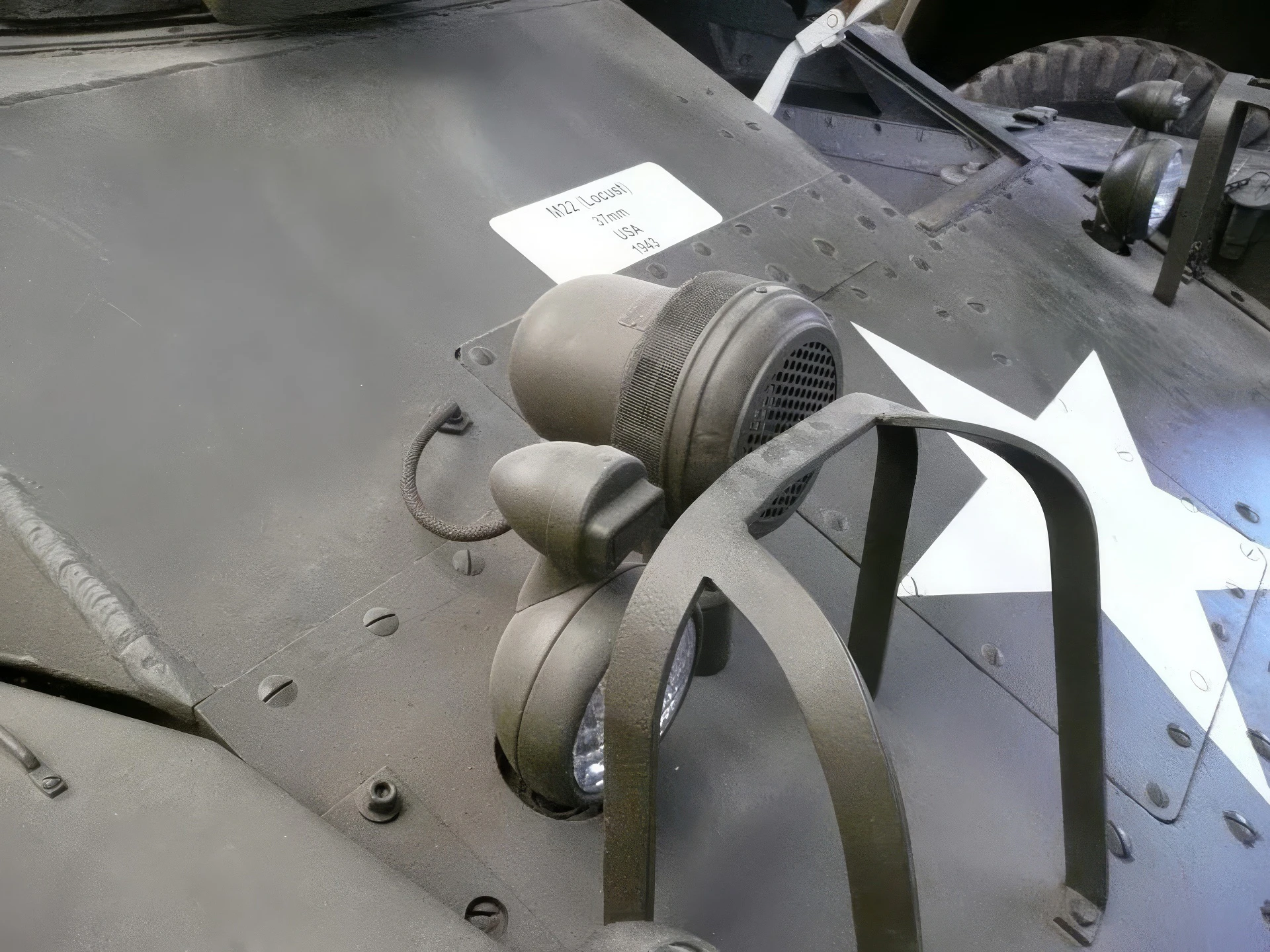
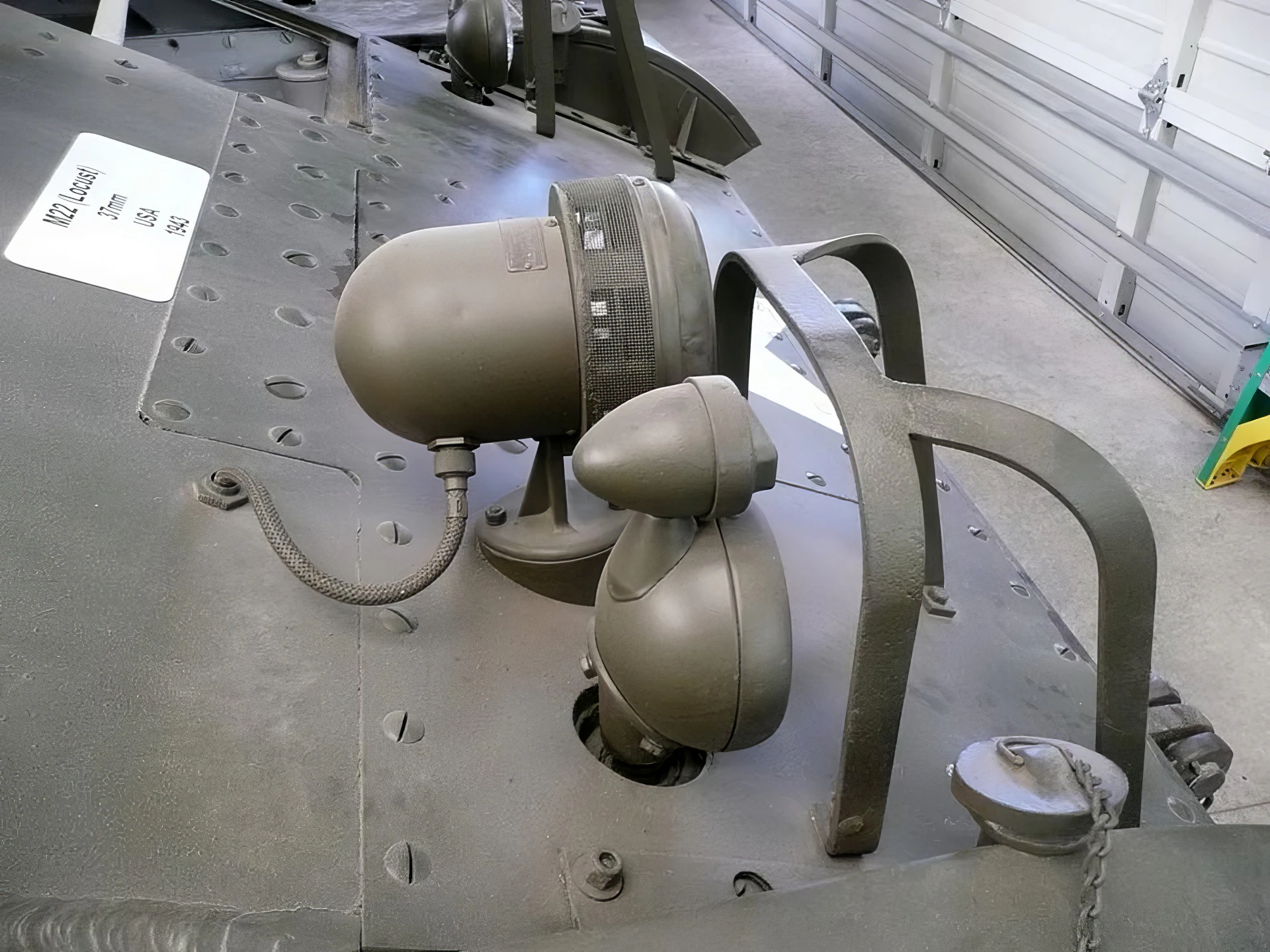
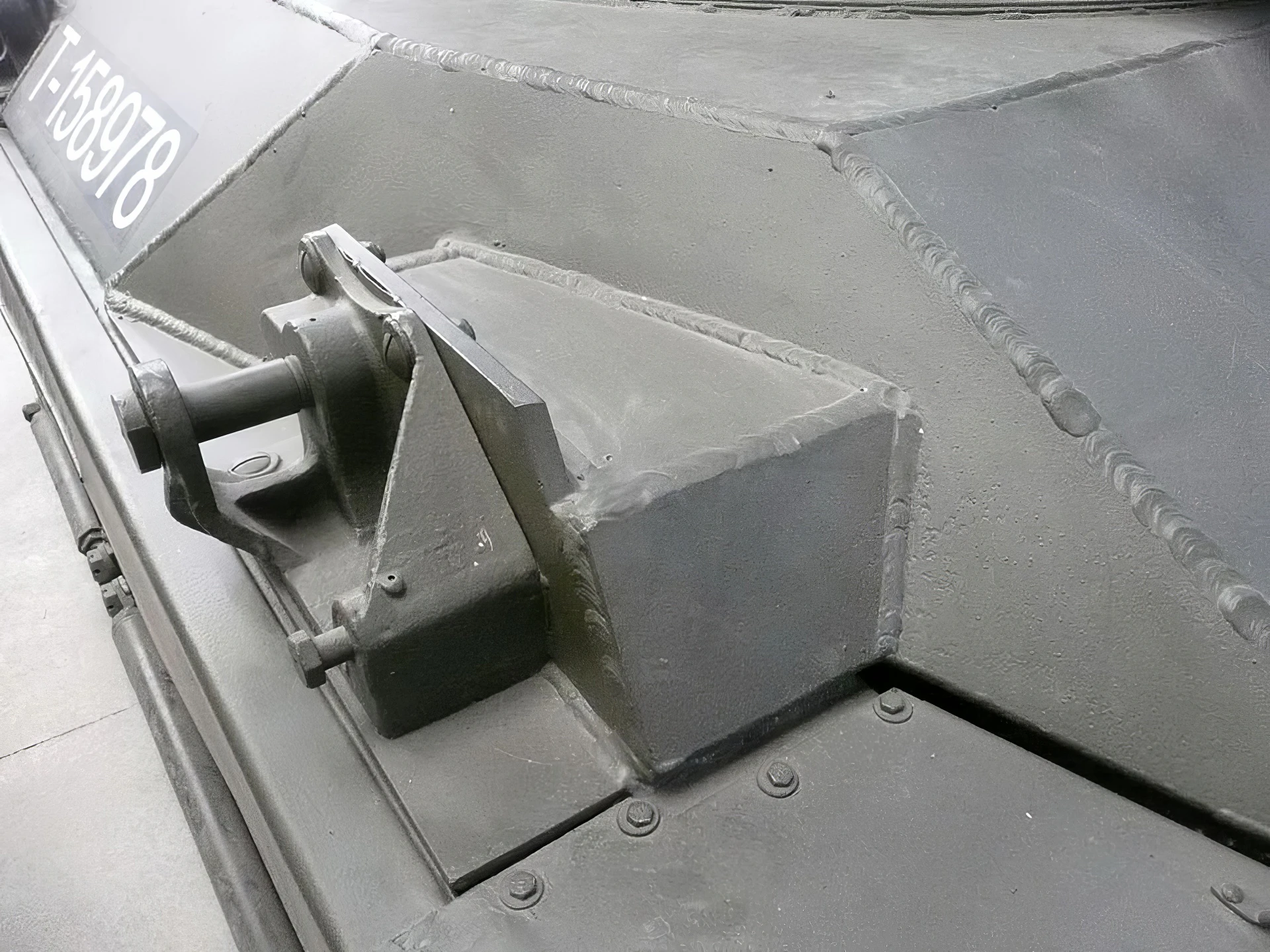
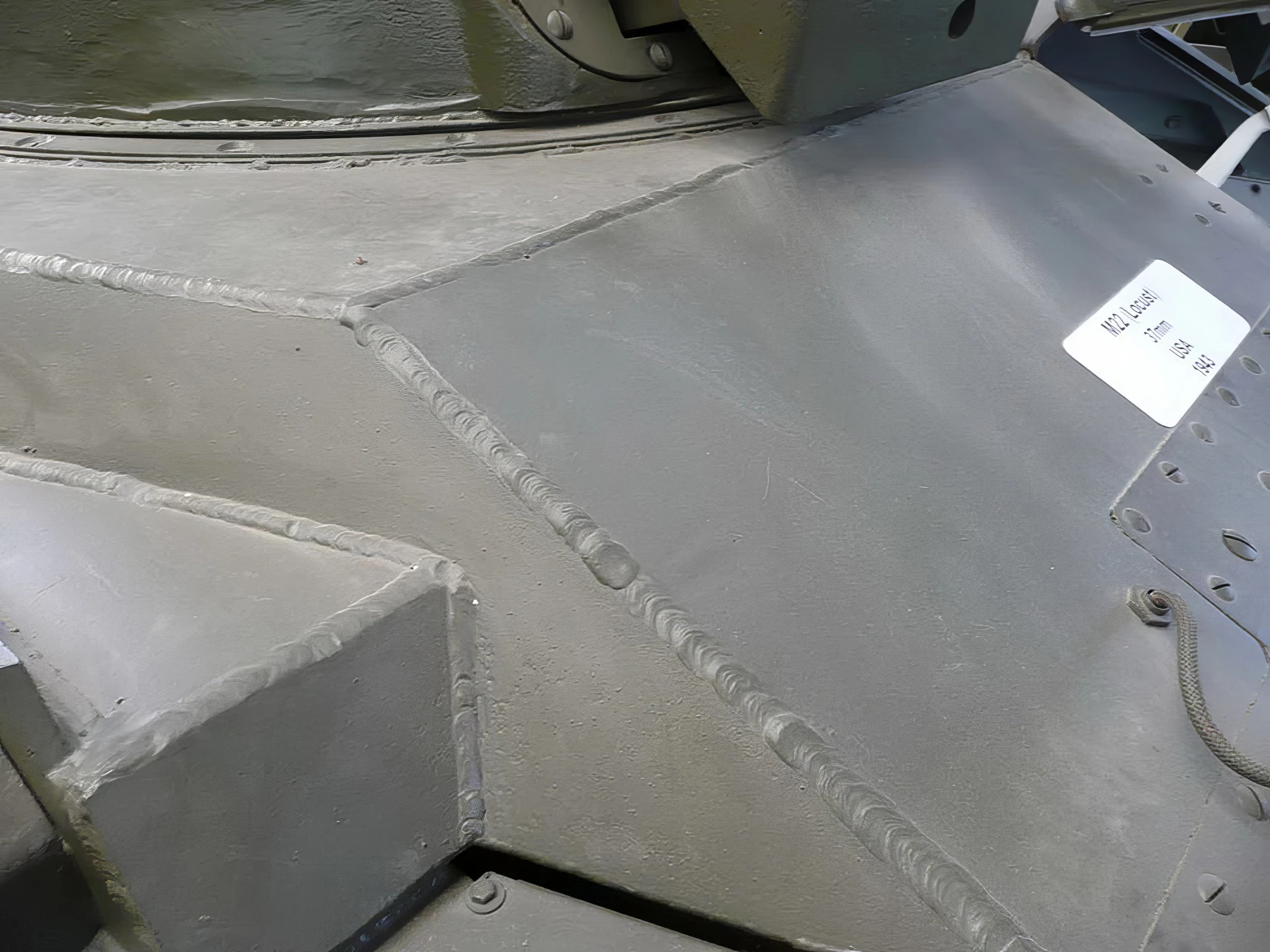

| M22 Locust – Walk Around | |
|---|---|
| Фотограф | Неизвестная |
| Локализации | Неизвестная |
| Фотографии | 31 |
Читайте также:


| M22 Locust (T9E1) – Walk Around | |
|---|---|
| Фотограф | Неизвестная |
| Локализации | Неизвестная |
| Фотографии | 17 |
Teh M22 Саранча was an American-designed airborne light tank of World War II, developed to provide airborne forces (paratroopers and glider troops) with immediate, mobile anti-tank and fire support behind enemy lines.
It was a novel concept but suffered from a combination of mechanical reliability issues and having become under-gunned by the time it saw combat.
Дизайн и технические характеристики
The M22 was designed from the ground up to be air-transportable, leading to several compromises in its protection and firepower:
- Роль: Light Tank (Airborne). Its primary design requirement was transportability via large gliders.
- Main Armament: Teh 37 mm M6 gun, a weapon that was already obsolete for anti-tank use by 1944 against medium German tanks.
- Броня: Extremely thin, maxing out at only around 25 mm on the front, offering protection mainly against small-arms fire and shell fragments, but little defense against anti-tank rifles or most heavier cannons.
- Transport: It was specifically designed to fit within the cargo bay of the massive British General Aircraft Hamilcar glider, which required removing the turret before loading and reattaching it after landing (though some sources suggest later testing allowed it to be carried intact).
Service History
| Aspect | Details |
|---|---|
| Development Request | Initiated in 1941, largely in response to a request by the British War Office for a glider-transportable tank. |
| US Service | Teh Армия США declared the M22 “Limited Standard” but never used it in combat. The M22 suffered from a poor power-to-weight ratio and general reliability problems in field trials. |
| Combat Use | The M22 Locust’s only World War II combat deployment was with the British 6th Airborne Division, who nicknamed it the “Locust.” |
| Major Operation | Operation Varsity (March 1945). This was the airborne crossing of the Rhine River. A small number of Locusts were glider-landed, but most were lost either during the landing or shortly after in engagements with German anti-tank forces. Only two reached the final rendezvous point intact. |
| Effectiveness | The M22 was largely ineffective as a fighting vehicle due to its weak gun and armor. Its main value was the psychological shock of having tanks appear behind enemy lines, rather than its direct combat utility. |
| Наследство | The M22 proved the concept of air-delivery for armored vehicles, paving the way for post-war designs, but was retired shortly after WWII. |
The M22 Locust is a perfect example of a design that was overtaken by the rapid advance of wartime technology. Though designed for a vital niche, it was already obsolete by the time it entered service.
Просмотры : 3273