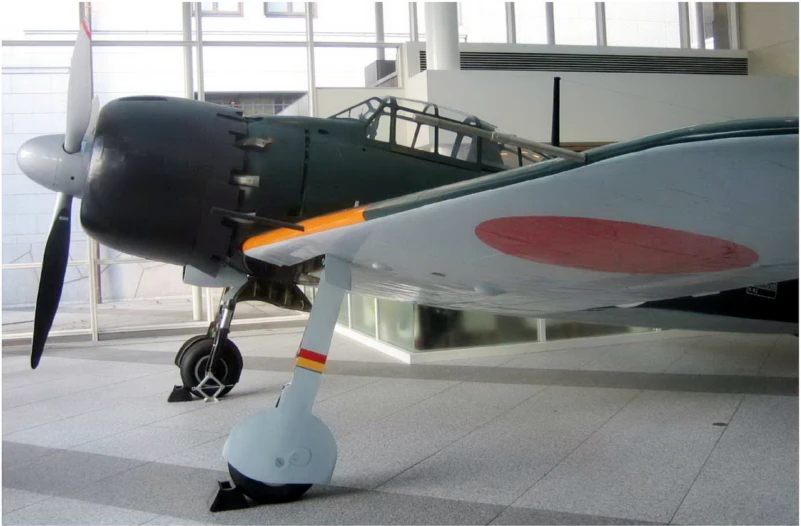
Mitsubishi A6M Zero | |
|---|---|
| Страны | Япония |
| Роль | Истребитель |
| Первая муха | 1 апреля 1939 года |
| Построен | 10939 |
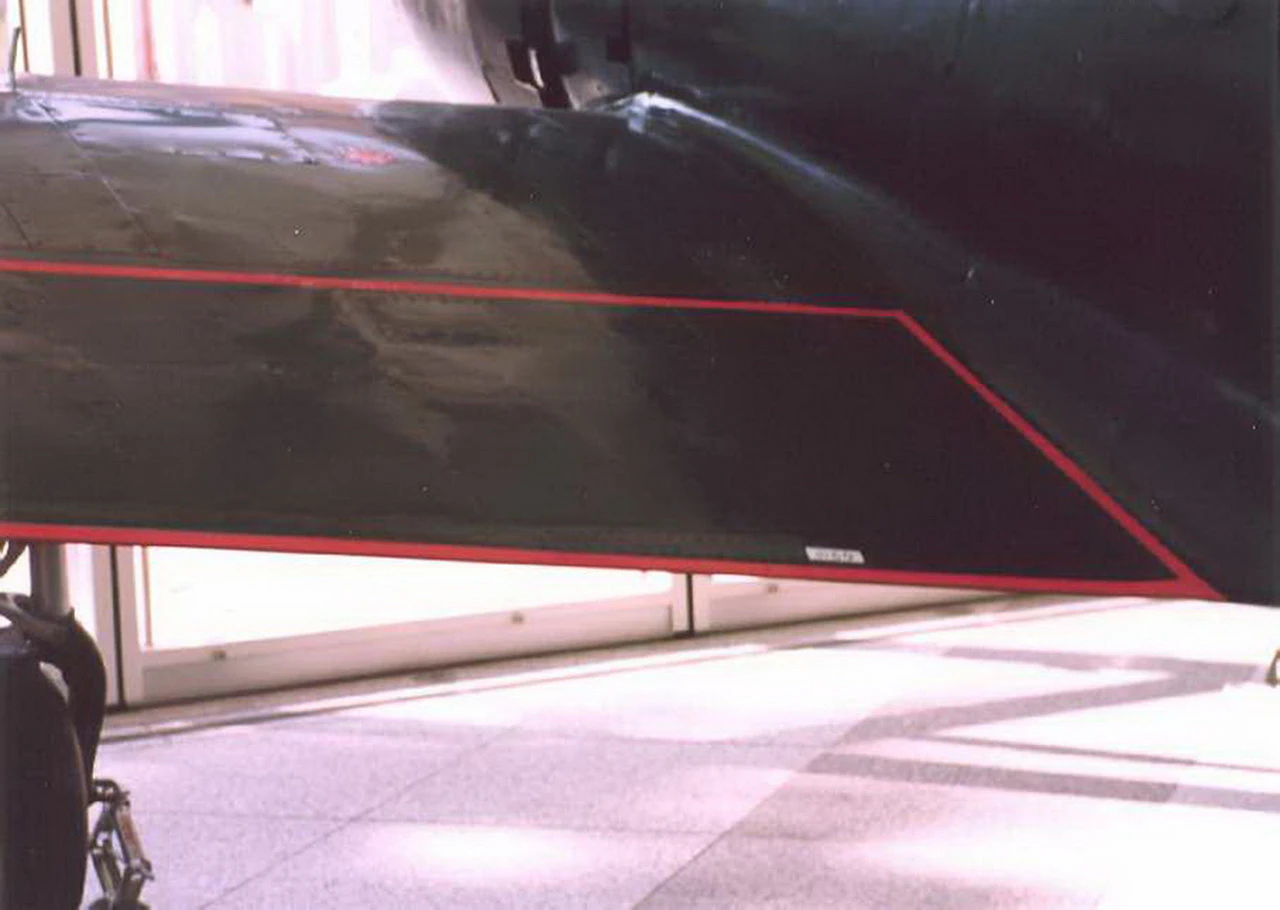
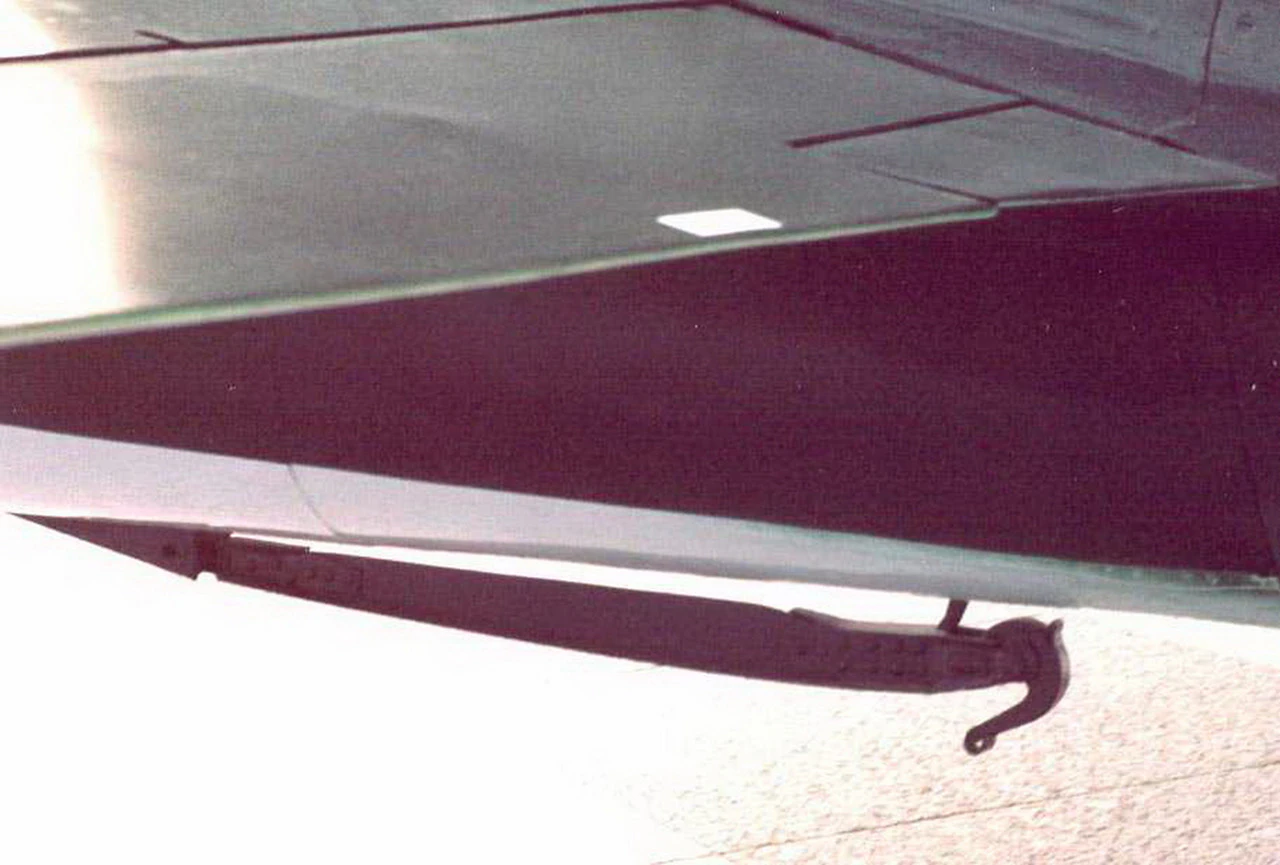
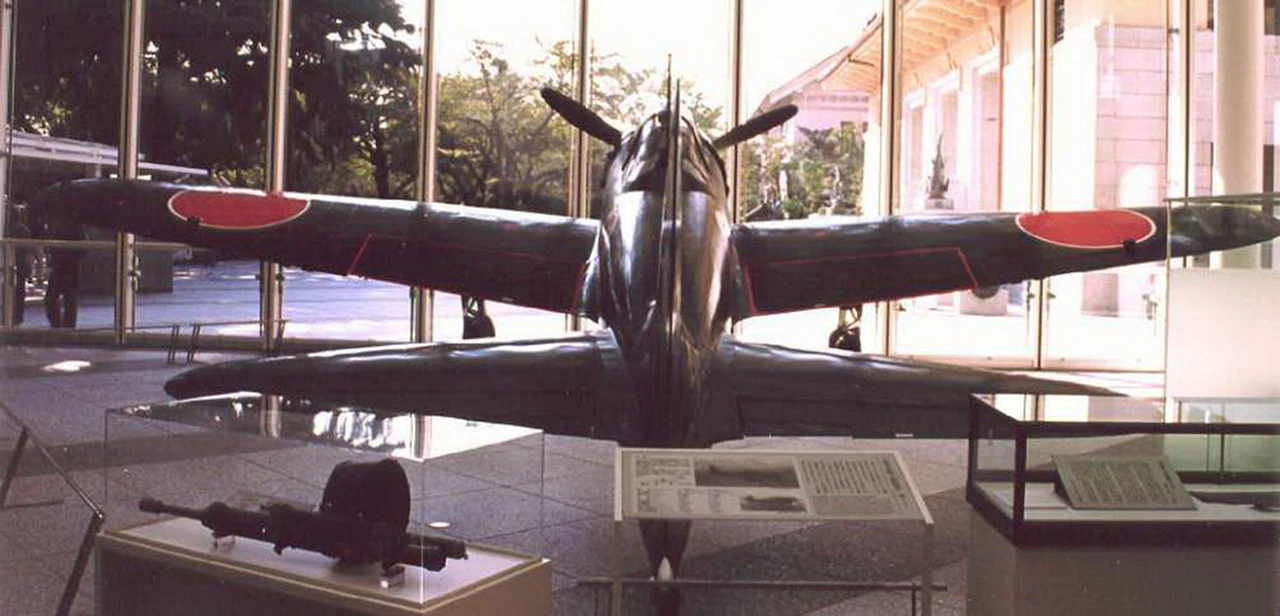
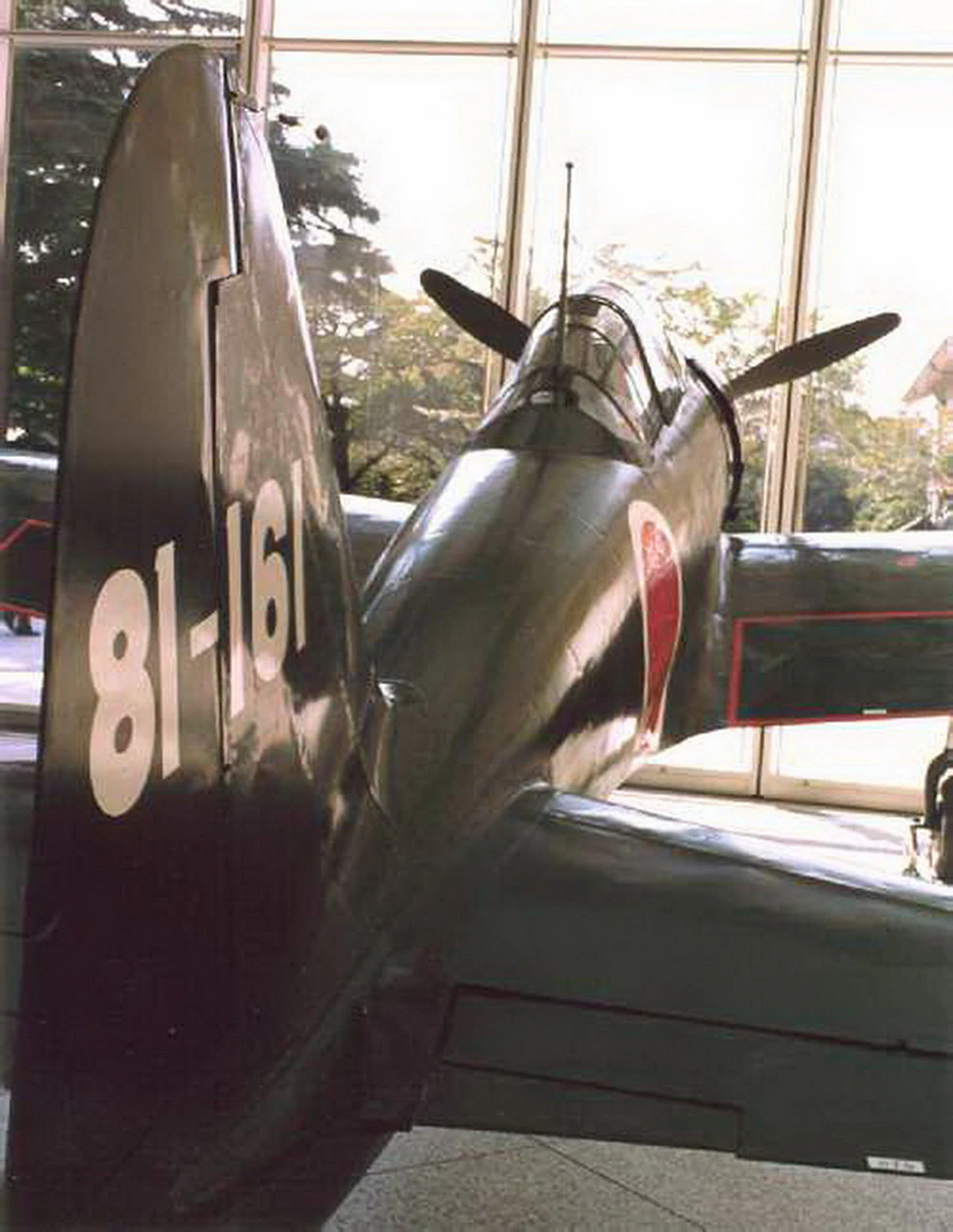
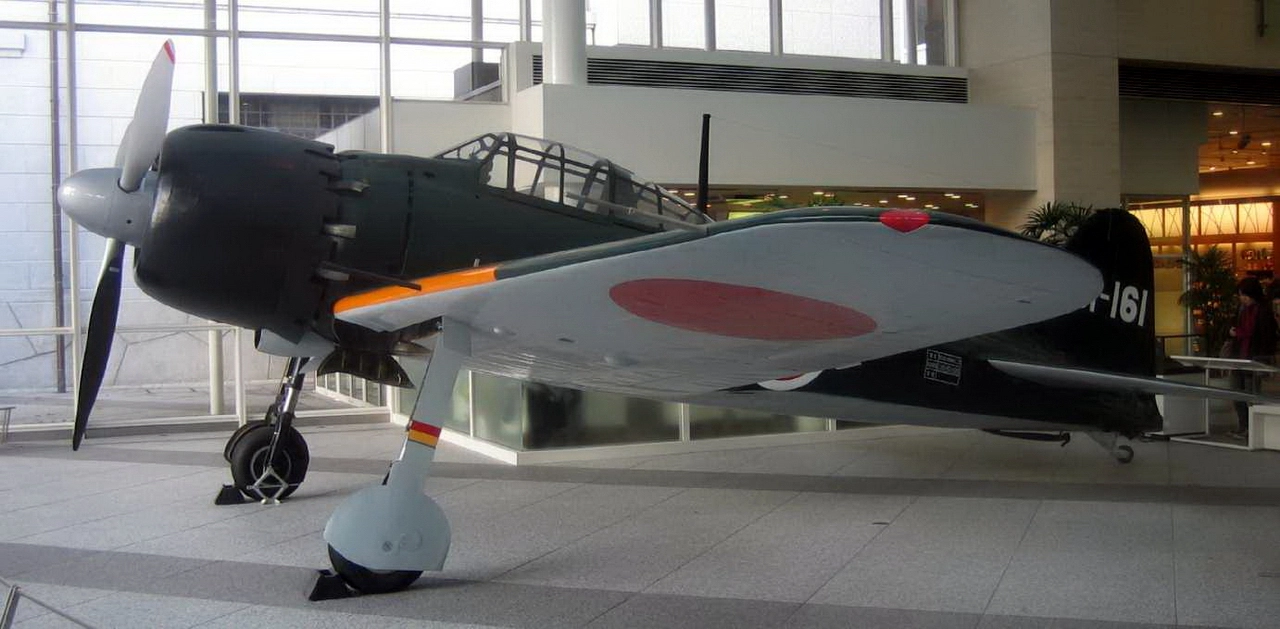
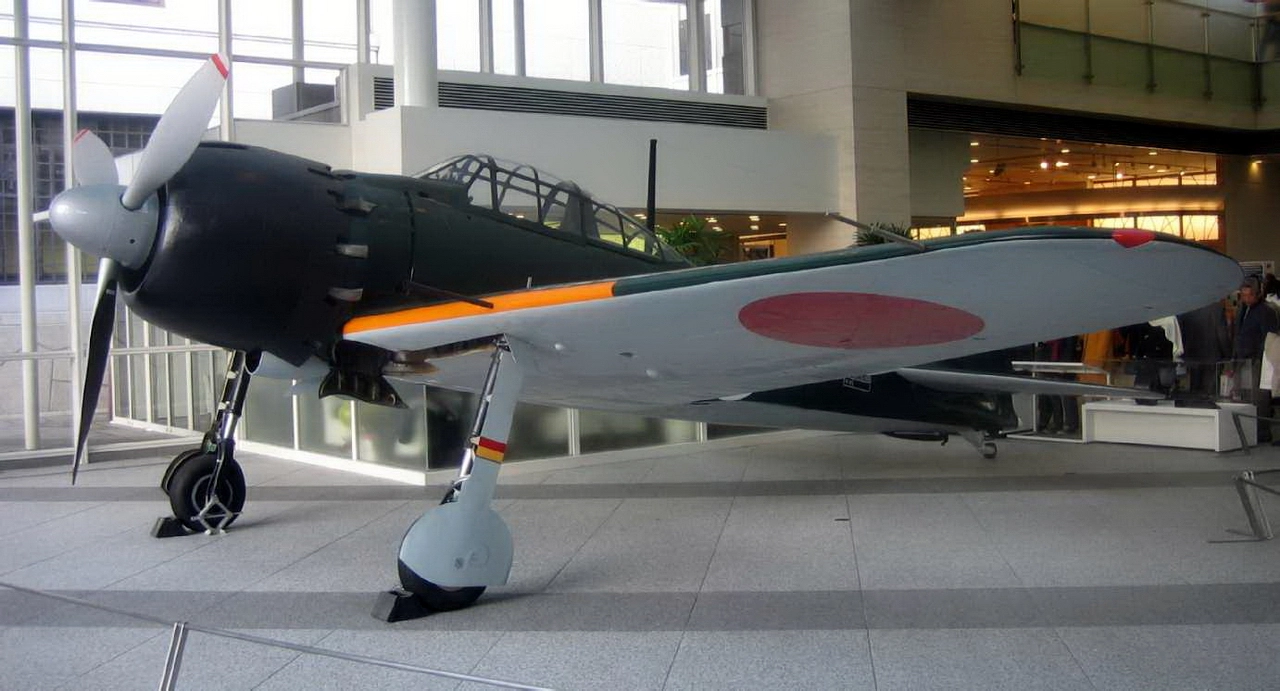
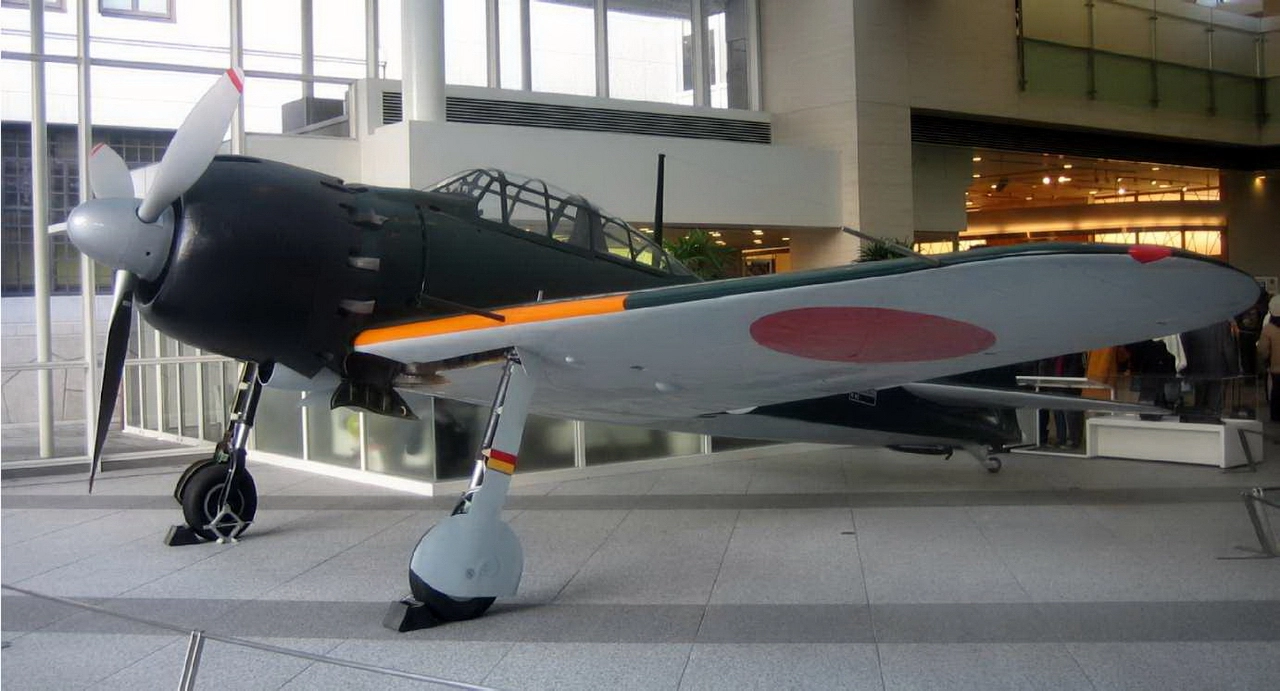
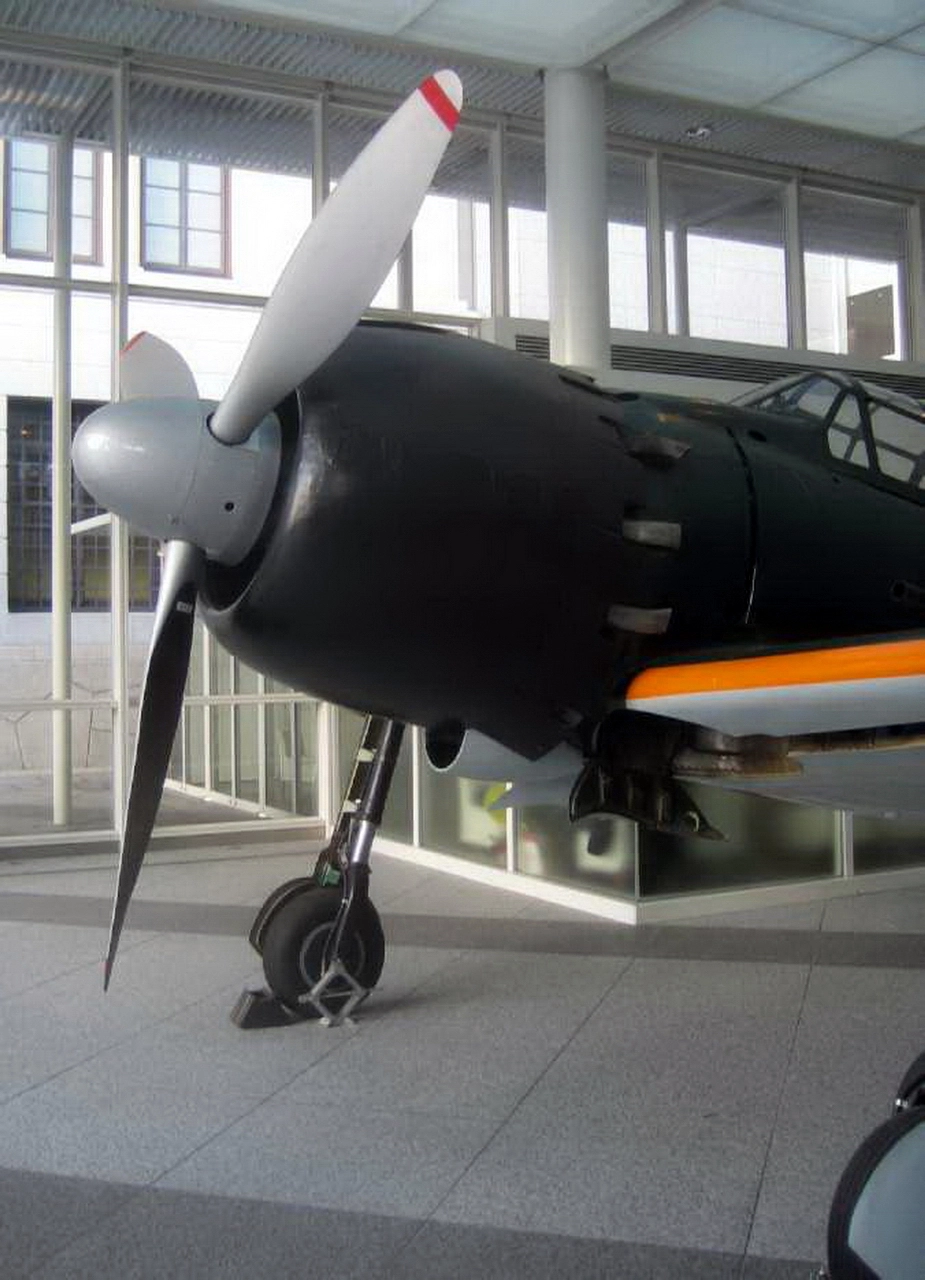
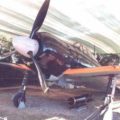
Teh Мицубиси А6М "Ноль" — да и дальний истребитель, производимый компанией Mitsubishi Aircraft Company, в составе Mitsubishi Heavy Industries, и эксплуатируемый Императорским японским флотом с 1940 по 1945 год. A6M был обозначен как истребитель-носитель Mitsubishi Navy Type 0 (零式艦上戦闘機 rei-shiki-kanj'-sent'ki) или Mitsubishi A6M Rei-sen. A6M, как правило, называют его пилоты, как "Рейзен" (нулевой истребитель), "0" является последней цифрой имперского 2600 (1940), когда он поступил на вооружение Имперского флота. Официальное название отчета союзников было «Зик», хотя использование названия «ноль» было позже принято союзниками.
Источник: Мицубиси A6M Ноль в Википедии
| A6M Zero | |
|---|---|
| Фотограф | Неизвестная |
| Локализации | Неизвестная |
| Фотографии | 61 |
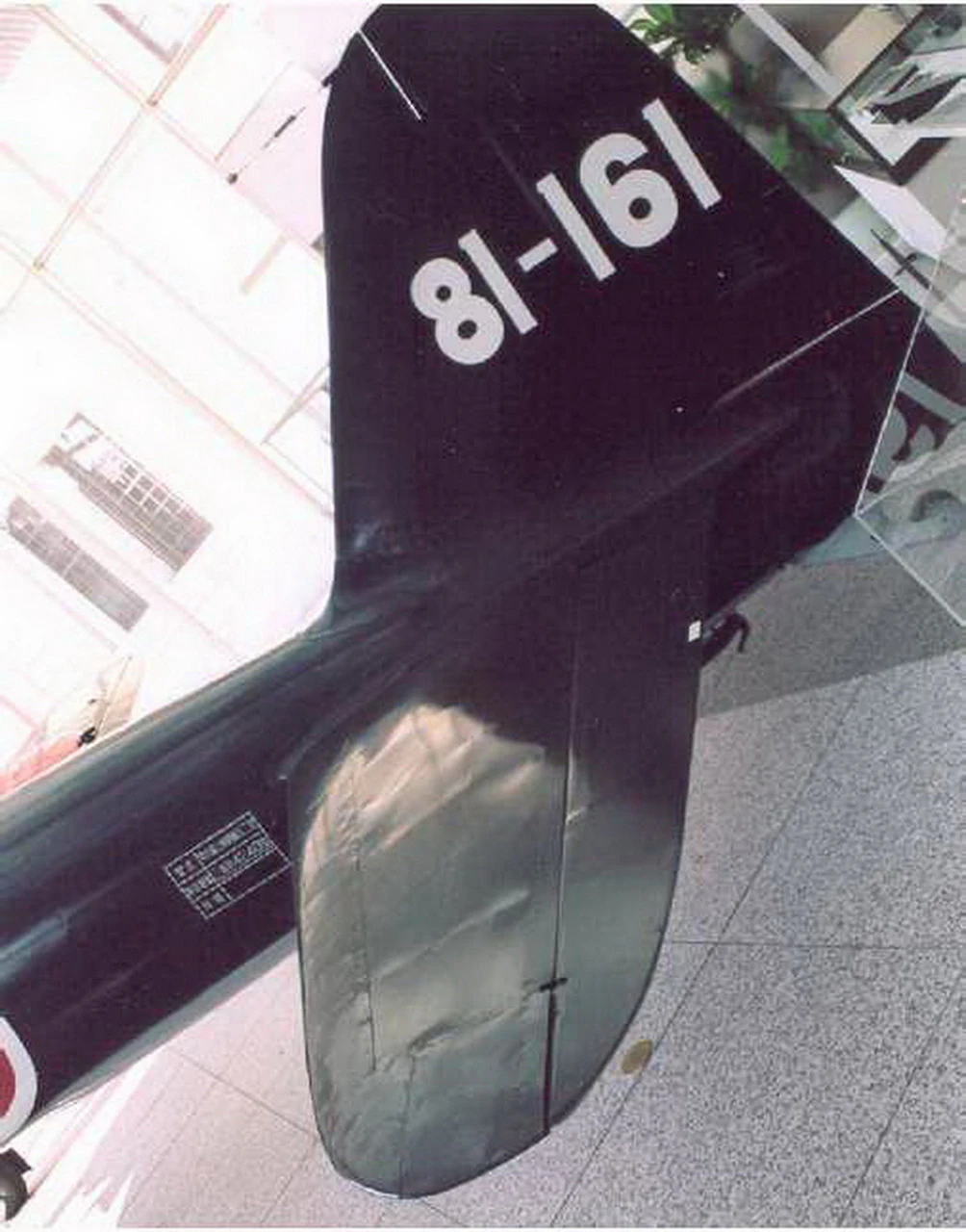
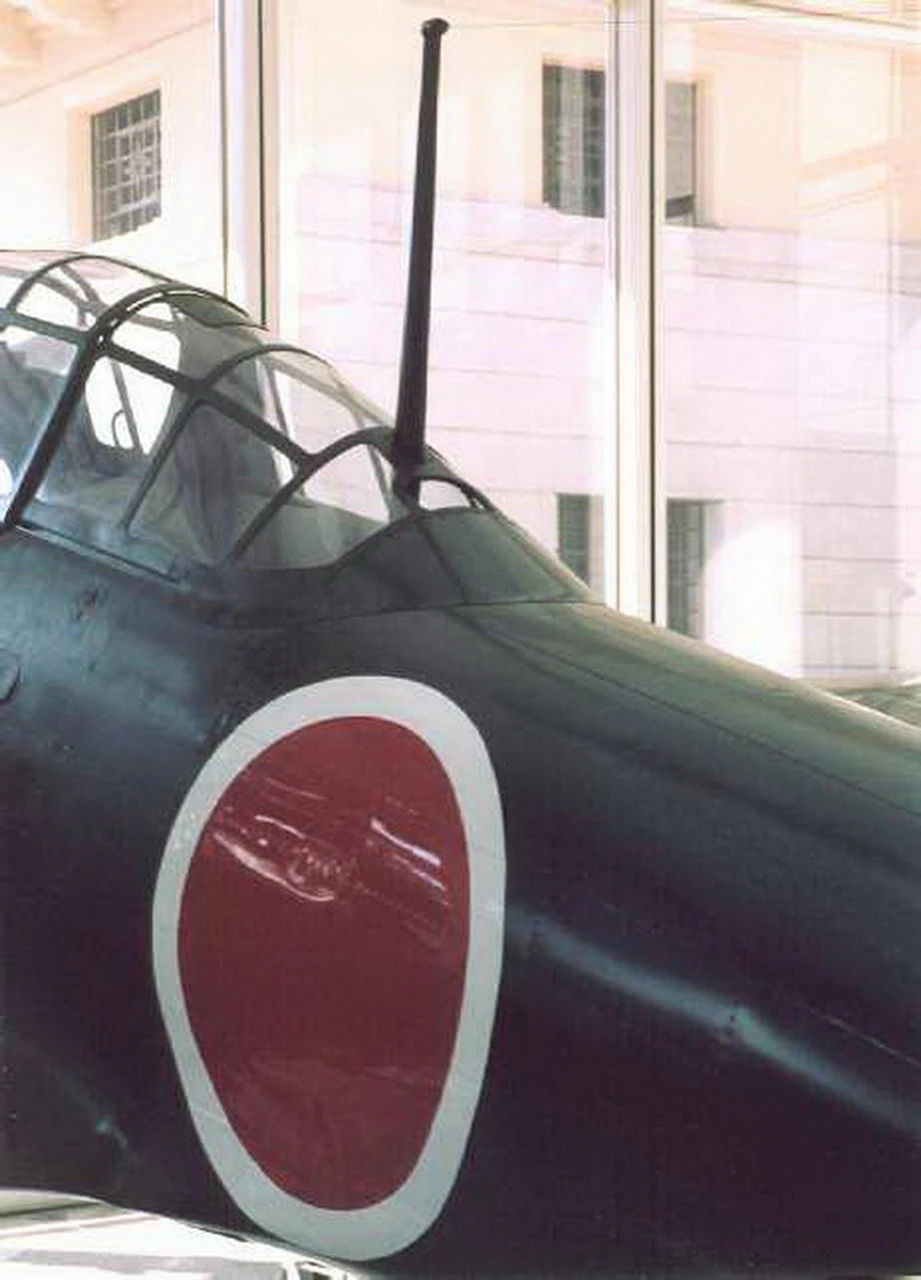
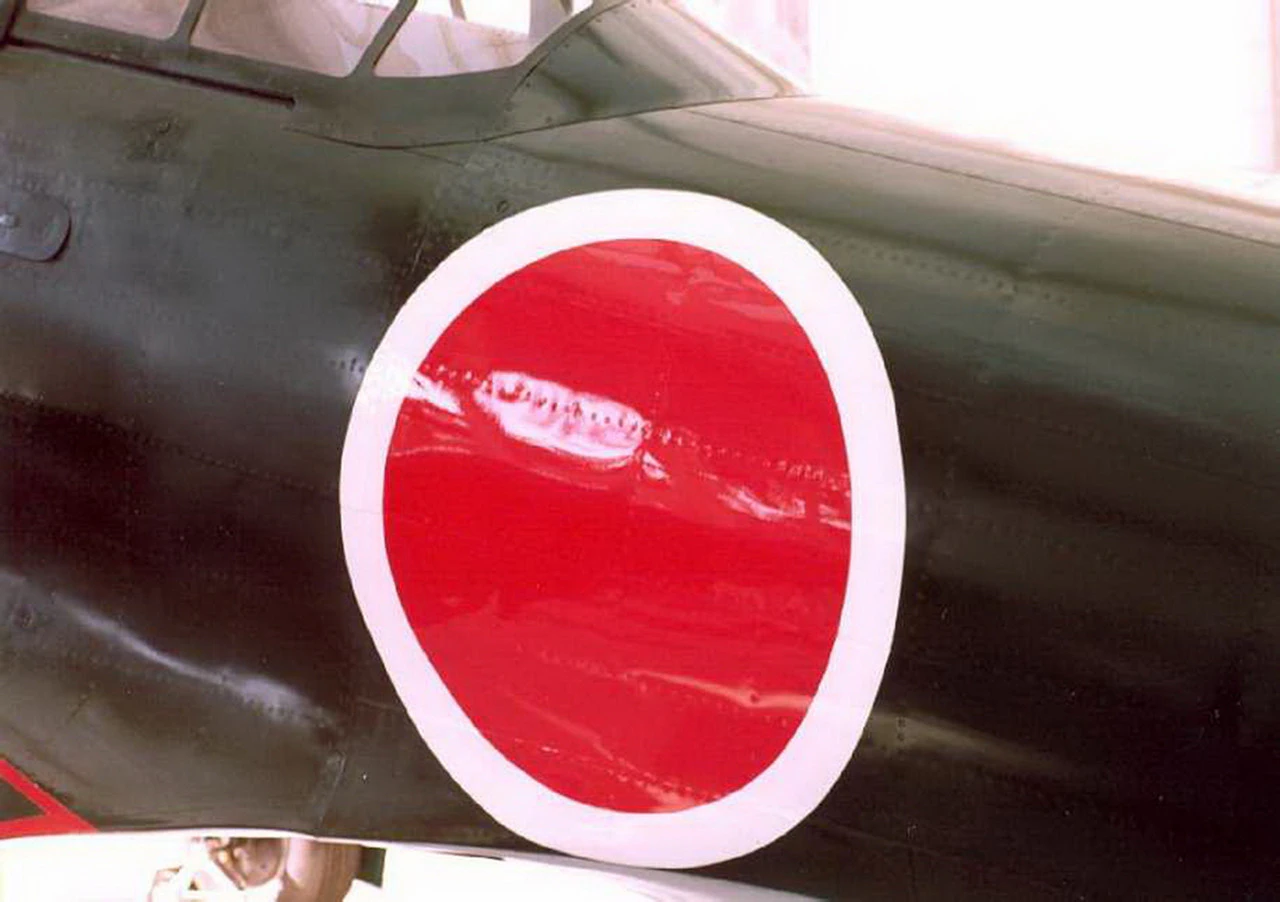
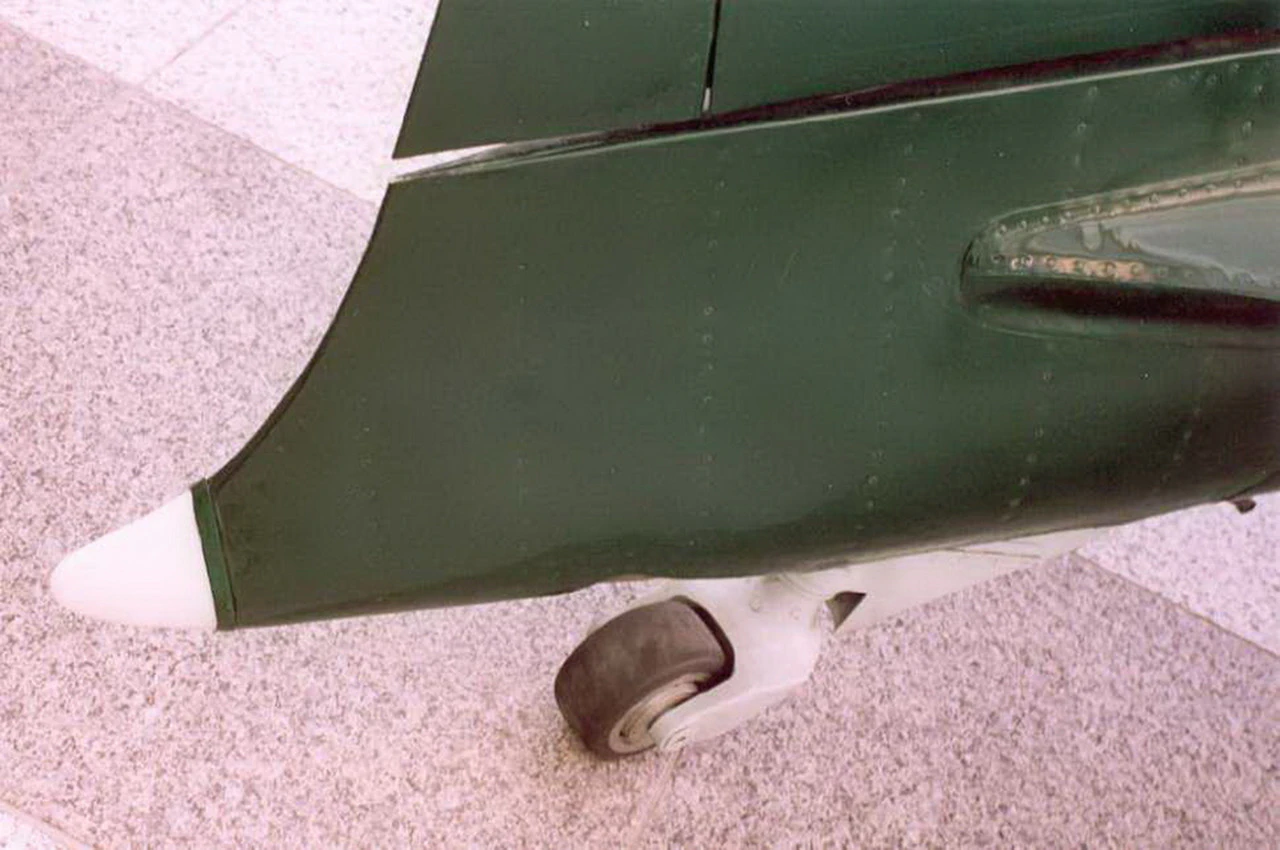
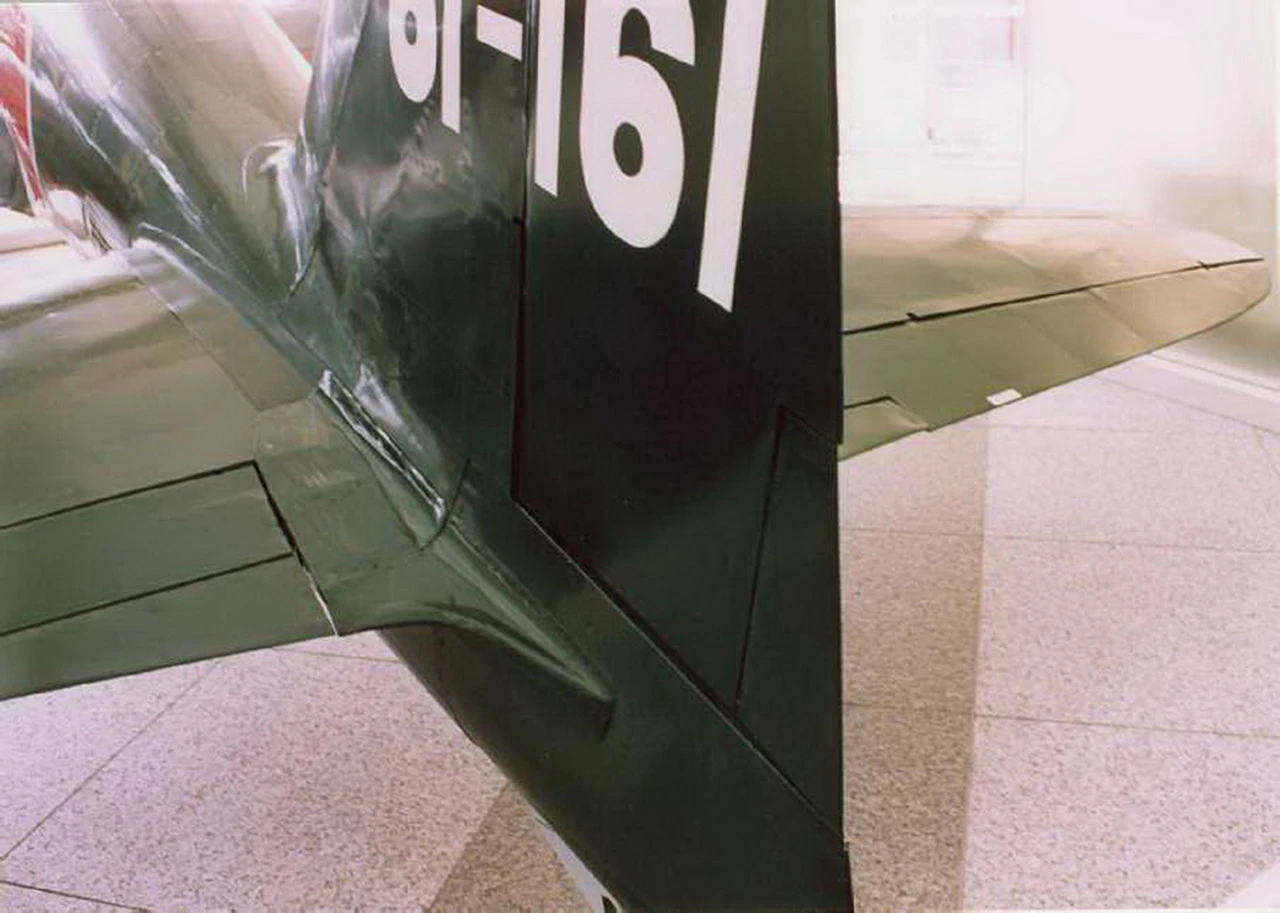

Читайте также:


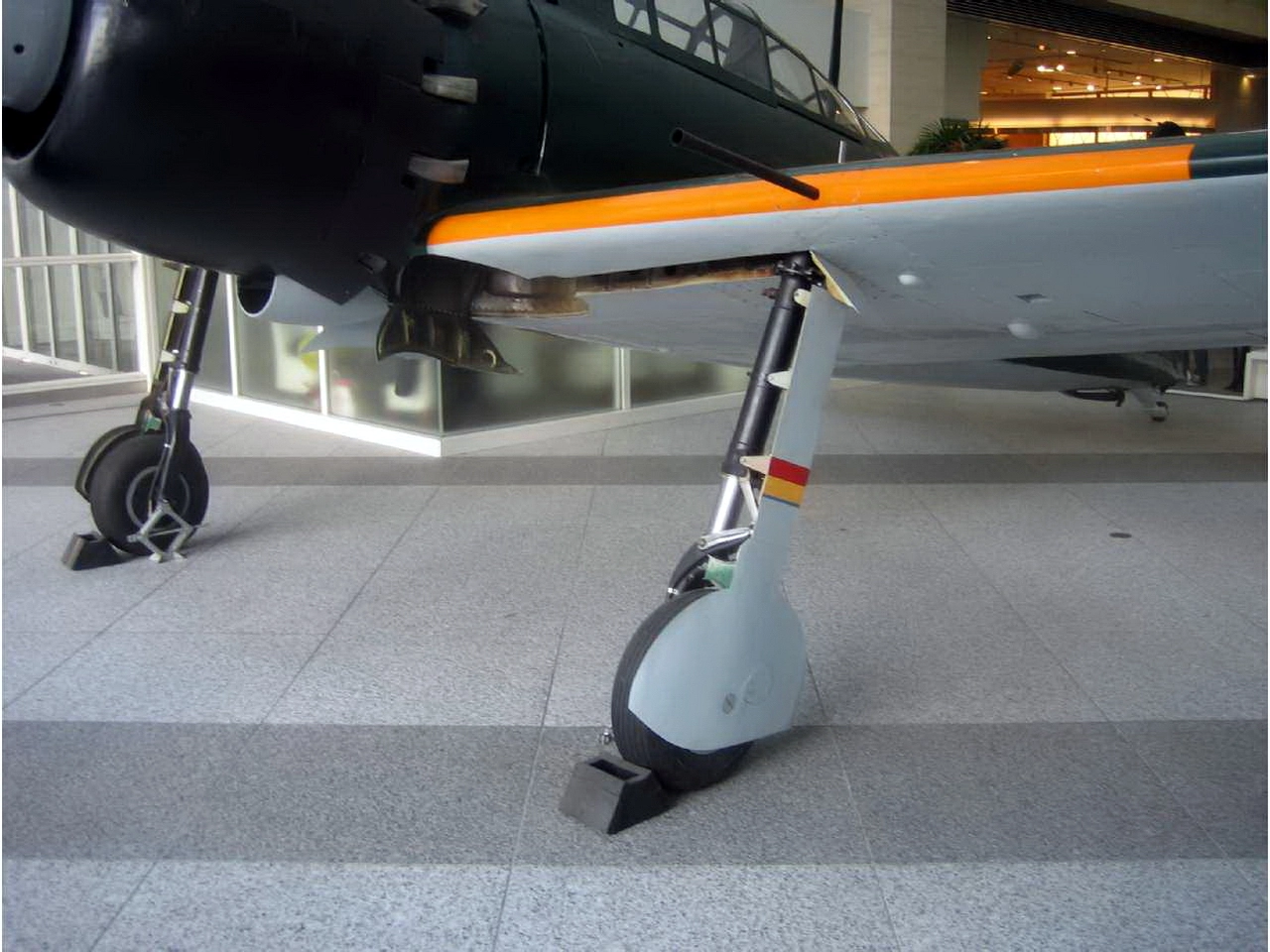
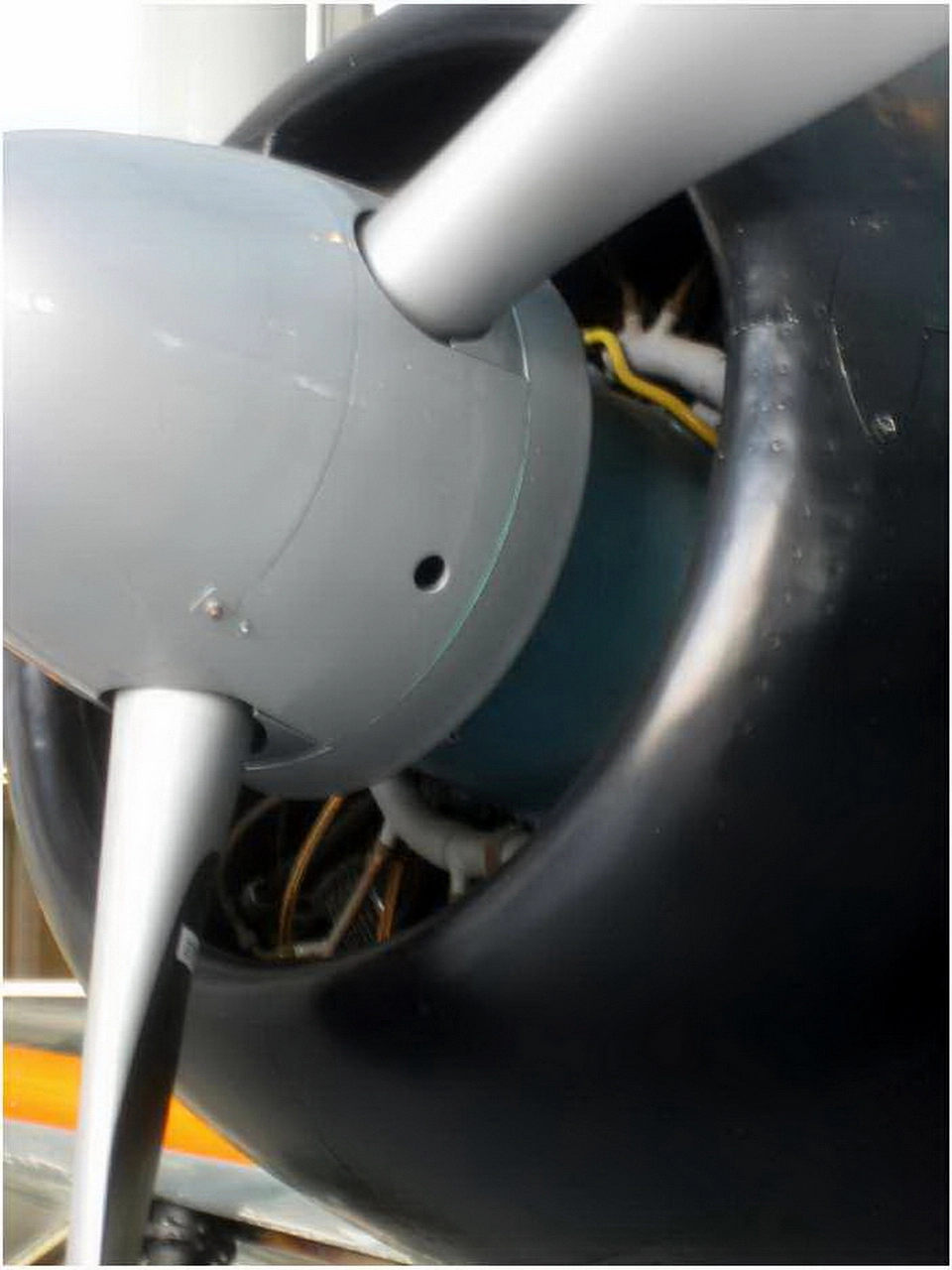
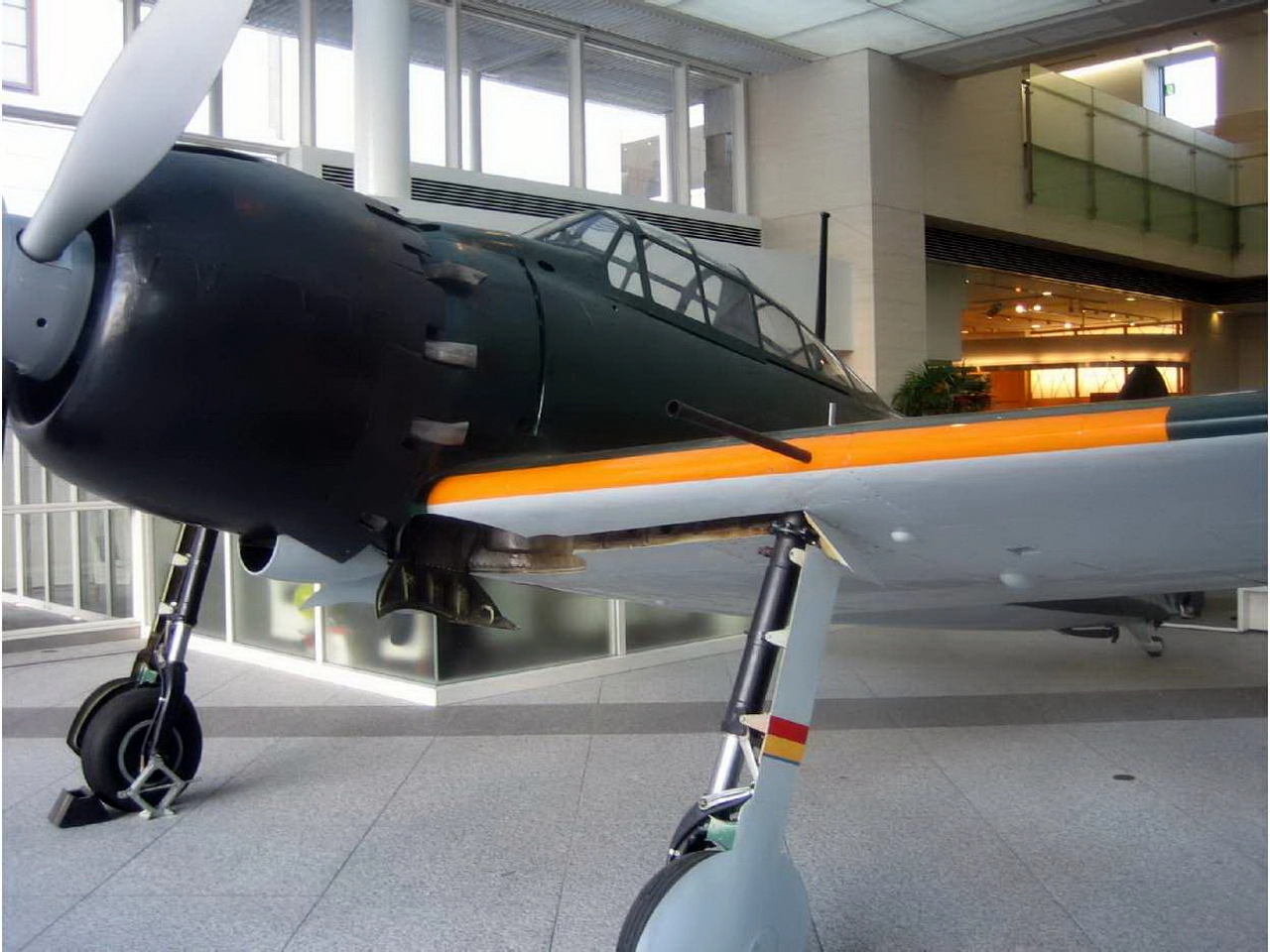
| A6M5 Zero Walk Around | |
|---|---|
| Фотограф | Храм Ясакуни |
| Локализации | Неизвестная |
| Фотографии | 37 |
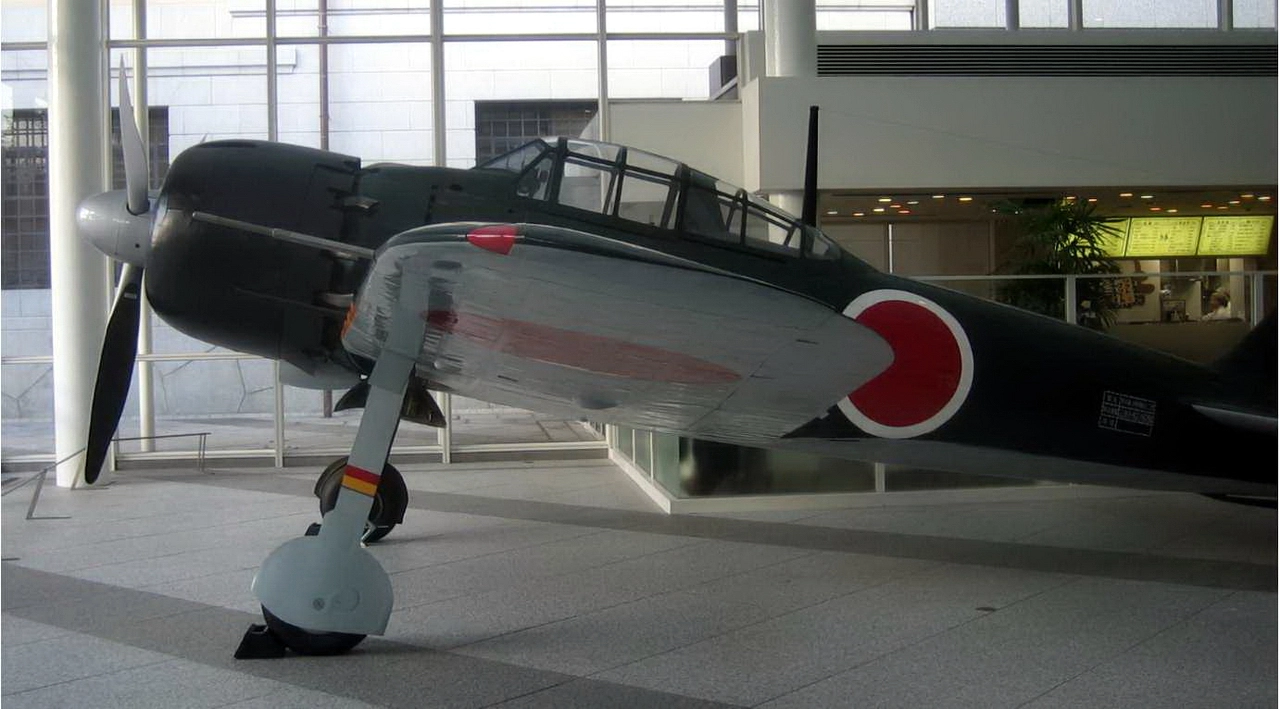
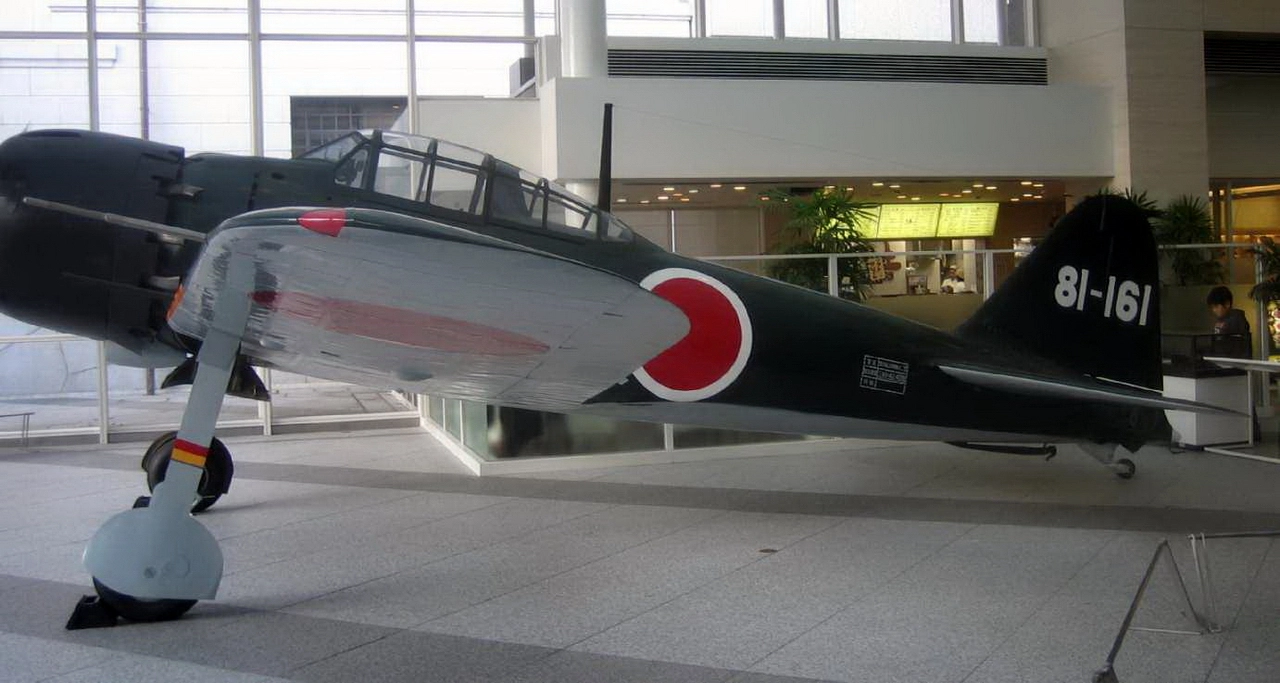
The Legend of the Rising Sun
Teh Мицубиси А6М Ноль (officially designated as the Type 0 Carrier Fighter) was the most famous Japanese combat aircraft of World War II and one of the most formidable dogfighters in aviation history. Engineered to operate from the Imperial Japanese Navy’s carrier fleets, the Zero combined an extraordinarily long operational range with unmatched agility, completely dominating Allied aviation during the opening stages of the Pacific War. Its myth of invincibility was so potent that Allied pilots were strictly forbidden from engaging the Zero in a traditional turning dogfight, cementing its place as an iconic, double-edged masterpiece of weight-optimized engineering.
| Attribute | Technical Specification (A6M2 Model 21) |
|---|---|
| Роль | Carrier-Based Fighter / Interceptor |
| Экипажа | 1 (Pilot) |
| Двигателя | 1 × Nakajima Sakae 12 14-cylinder air-cooled radial engine (940 hp) |
| Максимальная скорость | 533 km/h (331 mph) at 4,550 m |
| Рабочий диапазон | ~3,105 km (1,929 miles) with external drop tank — unprecedented for WWII fighters |
| Service Ceiling | 10,000 m (32,800 ft) |
| Primary Armament | 2 × 20mm Type 99-1 cannon (wings); 2 × 7.7mm Type 97 machine guns (cowl) |
| Structure | Monocoque duralumin framework featuring integrated, non-folding wing sections |
Design Engineering: Weight Obsession and Extra-Super Duralumin
- The Dictate of Weight Reduction: Designed by Jiro Horikoshi, the Zero was shaped by extreme navy requirements demanding long range and high agility from a relatively weak 940-horsepower engine. To achieve this, Horikoshi’s team inspected every single component, boring out lightening holes in the internal framework and ruthlessly stripping the aircraft of non-essential weight.
- Extra-Super Duralumin (ESD): To maintain structural integrity while using razor-thin metal skinning, Mitsubishi utilized a revolutionary, highly secret aluminum alloy developed by Sumitomo Metal Industries called Extra-Super Duralumin. ESD was lighter and significantly stronger than standard aviation aluminum, making the Zero’s delicate, skeletal airframe possible.
- One-Piece Wing Rigidity: Unlike most contemporary fighters whose wings were bolted to the fuselage in separate sections, the Zero’s main wing spar was built as a single, continuous unit integrated directly into the cockpit floor. This maximized structural rigidity and weight savings, though it made manufacturing, repair, and transportation exceptionally difficult.
- The Fatal Sacrifice of Protection: The Zero achieved its legendary performance by omitting features standard on Western fighters. It completely lacked self-sealing fuel tanks and pilot armor plating. This made the aircraft highly flammable; a single burst of heavy machine-gun fire from an Allied fighter could easily detonate the internal fuel lines and turn the Zero into a blazing inferno.
Operational History: Imperial Triumph to Kamikaze Desperation
- The Shock of Pearl Harbor: When the war broke out in December 1941, the Zero caught the Allies completely unprepared. Sweeping across Pearl Harbor, the Philippines, and the Dutch East Indies, elite Japanese naval aviators utilized the Zero’s supreme turning radius to easily outmaneuver heavier American fighters like the F4F Wildcat and P-40 Warhawk.
- The Akutan Zero Breakthrough: In June 1942, an intact A6M2 crash-landed on Akutan Island in Alaska. American engineers recovered the aircraft, repaired it, and flew it in mock dogfights. They discovered the Zero’s fatal weaknesses: its controls froze up at speeds over 480 km/h, and it could not roll effectively to the right at high velocities, handing Allied pilots the tactics needed to defeat it.
- Outpaced by Industrial Might: By 1943, the arrival of powerful American fighters like the F6F Hellcat and F4U Corsair completely shifted the balance of power. These newer planes used massive 2,000-hp engines to out-climb and out-dive the Zero. Because Japan’s industrial output could not keep pace with American mass production, and its pool of veteran pilots was rapidly depleted, the Zero was systematically overwhelmed.
- The Ultimate Sacrifice: In the final, desperate year of the war, the aging Zero was repurposed as the primary platform for *Kamikaze* suicide strike squadrons. Loaded down with heavy high-explosive bombs, thousands of Zeros were flown on one-way missions against Allied invasion fleets, a tragic and grim end to one of the twentieth century’s most brilliant aviation designs.
Просмотров : 5279
Вы также можете увидеть:
 Avro Canada VZ-9 Avrocar – Фото и Видео
 Republic RC-3 Seabee – фото и видео
 Convair C-131 Samaritan – фото и видео
 de Havilland Canada DHC-4 Caribou – Фото и Видео
 Curtiss-Wright CW-22 – Фото и видео
 Northrop YF-17 Cobra – Фото и Видео
 МиГ-23МЛД - WalkAround
 P-51D-25-NA Мустанг - Прогулка вокруг
 B-47 Stratojet - Прогулка вокруг
 Мицубиси A6M ноль - Прогулка вокруг