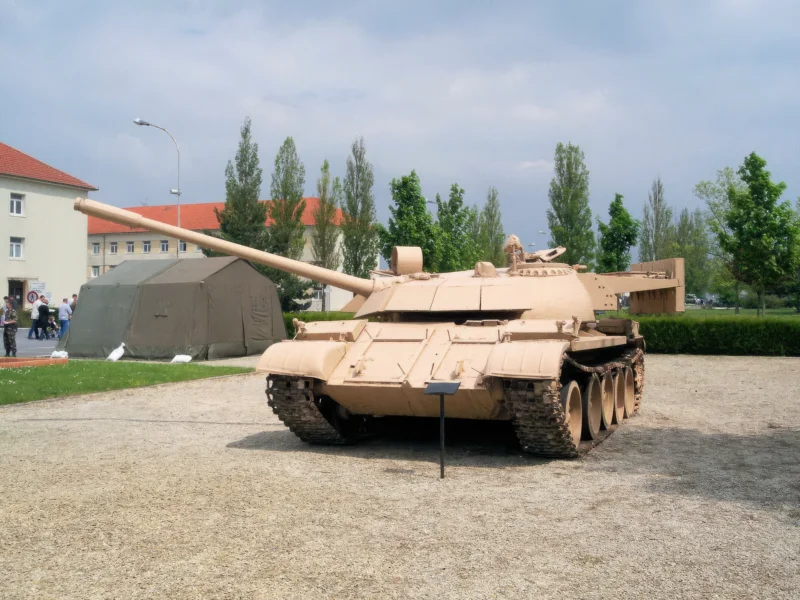
Tanque T-55 | |
|---|---|
| País | URSS |
| Tipo | Tanque de batalha principal |
| Em serviço | 1947-presente |
| Construído | 86000+ |
O T-54 e T-55 tanques são uma série de tanques de batalha principais soviéticos introduzidos assim que a Segunda Guerra Mundial terminou. O primeiro protótipo T-54 apareceu em março de 1945 e entrou em produção total em 1947. Tornou-se o principal tanque para unidades blindadas do Exército Soviético, exércitos dos países do Pacto de Varsóvia, e muitos outros. T-54 e T-55s estiveram envolvidos em muitos dos conflitos armados do mundo durante o final do século XX.
| T-55 – WalkAround | |
|---|---|
| Fotógrafo | Unknow |
| Localização | Desconhecido |
| Fotos | 117 |
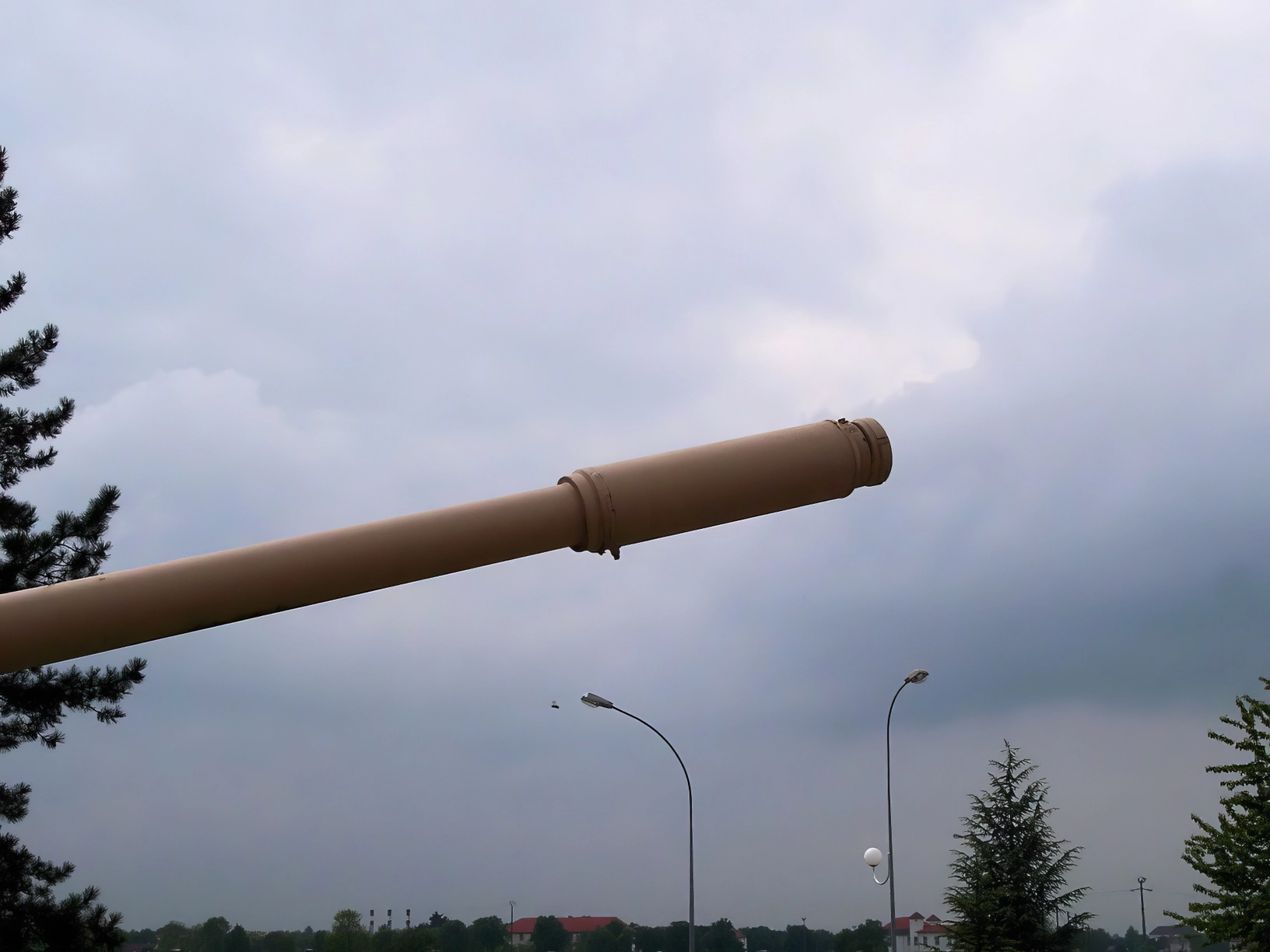
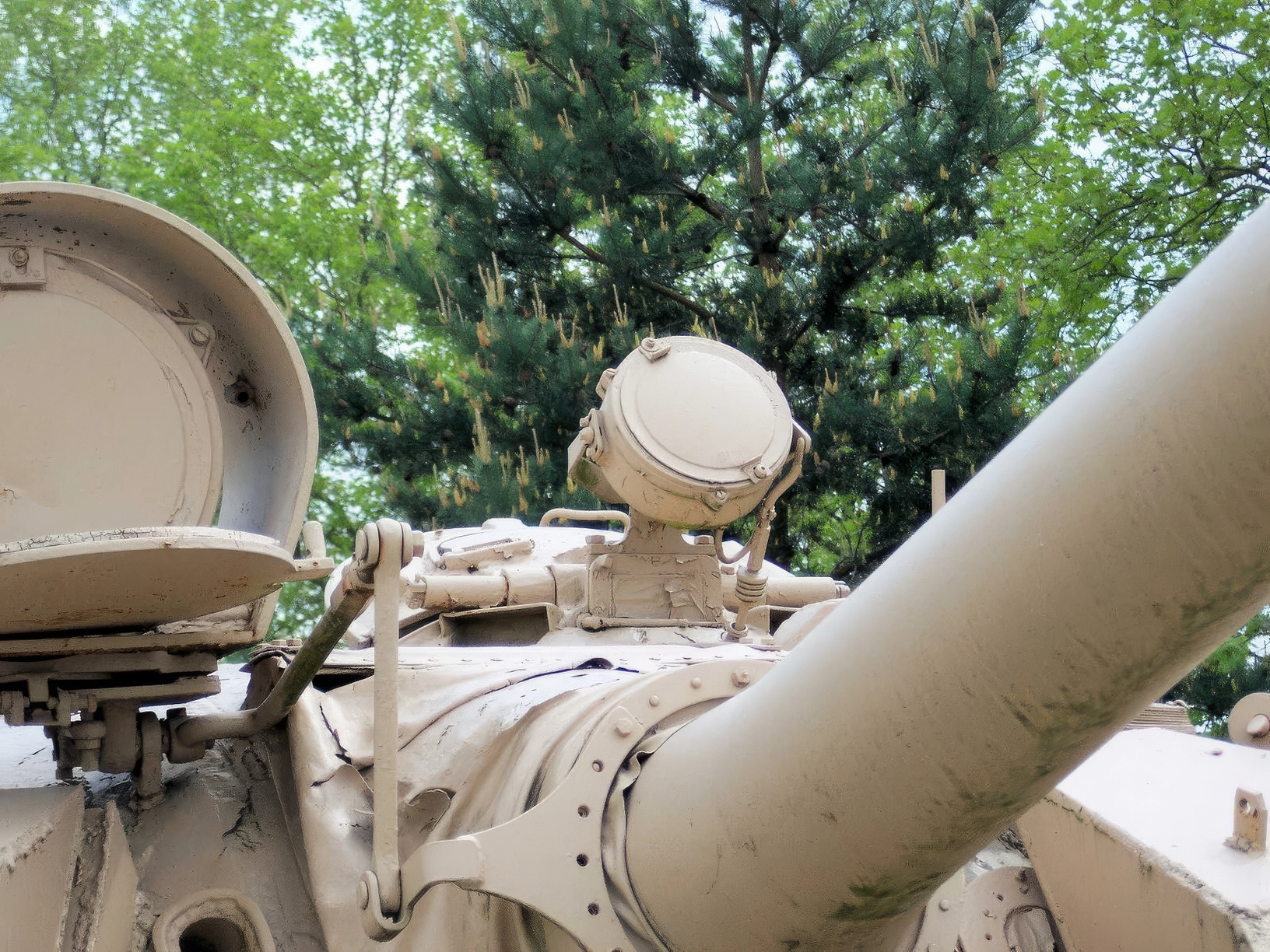
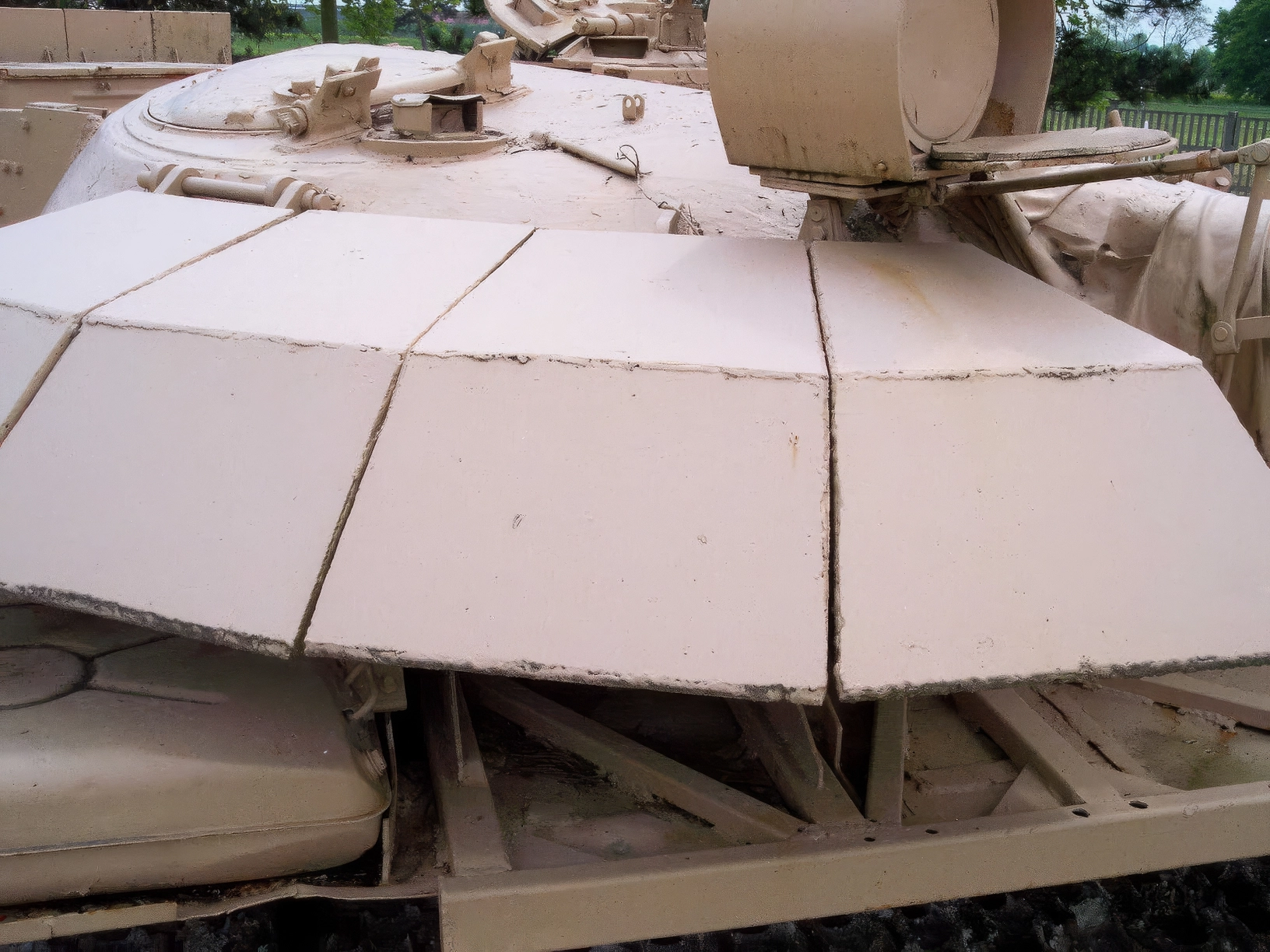
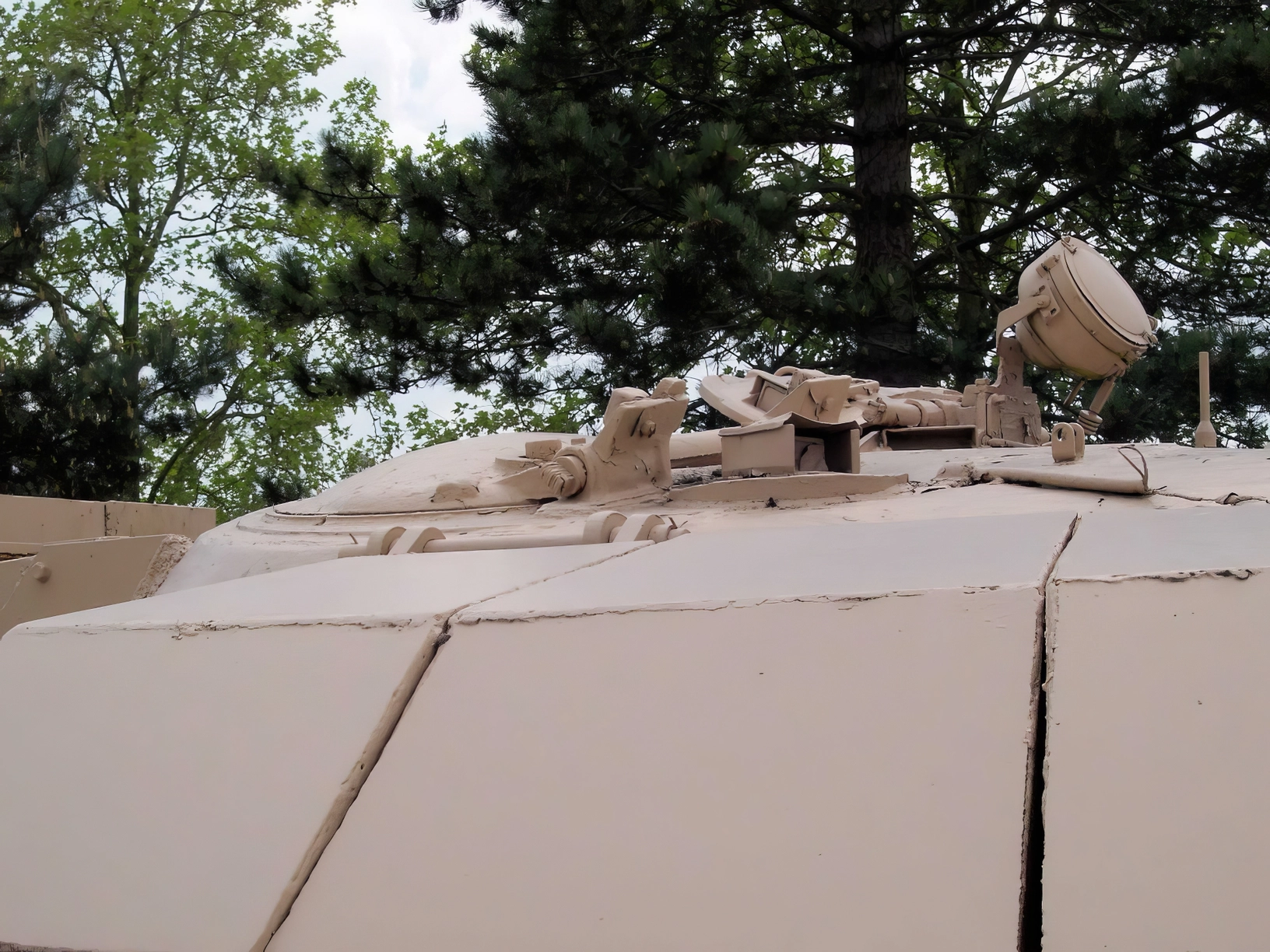
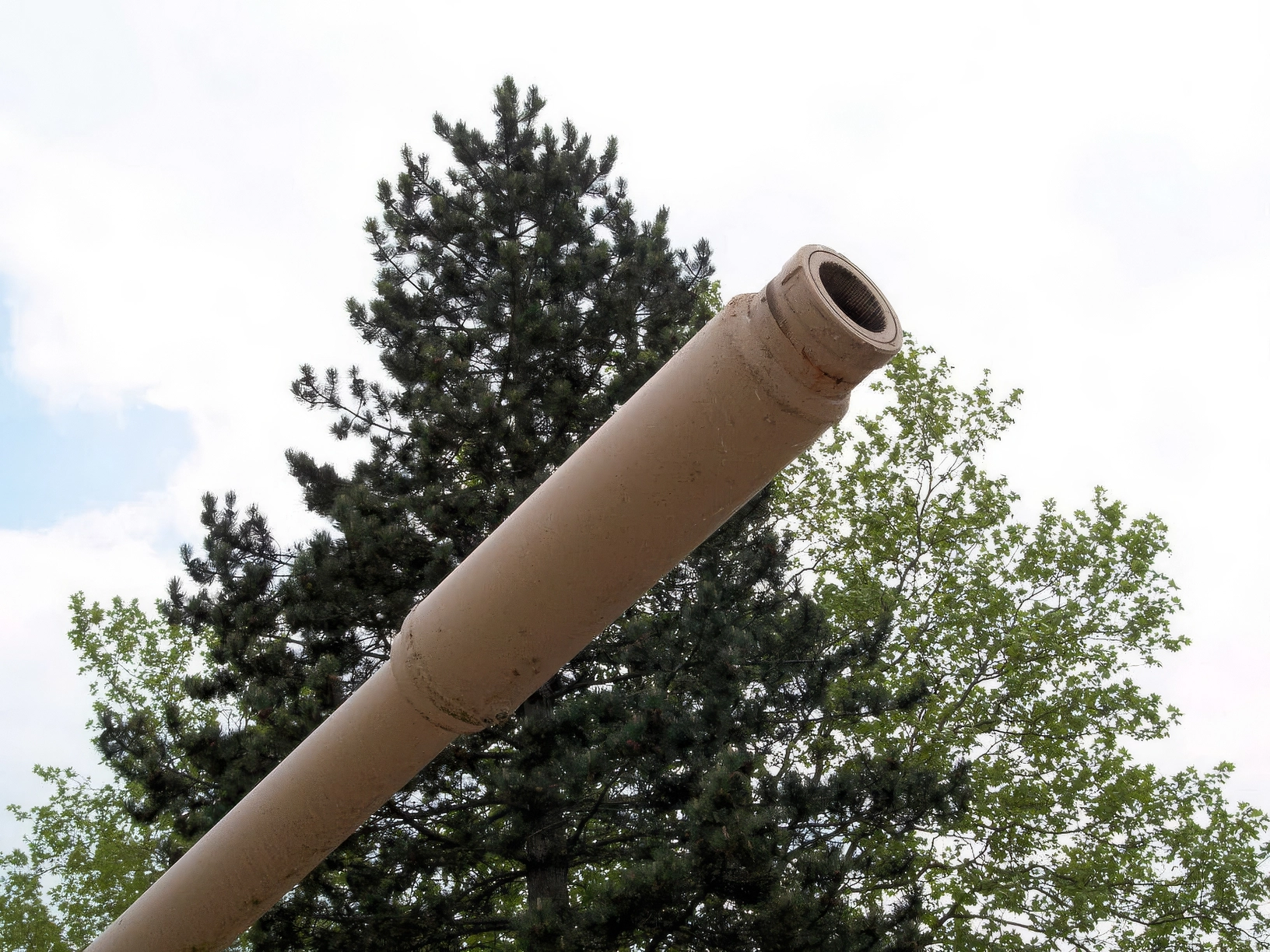
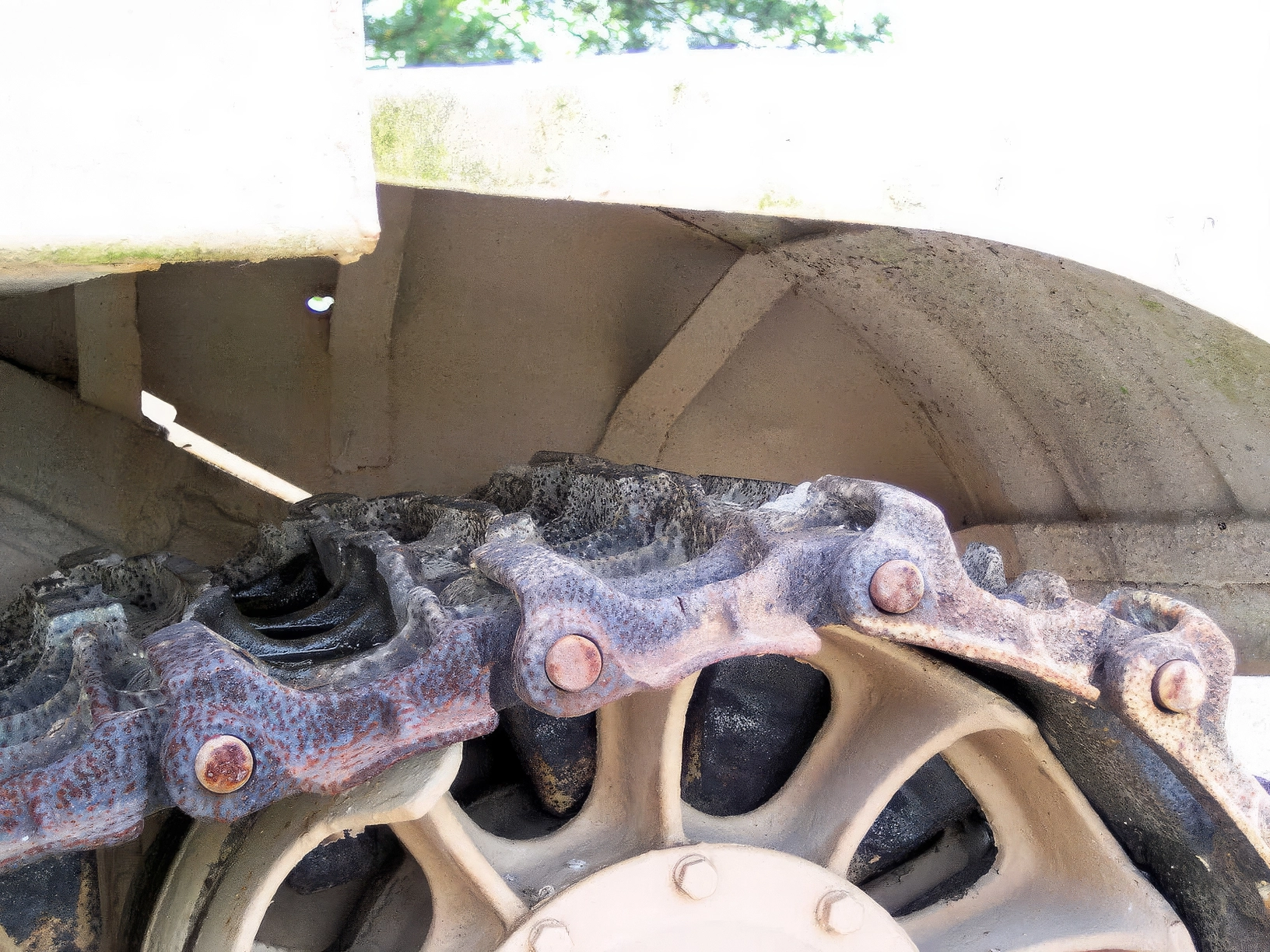
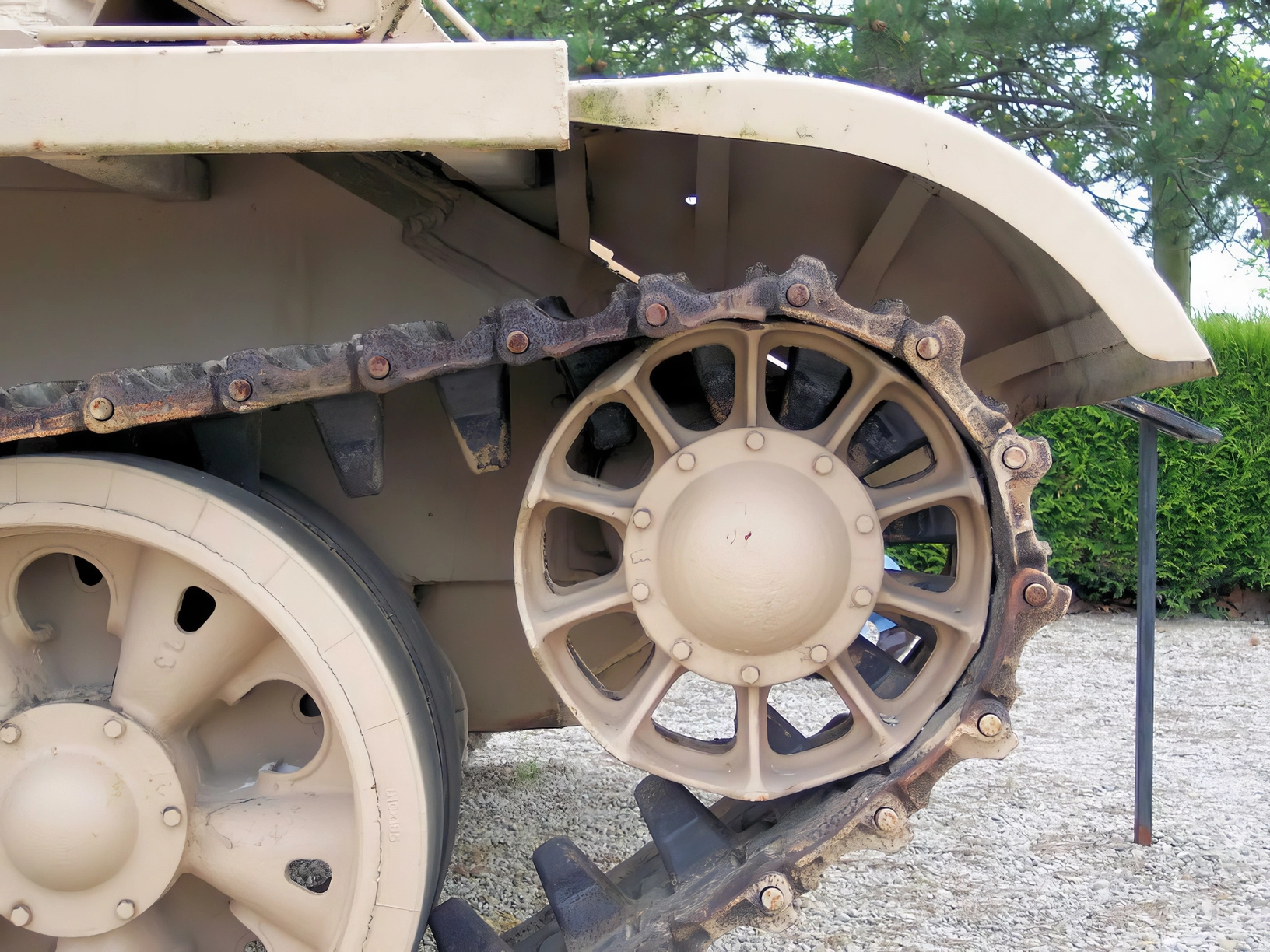
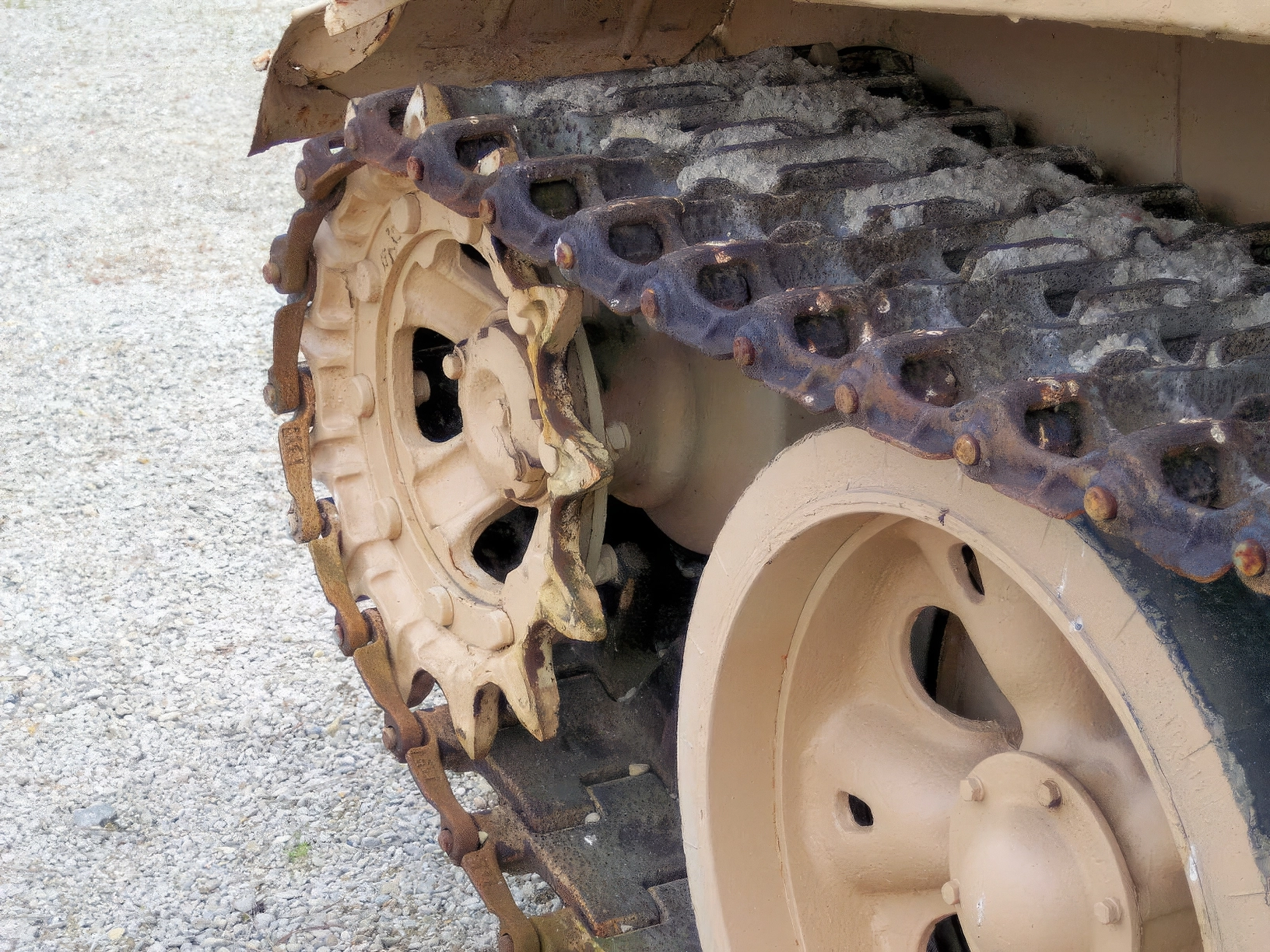
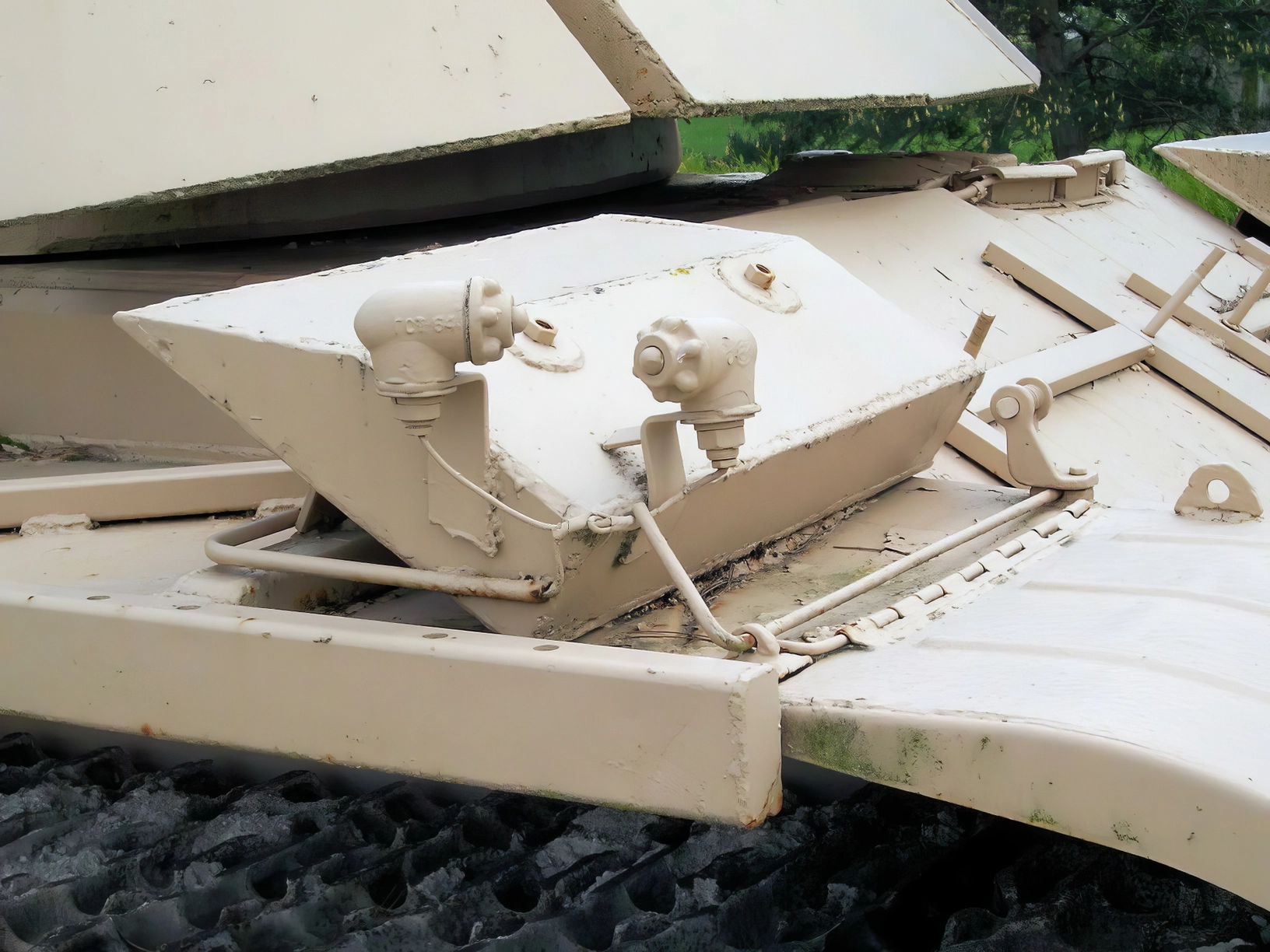

| T-55AM2 Anda por aí | |
|---|---|
| Fotografia | Viktor Krestinin |
| Localizar | Museu de Máquinas e Transportes de Guerra |
| Fotos | 131 |
| T-55 AM Anda por aí | |
|---|---|
| Fotógrafo | Desconhecido |
| Localização | Desconhecido |
| Fotos | 53 |
| T-55 Merida Walk Around | |
|---|---|
| Fotógrafo | Unknow |
| Localização | Desconhecido |
| Fotos | 30 |
| T-55 Walk Around | |
|---|---|
| Fotógrafo | Unknow |
| Localização | Desconhecido |
| Fotos | 29 |
Veja também:


O T-55 is a Soviet-designed main battle tank (MBT) that holds the distinction of being one of the most widely produced and long-serving tanks in military history. Developed from the earlier T-54, the T-55 series dominated Cold War battlefields, seeing service in over 50 armies worldwide. It remains in reserve or active service in many nations today, a testament to its simple, rugged, and highly effective design.
Development and Characteristics
- Origin: The T-55 was a direct evolution of the T-54, with the main upgrade being a more powerful engine and, crucially, a fully integrated **Nuclear, Biological, and Chemical (NBC) protection system**. This made it the world’s first mass-produced tank equipped with such defenses, reflecting Cold War fears of tactical nuclear conflict.
- Engine: It was powered by a **V-55 V-12 diesel engine** (producing 580 horsepower). The diesel engine was more fuel-efficient and less prone to fire than the gasoline engines used by many Western tanks of the time.
- Armamento: The primary weapon is a **100 mm D-10T rifled gun**. This gun was accurate and powerful, capable of firing high-explosive and armor-piercing rounds. Later modifications often included the ability to launch anti-tank guided missiles (ATGMs) through the gun barrel.
- Protection: The T-55 features heavy cast armor, particularly thick on the front of the turret (up to 200 mm). Its low profile also made it a difficult target to hit.
- Mobilidade: Despite its weight (around 36 tons), the T-55 was highly mobile and relatively fast (up to 50 km/h). Its track system was designed for reliability in rough terrain.
Key Features and Upgrades
- Low Profile: Short height, making it easy to conceal.
- Crew: 4 (Commander, Gunner, Loader, Driver).
- T-55A: A major variant introduced in the early 1960s, which improved the NBC protection system and removed the loader’s cupola.
- Modernization: Many operators have modernized the T-55 by adding **Explosive Reactive Armor (ERA)**, laser rangefinders, thermal imaging, and fire-control systems, effectively extending its lifespan into the 21st century.
História Operacional
The T-55 has seen action in nearly every major conflict outside of Western Europe since the 1960s:
- Vietnam War: Used by North Vietnamese forces.
- Yom Kippur War (1973): Extensively used by Arab armies against Israel.
- Iran-Iraq War (1980s): Used by both sides.
- Yugoslav Wars (1990s): Used by various factions.
- Current Conflicts: T-55 and modernized variants continue to be utilized, particularly by reserve units or forces with limited defense budgets in Africa, the Middle East, and Asia.
The T-55 is celebrated for its simplicity, reliability, and ease of maintenance, qualities that ensured its role as the definitive post-World War II tank of the Eastern Bloc and a global export success.
Views : 7743
A série T-54/T-55 Main Battle Tank, uma das mais populares da história soviética, ainda está em uso hoje.