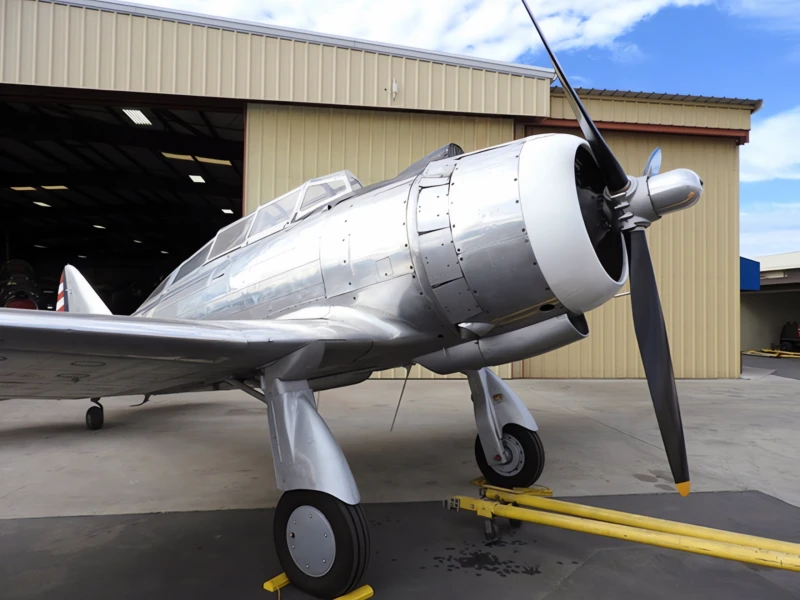
Seversky P-35 | |
|---|---|
| País | Eua |
| Papel | Lutador |
| Primeira mosca | 15 de agosto de 1935 |
| Construído | 196 |
O Seversky P-35 foi um caça americano construído pela Seversky Aircraft Company no final da década de 1930. Contemporâneo do Hawker Hurricane e Messerschmitt Bf 109, o P-35 foi o primeiro caça de assento único no Corpo Aéreo do Exército dos Estados Unidos a contar com construção de metal, trem de pouso retrátil e um cockpit fechado.
Fonte: Seversky P-35 na Wikipédia
| Seversky AT-12 (2PA, P-35) Walk Around | |
|---|---|
| Fotógrafo | Cees Hendriks |
| Localização | Desconhecido |
| Fotos | 64 |
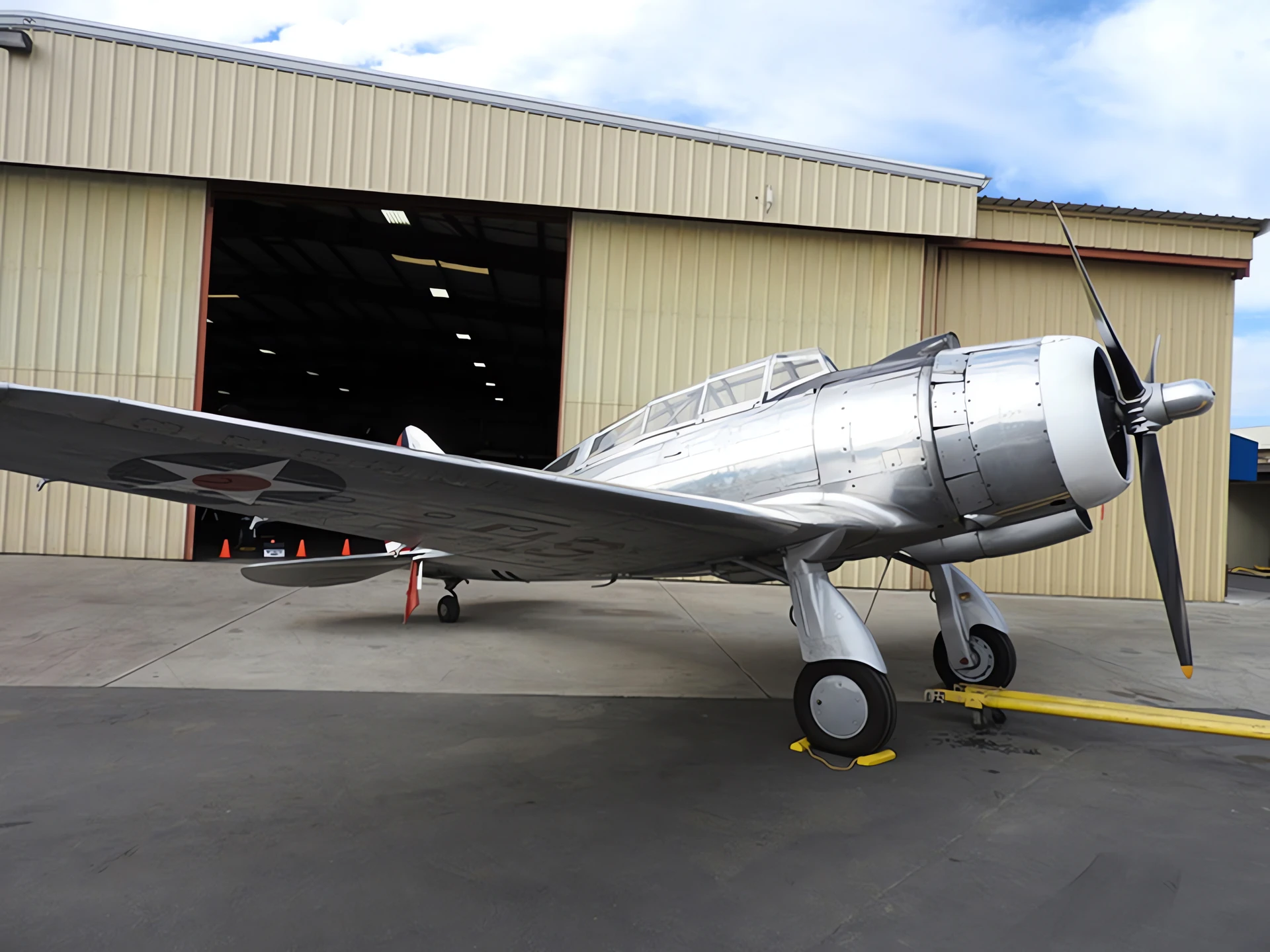
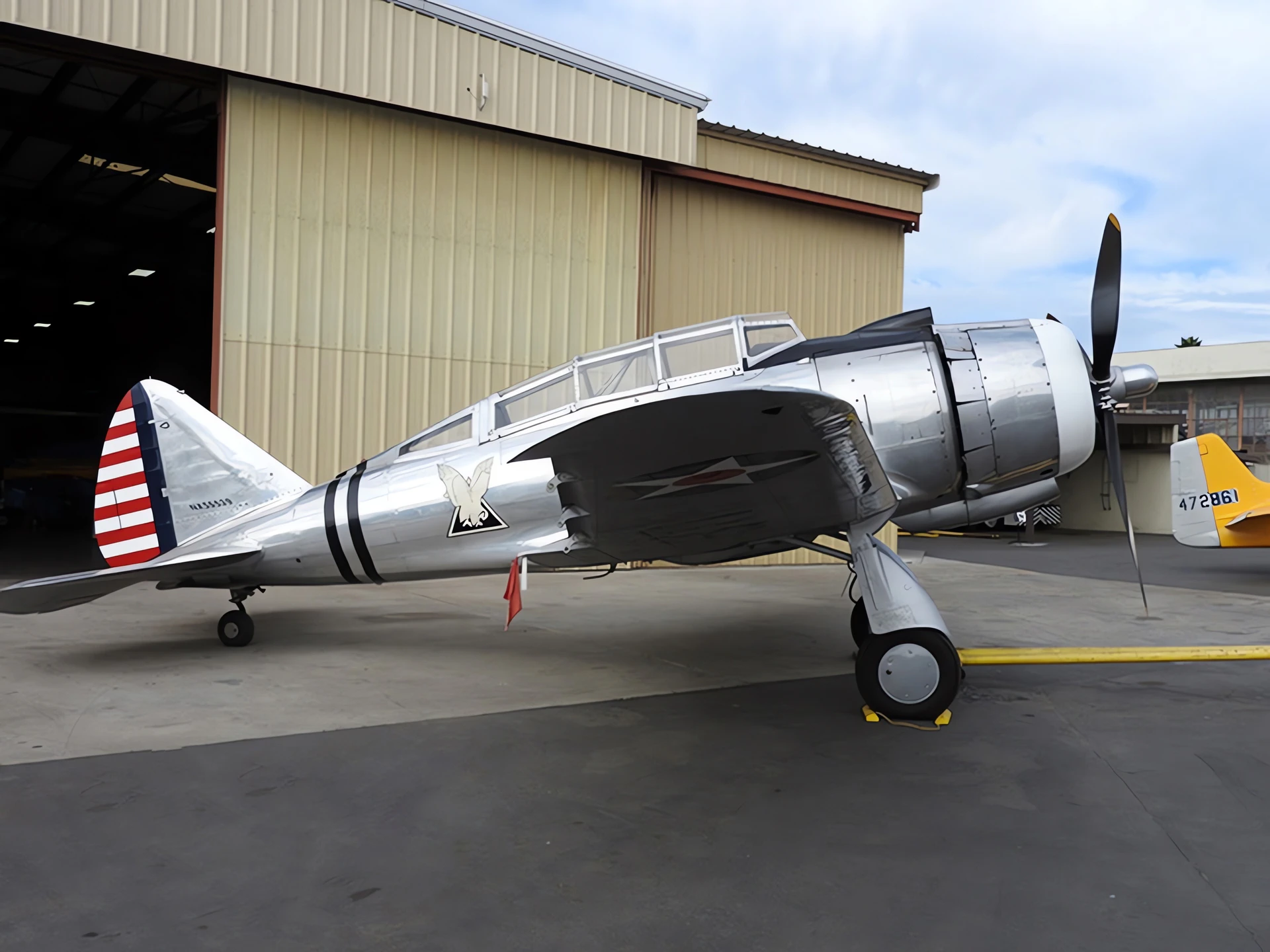
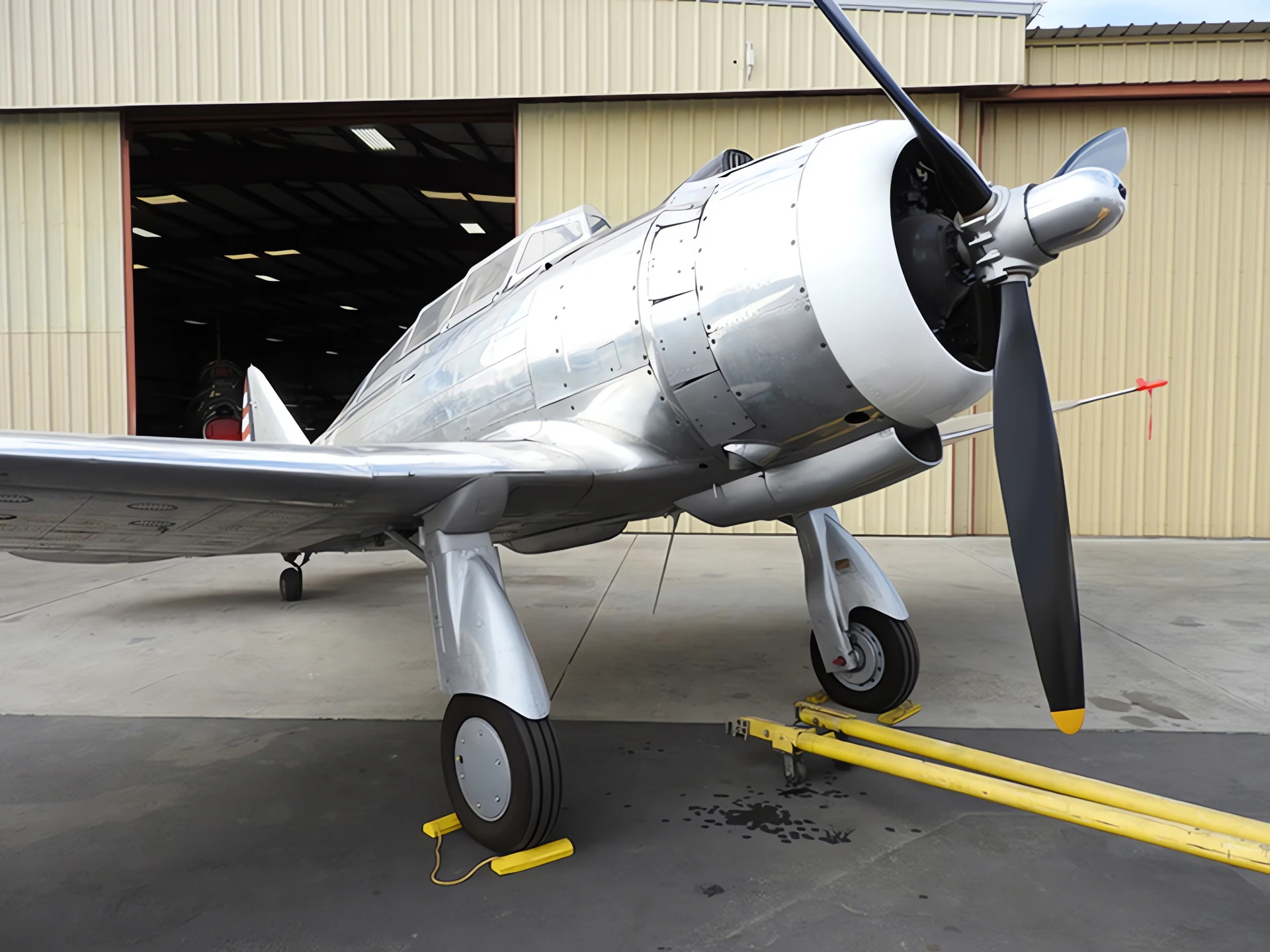
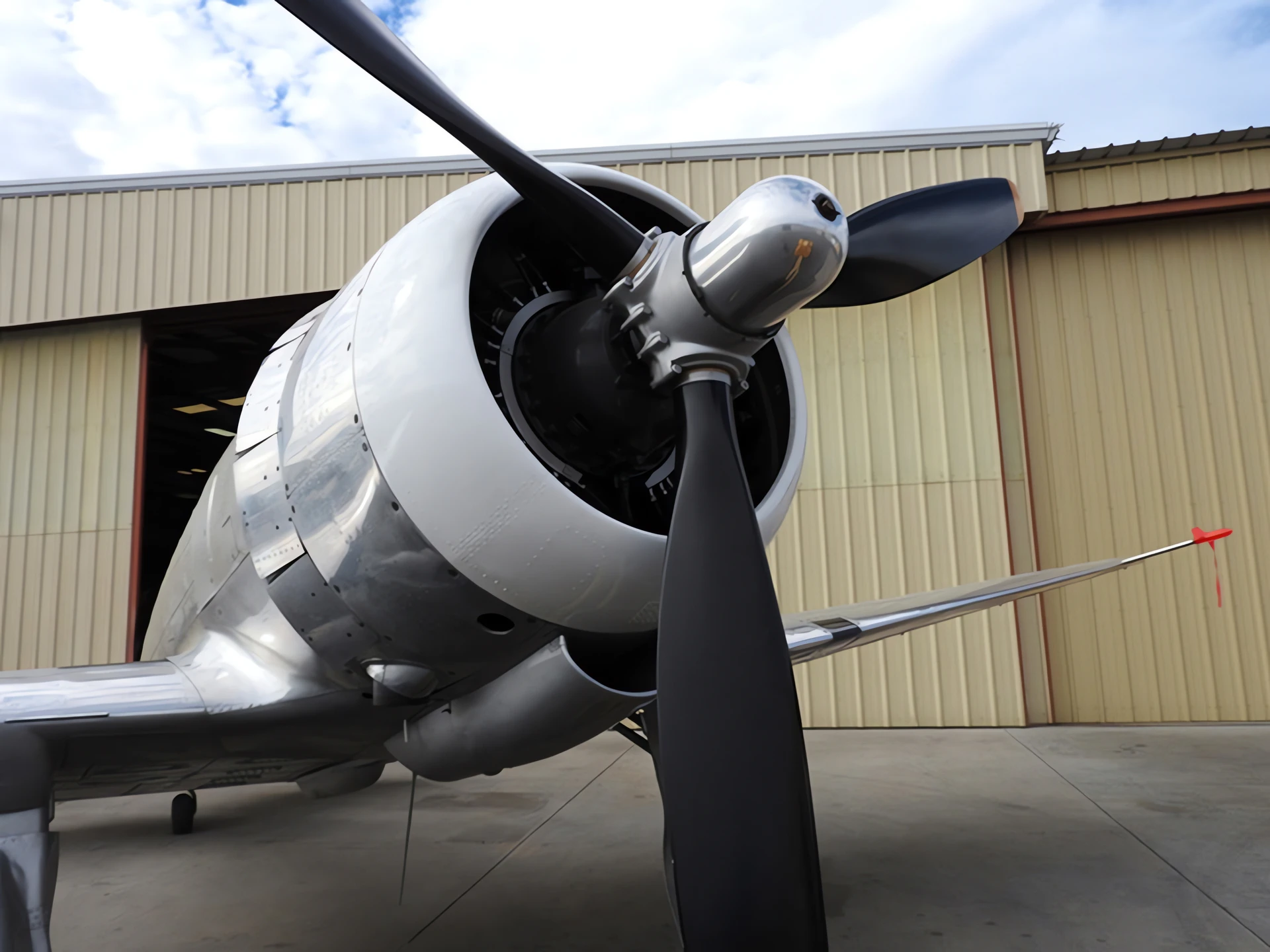
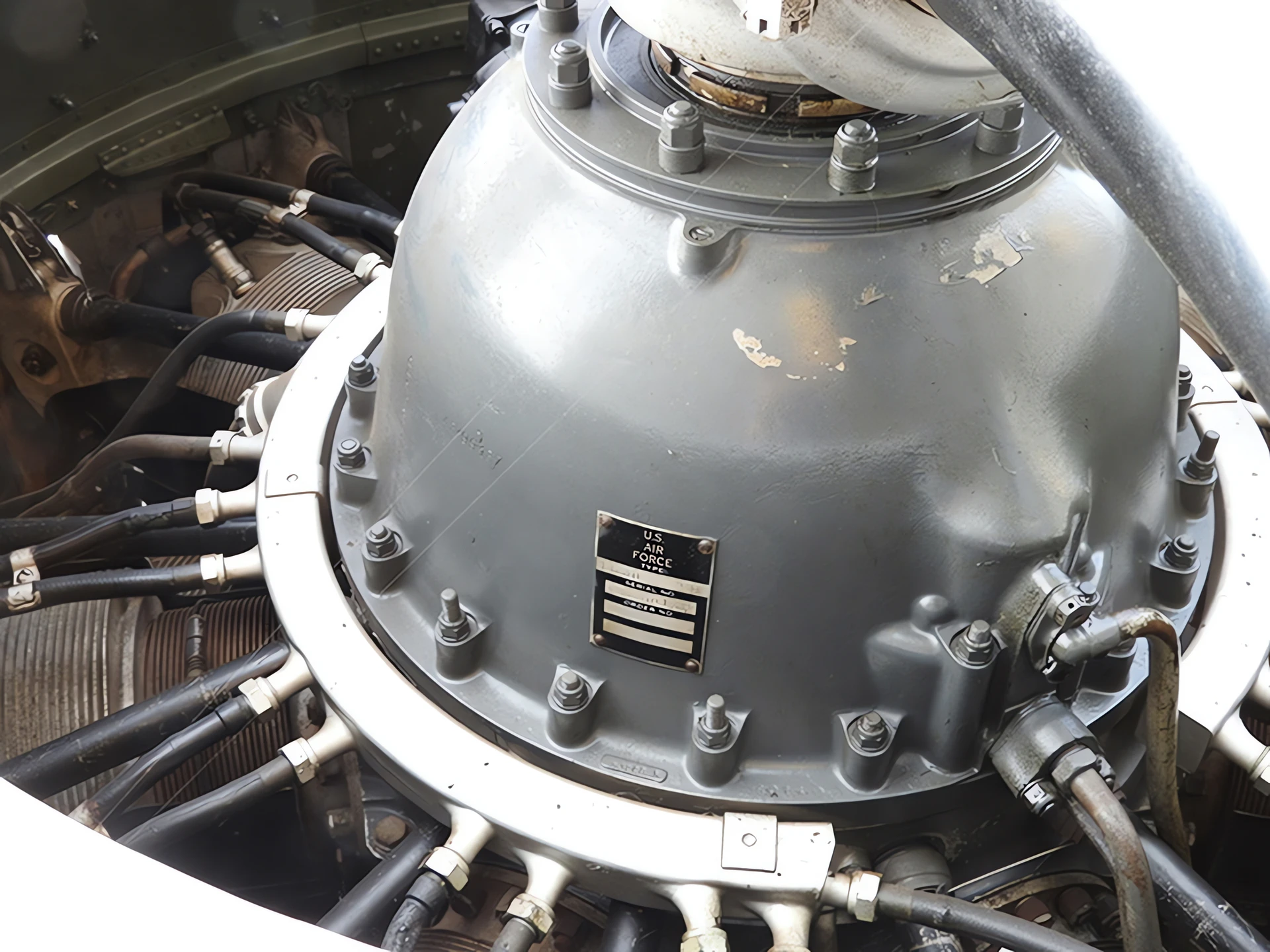
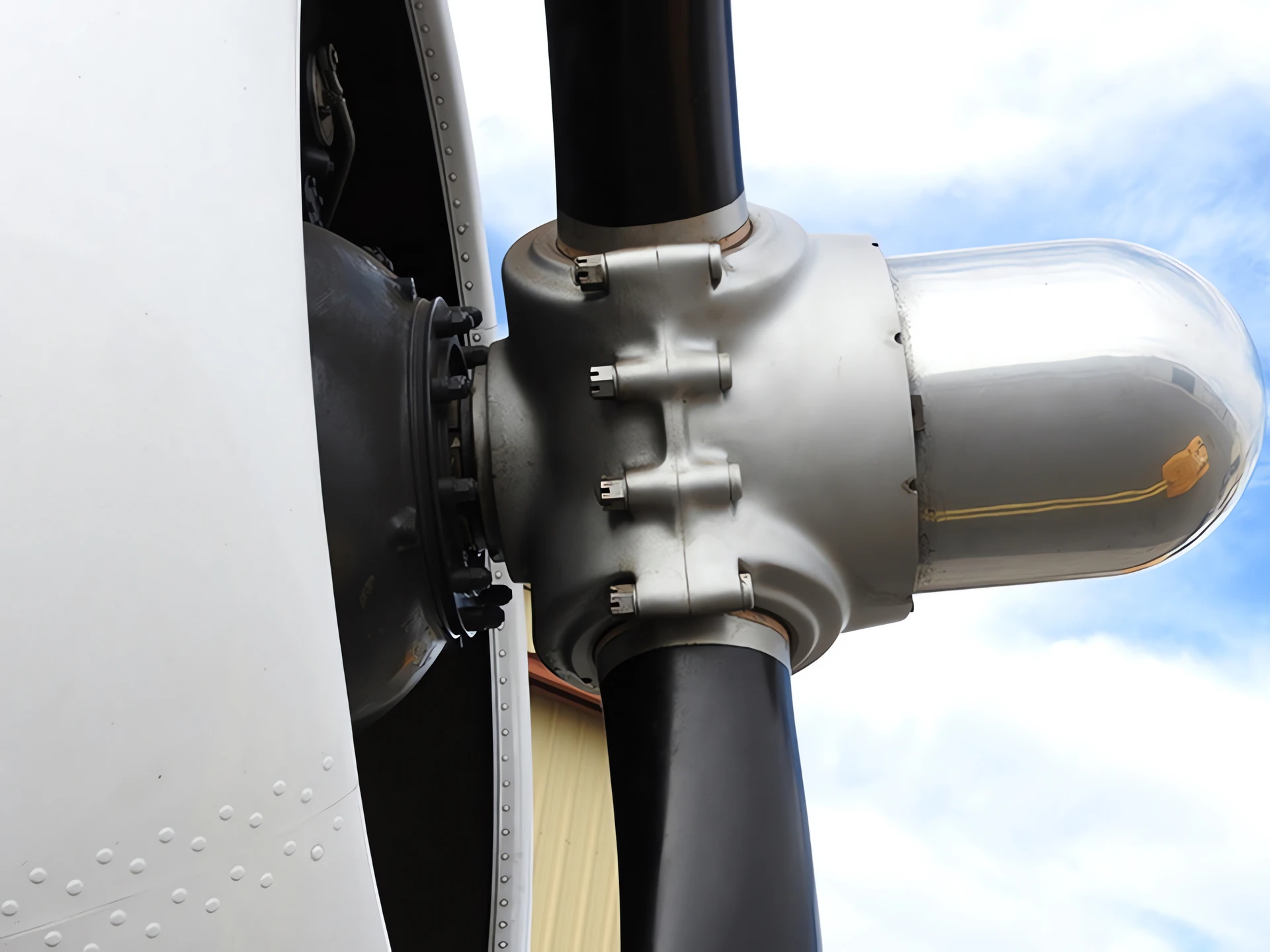
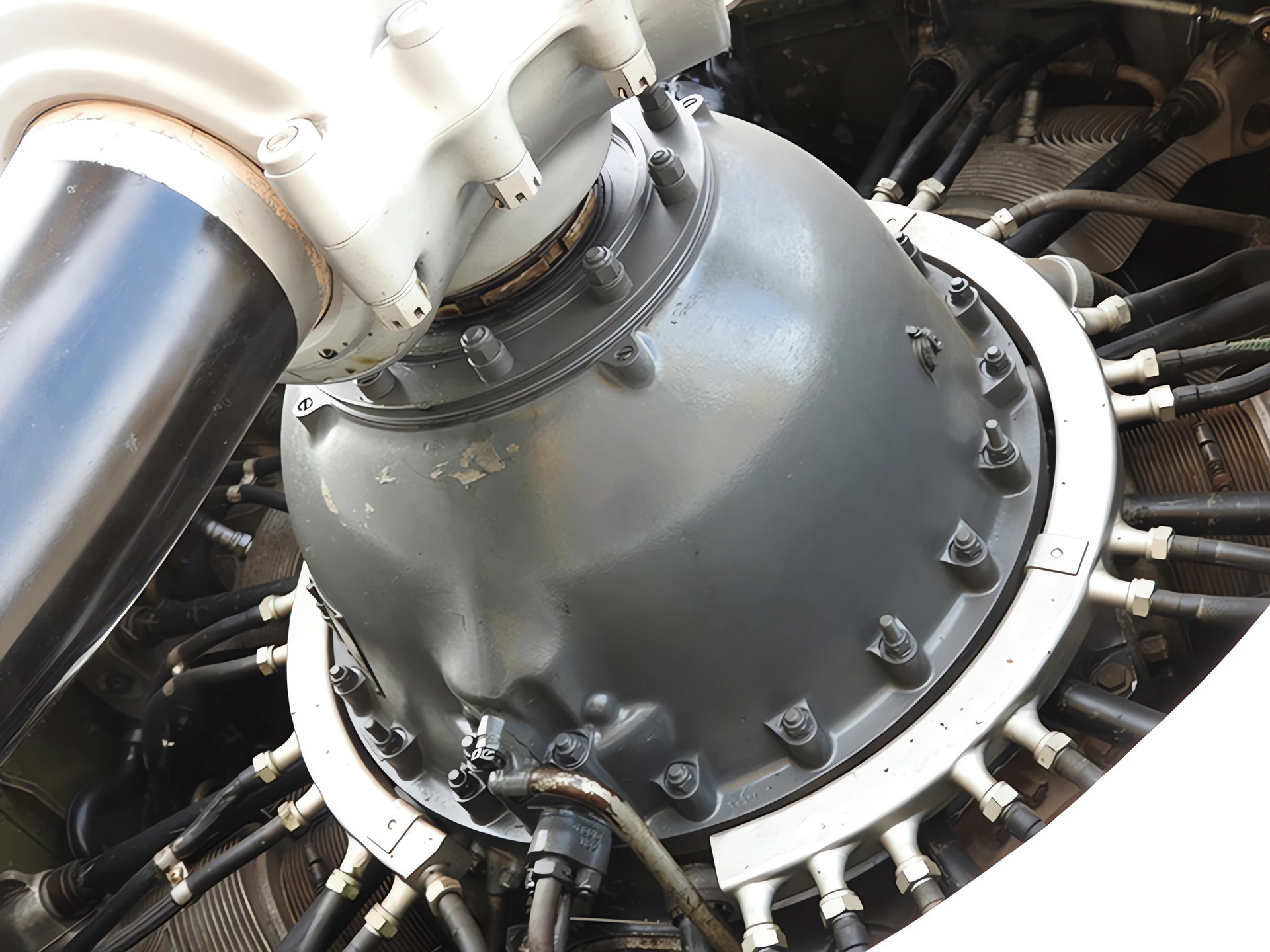
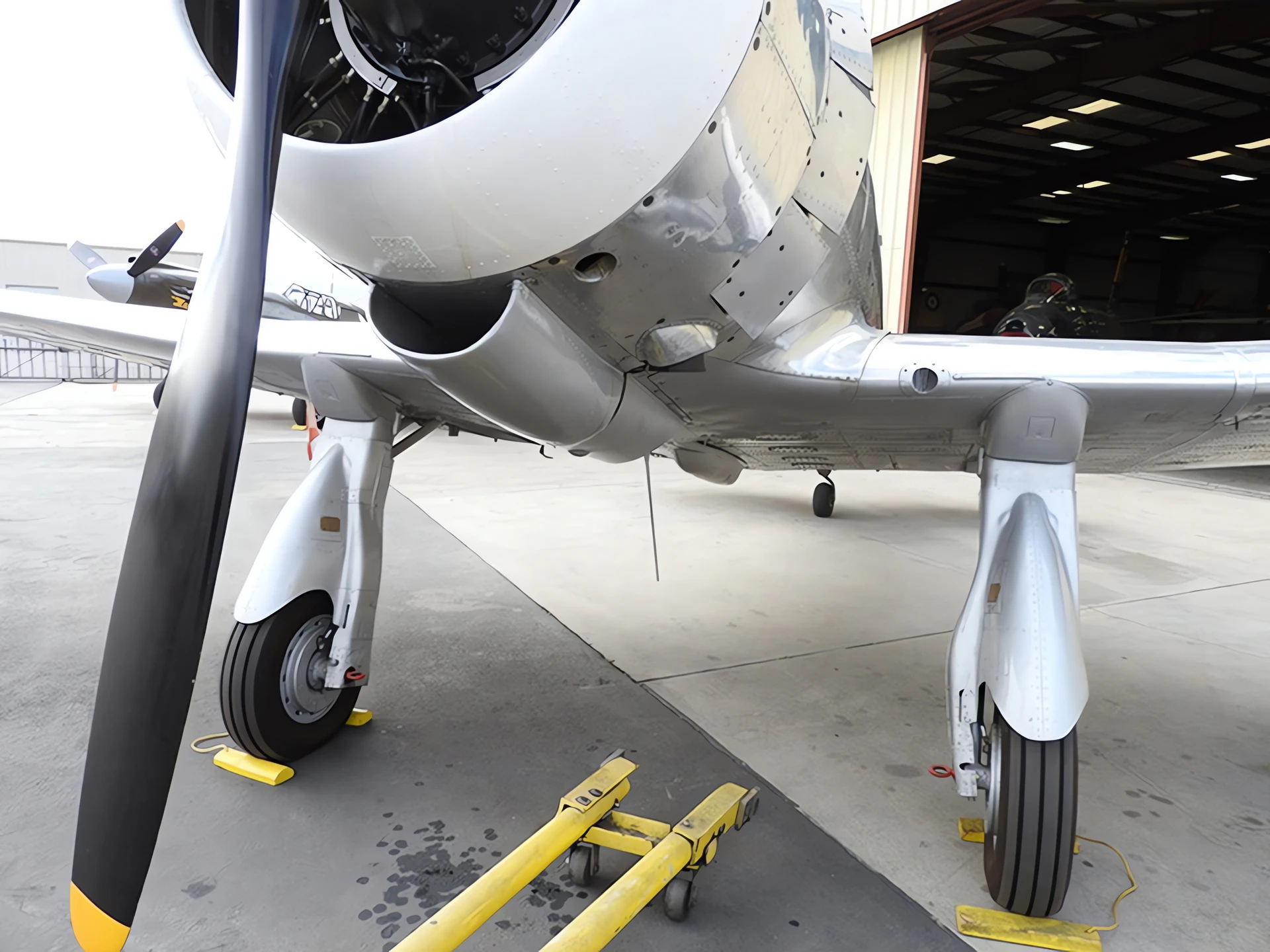
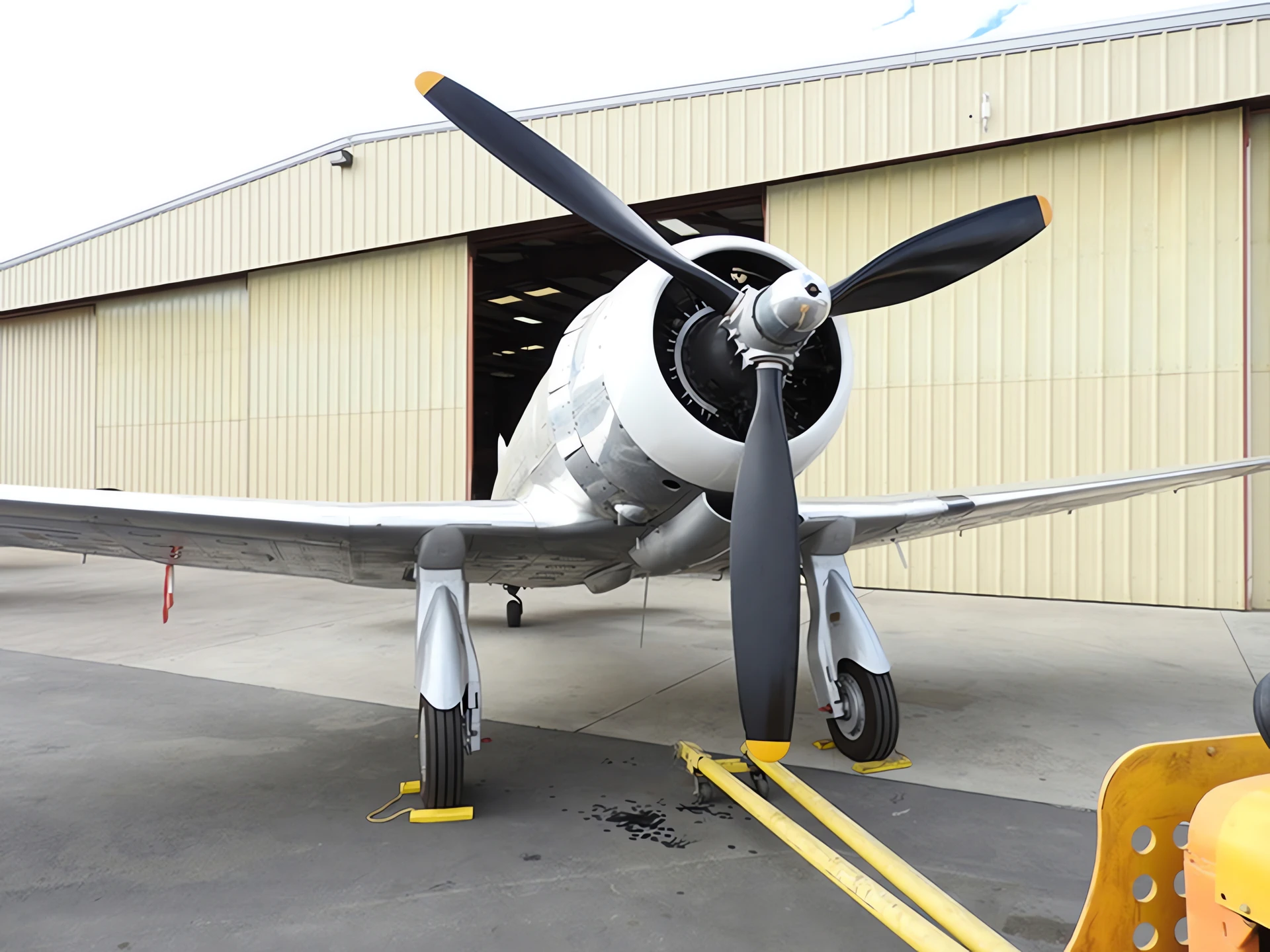

| Severski P-35 Walk Around | |
|---|---|
| Fotógrafo | Desconhecido |
| Localização | Desconhecido |
| Fotos | 18 |
Veja também:


A Revolutionary Milestone
O Seversky P-35 was a landmark in American aviation history. When it won the 1936 Army Air Corps fighter competition, it signaled the end of the biplane era. It was the first pursuit aircraft for the U.S. Army to feature the “holy trinity” of modern fighter design: an all-metal stressed-skin construction, a closed cockpit, and retractable landing gear. Though it was quickly outclassed by faster European designs like the Bf 109, it provided the direct DNA for the legendary P-47 Thunderbolt.
| Attribute | Technical Specification (P-35) |
|---|---|
| Papel | Fighter / Pursuit Aircraft |
| tripulação | 1 (Pilot) |
| First Flight | August 15, 1935 (SEV-1XP) |
| Usina | 1 × Pratt & Whitney R-1830-9 Twin Wasp radial |
| Horsepower | 850 hp (634 kW) |
| Maximum Speed | 281 mph (452 km/h) |
| Service Ceiling | 30,600 feet (9,327 m) |
| Armamento | 1 × .50 cal machine gun; 1 × .30 cal machine gun (Nose mounted) |
Design Innovations & Quirks
- The Elliptical Wing: The P-35 featured beautiful, semi-elliptical wings that tapered to rounded tips. This design was aerodynamically efficient but difficult to manufacture.
- Semi-Retractable Gear: Unlike later fighters where the wheels disappeared completely into the wing, the P-35’s gear retracted rearward into large, aerodynamic fairings (or “tubs”) on the underside of the wing.
- Wet Wing Technology: The P-35 was a pioneer in using integral fuel tanks—where the wing structure itself is sealed to hold fuel—rather than separate metal tanks. This saved weight and increased fuel capacity.
- The “Rear Passenger” Space: Behind the pilot’s seat was a small baggage compartment. In emergencies, a second person could crawl in there, a feat famously performed during the Japanese invasion of the Philippines.
Trial by Fire in the Pacific
- Battle of the Philippines: By December 1941, the P-35 was hopelessly obsolete. Most American P-35s were stationed in the Philippines. They were decimated on the ground and in the air by the much faster Japanese Zeros and Oscars, though they fought bravely in ground-attack roles.
- Swedish Service (J 9): Ironically, the most successful version was the export EP-1. Sweden ordered 120 of them (designated J 9), and they served as the backbone of the Swedish Air Force during the early war years.
- The Alexander Kartveli Connection: The P-35 was designed by Alexander Kartveli, who would go on to design the P-47 Thunderbolt. If you look at a P-35 and a P-47 side-by-side, the evolution of the fuselage and tail shape is unmistakable.
- Survivors: Only a handful remain. The most significant is a P-35A displayed at the National Museum of the United States Air Force, painted in the markings of the 17th Pursuit Squadron.
Visualizações : 3365
Você pode ver também:
 Yakovlev Yak-1 – Fotos e Vídeo
 Boeing EA-18G Growler – Fotos e Vídeo
 Grumman F7F Tigercat – WalkAround
 Lockheed PV-2D Harpoon - WalkAround
 Macchi MC-200 - WalkAround
 PZL P.11 – WalkAround
 P-51 Mustang vol2 - Ande por aí
 Bell P-63E KingCobra – WalkAround
 Vought F4U Corsair – WalkAround
 F4U-7 Corsair – WalkAround