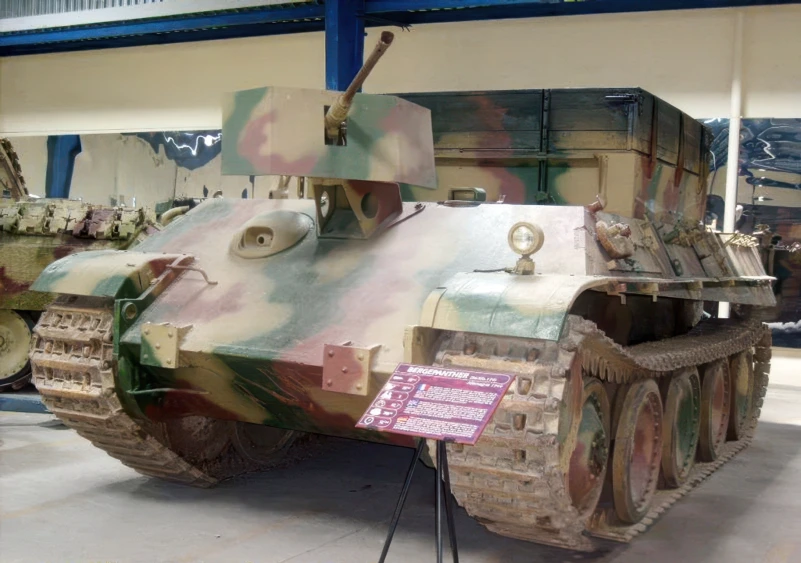
Bergepanther | |
|---|---|
| País | Alemanha |
| Categoria | Veículos blindados |
| Tipo | Tanque de solução de problemas |
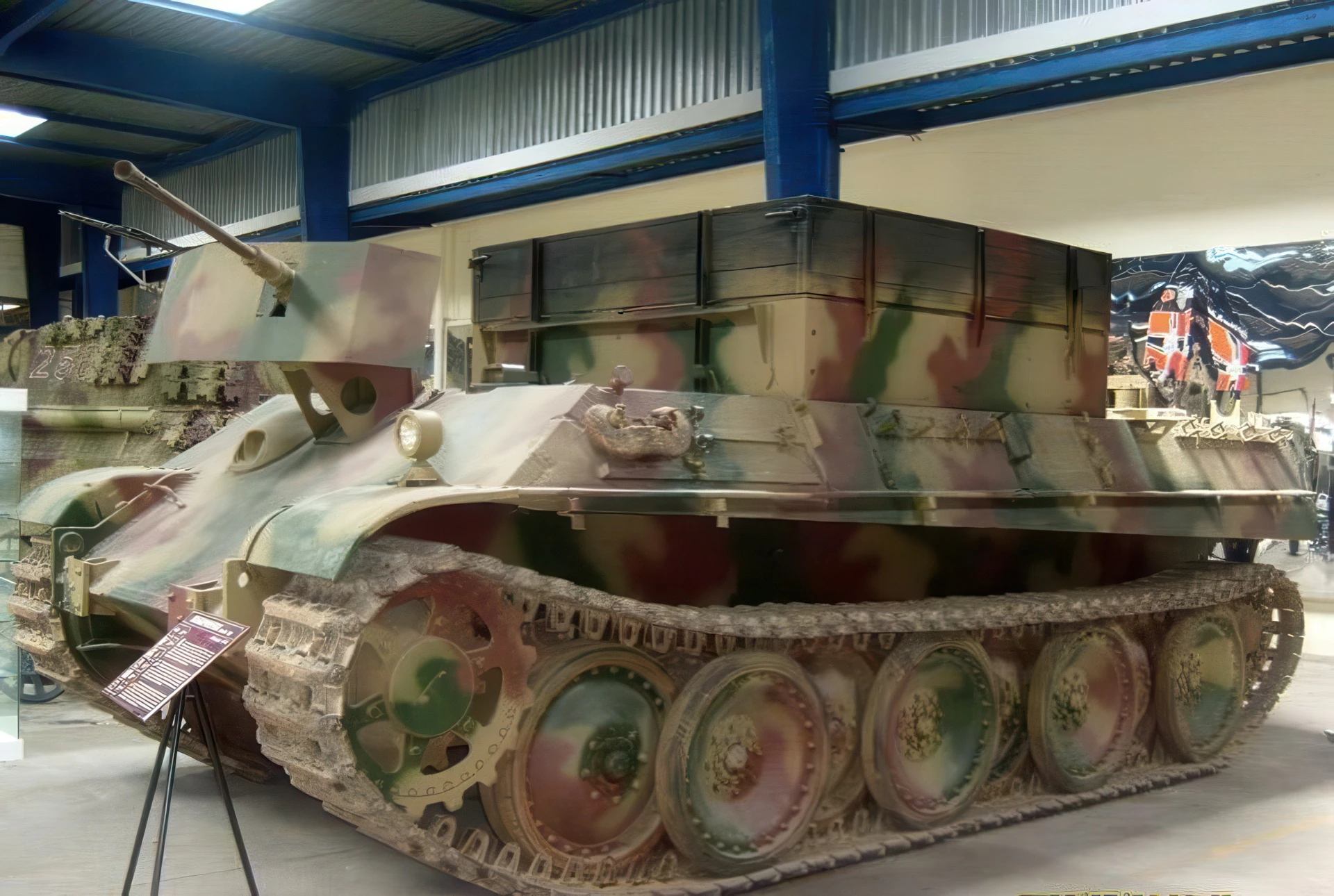
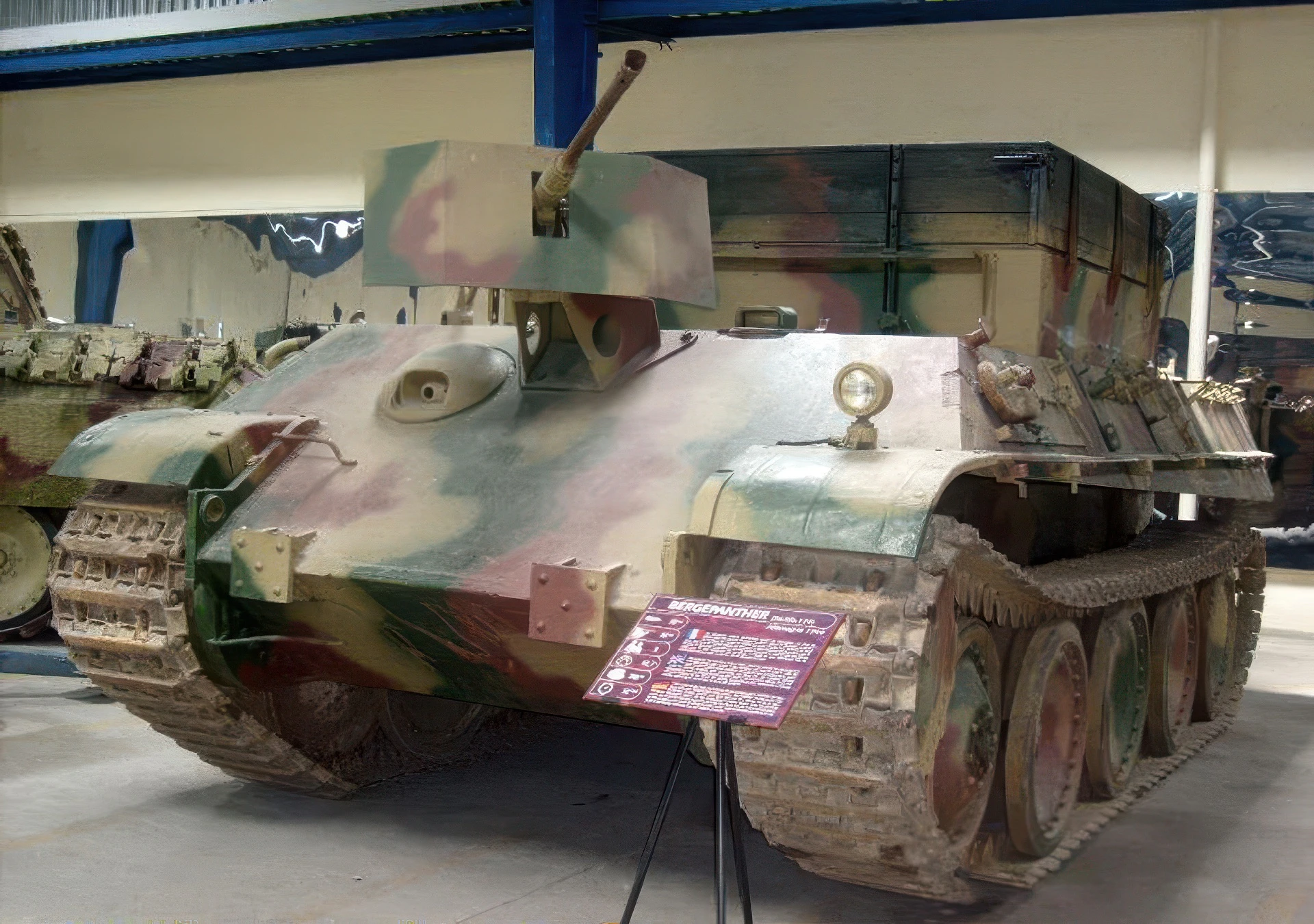
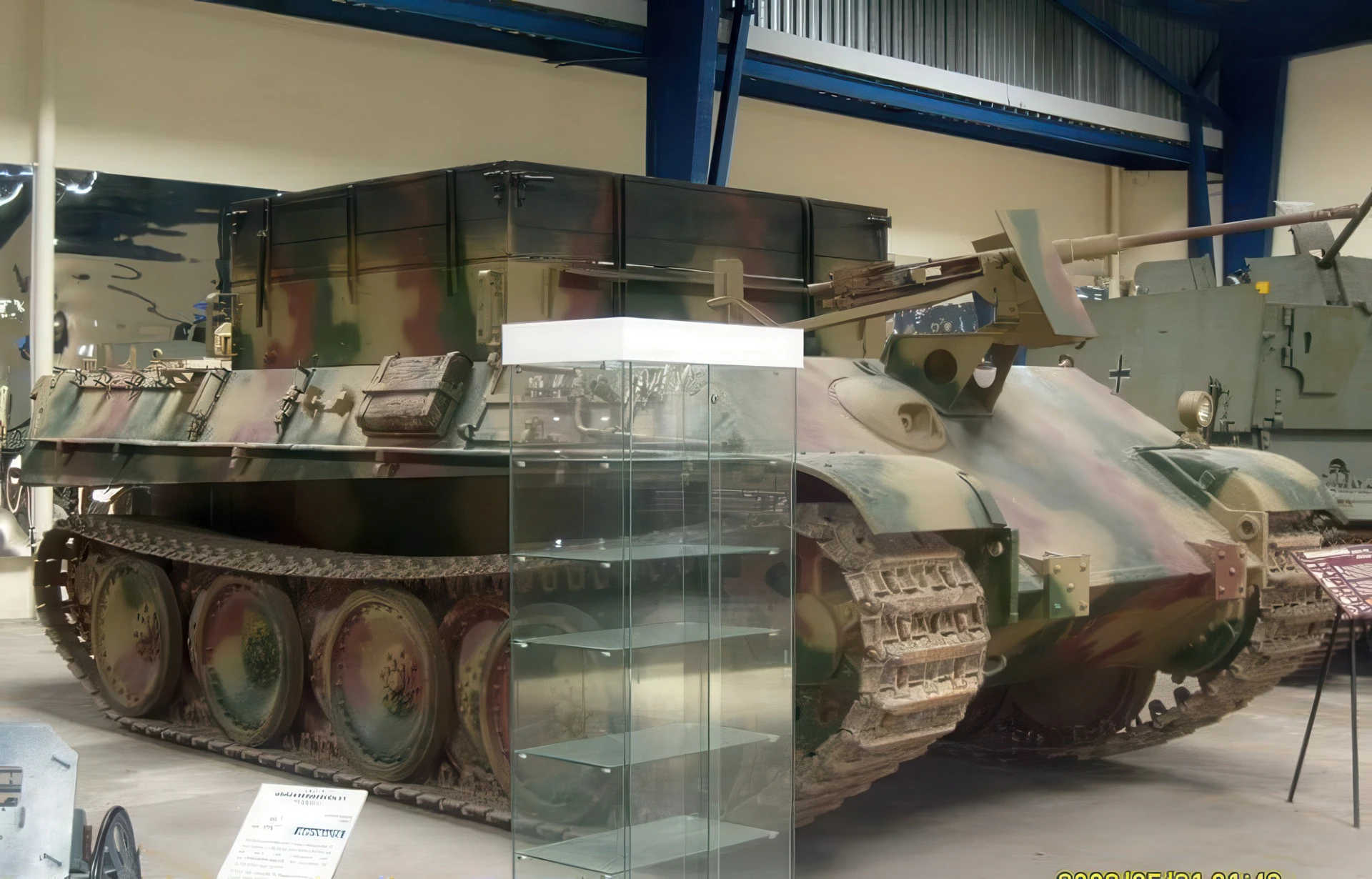
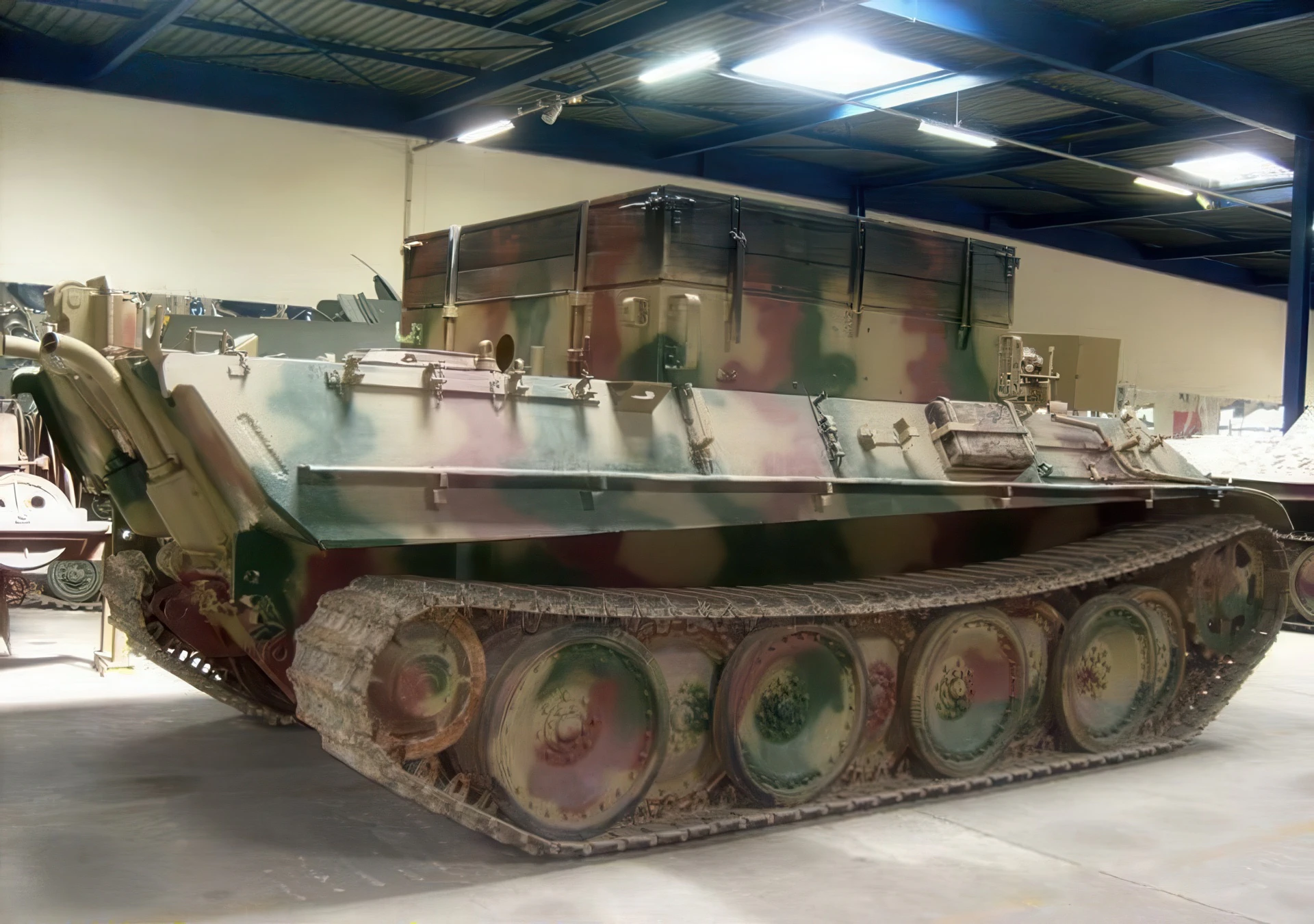
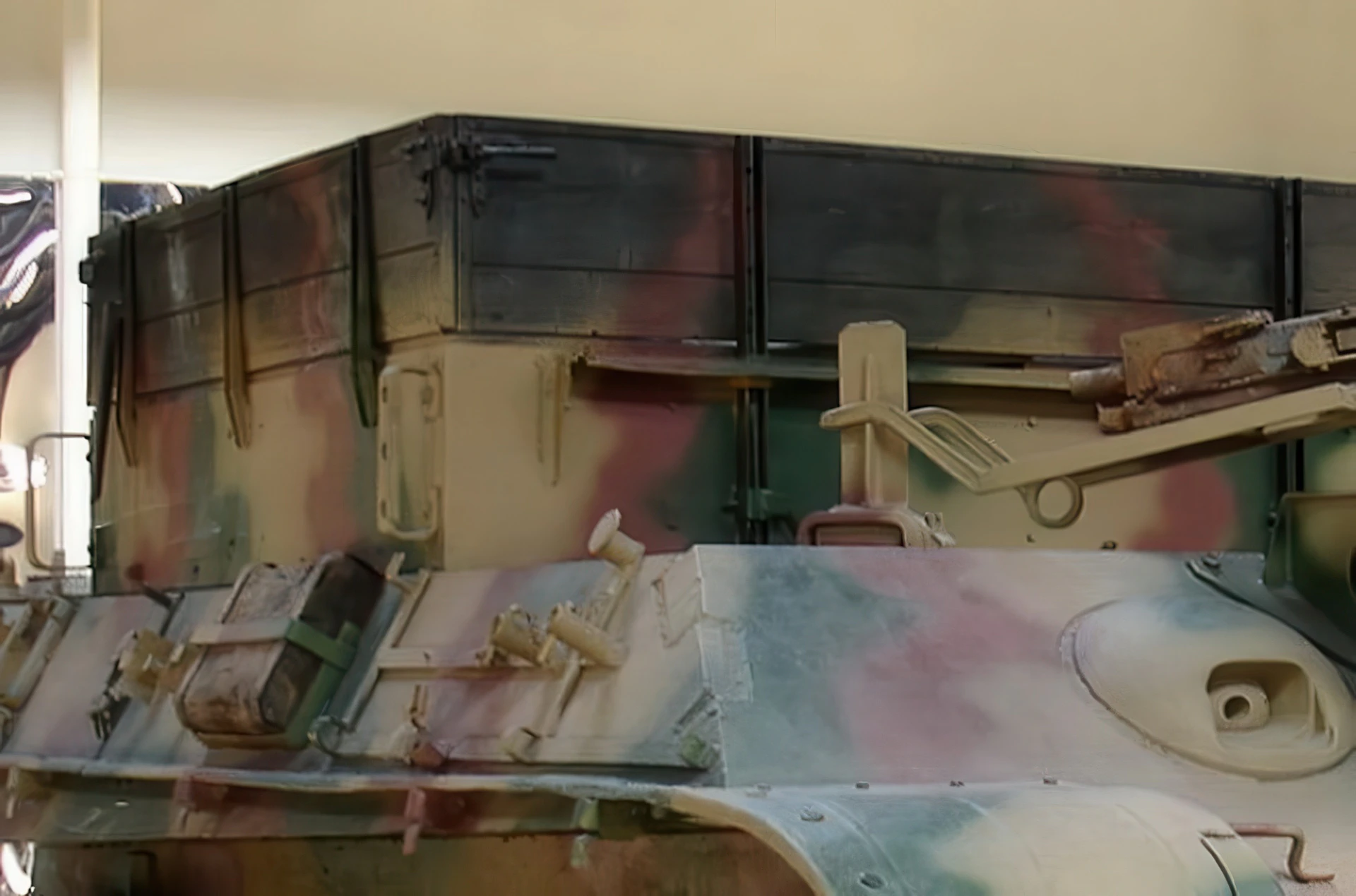
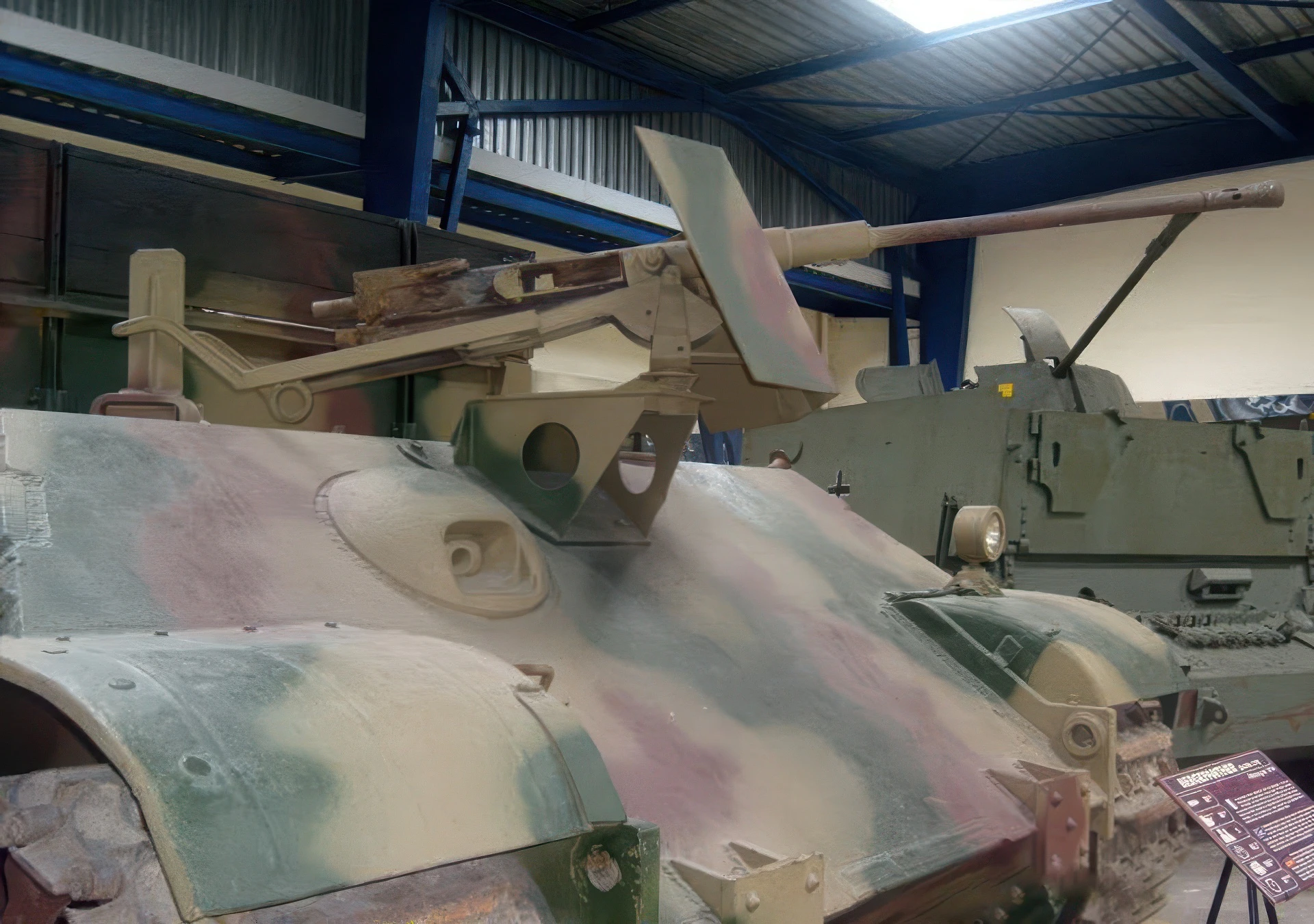
| Descrição | Álbum 50 walk-around fotos do SdKfz.179 – Bergepanzerwagen |
Galeria de fotos de um SdKfz.179 – Bergepanzerwagen, The SdKfz 171 PANZER V PANTHER foi um tanque médio usado pelo Exército Alemão durante a Segunda Guerra Mundial, de 1943 durante a Batalha de Kursk, até 8 de maio de 1945. Bergepanther : veículo de recuperação, 347 produtos de 1943 a 1945.
Fonte: Pantera na Wikipédia




Veja também:


The Sd.Kfz. 179 Bergepanzerwagen V commonly known as the Bergepanther was a German armored recovery vehicle (ARV) developed during World War II. Based on the chassis of the Panzerkampfwagen V Pantera, it was specifically designed to tow and repair the increasingly heavy German medium and heavy tanks, such as the Panther and Tiger, which were too heavy for existing recovery vehicles like the Sd.Kfz. 9 half-track.
Development and Role
Operational Necessity
- Critical Need: The introduction of the pantera e Tigre tanks revealed a significant logistics problem: no current recovery vehicle could effectively pull them out of difficult terrain, and towing a damaged heavy tank with another fighting tank was strictly forbidden due to the risk of losing both.
- Design Goal: To create a fully tracked, heavily armored recovery vehicle capable of operating under enemy fire to retrieve and perform field repairs on the heaviest vehicles.
- First Versions: The earliest models (Ausf. D conversions, June 1943) were simply Panther hulls with the turret removed, often utilizing a wooden superstructure for the crew and equipment.
- Series Production: Later and true series production models featured a taller, rectangular steel superstructure and incorporated a powerful winch and earth anchor.
Recovery Equipment
- Main Winch: A powerful 40-tonne (400 kilonewtons) capacity winch was centrally mounted inside the hull, driven by the main engine. This was the heart of the recovery system.
- Earth Anchor: A large rear-mounted spade (or spur) was incorporated to anchor the vehicle when using the winch, preventing the Bergepanther from being pulled towards the stuck vehicle.
- Crane: A small 1.5-tonne capacity jib-boom crane was used for lifting heavy components, such as engines, turrets, or transmissions, during field repairs.
- Other Gear: Carried extensive repair and towing equipment, including large unditching beams and rigid towing bars.
Technical Specifications (Bergepanther Ausf. A/G)
General Characteristics
| Especificação | Detail |
|---|---|
| German Designation | Sd.Kfz. 179 (Panzer-Berge-Wagen V) |
| Base Vehicle | Panzerkampfwagen V pantera (Ausf. D, A, and G hulls) |
| tripulação | 5 (Commander, Driver, Radio Operator, 2 Mechanics/Riggers) |
| Missa | Approx. 43 tonnes (47 short tons) |
| Length (Overall) | 8.86 m (29 ft 1 in) |
| Largura | 3.42 m (11 ft 3 in) |
| altura | Approx. 2.7 m (8 ft 10 in) |
Power and Performance
| Component | Detail |
|---|---|
| Motor | Maybach HL 230 P30 V-12 liquid-cooled gasoline engine |
| Horsepower | 700 hp (520 kW) |
| Maximum Speed | 55 km/h (34 mph) on road |
| Armament (Early) | 1 × 2 cm KwK 38 L/55 autocannon (often removed on later models) |
| Armament (General) | 1 × 7.92 mm MG 42 machine gun |
Production and Service
- Manufacturers: MAN, Henschel, Daimler-Benz, and DEMAG.
- Total Built: Aproximadamente 339 to 347 units produced from mid-1943 to 1945 (figures vary slightly depending on counting initial conversions).
- Service History: Entered service around the time of the Batalha de Kursk (July 1943) and served on all fronts until the end of the war, providing essential support to the heavy tank units.
The Sd.Kfz. 179 Bergepanther was one of the first German armored recovery vehicles designed specifically to handle the immense weight of the Tiger and Panther tanks.
Views : 3533