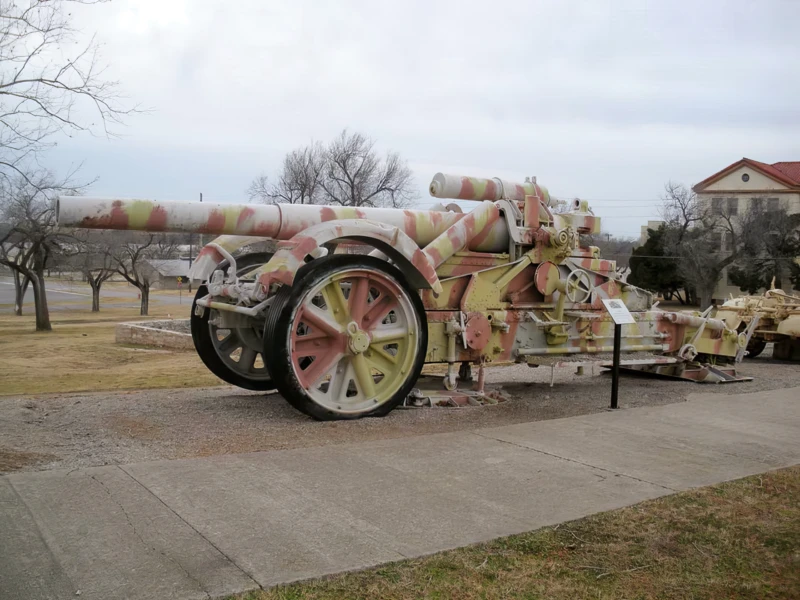
21cm Morser 18 Obuseiro | |
|---|---|
| País | Alemanha |
| Tipo | Obus |
| Fabricante | Krupp |
| Período | 1939–45 Construído em: 711+ |
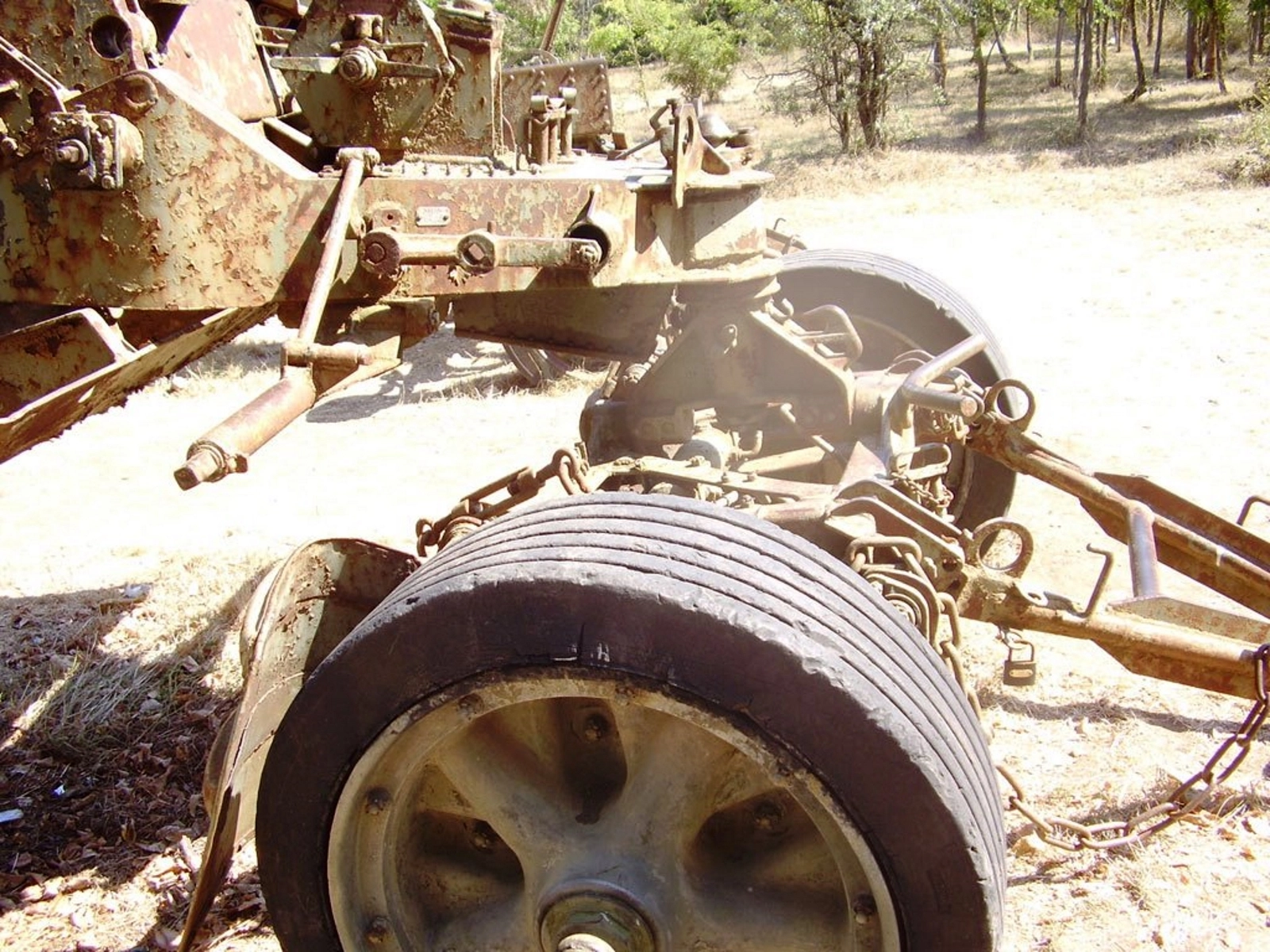
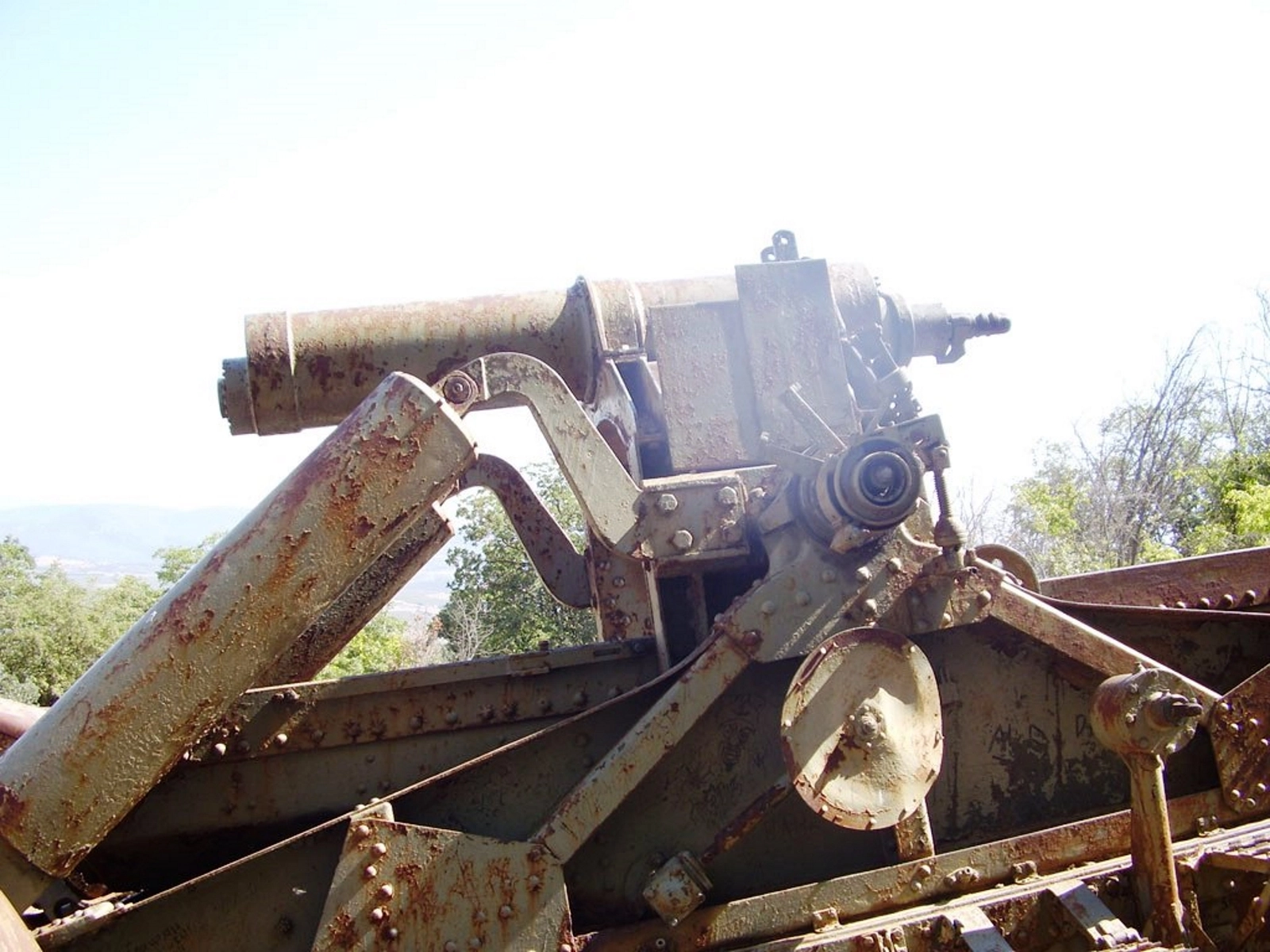
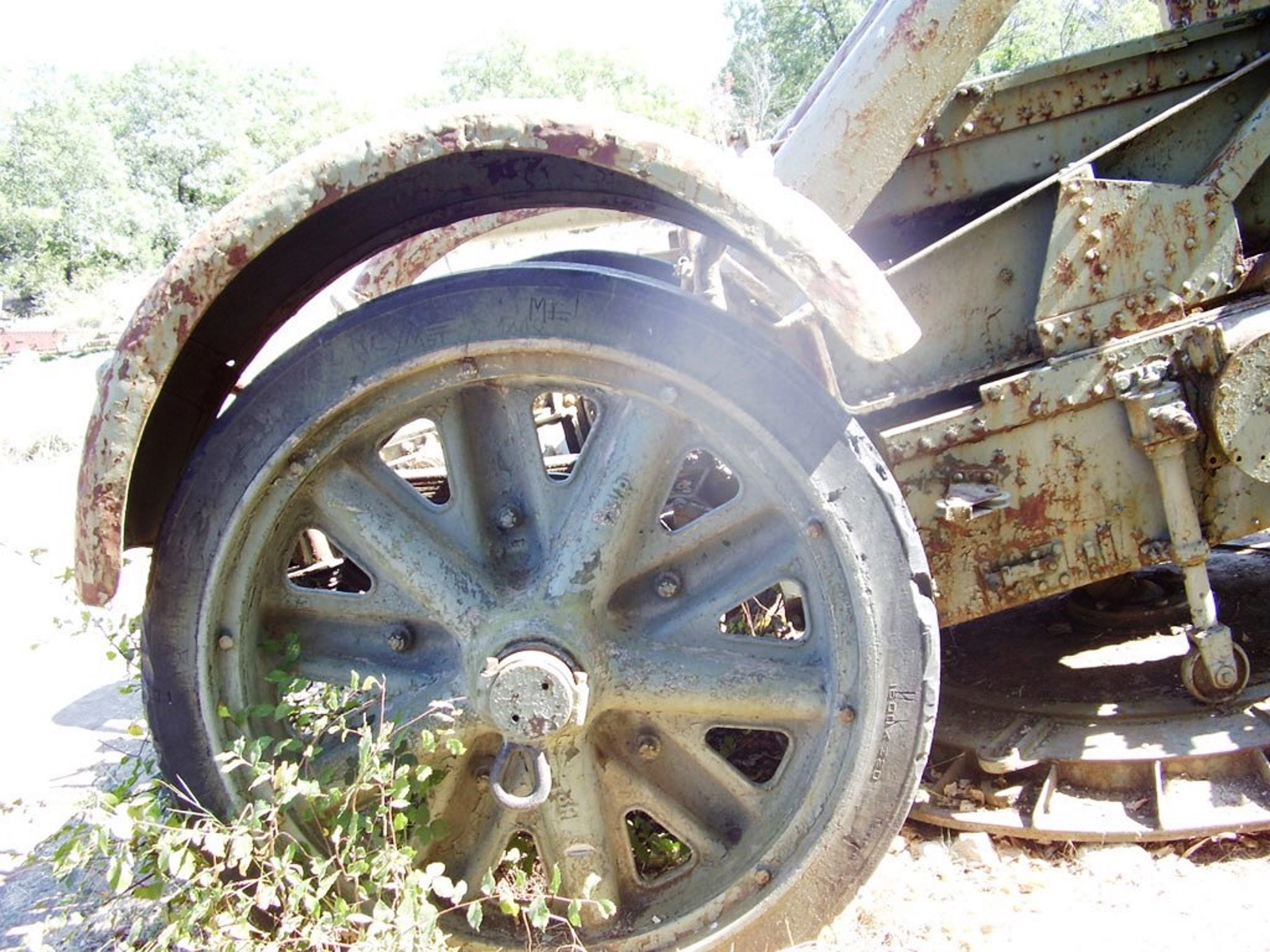
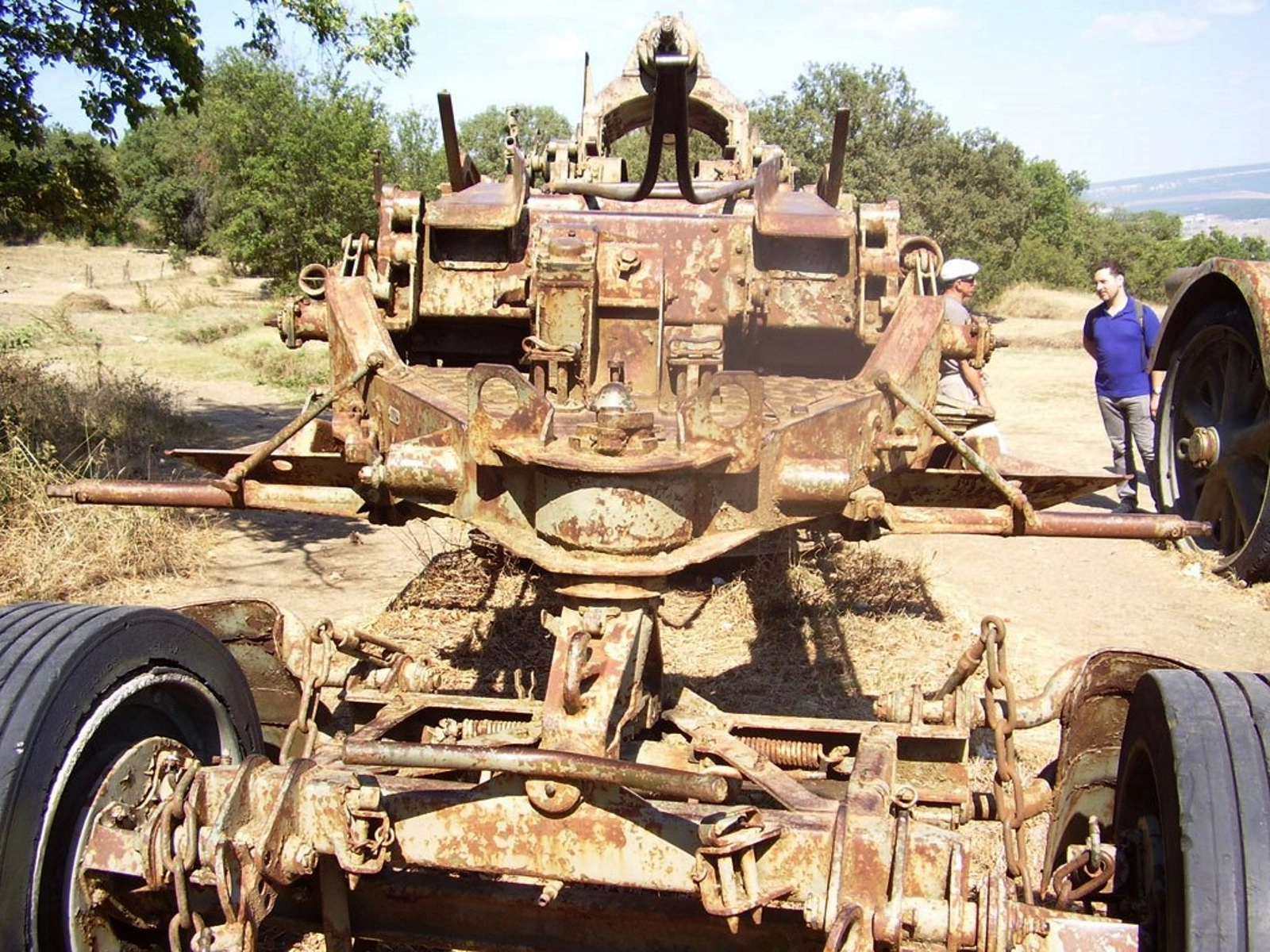
O Mörser 18 de 21 cm (obuseiro pesado) (21 cm Mrs 18) foi um obuseiro pesado alemão usado na Segunda Guerra Mundial por batalhões de artilharia e baterias independentes. Alguns também foram usados por unidades de artilharia de defesa costeira.
Fonte: Wikipédia
| 21cm Morser 18 Obuseiro | |
|---|---|
| Fotógrafo | Desconhecido |
| Localização | Desconhecido |
| Fotos | 66 |
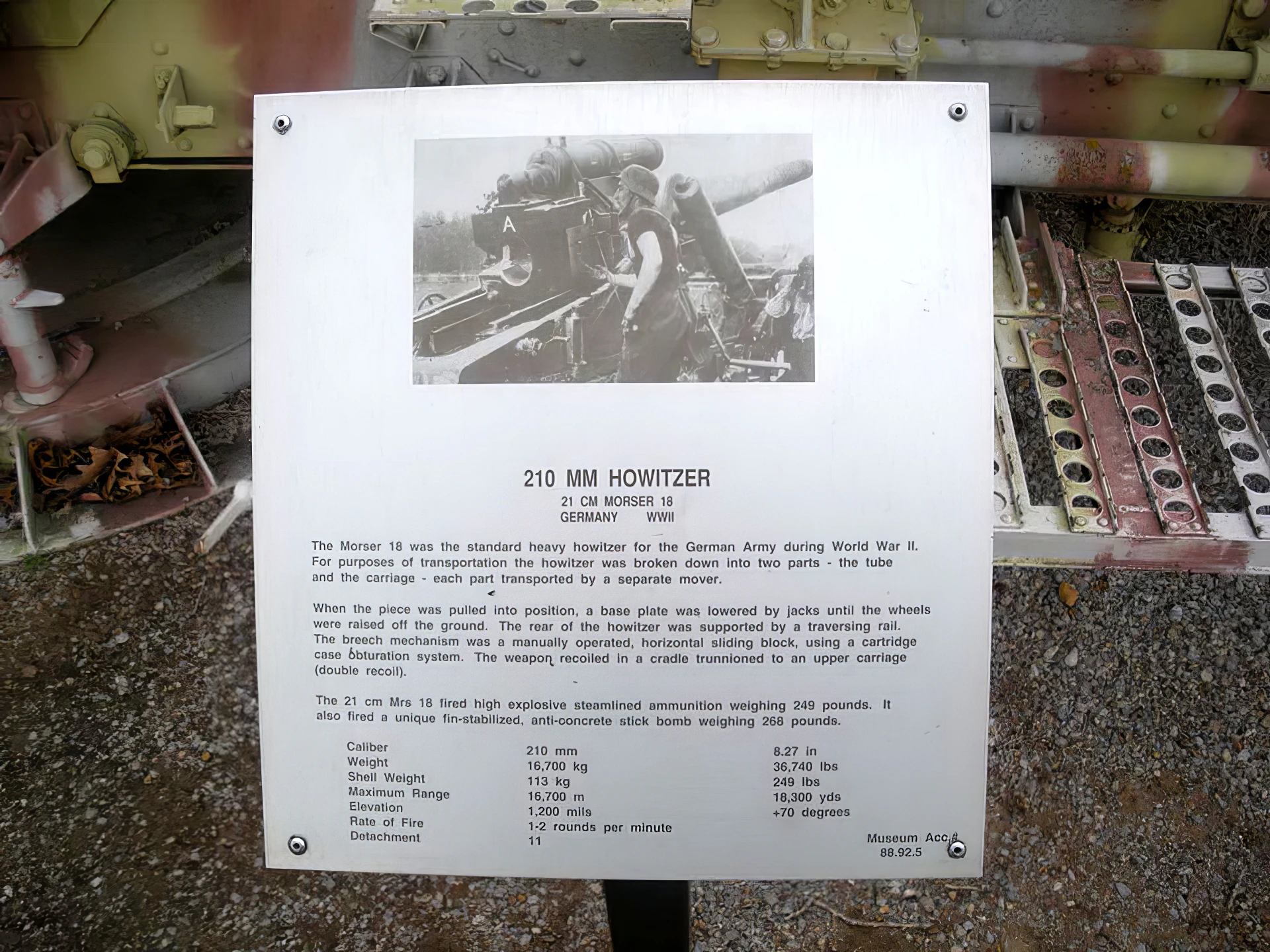
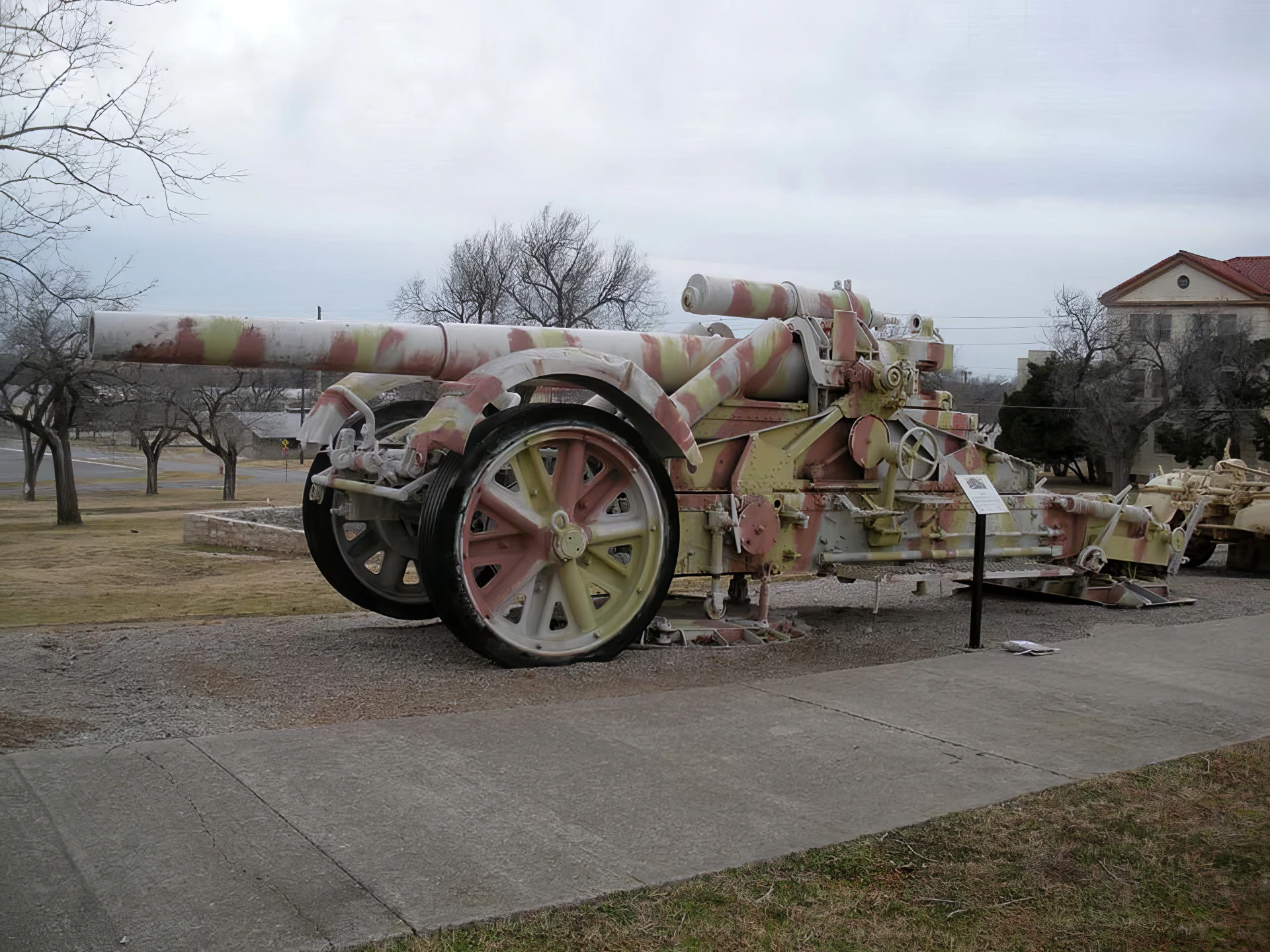
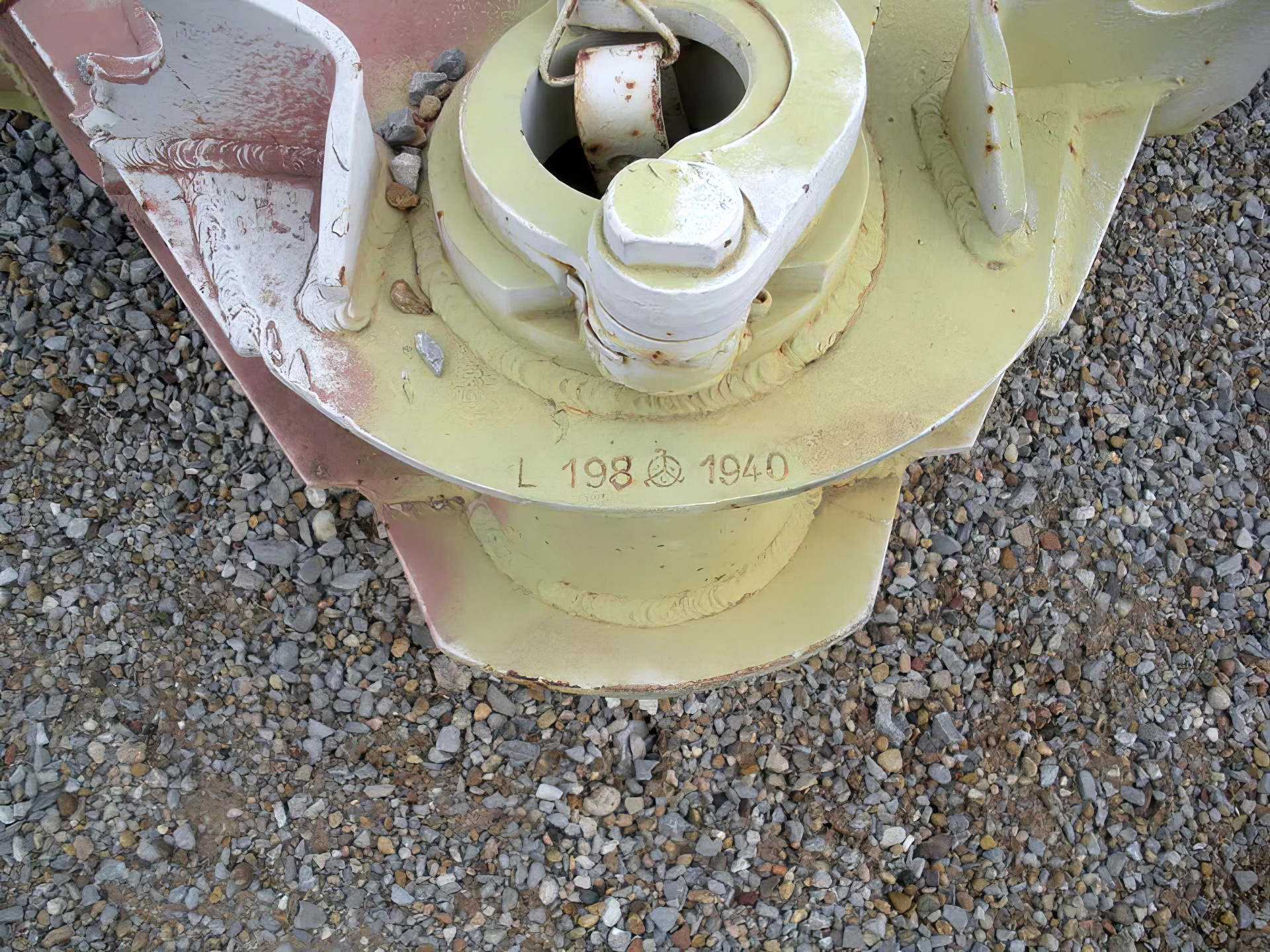
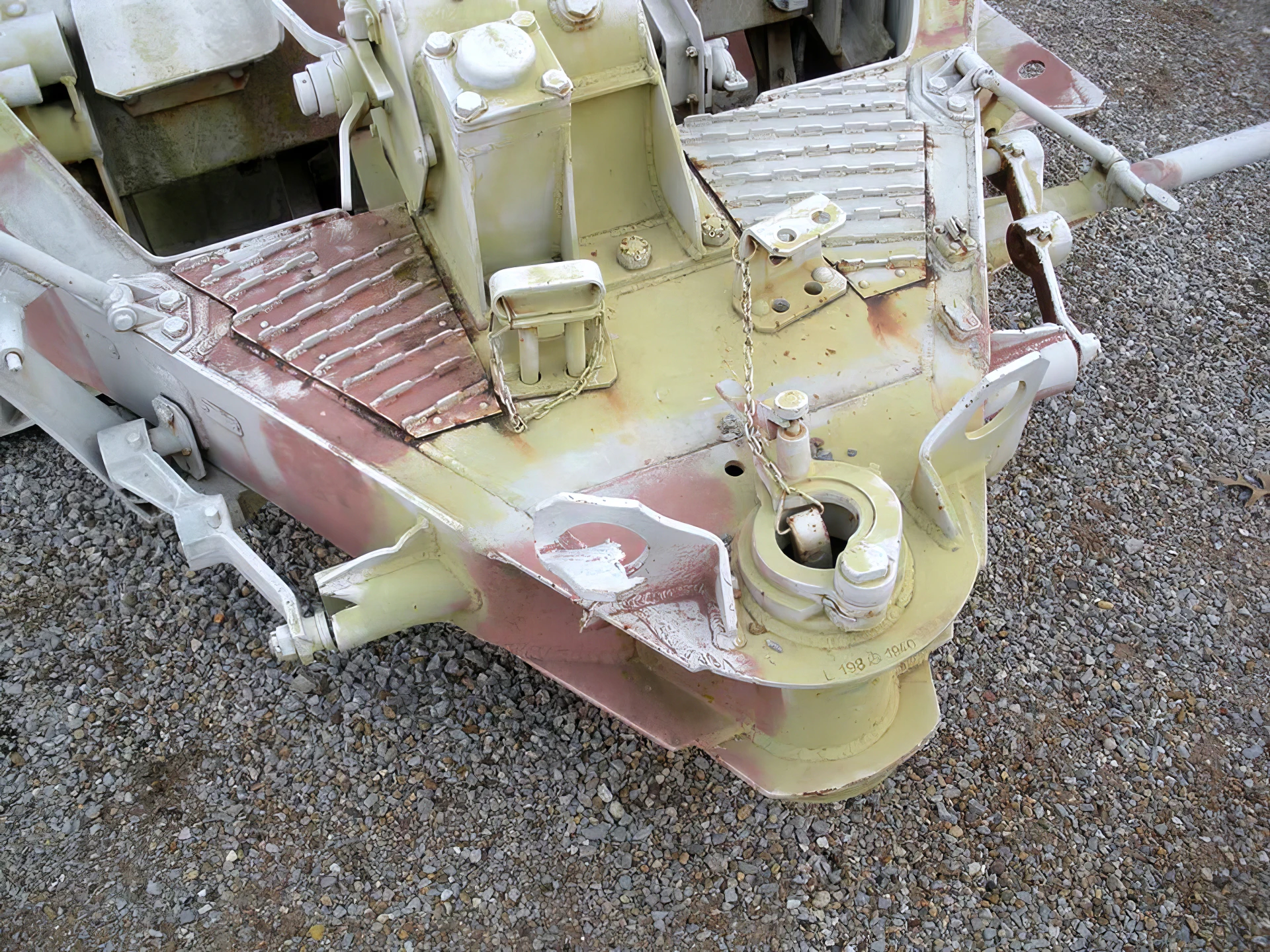
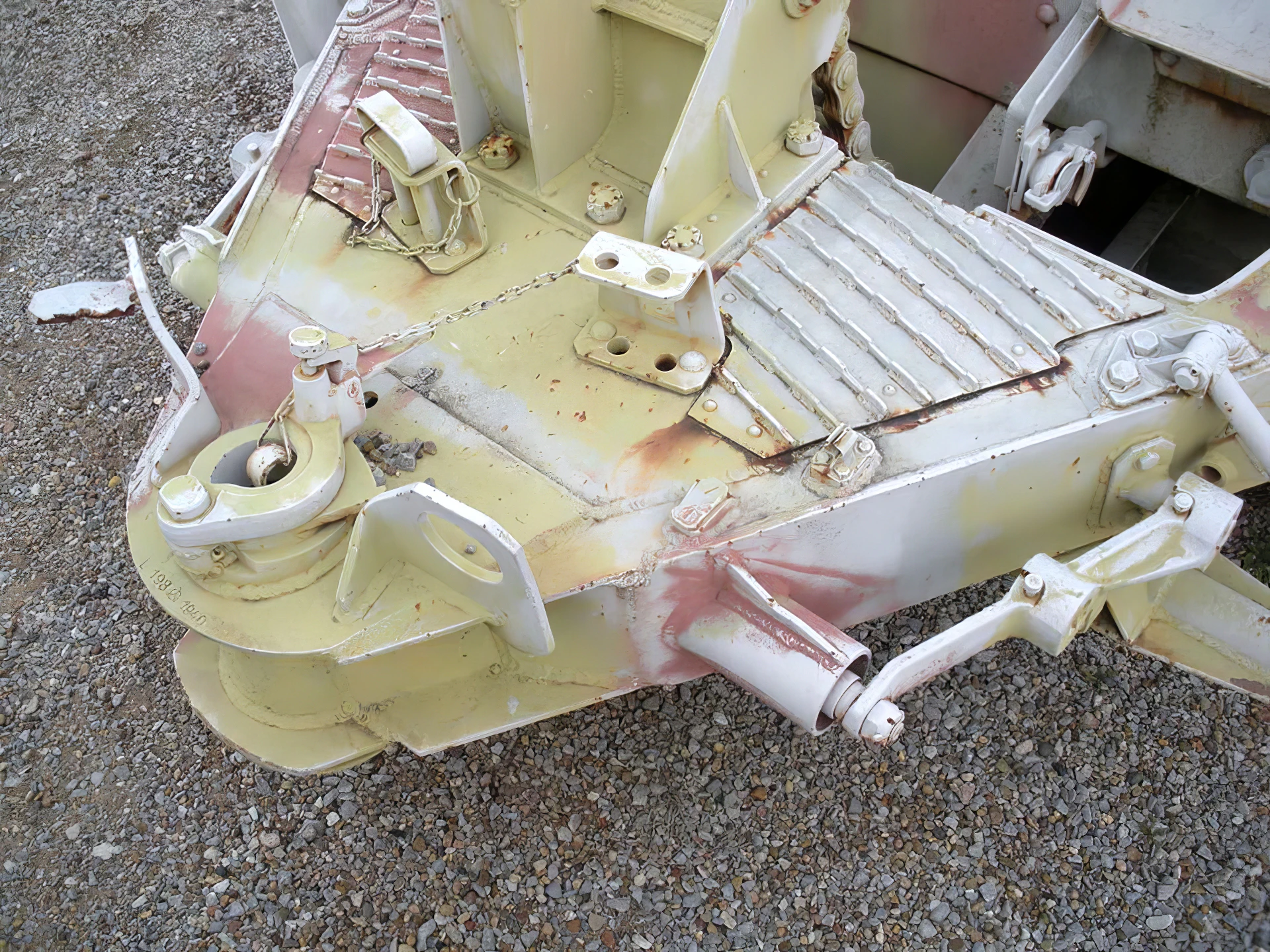
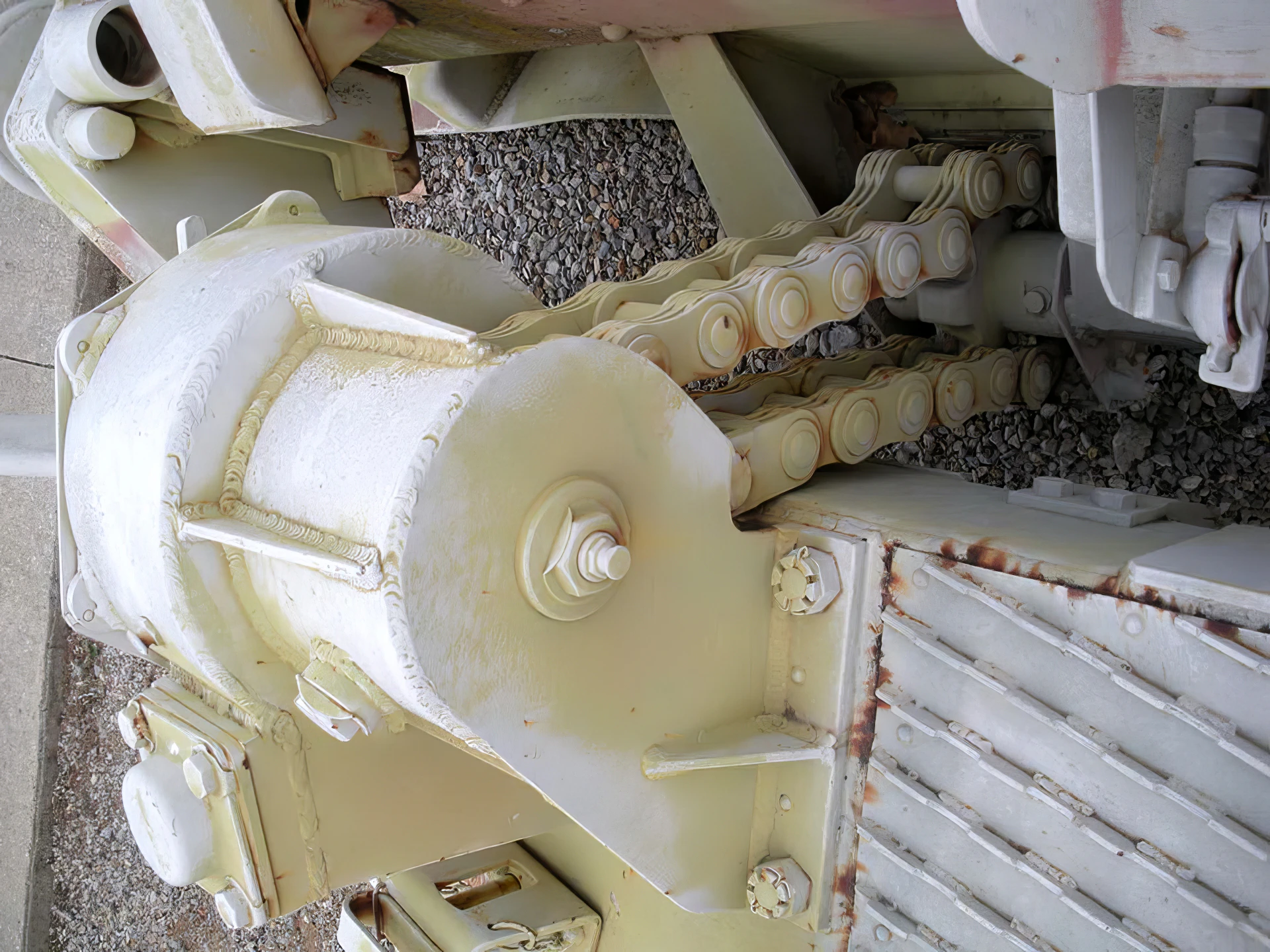
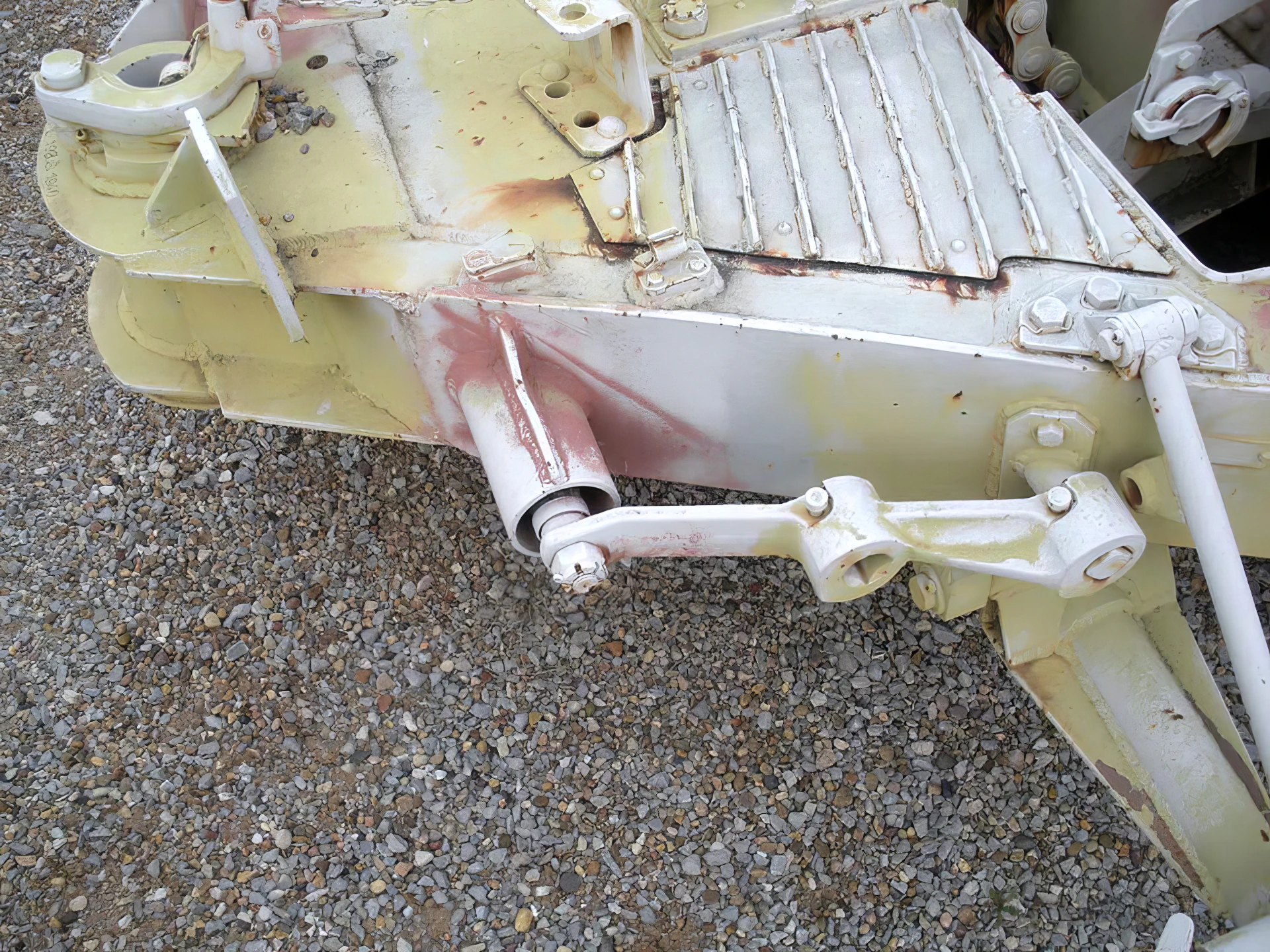
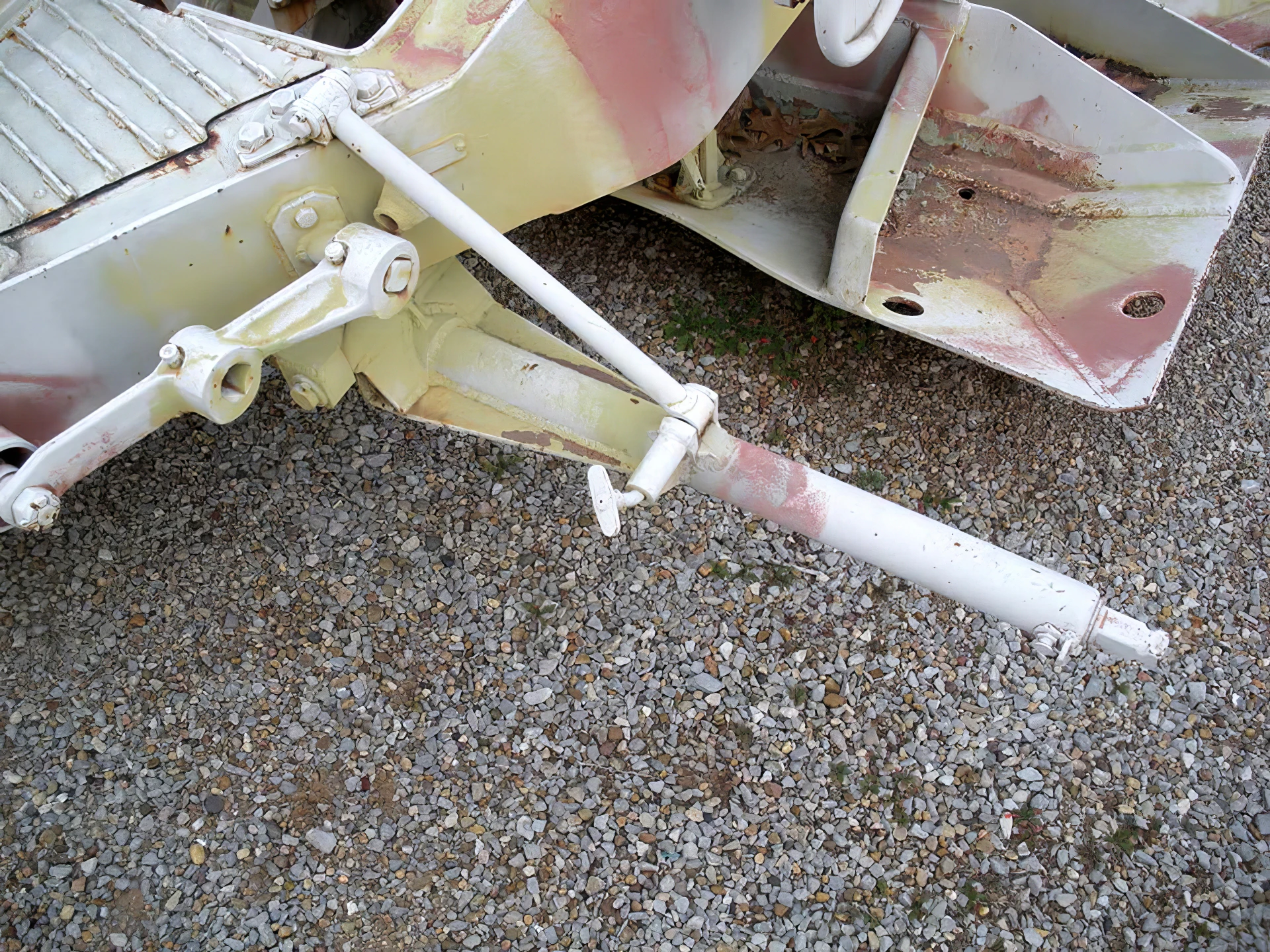
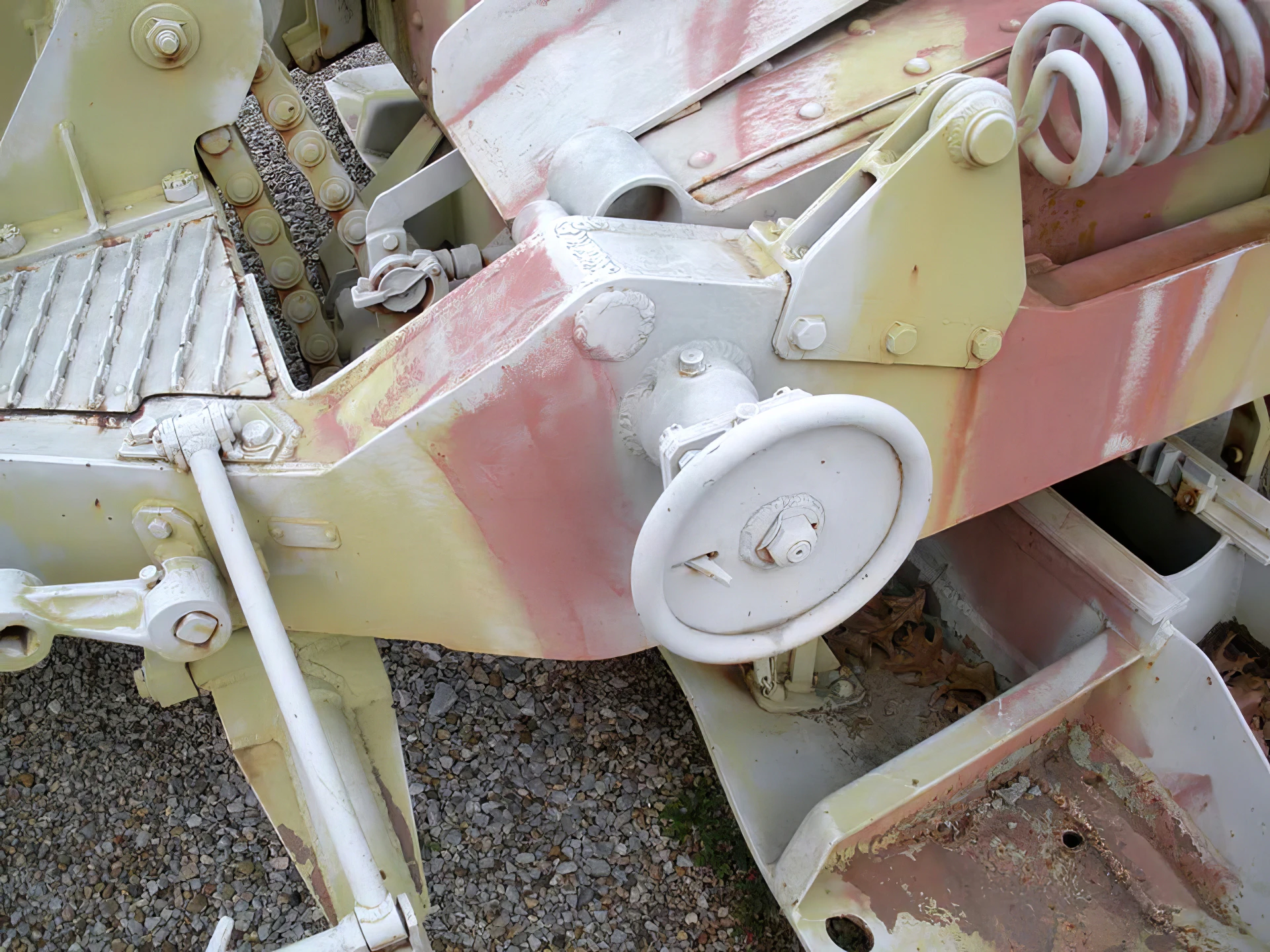

| 21 cm Morser 18 Andar ao redor | |
|---|---|
| Fotógrafo | Sótão |
| Localização | Desconhecido |
| Fotos | 20 |
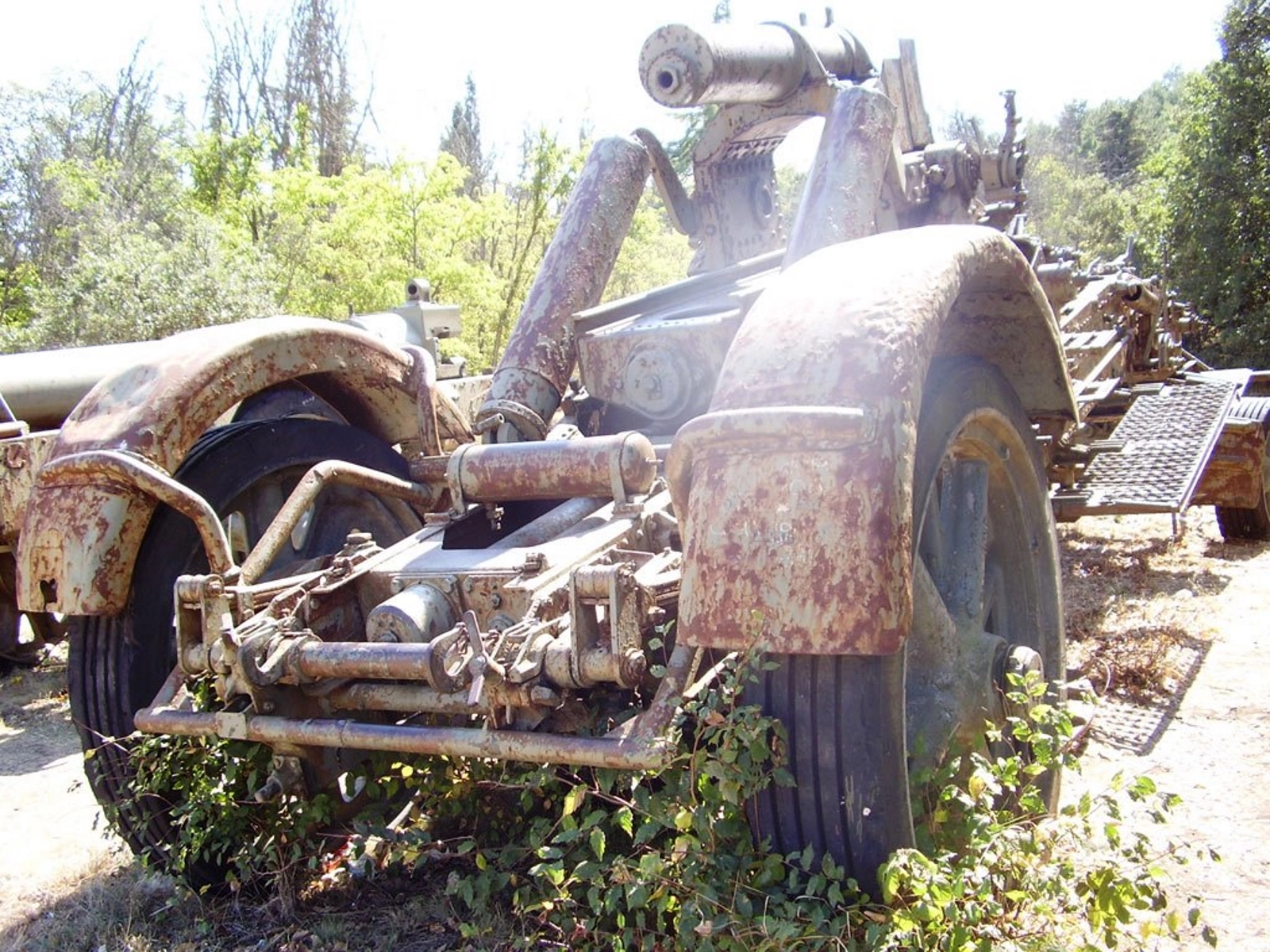
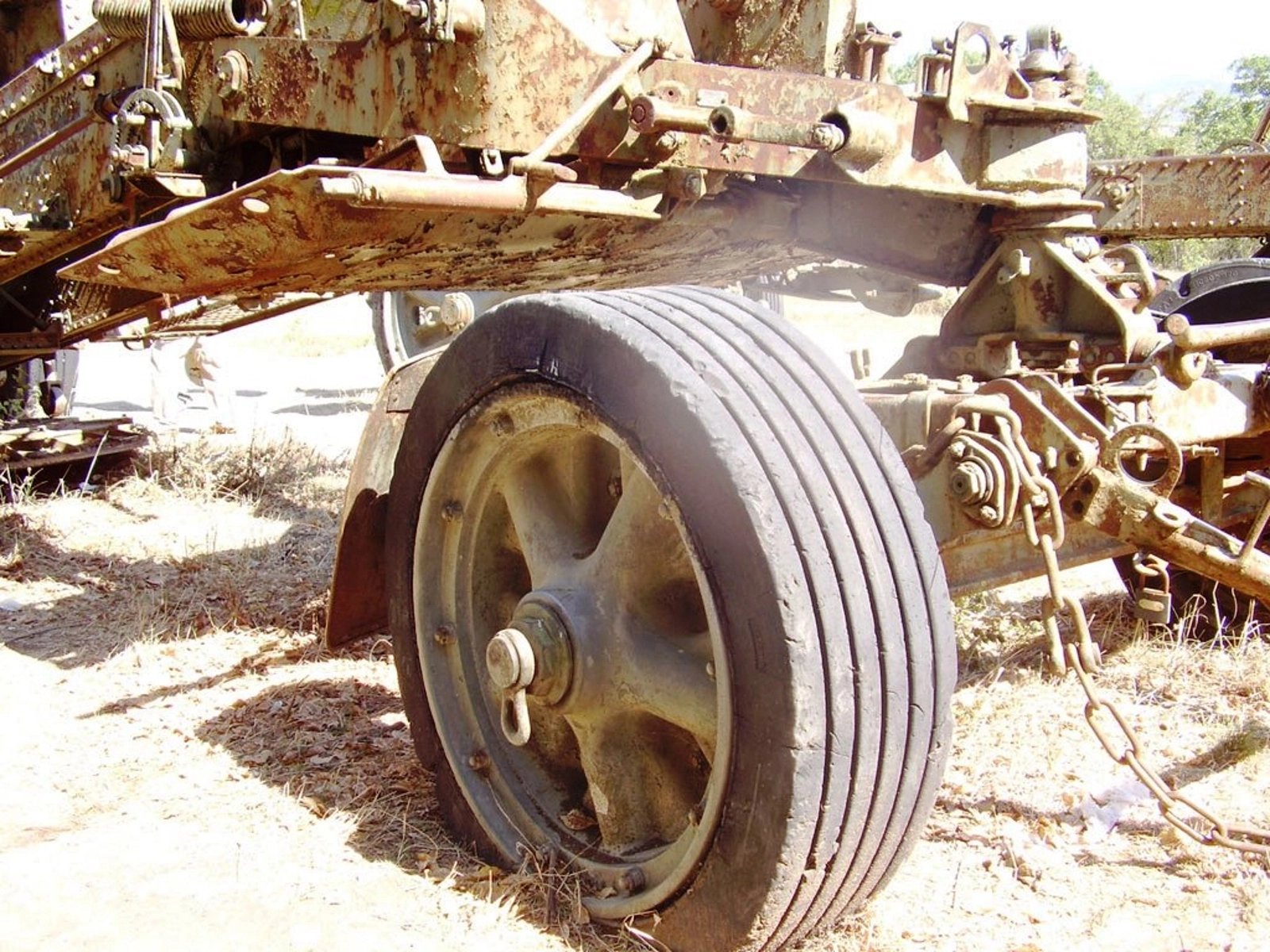
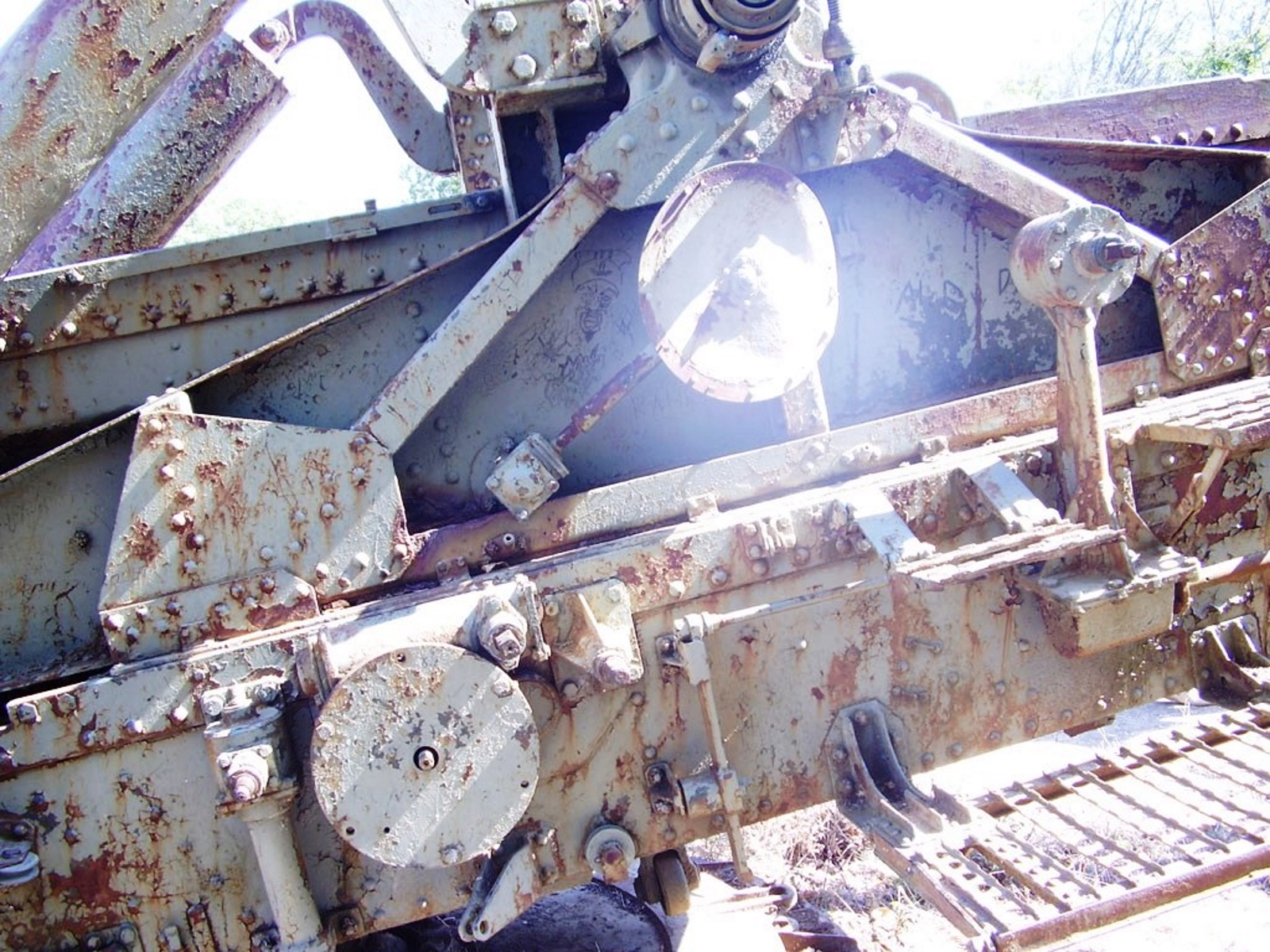
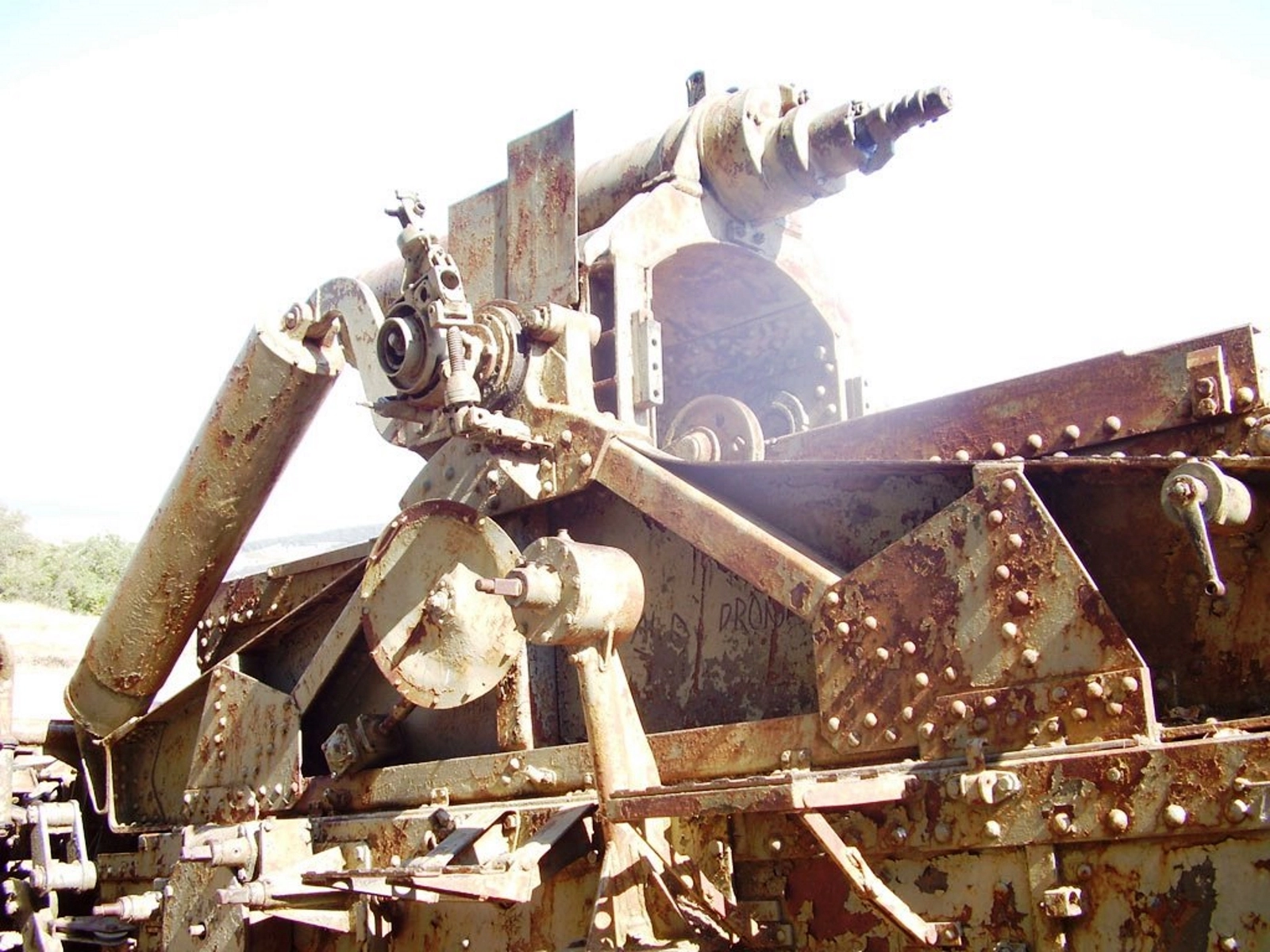
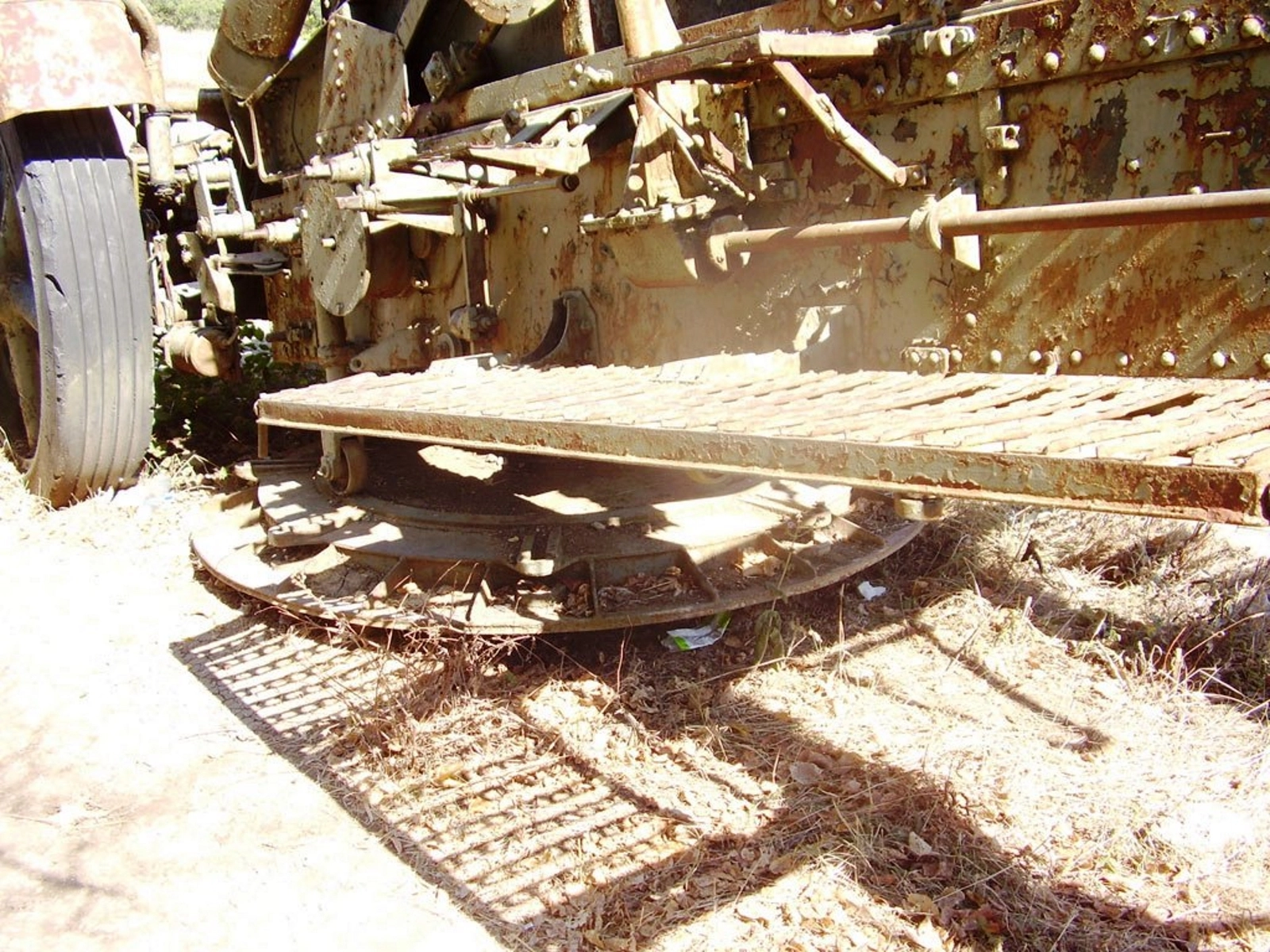
Veja também:


A Masterpiece of Heavy Ballistics
O 21 cm Mörser 18 (Mrs 18) was the German Army’s primary heavy howitzer for reducing enemy fortifications and delivering massive indirect fire. Designed by Krupp in the 1930s to replace the WWI-era Mörser 16, it was a colossal weapon that prioritized accuracy and platform stability over mobility. While technically a howitzer, the Germans categorized it as a “Mörser” (mortar) due to its high-angle fire capabilities. It was famously used to smash through the “impenetrable” Belgian forts in 1940 and served on all major fronts as the ultimate “door-kicker” for the German artillery.
| Attribute | Technical Specification (21 cm Mrs 18) |
|---|---|
| Papel | Heavy Siege Howitzer |
| Calibre | 211 mm (8.3 inches) |
| Barrel Length | 6.51 meters (L/30) |
| Weight (In Action) | 16,700 kg (36,817 lbs) |
| Max Range | 16,700 meters (approx. 10.4 miles) |
| Shell Weight | 113 kg (249 lbs) HE or 121 kg Concrete-Piercing |
| Traverse | 16° on wheels / 360° on firing platform |
| Produção | Approx. 711 units |
Design Engineering: The Dual-Recoil Innovation
- The Dual-Recoil System: The Mrs 18 was one of the first mass-produced weapons to use a revolutionary dual-recoil system. The barrel recoiled within its cradle, but then the entire top carriage recoiled across the main chassis. This “double absorption” meant the main carriage didn’t budge during firing, allowing for incredible accuracy and a much faster return to target.
- 360-Degree Firing Platform: The gun featured an integral circular firing platform. When deployed, the crew would lower the platform and crank the wheels off the ground. A single gunner could then rotate the entire 16-ton assembly 360 degrees using a rear caster-wheel jack.
- Split-Load Transport: Due to its immense weight, the Mrs 18 was usually transported in two loads: the barrel on one trailer and the carriage on another. It required heavy 12-ton half-tracks (like the Sd.Kfz. 8) for towing, and assembly in the field took a well-trained crew about 30–60 minutes.
- The 17 cm Sibling: The carriage was so well-engineered that the Germans later used it to mount the longer-ranged 17 cm Kanone 18. This carriage standardization (Mörserlafette) was a hallmark of German logistical efficiency early in the war.
Operational History: The Concrete Breaker
- Fortress Destruction: In 1940, the Mrs 18 proved its worth by leveling the modern concrete fortifications of Eben-Emael and other Belgian strongpoints. Its specialized concrete-piercing (Be-Percussion) shells could penetrate over a meter of reinforced concrete before exploding.
- The Siege of Sevastopol: During the brutal 1942 siege, these guns were used alongside “Karl-Gerät” and “Dora” to pulverize Soviet bunkers. The steady platform provided by the dual-recoil system allowed batteries to drop shells with sniper-like precision into bunker apertures.
- Production Rivalry: Production was briefly halted in 1942 in favor of the 17 cm version (which had nearly double the range), but the 21 cm was so effective at short-range destruction that production was resumed in 1943 to meet the demands of the Eastern Front.
- The “Tiger” Variant: Late in the war, a prototype was developed to mount the 21 cm Mrs 18 on a Tiger II chassis (the Geschützwagen Tiger), though only a partially finished vehicle was ever found by Allied forces.
Views : 7519
Você pode ver também:
 Howitzer 149-19 – Photos & Video
 220 mm TR mle 1915/1916 – Fotos & Vídeo
 Obuseiro QF de 3,7 polegadas – Fotos e Vídeos
 Obuseiro QF de 4,5 polegadas – Fotos e Vídeo
 FH70 Howitzer – Fotos e Vídeo
 M198 Howitzer – Fotos e Vídeo
 Obuseiro 122 mm M1910/30 – Fotos e Vídeo
 Canhão regimental 76 mm M1927 – Fotos & Vídeo
 21 cm MORSER m10-16 – Fotos e Vídeo
 M1918A1 155mm Howitzer – Ande por aí