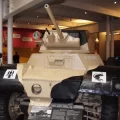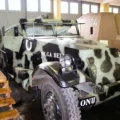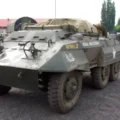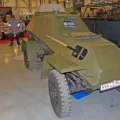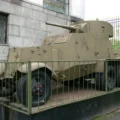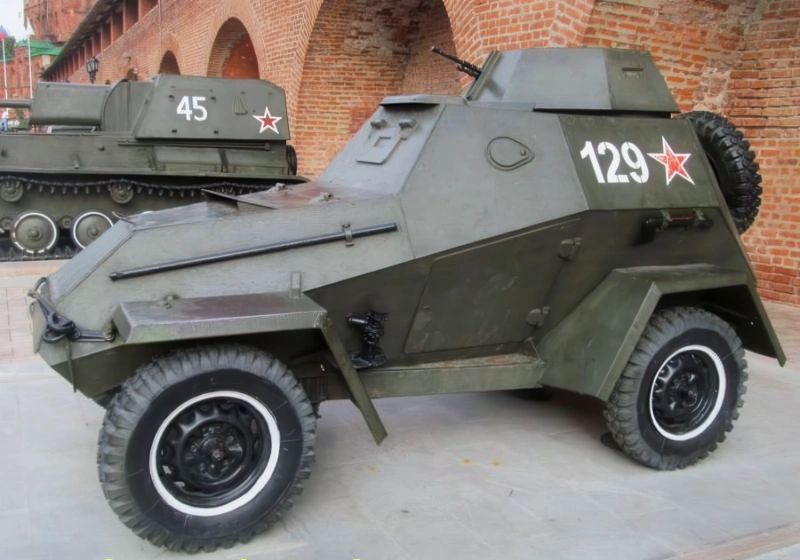
Ba-64B | |
|---|---|
| Country | URSS |
| Role | Armoured Scout Car |
| Built | 9110+ |
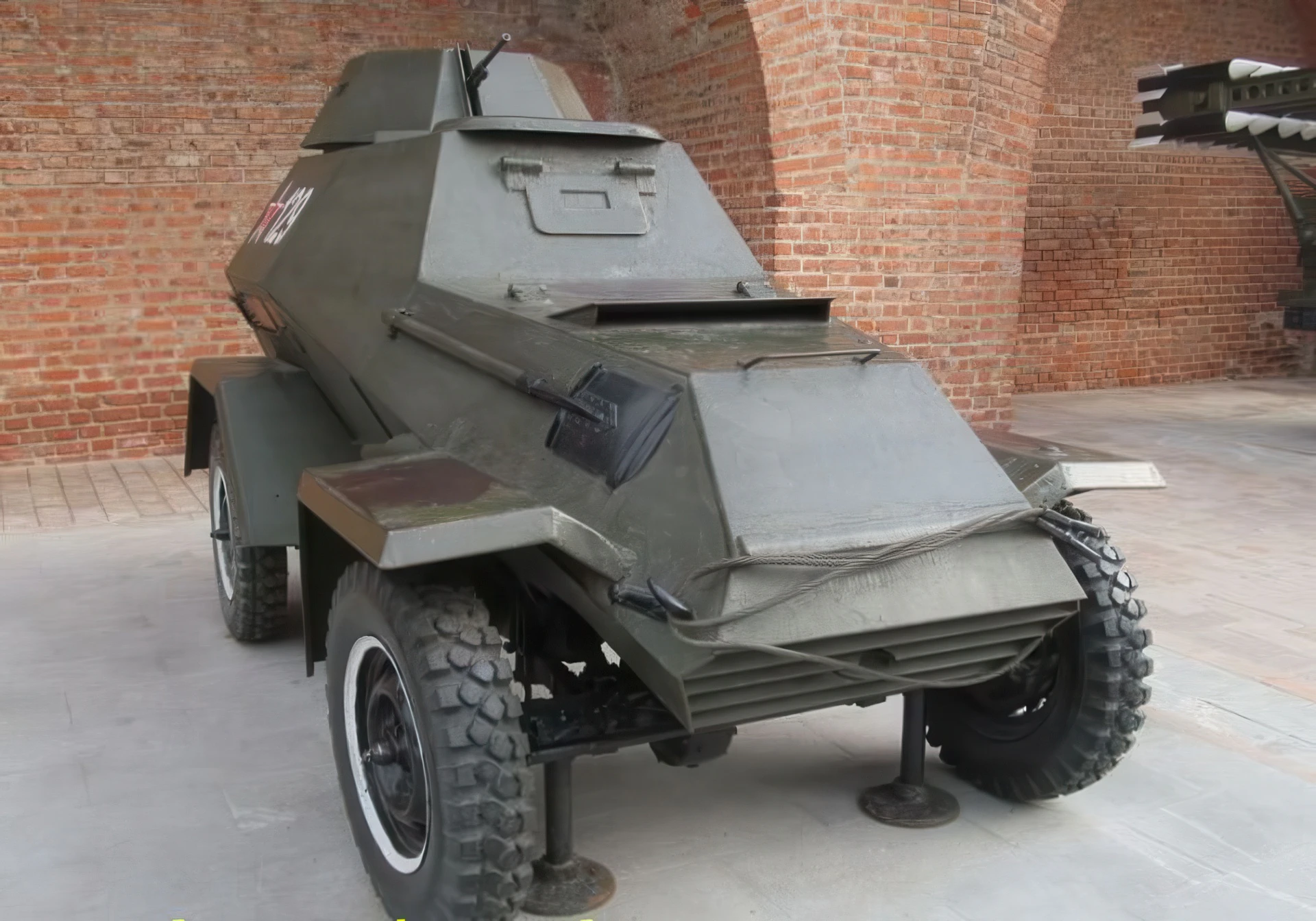
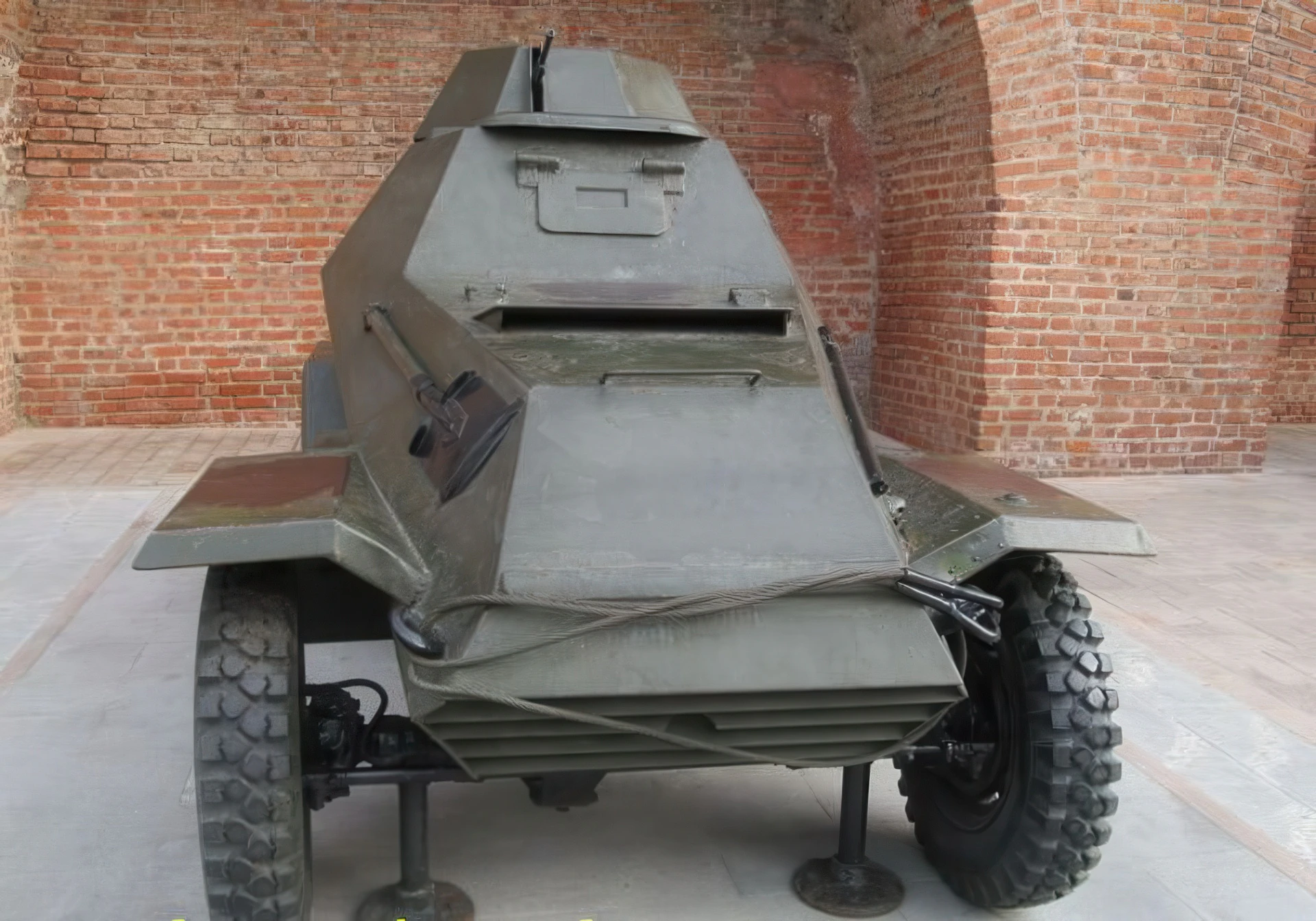
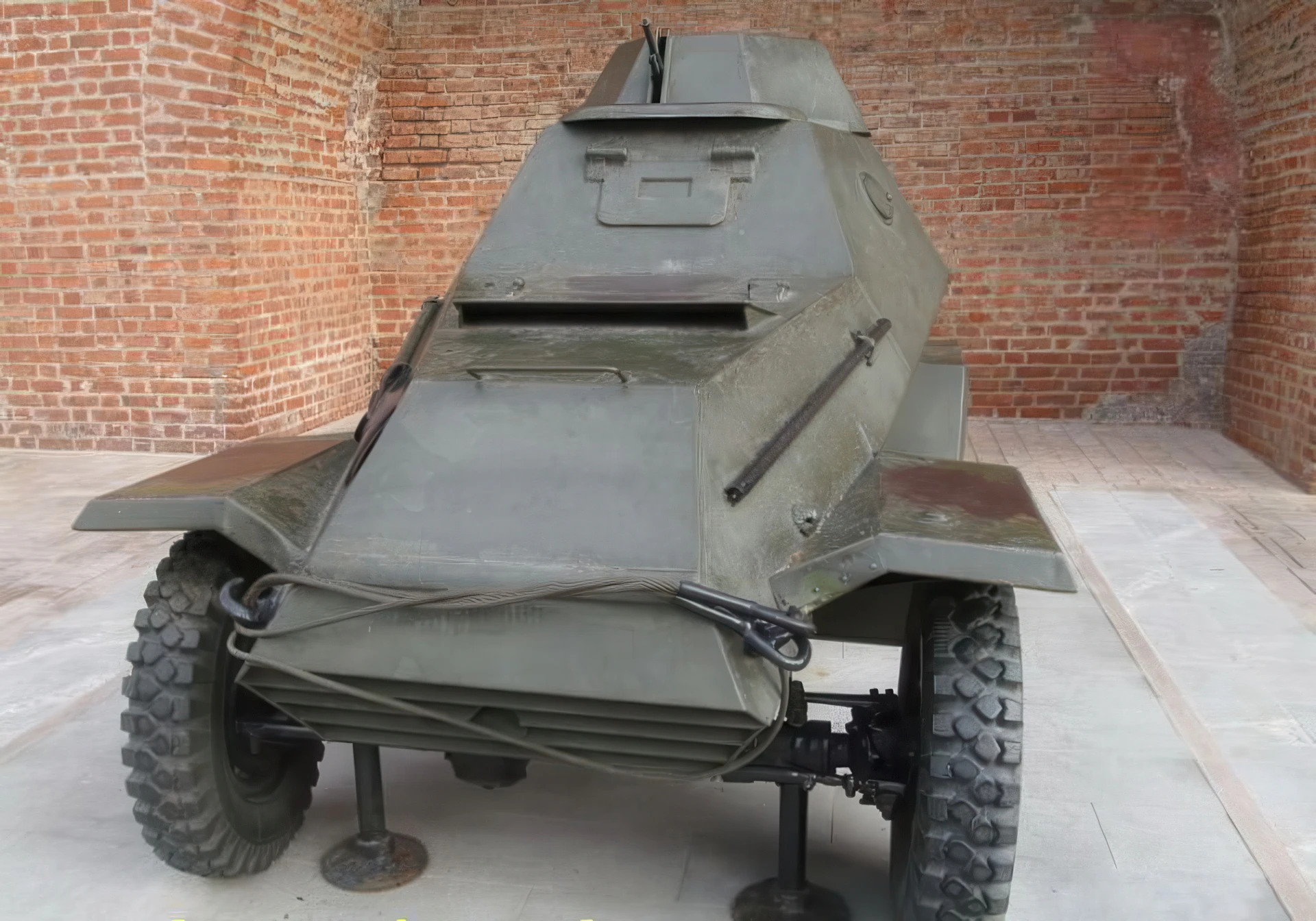
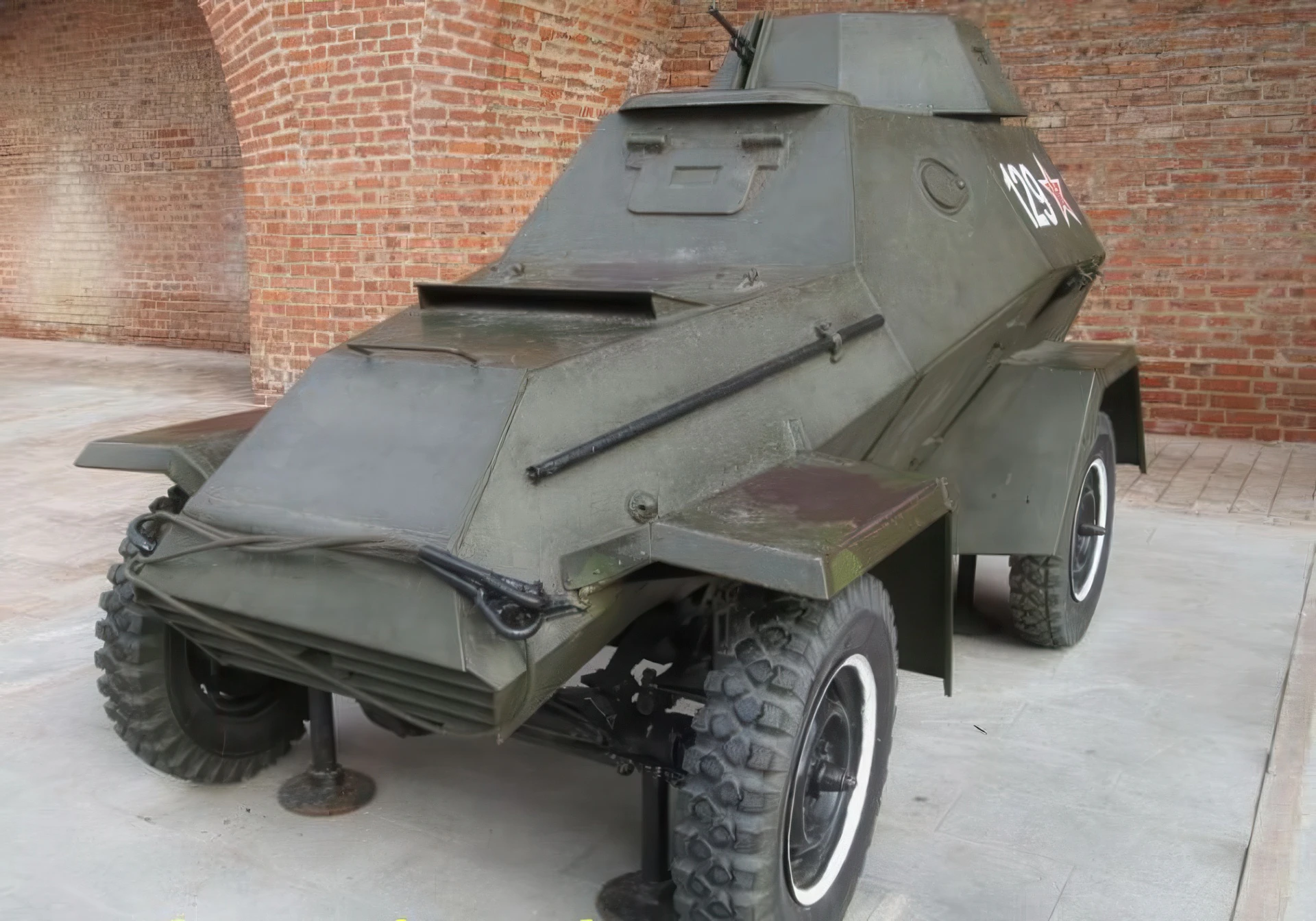
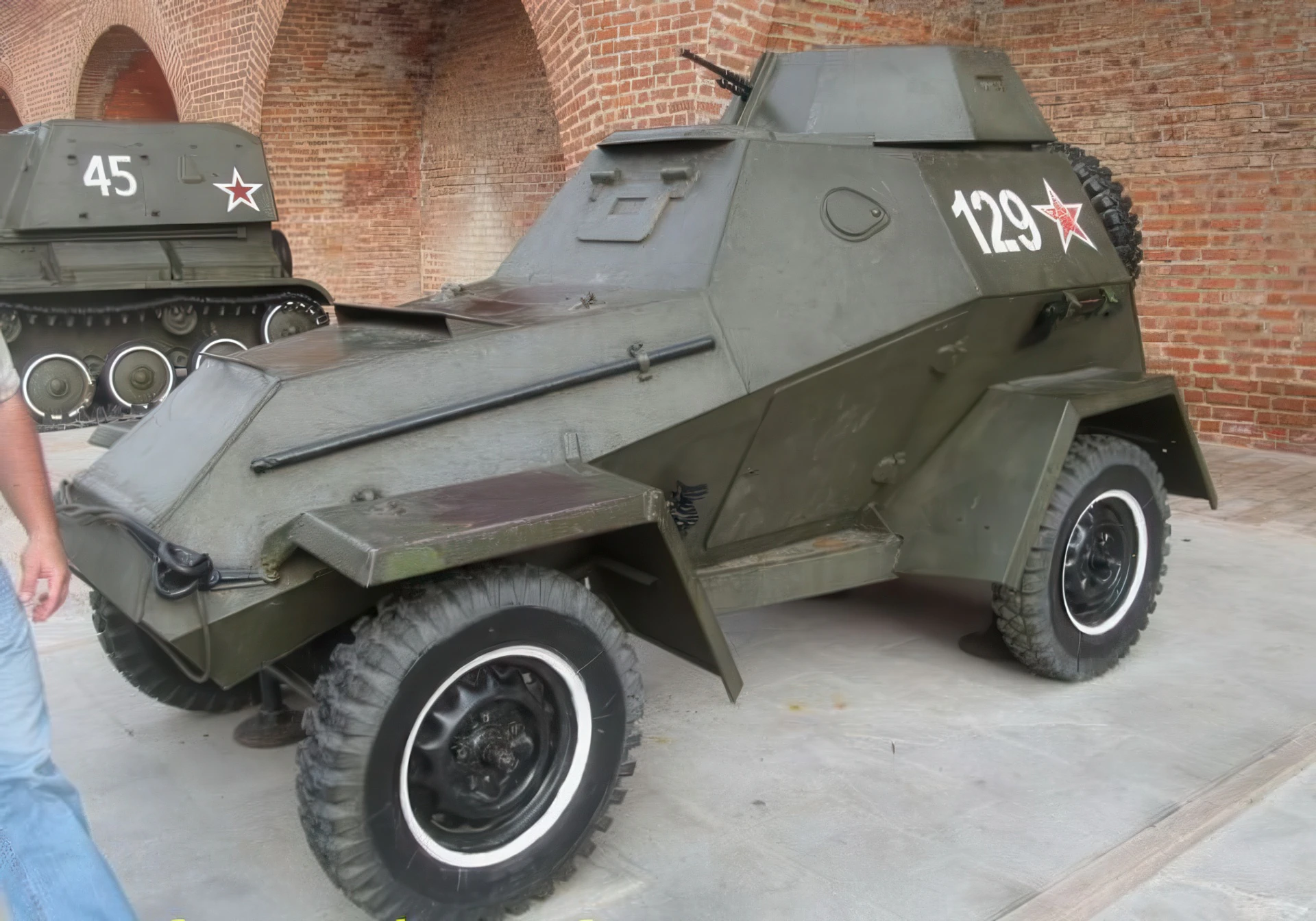
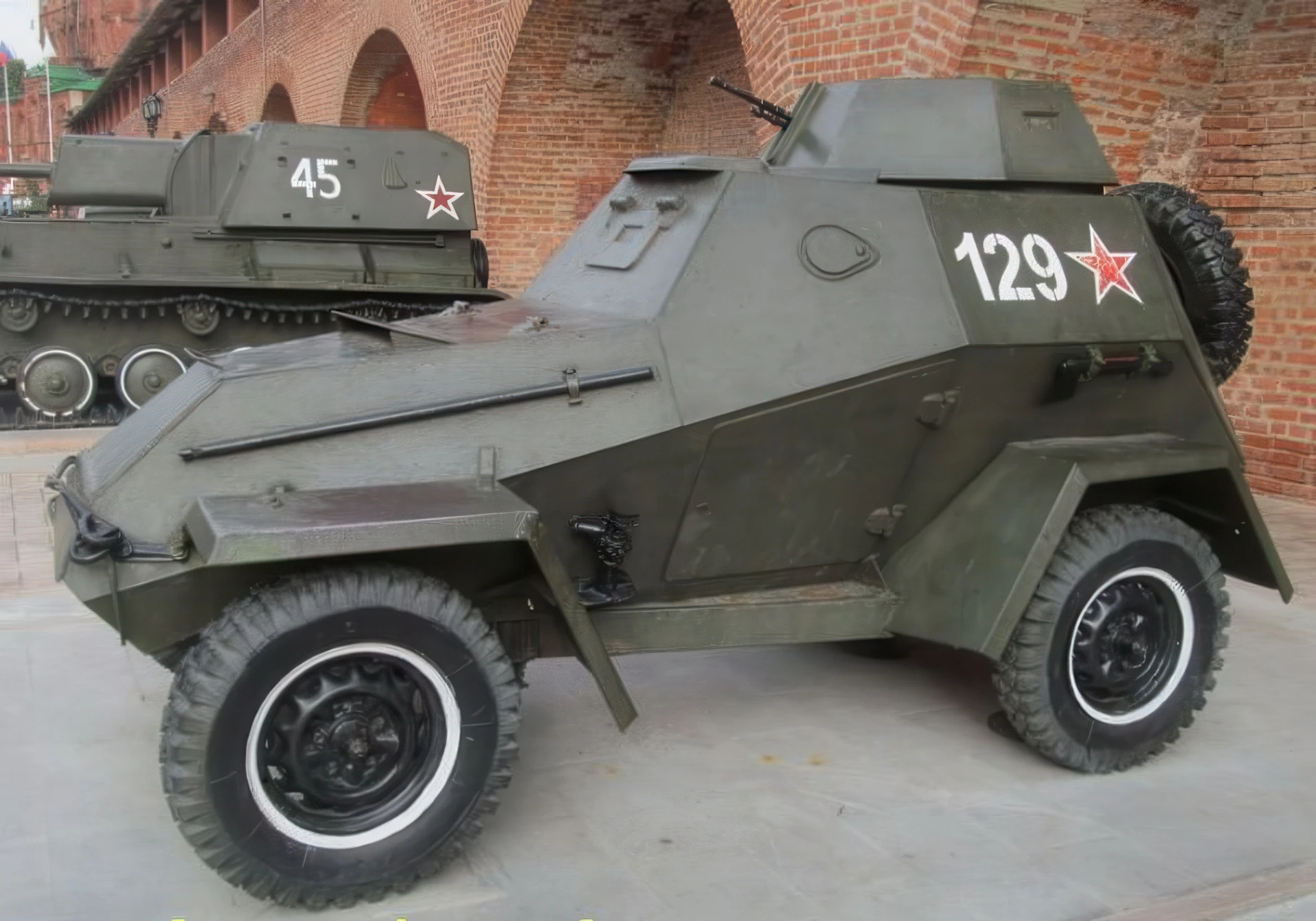
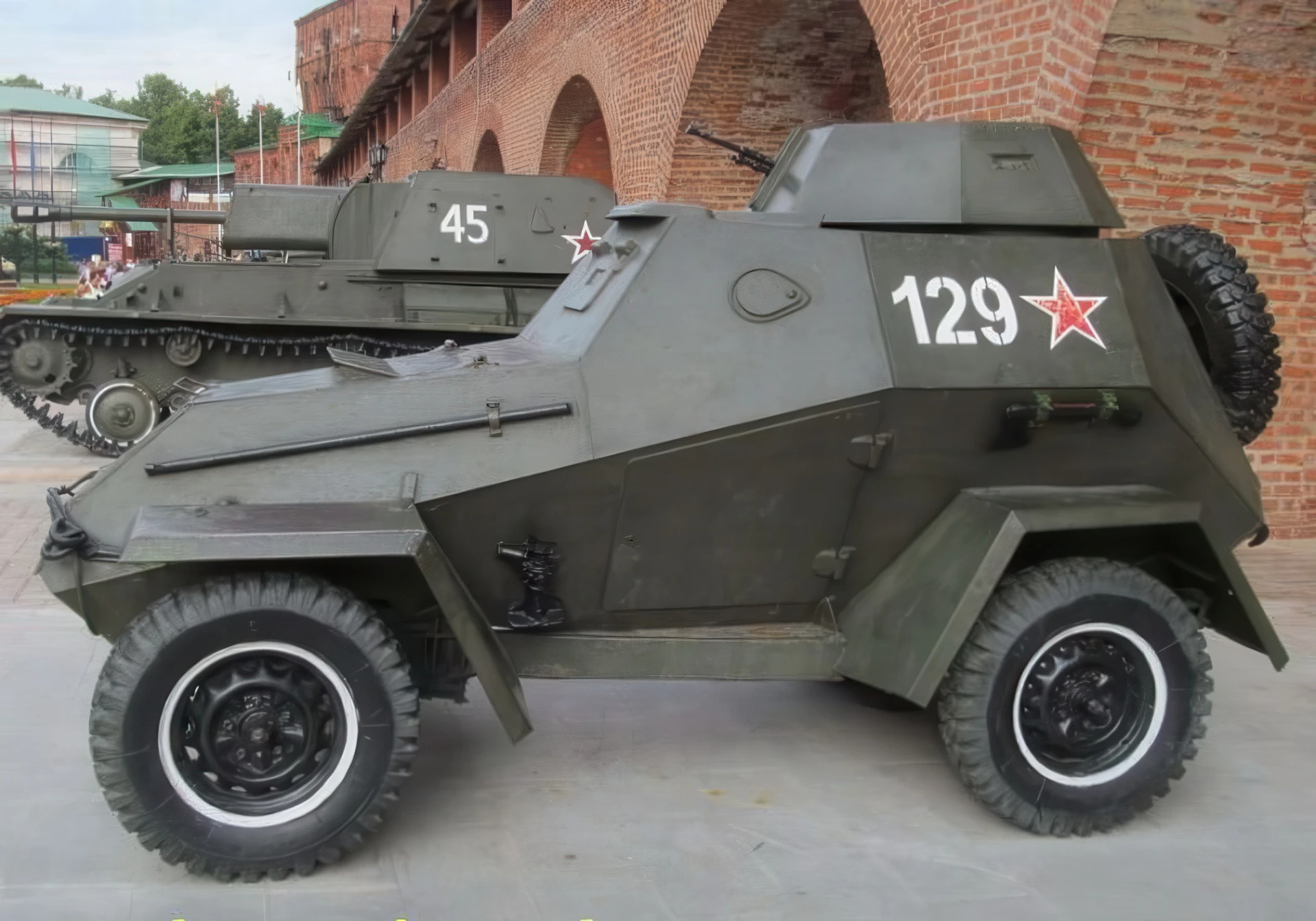
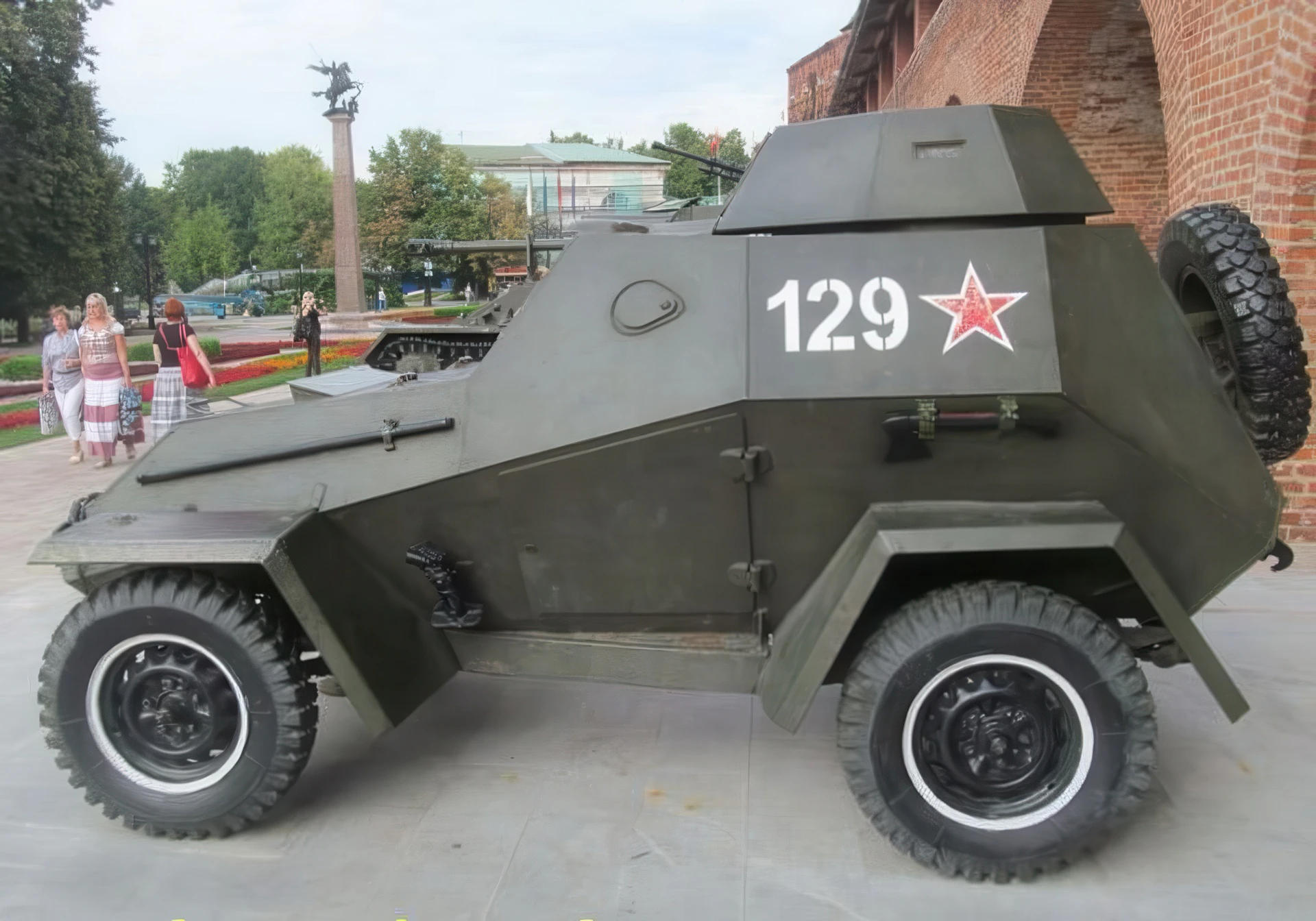
The BA-64 was a 4×4 light armoured car, employed by the Soviet Army from 1942 into the early 1960s for reconnaissance and liaison tasks. The BA-64B was nicknamed ‘Bobik’ by its crews. The total recorded number of BA-64s produced differs even in Russian sources. The most frequently-stated figures are 9,110 (3,901 BA-64 and 5,209 BA-64B) vehicles which were built in the GAZ automobile plant, although a memorial plaque near the pictured Nizhny Novgorod car states 9,063 cars. The Red Army representatives accepted only 8,174 BA-64s, including 3,390 with radio sets; the other vehicles were transferred to NKVD units and Soviet allies.
Source: Ba-64B on Wiki
| Ba-64B | |
|---|---|
| Photographer | Unknow |
| Localisation | Unknow |
| Photos | 148 |
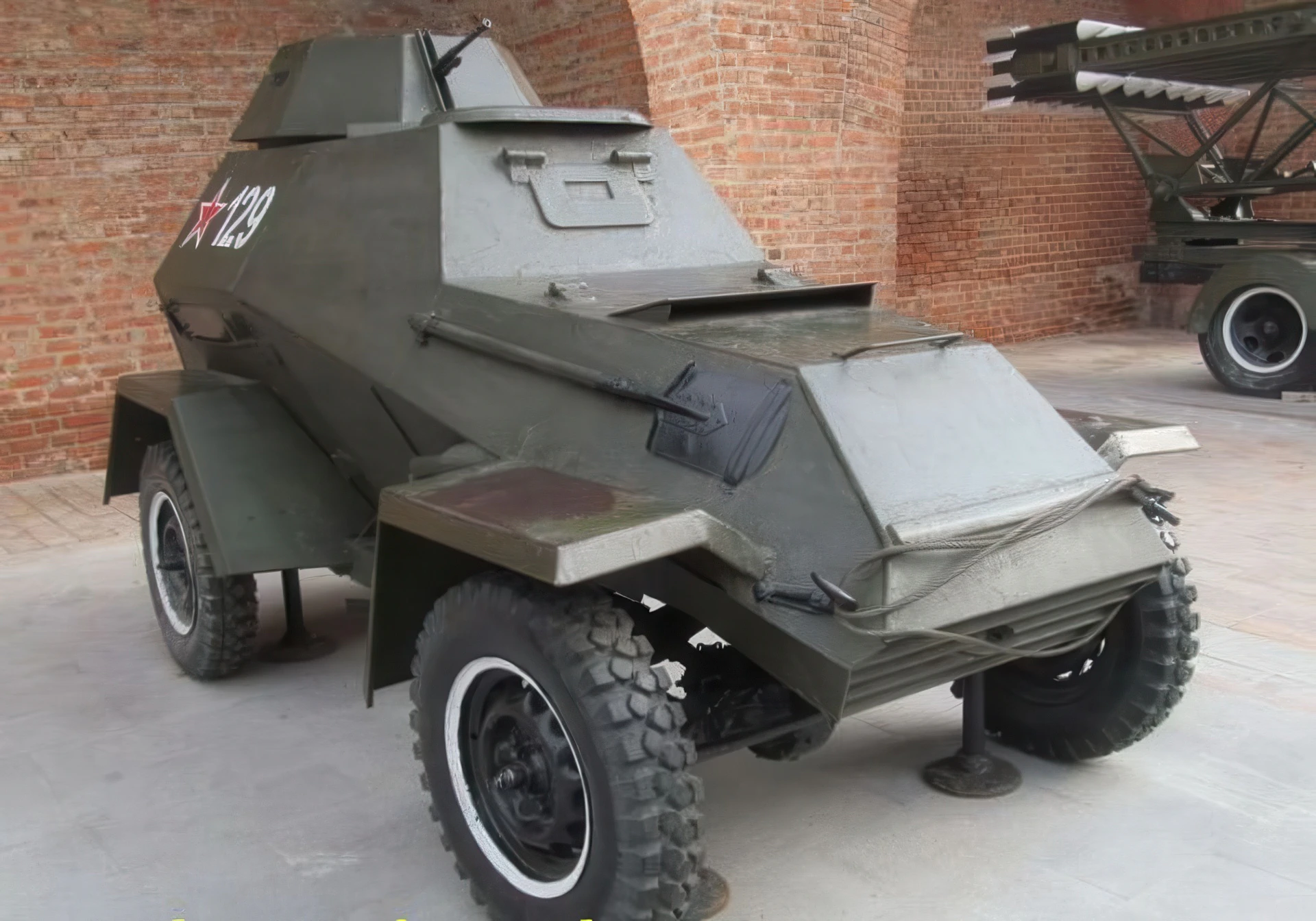

See also:


The BA-64B (from Russian: Bronirovaniy Avtomobil – “Armoured Car”) was the most widely produced variant of a light, four-wheeled armoured scout car used by the Red Army during World War II. Known to its crews by the nickname ‘Bobik’, it was designed to be a simple, fast, and cost-effective vehicle, primarily for reconnaissance and liaison duties.
Design and Role
The BA-64 family was historically significant as the first Soviet all-wheel-drive armoured car. Its design incorporated features inspired by captured German vehicles, most notably the sloped and faceted hull.
- Chassis Origin: The BA-64B was an improved design built on the rugged **GAZ-67B jeep chassis**, which provided reliable 4×4 all-wheel drive performance.
- Improved Stability: The key difference from the original BA-64 model was a wider track width. This modification solved the serious stability issues of the earlier version, making the BA-64B much safer and more effective off-road, especially on rough terrain.
- Protection: While lightly armoured, the use of **sloped armour** (up to 12 mm thick) increased its effective protection against small arms fire and shell fragments by encouraging ricochet.
- Primary Mission: Its main role was rapid **reconnaissance** behind enemy lines, communications/liaison, and supporting infantry against light resistance.
Key Specifications (BA-64B)
| Feature | Detail |
|---|---|
| Crew | 2 (Driver and Commander/Gunner) |
| Weight | Approx. 2.4 tonnes (Combat Load) |
| Engine | GAZ-MM 4-cylinder petrol engine, approx 54 hp |
| Max Road Speed | 80 km/h |
| Drivetrain | 4×4 All-wheel drive |
| Main Armament | Single **7.62 mm Degtyaryov (DT)** light machine gun |
| Special Weapon Feature | The machine gun mount allowed for a high elevation angle (up to +53 degrees), making it effective for urban combat against enemies in the upper floors of buildings. |
Service
The BA-64B was mass-produced between 1943 and 1946, becoming the most numerous light armoured car in Soviet service. Its light weight was an advantage, even making it suitable for aerial transport to support advancing forces. After the war, the vehicle remained in service as a training unit in the Soviet Army until the early 1950s and was widely exported to various Soviet allies, including Poland, Czechoslovakia, and East Germany, serving well into the post-war era.
Views : 4344