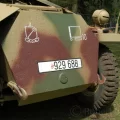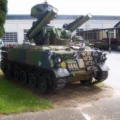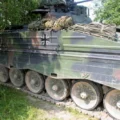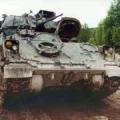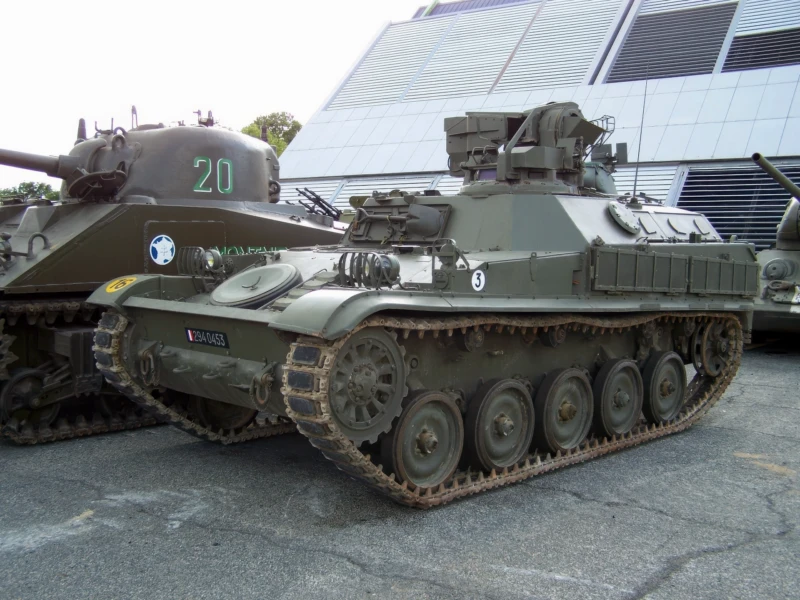
AMX-VCI | |
|---|---|
| Country | France |
| Type | Armored personnel carrier |
| Produced | 1957-Unknow |
| Built | 3000+ |
The AMX-VCI (French: Véhicule de Combat d’Infanterie) is one of the many variants of the French AMX-13 light tank. It was the front line APC of the French Army until replaced by the AMX-10P. It is still used by some countries, for example Mexico, where it goes under the name of DNC-1 and is armed with a 20mm cannon.
Source: AMX-VCI on Wikipedia
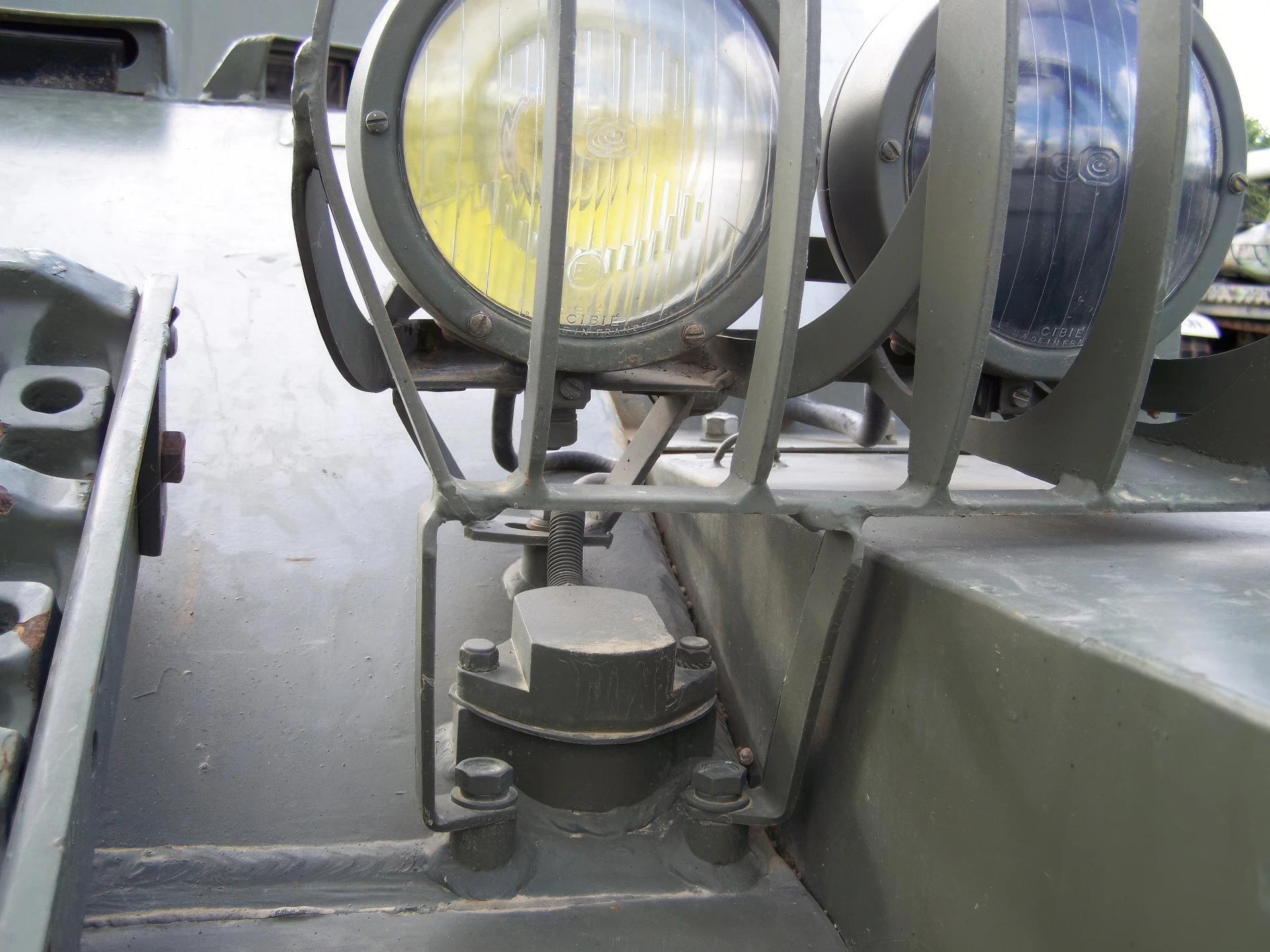
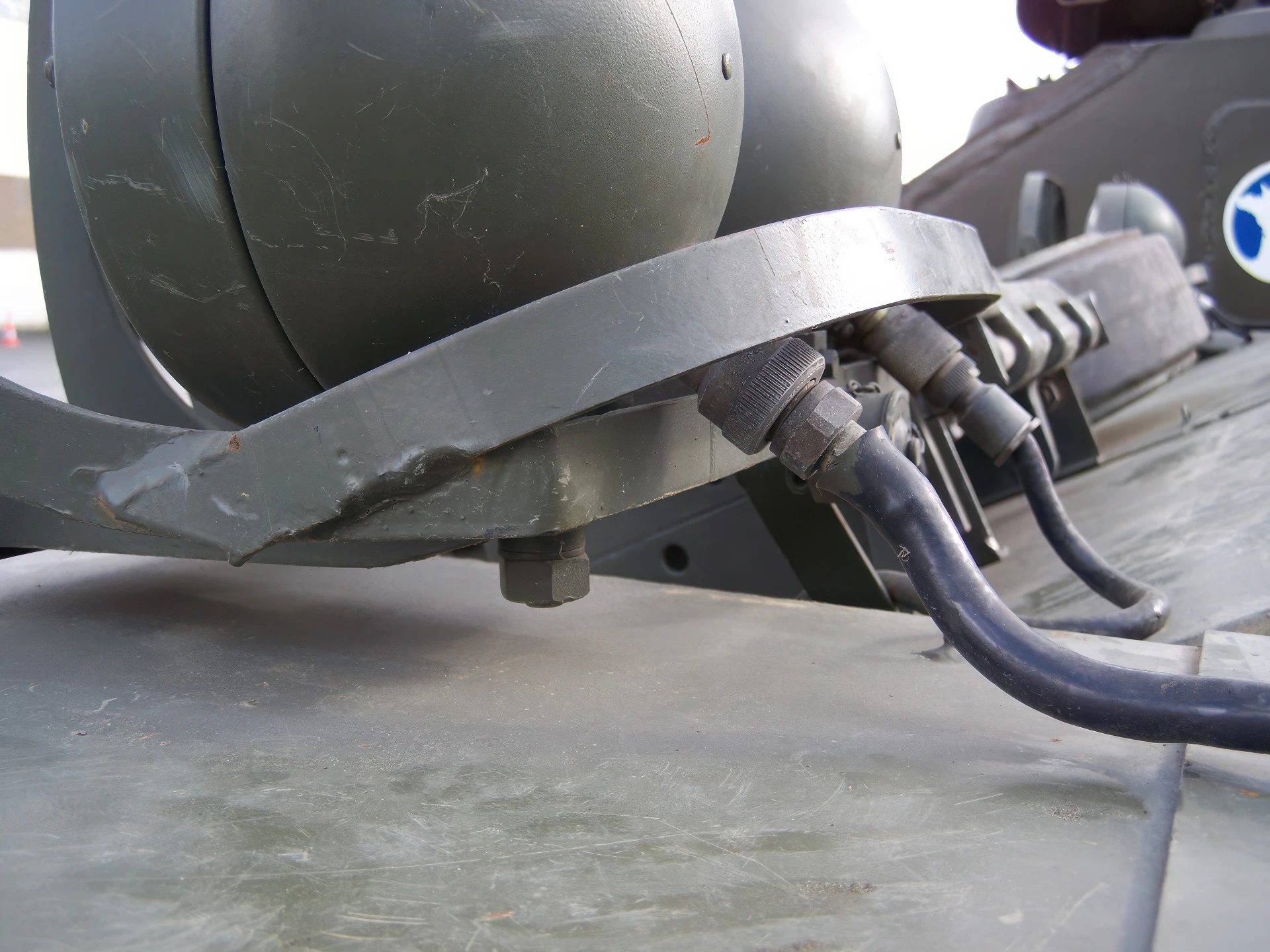
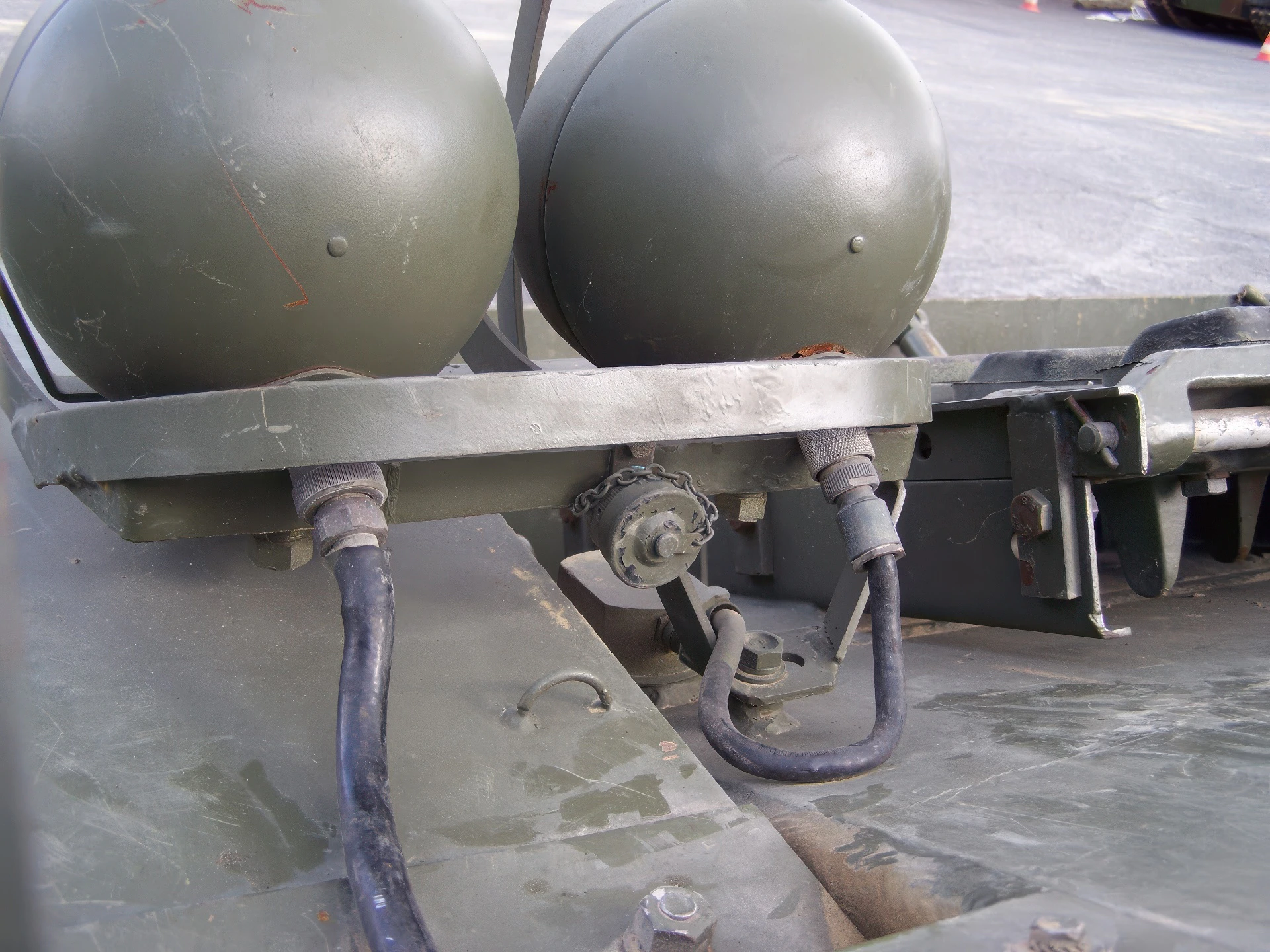
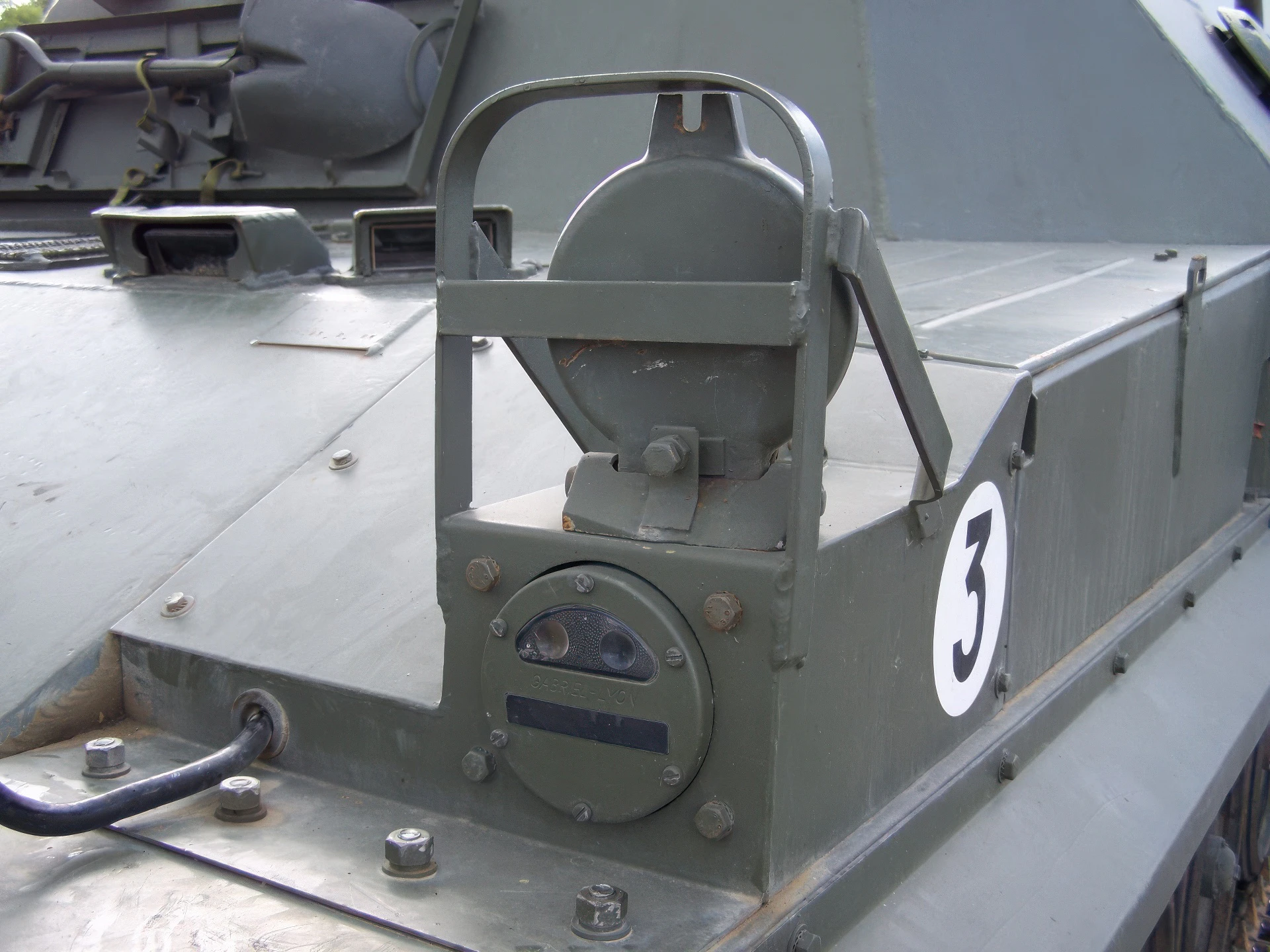
| AMX-VTT Walk Around | |
|---|---|
| Photographer | Olivier Carneau |
| Localisation | Unknow |
| Photos | 40 |
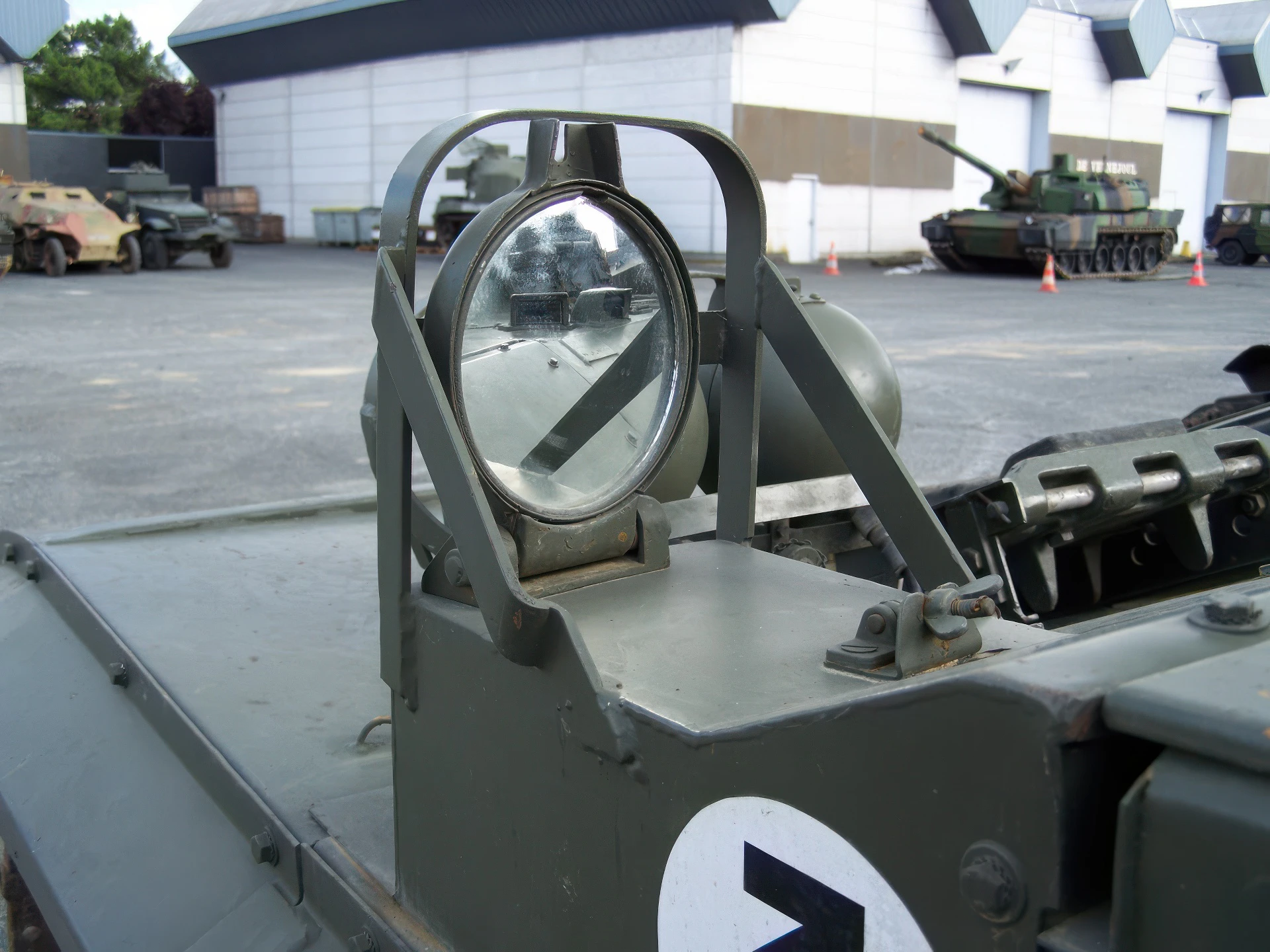
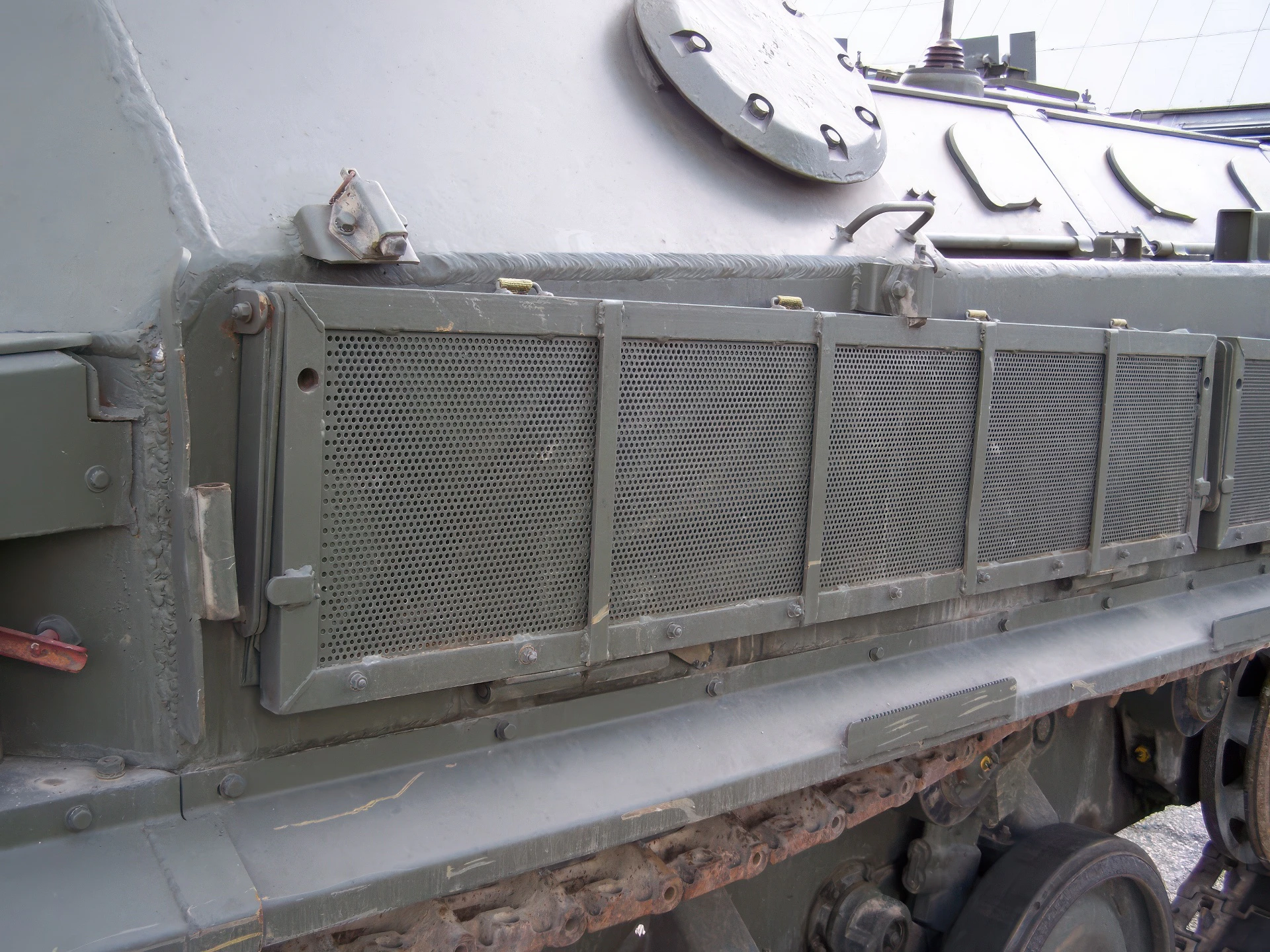

See also:


General Characteristics and Role
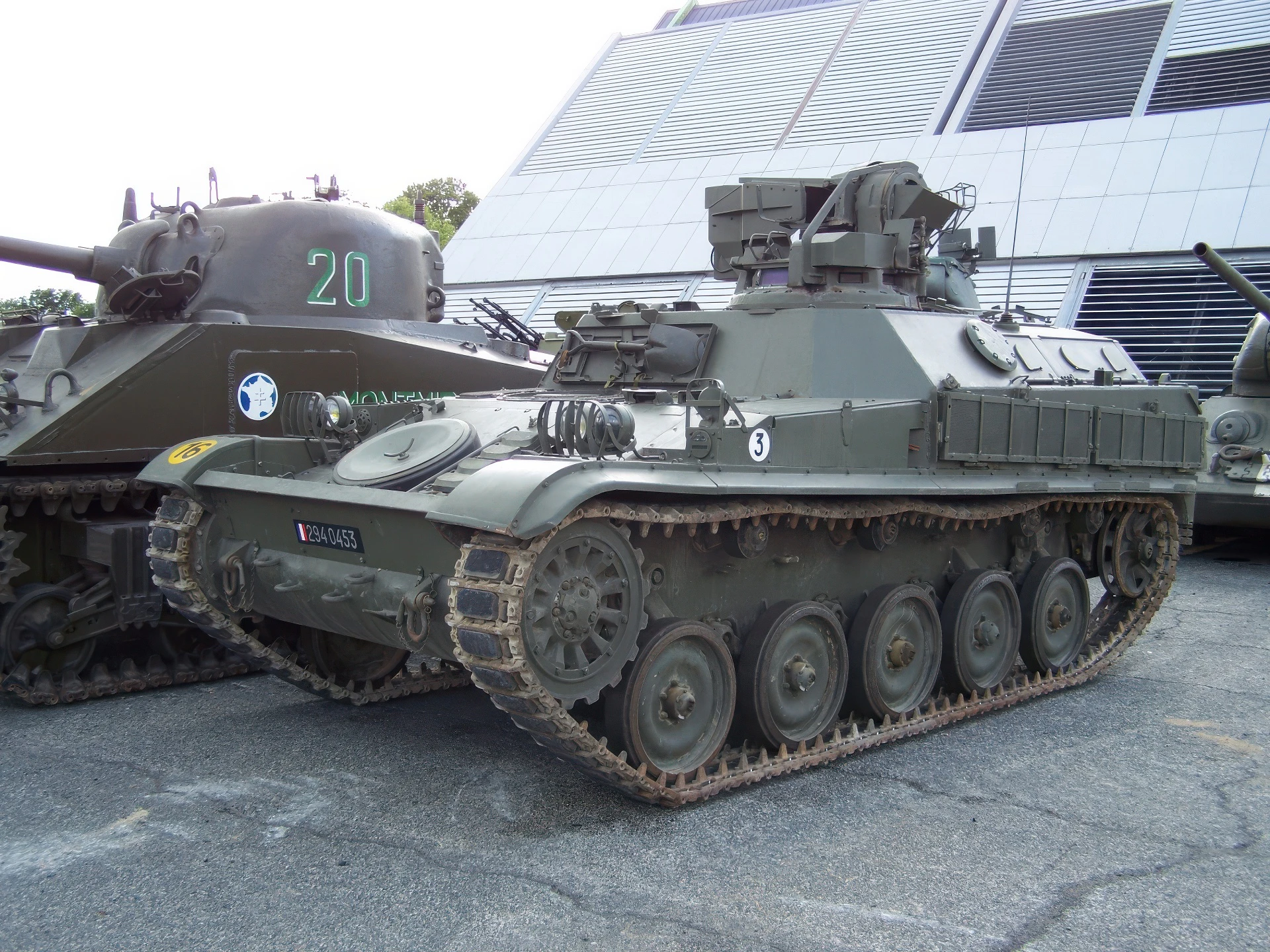
The AMX-VTT (Véhicule de Transport de Troupes, or “Troop Transport Vehicle”) is a French tracked Armoured Personnel Carrier developed by GIAT (now Nexter). It was derived from the highly successful AMX-13 light tank chassis. Designed to provide mechanized infantry with protected mobility across the battlefield, the VTT was the standard French APC from the 1950s until it was gradually replaced by the AMX-10P in the 1970s. The AMX-VTT shares many components with the AMX-13, which simplified logistics and production. It is a light, agile vehicle, often armed with a machine gun for self-defense, and heavily exported to numerous nations worldwide.
| Property | Typical Value (AMX-VTT) |
|---|---|
| Type | Armoured Personnel Carrier (APC) |
| National Origin | France |
| Manufacturer | GIAT Industries (now Nexter) |
| Entered Service | Early 1950s |
| Crew | 2 (Driver, Commander/Gunner) |
| Passenger Capacity | 10 equipped infantry soldiers |
| Combat Weight | Approx. 13.5 tonnes |
| Length | 5.70 m (18 ft 8 in) |
Armament and Mobility
- Main Armament: 1 x 7.5 mm or 7.62 mm machine gun (in an open-top turret, typically a Creusot-Loire CAFL 38 or similar).
- Engine: Sofam Model 8Gxb 8-cylinder petrol engine.
- Engine Power: 250 hp (186 kW).
- Maximum Road Speed: 60 km/h (37 mph).
- Range: 350 km (220 mi).
- Armor: All-welded steel construction, providing protection against small arms fire and artillery fragments. The armor thickness is minimal, consistent with its light tank origins.
- Drivetrain: Torsion bar suspension, giving it excellent cross-country mobility.
Service History and Variants
- Mass Production: Over 3,000 units of the VTT and its variants were produced.
- Global Export: Widely used by numerous armed forces, including those of Argentina, Belgium, Greece, Indonesia, and Saudi Arabia. Belgium was a major user, manufacturing the VTT under license as the AIFV (Armored Infantry Fighting Vehicle).
- Combat Use: It has seen combat in various conflicts across the Middle East and South America.
- Key Variants: The VTT chassis was highly versatile and led to a large family of vehicles:
- AMX-VTP: Original version, armed with a machine gun.
- AMX-VCI: (Véhicule de Combat d’Infanterie) Later designation often used interchangeably with VTT, sometimes featuring minor upgrades.
- AMX-PC: Command post vehicle.
- AMX-VCA: Artillery command and reconnaissance vehicle.
- AMX-VCI 12.7: Equipped with a 12.7 mm heavy machine gun.
- Legacy: The AMX-VTT represents the transition period from lightly armored wartime carriers to more sophisticated IFVs like the AMX-10P.
Views : 308