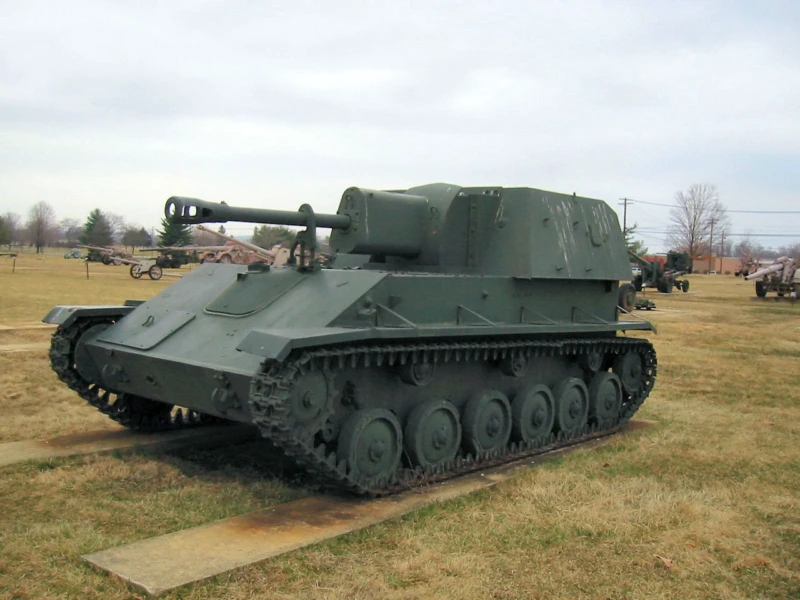
SU-76 | |
|---|---|
| Land | URSS |
| Rolle | Canon automatisk moteur |
| Produsert | 1942–1945 |
| Bygget | 14000+ |
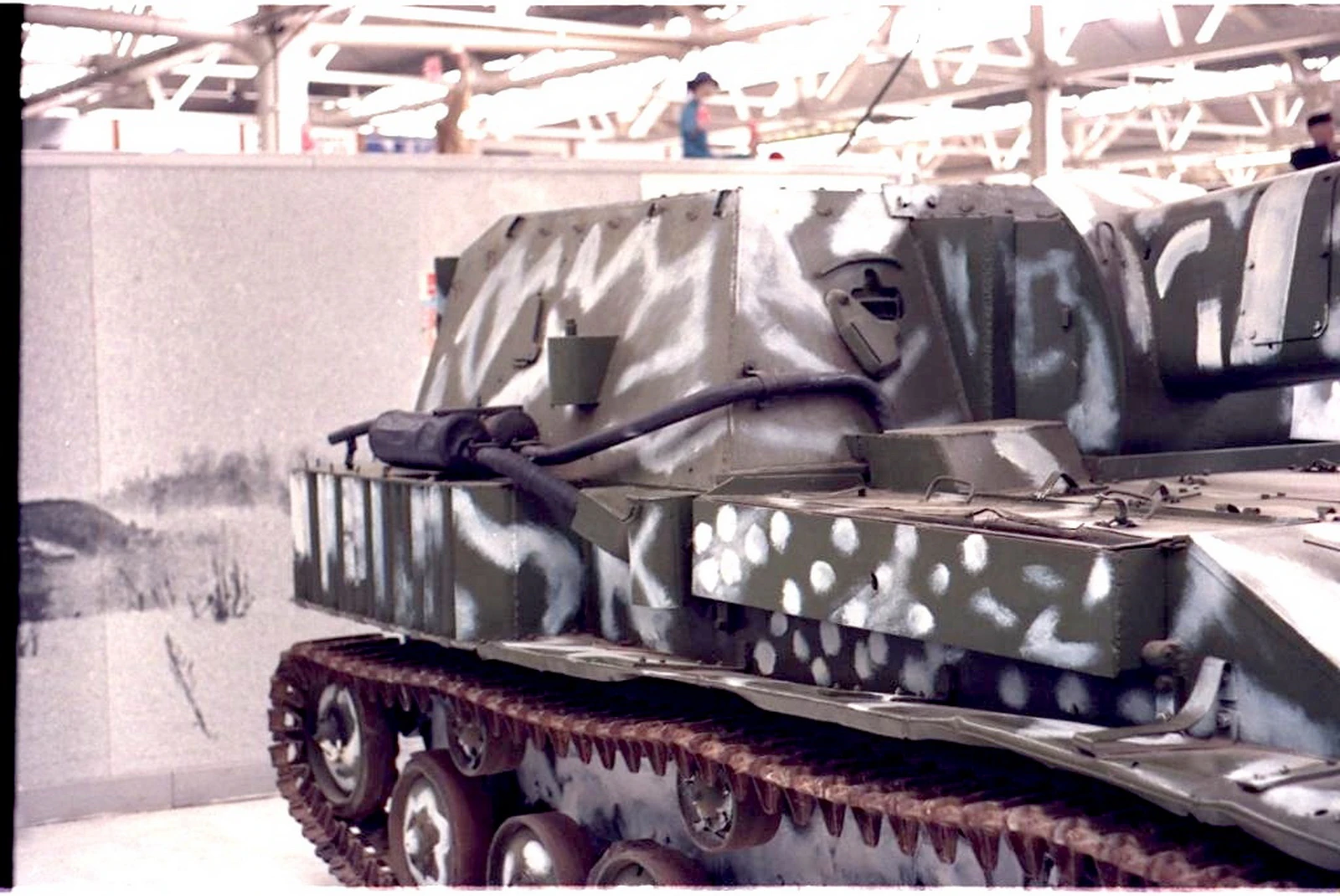
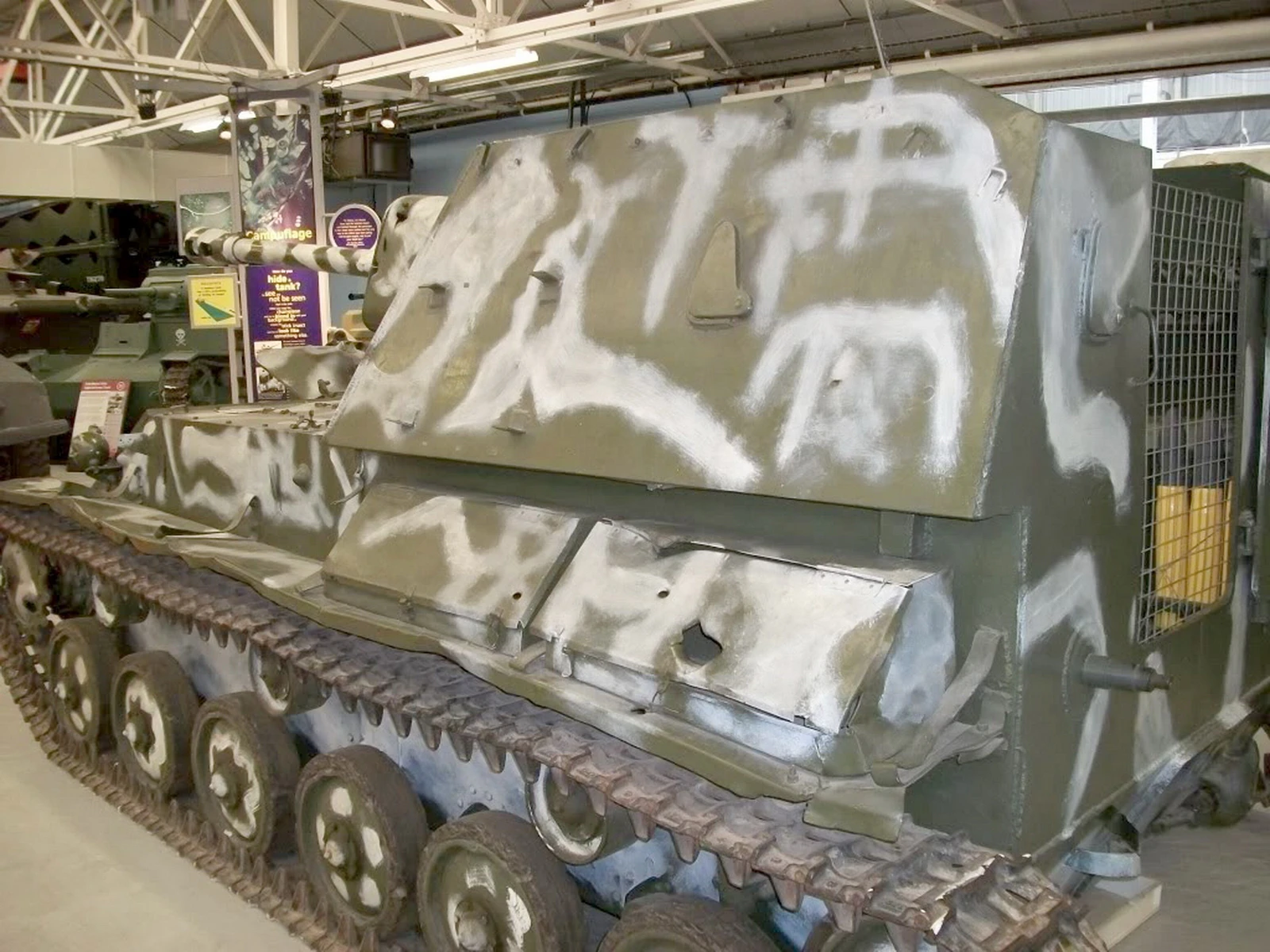
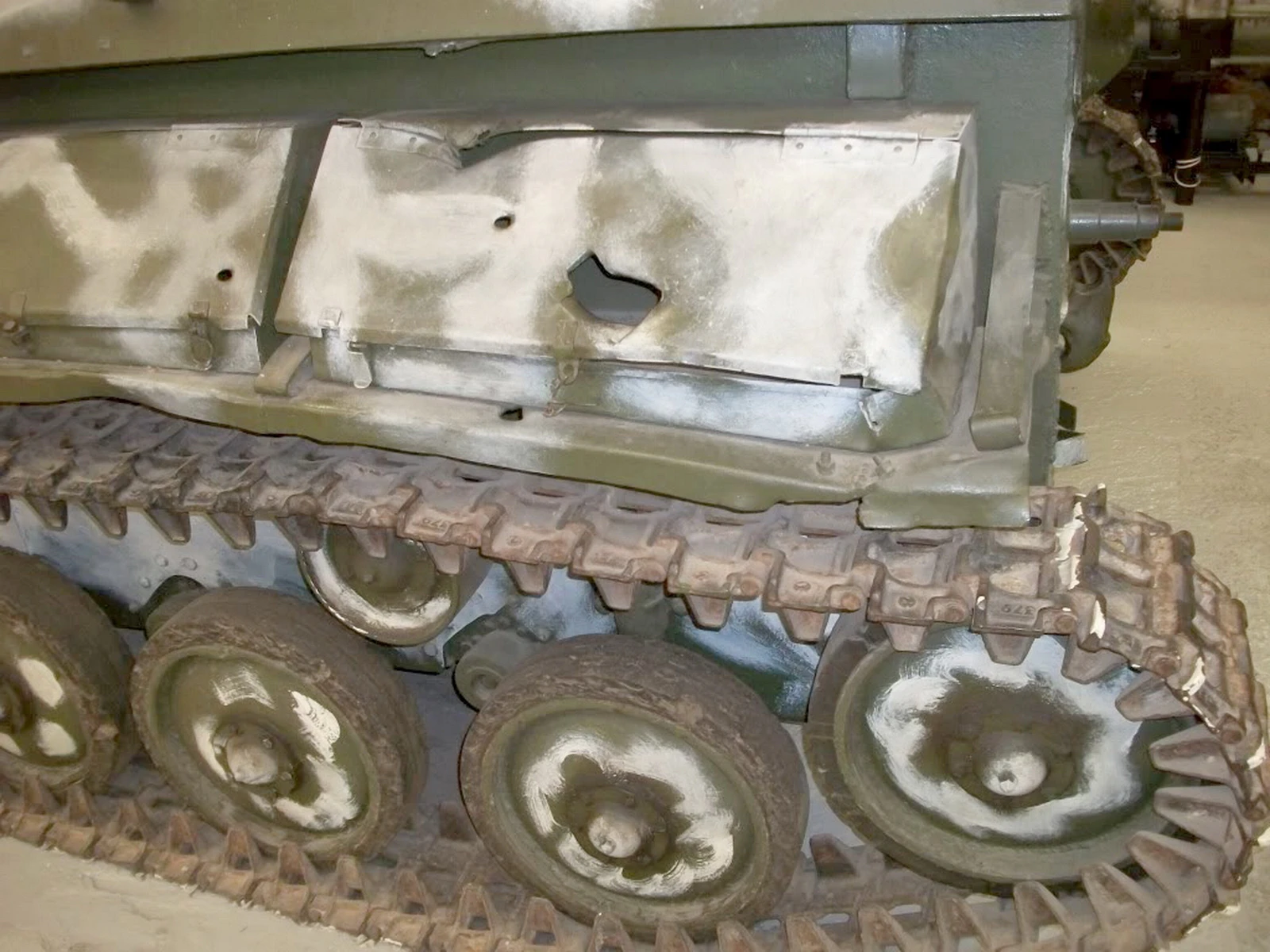
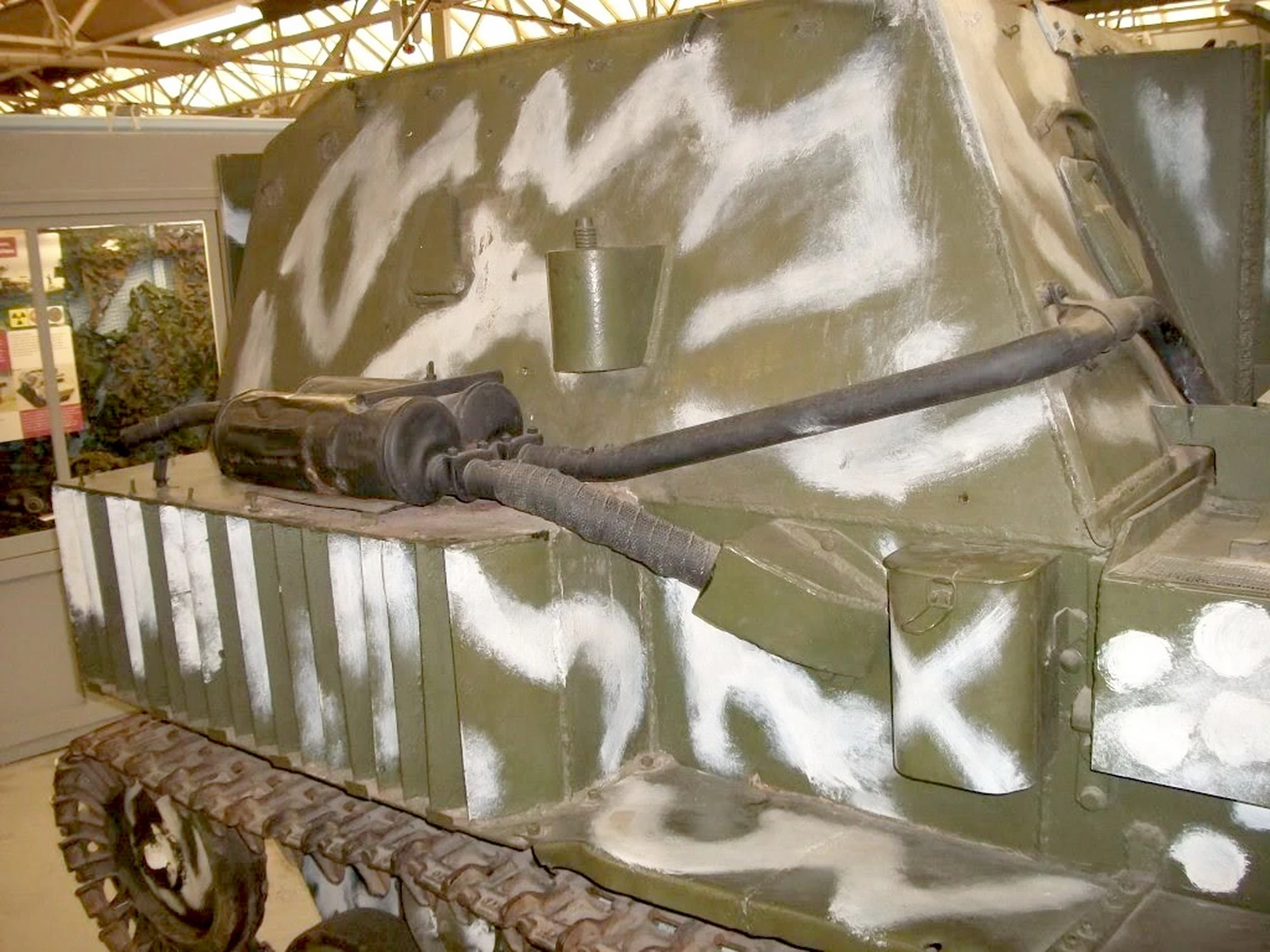
Den SU-76 (Samokhodnaya Ustanovka 76) var en sovjetisk selvgående pistol som ble brukt under og etter andre verdenskrig. SU-76 var basert på en forlenget og utvidet versjon av T-70 lystankkabinettet. Den enkle konstruksjonen gjorde den til det nest mest produserte sovjetiske pansrede kjøretøyet fra andre verdenskrig, etter T-34-tanken.
Kilde: SU-76 på Wikipedia
| SU-76 | |
|---|---|
| Fotograf | Unknow |
| Lokalisering | Unknow |
| Bilder | 36 |
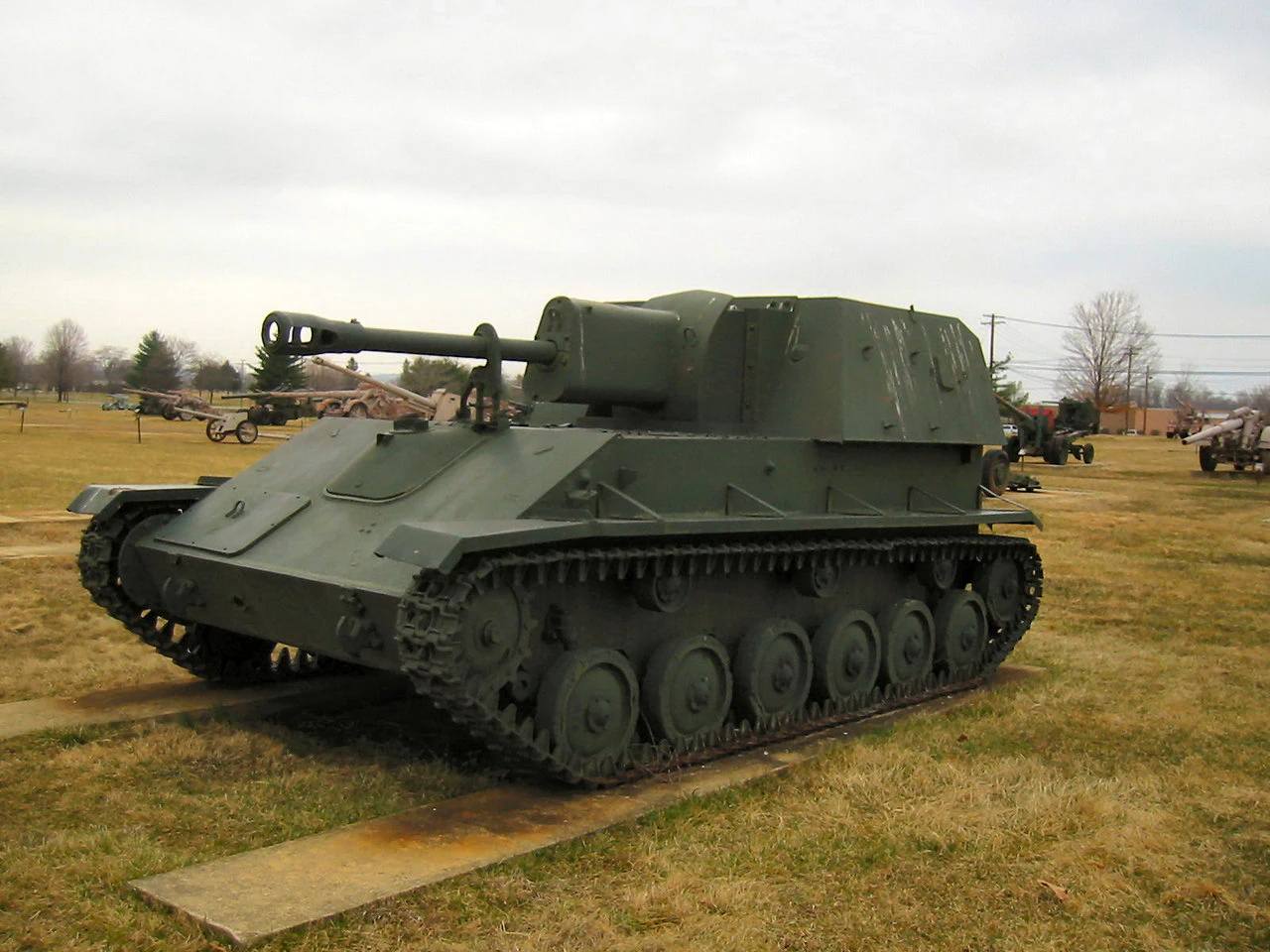
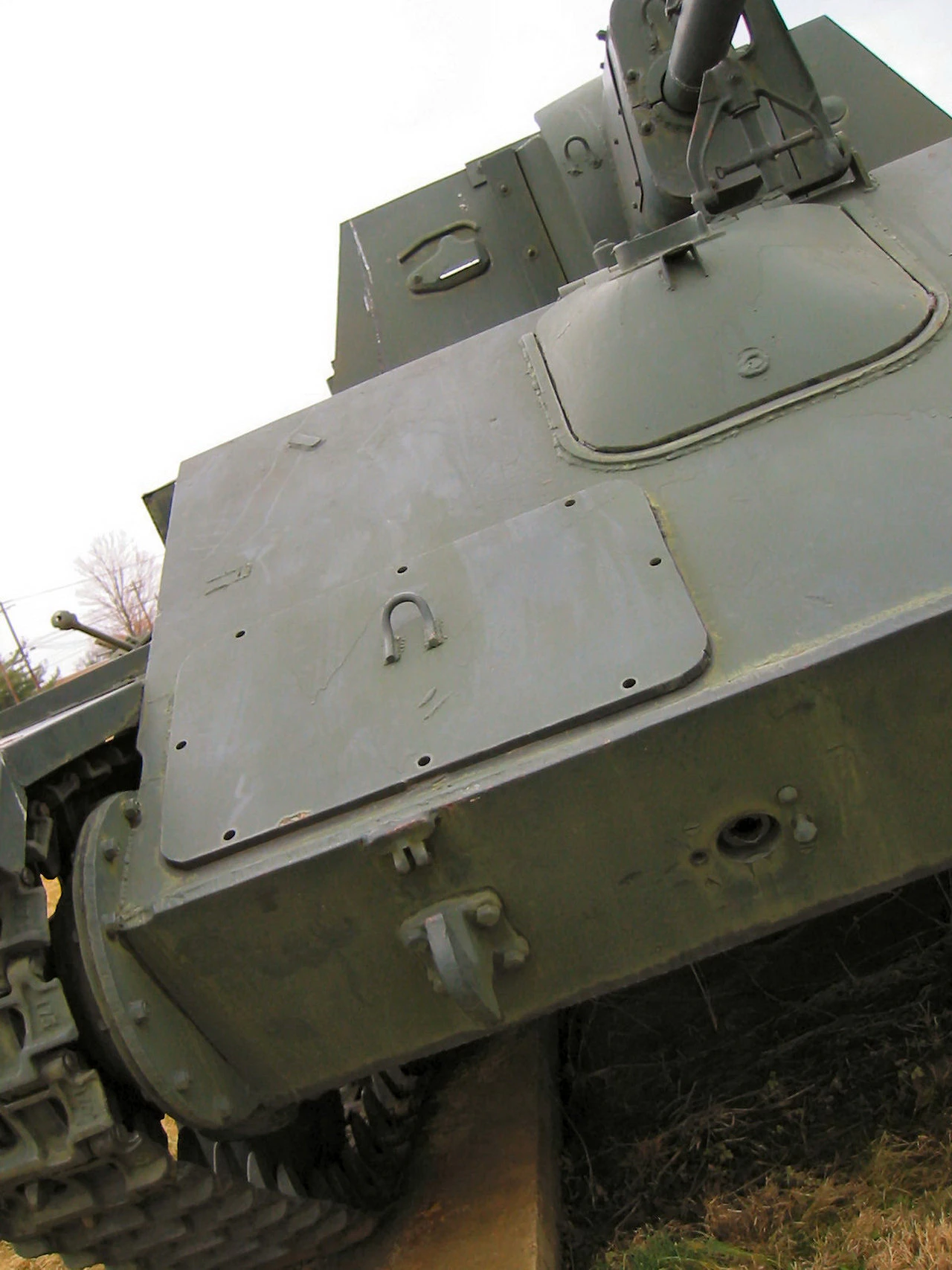
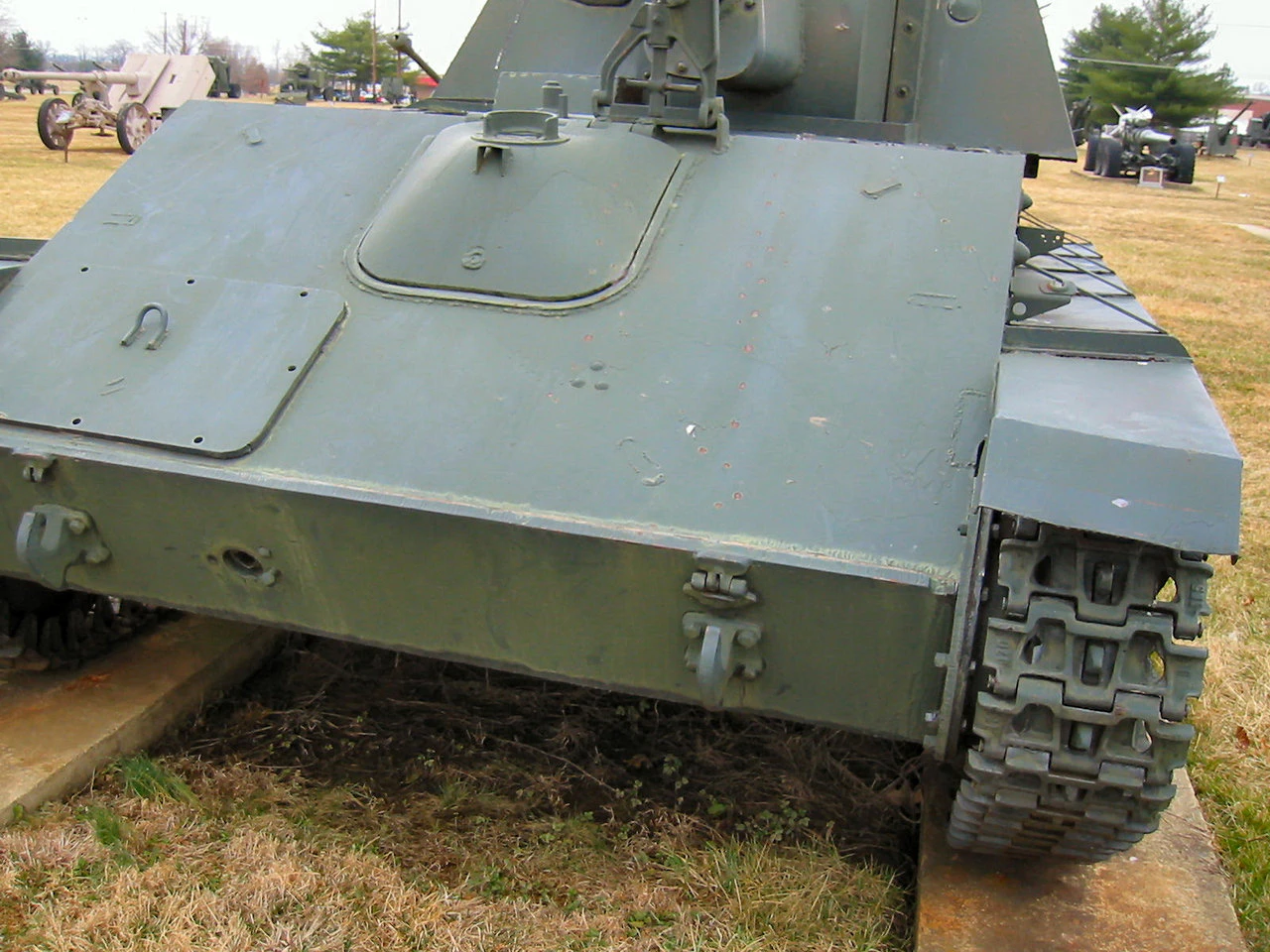
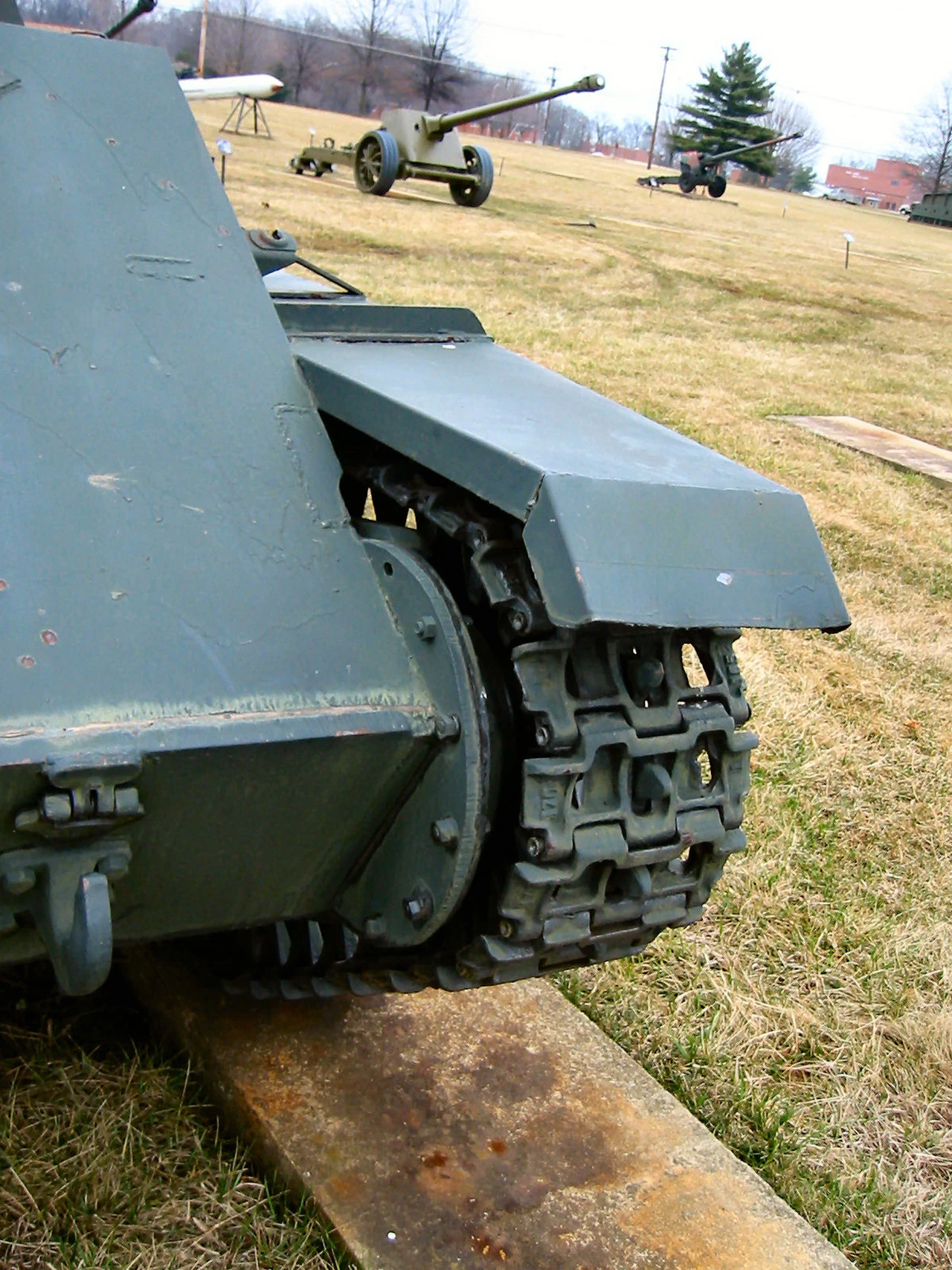
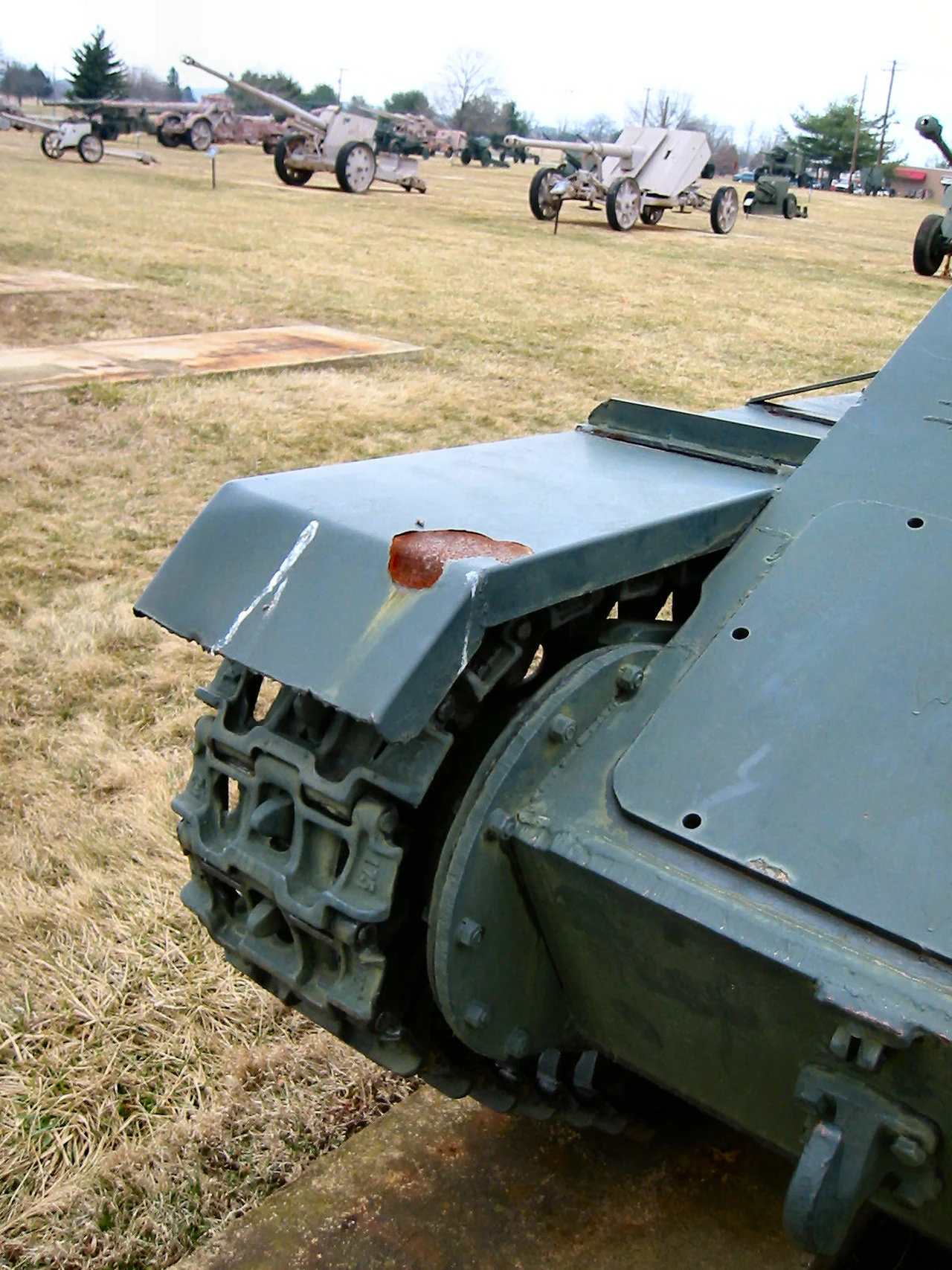
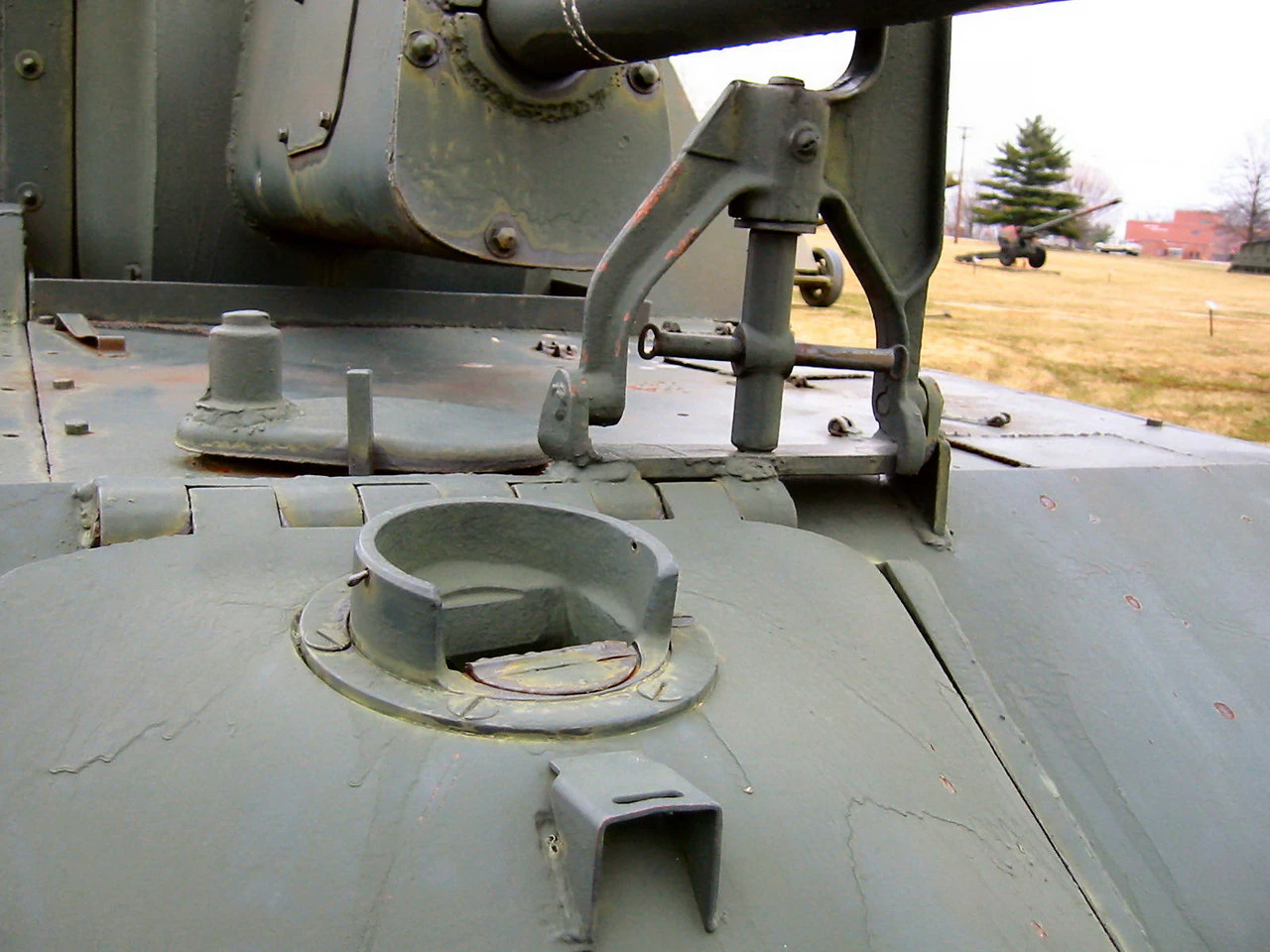
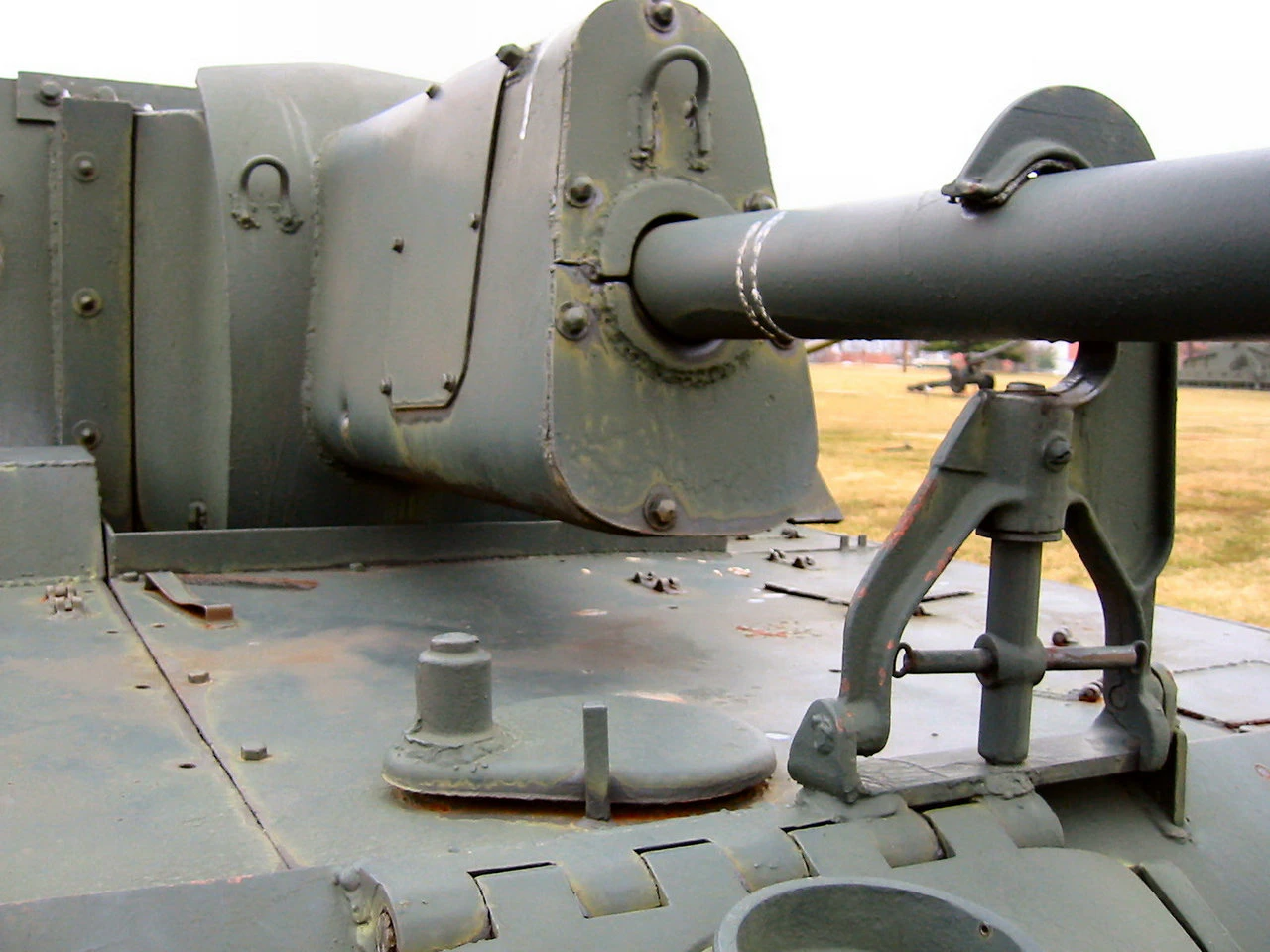
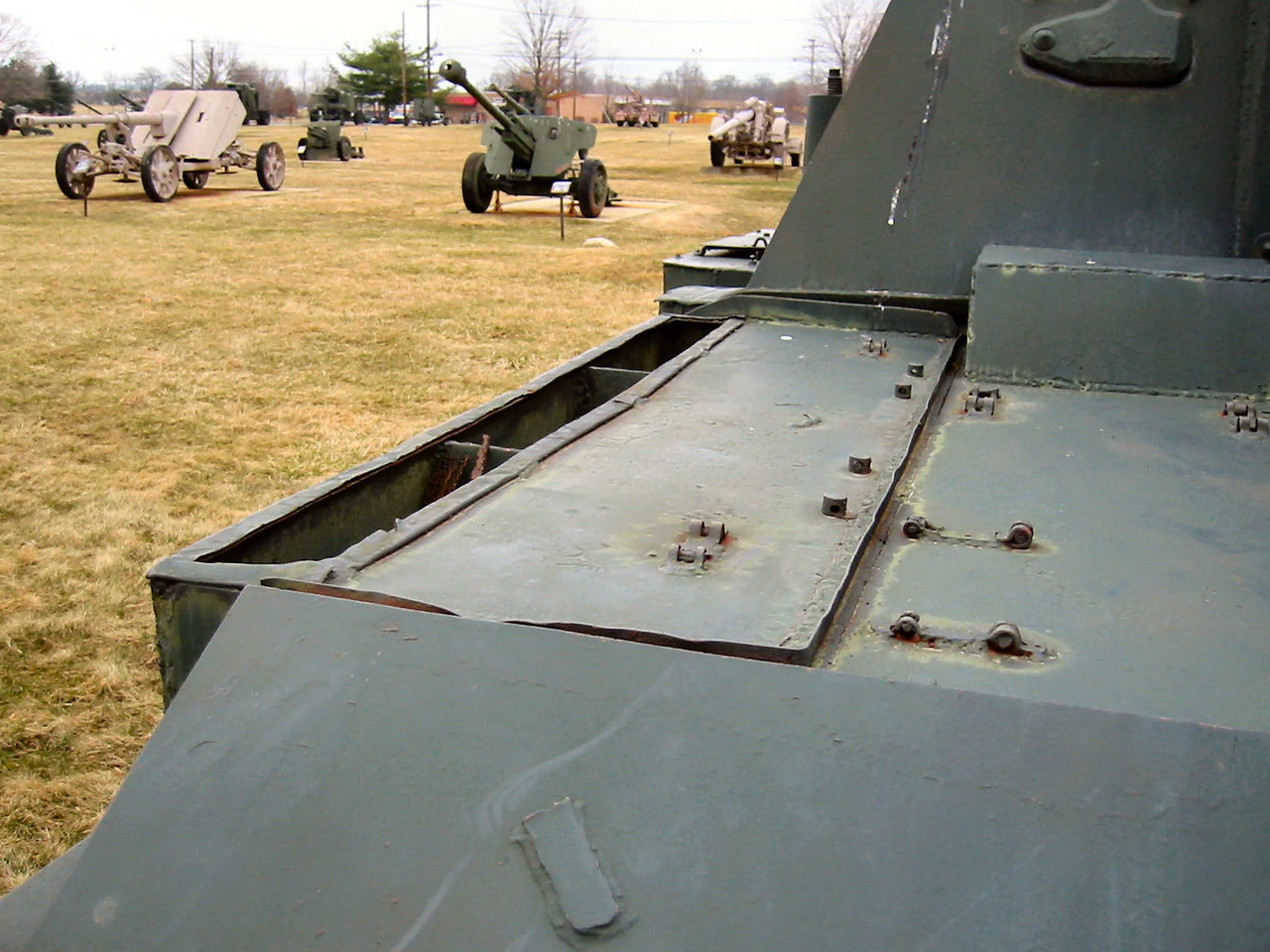
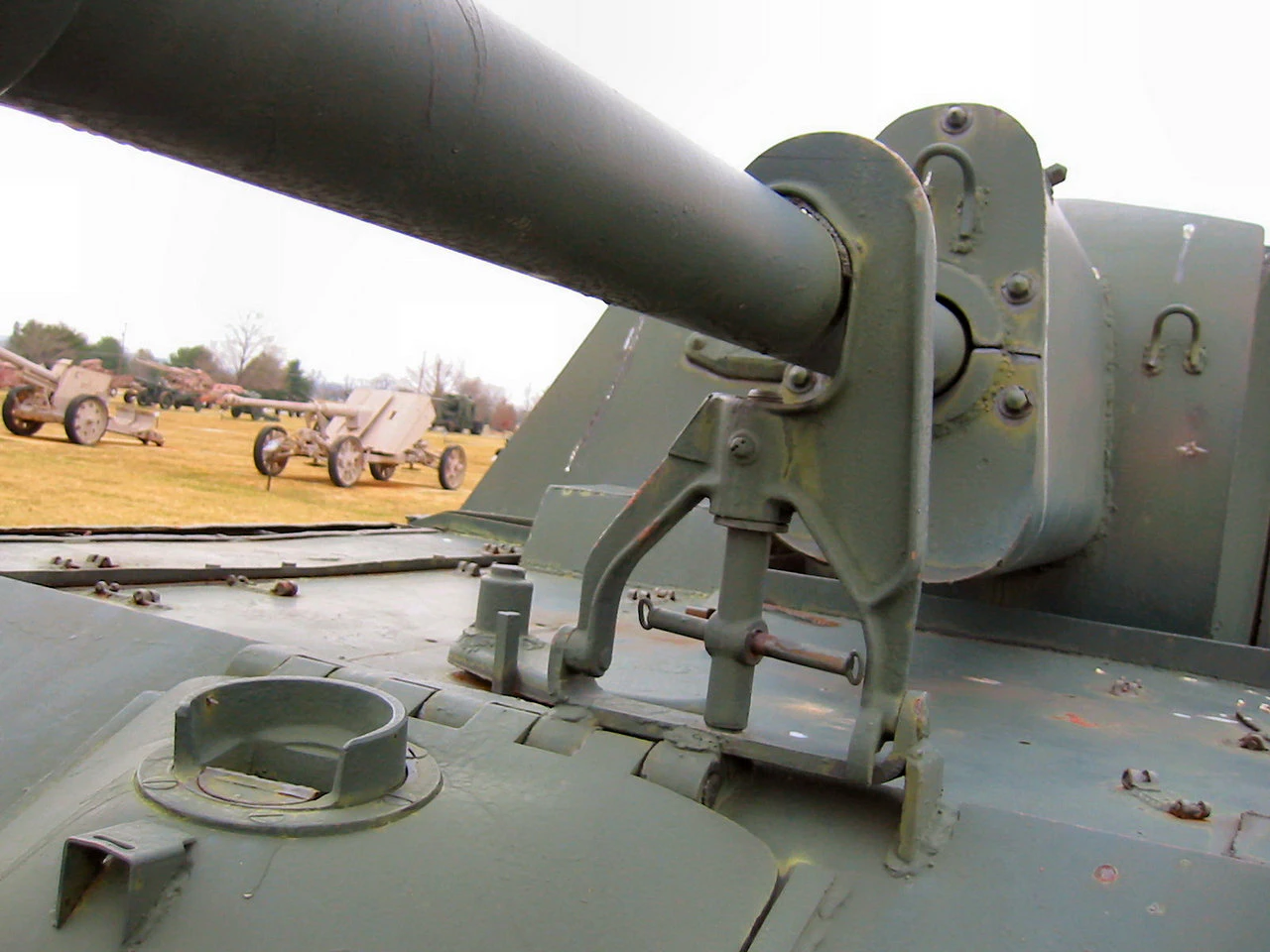

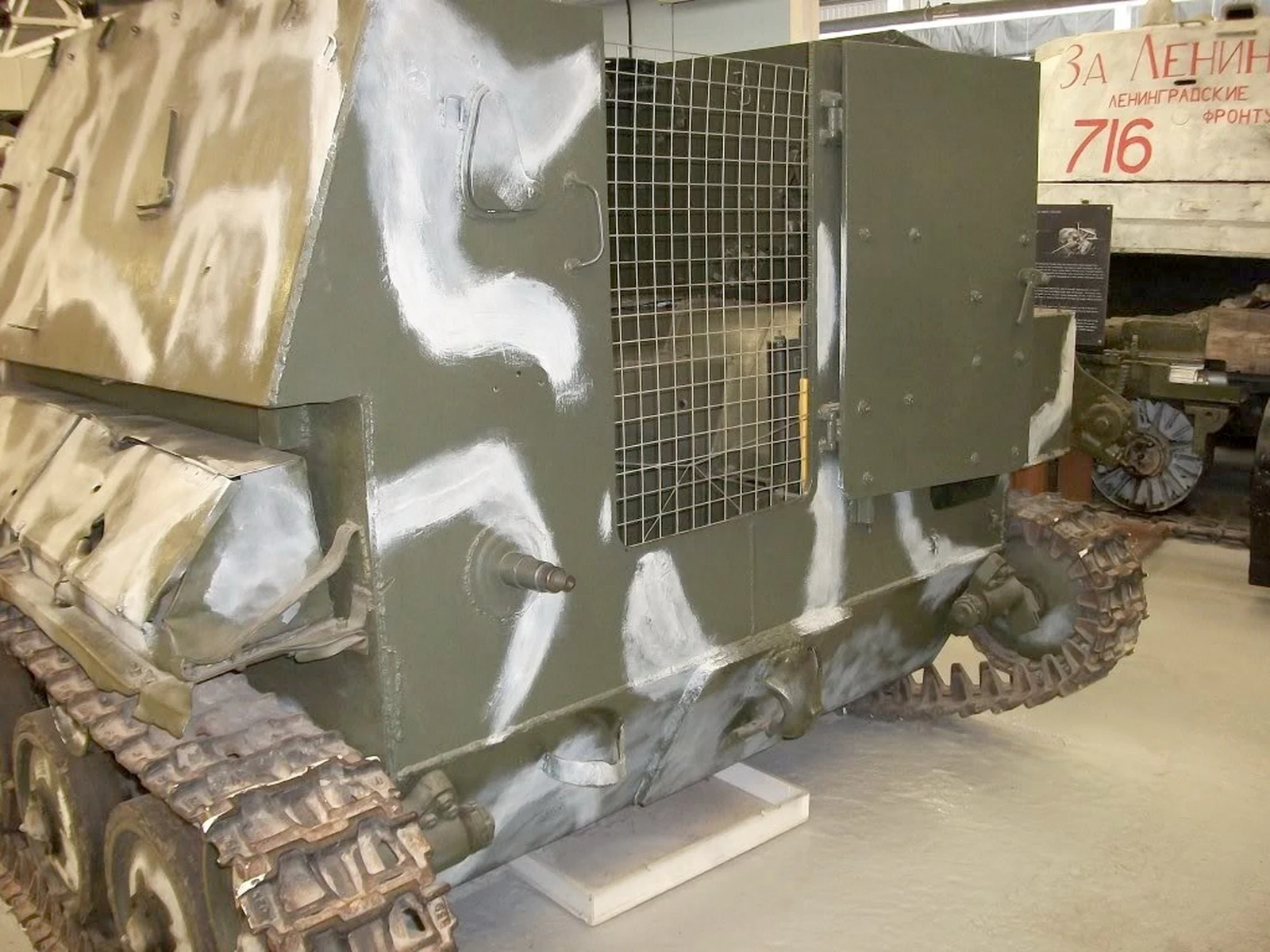
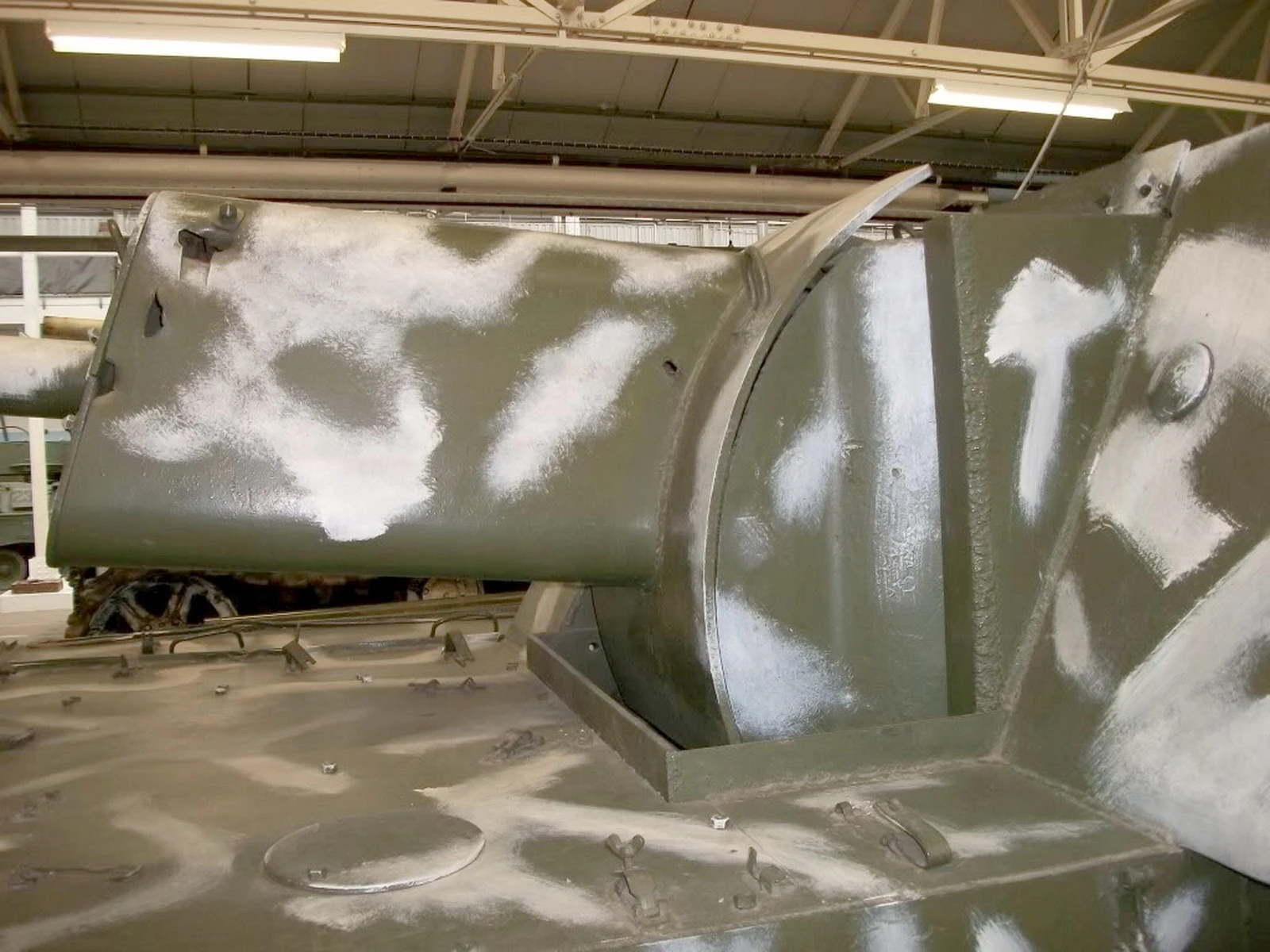
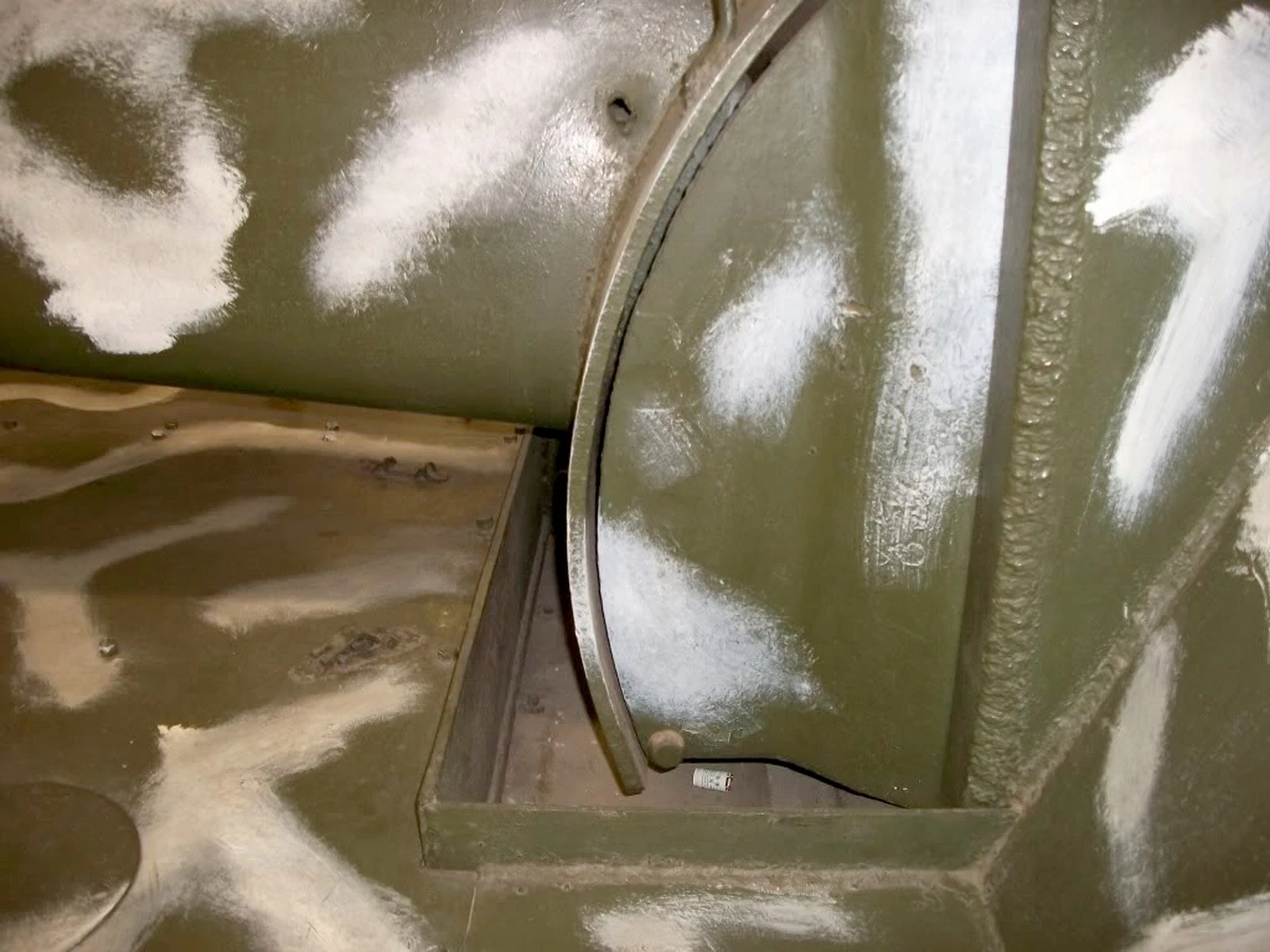
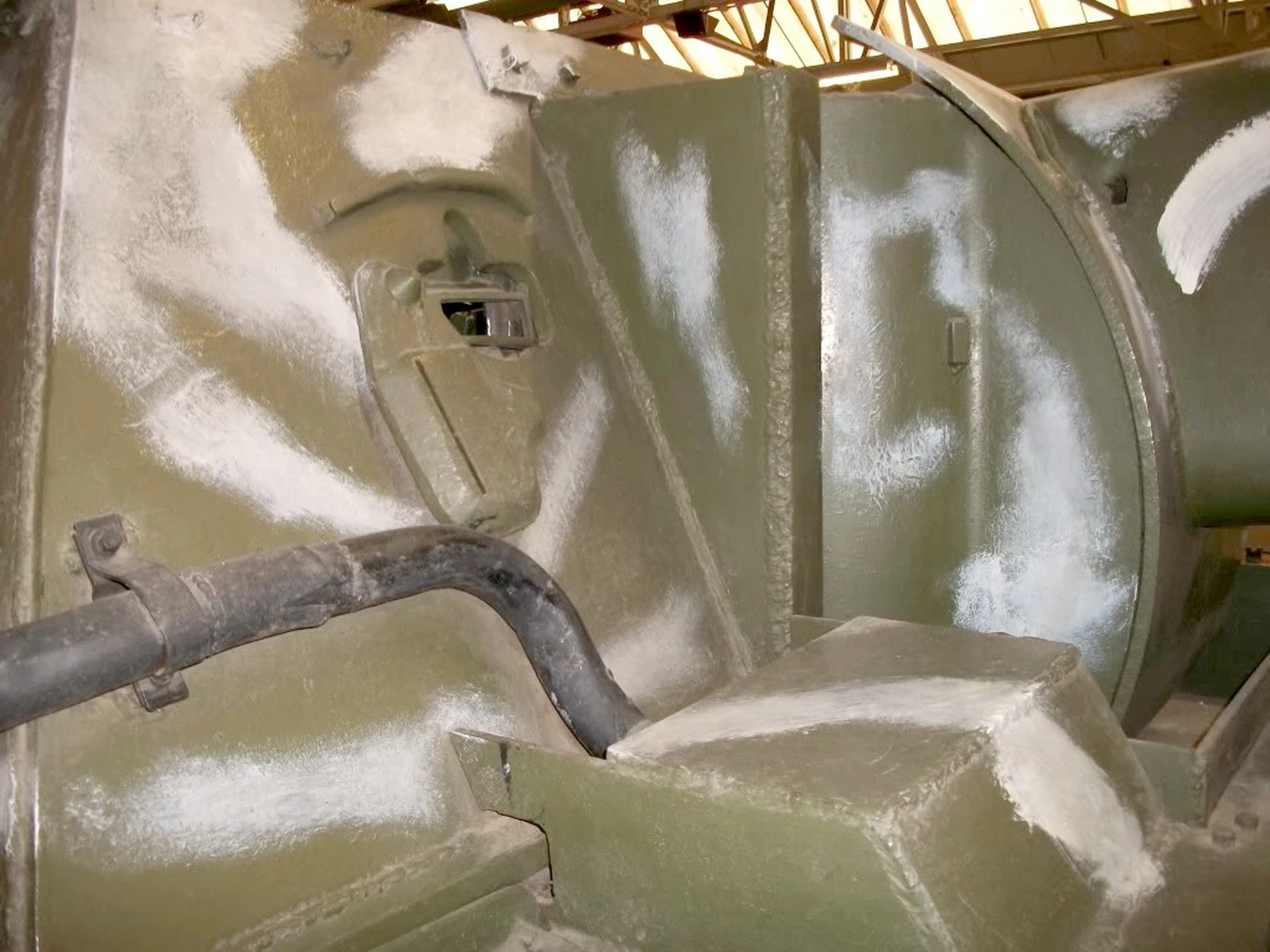
| Su-76 76mm Self Propelled Gun Walk Around | |
|---|---|
| Fotograf | Dean |
| Lokalisering | Unknow |
| Bilder | 32 |
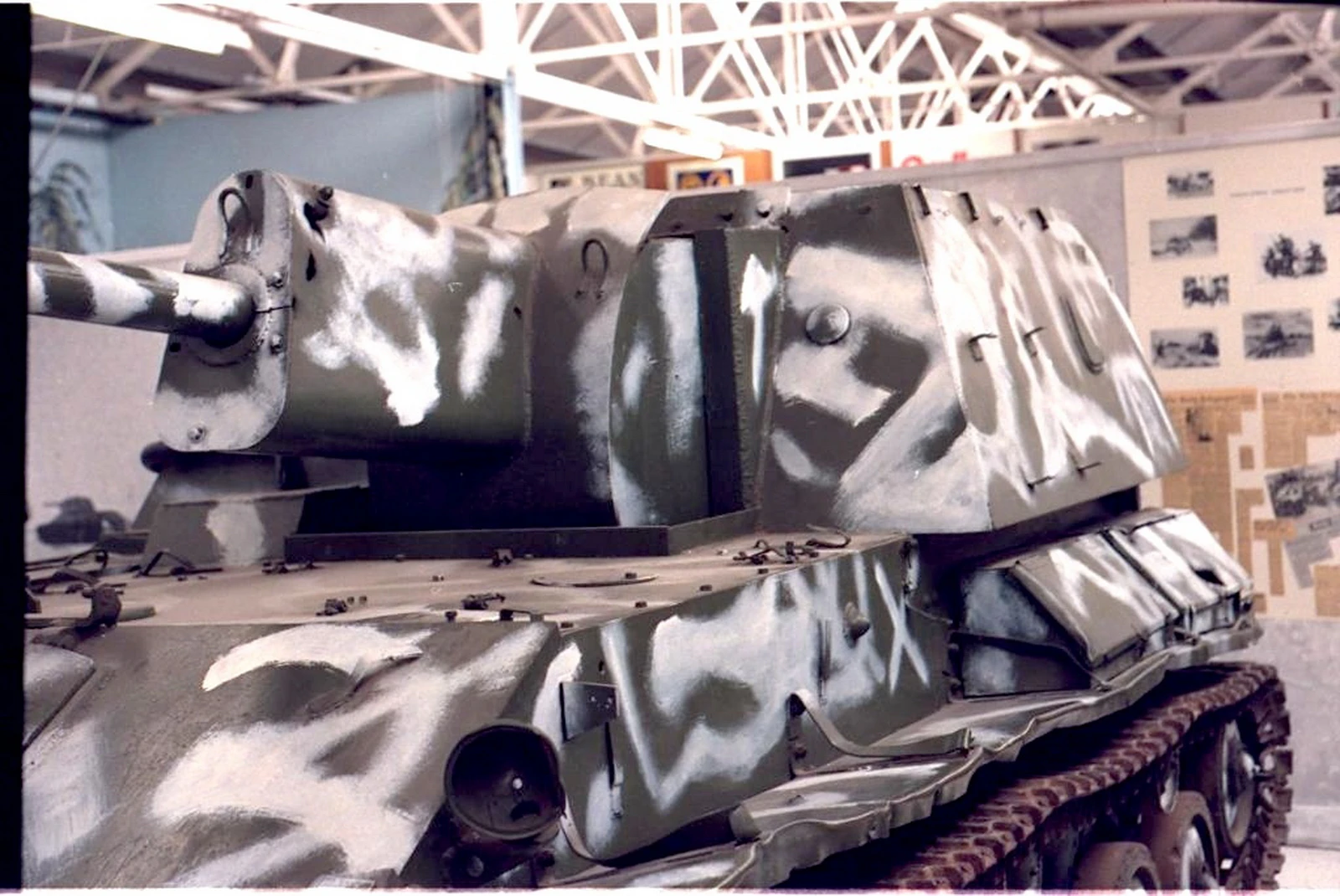
Les også:


The “Suka” – The Red Army’s Ubiquitous Assault Workhorse
Den SU-76 (Samokhodnaya Ustanovka 76) and its definitive mass-produced variant, the SU-76M, was the most widely manufactured Soviet armored fighting vehicle of World War II next to the T-34 tank. Designed under the leadership of Semyon Ginzburg, the SU-76 was born from the need to provide mobile, direct-fire artillery and anti-tank support to advancing infantry. By taking the mechanical components of the T-70 light tank, lengthening the chassis, and mounting the legendary 76.2mm ZiS-3 divisional gun in an open-topped rear superstructure, Soviet engineers created a cheap, highly reliable, and incredibly versatile weapon. Crewed soldiers colloquially and affectionately dubbed it the “Suka” (Bitch) or “Golozyadniy” (Bare-assed) due to its lack of overhead protection. Despite its thin armor, it became an indispensable tool for clearing out infantry nests, cracking open urban fortifications, and ambushing enemy armor.
| Attribute | Technical Specification (Soviet SU-76M Production Standard) |
|---|---|
| Rolle | Light Self-Propelled Gun / Assault Gun (Samokhodnaya Ustanovka) |
| Mannskapet | 4 (Commander/Gunner, Loader, Driver, Assistant Gunner/Radio Operator) |
| Kraftverk | 1 × GAZ-203 propulsion unit (consisting of two twin-linked GAZ-202 6-cylinder inline gasoline engines producing a combined 140 hp) |
| Maximum Speed | 44 km/h (27 mph) on roads | ~20 km/h (12 mph) cross-country |
| Combat Weight | 10.6 metric tons (11.7 short tons) |
| Operational Range | ~250 km (155 miles) on roads | ~160 km (100 miles) cross-country |
| Primary Armament | 1 × 76.2 mm ZiS-3Sh gun (60 rounds carried) |
| Secondary Armament | None standard standard (Crew carried personal submachine guns, such as the PPSh-41, and DP-27 light machine guns for defense) |
| Armor Thickness | Hull Front: 25mm to 30mm angled | Superstructure Gun Shield: 10mm to 15mm | Roof & Rear: Open |
| Production Total | 14,292 units manufactured across multiple factories (mainly GAZ in Gorky) between 1942 and 1945 |
Design Engineering: The Twin-Engine Nightmare and the Open-Topped Shield
- The Disastrous Dual-Engine Origin (SU-76): The very first production batch of SU-76s used a highly problematic parallel engine layout. Two independent GAZ engines were mounted side-by-side on opposite sides of the hull, each powering its own separate track through completely independent transmission lines. It was a mechanical nightmare to synchronize; if one engine revved slightly faster than the other, the vehicle would violently jerk sideways or snap its driveshafts. This flaw caused severe accidents, leading to the design being paused and designer Semyon Ginzburg being stripped of his post and sent to the front lines.
- The GAZ-203 Synchronization Fix (SU-76M): Engineers rushed to fix the engine catastrophe, resulting in the SU-76M. They bolted the two 6-cylinder automobile engines together end-to-end in a single, straight line down the right side of the hull, driving a single shared driveshaft and transmission. This inline arrangement cured the synchronization failures entirely, transforming the vehicle into one of the most mechanically reliable and easiest-to-maintain chassis in the entire Red Army inventory.
- The Legendary ZiS-3 Firepower: The main weapon was a slightly modified vehicle version of the mass-produced ZiS-3 76.2mm field gun. Celebrated by artillerymen for its extreme reliability and excellent ballistics, it gave the lightweight SU-76M a punch way above its weight class. It was highly effective at direct fire against infantry dugouts, could be elevated for indirect artillery bombardments, and could pierce the armor of German Panzer III and IV tanks with standard armor-piercing shells.
- The Open-Topped Combat Cage: To keep the vehicle light and ensure the gun could recoil safely, the rear fighting compartment was left entirely open to the elements, shielded only by a thin 10mm steel wall around the front and sides. While this left the crew exposed to rain, snow, grenades, and shrapnel, it had major tactical benefits. The gun crew enjoyed superb visibility, could quickly communicate with infantry outside, and didn’t suffer from the suffocating, toxic propellant gases that choked crews trapped inside enclosed turrets.
Operational History: The Infantry’s Shadow and the Marsh Crawler
- The Infantry’s Best Friend: The SU-76M was not meant to fight heavy German Tiger tanks head-on. Instead, it operated directly inside the infantry ranks as a mobile pocket artillery piece. If Soviet foot soldiers ran into a hidden German machine gun bunker or sniper position, the SU-76M would instantly drop into line, drop its sights, and use its high-explosive shells to blow the obstacle away at point-blank range, saving countless Soviet lives during offensive breakthroughs.
- Walking Across the Inhospitable Swamps: Because it was built on a stretched light tank chassis, the SU-76M weighed a mere 10.6 tons. Its wide tracks distributed this weight so efficiently that its ground pressure was exceptionally low. During major offensives through thick Belarusian swamps and muddy peat bogs—areas German commanders deemed completely impassable for armored vehicles—the nimble SU-76M swam right through the mire, completely blindsiding German defensive lines from unexpected angles.
- Urban Brawling Hazards: During the bloody street battles of Budapest and Berlin, the SU-76M was heavily utilized to blast through barricades. However, its open-topped hull made it incredibly vulnerable in dense urban warfare. German infantry hiding on the second and third stories of shattered apartment blocks could easily look straight down into the open fighting compartment, dropping hand grenades, Molotov cocktails, or sniper fire directly onto the exposed crew inside.
- A Global Post-War Combat Legacy: After WWII ended, thousands of surplus SU-76Ms were exported to Soviet satellite states. The vehicle saw heavy combat during the opening phases of the Korean War, serving as the primary mobile armor for the North Korean People’s Army before US forces arrived. Its simple truck-based engine components meant it could be kept running with basic tools, allowing it to survive in the arsenals of various militaries around Asia and Europe for decades.
Views : 3452