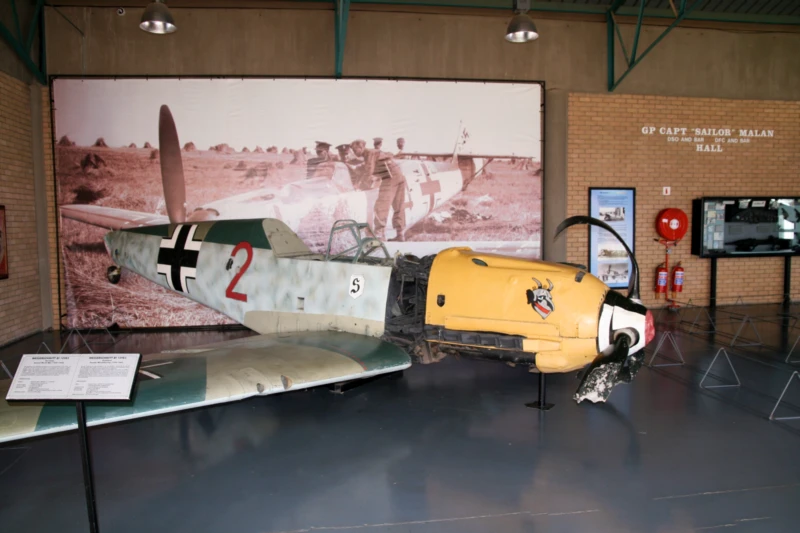
Messerschmitt Bf-109E-7 | |
|---|---|
| Land | Tyskland |
| Kategorisk | Militære fly |
| Type | Enmotors jagerfly |
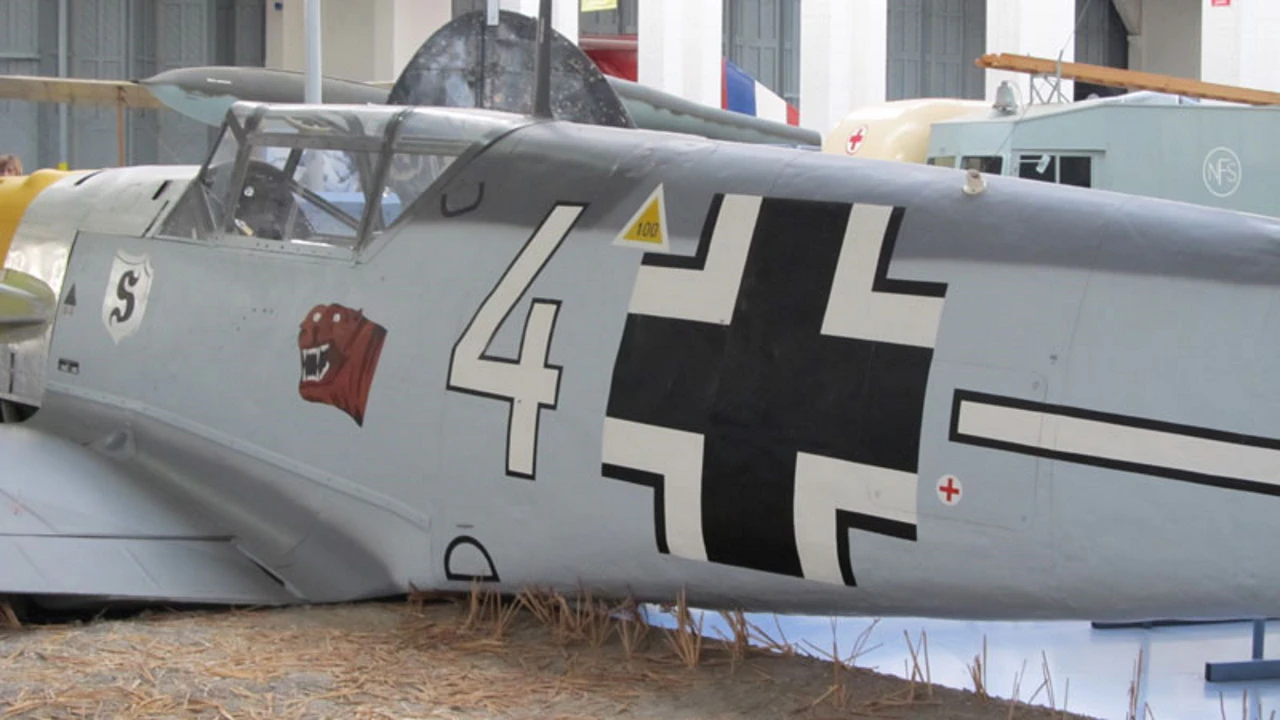
Den Messerschmitt Bf 109 var en tysk enseters enmotors jagerfly fra Luftwaffe. På forespørsel fra Reichsluftfahrtministerium (RLM) utvikler designeren den tyske ingeniøren Willy Messerschmitt denne fighteren som vil utstyre fremtiden. Luftwaffe. Dette flyet er designet av en Junkers Jumo 210-motor med 12 sylindere i omvendt V, ingeniøren Messerschmitt innlemmet den i en monocoque flyskrog med en veldig elegant design. Bf 109 viste seg å være godt over sine direkte konkurrenter og utstyrte dermed den tyske flyflåten.
Son baptême du feu pendant la guerre d’Espagne permis d’améliorer le Bf 109 et on procéda au changement de son moteur par un modèle issu de la fabrique Daimler Benz ce qui le rendit encore plus efficace.
Kilde: Bf 109E sur Wikipedia
| Messerschmitt Bf-109E-7 | |
|---|---|
| Fotograf | Unknow |
| Lokalisering | Unknow |
| Bilder | 50 |
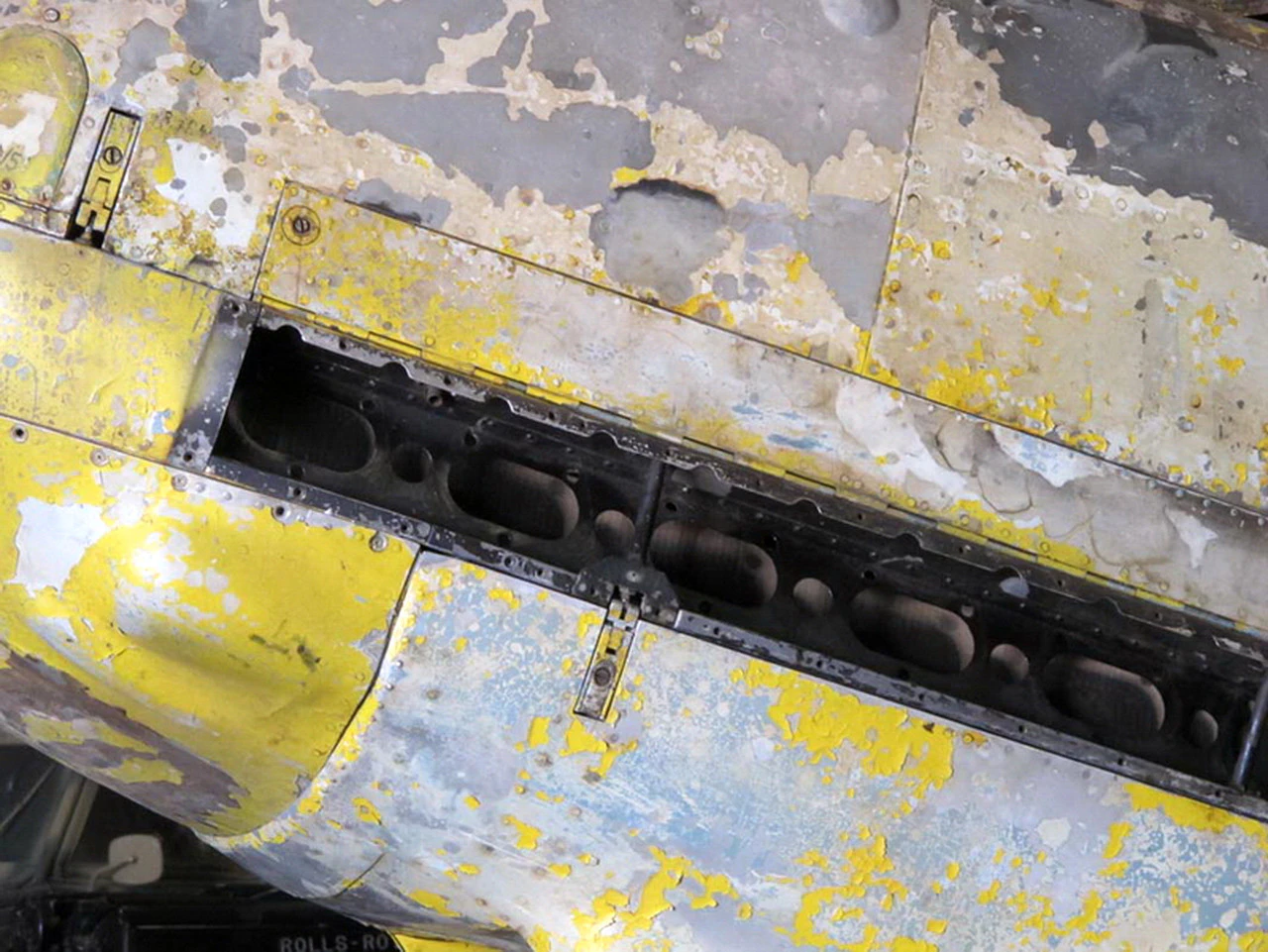
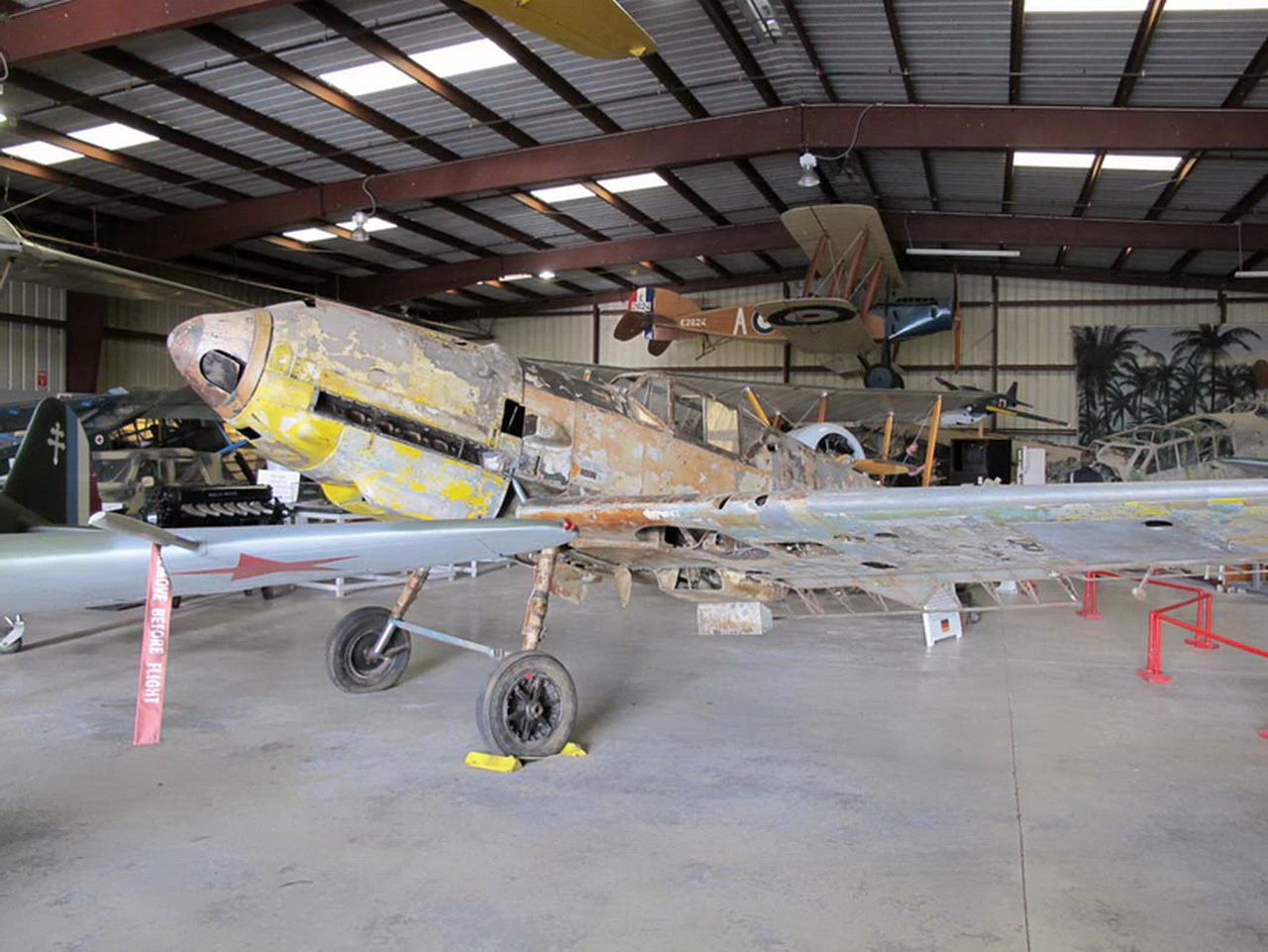
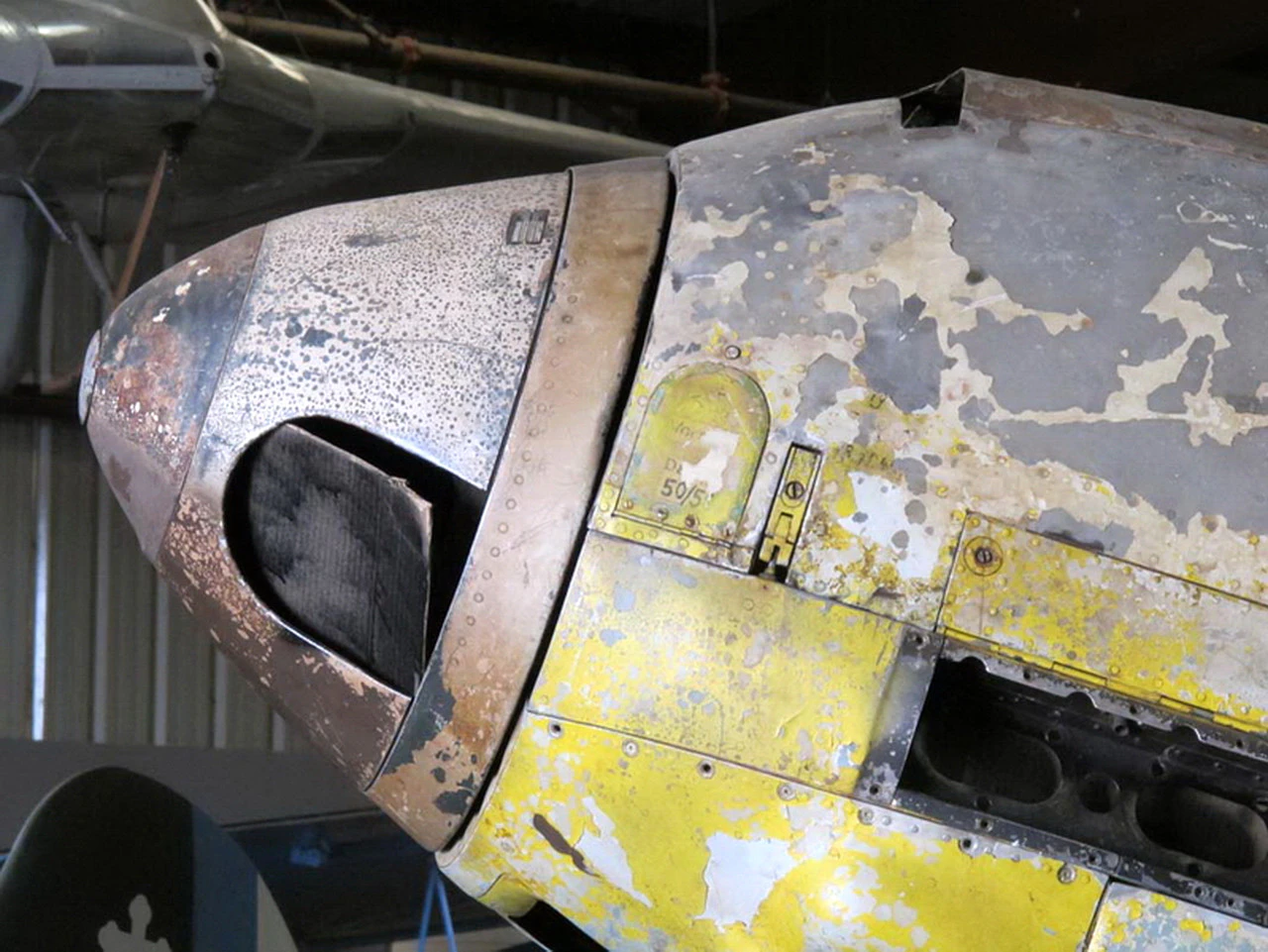
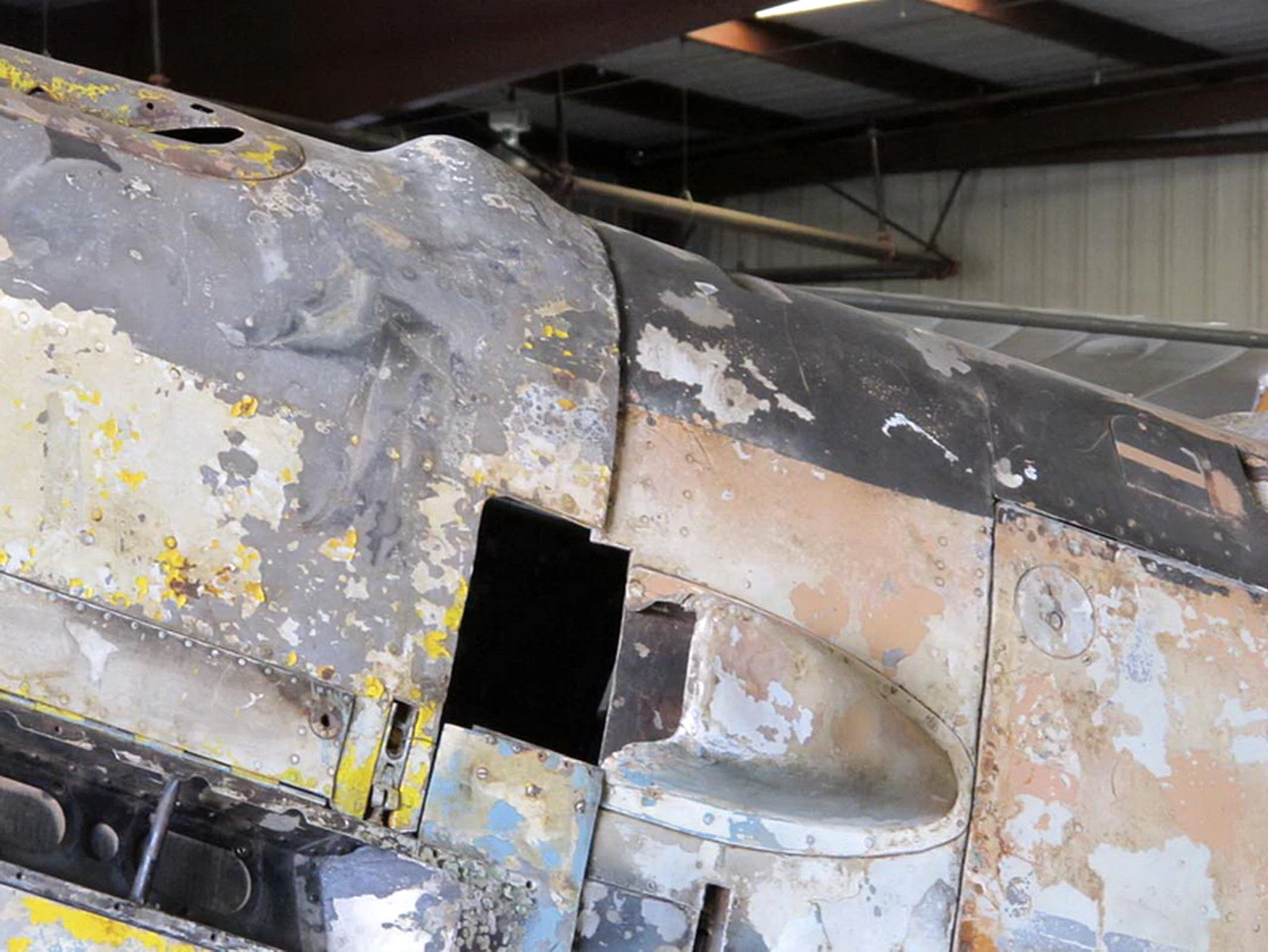
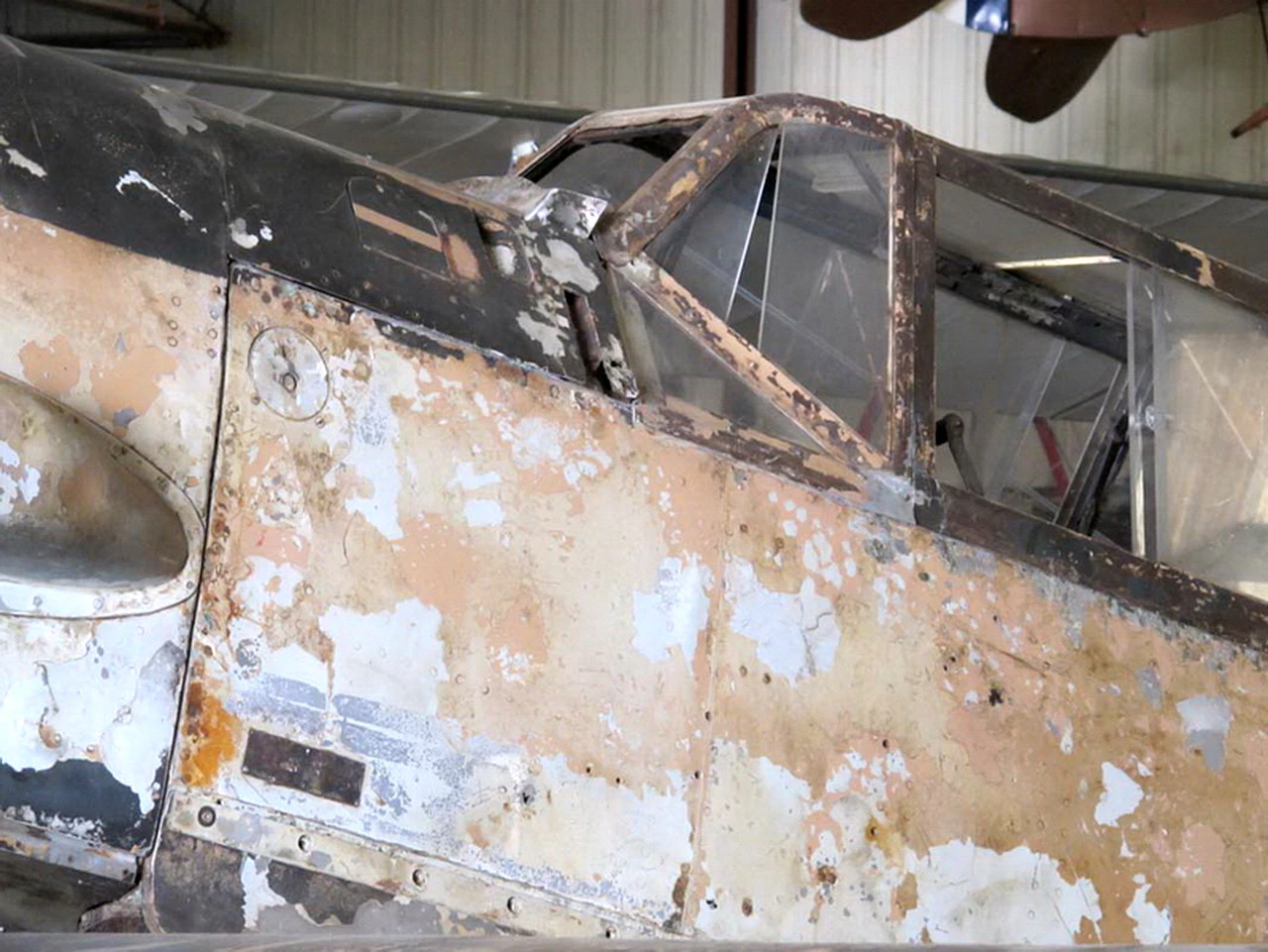
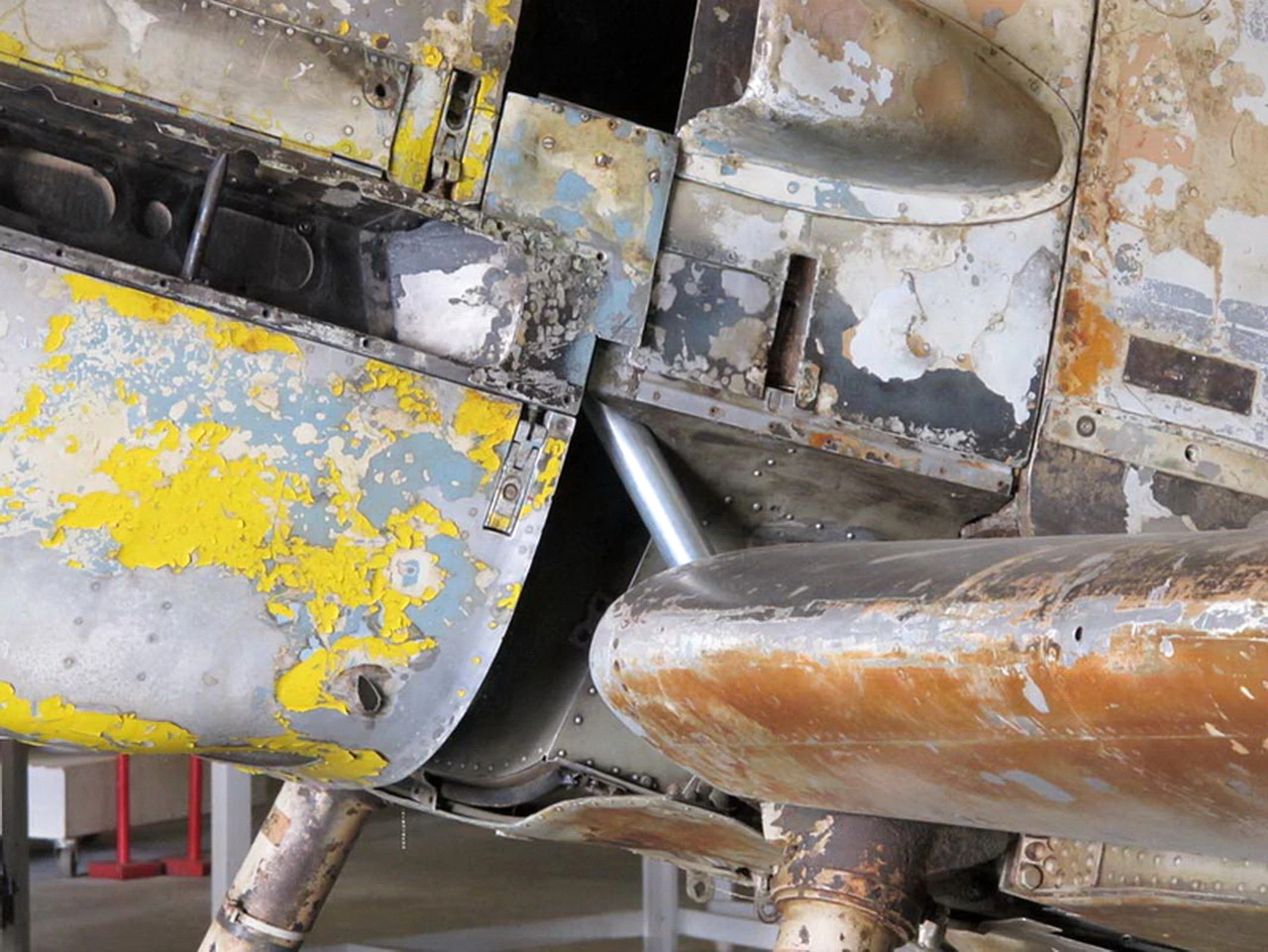
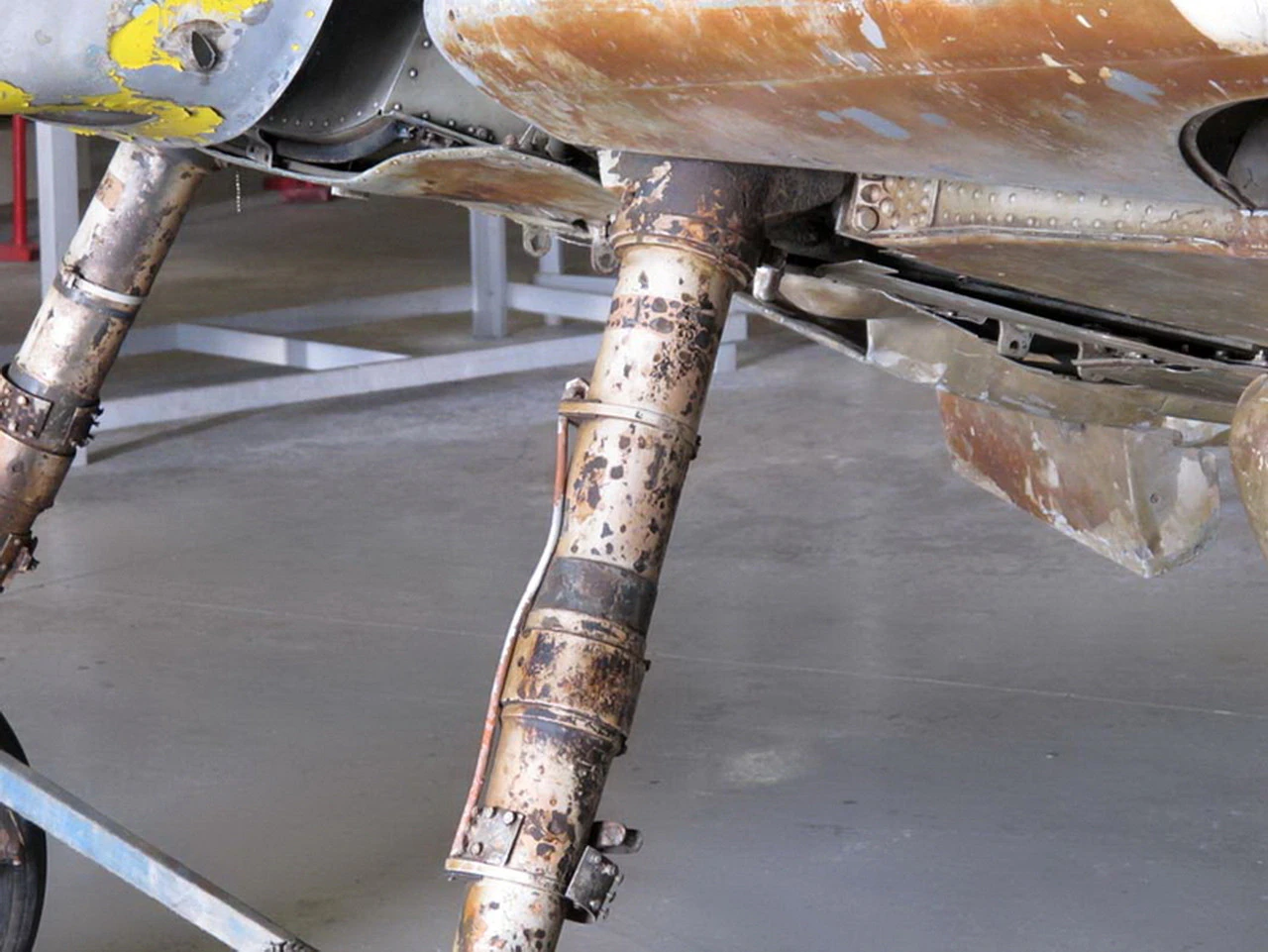
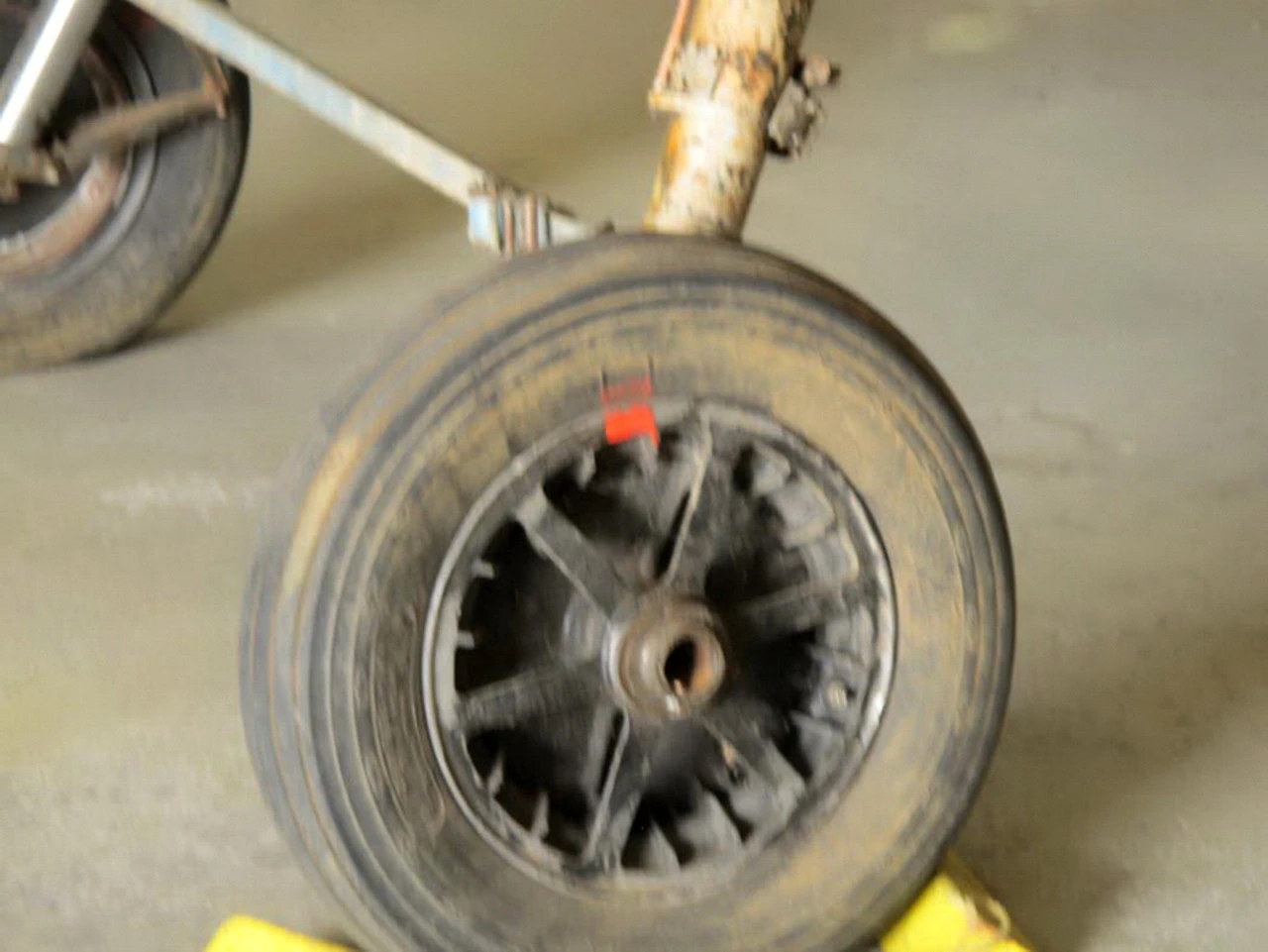
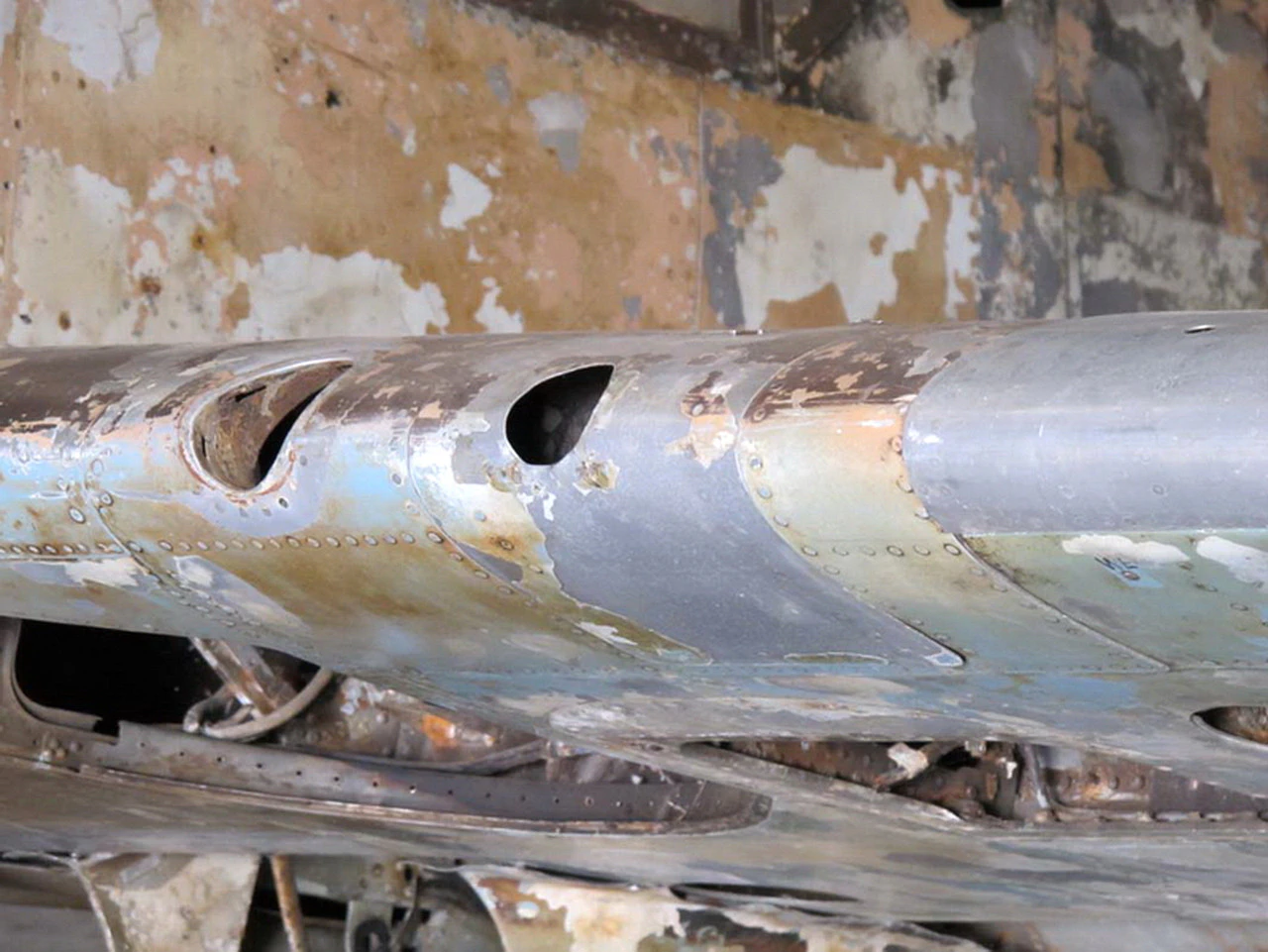
Tekniske egenskaper: Équipage : 1 pilote Longueur : 9,04 m Largeur : 9,92 m Surface alaire : 16,165 m² Poids à vide : 2676 kg Vitesse de croisière : 544 km/h au niveau de la mer Vitesse maximale : 623 km/h à 7000 m Plafond : 12116 m Rayon d’action : 560 km Armement Interne : 1 MG 151/20 de 20 mm (200 coups) Armement Externe : 2 MG 131 de 13 mm (300 coups)

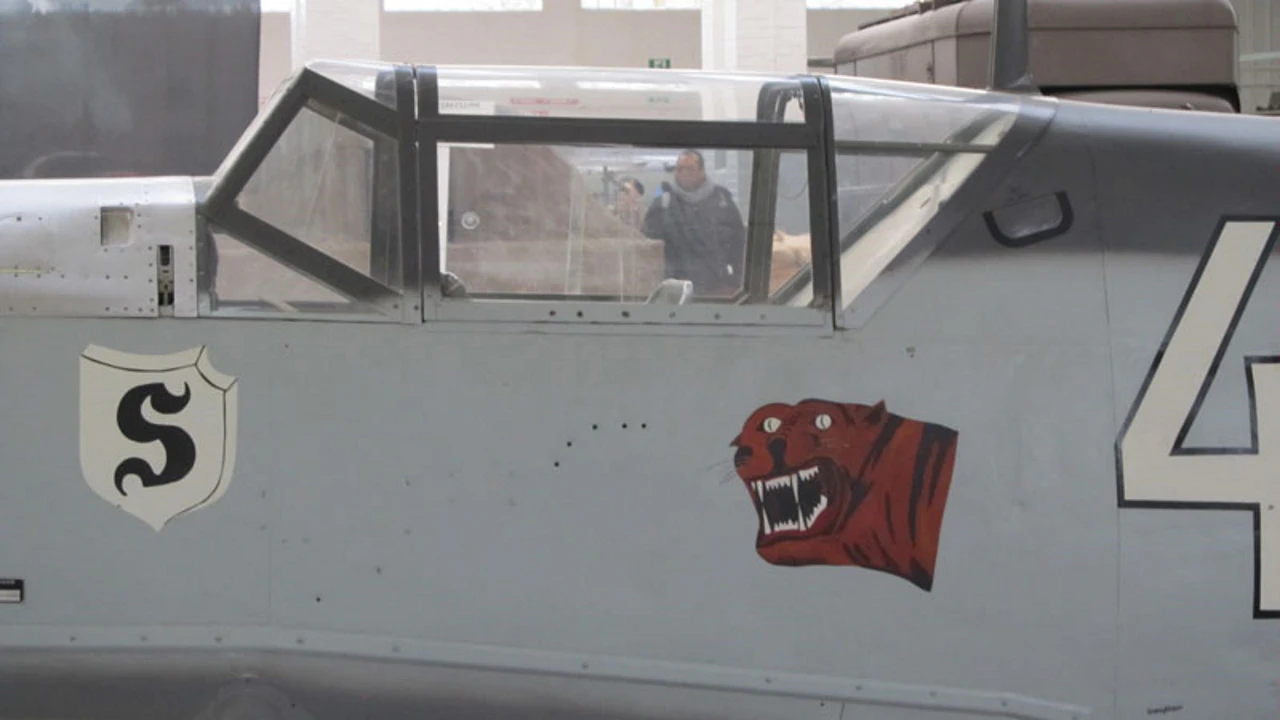
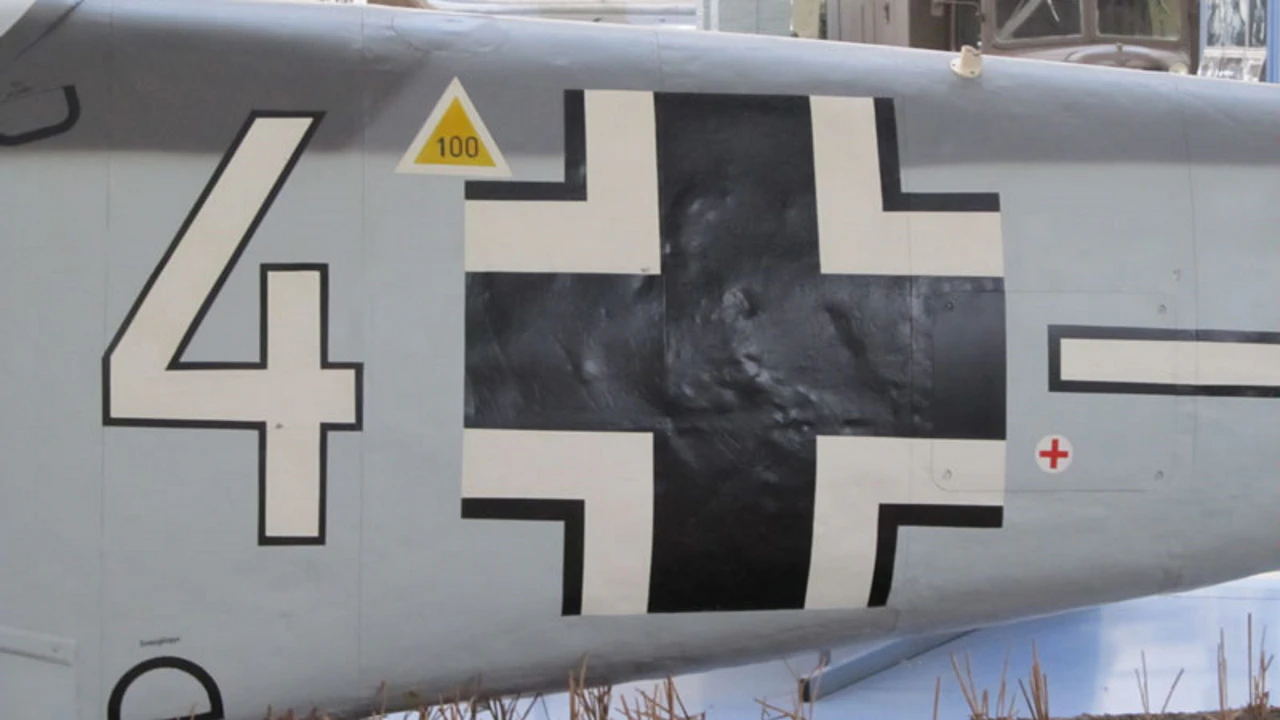
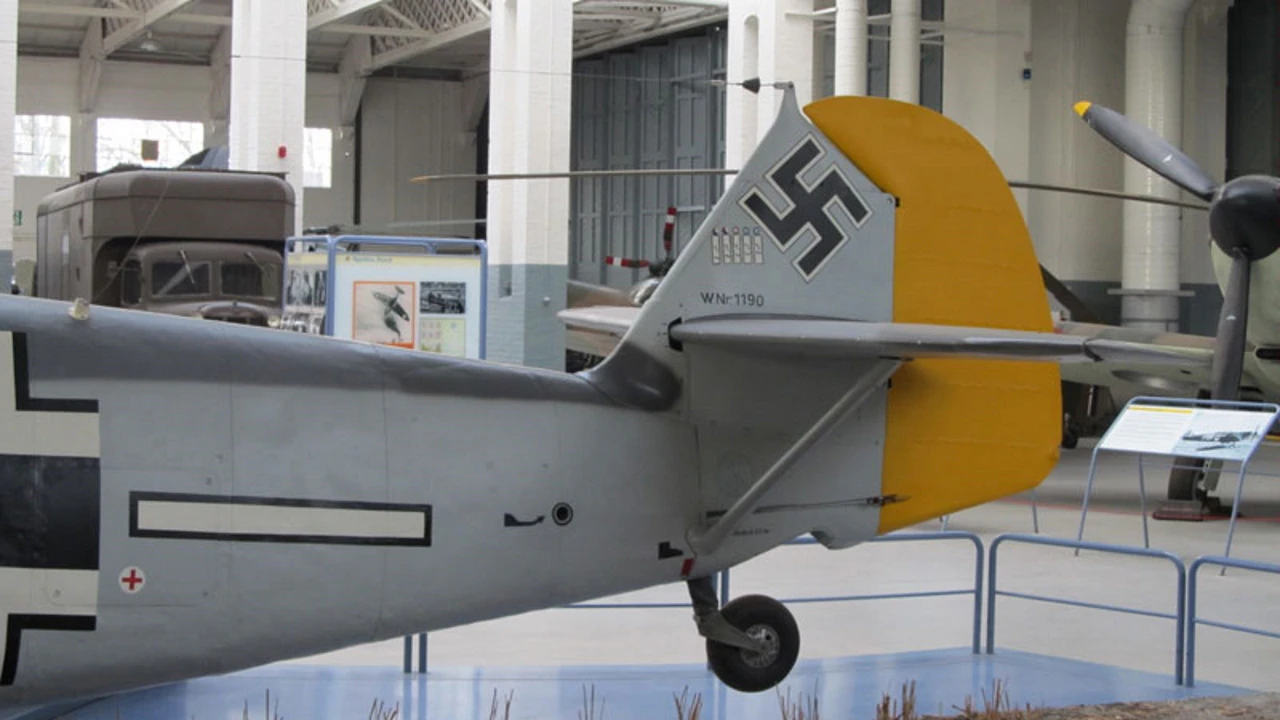
| Messerschmitt Bf.109E Walk Around | |
|---|---|
| Fotograf | Cees Hendriks |
| Lokalisering | Unknow |
| Bilder | 34 |
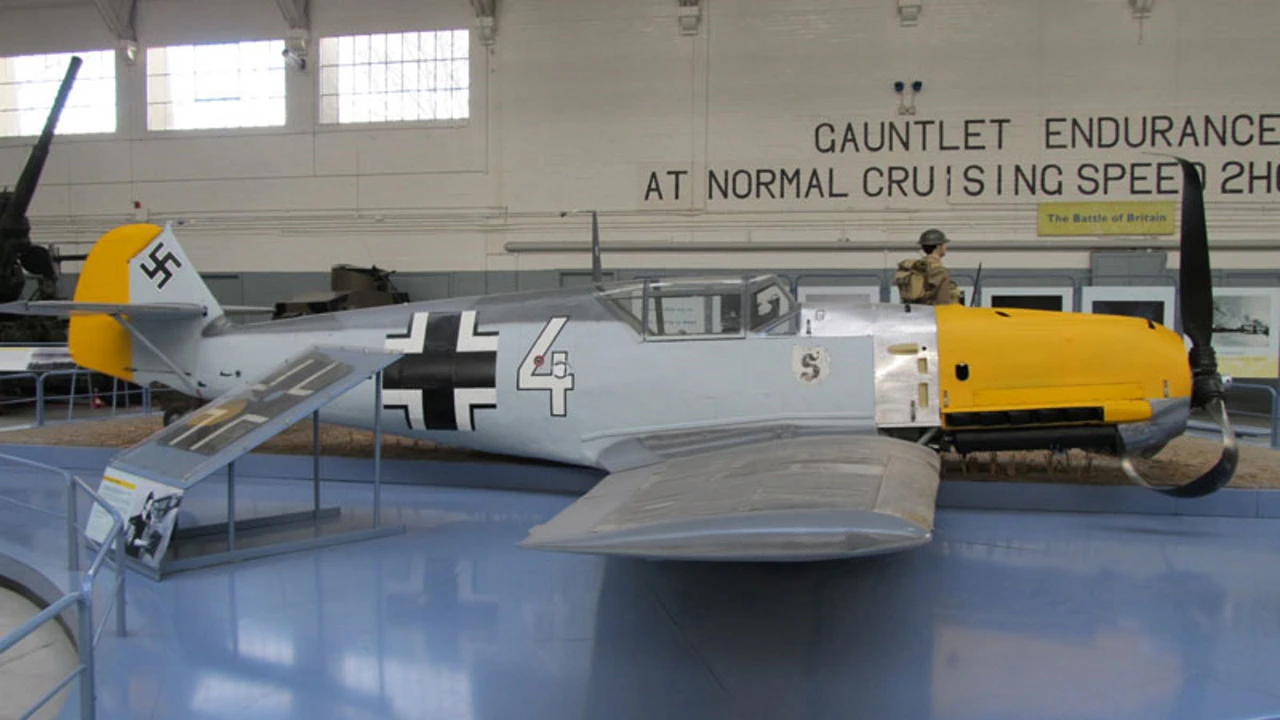
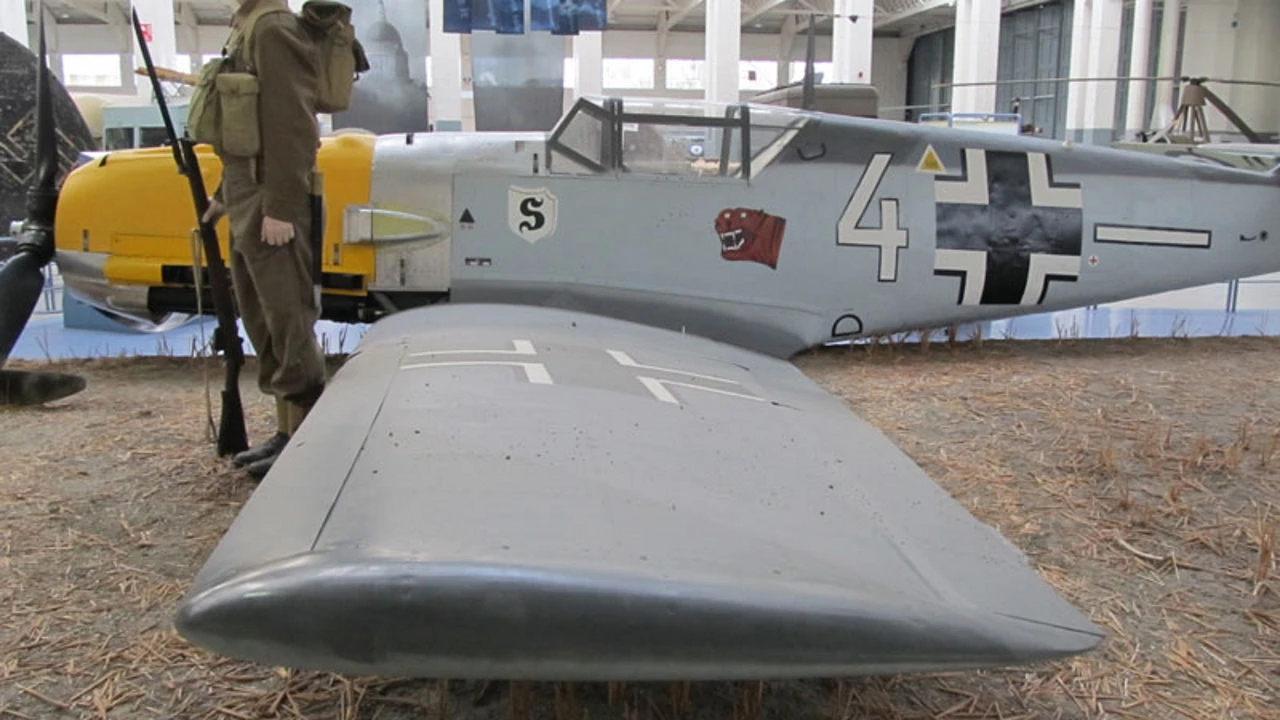
Les også:


The Spearhead of the Luftwaffe
Den Messerschmitt Bf 109E, affectionately known as the “Emil,” was the definitive German frontline fighter during the opening acts of World War II. Designed by Willy Messerschmitt, the Bf 109 was conceived as a lightweight interceptor built around the smallest possible airframe and the most powerful available engine. The “Emil” variant, powered by the fuel-injected Daimler-Benz DB 601 engine, represented the aircraft’s transition into a truly world-class fighter. It served as the primary weapon of the Luftwaffe’s elite fighter wings during the Blitzkrieg across Europe and the historic, high-altitude duels against the RAF during the Battle of Britain.
| Attribute | Technical Specification (Bf 109E-3 / E-4 Baselines) |
|---|---|
| Rolle | Fighter / Interceptor |
| Mannskapet | 1 (Pilot) |
| Motor | 1 × Daimler-Benz DB 601A liquid-cooled inverted V12 (1,100 hp) |
| Maximum Speed | 560 km/h (348 mph) at 4,400 m |
| Combat Range | ~660 km (410 miles) strictly internal fuel — a major strategic constraint |
| Service Ceiling | 10,500 m (34,450 ft) |
| Primary Armament | 2 × 20mm MG FF cannons (wings); 2 × 7.92mm MG 17 machine guns (cowl) |
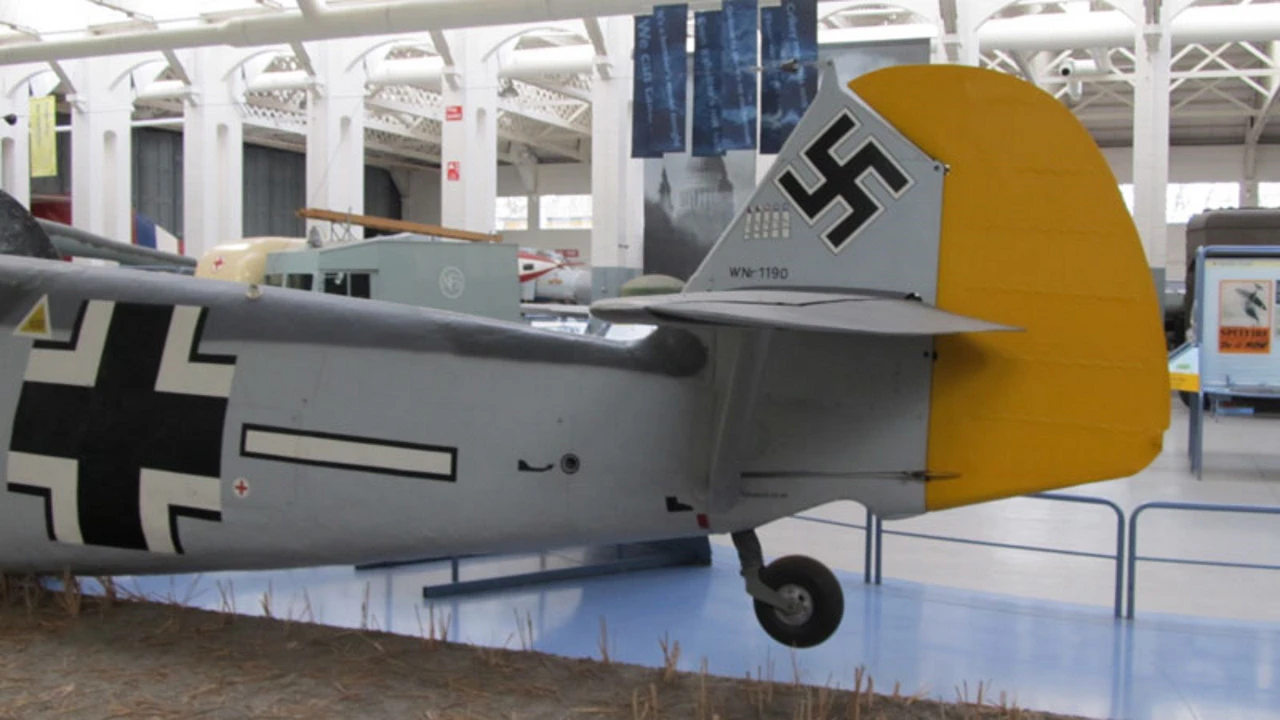
| Landing Gear | Narrow-track outward-retracting conventional landing gear |
Design Engineering: Fuel Injection and Narrow-Track Compromises
- Direct Fuel Injection Triumph: The Emil’s Daimler-Benz DB 601 engine featured an advanced Bosch direct fuel injection system. Unlike the carbureted Merlin engines powering early British Spitfires and Hurricanes, the DB 601 didn’t sputter or cut out under negative G-forces. This allowed German pilots to push the stick forward into a sudden, nose-down dive to escape or pursue an enemy without their engine drowning in fuel.
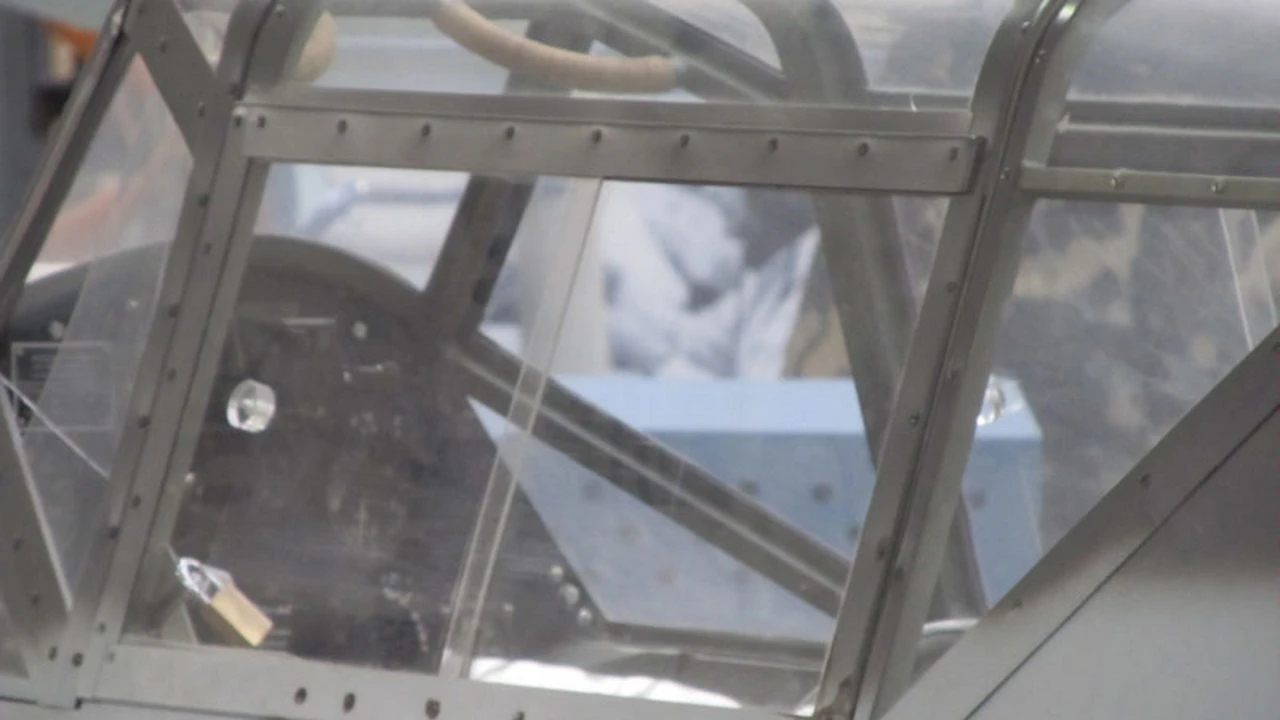
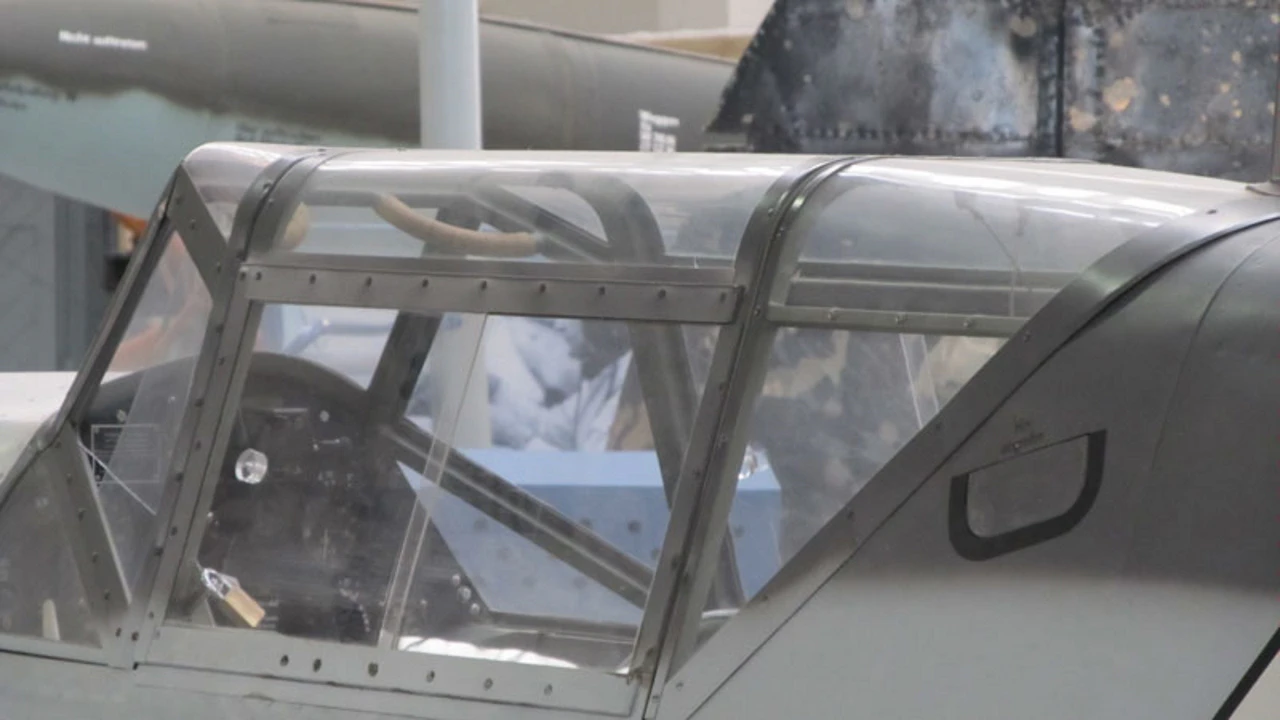
- Automatic Slats and Angular Canopy: To maintain high lift and prevent dangerous stalls during high-angle, low-speed turning dogfights, the Emil utilized automatic leading-edge wing slats. These aerodynamic panels popped out mechanically based on airflow, giving the plane superb low-speed handling despite its heavy wing loading. The cockpit itself was covered by a distinct, angular, multi-pane canopy that offered solid structural protection but restricted rearward visibility.
- The Narrow Landing Gear Flaw: To simplify manufacturing and allow the wings to be easily detached for rail transport, the Bf 109’s landing gear struts were attached directly to the fuselage, retracting outward. This gave the aircraft a notoriously narrow track and an awkward center of gravity, causing the Emil to be highly unstable on the ground. Thousands of planes were damaged or written off during take-offs and landings on primitive, crosswind-swept grass runways.
- Wing Autocannons: Moving past the machine-gun-only layout of earlier models, the E-3 and E-4 variants integrated hard-hitting 20mm MG FF autocannons into the wings. While these guns had a low rate of fire and a limited ammunition supply (60 rounds per drum), their high-explosive shells could inflict catastrophic structural damage on Allied bombers and fighters with only a few direct hits.
Operational History: Blitzkrieg Dominance to the London Clock
- The European Sweeps: The Bf 109E cut its teeth during the invasions of Poland, Denmark, Norway, France, and the Low Countries. Coordinated closely with ground-based Stuka dive-bombers through tactical radio nets, Emil squadrons easily swept aside obsolete Allied air forces, establishing total air superiority over the continent by the summer of 1940.
- The Battle of Britain Bottleneck: The Emil met its match over Southern England when it clashed with the RAF’s Fighter Command. While technically superior to the Hurricane and evenly matched with the early Spitfire, the Bf 109E suffered from a cripplingly short combat range. Operating from French bases, the Emil only had roughly 10 to 20 minutes of fuel to fight over London before being forced to turn back across the English Channel, leaving German bombers exposed.
- The “Finger-Four” Tactical Innovation: During this era, legendary Luftwaffe tacticians like Werner Mölders used the Emil to pioneer the *Schwarm* (Finger-Four) formation. Instead of fighting in rigid, tight three-plane lines like the British, German pilots operated in loose, mutually supporting pairs that maximized visual scanning and combat flexibility—a layout that was eventually adopted by air forces worldwide.
- Evolution and Transition: While the Emil was gradually replaced on the Western Front by the faster, more aerodynamic Bf 109F “Friedrich” by 1941, it continued to see extensive combat as a ground-attack fighter-bomber (the E-4/B and E-7 variants) during the grueling opening phases of the invasion of the Soviet Union and across the sun-baked deserts of North Africa.
Views : 11726
Du kan også se :
 Lockheed C-5 Galaxy - Bilder og videoer
 Canadair CF-104 Starfighter - Bilder og videoer
 SPAD S.XIII - Bilder og videoer
 Short Solent - Bilder og videoer
 Grumman G-73 Mallard - Bilder og videoer
 Lockheed LC-130 - Bilder og videoer
 Lockheed P-38 Lightning - Bilder og video
 A-7B Corsair II – WalkAround
 Lockheed F-22A Raptor - Bilder og video
 Sukhoi Su-27 – WalkAround