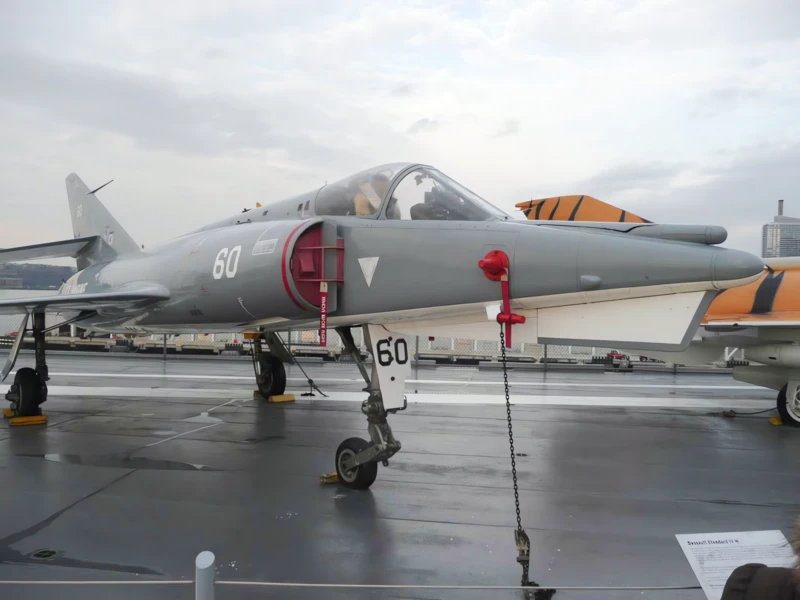
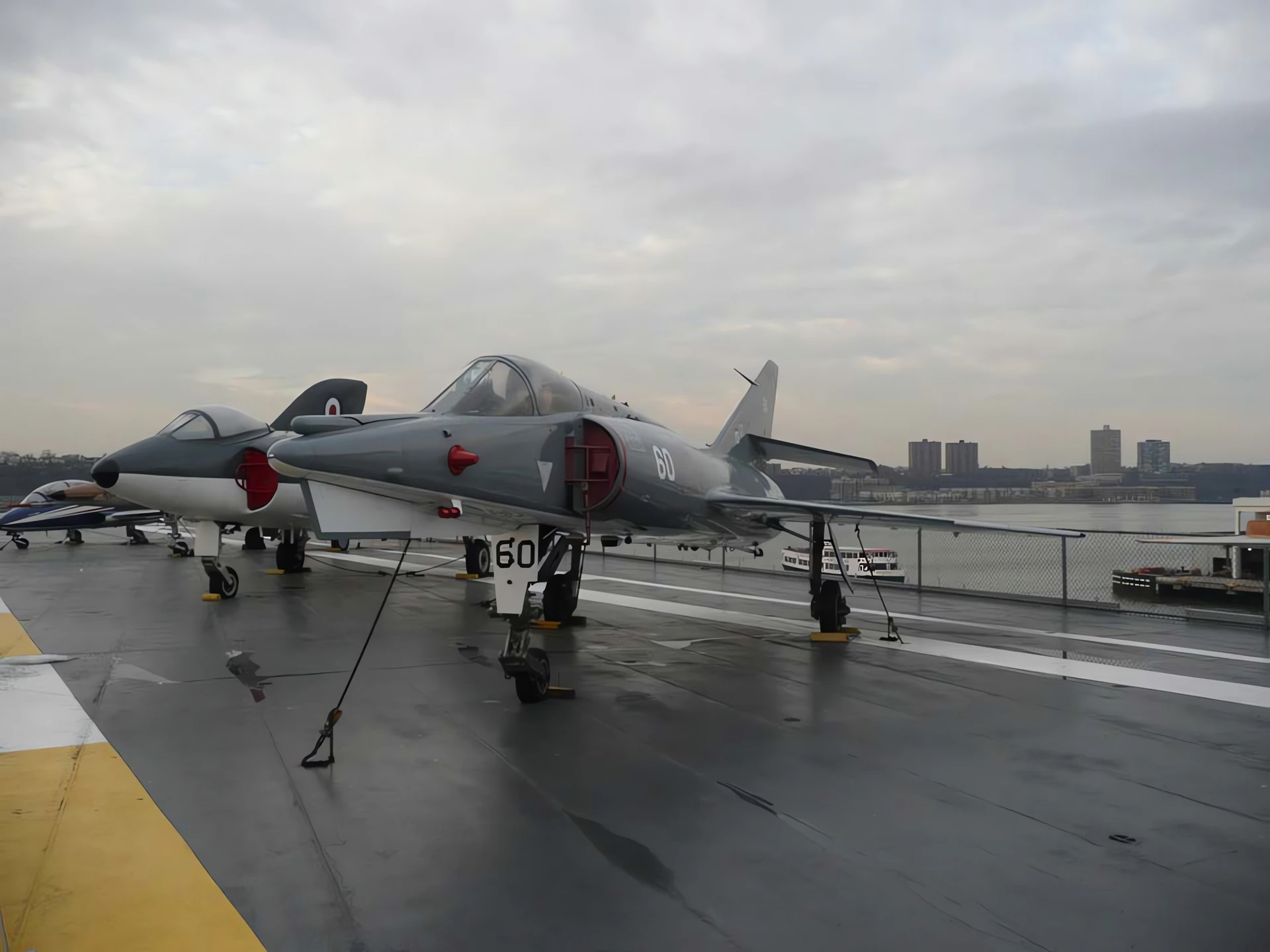
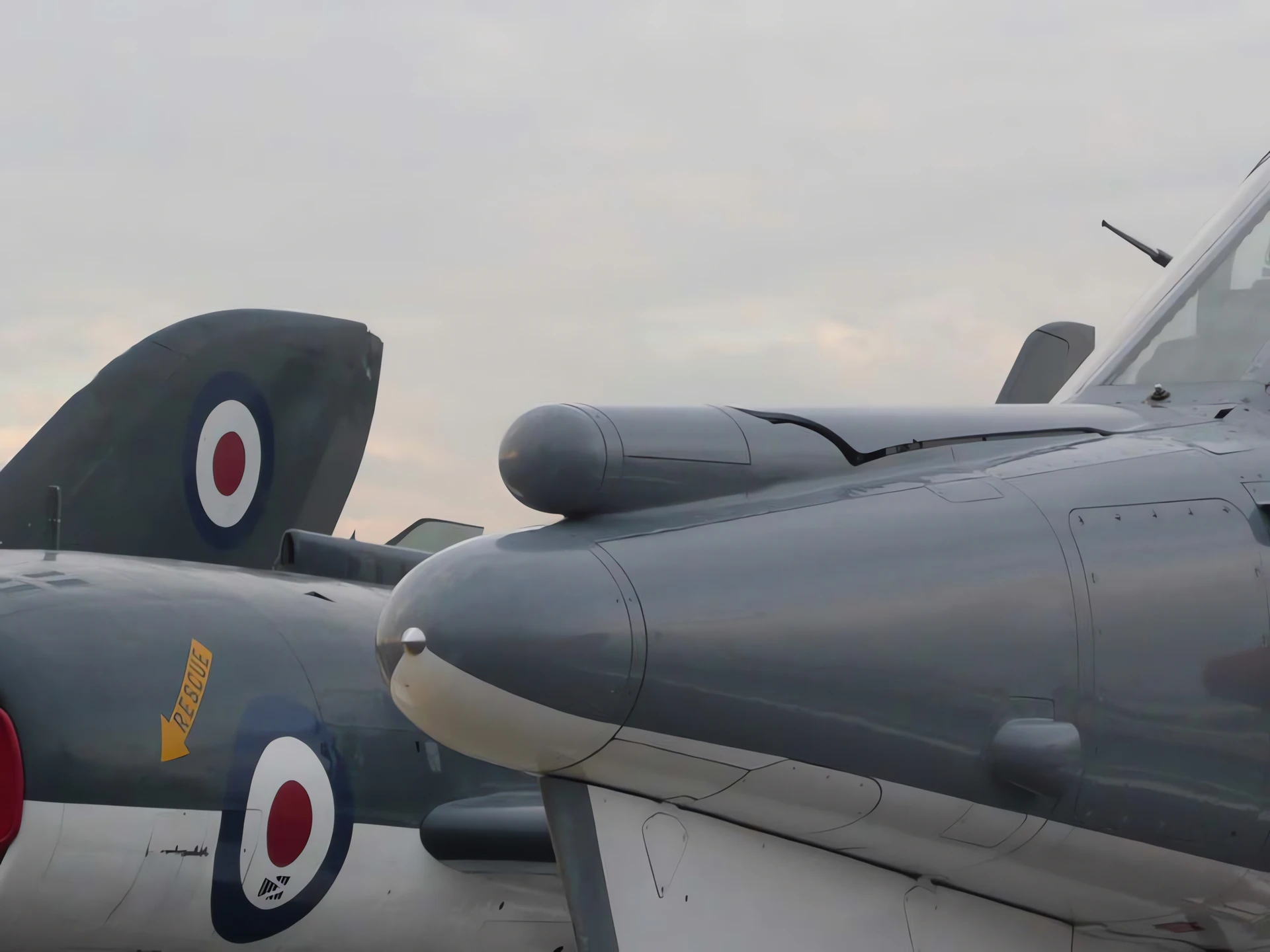
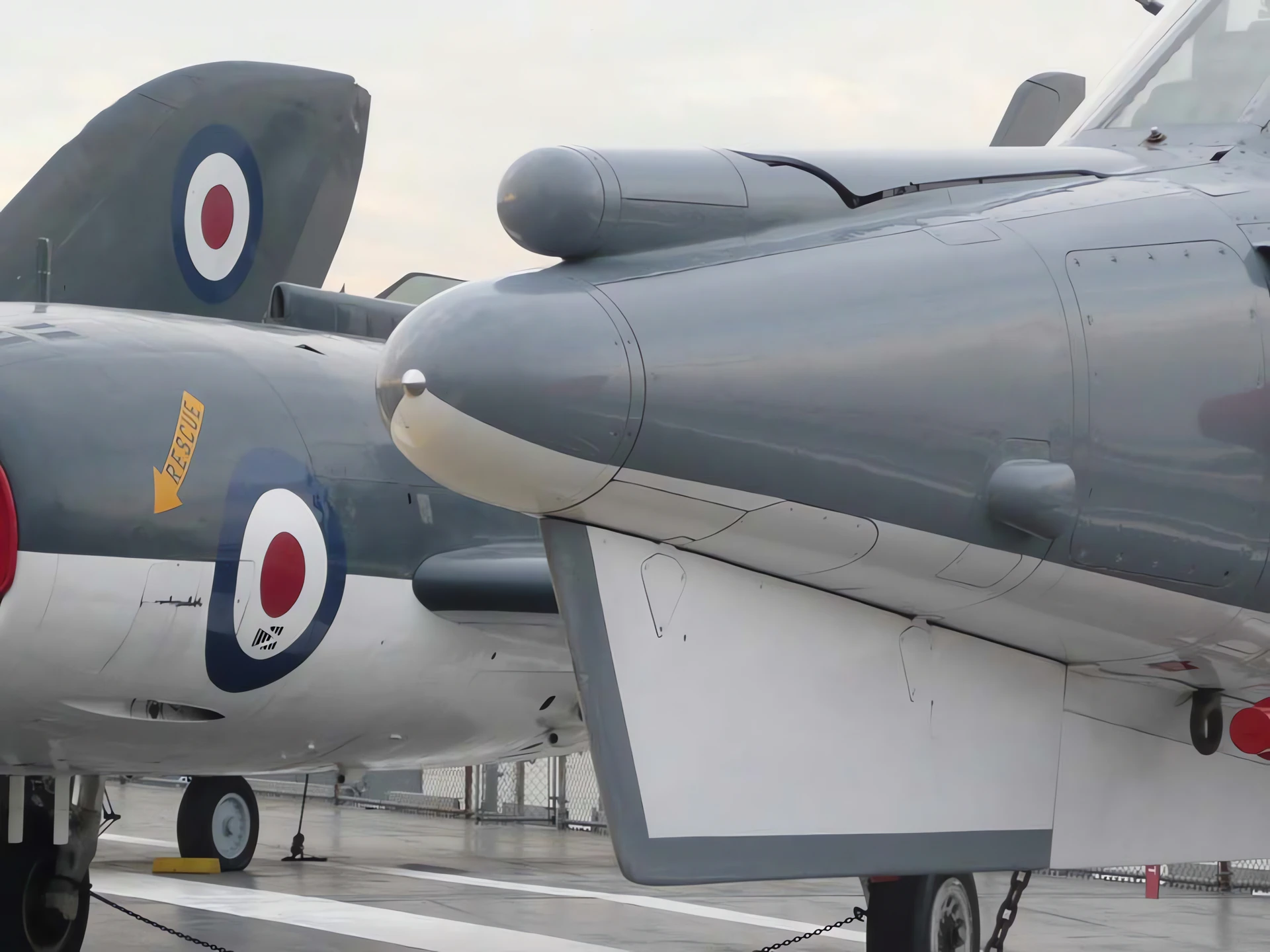
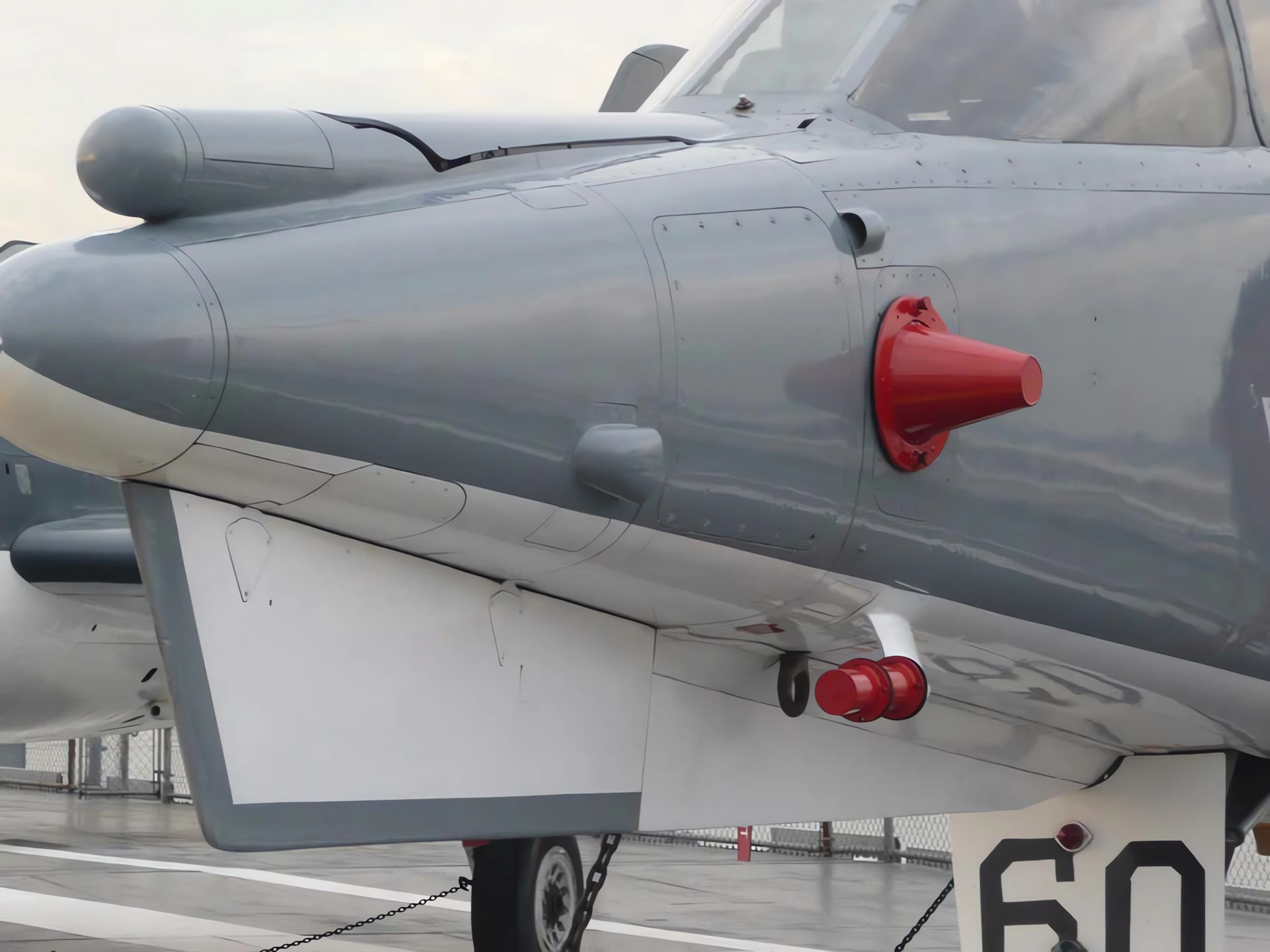
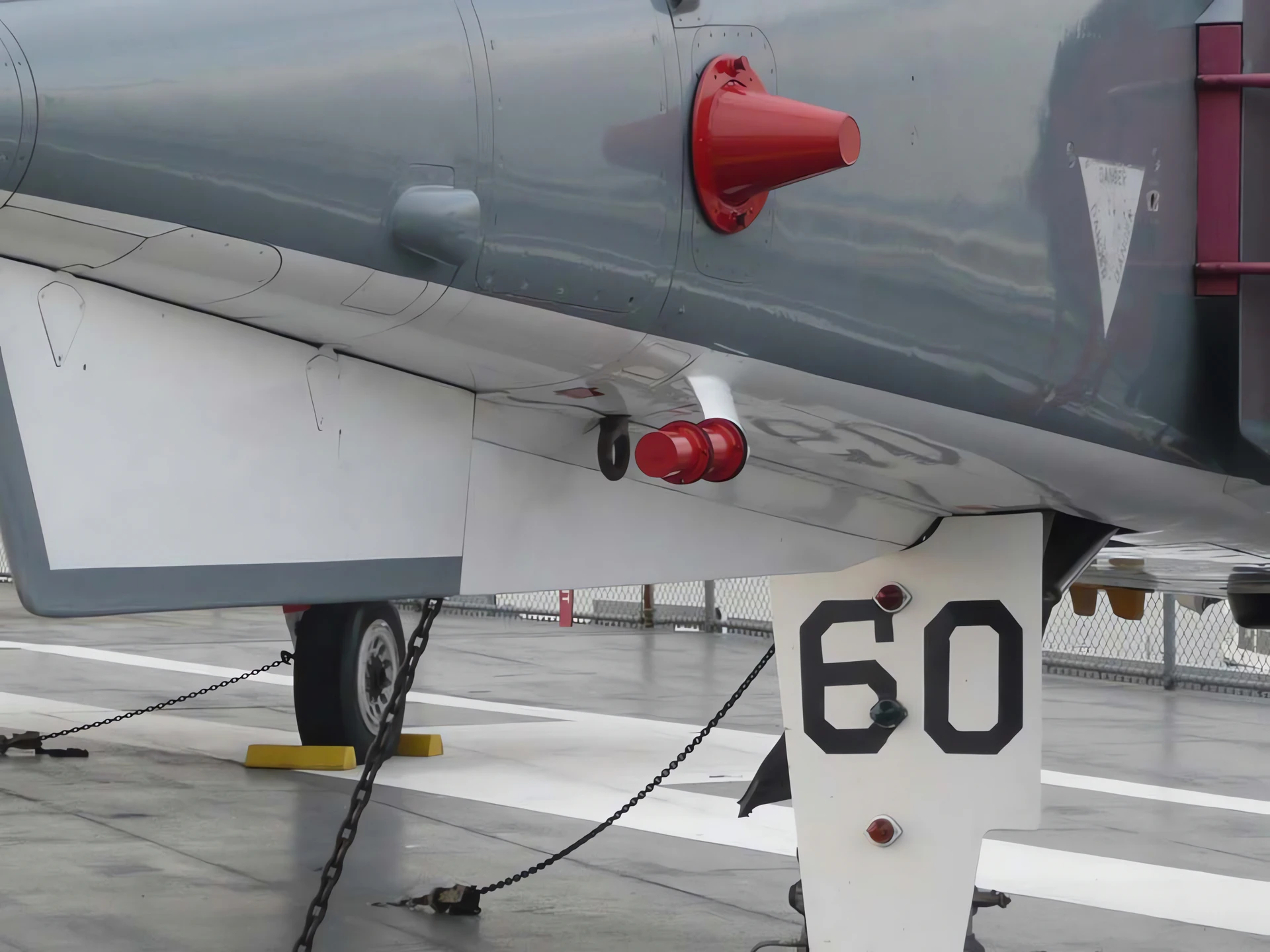
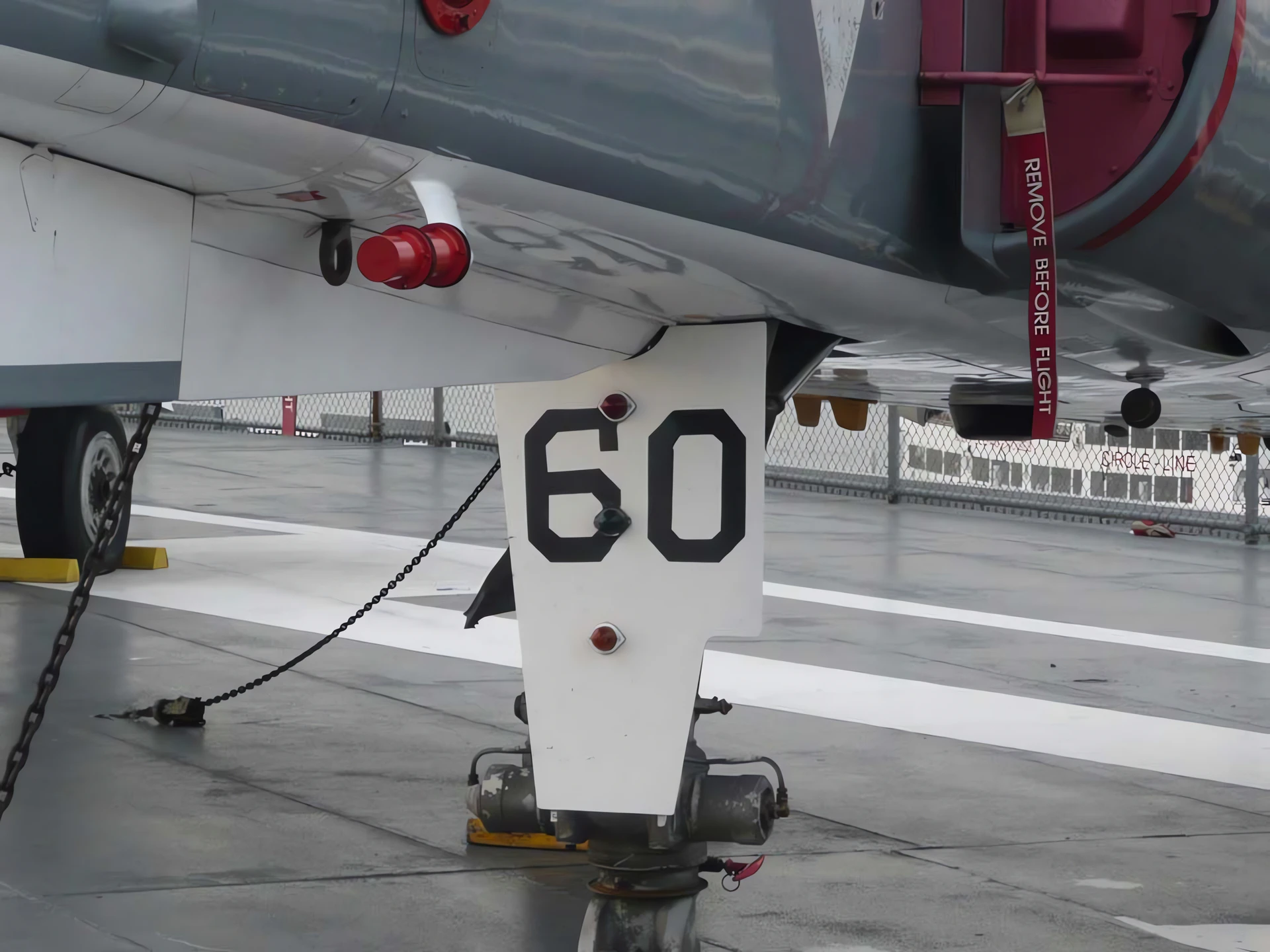
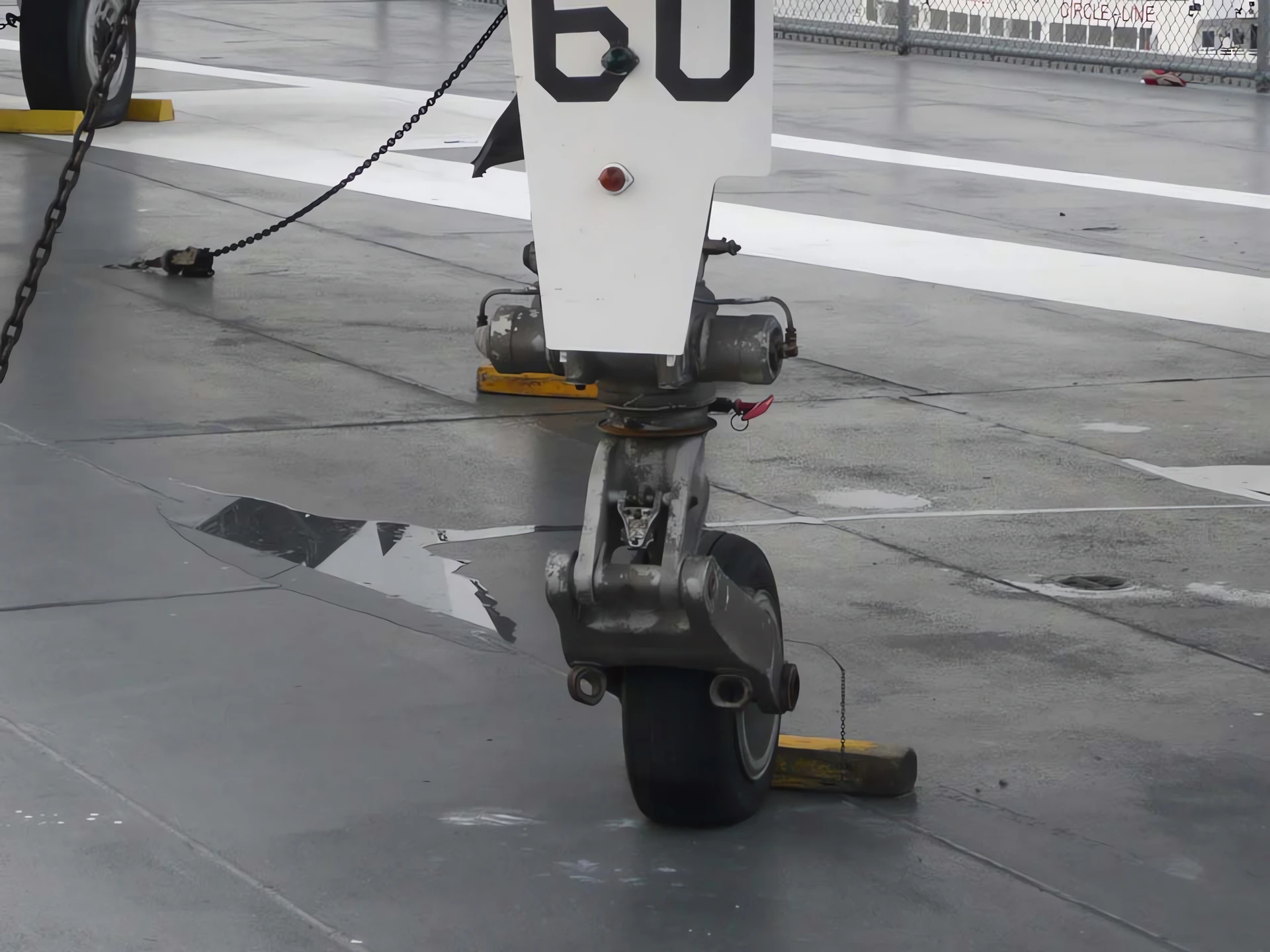
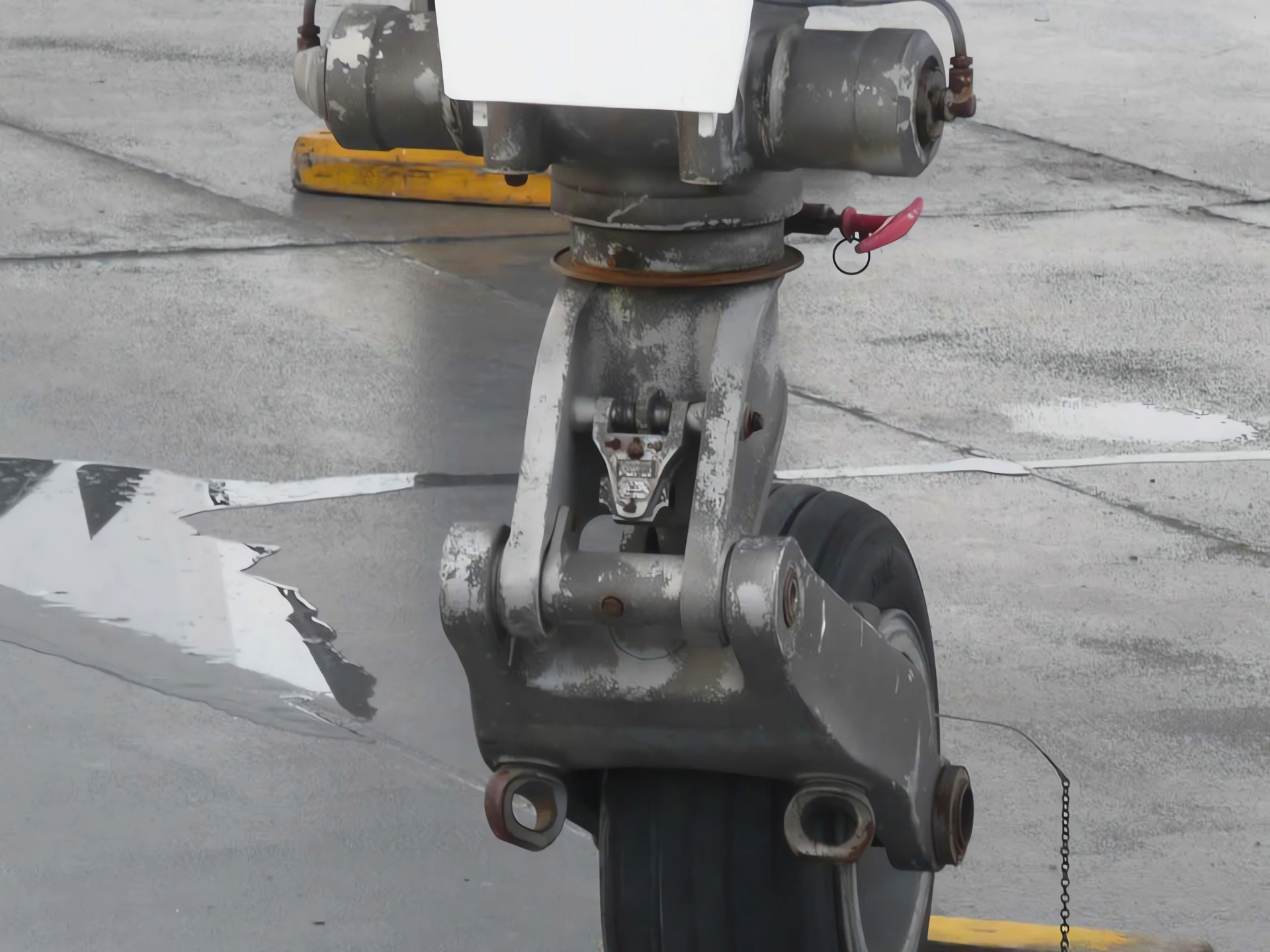
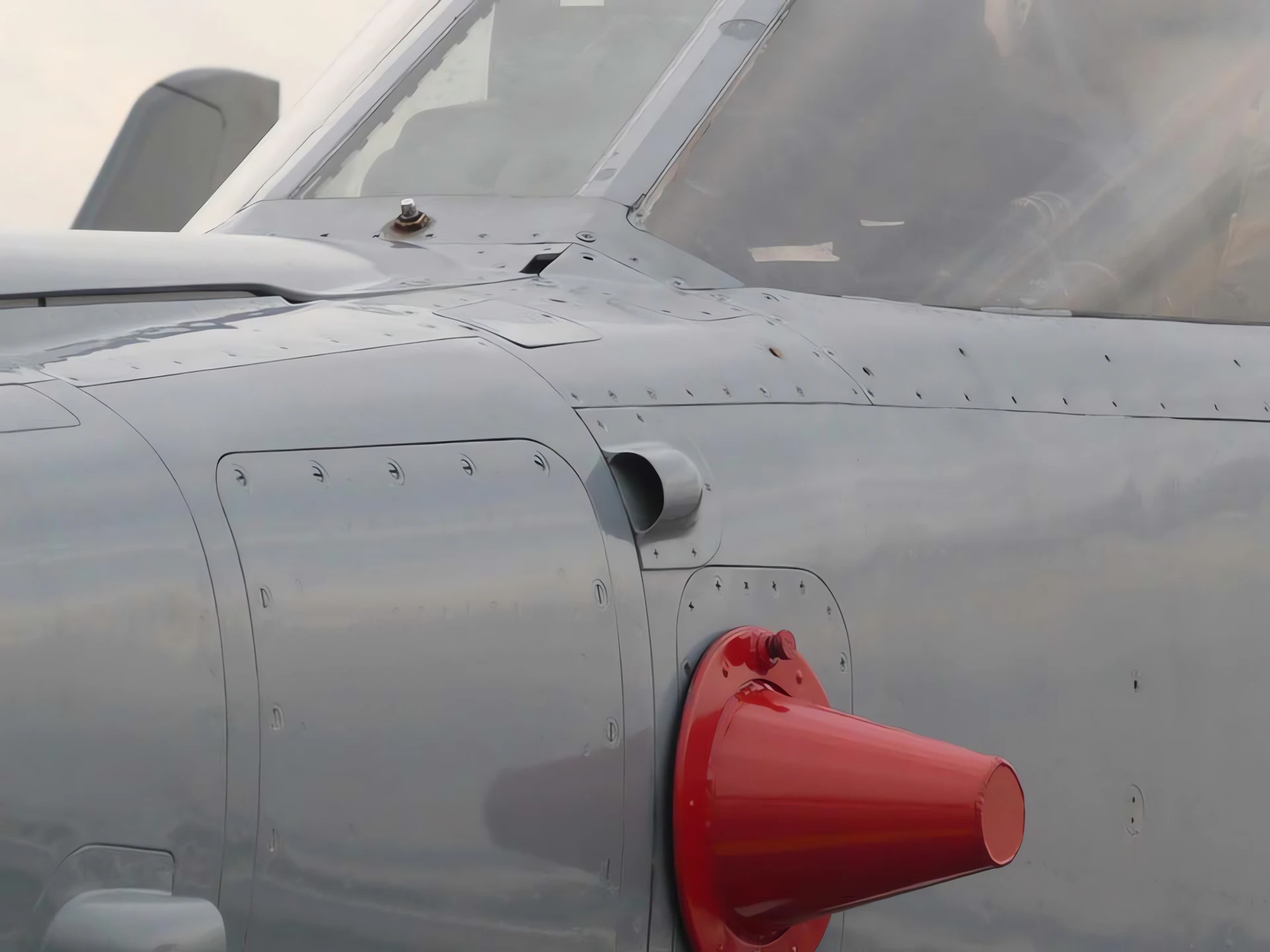
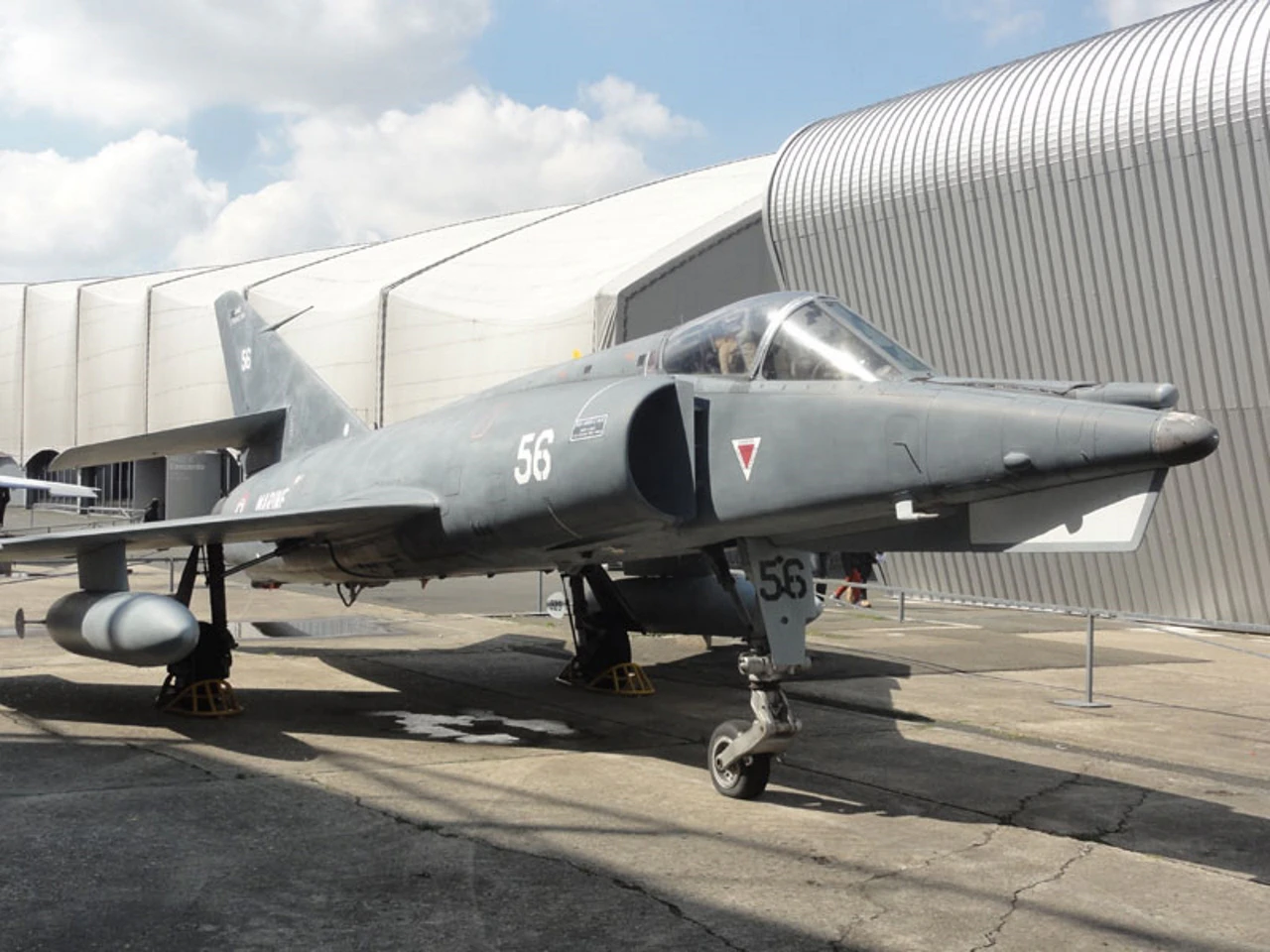
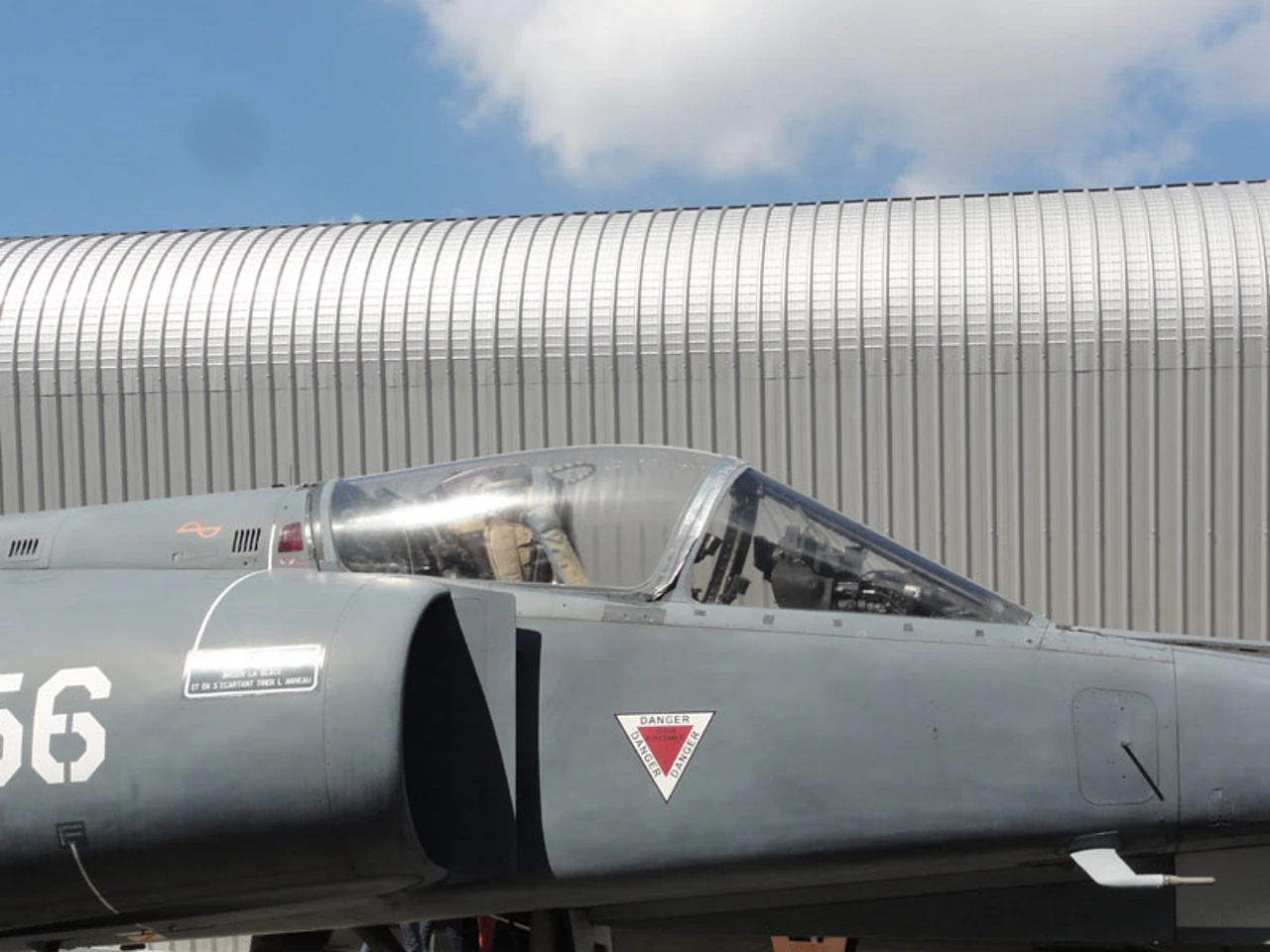
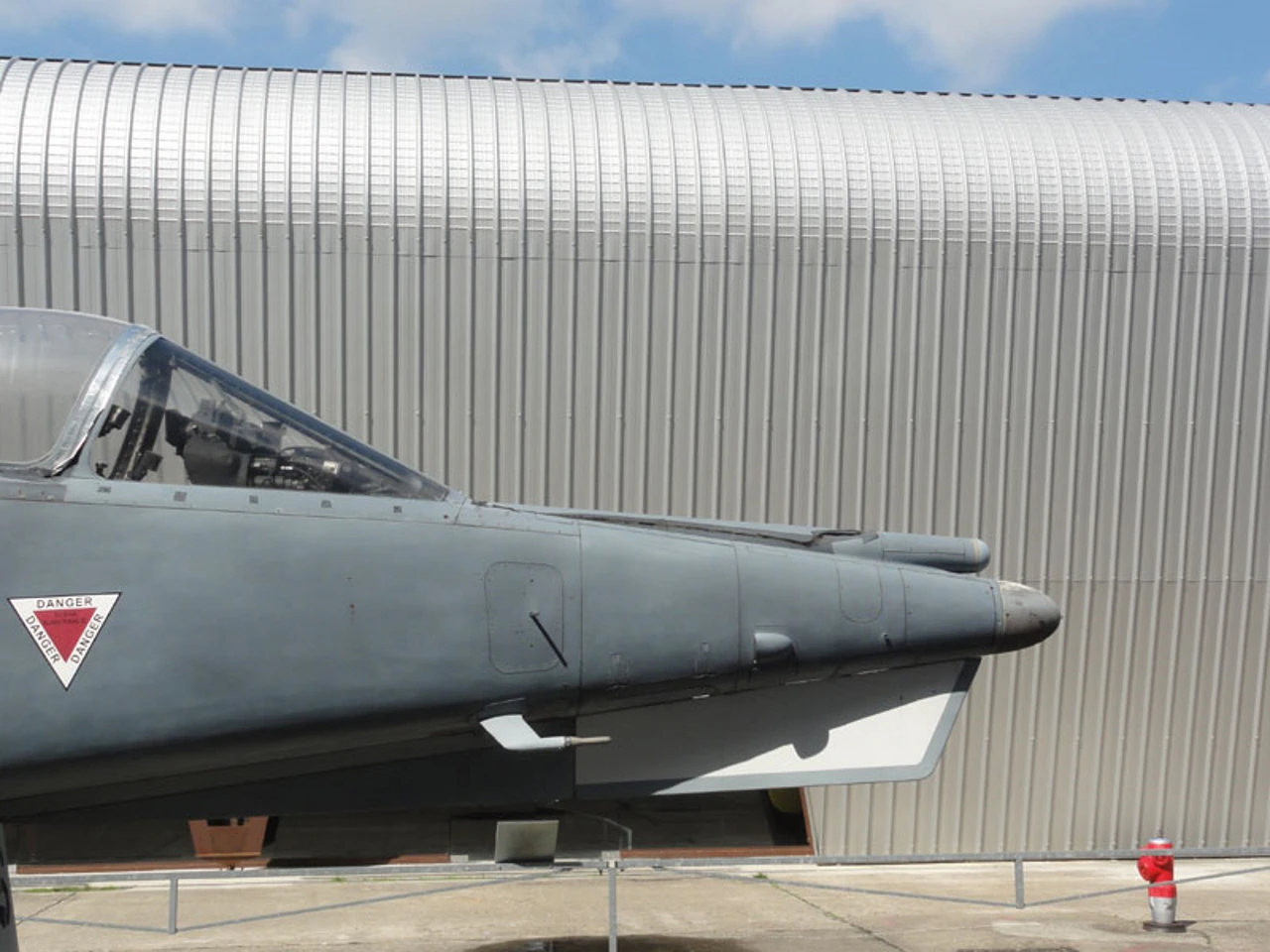
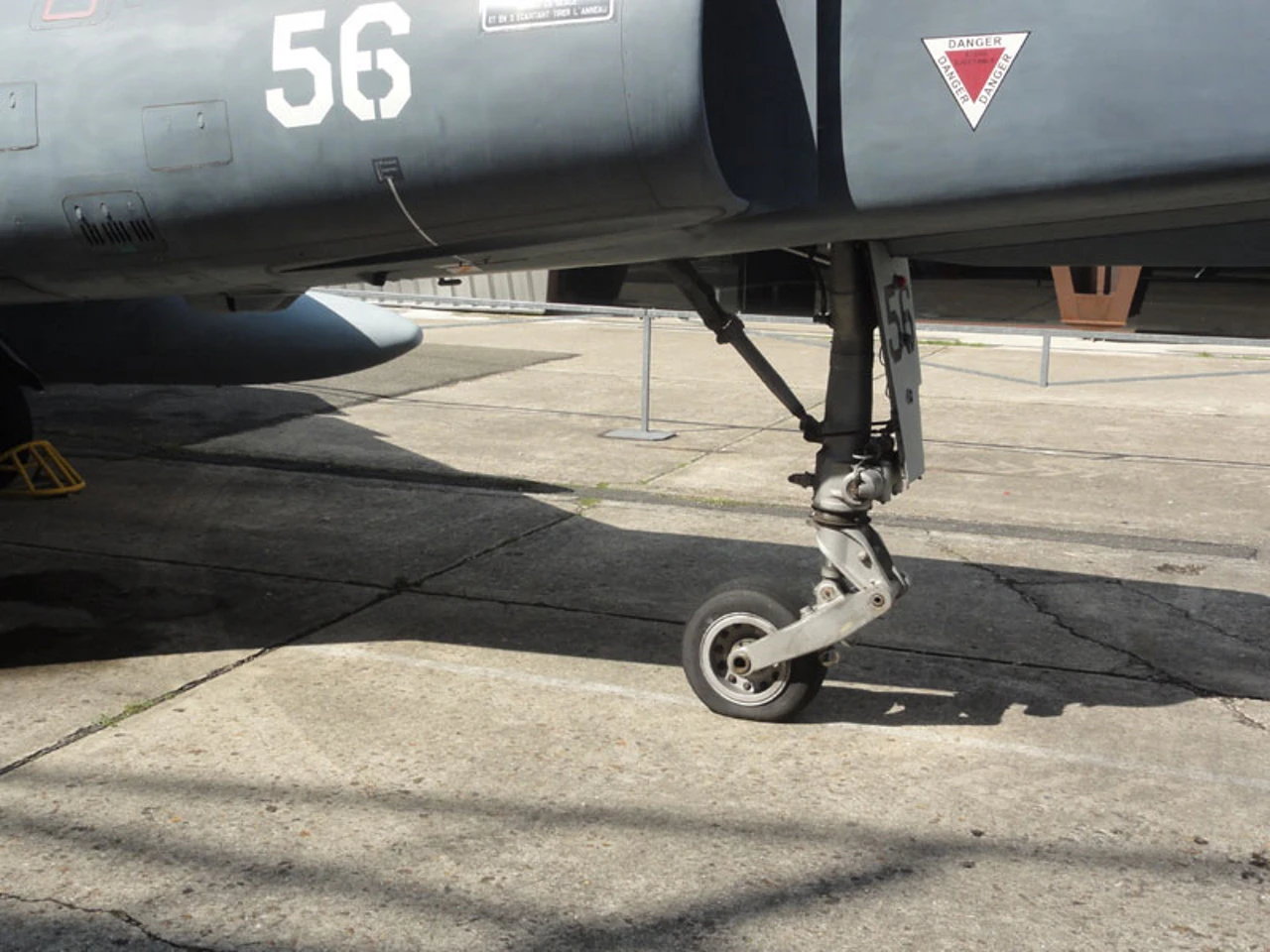
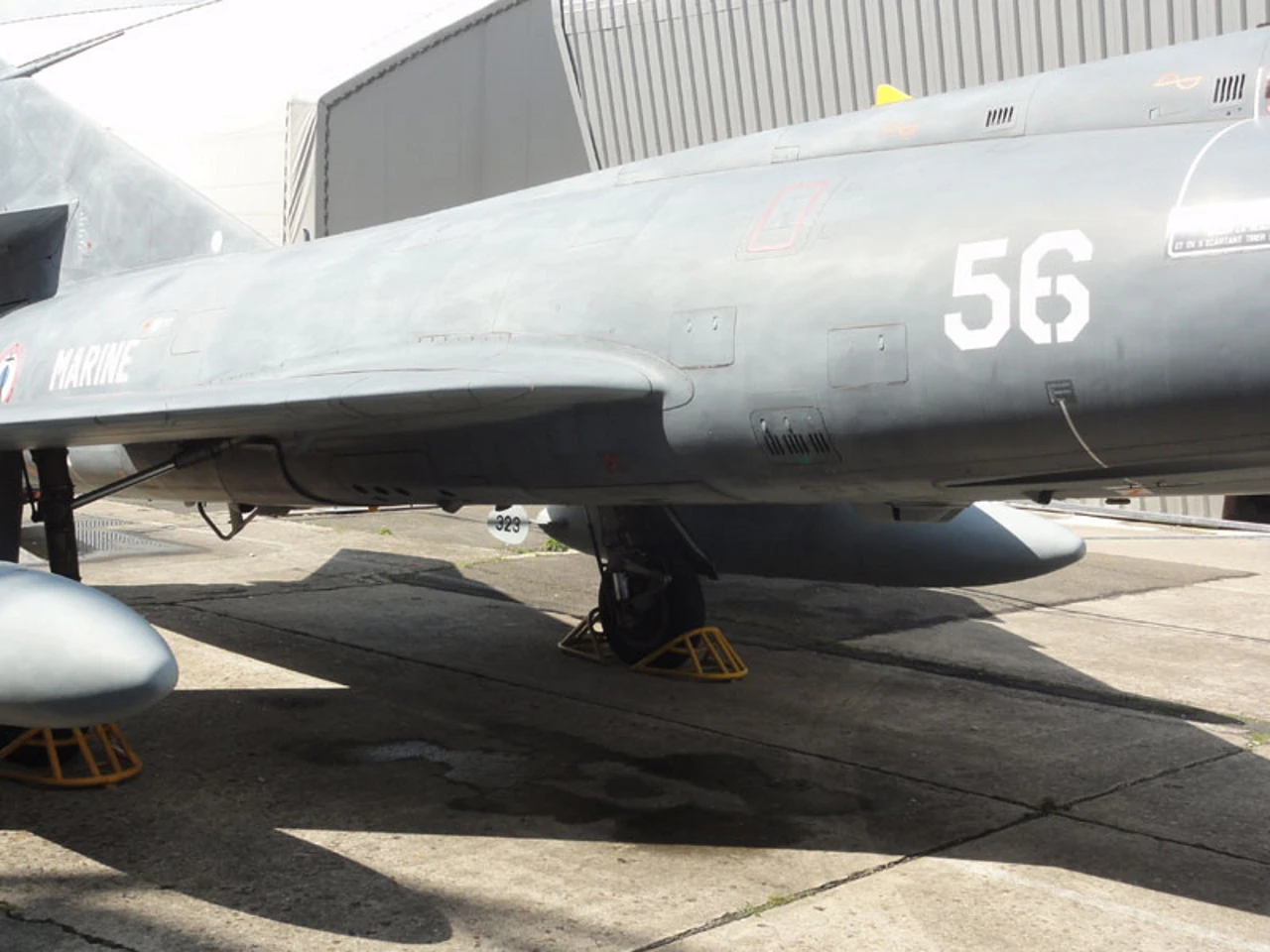
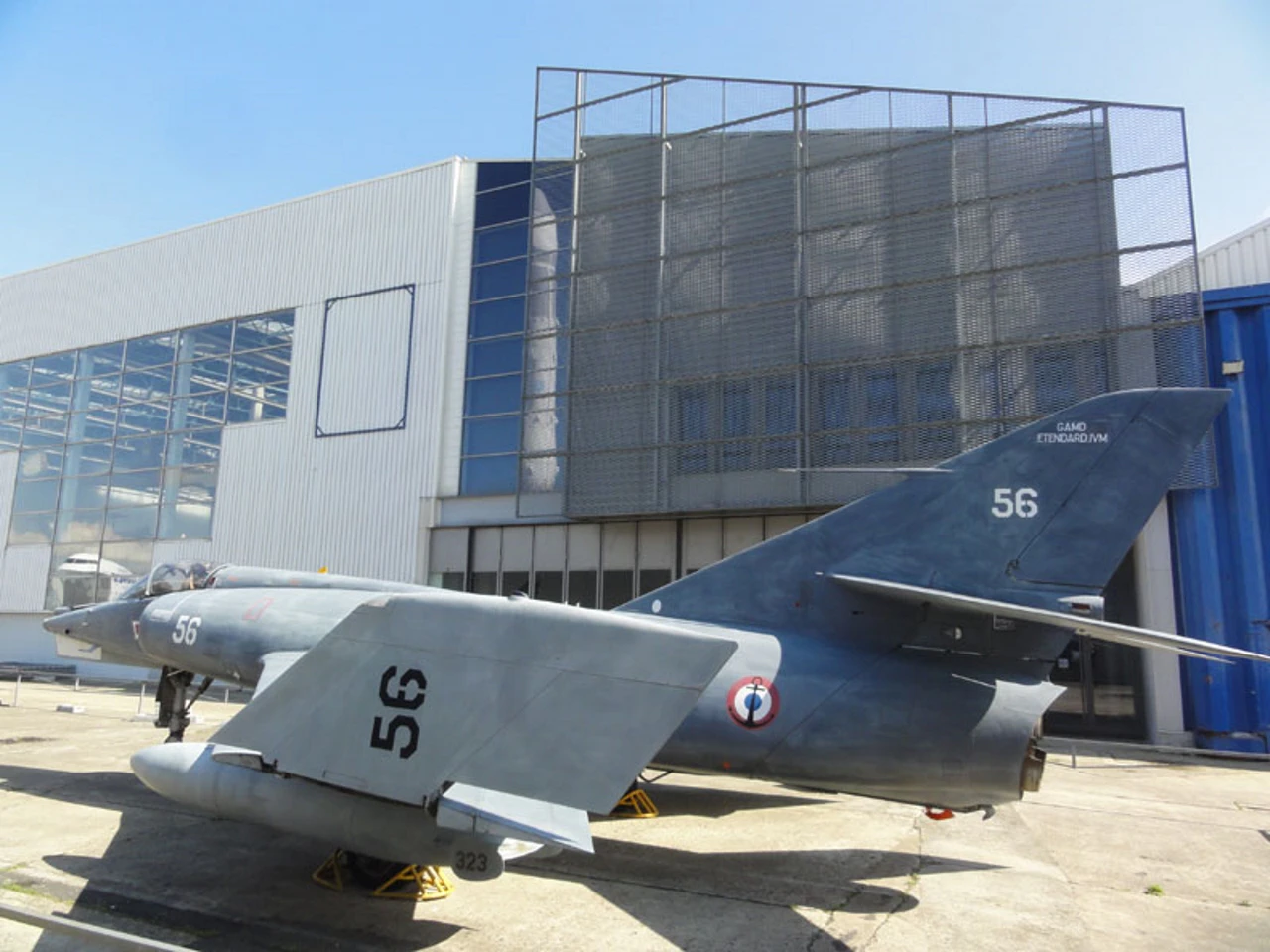
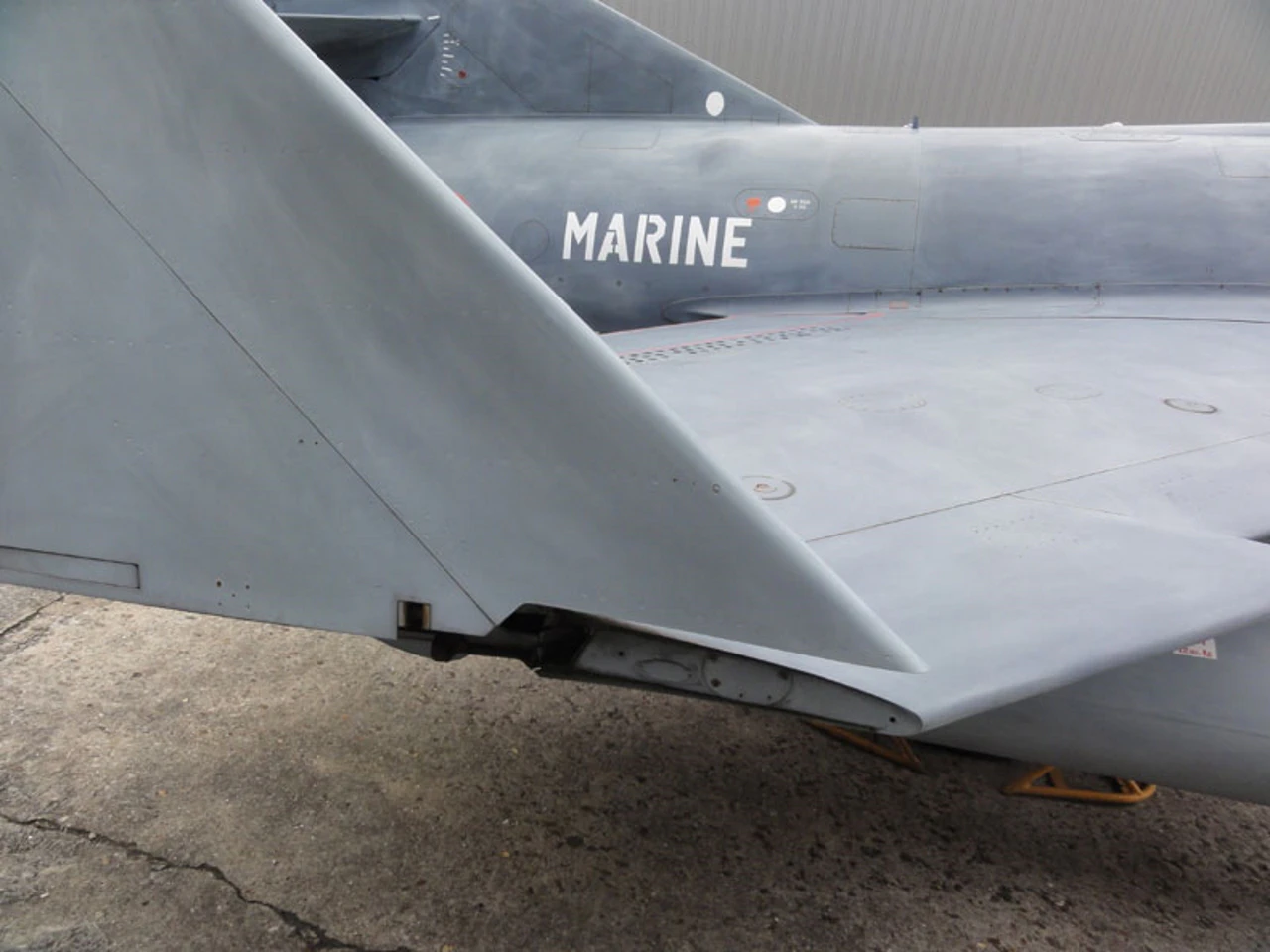
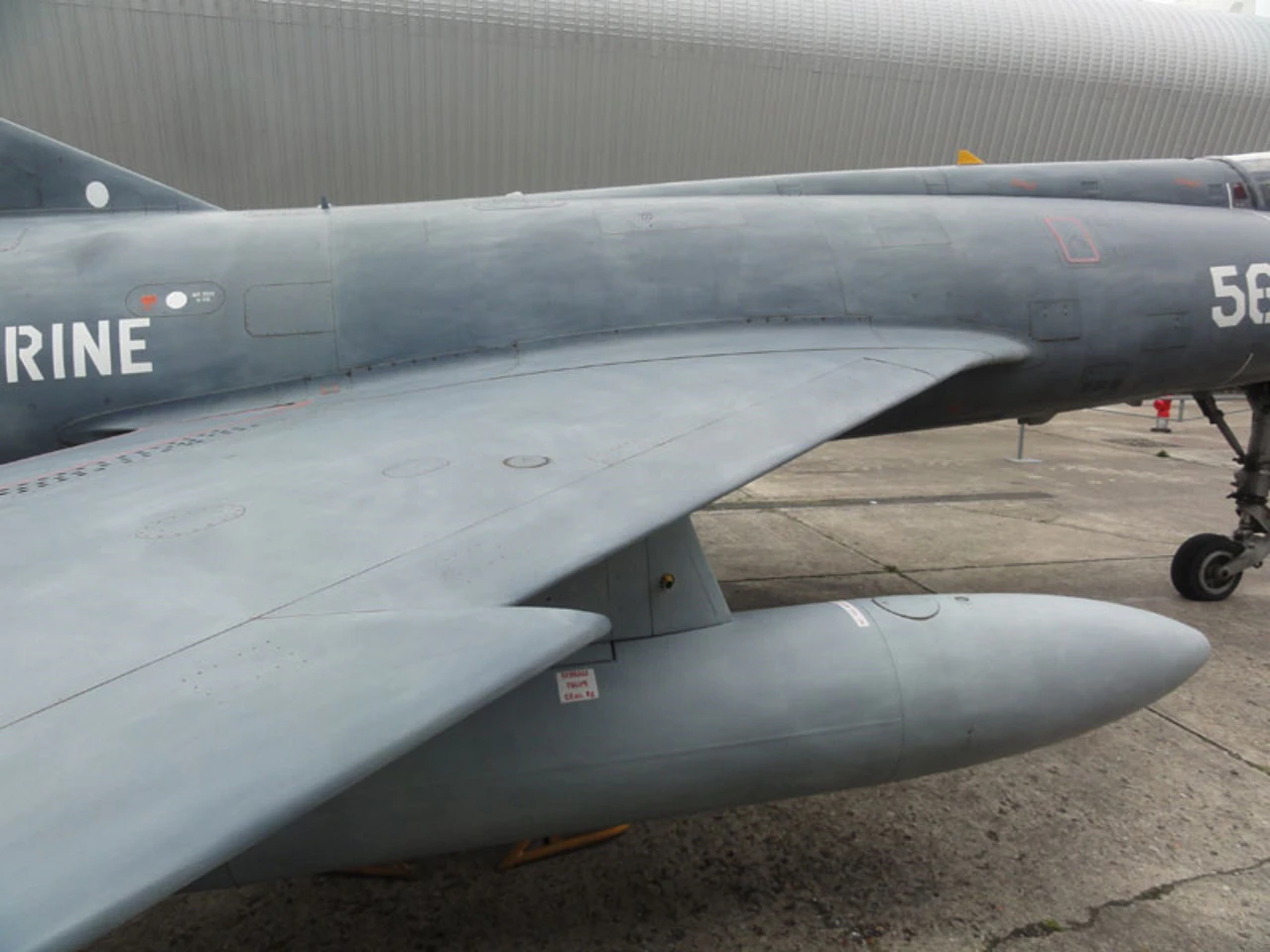
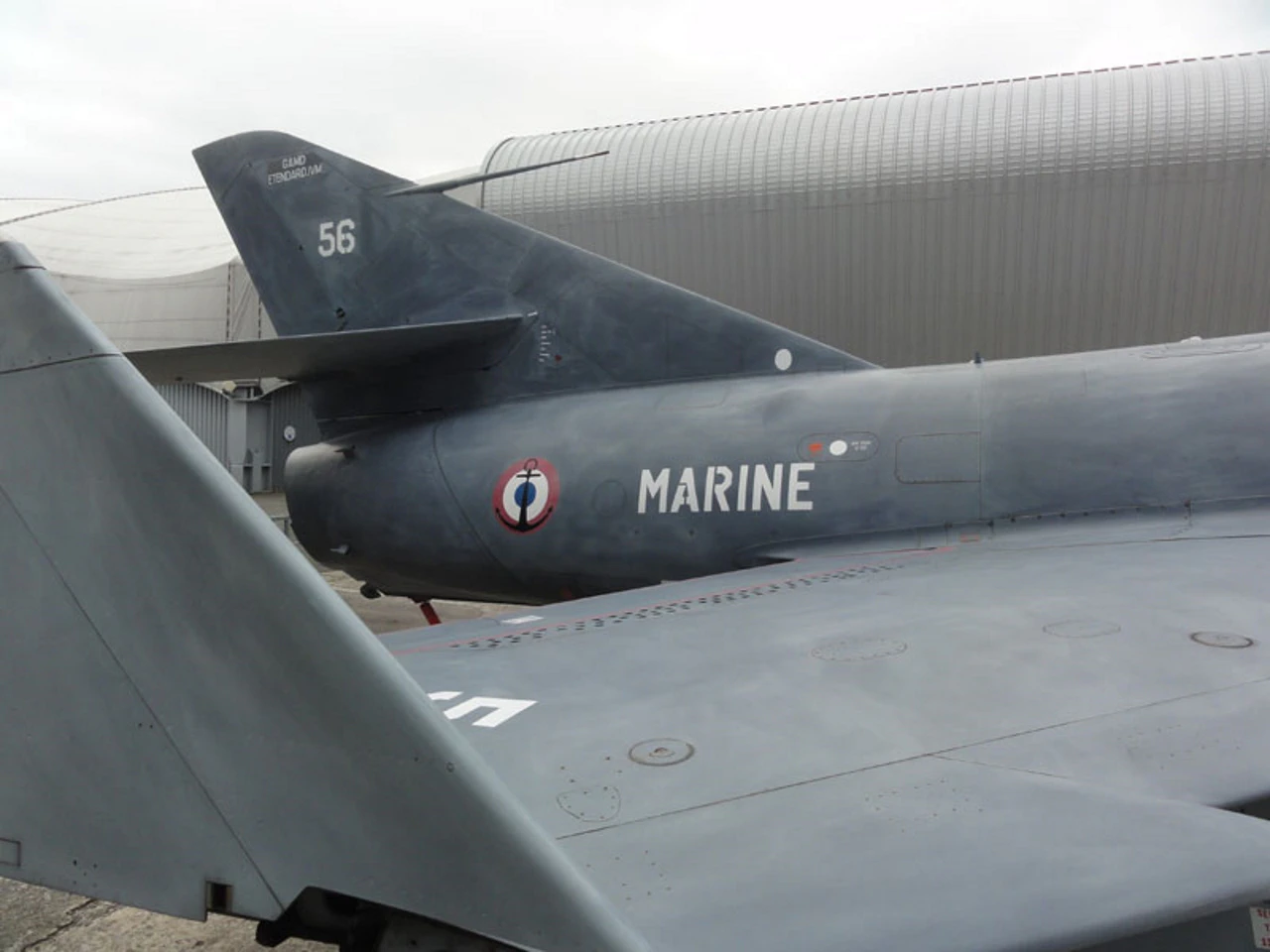
Bildegalleri av en Dassault Etendard IV M,
The Dassault Étendard IV was a subsonic carrier-borne strike fighter aircraft, which entered service with the French Navy in 1962. It served as the basis for the more advanced Dassault-Breguet Super Étendard. During the 1970s, it had been intended to replace the Étendard IV with a navalised version of the SEPECAT Jaguar, designated as the Jaguar M, however development of the Jaguar M was cancelled and shortly replaced by the Super Étendard. The Étendard IV was progressively withdrawn during the 1980s and finally retired from service with its sole operator in 1991.Étendard IVM:
Single-seat Maritime strike fighter aircraft for the French Navy.
Den Dassault Étendard IVMwas a landmark achievement for the French aerospace industry. Entering service in 1962, it was the first carrier-borne jet fighter developed entirely in France to reach operational status. Designed to operate from theClemenceau-class aircraft carriers, the Étendard (meaning “Standard” or “Banner”) provided the French Navy with a rugged, multi-role platform capable of interception, ground attack, and reconnaissance. Though it was transonic rather than a Mach 2 powerhouse, its excellent low-speed handling made it an ideal “deck-runner” for the relatively small French carriers.
Attribute
Technical Specification (Étendard IVM)
Rolle
Carrier-based Strike Fighter
Mannskapet
1 (Pilot)
Kraftverk
1 × SNECMA Atar 08B turbojet
Thrust
9,700 lbf (43.16 kN)
Maximum Speed
1,099 km/h (683 mph / Mach 0.97)
Combat Radius
300 km (190 miles) / Ferry: 2,100 km
Service Ceiling
15,500 m (50,900 ft)
Bevæpning
2 × 30mm DEFA cannons; 1,360 kg (3,000 lb) of bombs/missiles
Design Engineering: Navalization and the “S” Snout
The SNECMA Atar:Unlike many contemporary jets that used afterburners, the IVM used a non-afterburning Atar 08B. While this limited its top speed, it simplified maintenance and improved fuel efficiency for long patrols over the Mediterranean and Atlantic.
Carrier-Specific Gear:The “M” in IVM stood forMarine. It featured high-pressure tires, a strengthened airframe to withstand catapult launches, and a massive, distinctive arrestor hook. Its folding wingtips allowed it to be packed tightly into carrier hangars.
The Étendard IVP:A specialized reconnaissance variant, the IVP, was developed simultaneously. It replaced the cannons with five cameras in a redesigned “long nose” and featured a permanent refueling probe, allowing it to act as a “buddy tanker” for other jets.
Dogtooth Leading Edge:The wings featured a “dogtooth” or “sawtooth” extension on the leading edge. This improved airflow over the wing at high angles of attack, crucial for the slow, dangerous approach to an aircraft carrier’s deck.
Combat History: From Lebanon to the Adriatic
Operation Olifant (1983):During the Lebanese Civil War, Étendards from the carrierFochconducted strike missions against battery positions in the Bekaa Valley after French peacekeepers were attacked.
Longevity over the Super Étendard:Interestingly, the reconnaissance IVP version outlived the fighter version by decades. While the strike role was taken over by theSuper Étendardin the 1970s, the IVP remained the French Navy’s primary “eye in the sky” until 1991.
The Adriatic Missions:During the Yugoslav Wars in the early 1990s, the aging Étendard IVPs performed high-risk photo-reconnaissance missions over Bosnia, proving their worth one last time before retirement.
Legacy of the Delta:The design lessons learned from the Étendard—particularly in low-speed naval aerodynamics—led directly to the development of the Super Étendard, which famously used the Exocet missile to change the face of naval warfare.

 Kjøp meg en kaffe

 Dassault Mystère IV – Photos & Video
 Dassault Falcon 2000 - Bilder og videoer
 Dassault MD 315 Flamant - Bilder og videoer
 Dassault Mystere - Bilder og video
 Dassault Mirage 4000 - Bilder og video
 Dassault Mirage F.1 - Bilder og video
 Dassault Super Mystere B.2 - Bilder og video
 Dassault Mirage III-O - Bilder og video
 Dassault / Dornier Alpha Jet – WalkAround
 Dassault Rafale M – WalkAround