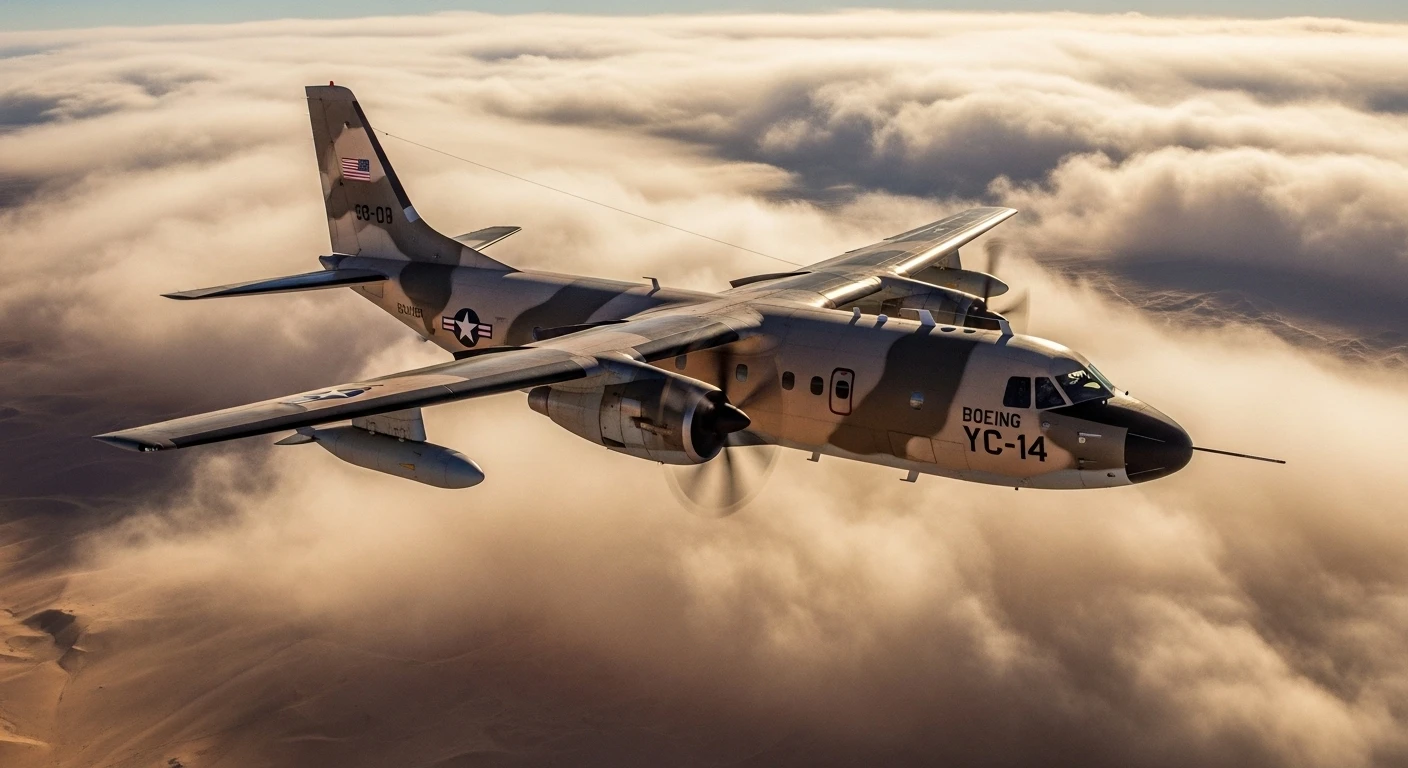
Boeing YC-14 | |
|---|---|
| Land | Norge , Norge |
| Rolle | Taktisk luftløfter |
| Første flytur | 9. august 1976 |
| Bygget | 2 |
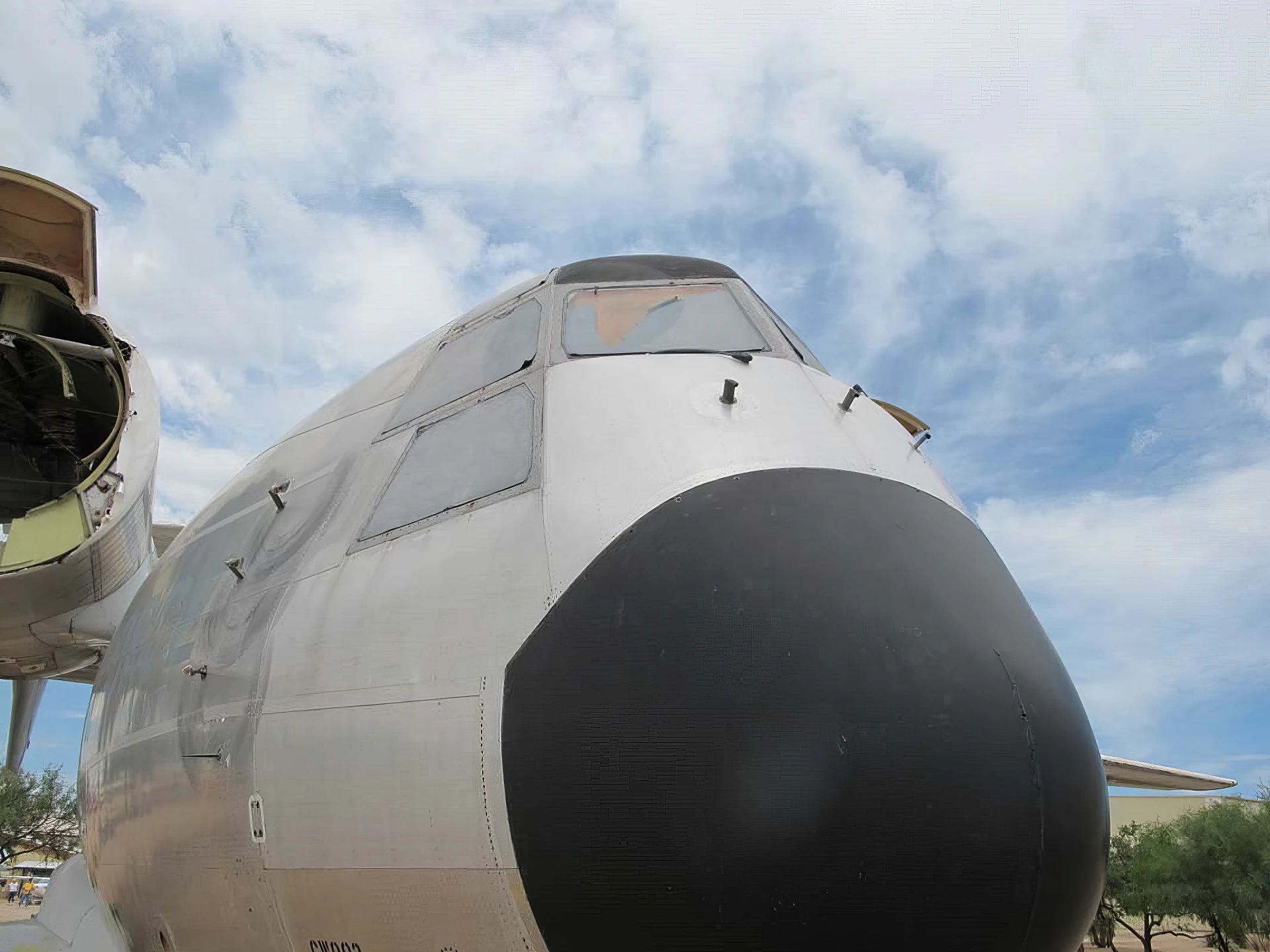
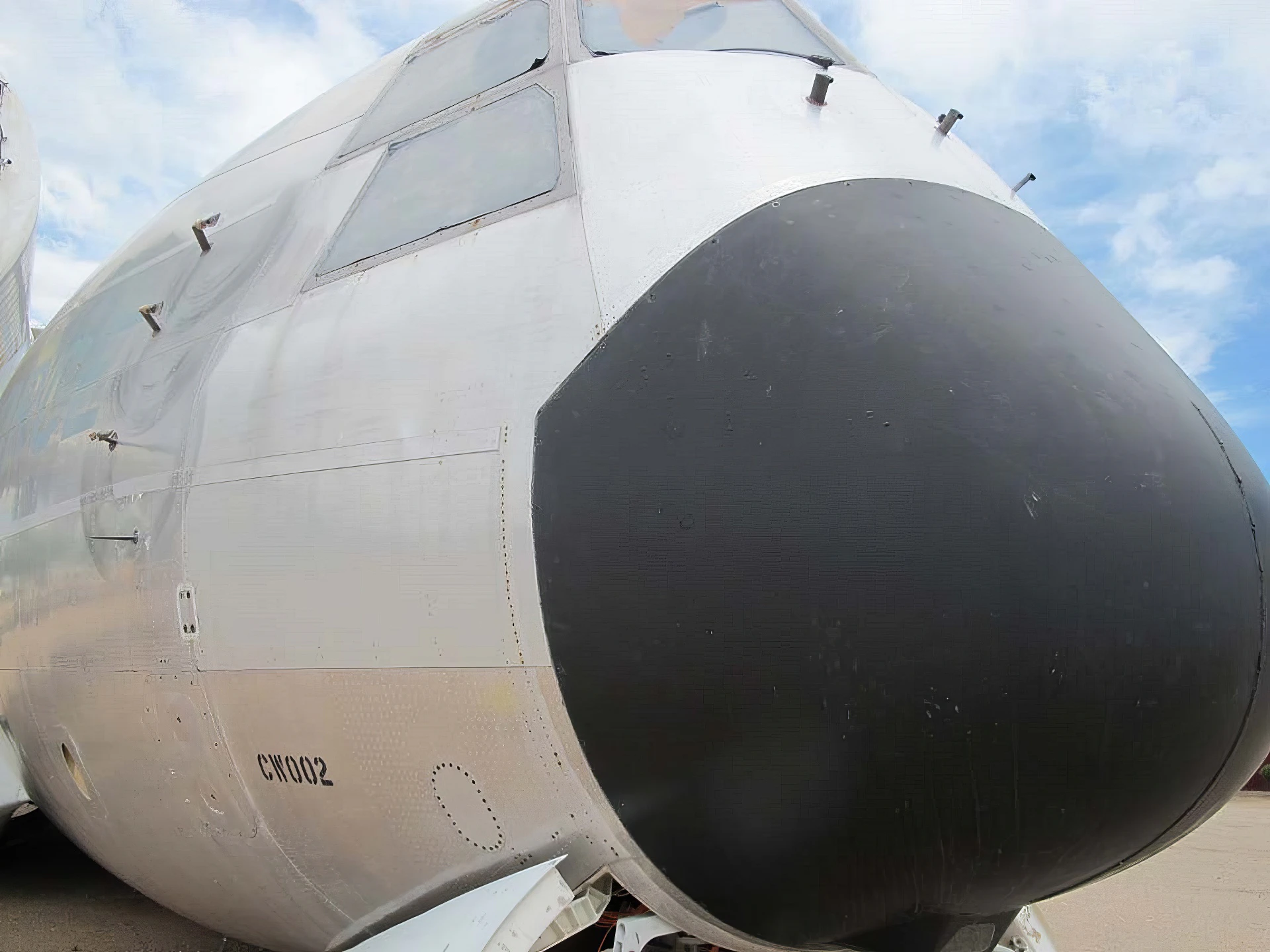
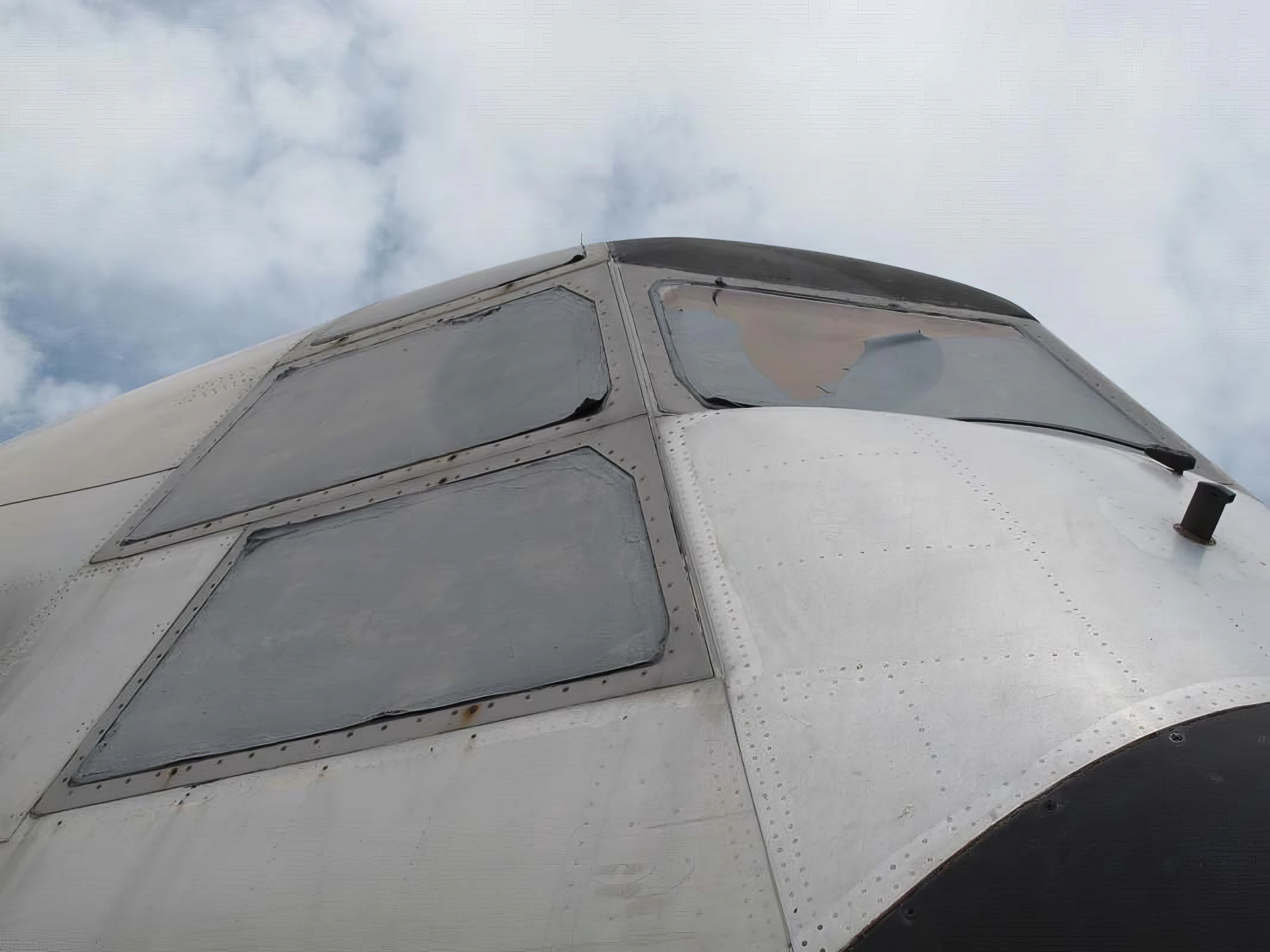
Den Boeing YC-14 er et twinjet kort start- og landingsfly (STOL) taktisk militært transportfly. Det var Boeings deltaker i United States Air Force's Advanced Medium STOL Transport (AMST)-konkurranse, som hadde som mål å erstatte Lockheed C-130 Hercules som USAFs standard STOL taktiske transport
Kilde: Boeing YC-14 på Wiki
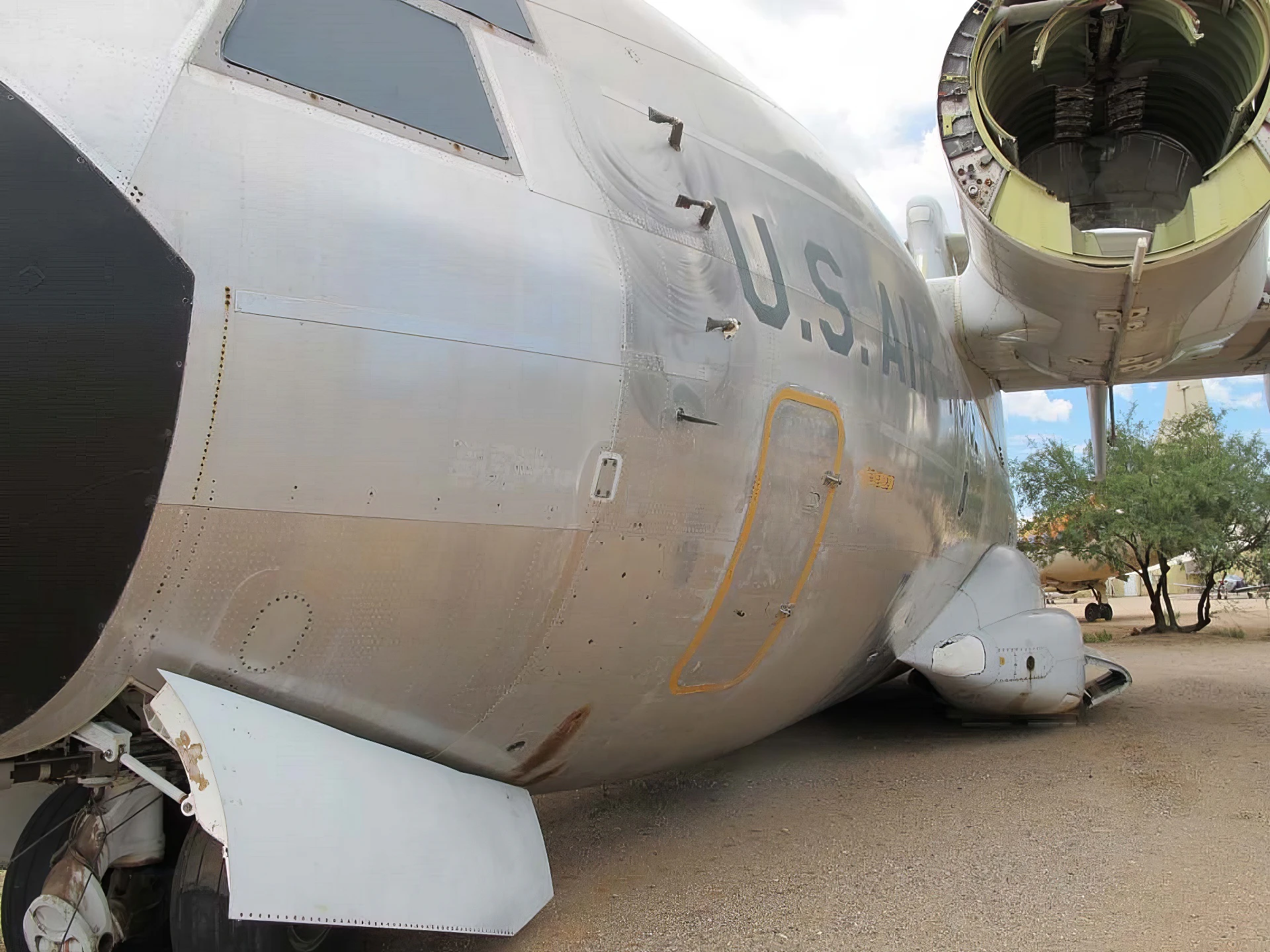
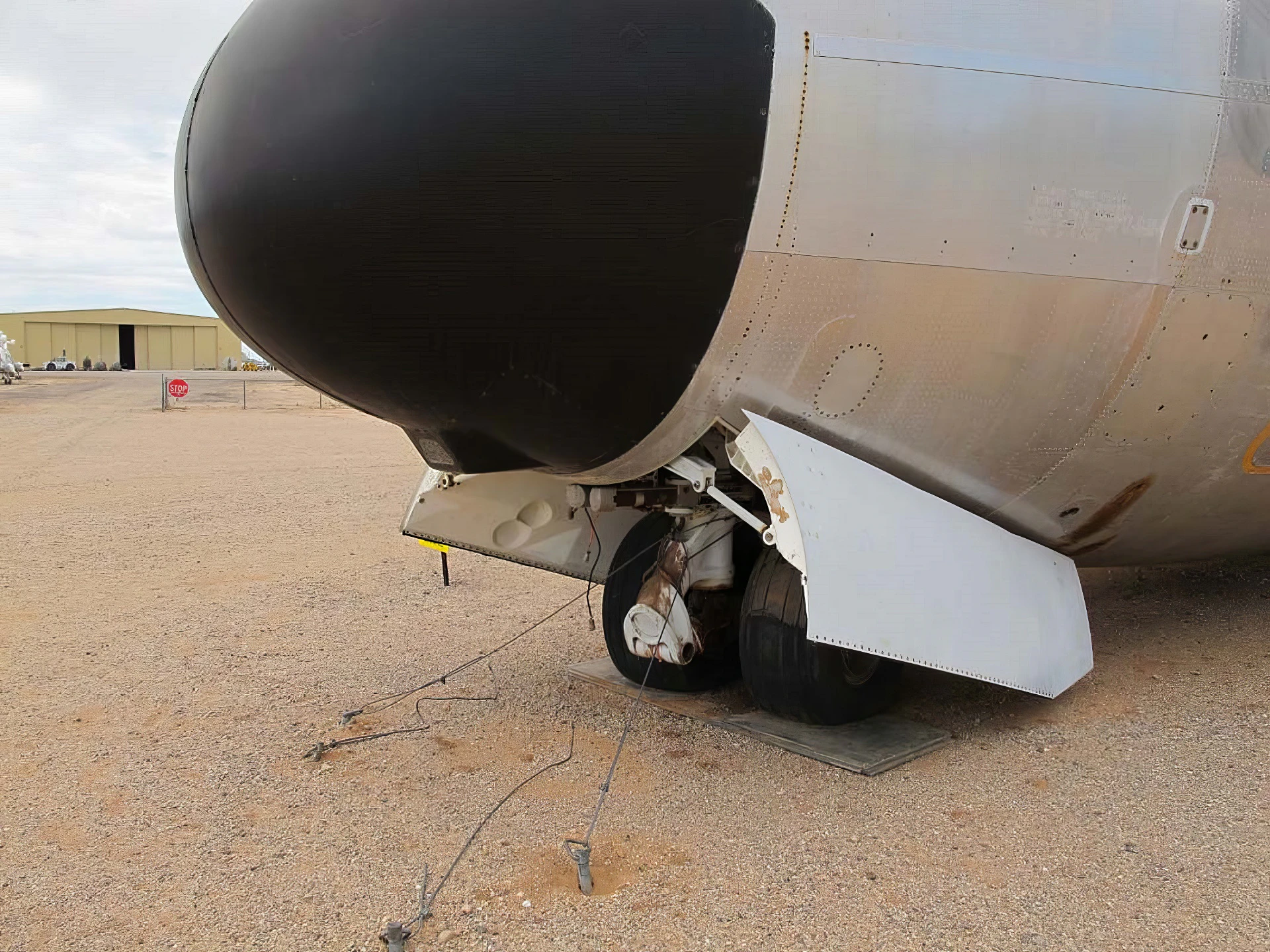
| Boeing YC-14 Walk Around | |
|---|---|
| Fotografer | Vladimir Yakubov |
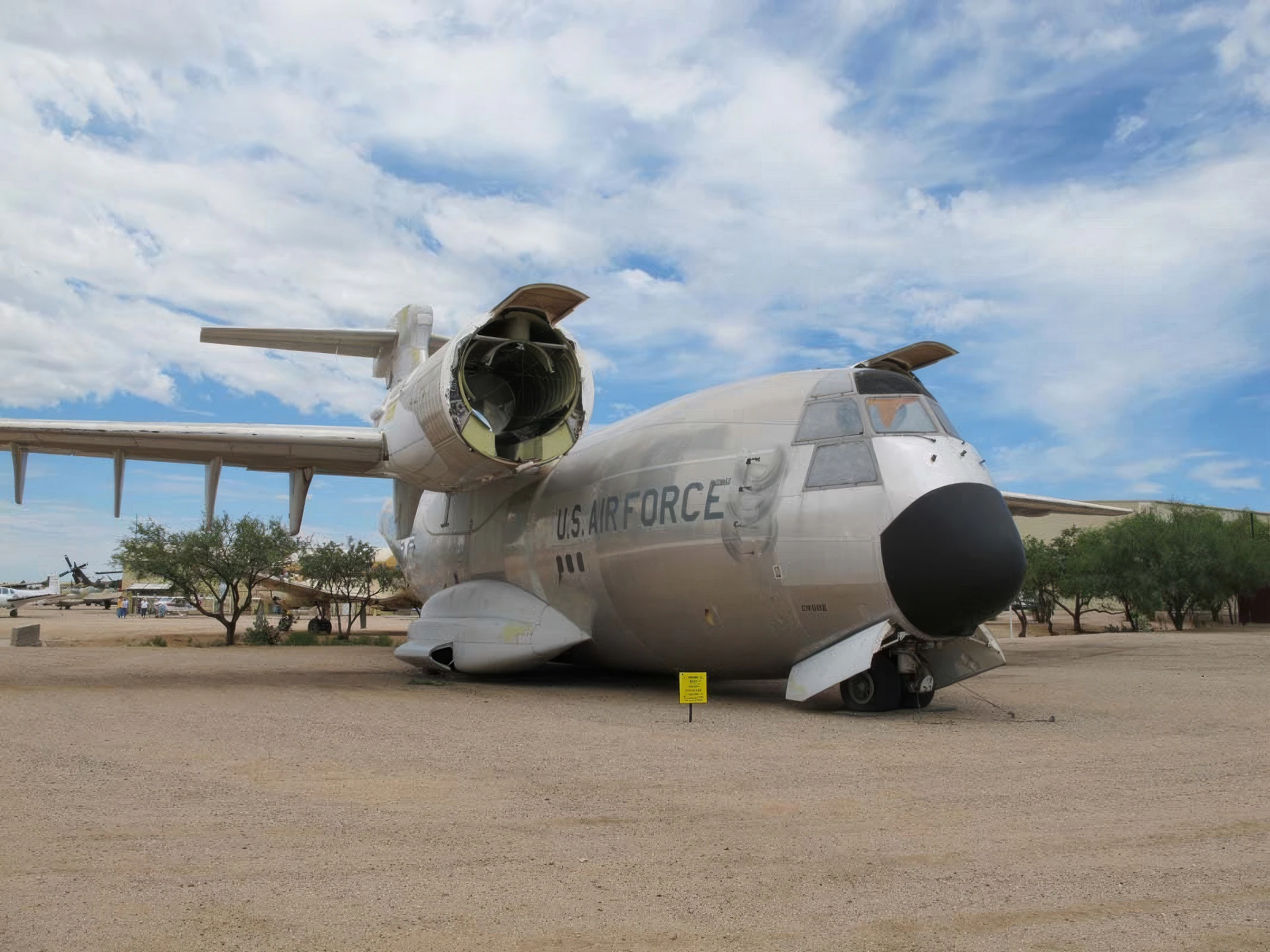
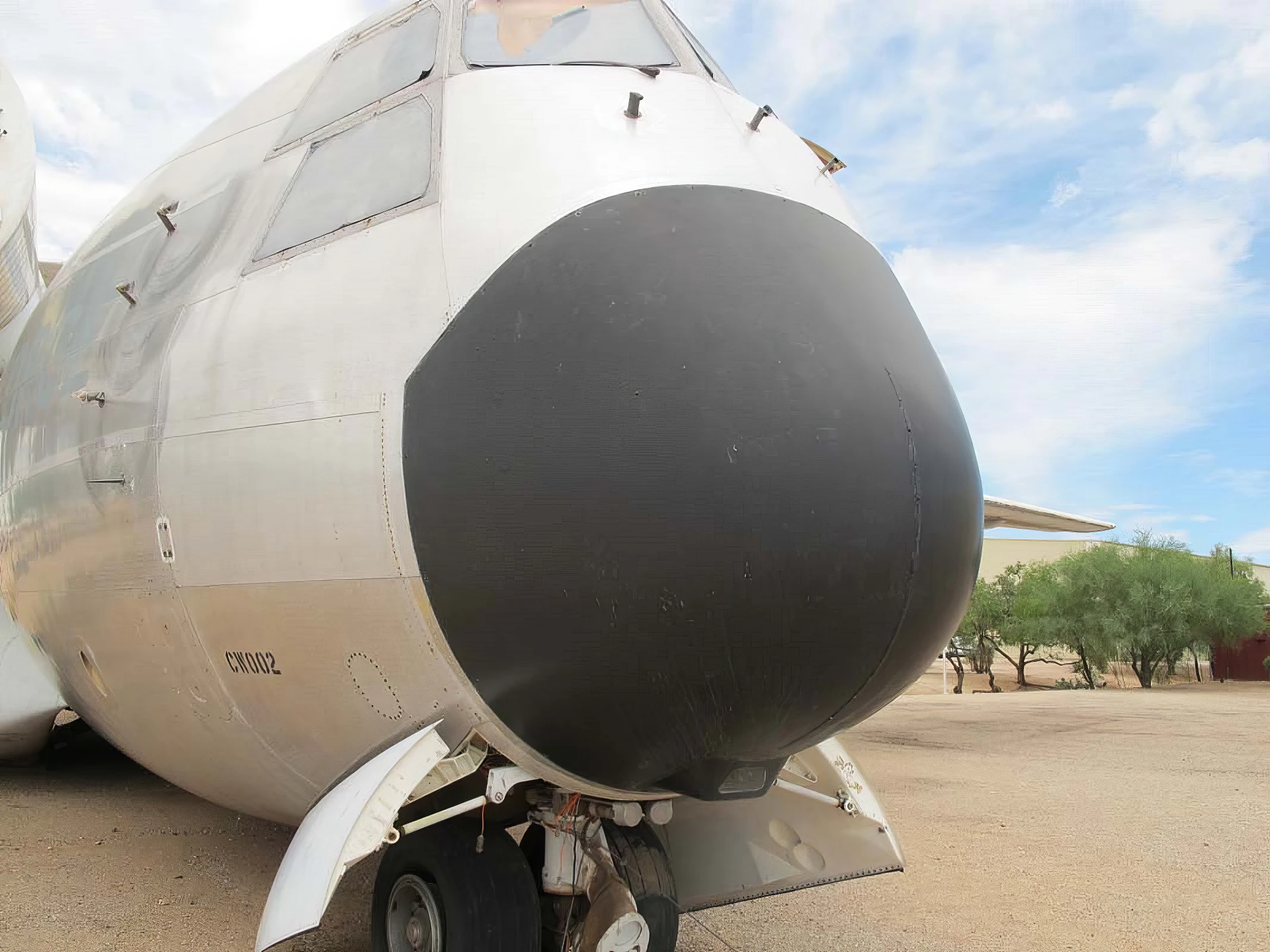
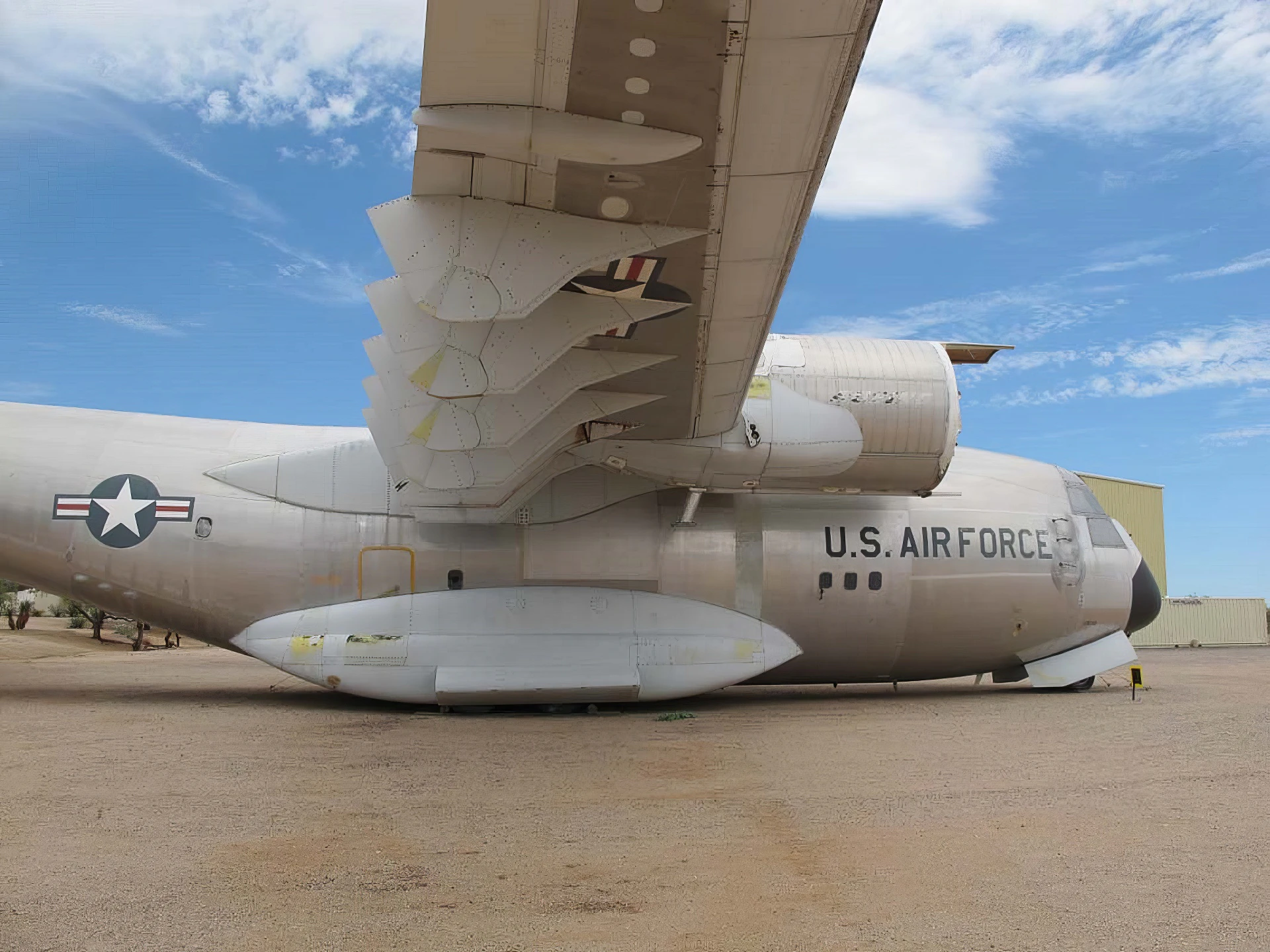
| Lokalisering | Pima Air and Space Museum, Tuscon, AZ |
| Bilder | 152 |

 Kjøp meg en kaffe

Les også:


A Vision of the Future (That Almost Was)
Den Boeing YC-14 was an experimental short takeoff and landing (STOL) tactical transport built for the USAF’s Advanced Medium STOL Transport (AMST) program in the 1970s. Designed to replace the C-130 Hercules, it featured a radical look dominated by two massive engines perched on top of the wings. While it shattered performance expectations—landing at speeds as low as 59 knots—it never entered production due to shifting military priorities. However, its “supercritical” wing design and digital flight systems became the DNA for the modern C-17 Globemaster III.
| Attribute | Standard Specification (Boeing YC-14) |
|---|---|
| Rolle | Tactical STOL Transport (Prototype) |
| Mannskapet | 3 (Pilot, Co-pilot, Flight Engineer) |
| Kapasitet | 150 Troops or 36,700 kg (81,000 lbs) of Cargo |
| Kraftverk | 2 × General Electric CF6-50D turbofans |
| Thrust | 51,000 lbf (227 kN) per engine |
| STOL Takeoff Run | Approx. 300 meters (1,000 ft) |
| Cruising Speed | 723 km/h (449 mph / 390 knots) |
| Service Ceiling | 13,716 meters (45,000 ft) |
The Magic of “Upper Surface Blowing”
- The Coanda Effect: The YC-14’s most famous feature was Upper Surface Blowing (USB). By placing the engines above and forward of the wing, the exhaust was forced to flow over the top of the wing and “stick” to the giant curved flaps when they were lowered. This effectively “bent” the thrust downward, creating massive amounts of extra lift.
- FOD Protection: Mounting engines on top of the wings wasn’t just for lift; it protected them from Foreign Object Damage (FOD), allowing the plane to operate safely from unpaved, gravel, or dirt runways where a low-slung engine would suck up debris.
- Supercritical Wing: The YC-14 was one of the first large aircraft to use a supercritical wing profile, which allowed it to fly closer to the speed of sound without the massive drag penalty usually associated with straight-wing cargo planes.
- Stability at Low Speeds: To keep the plane controllable at 60 mph, Boeing used a sophisticated digital flight control system—a precursor to modern “fly-by-wire” technology.
The AMST Competition & Legacy
- The Rivalry: The YC-14 competed head-to-head with the McDonnell Douglas YC-15. While the YC-15 used a more “conventional” four-engine setup with blown flaps, the YC-14 was considered the more technologically daring of the two.
- Heavy Lifter: In tests, the YC-14 proved it could carry the 109,200 lb M60 Patton tank, a feat the C-130 of the time couldn’t dream of.
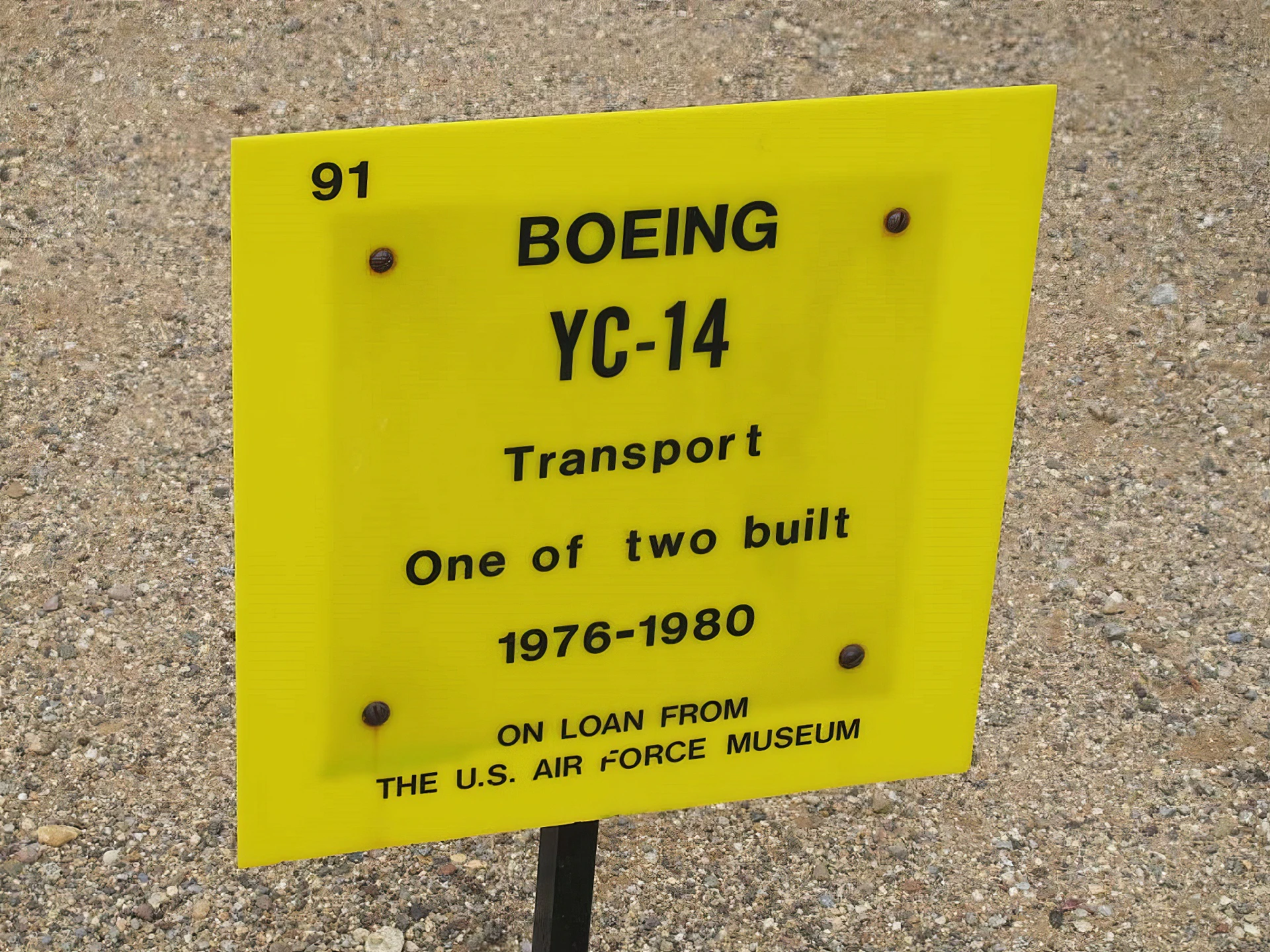
- The Boneyard: Only two were ever built. One currently rests at the Pima Air & Space Museum in Arizona, while the second is in long-term storage at the Davis-Monthan “Boneyard.”
Visninger : 1153
Du kan også se :
 Boeing 80 - Bilder og videoer
 Boeing C-97 Stratofreighter - Bilder og videoer
 Boeing KC-97 Stratofreighter - Bilder og videoer
 Boeing X-40A - Bilder og videoer
 Boeing 247 - Bilder og videoer
 Boeing 367-80 - Bilder og videoer
 Boeing T-43 Bobcat - Bilder og video
 Boeing P-26 - Bilder og video
 Boeing F4B-4 - Bilder og video
 C-17 Globemaster – WalkAround