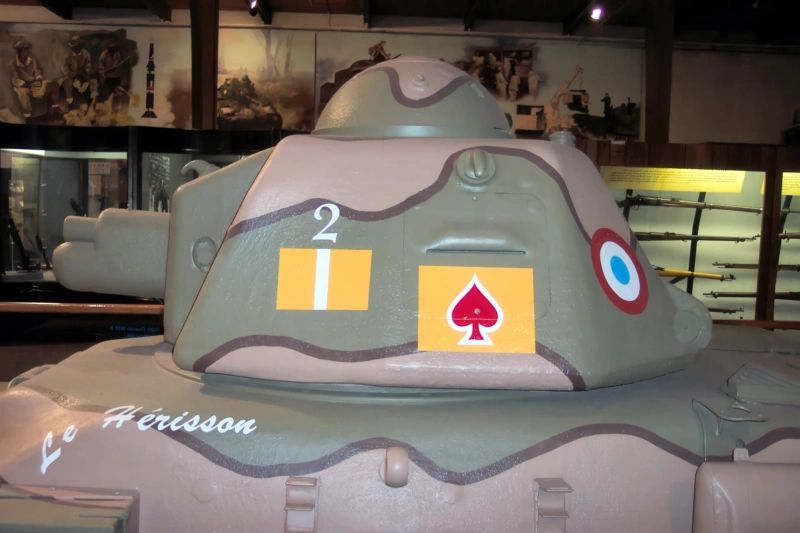
Renault R35 | |
|---|---|
| Land | Frankrijk |
| Type | Lichte infanterietank |
Fotogalerij van een tank Renault R35, De Renault R35, an abbreviation of Char léger Modèle 1935 R or R 35, was a French light infantry tank of the Second World War. Designed from 1933 and produced from 1936, the type was intended as a light infantry support tank, equipping autonomous tank battalions, that would be allocated to individual infantry divisions to assist them in executing offensive operations. To this end it was relatively well-armoured but slow and lacking a good antitank-capacity, fitted with a short 37 mm gun. At the outbreak of the war, the antitank-role was more emphasized leading to the development and eventual production from April 1940 of a subtype with a more powerful longer gun, the Renault R40. It was planned to shift new production capacity to the manufacture of other, faster, types, but due to the defeat of France the R35/40 remained the most numerous French tank of the war, about 1685 vehicles having been produced in June 1940. At that moment it had also been exported to Poland, Romania, Turkey and Yugoslavia. For the remainder of the war Germany and its allies would use captured vehicles, some of them rebuilt into tank destroyers.
Bron: Renault R35 op Wiki
| Renault R35 | |
|---|---|
| Fotograaf | Unknow |
| Lokalisatie | Onbewust |
| Foto 's | 107 |
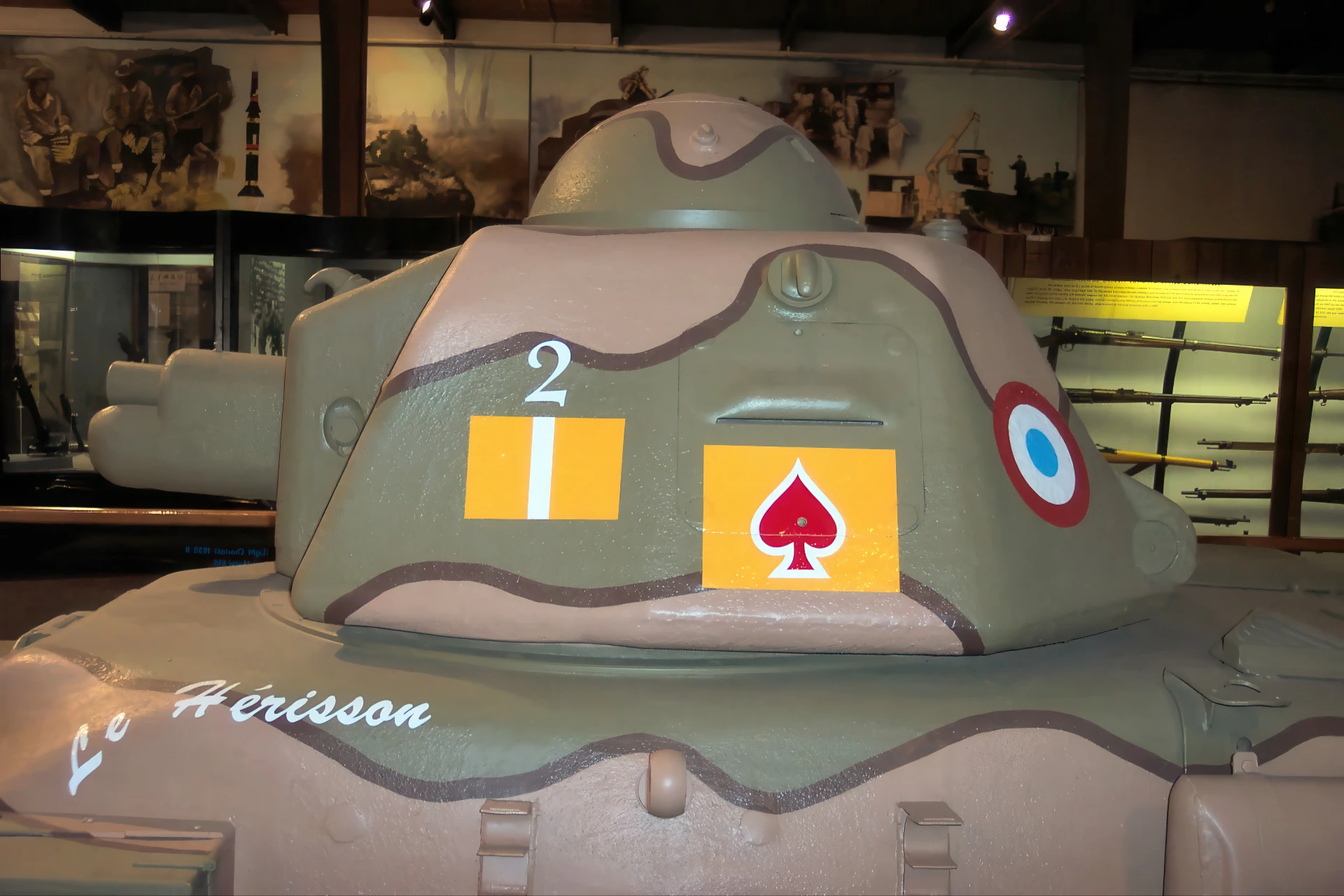
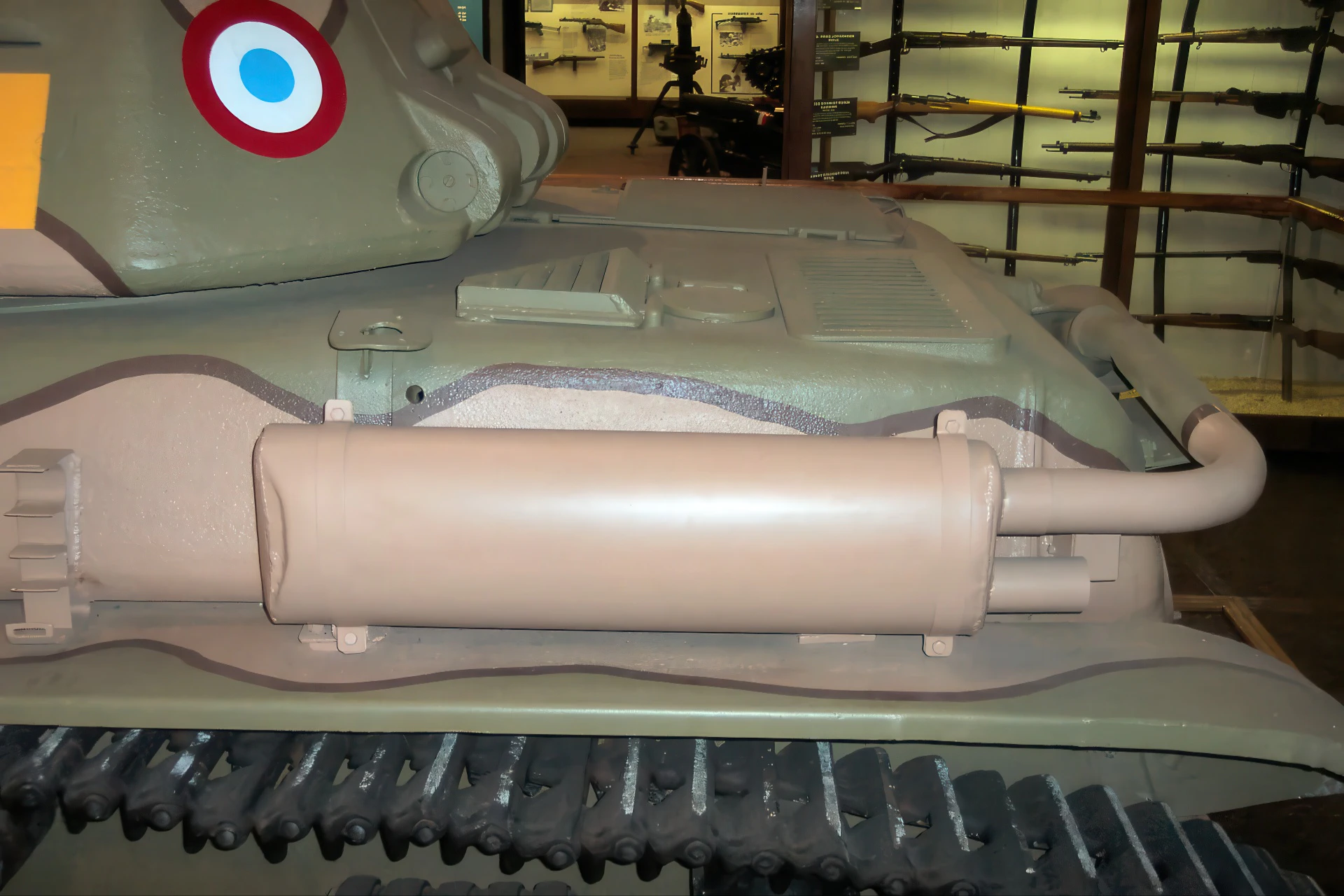
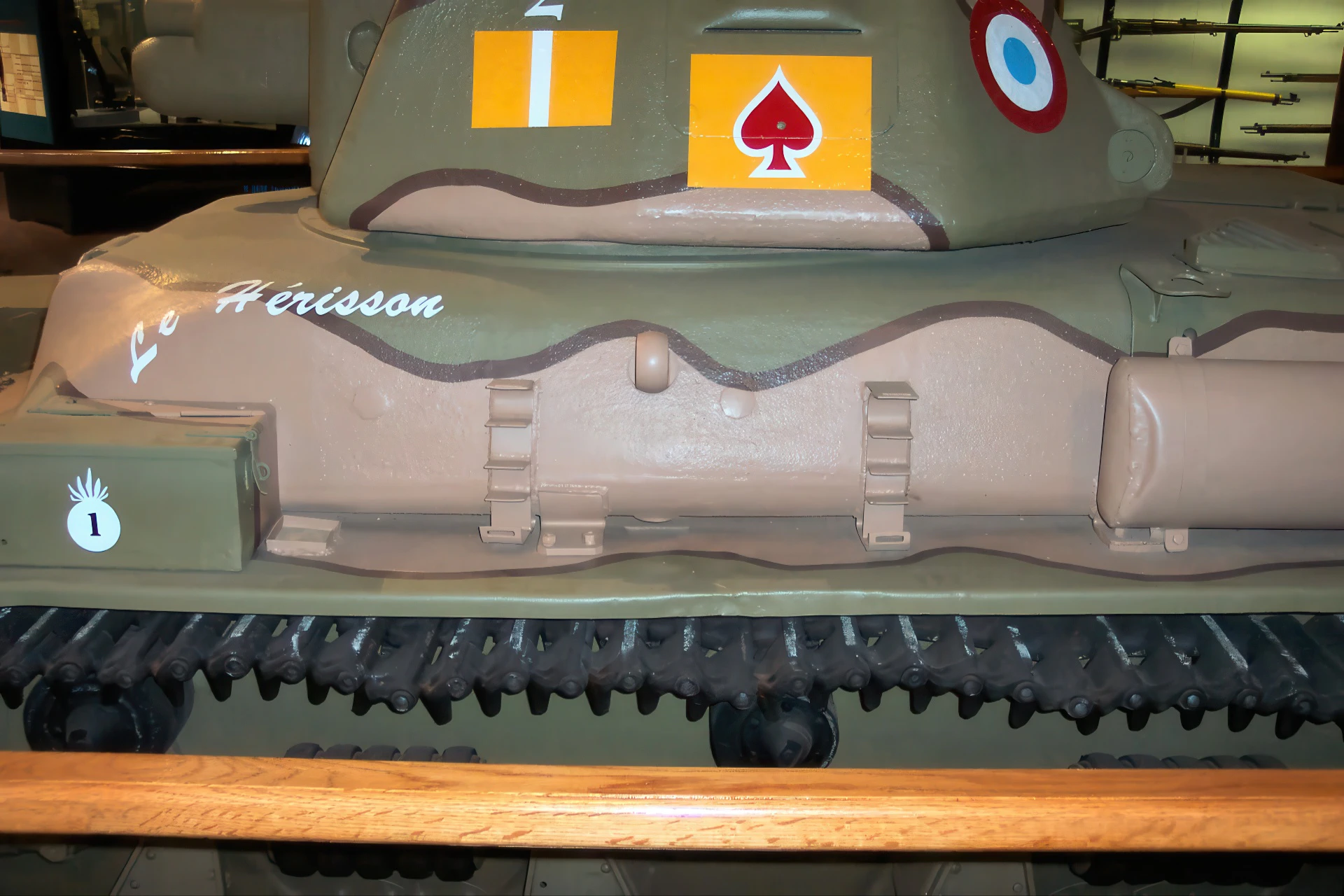
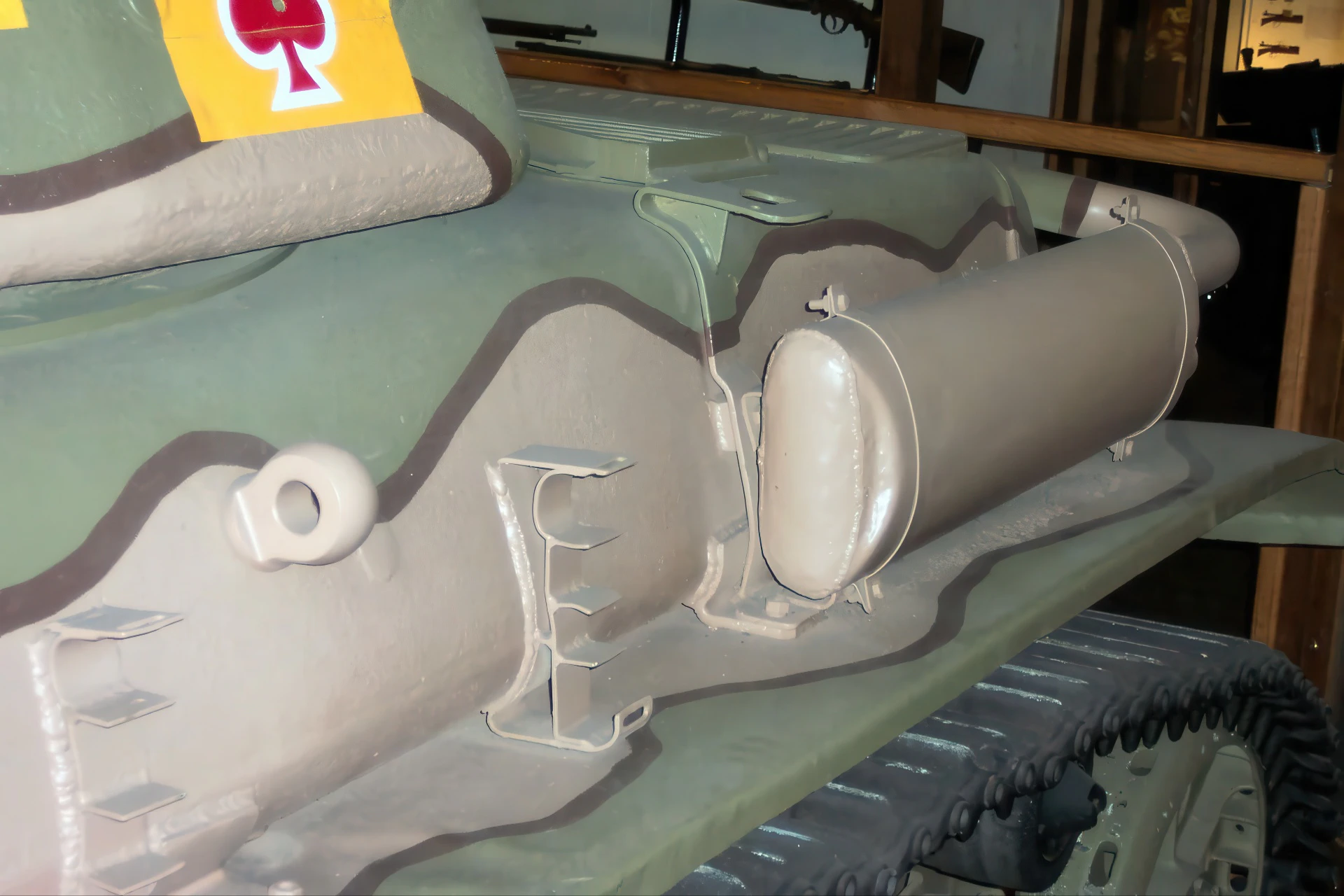
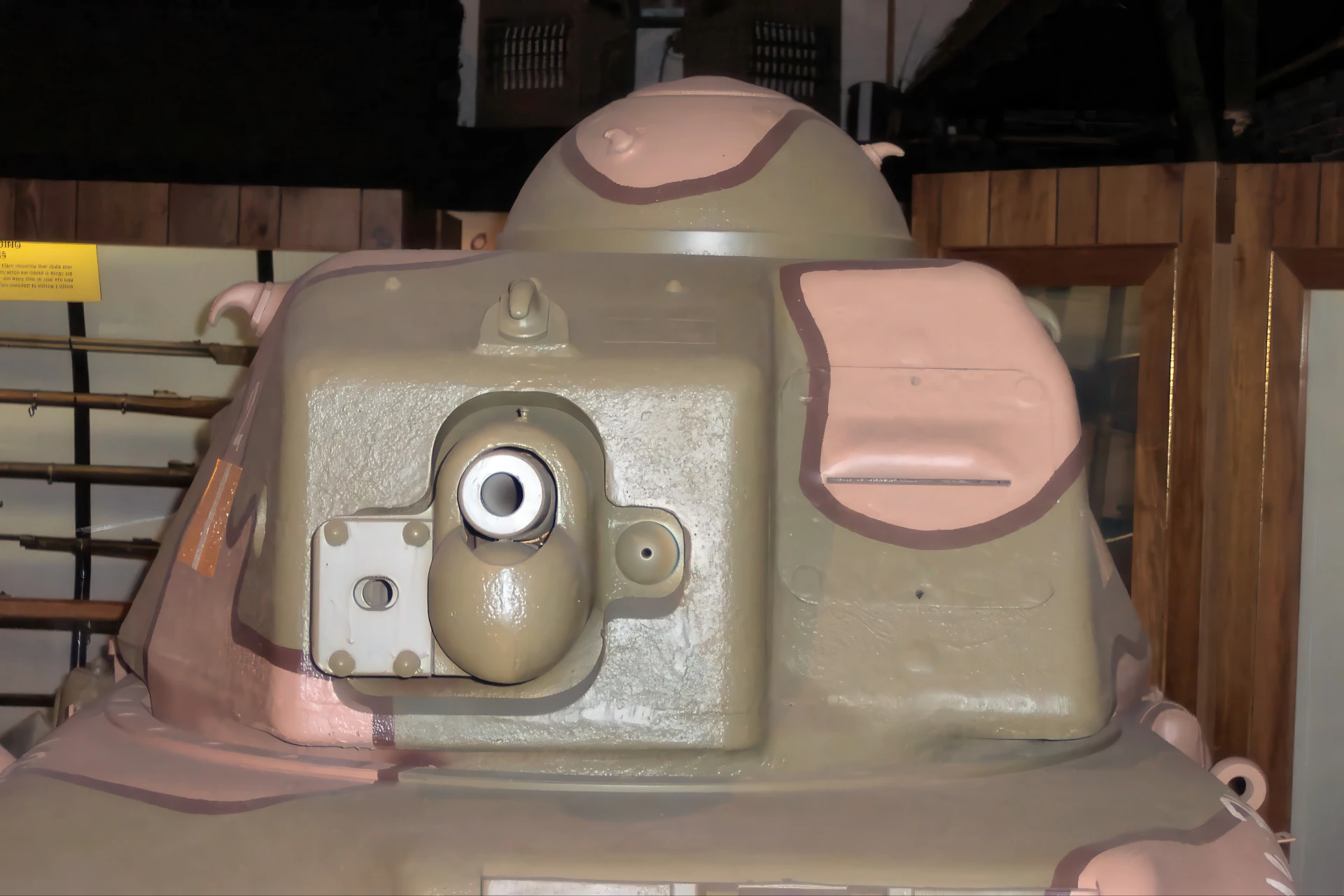
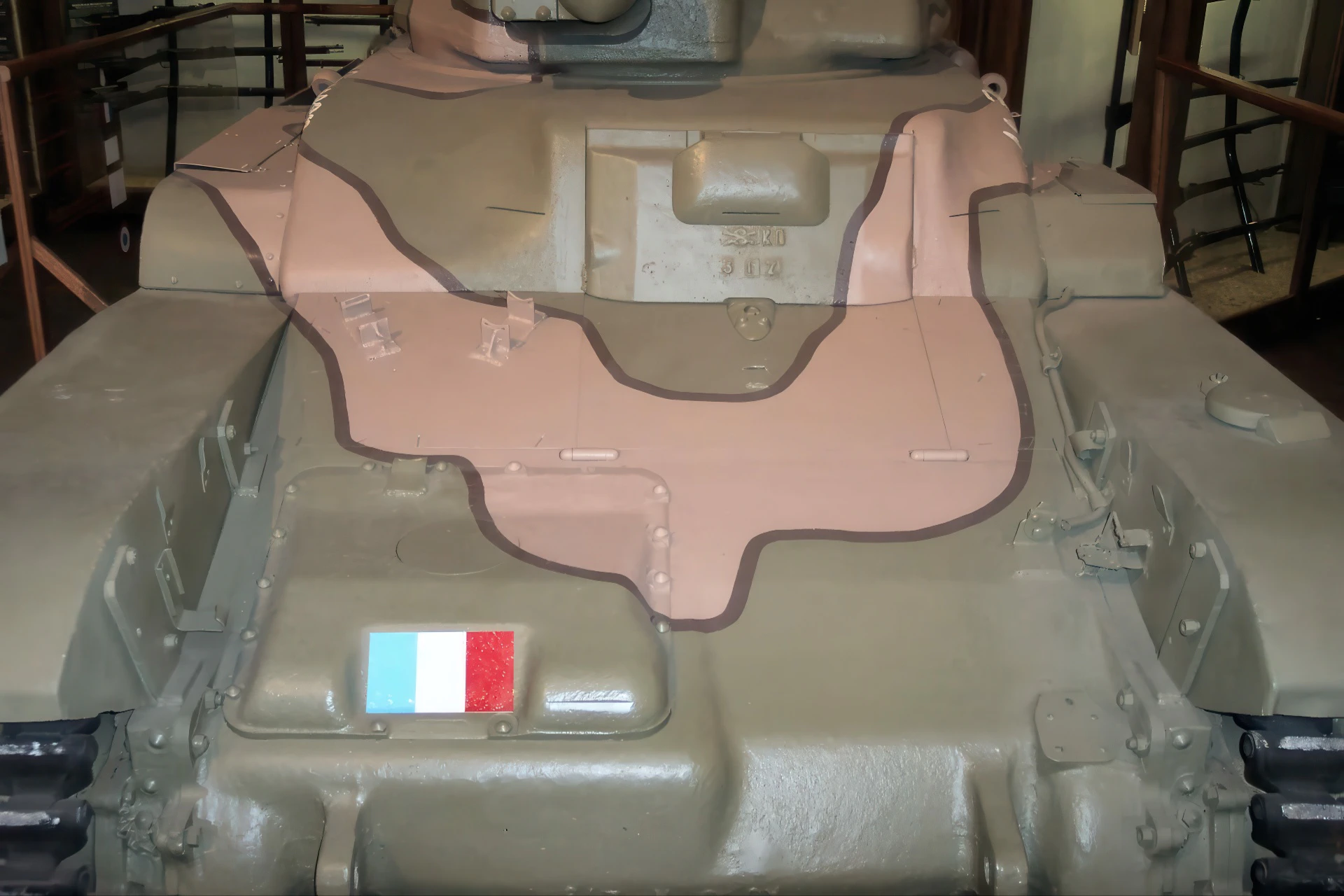
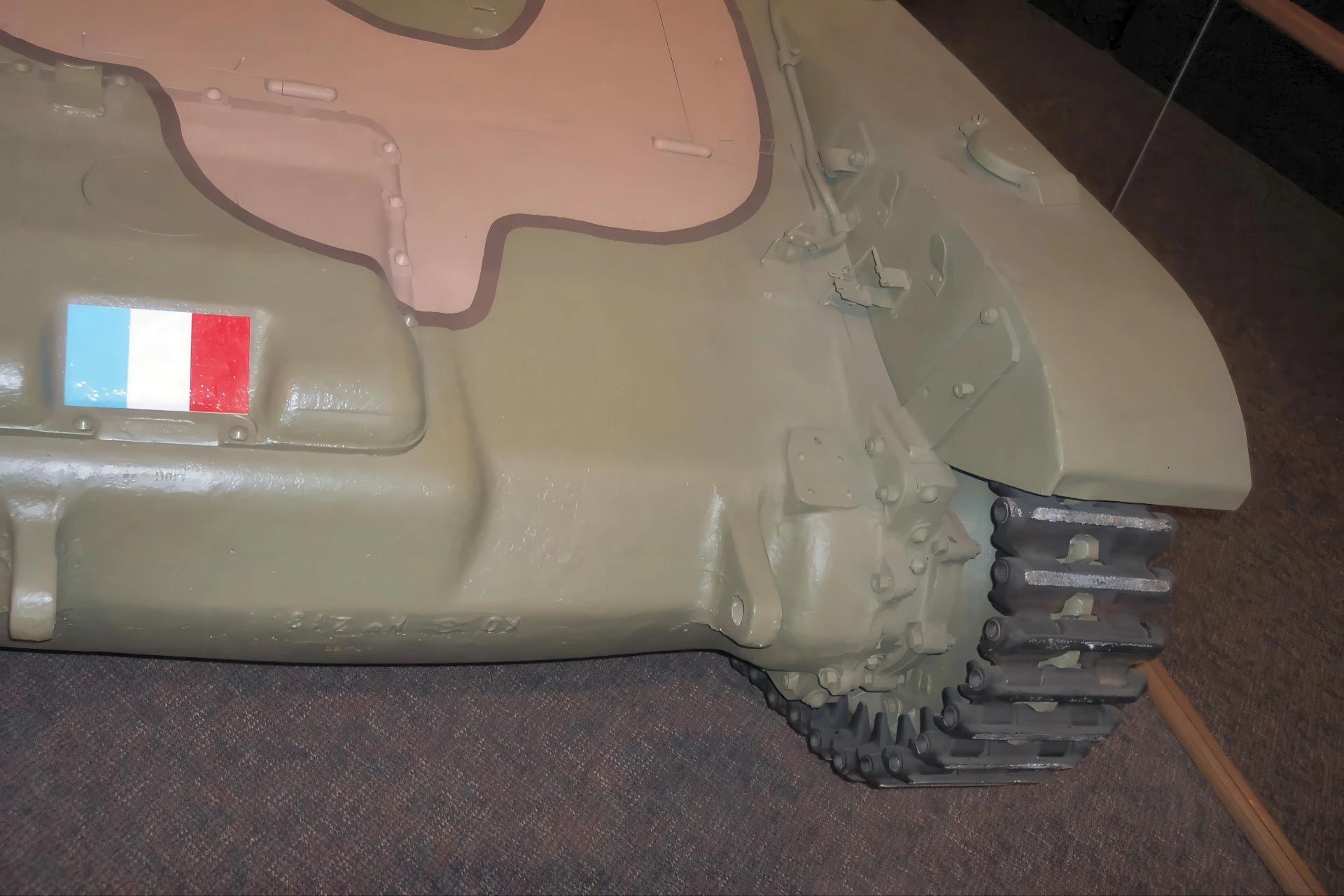
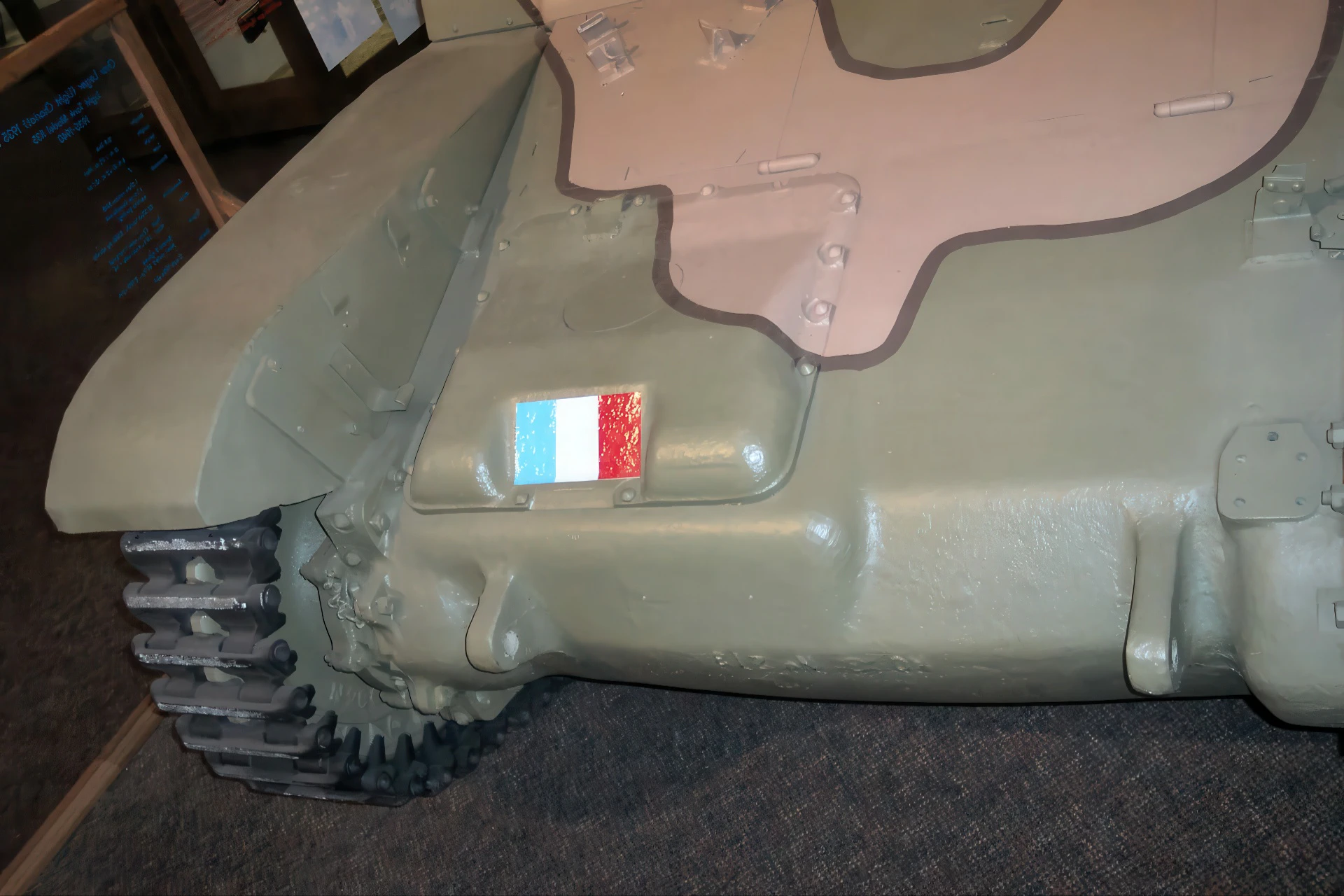
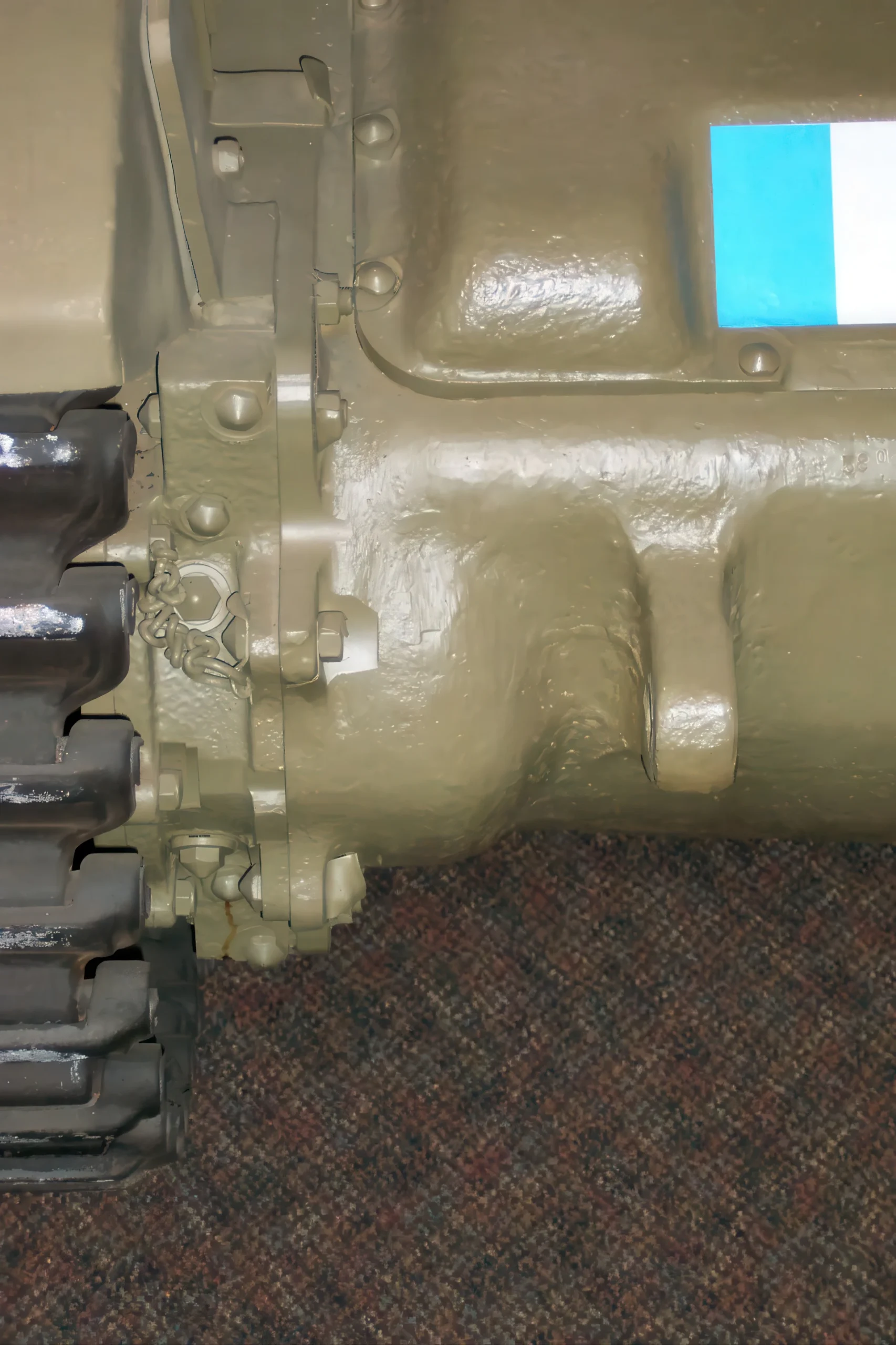

| Renault R-35 Walk Around | |
|---|---|
| Fotograaf | Vladimir Yakubov |
| Lokalisatie | Onbewust |
| Foto 's | 81 |
| Renault R35 | |
|---|---|
| Fotograaf | Unknow |
| Lokalisatie | Onbewust |
| Foto 's | 16 |
Zie ook:


The Renault R35 was a French light infantry-support tank that was one of the most numerous tanks in service with the French army at the start of World War II.
Role and History
- Rol: The R35 was designed as a **light infantry-support tank** to replace the aging World War I-era Renault FT-17. It was intended to be allocated to infantry divisions to assist with offensive operations.
- Production: Approximately 1,630 vehicles were manufactured from 1936 to 1940, making it the most-produced French light tank of the era.
- Service: It was the most common French tank in active service in May-June 1940 during the Battle of France. Its heavy armor was a key asset, but its low speed and under-gunned main weapon were significant drawbacks.
- Varianten: The design led to later versions, including the **R39** (fitted with the longer, more powerful SA38 gun) and the **R40** (which featured an improved suspension system). Many captured R35s were later used by the German army (designated as the Panzerkampfwagen 731 R(f)) for training and security duties, and some were converted into tank destroyers (Panzerjäger 35R(f)).
Technische specificaties
| Feature | Specificatie |
|---|---|
| Type | Light Infantry Tank |
| Bemanning | 2 (Driver and Commander) |
| Gewicht | Approximately 10.6 metric tonnes (combat weight) |
| Lengte | 4.02 m |
| Hoogte | 2.13 m (approximate) |
| Harnas | Maximum of 43 mm (cast, bolted hull modules) |
| Main Armament | 37 mm SA 18 gun (early model) or 37 mm SA 38 gun (later/improved model) |
| Secondary Armament | 7.5 mm Reibel coaxial machine gun |
| Motor | Renault 4-cylinder gasoline engine, approximately 85 hp |
| Maximum Speed | 20 km/h on road |
| Operational Range | 130 – 140 km |
Design and Performance
- Harnas: The R35’s greatest strength was its thick, cast-steel armor (up to 43 mm). This made it largely invulnerable to the standard German 37 mm anti-tank guns at ranges greater than about 300 meters.
- Bewapening: The original 37 mm SA 18 gun was a low-velocity weapon suitable for firing high-explosive shells against infantry, which was its intended role. However, it had very poor anti-tank performance, struggling to penetrate enemy light armor except at very close range.
- Mobiliteit: It was slow, with a top road speed of only 20 km/h. Its cross-country mobility and trench-crossing ability were also considered poor due to a defective early running gear design, though this was addressed with the later R40 variant.
- Ergonomics: The tank had a serious operational flaw: the single crewmember in the turret had to act as the commander, gunner, and loader, which severely hindered the tank’s rate of fire and overall combat effectiveness.
Aantal keren bekeken: 7689
U ook zien :
 T-18 tank - Foto's & Video's
 Panzer II – Foto's &Video's
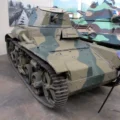 Renault AMR 33 – Foto's & Video
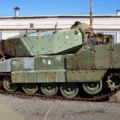 XM-8 Armored Gun System - Foto's & Video
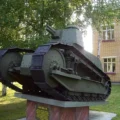 Russische Renault – Foto's & Video
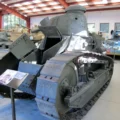 Six Ton Tank M1917 – WalkAround
 Renault FT 17 – WalkAround
 Vickers Mk VIb – Rond te Lopen
 T-26 – WalkAround
 Char léger T-46 – WalkAround