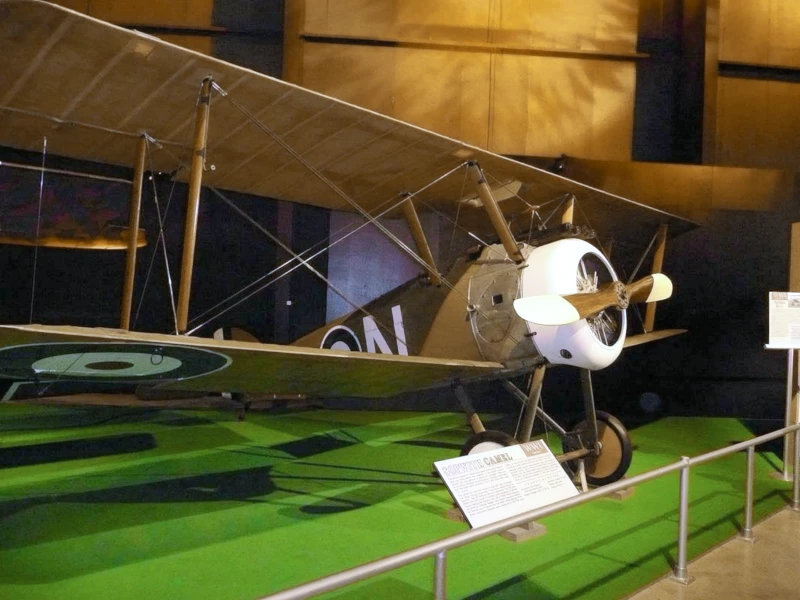
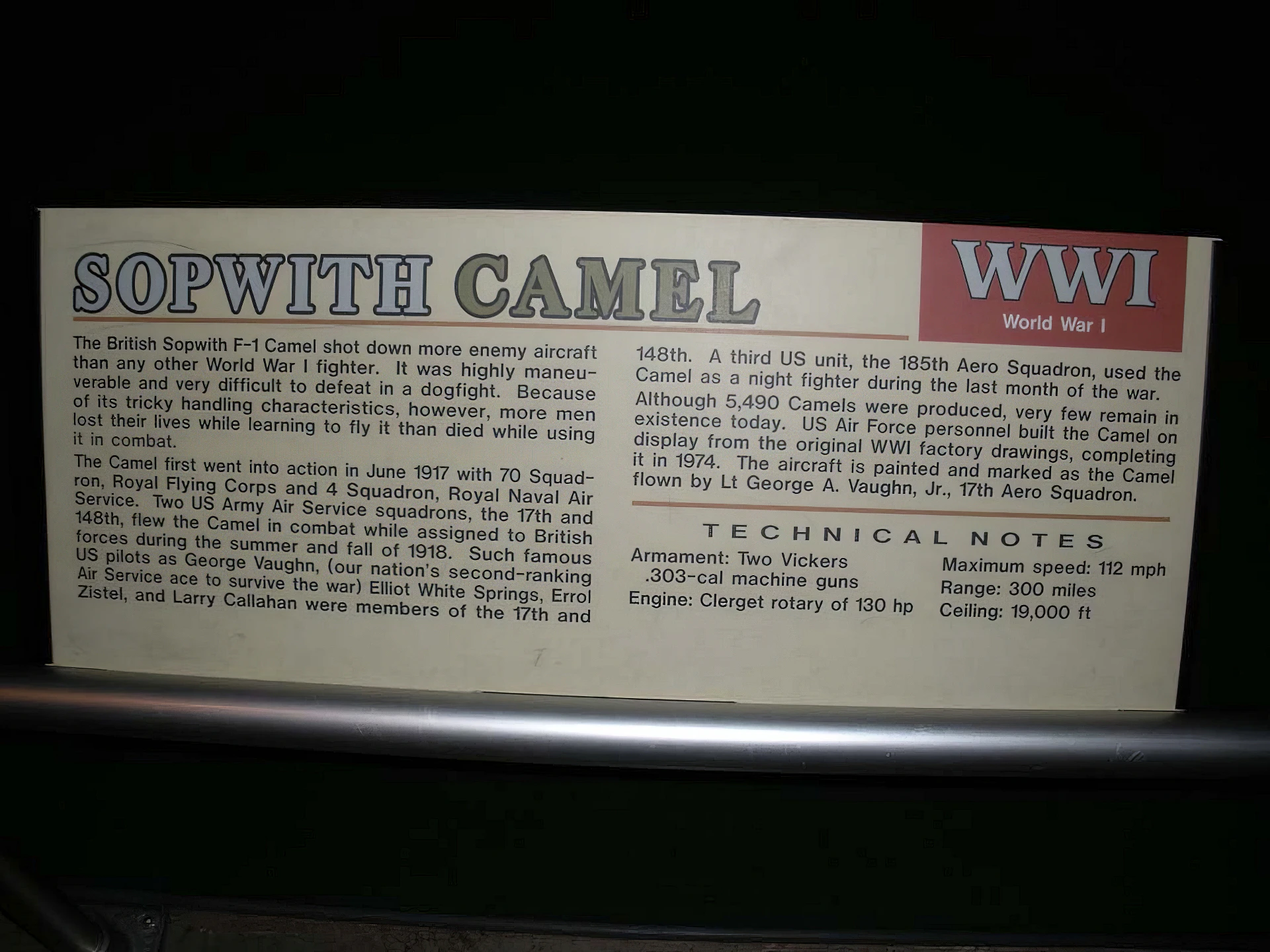
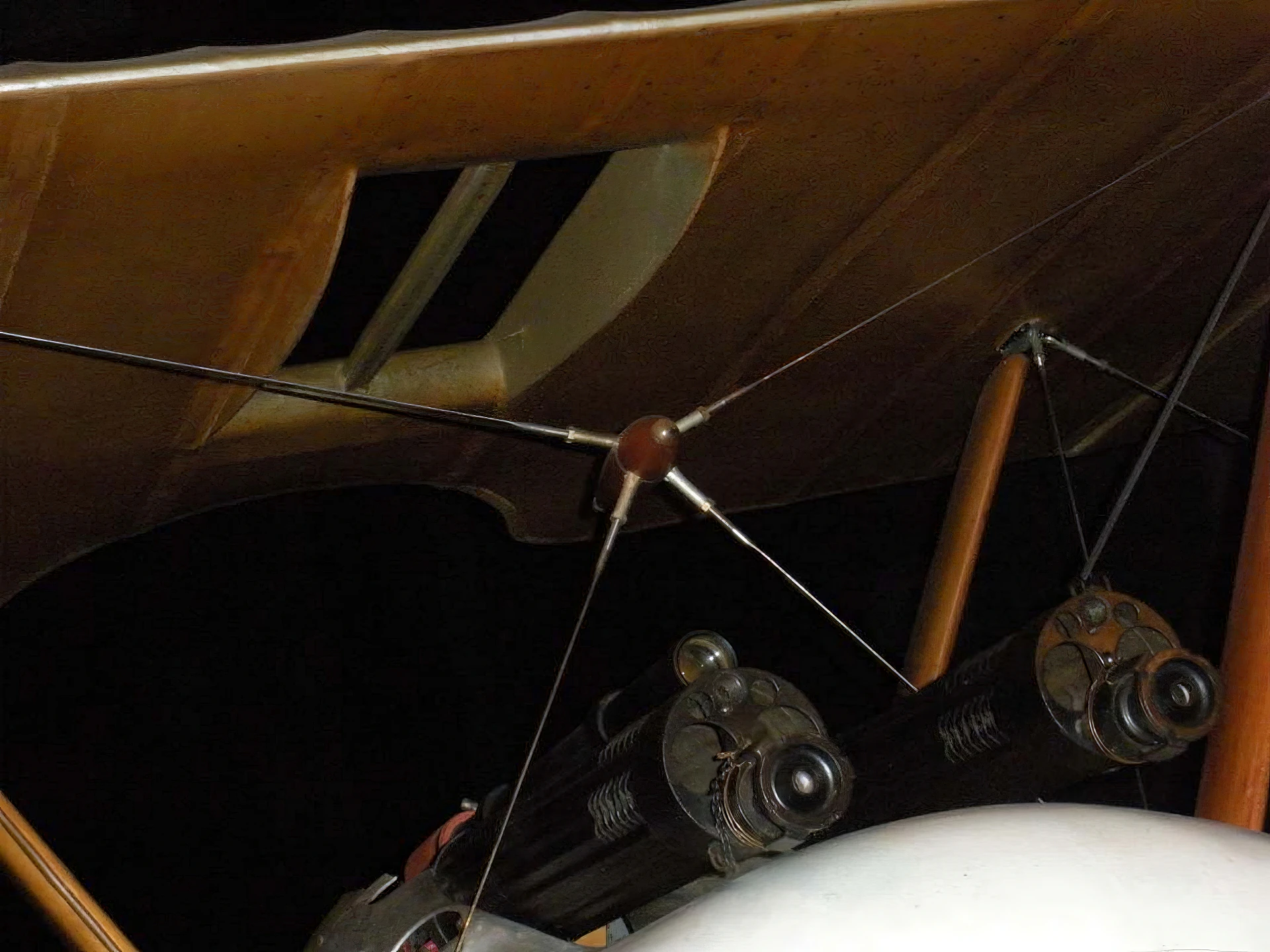
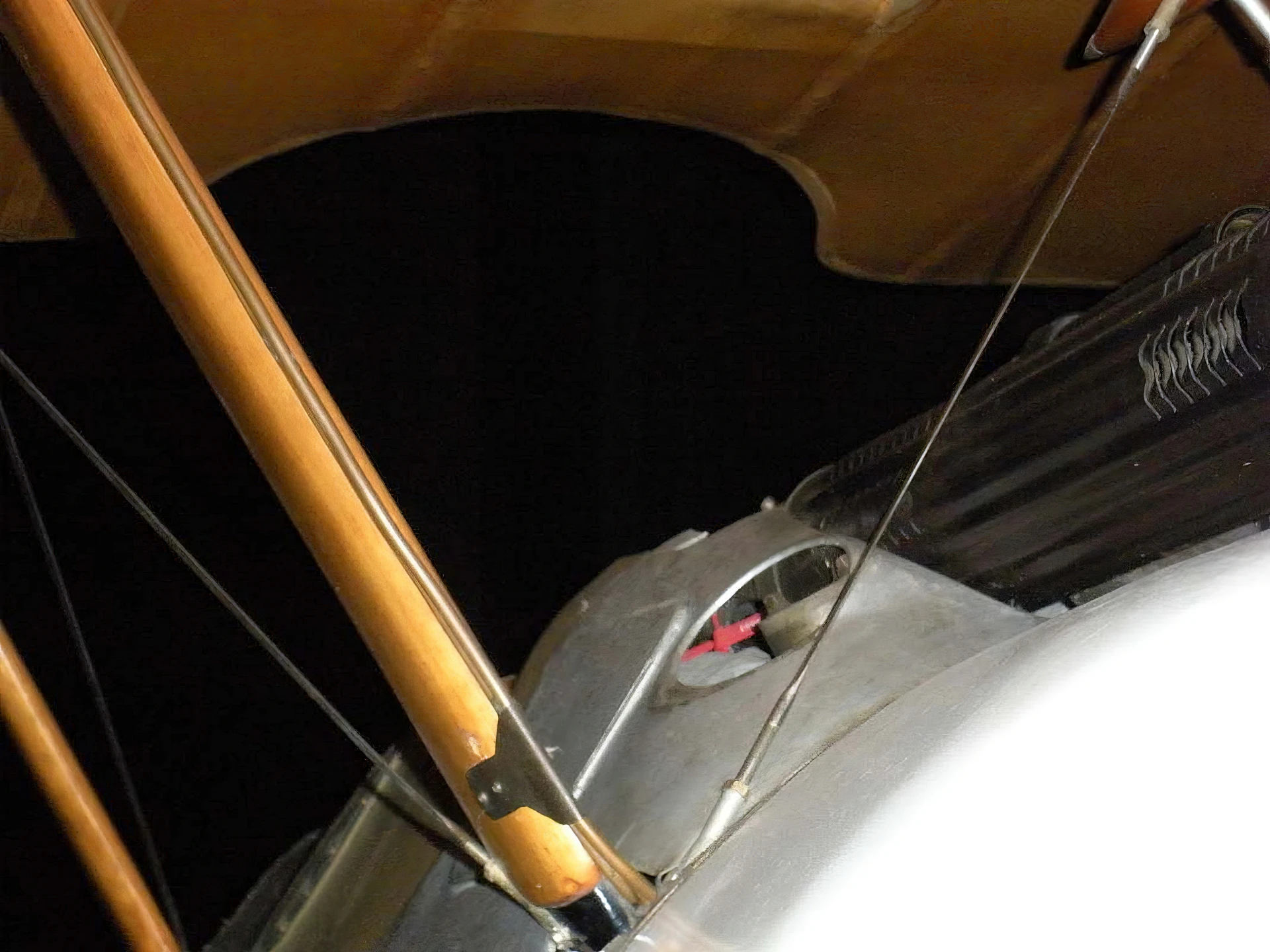
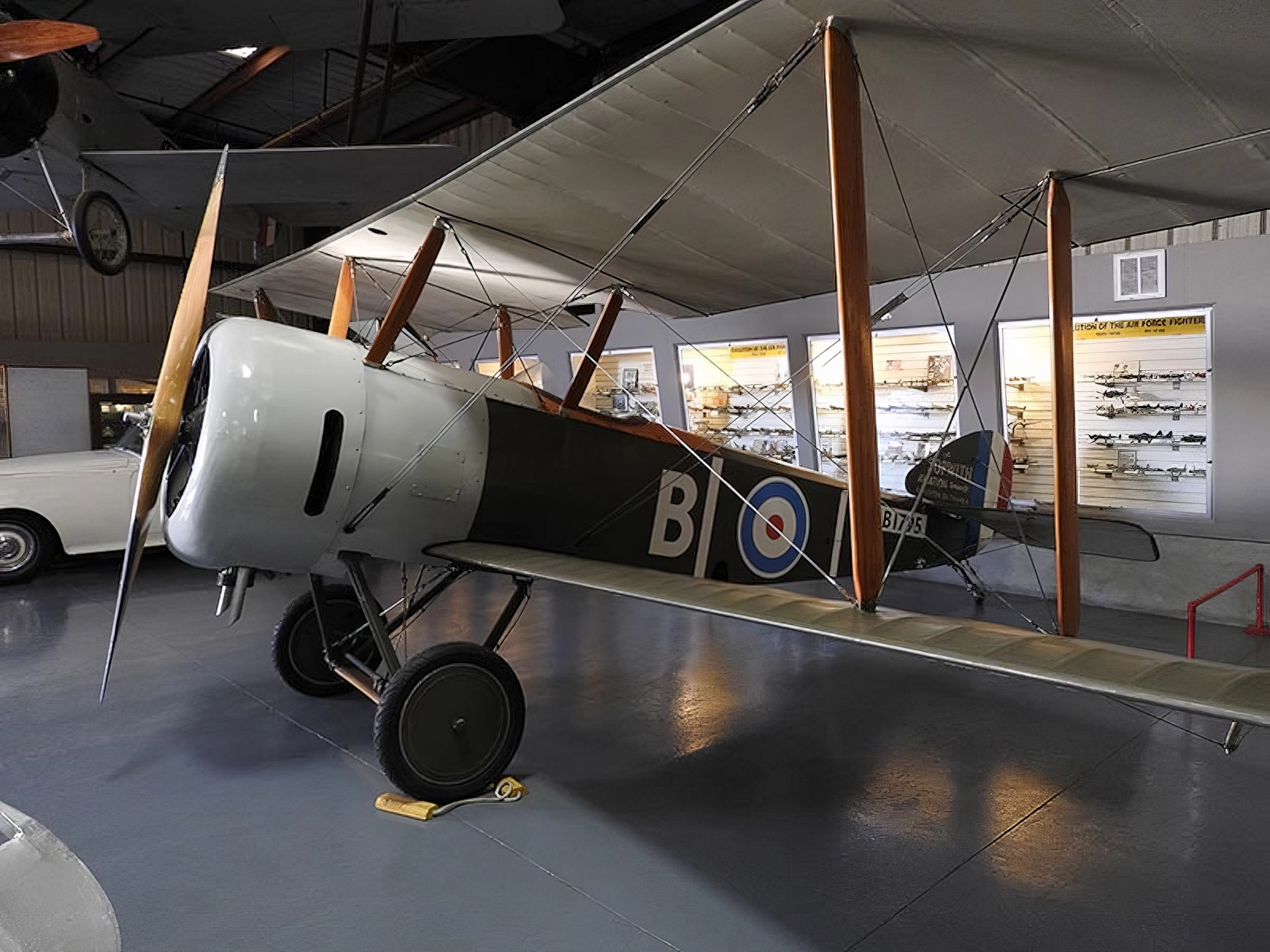
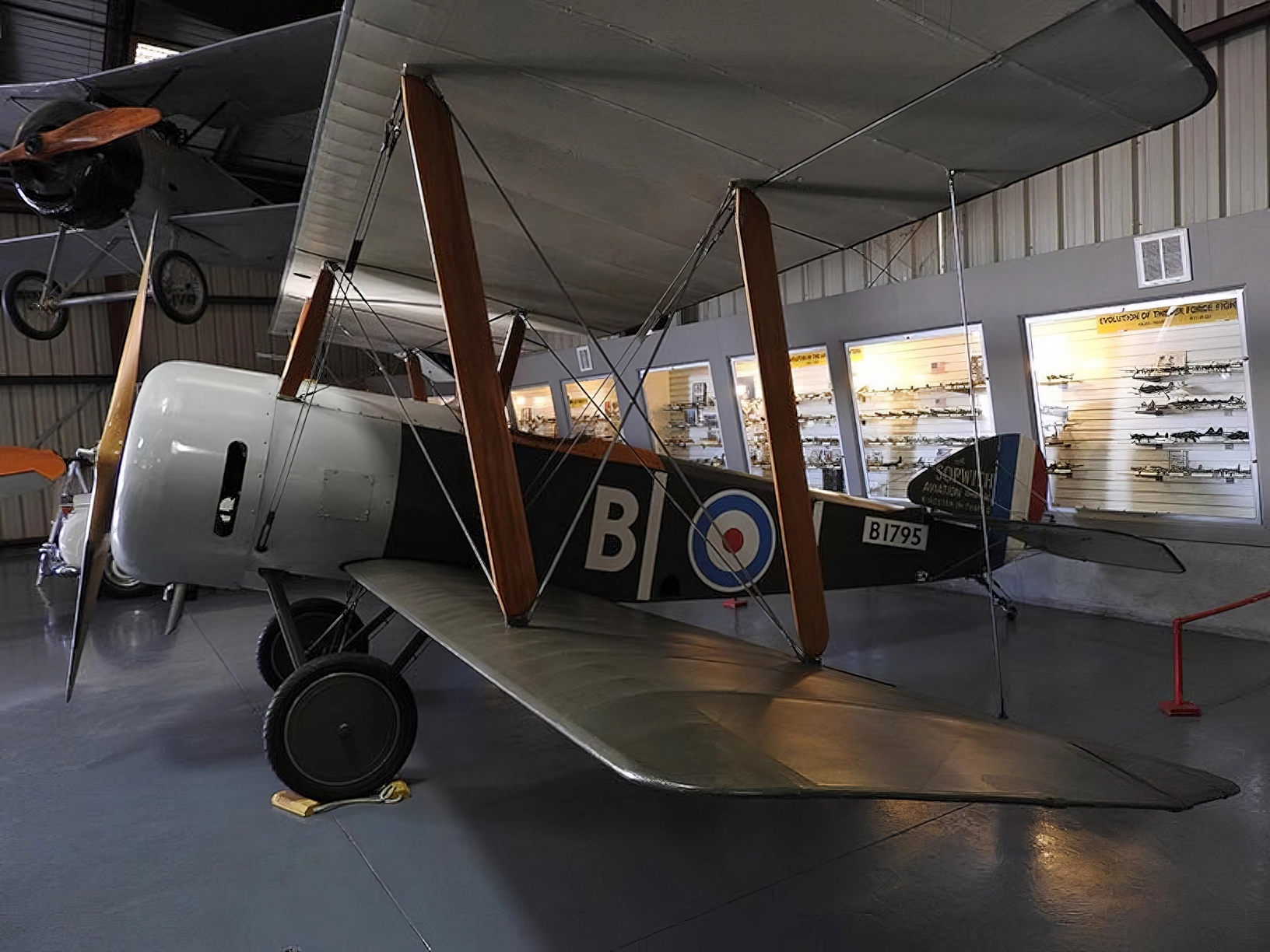
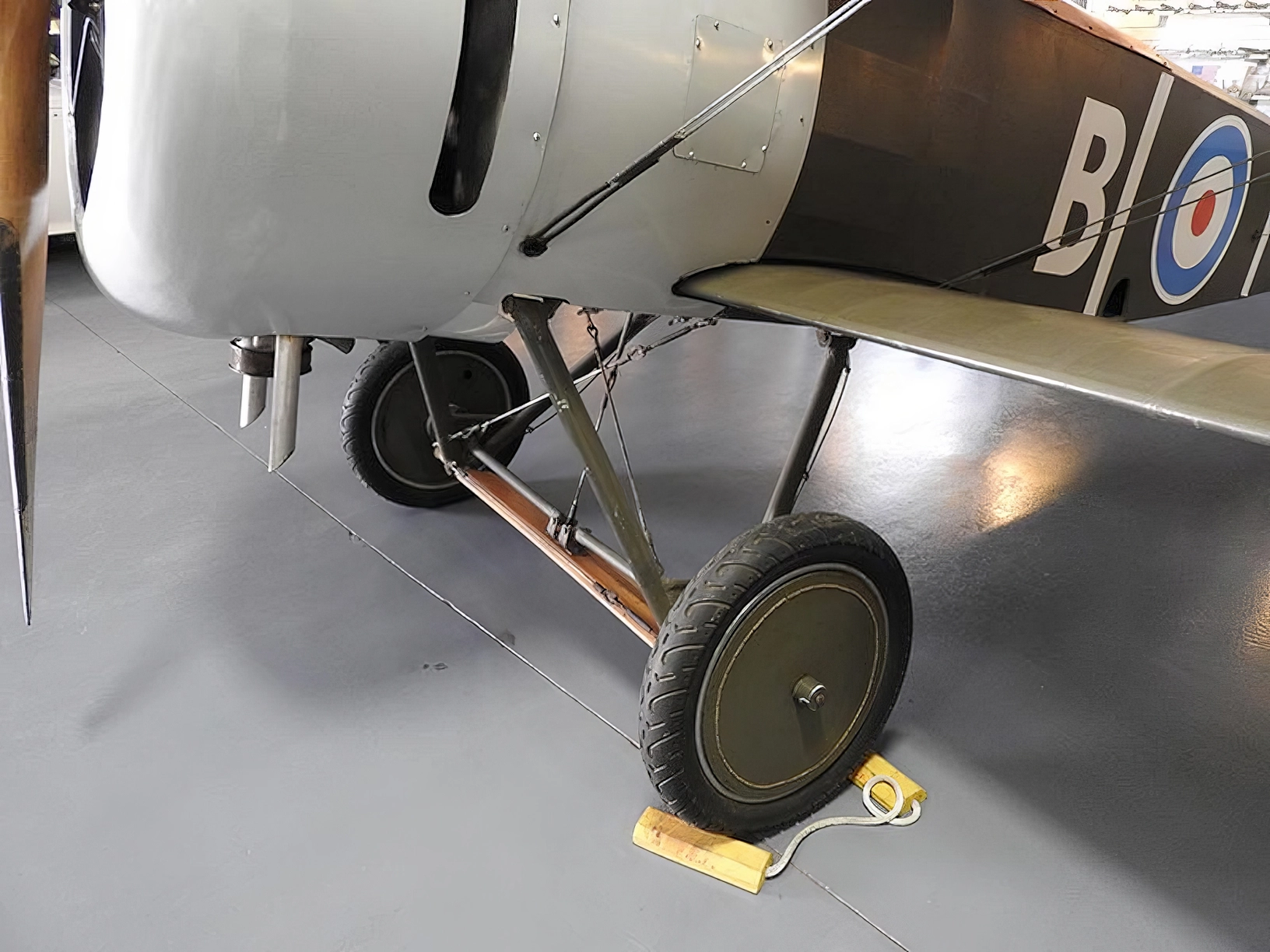
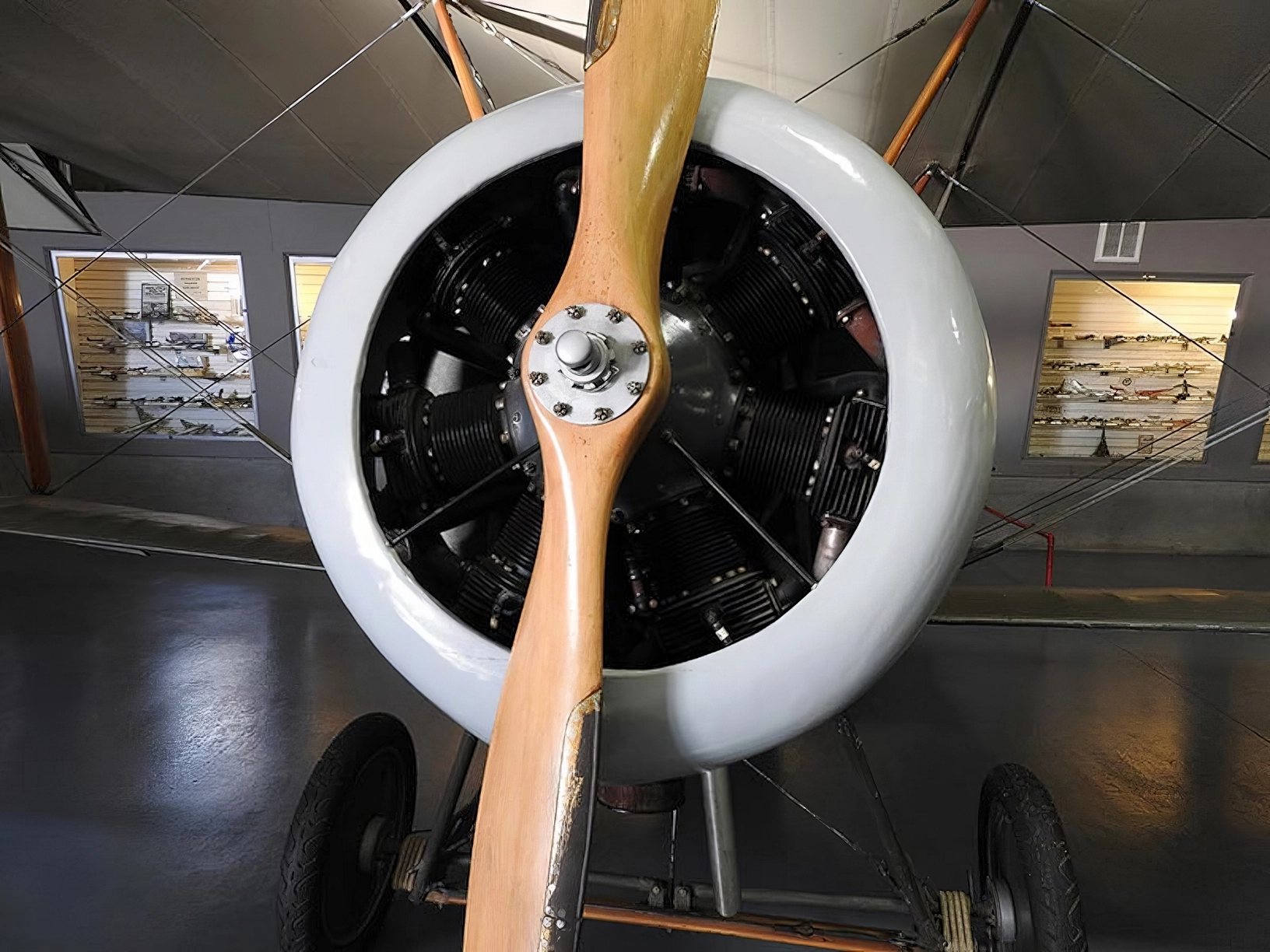
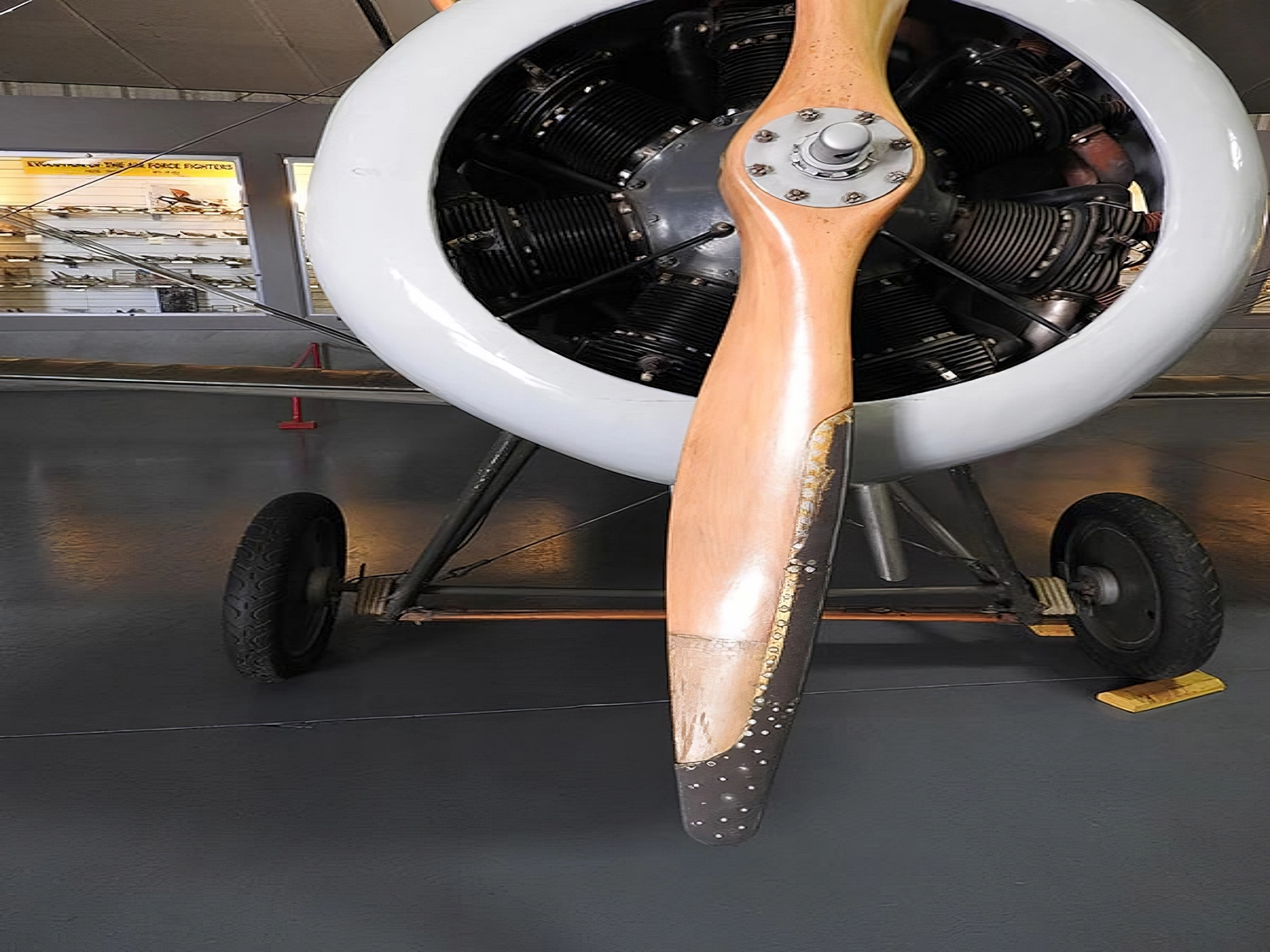
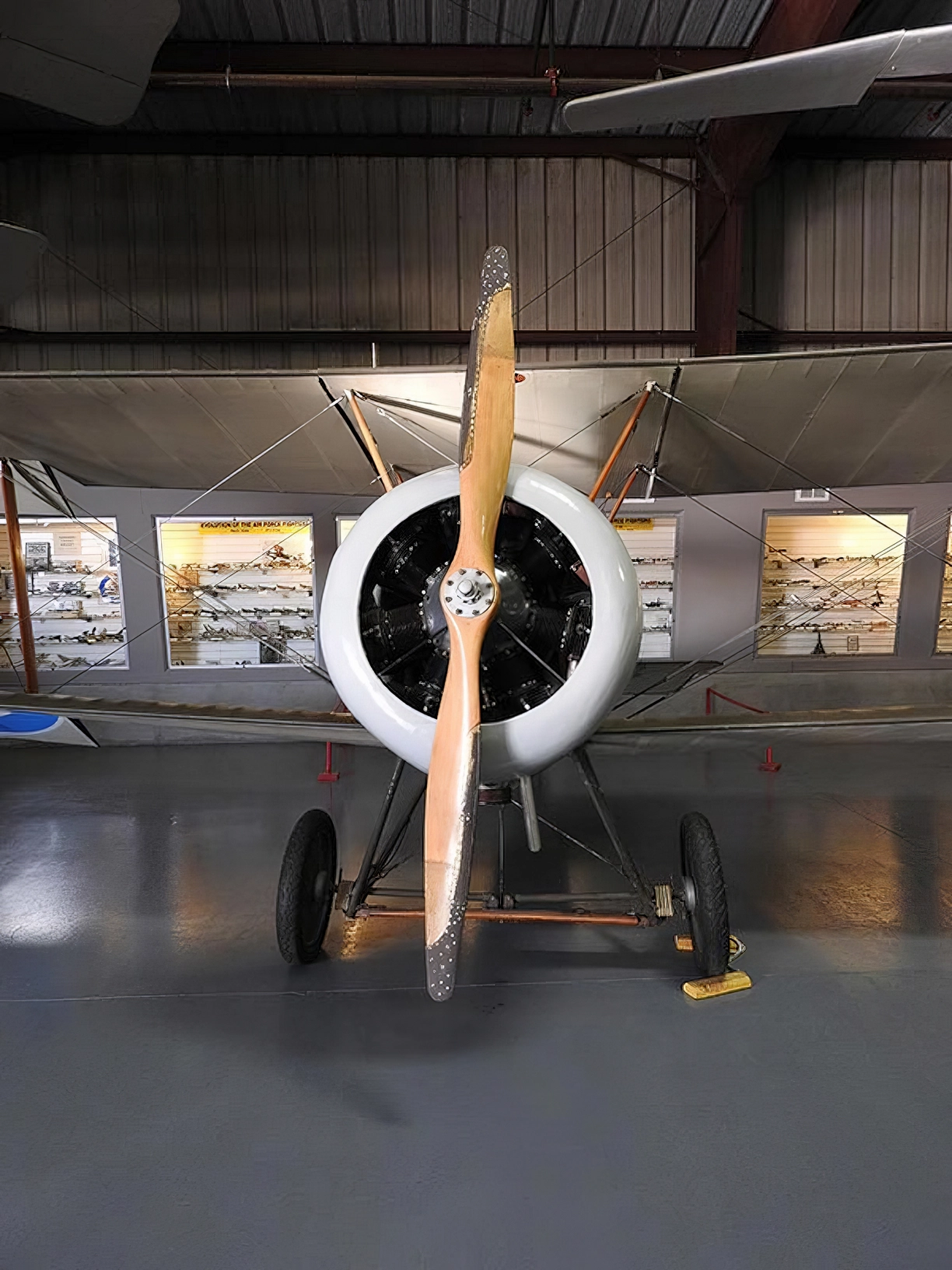
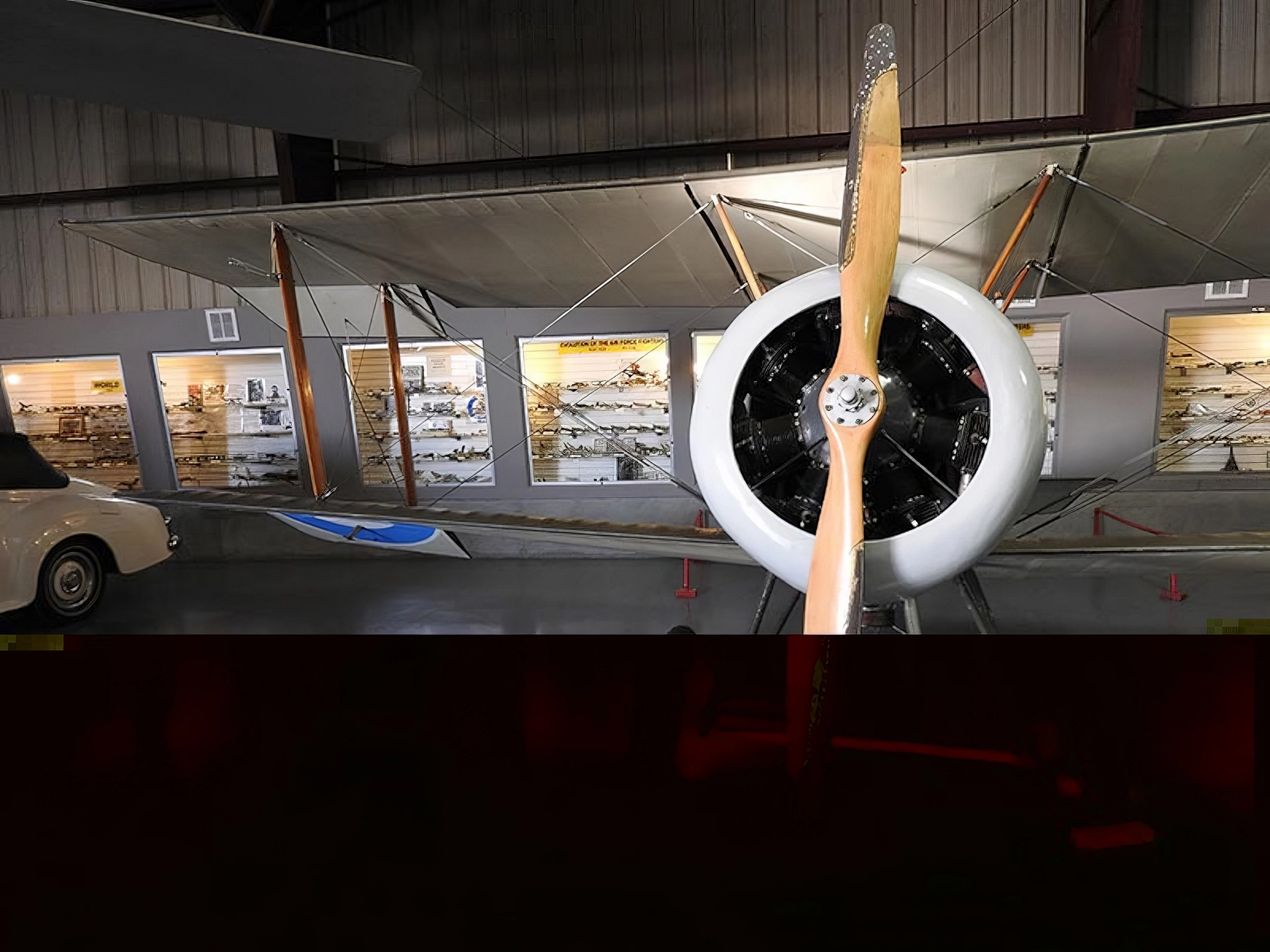
Le Sopwith F-1 Cammellois arguably the most famous Allied fighter of the Great War. It earned its name from the distinctive “hump” fairing over its twin machine guns, which prevented the breeches from freezing at high altitudes. While it was credited with more aerial victories than any other Allied type (nearly 1,300), it was notoriously difficult to fly. Its flight characteristics were so treacherous that it killed almost as many trainee pilots in accidents as it did in actual combat.
Attribute
Technical Specification (F-1 Camel)
Ruolo
Biplane Fighter / Interceptor
Equipaggio
1 (Pilot)
Motore
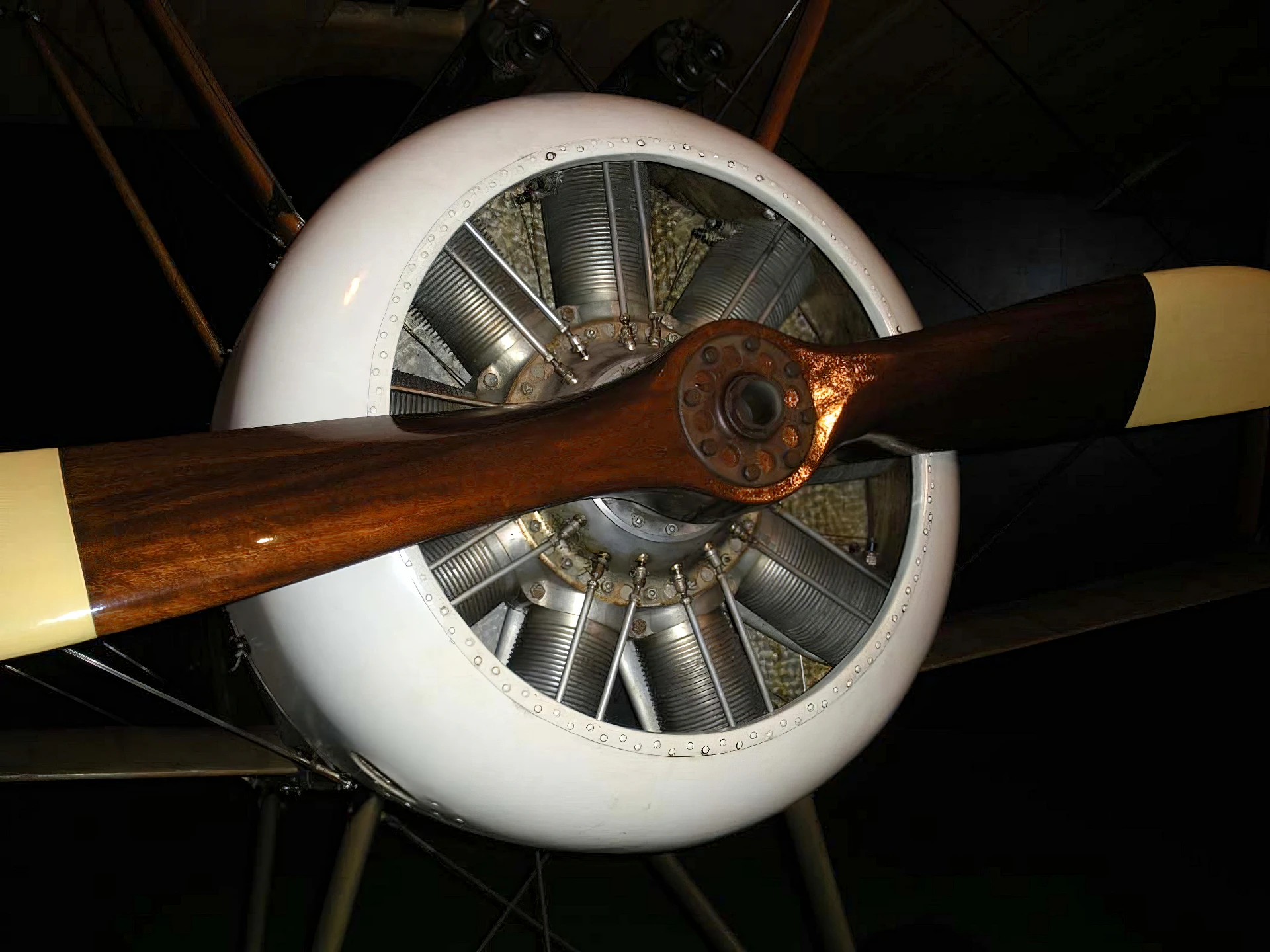
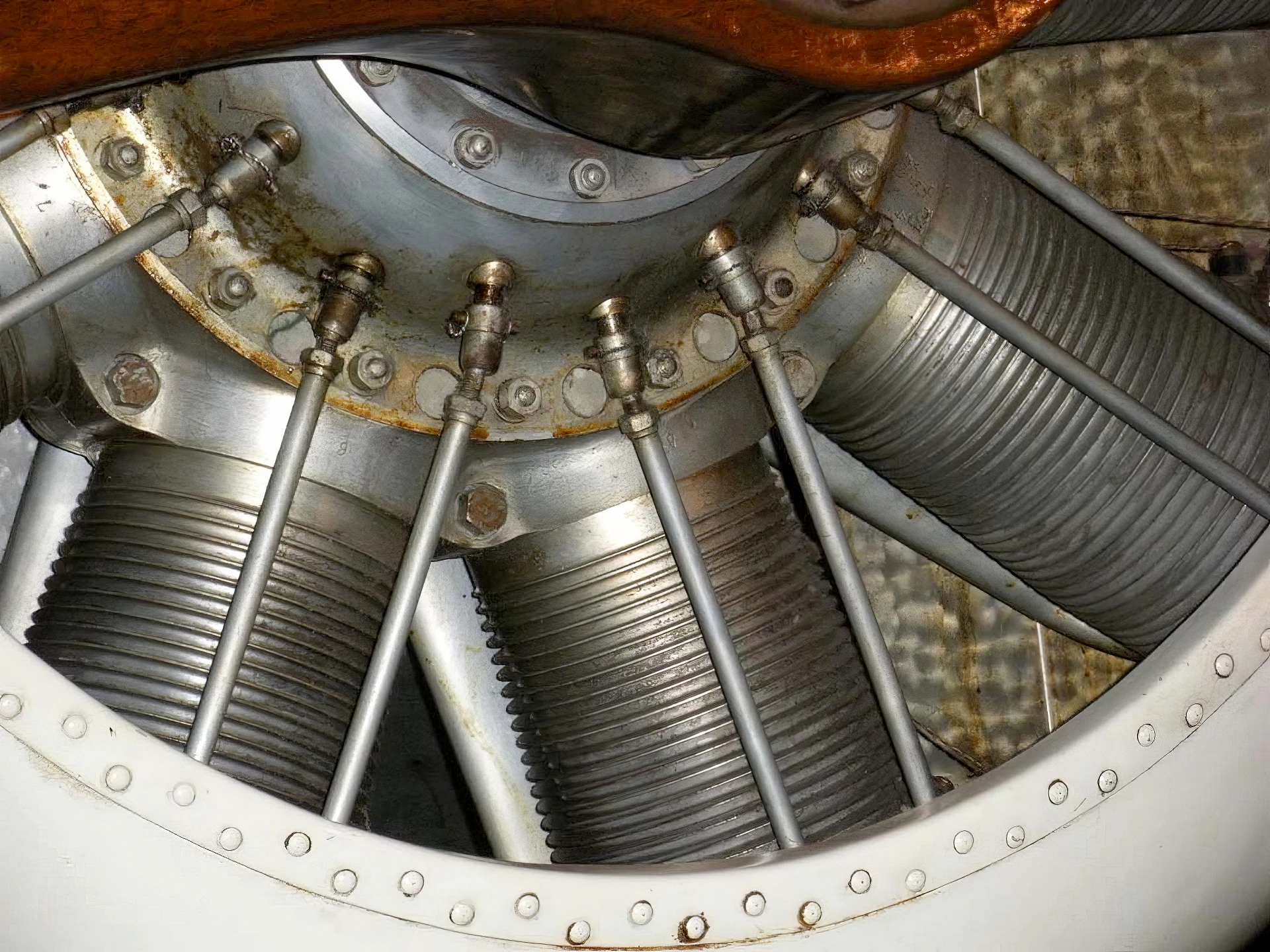
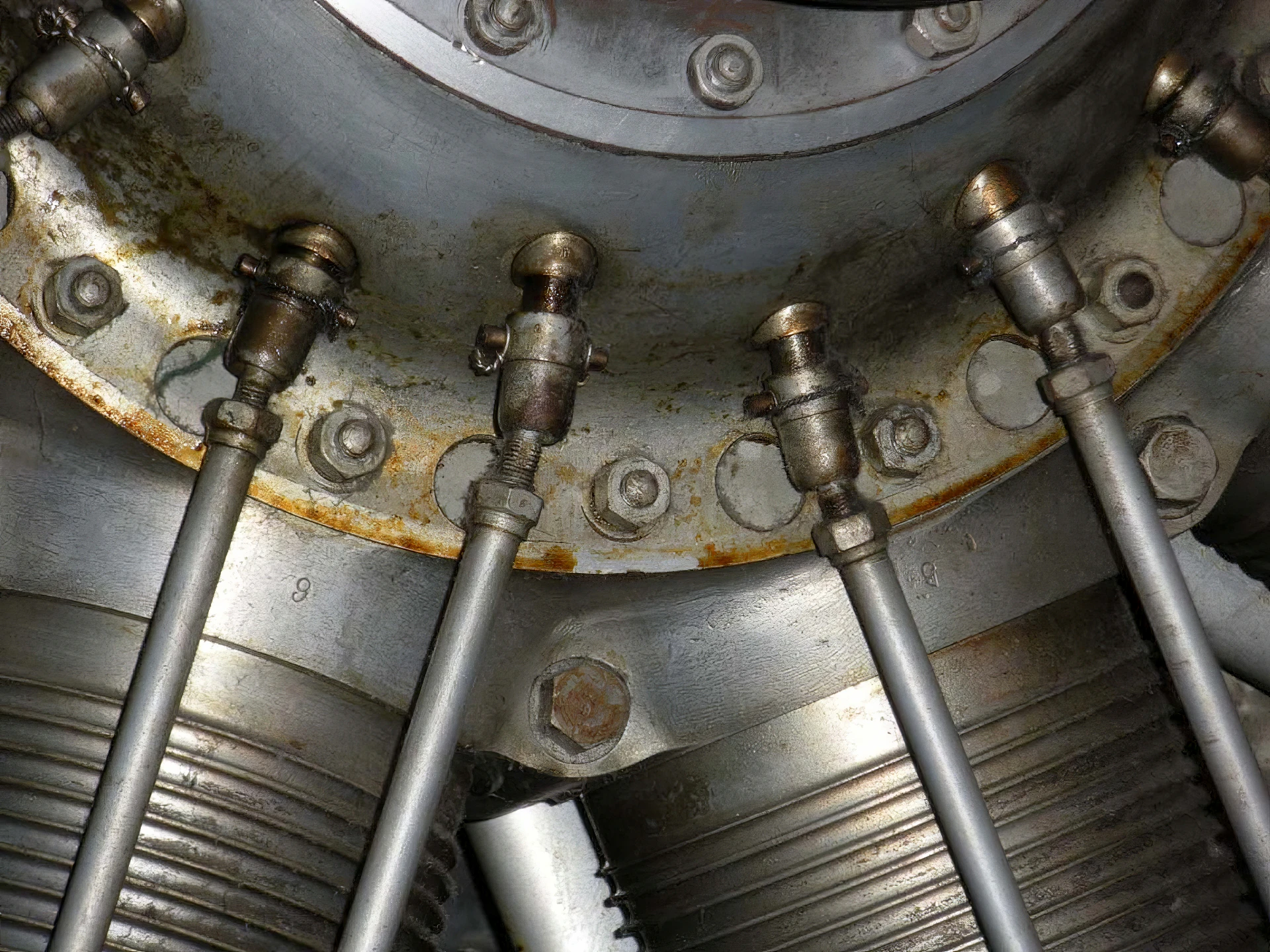
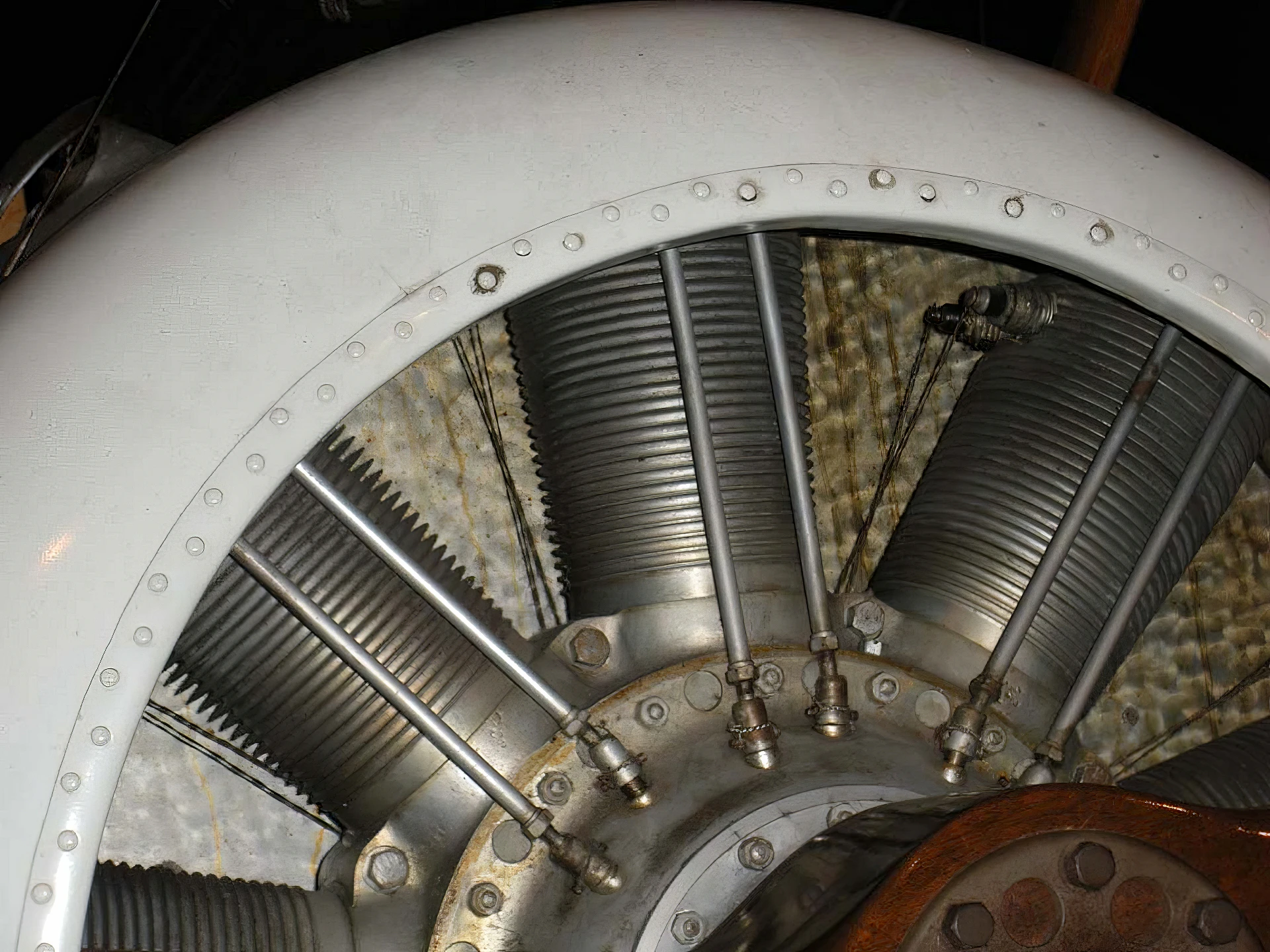
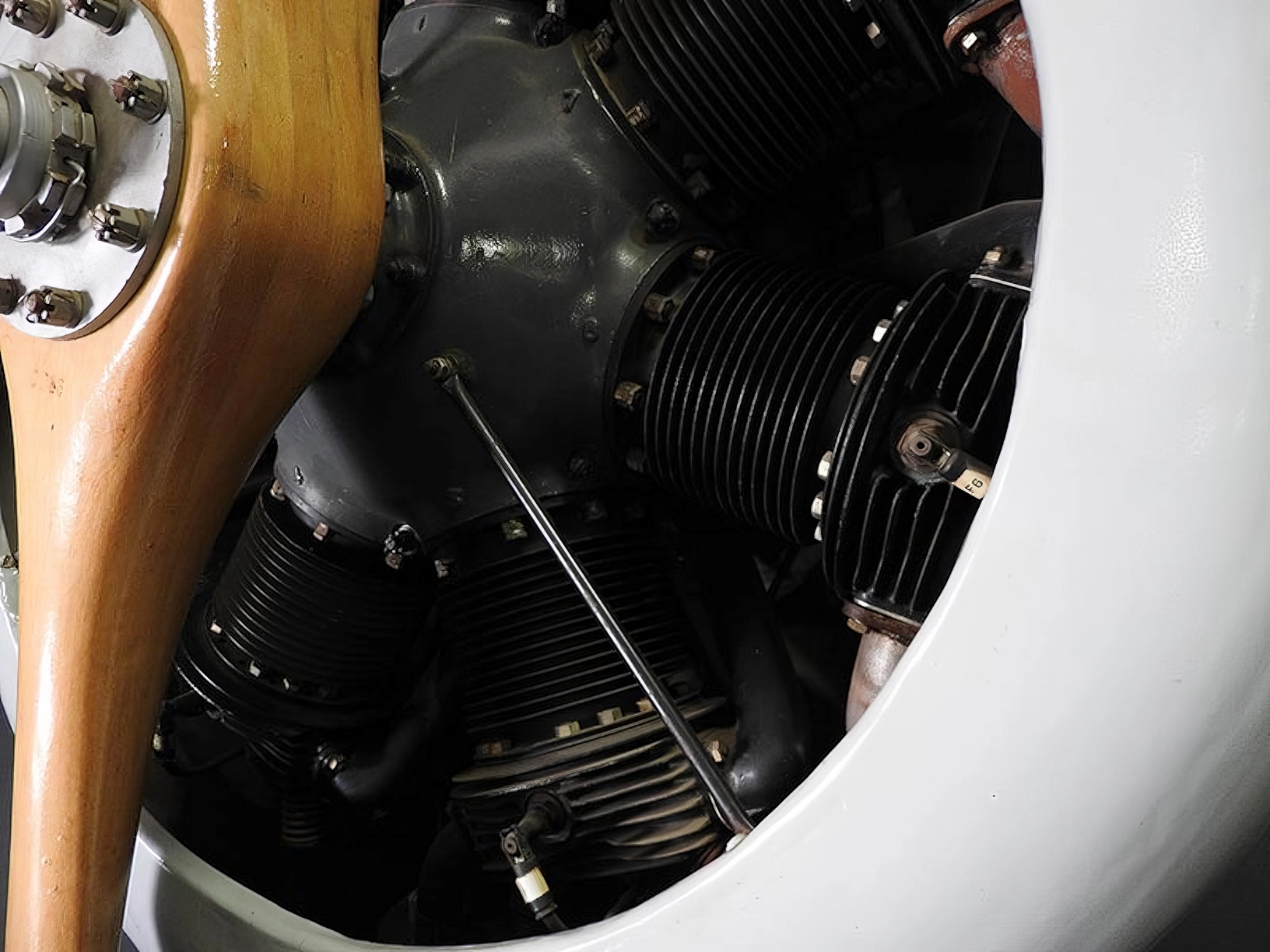
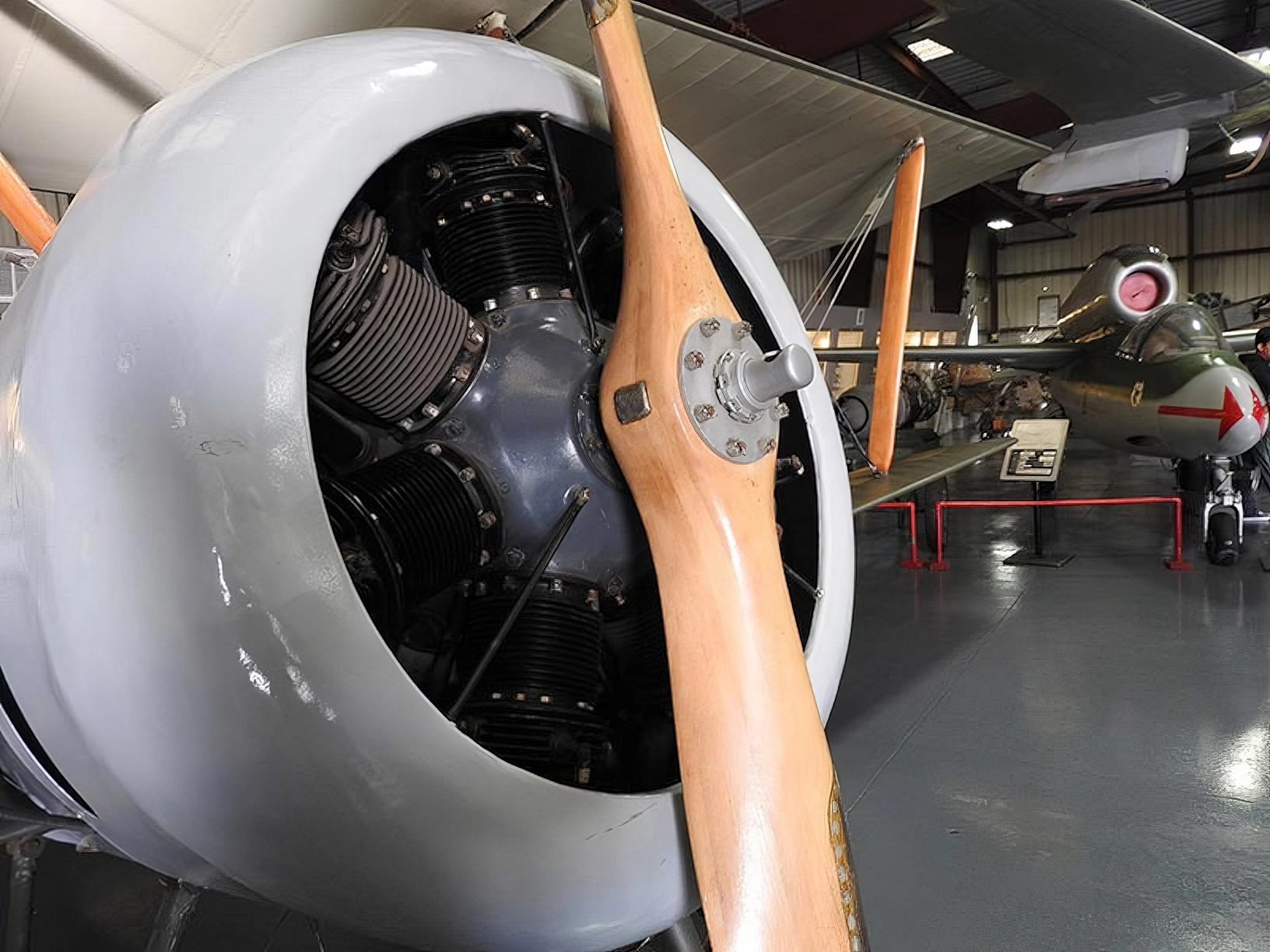
1 × Clerget 9B 9-cylinder rotary (130 hp)
Velocità massima
182 km/h (113 mph)
Armamento principale
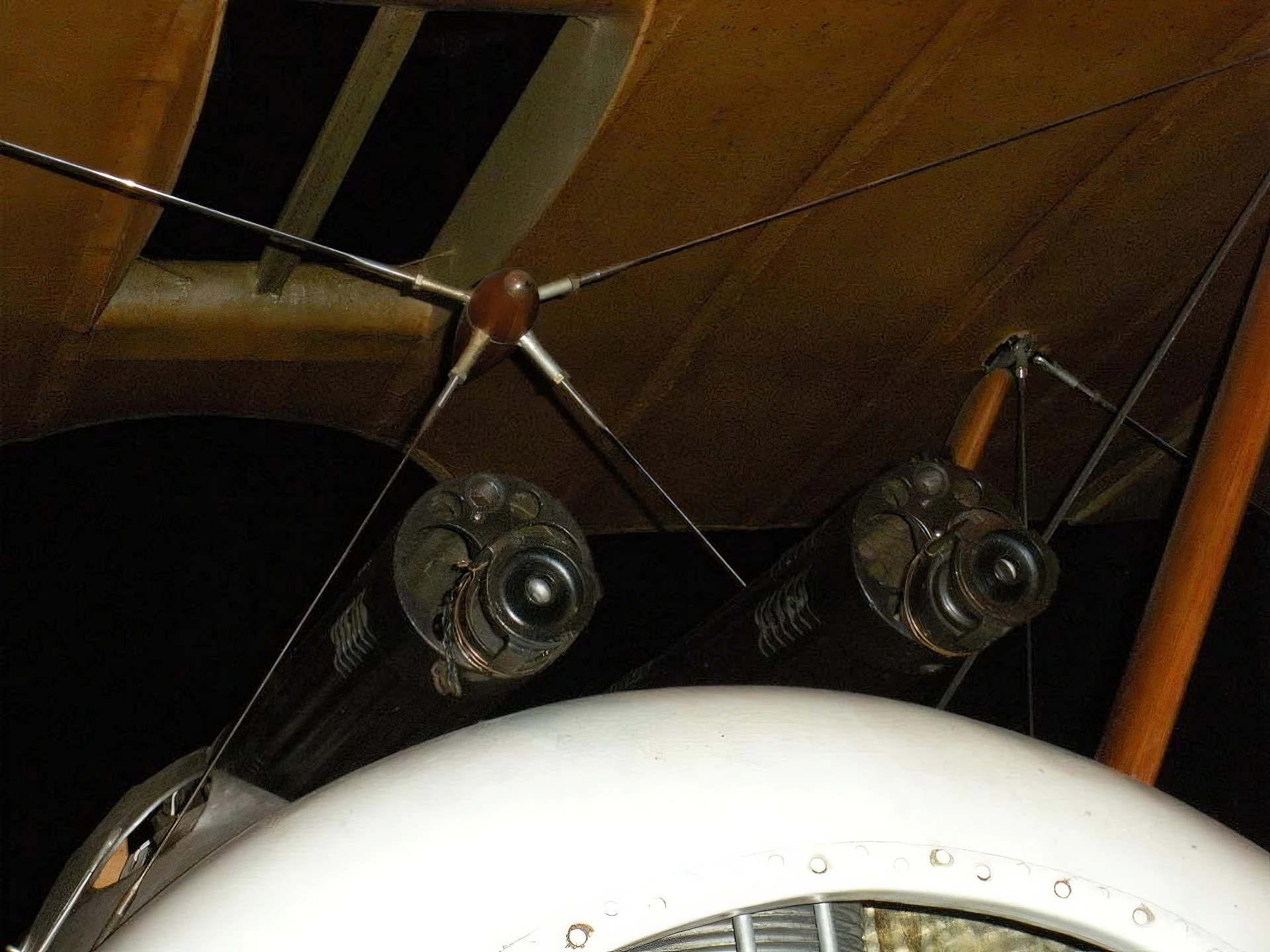
2 × .303 in (7.7 mm) Vickers machine guns
Service Ceiling
5,800 m (19,000 ft)
Weight (Empty)
422 kg (930 lbs)
Maneuverability
Extremely high (Right-hand turns assisted by torque)
Design Engineering: The Gyroscopic Fighter
Concentrated Mass:The Camel’s design crammed the engine, guns, fuel, and pilot into the front seven feet of the fuselage. This gave the aircraft an exceptionally tight center of gravity, making it incredibly responsive—and unstable.
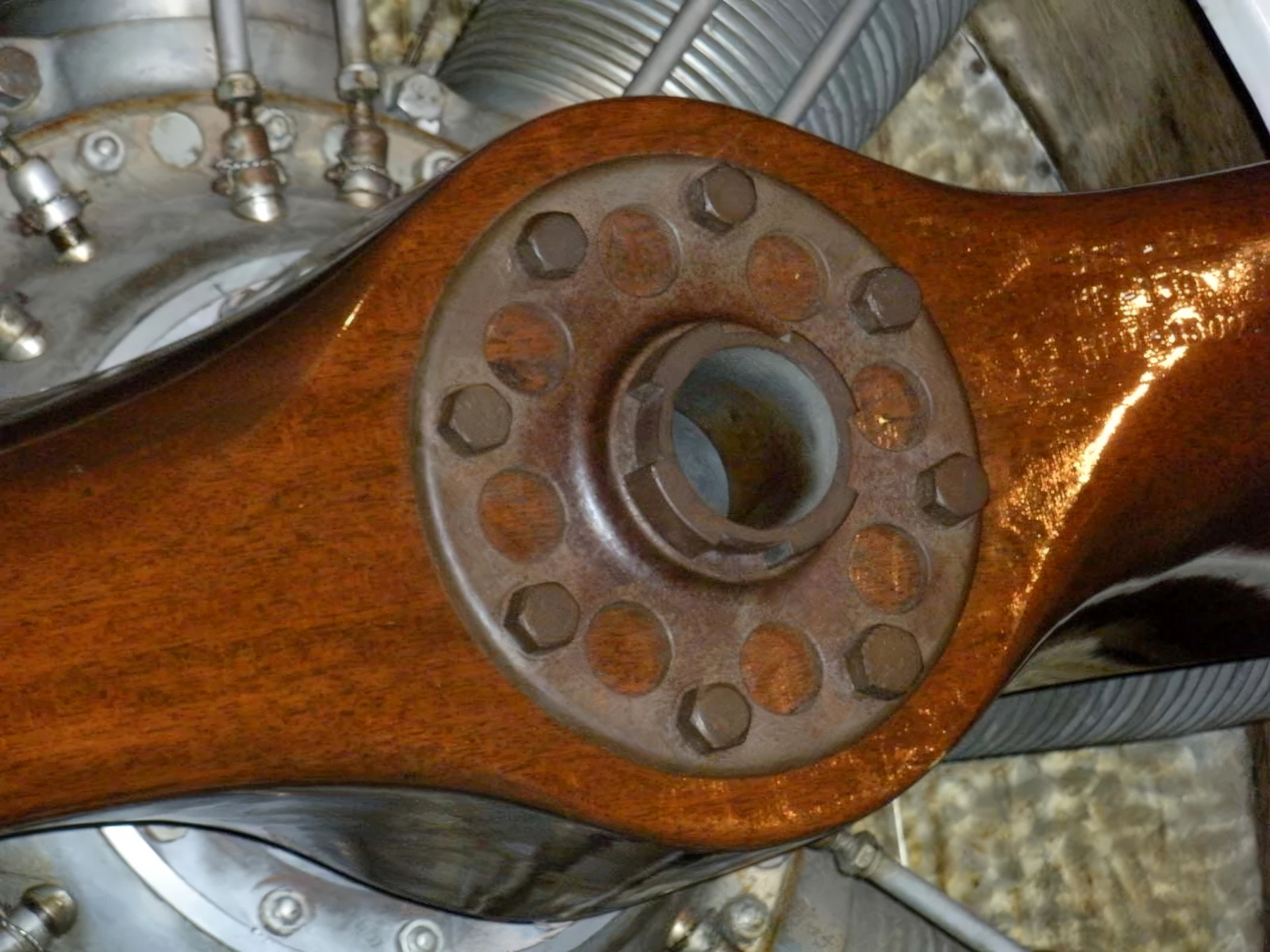
Rotary Engine Torque:The engine and propeller rotated together as a single mass. This created a massive gyroscopic effect; the Camel would pull sharply down during a right-hand turn and climb during a left-hand turn. Skilled pilots used this “snap” right turn to gain an immediate advantage in dogfights.
Twin-Gun Firepower:It was the first British fighter to carry twin synchronized Vickers guns as standard equipment. This doubled the weight of fire compared to the earlier Sopwith Pup, allowing it to shred the wood-and-canvas structures of German Albatros fighters.
The “Hump”:The fairing wasn’t just for aesthetics; it enclosed the gun breeches and the synchronization gear that allowed the guns to fire through the spinning propeller without hitting the blades.
Combat History: King of the Dogfight
Aerial Supremacy:Introduced in mid-1917, the Camel helped the Allies reclaim air superiority. It was the preferred mount of many top aces, including the Canadian Billy Barker, who scored 46 of his 50 victories in a single Camel (serial B6313).
The Red Baron’s End:A Sopwith Camel, flown by Canadian Captain Arthur “Roy” Brown, was officially credited with shooting down Manfred von Richthofen—the legendary Red Baron—though historical debate continues over whether ground fire was actually responsible.
Naval Operations (2F.1):A specialized naval variant featured a slightly smaller wingspan and a fuselage that could be broken down for storage on ships. These were some of the first fighters to be launched from platforms on warships and towed lighters.
Night Fighting:Because of its agility and climb rate, later variants were used as “Comic” night fighters to intercept German Gotha bombers over London, often with the guns moved to the top wing to prevent the pilot from being blinded by muzzle flash.



 Hawker Fury – Foto e Video
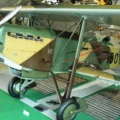 EKW C-35 – Foto e Video
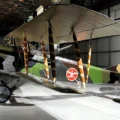 SPAD S.XI – Passeggia
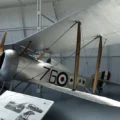 Hanriot HD.1 – Foto e video
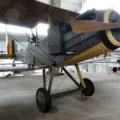 Royal Aircraft Factory R.E.8 – Foto e Video
 Phönix D.I – Foto e Video
 Bristol F.2 Fighter – Foto e Video
 Consolidated PT-6A – Foto e video
 Fokker C.X – Foto e Video
 Curtiss F9C-2 Sparrowhawk – Foto e Video
Nuovo set di 62 foto