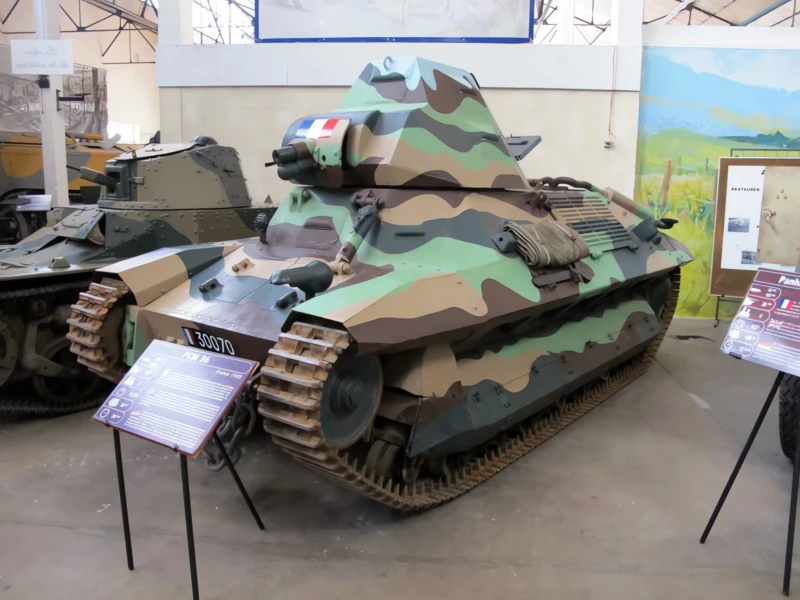
FCM36 | |
|---|---|
| Paese | Francia |
| Ruolo | Carro armato di fanteria leggera |
| Costruito | 100 |
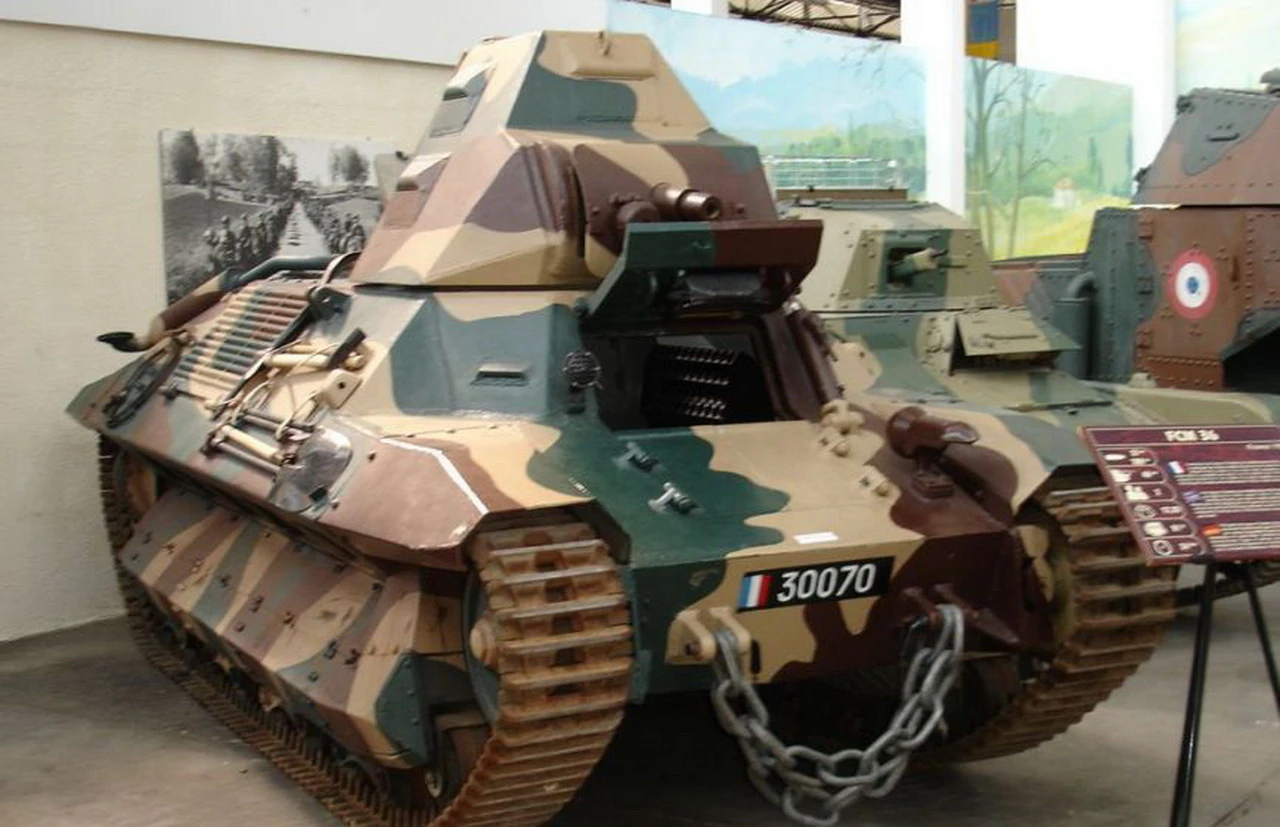
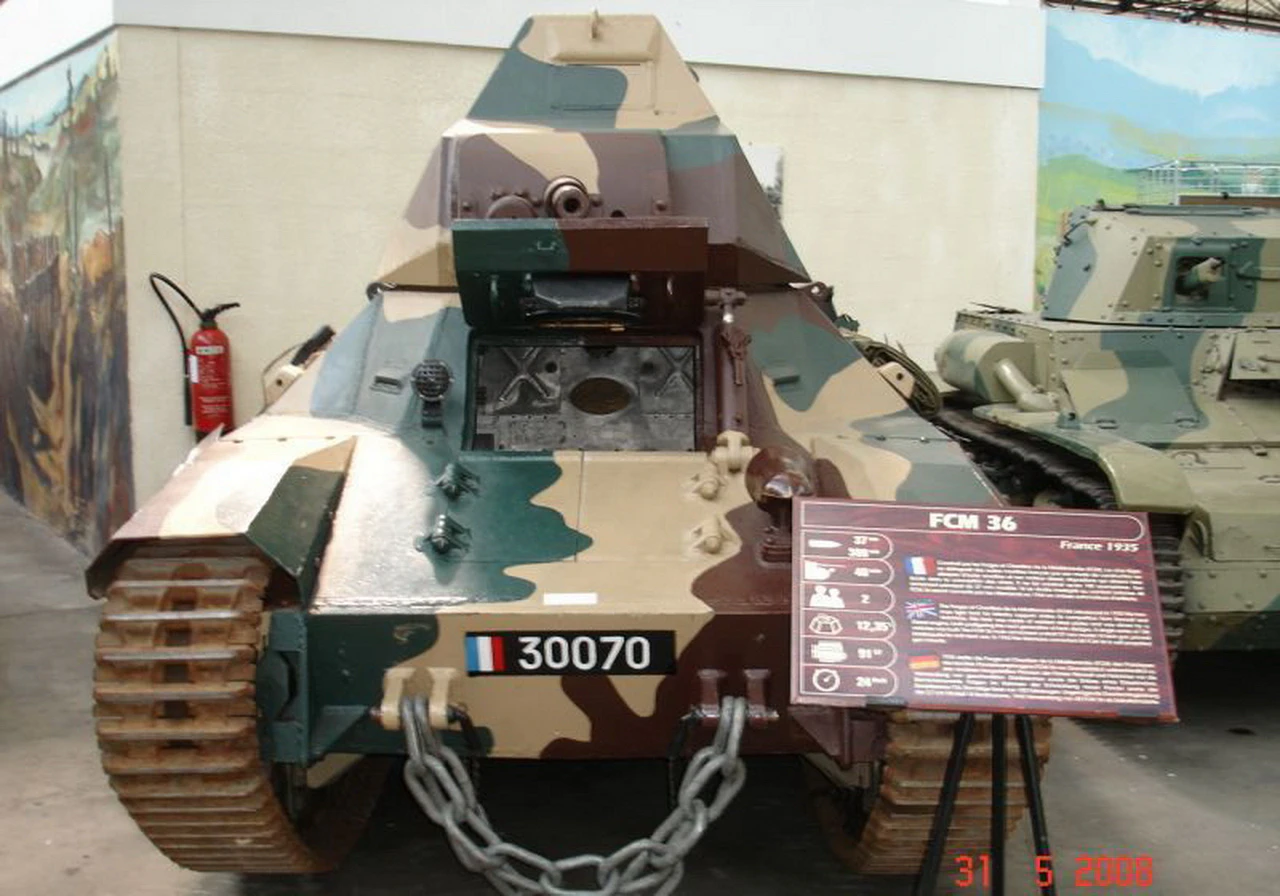
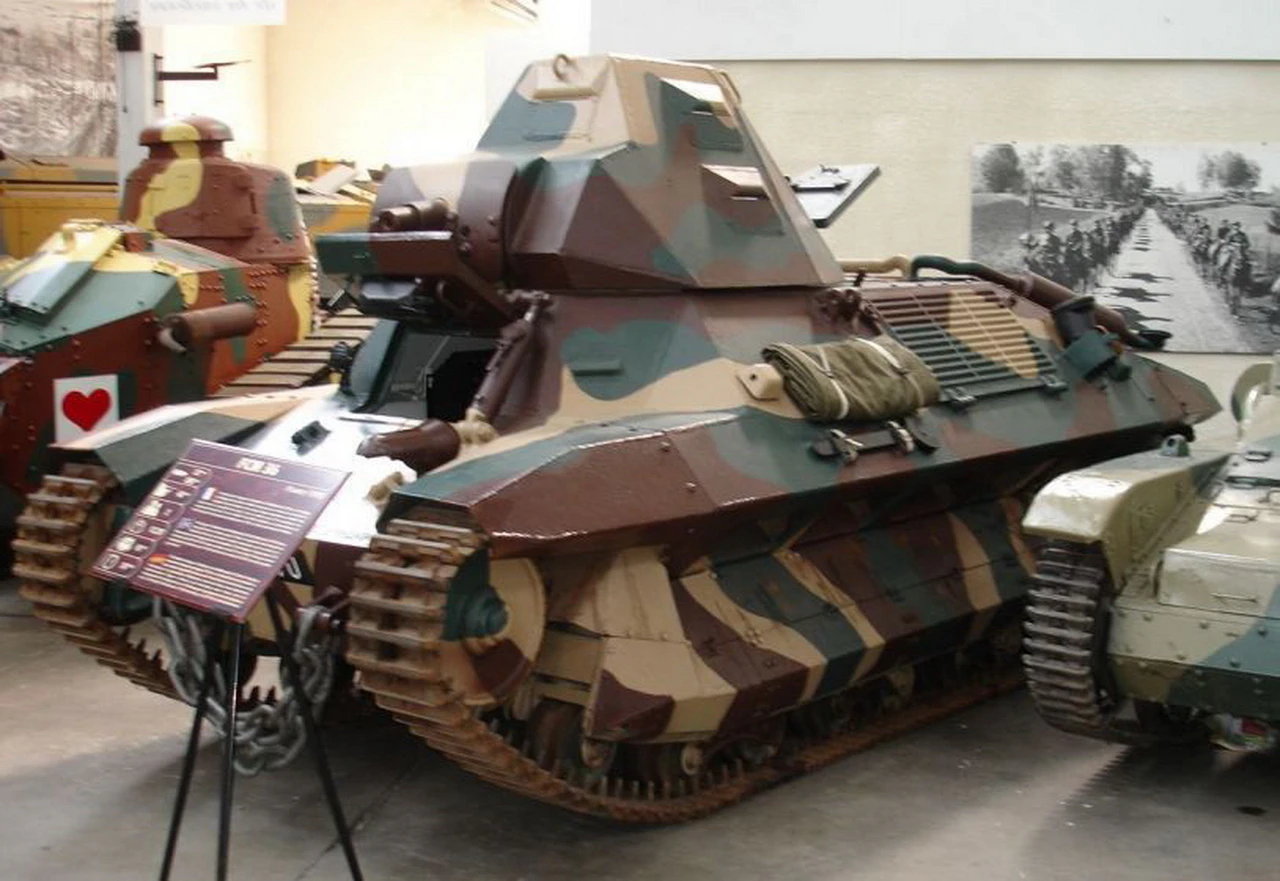
Galleria fotografica di un FCM36 at Musee des Blindes, Saumur, The FCM 36 or Char léger Modèle 1936 FCM, was a light infantry tank that was designed for the French Army prior to World War II. It had a crew of two and was equipped with a short 37 mm main armament and a 7.5 mm coaxial machine gun. Power was provided by a diesel engine.
fonte: FCM36 su Wiki
| FCM36 | |
|---|---|
| Fotografo | Vladimir Yakubov |
| Localizzazione | Musee des Blindes |
| Foto | 91 |
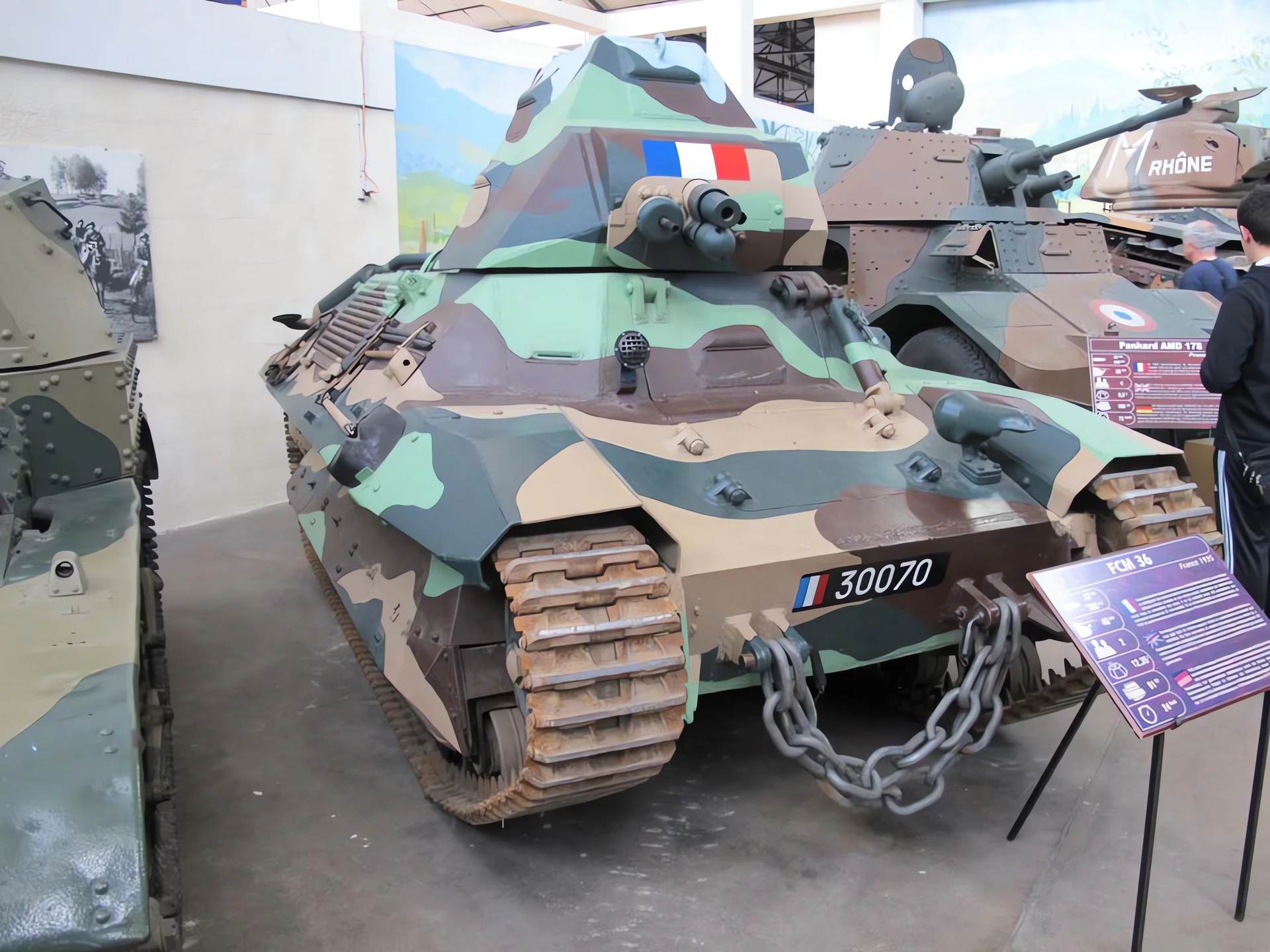
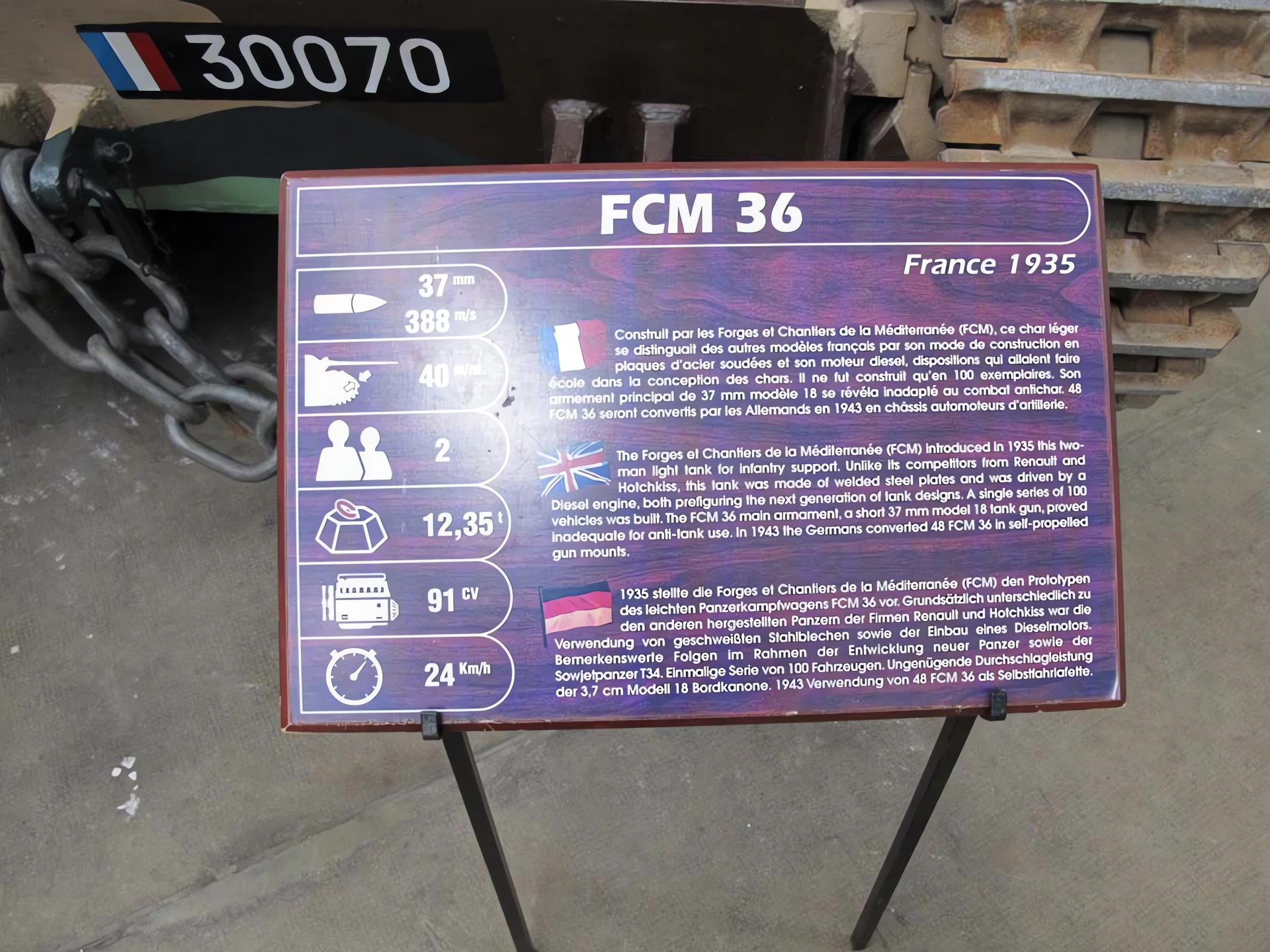
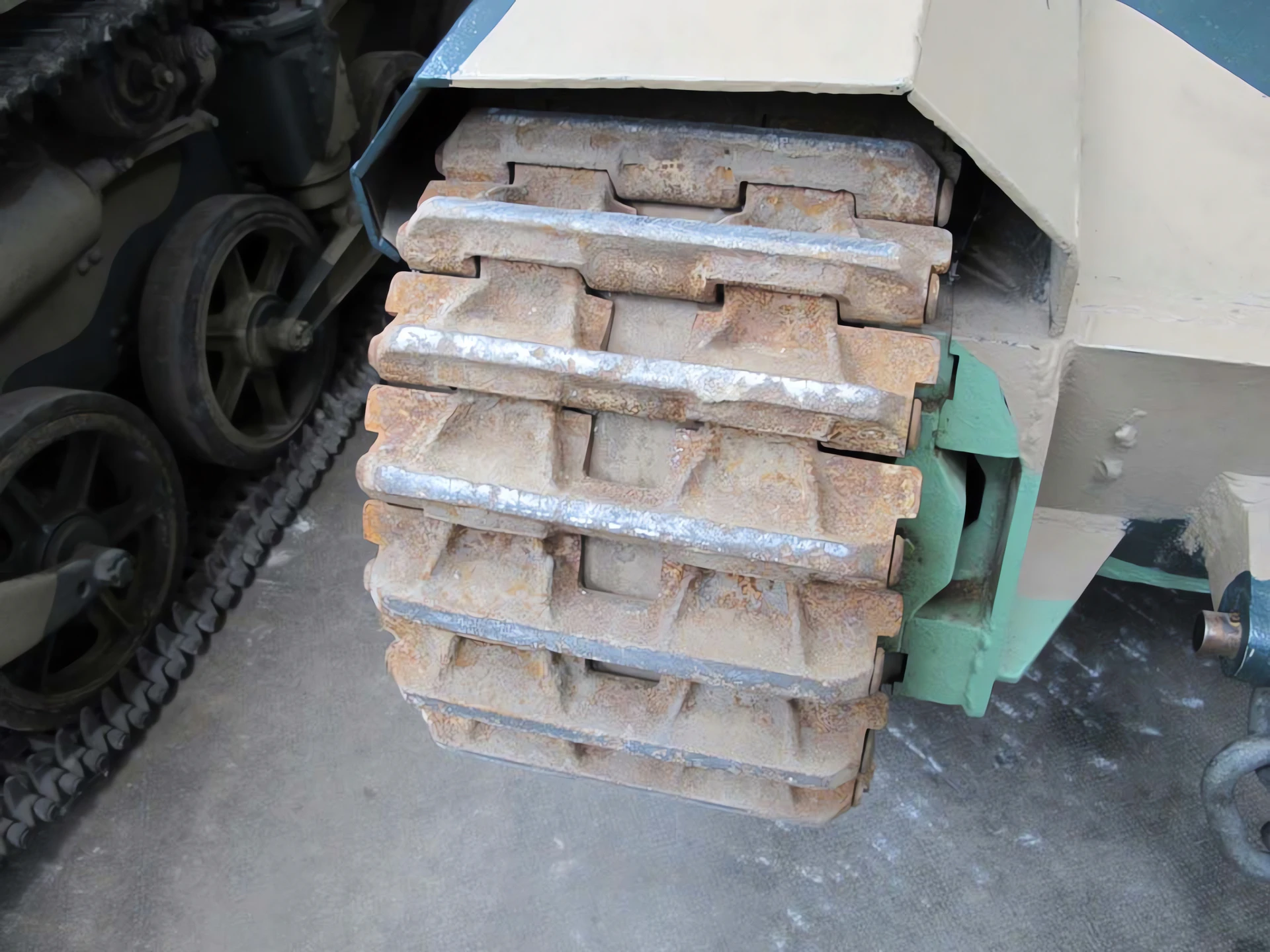
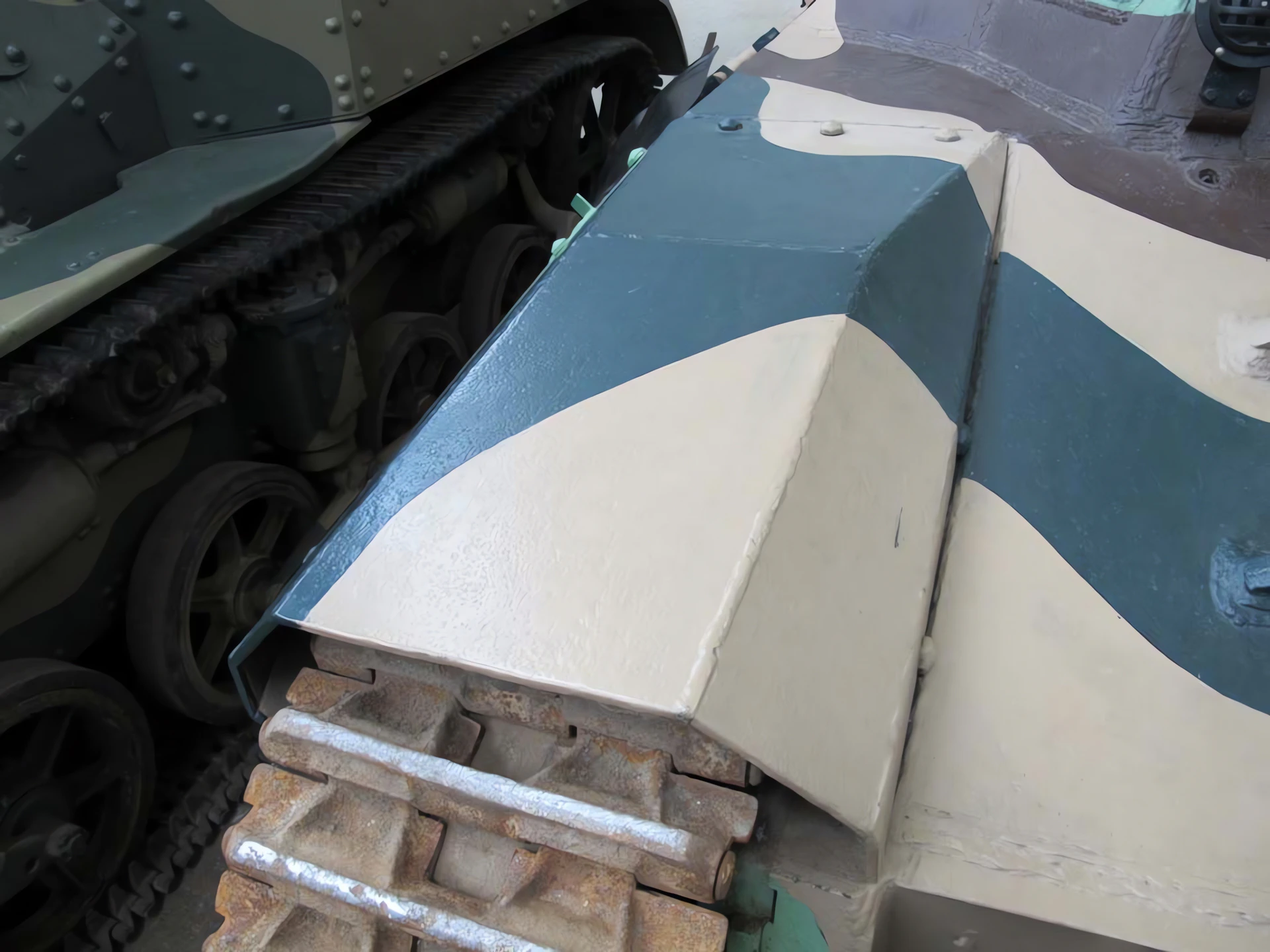
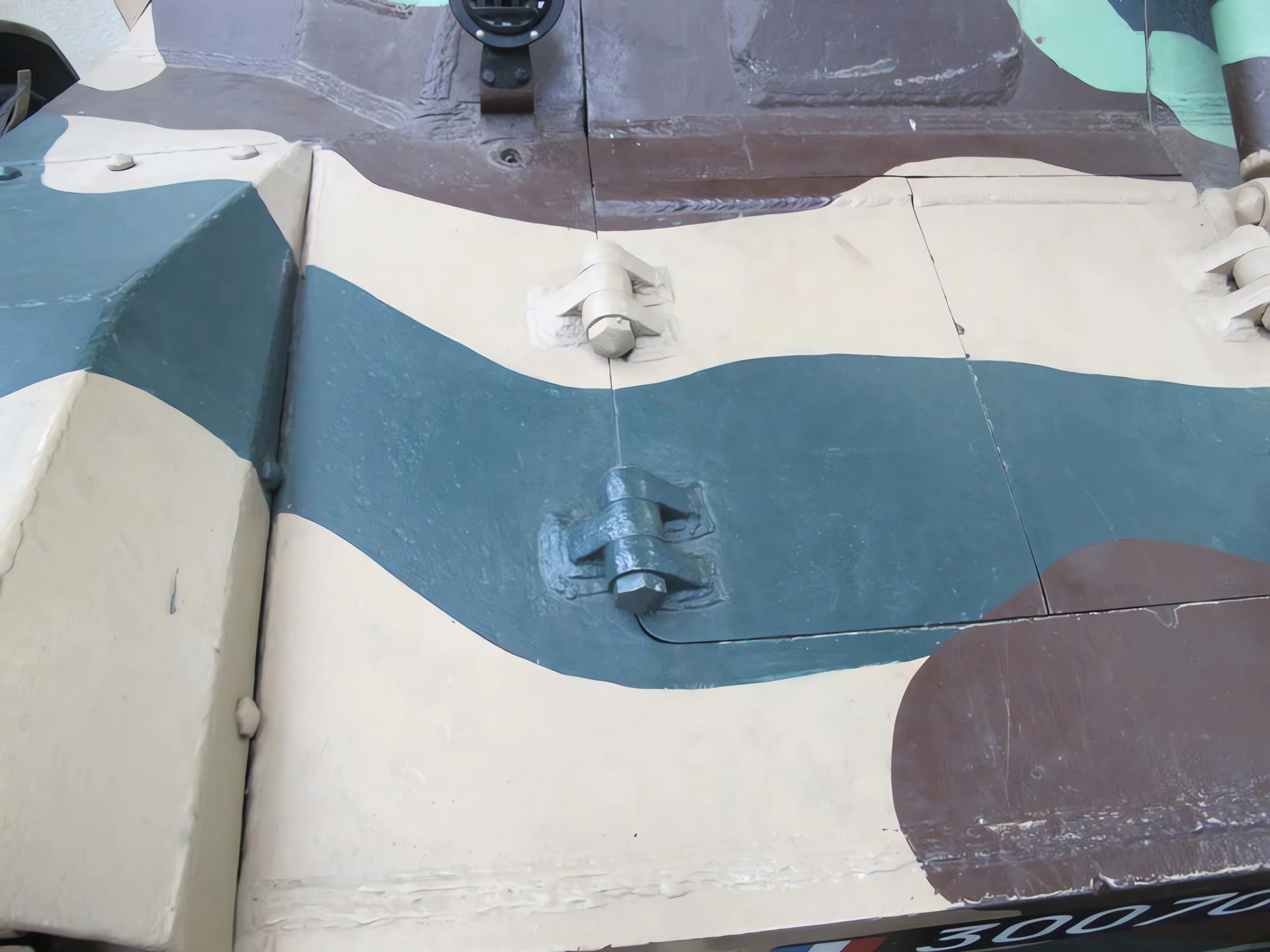
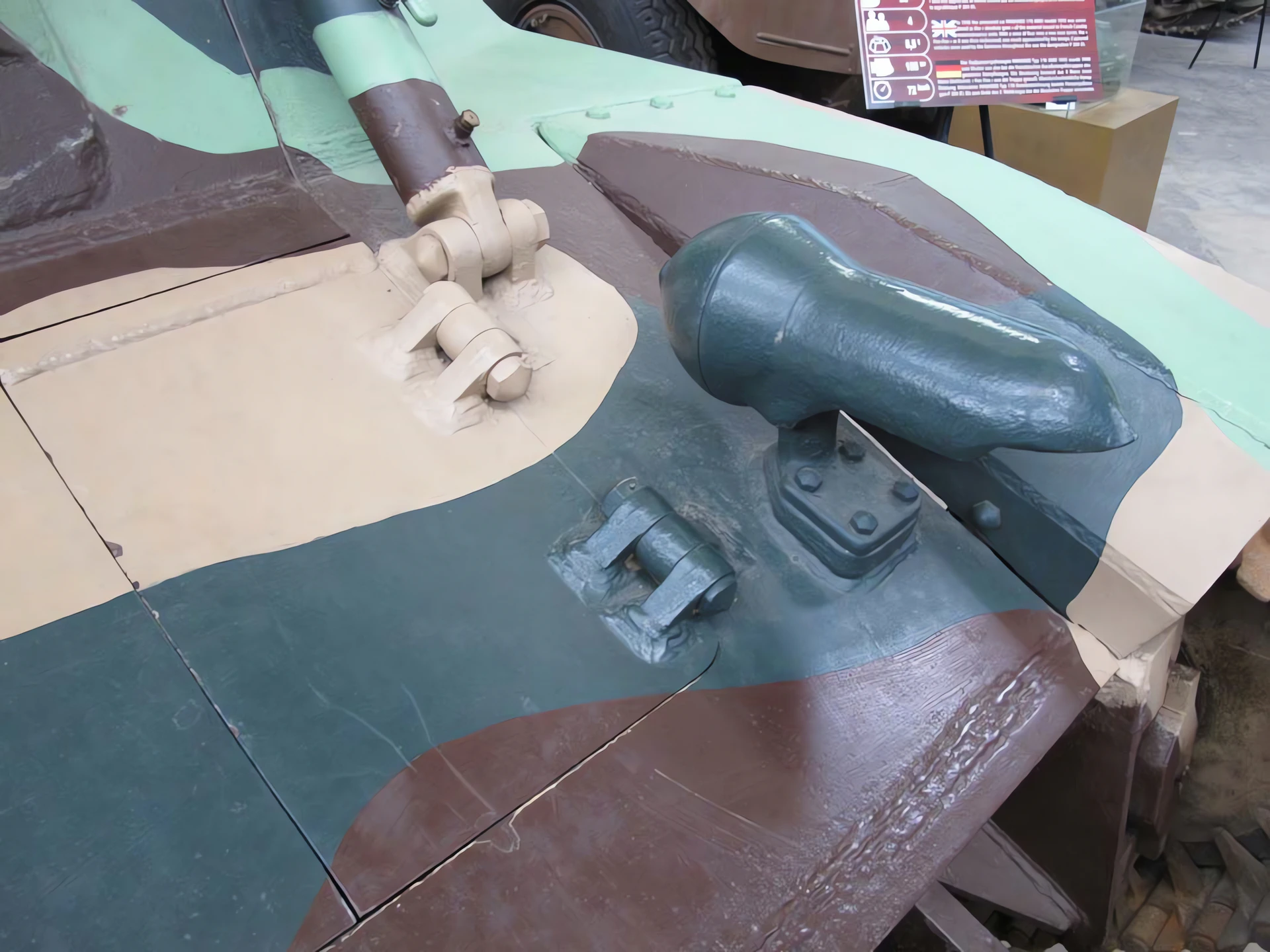
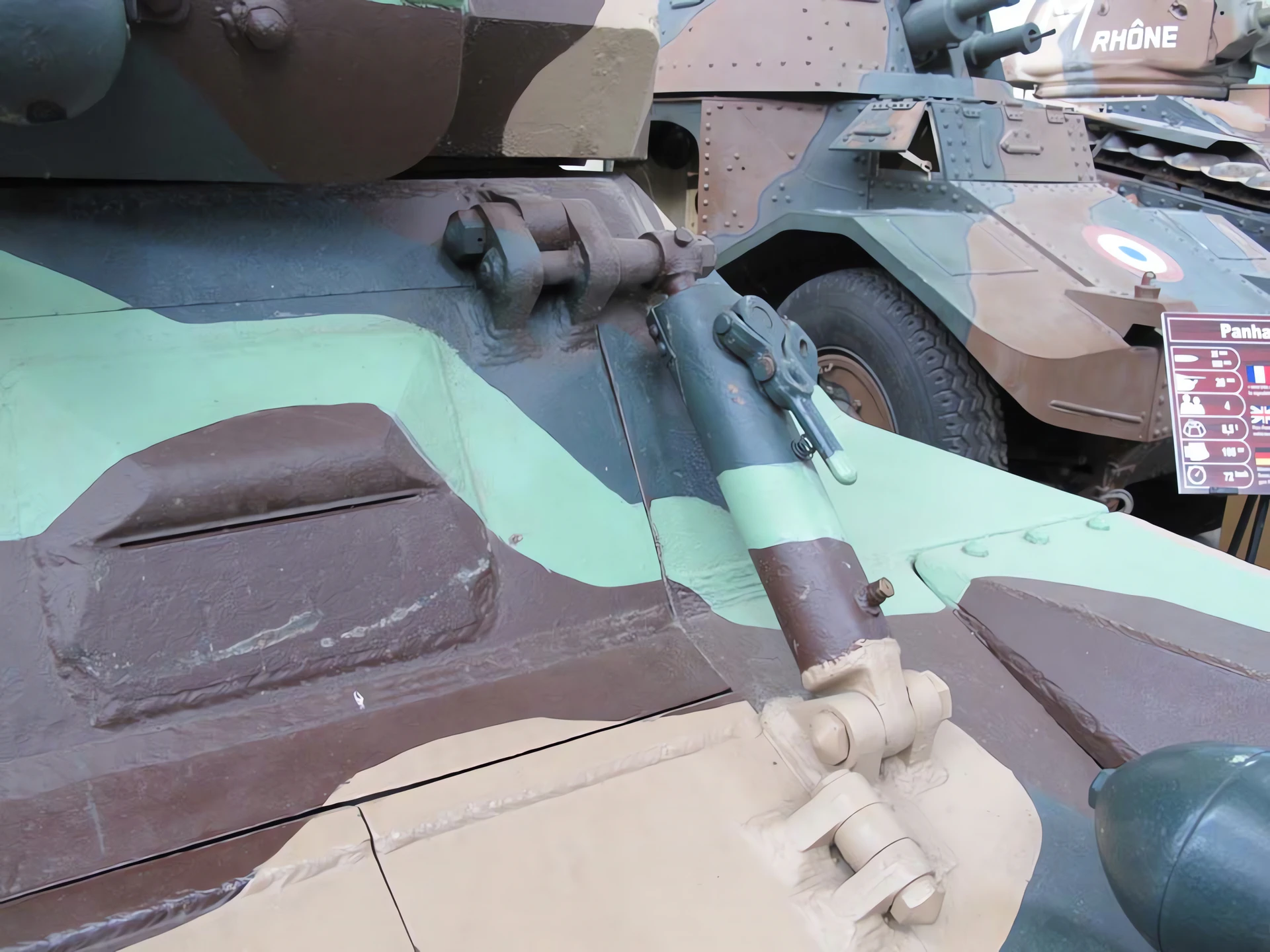
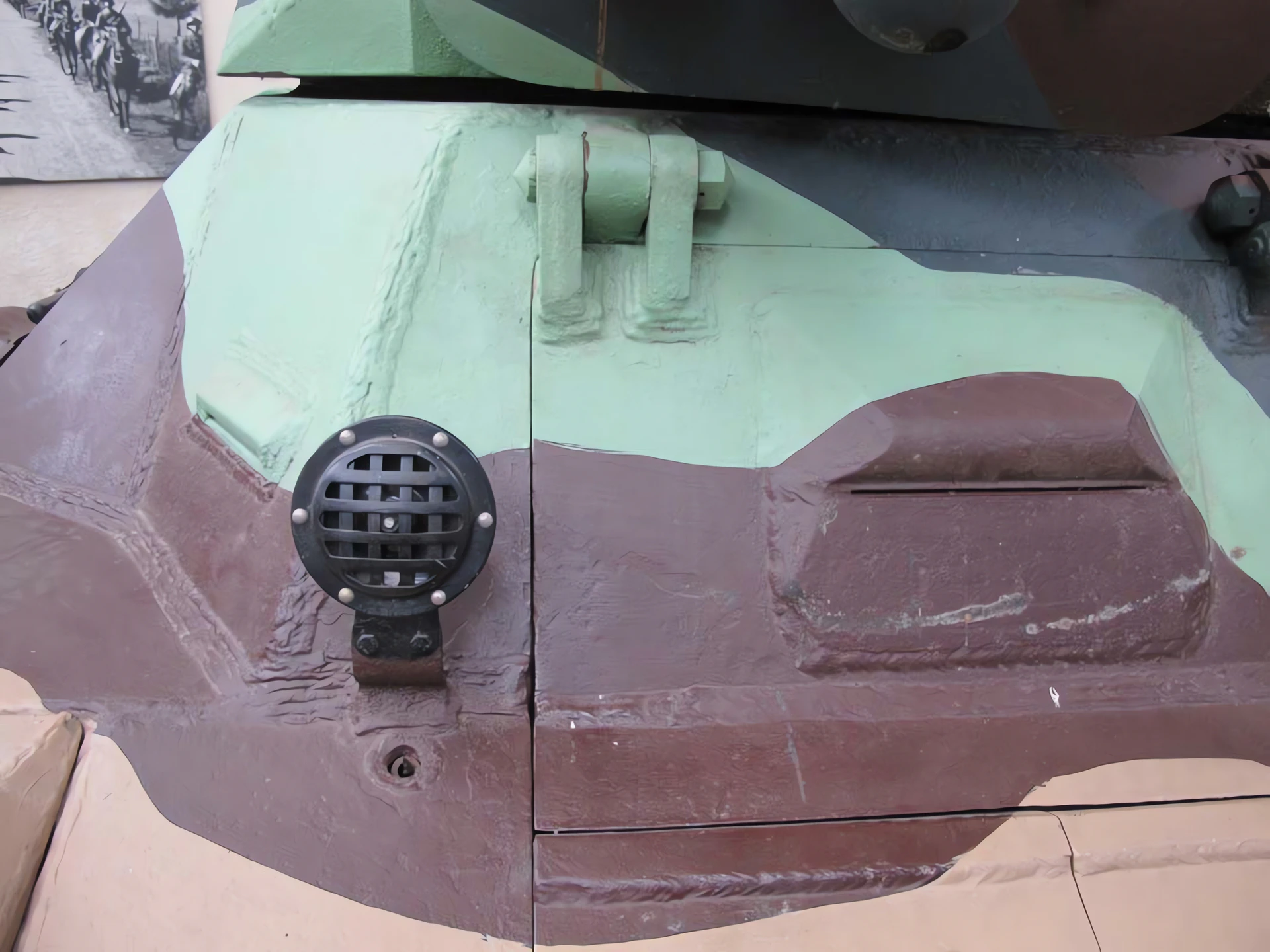
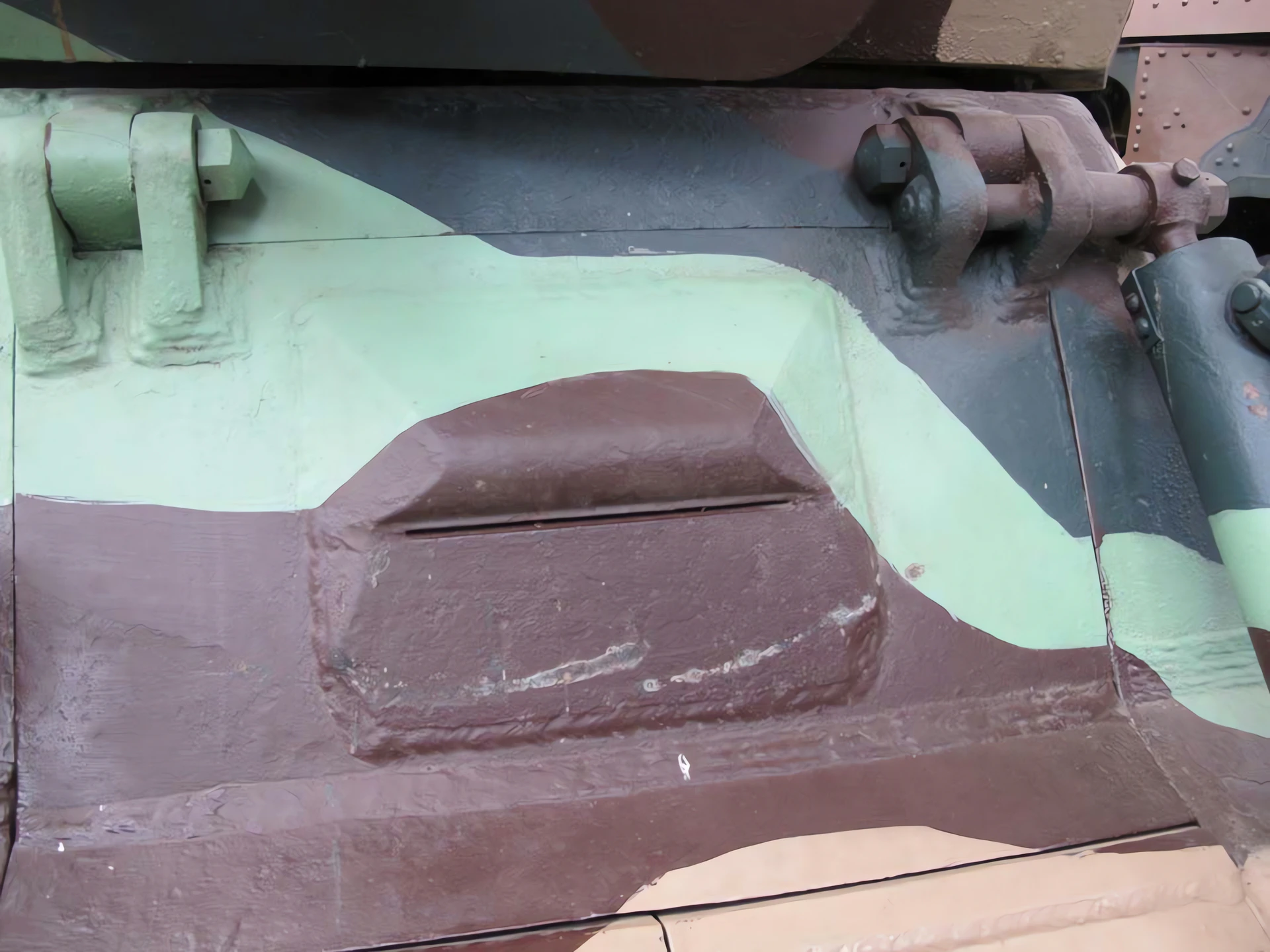

| FCM 36 Walk Around | |
|---|---|
| Fotografo | Legion |
| Localizzazione | Inconsapevole |
| Foto | 56 |
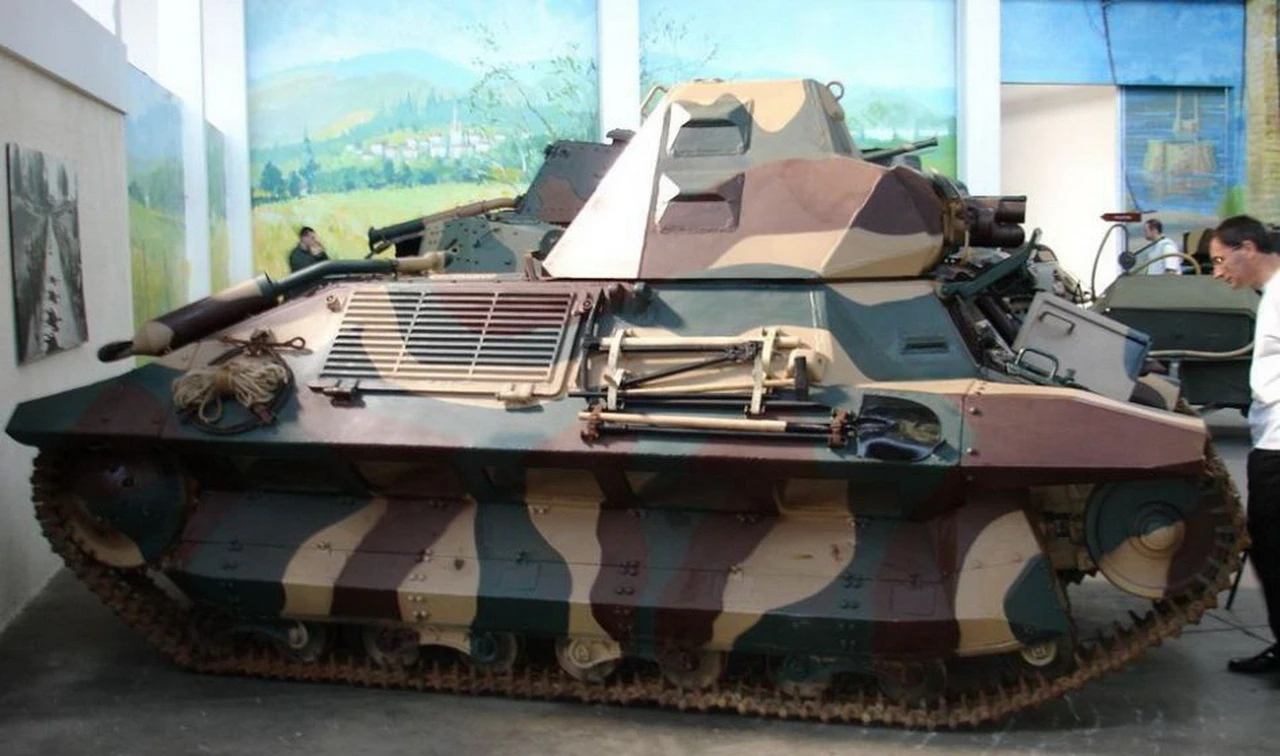
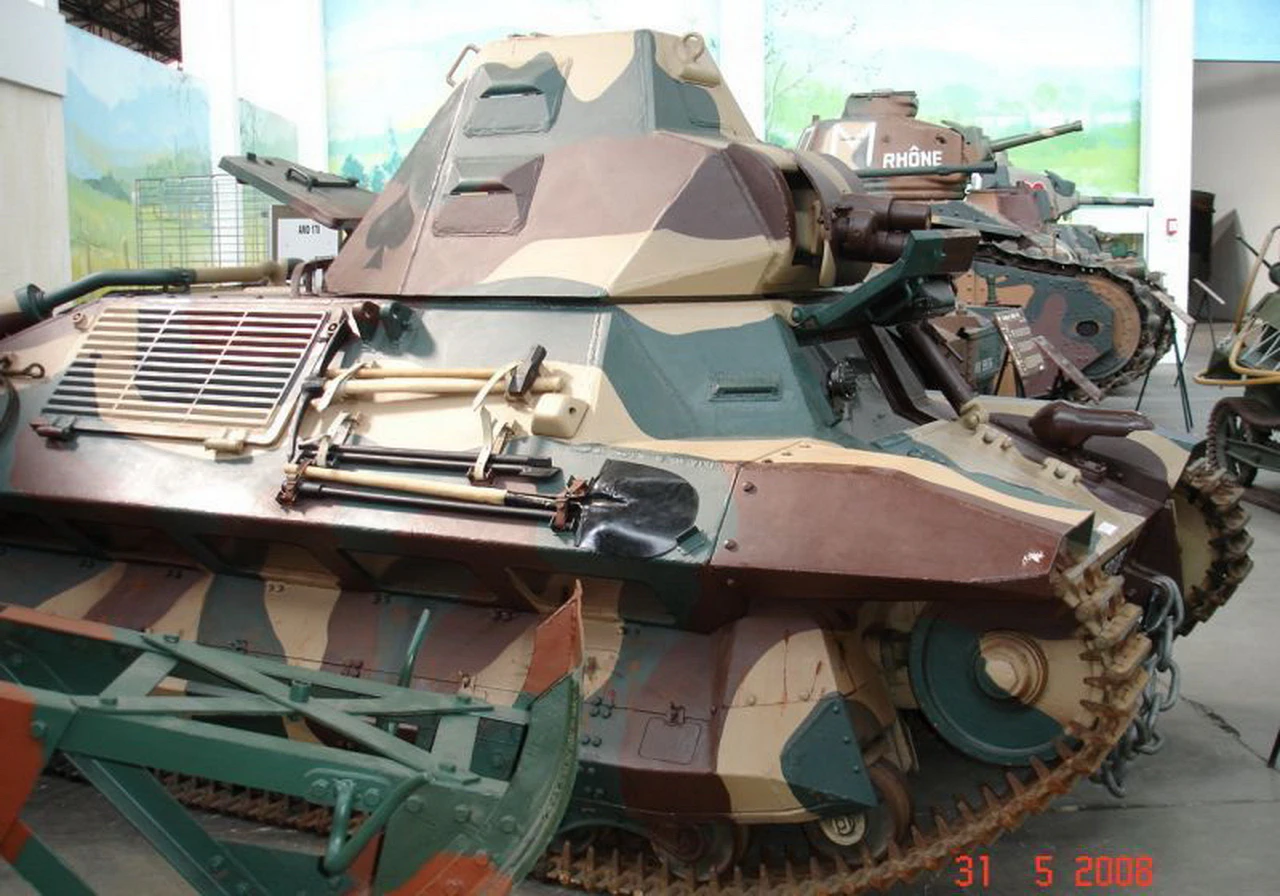
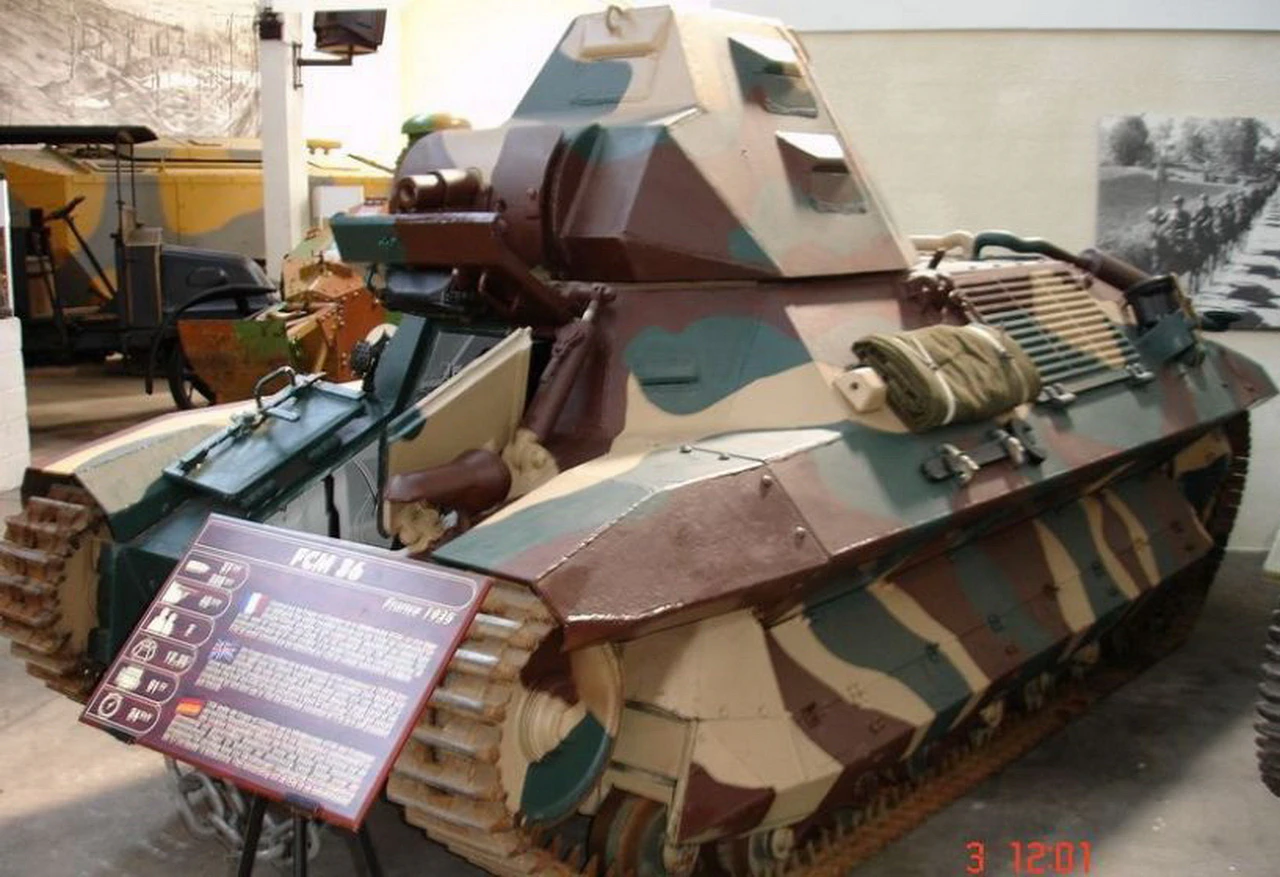
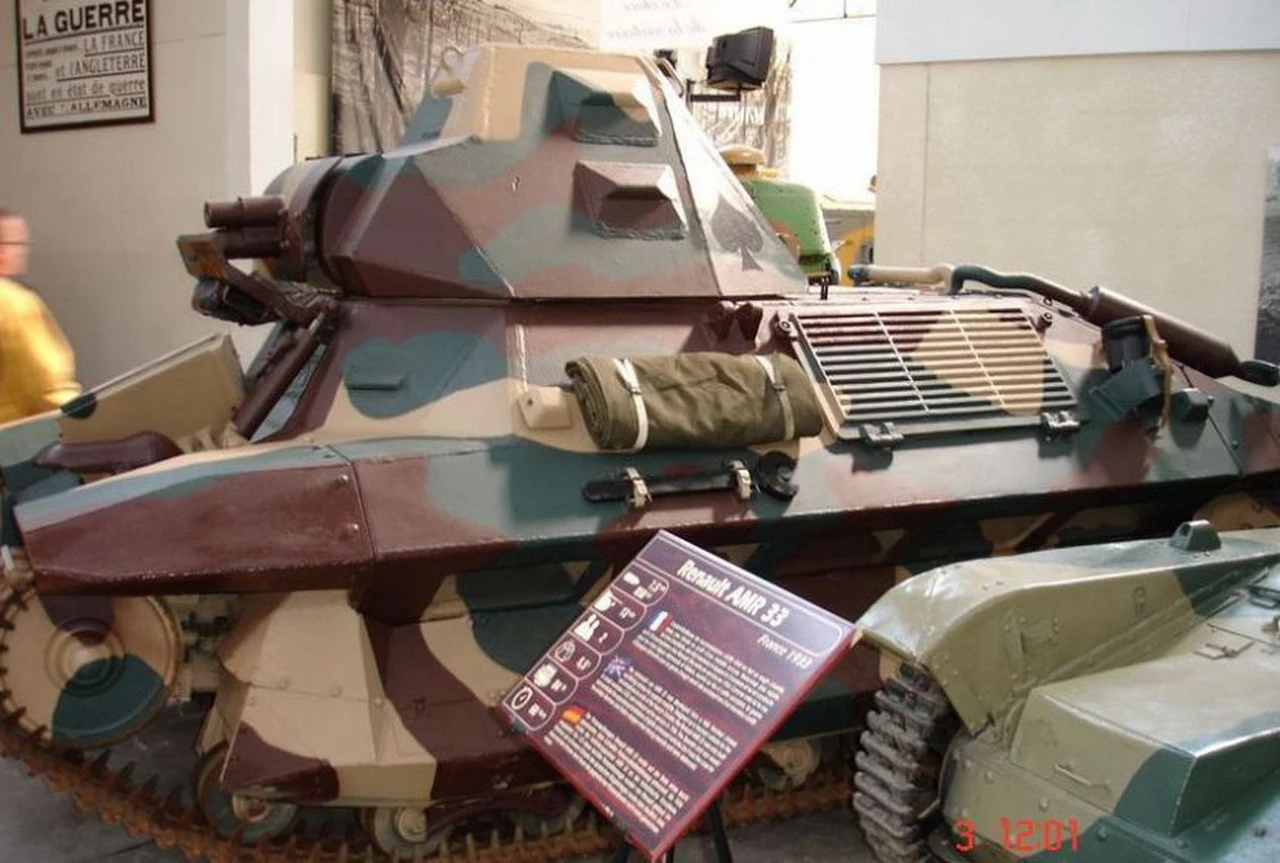
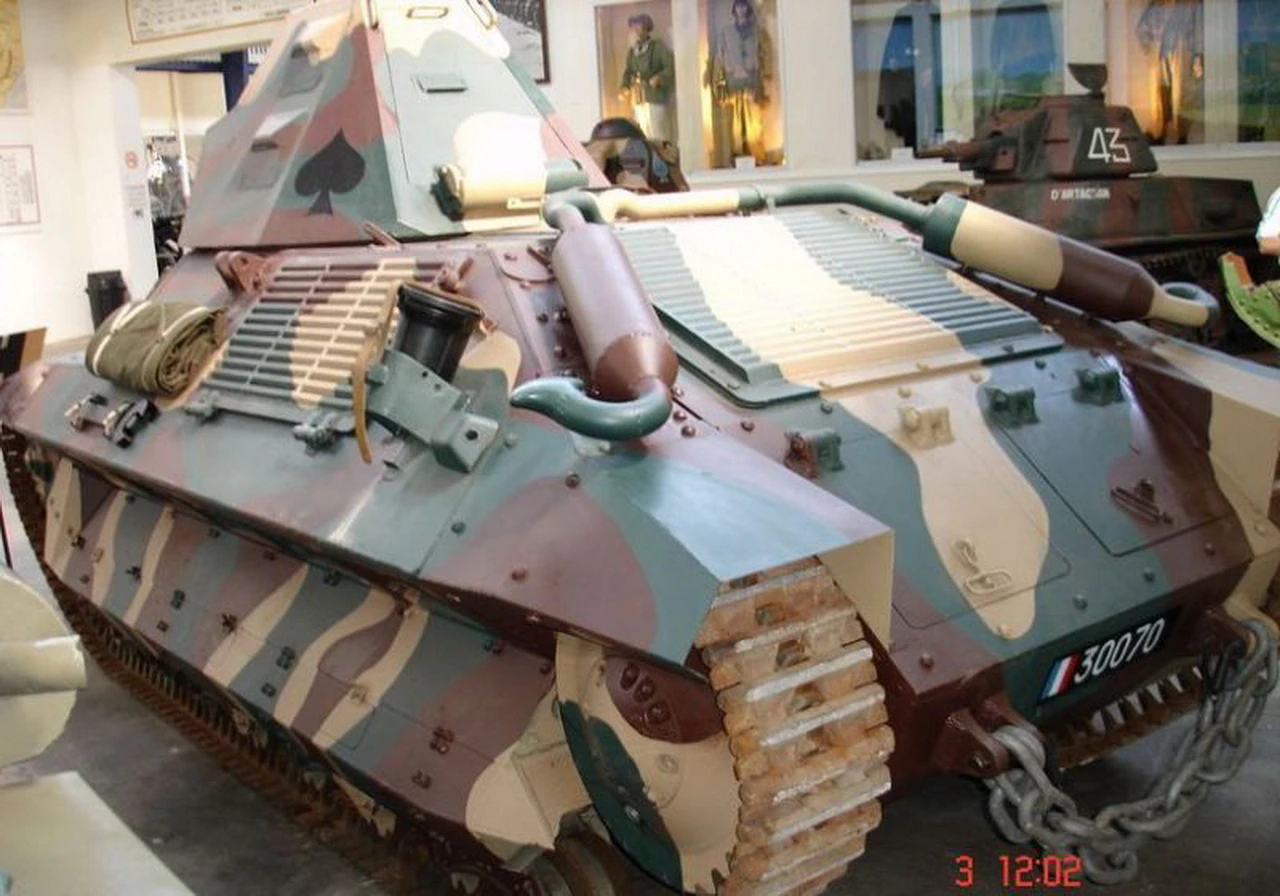
| FCM 36 Restauration Walk Around | |
|---|---|
| Fotografo | Unknow |
| Localizzazione | Inconsapevole |
| Foto | 145 |
Vedi anche:


The Avant-Garde Defender
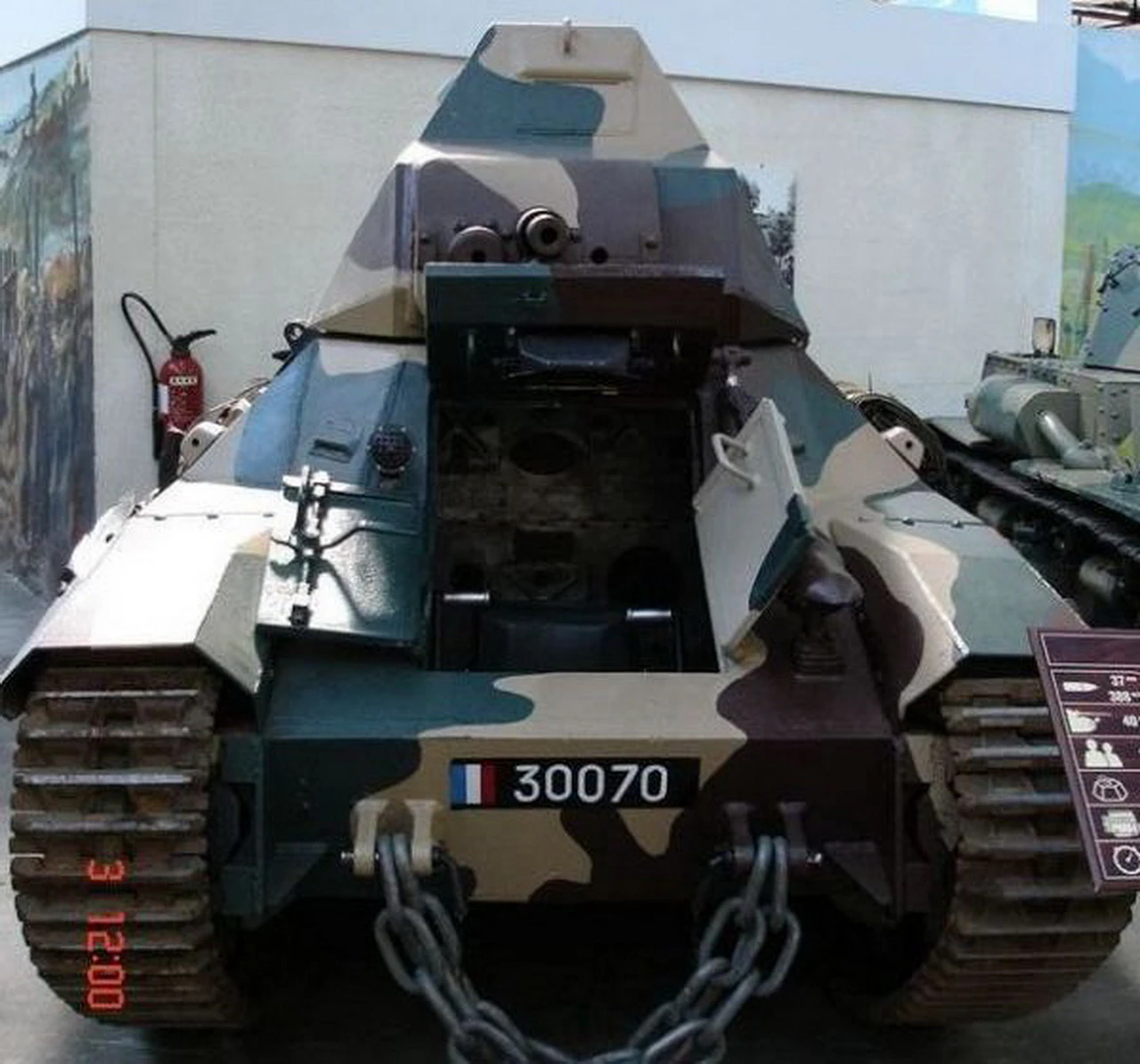
Le FCM 36 was perhaps the most visually striking tank of the 1930s. Developed by Forges et Chantiers de la Méditerranée, it was designed as a modern infantry support tank. While its contemporaries like the Renault R35 were cast or riveted, the FCM 36 featured a revolutionary all-welded hull with extreme sloped armor. Its futuristic, pyramid-like shape was decades ahead of its time, designed to deflect enemy shells with ease. However, its high production cost and complex engine meant only 100 were ever built, making it a rare but formidable sight during the Battle of France in 1940.
| Attribute | Technical Specification (FCM 36) |
|---|---|
| Ruolo | Light Infantry Tank |
| Equipaggio | 2 (Commander/Gunner and Driver) |
| First Production | 1936 |
| Armamento principale | 37 mm SA 18 L/21 gun |
| Armatura | 40 mm (Highly sloped/welded) |
| Motopropulsore | Berliet MDP 4-cylinder Diesel (91 hp) |
| Top Speed | 24 km/h (15 mph) |
| Peso | 12.35 tonnes |
Engineering: Welding and Sloping
- Advanced Ballistic Geometry: Every single plate on the FCM 36 was sloped. Even the turret was a complex truncated pyramid. This gave the 40mm of armor an “effective” thickness much higher than its actual weight suggested, making it nearly immune to the German 37mm Pak 36 anti-tank gun.
- First Diesel Tank: The FCM 36 was one of the first French tanks to utilize a diesel engine. This reduced the risk of catastrophic fires (a common fate for gasoline tanks) and provided the vehicle with a very respectable operational range of 225 km.
- Fully Welded Hull: Unlike the bolt-and-rivet construction of the time, the FCM 36 was entirely welded. This eliminated “rivet popping” (where rivets would become internal projectiles when hit) and made the hull waterproof and gas-tight.
- Complex Suspension: The suspension was protected by heavy armored skirting. It used a system of many small wheels, which provided a smooth ride for the crew but was notoriously difficult to clean once clogged with thick French mud.
1940: The “Hedgehog” in Battle
- The Counter-Attack at Stonne: In May 1940, the FCM 36s of the 4th and 7th BCC (Battalion de Chars de Combat) fought in the brutal Battle of Stonne. They proved so difficult to destroy that German crews often had to target their tracks or wait for point-blank range to knock them out.
- The “Toothpick” Gun: Despite its incredible armor, the FCM 36 was crippled by its old 37mm SA 18 gun. Designed in WWI, it lacked the velocity to penetrate German tanks, forcing French commanders to get dangerously close to have any effect.
- German Service (Marder I): After the fall of France, the Germans captured many FCM 36s. Impressed by the hull but hating the turret, they stripped the tanks and used the chassis to create the Marder I tank destroyer and various mobile artillery pieces.
- Legacy: The FCM 36’s influence can be seen in the design of later tanks like the AMX-13, which continued the French tradition of utilizing aggressive sloping and innovative engineering to maximize weight efficiency.
Views : 5131
Puoi anche vedere:
 Carro armato T-18 – Foto e video
 M8 Armored Gun System – Foto e Video
 Panzer II – Foto e Video
 Renault AMR 33 – Foto e Video
 T-30 – Foto e video
 Sistema di pistola corazzata XM-8 – Foto e video
 Carro armato da sei ton M1917 - WalkAround
 Renault R35 - WalkAround
 T-46 Light Tank - WalkAround
 Char léger BT2 - Passeggiata