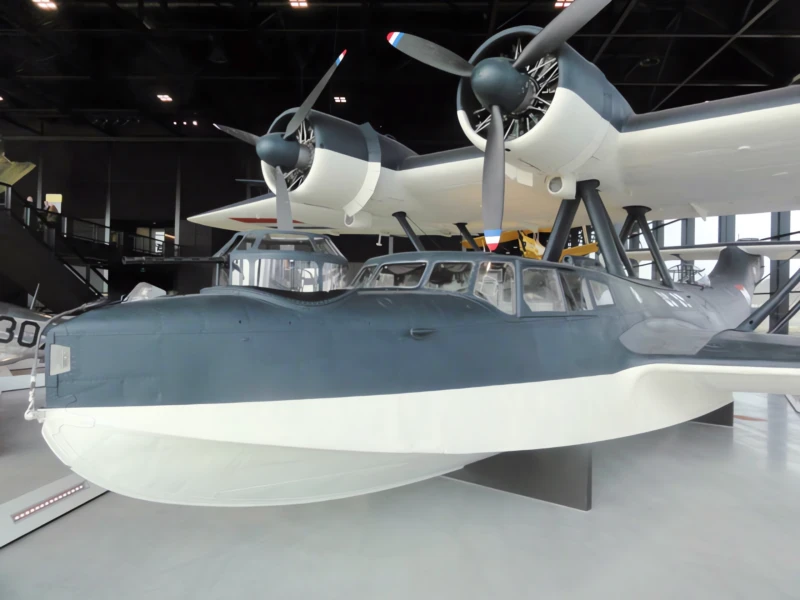
Dornier Do-24 | |
|---|---|
| Paese | Germania nazista |
| Ruolo | Bombardiere, ricognizione e idrovolante di soccorso aereo |
| Primo volo | Roma, 3 luglio 1937 |
| Costruito | 279 |
Le Dornier Do 24 è un motoscafo tedesco a tre motori progettato dalla Dornier Flugzeugwerke per pattugliamento marittimo, ricerca e soccorso. Secondo i registri di Dornier, circa 12.000 persone furono salvate dai Do 24 durante la sua carriera di volo. Un totale di 279 furono costruiti tra diverse fabbriche dal 1937 al 1945.
fonte: Dornier Do-24 su Wikipedia
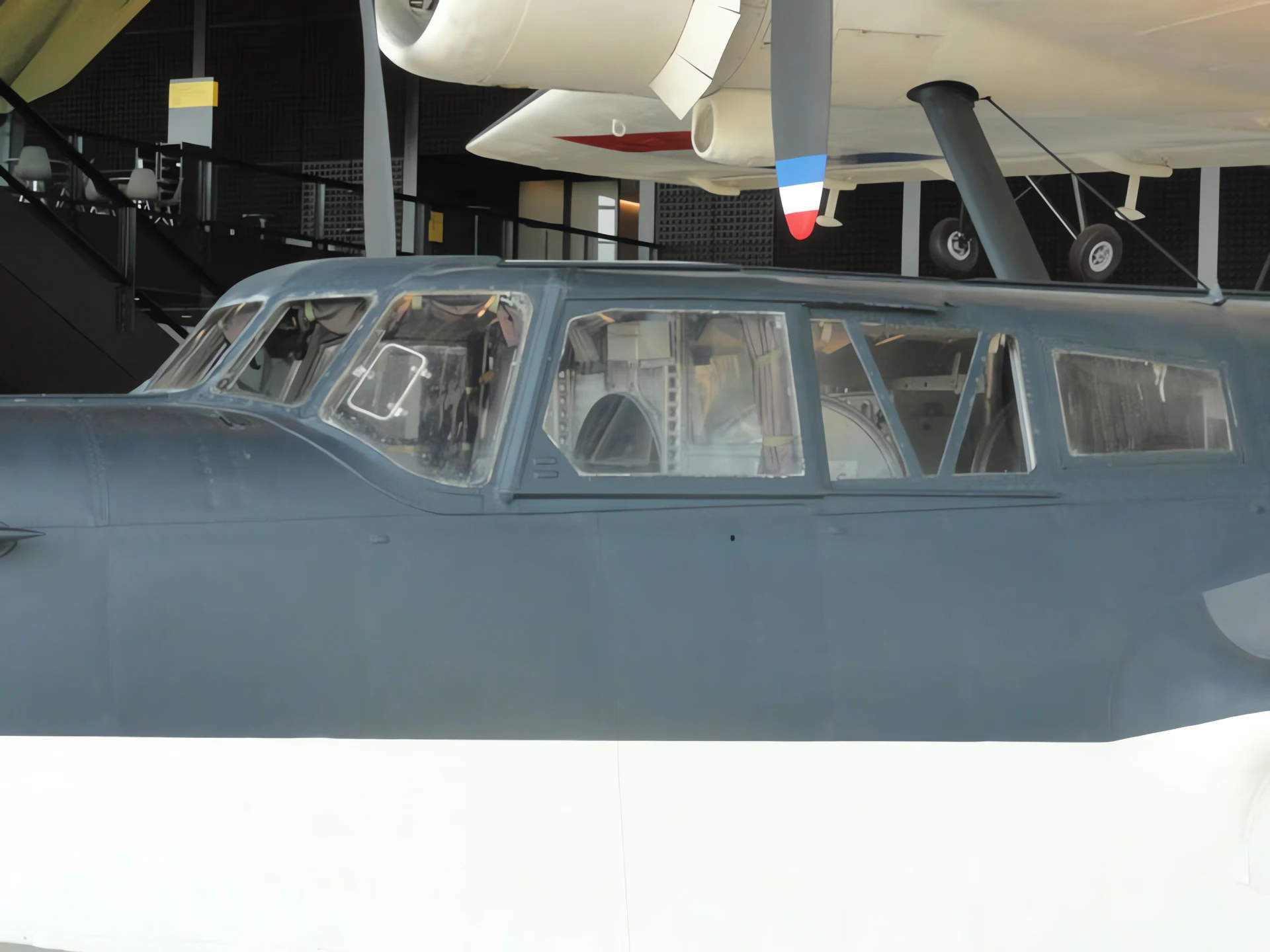
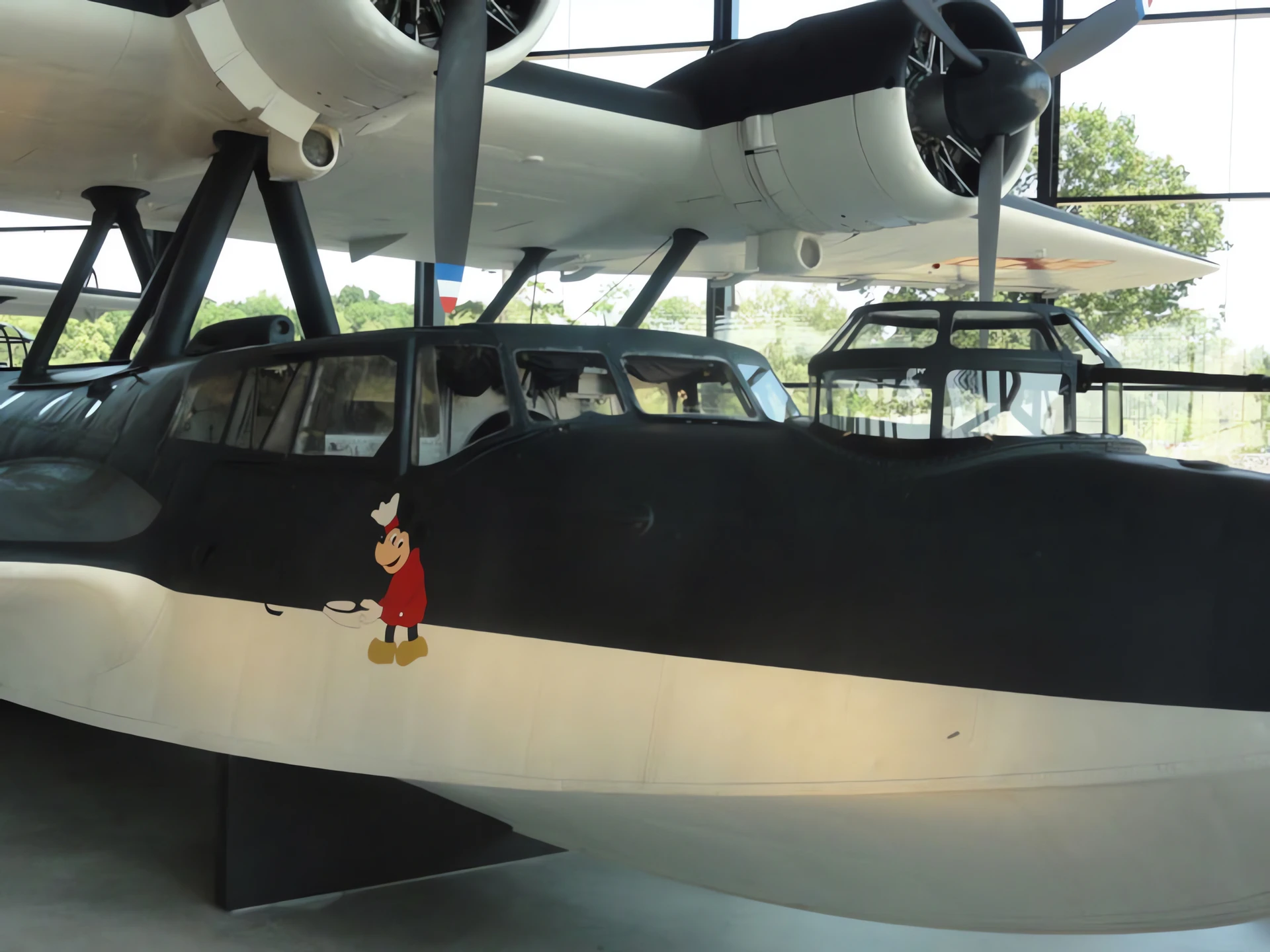
| Dornier Do-24 Cammina | |
|---|---|
| Fotografo | Meindert de Vreeze |
| Localizzazione | Inconsapevole |
| Foto | 39 |

 Comprami un caffè
| Dornier fai 24K a piedi | |
|---|---|
| Fotografo | Inconsapevole |
| Localizzazione | Inconsapevole |
| Foto | 49 |
| Dornier Do-24 Cammina | |
|---|---|
| Fotografo | Maurizio Sagius |
| Localizzazione | Inconsapevole |
| Foto | 29 |
Vedi anche:


A Dutch Design with a German Heart
Le Dornier Do 24 was an exceptionally seaworthy flying boat originally designed for the Dutch Naval Air Service (MLD) to protect the East Indies. When Germany occupied the Netherlands in 1940, production continued for the Luftwaffe. It became famous for its incredible durability in rough water, often landing in heavy seas to rescue downed airmen that other flying boats could not reach. It was so successful that it remained in service for decades after the war, notably with the Spanish Air Force for Search and Rescue (SAR).
| Attribute | Technical Specification (Do 24T) |
|---|---|
| Ruolo | Maritime Reconnaissance / Search and Rescue (SAR) |
| Equipaggio | 6 |
| First Flight | July 3, 1937 |
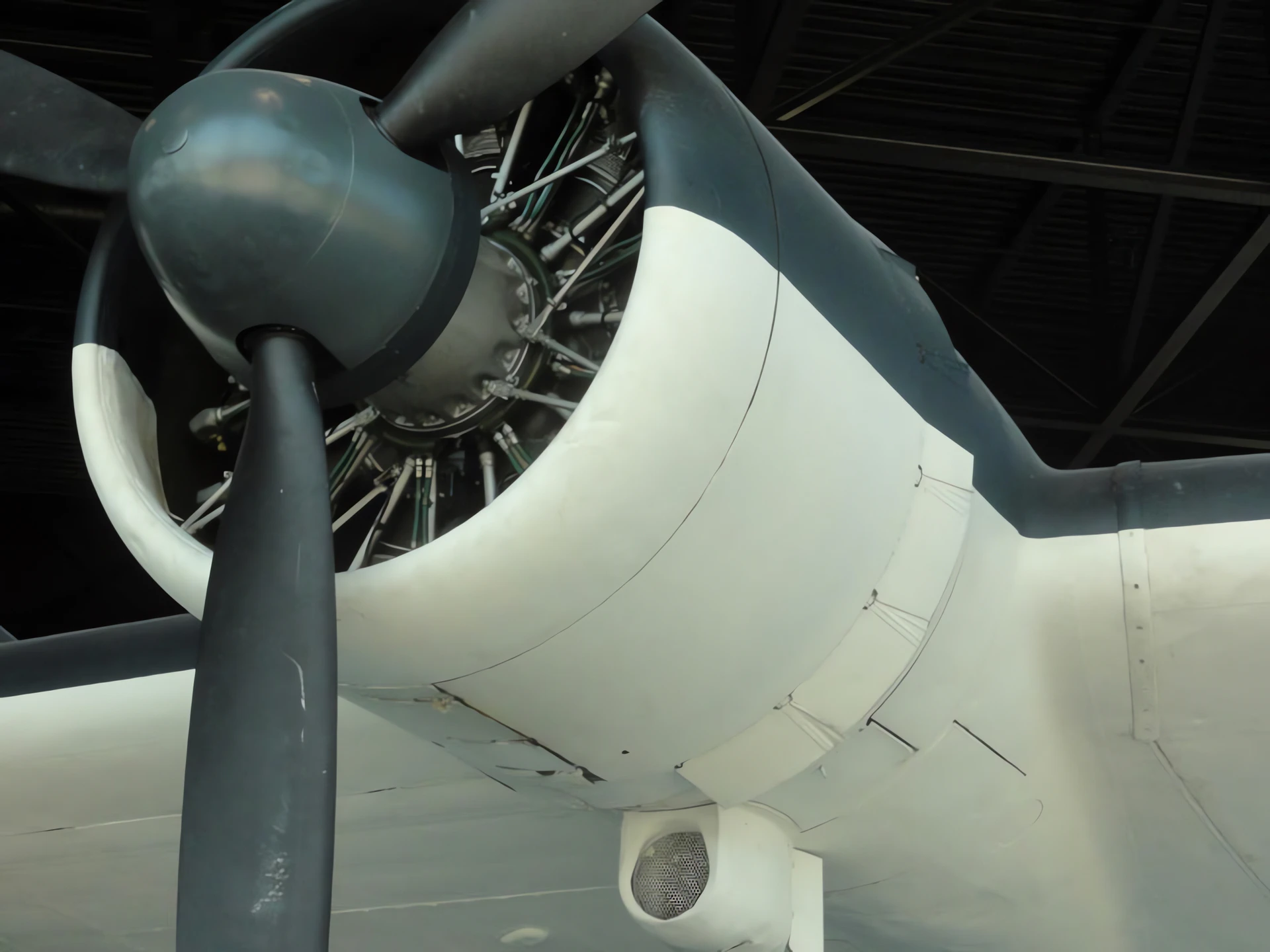
| Motopropulsore | 3 × Bramo 323R-2 Fafnir 9-cylinder radials |
| Horsepower | 1,000 hp (746 kW) per engine |
| Velocità massima | 210 mph (340 km/h) |
| Gamma | 1,800 miles (2,900 km) |
| Armamento | 1 × 20mm Hispano-Suiza cannon; 2 × 7.92mm MG 15 machine guns |
Unique Maritime Engineering
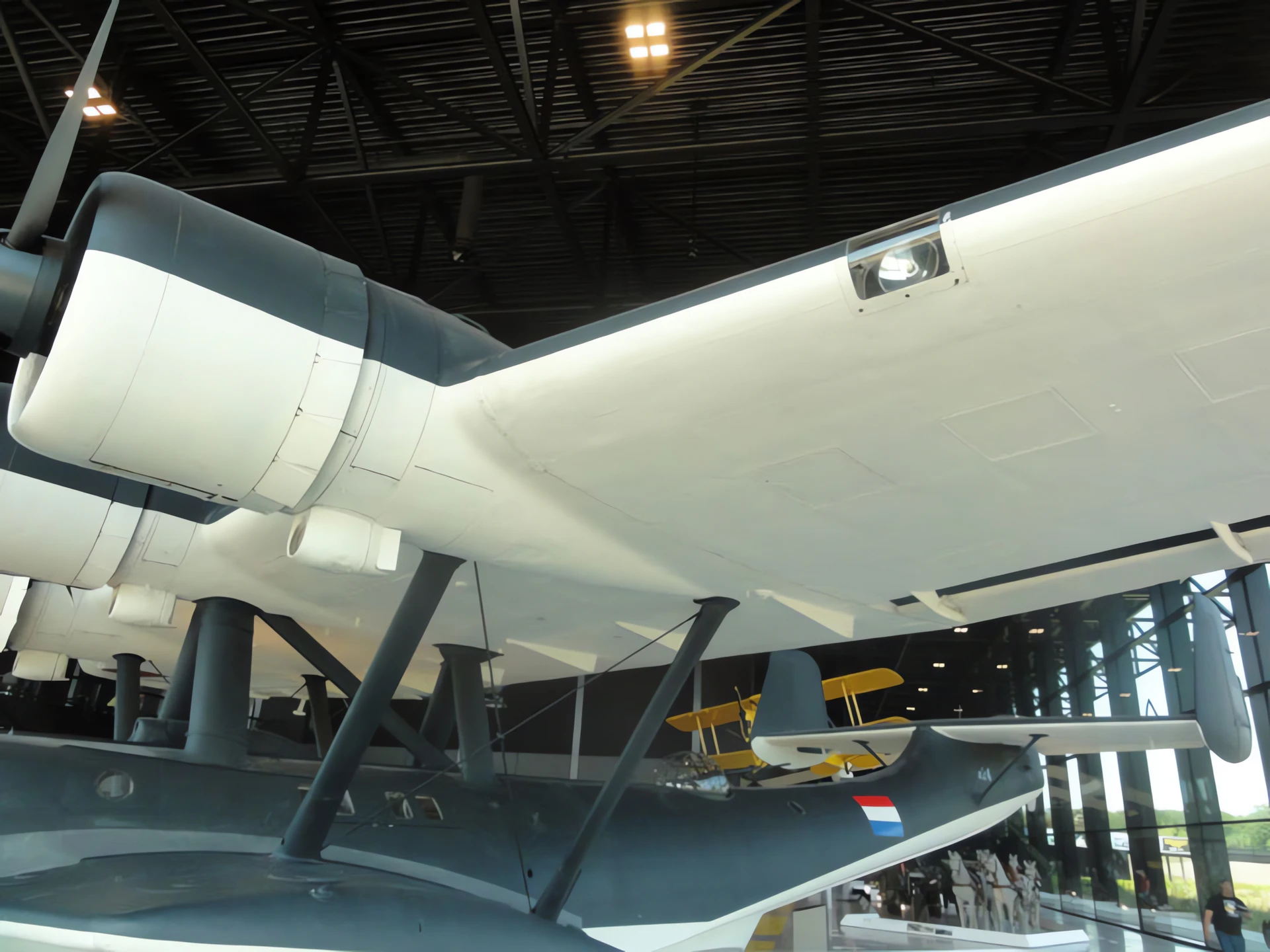
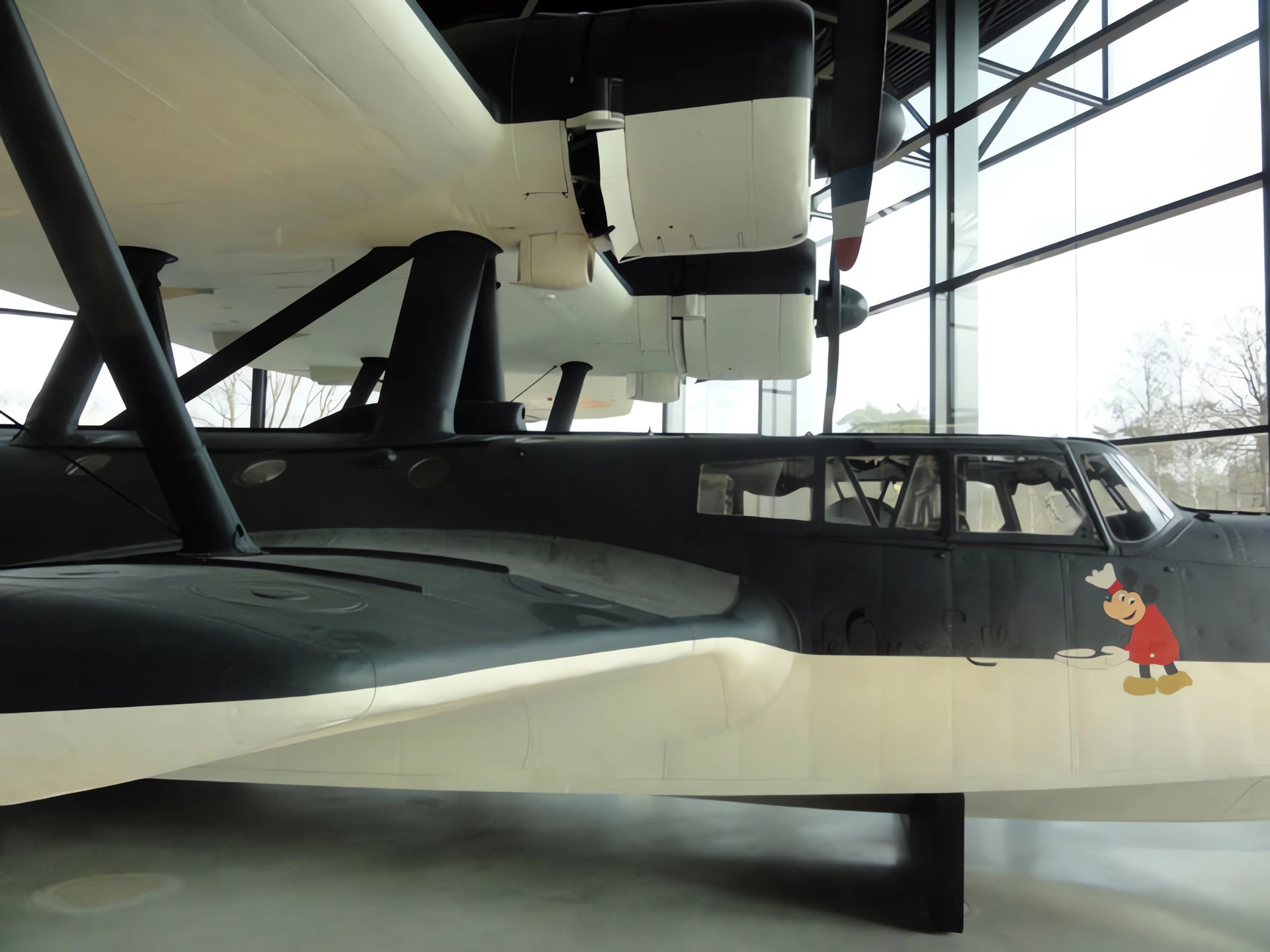
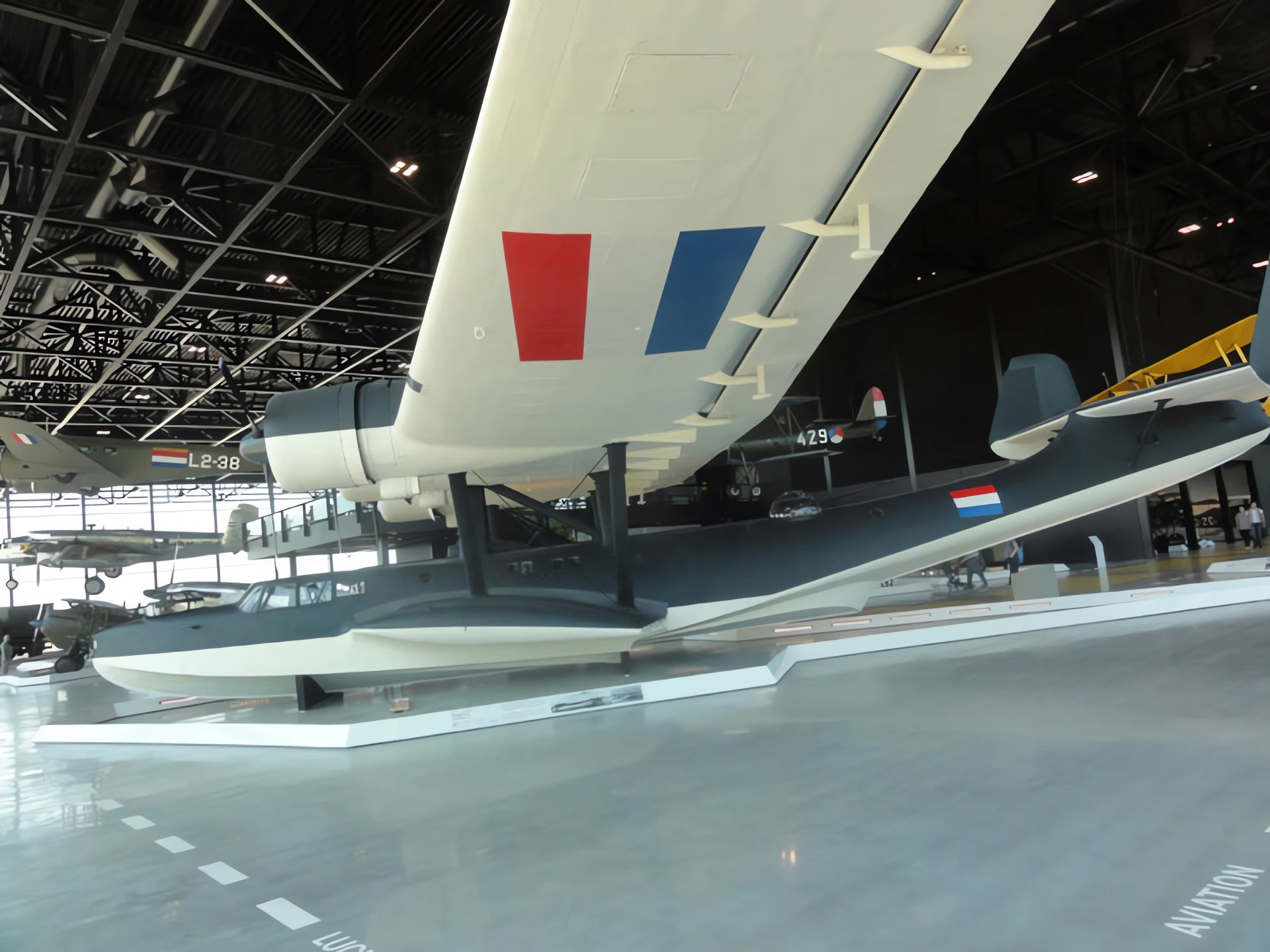
- The “Sponson” Stability: Instead of using wing-mounted floats that could easily break in rough waves, Dornier used “stub-wings” or sponsons protruding from the hull. These provided lateral stability on the water and acted as boarding platforms for rescued crews.
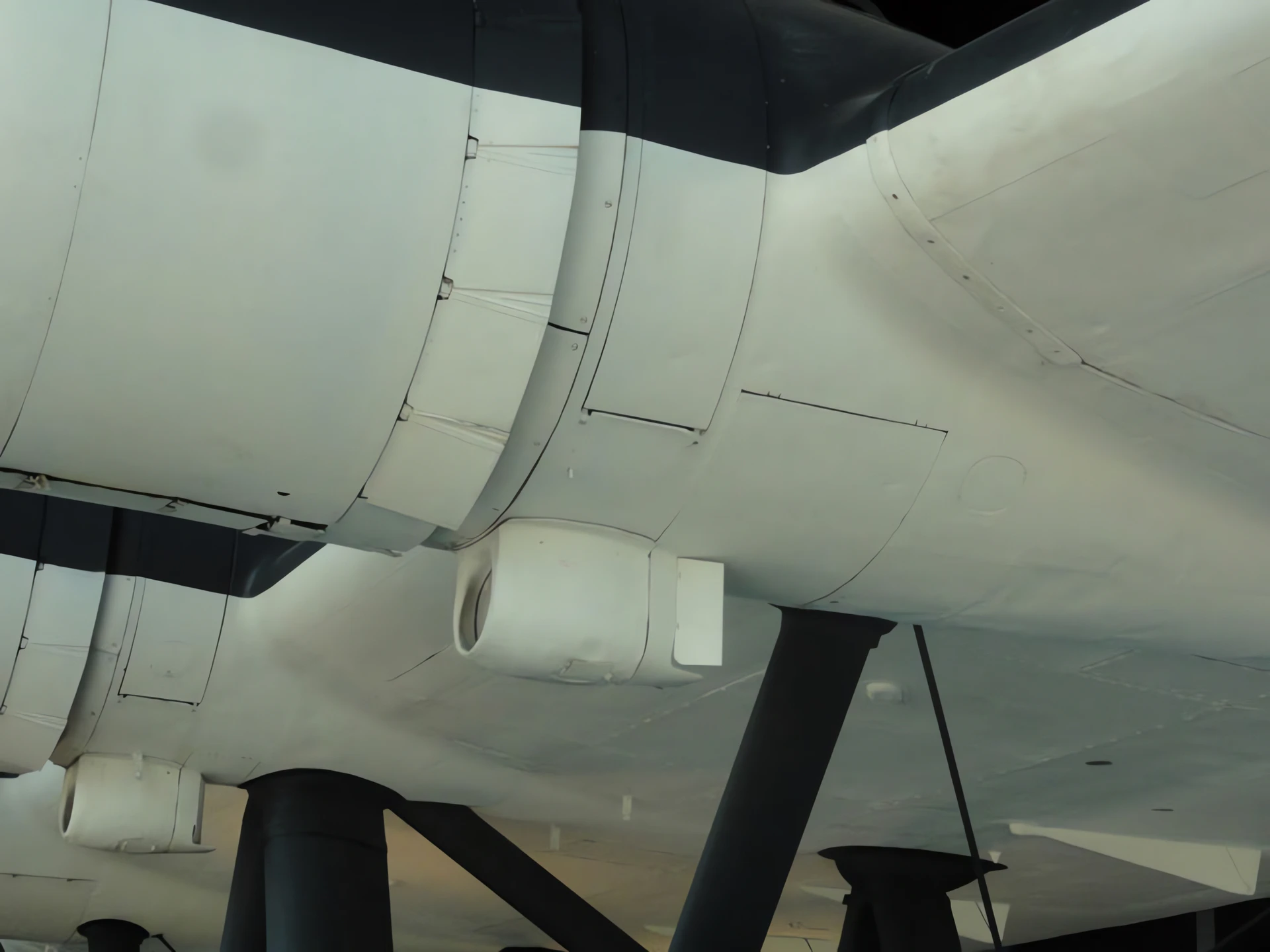
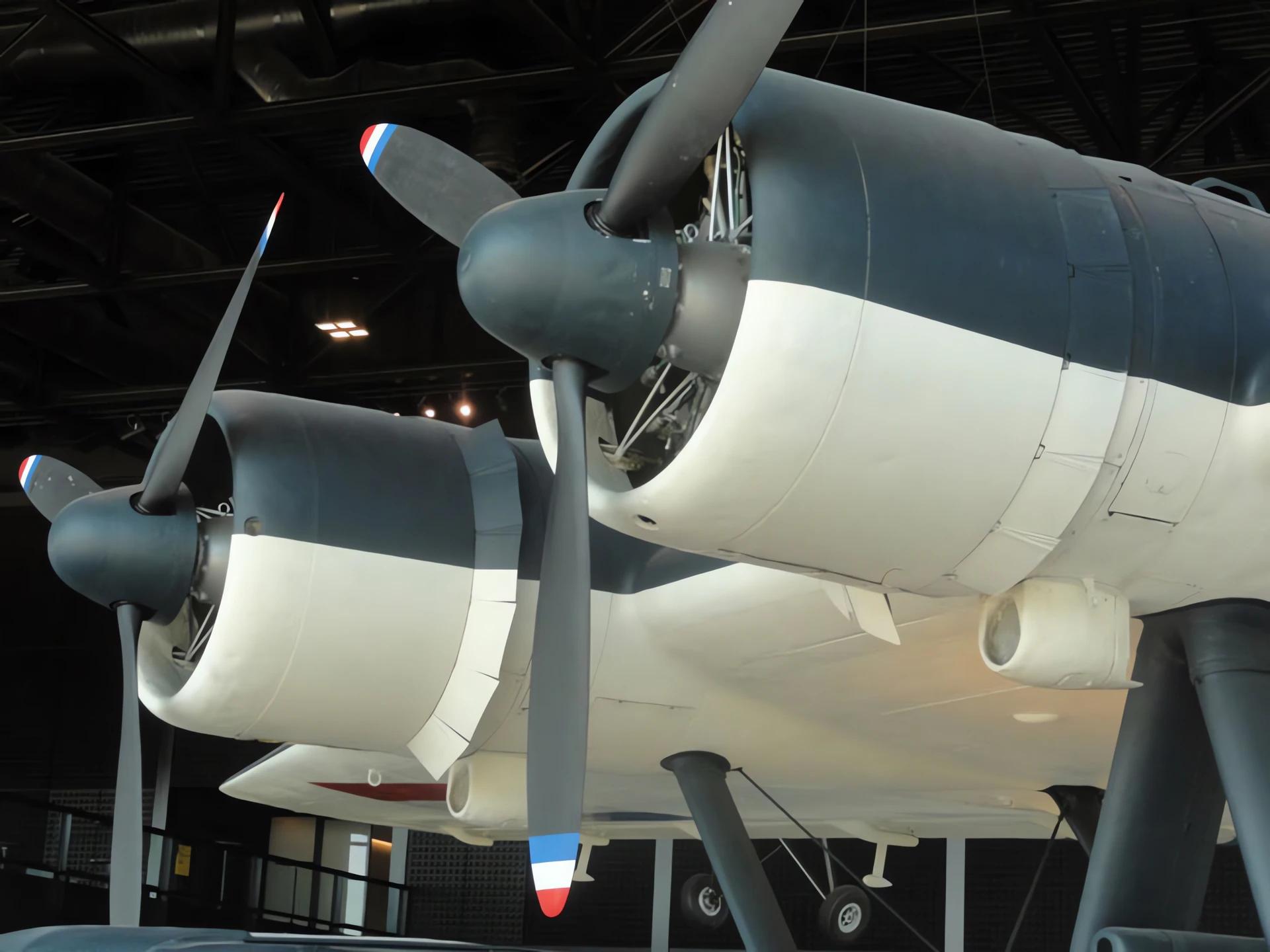
- Triple-Engine Reliability: The three engines were mounted on a parasol wing high above the fuselage to keep the propellers clear of sea spray. The center engine was positioned slightly higher than the outer two to further reduce water ingestion during takeoff.
- The “Two-Step” Hull: The underside of the fuselage featured a sophisticated “stepped” design. This broke the suction of the water during takeoff, allowing the heavy boat to “unstick” and transition to flight much faster in choppy conditions.
- Broad-Tail Fin: The twin-tail design was specifically chosen to provide excellent directional control during water taxiing and to remain clear of the heavy engine exhaust and wake.
Combat Service & Humanitarian Legacy
- Le Seenotdienst: During WWII, the Do 24 was the backbone of the German Sea Rescue Service. It is estimated that Do 24 crews rescued over 12,000 airmen from the sea throughout the conflict, often operating under fire.
- Spanish Service: Spain operated the Do 24 until the late 1960s. Their aircraft were painted in bright yellow and green “SAR” colors and were legendary among Mediterranean sailors for their ability to land in almost any weather.
- The Do 24 ATT: In the early 1980s, a surviving hull was fitted with modern turboprop engines and a new wing. This “Amphibian Technology Testbed” (ATT) proved the timeless efficiency of the original hull design.
- Seaworthiness: While the American PBY Catalina was more numerous, many historians and pilots consider the Do 24 to be the finest open-ocean flying boat ever built due to its superior hull strength and rough-water handling.
Punti di vista: 3774
Puoi anche vedere:
 Dornier Do-28 – Foto e video
 Short Sunderland – Foto e Video
 Grumman G-21 Goose – Foto e Video
 Short Solent – Foto e Video
 Short Sandringham – Foto e Video
 Sikorsky S-39 – Foto e Video
 Dornier Do-27 – Foto e video
 Dornier Do-228 – Foto e video
 Dornier Do.335 – Foto e Video
 Dassault / Dornier Alpha Jet - Walkaround