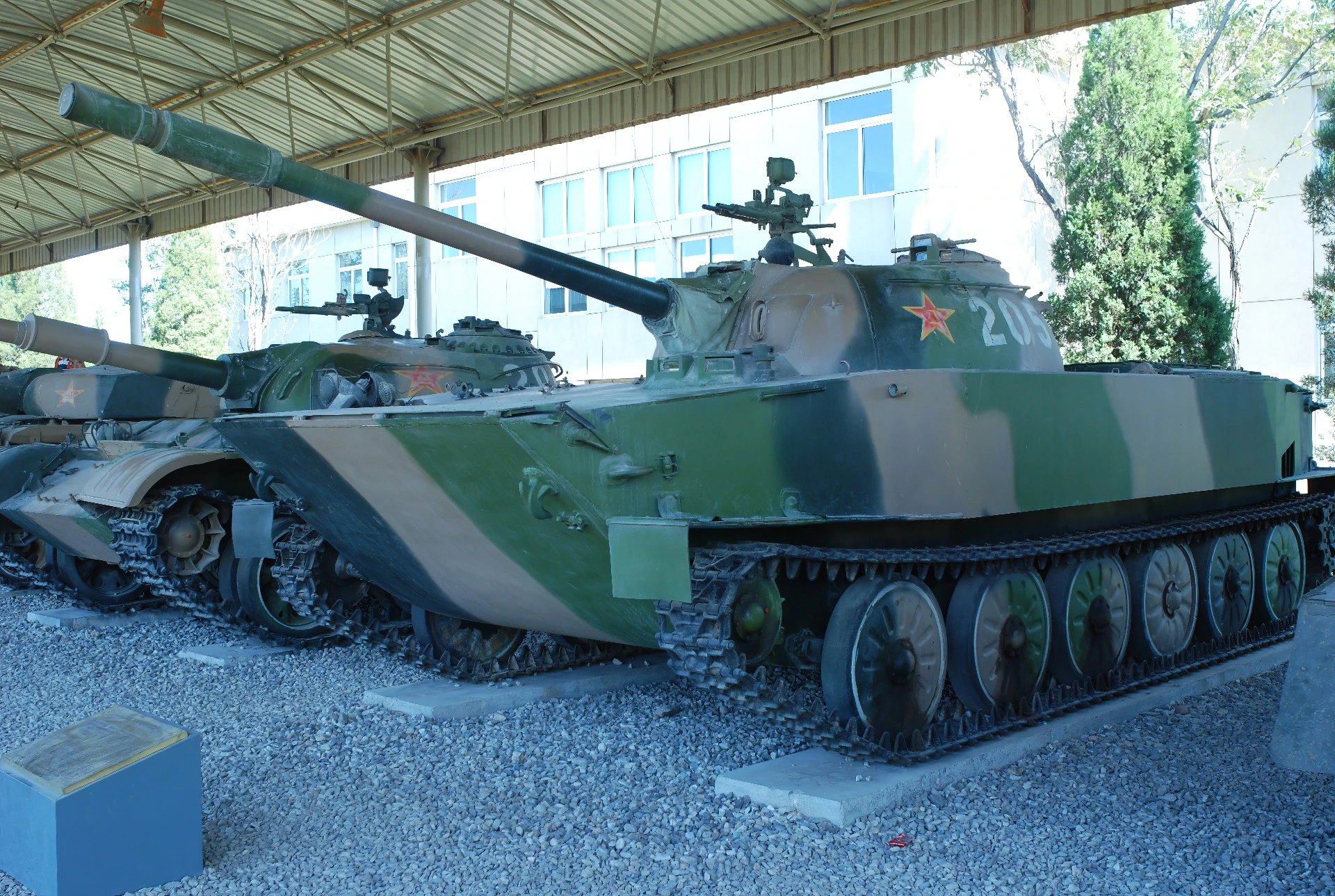
Type 63 | ||
| Pays | Chine | |
| Rôle | Réservoir léger amphibie | |
| En service | 1963 – présent | |
| Construit | 1550+ | |
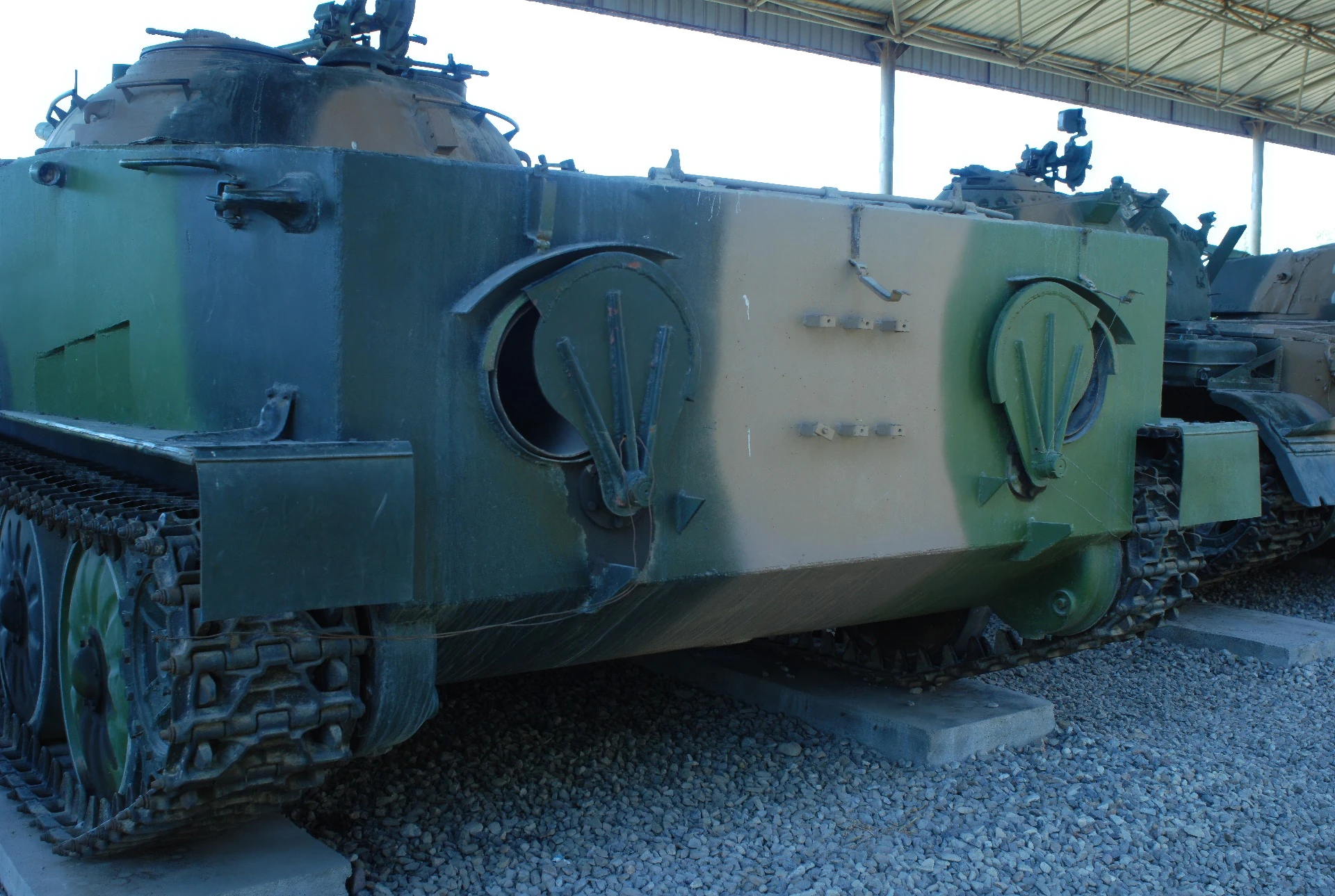
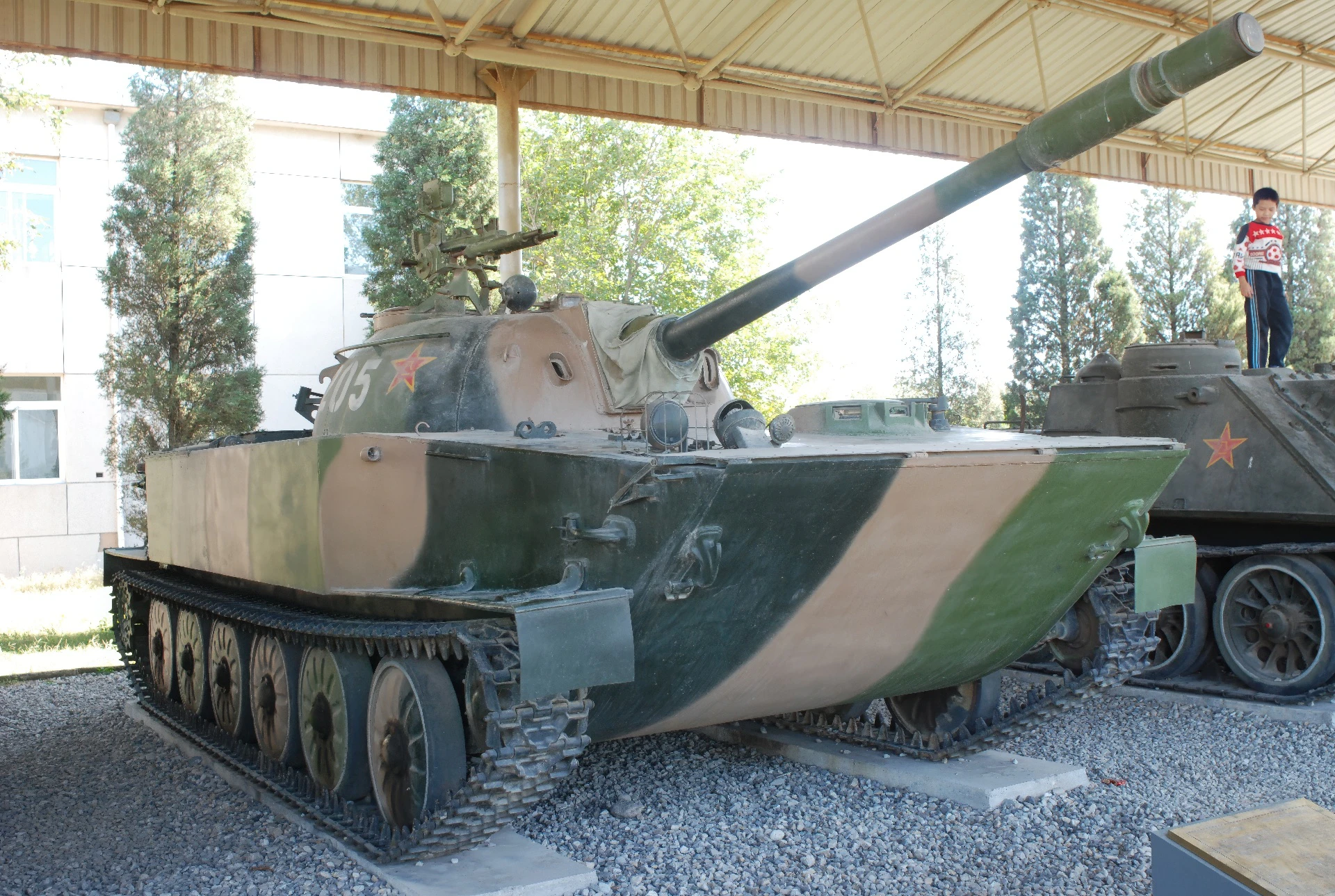
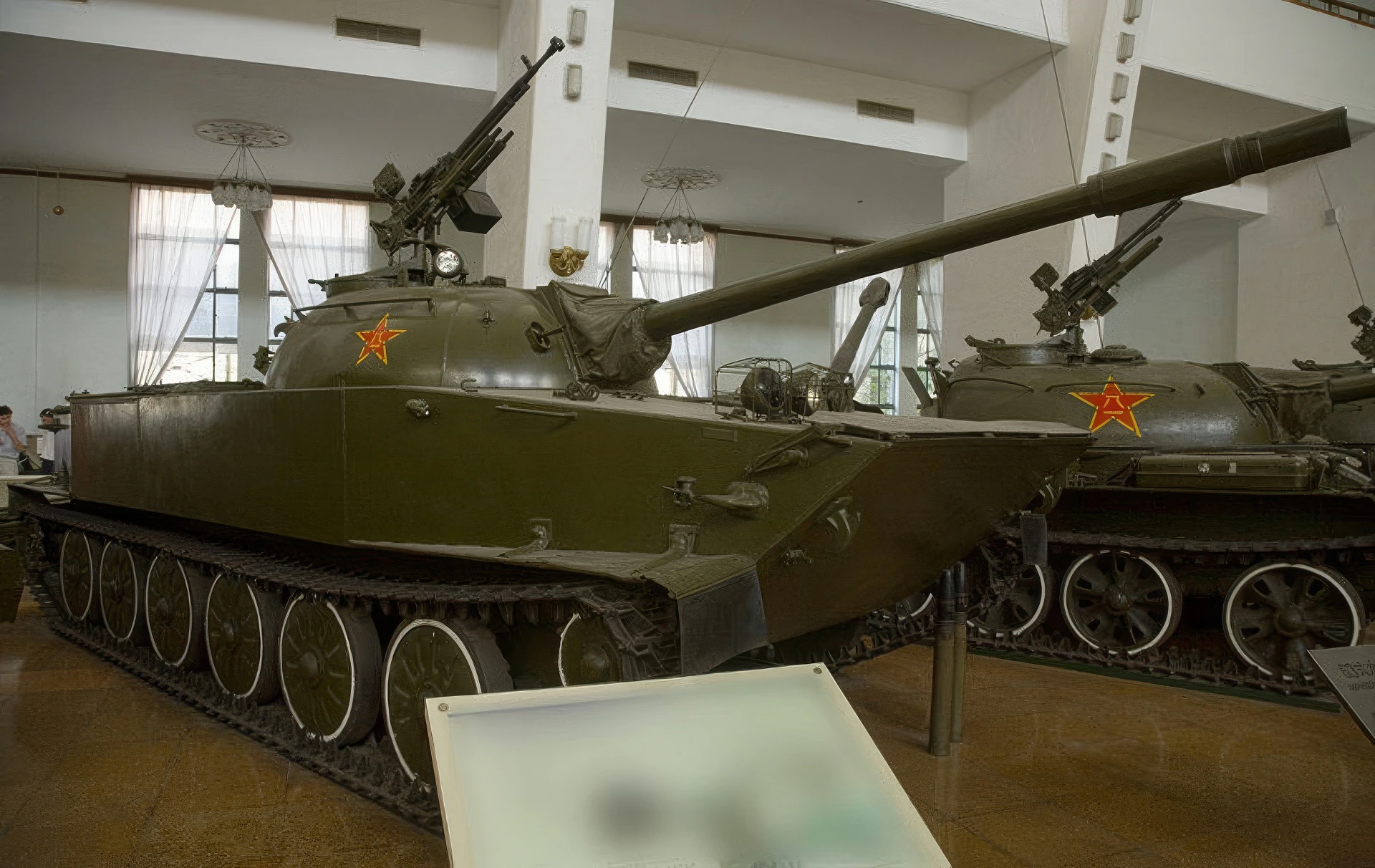
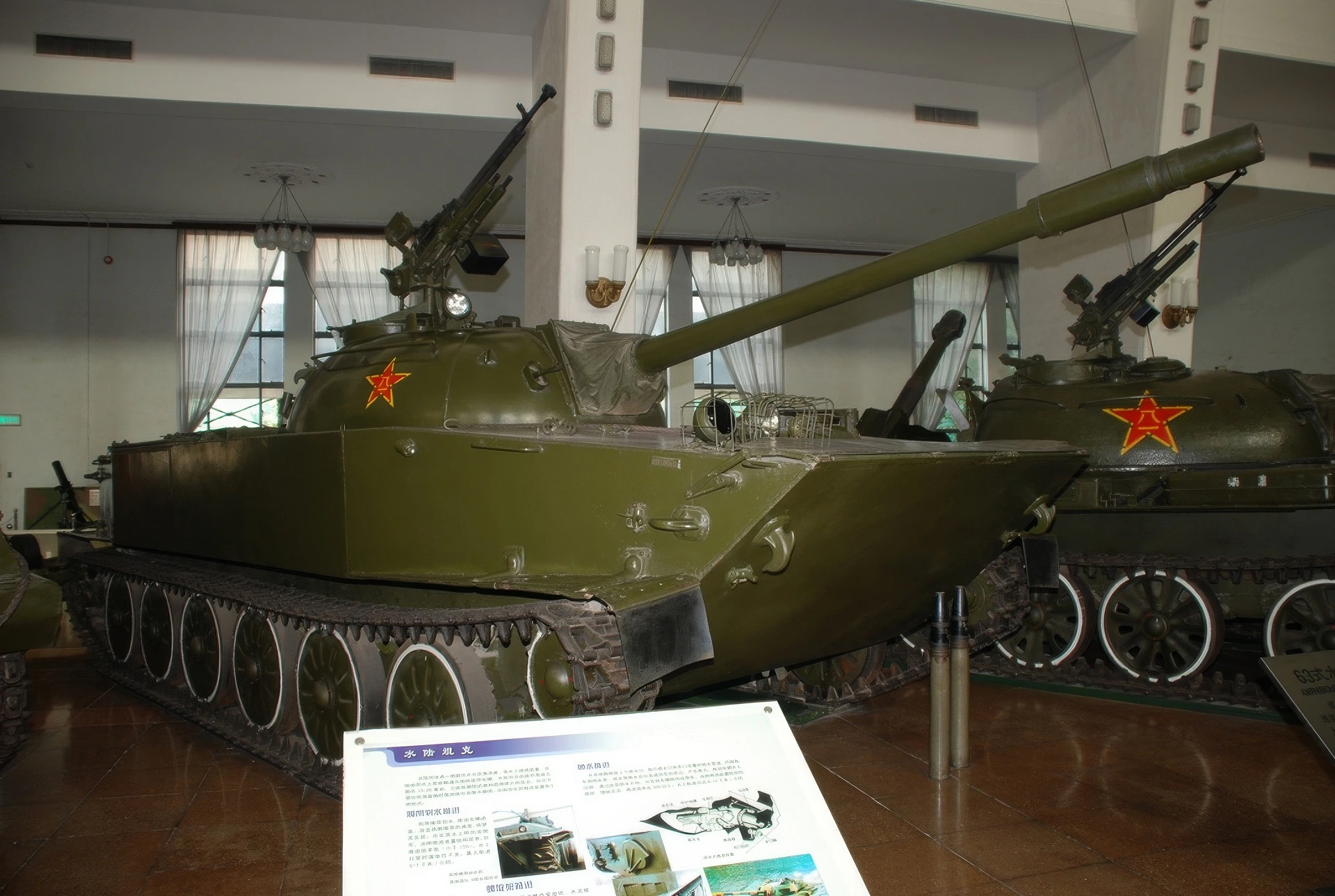
Lla Norinco Type 63 (Chinois: 63式; pinyin: Liùsān shì) est un char léger amphibie chinois. D’abord sur le terrain en 1963, il est à bien des égards similaire à l’ancien PT-76 soviétique. Cependant, contrairement à la croyance populaire, il a quelques différences essentielles de la PT-76 dans le véhicule’système de propulsion à jet d’eau, etc. Il est également connu sous sa désignation industrielle, le WZ-211. Le type 63 est remplacé par le type 63A.
Source: Type 63 sur Wikipedia
| Type 63 Walk Around | |
|---|---|
| Photographe | Inconnu |
| Localisation | Inconnu |
| Photos | 12 |
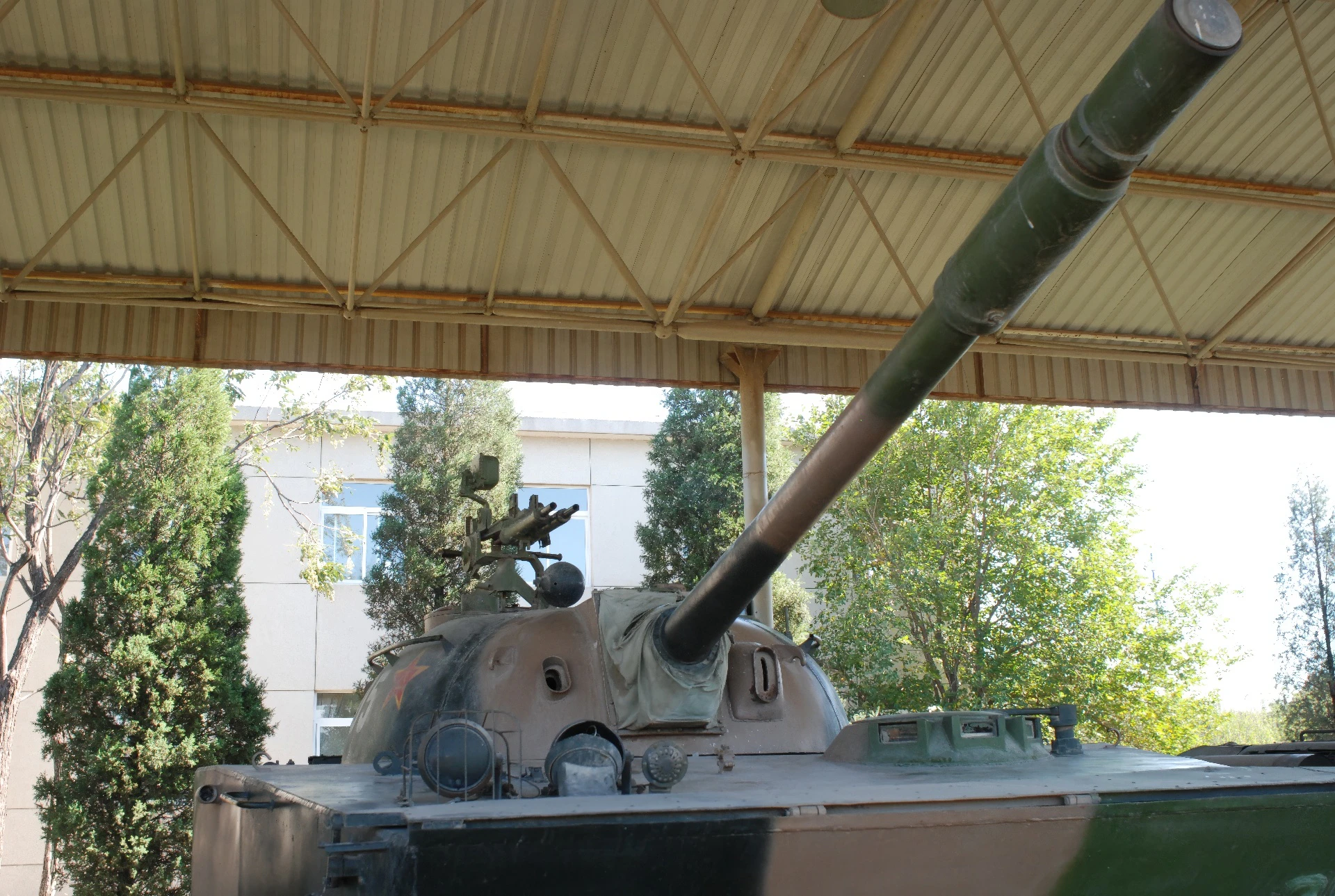
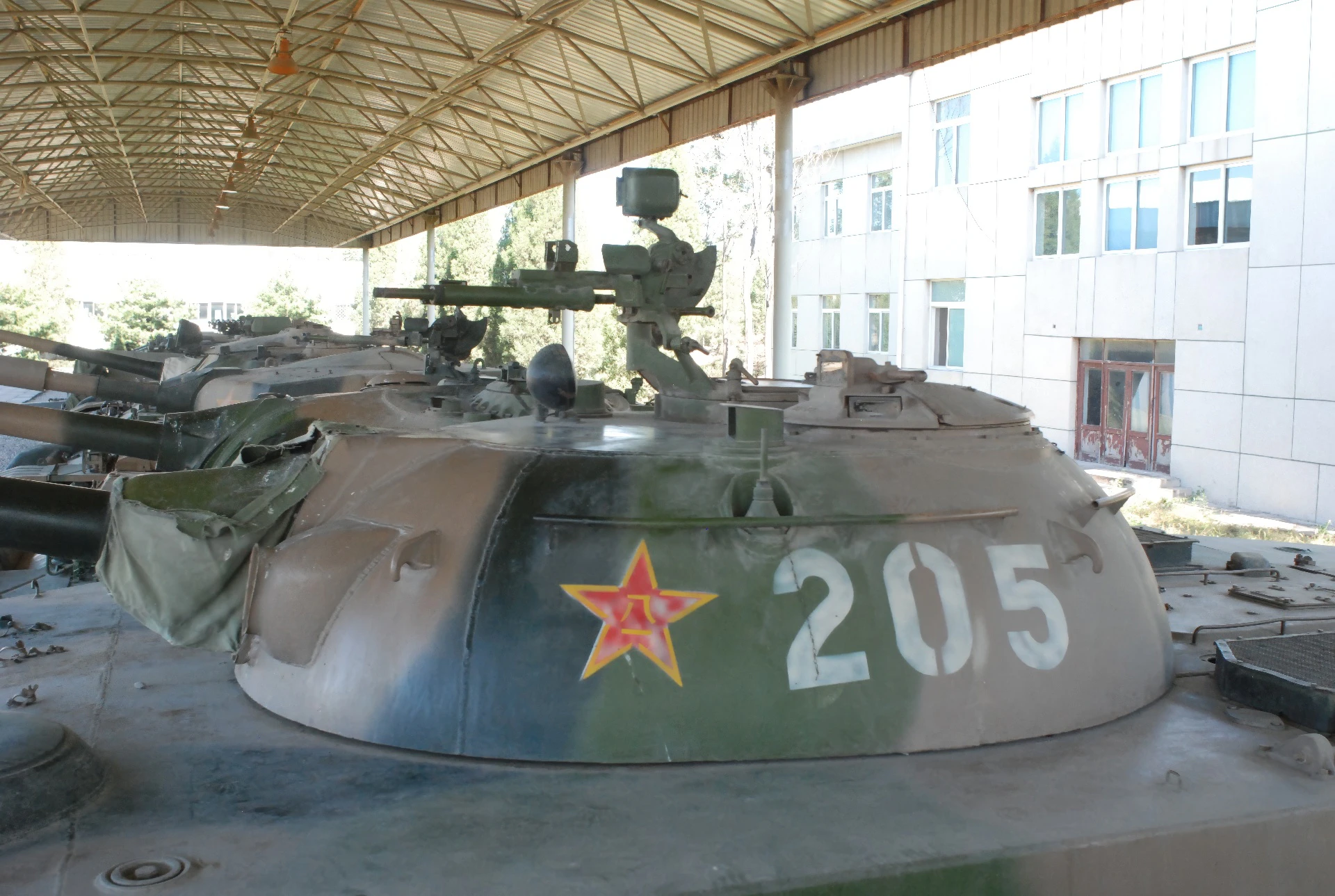
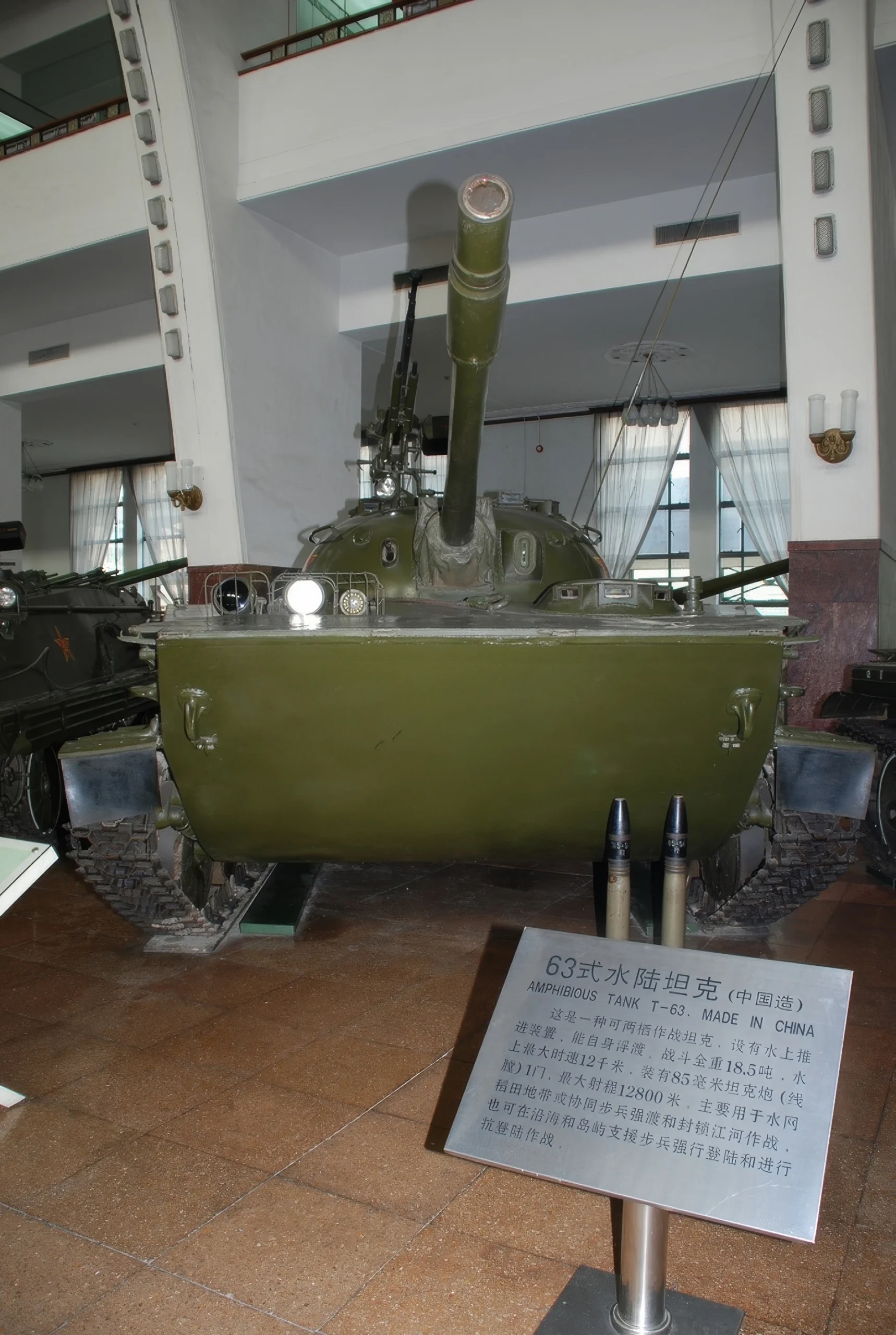
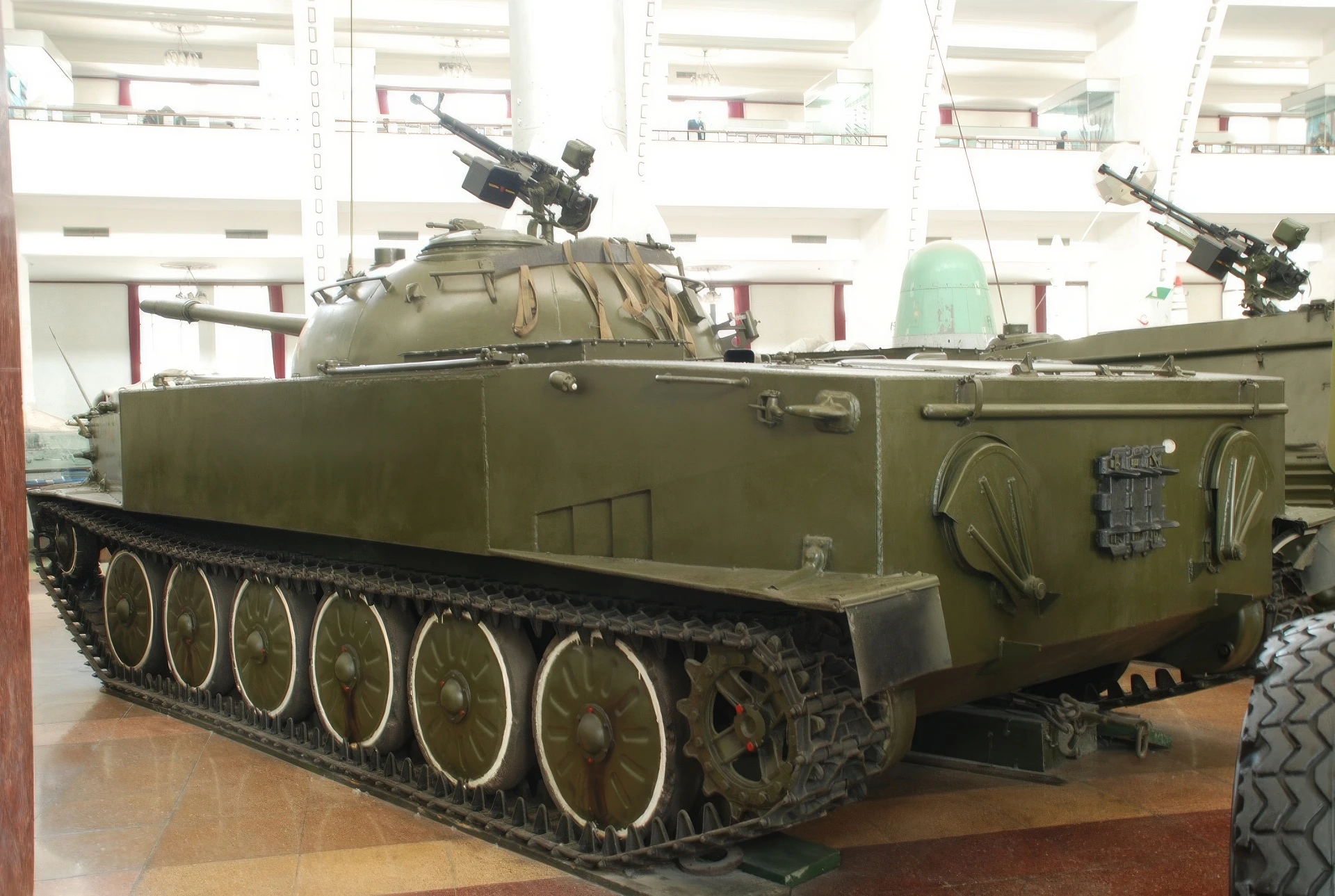


Voir aussi :


General Characteristics
The Type 63-I is a Chinese amphibious light tank, designated as the second production run of the Type 63 family. Developed in the early 1960s, it was designed to operate in the wetland and river-crossing regions of Southern China, taking heavy inspiration from the Soviet PT-76 amphibious tank but featuring significant modifications, most notably a much more powerful engine and a larger gun. The « Je » designation refers to the switch from the initial, underpowered engine to a stronger 12-cylinder diesel.
| Property | Typical Value (Type 63-I) |
|---|---|
| Rôle | Amphibious Light Tank, Reconnaissance |
| National Origin | gens’s République de Chine |
| Fabricant | NORINCO |
| Service Entry | Mid-1960s (Replacing initial Type 63) |
| Crew | 4 (Commander, Gunner, Loader, Driver) |
| Combat Weight | 19.83 tonnes |
| Length (Gun Forward) | 8.44 m (27 ft 8 in) |
| Hull Length | 7.15 m (23 ft 5 in) |
| Width | 3.2 m (10 ft 6 in) |
| Height (To AA Gun) | 3.12 m (10 ft 3 in) |
Armement
The Type 63-I features a more powerful armament suite than its Soviet inspiration, using a gun originally designed for the Chinese Type 62 light tank.
- Main Armament: 1 x 85 mm Type 62-85TC rifled gun (47 rounds carried).
- Ammunition: Fires a variety of fixed ammunition, including APHEBC, APCBC, and HEAT-FS (with penetration up to 300 mm).
- Stabilizer: Lacks a gun stabilizer, making accurate firing on the move or in water difficult.
- Coaxial Armament: 1 x 7.62 mm Type 59T machine gun (2,000 rounds).
- Anti-Aircraft Armament: 1 x 12.7 mm Type 54 heavy machine gun (pintle mount on turret roof, 500 rounds).
Protection and Mobility
The core feature of the Type 63 is its amphibious capability, achieved with a boat-like hull design and a propulsion system that combines tracks with two water jets at the rear.
- Armor: Thin, welded rolled steel armor (similar to the PT-76).
- Hull Front: 11 mm (at high angle).
- Hull Sides: 14 mm (upper).
- Provides protection mainly against small arms fire and shell fragments, but is vulnerable to heavy machine guns and cannon fire.
- Engine: 1 x 12150L-2 V-12 liquid-cooled diesel engine. (The primary upgrade of the Type 63-I over the Type 63).
- Power Output: 300 kW (402 hp).
- Power-to-Weight Ratio: ~20.3 hp/tonne.
- Maximum Speed (Road): 64 km/h (40 mph).
- Maximum Speed (Water): 12 km/h (7.5 mph) using water jets.
- Operational Range (Road): 370 km.
- Suspension: Torsion bar suspension with six large road wheels and no return rollers.
Historique opérationnel
- The Type 63 and Type 63-I served extensively with the People’s Liberation Army (PLA) in China.
- They were used in combat by the North Vietnamese Army during the Vietnam War and saw limited action in the Sino-Vietnamese War of 1979.
- The Type 63 family was a cornerstone of Chinese amphibious doctrine until its gradual replacement by the significantly upgraded Type 63A in the late 1990s.
Vues : 1705
Vous pouvez voir aussi :
 Char léger M2 – Photos & Vidéos
 M551 Sheridan – Photos et vidéos
 LARC-V – Photos et vidéos
 Atterrissage Véhicule suivi – Photos & Vidéos
 T-30 – Photos & Vidéo
 Char T-40S – Photos & Vidéo
 Renault russe – Photos & Vidéo
 Ford 3-Ton M1918 - Walk Around
 Renault FT 17 – WalkAround
 Tank Type 95 Ha-Go - WalkAround