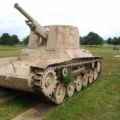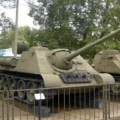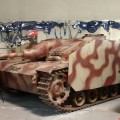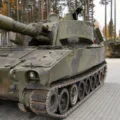
Semovente da 90-53 | |
|---|---|
| Pays | Italie |
| Rôle | Canon automoteur |
| En service | 1942–1943 |
| Construit | 30 |
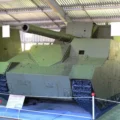
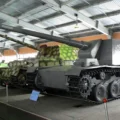
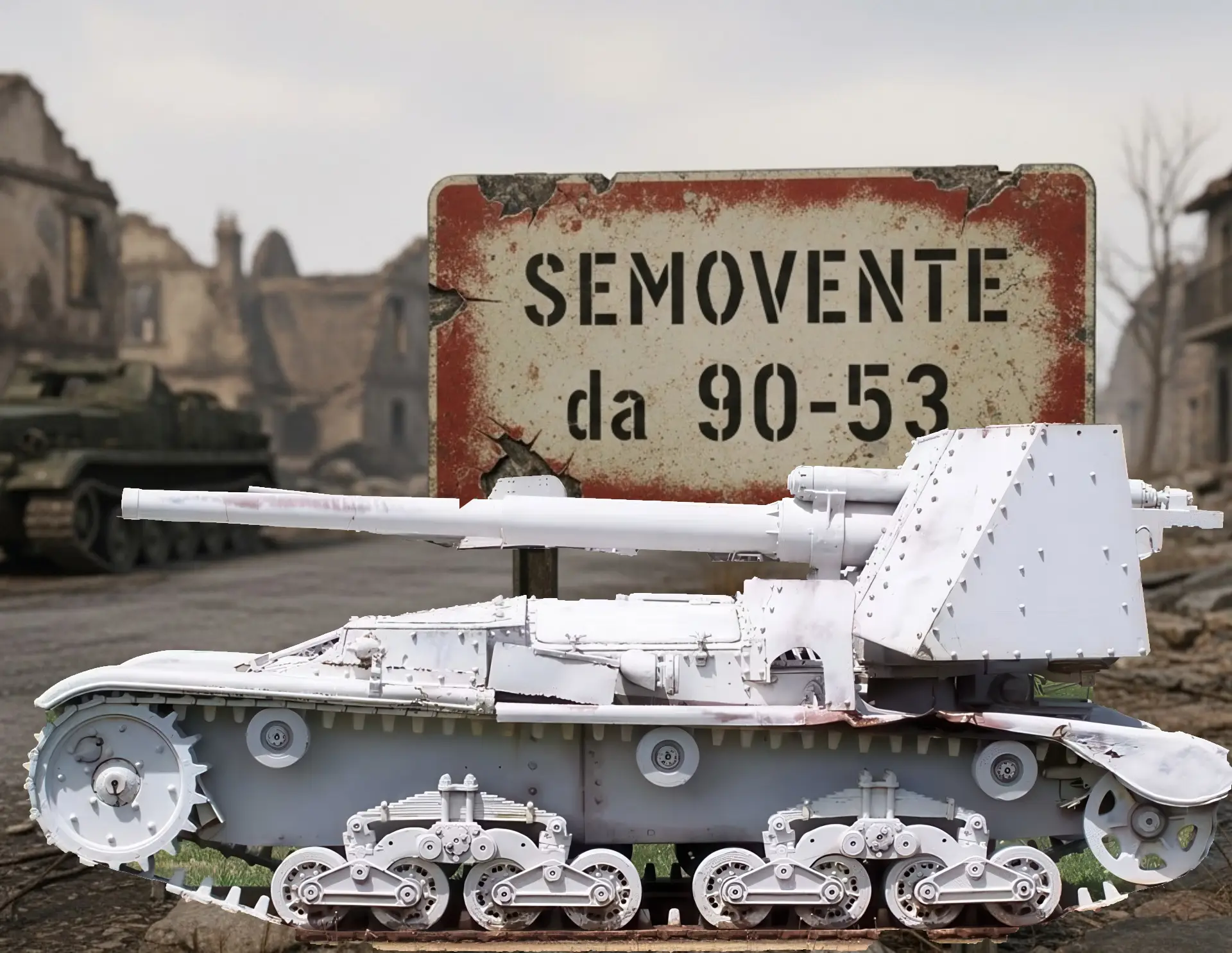
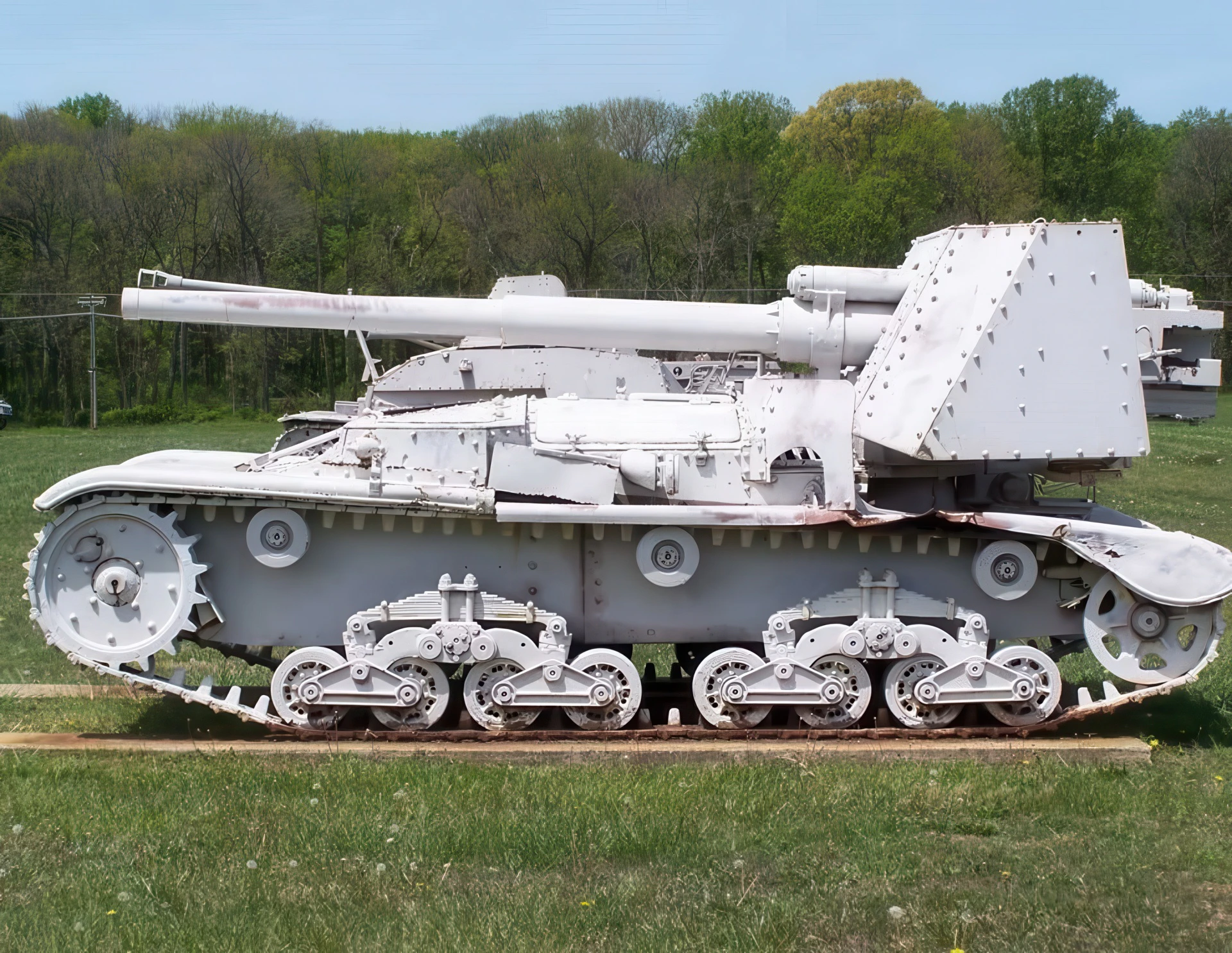
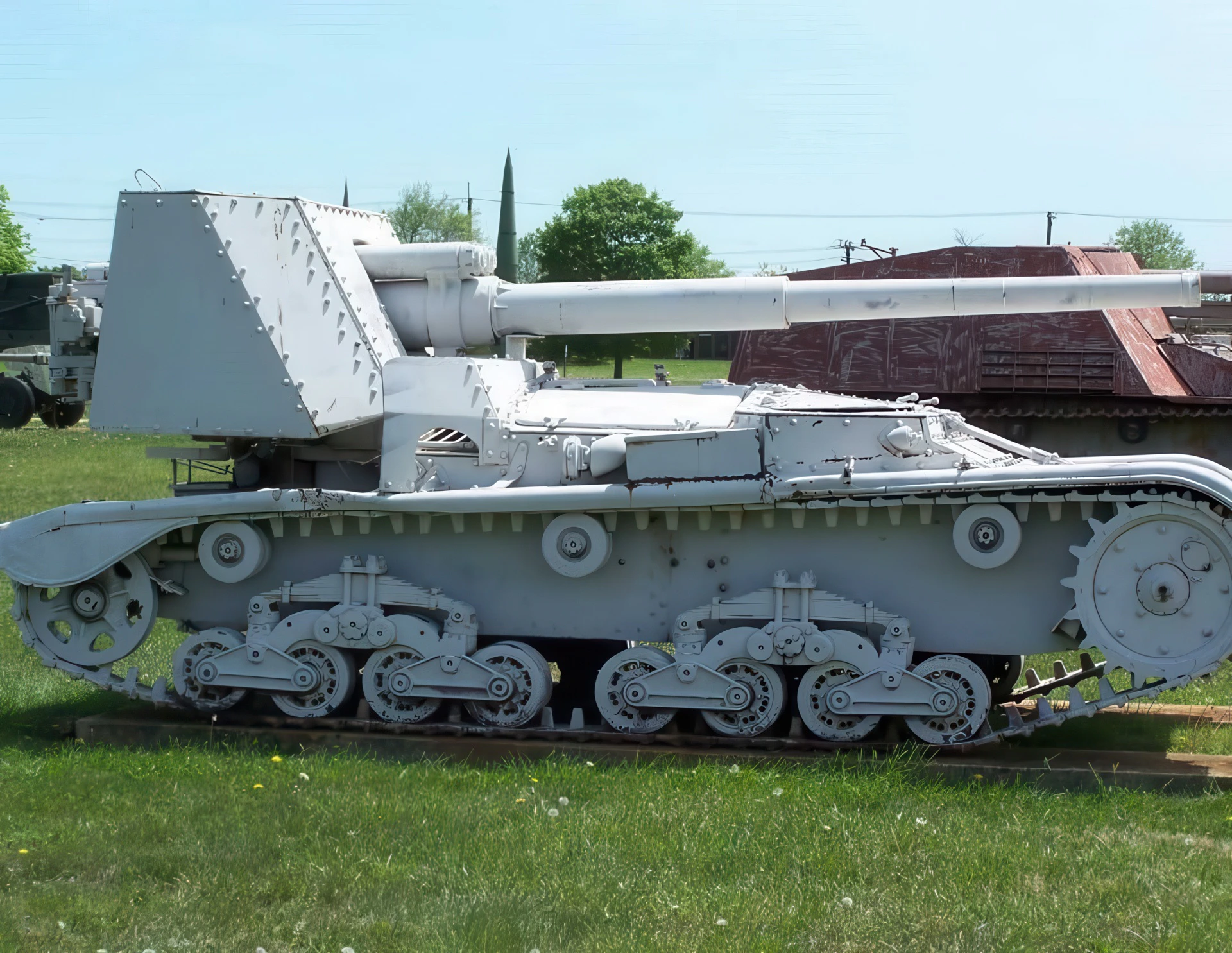
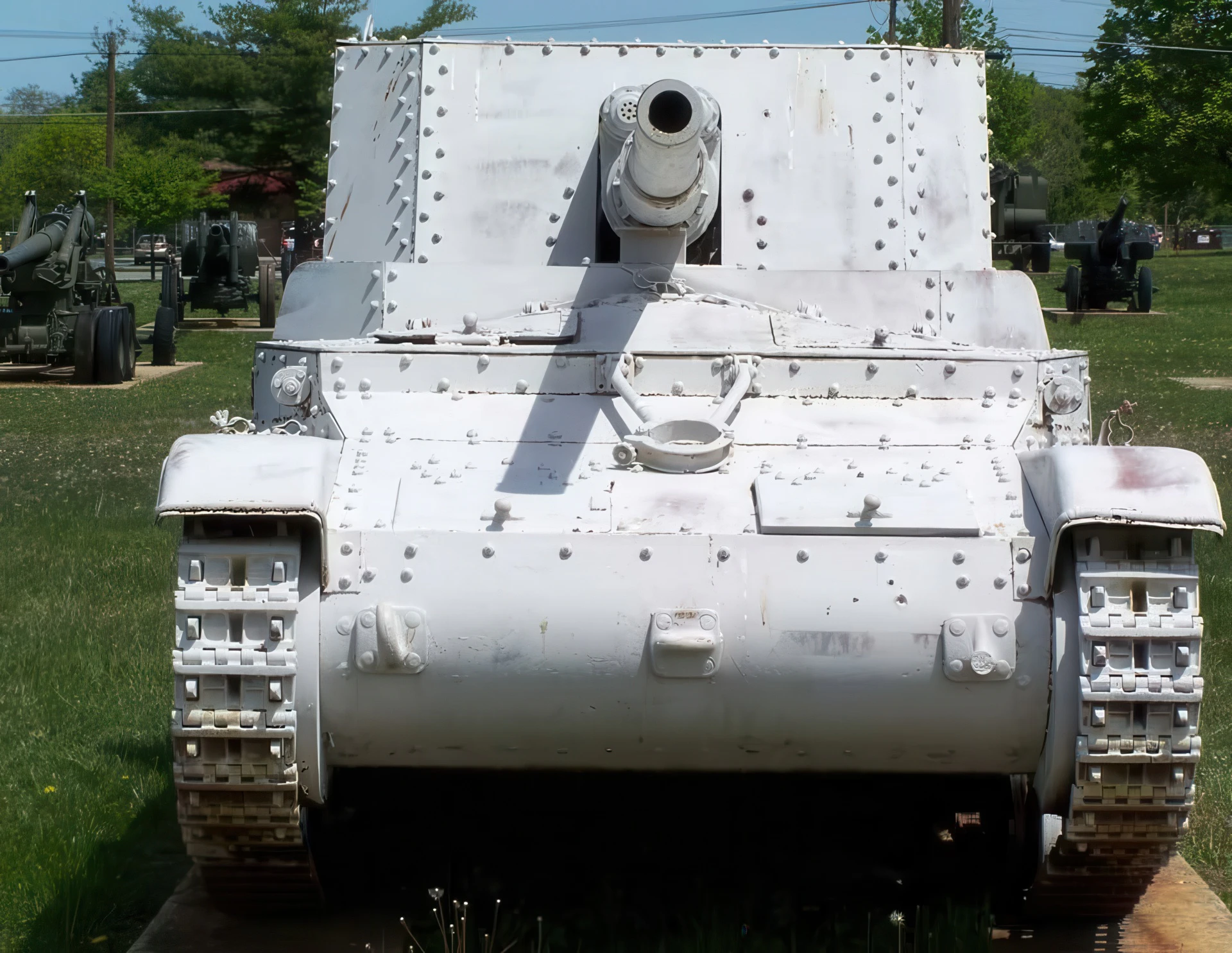
Le Semovente da 90/53 était un chasseur de chars et canons automoteurs italiens, utilisé par les armées italienne et allemande pendant la Seconde Guerre mondiale.
Source: Semovente da 90-53 sur Wikipédia
| Semovente M41DA 90-53 Promenade | |
|---|---|
| Photographe | Paolo Fanin |
| Localisation | Inconnu |
| Photos | 30 |
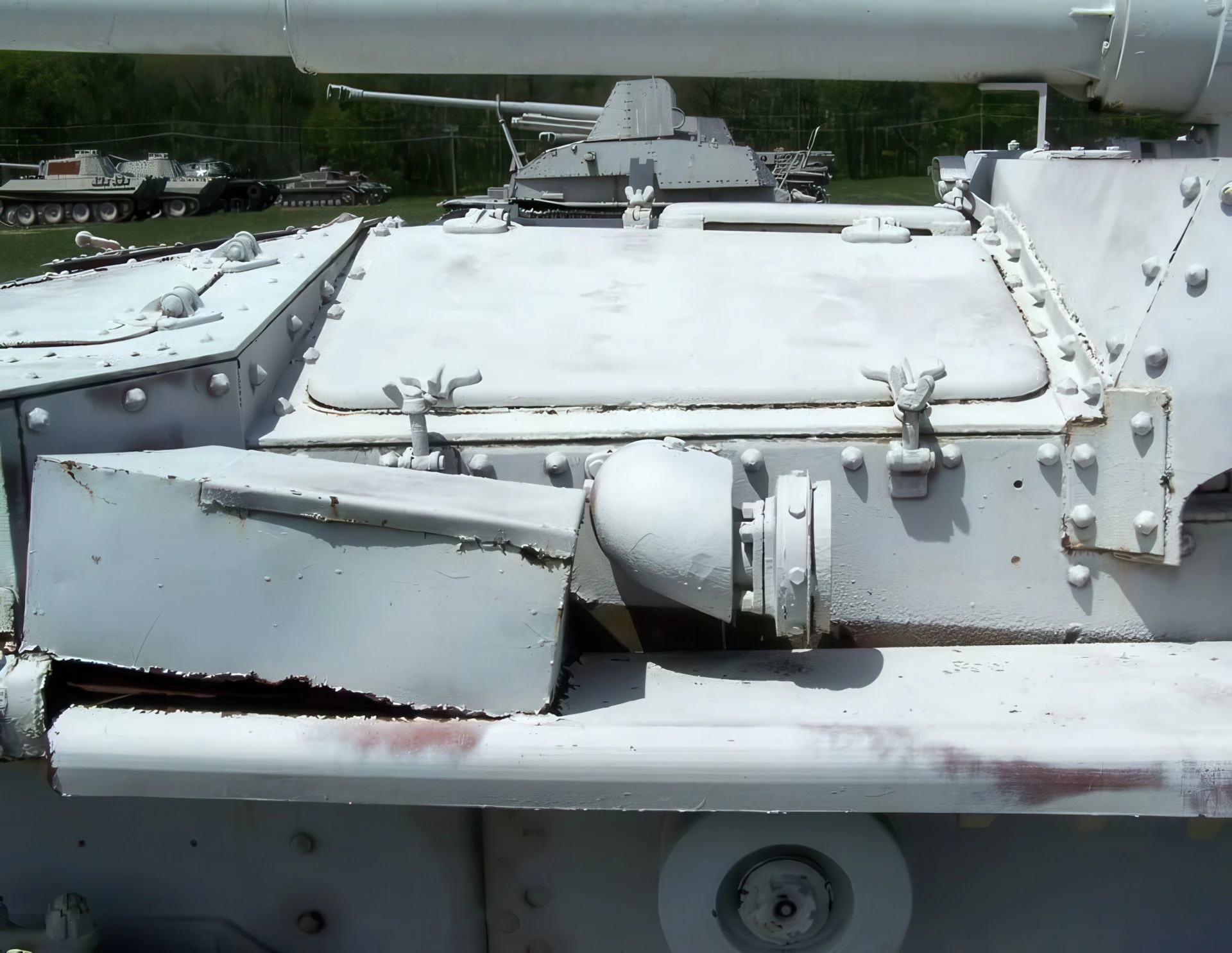
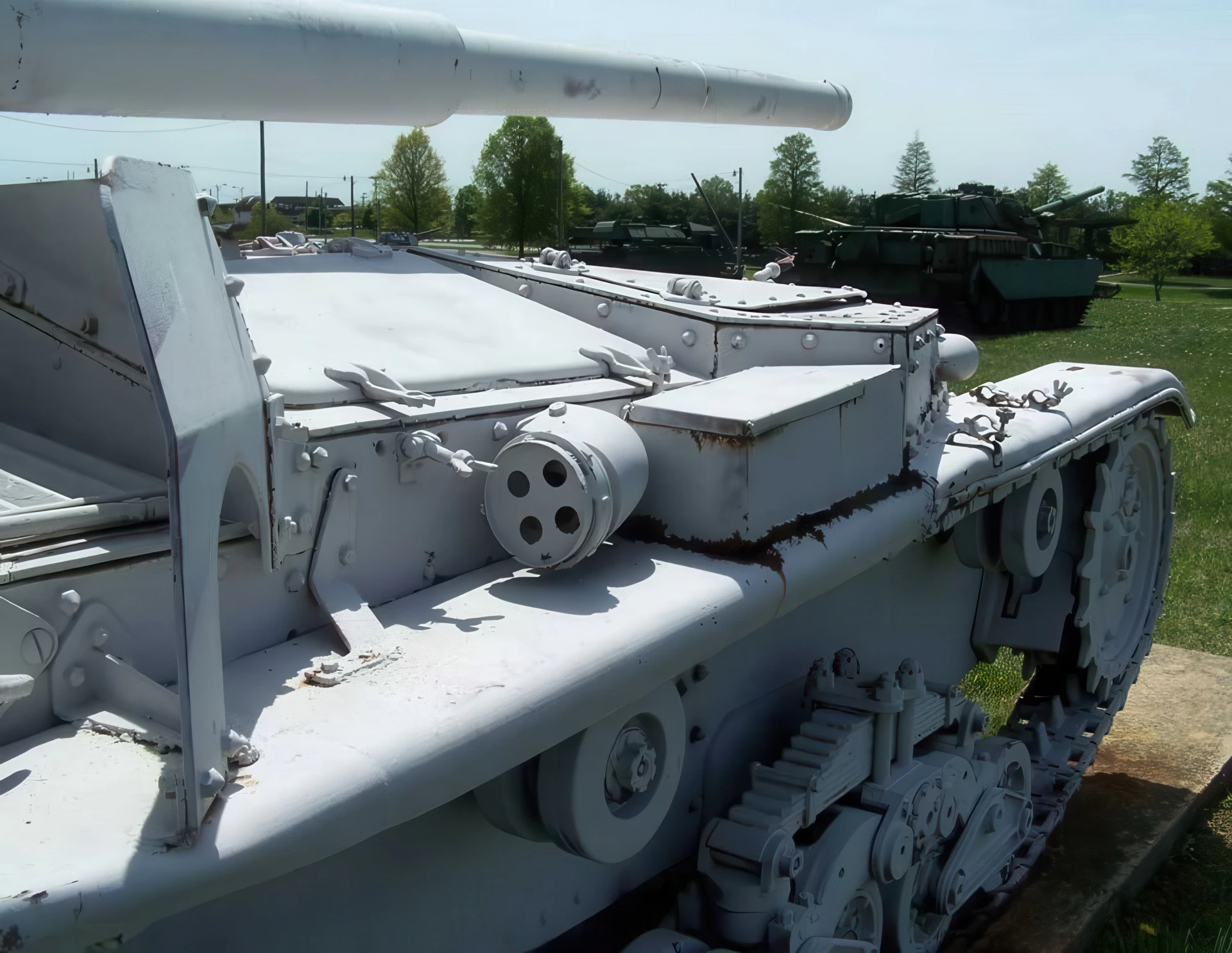
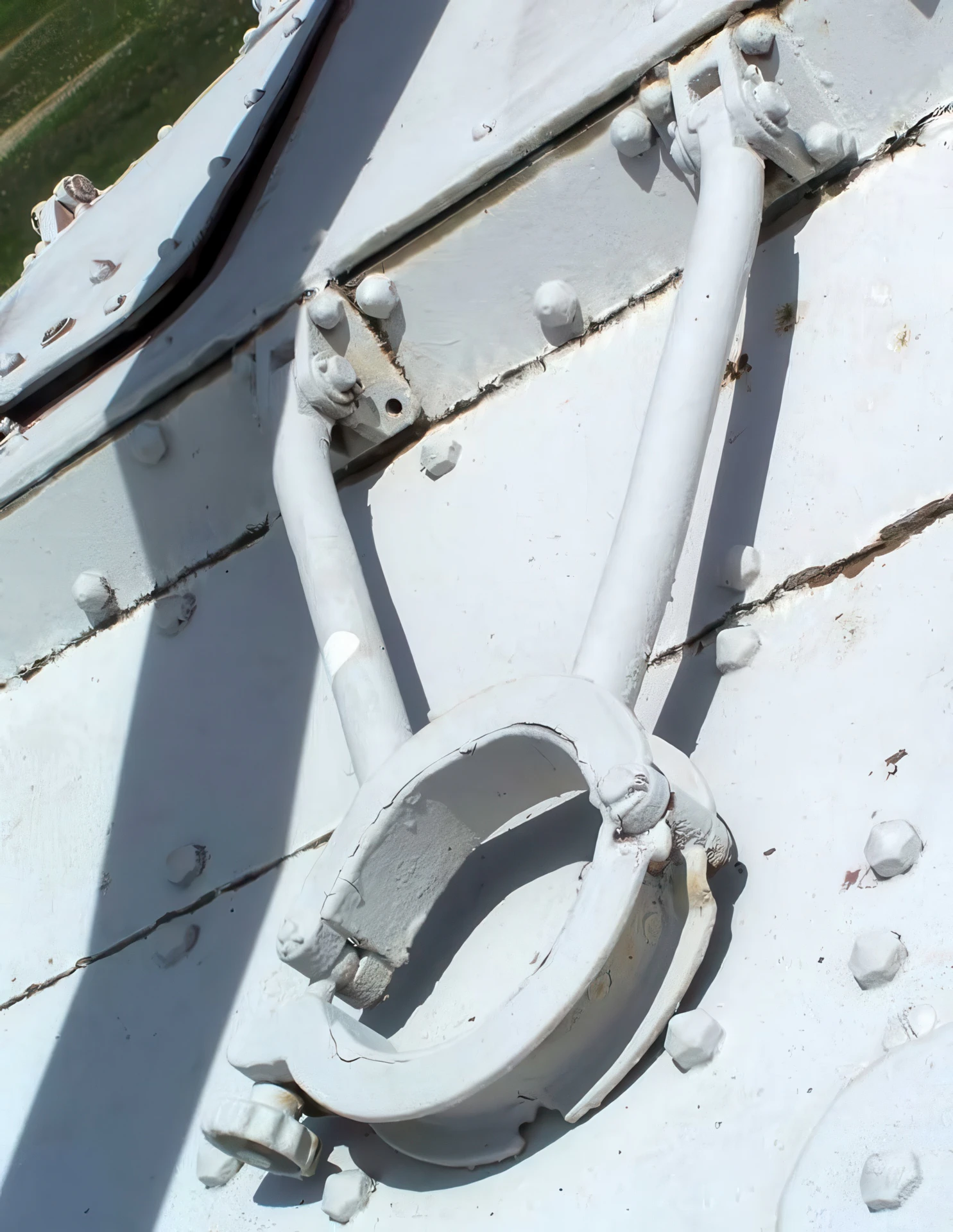
Voir aussi :


Design History and Tactical Necessity
Lla Semovente da 90/53 was Italy’s response to the heavily armored Soviet tanks encountered on the Eastern Front. Realizing that their standard 47mm and 75mm guns were inadequate against T-34s and KVs, Fiat-Ansaldo engineers took the formidable Cannone da 90/53 anti-aircraft gun and mounted it on a lengthened M14/41 tank chassis. While it possessed devastating firepower capable of knocking out any Allied or Soviet tank at long range, it was hampered by its low production numbers (only 30 units) and its thin, open-topped protection.
| Attribute | Technical Specification (Semovente da 90/53) |
|---|---|
| Rôle | Self-Propelled Anti-Tank Gun / Tank Destroyer |
| Crew | 4 (Commander, Driver, 2 Gunners) |
| Chassis | Modified Fiat-Ansaldo M14/41 (Extended) |
| Armement principal | Cannone da 90/53 Modello 1939 (90mm L/53) |
| Ammunition (Onboard) | Only 6 rounds (Required an ammunition carrier) |
| Armor (Frontal) | 30 mm |
| Groupe motopropulseur | Fiat SPA 15T V8 Diesel (145 hp) |
| Max Road Speed | 25–35 km/h (approx. 15–22 mph) |
Firepower: The 90mm Cannone
- Anti-Aircraft Pedigree: Much like the German 8.8 cm Flak, the Italian 90/53 was originally an anti-aircraft gun with exceptional muzzle velocity. It could penetrate 140mm of armor at 500 meters, making it one of the most lethal anti-tank weapons of the war.
- Rear-Mounted Layout: To balance the immense weight of the gun and its long barrel, the weapon was mounted at the very rear of the chassis. The engine was moved to the center of the vehicle.
- Limited Traverse: The gun had a horizontal traverse of 40 degrees (20° left and right) and an elevation range of -5° to +24°. This required the driver to reposition the entire vehicle for major target changes.
Operational Challenges
- The Ammunition Problem: Due to the size of the 90mm shells and the small chassis, the vehicle could only carry 6 rounds of « ready » ammunition. It had to be accompanied by a L6/40-based ammunition carrier that towed a trailer with an additional 64 rounds.
- Lack of Crew Protection: The gun was protected only by a large frontal shield. The sides and rear were completely open, leaving the crew highly vulnerable to artillery splinters, small arms fire, and air attacks.
- Combat Service: Most units were sent to Sicily in 1943. During the Allied invasion (Operation Husky), they proved highly effective in long-range ambushes, but many were abandoned or destroyed after running out of ammunition or being bypassed by mobile infantry.
Héritage
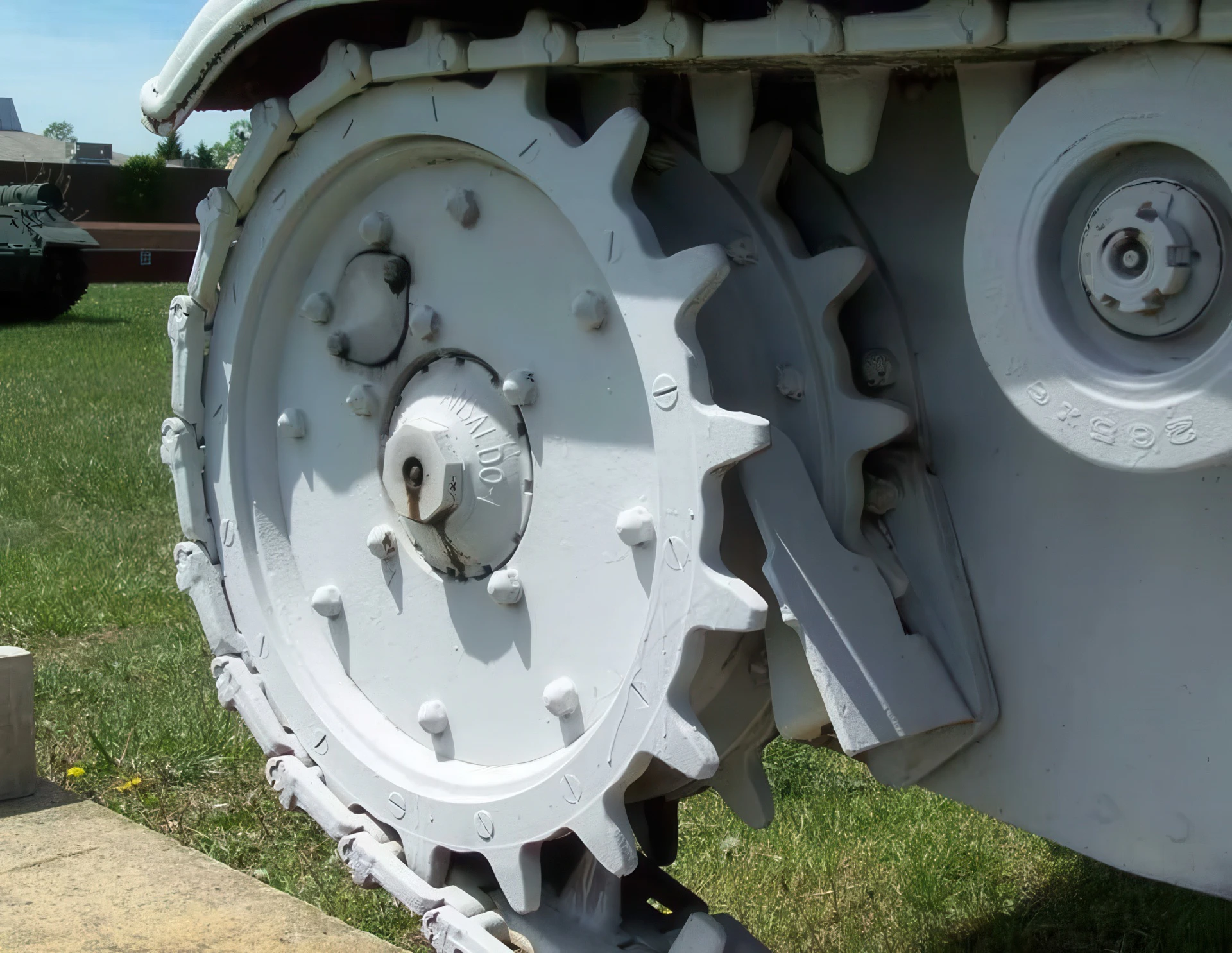
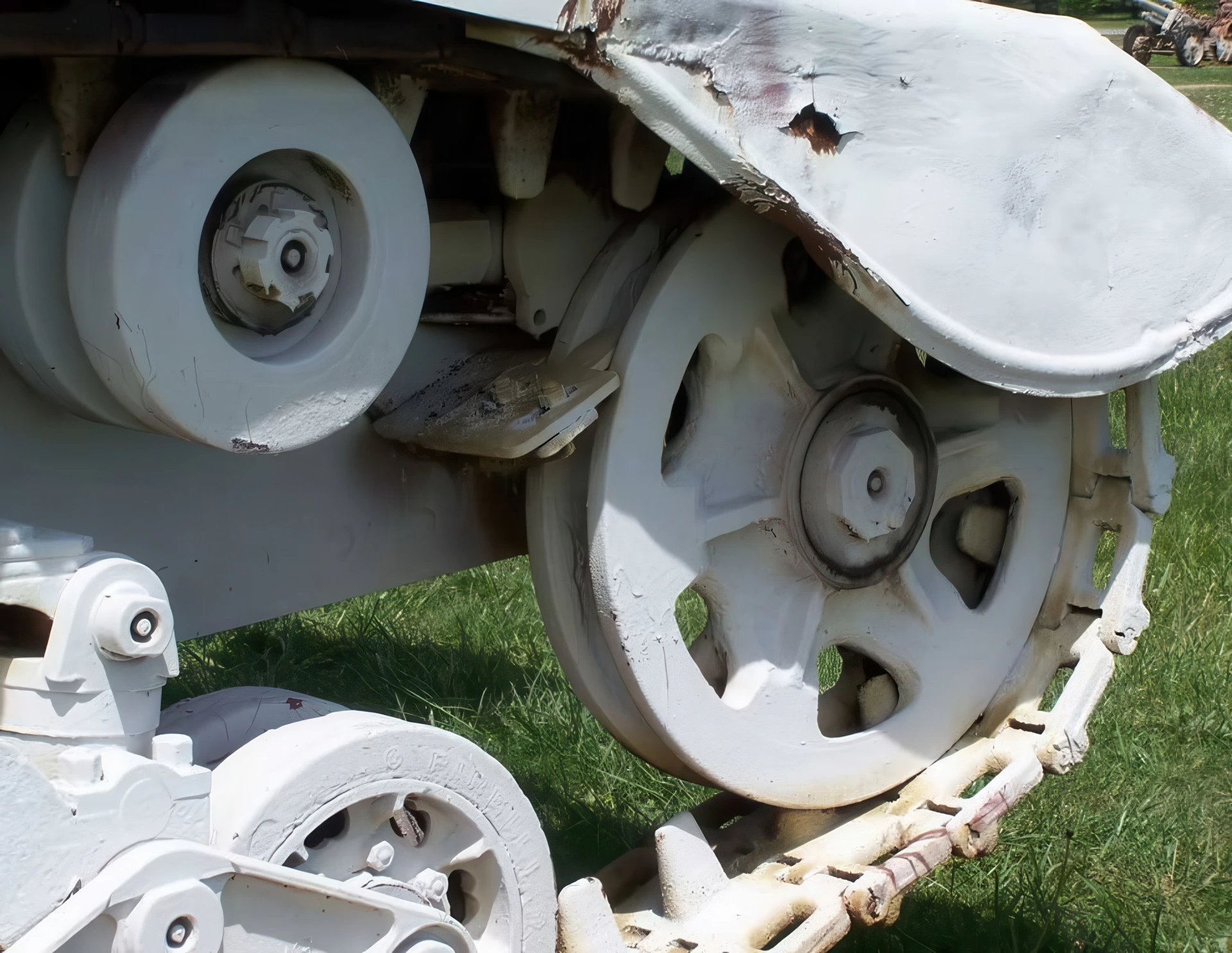
Despite its flaws, the Semovente da 90/53 proved that Italian industry could produce a world-class anti-tank weapon. Today, only one surviving example exists, which was captured in Sicily and is currently part of the collection at the U.S. Army Artillery Museum at Fort Sill, Oklahoma.
Views : 412