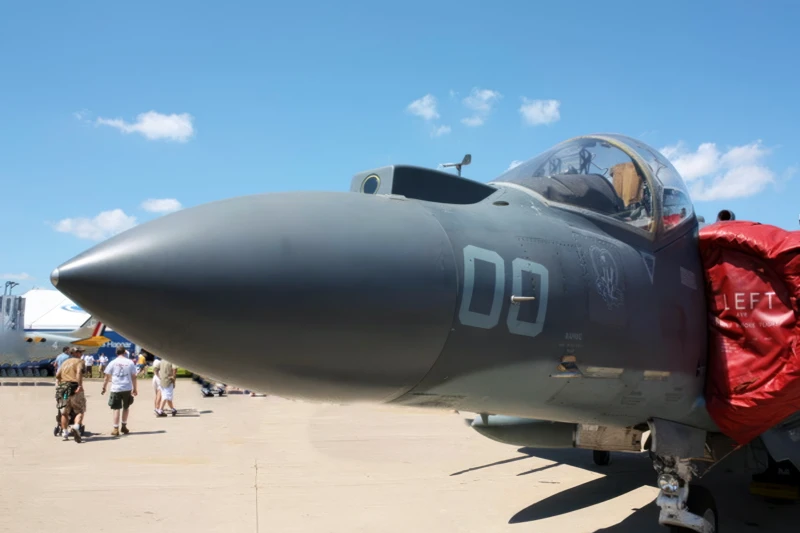
AV-8B Harrier II Plus | |
|---|---|
| Pays | Usa |
| Type | Décollage et atterrissage verticaux/courts |
Galerie de photos d’un AV-8B Harrier II Plus, The McDonnell Douglas AV-8B Harrier II est un avion d’attaque au sol de deuxième génération à décollage et atterrissage vertical/court (V/STOL).
Source: AV-8B Harrier II Plus sur Wiki
| AV-8B Harrier II Plus | |
|---|---|
| Photographe | Shawn Antunes |
| Localisation | Inconnu |
| Photos | 100 |
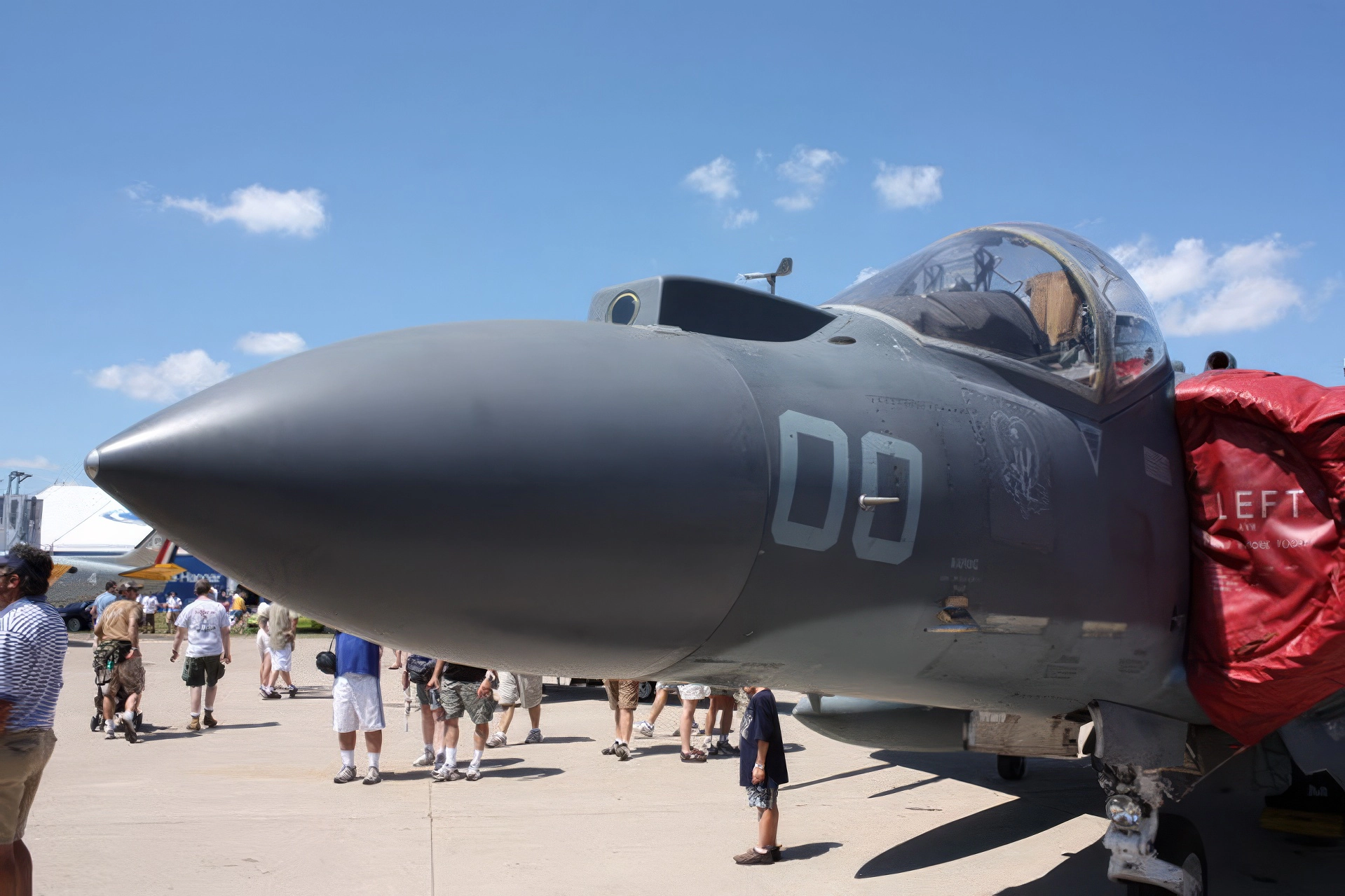
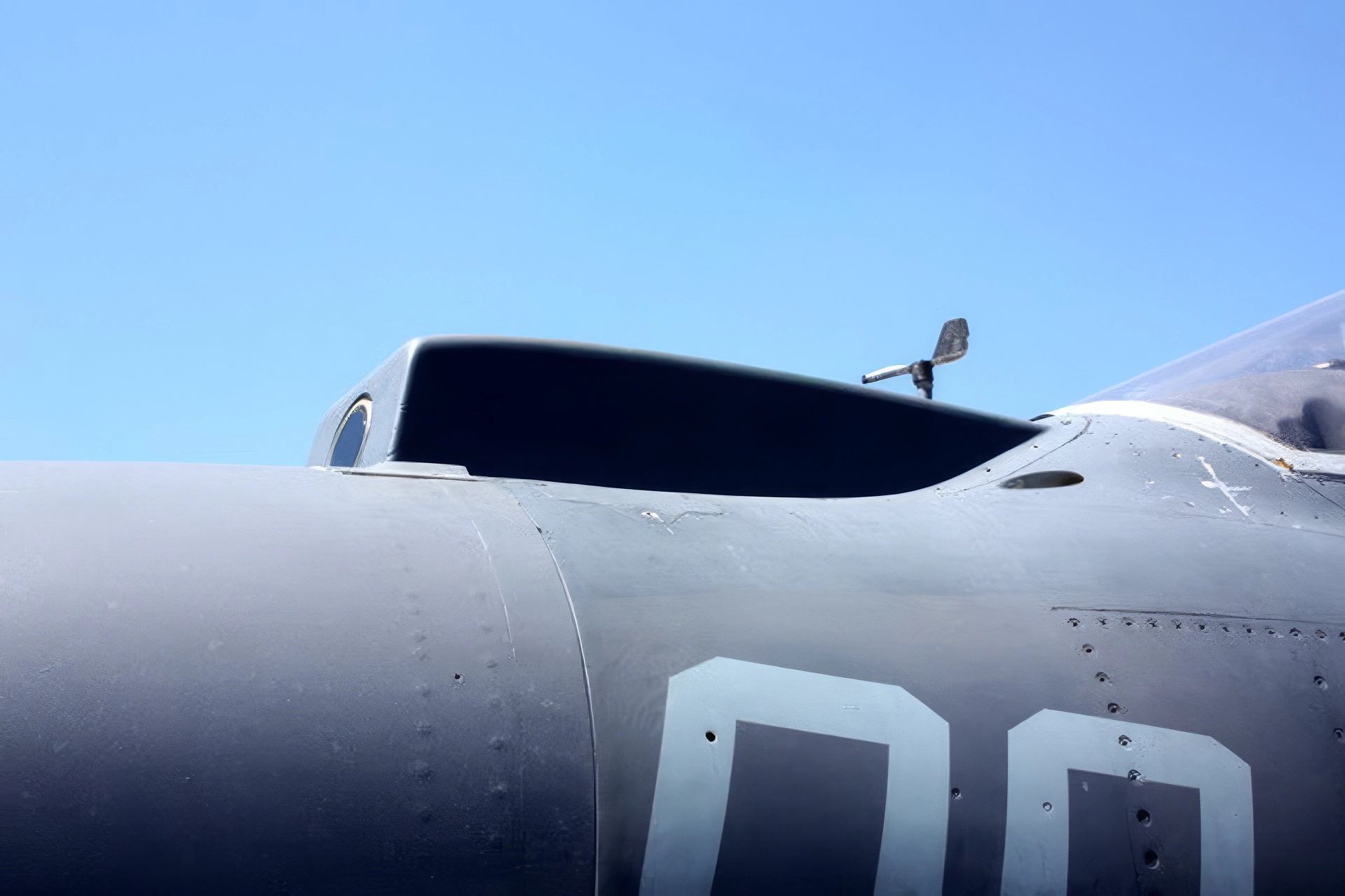
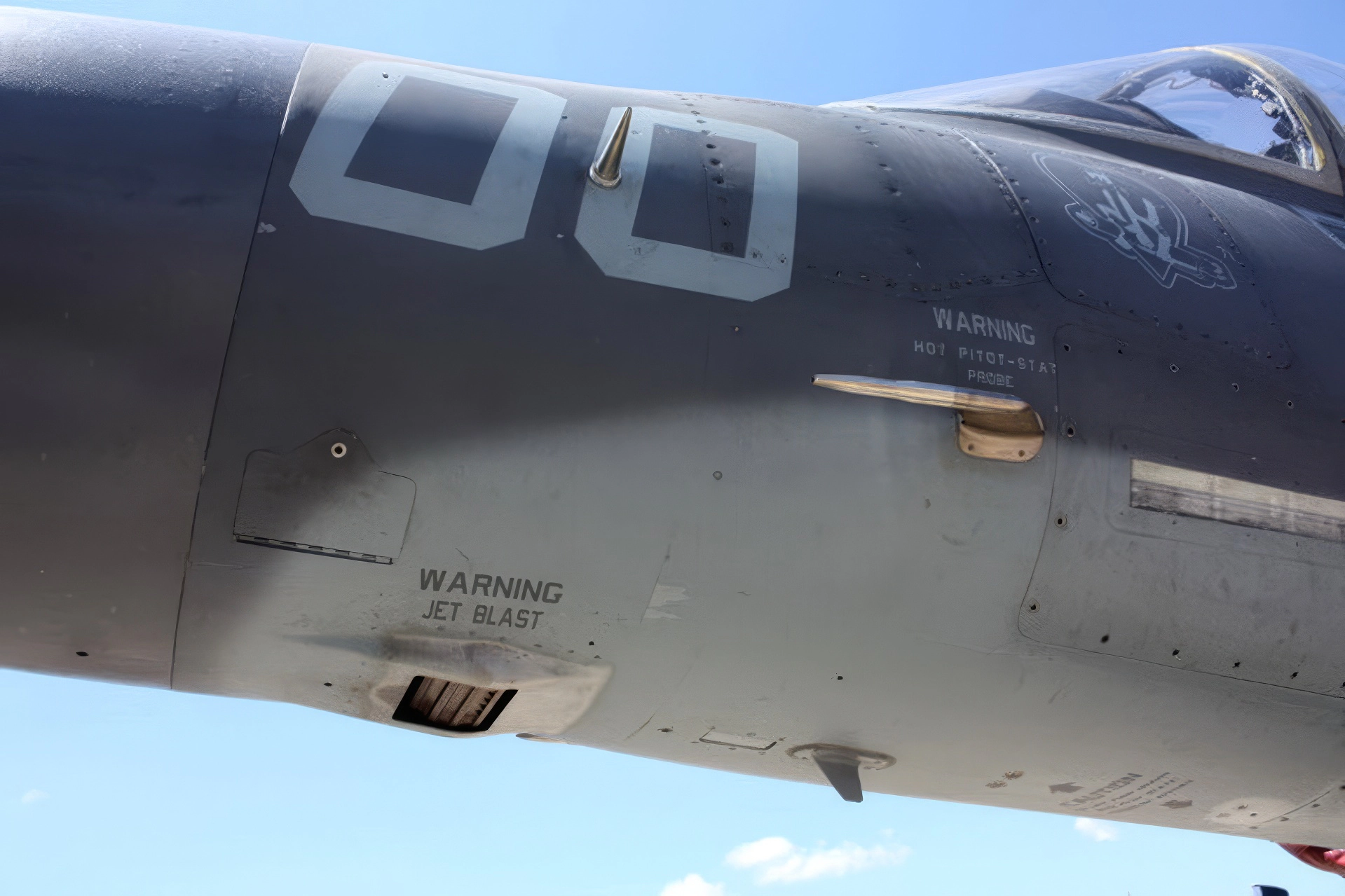
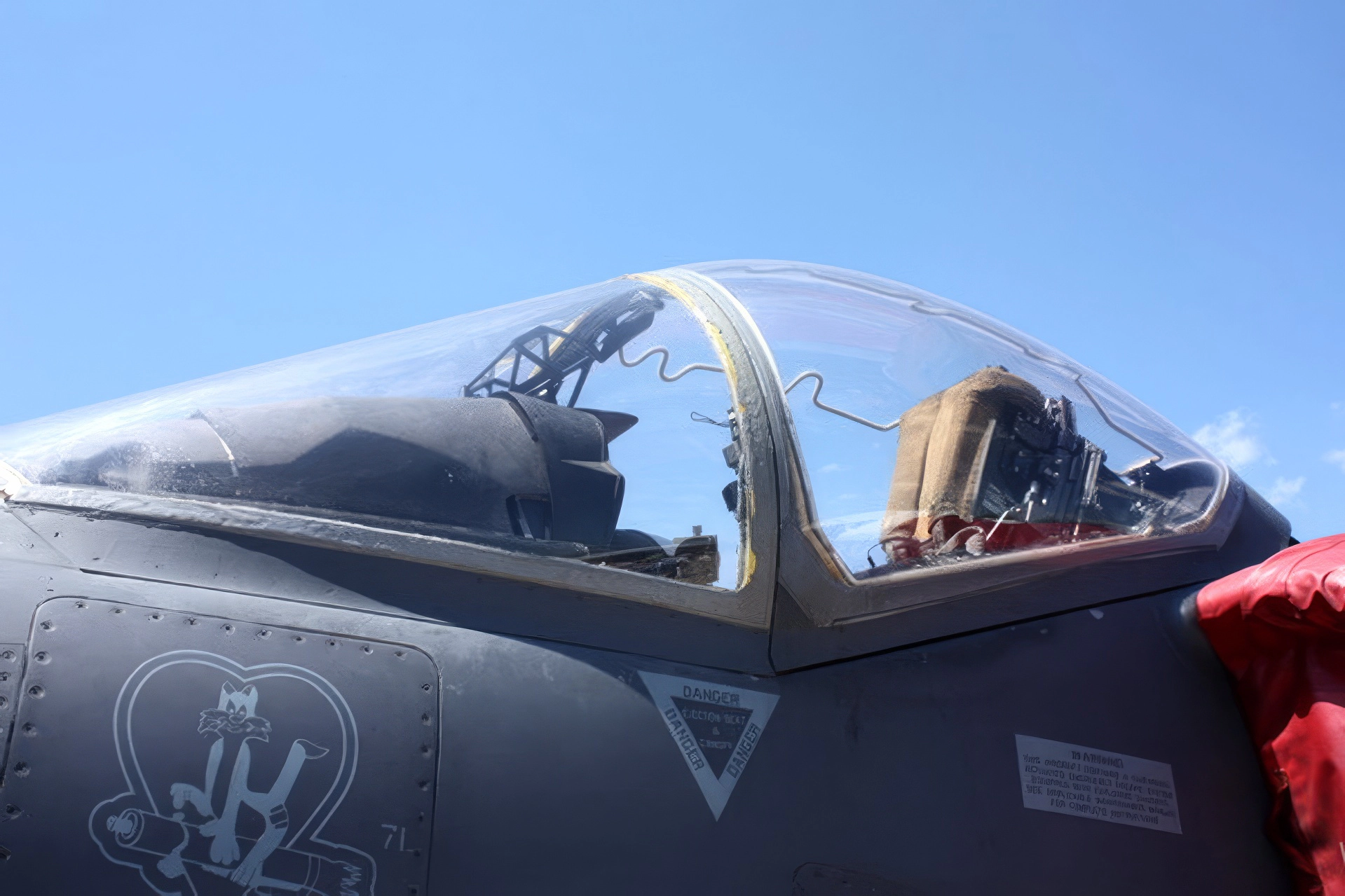
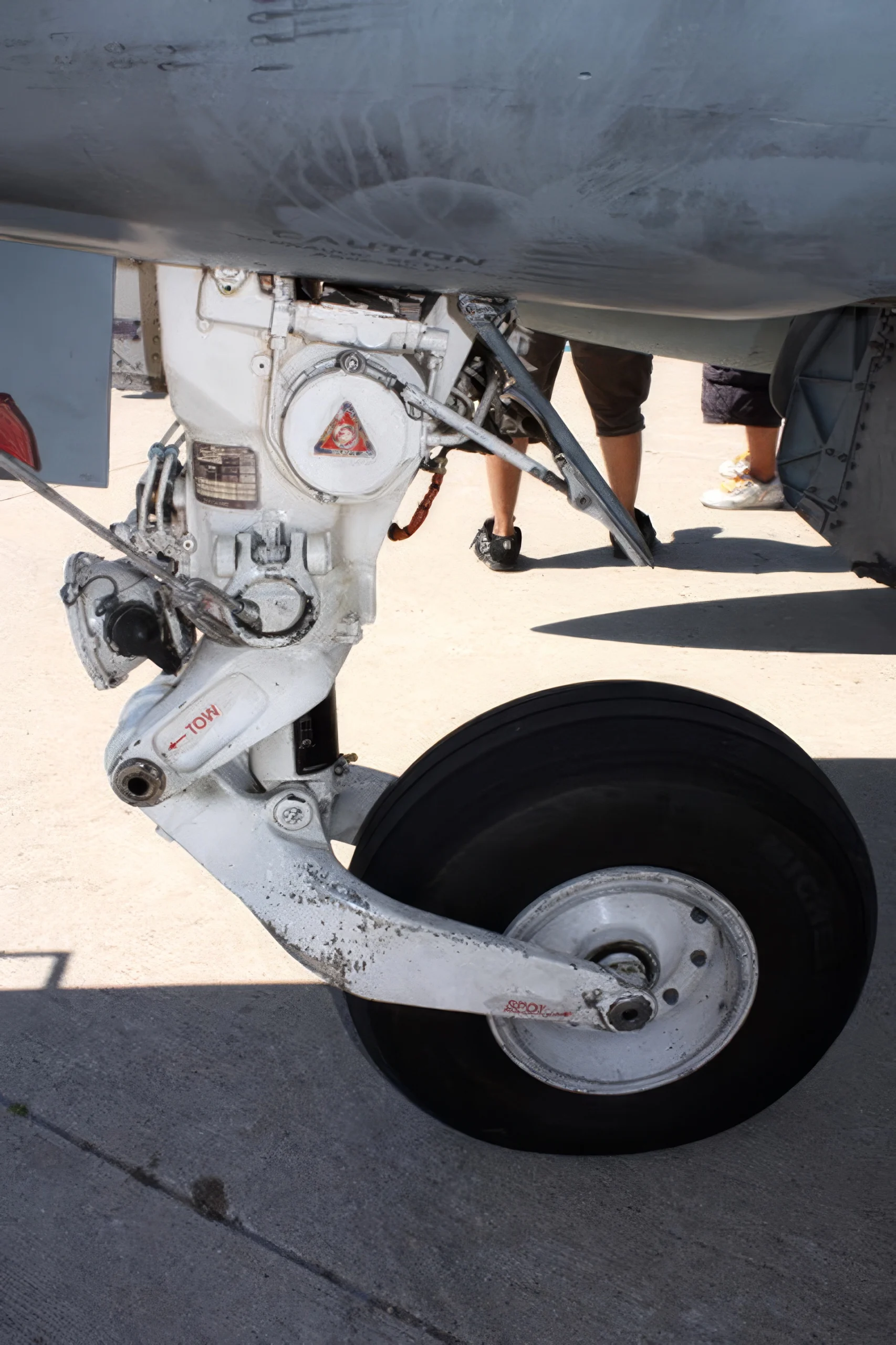
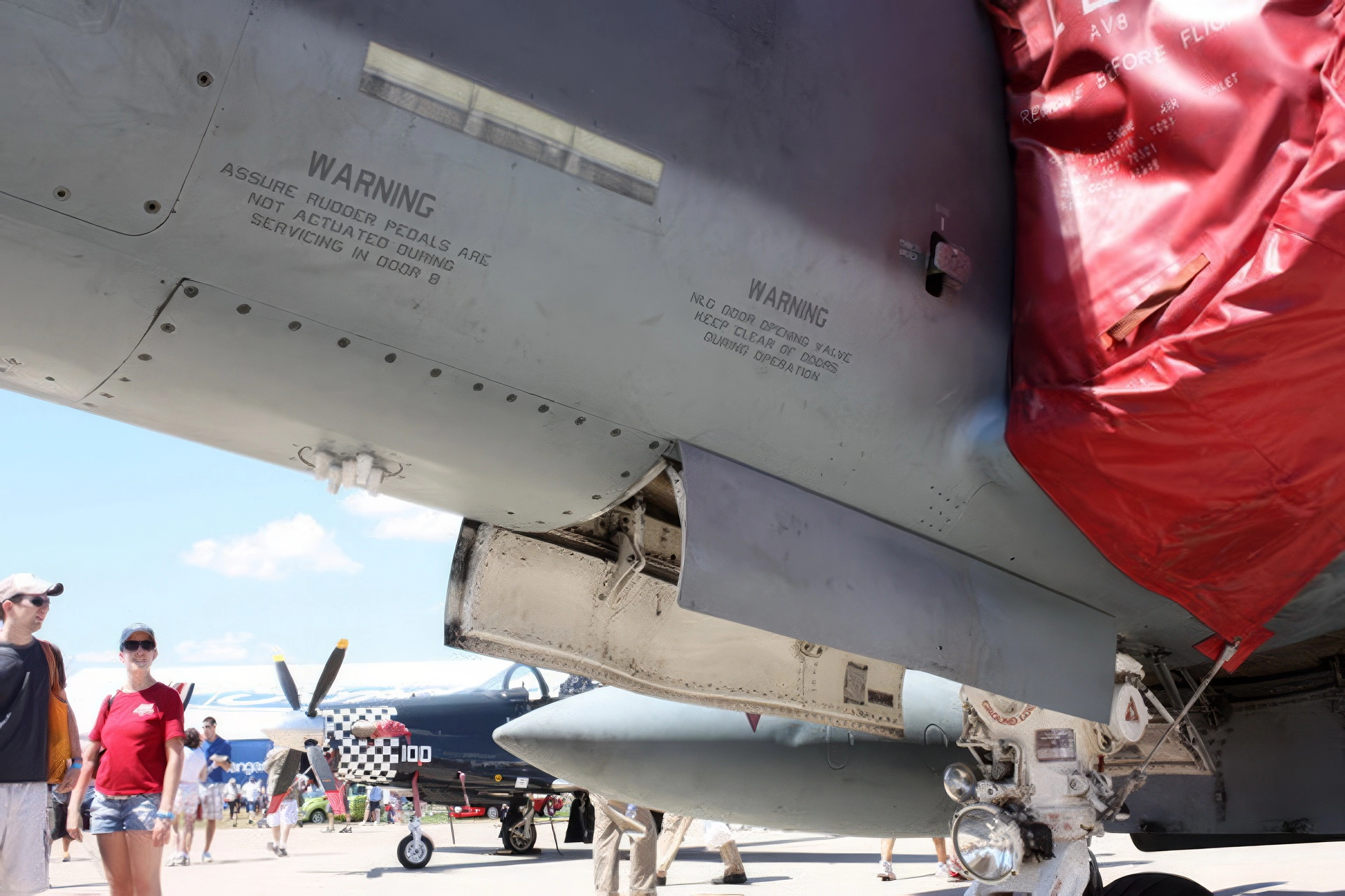
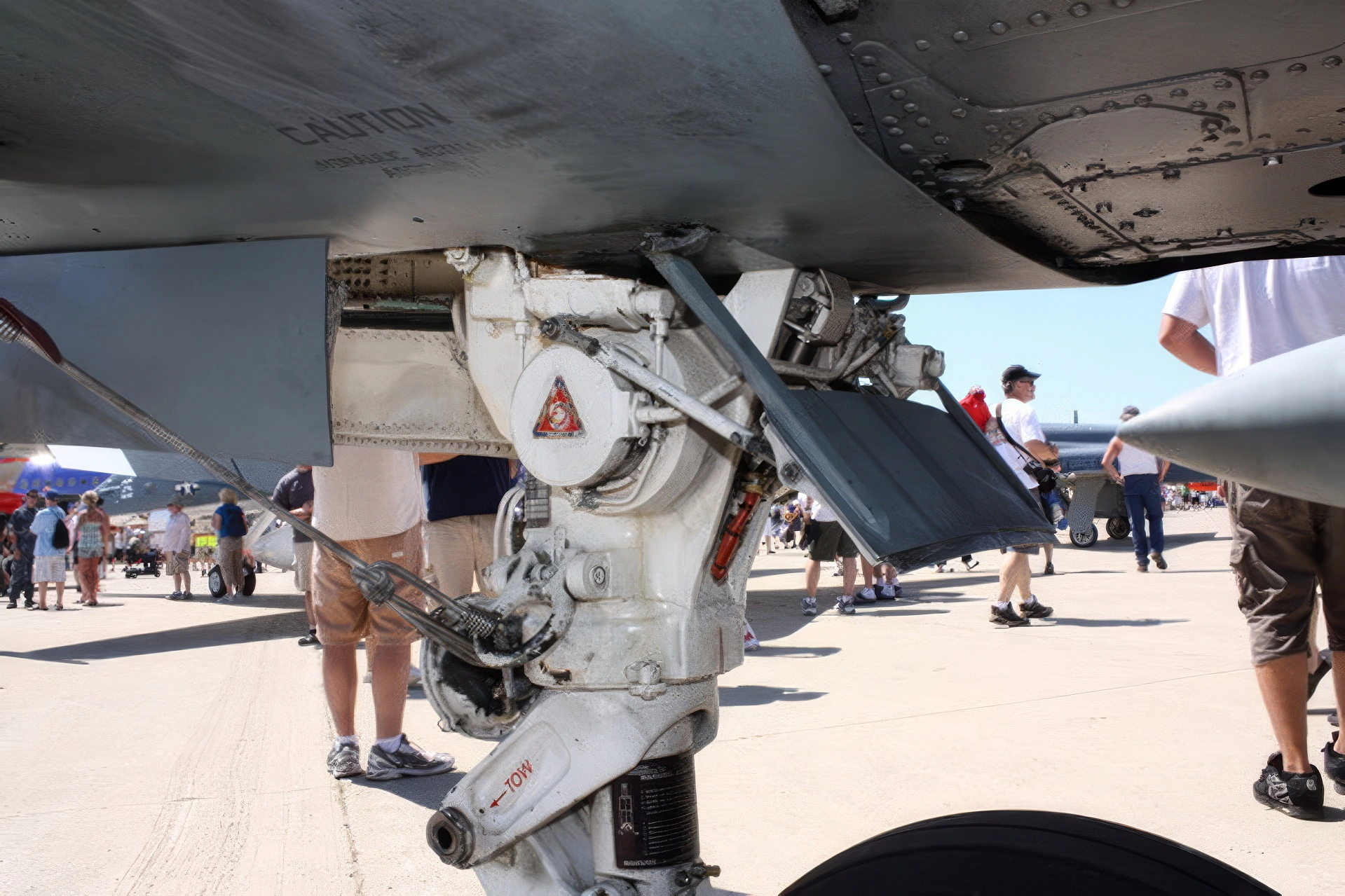
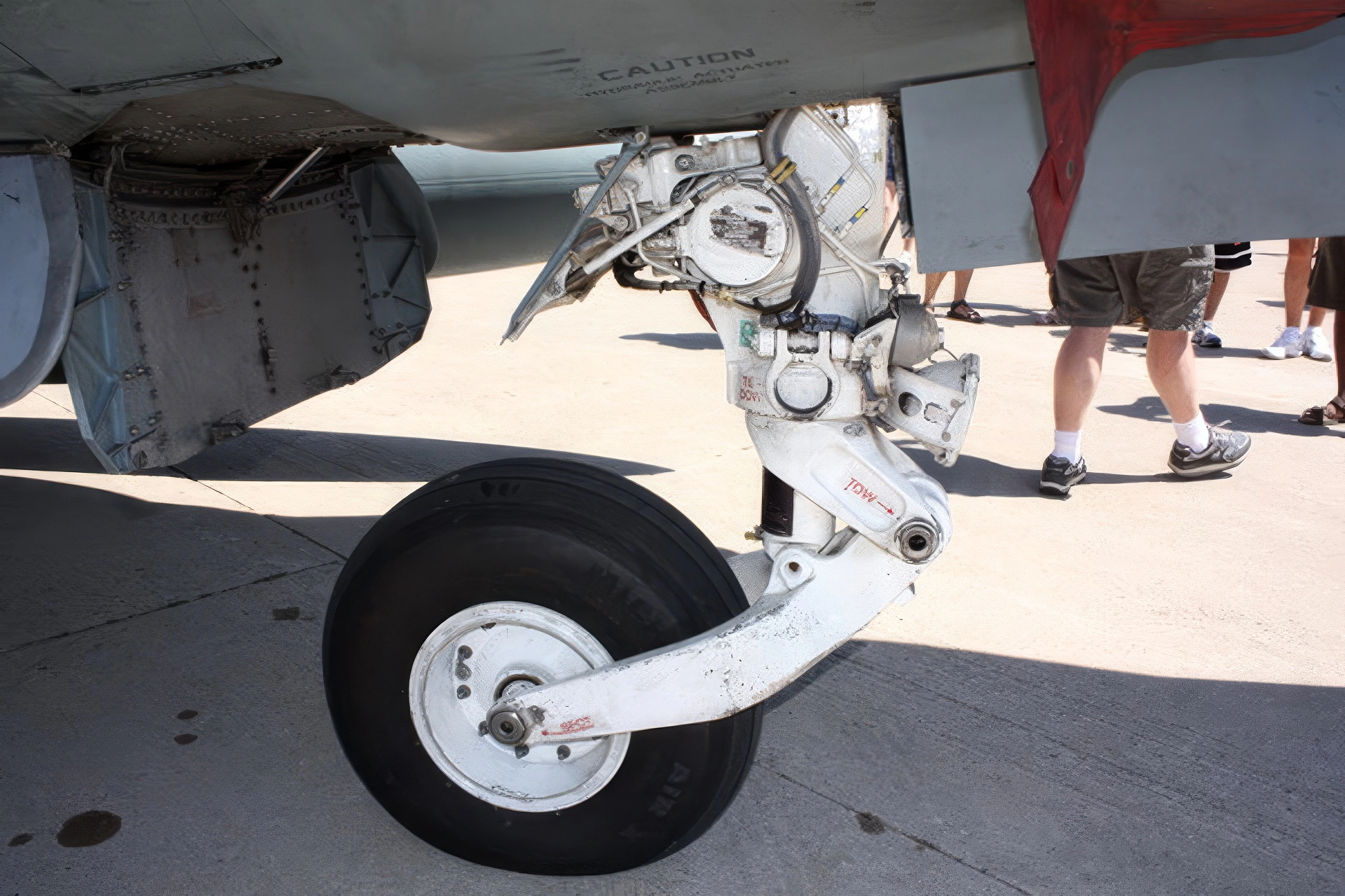
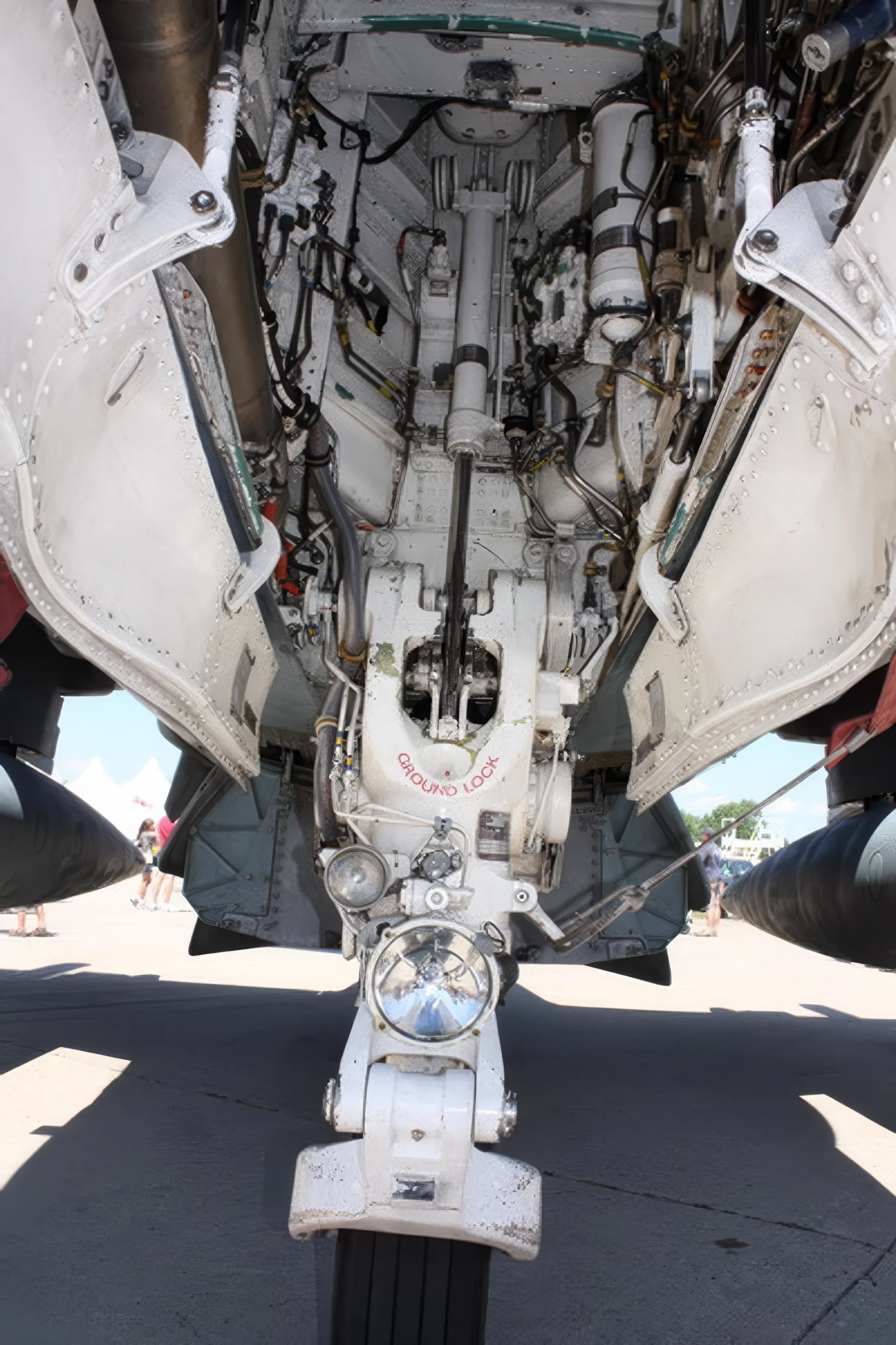

| AV-8C Harrier Se promener | |
|---|---|
| Photographe | Shawn Antunes |
| Localisation | Inconnu |
| Photos | 227 |
| AV-8C Harrier Walk Around | |
|---|---|
| Photographe | Burhand Donke |
| Localisation | Inconnu |
| Photos | 25 |
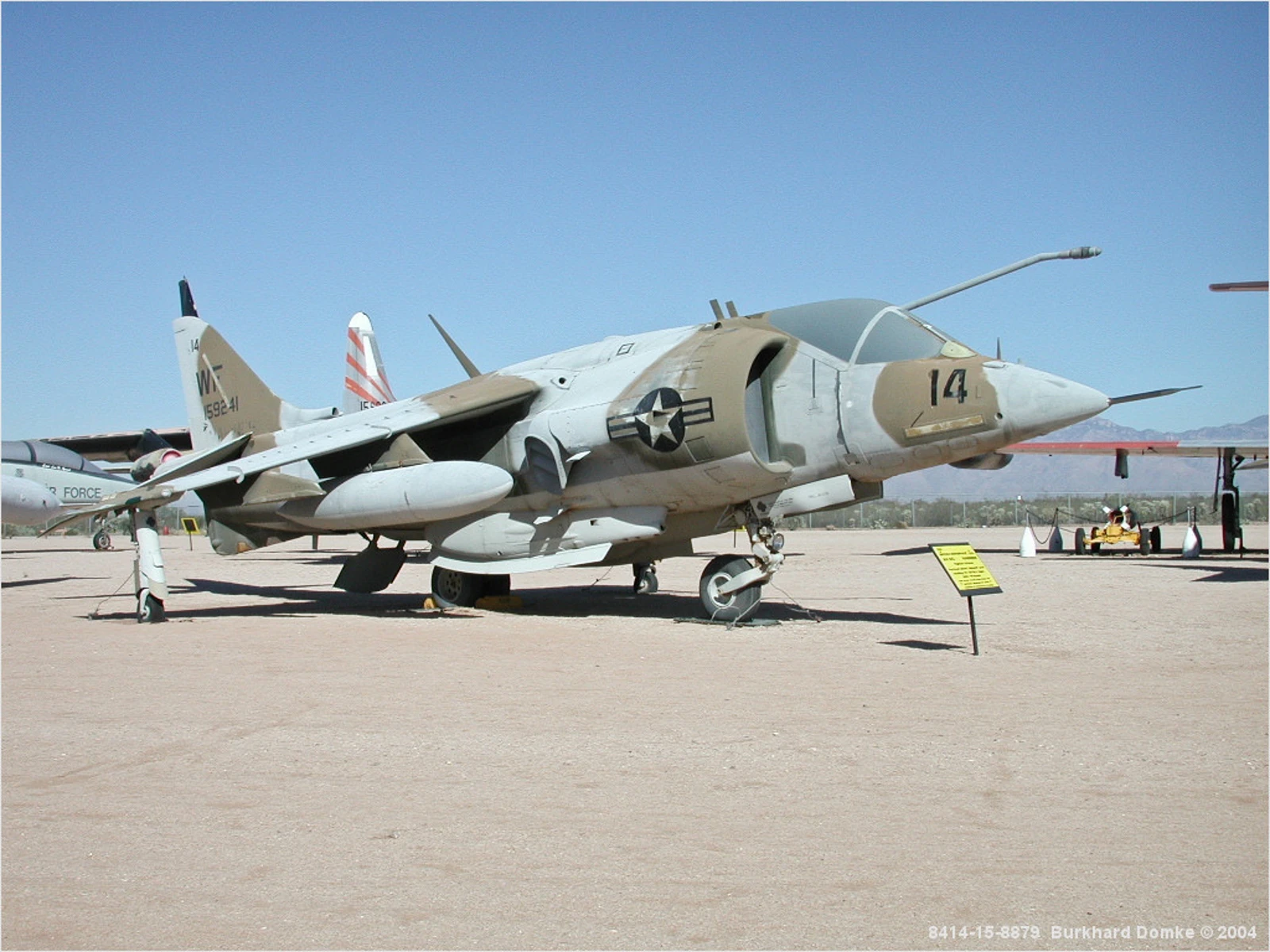
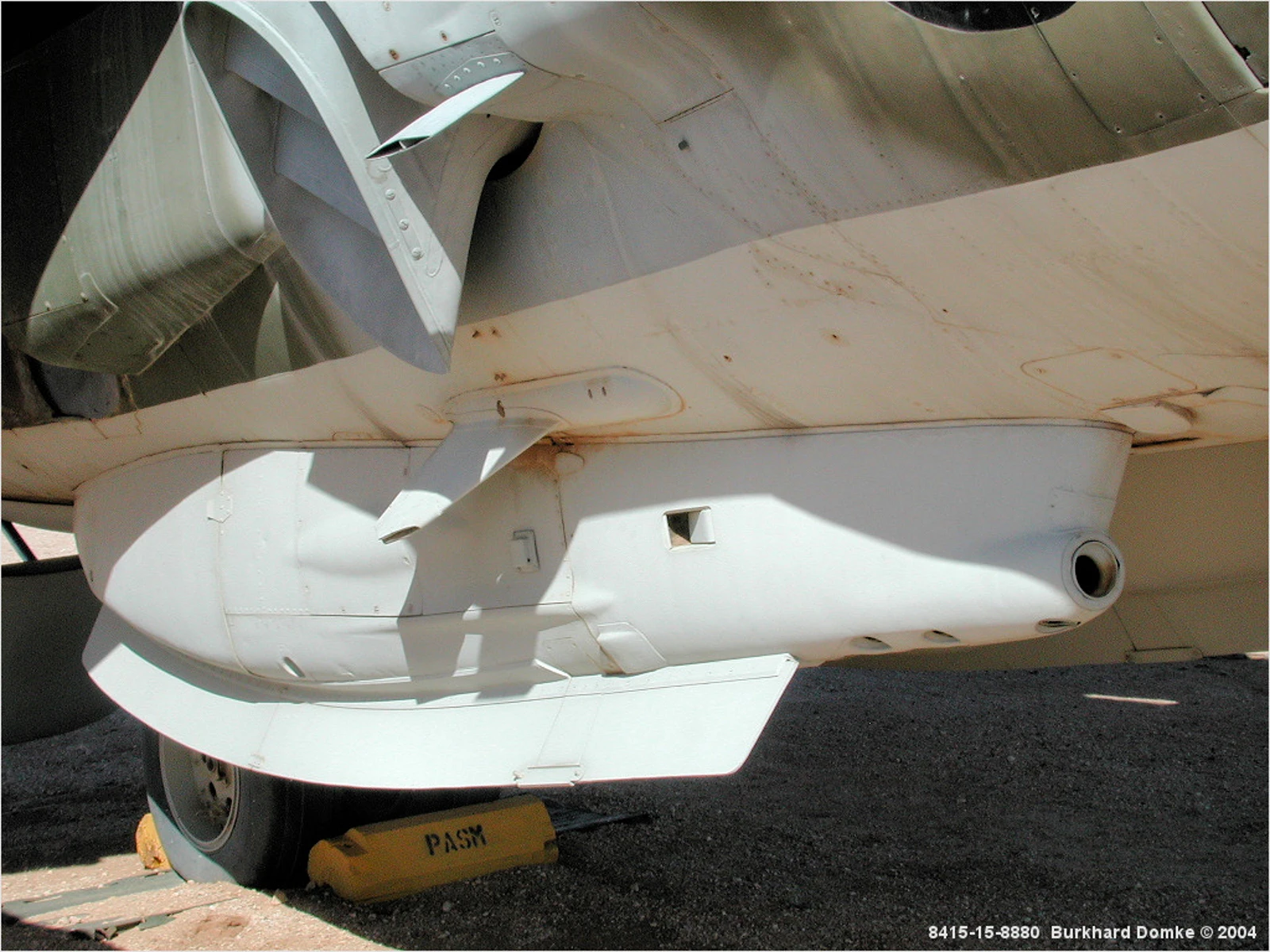
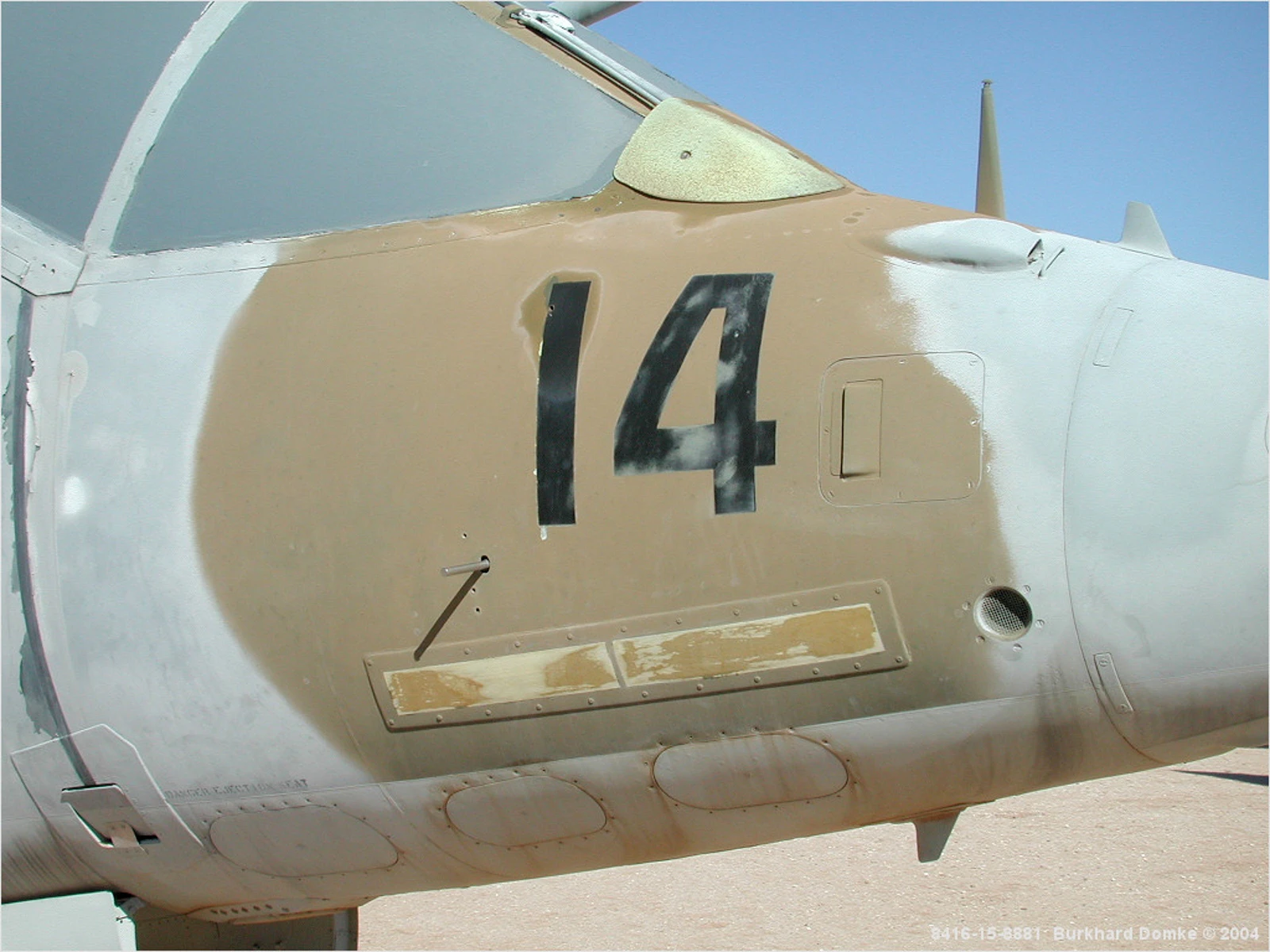
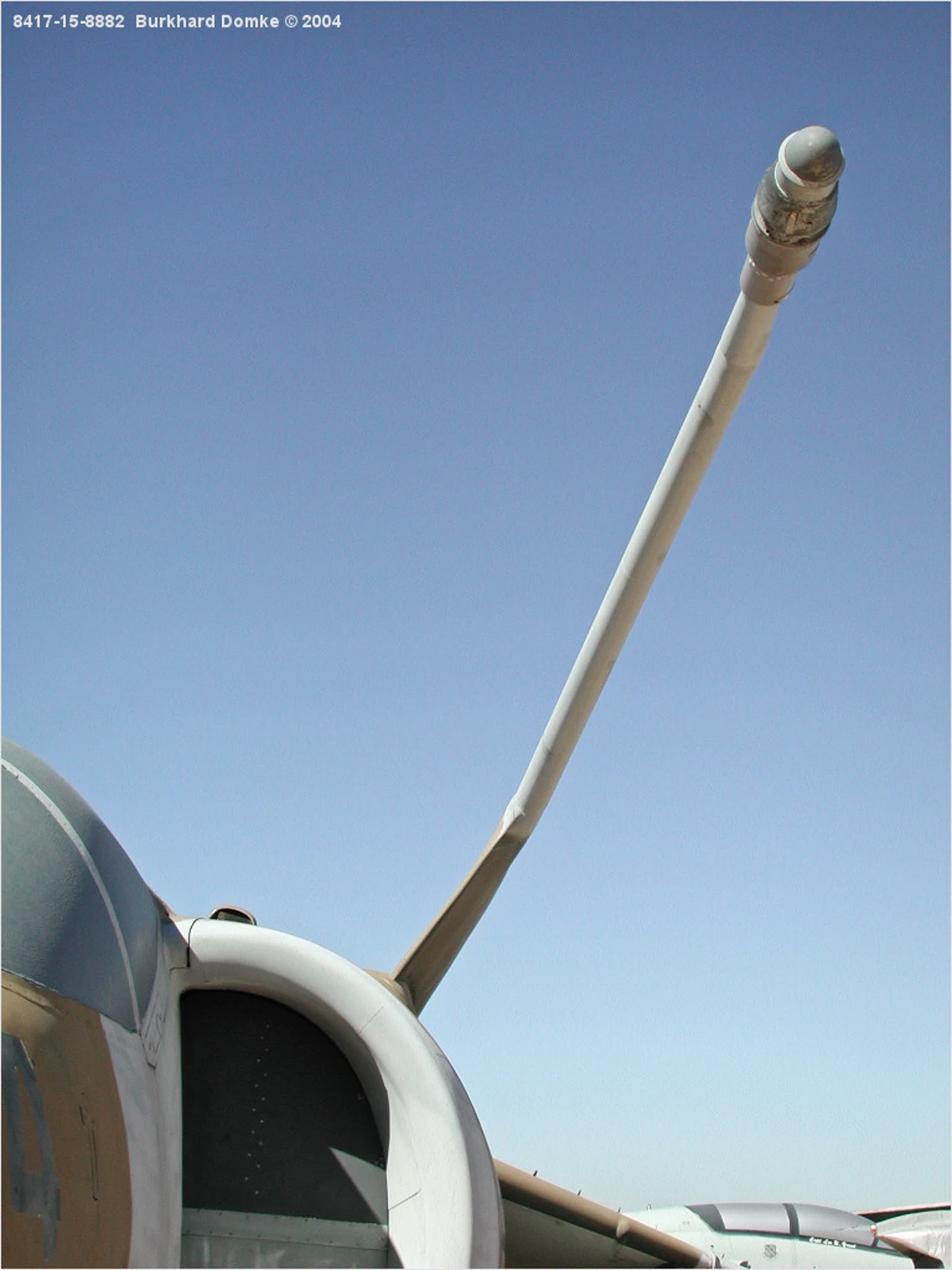
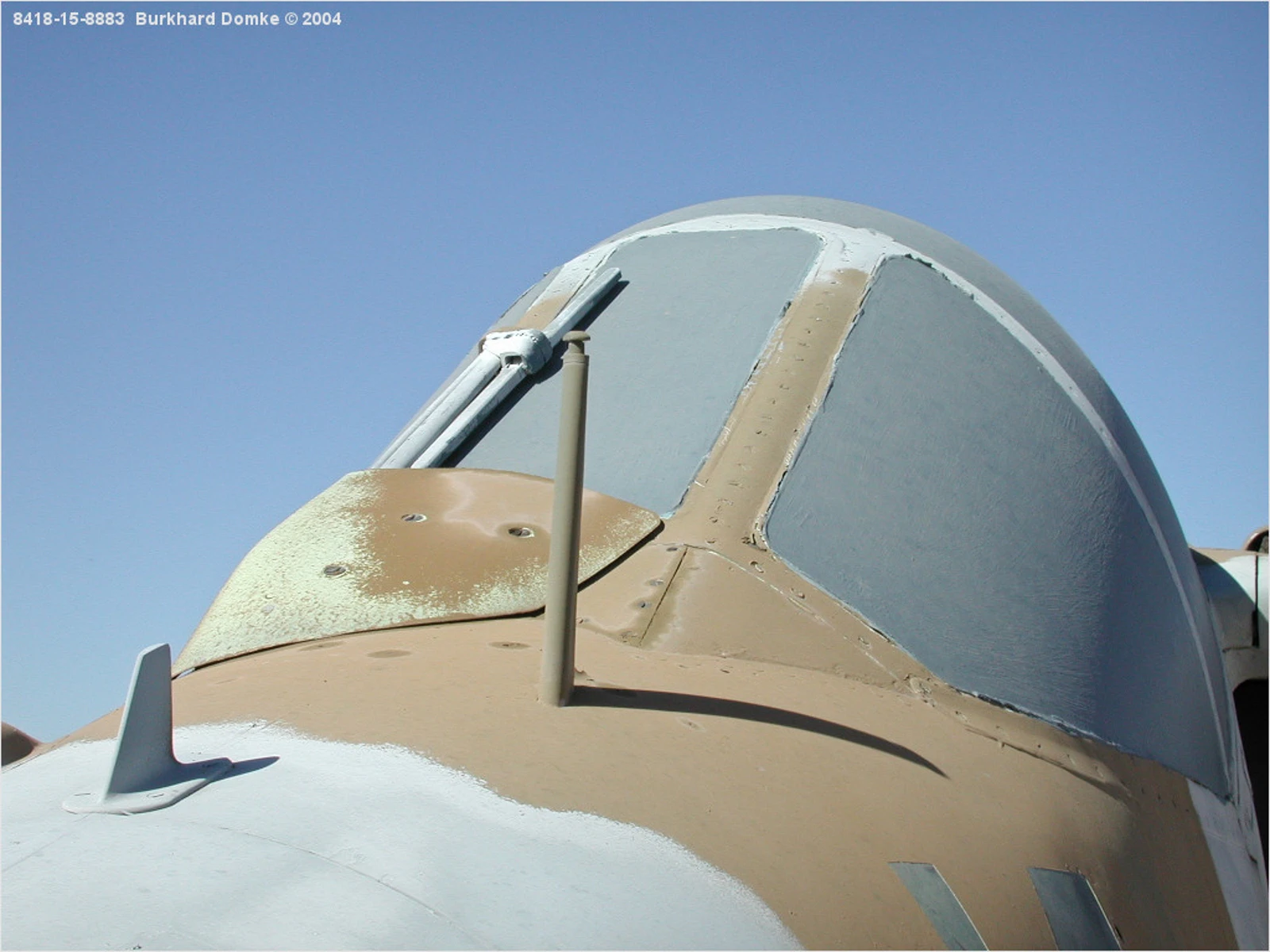
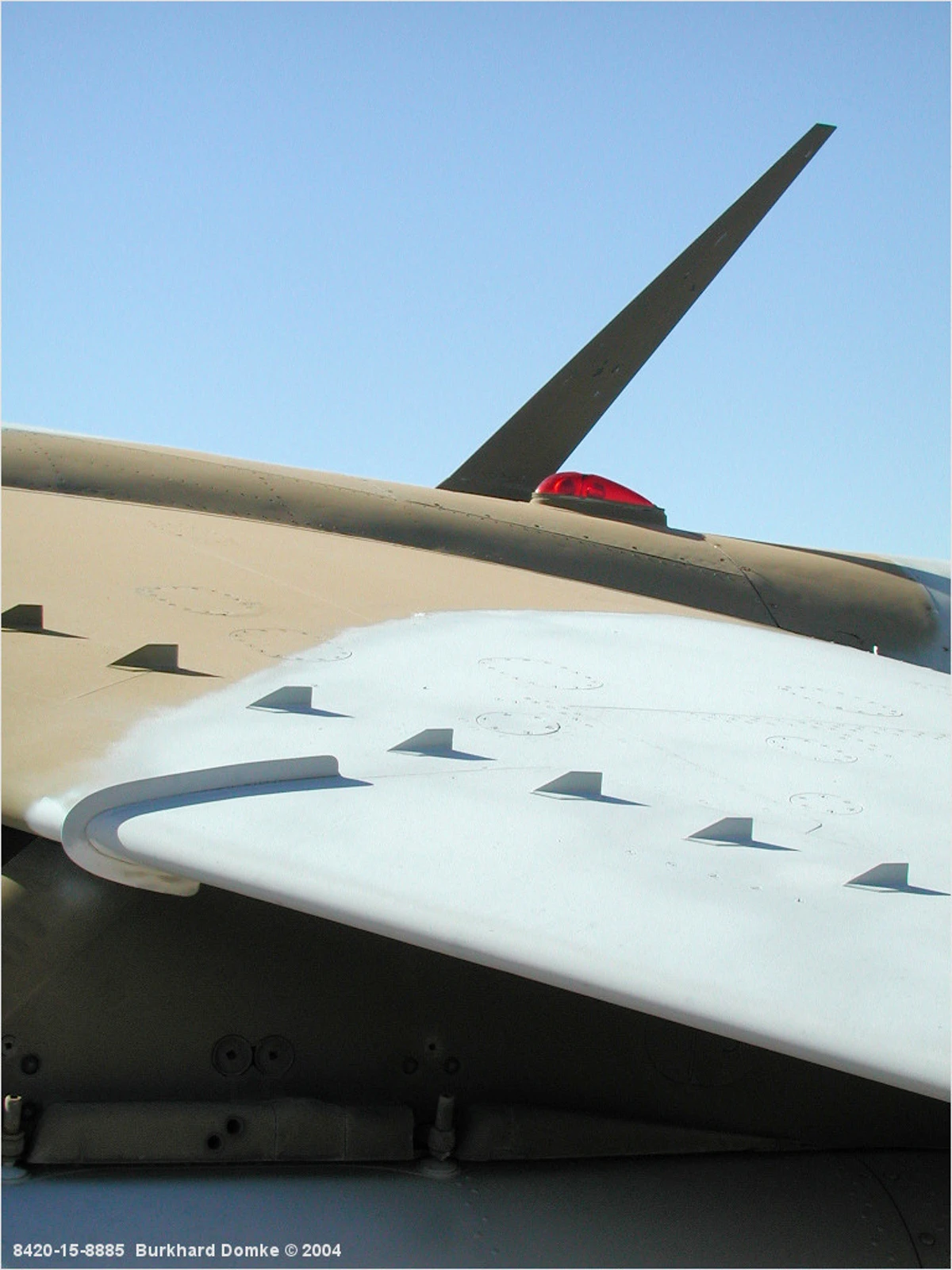
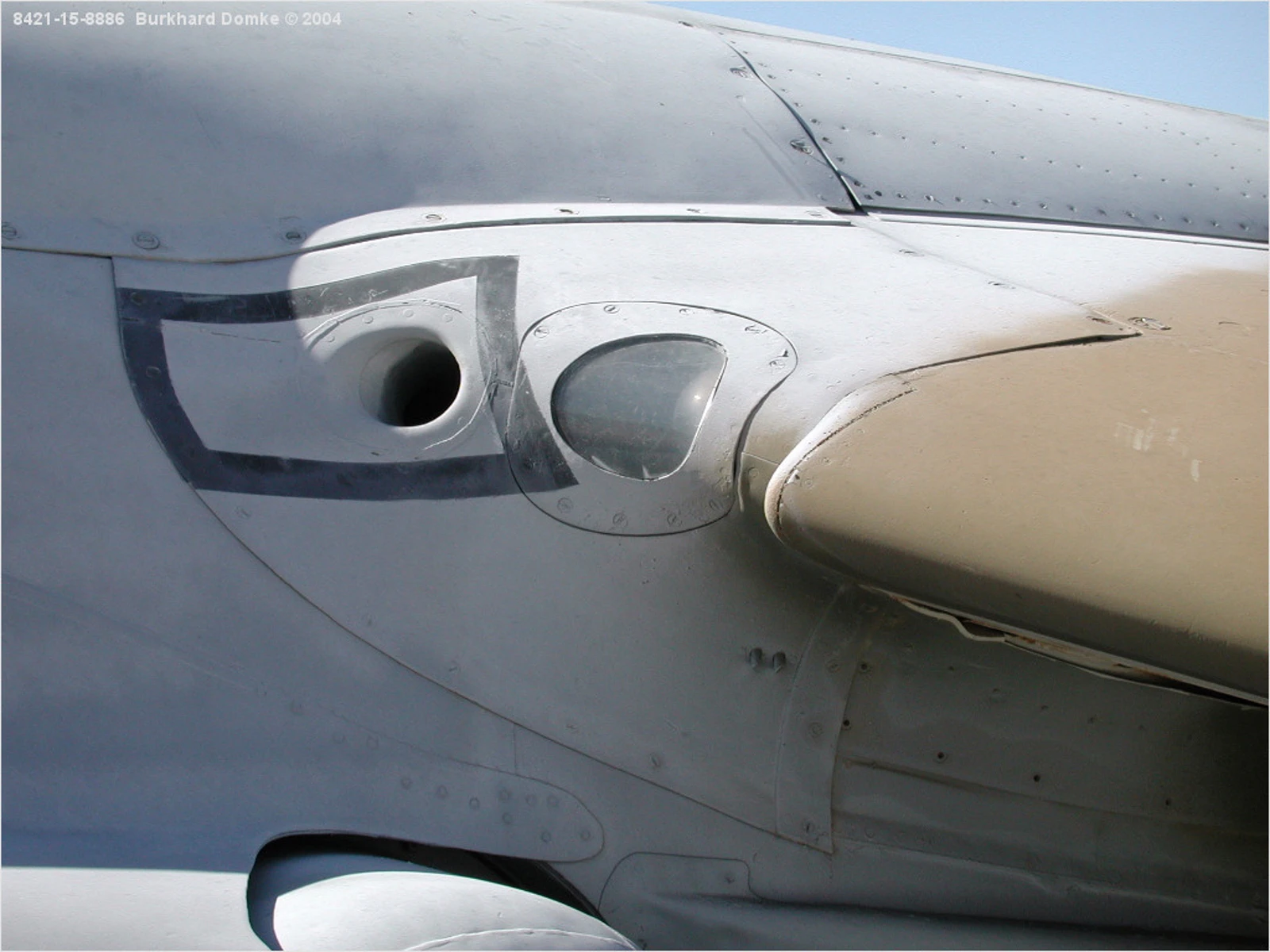

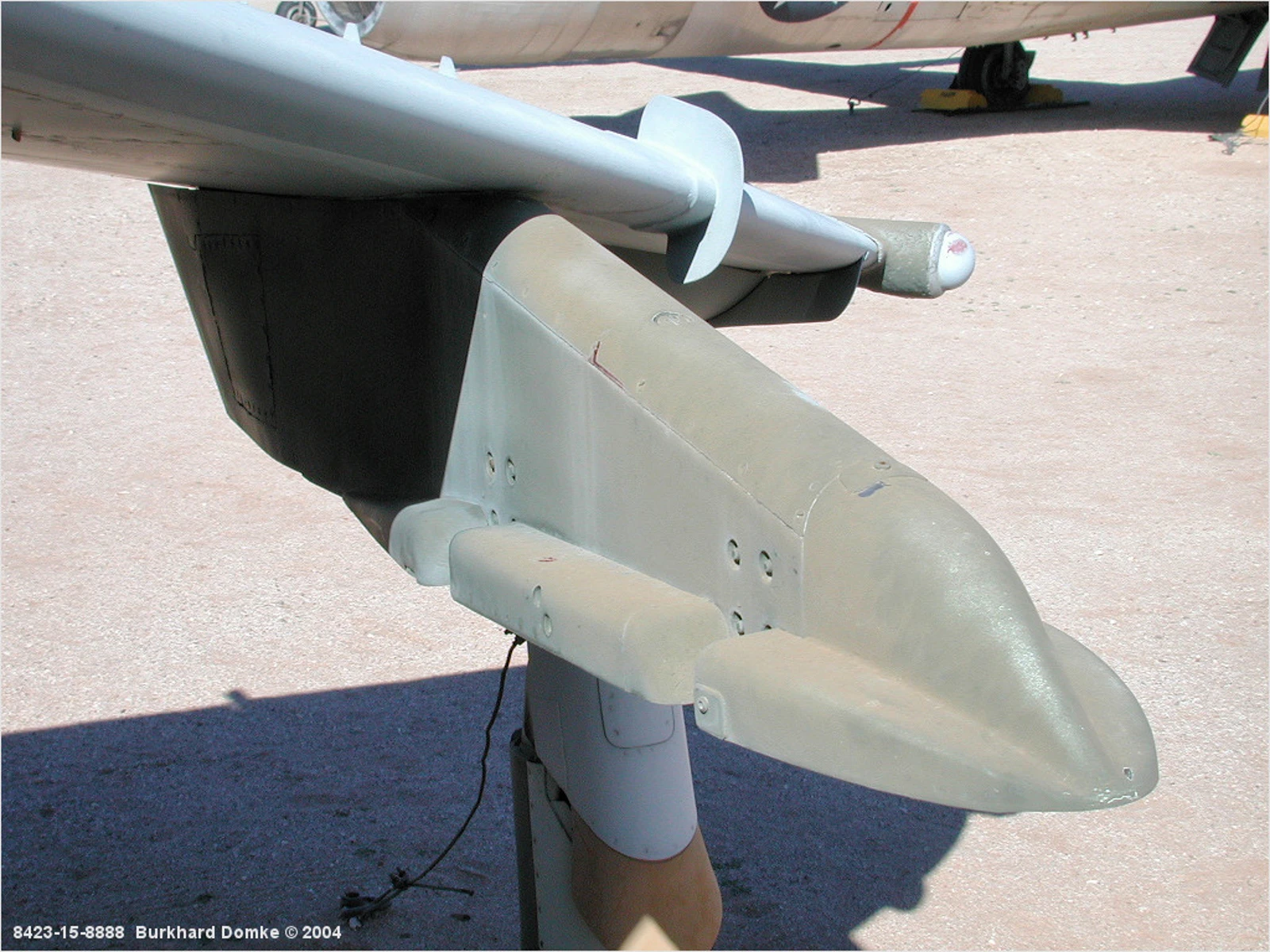
Voir aussi :


The Vertical Jump-Jet with a Sting
Lla AV-8B Harrier II Plus is the most advanced version of the famous « Jump Jet » family. While earlier Harriers were strictly « day fighters » limited to visual range, the Harrier II Plus (introduced in 1993) added the APG-65 radar—the same radar used in the early F/A-18 Hornet. This transformed the Harrier from a close-air-support specialist into a true multi-role fighter capable of « Beyond Visual Range » (BVR) combat using the AIM-120 AMRAAM. It allowed the U.S. Marine Corps, Italy, and Spain to operate miniature aircraft carriers with a level of air-superiority previously reserved for full-sized « supercarriers. »
| Attribute | Technical Specification (AV-8B Harrier II Plus) |
|---|---|
| Rôle | V/STOL Multi-role Attack Aircraft |
| Crew | 1 (Pilot) |
| moteur | 1 × Rolls-Royce Pegasus F402-RR-408 vectored-thrust turbofan (23,500 lbf) |
| Vitesse maximale | 1,083 km/h (673 mph / Mach 0.9) |
| Combat Radius | 556 km (300 nmi) with payload |
| Armement principal | 1 × 25 mm GAU-12 Equalizer 5-barrel Gatling cannon |
| Missile Payload | AIM-120 AMRAAM, AIM-9 Sidewinder, AGM-65 Maverick |
| V/STOL Capability | Vertical Take-Off and Landing / Short Take-Off and Vertical Landing |
Design Engineering: Thrust Vectoring Mastery
- The Pegasus Engine: The heart of the Harrier is the Rolls-Royce Pegasus. It uses four rotating nozzles (two for cold air in the front, two for hot exhaust in the back) that can tilt from 0° for horizontal flight to 98.5° for vertical hover and braking.
- Reaction Control System (RCS): Since traditional wings and rudders don’t work in a stationary hover, the Harrier uses tiny « puffer ducts » in the nose, tail, and wingtips. These vent high-pressure engine air to allow the pilot to pitch, roll, and yaw while hanging in mid-air.
- Lla « Plus » Nose: Lla « Plus » variant is easily identified by its lengthened, bulbous nose. This extension was necessary to house the APG-65 radar, which finally gave the Harrier the ability to hunt in the dark and fire radar-guided missiles.
- Supercritical Wing: The Harrier II wing is significantly larger than the original 1960s Harrier. It is made largely of composites (carbon fiber) and uses a « supercritical » airfoil design to increase lift and allow for more fuel storage, drastically improving the plane’s once-criticized short legs.
Operational History: The Marines’ Swiss Army Knife
- Desert Storm and Beyond: U.S. Marine Corps Harriers were often the first fixed-wing aircraft on the scene. Because they could operate from improvised « FARP » (Forward Arming and Refueling Points) right behind the front lines, their response time was faster than traditional jets flying from distant bases.
- « Viffing » (Vectoring in Forward Flight): During dogfights, Harrier pilots can rotate their nozzles slightly downward while moving forward. This creates a sudden « jump » or braking effect that can cause an enemy fighter to overshoot, turning the Harrier from the hunted into the hunter.
- Lla « Small Carrier » Revolution: The Harrier II Plus allowed nations like Italy (on the Giuseppe Garibaldi) and Spain (on the Príncipe de Asturias) to have a « Fleet Defender » that could shoot down enemy bombers at long range, despite only having small V/STOL carriers.
- Retirement and the F-35B: After decades of service, the Harrier II Plus is being replaced by the F-35B Lightning II. While the F-35 is stealthy and supersonic, many pilots still miss the raw, « seat-of-the-pants » flying required to master the Harrier’s notoriously difficult vertical landings.
Views : 11732
Vous pouvez voir aussi :
 Hawker Siddeley Nimrod – Photos et vidéo
 Sukhoi Su-24М Fencer – Photos & Vidéo
 Zlin XII – Photos & Vidéo
 Sukhoi Su-7 – Photos & Vidéo
 Lockheed T-33 – Photos et vidéo
 Fairey Fulmar Mk.I – Photos & Vidéo
 Caproni Ca.100 – Photos & Vidéo
 Fairchild PT-19A Cornell – Photos et vidéo
 de Havilland DH.82 Tiger Moth – Photos & Vidéo
 North American B-45 Tornado – Photos et vidéo