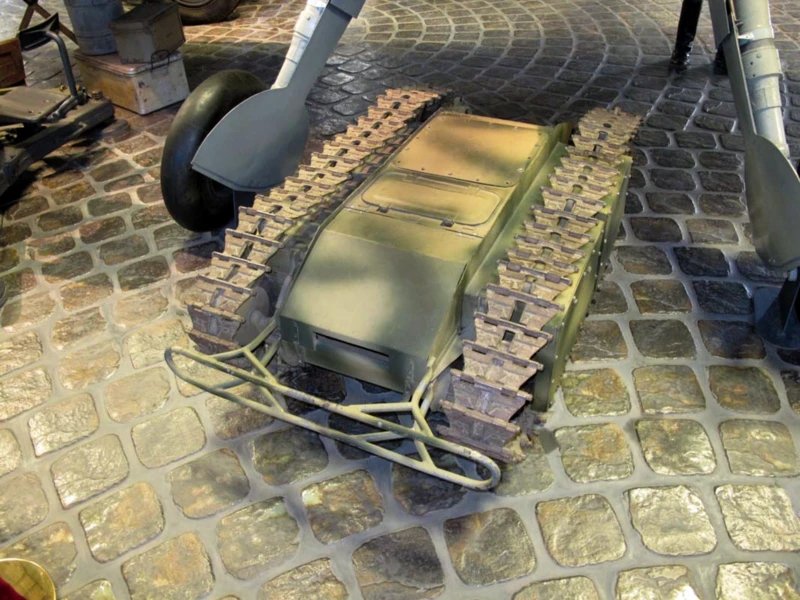
SdKfz 302 Leichter Ladungstrager Goljat | |
| Maa | Saksa |
| Tyyppi | Kauko-ohjattava purkuauto |
| Käytössä | 1942-1945 |
| Rakennettu | 7564 |
Valokuvagalleria SdKfz 302 Leichter Ladungstrager Goljat, The Goliath tracked mine – complete German name: Leichter Ladungsträger Goliath (Sd.Kfz. 302/303a/303b) – was a remote controlled German-engineered demolition vehicle, also known as the beetle tank to the Allies. Employed by the Wehrmacht during World War II. It carried 60 or 100 kilograms (130 or 220 lb) of high explosives, depending on the model, and was intended to be used for multiple purposes, such as destroying tanks, disrupting dense infantry formations, and demolition of buildings and bridges.
| Leichter Ladungstrager Goliath | |
|---|---|
| Valokuvaaja | Vladimir Jakubov |
| Lokalisointi | Vadim Zadorozhnyn tekninen museo |
| Valokuvat | 16 |
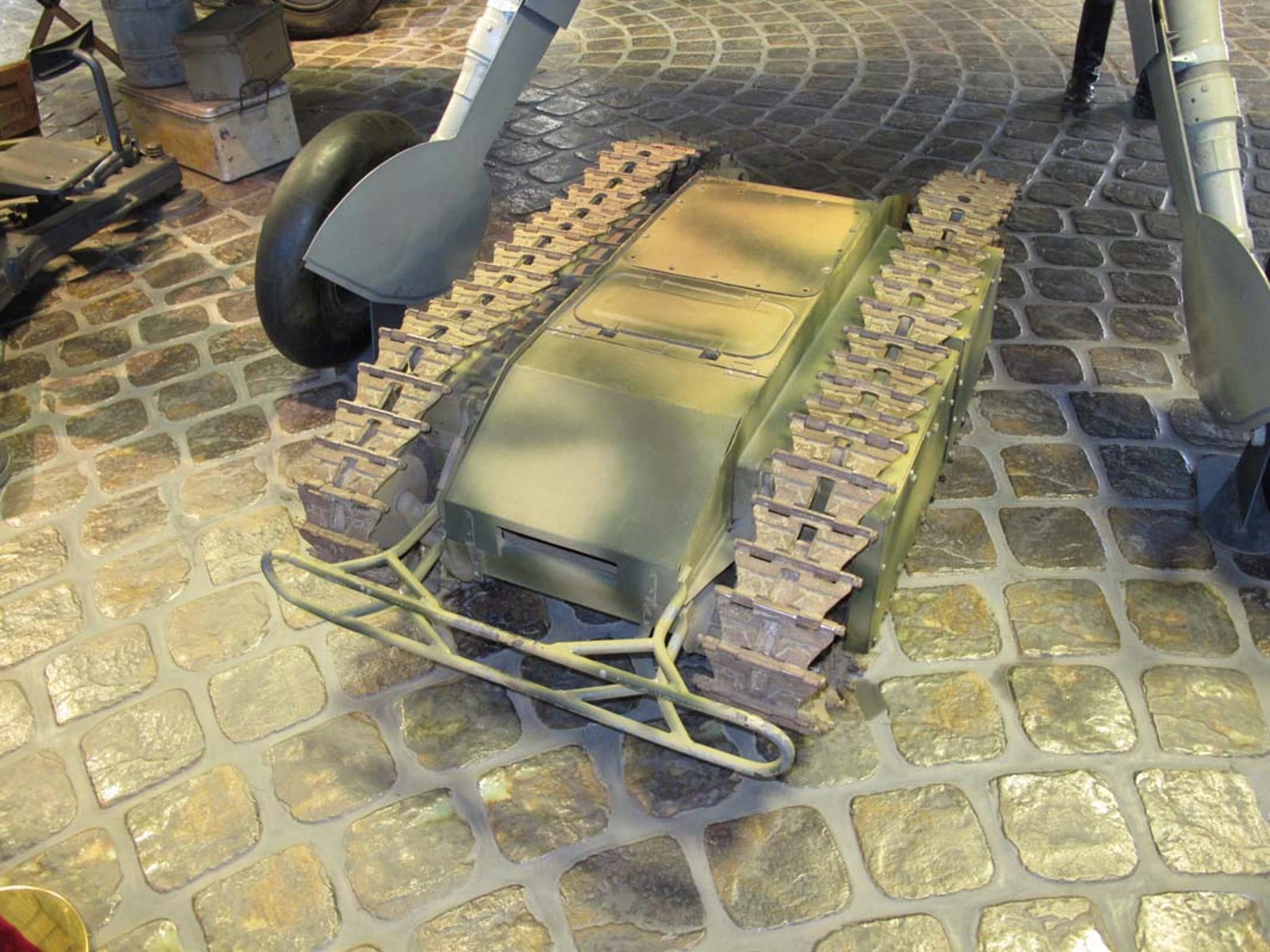
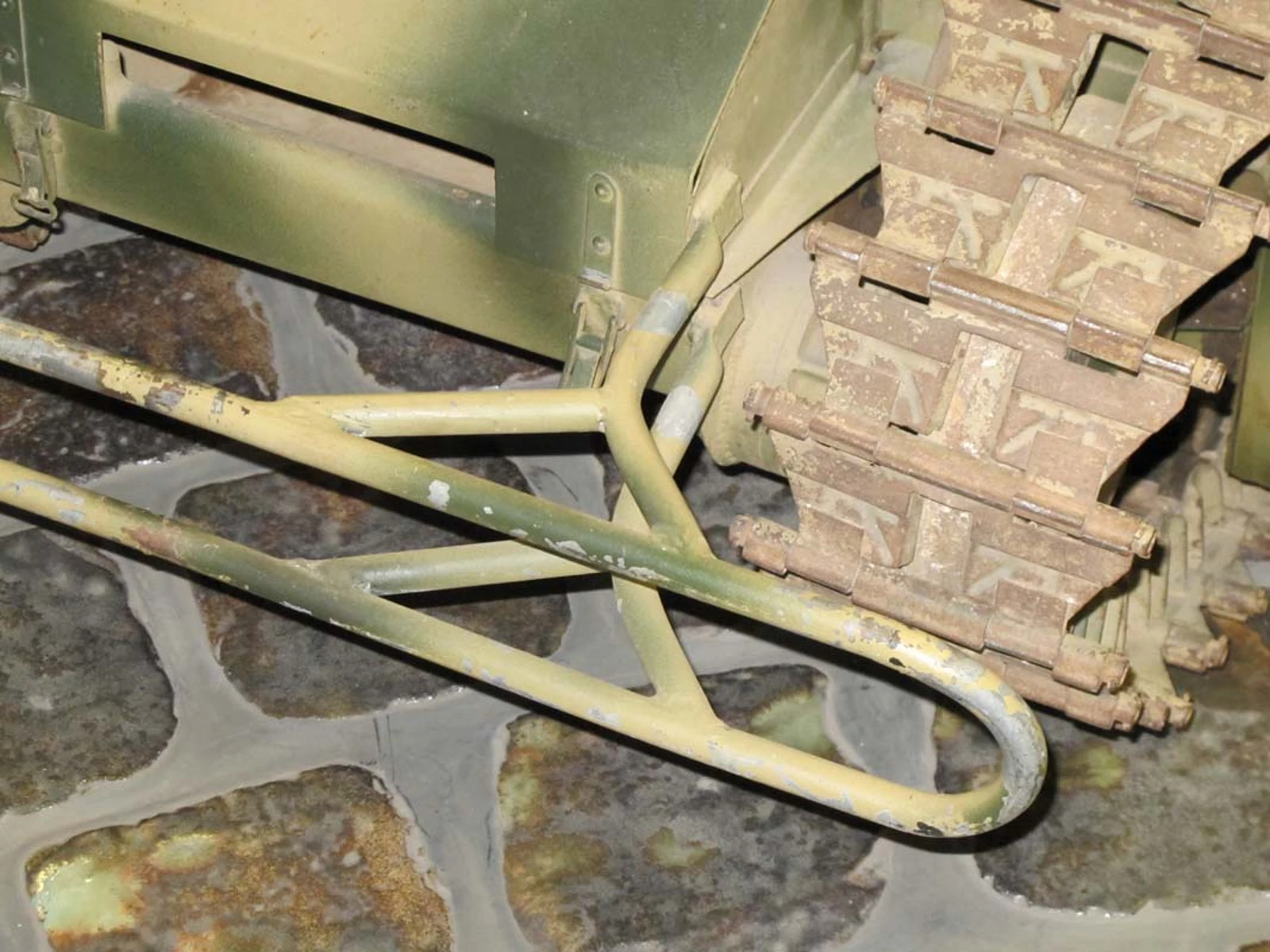
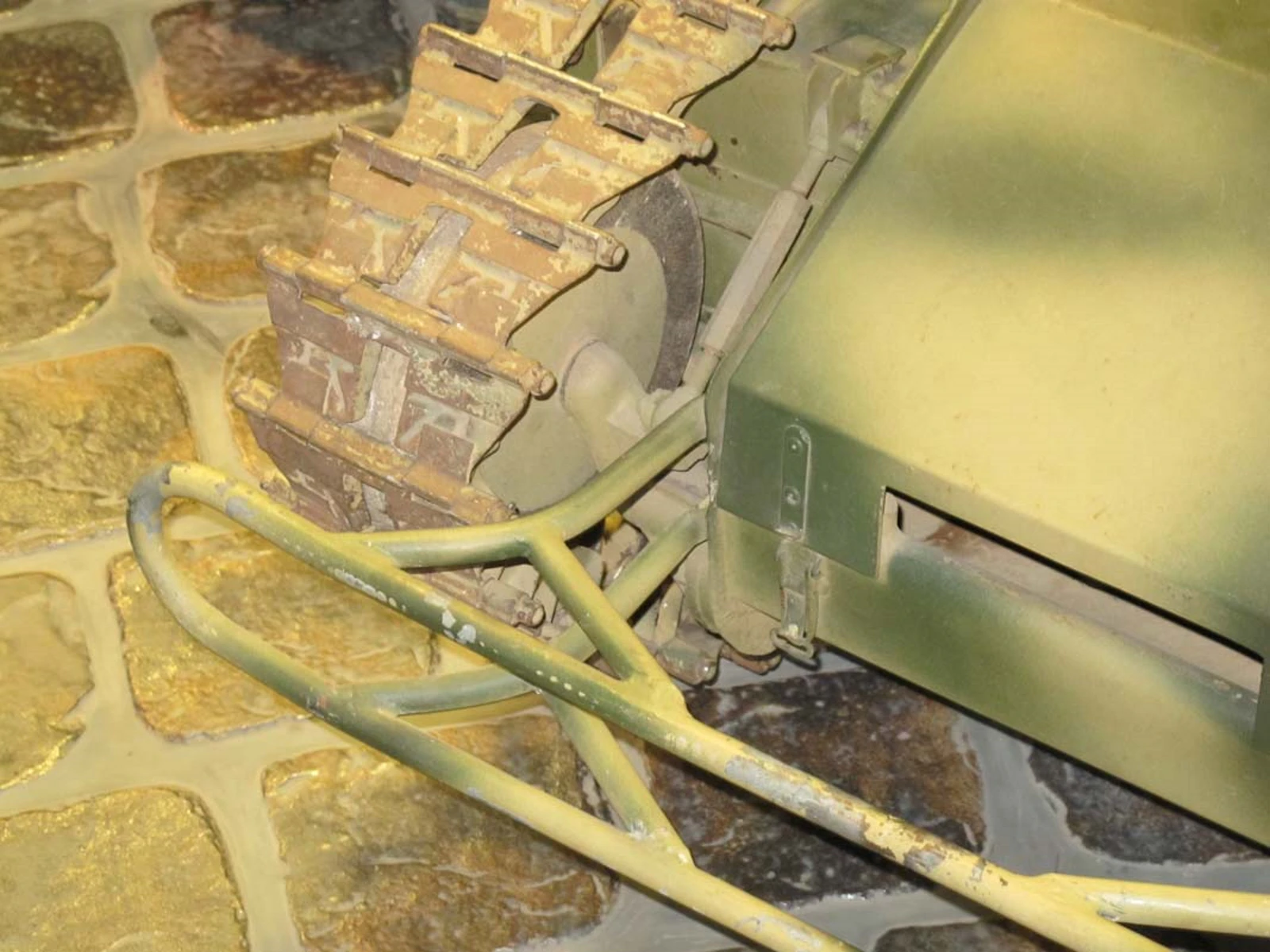
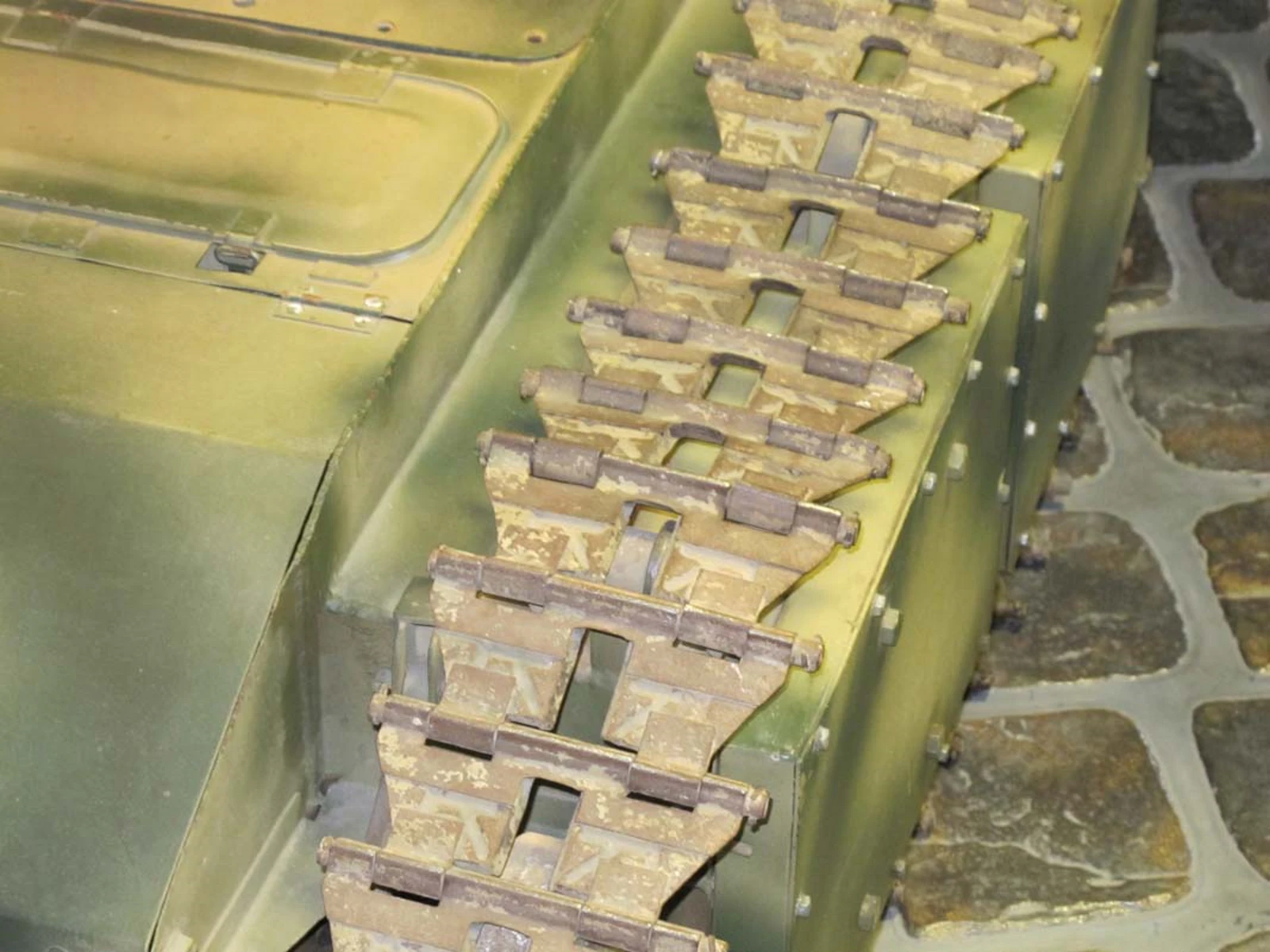
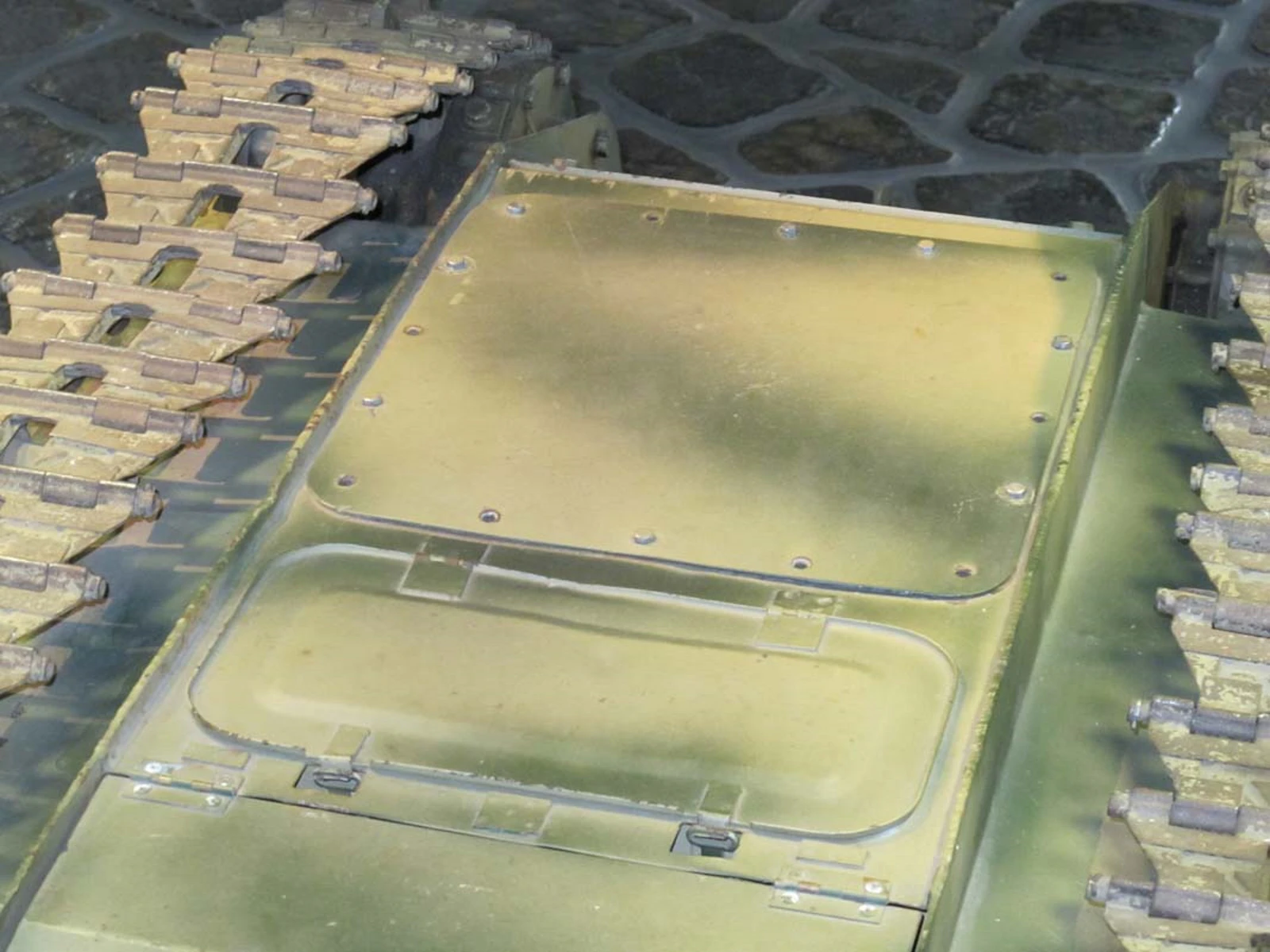
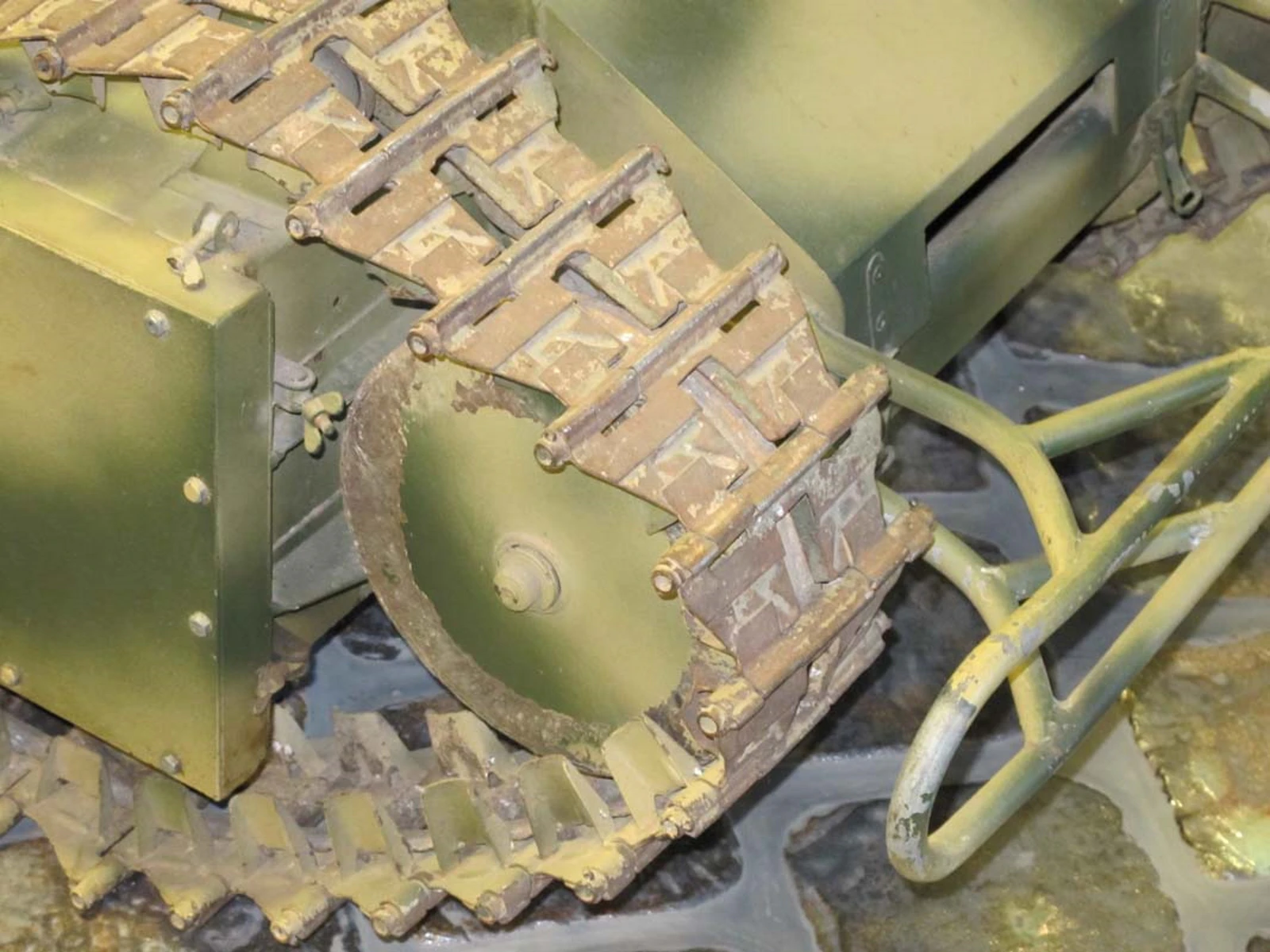
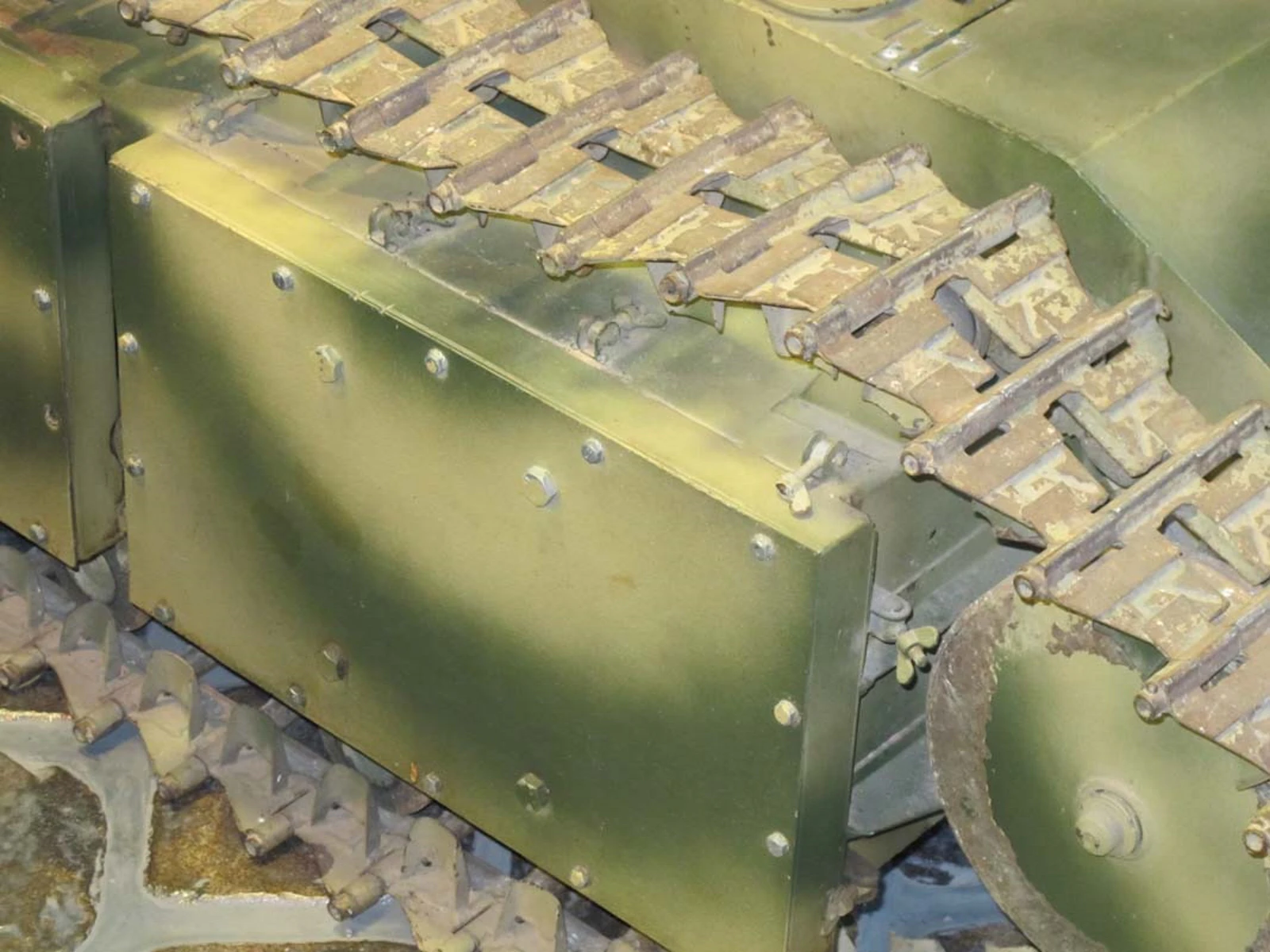
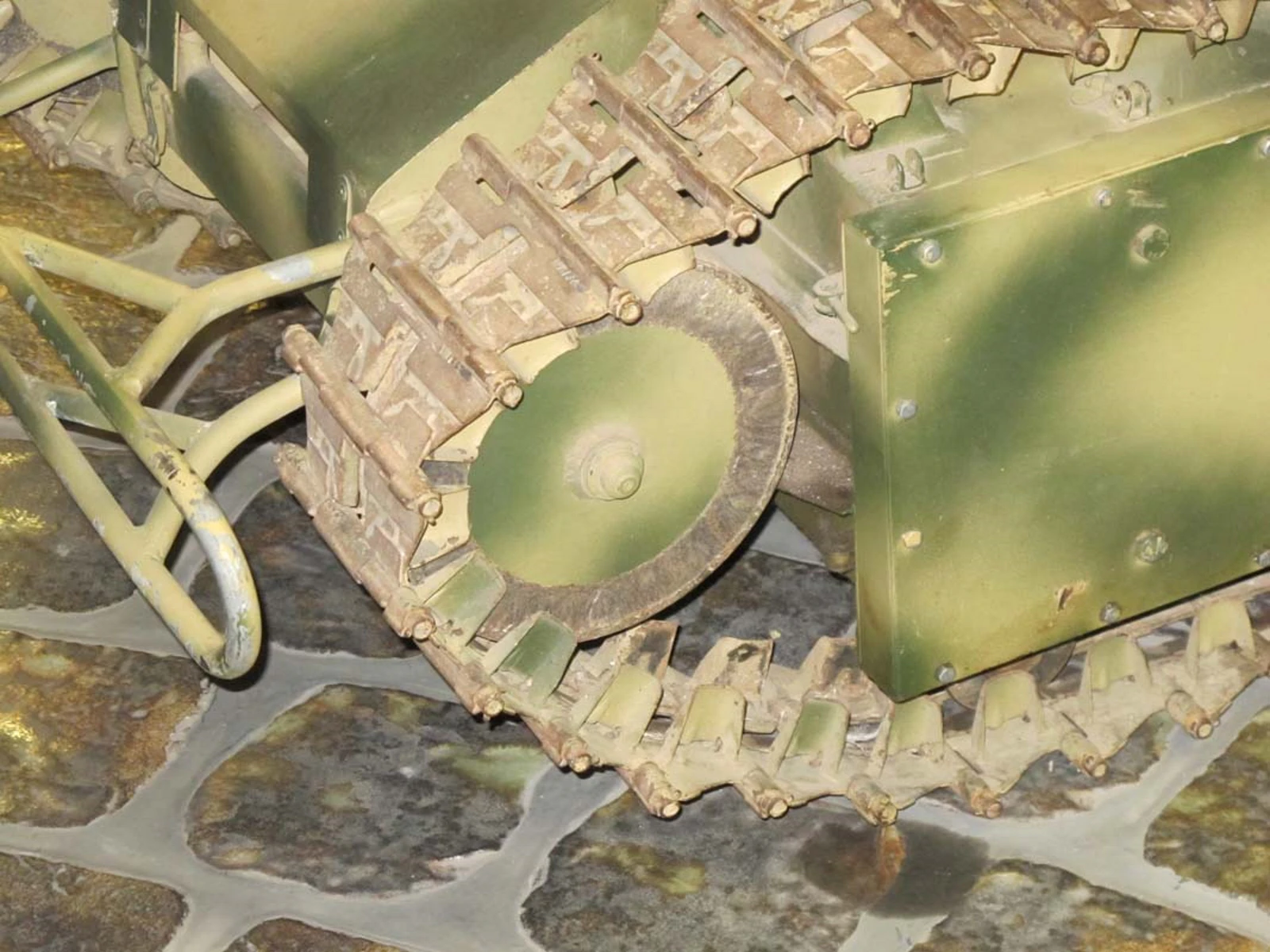
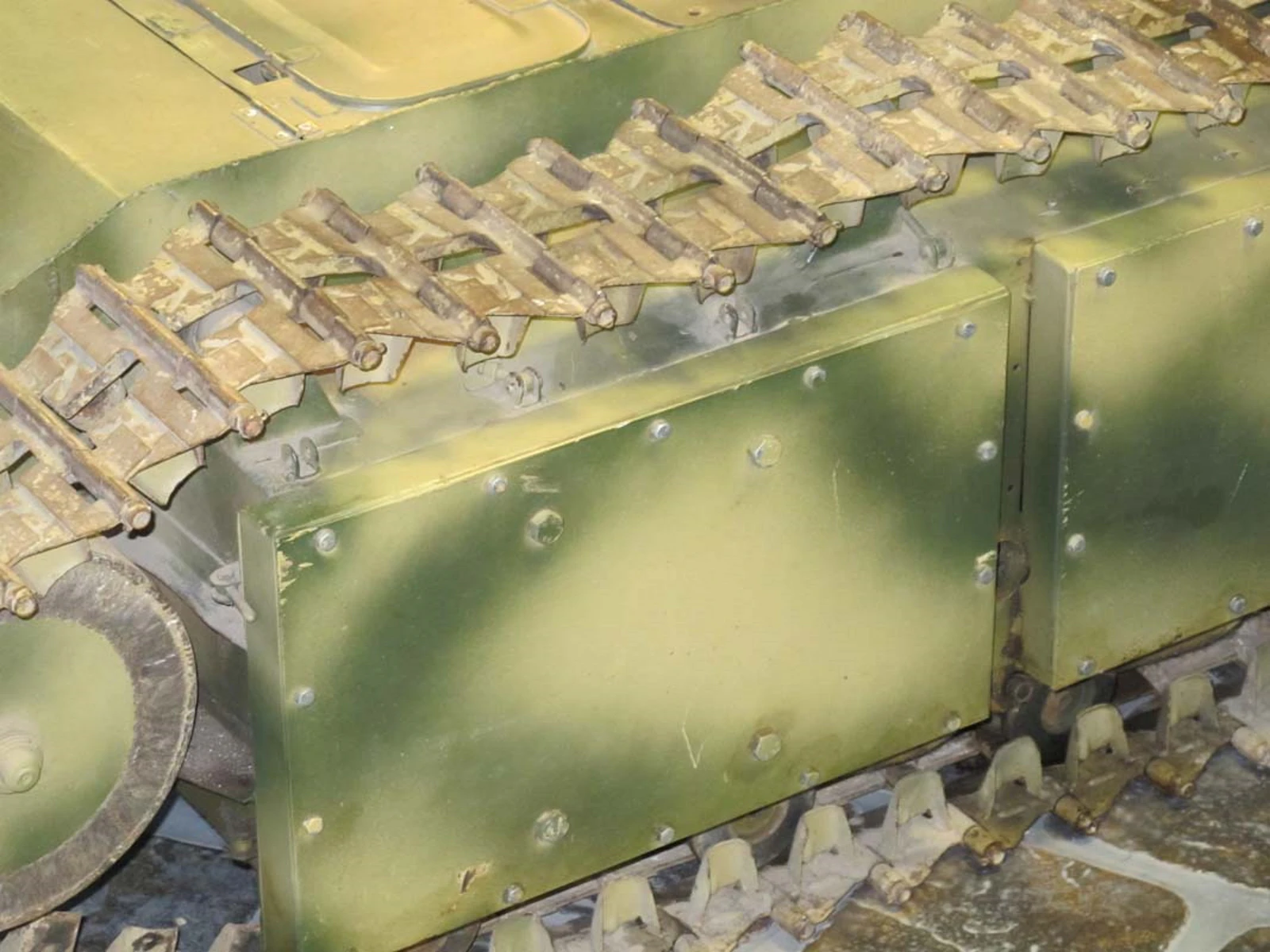

| Ladungsleger Goliath (replica) Walk Around | |
|---|---|
| Valokuvaaja | Hans-Hermann Buhling |
| Lokalisointi | Ei tietää |
| Valokuvat | 34 |
 Osta minulle kahvia
Katso myös:


The Expendable Vanguard
Nniiden Sd.Kfz. 302 Leichter Ladungsträger (Light Charge Carrier), better known as the Goliath, was a revolutionary but flawed attempt at unmanned warfare. Inspired by a French prototype captured in 1940, the German military developed this tiny tracked vehicle to deliver a massive explosive charge to enemy bunkers, tanks, or minefields without risking human lives. While the later Sd.Kfz. 303 used a gasoline engine, the original 302 was purely electric, moving silently across the battlefield. Despite its high-tech nature, it was famously vulnerable; a simple pair of wire cutters could—and often did—render the “Goliath” a harmless pile of scrap.
| Attribute | Technical Specification (Sd.Kfz. 302) |
|---|---|
| Rooli | Unmanned Ground Vehicle (UGV) / Demolition Charge |
| Control Method | Wire-guided (3-strand cable via joystick) |
| Voimalaitos | 2 × Bosch MM/RQL 2.5 kW electric motors |
| Power Source | Lead-acid batteries |
| Enimmäisnopeus | 10 km/h (6.2 mph) |
| Operational Radius | Up to 650 meters (2,130 ft) |
| Explosive Payload | 60 kg (132 lb) of High Explosives |
| Panssari | 5 mm steel (frontal protection only) |
Design Engineering: Electric Silence and the Umbilical Cord
- Electric Stealth: The Sd.Kfz. 302 utilized two electric motors, making it nearly silent during its approach. This was intended to allow it to sneak up on enemy positions under the cover of smoke or night. However, the batteries were heavy, expensive, and difficult to recharge in the field.
- The Triple-Strand Cable: The Goliath was steered via a 650-meter long “umbilical cord.” Two of the wires controlled the steering and speed, while the third wire was used by the operator to trigger the detonator. This cable was the vehicle’s greatest weakness—it often snagged on debris or was cut by small arms fire.
- Low Ground Clearance: Standing only 30 cm tall, the Goliath was easy to hide but difficult to drive. With a ground clearance of only 11 cm, it was frequently high-centered by simple rocks, thick mud, or even fallen branches.
- Disposable Nature: Every successful mission resulted in the total destruction of the vehicle. At a cost of roughly 3,000 Reichsmarks (equivalent to thousands of dollars today), the electric Goliath was an extremely expensive way to deliver 60 kg of explosives.
Combat History: Anzio, Normandy, and Warsaw
- The “Doodlebug” of Normandy: Allied troops first encountered Goliaths on the beaches of Normandy. Most were neutralized before they reached their targets, as the heavy naval bombardment and machine-gun fire easily severed the control cables.
- The Warsaw Uprising (1944): The Goliath saw its most significant use during the Warsaw Uprising. German forces used them to clear barricades and destroy buildings held by Polish resistance fighters. Polish insurgents famously fought back by running out to cut the cables with shovels or axes.
- Anzio Stalemate: In Italy, Goliaths were deployed to clear minefields and attack Allied beachheads, but their slow speed made them easy targets for alert snipers.
- Precursor to Modern Drones: While not a military success, the Goliath is recognized as a vital step in the history of robotics. It proved that remote-controlled vehicles could function on the battlefield, leading directly to the advanced UGVs used by modern militaries for bomb disposal today.
Views : 3735