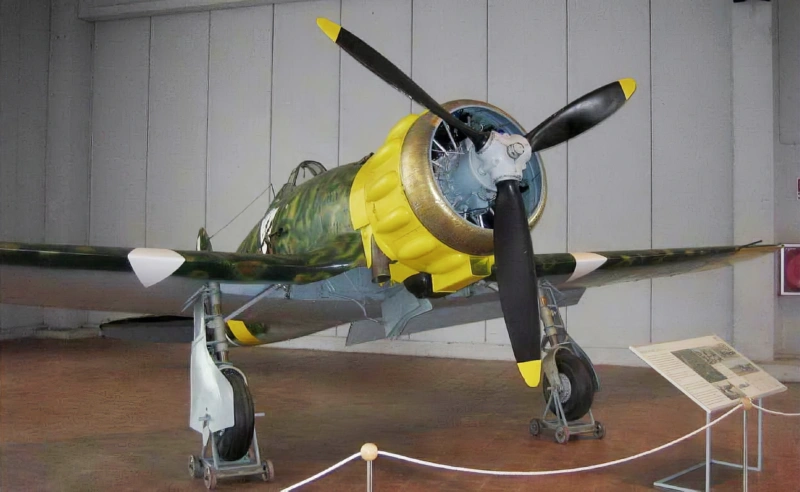
Macchi MC-200 | |
|---|---|
| Maa | Italia |
| Tyyppi | metsästäjä |
Kuvagalleria Macchi MC-200: sta, Macchi MC.200 Saetta (foudre) fut le meilleur chasseur italien du début de la Seconde Guerre mondiale en étant pratiquement le seul avion de la chasse Italienne qui pouvait sortir gagnant d’un combat avec ses adversaires des forces alliées. C’est Mario Castoldi, qui a imaginé le MC 200, hän on myös Schneider Cupiin osallistuneiden italialaisten vesilentokoneiden suunnittelija, mukaan lukien MC72, joka rikkoi luokkansa maailmannopeusennätyksen 700 km / h (venäläinen vesitaso voittaa ennätyksen vasta 30 vuotta myöhemmin).
Lähde: Macchi MC-200 Wikipediassa
| Macchi MC-200 | |
|---|---|
| Valokuva | Ei tietää |
| Lokalisointi | Ei tietää |
| Valokuvat | 21 |

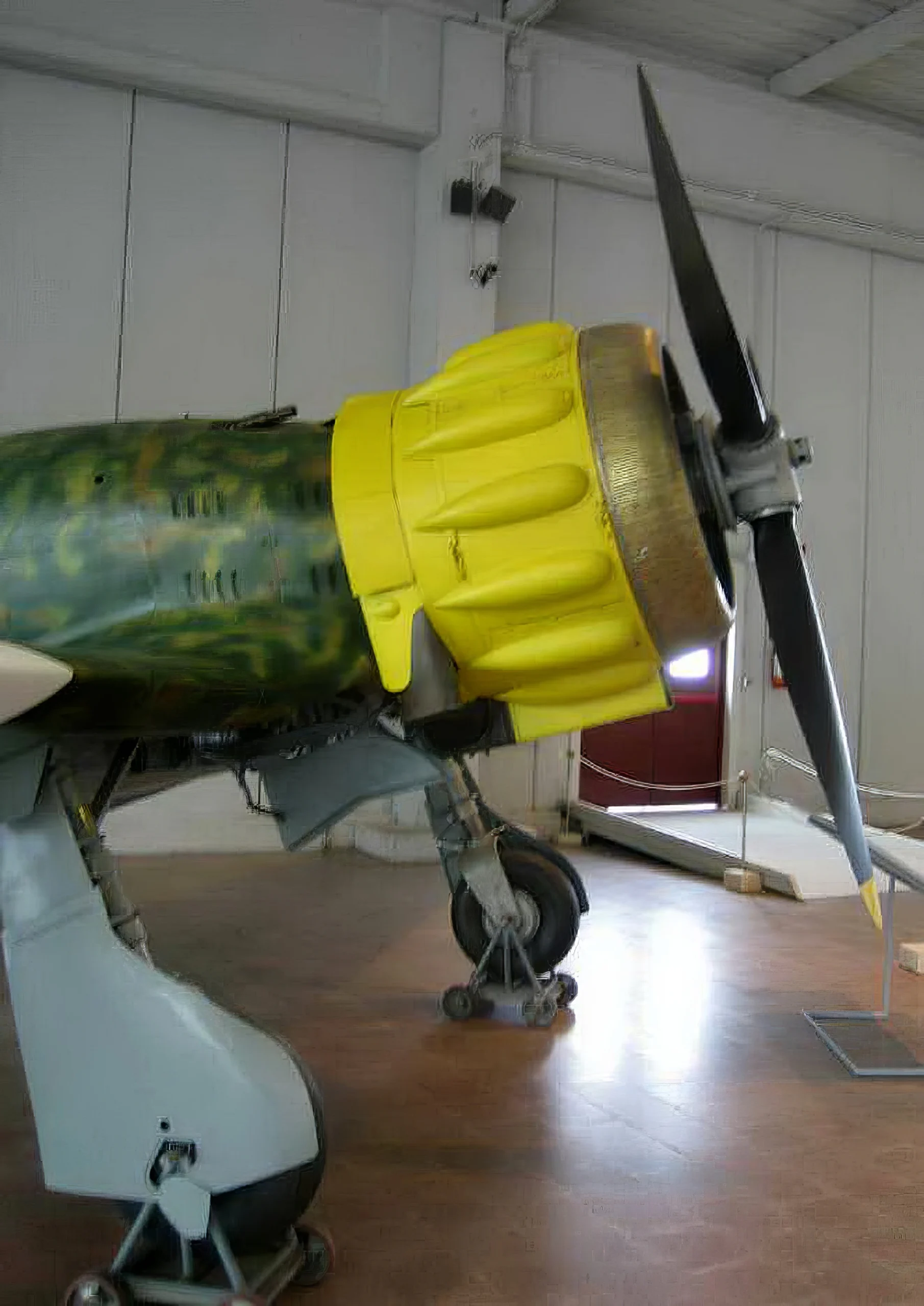

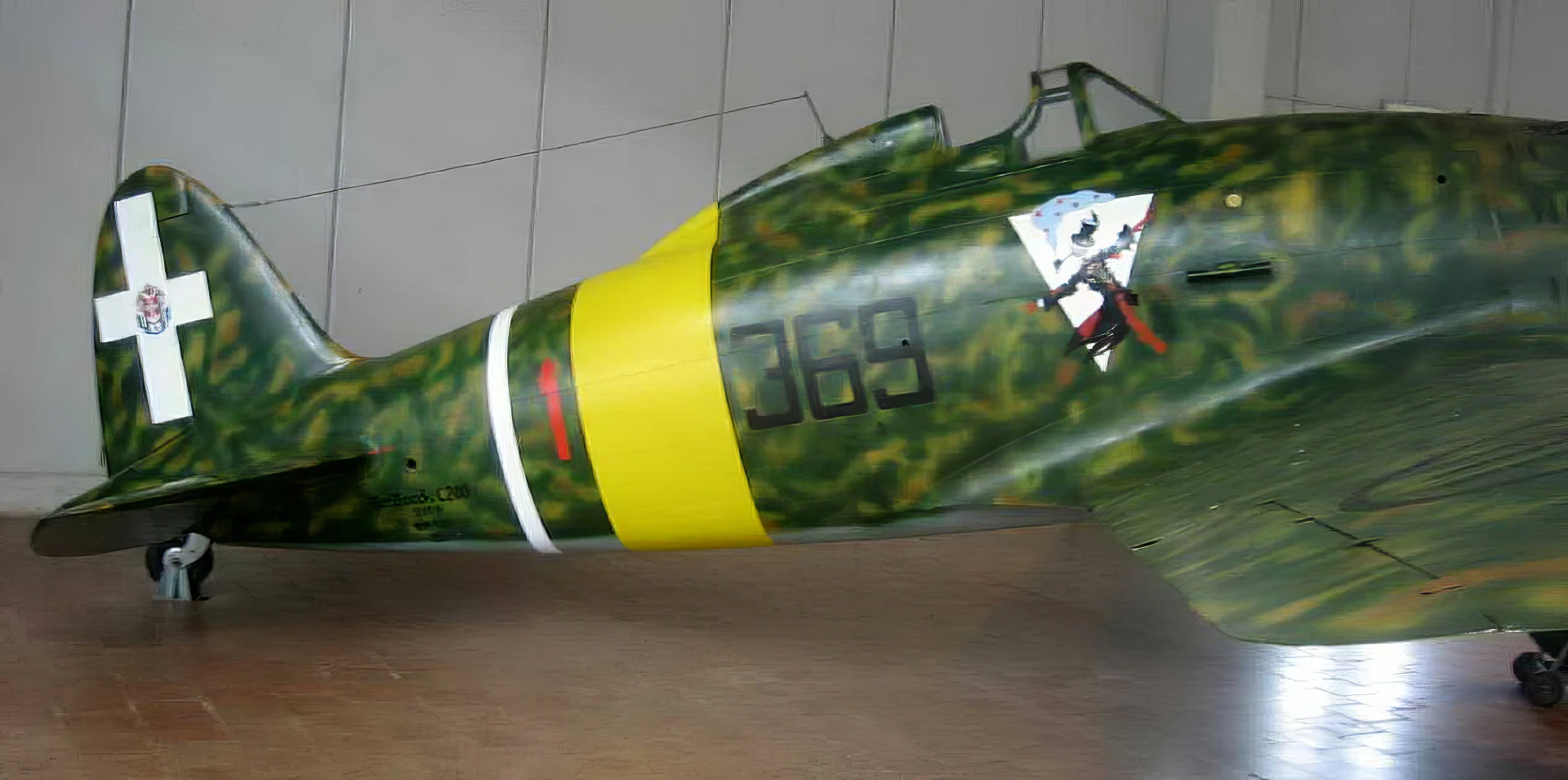
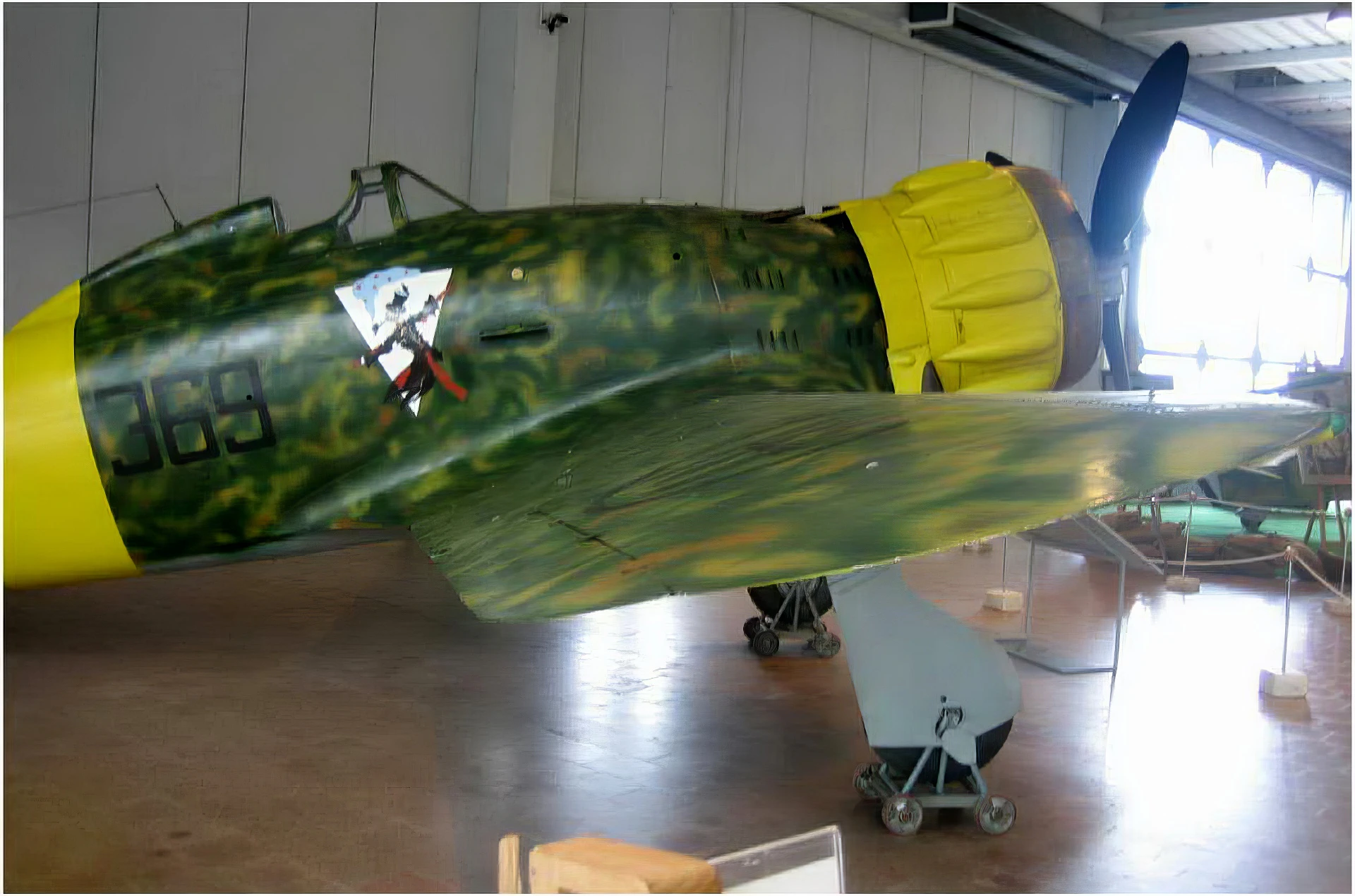
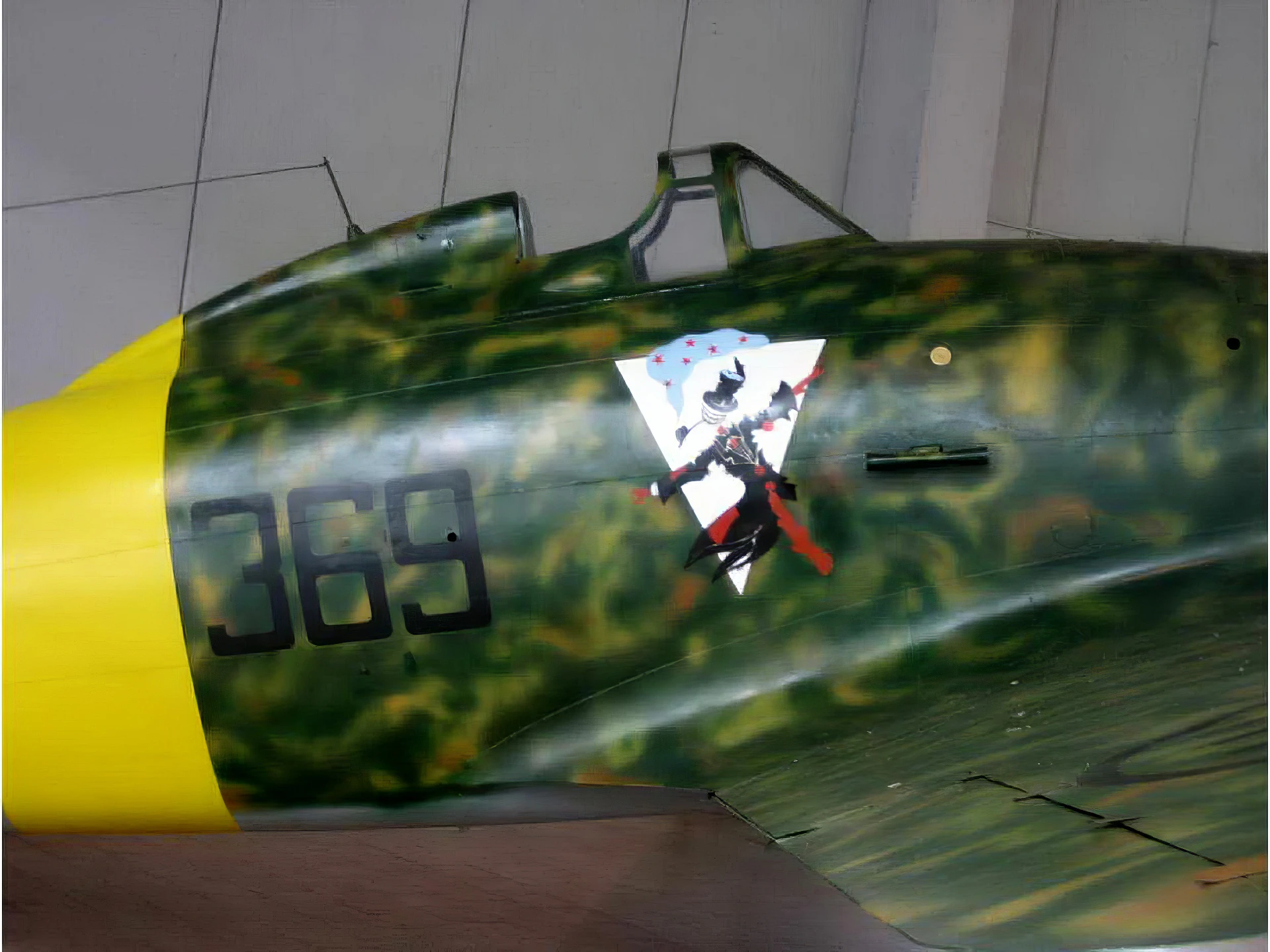
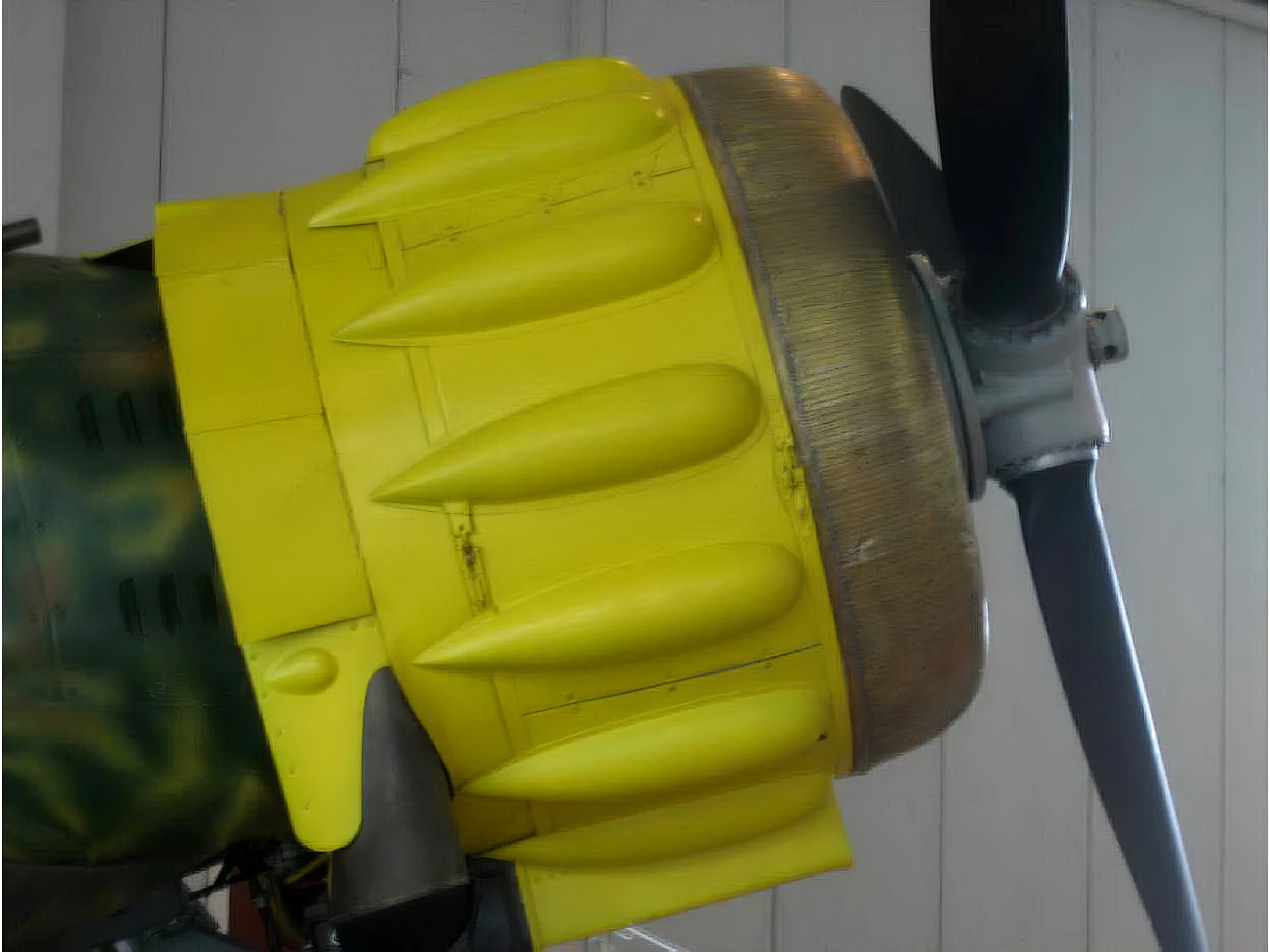
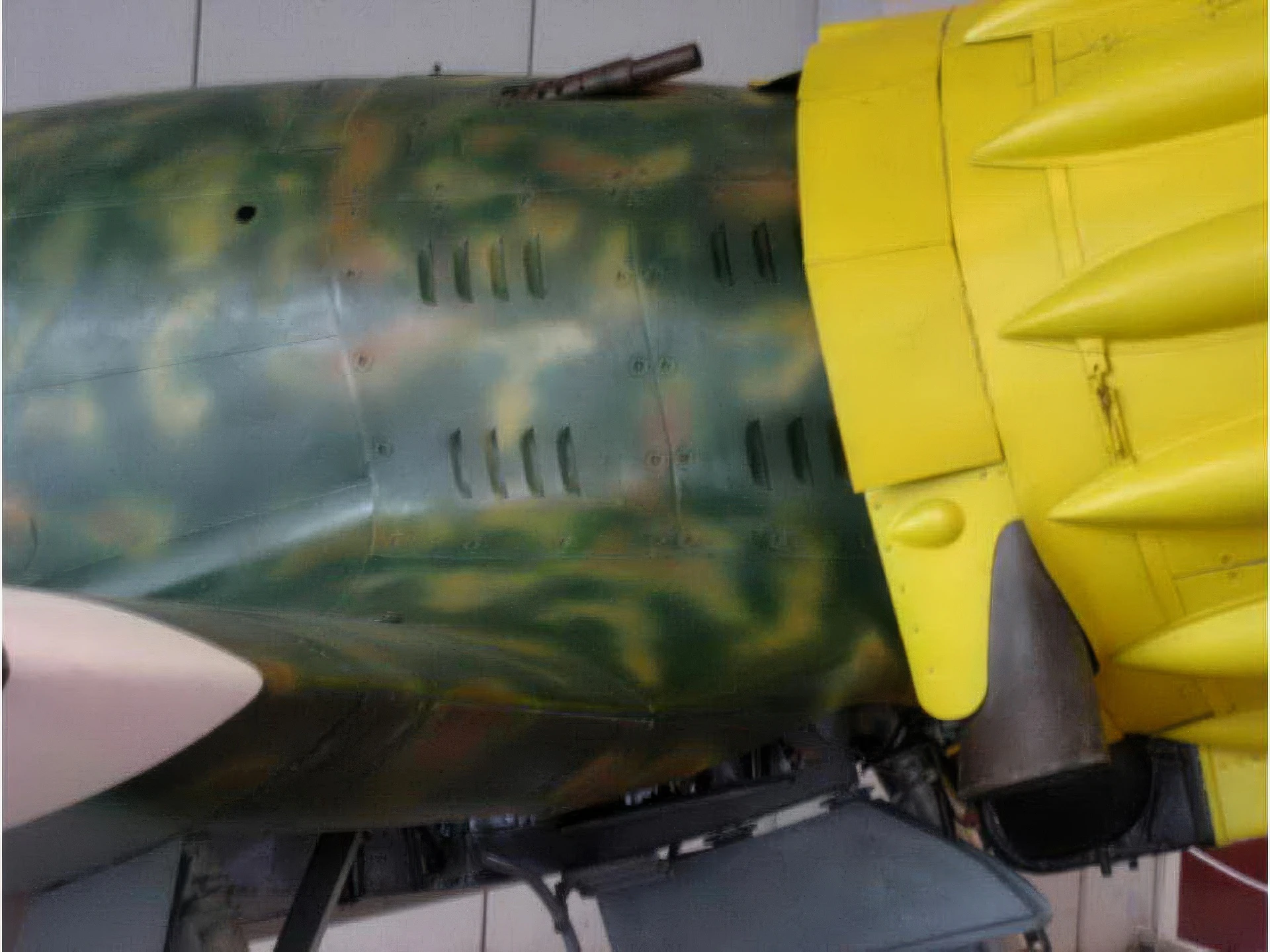
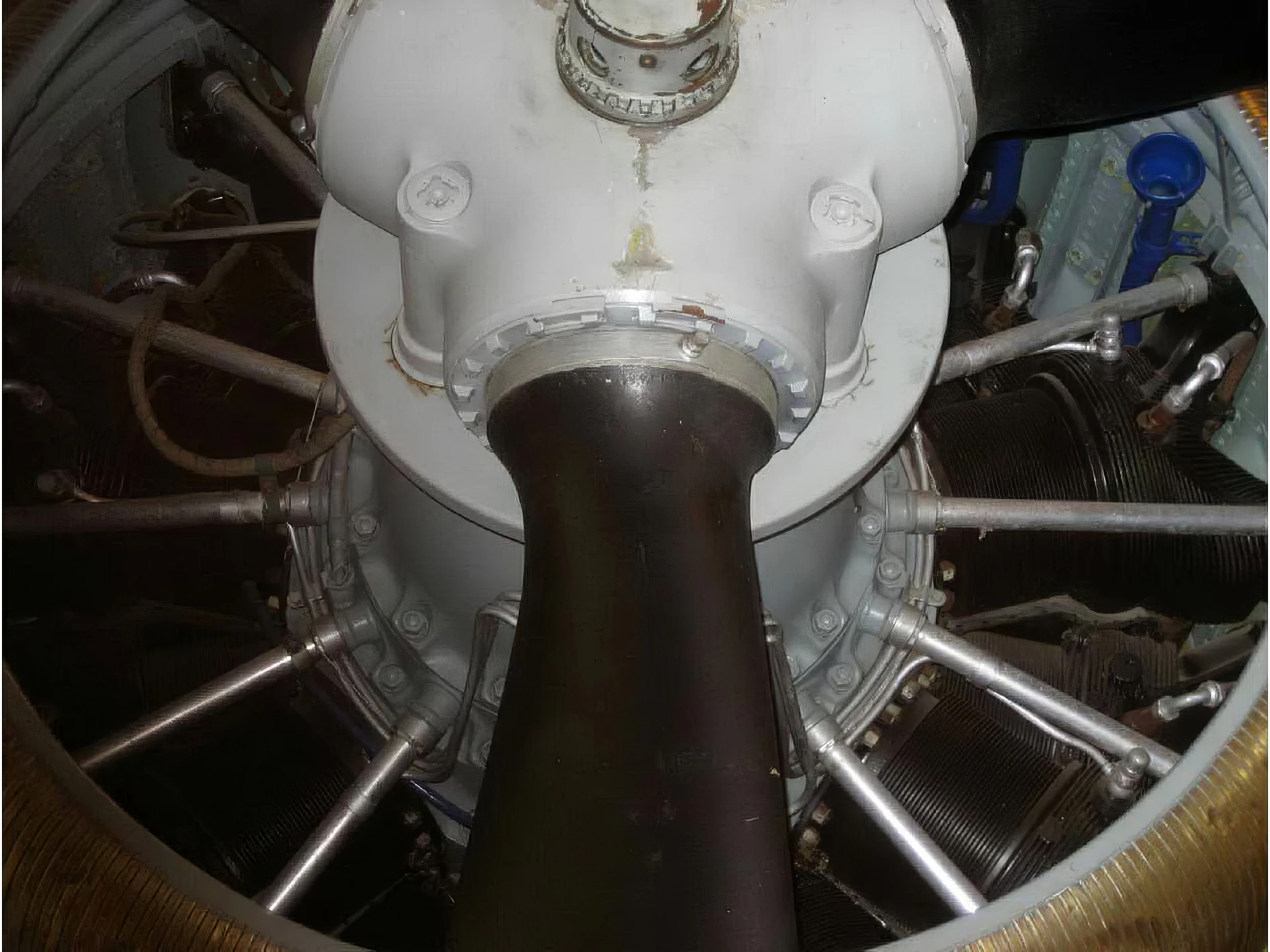

| Macchi MC.200 Saetta Walk Around | |
|---|---|
| Valokuvaaja | Vladimir Jakubov |
| Lokalisointi | Ei tietää |
| Valokuvat | 43 |
Katso myös:


The Macchi C.200 Saetta was an Italian monoplane fighter aircraft developed and manufactured by Aeronautica Macchi. Designed by Mario Castoldi, the C.200 was conceived as a modern fighter for the Regia Aeronautica (Italian Air Force) and was one of Italy’s principal fighter types during the early years of World War II.
While respected for its exceptional maneuverability, rugged all-metal construction, and high-speed diving stability, the Saetta was often considered underpowered and lightly armed compared to its main contemporaries, such as the British Spitfire and Hurricane.
Design and Development Features
Design Characteristics
- Structure: The aircraft was an all-metal cantilever low-wing monoplane featuring a semi-monocoque fuselage and retractable landing gear.
- Engine Choice: Chief designer Mario Castoldi preferred inline engines (as seen in his later designs like the C.202), but the C.200 was mandated to use a radial engine—the Fiat A.74 RC.38—for superior reliability as per Italian Air Ministry specifications.
- Visibility: The aircraft had a distinctive “humped” fuselage profile that placed the cockpit partially open and elevated, granting the pilot an unusually wide and unobstructed field of view over the radial engine.
- Flying Qualities: Early production batches suffered from serious stability problems, specifically a tendency to enter an uncontrollable spin (autorotation). This issue was later resolved through aerodynamic modifications to the wing profile.
Operational Armament
- Primary Guns: Standard armament consisted of two 12.7 mm (.50 in) Breda-SAFAT machine guns mounted in the upper cowling, synchronized to fire through the propeller. These guns were generally regarded as insufficient in firepower against modern Allied fighters.
- Secondary/Later Armament: Some later aircraft were field-modified or produced with an additional two 7.7 mm (.303 in) machine guns in the wings.
- Fighter-Bomber Role: Due to its ruggedness and air-cooled engine, the C.200 was often employed as a fighter-bomber (cacciabombardiere) later in the war, capable of carrying a bombload of up to 320 kg (705 lb) under the wings.
Tekniset
| Specification | Detail |
|---|---|
| Tyyppi | Single-Seat Fighter/Fighter-Bomber |
| miehistö | 1 Pilot |
| Voimalaitos | 1 × Fiat A.74 RC.38 14-cylinder radial engine |
| Engine Power | 870 hp at takeoff |
| Max Speed | Approx. 512 km/h (318 mph) at 4500m |
| Siipiväli | 10.58 m (34 ft 8.5 in) |
| pituus | 8.25 m (27 ft 0.8 in) |
| Empty Weight | Approx. 1,964 kg (4,330 lb) |
| Total Production | Over 1,150 units |
The C.200 saw extensive operational service across various fronts, including North Africa, Greece, and the Soviet Union, flying more sorties than any other Italian fighter until its role was gradually taken over by the superior Macchi C.202 Folgore.
Views : 5930
Voit myös nähdä:
 EmSuper Tucanobraer EMB 314 – Valokuvat & Videot
 Boeing 80 - Valokuvat ja videot
 Lockheed C-5 Galaxy – Valokuvat & Videot
 Canadair CF-104 Starfighter – Valokuvat & Videot
 SPAD S.XIII - Valokuvat ja videot
 Macchi MC 205 Veltro – Valokuvat ja video
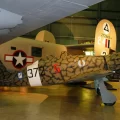 Macchi C.200 Saetta – Kävellä
 Lockheed P-38 Lightning – Valokuvat & Video
 A-7B Corsair II – WalkAround
 Sukhoi Su-27 – WalkAround