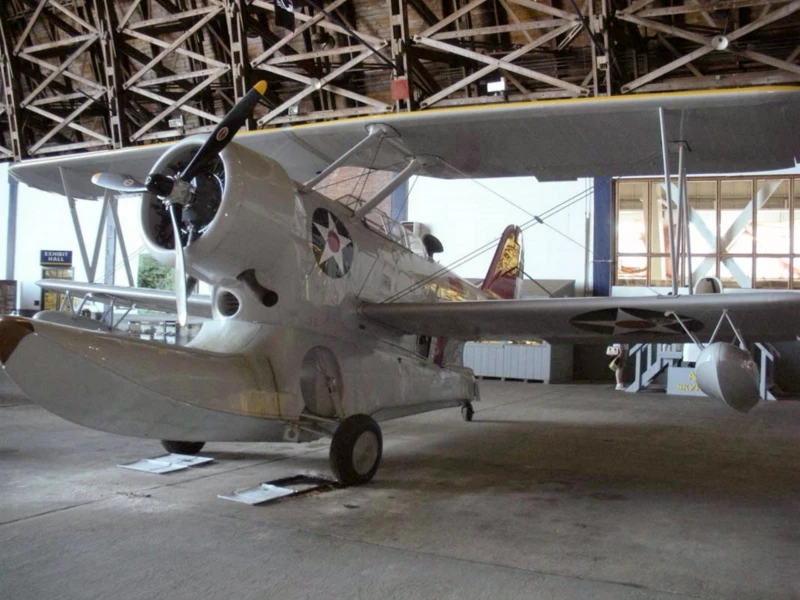
Grumman J2F-6 Ankka | |
|---|---|
| Maa | Yhdysvallat |
| Rooli | Yksimoottorinen kaksitasoinen lentävä vene |
| Ensimmäinen lento | 1936 |
| Rakennettu | 584 |
Nniiden Grumman J2F Ankka (company designation G-15) was an American single-engine amphibious biplane. It was used by each major branch of the U.S. armed forces from the mid-1930s until just after World War II, primarily for utility and air-sea rescue duties. It was also used by the Argentine Navy, who took delivery of their first Duck in 1937. After the war, J2F Ducks saw service with independent civilian operators, as well as the armed forces of Colombia and Mexico. The J2F was an improved version of the earlier JF Duck, with its main difference being a longer float.
| Grumman J2F-6 Duck | |
|---|---|
| Valokuvaaja | Ei tietää |
| Lokalisointi | Ei tietää |
| Valokuvat | 48 |
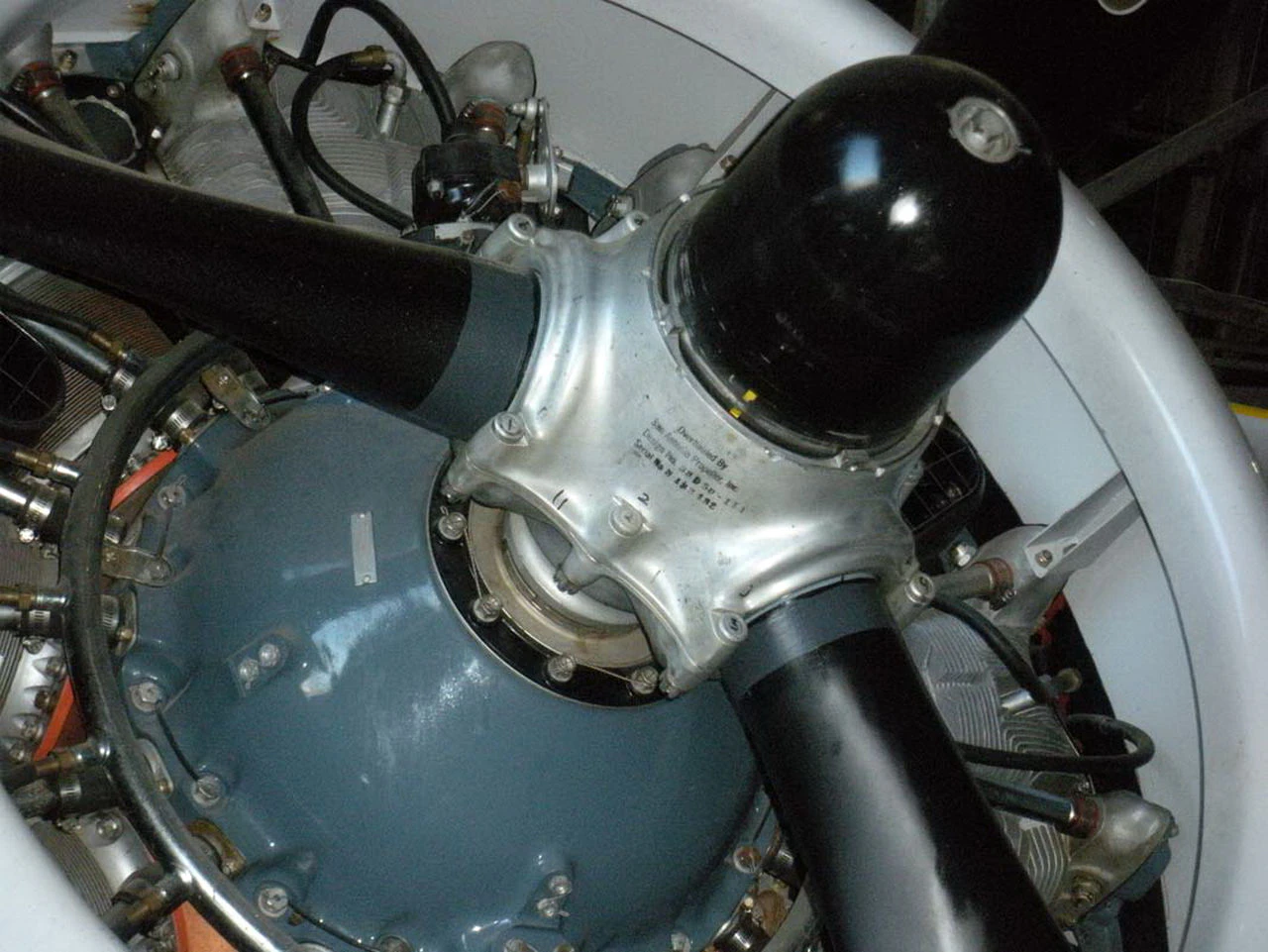
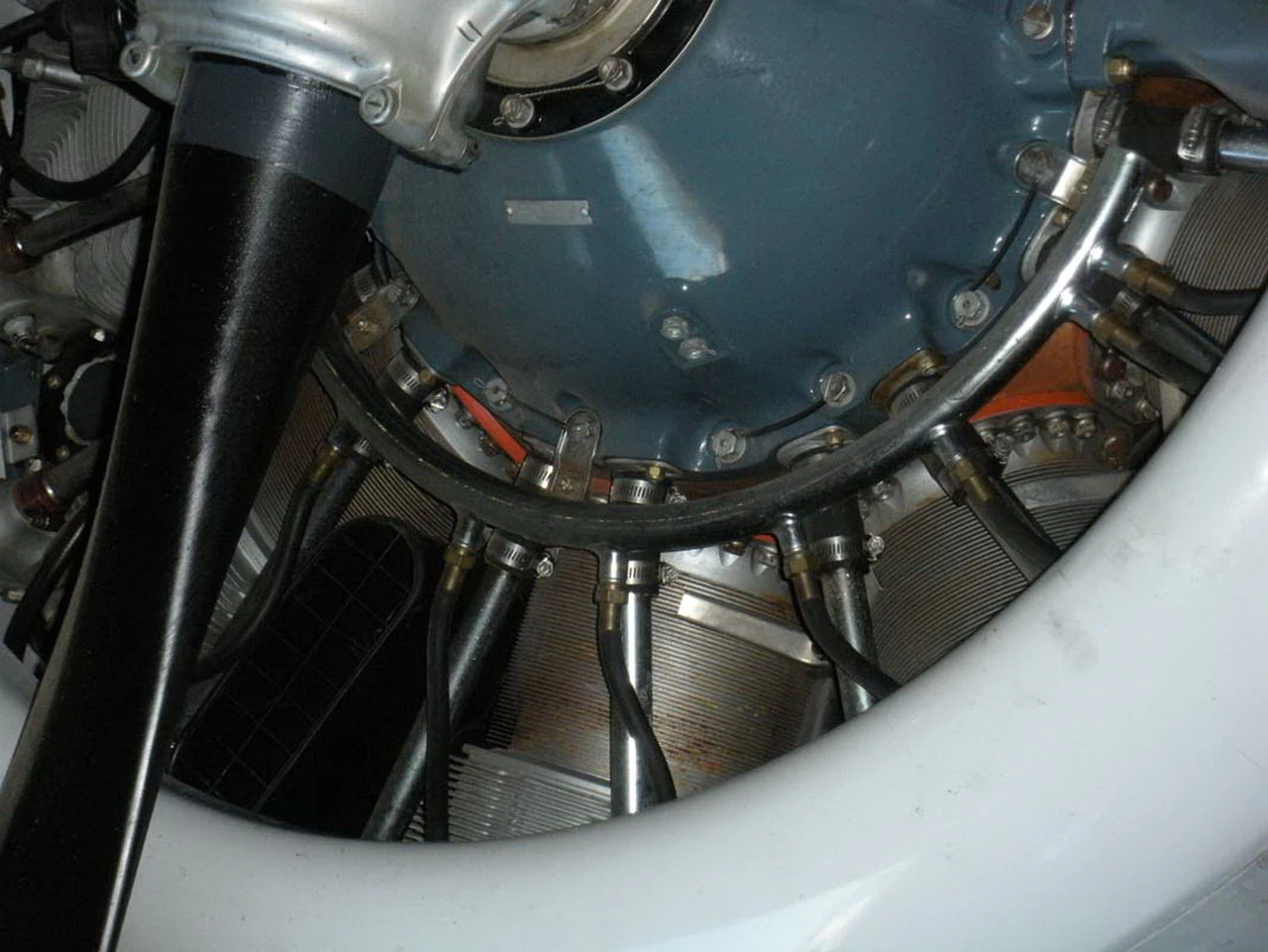
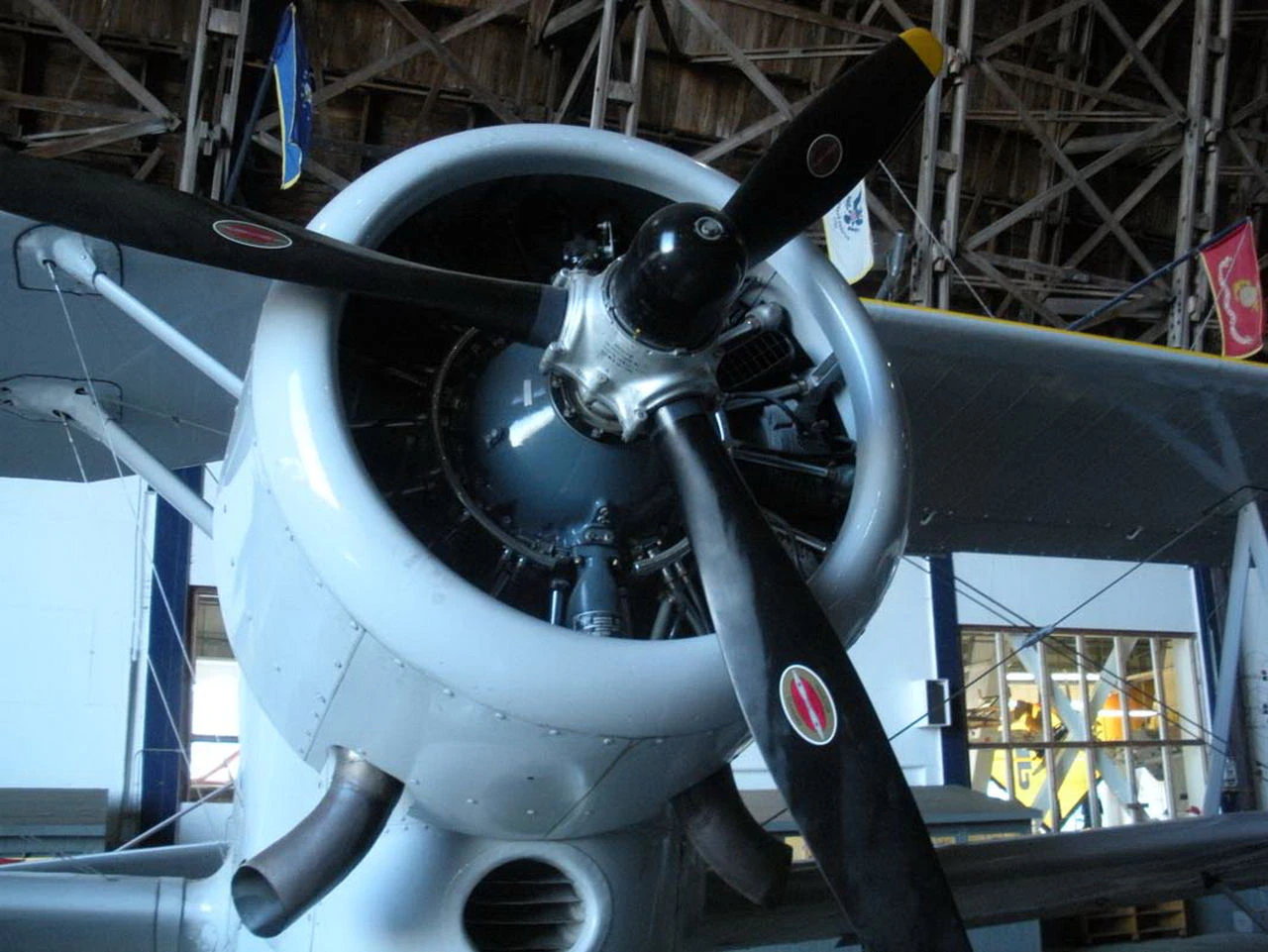
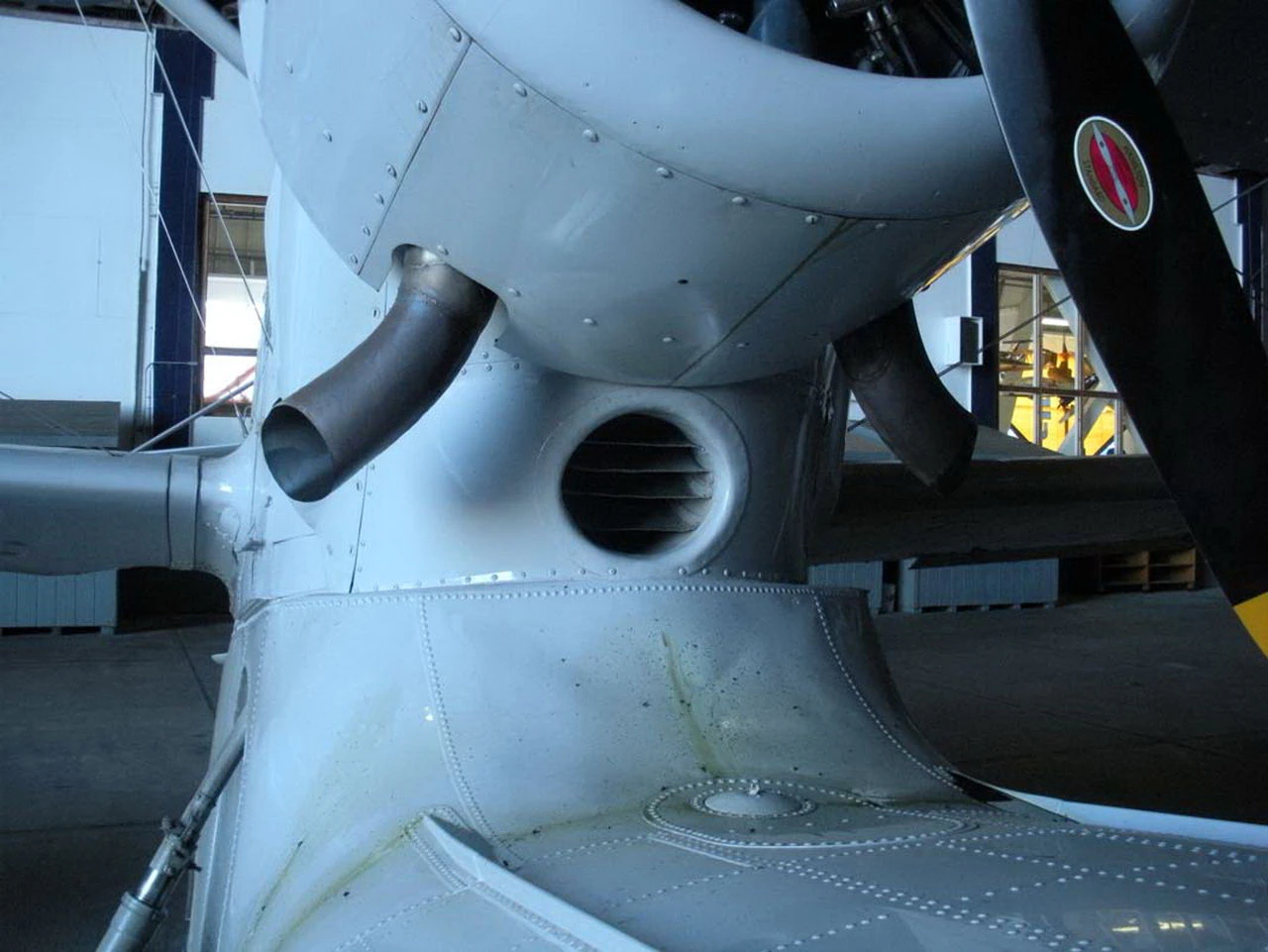

Katso myös:


| Grumman J2F-6 Duck Walk Around | |
|---|---|
| Valokuvaaja | Randy Ray, mitä minä olet? |
| Lokalisointi | Tillamook Air Museum |
| Valokuvat | 49 |
The Jack-of-all-Trades Amphibian of the Pacific
Nniiden Grumman J2F Ankka is one of the most characterful, rugged, and endlessly versatile aircraft to ever serve with the United States military. A single-engine biplane amphibian designed in the 1930s, its deeply unconventional shape paired an aerodynamic fuselage directly to a massive, bulbous central float. While sleek monoplanes took over the glamorous fighter and bomber roles during World War II, the Duck became the ultimate utility workhorse. The definitive late-war J2F-6 variant—built under license by Columbia Aircraft Corporation—featured a significantly more powerful engine and structural refinements. Operating from land bases, aircraft carriers, and open ocean swells, the Duck flew everything from high-stakes air-sea rescue and anti-submarine patrols to target towing and photographic mapping, proving that utility and ruggedness are entirely beautiful on the front lines.
| Attribute | Technical Specification (J2F-6 Production Baseline) |
|---|---|
| Rooli | Amphibious Utility / Air-Sea Rescue / Scout |
| miehistö | 2 or 3 (Pilot, Observer/Radio Operator, and room for a passenger or rescue litter) |
| Voimalaitos | 1 × Wright R-1820-64 Cyclone 9-cylinder air-cooled radial engine (1,050 hp) |
| Enimmäisnopeus | 306 km/h (190 mph) at cruise altitude |
| Combat Range | ~1,255 km (780 miles) standard patrol configuration |
| Service Ceiling | 6,100 m (20,000 ft) |
| Defensive Armament | 1 × .30 caliber (7.62mm) Browning machine gun flexibly mounted in the rear cockpit |
| Ordnance Capacity | Up to 2 × 100 lb (45 kg) bombs or depth charges on underwing racks |
| Underbelly Capacity | Two passengers or a single casualty stretcher carried entirely inside the main float cabin |
Design Engineering: The Fuselage-Integrated Float and Columbia Subcontracting
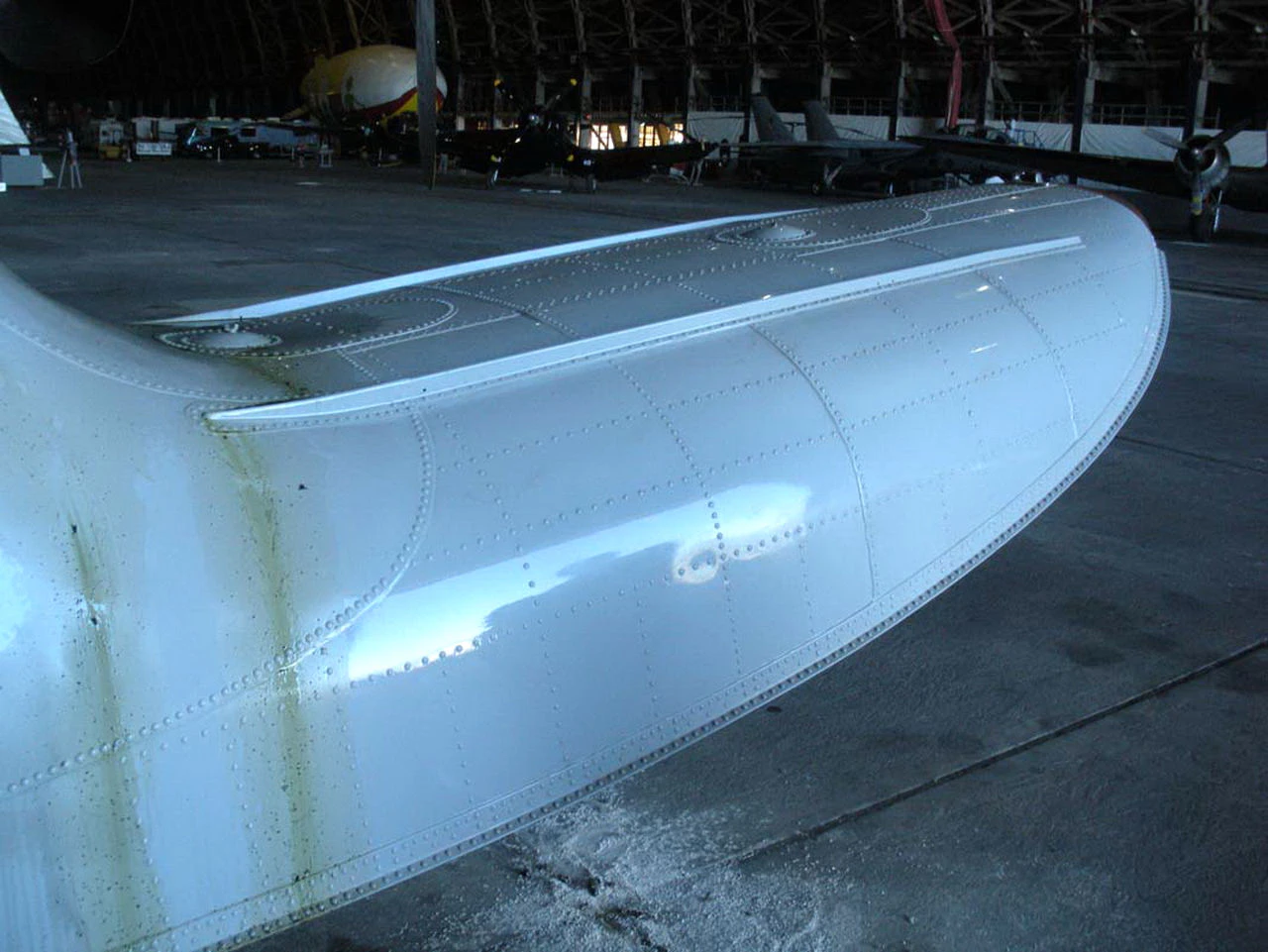
- The Monolithic Integrated Central Float: Unlike standard floatplanes that bolted thin struts between a standard plane and separate pontoons, the Duck was built with a monolithic central float that was fully blended directly into the aircraft’s underbelly. Designed originally by Loening and refined by Grumman, this monocoque aluminum structure significantly reduced aerodynamic drag, while providing unmatched structural strength to survive violent impacts with open-ocean waves.
- The Hidden Float Bilge Cabin: Because the giant central float was welded directly to the lower fuselage, engineers took advantage of the massive interior space. While the top deck housed the pilot and rear gunner, a hatch led down into a narrow lower compartment nested completely inside the float. This hidden cabin could carry radio equipment, two passenger seats, or a full military casualty stretcher, keeping rescues completely protected from the elements.
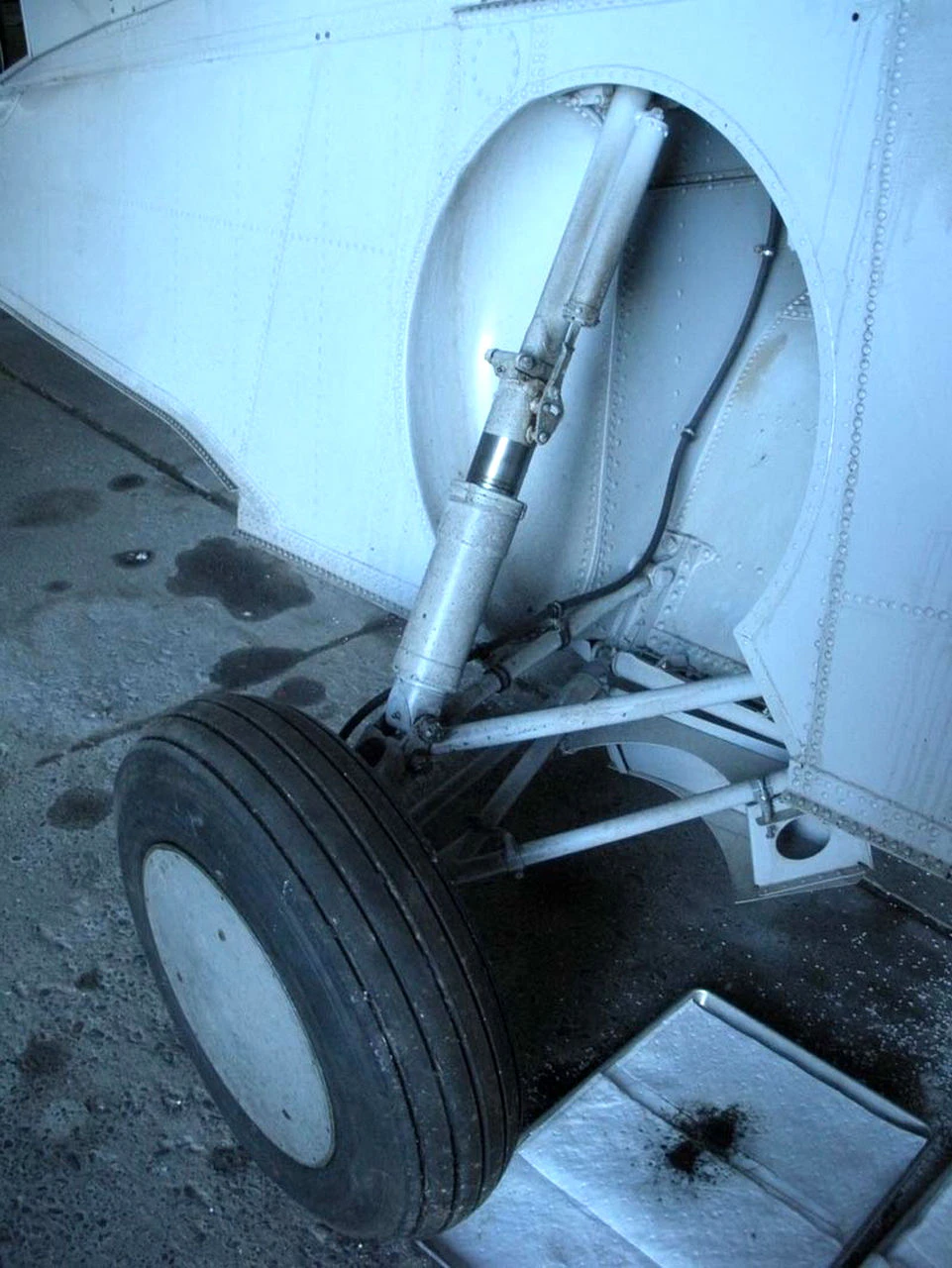
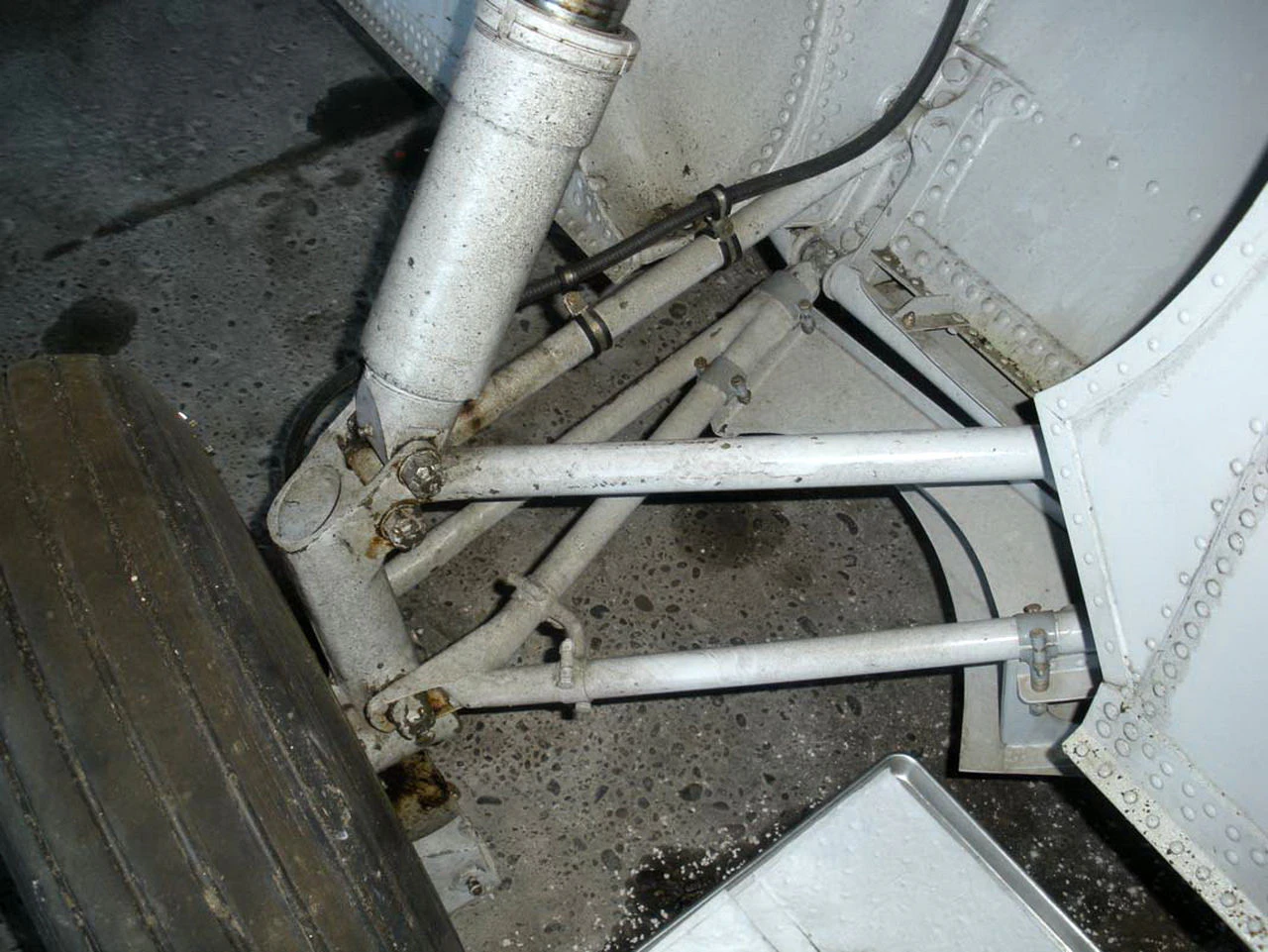
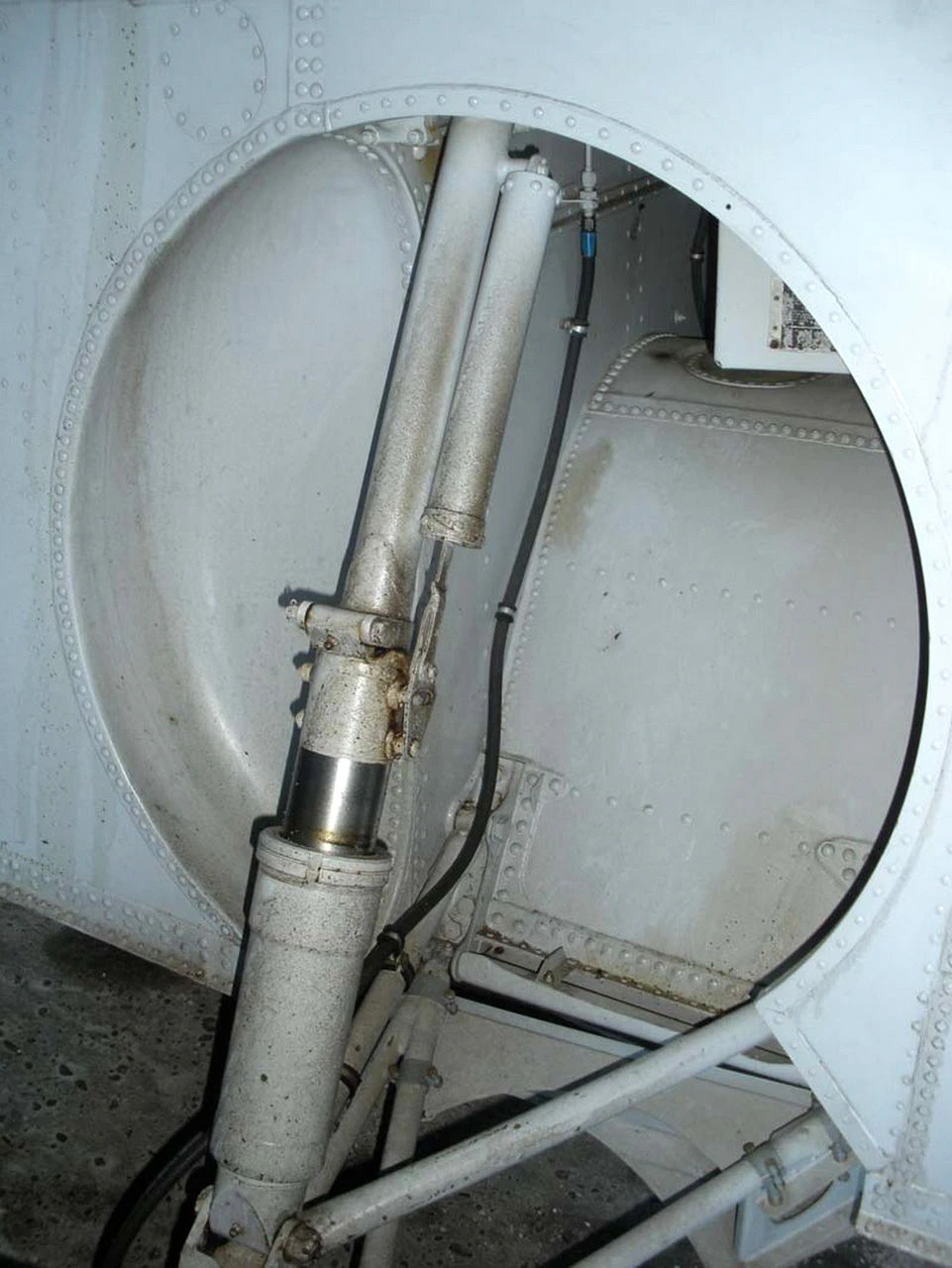
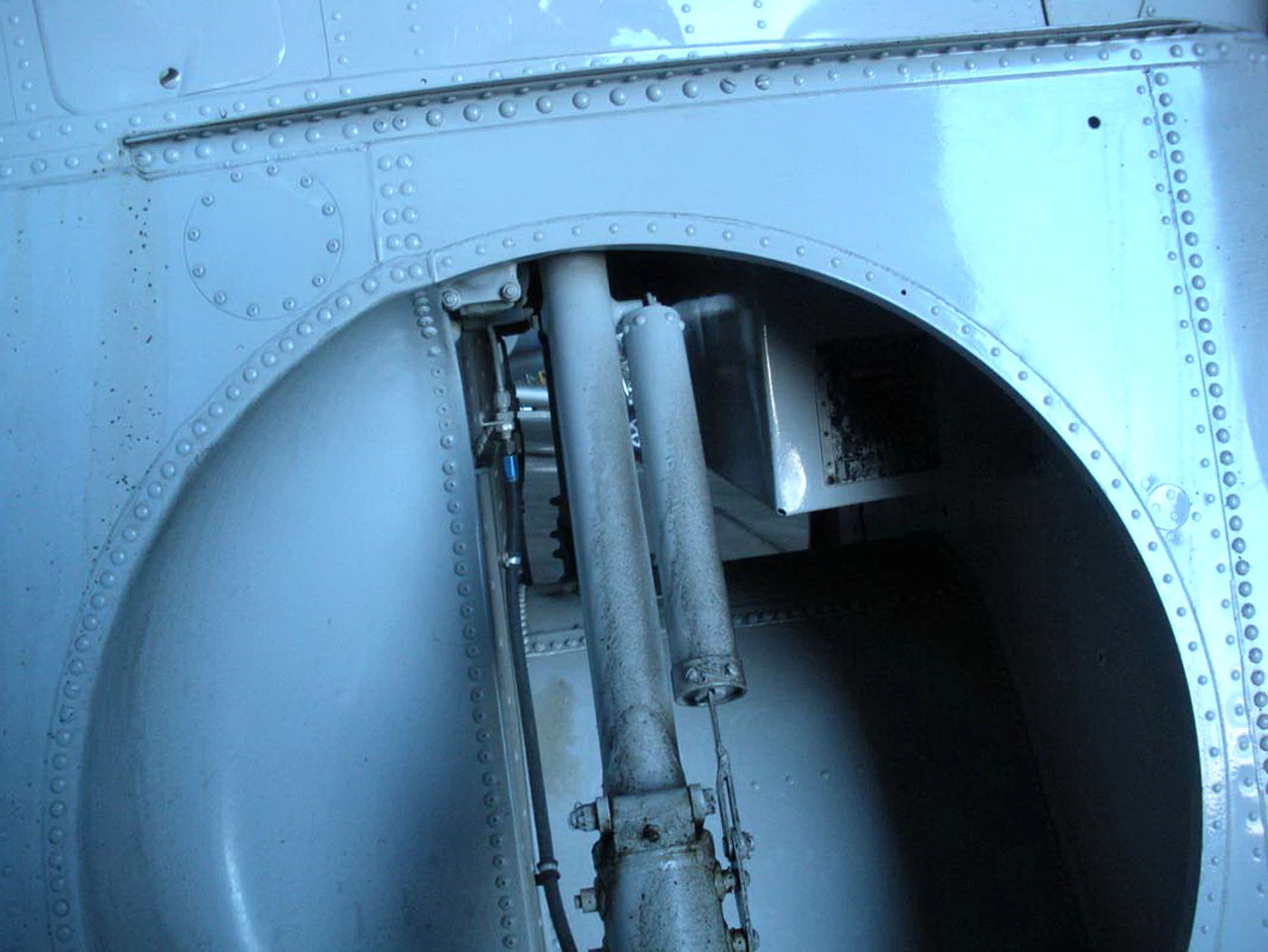
- The Retractable Hand-Cranked Landing Gear: To achieve true amphibious flexibility, the Duck featured a unique landing gear layout that retracted directly into deep, circular wells built into the sides of the central float. In early variants, the pilot had to manually pump a mechanical hand-crank up to 40 times to raise or lower the wheels—a grueling physical chore that was thankfully updated with an electric motor system in later marks.
- The Columbia J2F-6 Metamorphosis: Much like General Motors took over Avenger production, the Columbia Aircraft Corporation took over the Duck assembly lines for the final “6” variant so Grumman could focus entirely on F6F Hellcats. Columbia fitted the aircraft with a massive 1,050 horsepower Wright Cyclone engine (replacing the older 900 hp units), long-chord engine cowlings, and reinforced wing attachment points to handle much higher gross takeoff weights.
Operational History: From the Bataan Evacuation to Hollywood Stars
- The “Candy Clipper” of Bataan: During the desperate defense of the Philippines in early 1942, a single damaged J2F Duck was painstakingly pieced together from junked airframes by an international crew of mechanics on the Bataan peninsula. Dubbed the “The Candy Clipper,” this legendary lone biplane flew risky, low-altitude blockade-running missions to bring medical supplies, machine gun parts, and even fresh candy to the besieged forces on Corregidor before making a dramatic final escape to Australia.
- Elite Lifesavers of the Coast Guard: The US Coast Guard operated the J2F-6 extensively for search-and-rescue, coastal patrol, and ice reconnaissance. Coast Guard Ducks flew deep into the frozen fjords of Greenland, landing on narrow ice-choked waters to rescue downed military bomber crews who had crashed on the ice cap, proving the biplane’s uncanny structural resilience in absolute sub-zero environments.
- Anti-Submarine Vigilance: Operating from remote island outposts across the sweeping expanse of the Pacific, Ducks flew continuous, low-altitude anti-submarine patrols. Armed with a pair of depth charges tucked under their lower wings, they routinely scanned coastal shipping channels for Imperial Japanese Navy submarines, acting as a crucial line of visual defense for vulnerable transport columns.
- An Iconic Silver Screen Afterlife: After the war concluded, the Duck’s legendary durability kept it flying for decades as a civilian crop duster, aerial mapping scout, and fire spotter. Its highly characterful, old-school biplane look made it a massive star in Hollywood aviation cinema, most famously starring as the hero plane in the classic 1971 war film *Murphy’s War*, where it was filmed executing dramatic water takeoffs and stunt loops.
Views : 7746
Voit myös nähdä:
 Grumman C-1 Trader – Valokuvat & Video
 Grumman E-1 Tracer – Valokuvat & Video
 Grumman F9F Panther - Valokuvat ja video
 Grumman F6F Hellcat – Valokuvat & Video
 C-2A Greyhound – Valokuvat & Video
 Grumman HU-16 Albatross – Valokuvat ja video
 Northrop Grumman E-2 Hawkeye – WalkAround
 Grumman F-14 Tomcat vol2 – WalkAround
 Grumman F-14 Tomcat – WalkAround
 Grumman FM-2 Wildcat – WalkAround