Tank Infantry A43 Black Prince | |
|---|---|
| Riik | Uk |
| Rolli | Jalaväepataljon |
| Toodetud | 1945 |
| Ehitatud | 6 prototüüpi |
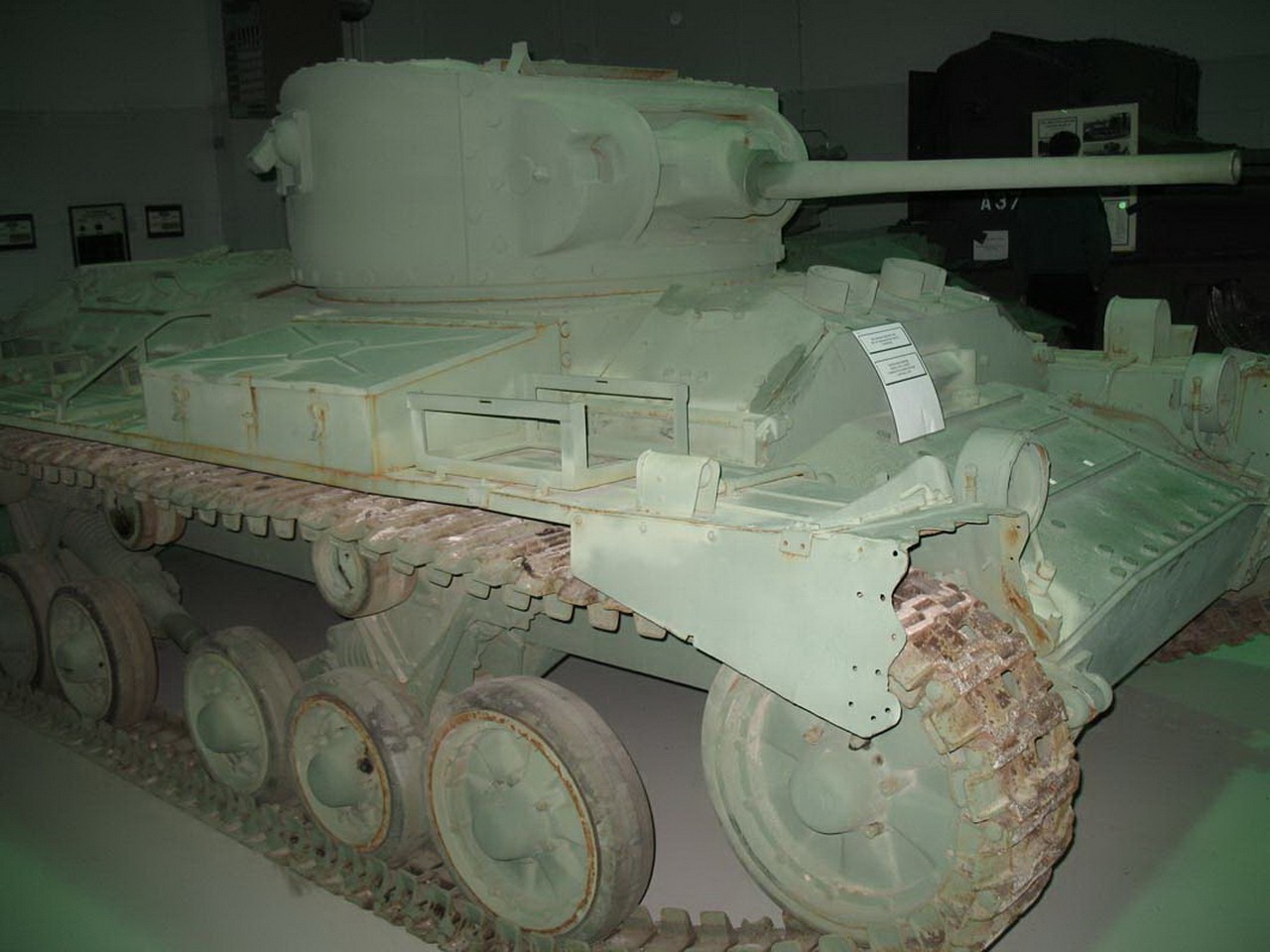
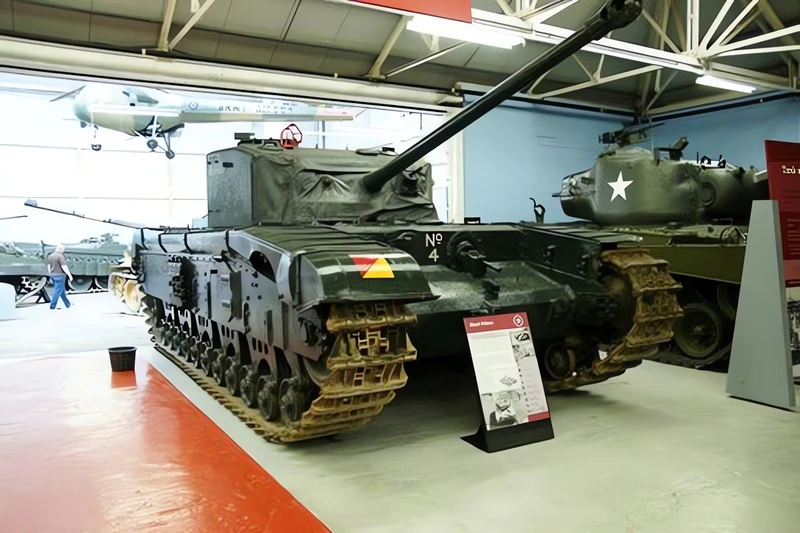
Tank, Infantry, Must prints (A43) is the name that was assigned to an experimental development of the Churchill tank with a larger, wider hull and a QF 17-pounder (76 mm) gun. It was named after Edward, the Black Prince, a famous 14th century military leader.
| Tank Infantry A43 Black Prince Walk Around | |
|---|---|
| Fotograafid | Teadmata |
| Lokaliseerimine | Teadmata |
| Fotod | 18 |
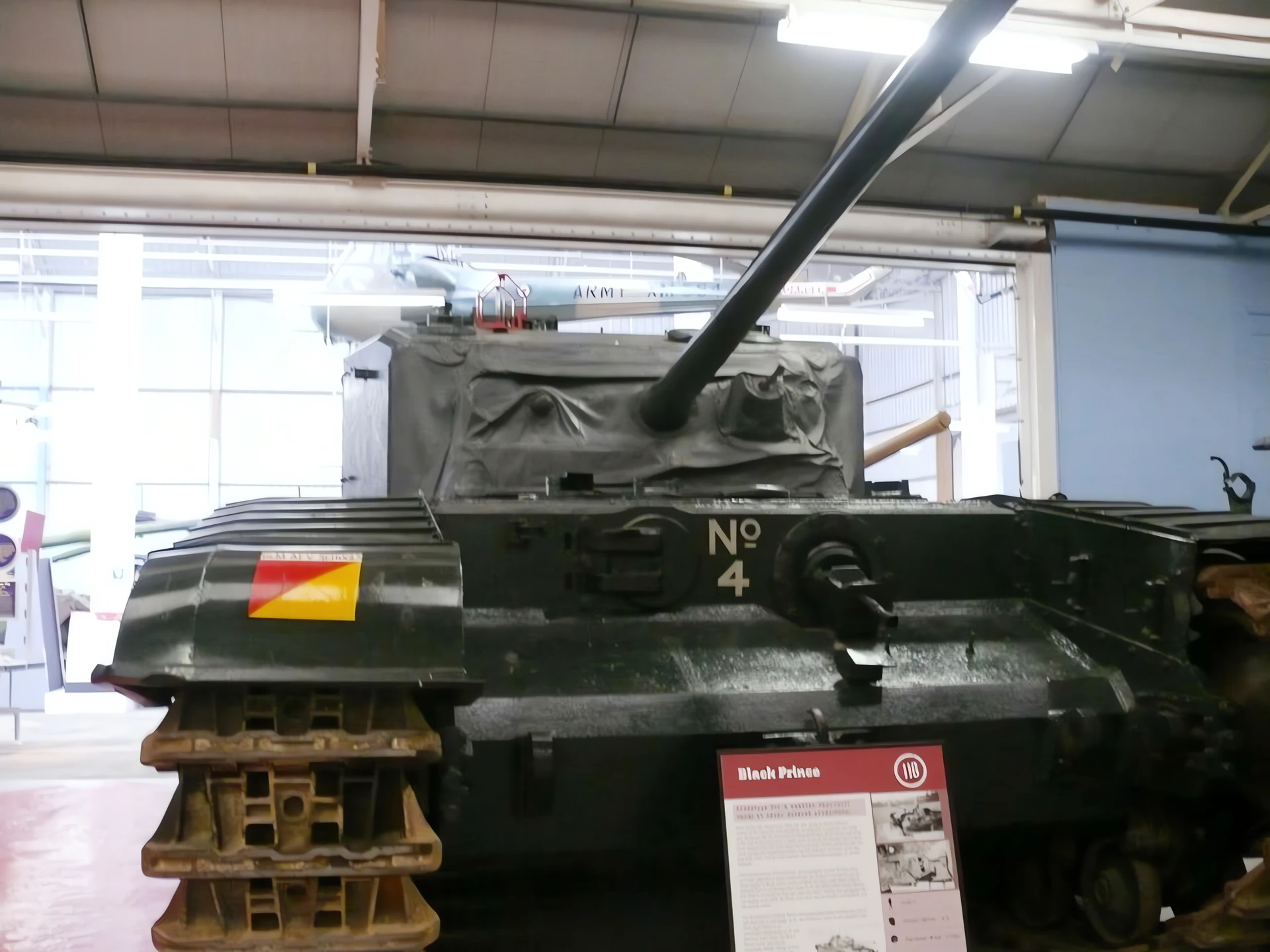
Tank Infantry A43 Black Prince 01
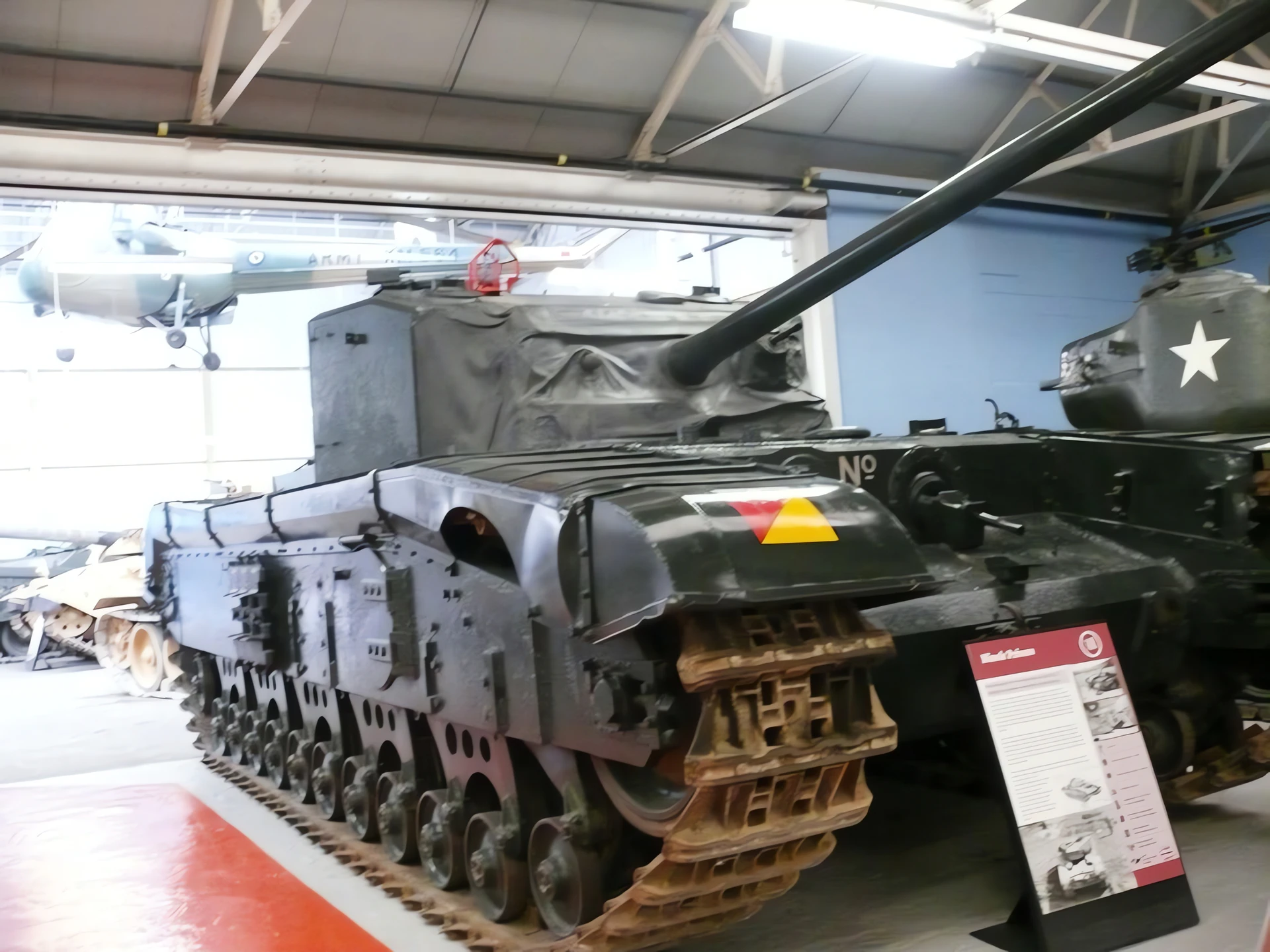
Tank Infantry A43 Black Prince 03
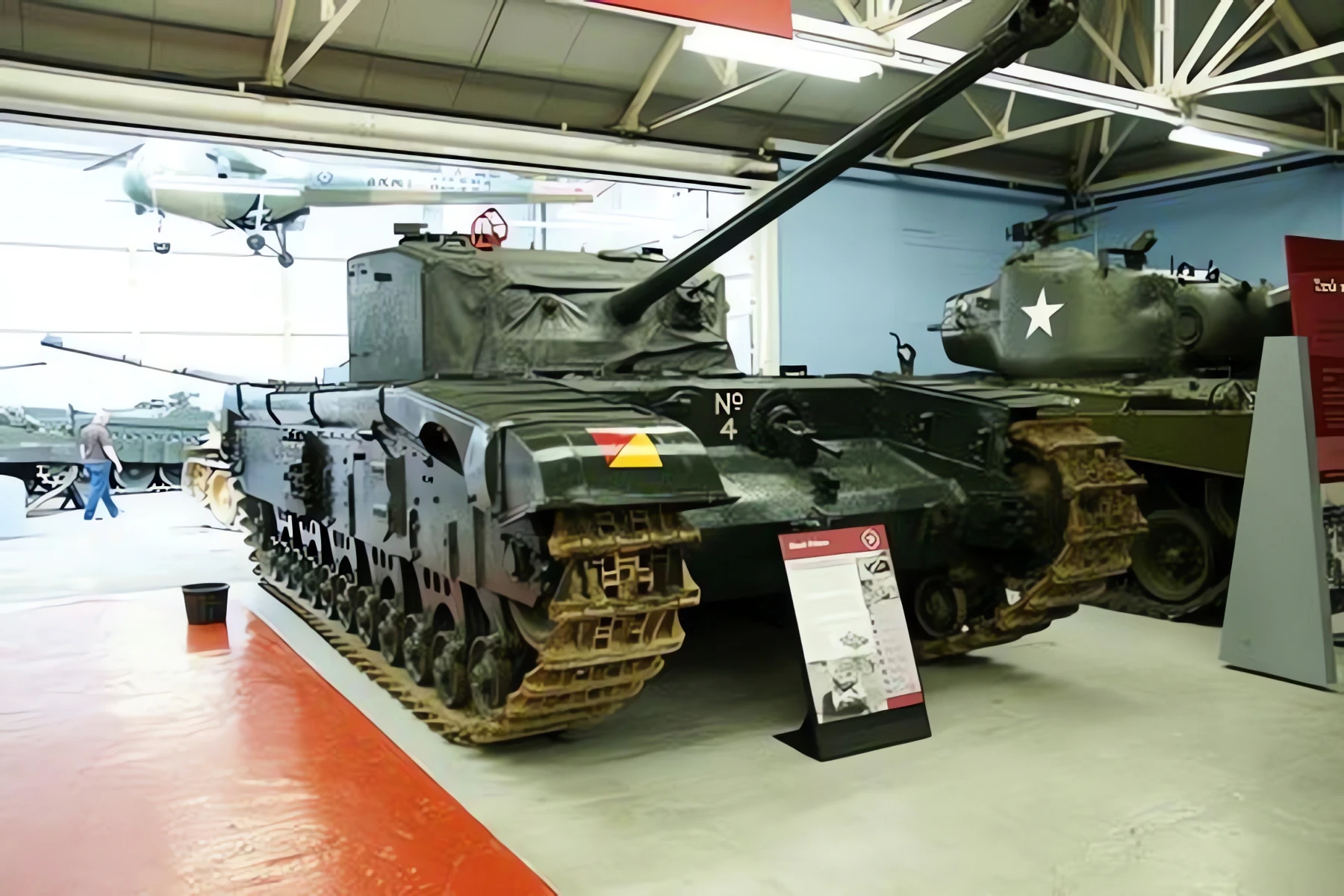
Tank Infantry A43 Black Prince 02
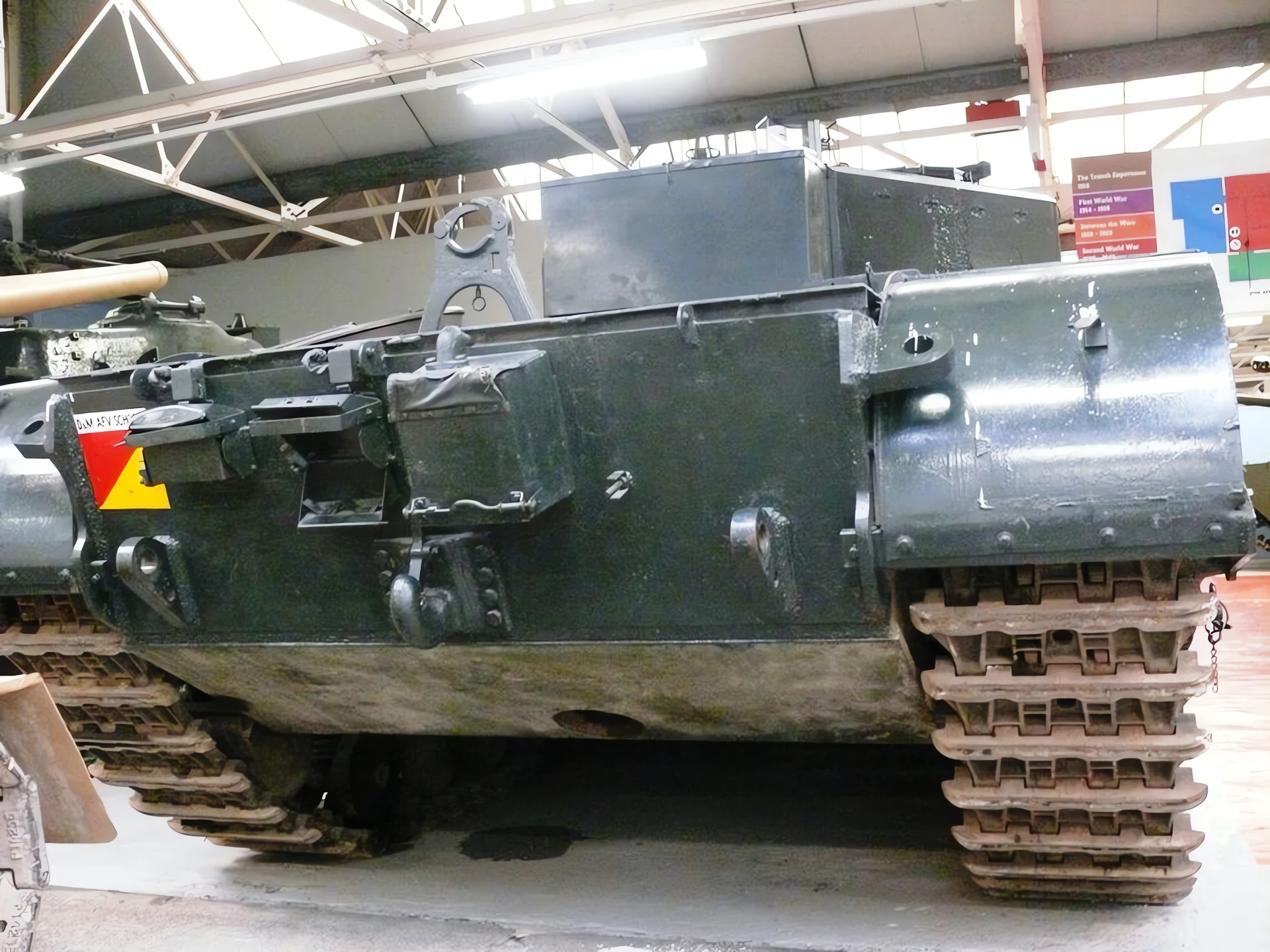
Tank Infantry A43 Black Prince 05
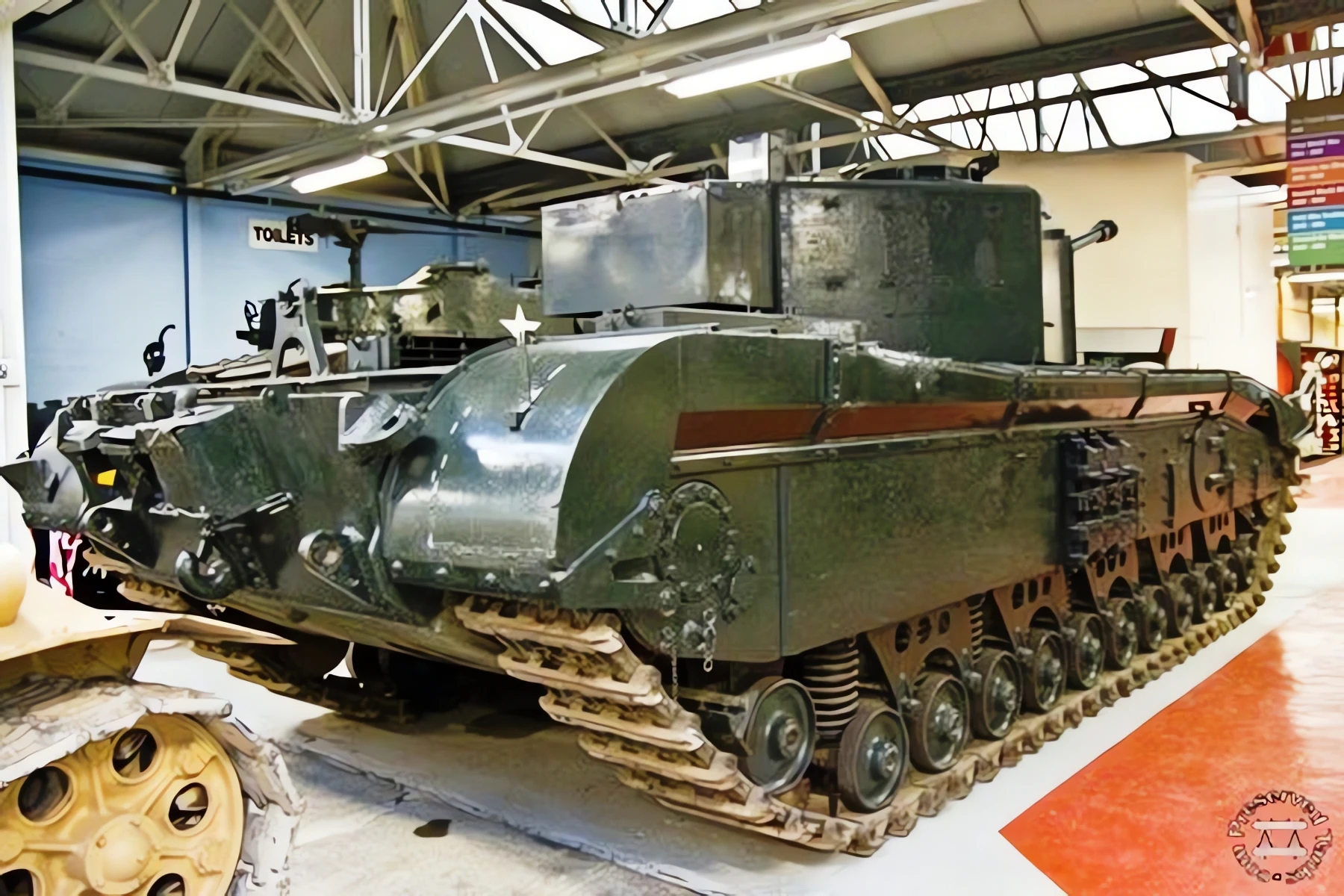
Tank Infantry A43 Black Prince 04
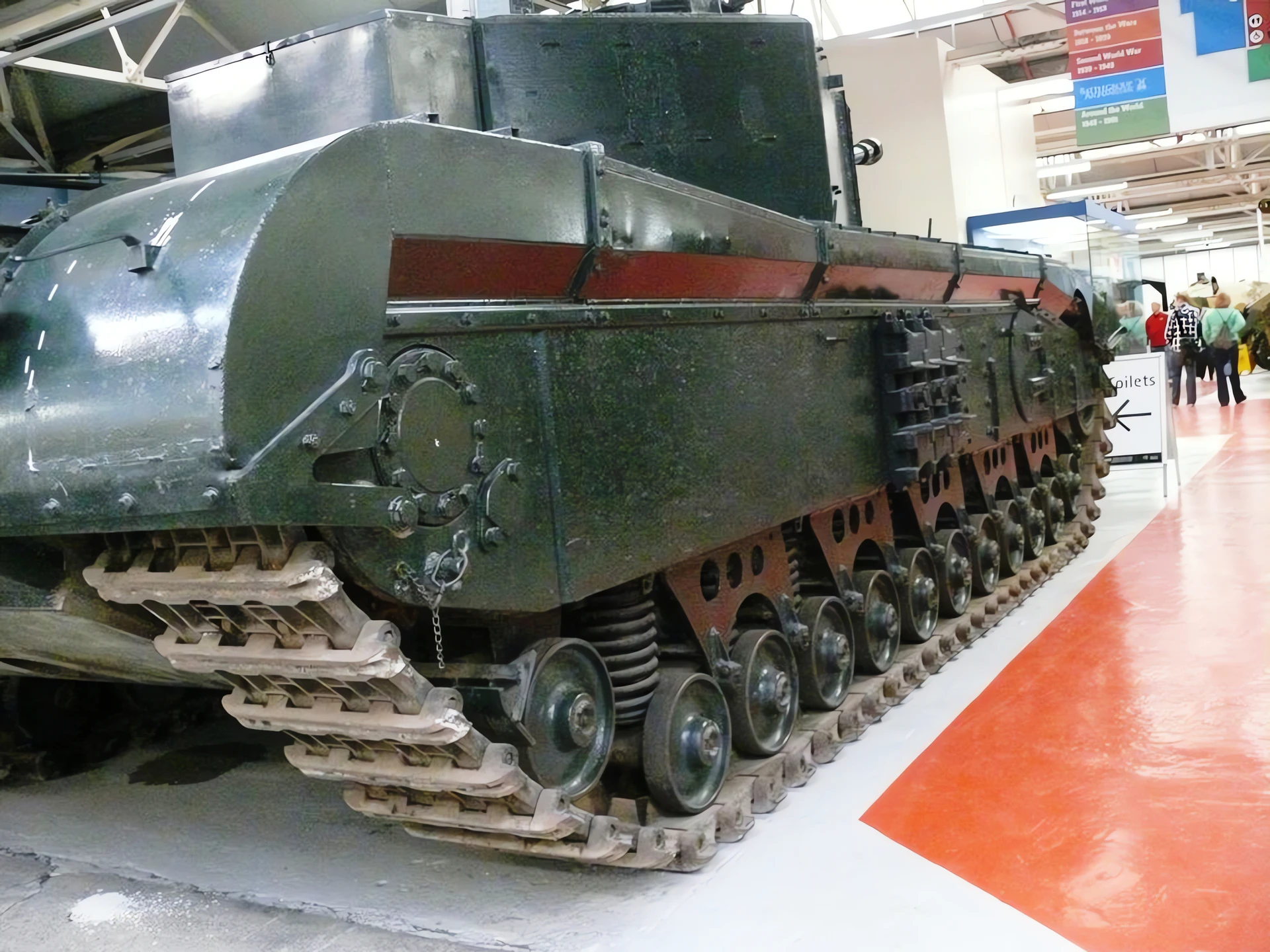
Tank Infantry A43 Black Prince 06
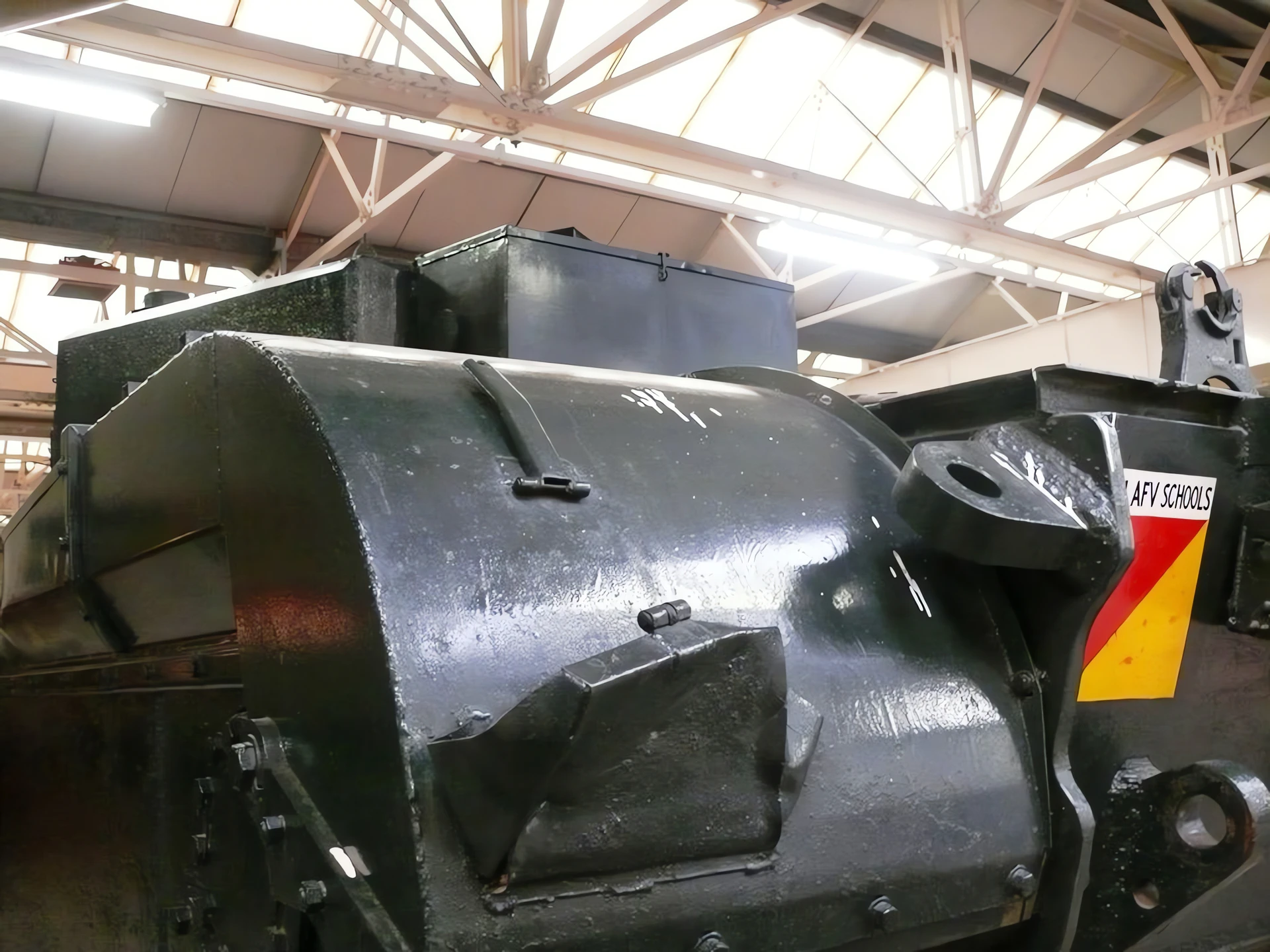
Tank Infantry A43 Black Prince 07
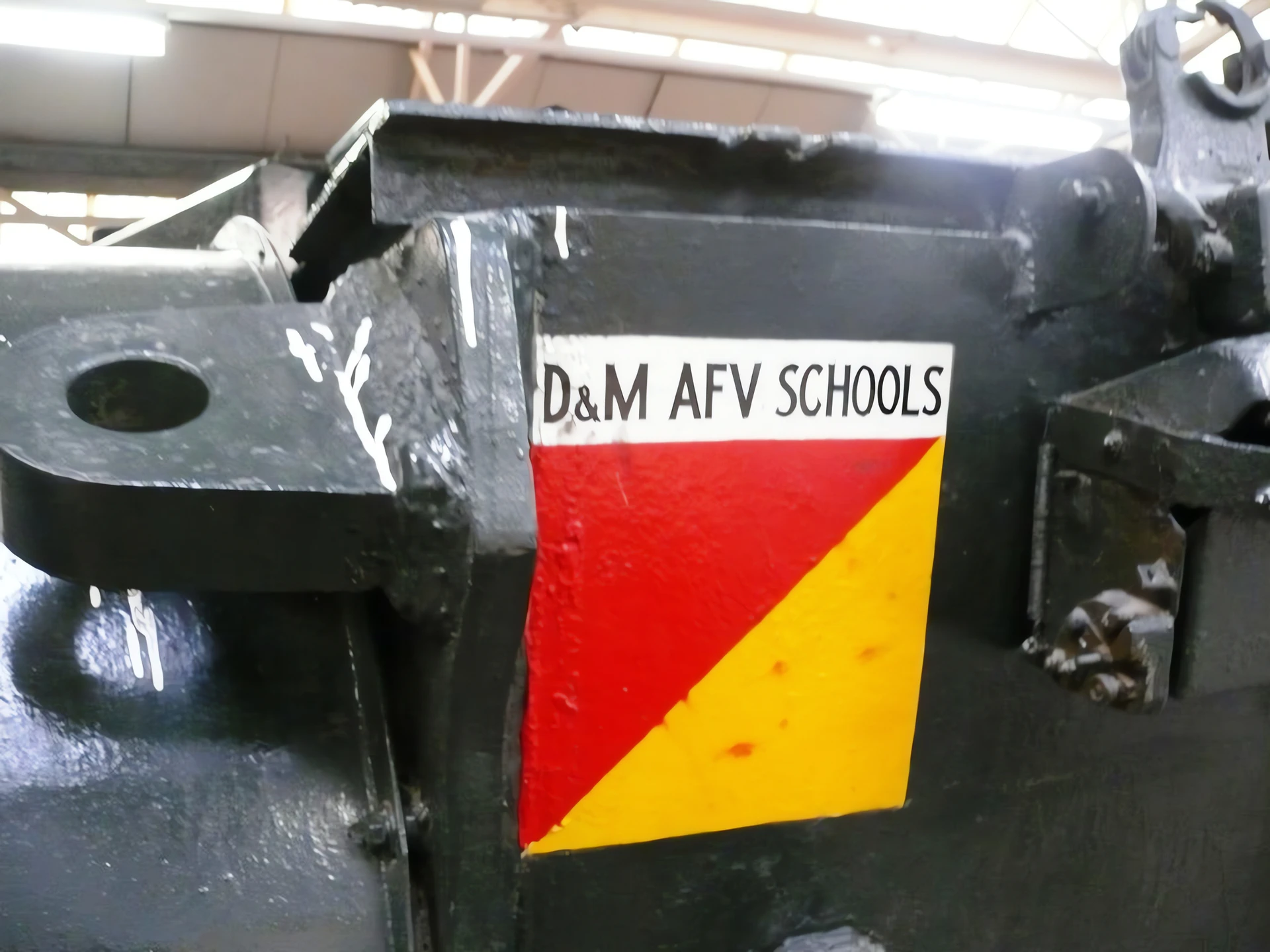
Tank Infantry A43 Black Prince 08
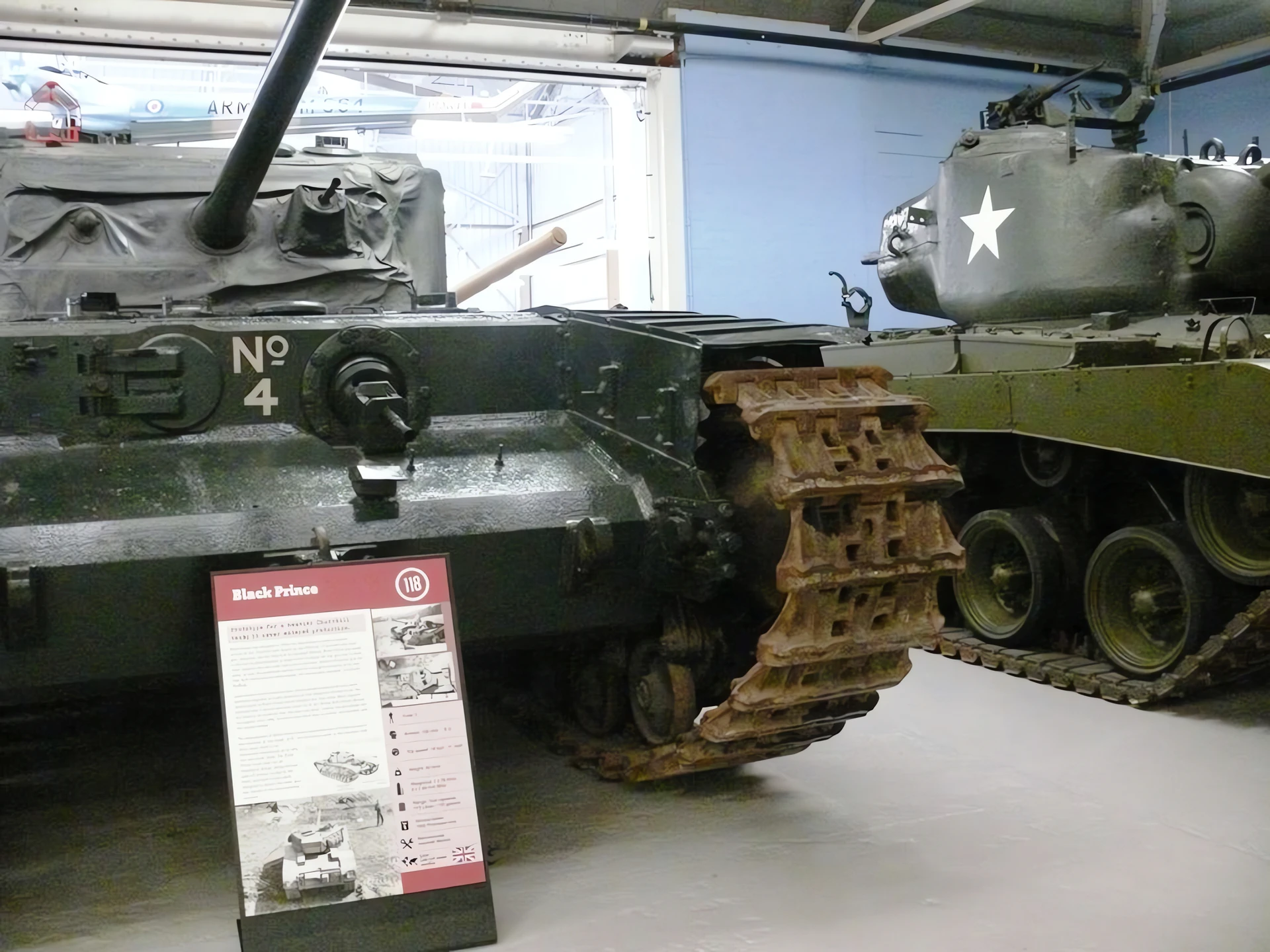
Tank Infantry A43 Black Prince 09
Wait, Searching Tank Infantry A43 Black Prince for you…


| Churchill Black Prince Walk Around | |
|---|---|
| Fotograaf | Matt Flegal |
| Lokaliseerimine | Teadmata |
| Fotod | 219 |
Wait, Searching Tank Infantry A43 Black Prince for you…
Vaata ka:


General Characteristics (World War II Prototype)
The A43 Black Prince was a late-war British attempt to significantly upgrade the Churchill tank chassis to mount a powerful 17-pounder (76.2 mm) gun while retaining the heavy armor characteristic of the Infantry Tank doctrine.
| Property | Value (Prototype) |
|---|---|
| Rolli | Infantry Tank (Heavy) |
| disainer | Vauxhall Motors (based on Churchill VII) |
| Kavandatud | 1943–1945 |
| Meeskonna | 5 (Commander, Gunner, Loader, Driver, Co-driver/Machine Gunner) |
| Combat Weight | Approx. 50 tonnes (110,000 lb) |
| Arv on ehitatud | 6 (Prototypes) |
Armament and Protection
- Main Armament: One 76.2 mm (3-inch) Ordnance QF 17-pounder anti-tank gun. This required a new, wider turret compared to the standard Churchill.
- Secondary Armament: Two 7.92 mm Besa machine guns (one coaxial, one hull-mounted).
- Armor Thickness: The armor was extremely thick, ranging up to 152 mm (6 inches) on the frontal hull and turret face, making it one of the most heavily armored tanks of the war.
- Key Design: The hull structure and suspension were directly derived from the Churchill Mark VII, but the hull was widened to accommodate the new turret ring.
- Service Status: Never entered service. Testing coincided with the end of World War II and the introduction of the more versatile and faster Comet and Centurion tanks.
Powerplant and Mobility
- Engine: Bedford Twin-Six gasoline engine.
- Power Output: 350 hp (261 kW).
- Maximum Road Speed: Only 17 km/h (11 mph).
- Power-to-Weight Ratio: A very low 7 hp/tonne due to the high weight and underpowered engine.
- Suspension: Vertical Spring Suspension (common to the Churchill family).
- Mobility Issue: The increase in weight from the base Churchill (approx. 40 tonnes) severely degraded the vehicle’s speed and cross-country performance, making it tactically obsolete before deployment.
Vaadatud : 611