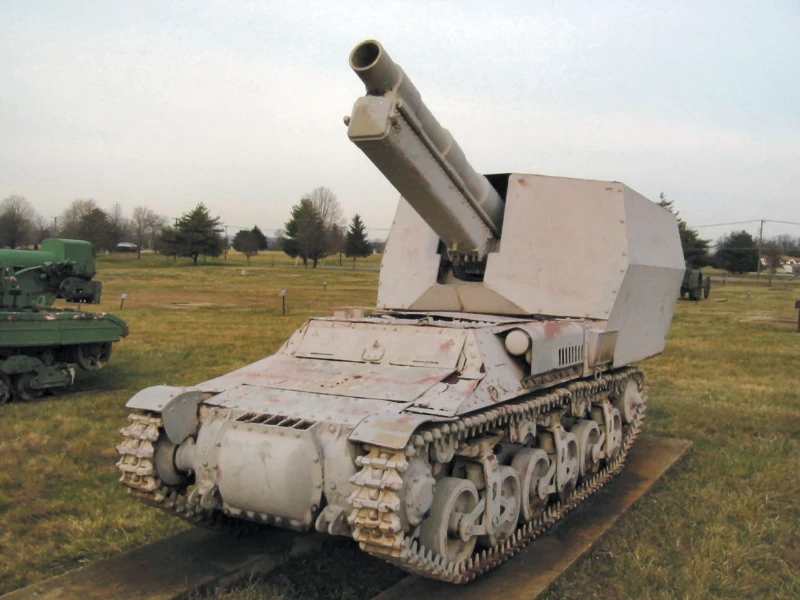
Marder I – SdKfz 135/1 | |
|---|---|
| Riik | Saksamaa |
| Tüüp | Iseliikuv relv |
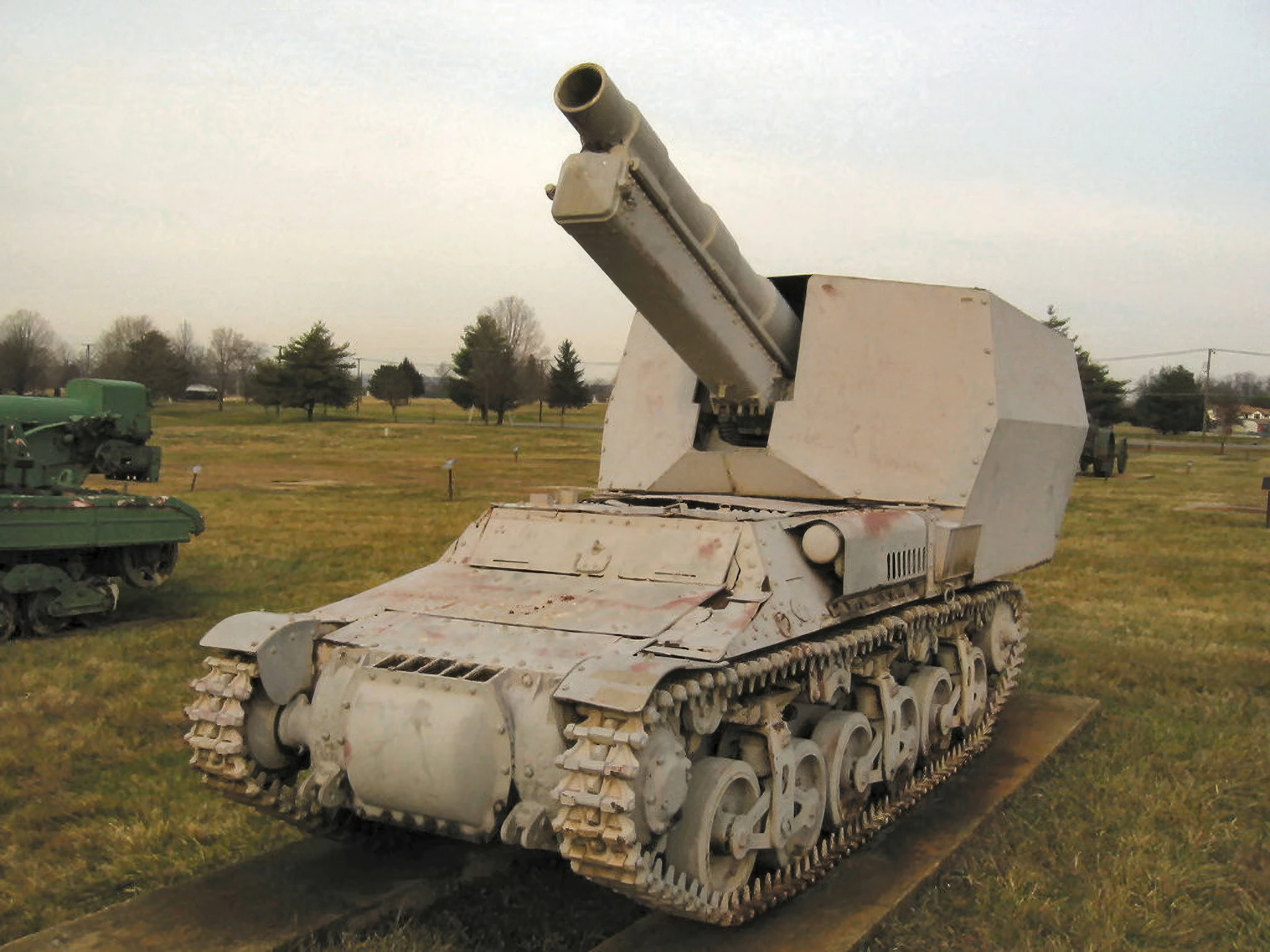
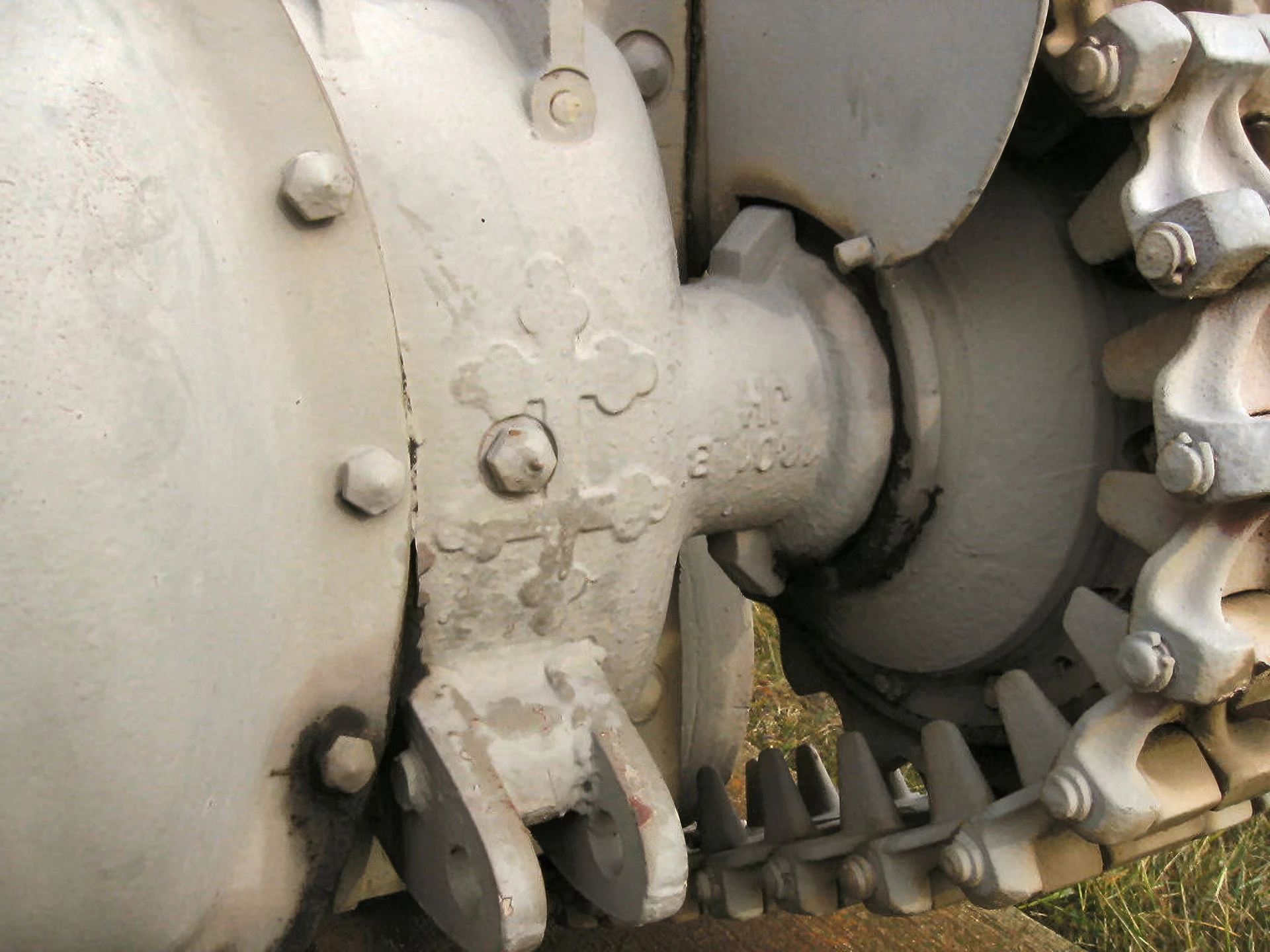
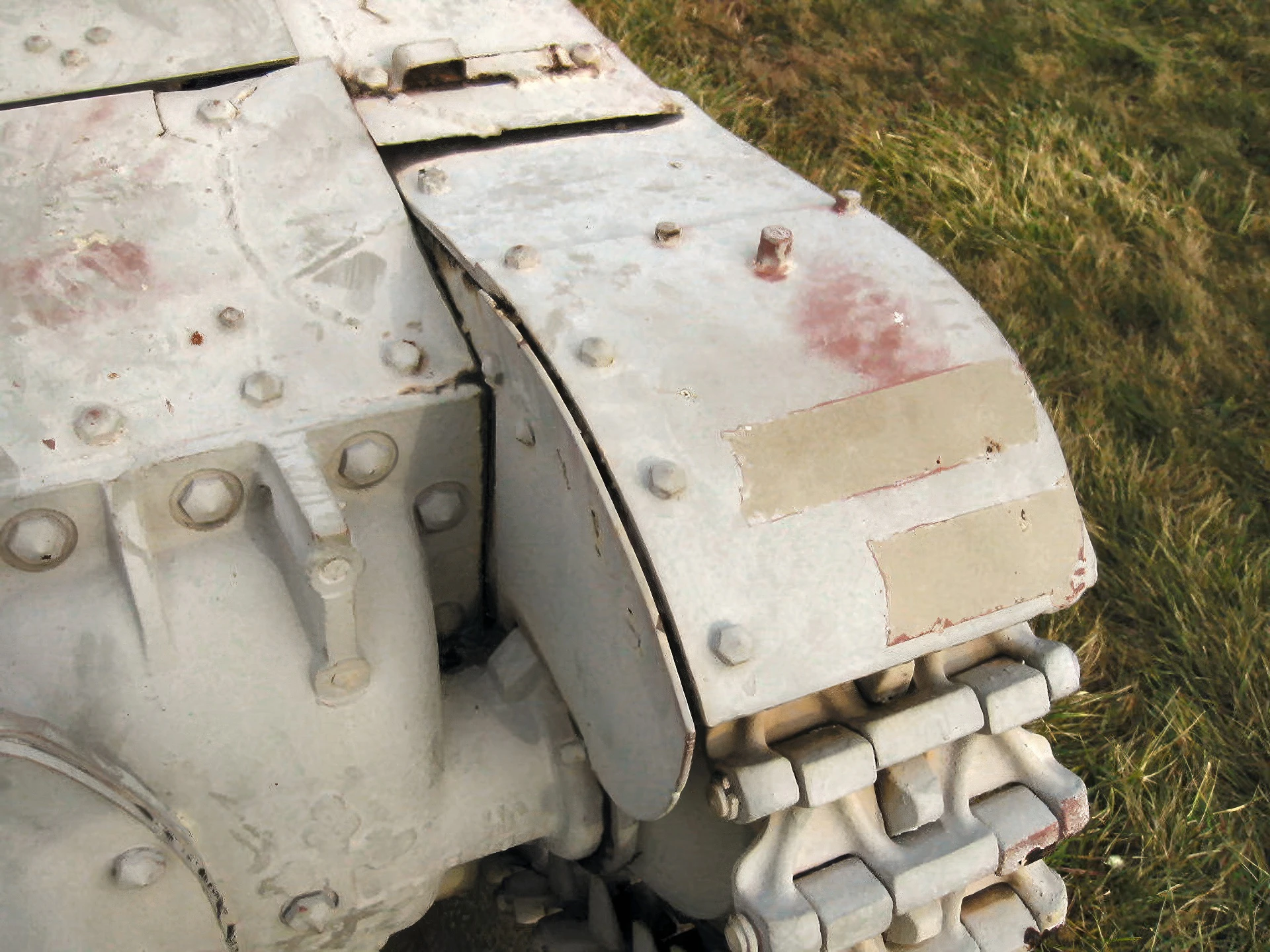
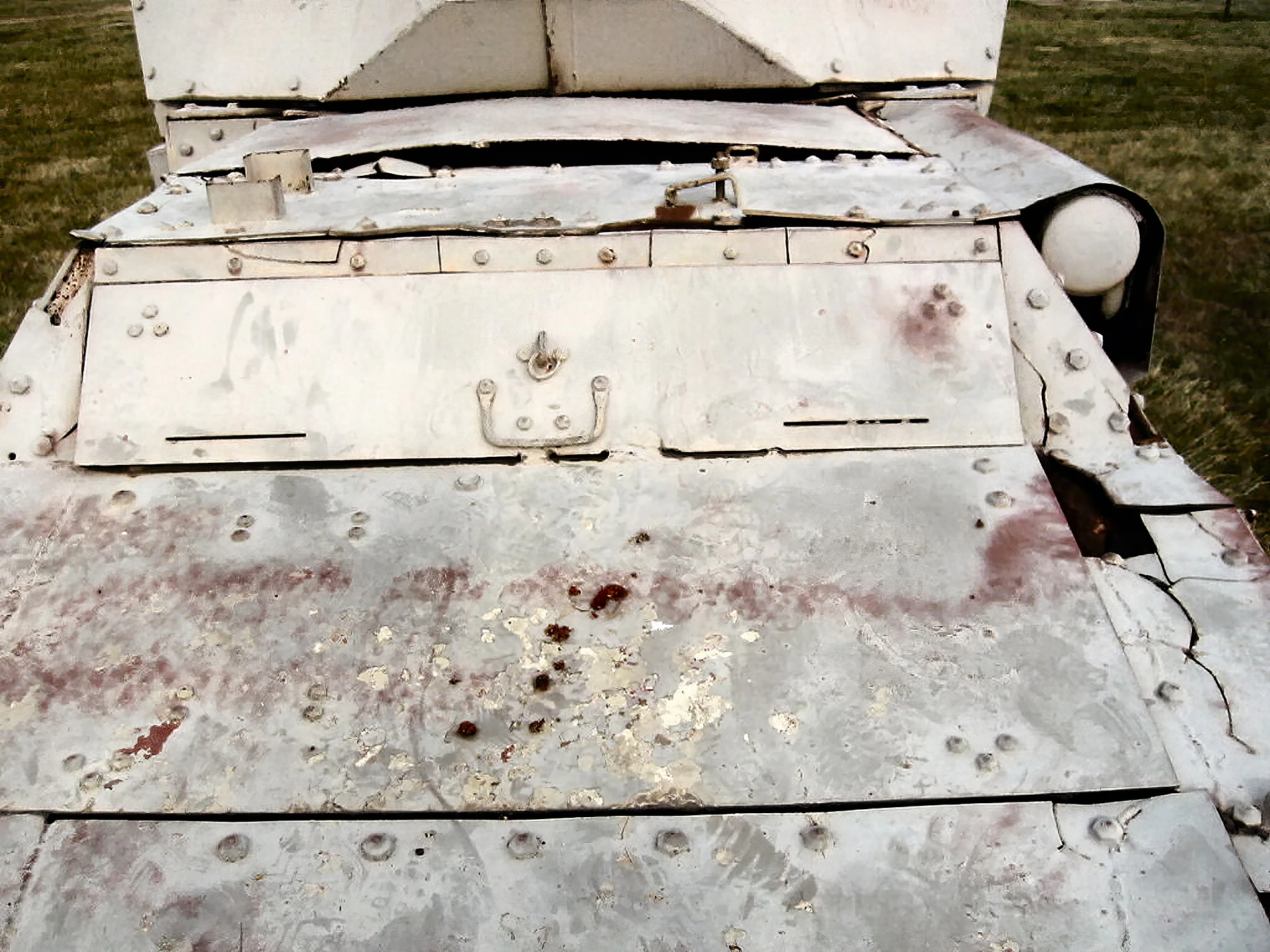
| Kirjeldus | Album 29 "Sdkfz.135/1" jalutuskäigu fotod |
Galerie photo sur un SdKfz.135/1, Marder I Sd. Kfz. 135 était un chasseur de chars allemand de la Seconde Guerre mondiale, armé d’un canon anti-char de 75 mm. La grande majorité des Marder I ont reçus une base Lorraine 37L, c’était soit un transporteur blindé de troupes soit un pur tracteur d’artillerie, l’armée allemande en ayant capturé près de trois cents exemplaires durant la campagne de France en 40 ils furent ainsi facilement recyclés. La versioon SdKfz.135/1 est elle équipée d’un 150 mm howitze.
Allikas: Sdkfz.135/1 Vikipeedias




Vaata ka:


Identity and Role
The Sd.Kfz. 135/1, officially known as the 15 cm s.F.H. 13/1 (Sf.) auf Geschützwagen Lorraine Schlepper (f), was a German self-propelled howitzer (SPG) developed and used during World War II.
- Role: Designed to provide mobile, heavy artillery support for German armored and mechanized units.
- Classification: The designation “Sd.Kfz. 135” is primarily associated with the Marder I tank destroyer (armed with a 7.5 cm Pak 40), but the /1 suffix denotes the use of a larger, different gun for artillery support.
- Origin: This vehicle is a prime example of Germany’s practice of utilizing captured equipment. It was a conversion based on the French Lorraine 37L tracked armored supply vehicle (hence the “Lorraine Schlepper (f)”—Lorraine Tractor, French).
Design and Specifications
The conversion process, largely led by Major Alfred Becker’s Baukommando Becker, involved stripping the French vehicle and mounting a heavy gun onto the rear:
| Component | Detail |
|---|---|
| Main Armament | 15 cm s.F.H. 13/1 L/17 heavy field howitzer (a WWI-era 150 mm gun). |
| Fighting Compartment | The gun and crew operated from a large, open-topped and lightly armored superstructure at the rear, offering protection only against small arms and shrapnel. |
| Recoil Mechanism | A large, folding earth spade was fitted to the rear to anchor the vehicle and absorb the powerful recoil of the 15 cm howitzer during firing. |
| Ammunition | Very limited on-board storage, typically only 8 to 10 rounds. This necessitated a dedicated accompanying ammunition carrier vehicle. |
| Liikuvuse | Powered by the original 70 hp Delahaye engine, giving it a maximum road speed of around 35 km/h (22 mph). |
Combat Use
Ainus 94 units of the Sd.Kfz. 135/1 were built. They saw service primarily in two major theaters:
- North Africa (1942): A significant number were rushed to the Afrika Korps, serving with the 15th and 21st Panzer Divisions. They provided the mobile artillery support needed in the fast-moving desert battles, including Rommel’s final push at El Alamein.
- Western Front (1944): Vehicles that survived or were deployed later saw action in France, often attached to infantry divisions defending against the Allied invasion of Normandy.
While the chassis was underpowered and the armor was thin, the Sd.Kfz. 135/1 successfully provided a mobile platform for a highly destructive artillery piece, filling a crucial gap in the German arsenal early in the war.
Views : 4130