
7.5 cm Gebirgsgeschütz 36 |
|
|---|---|
| Riik | Natsi-Saksamaa |
| Rolli | Mäepüstol |
| Kasutuses | 1938-45 |
| Ehitatud | 1193+ |
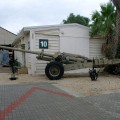
2007 7,5 cm Gebirgsgeschütz 36 (7,5 cm GebG 36) oli 7,5 cm (3,0 tolli) Saksa mägipüstol, mida kasutati Teise maailmasõja ajal. Aastatel 1938–1945 ehitati vähemalt 1 193. See oli Teise maailmasõja ajal Saksa mägirajoonide, nii armee kui ka Waffen-SS-i standardne kerge relv.
Allikas: 7,5 cm Gebirgsgeschütz 36 Vikipeedias
| German 7.5 cm Gebirgsgeschutz 36 Mountain Gun Walk Around | |
|---|---|
| Fotograaf | Vladimir Jakubov |
| Lokaliseerimine | Teadmata |
| Fotod | 51 |

Vaata ka:


2007 7,5 cm Gebirgsgeschütz 36 (7.5 cm GebG 36) was a German mountain gun that was used during World War II. It was designed by Rheinmetall and produced by R. Wolf from 1938 to 1944. It was the main light artillery weapon of the German mountain divisions, both in the Army and the Waffen-SS.
Püstolil oli horisontaalne libisev lukuplokk ja koonpidur. See võib tulistada 5,75 kg või 5,83 kg kesta, mille maksimaalne ulatus on 9,250 meetrit. Püstolil oli muutuv tagasilöögisüsteem, mis lühendas tagasilöögi, kui kõrgus suurenes, võimaldades tal tulistada kõrge nurga all. Püstolit võis pukseerida hobustega või jagada kaheksaks pakikoormaks, mida muulad kandsid.
2007 7.5 cm GebG 36 was a reliable and effective weapon for mountain warfare, but it had some drawbacks. One of them was that the gun would jump when fired at low angles with the strongest propellant charge, due to the leverage effect of the short trail spades. This made it less suitable for anti-tank role, which was sometimes required in mountainous terrain. Another drawback was that the gun was relatively heavy and cumbersome compared to other mountain guns of similar caliber.
Views : 2032
Näete ka :
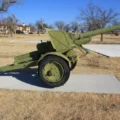 Type 90 75 mm field gun – Photos & Video
 Astros II MLRS - fotod ja videod
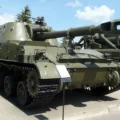 2S3 Akatsiya - fotod ja videod
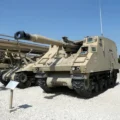 L-33 Roem – fotod ja videod
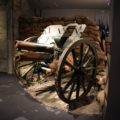 QF 4,5-tolline haubitsas – fotod ja video
 M198 Haubits – fotod ja video
 M65 aatomikahur - fotod ja video
 76 mm jaotuspüstol M1939 – fotod ja video
 21 cm MORSER m10-16 – Fotod ja video
 130 mm järelveetav välipüstol M1954 (M-46) – fotod ja video