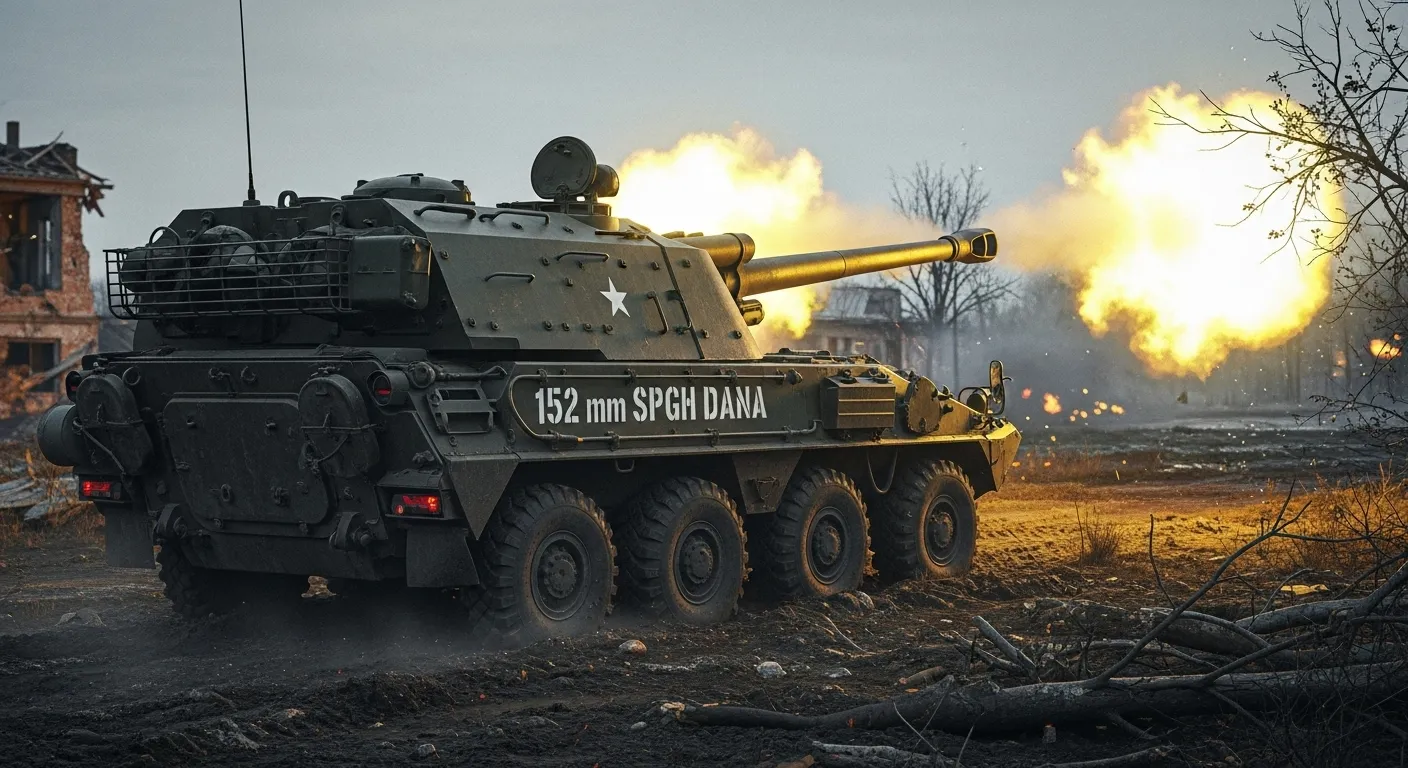
152 mm SpGH DANA | |
|---|---|
| País | Checoslovaquia |
| Tipo | Pistola autopropulsada |
| En servicio | 1981–presente |
| Construido | 750+ |
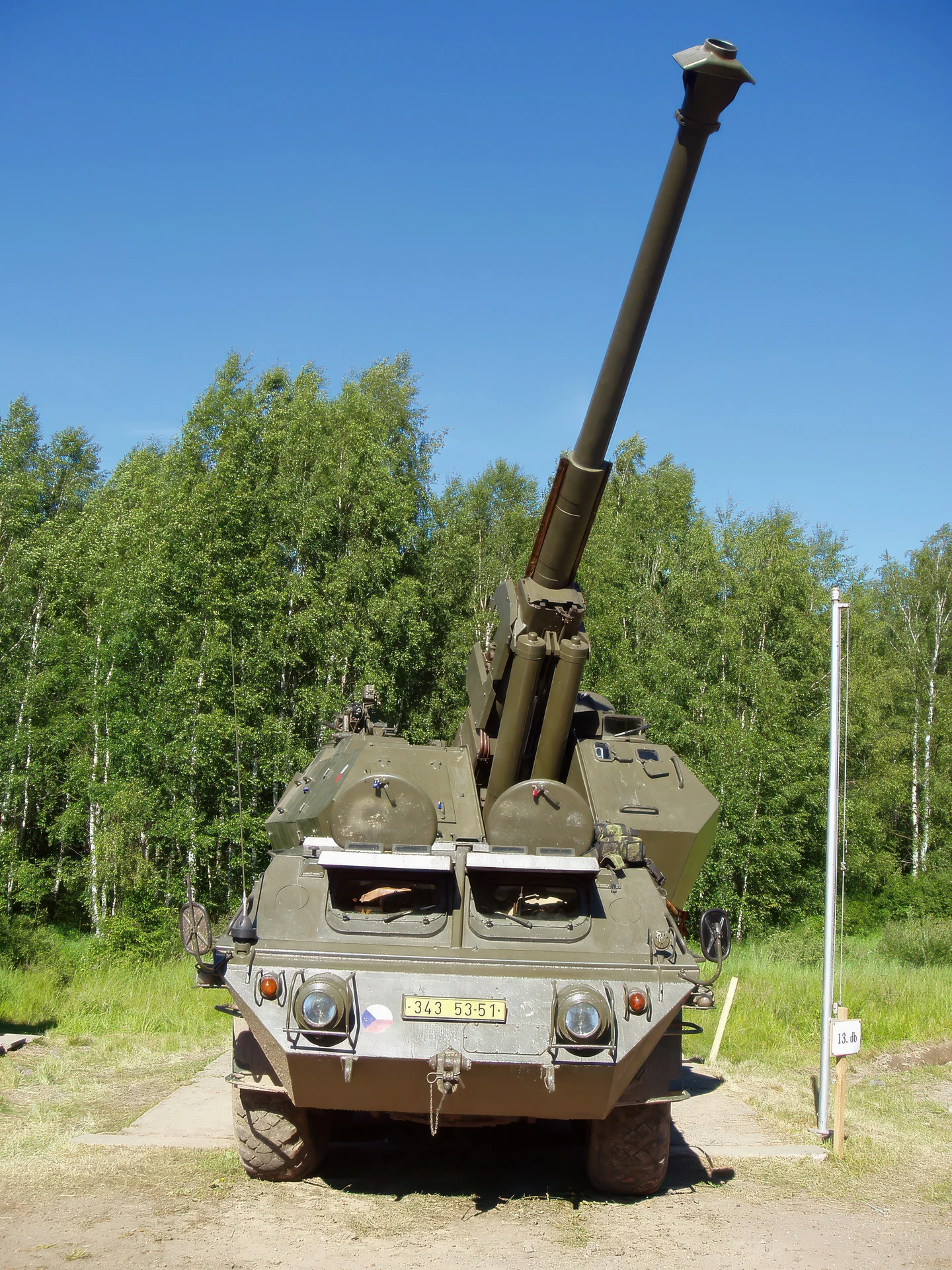
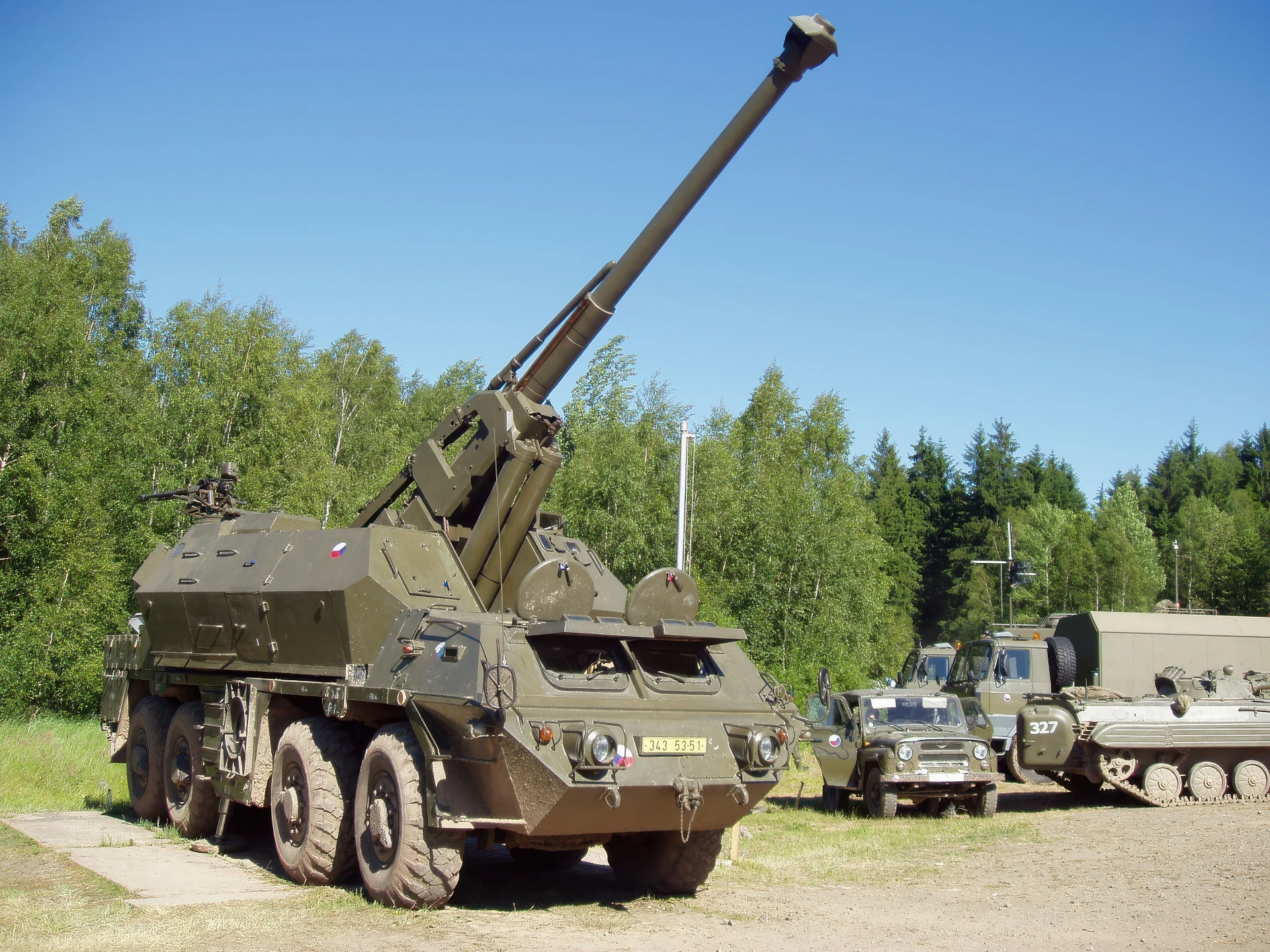
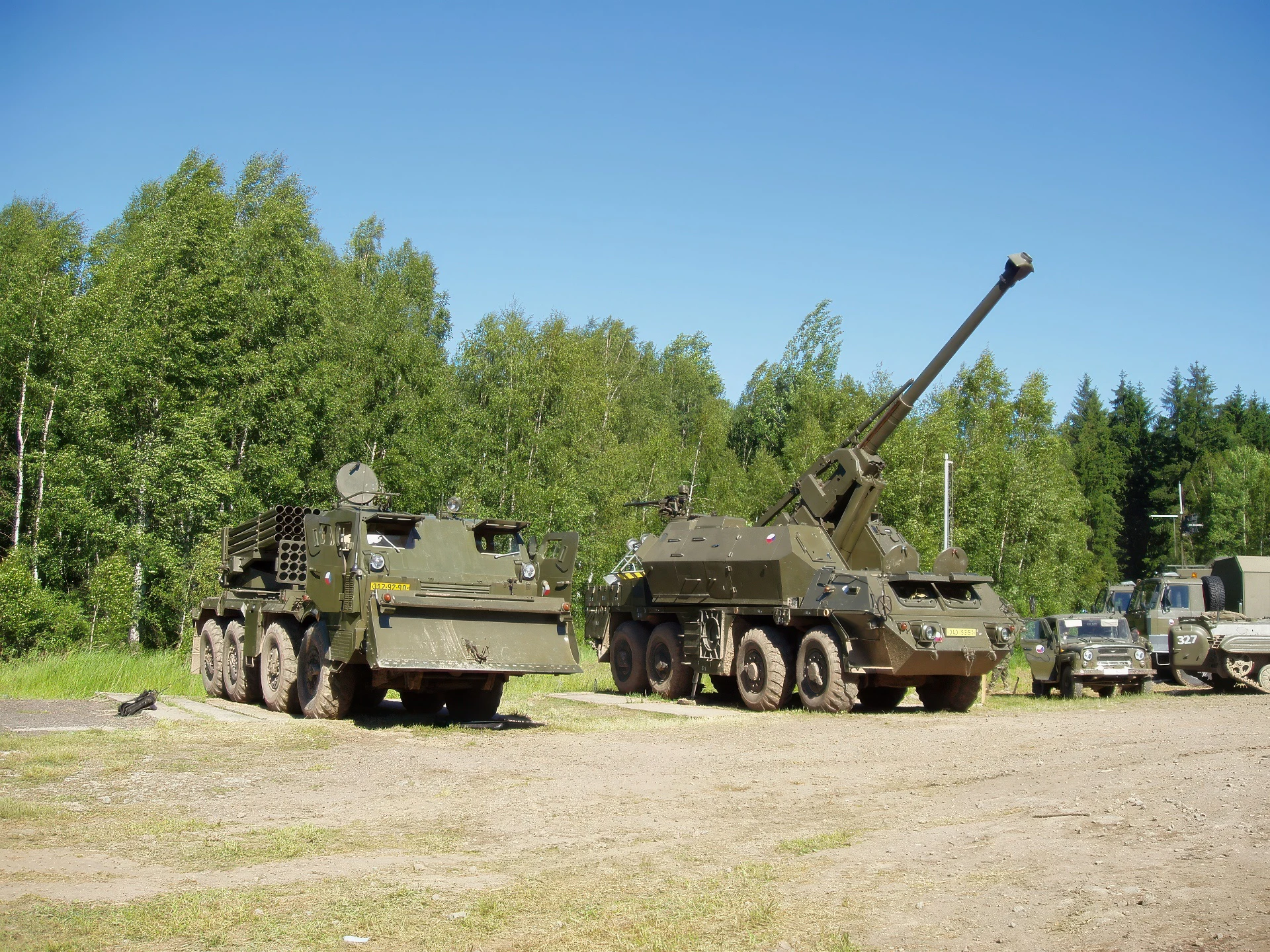
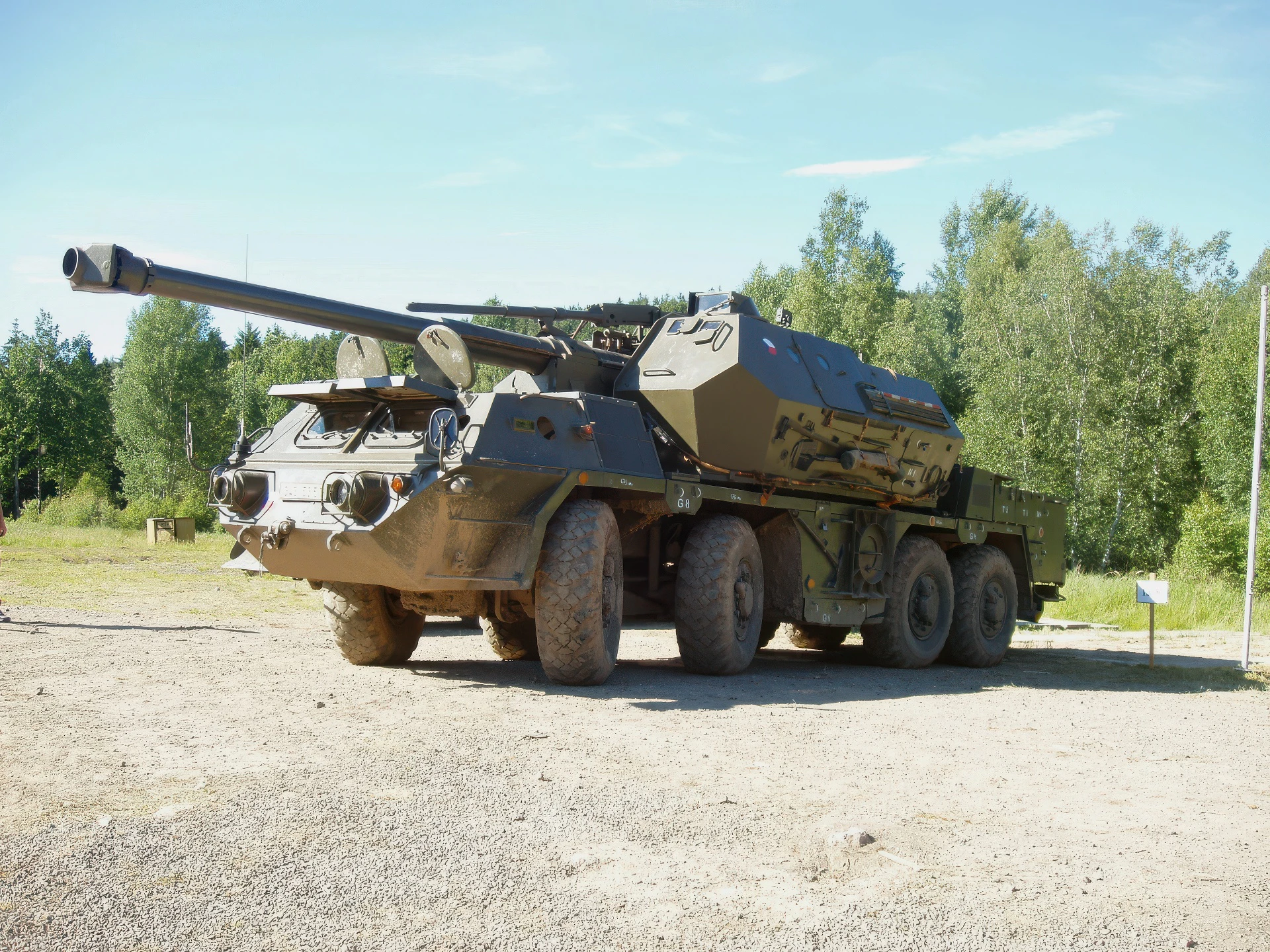
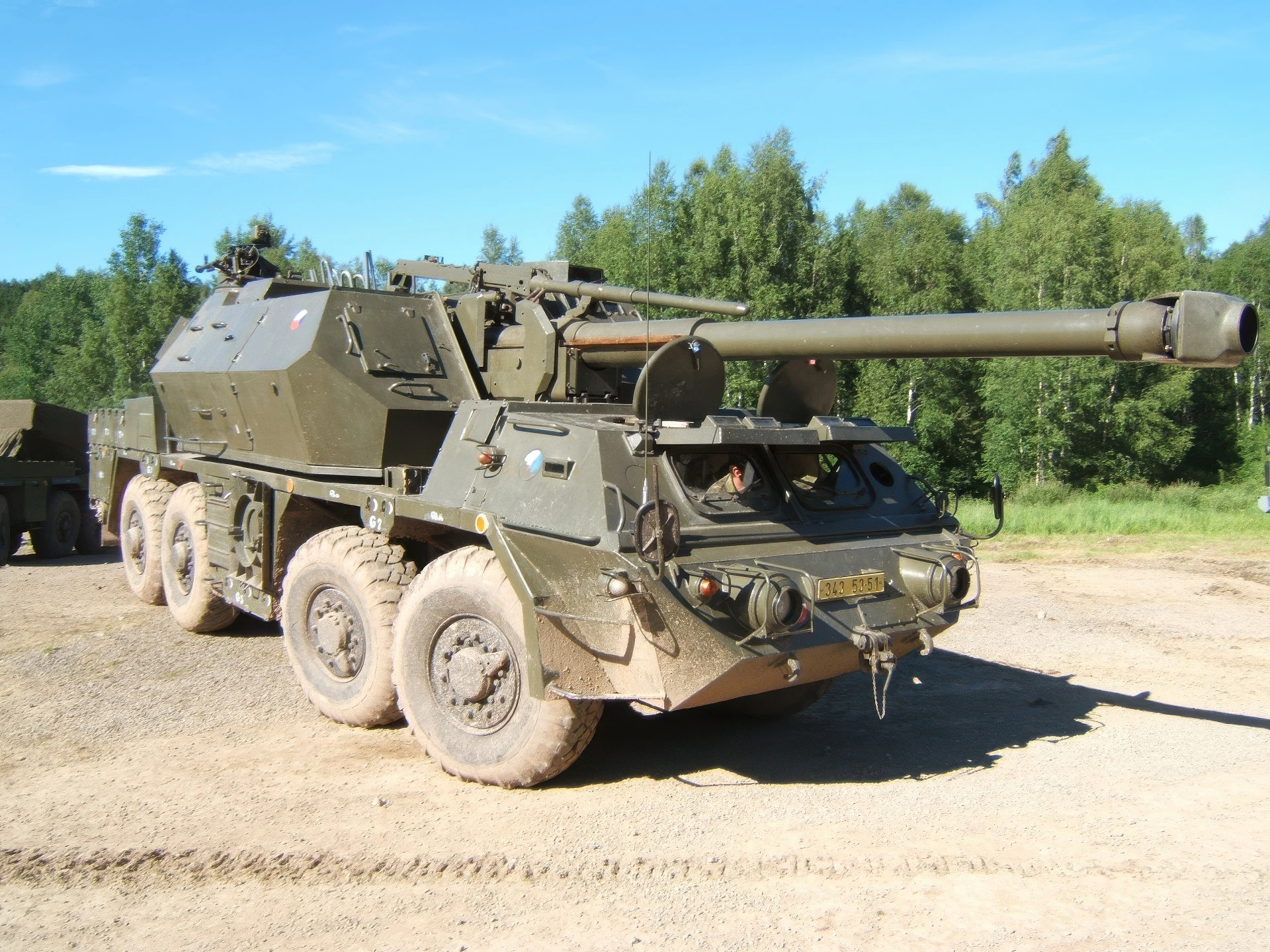
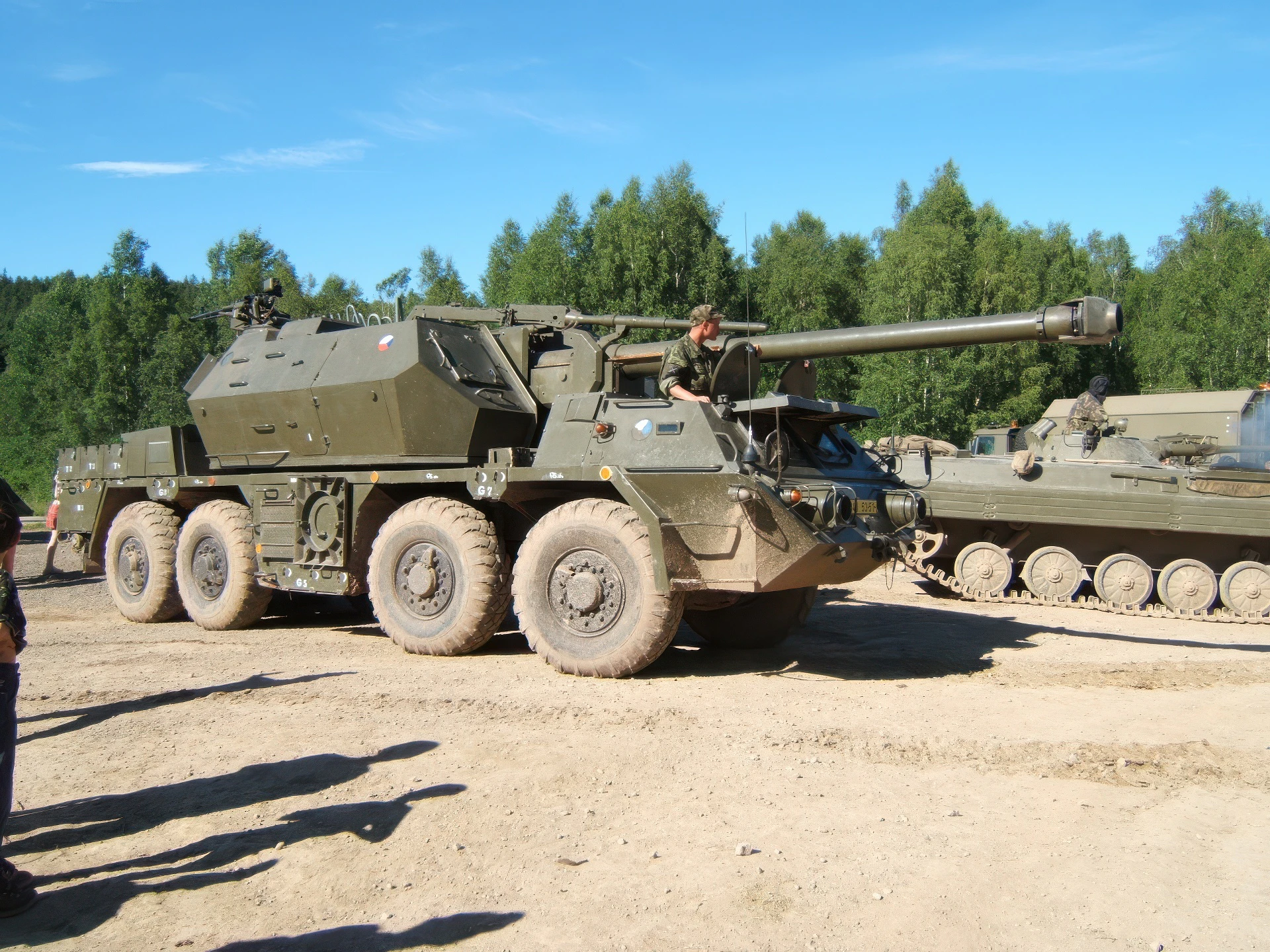
el DANA es una pieza de artillería autopropulsada con ruedas. También es conocido como el Samohybná Kanónová Húfnica vzor 77 (ShKH vz. 77; obús de cañón autopropulsado modelo 77). Fue diseñado por Konštrukta Trenčín y construido por ZTS Dubnica nad Váhom en la antigua Checoslovaquia (ahora Eslovaquia). Introducido en la década de 1970, fue el primer cañón de artillería autopropulsado de 152 mm con ruedas en entrar en servicio. Se basa en un chasis Tatra 815 modificado con tracción en las ocho ruedas (8×8) con excelente movilidad a campo traviesa.
Fuente: 152 mm SpGH DANA en Wikipedia
| 152mm Dana ShKH vz.77 Walk Around | |
|---|---|
| Fotógrafos | Vojtech Micek |
| Localización | Unknow |
| Fotos | 10 |
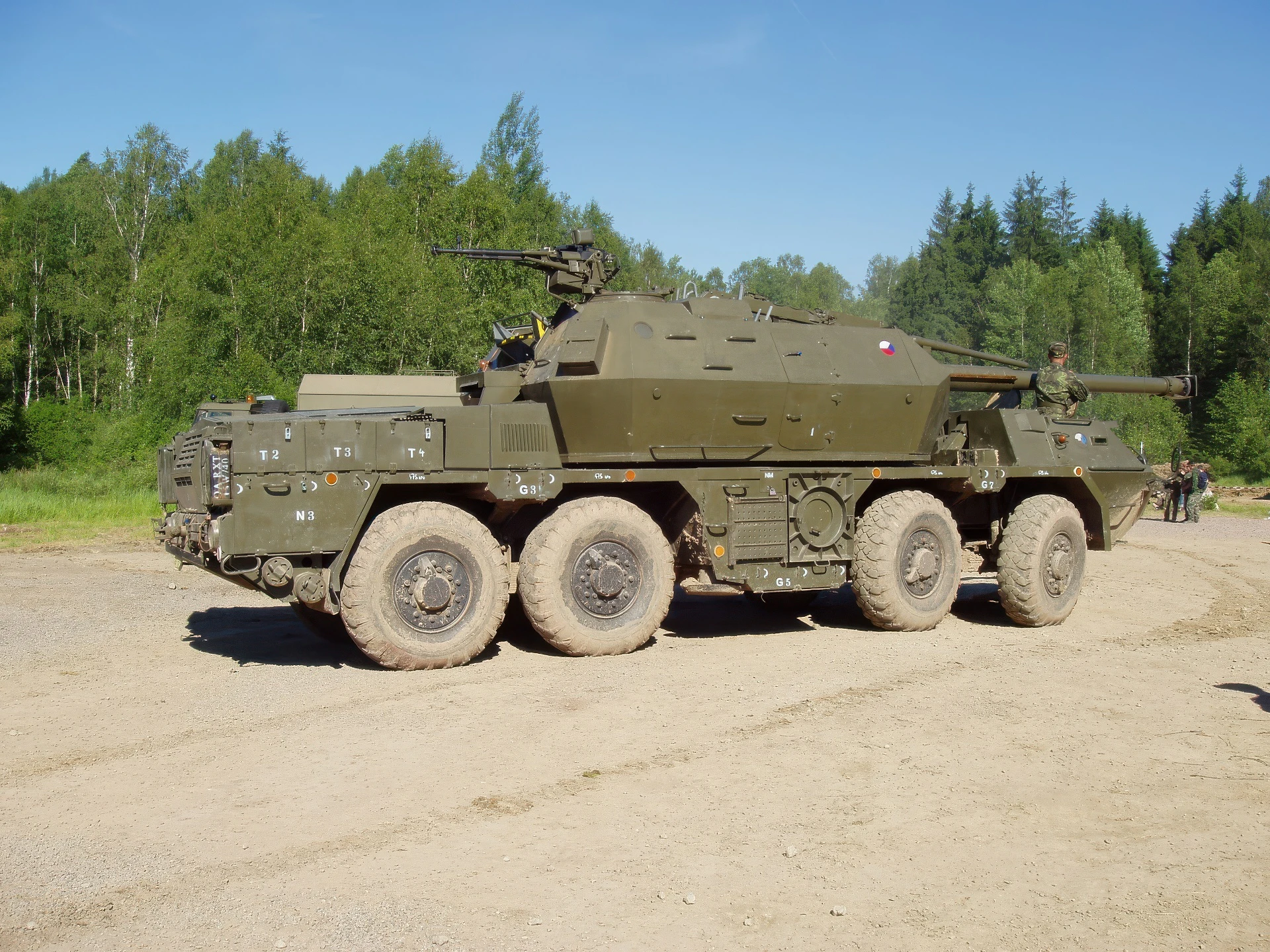
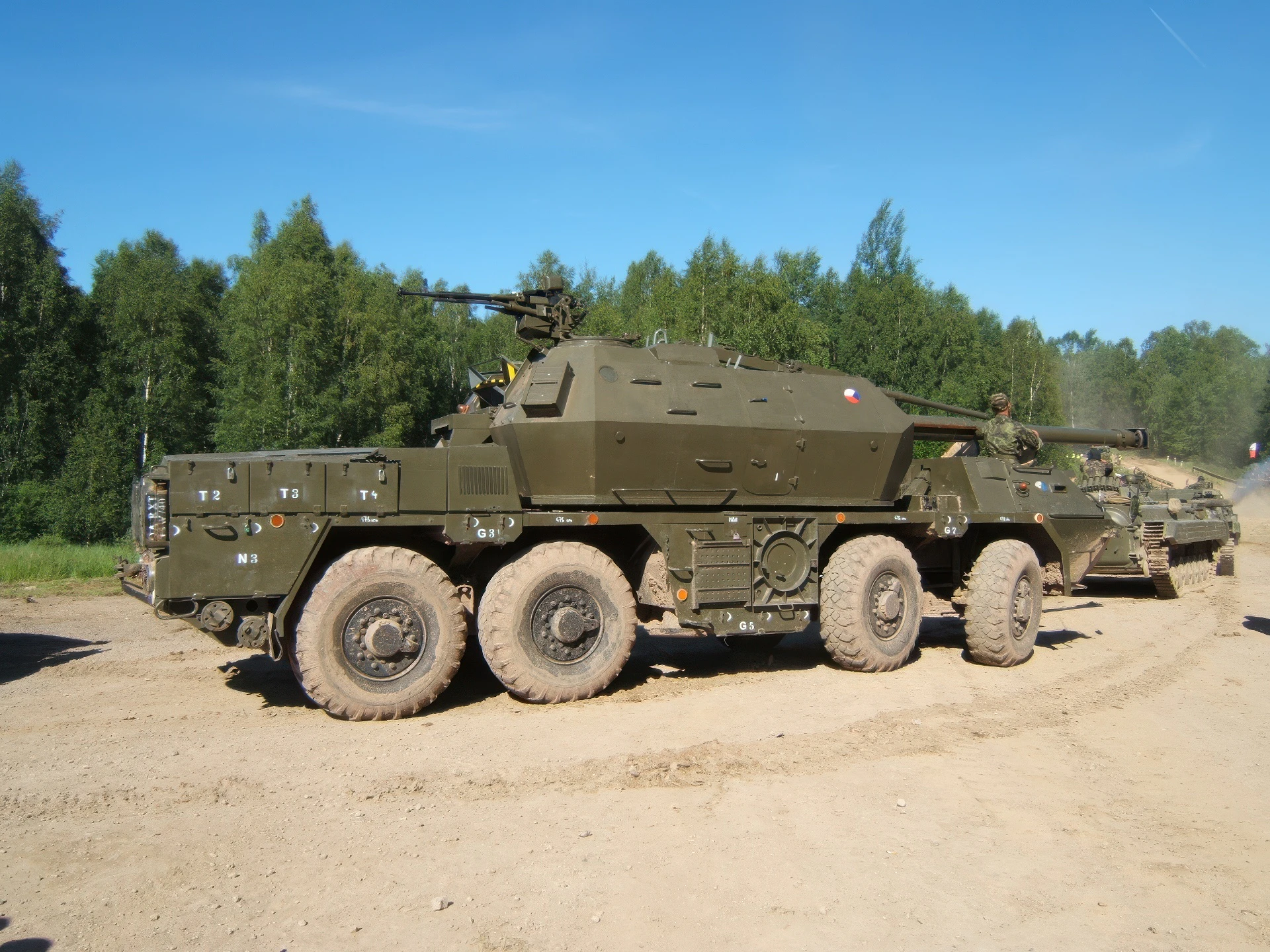
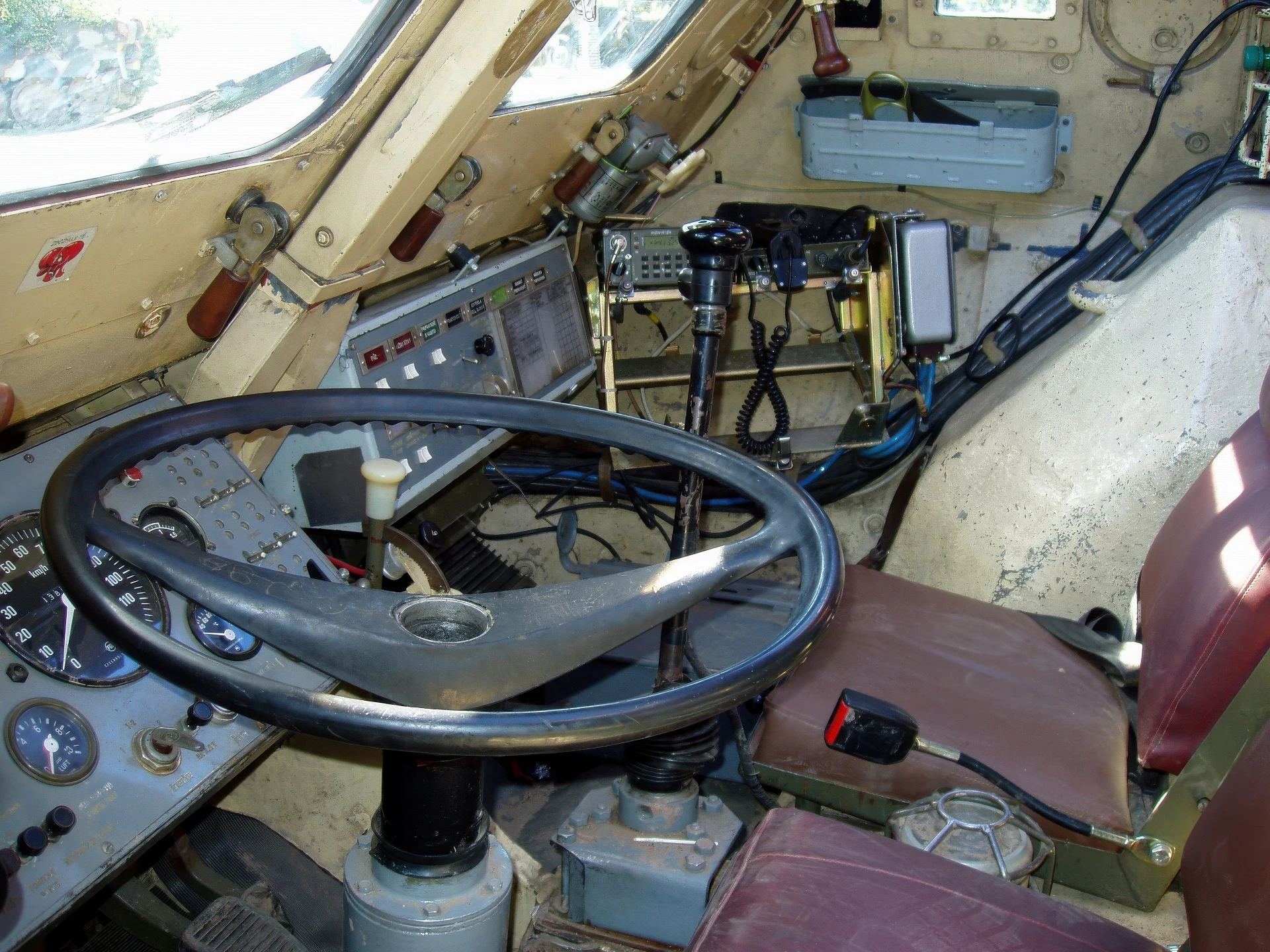

 Cómprame un café
Ver también:


A Bold Departure from Tracked Tradition
el SpGH DANA (Samohybná Kanónová Húfnica vzor 77) was a landmark in artillery design. Developed in Czechoslovakia in the late 1970s, it was the first wheeled 152 mm self-propelled gun to enter service. At a time when Soviet doctrine favored heavy tracked vehicles like the 2S3 Akatsiya, the DANA utilized a modified 8×8 Tatra 815 chassis. This choice provided superior strategic mobility, reduced maintenance costs, and a high road speed, all while maintaining impressive off-road performance thanks to its unique central tire inflation system and independent suspension.
| Attribute | Standard Specification (ShKH vz. 77 DANA) |
|---|---|
| Papel | Self-Propelled Gun-Howitzer (SPG/SPH) |
| Equipo | 5 (Commander, Driver, Gunner, 2 Loaders) |
| Armamento principal | 152.4 mm L/37 Howitzer |
| Armamento secundario | 12.7 mm DShK MG |
| Maximum Firing Range | 18.7 km (Standard) / 20–25 km (Extended Range) |
| Rate of Fire | 4 rounds per minute (Automatic) / 2 rpm (Manual) |
| Chassis | Tatra 815 8×8 with air-cooled V12 Diesel |
| Max Road Speed | 80 km/h (50 mph) |
The Unique Split Turret and Autoloader
- Innovative Layout: The turret is split into two halves, with the gun mounted in an open cradle in the center. This layout allowed for a powerful automatic loading system—a rarity at the time—which could load shells at any elevation angle.
- The Tatra Advantage: The air-cooled Tatra V12 engine meant the vehicle had no radiator to freeze or leak, making it highly effective in the harsh winters of Eastern Europe.
- Stabilization: Prior to firing, the DANA deploys three large hydraulic stabilizers (one at the rear and two on the sides) to provide a steady firing platform, compensating for the lack of weight compared to tracked systems.
- Fire Control: Modernized versions (like the DANA M1 and M2) feature digital fire control systems (FCS) and GPS, allowing for “shoot-and-scoot” tactics to avoid counter-battery fire.
Combat History and Modern Evolution
- Historial operativo: The DANA has seen extensive combat, from the Chadian–Libyan conflict and the 2008 Russo-Georgian War to the current conflict in Ukraine. It is highly regarded for its reliability and speed on the move.
- Successors and Cousins: The DANA’s design success led directly to the Slovak Zuzana, which swapped the 152mm gun for a NATO-standard 155mm L/45 barrel.
- The “DITA” and “MORANA”: The latest Czech evolutions feature a fully autonomous turret, reducing the crew to just two members (Driver and Commander), essentially making it a robotic artillery platform.
Vistas : 314