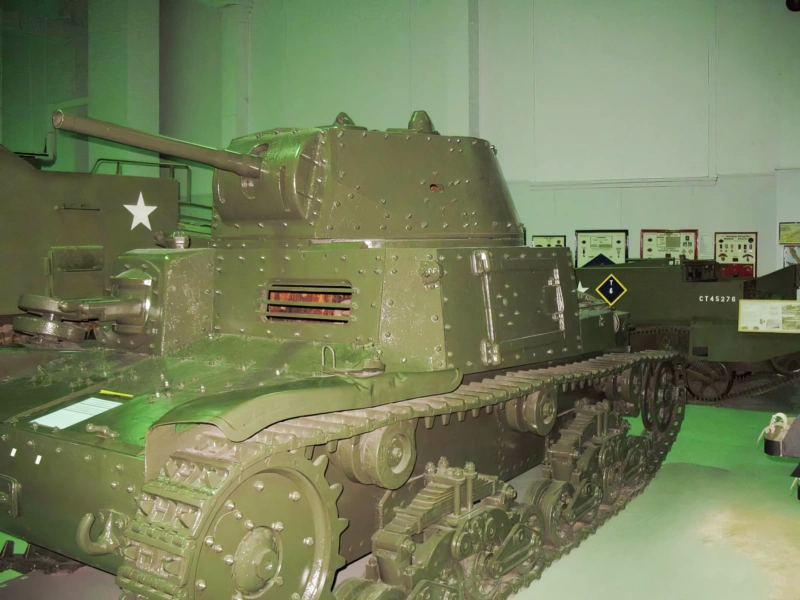
Fiat M13/40 | |
|---|---|
| Χώρα | Ιταλία |
| Πληκτρολογήστε | Μεσαία δεξαμενή |
| Παραγωγή | 1940-1941 |
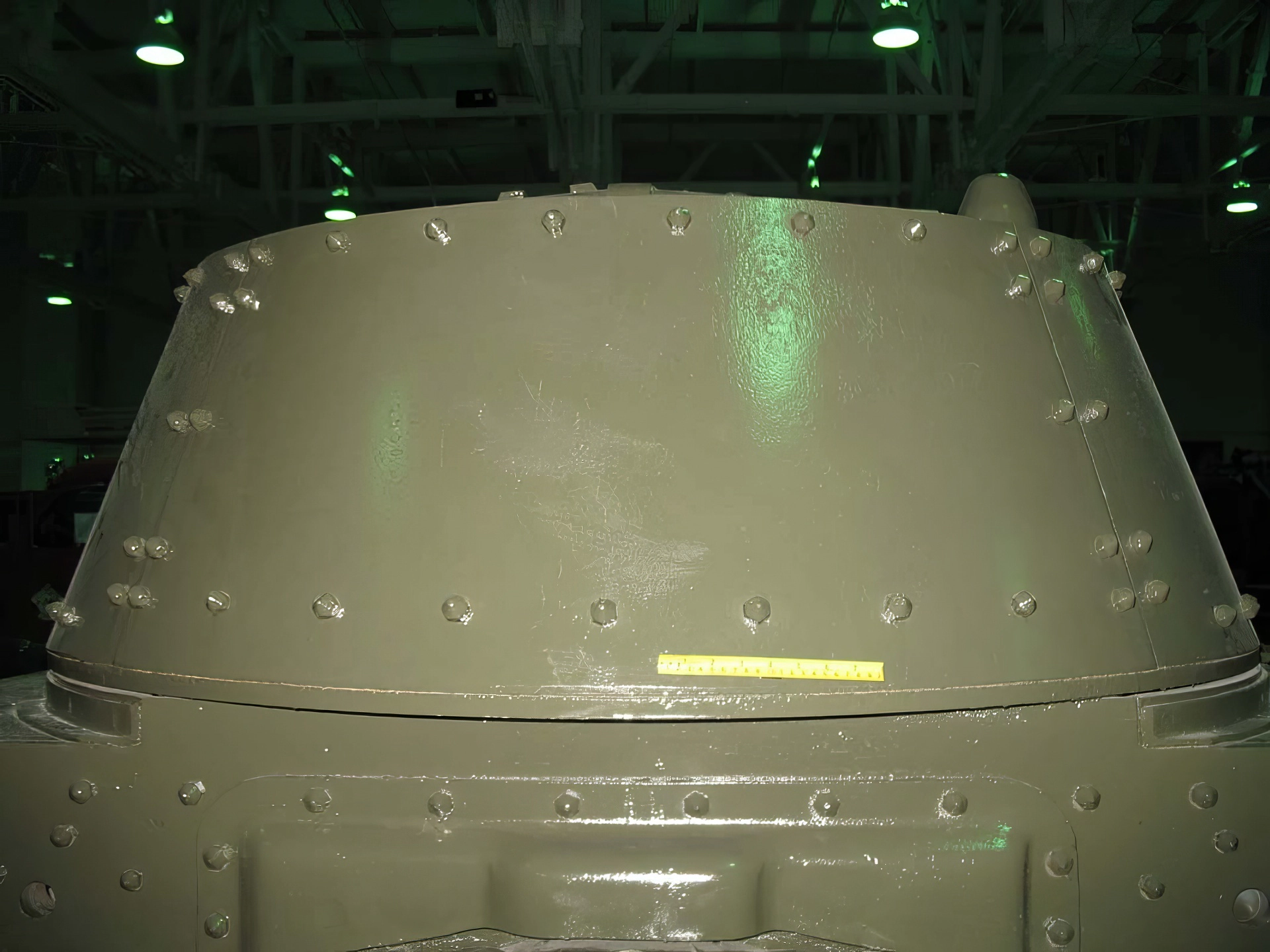
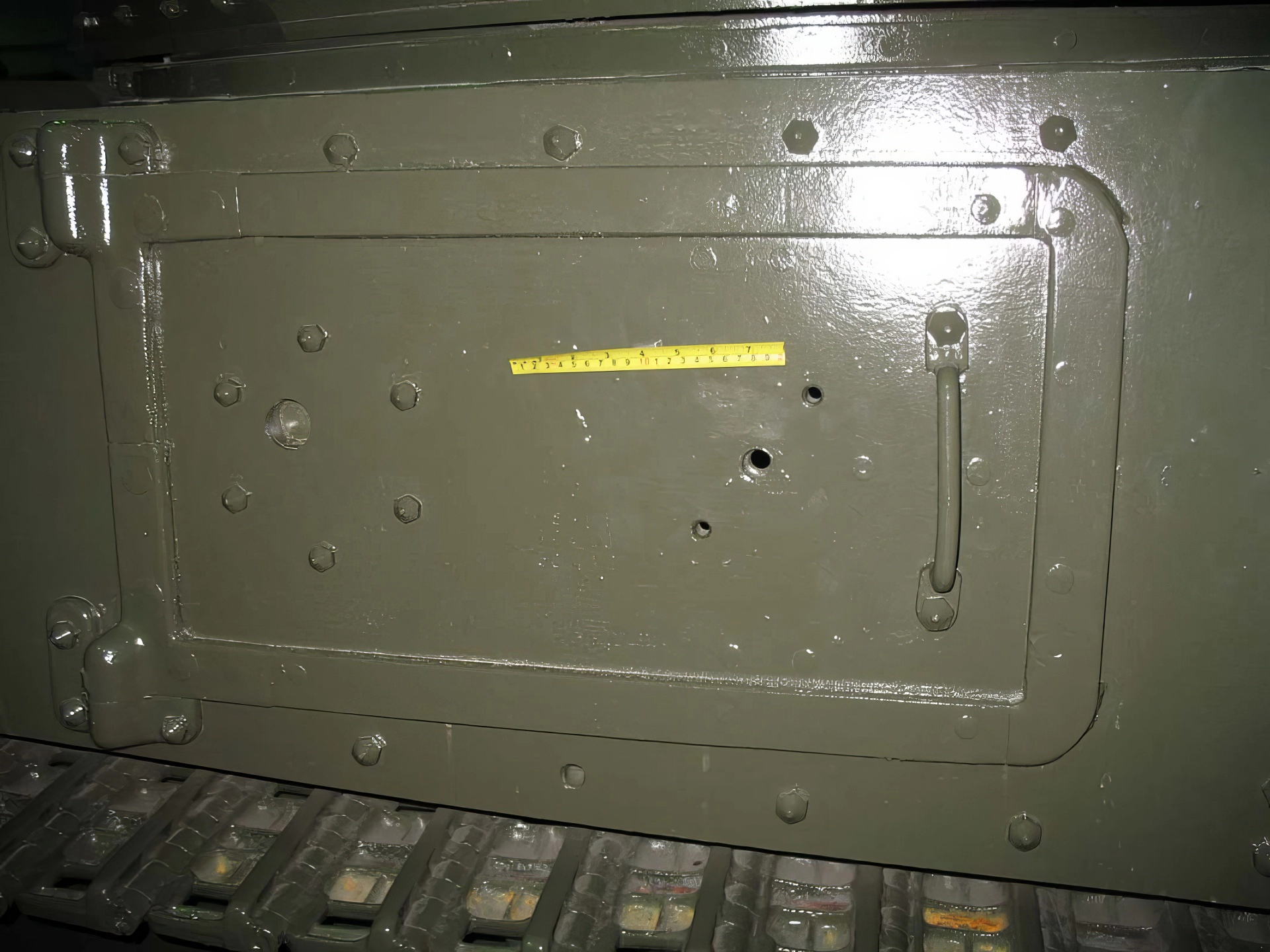
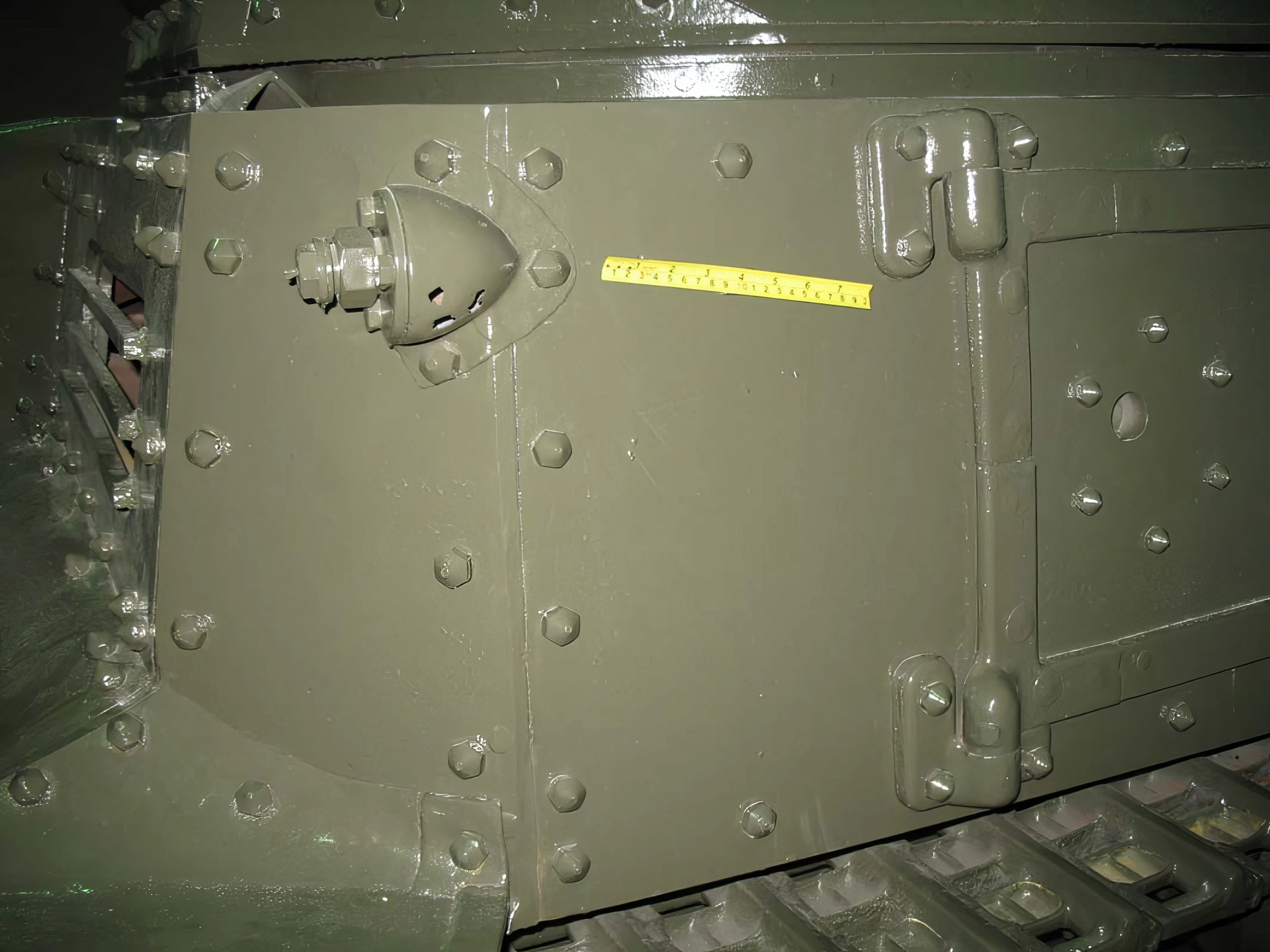
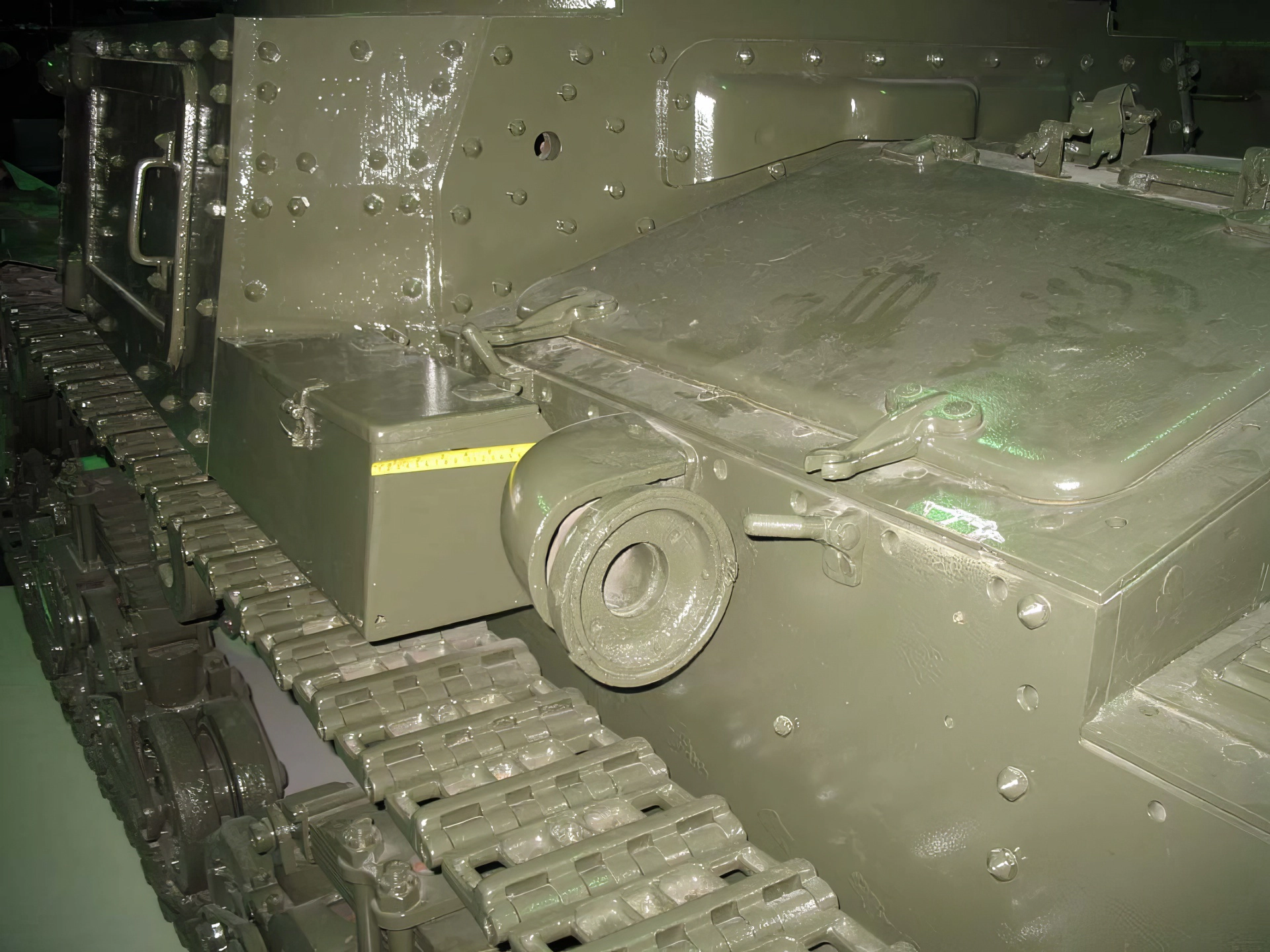
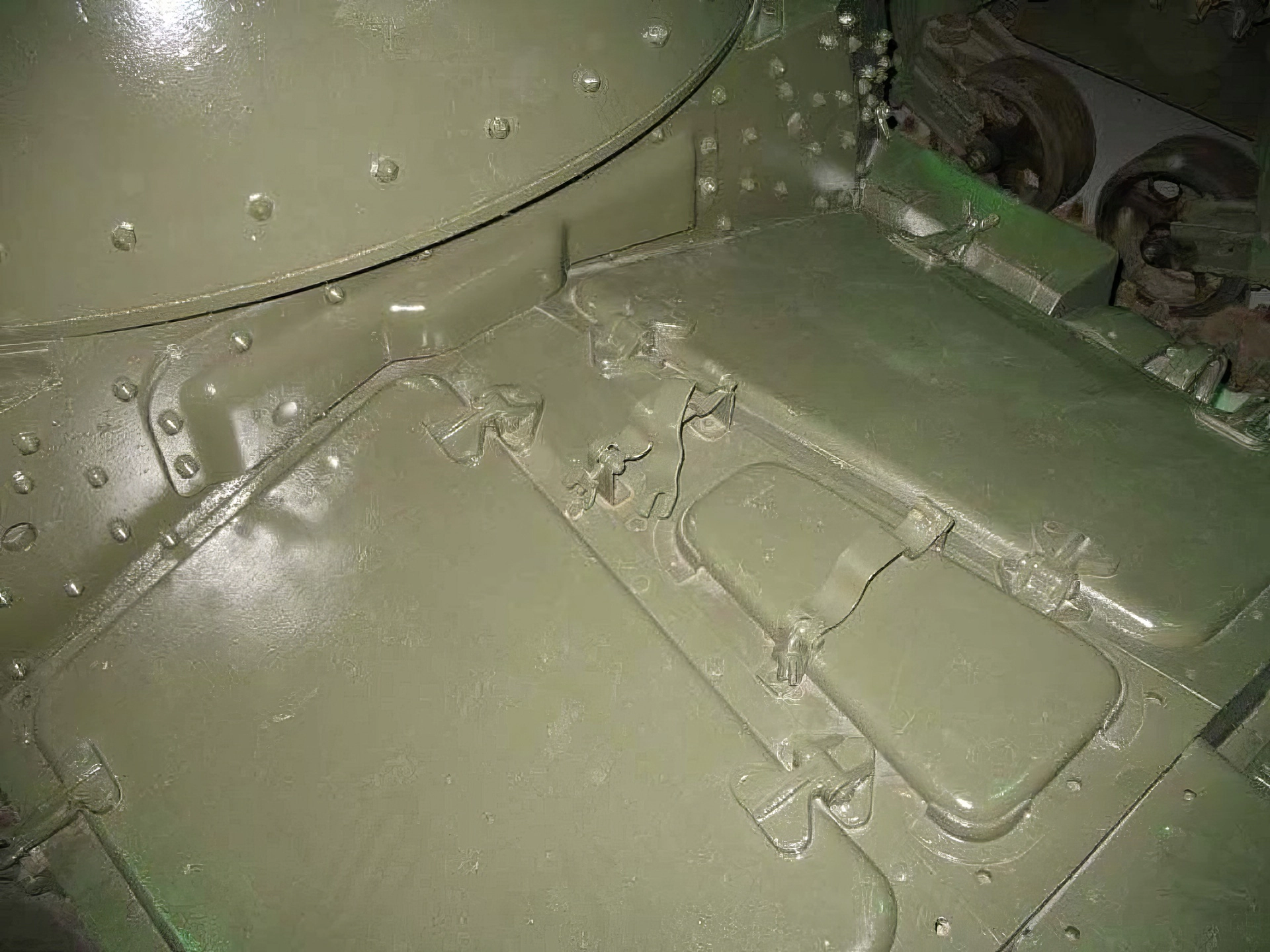
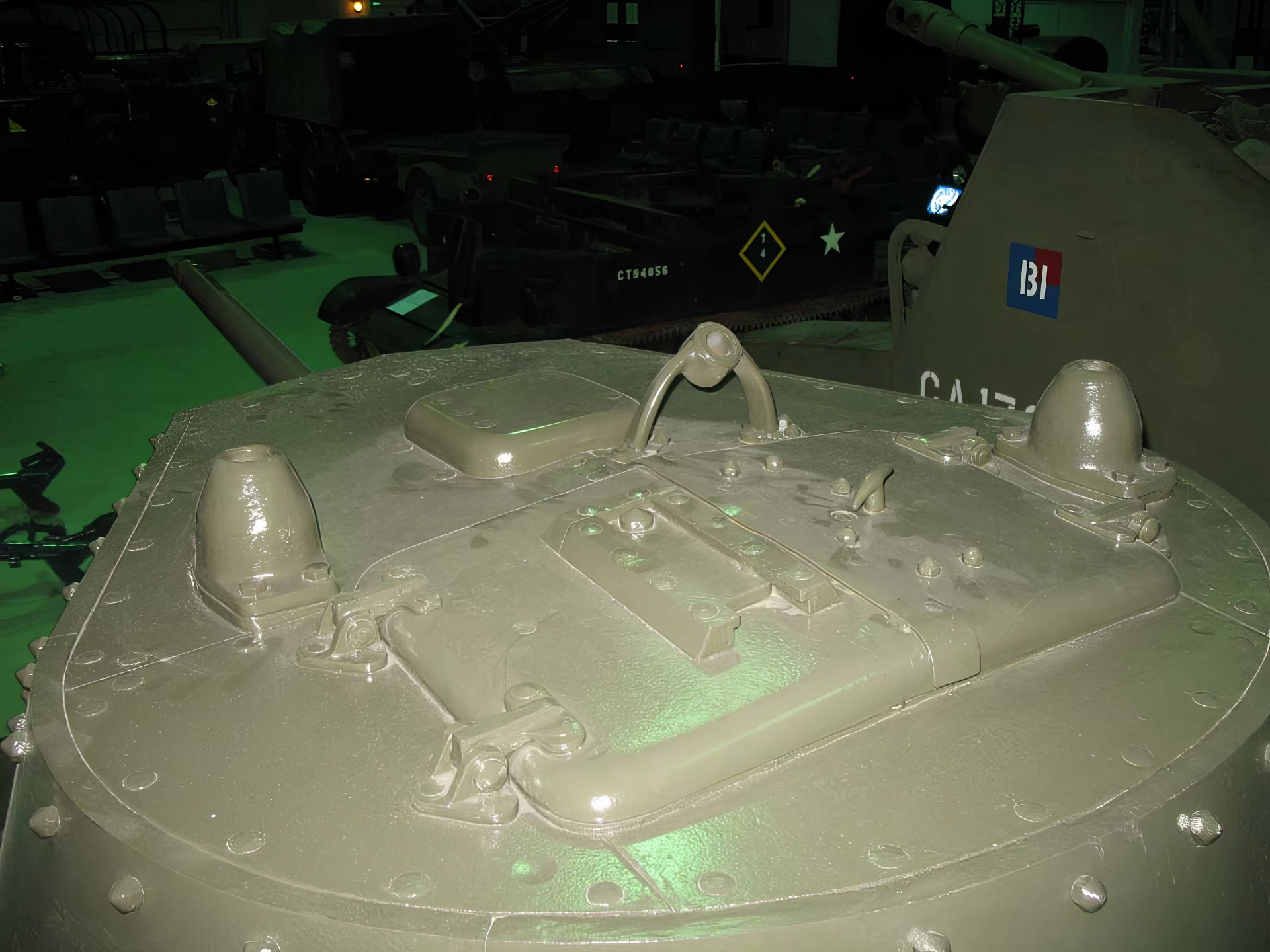
| Περιγραφή | Άλμπουμ του 61 φωτογραφίες με τα πόδια από ένα «Fiat M13/40» |
Φωτογραφίες ενός Fiat M13/40, το Φιάτ-Ανσάλντο M13/40 ήταν ένα ιταλικό άρμα μάχης του Β 'Παγκοσμίου Πολέμου που σχεδιάστηκε για να αντικαταστήσει το Fiat L3, το Fiat L6/40 και το Fiat M11/39 στον ιταλικό στρατό κατά την έναρξη του Β 'Παγκοσμίου Πολέμου. Ήταν το κύριο άρμα μάχης που χρησιμοποίησαν οι Ιταλοί καθ 'όλη τη διάρκεια του πολέμου. Ο σχεδιασμός επηρεάστηκε από το βρετανικό Vickers 6-Ton και βασίστηκε στο τροποποιημένο πλαίσιο του προηγούμενου Fiat M11/39. Η παραγωγή του M11/39 διακόπηκε προκειμένου να μπει το M13/40 στην παραγωγή. Το όνομα αναφέρεται στο "M" για το Medio (μεσαίο) σύμφωνα με τα ιταλικά πρότυπα βάρους δεξαμενών εκείνη την εποχή, 13 τόνοι ήταν το προγραμματισμένο βάρος και το 1940 το αρχικό έτος παραγωγής.
Πηγή: Wikipedia
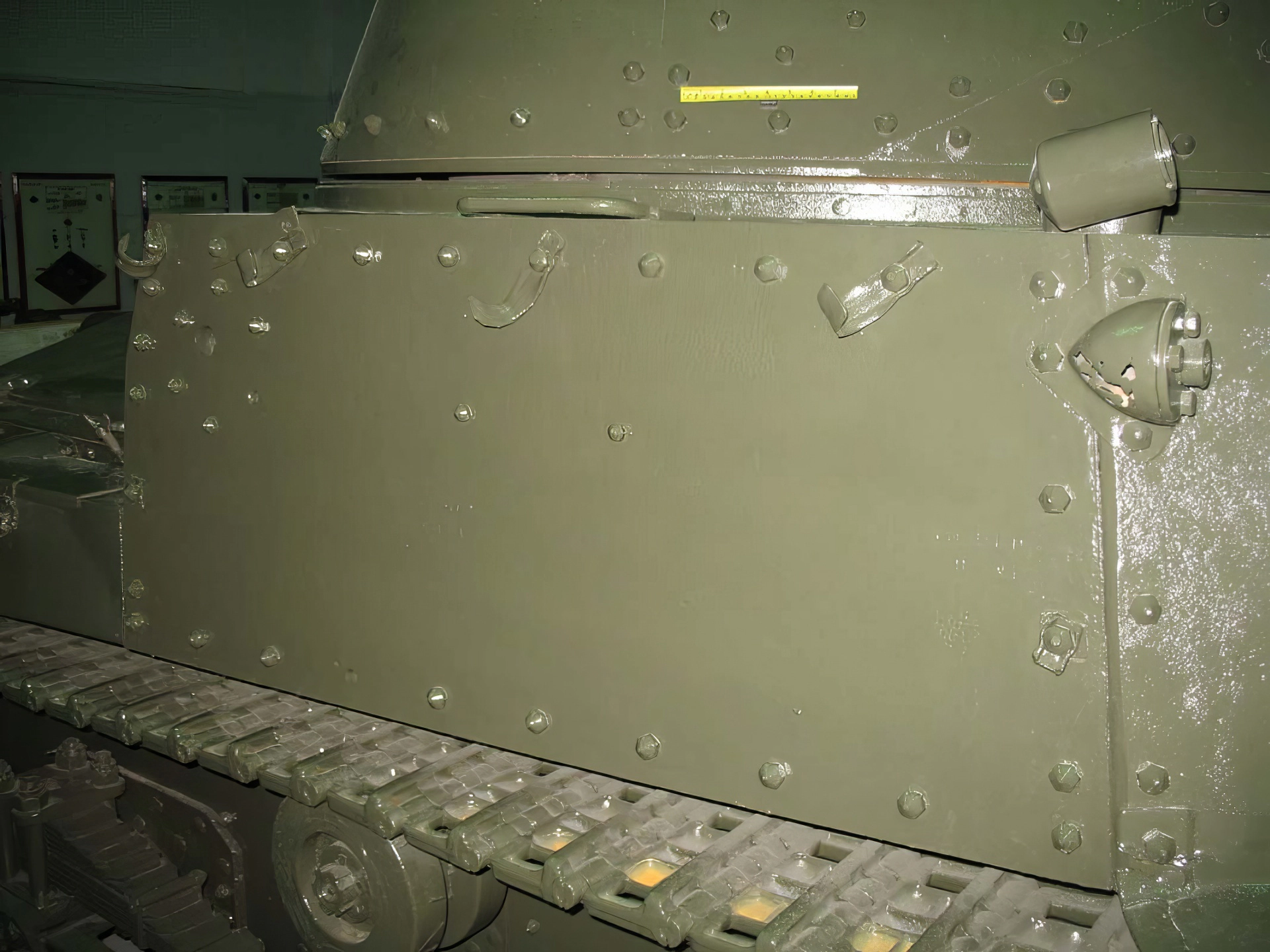
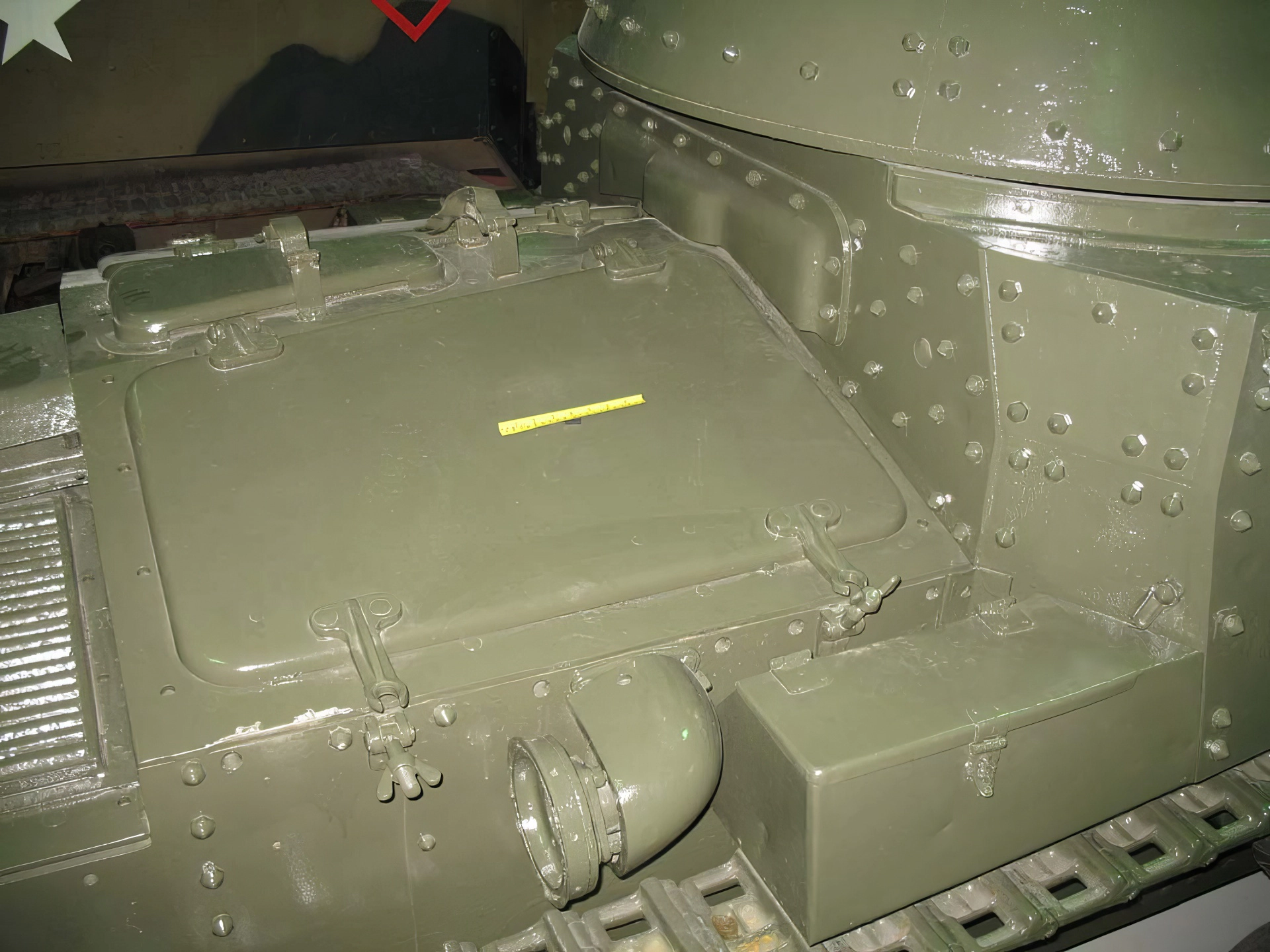
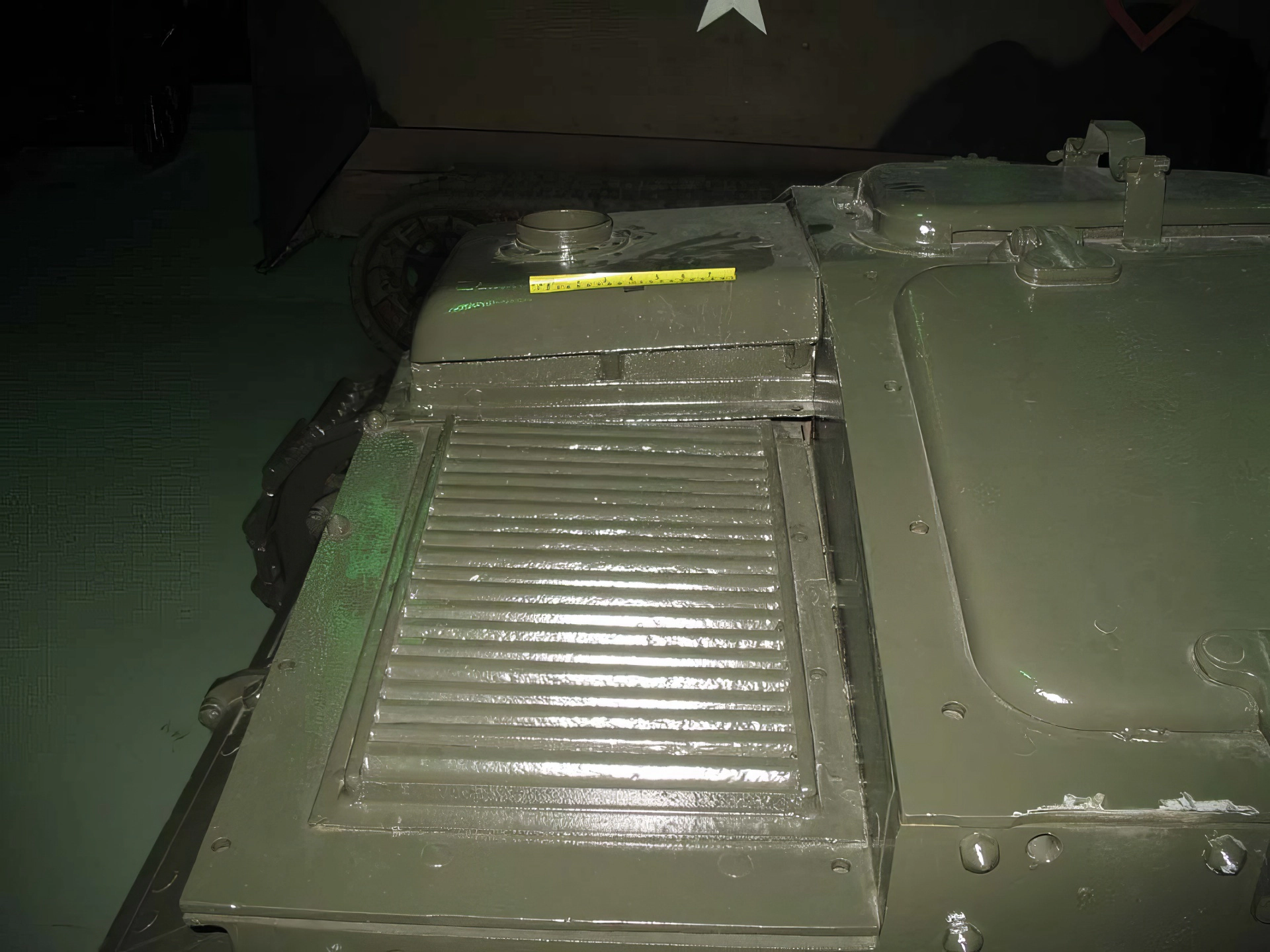

Δείτε επίσης:


Teh Fiat M13/40 was an Italian medium tank (designated as a “medium” by the Italian Royal Army) used during World War II. It was developed by the Fiat-Ansaldo consortium and entered service in 1940, with the “M” standing for Medio (Medium) and “13/40” denoting its weight (13 tonnes) and the year of its introduction (1940).
Development and Design
- Ρόλος: The M13/40 was intended to be the backbone of Italian armored divisions, replacing the earlier, under-armed Fiat M11/39. However, even upon its introduction, its design was already considered obsolete compared to its British and American contemporaries.
- Μηχανή: Τροφοδοτήθηκε από ένα Fiat SPA 8TM M40 V8 diesel engine (producing 125 hp). While the use of a diesel engine offered better fuel economy and reduced fire risk compared to petrol engines, it was underpowered for the 13-ton vehicle, resulting in slow speed and poor mobility.
- Οπλισμός:
- Primary: Ένας 47 mm L/32 gun (Cannone da 47/32), which was mounted in the main turret. This gun was adequate against the light armor of early British tanks but quickly became ineffective against later Allied models.
- Secondary: The tank was heavily armed with machine guns, typically four or five **8 mm Breda Modello 38 machine guns**, with two mounted coaxially in the turret, two in the front hull, and often one for anti-aircraft use.
- Armor: The armor was the M13/40’s major weakness. It was constructed of **riveted steel plates**. The maximum thickness was only 42 mm on the front of the turret, which was vulnerable even to standard British anti-tank guns at typical engagement ranges. Riveted armor had the additional danger of “spalling,” where rivets could shear off internally upon impact, causing crew casualties even if the armor was not penetrated.
Ιστορικό λειτουργίας
The M13/40 saw its most extensive and critical service in the North African Campaign starting in 1940.
- Initial Service: It was the main tank used by the Italian forces in battles like Tobruk. While it performed reasonably well against early British armor, its shortcomings in speed, reliability in the desert heat, and armor protection quickly became apparent.
- Upgrades: It was succeeded by the Μ14/41 (which used a slightly more powerful engine) and the M15/42 (which used a petrol engine and had a longer 47mm gun). However, these vehicles were fundamentally the same design and shared the same major flaws.
- German Use: After the Axis defeat in North Africa and the Italian Armistice in 1943, many captured M13/40 and M14/41 tanks were pressed into service by the German Wehrmacht, often redesignated as the **Pz.Kpfw. M13/40 735(i)**.
- Limited Production: Around 800 units of the M13/40, M14/41, and M15/42 variants were produced, making it a relatively numerous tank for the Italian Army but insufficient to face the scale of Allied production.
The Fiat M13/40 is often viewed as representative of the struggles faced by Italian heavy industry during the war, producing decent, but ultimately under-protected and under-gunned, equipment that failed to keep pace with rapidly evolving tank warfare.
Views : 5894
Μπορείτε επίσης να δείτε:
 Lancia TL 51 – Photos & Videos
 Fiat CR.32 – Φώτο &; Βίντεο
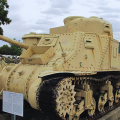 M31B1 – Φώτο & Βίντεο
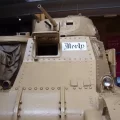 M3 Επιχορήγηση «Monty» – Περπατήστε γύρω
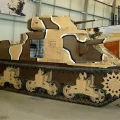 M3 Επιχορήγηση - Περπατήστε γύρω
 Δεξαμενή T-34 Πολωνικά – WalkAround
 T-34 85 – Περίπατος
 M3A5 Επιχορήγηση ΙΙ – WalkAround
 M4A1 Σέρμαν – Περίπατος
 Fiat G-55 Κενταύρου – Περπατήστε γύρω