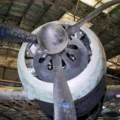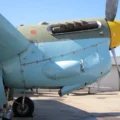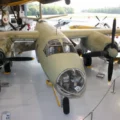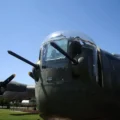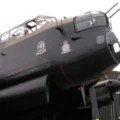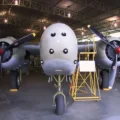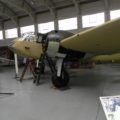
Κάζα C.2111 | |
|---|---|
| Πληρώνει | Ισπανία |
| Πληκτρολογήστε | Bombardier |
Le CASA 2,111 ήταν μια ισπανική έκδοση του διάσημου γερμανικού βομβαρδιστικού Χάινκελ 111. Durant la guerre d’Espagne (1937), les nationalistes de Franco furent équipés en matériel militaire par les Allemands et les Italiens. Parmi ces livraisons, des bombardiers Heinkel 111 D, motorisés par des Junkers Jumo 211, furent prêtés aux troupes nationalistes. Après la Seconde Guerre mondiale, la construction sous licence commença, sous le nom de CASA 2.111 (111 étant la référence allemande de cet appareil). La principale différence était sa motorisation: en effet le Casa 2.111 était motorisé par des moteurs Rolls-Royce Merlin 500 — tout comme le Hispano Aviación 1112: en 1953, l’Espagne a acheté un certain nombre de ces moteurs aux Britanniques. C’est ce même moteur qui équipait également les Hurricanes et les Spitfires pendant la guerre. CASA 2,111 de l’armée de l’air espagnole. La version 2.111a était motorisé avec des moteurs Junkers Jumo 211 B2; les modèles suivants furent motorisés avec des moteurs Rolls-Royce Merlin 500 de 1600 cv.
| Casa C.2111 | |
|---|---|
| Φωτογράφος | Unknow |
| Εντοπισμού | Αγνοώ |
| Φωτογραφίες | 33 |
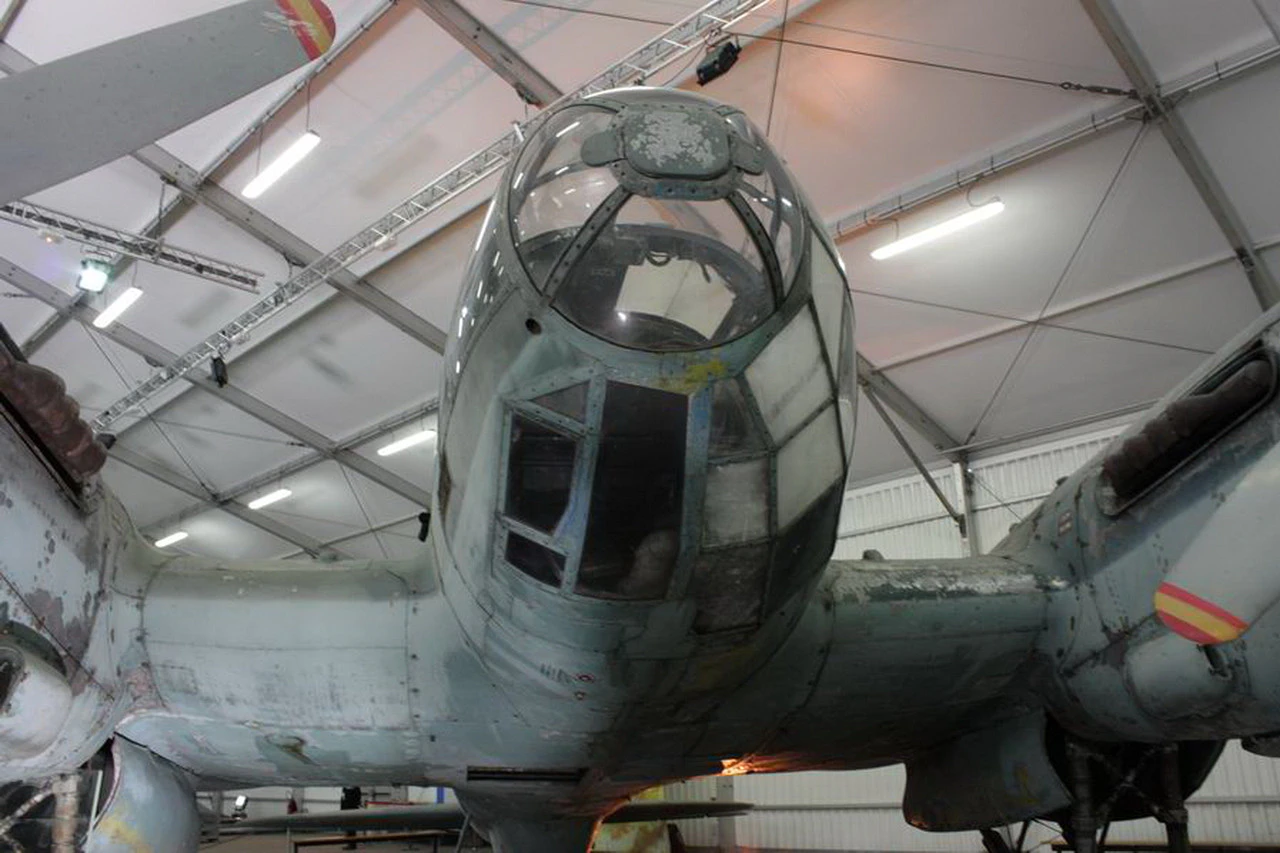
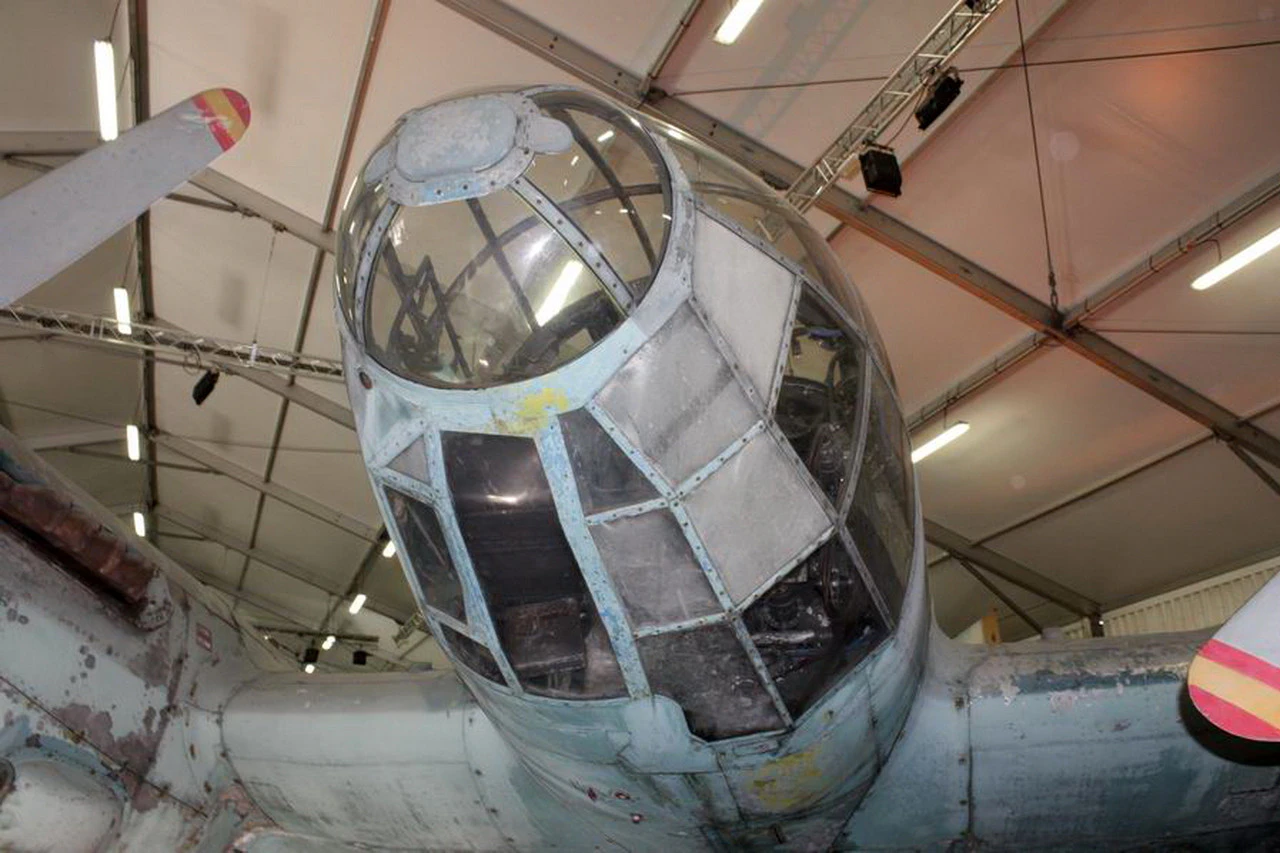
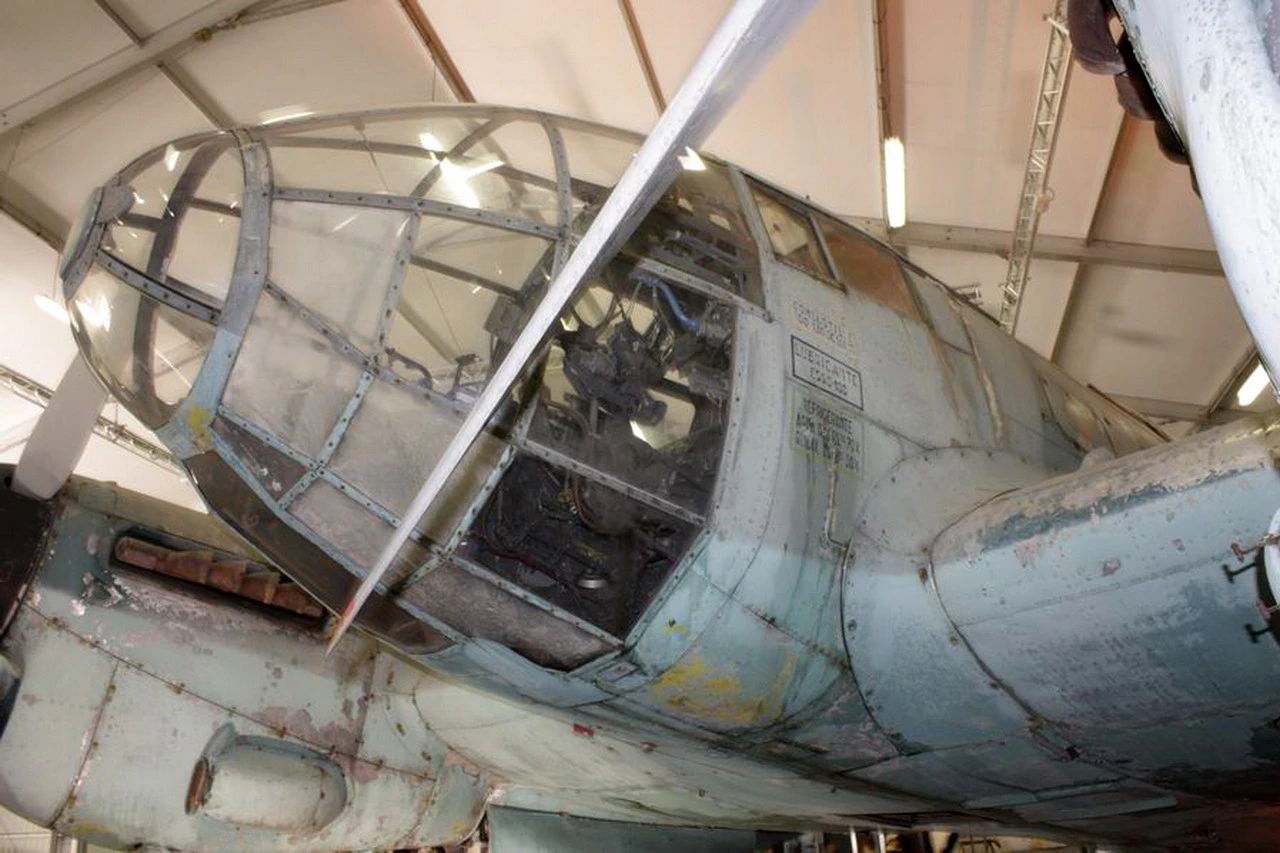
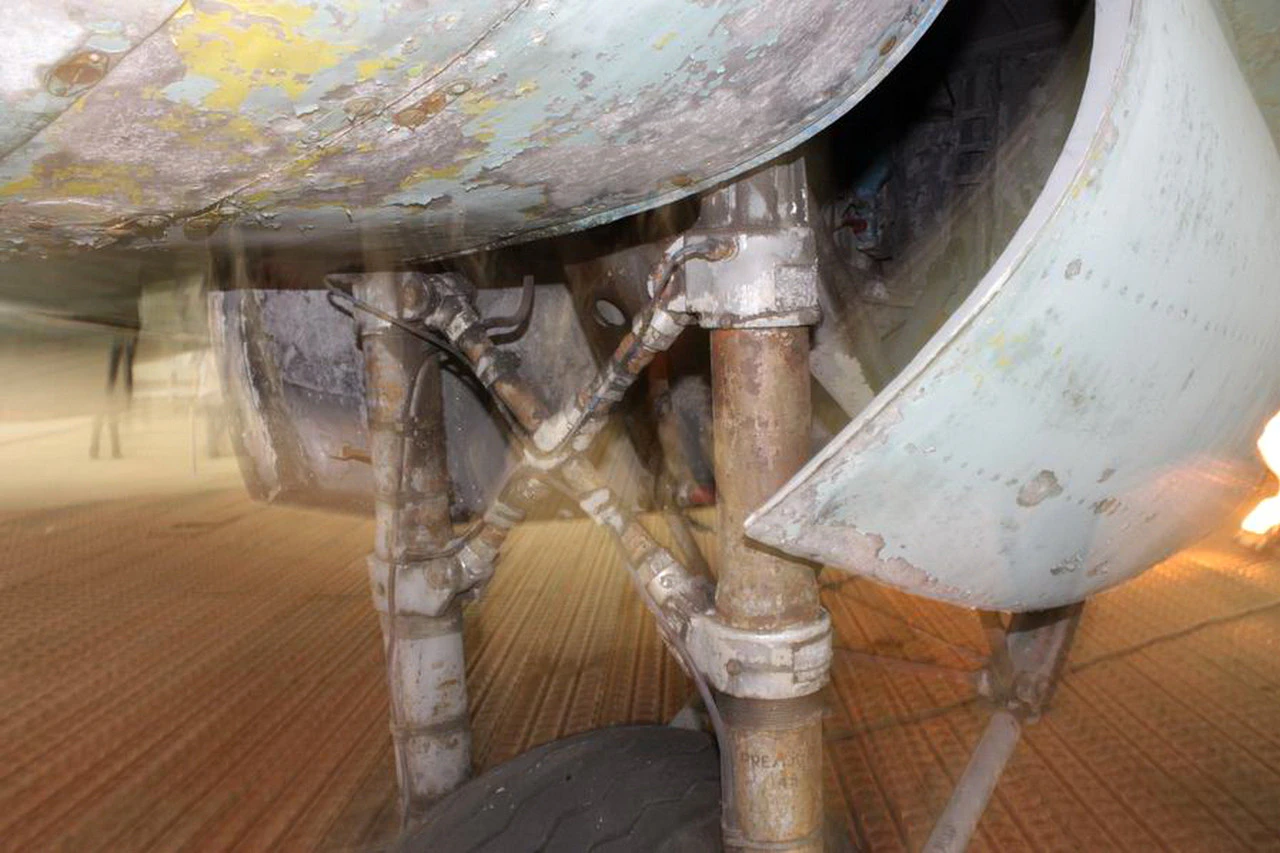
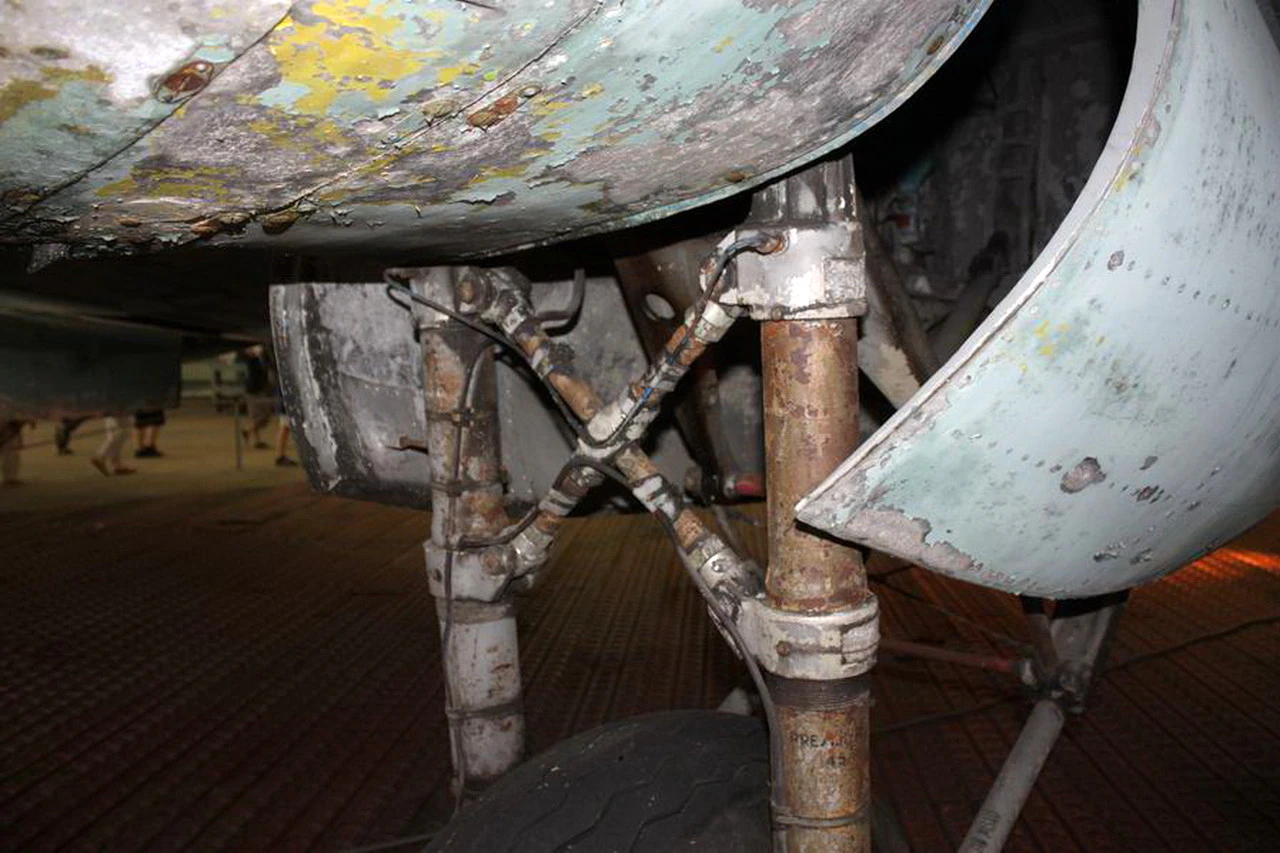
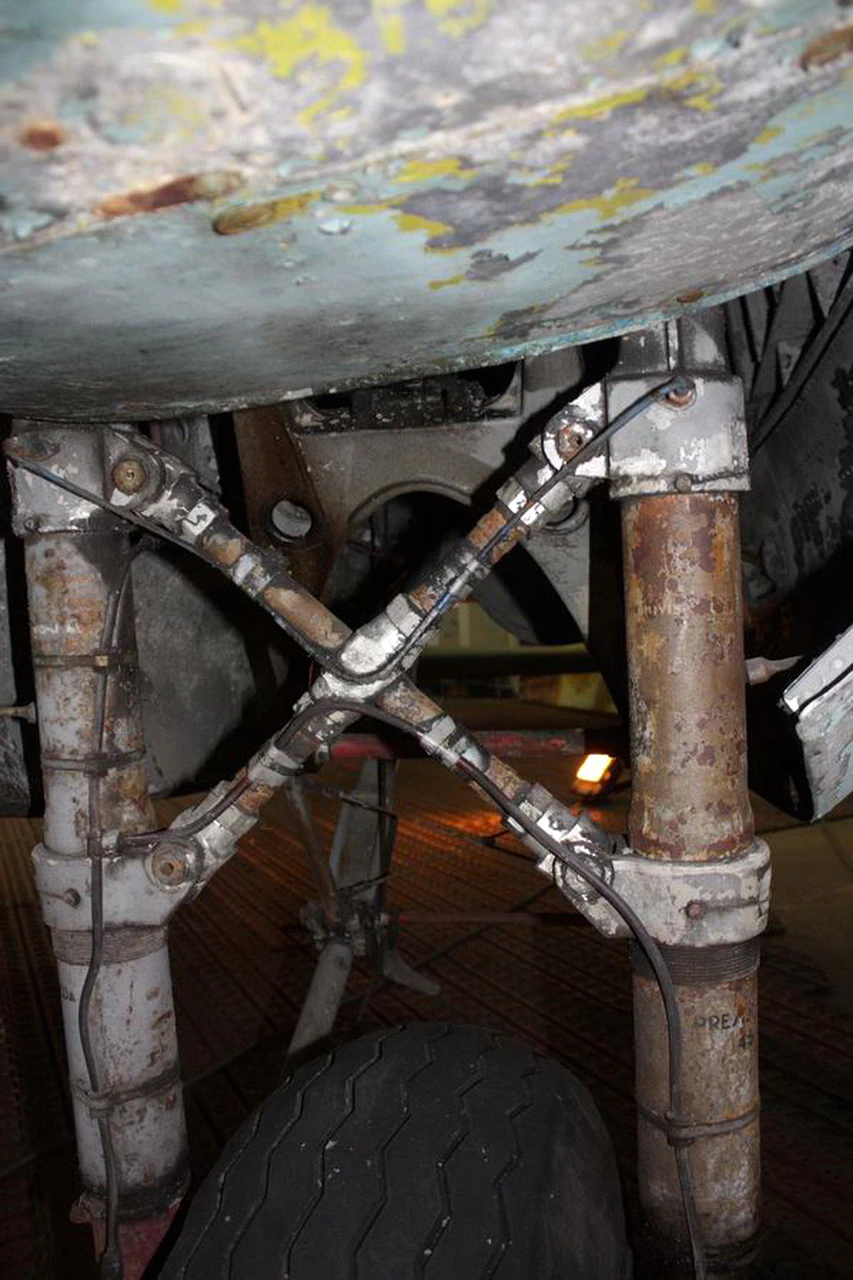
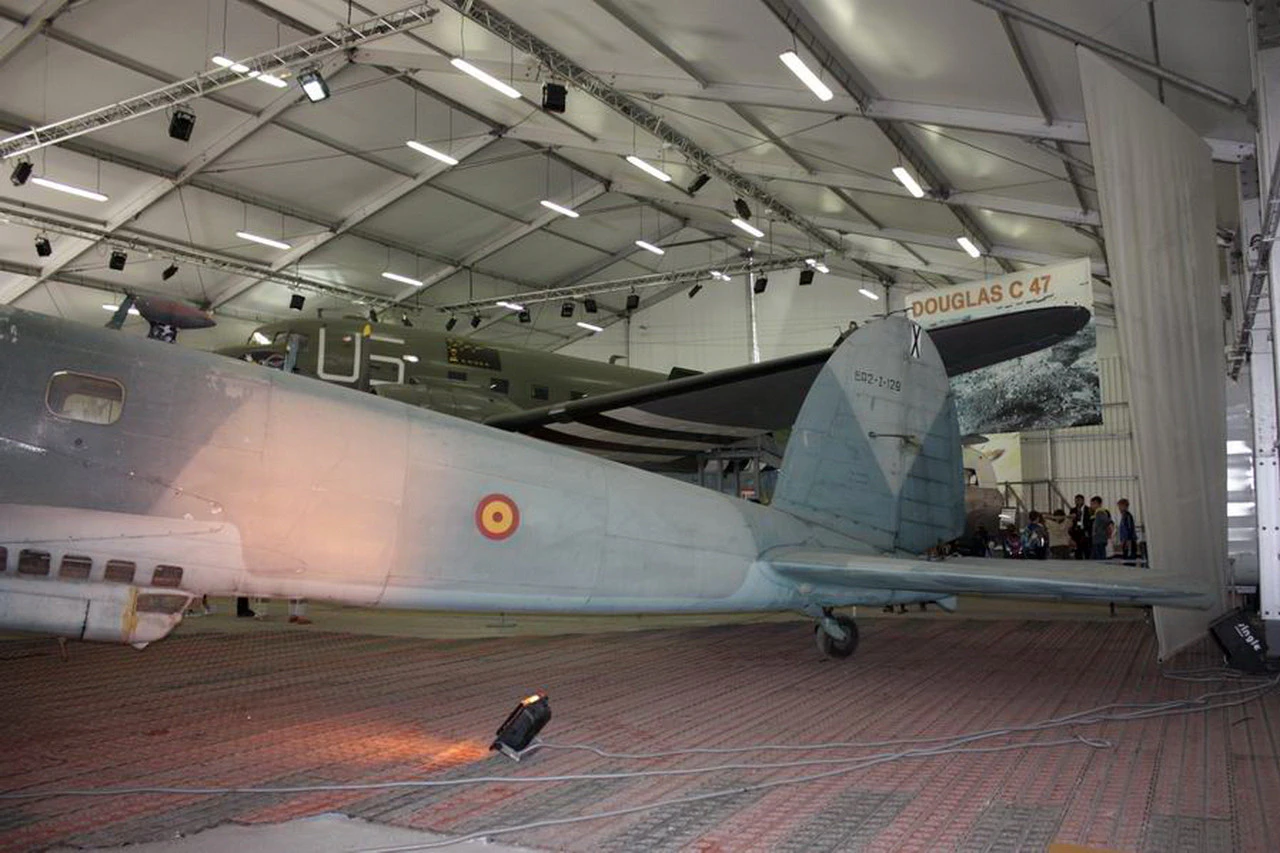
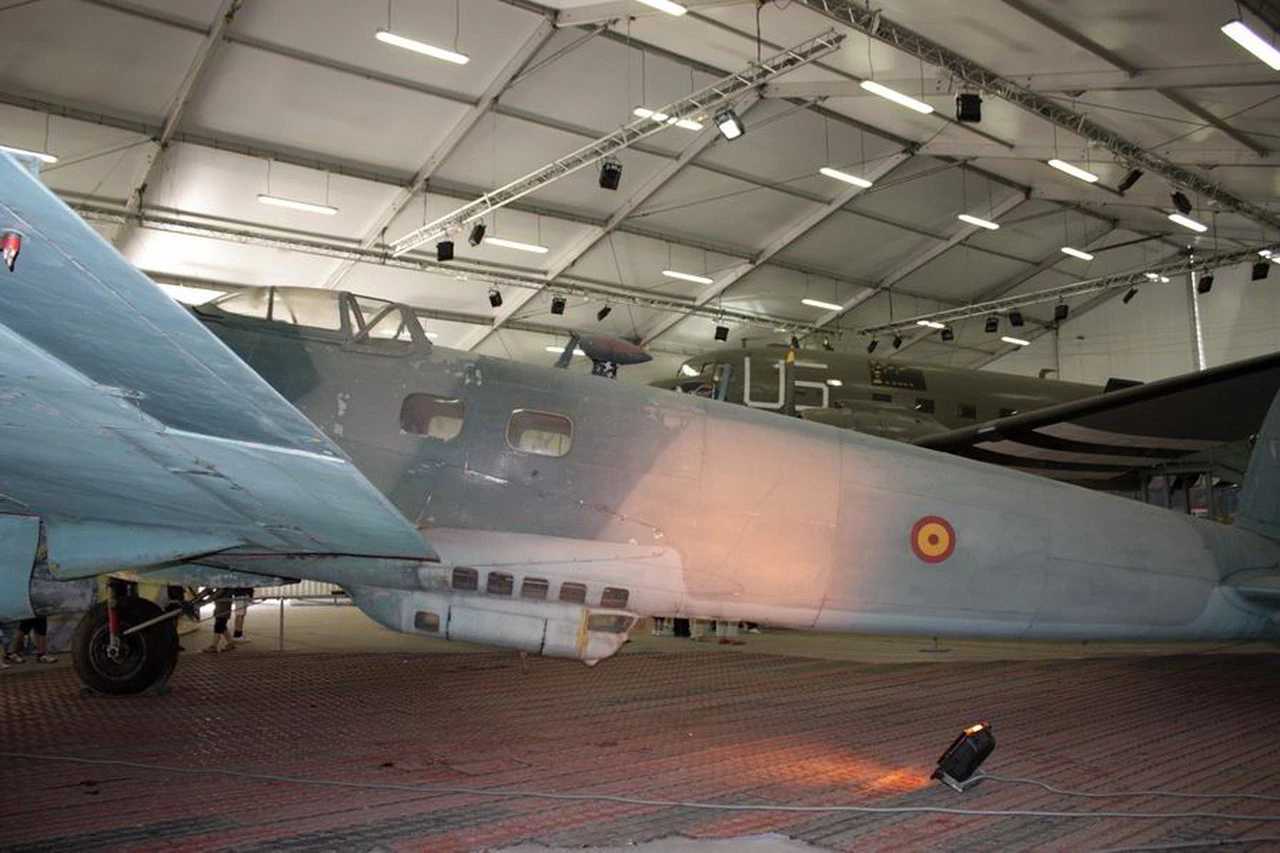
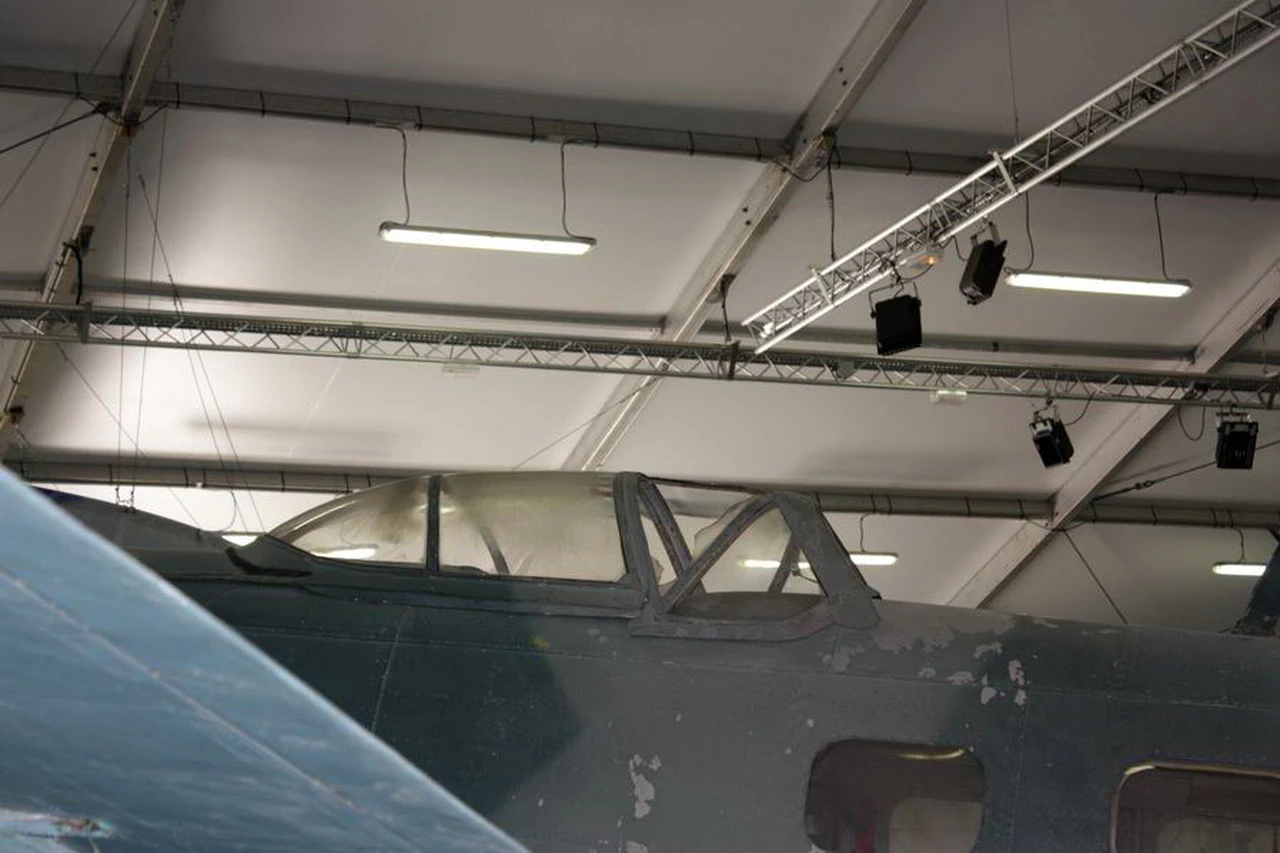

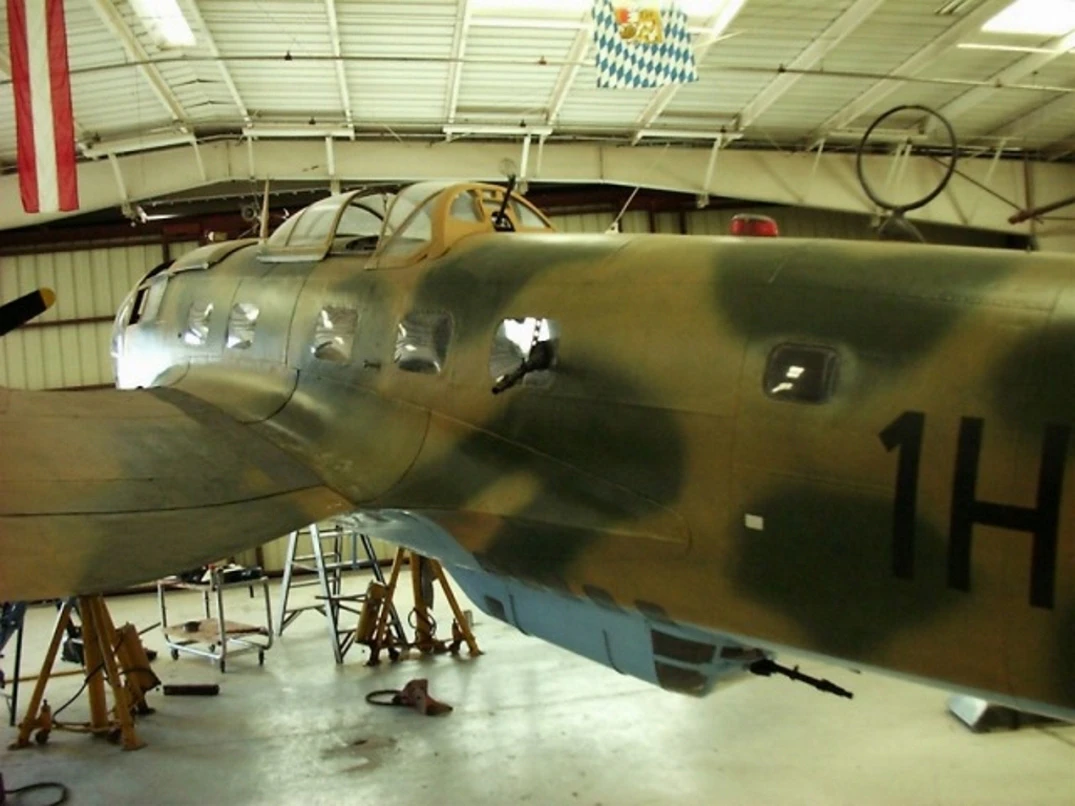
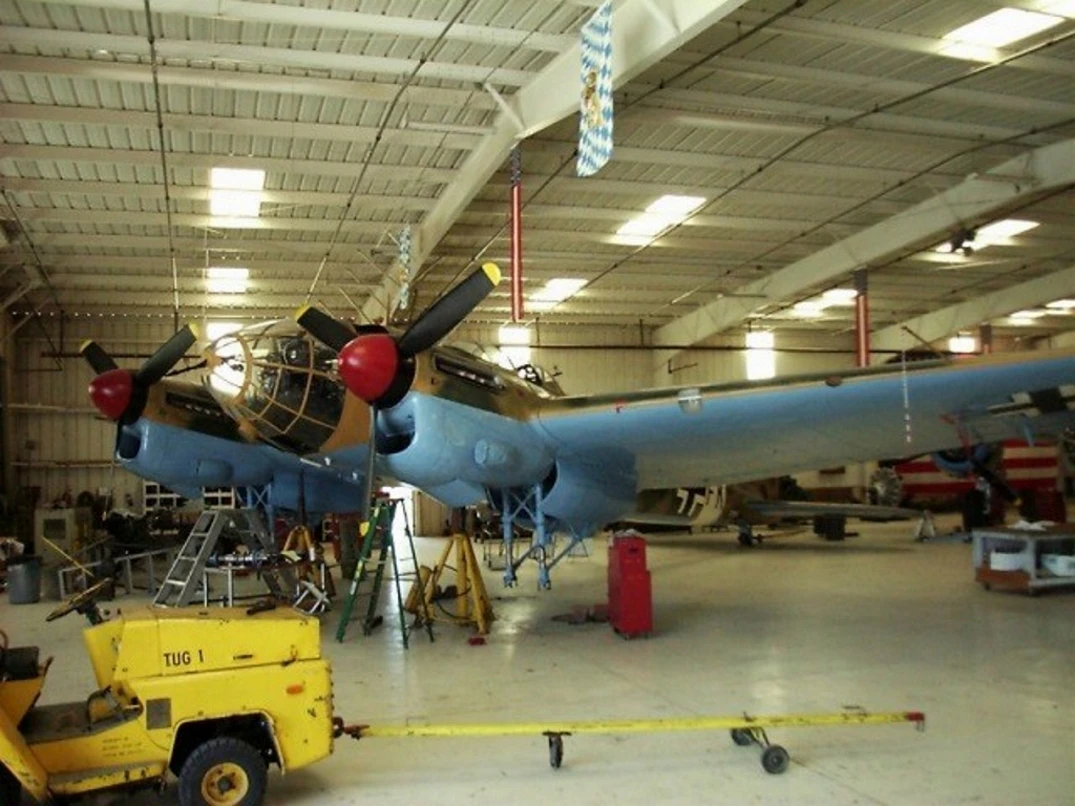
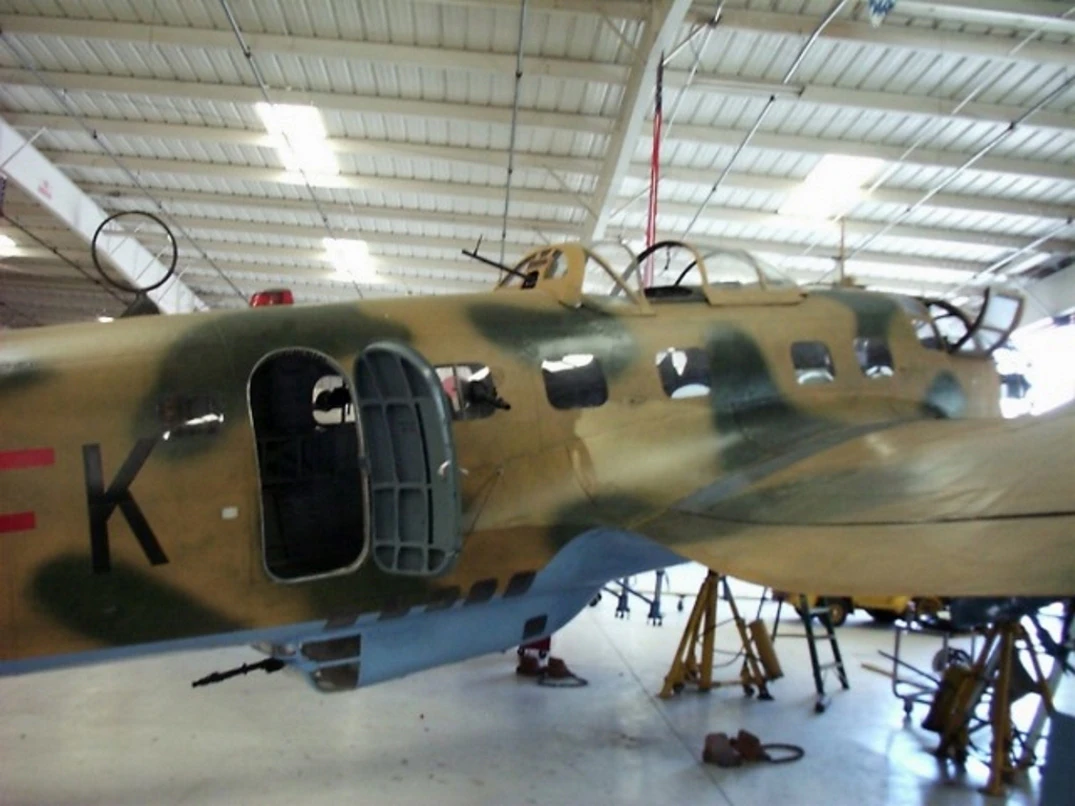
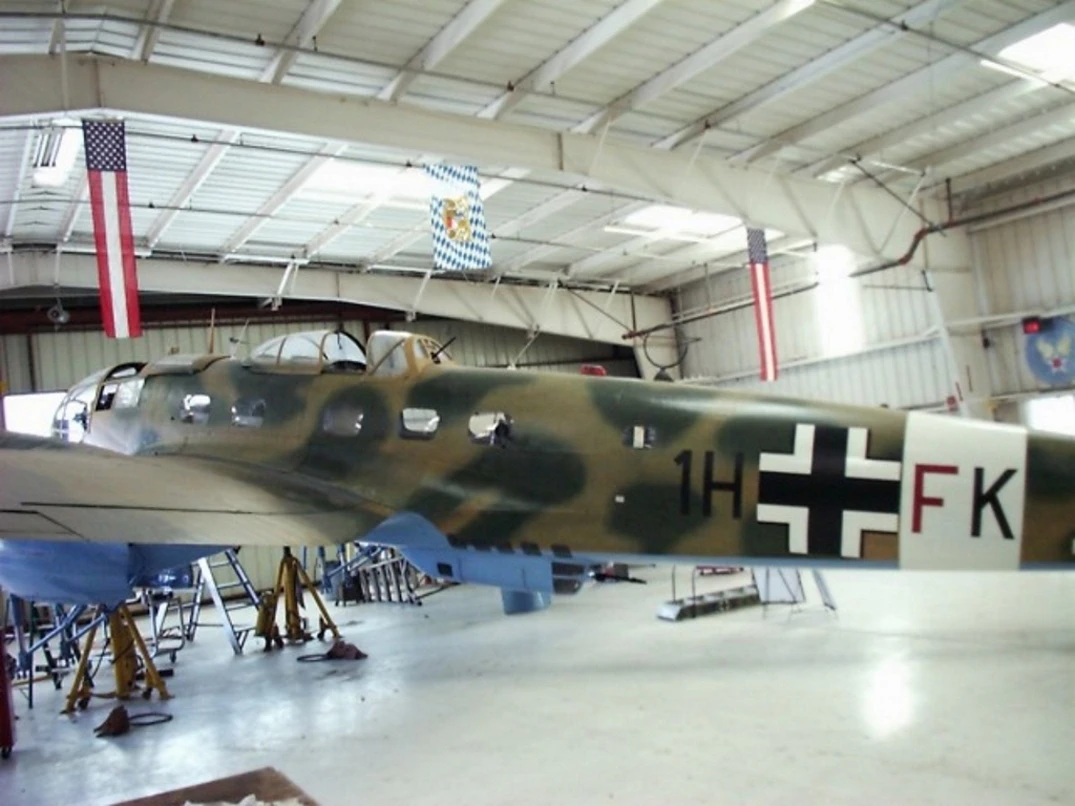
| Casa 2111 Walk Around | |
|---|---|
| Φωτογράφος | Fotios Rouch |
| Εντοπισμού | Αγνοώ |
| Φωτογραφίες | 26 |
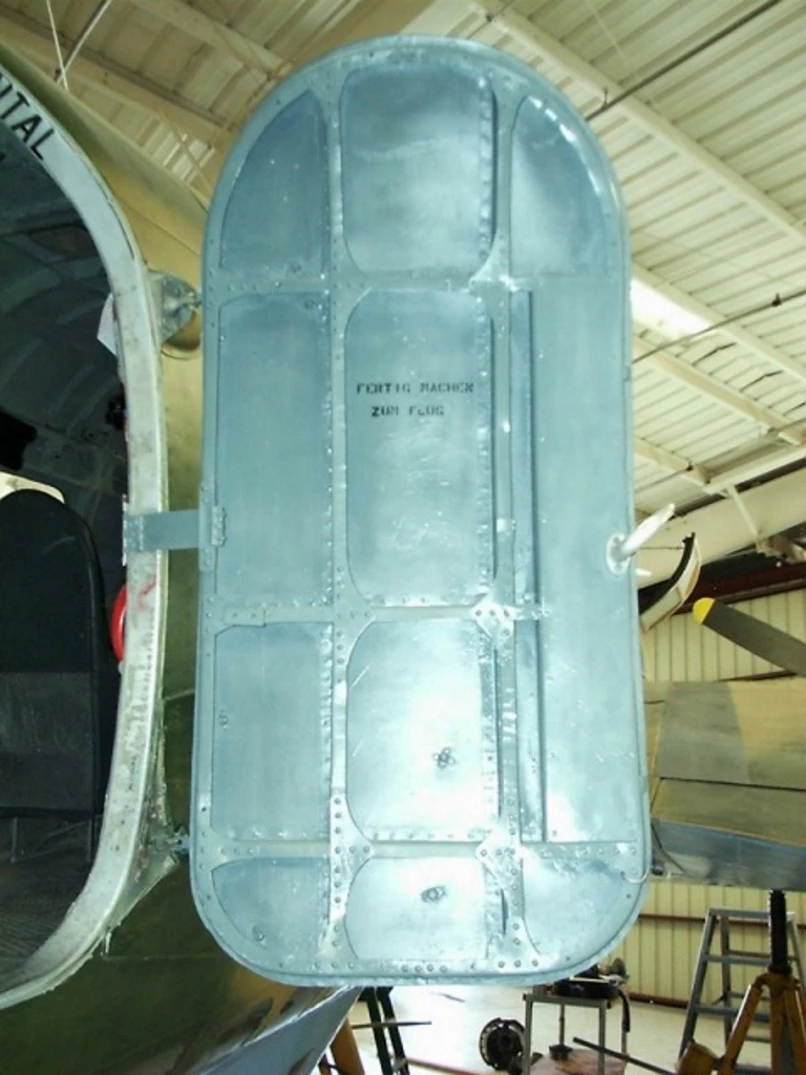
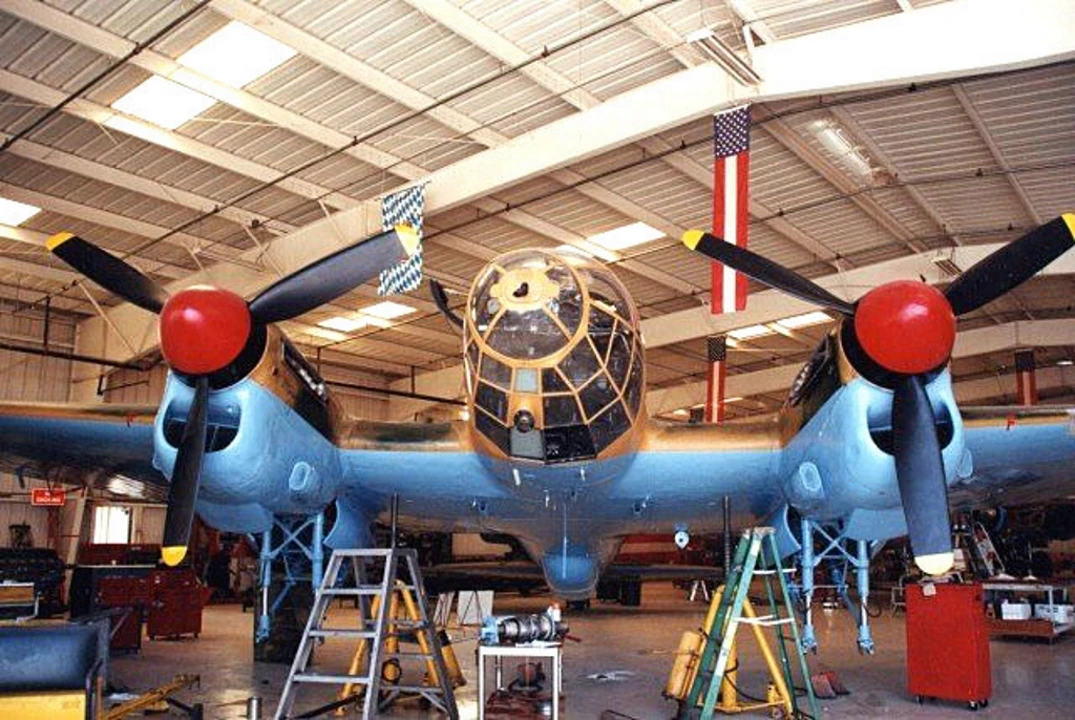
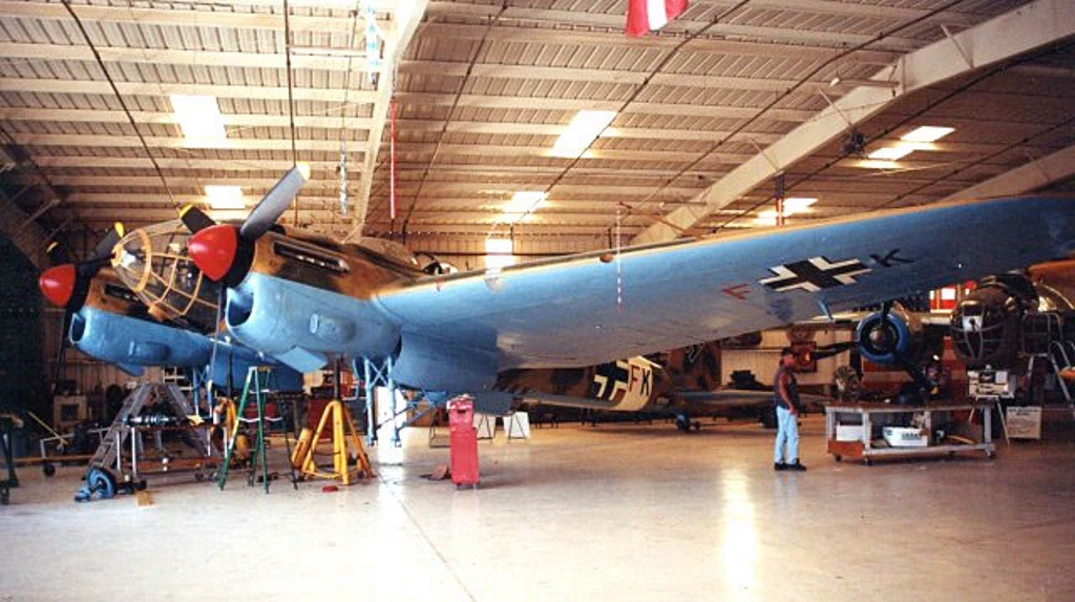
Δείτε επίσης:


The Spanish-Born Blitz Legend
Teh CASA C.2111 was a twin-engine medium bomber and transport aircraft built under license in Spain by Construcciones Aeronáuticas SA (CASA). Based entirely on the design of the famous German Heinkel He 111, the C.2111 represents a fascinating chapter of aviation history where a quintessential World War II airframe outlived the conflict by decades. When Spain found itself cut off from German engine supplies, engineers kept the fleet flying by swapping out the original powerplants for British Rolls-Royce Merlins—the very same engines that powered its wartime rivals, the Spitfire and Hurricane.
| Attribute | Technical Specification (CASA C.2111-B) |
|---|---|
| Ρόλο | Medium Bomber / Reconnaissance / Military Transport |
| Πλήρωμα | 5 (Pilot, Co-pilot/Navigator, Bombardier, and Gunners) |
| Μηχανές | 2 × Rolls-Royce Merlin 500-29 liquid-cooled V12 (1,600 hp each) |
| Maximum Speed | 440 km/h (273 mph) |
| Combat Range | ~2,730 km (1,700 miles) |
| Service Ceiling | 10,200 m (33,460 ft) |
| Defensive Armament | Combination of 7.92mm MG 15 machine guns and 20mm Breda cannons |
| Payload Capacity | Up to 2,000 kg (4,400 lbs) of internal bombs |
Design Engineering: Merlin Hearts and German Greenhouse Noses
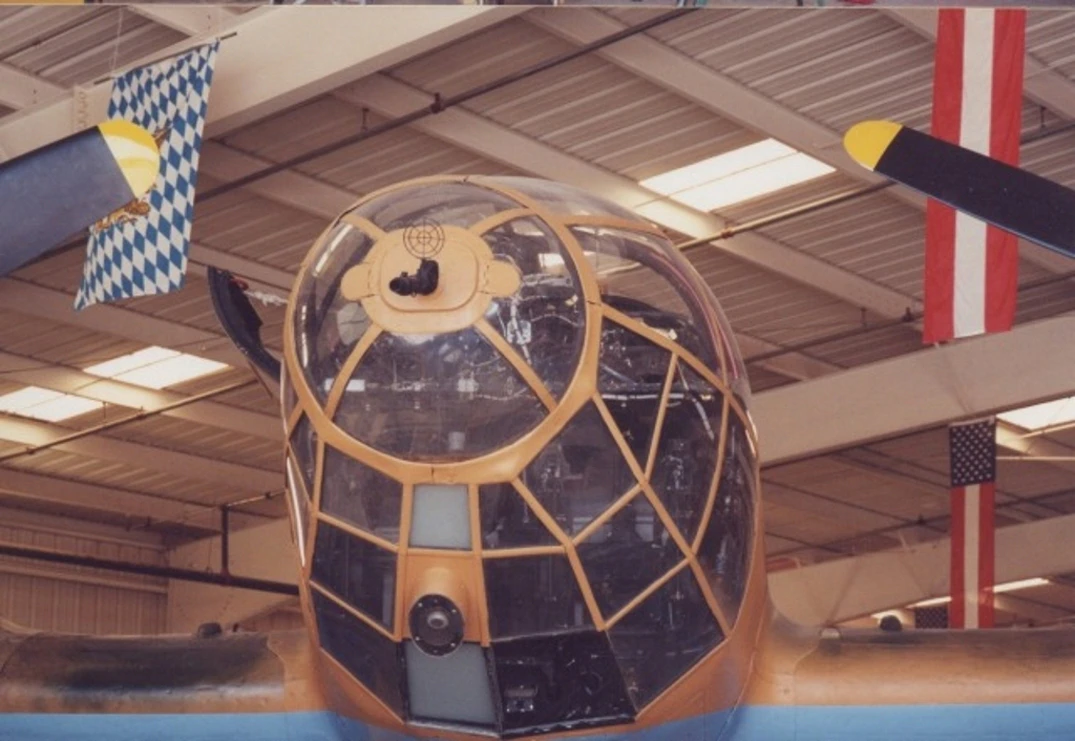
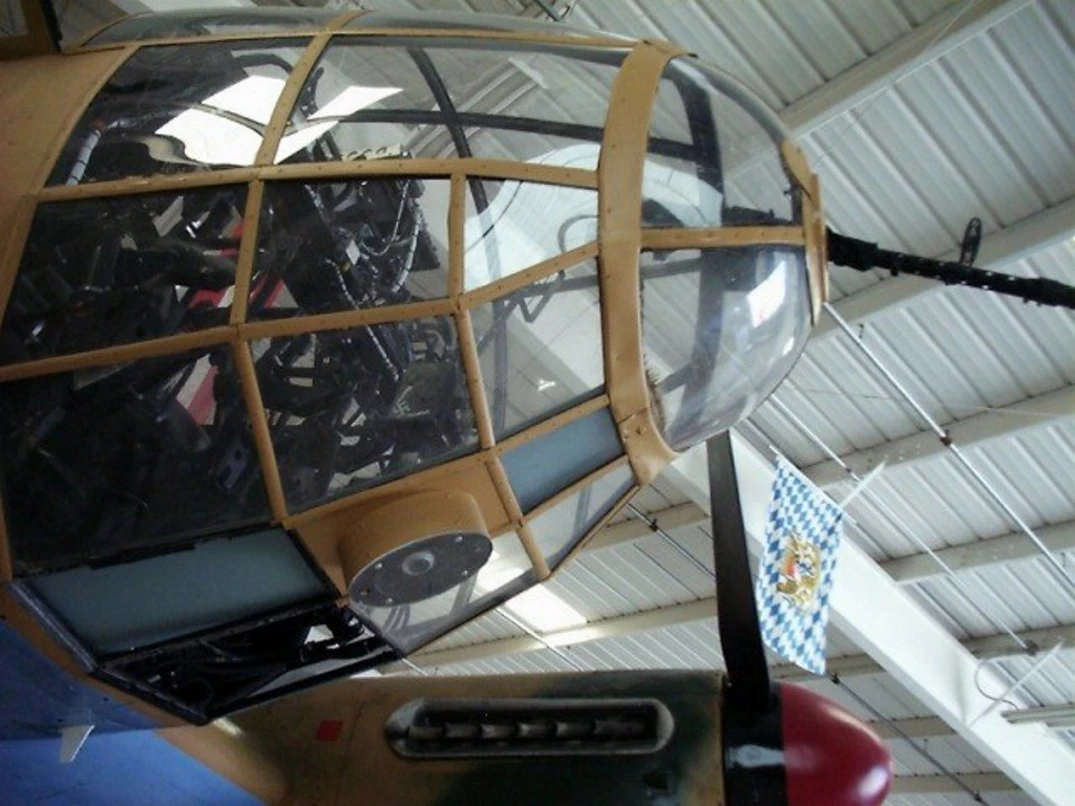
- The “Greenhouse” Nose: The C.2111 retained the Heinkel’s signature, heavily glazed asymmetric cockpit nose. This fully un-stepped canopy offered the pilot and bombardier unprecedented forward and downward visibility, though it lacked structural protection and acted as a greenhouse under the hot Spanish sun.
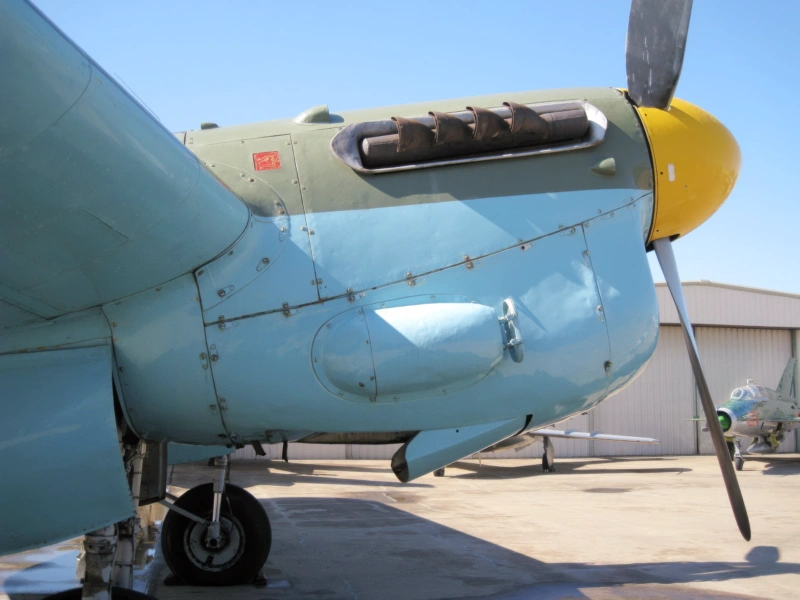
- The Merlin Transformation: The defining mechanical change on later C.2111s was the adaptation to Rolls-Royce Merlin V12 engines. Because the Merlins were configured differently than the original German Junkers Jumo engines, the engine nacelles had to be completely redesigned, altering the plane’s profile with distinct intake scoops.
- Internal Bomb Bays: Following the exact internal structure of the He 111, the C.2111 featured a unique vertical bomb bay. Instead of laying horizontally, bombs were suspended vertically by their tails inside cells within the central fuselage, dropping nose-first out of the belly doors when released.
- Elliptical Wings: The aircraft featured a wide, aerodynamically clean wing planform with a curved, semi-elliptical trailing edge. This design provided excellent handling and lift characteristics at high altitudes, an architectural carryover from Heinkel’s pre-war passenger liner concepts.
Operational History: Imperial Post-War Service and Hollywood Fame
- The Civil War Prelude: During the Spanish Civil War, the German Condor Legion operated Heinkel He 111s in support of Nationalist forces. Impressed by its performance, the Spanish government arranged a manufacturing license contract with Germany in 1940, leading directly to the birth of the CASA C.2111 program.
- The Ifni War Combat: While it missed WWII, the C.2111 saw genuine combat during the Ifni War (1957–1958) against Moroccan insurgents. Operating from bases in the Sahara, Spanish crews used these bombers to conduct heavy ground-attack and close-air-support missions alongside vintage Ju 52 transports.
- Cinematic Doppelgänger: The C.2111 is immortalized in pop culture because of its post-war survival. In the legendary 1969 film *Battle of Britain*, the filmmakers acquired a fleet of active Spanish C.2111s to play the role of Nazi Luftwaffe bombers, as authentic German-engined He 111s were no longer airworthy.
- An Extended Golden Twilight: Thanks to meticulous Spanish maintenance and a steady supply of reliable British parts, the C.2111 fleet remained in active military service as transports and trainers all the way until 1973, serving as an incredible living link to 1930s aviation engineering.
Θεάσεις : 2571