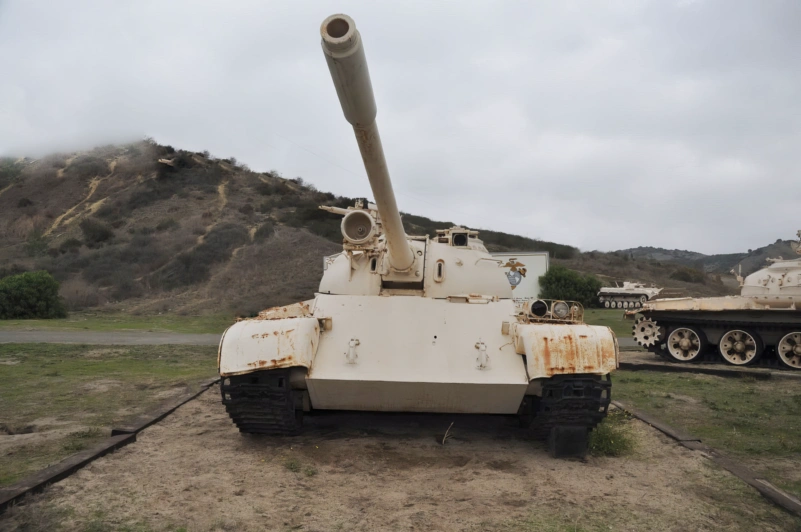
T-69 | |
|---|---|
| 国家 | 伊拉克 |
| 类型 | 类型 69 坦克 |
| 主题 | 专辑 49 照片在坦克周围走动 T-69 |
据报道,在20世纪80年代,中国向伊拉克出售了数百架59型和69型MBT。
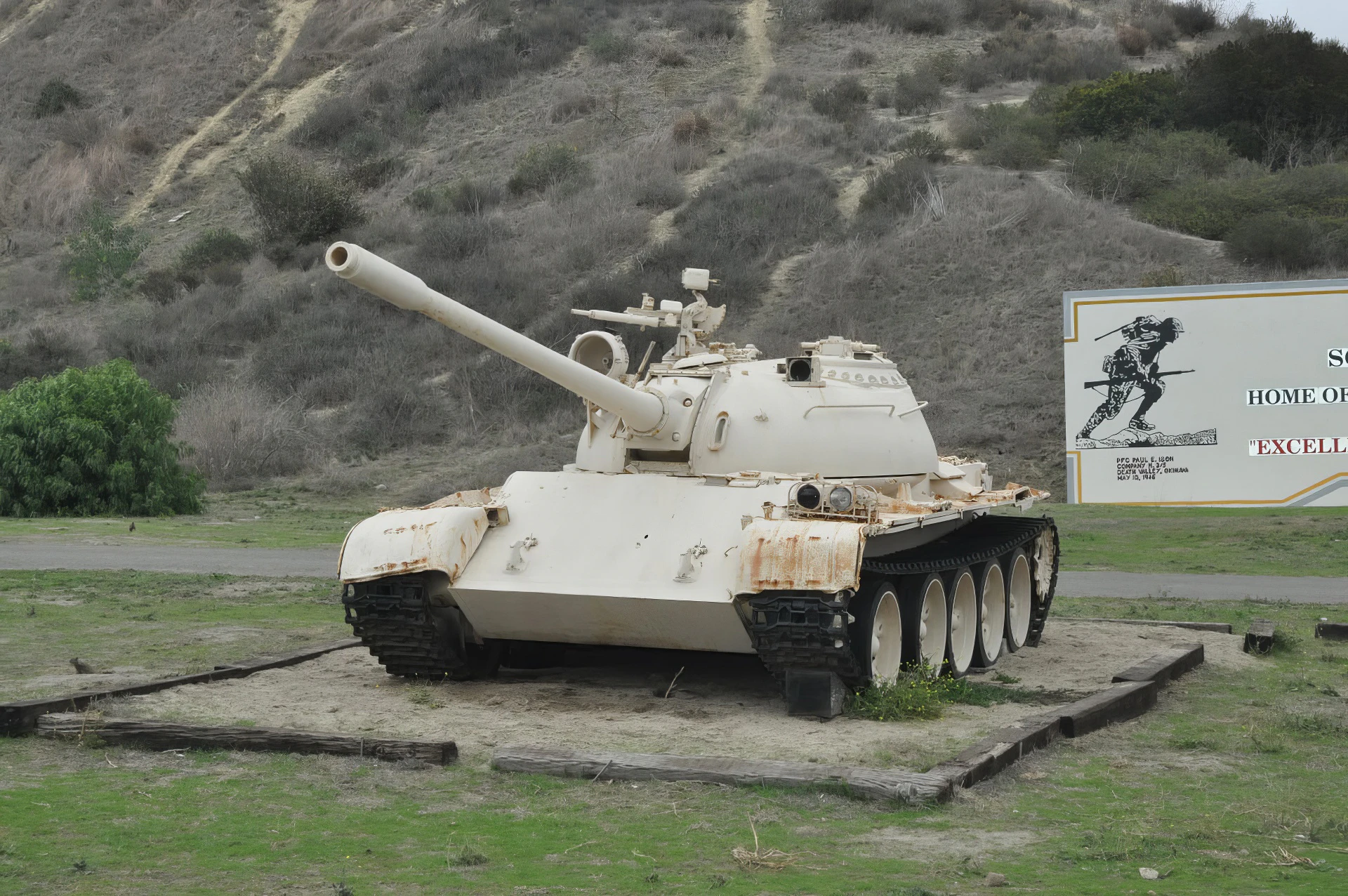


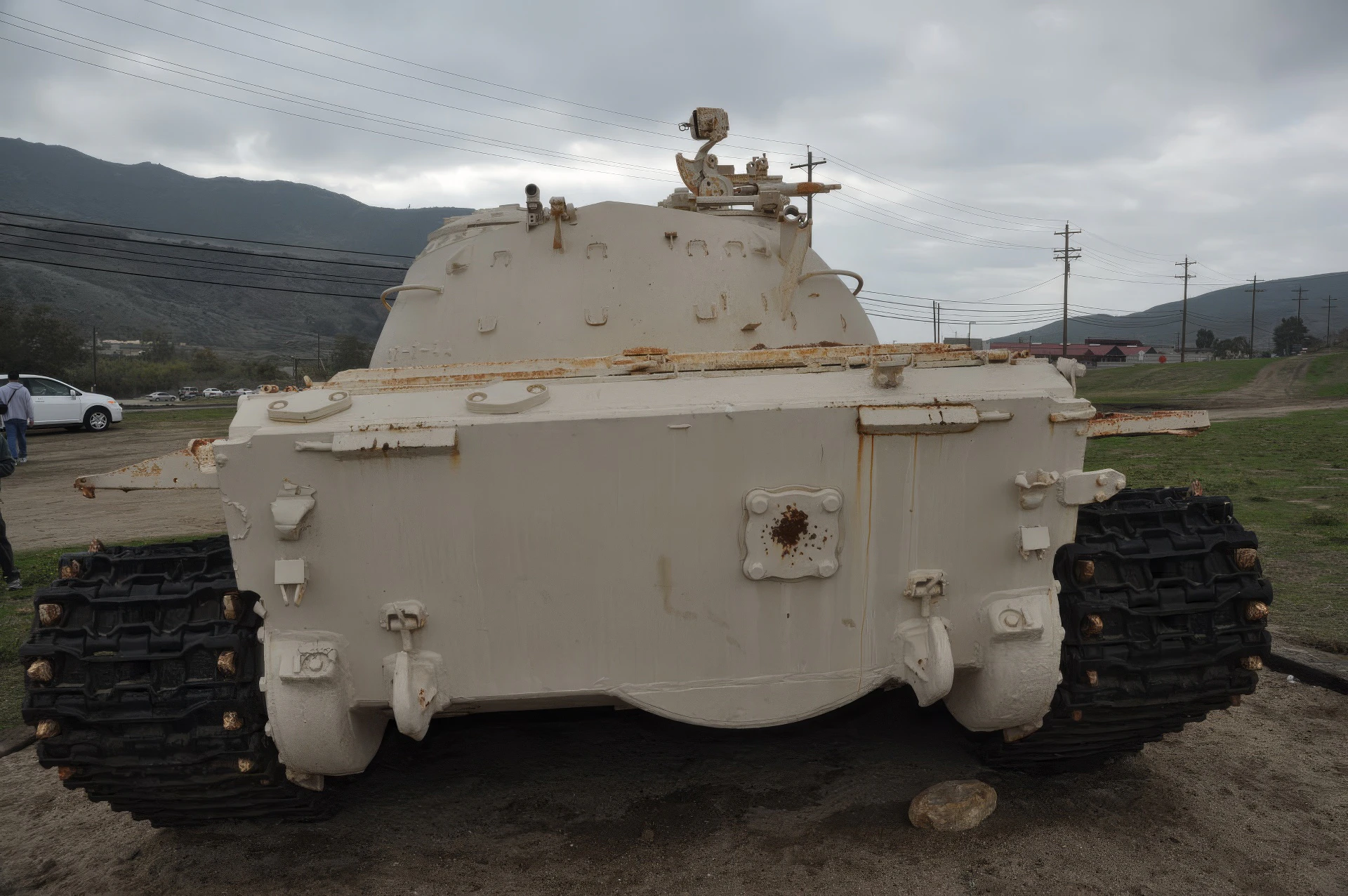
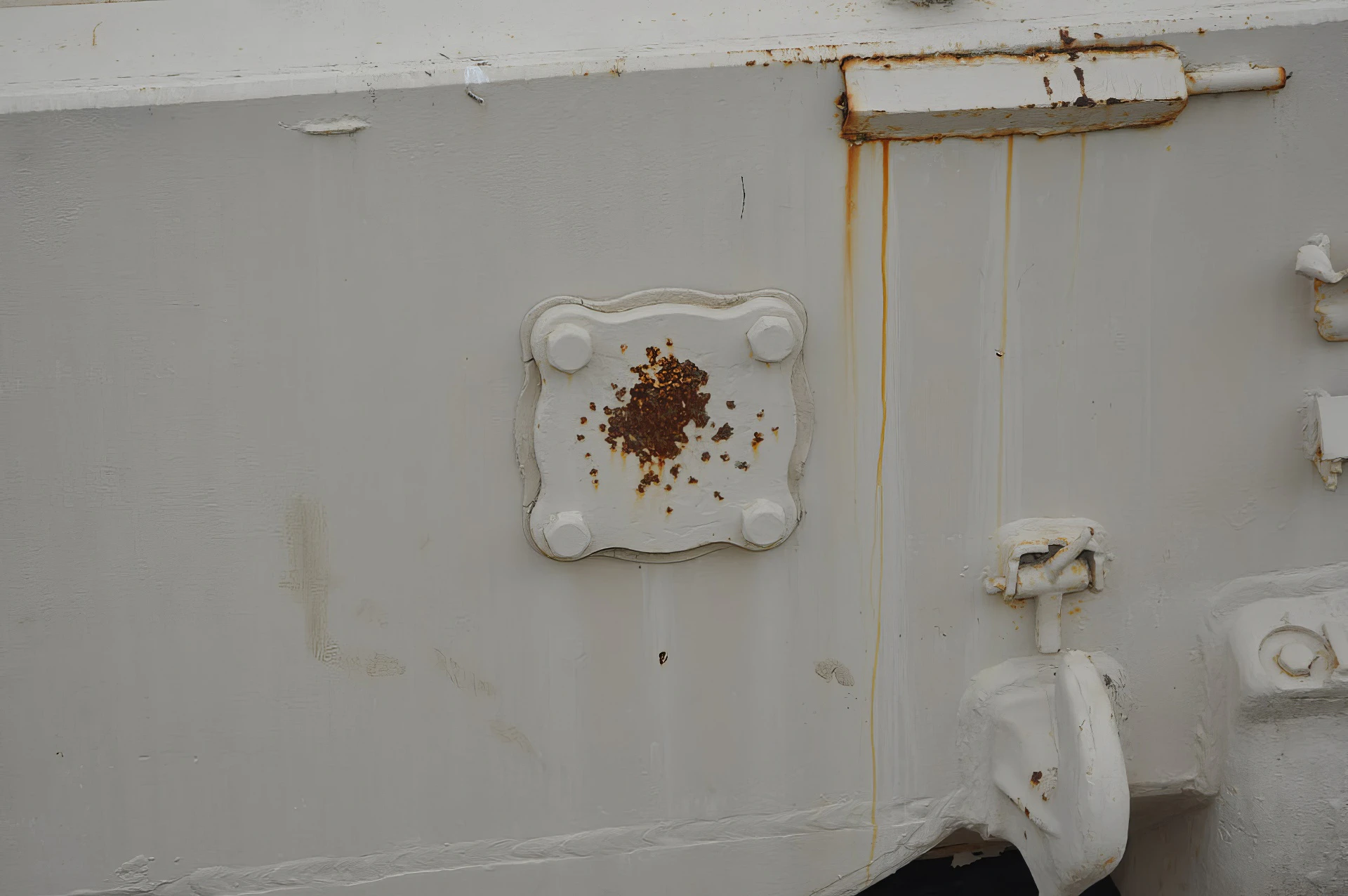
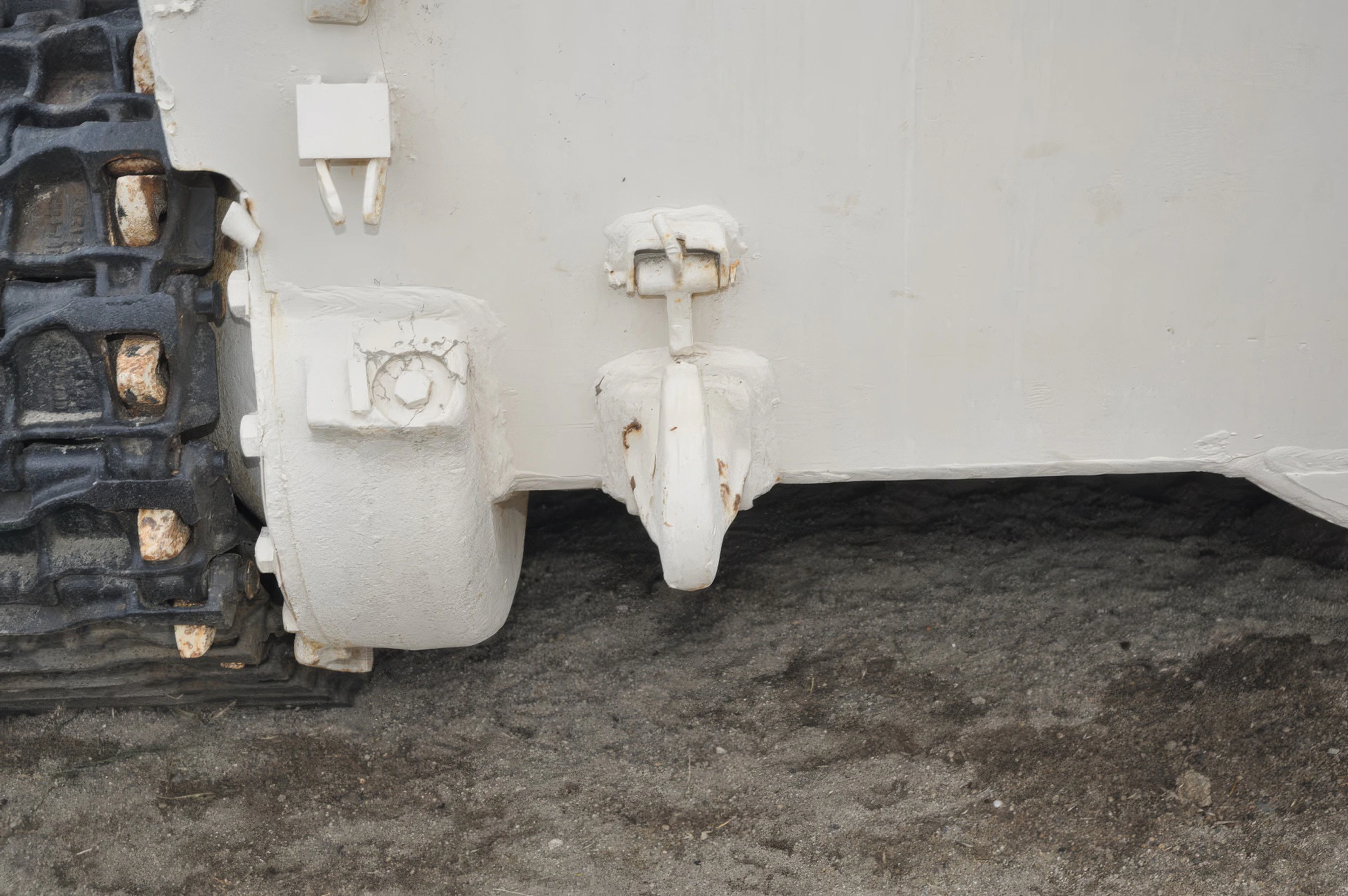
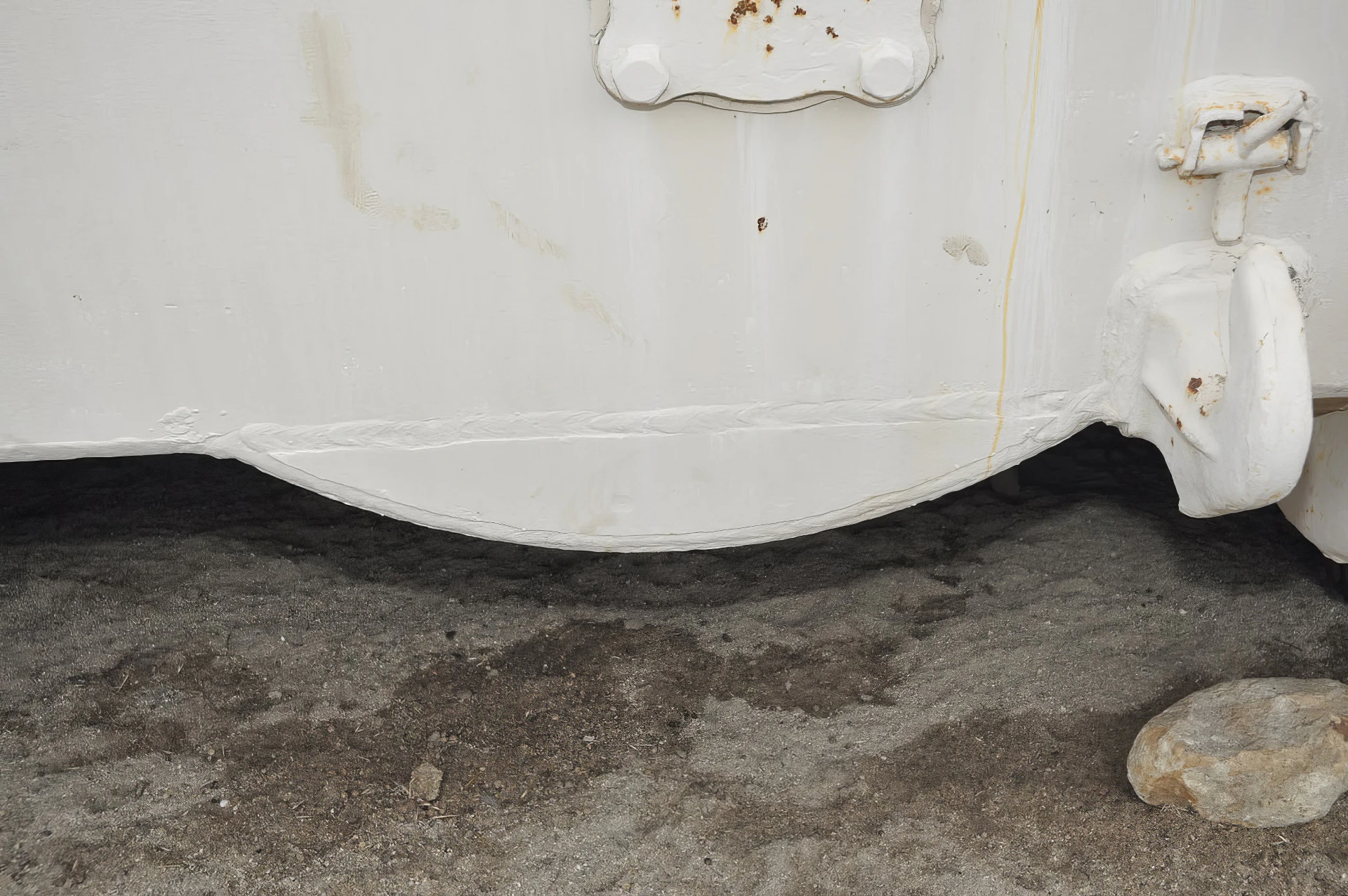

另请参阅:


The **Type 69** is a Chinese-developed **Main Battle Tank (MBT)** that holds the distinction of being China’s first domestically designed tank. It represents an evolution of the earlier **Type 59**, which was itself a license-built variant of the Soviet T-54. The design incorporated various technological improvements, partly derived from a captured Soviet T-62 tank.
Development and Variants
While the initial Type 69 saw limited use with the People’s Liberation Army (PLA), its subsequent variants, particularly the **Type 69-II**, became highly successful export models.
Key Design Characteristics
- Lineage: Retained the classic sloped hull and cast hemispherical turret armor of the T-54/Type 59 series.
- 发动机: Powered by a V-12 liquid-cooled diesel engine, generating approximately 580 horsepower.
- 船员: Four (Commander, Gunner, Loader, and Driver).
Weaponry and Firepower Upgrades
The main effort in the Type 69 program was upgrading the firepower and fire control over its predecessor:
- Main Gun Evolution: The original Type 69 had a somewhat unsuccessful **100 mm smoothbore gun**. The more common and successful export variant, the **Type 69-II**, reverted to an improved **100 mm rifled gun** capable of firing modern ammunition, including APFSDS (Armor-Piercing Fin-Stabilized Discarding Sabot) rounds.
- Fire Control: It introduced a modern fire control system, including an integrated **laser rangefinder** for improved accuracy, and a two-plane gun stabilization system.
- Secondary Armament: Typically included a co-axial 7.62 mm machine gun and a roof-mounted 12.7 mm anti-aircraft heavy machine gun.
Export Success and Combat History
The **Type 69-II** was widely exported due to its low cost and simplicity compared to contemporary Western tanks. It achieved significant success in the global arms market, notably seeing extensive combat use in the Middle East.
- It was a major asset for both sides during the **Iran–Iraq War**.
- During the Gulf War and later conflicts, these tanks, especially in Iraqi service, were often modified with local appliqué armor and were sometimes upgunned with larger 105 mm or 125 mm cannons.
意见:1698