Consolidated B-24 Liberator | |
|---|---|
| 国家 | 美国 |
| 作用 | 重型轰炸机 / 反潜战 / 海上巡逻机 |
| 第一只苍蝇 | 1939年12月29日 |
| 建立 | 19000+ |
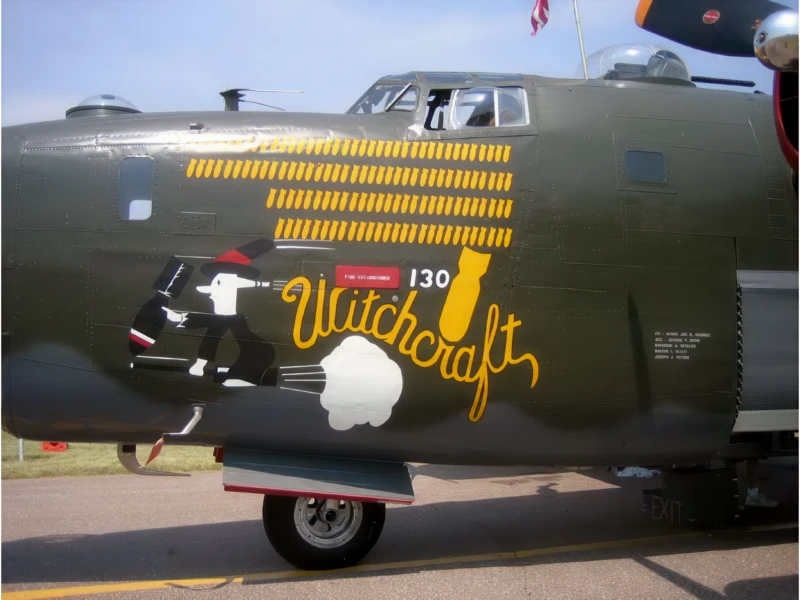
这 合并 B-24 解放者 is an American heavy bomber, designed by Consolidated Aircraft of San Diego, California. It was known within the company as the Model 32, and some initial models were laid down as export models designated as various LB-30s, in the Land Bomber design category. At its inception, the B-24 was a modern design featuring a highly efficient shoulder-mounted, high aspect ratio Davis wing. The wing gave the Liberator a high cruise speed, long range and the ability to carry a heavy bomb load. Early RAF Liberators were the first aircraft to cross the Atlantic Ocean as a matter of routine. However, the type was difficult to fly and had poor low speed performance. It also had a lower ceiling and was less robust than the Boeing B-17 Flying Fortress. While aircrews tended to prefer the B-17, General Staff favored the B-24, and procured it in huge numbers for a wide variety of roles. At nearly 19,000 units, with over 8,000 manufactured by Ford Motor Company, it holds records as the world’s most produced: bomber; heavy bomber; multi-engine aircraft; and American military aircraft in history.
| Consolidated B-24M Liberator | |
|---|---|
| 摄影师 | 未知 |
| 本地化 | 未知 |
| 照片 | 106 |

| B-24 解放者四处走动 | |
|---|---|
| 摄影师 | 蒂姆·巴尔德斯 |
| 本地化 | 未知 |
| 照片 | 27 |
另请参阅:


| Consolidated B-24M Liberator | |
|---|---|
| 摄影师 | 塞斯·亨德里克斯 |
| 本地化 | 未知 |
| 照片 | 75 |
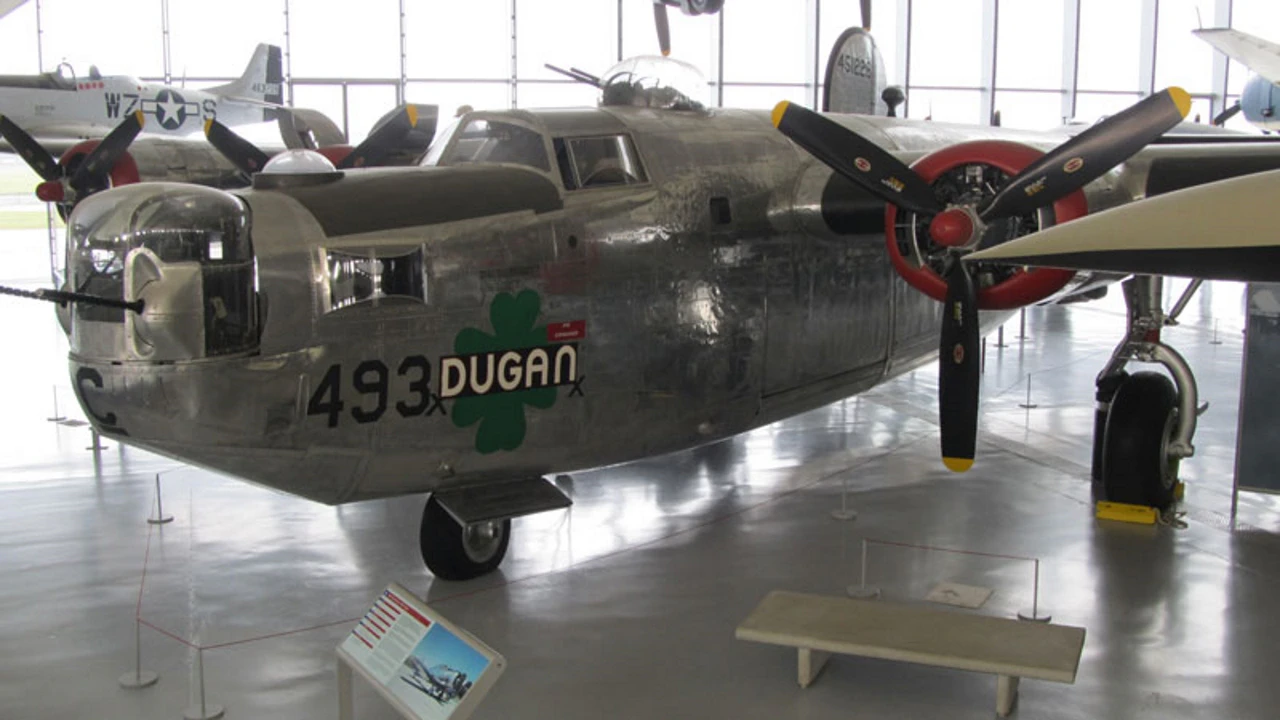
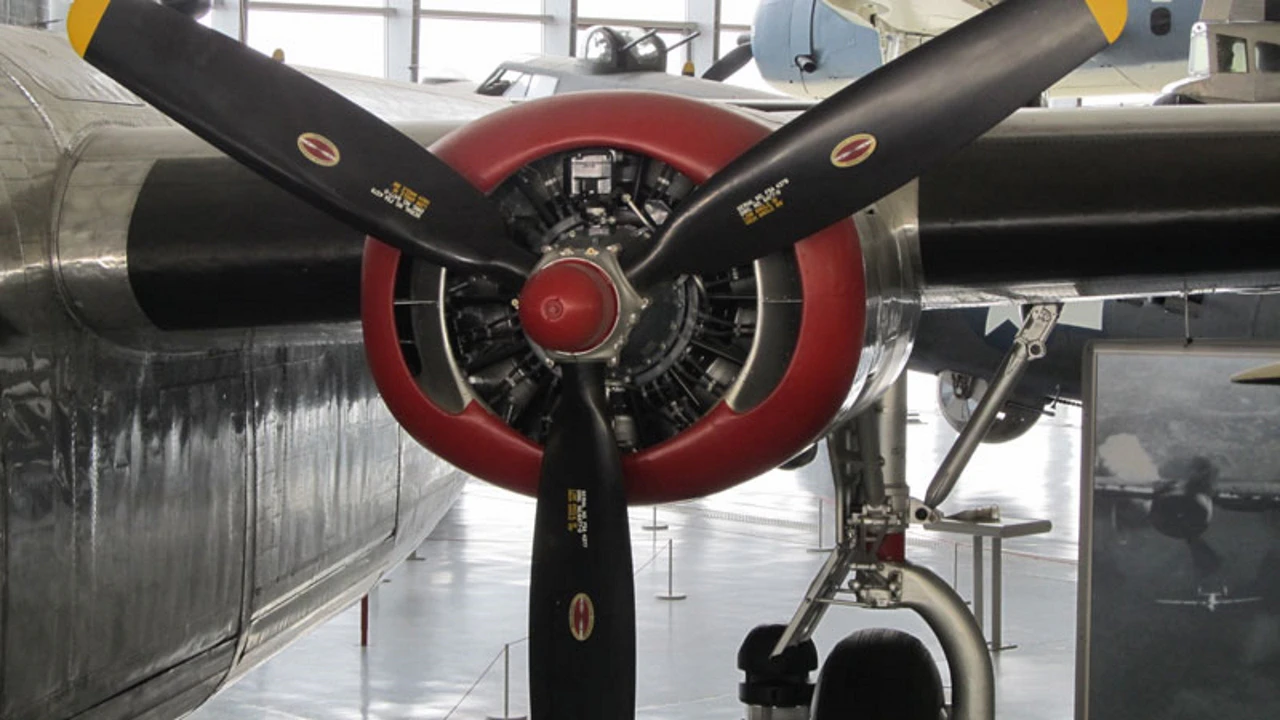
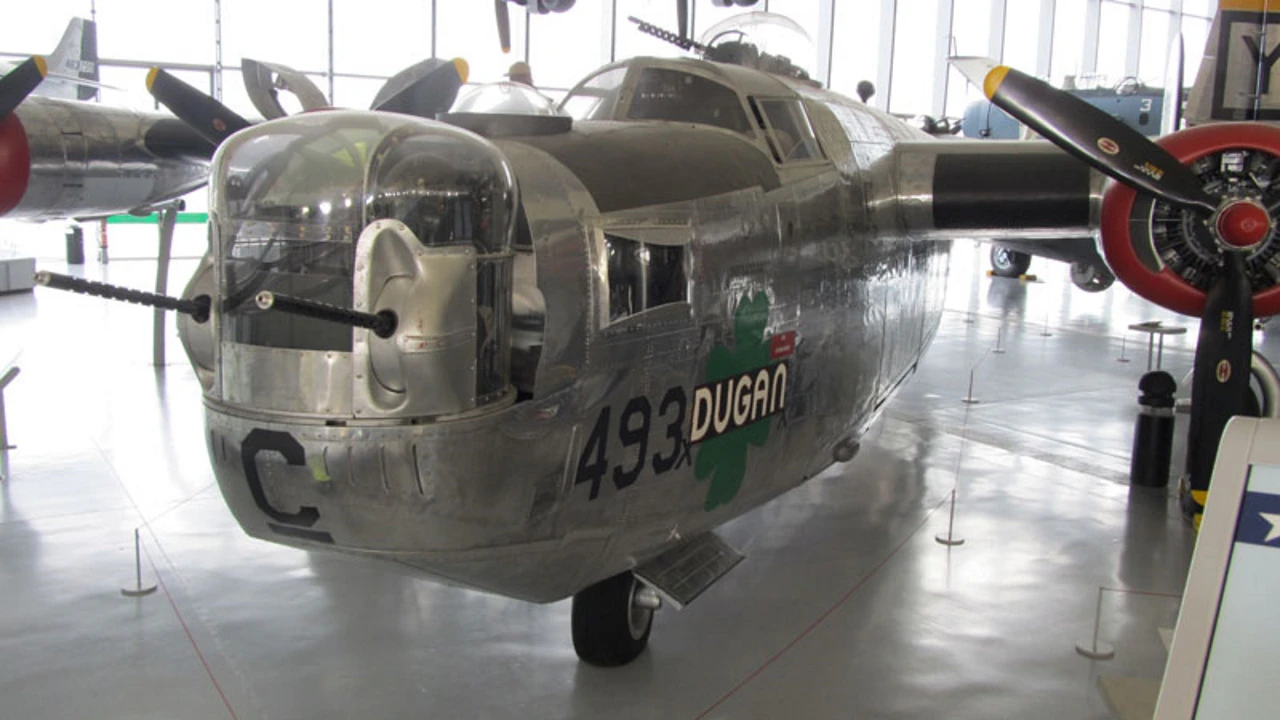
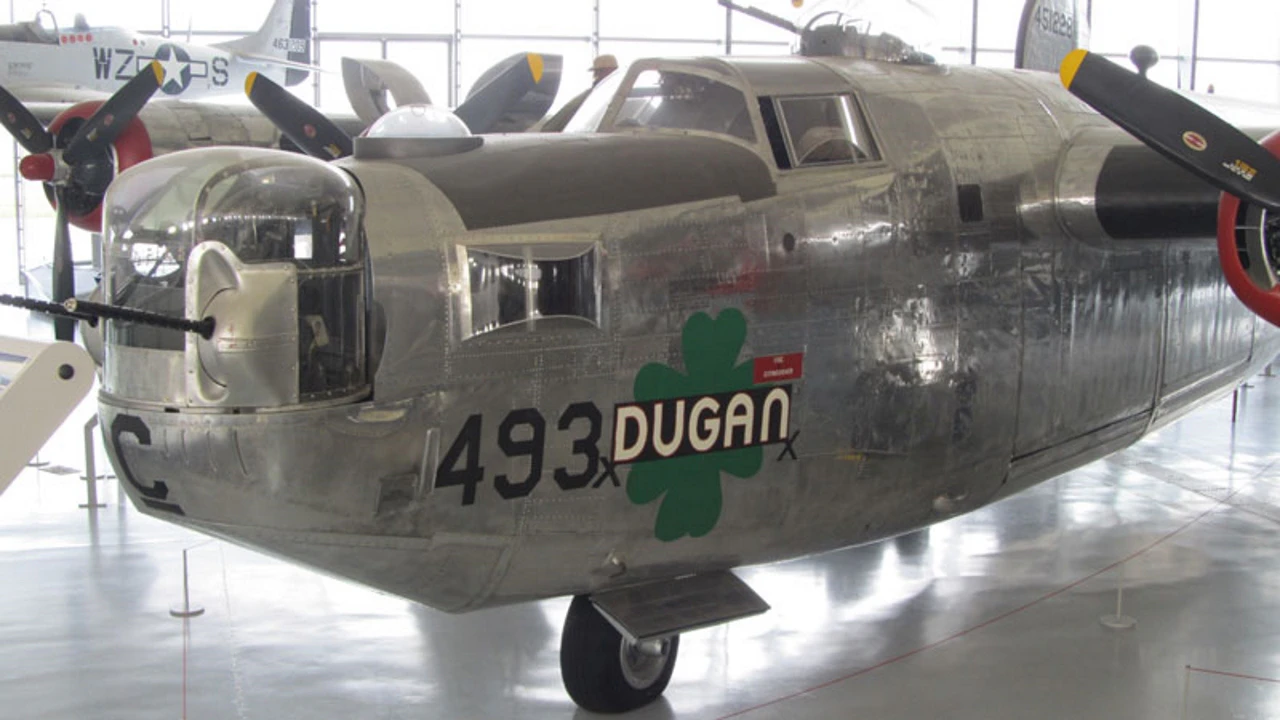
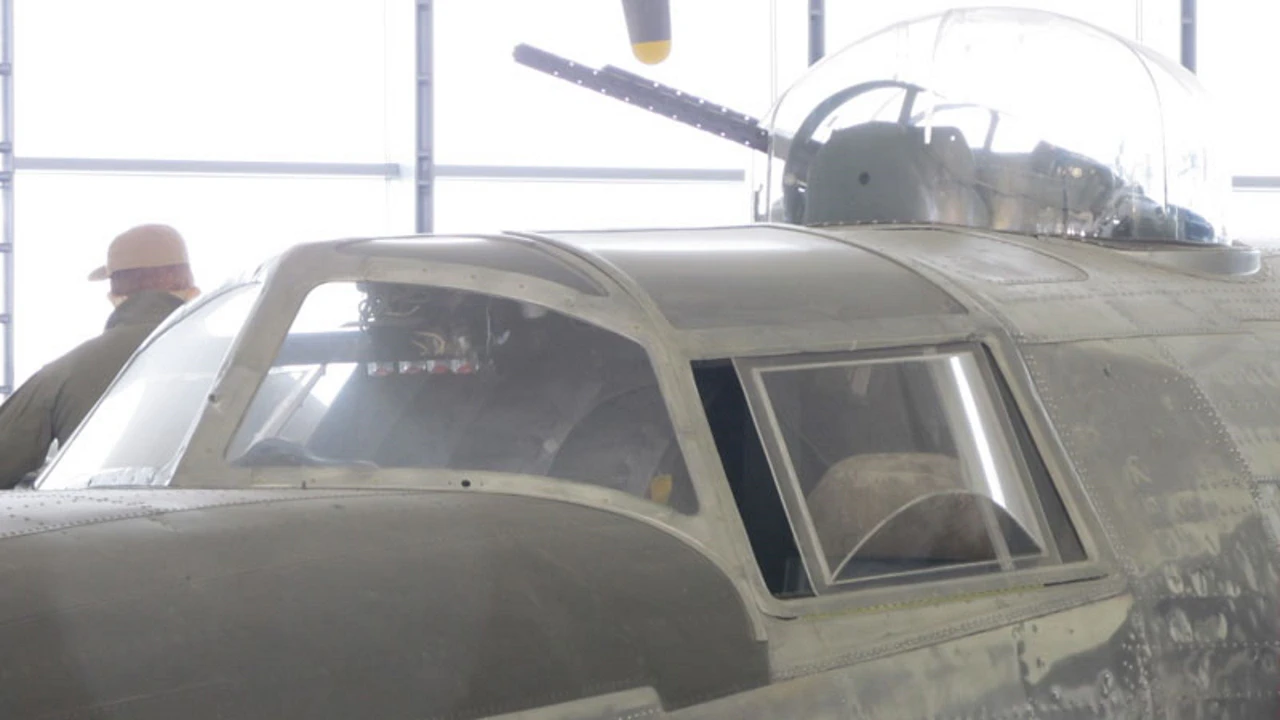
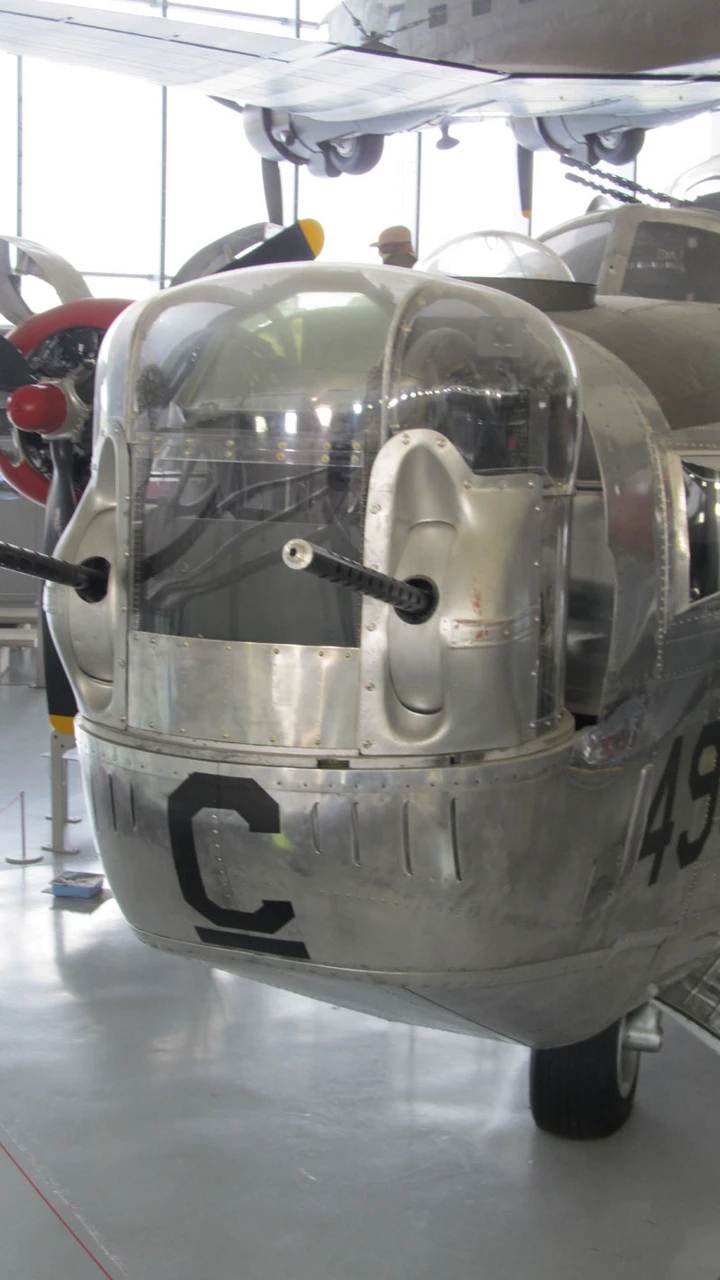
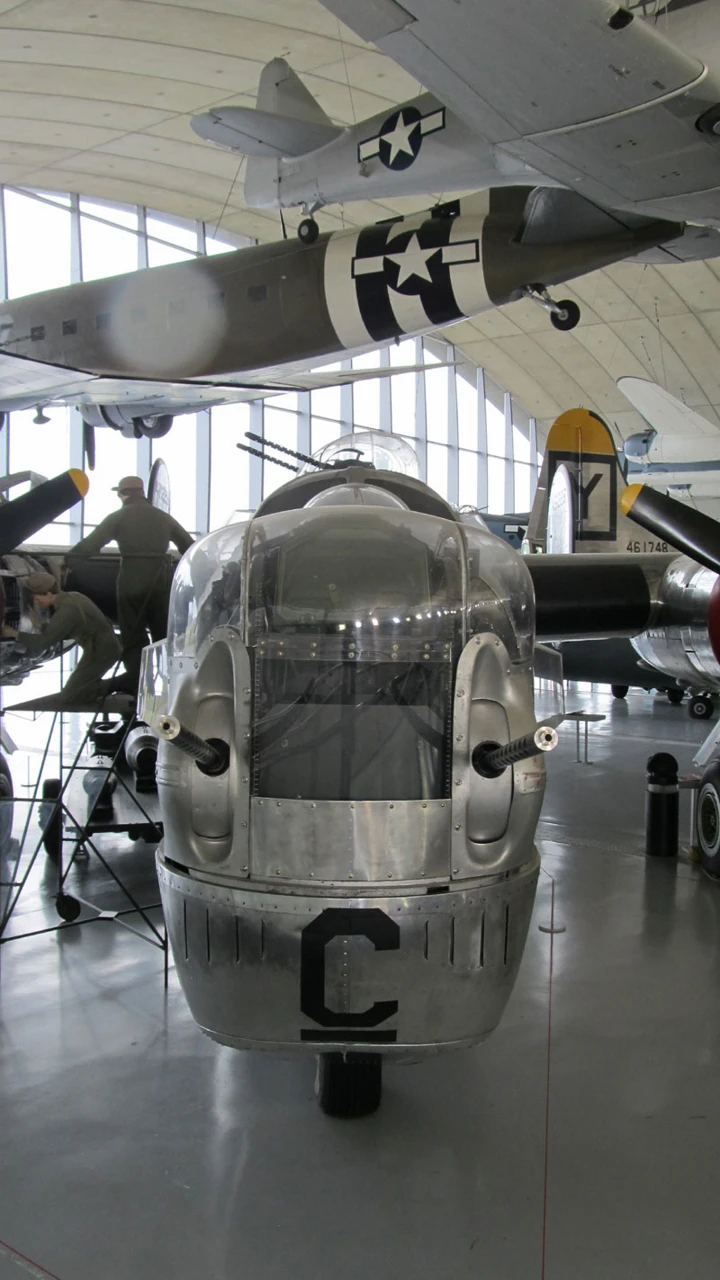
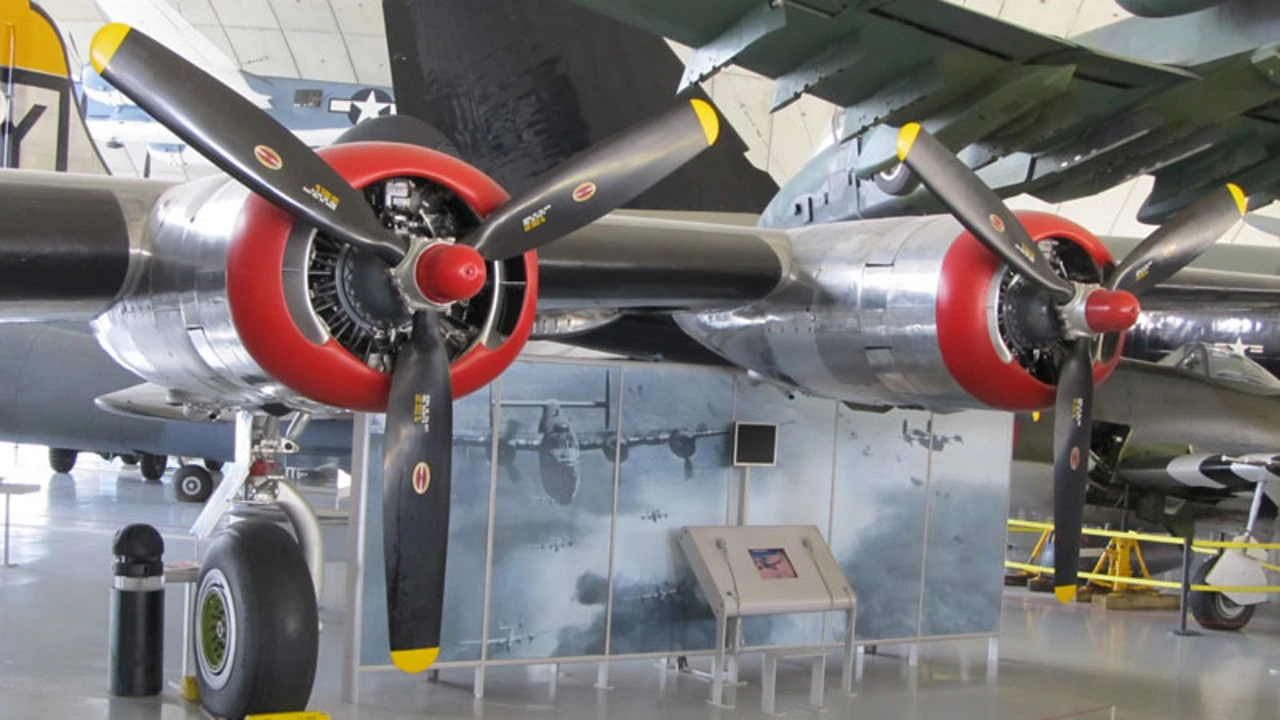
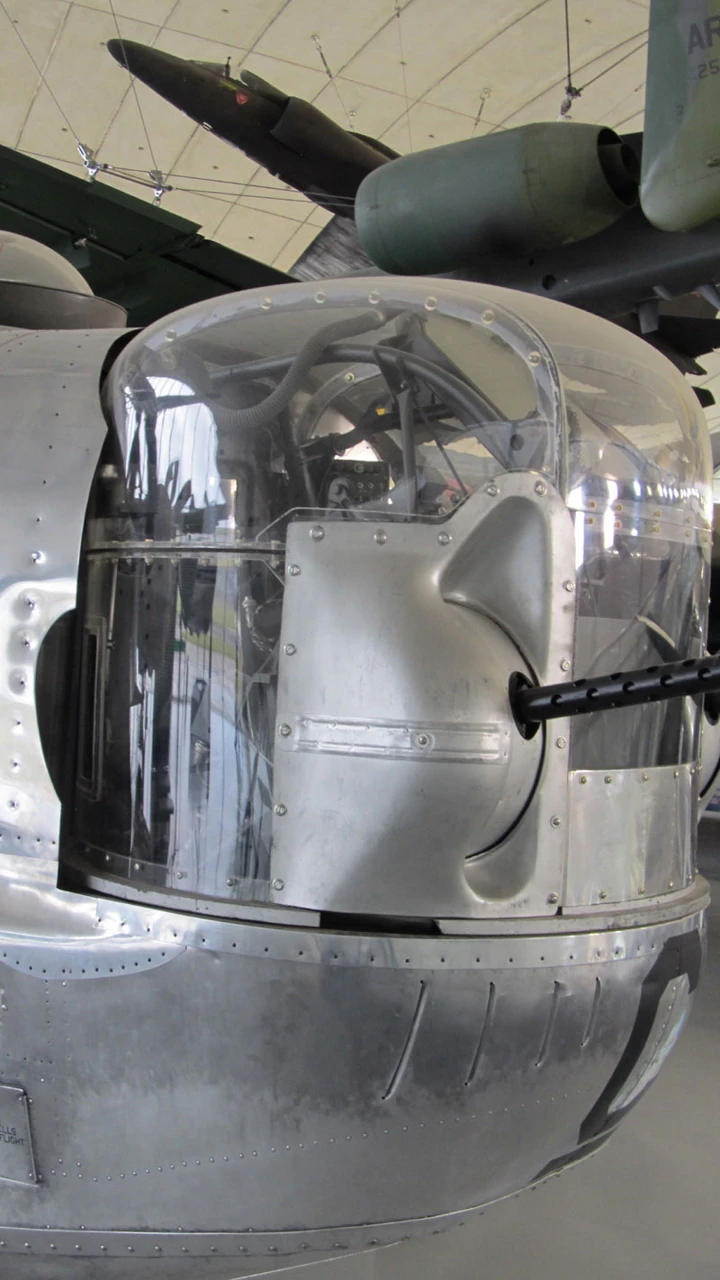
| Consolidated B-24M Liberator | |
|---|---|
| 摄影师 | 塞斯·亨德里克斯 |
| 本地化 | 未知 |
| 照片 | 82 |
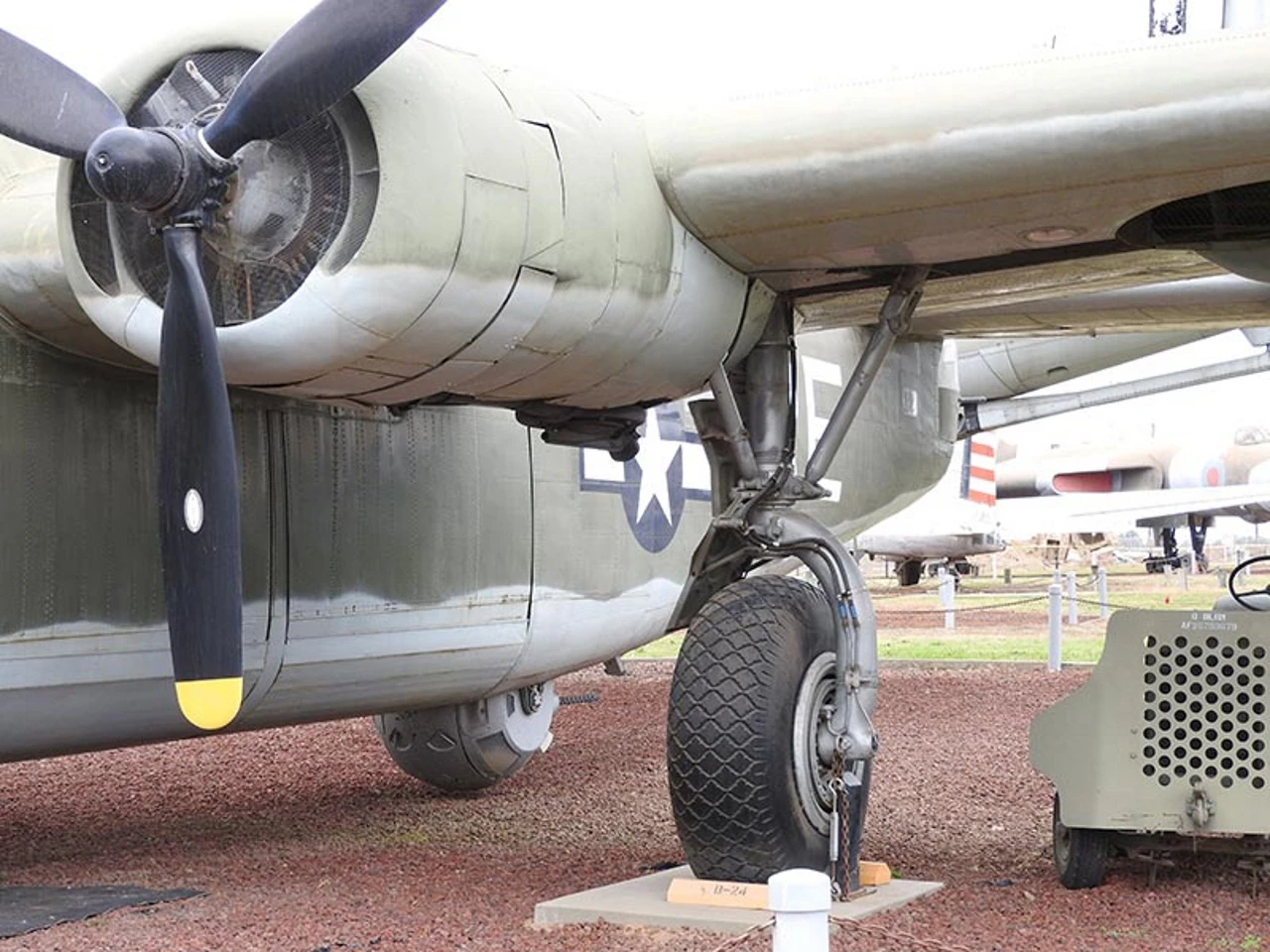
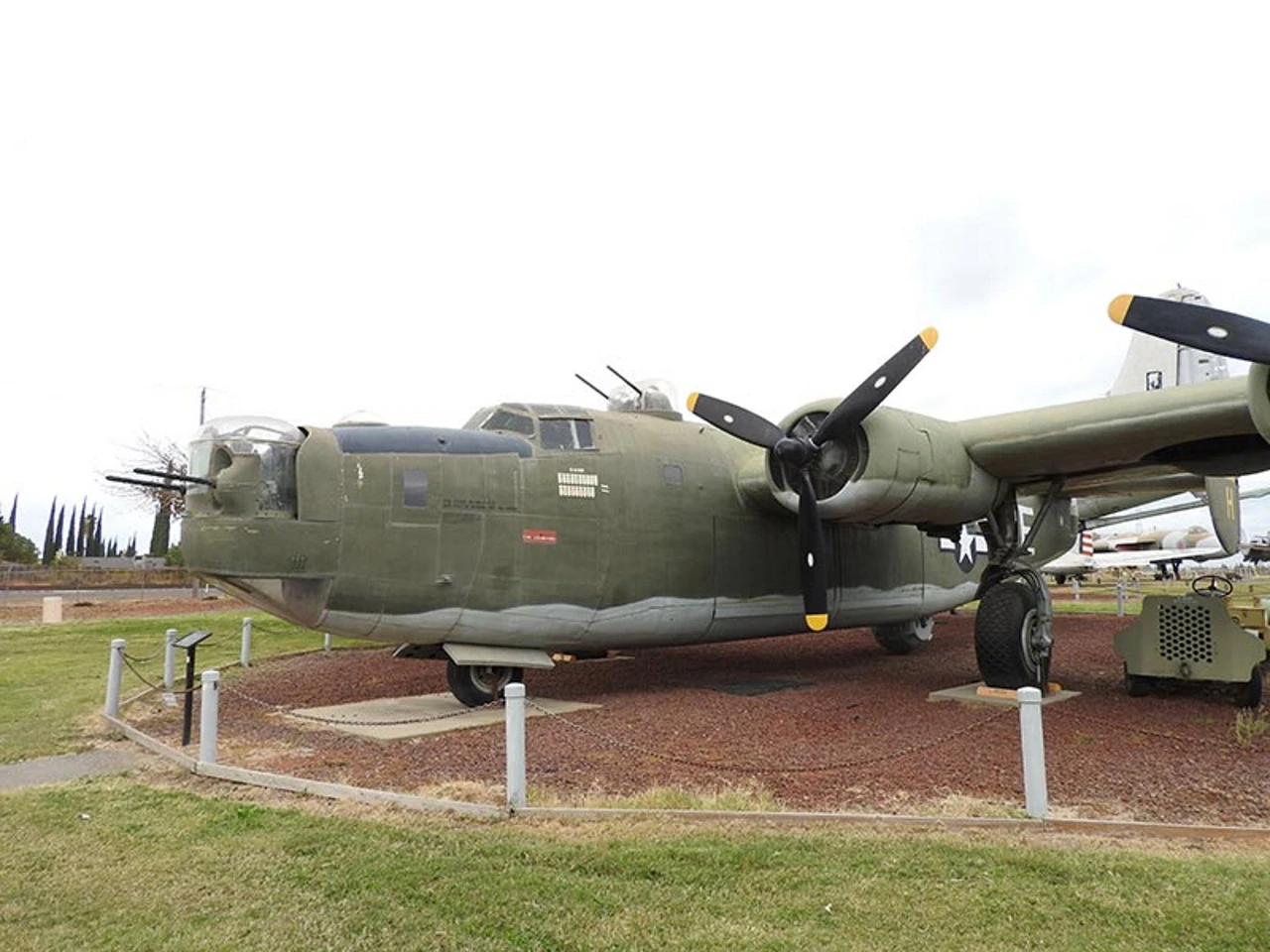
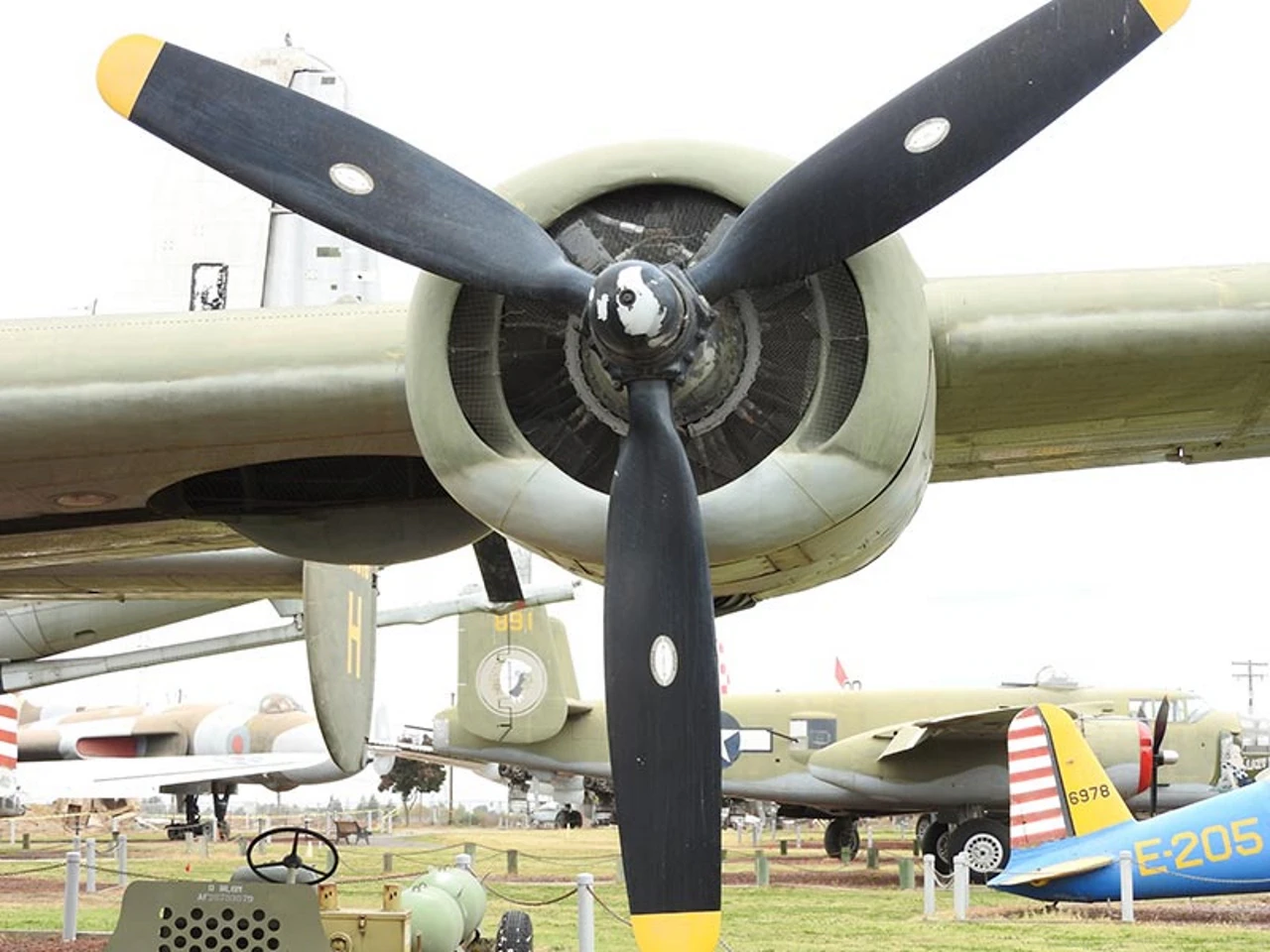
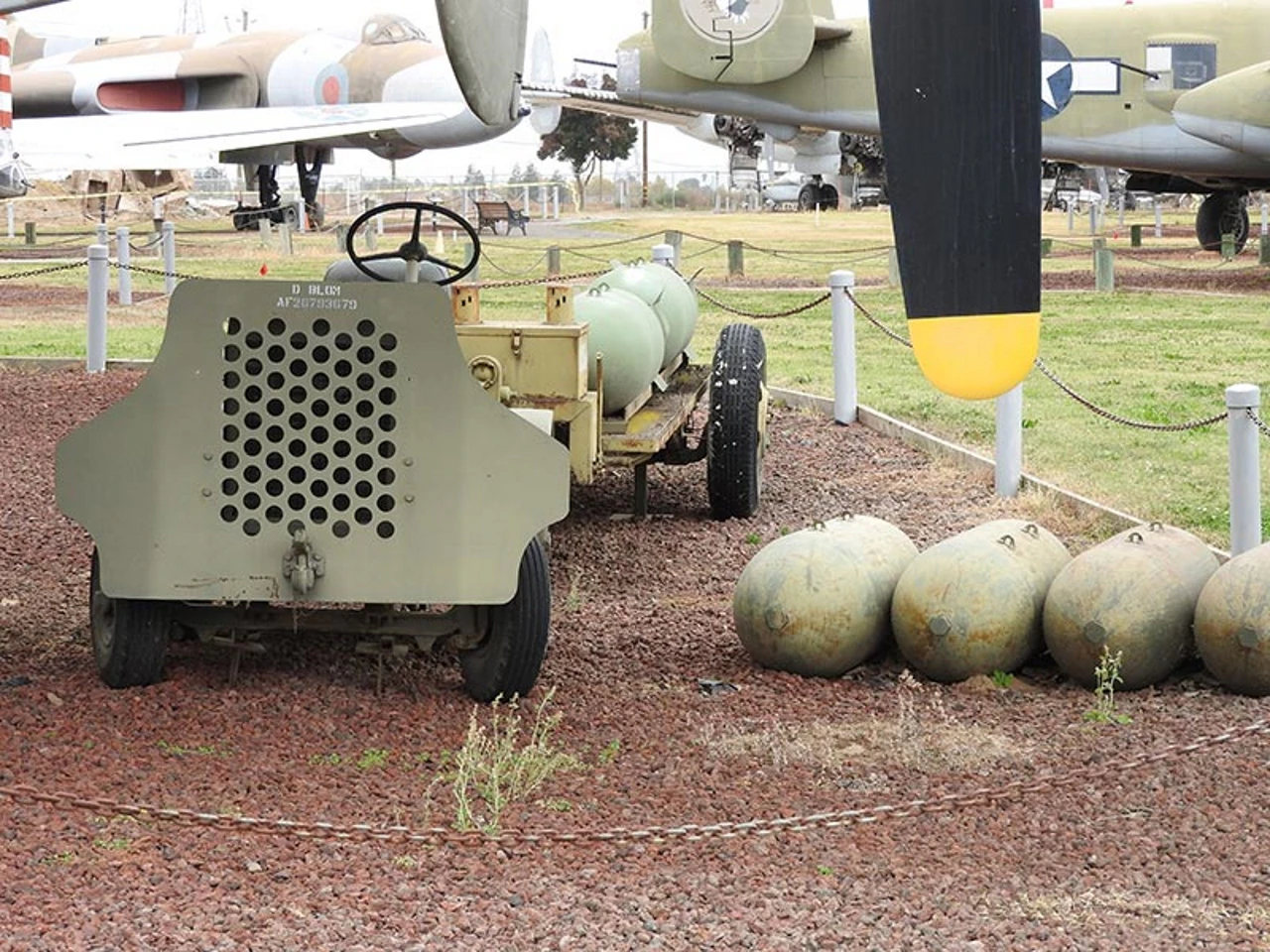
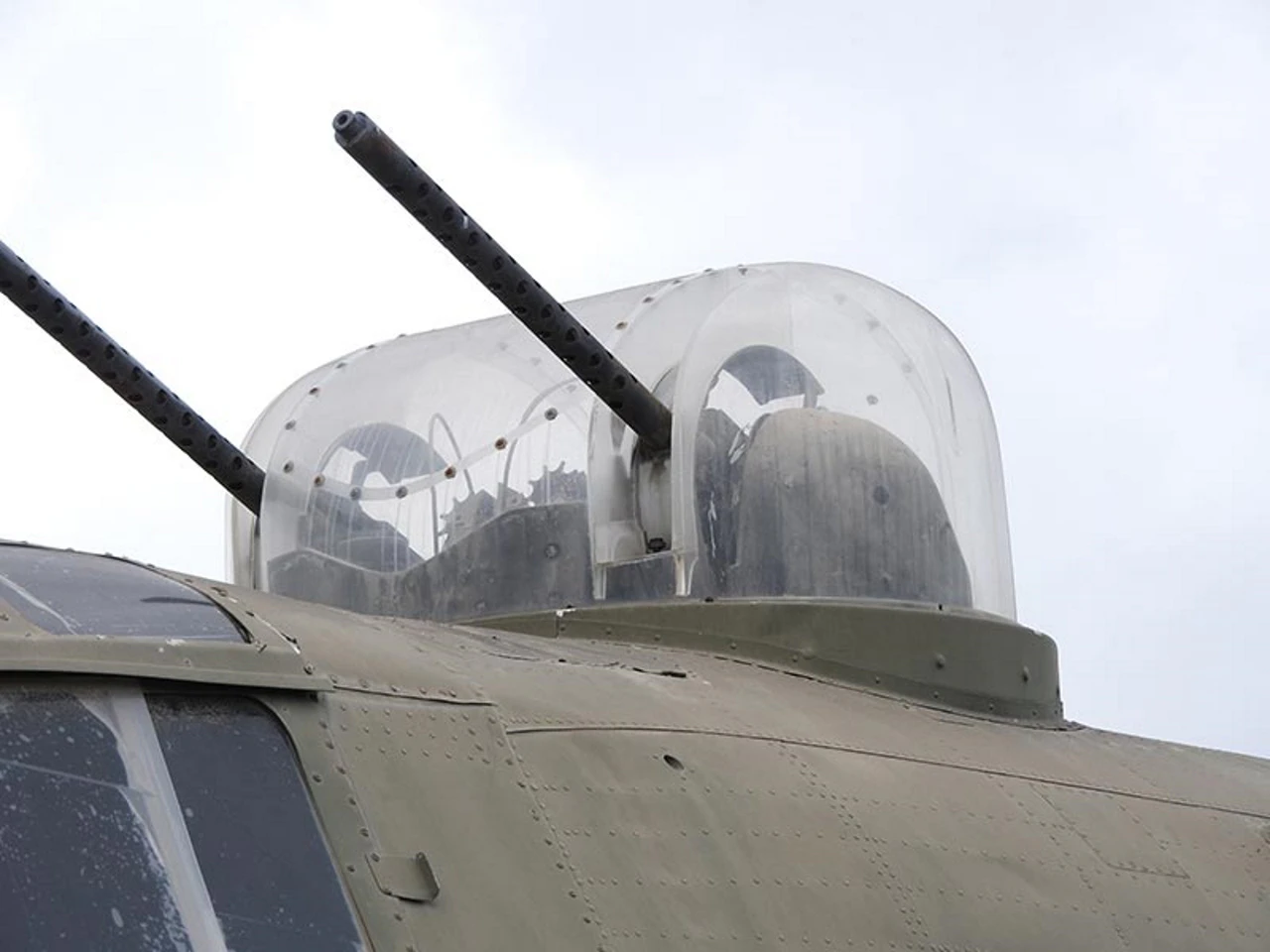
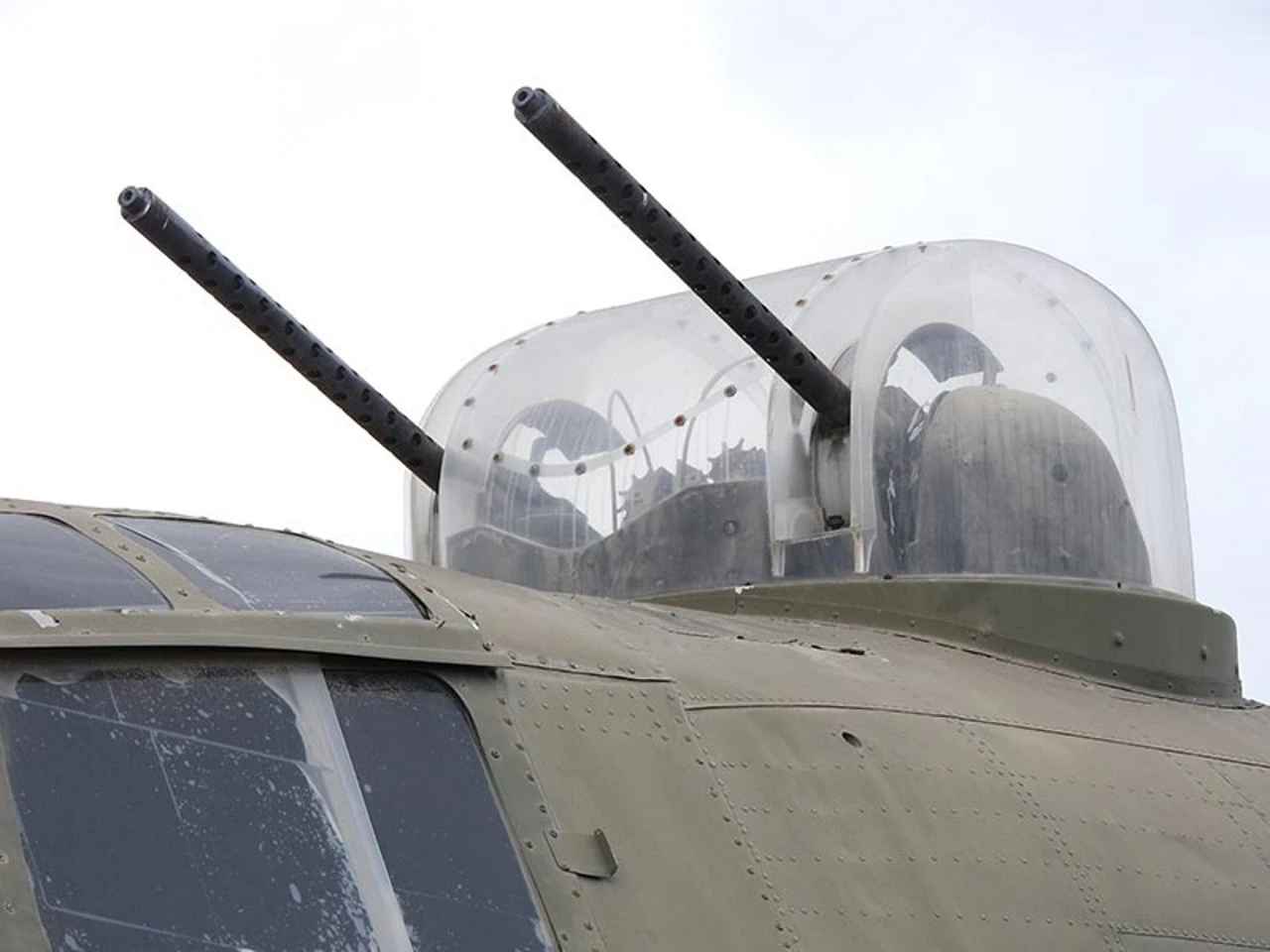
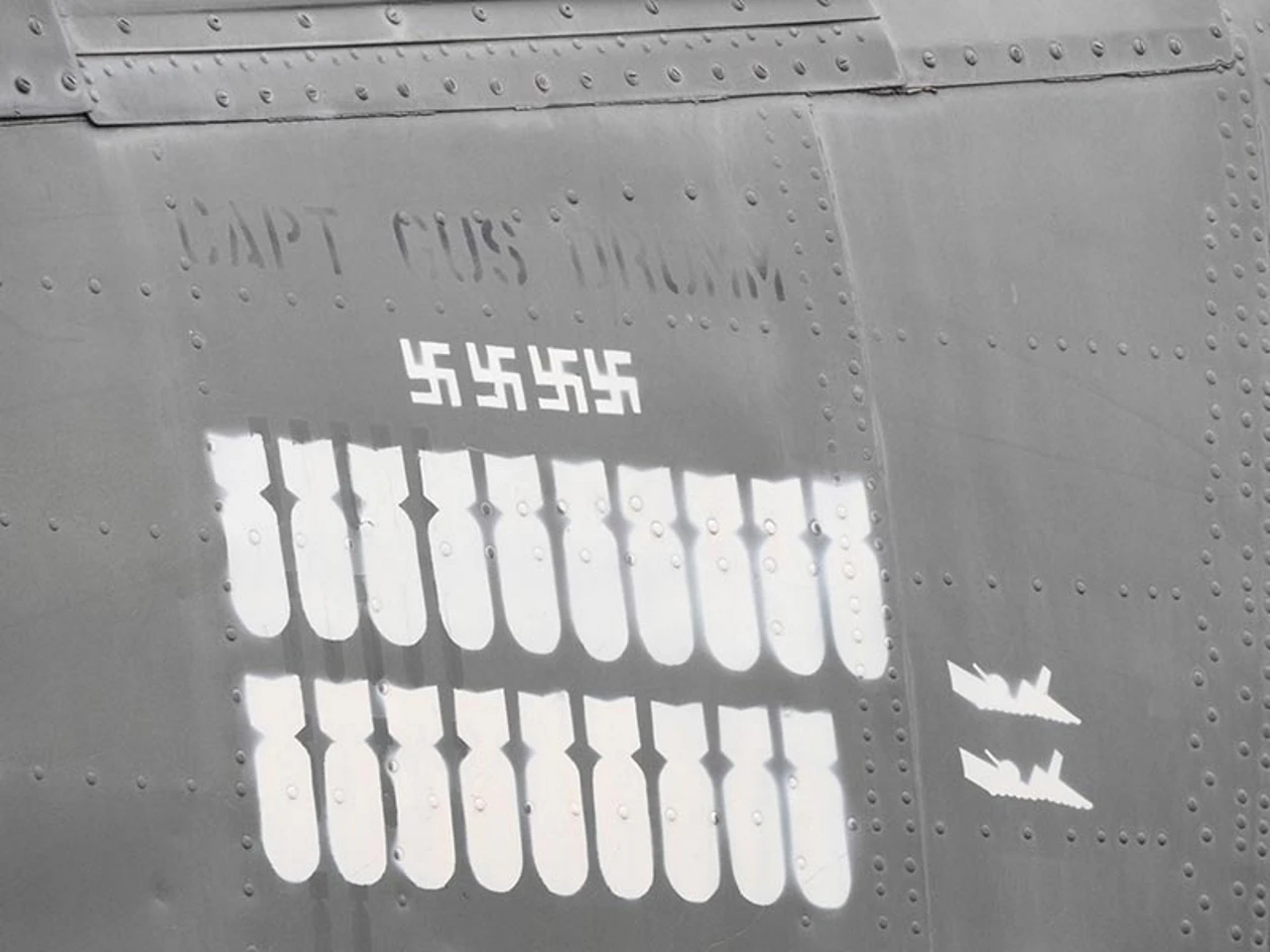
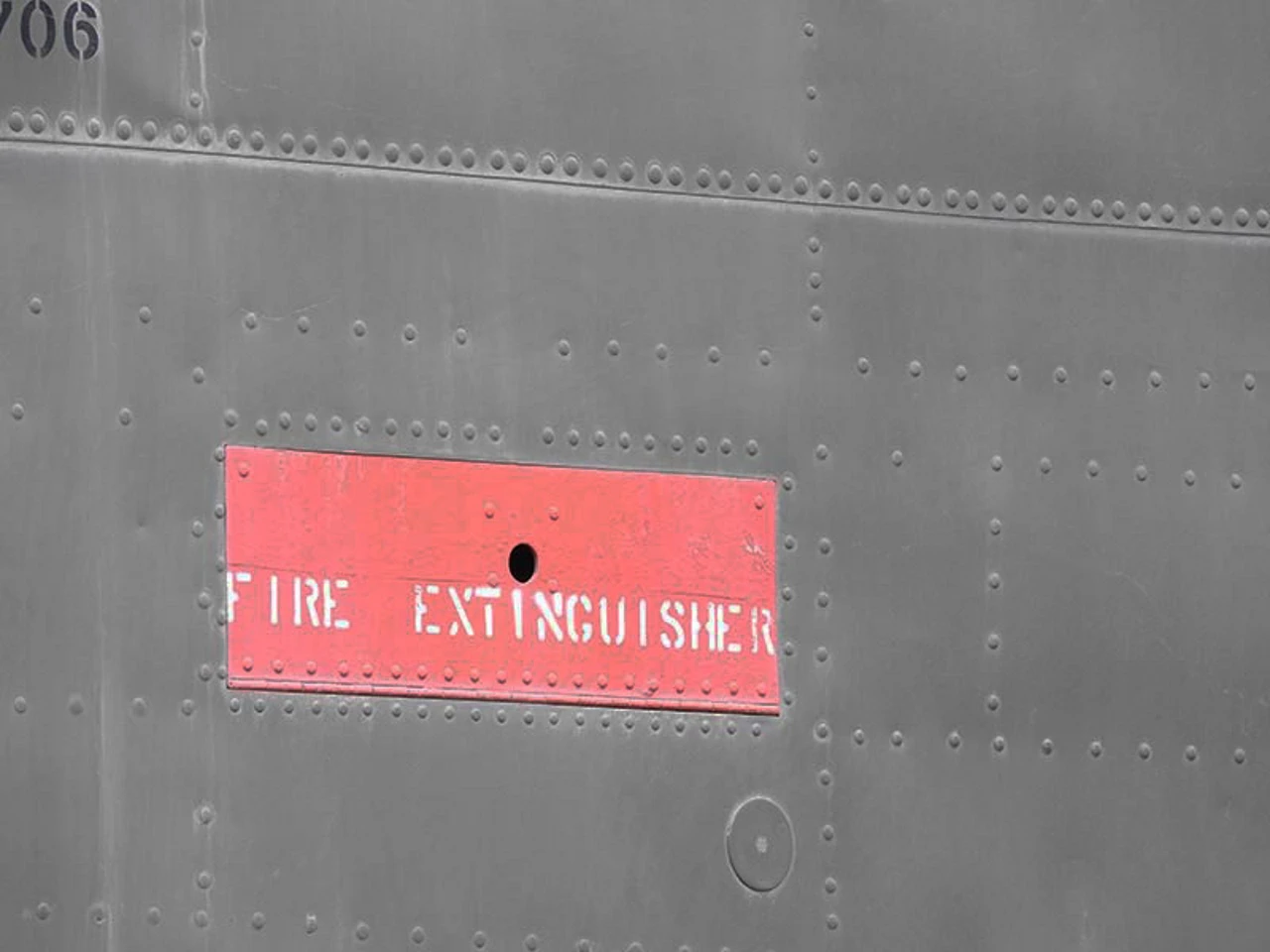
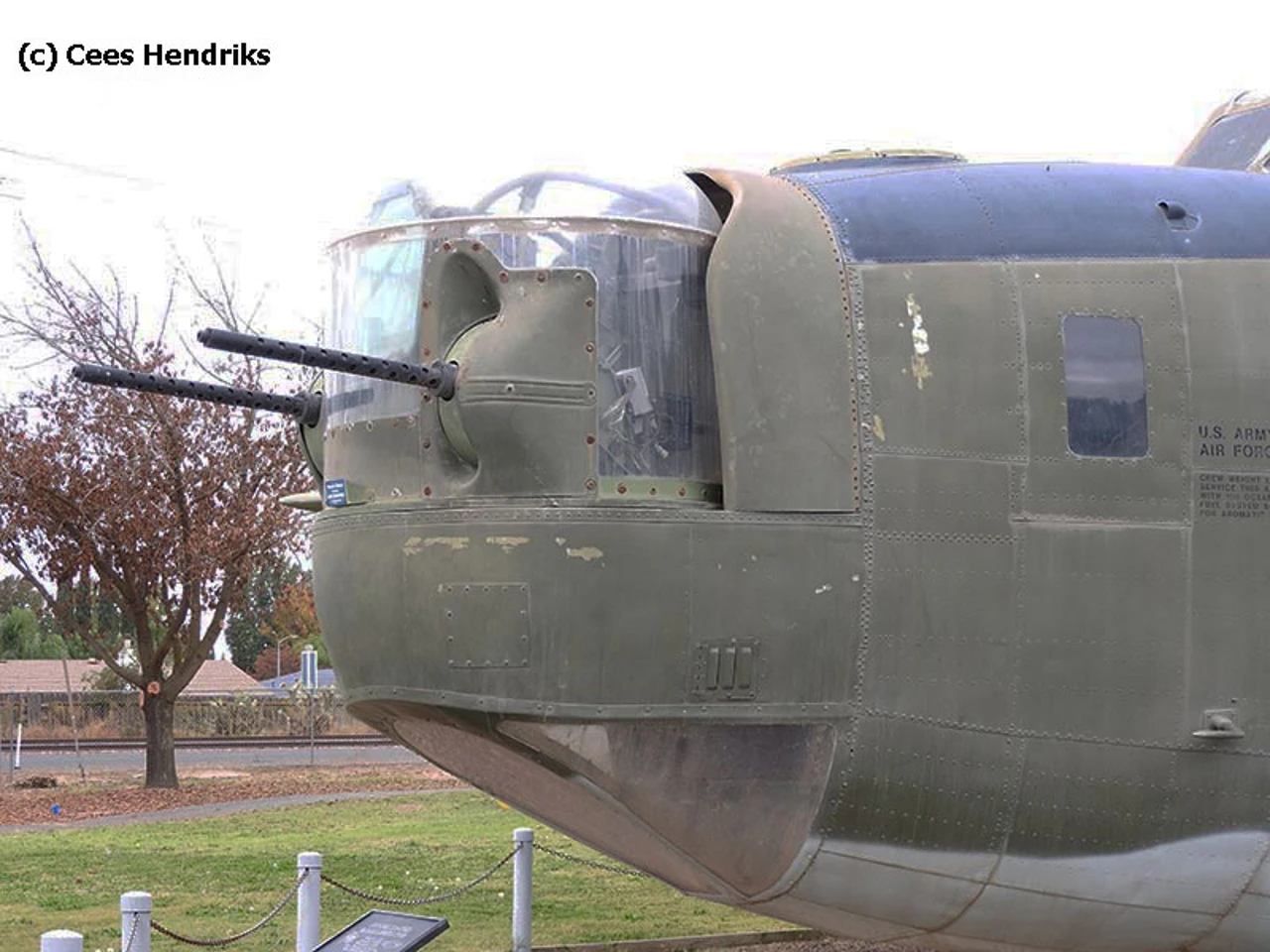
| Consolidated B-24J Liberator Walk Around | |
|---|---|
| 摄影师 | 弗拉基米尔·亚库博夫 |
| 本地化 | 未知 |
| 照片 | 312 |
| LB-30 Liberator Walk Around | |
|---|---|
| 摄影师 | Michael Benolkin |
| 本地化 | 未知 |
| 照片 | 14 |
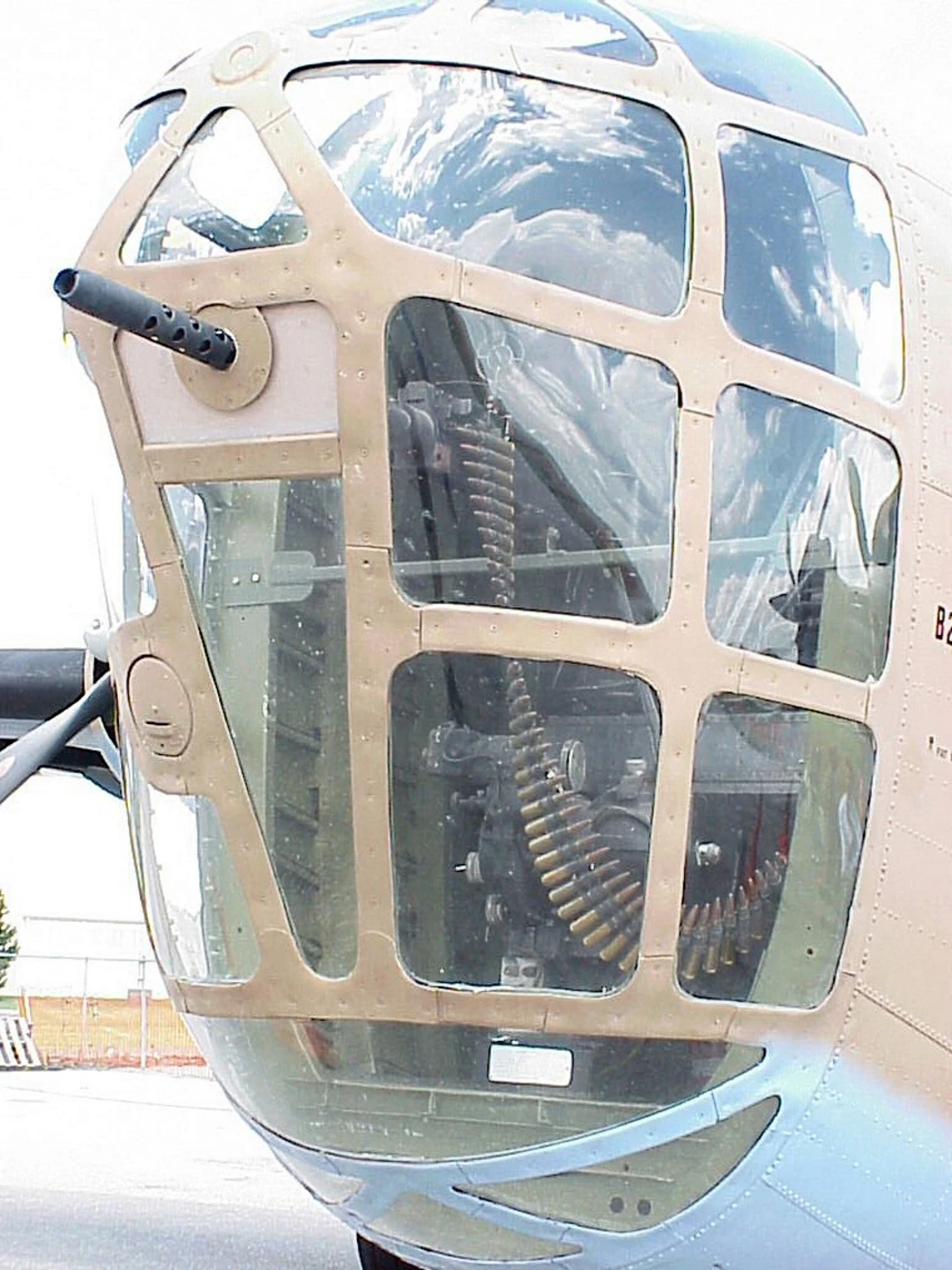
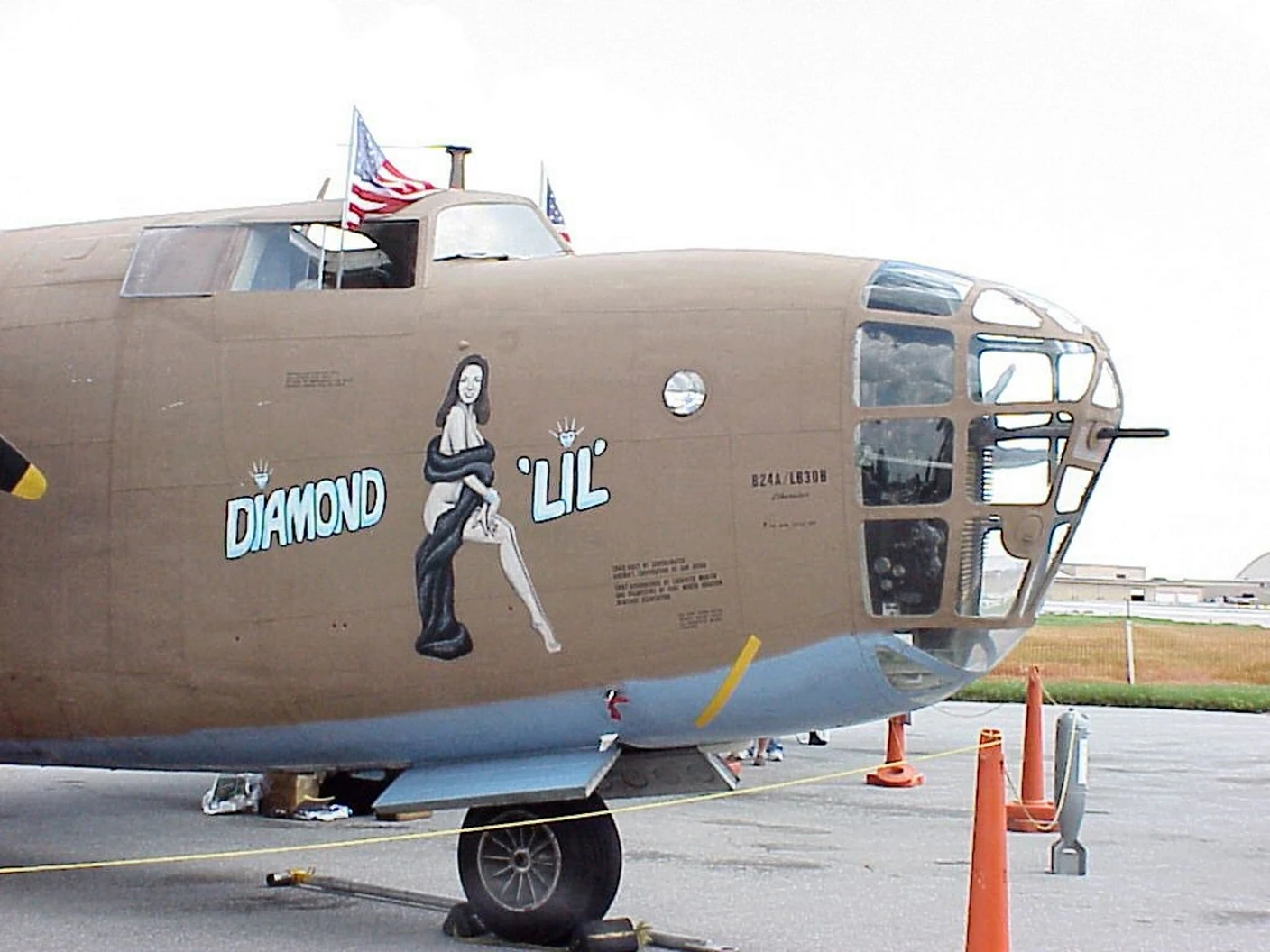
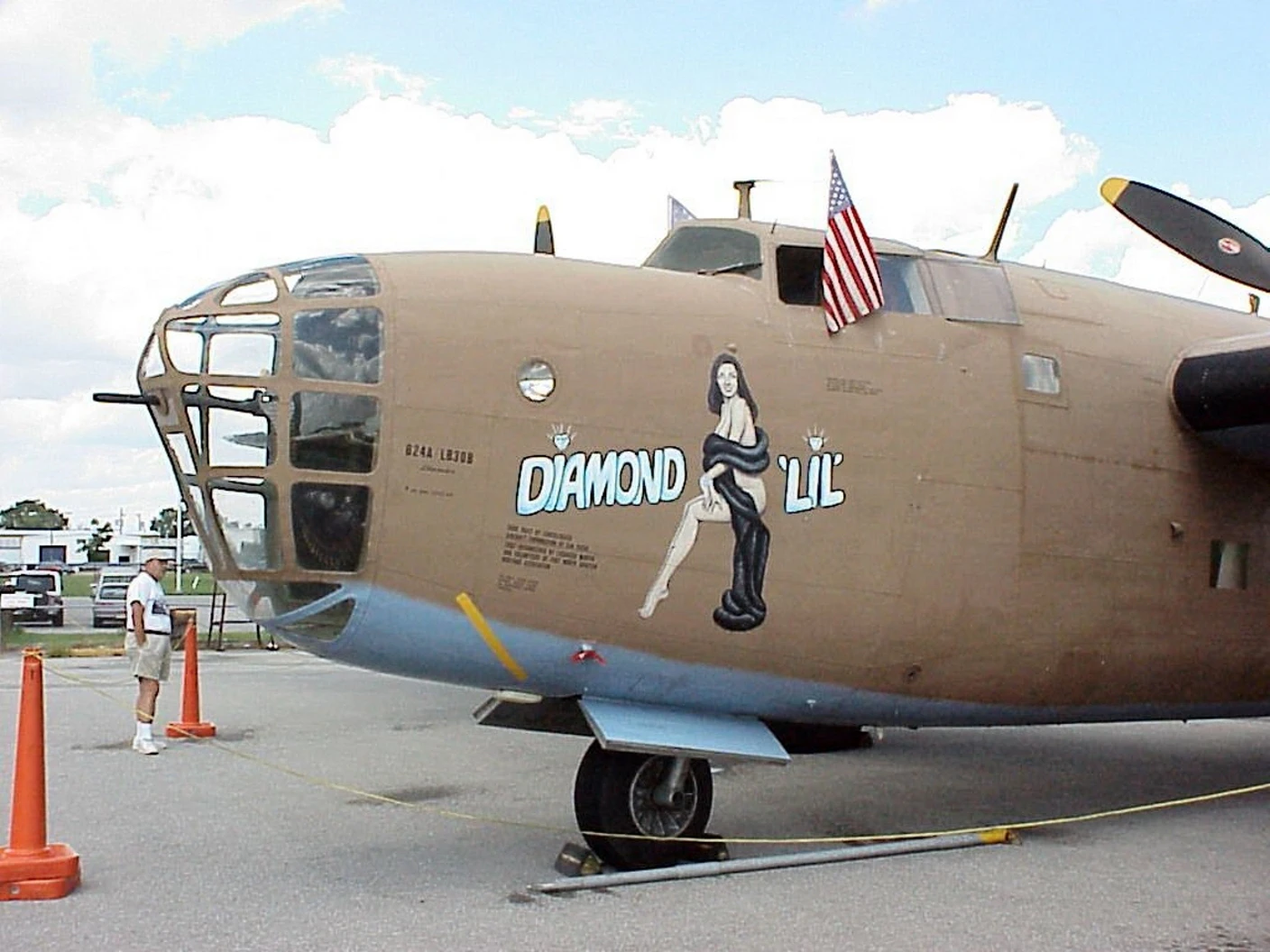
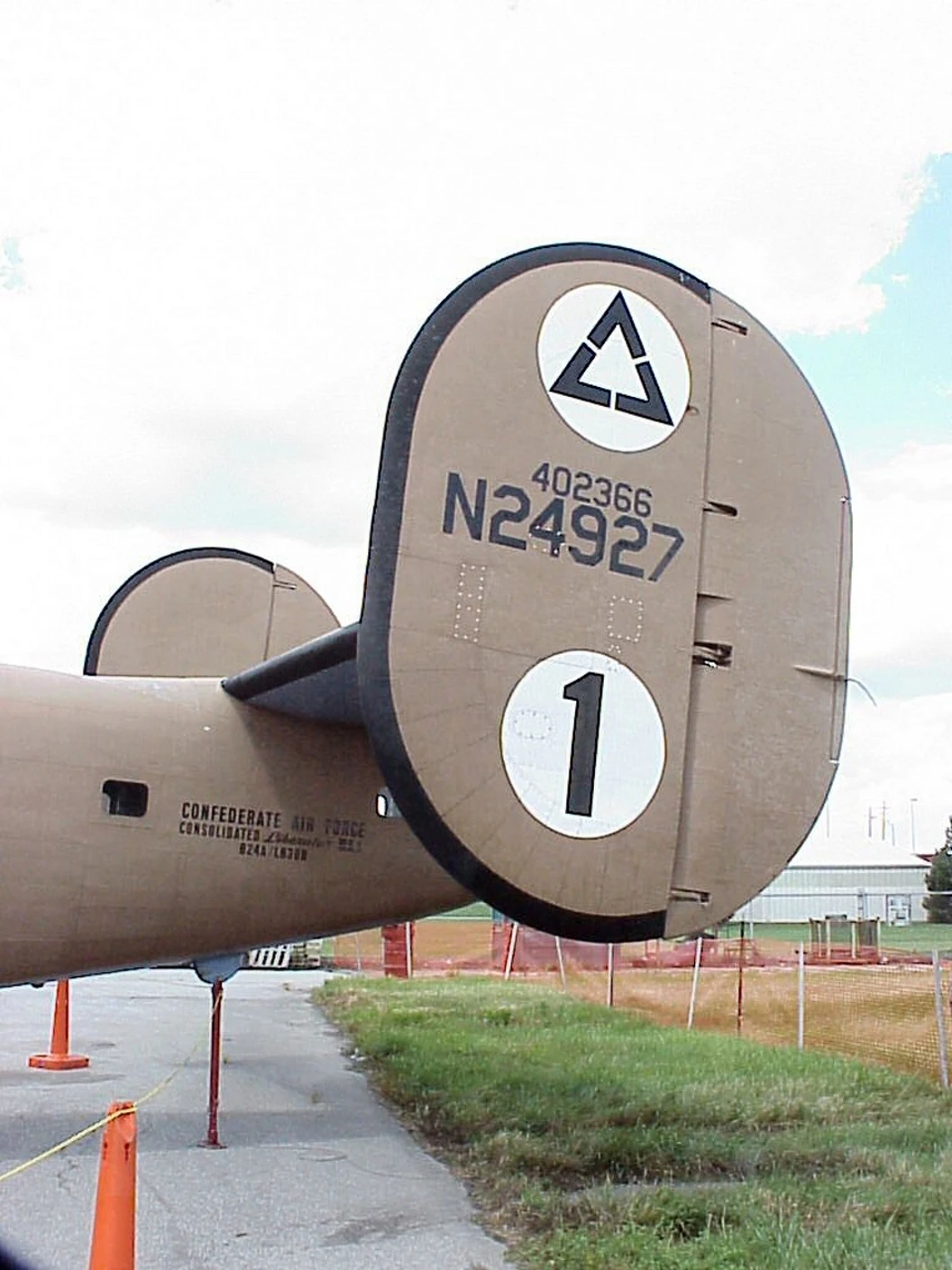
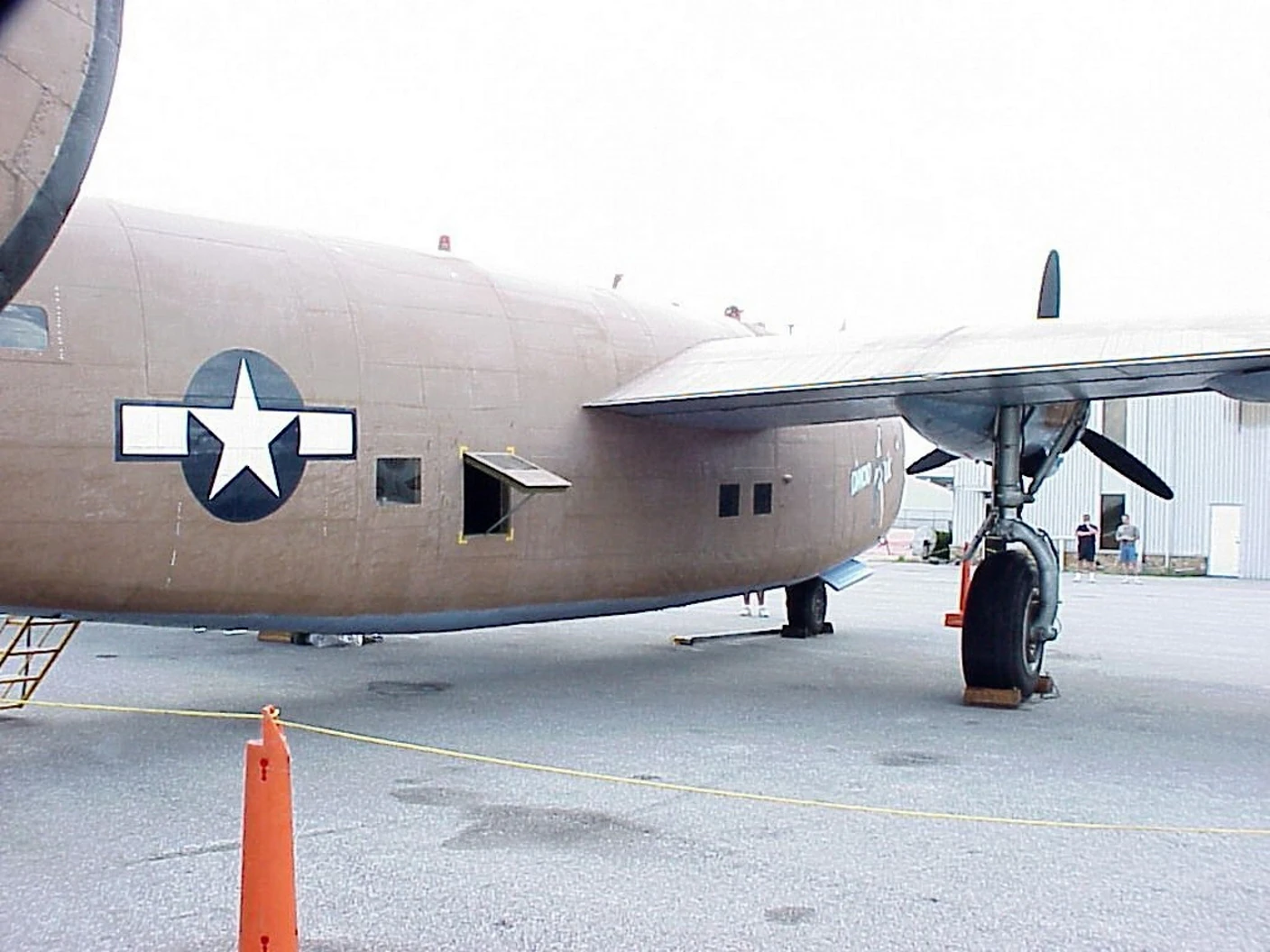
The Most Produced American Aircraft
这 B-24 解放者 was the heavy-lifting muscle of the Allied air campaign. While the B-17 Flying Fortress got the Hollywood fame, the B-24 did the heavy lifting across every theater of WWII. It was faster, carried a larger bomb load, and had a significantly longer range than the B-17. With over 18,000 units built—many coming off Henry Ford’s massive Willow Run assembly line at a rate of one per hour—the Liberator was the industrial hammer that broke the back of the Axis powers.
| Attribute | Technical Specification (B-24J) |
|---|---|
| 作用 | Heavy Strategic Bomber / ASW Patrol |
| 船员 | 11 (Pilot, Co-pilot, Navigator, Bombardier, 7 Gunners) |
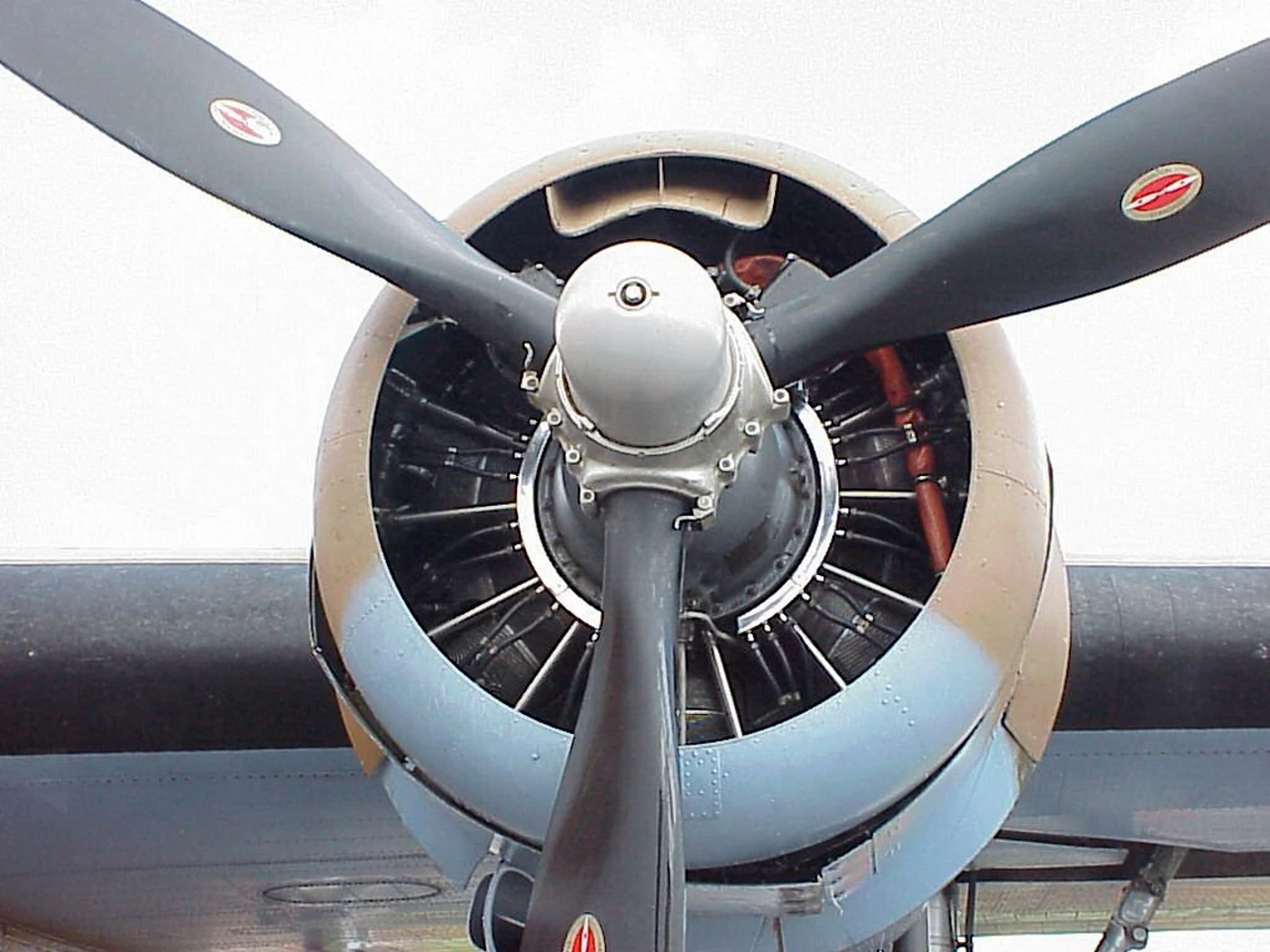
| 发动机 | 4 × Pratt & Whitney R-1830-65 Twin Wasp (1,200 hp each) |
| 最高速度 | 478 km/h (297 mph) at 25,000 ft |
| Cruise Speed | 346 km/h (215 mph) |
| Bomb Load | Up to 3,600 kg (8,000 lbs) for short range |
| Defensive Armament | 10 × .50 cal Browning M2 machine guns |
| Maximum Range | 4,585 km (2,850 miles) — Ferry Range |
Design Engineering: The Davis Wing and Roller Doors
- The Davis Wing: The B-24 used a high-aspect-ratio “Davis” wing. It was very thin and long, which provided incredible fuel efficiency and lift at high altitudes. However, it was fragile; if the wing took significant damage from flak, it tended to snap more easily than the B-17’s rugged wing.
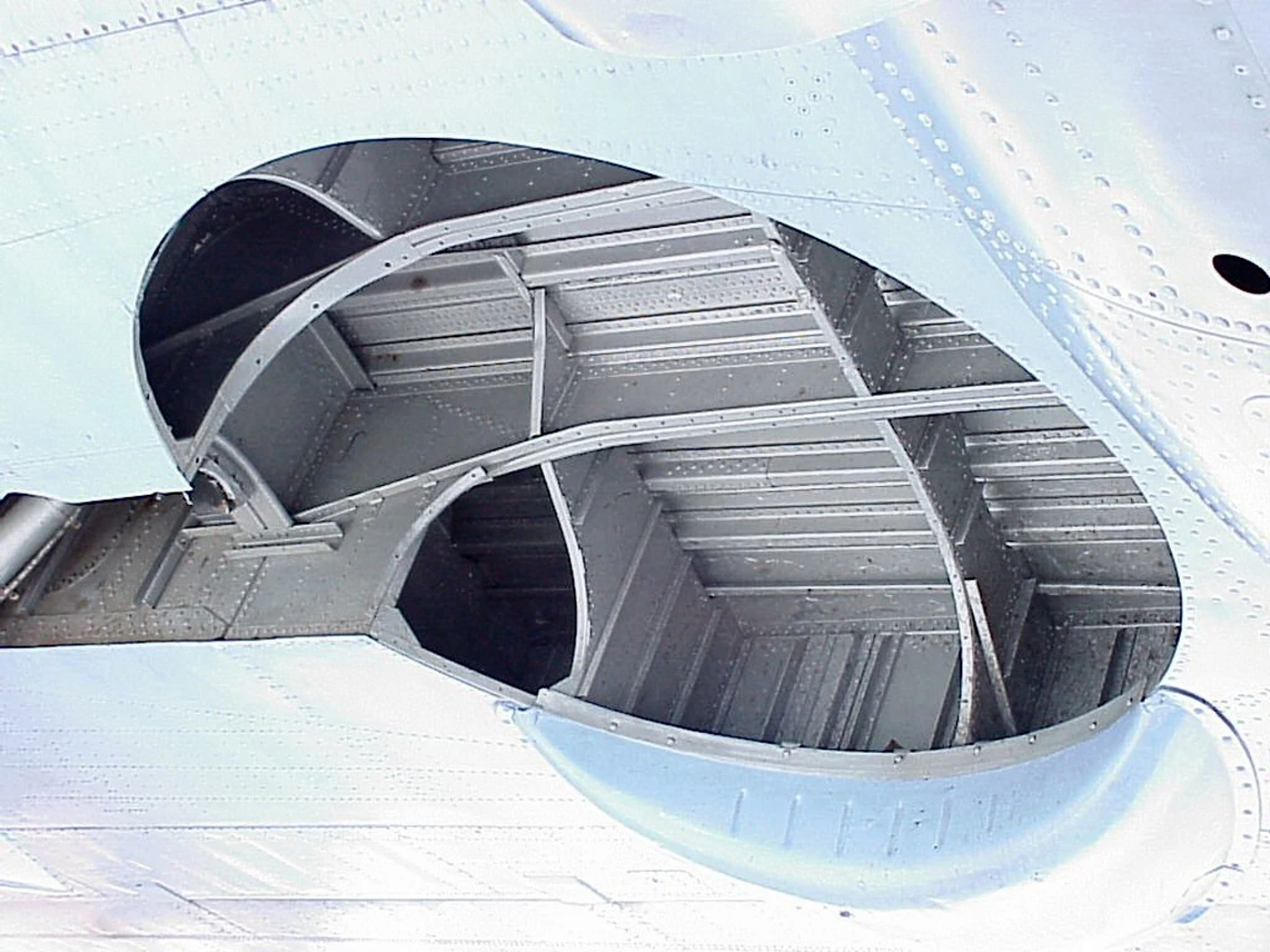
- Roller-Top Bomb Doors: Unlike the outward-swinging doors of the B-17, the B-24’s bomb bay doors rolled up into the fuselage like a garage door. This reduced drag significantly when the doors were open over the target.
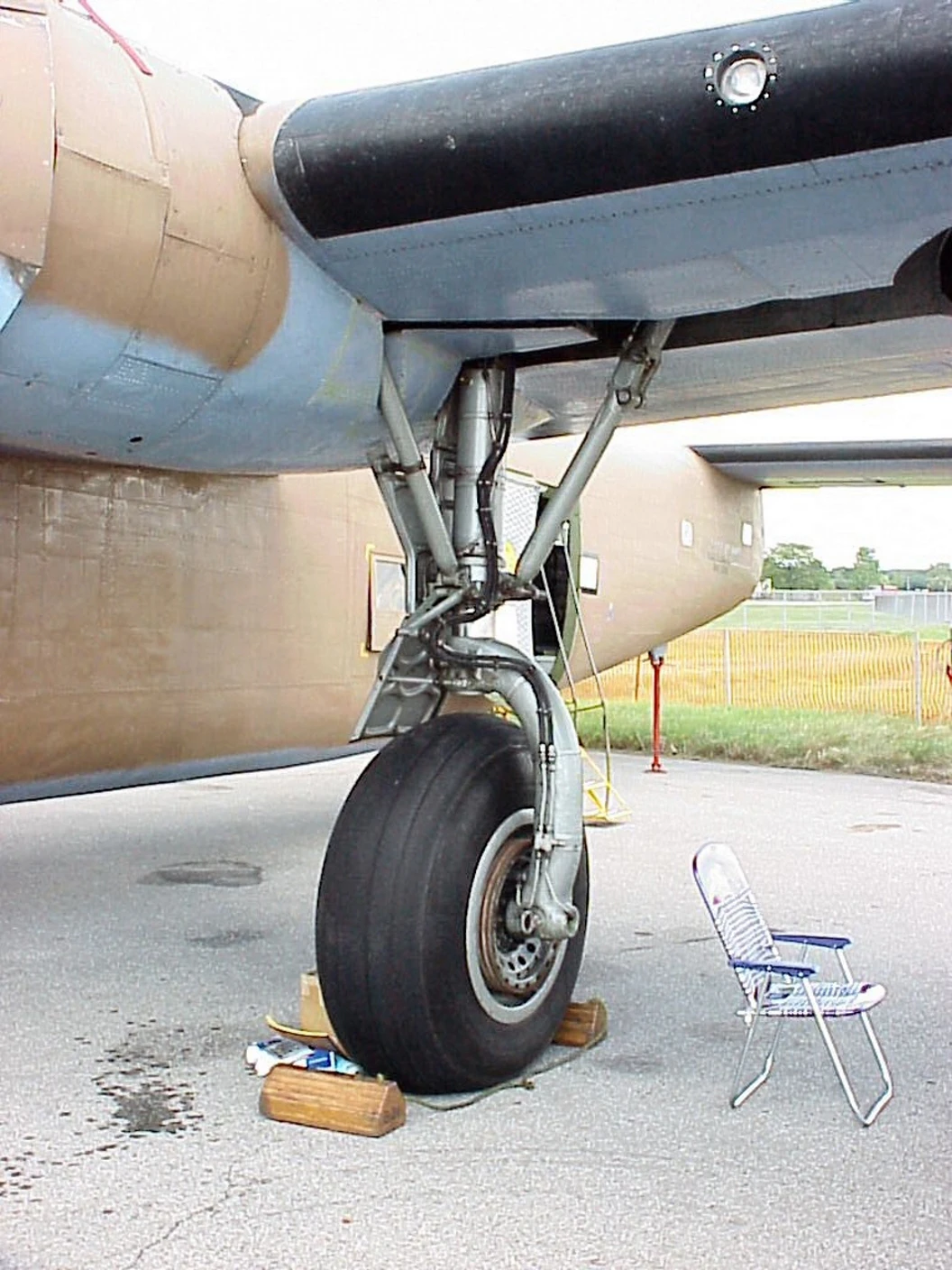
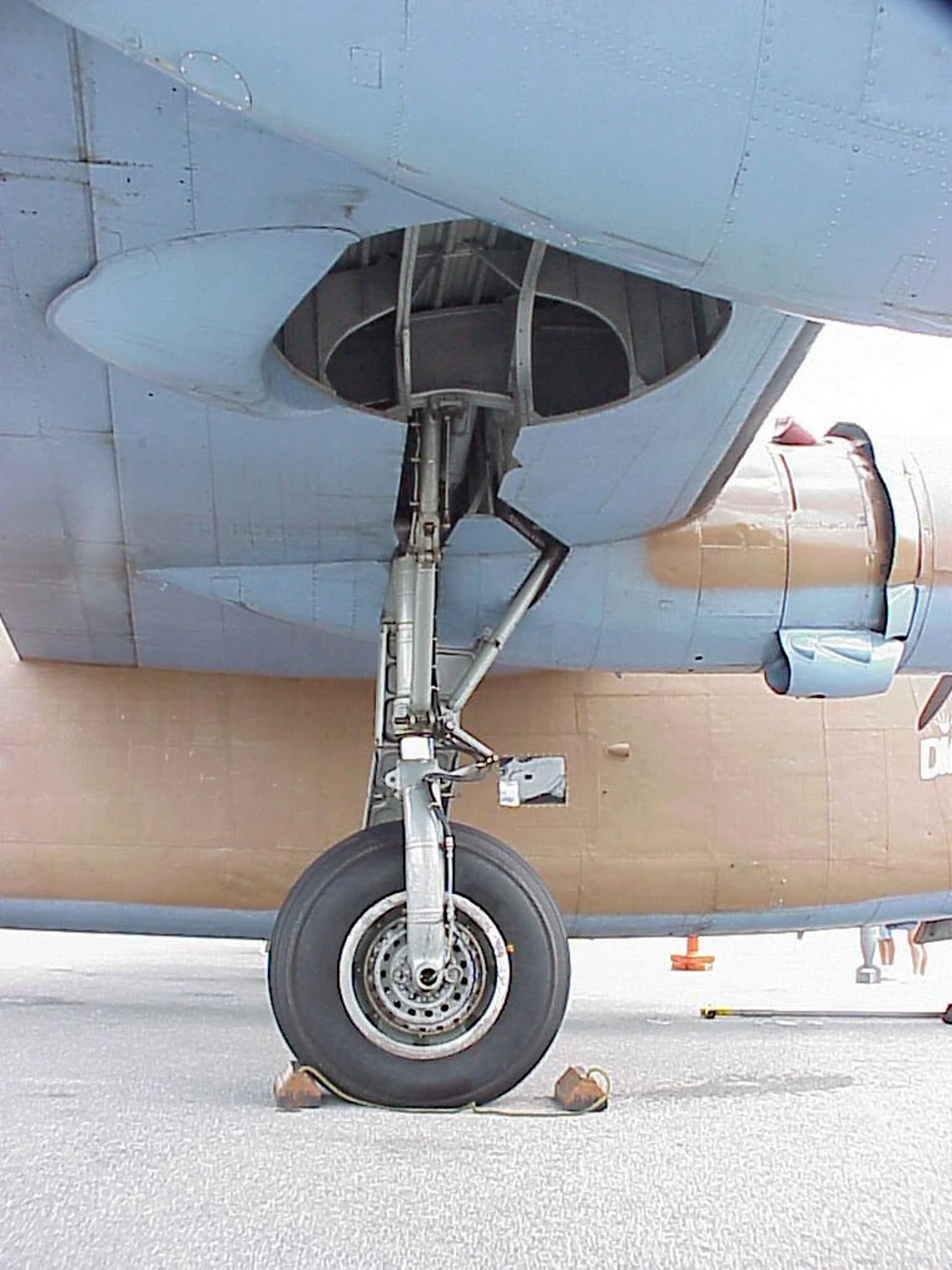
- Tricycle Landing Gear: The B-24 was one of the first heavy bombers to feature a nose wheel. This made it easier to taxi and take off with heavy loads, but it gave the plane its famous “squat” look on the ground.
- The “Flying Boxcar”: Because of its slab-sided fuselage and massive internal volume, it earned the nickname “Flying Boxcar.” This space made it a favorite for conversion into the C-87 Liberator Express transport.
Operational History: Ploesti and the U-Boat Menace
- Operation Tidal Wave: The B-24 was the primary aircraft for the daring low-level raid on the Ploesti oil refineries in Romania (1943). Flying hundreds of miles at tree-top level, the Liberators’ long range was the only reason the mission was possible.
- Closing the “Atlantic Gap”: The Liberator’s greatest contribution may have been the VLR (Very Long Range) variants. They patrolled the mid-Atlantic, where no other planes could reach, hunting German U-boats and finally ending the “Black Pit” where Allied shipping was most vulnerable.
- Difficult to Fly: Pilots often complained that the B-24 was physically exhausting to fly. It lacked the “forgiving” flight characteristics of the B-17 and required constant manual input, earning it the grunt-work nickname “Lumbering Lib.”
- The PB4Y-2 Privateer: The Navy loved the B-24 so much they created a specialized maritime version with a single massive vertical tail fin and even more sensors for long-range patrol.
视图 : 7123