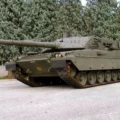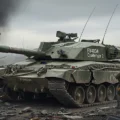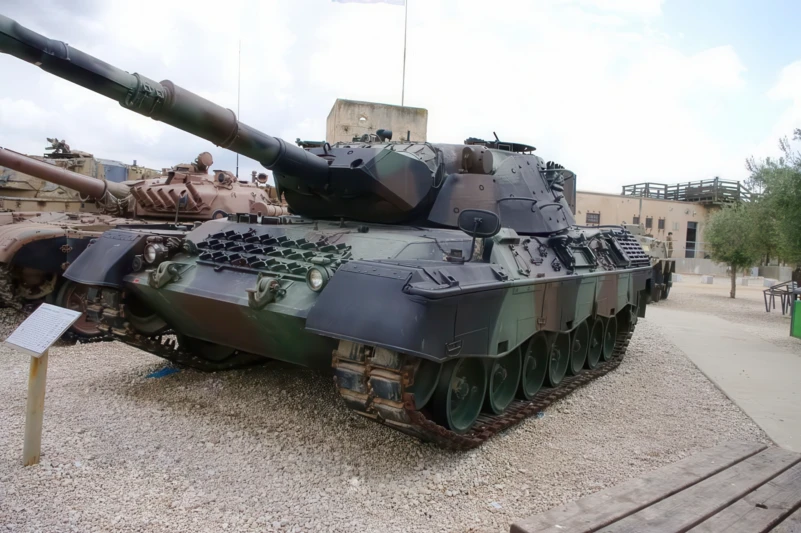
Leopard 1 |
|
|---|---|
| Zemlja | Zapadna Nemačka |
| Ulogu | Glavni borbeni tenk |
| U službi | 1965–present |
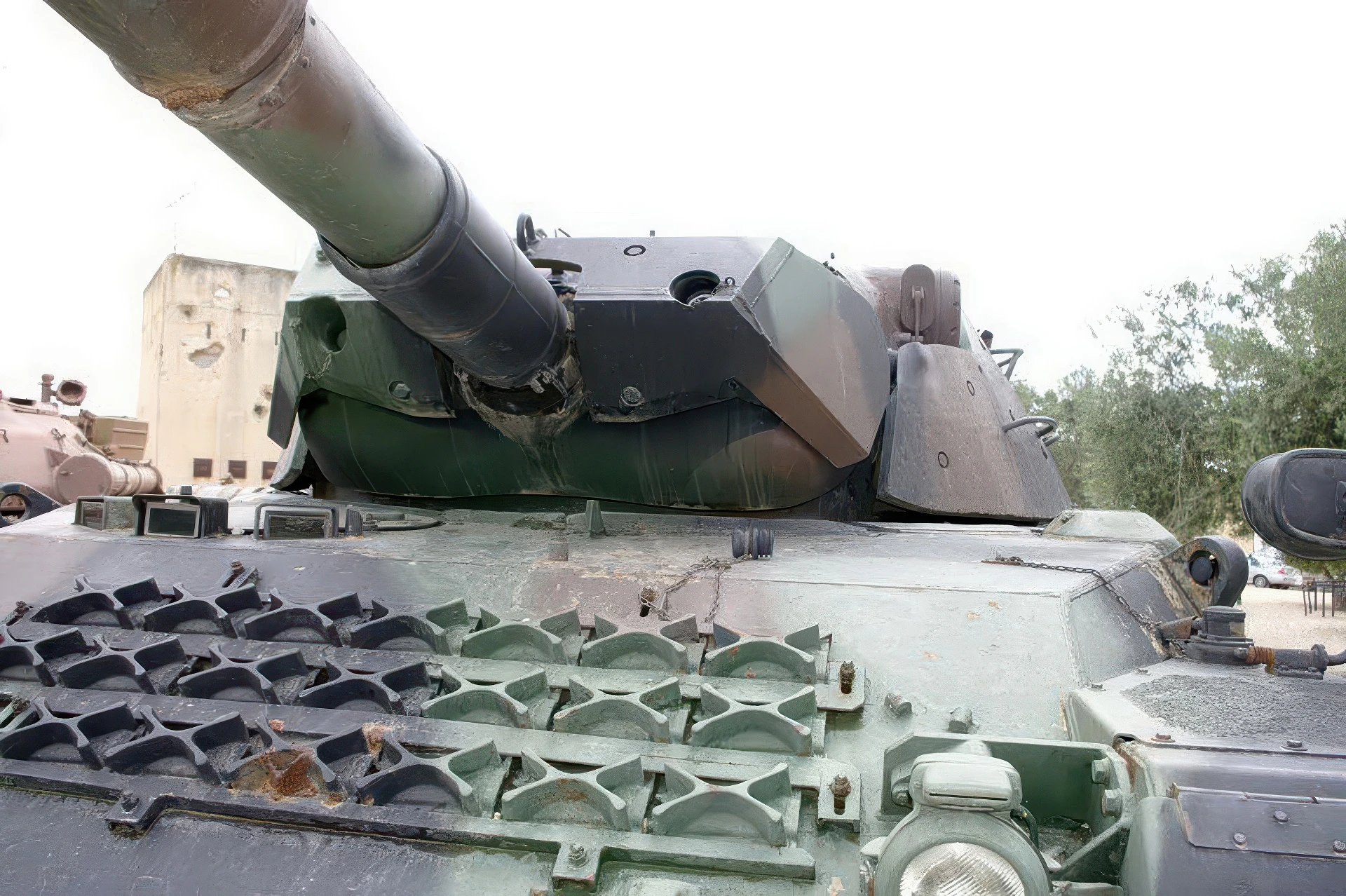
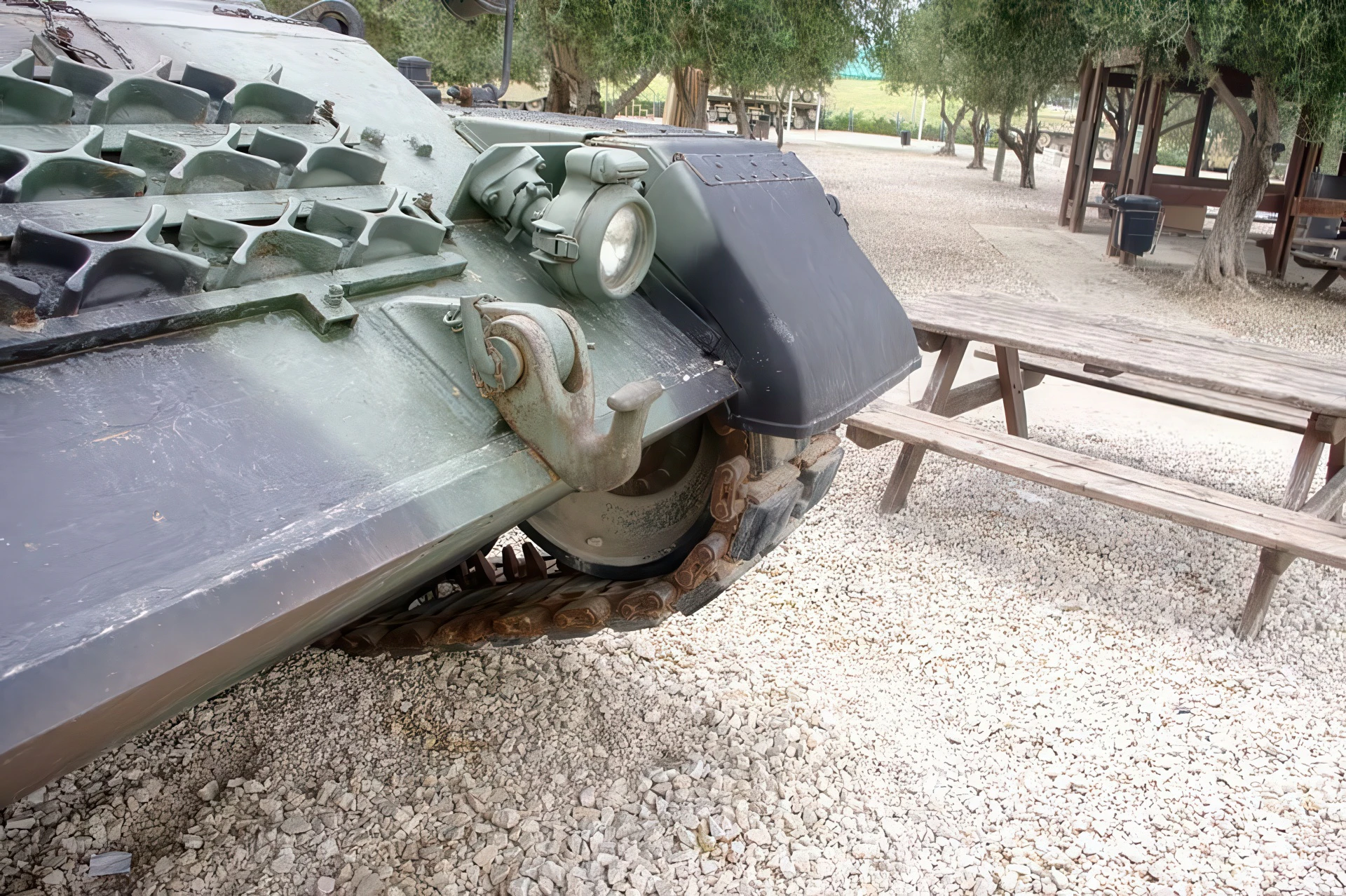
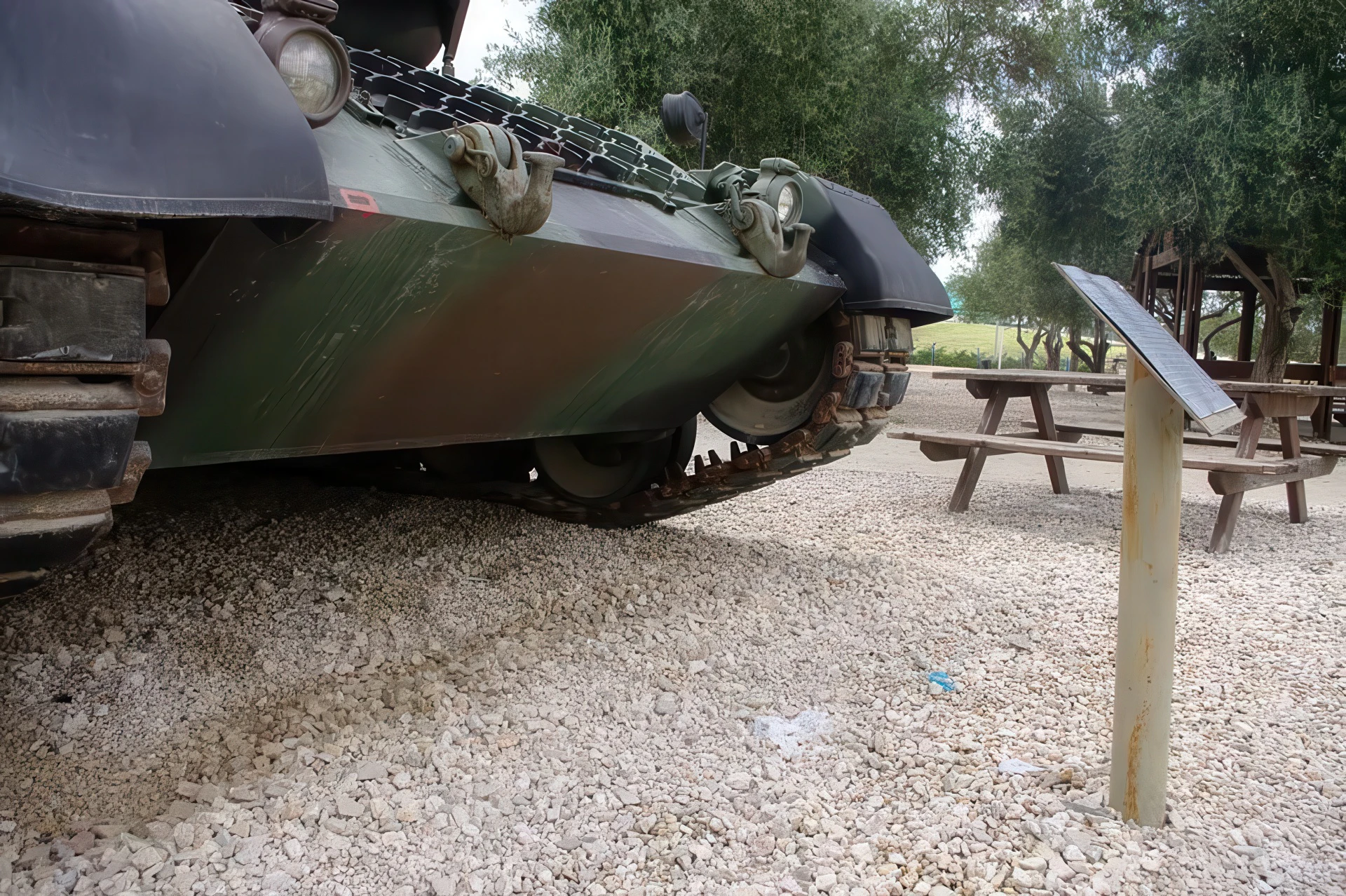
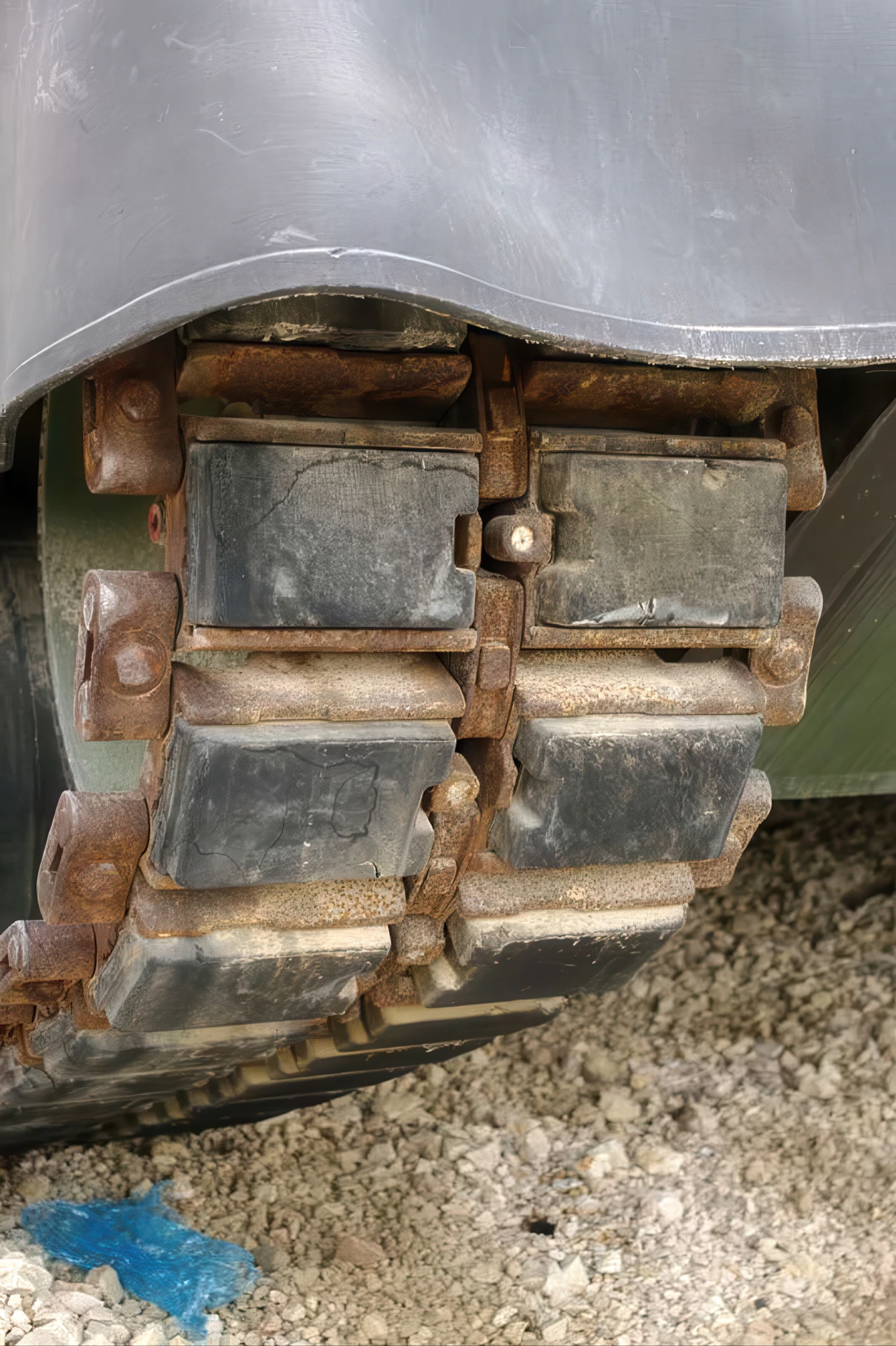
Nakon što je prva grupa isporučena sledeće tri grupe su bile Leopard 1A1 model, which included a new gun stabilization system from Cadillac-Gage, allowing the tank to fire effectively on the move. The 1A1 also added the now-famous “skirts” along the sides to protect the upper tracks, and a new thermal jacket on the gun barrel to control heating. A less important change was to use rectangular rubber blocks fastened to the treads with a single pin instead of the earlier two-pin “shaped” versions. The rubber blocks could be easily replaced with metal X-shaped crampons for movement on ice and snow in the winter.
Between 1974 and 1977 all of the machines in the first four batches were brought to the same Leopard 1A1A1 standard, and given additional turret armor developed by Blohm & Voss. A further upgrade in the 1980s added leftover image-intensifier night sights which were being handed down from the Leopard 2 as they were themselves upgraded. The PZB 200 image intensification system was mounted in a large box on the upper right of the gun, creating the Leopard 1A1A2. A further upgrade with SEM80/90 all-digital radios created the Leopard 1A1A3.
Izvor: Leopard 1 na Vikipediji
| Leopard 1A1 | |
|---|---|
| Fotograf | Nepoznato |
| Lokalizacija | Nepoznato |
| Fotografije | 131 |
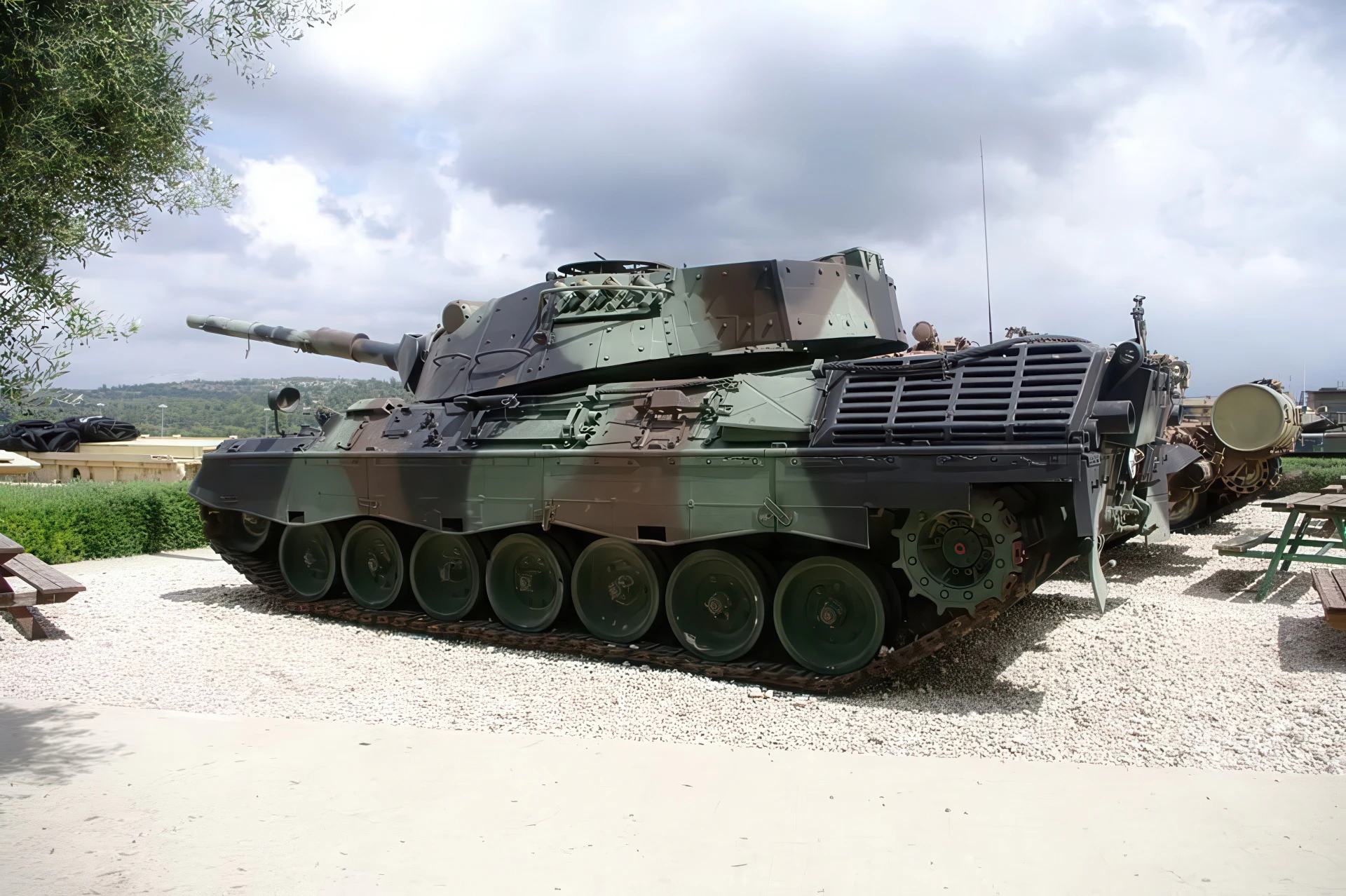
Leopard 1A1 1
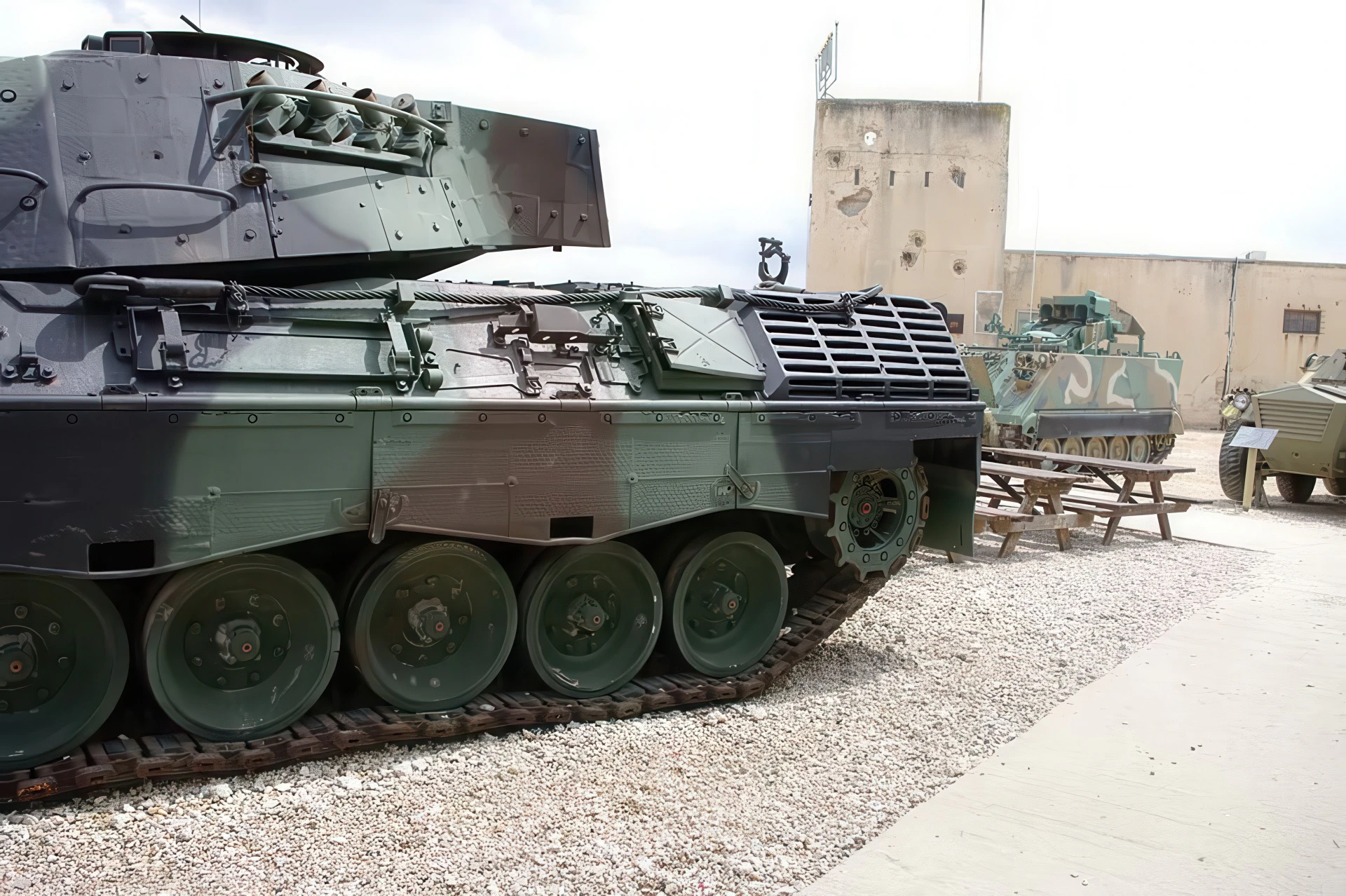
Leopard 1A1 2
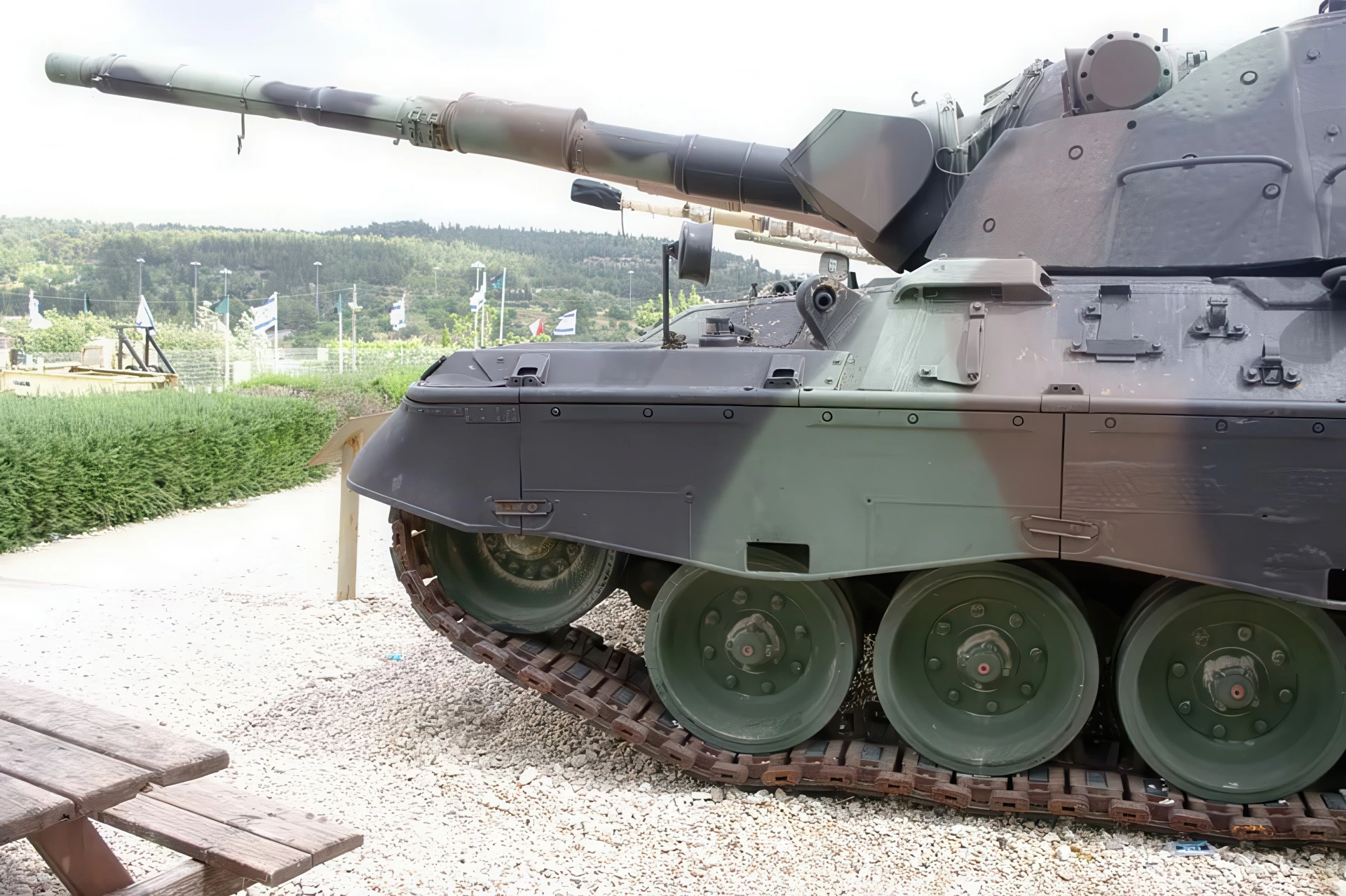
Leopard 1A1 3
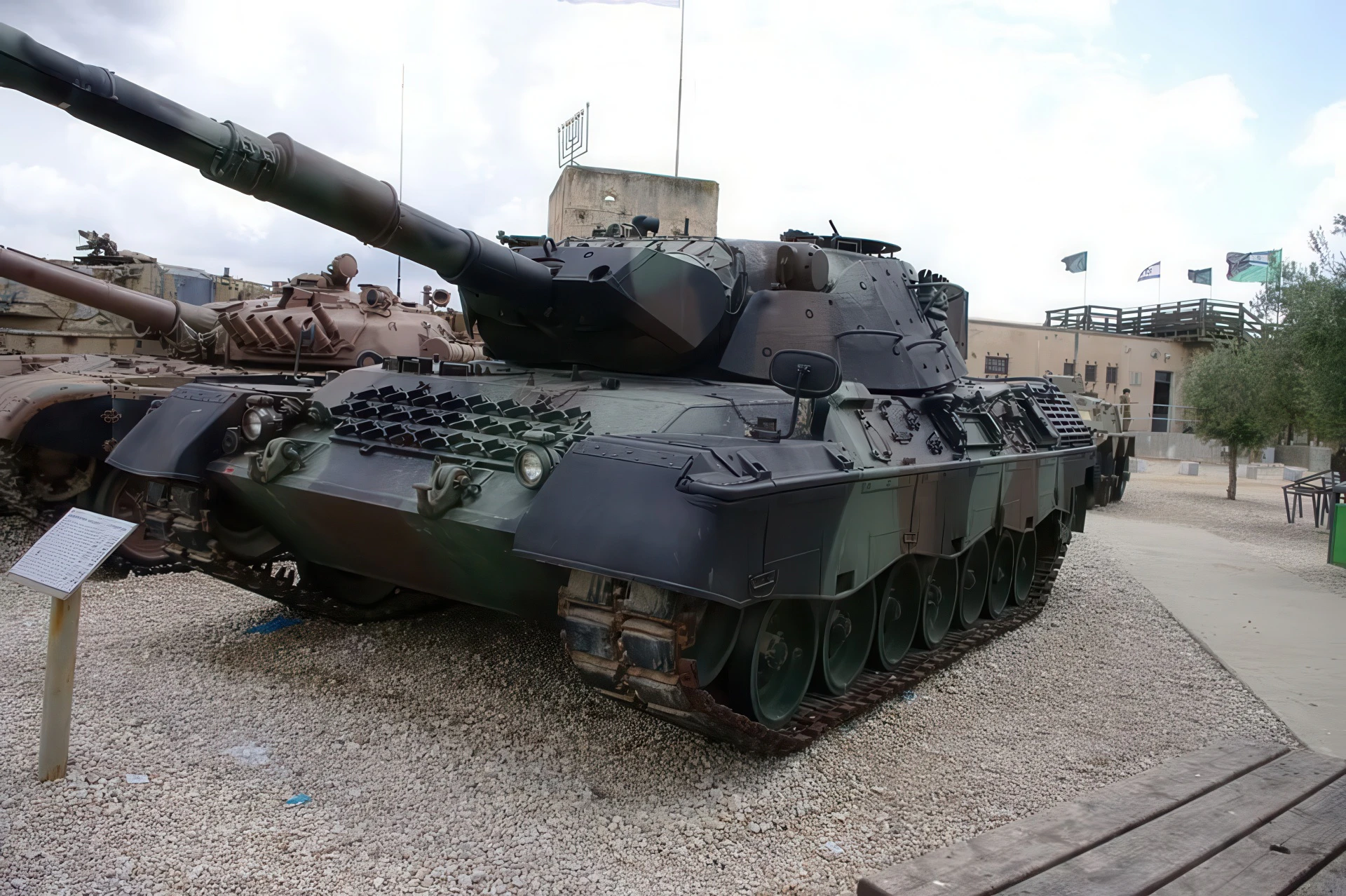
Leopard 1A1 4
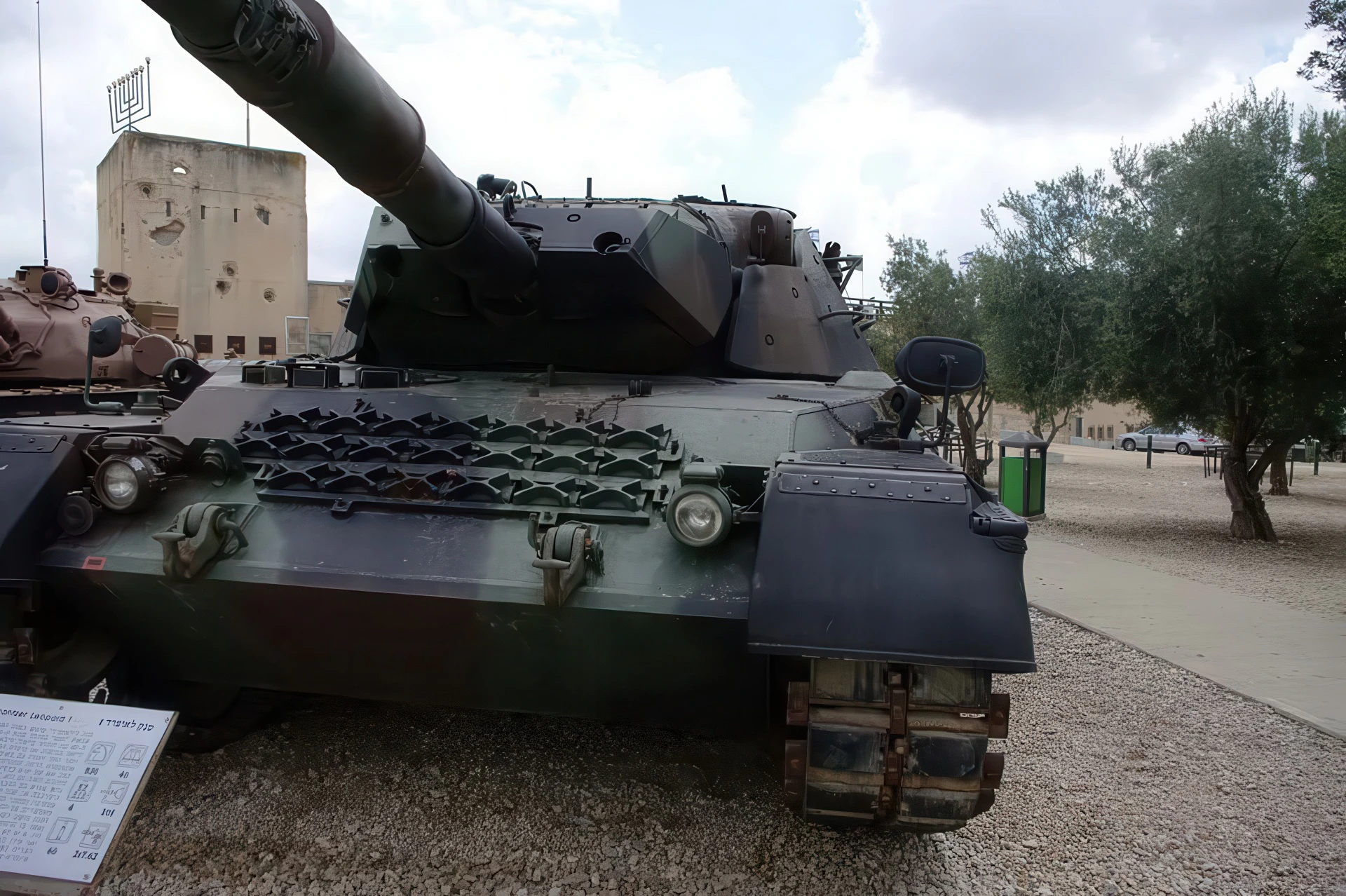
Leopard 1A1 5
Leopard 1A1 6
Leopard 1A1 7
Leopard 1A1 8
Leopard 1A1 10
Wait, Searching Leopard 1A1 for you...

| Leopard 1 Walk Around | |
|---|---|
| Fotograf | Meindert de Vreeze |
| Lokalizacija | Nepoznato |
| Fotografije | 59 |
| Leopard Bruglegger Walk Around | |
|---|---|
| Fotograf | Marsel Bouman |
| Lokalizacija | Nepoznato |
| Fotografije | 26 |
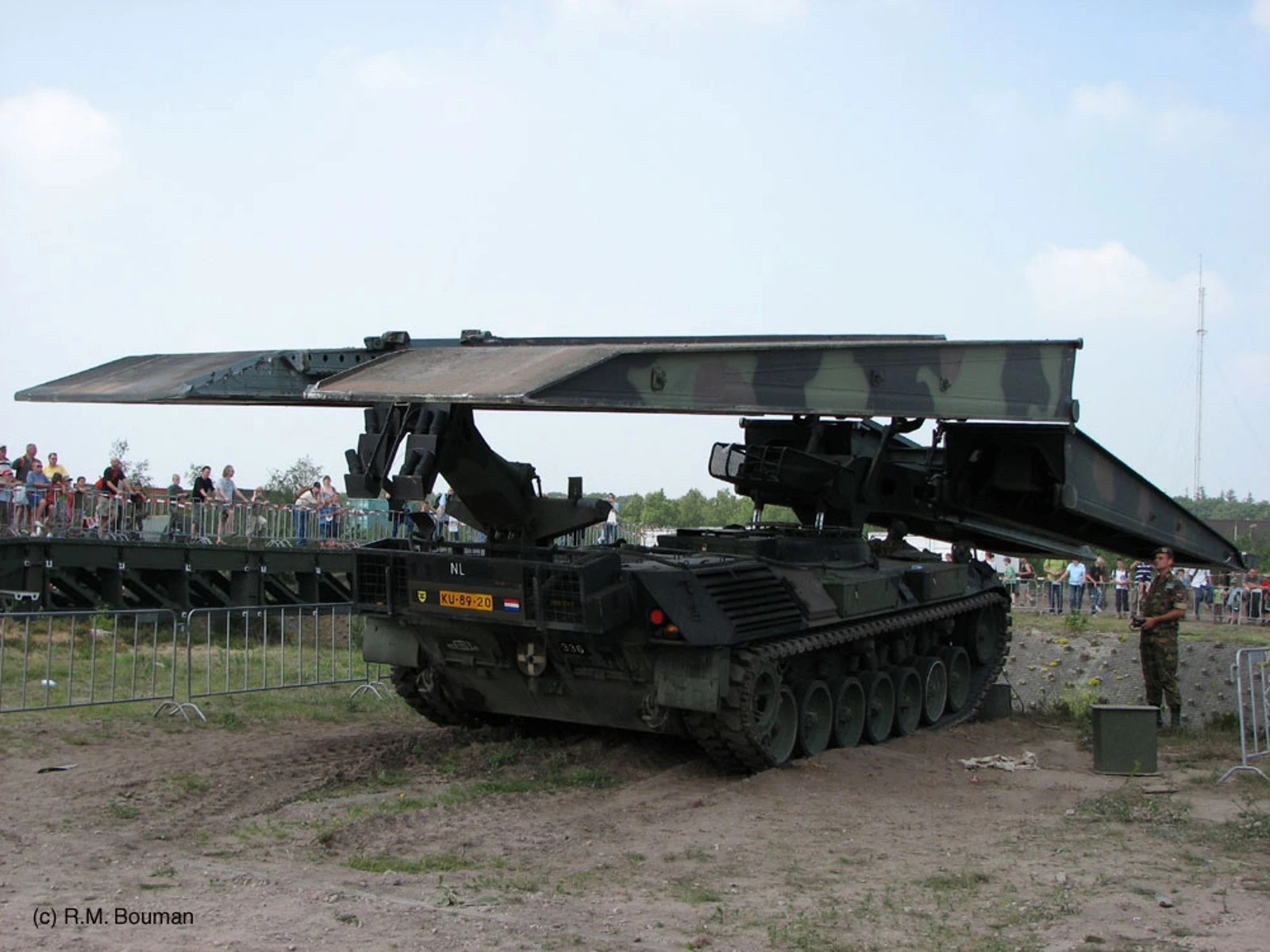
Leopard Bruglegger 01
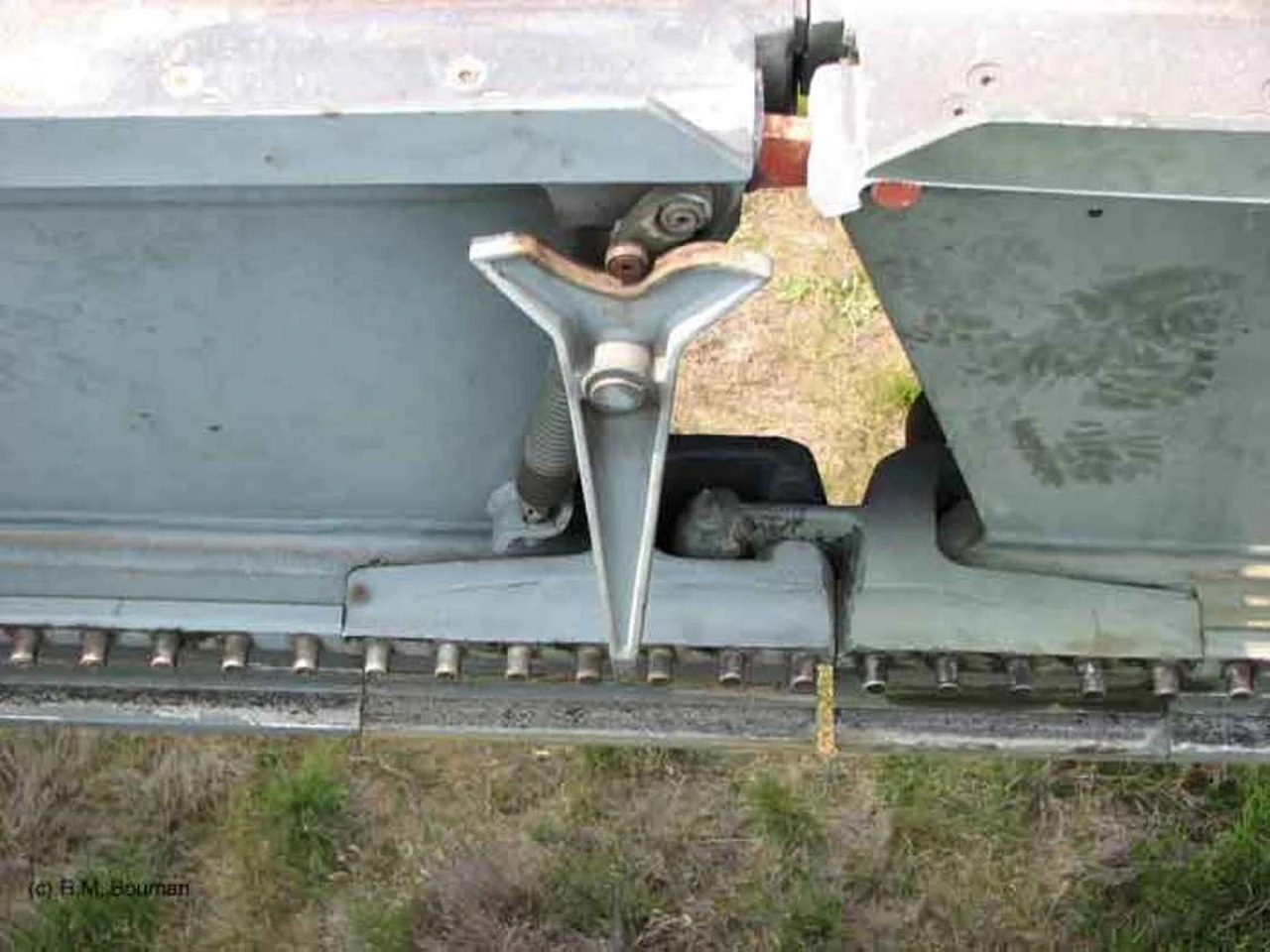
Leopard Bruglegger 02
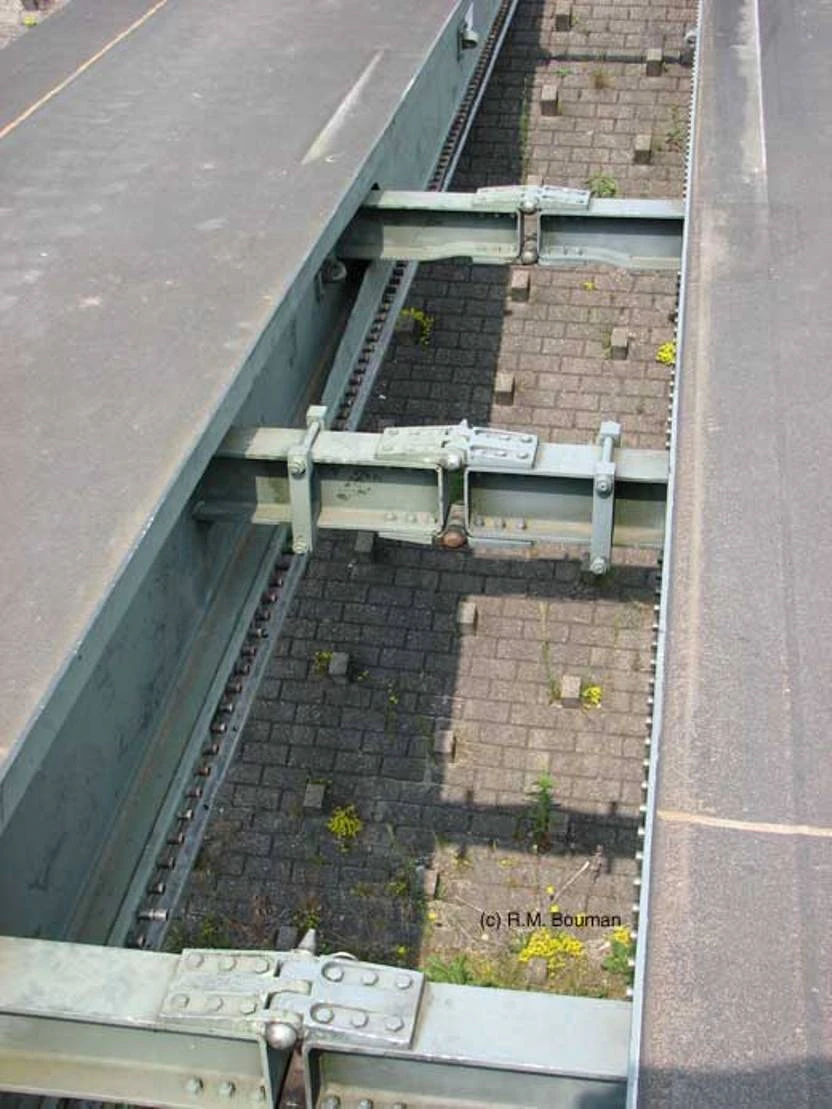
Leopard Bruglegger 03
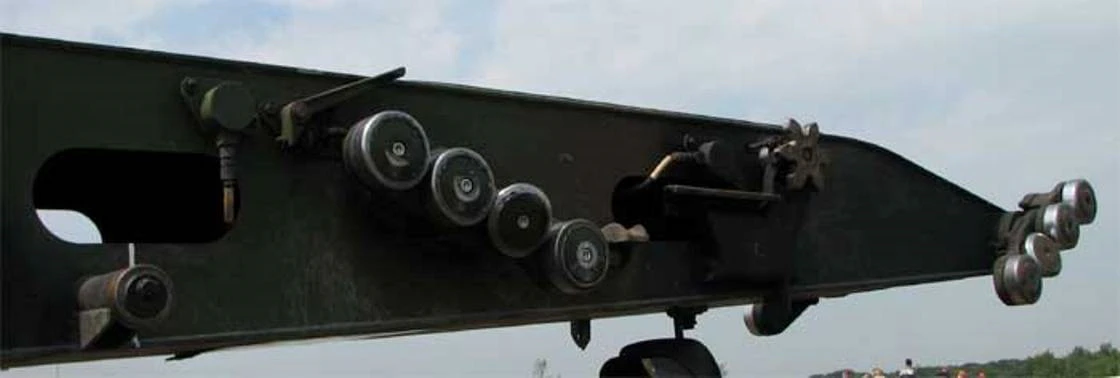
Leopard Bruglegger 04
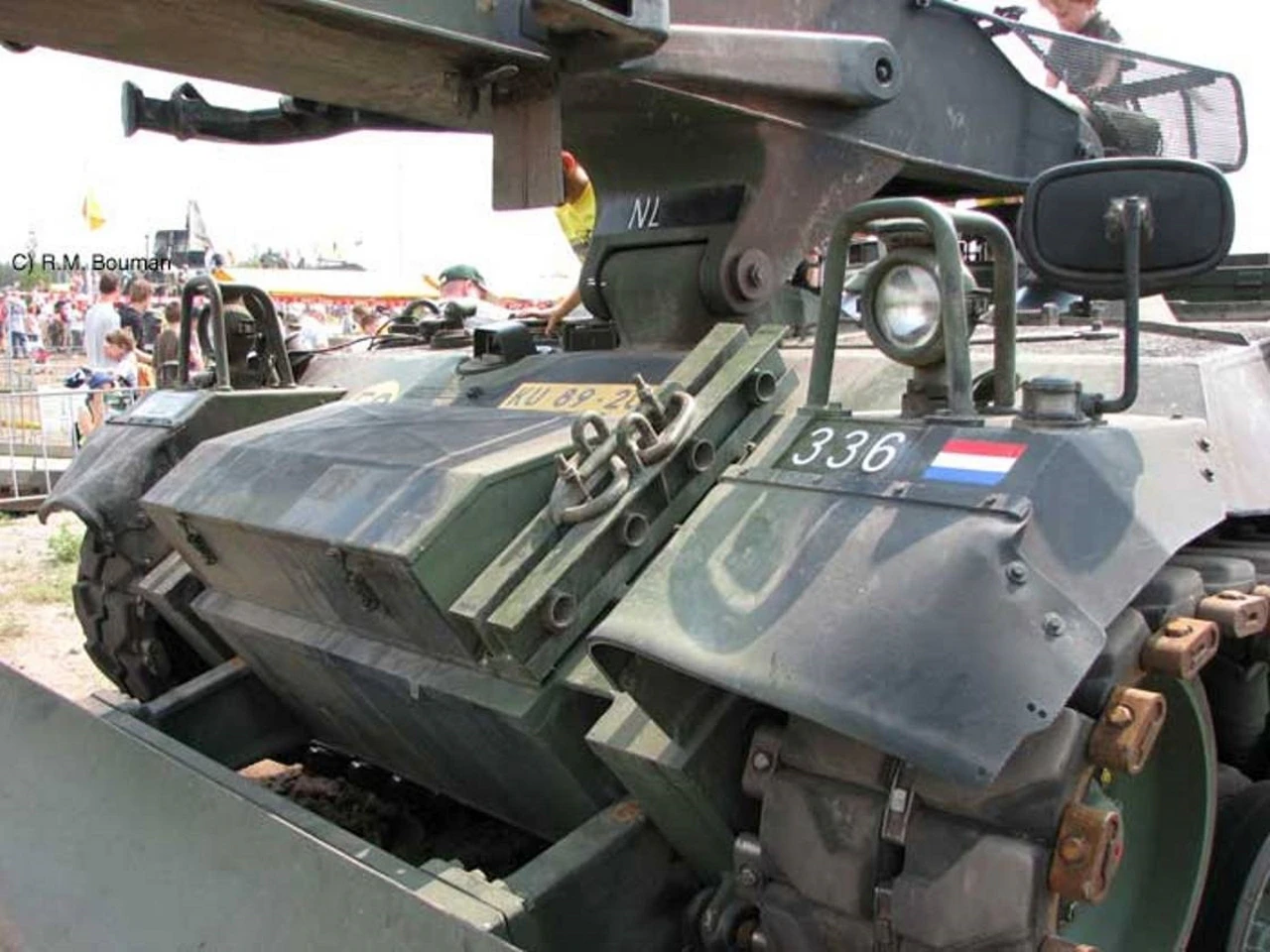
Leopard Bruglegger 05
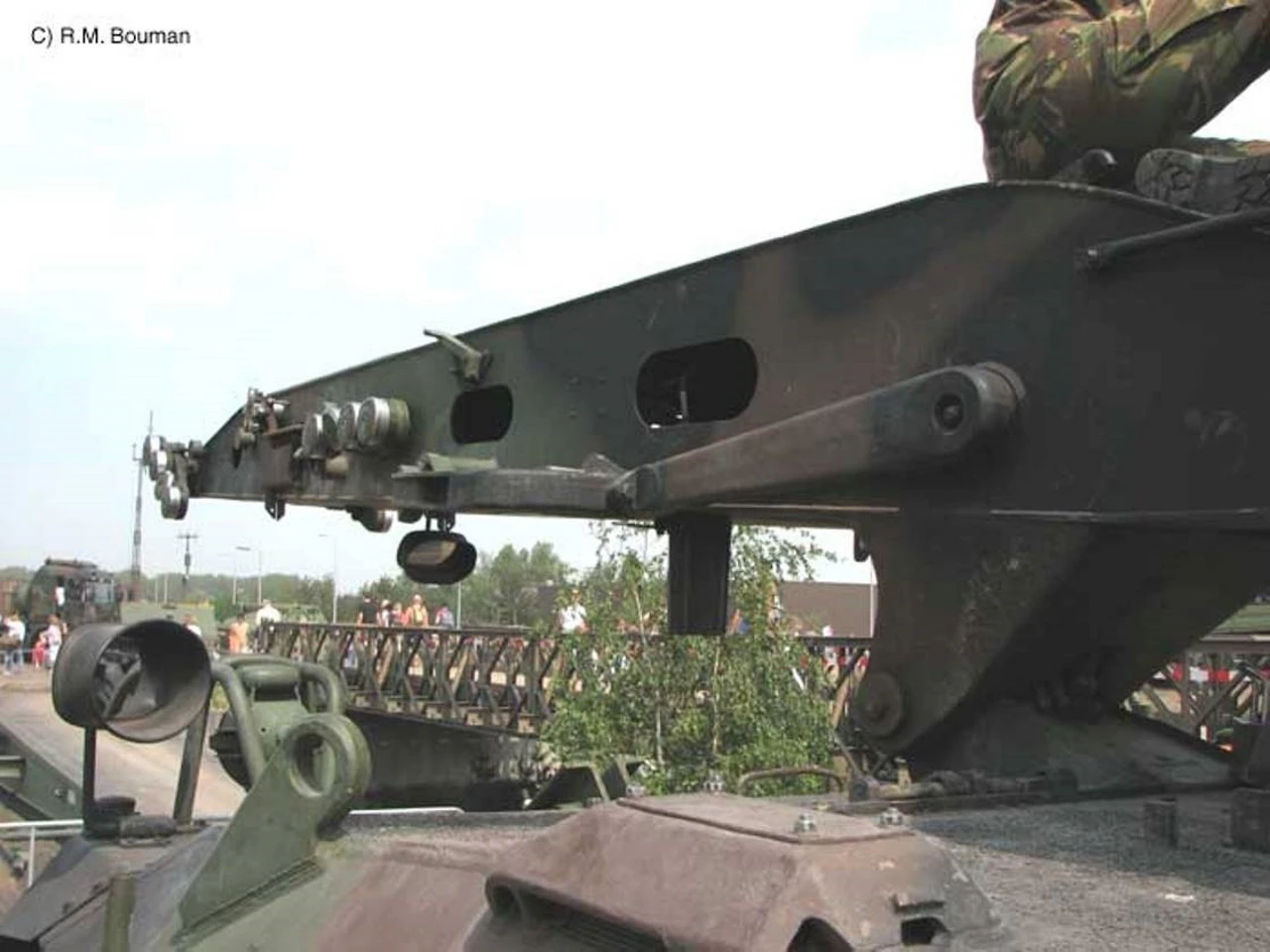
Leopard Bruglegger 06
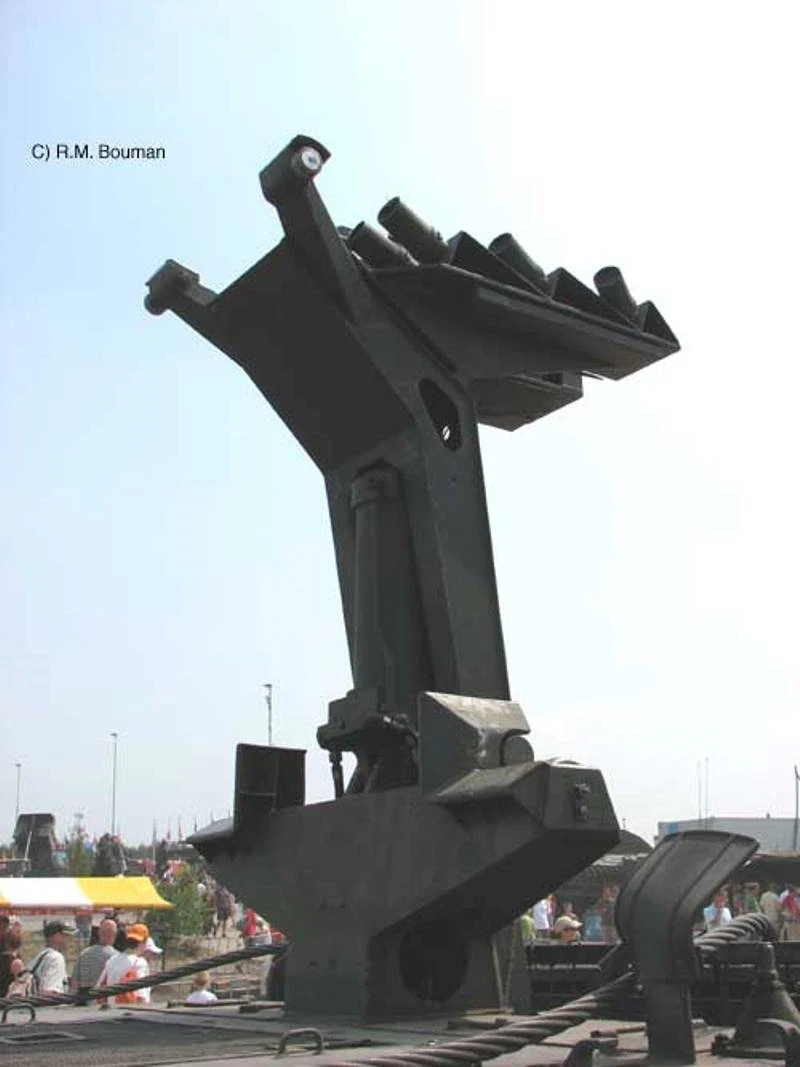
Leopard Bruglegger 07
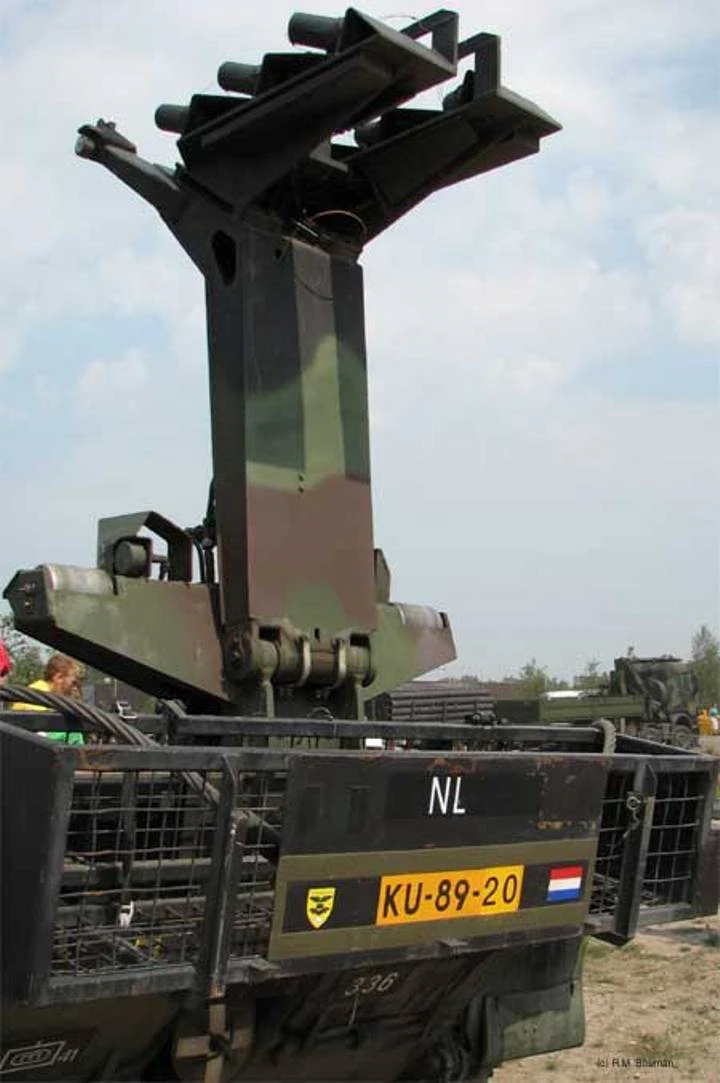
Leopard Bruglegger 08
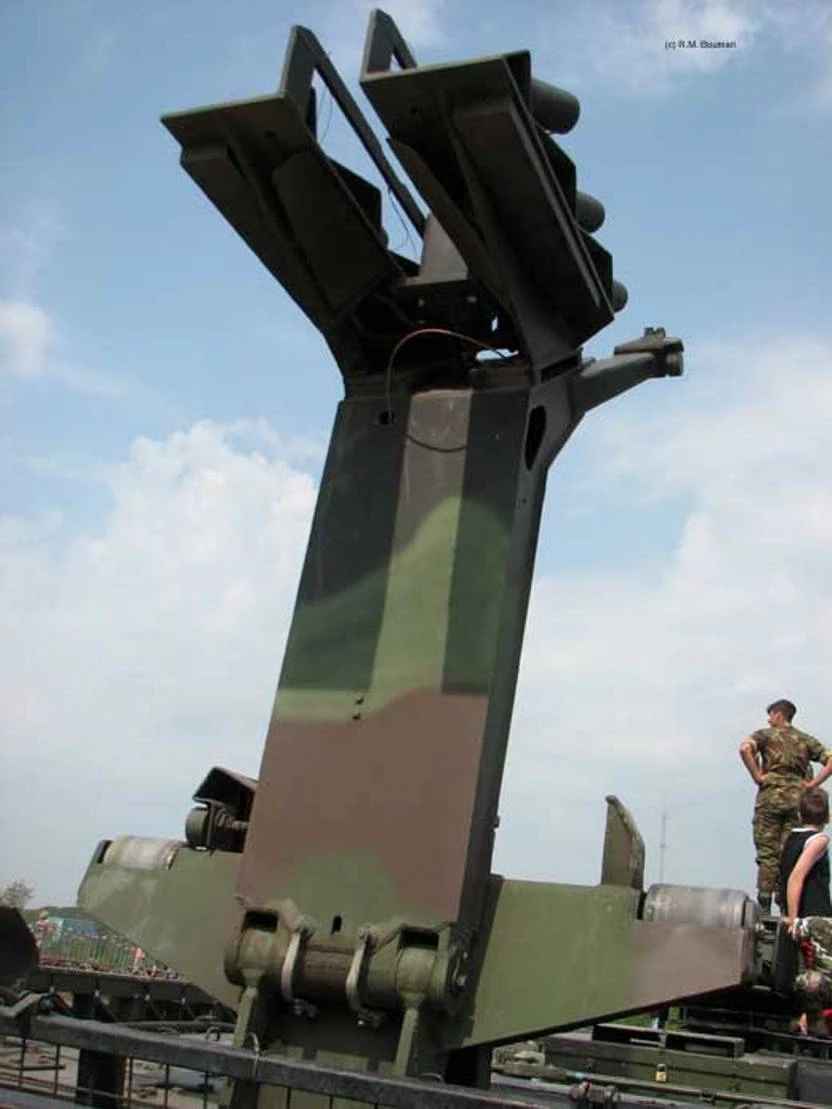
Leopard Bruglegger 09
| Leopard AS1 Walk Around | |
|---|---|
| Fotograf | Azrael Gavran |
| Lokalizacija | Nepoznato |
| Fotografije | 115 |
Pogledajte i:


| Leopard 1 Walk Around | |
|---|---|
| Fotograf | Daren Bejker |
| Lokalizacija | Nepoznato |
| Fotografije | 42 |
| Leopard 1A4 Walk Around | |
|---|---|
| Fotograf | Vladimir Jakubov |
| Lokalizacija | Nepoznato |
| Fotografije | 75 |
| Leopard 1A5(BE) Walk Around | |
|---|---|
| Fotograf | Vladimir Jakubov |
| Lokalizacija | Muzej puka Ontario, |
| Fotografije | 39 |
| Leopard 1A5 Walk Around | |
|---|---|
| Fotograf | Gino Marcomini |
| Lokalizacija | Nepoznato |
| Fotografije | 28 |
West Germany’s Post-War Masterpiece
Čaj Leopard 1 was the first tank developed by West Germany after World War II. Entering service in the mid-1960s, it was built on a radical philosophy: in an era of high-penetration HEAT rounds, heavy armor was considered obsolete. Instead, German engineers prioritized mobility I firepower. The 1A1 variant, introduced in the early 1970s, refined this formula with a gun stabilization system and thermal sleeves, ensuring the Leopard remained a lethal hunter on the plains of Central Europe.
| Attribute | Technical Specification (Leopard 1A1) |
|---|---|
| Ulogu | Main Battle Tank (MBT) |
| Posada | 4 (Commander, Gunner, Loader, Driver) |
| Motor | MTU MB 838 CaM 500 multi-fuel V10 (830 hp) |
| Maksimalna brzina | 65 km/h (40 mph) |
| Glavno naoružanje | 105 mm Royal Ordnance L7A3 rifled gun (60 rounds) |
| Sekundarno naoružanje | 2 × 7.62 mm MG3 machine guns |
| Armor | 10 mm to 70 mm (RHA) |
| Operational Weight | 41.5 tonnes |
Design Engineering: The Lightweight Lethality
- The L7 “Golden Gun”: The Leopard 1A1 used the legendary British 105mm L7 rifled gun, widely considered the best tank gun of the Cold War. It could defeat almost any Soviet tank of the era at typical combat ranges with APDS and HESH rounds.
- The Leopard “Claw”: Unlike the heavy American tanks, the Leopard was incredibly agile. Its MTU multi-fuel engine allowed it to accelerate rapidly and maintain high speeds over rough terrain, a tactic designed to let the tank fire and relocate before the enemy could zero in.
- Stabilization & Thermal Sleeves: The 1A1’s most critical upgrade was the Cadillac Gage stabilization system, allowing the gun to stay on target while the tank was moving. The addition of a thermal sleeve (a metal jacket around the barrel) prevented the gun from warping due to uneven heating, maintaining long-range accuracy.
- Side Skirts (Schürzen): The 1A1 introduced the distinctive rubber-reinforced side skirts. These were designed to disrupt the jet of a HEAT (High-Explosive Anti-Tank) round or an RPG before it hit the main hull, providing extra protection without the weight of heavy steel.
Operational History: The NATO Workhorse
- The “Euro-Tank”: Because of its excellent balance of cost and performance, the Leopard 1 became the standard tank for many NATO countries, including Italy, Belgium, the Netherlands, Canada, and Turkey.
- Deep Wading: The Leopard 1 was designed with exceptional amphibious capabilities. With a specialized snorkel (Schorkel) attached to the commander’s hatch, the tank could cross rivers up to 4 meters deep, driving along the riverbed.
- Modern Resilience: While the 1A1’s armor was light, the chassis was so reliable that it evolved through several more iterations (up to the 1A5 with modern fire control). Leopard 1s have seen service in the Balkans, Afghanistan, and most recently, refurbished units have been sent to Ukraine, proving the 1960s design still has a role on the modern battlefield.
- The Legacy: The success of the Leopard 1 paved the way for the Leopard 2, which remains one of the top-tier main battle tanks in the world today.
Views : 13779