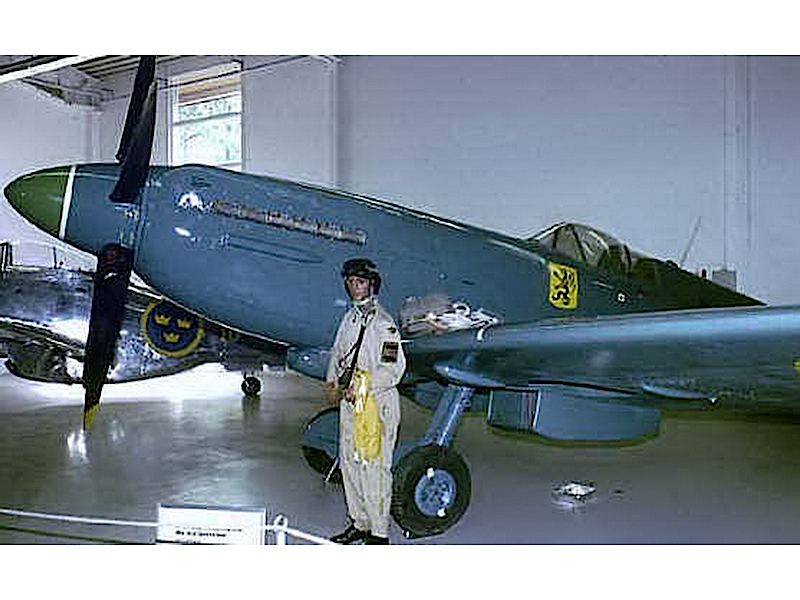
Vojenské lietadlá | |
|---|---|
| Krajiny | Uk |
| Typ | Chasseur |
| Model | Supermarín Spitfire Mk.XVI |
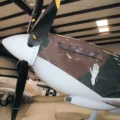
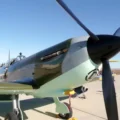
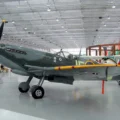
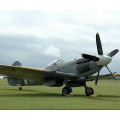
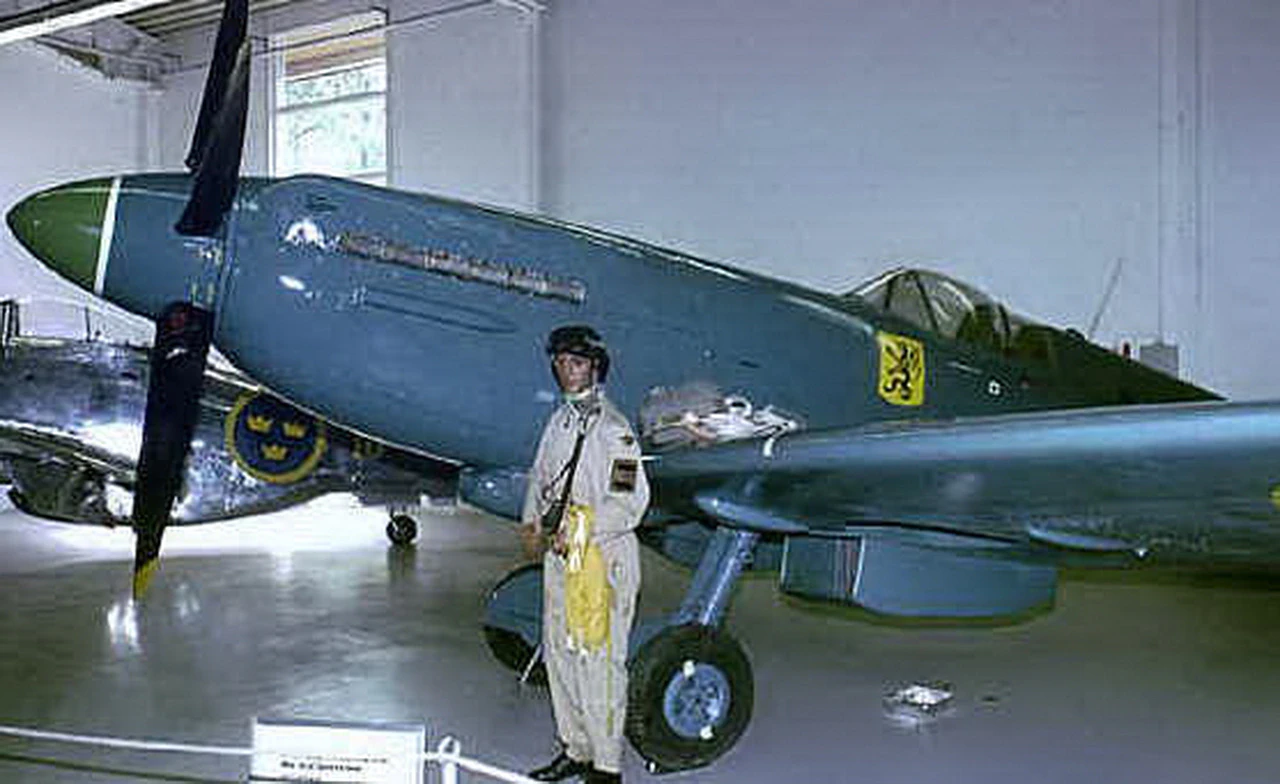
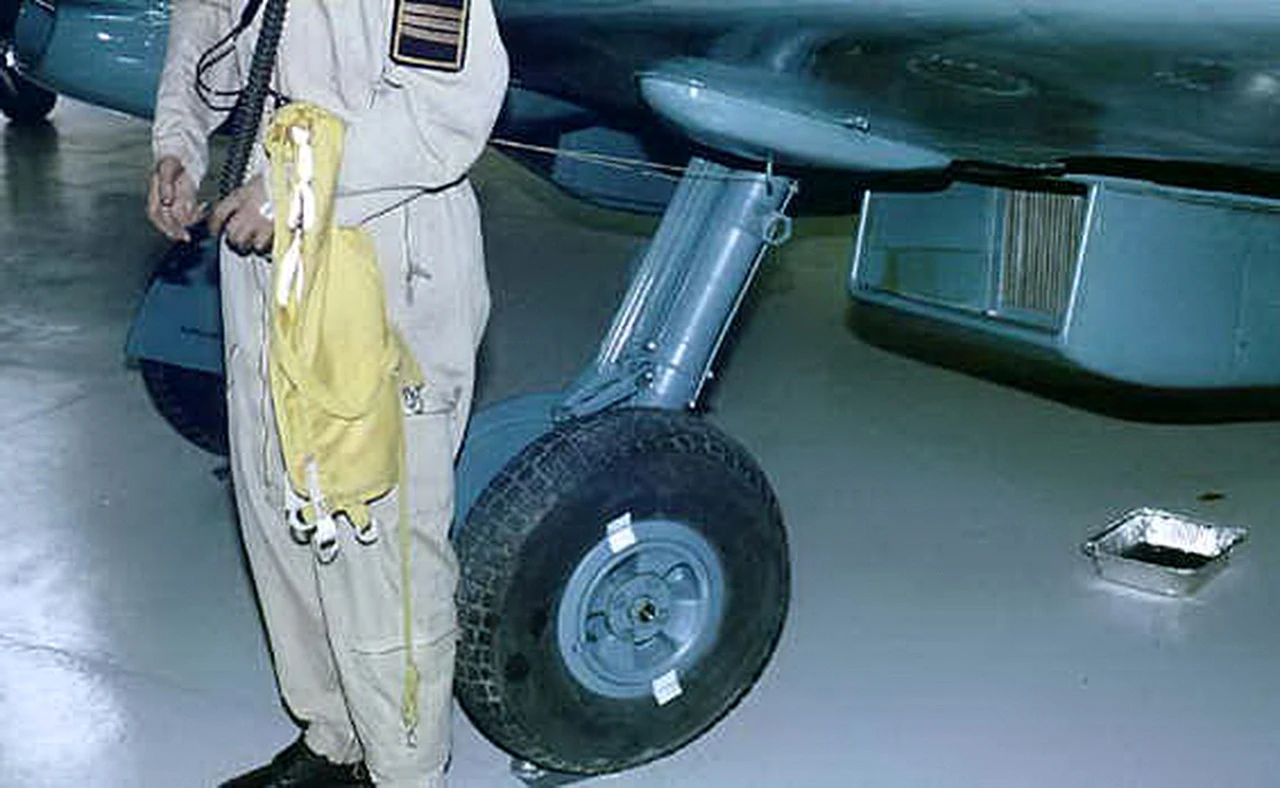
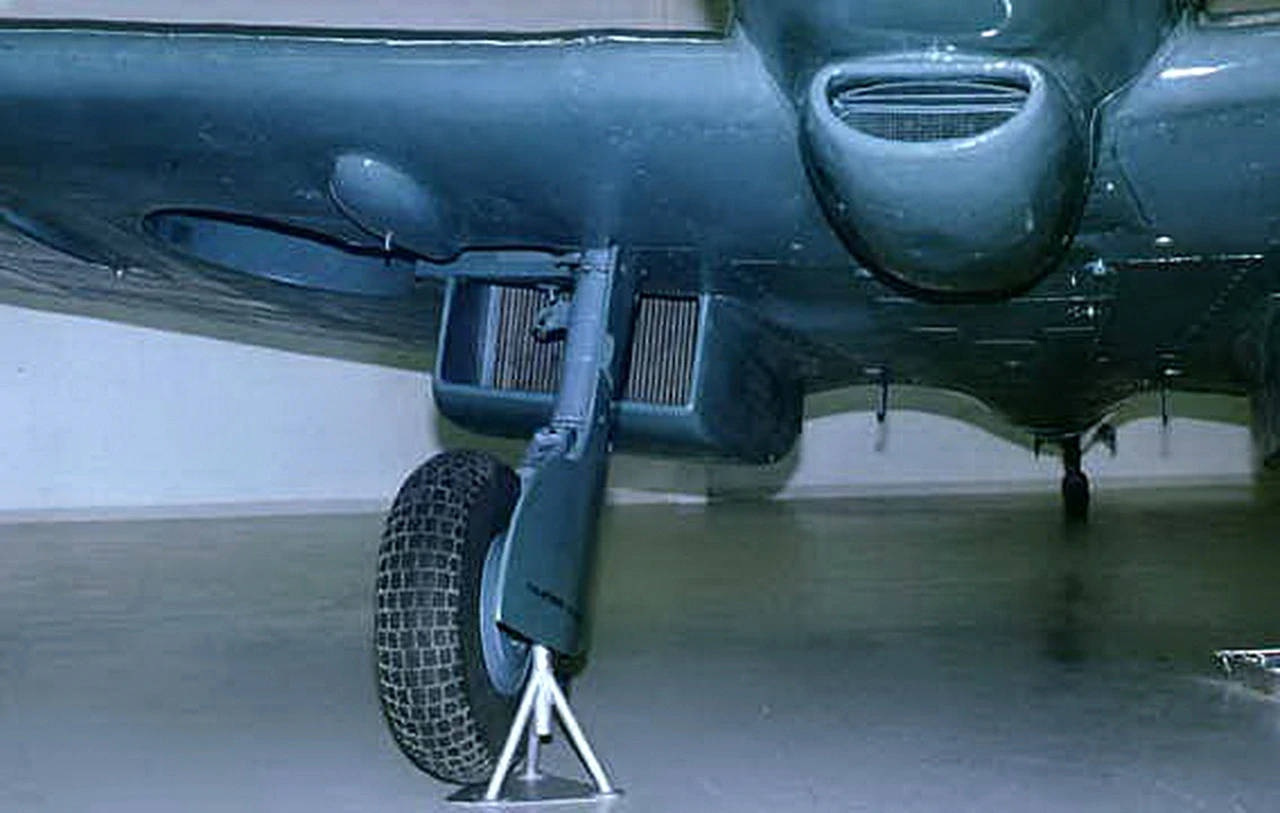
| Popis / kontrol | Album de 24 walk-around fotografie bojovníka " Spitfire PR Mk XIX " |
Názov hudobného videoklipu: Supermarine Spitfire – The Supermarine Spitfire (en anglais cracheur de feu, mais aussi au sens figuré soupe au lait) fut l’un des chasseurs monoplaces les plus utilisés par la RAF et par les Alliés pendant la Seconde Guerre mondiale. Les ailes elliptiques du Spitfire lui ont donné une apparence très reconnaissable ; leur section transversale mince lui a donné une vitesse impressionnante ; la conception brillante du concepteur en chef Reginald Mitchell et de ses successeurs (il est mort en 1937), a fait du Spitfire un avion apprécié par les pilotes. Il a servi pendant toute la durée de la Seconde Guerre mondiale, et avec toutes ses variantes a été de tous les combats. Plus de 20 300 appareils furent construits, et les Spitfire sont restés en service jusque dans les années 1950.
Zdrojový: Spitfire PR Mk XIX sur Wikipedia
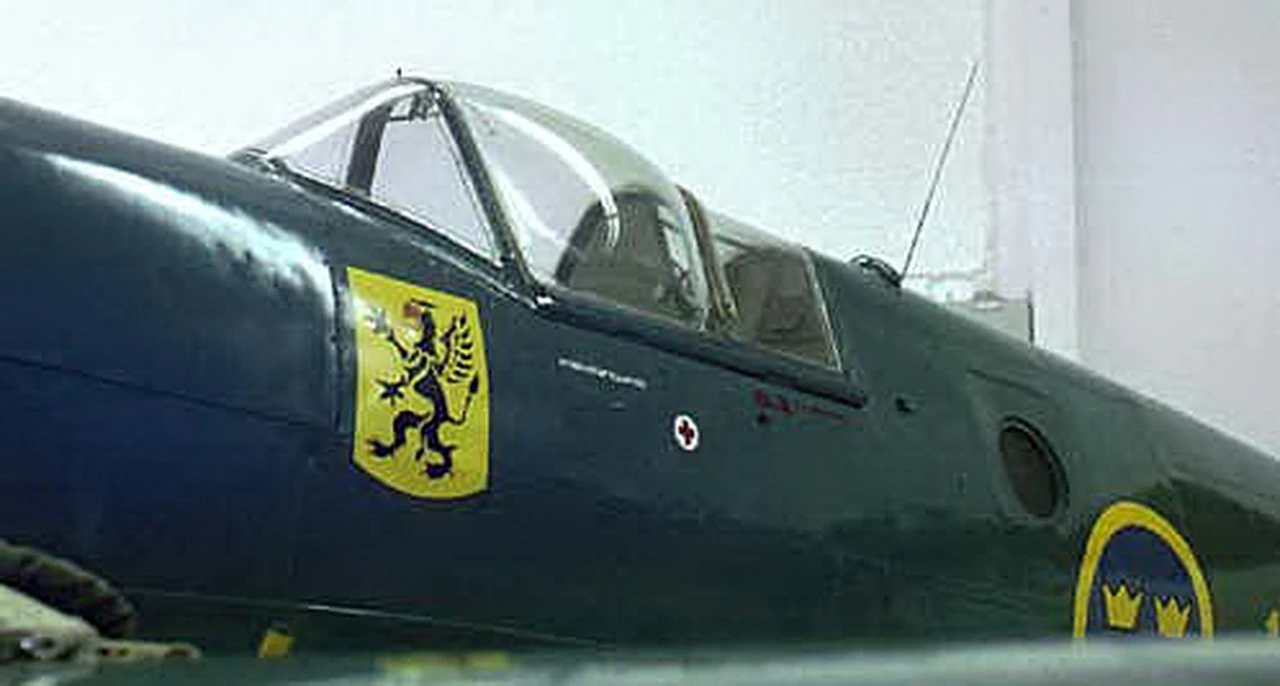
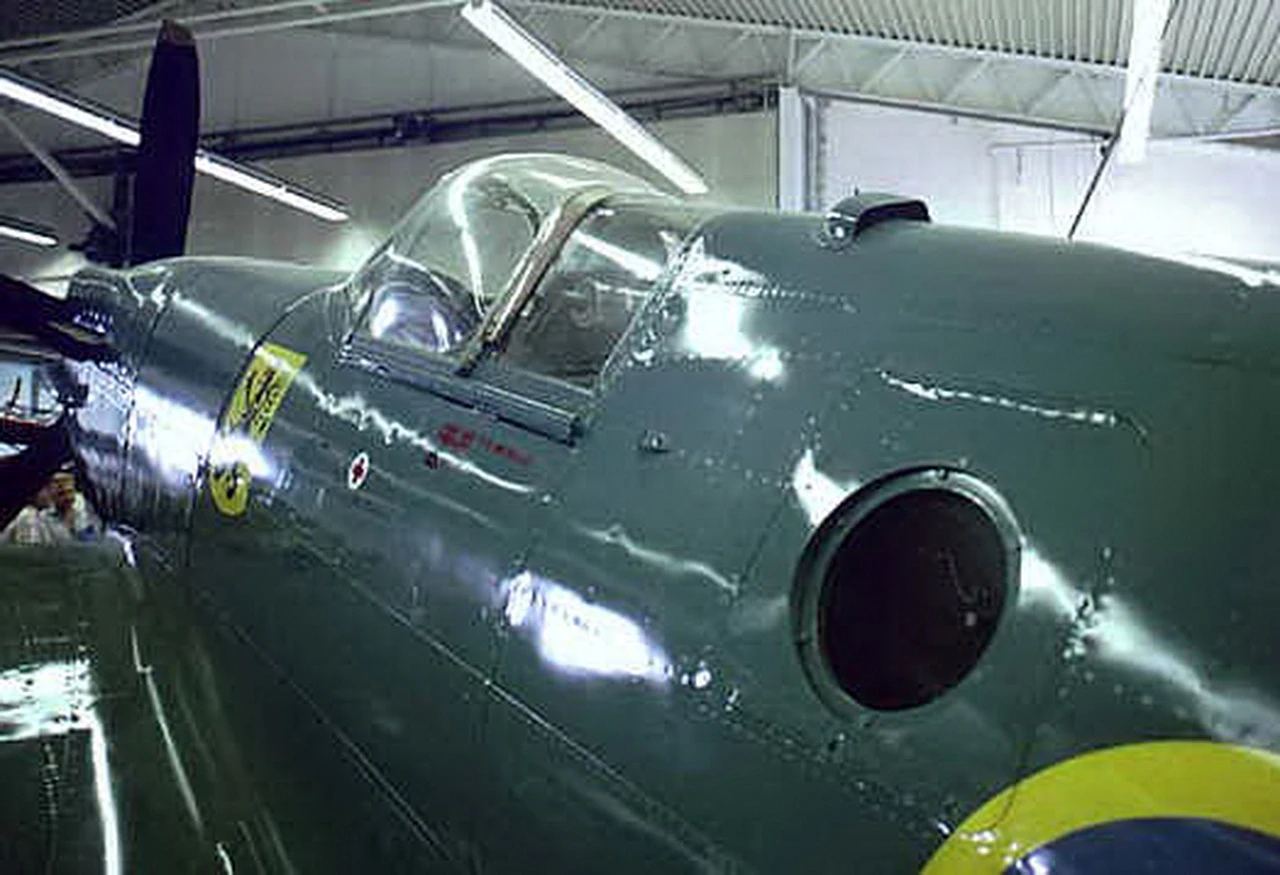
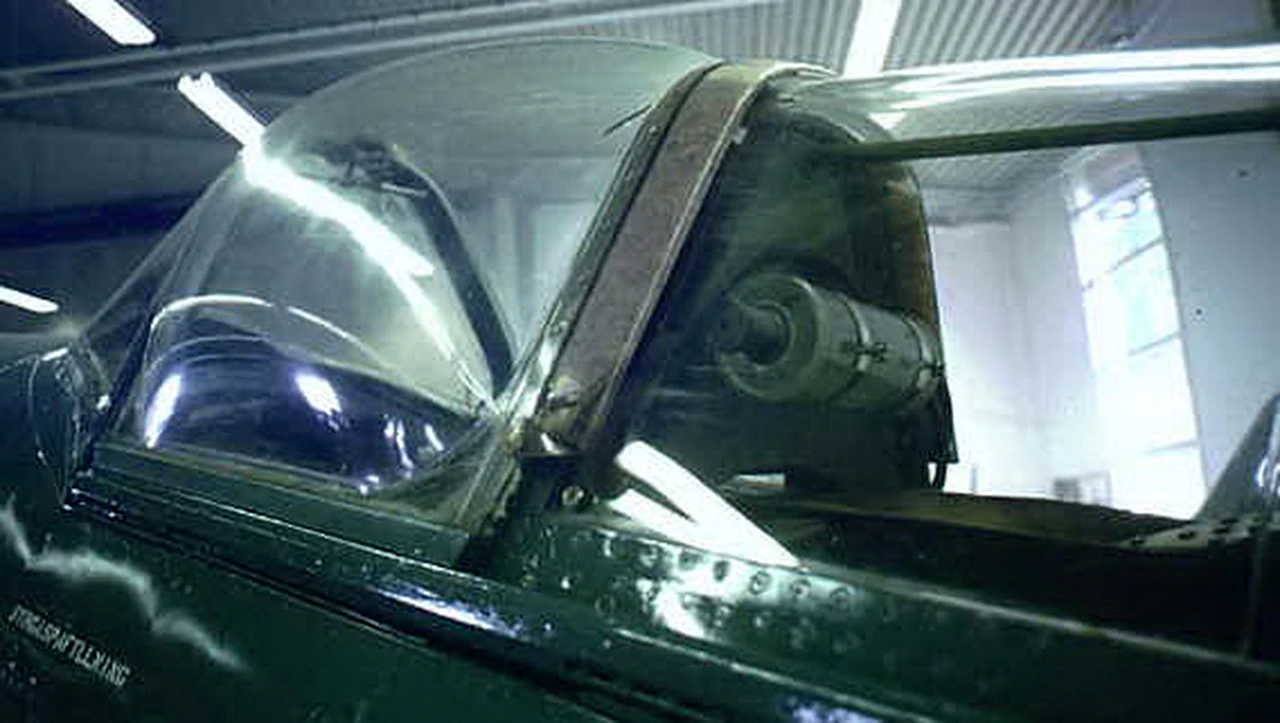
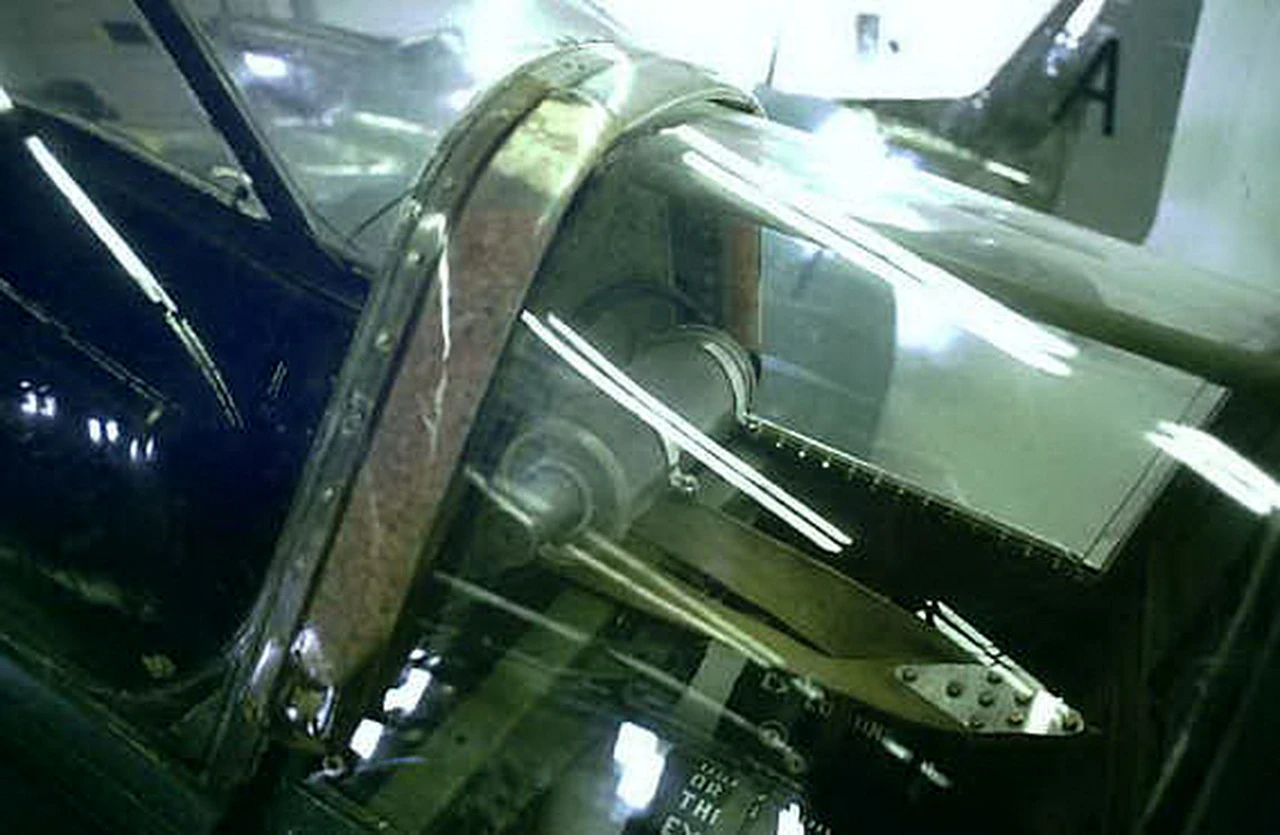
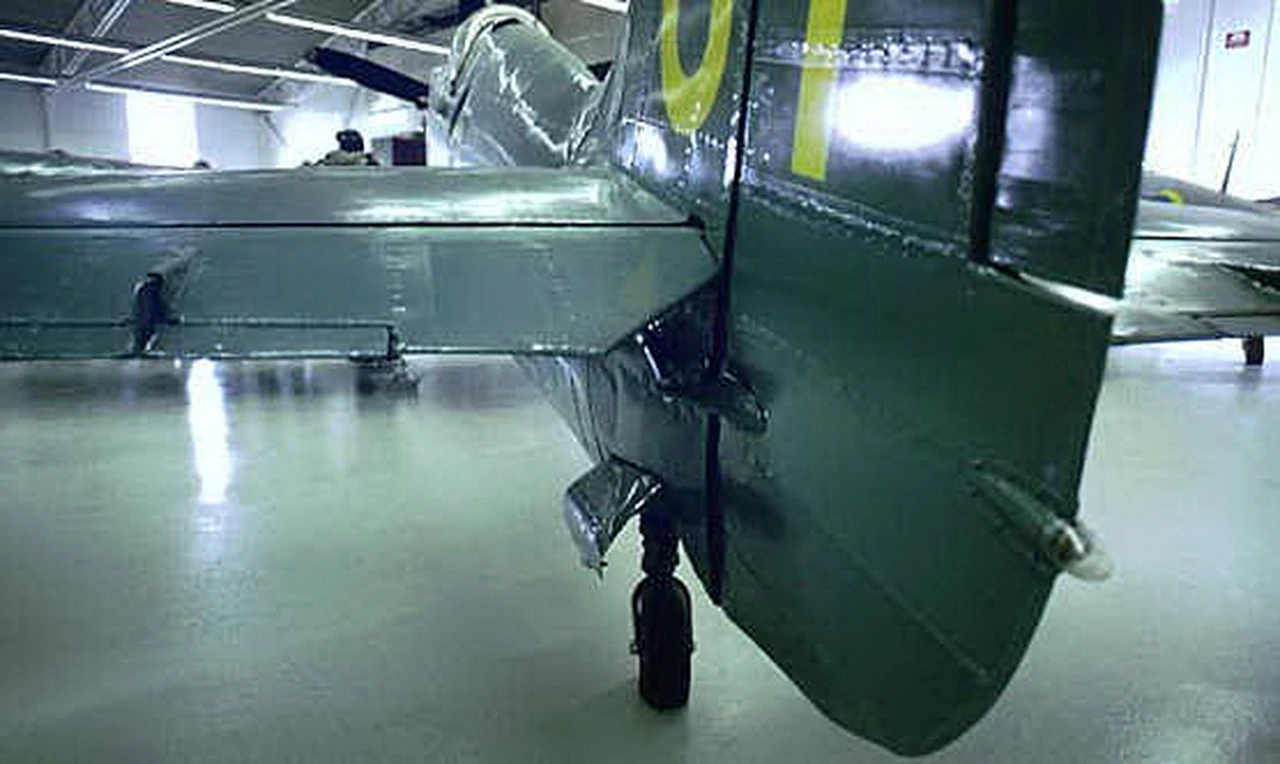
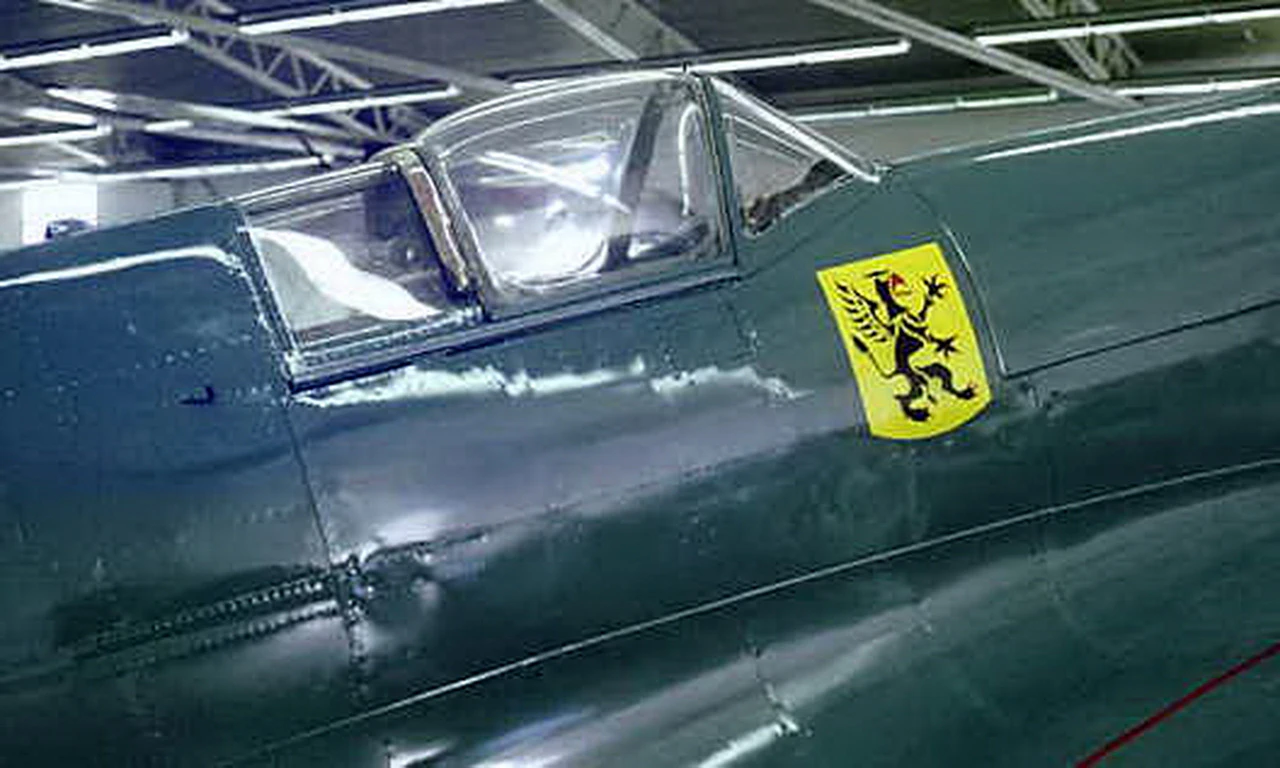

| Špecifikácie | |
|---|---|
| Envergure | 11,23 m |
| Dĺžka | 9,47 m |
| Výška | 3,86 m |
| Surface alaire | 22,48 m |
Pozri tiež:


The Unarmed Phantom of the Stratosphere
Komisia Supermarine Spitfire PR Mk XIX (Type 389) represents the absolute zenith of the Spitfire line optimized for high-altitude Photo-Reconnaissance (PR). Born from the urgent strategic necessity to spy deep inside Nazi Germany without being intercepted, the Mk XIX stripped away all weapons, armor plating, and guns, replacing them entirely with specialized cameras and massive internal fuel tanks. By mating the ultra-sleek, aerodynamic Spitfire airframe with a pressurized cockpit and the roaring power of the Rolls-Royce Griffon engine, Supermarine created a strategic ghost. It could cruise completely unmolested at near-jet altitudes, flying faster and higher than any contemporary German fighter, mapping entire enemy industrial sectors completely undetected.
| Attribute | Technical Specification (Spitfire PR Mk XIX) |
|---|---|
| Úlohu | High-Altitude Strategic Photo-Reconnaissance |
| Posádky | 1 (Pilot / Aerial Photographer) |
| Pohonná jednotka | 1 × Rolls-Royce Griffon 65 or 66 V12 with a two-stage, two-speed supercharger (2,050 hp) |
| Maximálna rýchlosť | 716 km/h (445 mph) at 7,925 m (26,000 ft) |
| Maximum Range | ~2,414 km (1,500 miles) internally; up to 2,900 km with a centerline drop tank |
| Service Ceiling | 13,700 m (45,000 ft) — inside the true stratosphere |
| Výzbroj | None. Completely unarmed to save weight for altitude and fuel. |
| Camera Payload | Typically 2 × vertical F52 cameras (36-inch focal length) and 1 × oblique F24 camera |
Design Engineering: Pressurization, Bow Tanks, and Weaponless Aerodynamics
- The Pressurized Comfort Zone: Operating at altitudes close to 45,000 feet required advanced pilot safety engineering. The final 154 production versions of the Mk XIX featured a fully sealed, pressurized cockpit. Air bled from the Griffon’s supercharger maintained a safe internal cabin pressure, saving the pilot from having to endure freezing sub-zero cockpit temperatures and preventing the agonizing onset of hypoxia.
- Trading Cannons for Fuel: Because the aircraft carried zero machine guns or Hispano cannons, the entire interior of the iconic elliptical wings was completely hollowed out. Engineers transformed the leading edges of the wings into seamless, integrated “bow” fuel tanks. Combined with massive fuselage tanks, this modification boosted the PR Mk XIX’s fuel capacity to 252 gallons, nearly triple that of a standard interceptor Spitfire.
- The Stratospheric Camera Eyes: Housed inside a temperature-controlled compartment behind the pilot sat a trio of specialized cameras. The twin vertical F52 cameras featured huge 36-inch lenses designed to capture sharp, microscopic details of naval bases and factories from eight miles up. A small internal heating system kept the camera lenses from fogging up and freezing in the thin, sub-zero air.
- Sleek Aerodynamic Refinement: Without gun ports, shell ejector slots, or armored windshield frames to disrupt the airflow, the PR Mk XIX was visually and aerodynamically the cleanest Spitfire ever produced. Painted in a specialized, low-visibility “PR Blue” camouflage scheme, it blended perfectly against the deep color tones of the upper atmosphere, making it practically invisible to observers on the ground.
Operational History: Scouting the Reich to the Final Piston Patrol
- Mapping the Secret Weapons of the Reich: Entering frontline service in May 1944, the PR Mk XIX became the premier eye of the Allied high command. Operating with No. 541 and No. 542 Squadrons, these high-flying scouts brought back critical intelligence on the German V-1 and V-2 rocket test facilities at Peenemünde, directly shaping the priority targets for Allied strategic bomber wings.
- Out-climbing the Early German Jets: When Germany deployed the Messerschmitt Me 262 jet fighter to stop Allied scouts, the PR Mk XIX survived on raw altitude performance. Even though the German jet was faster in a straight line, it struggled to climb efficiently into the thin air above 40,000 feet, allowing the lightened Spitfire to easily cruise safely out of range above the interceptors.
- The Highest Flight of a Legend: The incredible high-altitude capability of the Mk XIX was demonstrated in April 1954 during meteorological testing over Hong Kong. A pilot flying a PR Mk XIX belonging to No. 81 Squadron achieved a recorded altitude of 51,550 feet (15,712 meters). When the cabin pressure suddenly failed, the pilot safely executed a wild, steep dive, though the airframe was permanently stretched out of alignment by the high g-forces.
- The Final Frontline Sortie: On June 9, 1957, a Spitfire PR Mk XIX (serial number PS888) flying out of RAF Seletar in Singapore completed an operational photo mission over the jungles of Malaya. This flight marked the very last operational combat sortie ever conducted by a frontline Royal Air Force Spitfire, concluding nearly two decades of continuous, elite service.
Prezretí: 5094