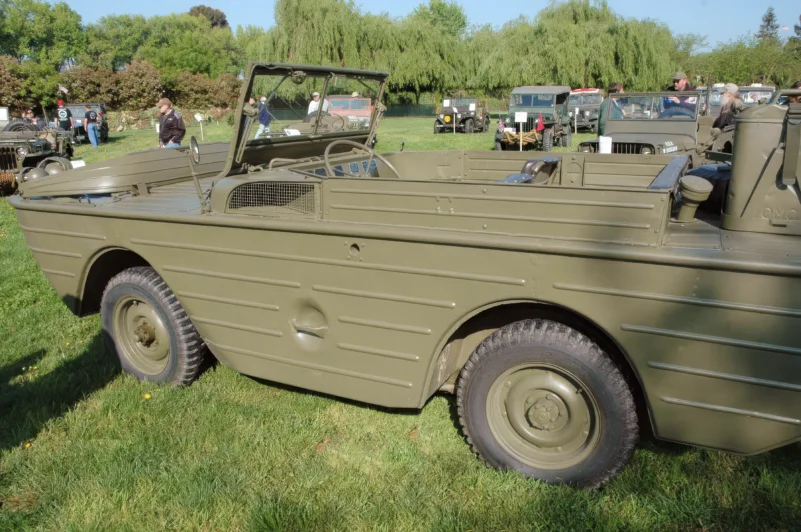
Форд GPA | |
|---|---|
| Страны | США |
| Тип | Джип-амфибия |
Фотогалерея Ford GPA, Форд GPA 'Seep' (от Seagoing Jeep), была амфибия версия Второй мировой войны Ford GPW Jeep. В отличие от джипа, сеяние не было успешным дизайном, будучи слишком медленным и тяжелым на суше и не имея достаточных возможностей для мореивания в открытой воде. Аналогичные характеристики дизайна были использованы в больших и более успешных DUKW амфибии грузовика.
| GPA Walk Around | |
|---|---|
| Фотограф | Unknow |
| Локализации | Неизвестная |
| Фотографии | 48 |
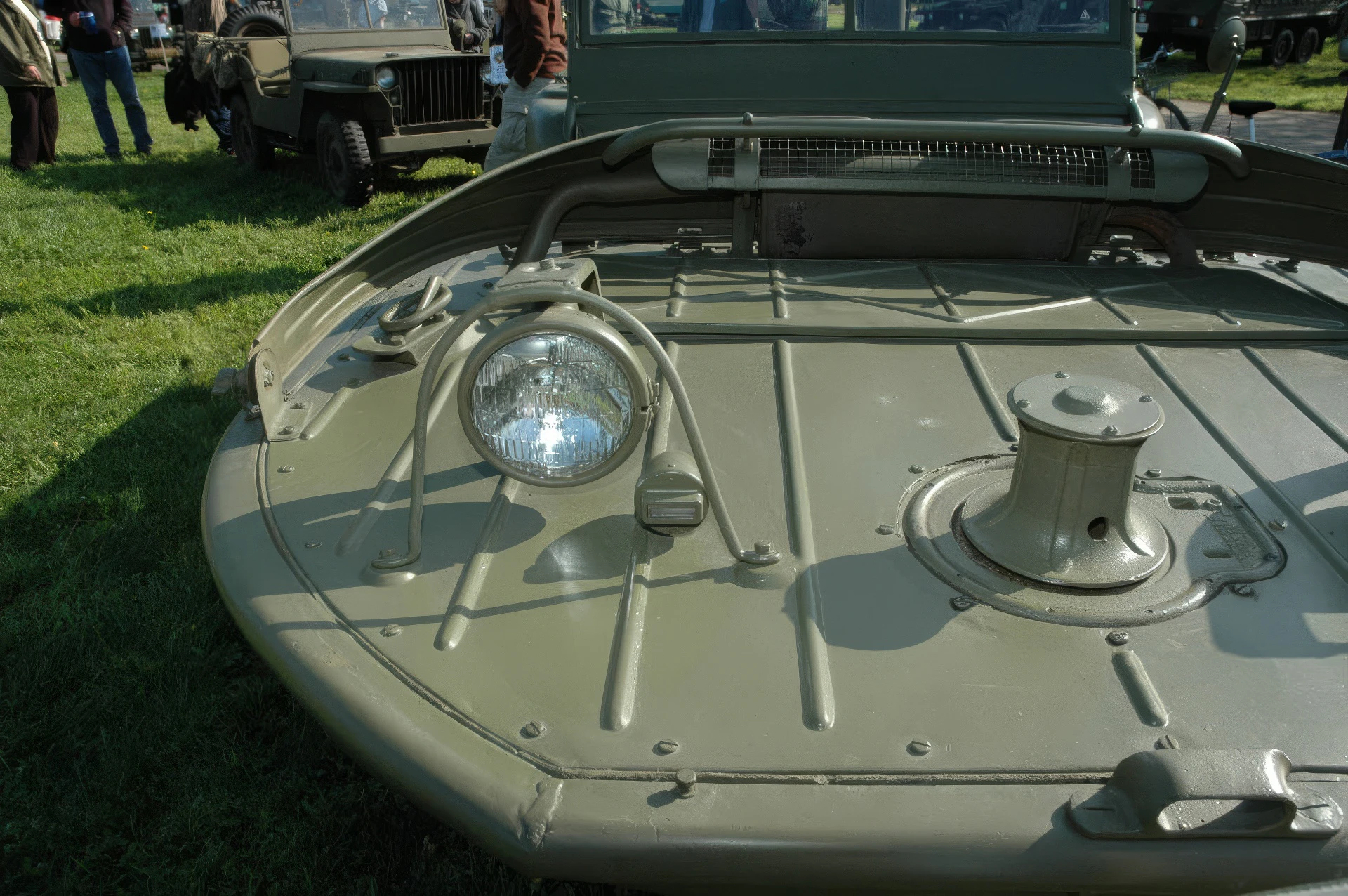
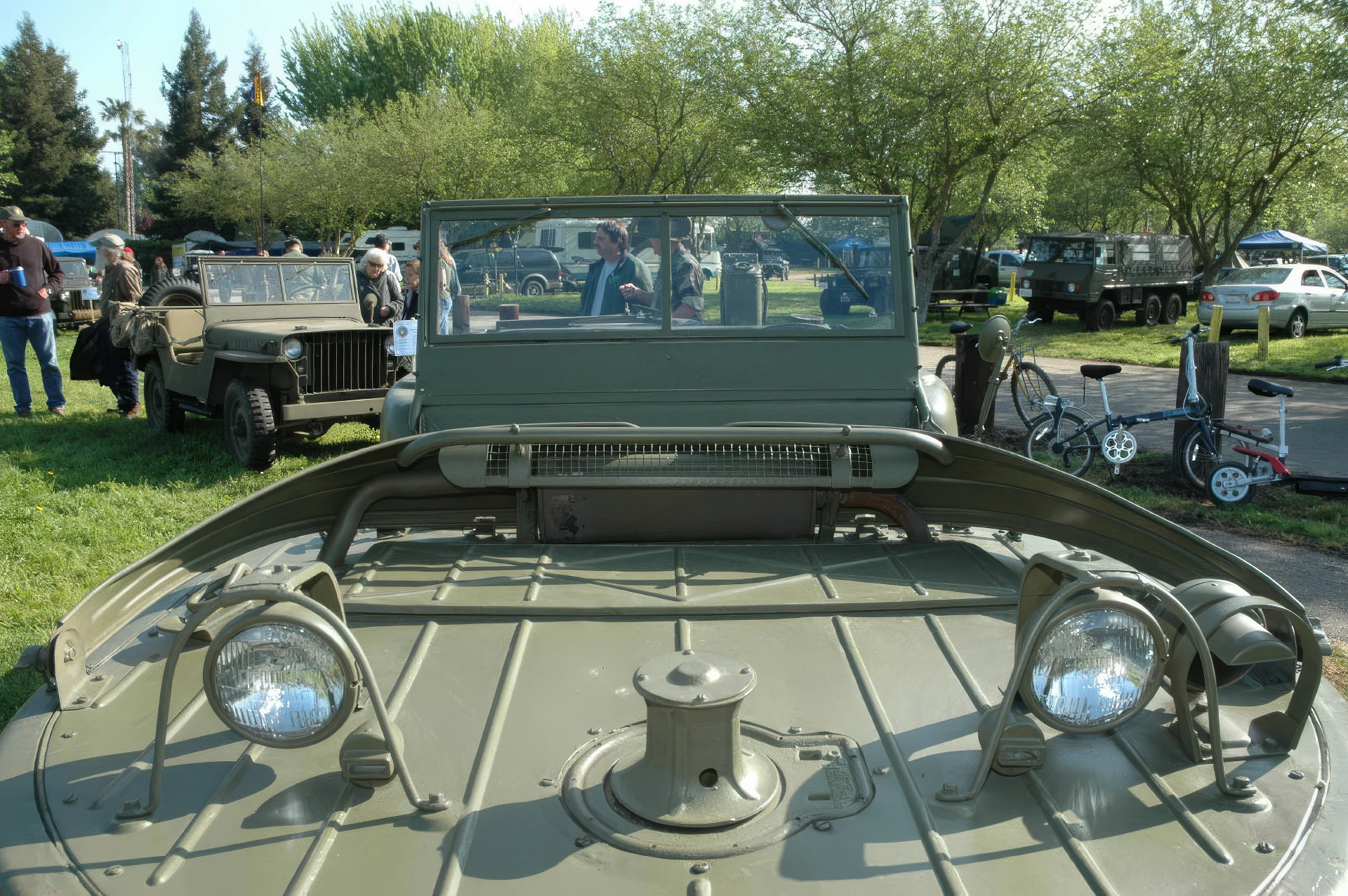
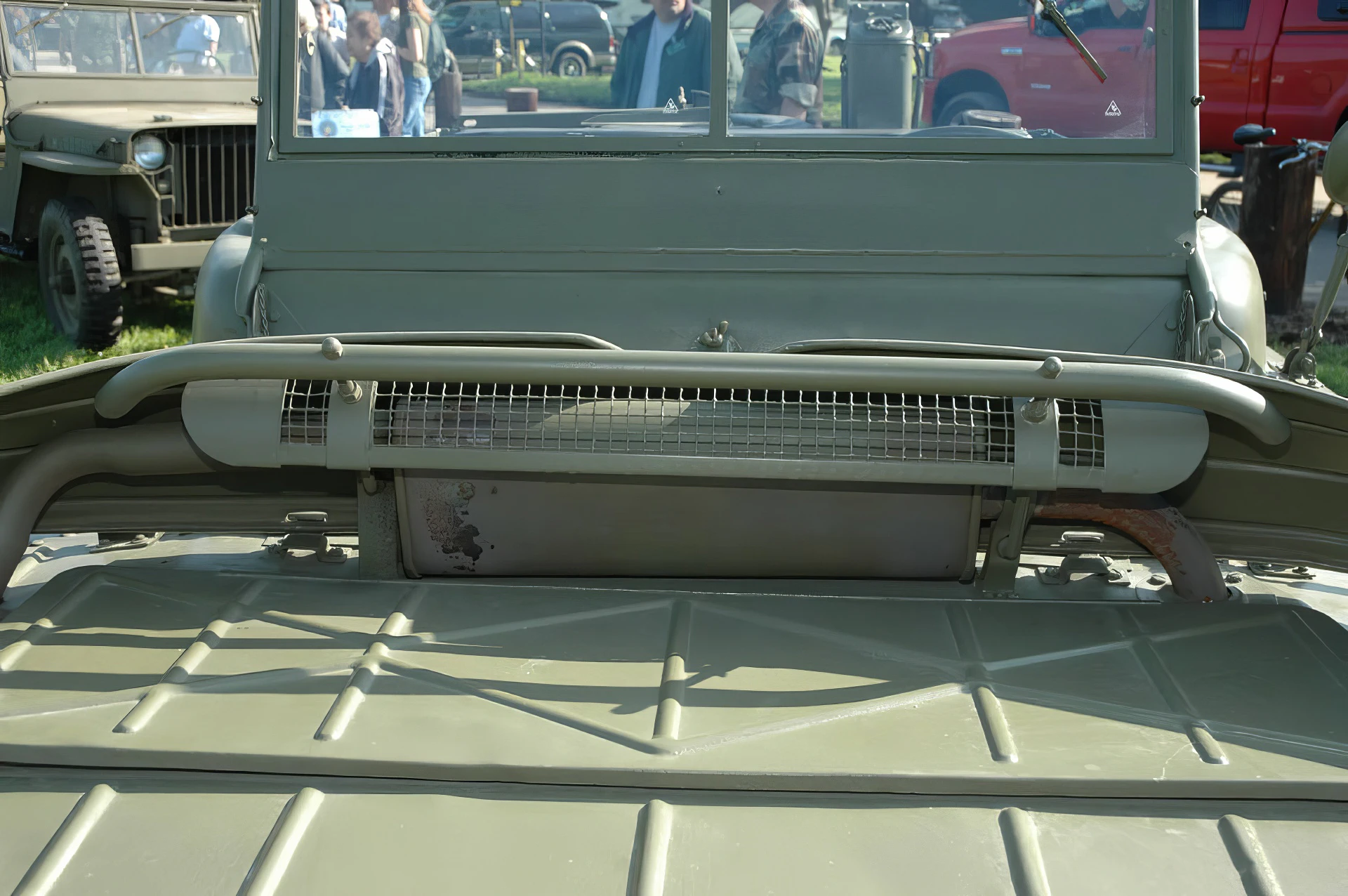
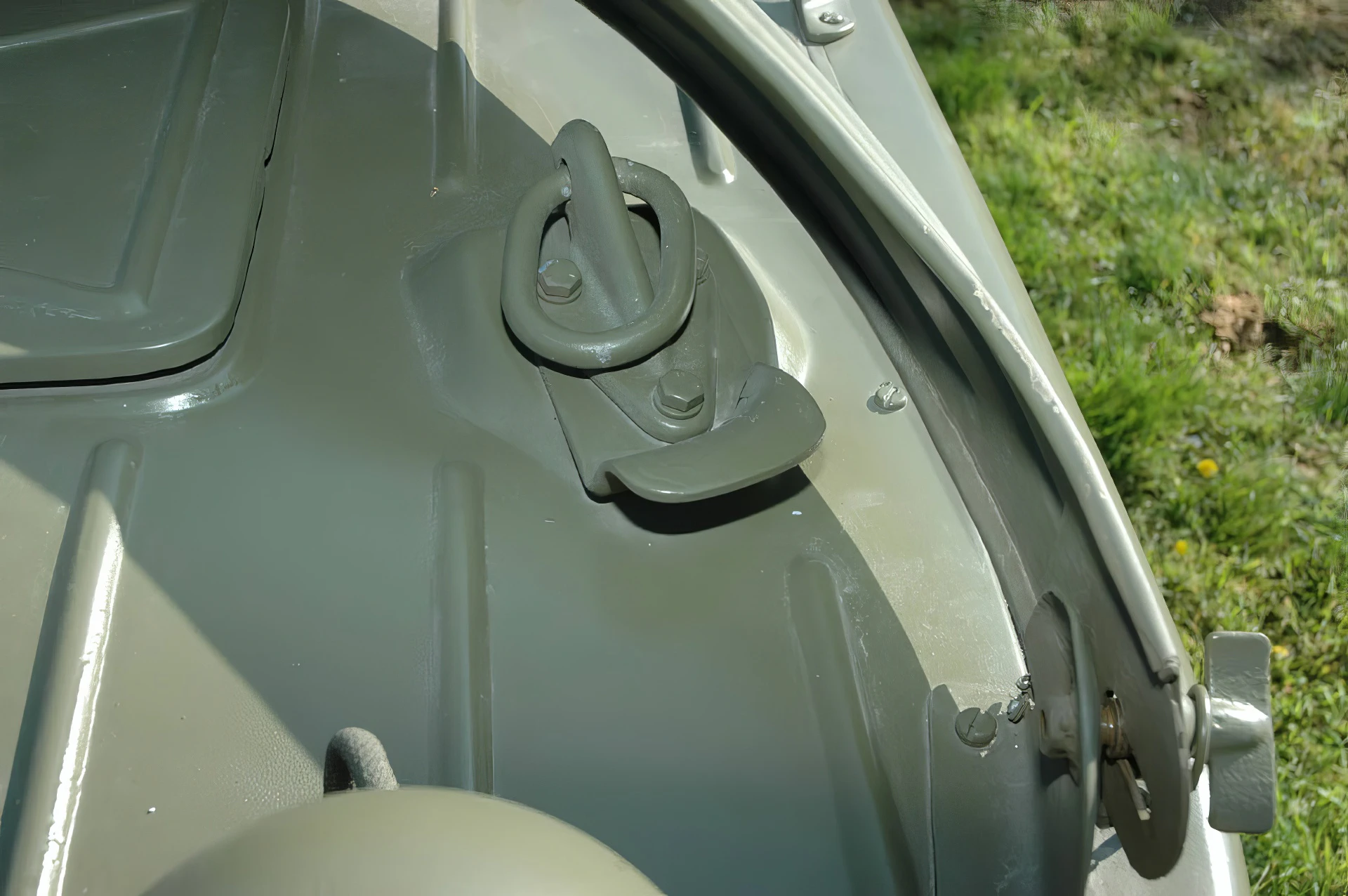
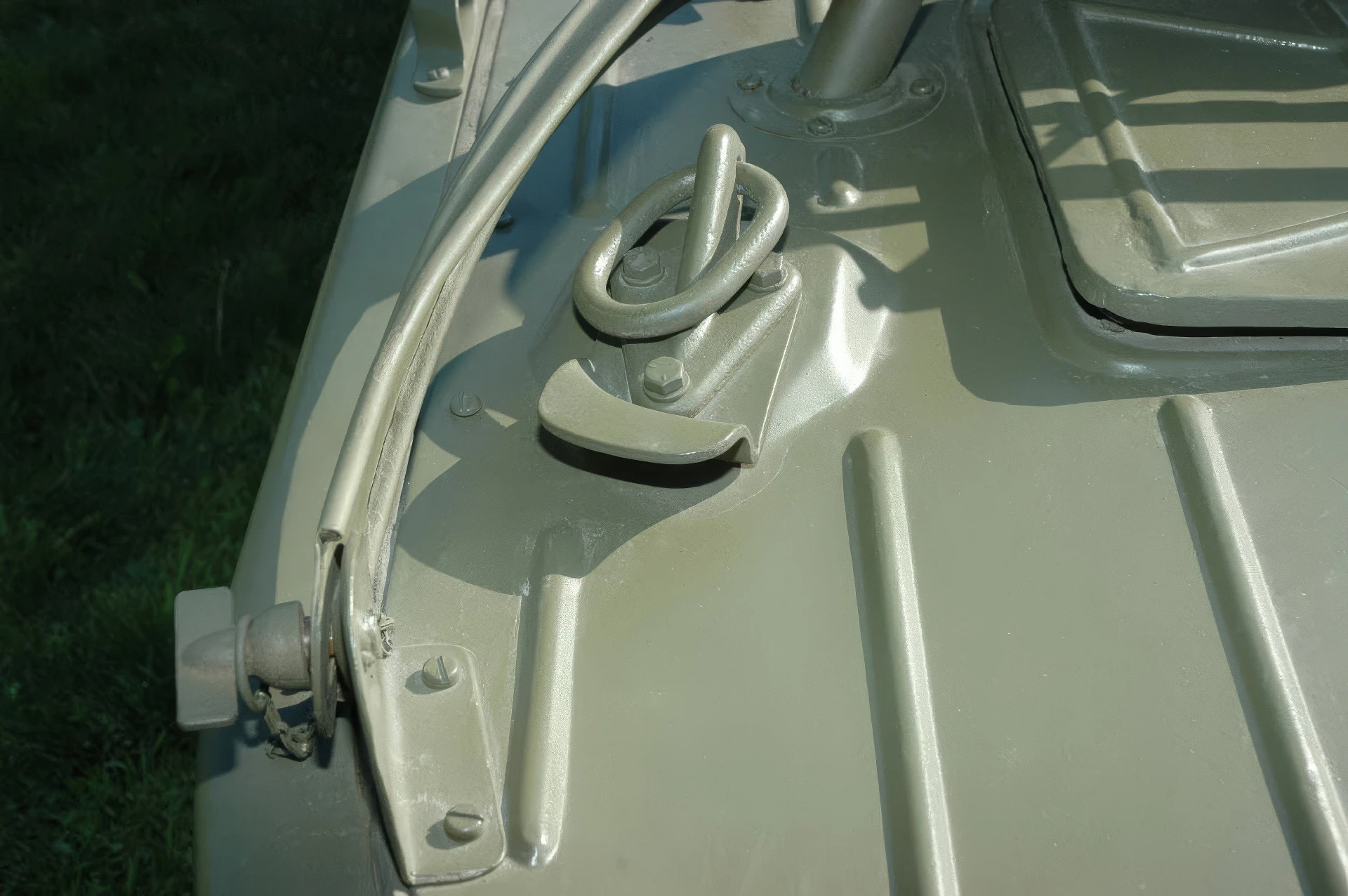
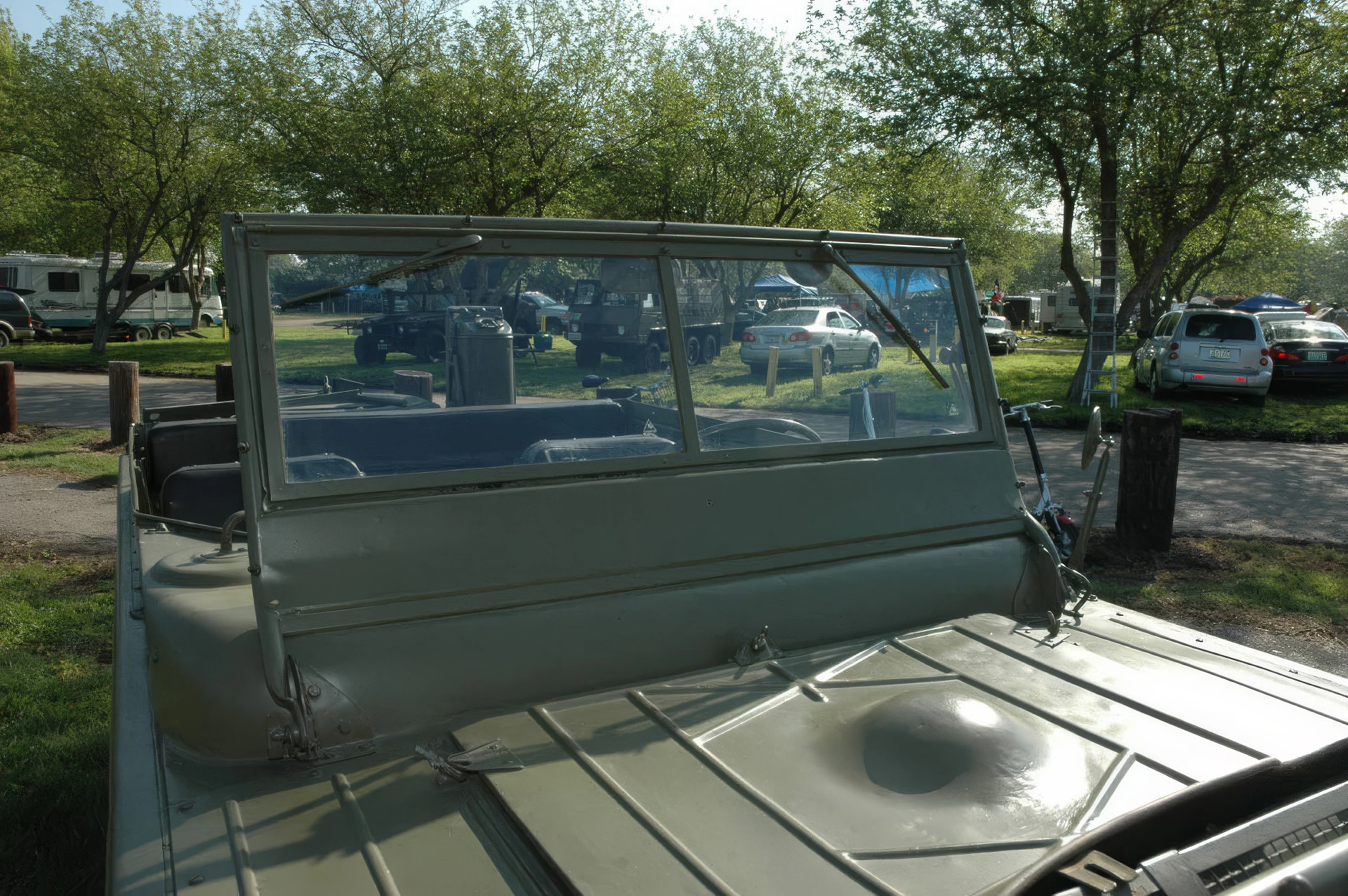
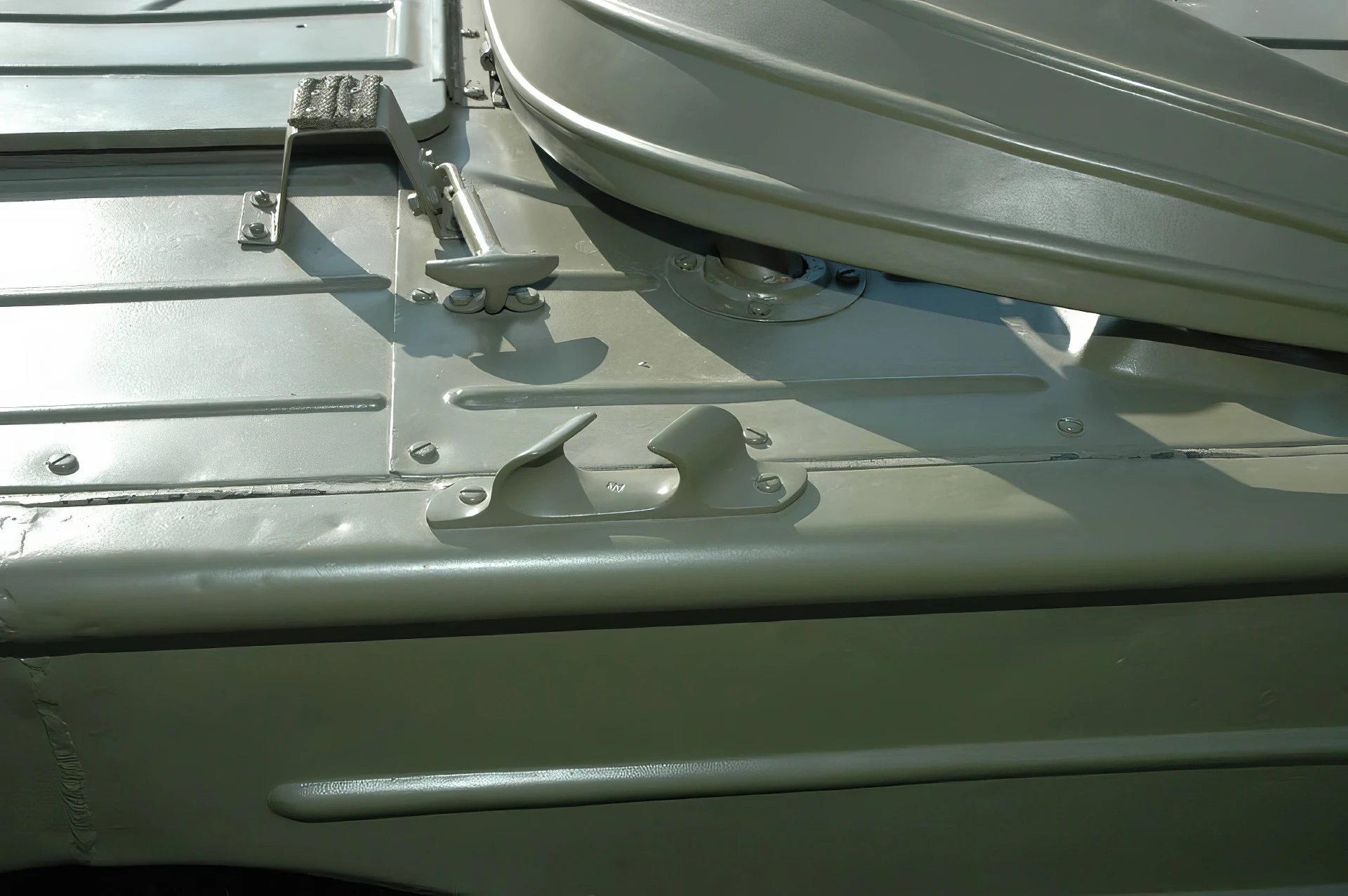
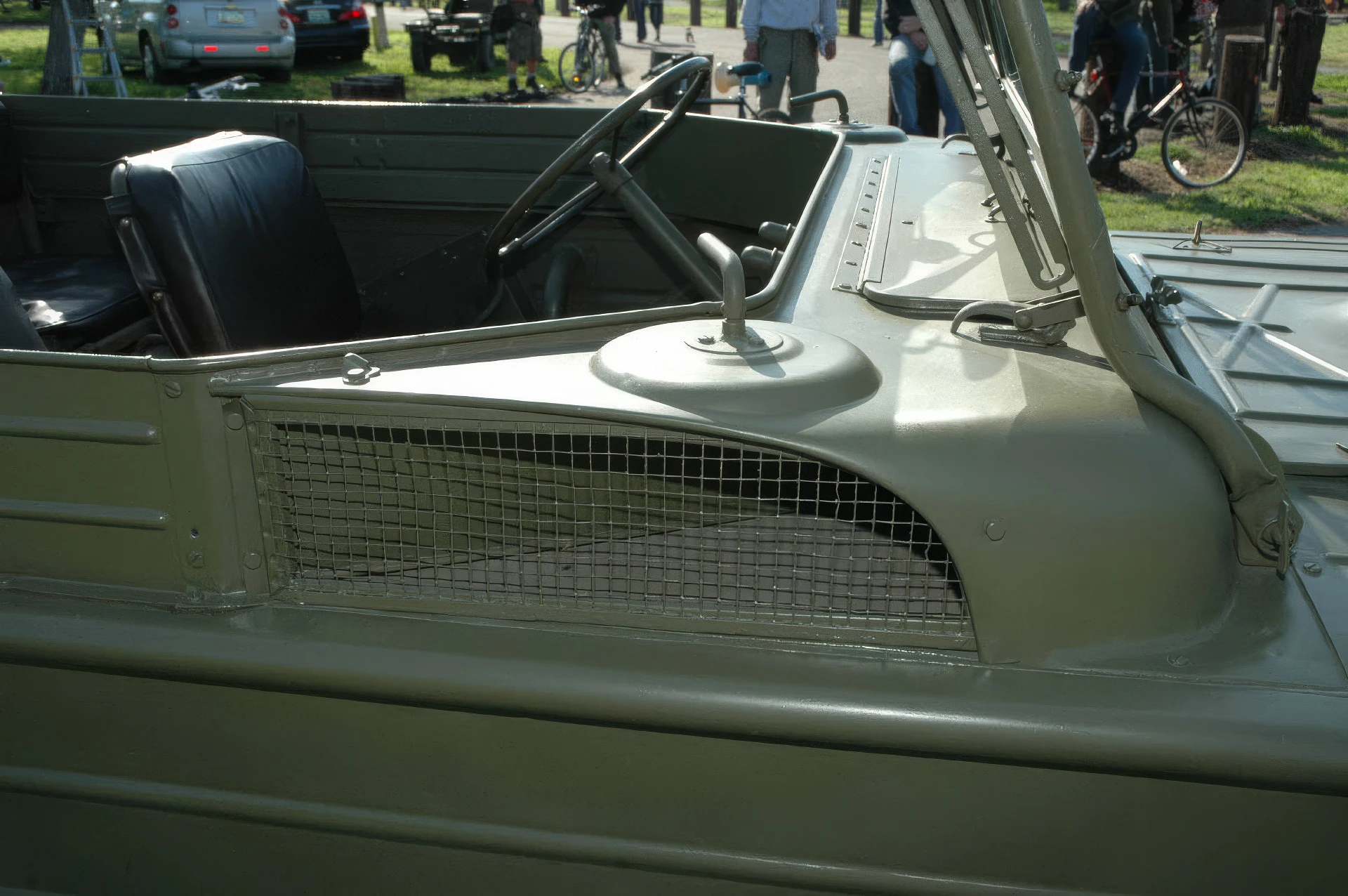
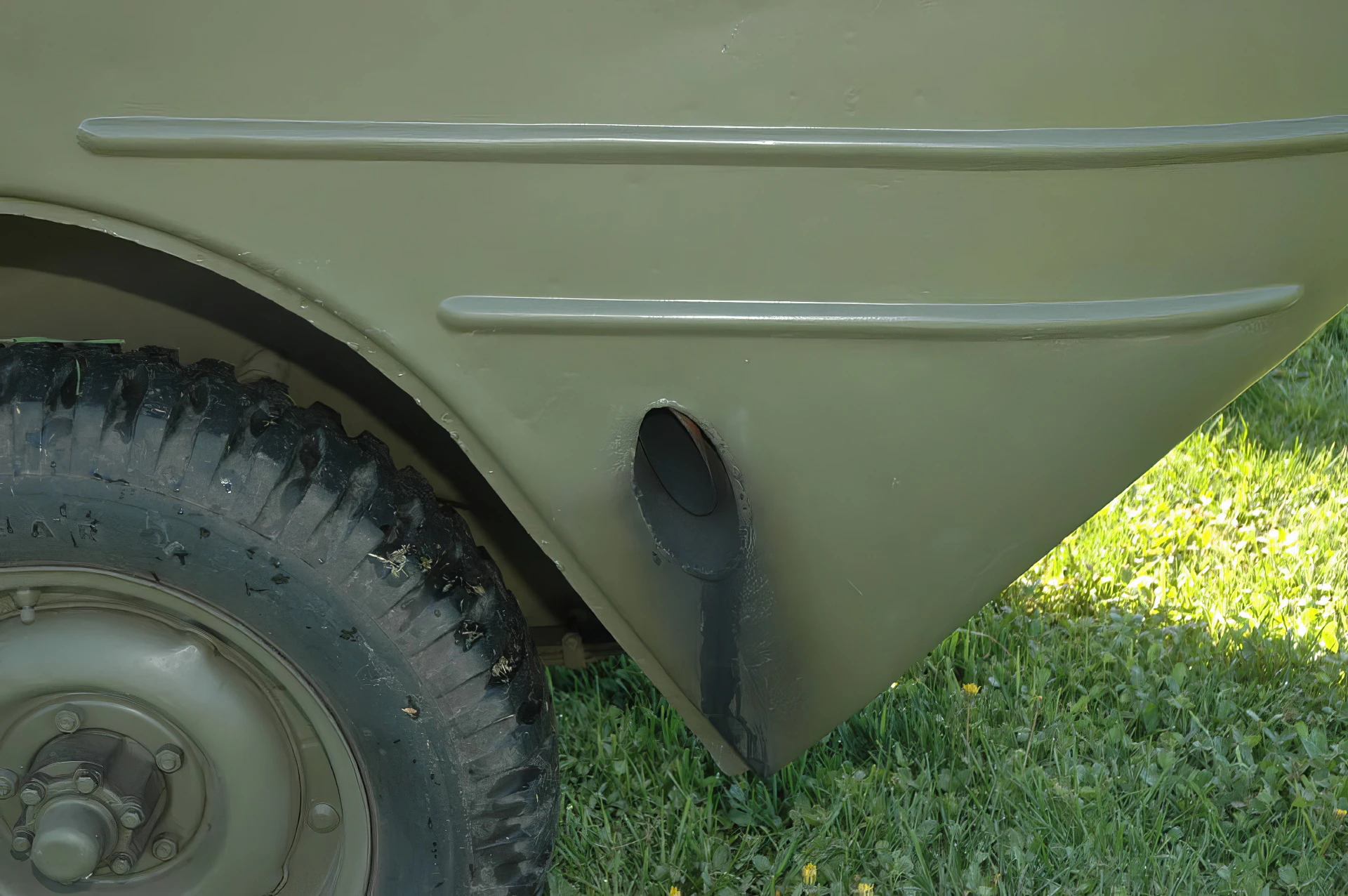

| GPA Walk Around | |
|---|---|
| Фотограф | Michael Benolkin |
| Локализации | Неизвестная |
| Фотографии | 27 |
| GPA Walk Around | |
|---|---|
| Фотограф | Unknow |
| Локализации | Неизвестная |
| Фотографии | 10 |
Читайте также:


| Jeep GPA Walk Around | |
|---|---|
| Фотограф | Unknow |
| Локализации | Неизвестная |
| Фотографии | 34 |
Teh Форд GPA, often nicknamed the “Seep” (for “Seagoing Jeep”), was a light, four-wheel-drive amphibious vehicle produced by the United States during World War II. It was conceived as a smaller, water-capable counterpart to the standard Willys MB/Ford GPW jeep, designed to bridge the gap between transport ships and the beachhead.
Key Characteristics
- Design Basis: The GPA was mechanically based on the Ford GPW jeep, using many of the same engine and running gear components.
- Hull: Its most distinctive feature was its boat-like, welded steel hull with a rounded bow and a low profile. This sealed body allowed it to float.
- Power and Propulsion: It was powered by a four-cylinder petrol engine (60 hp). On land, it used conventional four-wheel-drive. For water travel, a propeller at the rear, driven by a power take-off (PTO), provided thrust, and a rudder controlled by the steering wheel provided direction.
- Performance: While the concept was sound, the production model was considered heavy and unwieldy. On land, it was slower and less agile than the standard jeep. In the water, its low freeboard made it susceptible to swamping in anything but the calmest conditions, limiting its usefulness in open sea operations.
- Service: Despite its limitations, over 12,000 units were produced between 1942 and 1943. Many were supplied to Allied nations, most notably the Советский Союз under the Lend-Lease program, where they were successfully used for river crossings on the Eastern Front.
The GPA’s shortcomings led the U.S. military to quickly favor the larger, more robust, and more seaworthy GMC DUKW amphibious truck for major landings.
Просмотров: 6613
Вы также можете увидеть:
 LARC LX – Фото и видео
 Тип 63 – Фото и видео
 Ford AT-5 Tri-motor – Фото и Видео
 Stridsvagn 103 – Фото и Видео
 Spahpanzer 2 – фото и видео
 Гусеничный десантный транспорт ПТС-М – фото и видео
 Танк Т-40С – фото и видео
 Ford CMP 15cwt 4×4 GS - Прогулка вокруг
 Форд Маултье v1939 - Прогулка вокруг
 БМП-3 - Прогулка