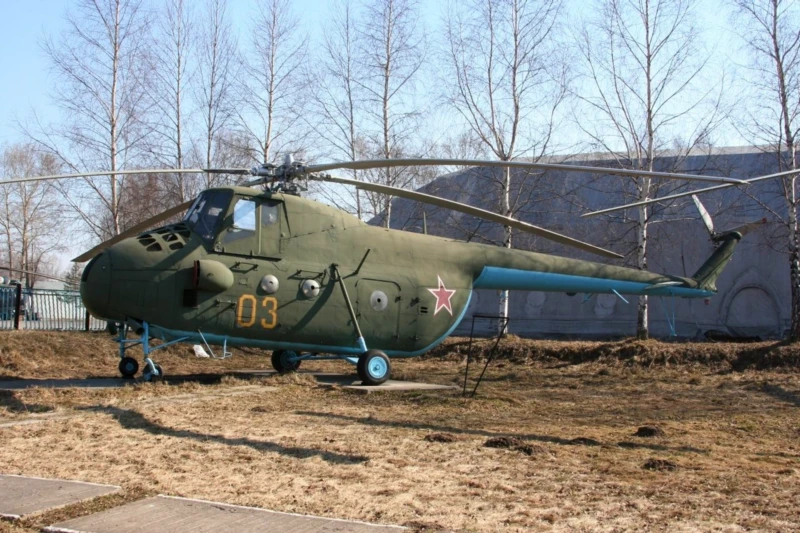
Mil Mi-4 | |
|---|---|
| País | União Soviética |
| Tipo | Helicóptero de transporte |
| Fotógrafo | Andrey Zinchuk |
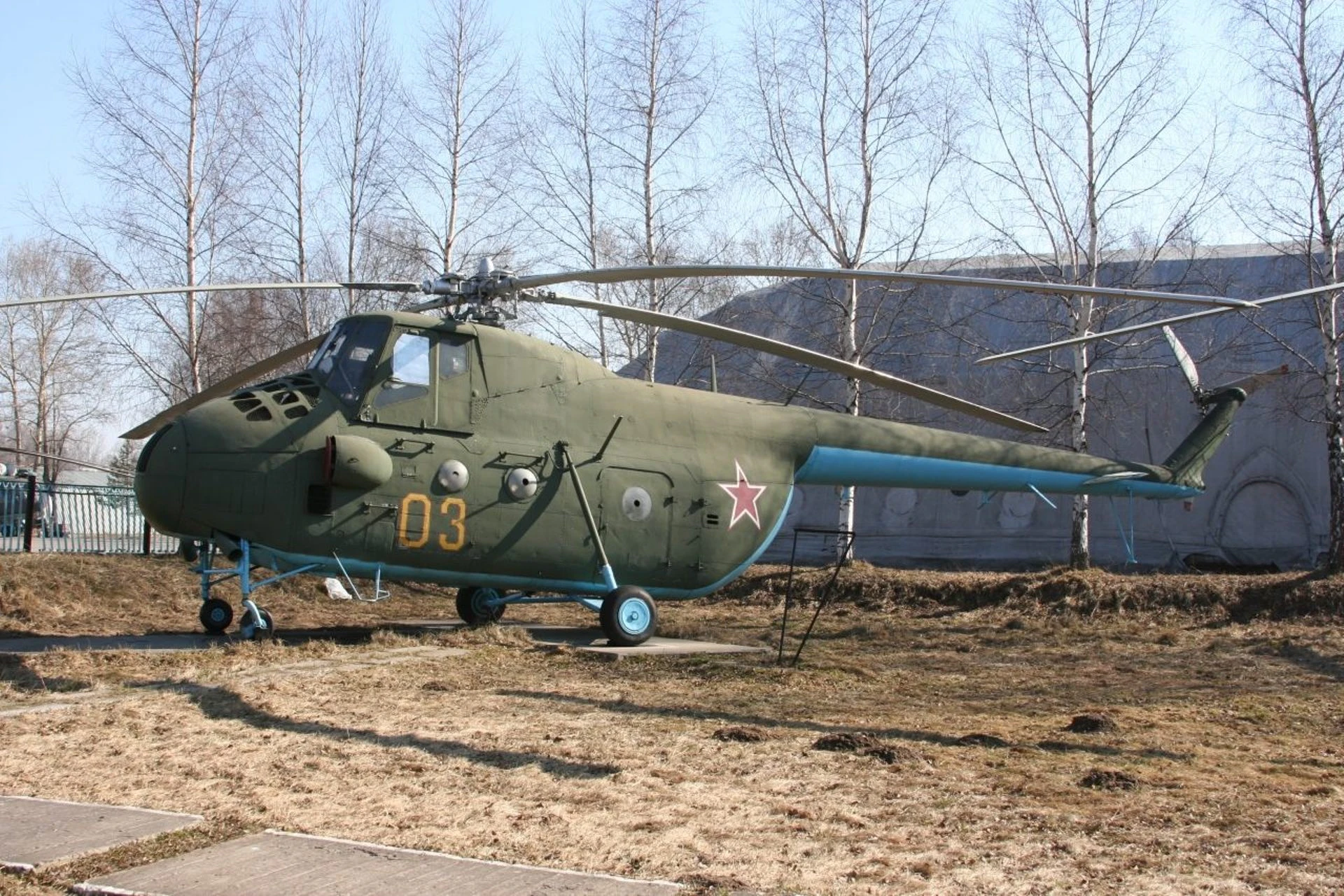
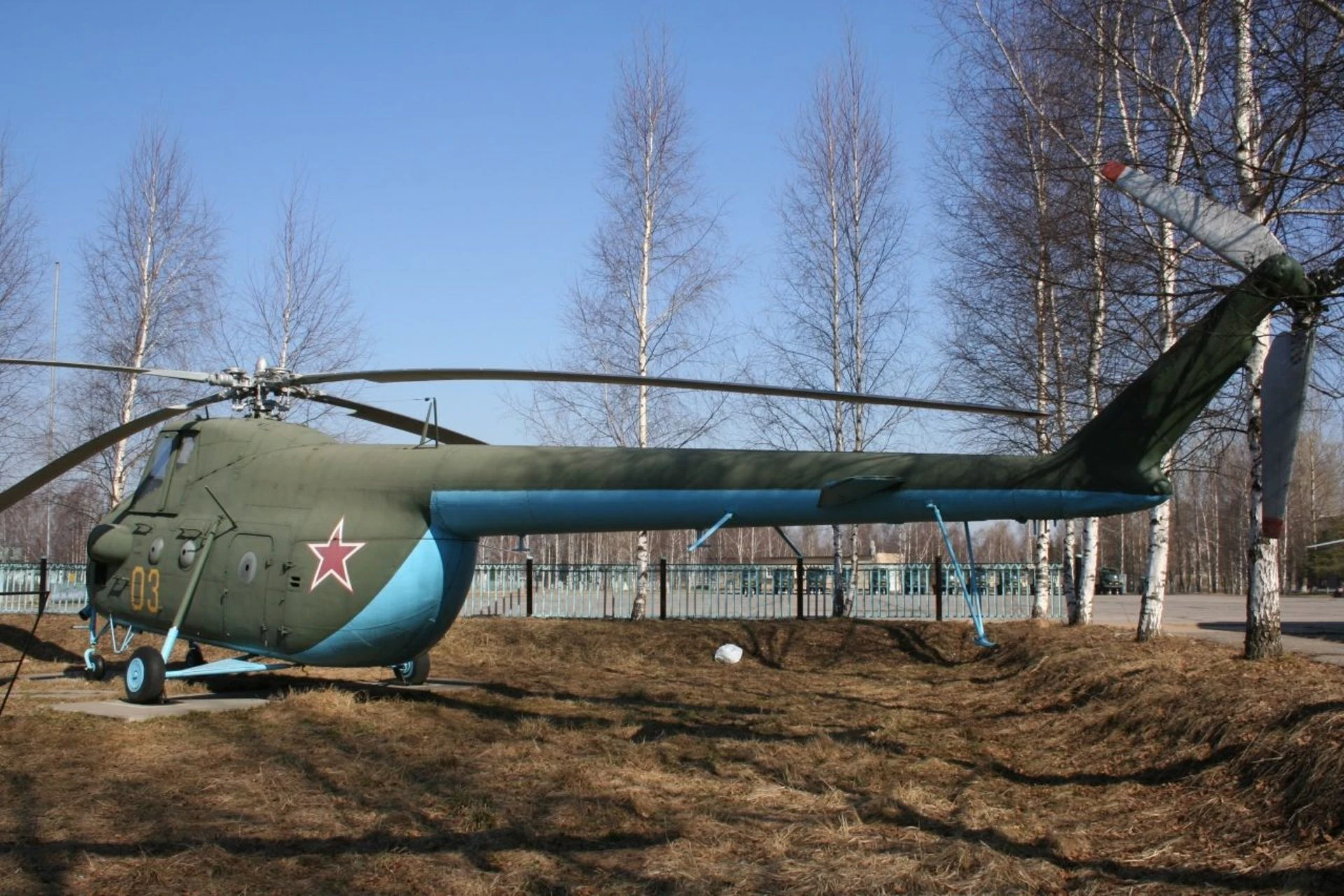
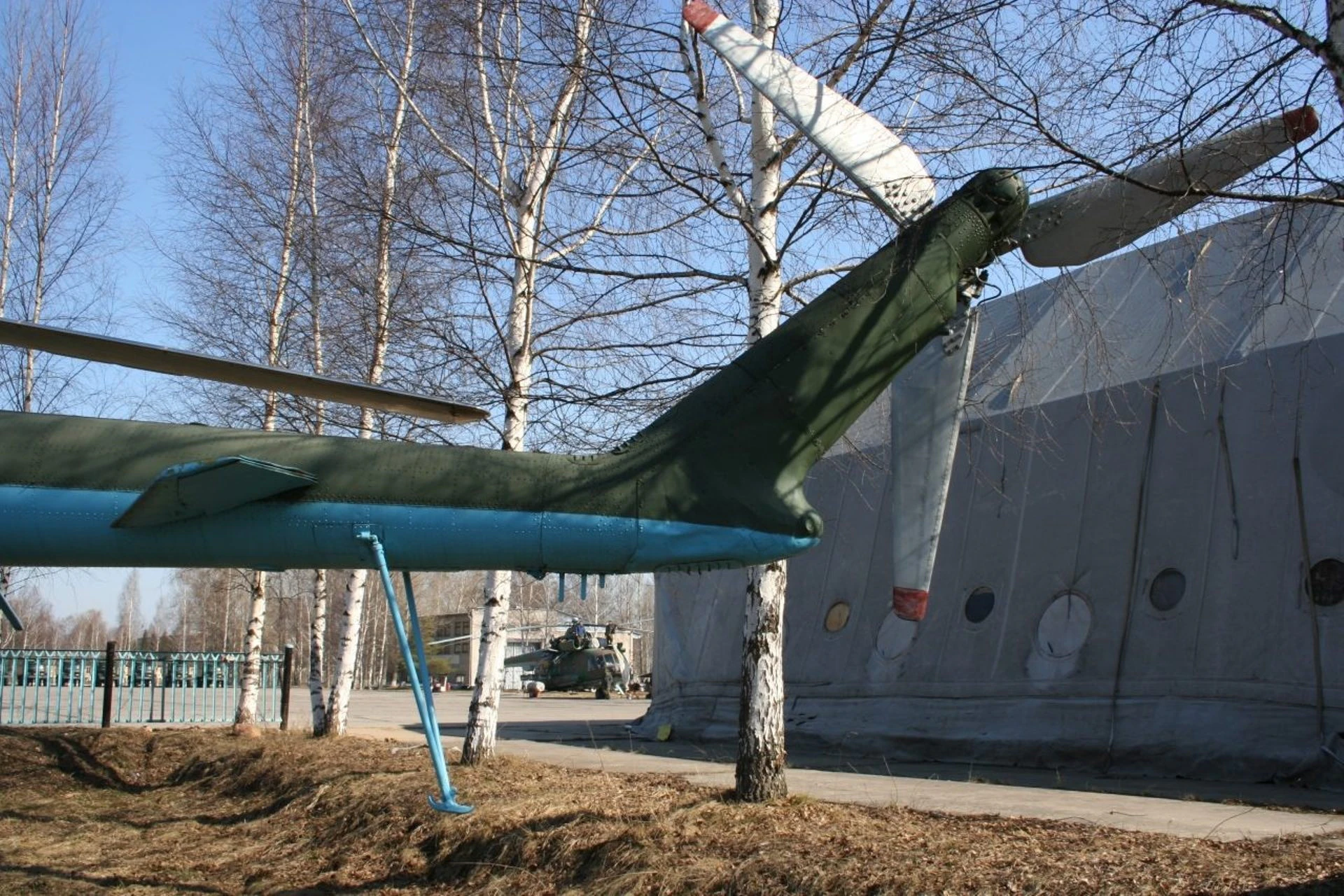
| Descrição | Álbum de 13 fotos walk-around de um «Mil Mi-4» |
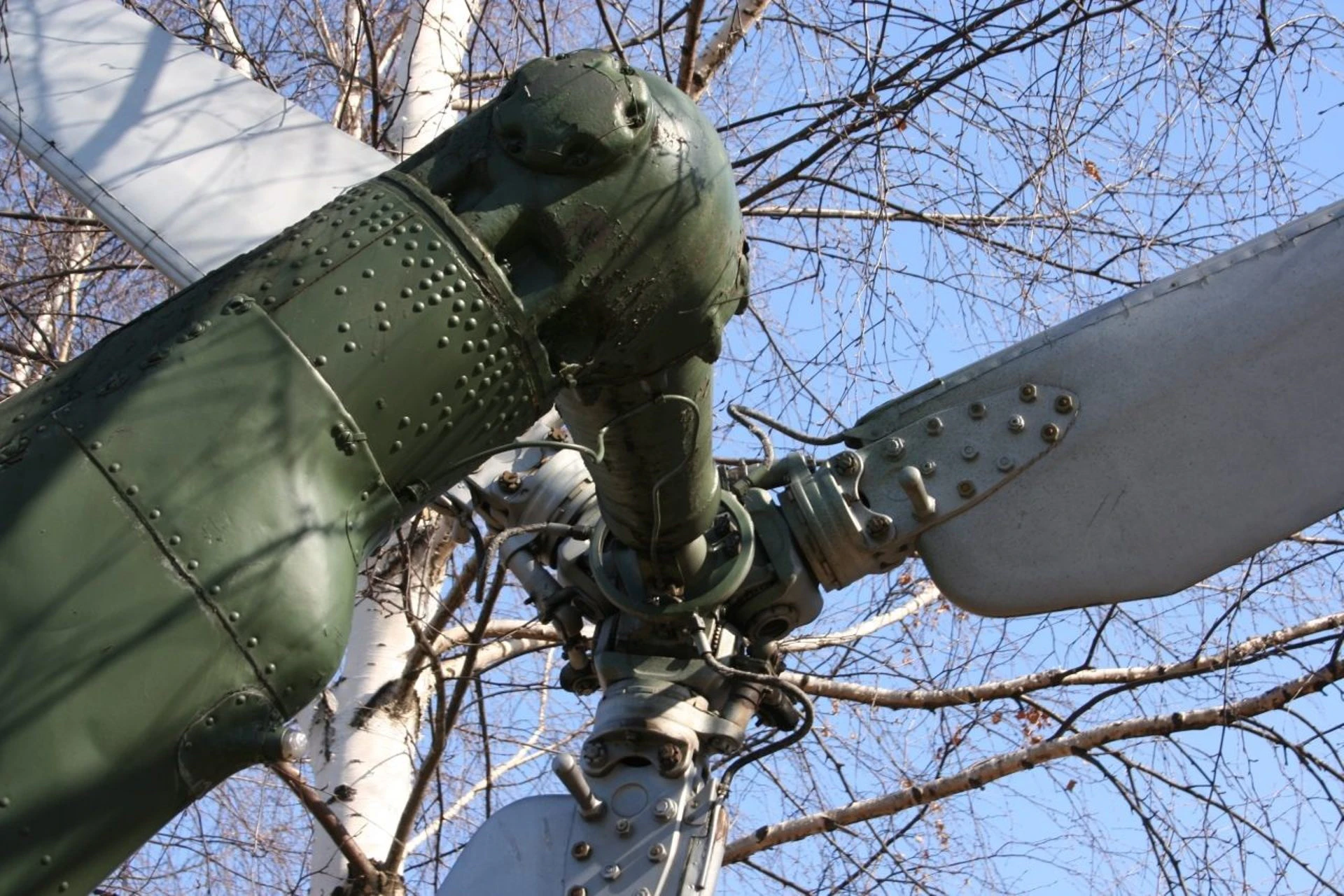
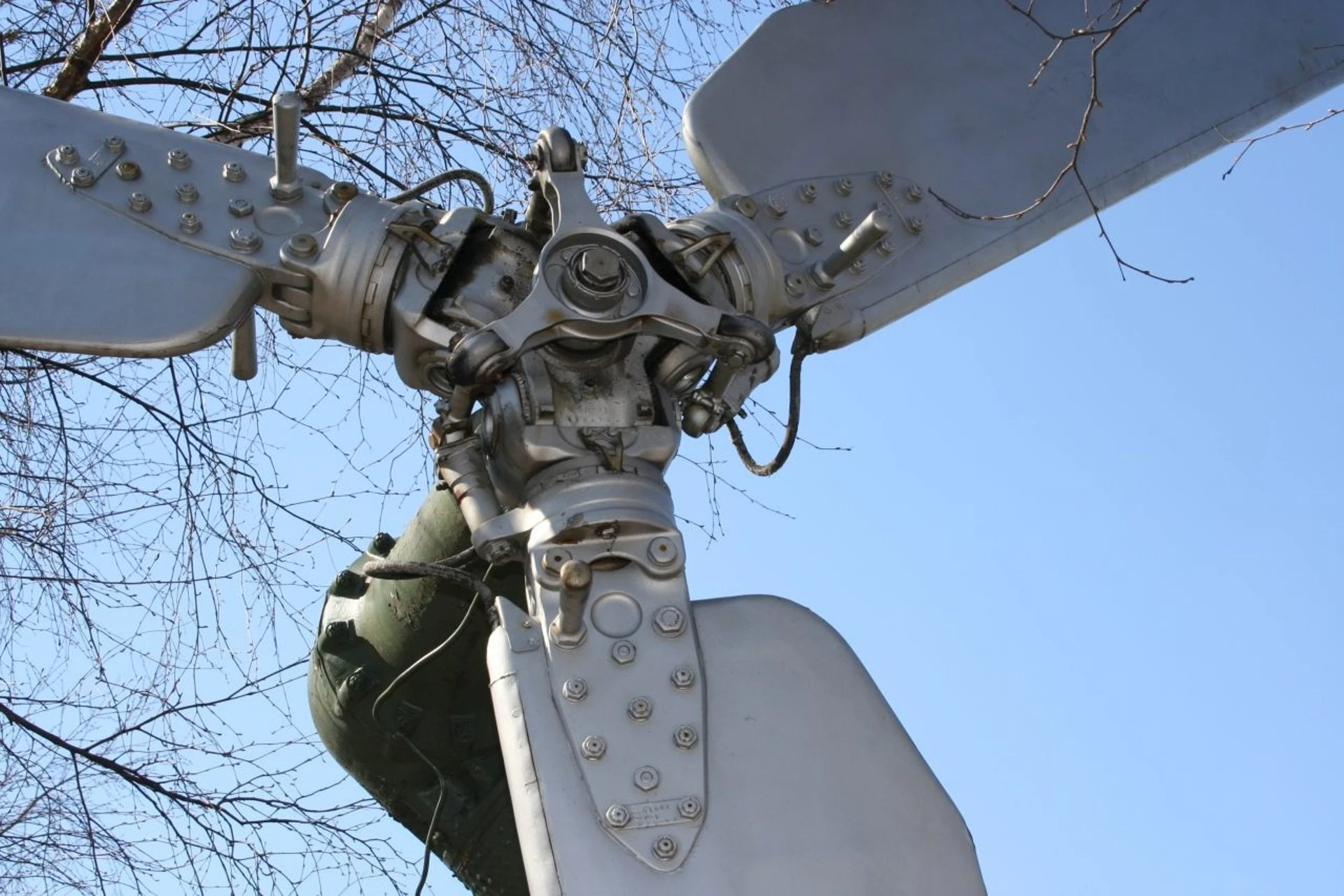
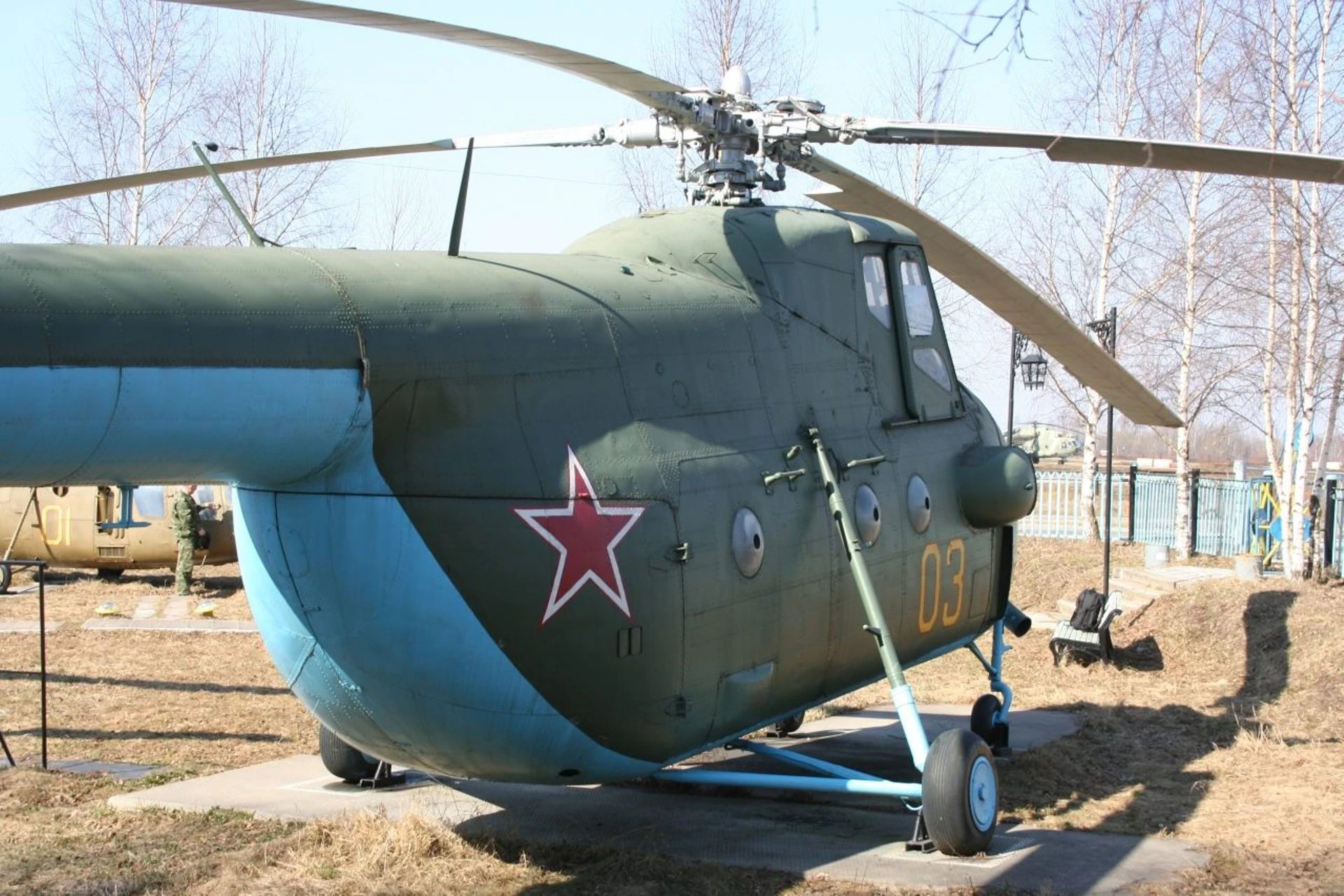
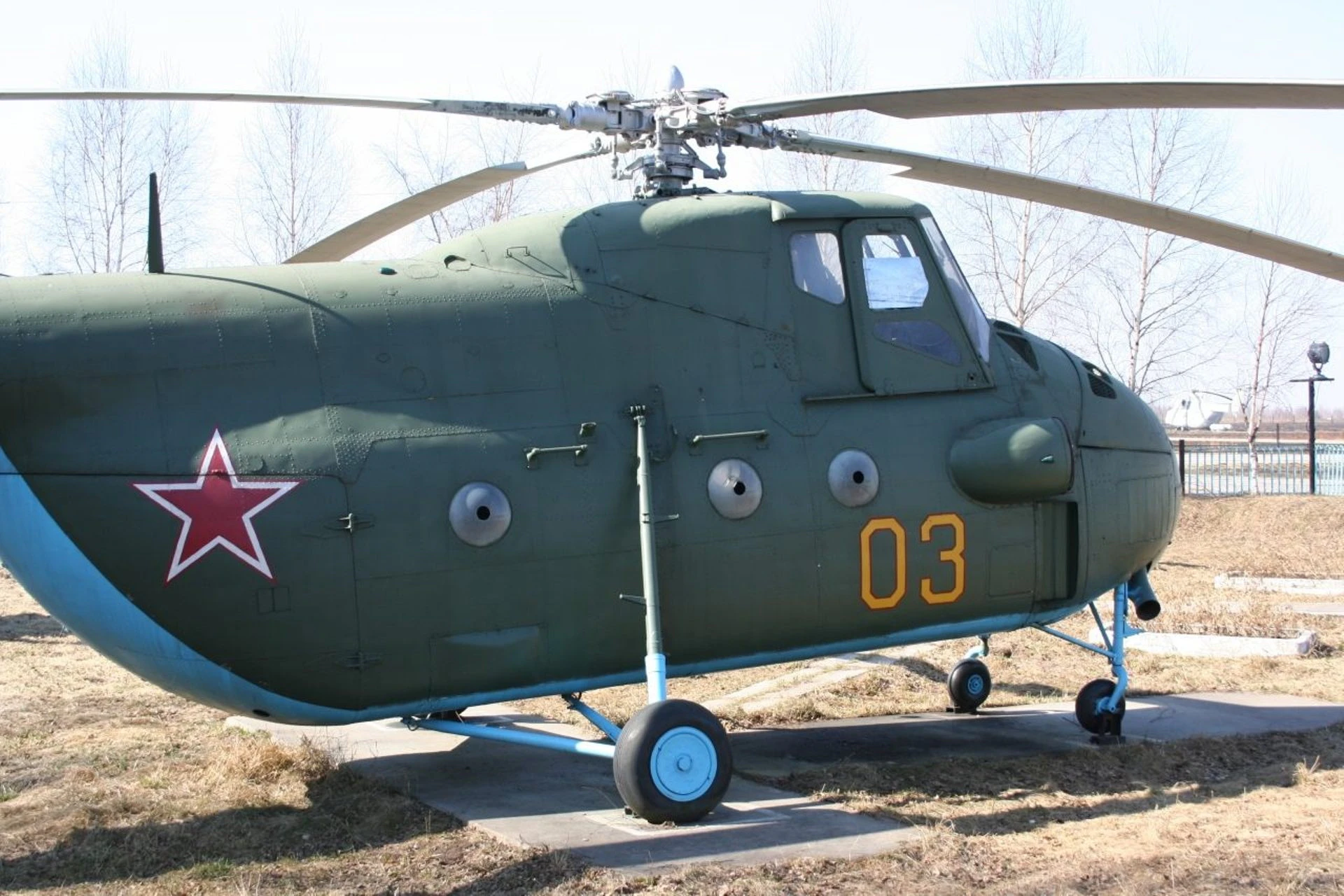
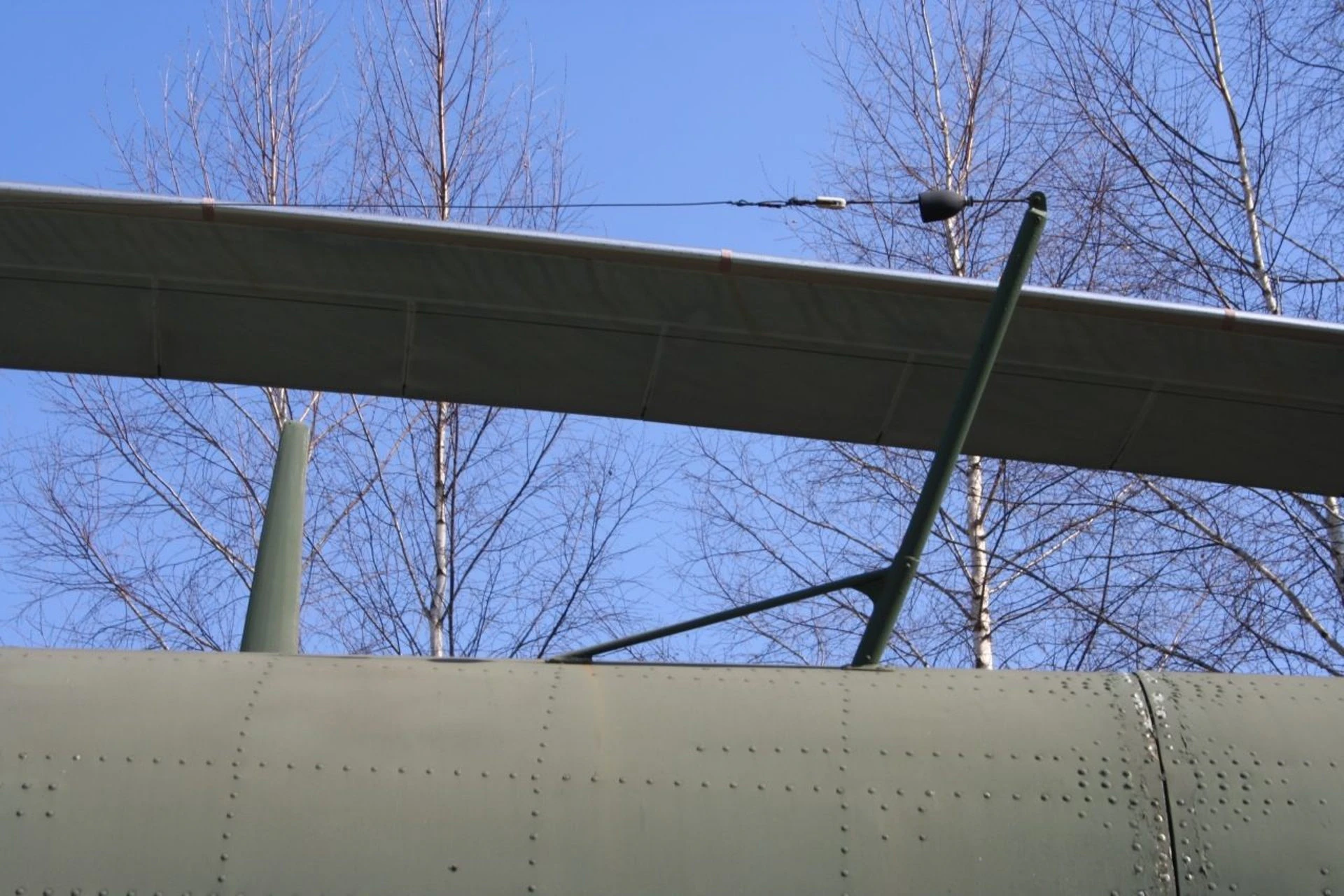
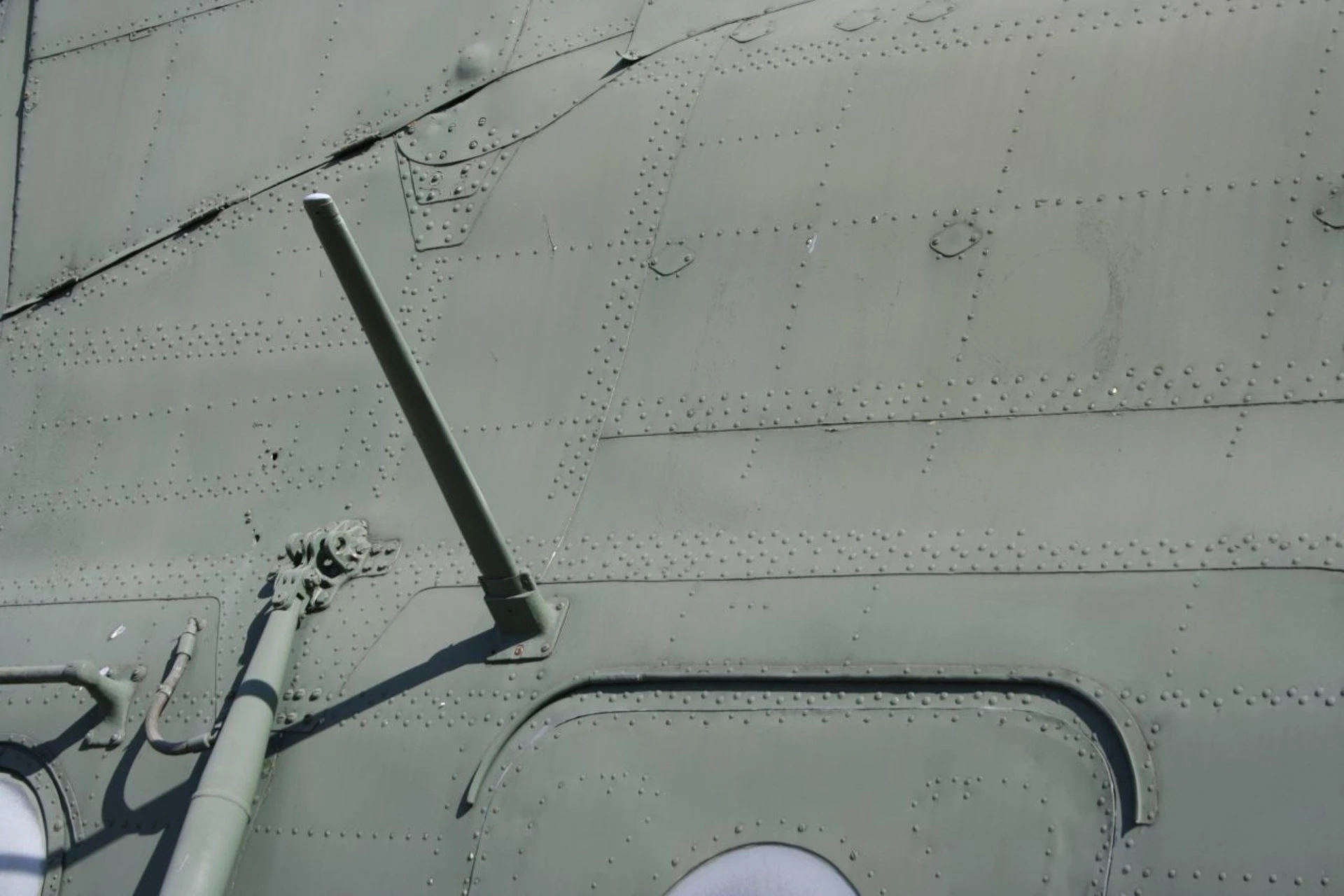
Galeria de fotos de um Mil Mi-4, The Mil Mi-4 (USAF/DoD reporting name “Type 36”, NATO reporting name “Hound”) was a Soviet transport helicopter that served in both military and civilian roles.
Fonte: Mil Mi-4 na Wiki

 Compre-me um café
Veja também:


The Response to the West
O Mil Mi-4 (NATO reporting name: Hound) was the Soviet Union’s direct response to the American Sikorsky H-19 and H-34. Developed in a frantic one-year period following the display of US helicopter capabilities in the Korean War, the Mi-4 was significantly larger and more powerful than its Western contemporaries. It was the first Soviet helicopter capable of carrying a vehicle internally, marking the birth of Soviet air assault doctrine. Reliable and versatile, it became the ubiquitous face of Soviet rotary-wing aviation throughout the 1950s and 60s.
| Attribute | Technical Specification (Mi-4P) |
|---|---|
| Papel | Transport / Utility / ASW |
| tripulação | 3 (Two pilots and a flight engineer) |
| First Flight | May 1952 |
| Usina | 1 × Shvetsov ASh-82V 14-cylinder radial engine |
| Horsepower | 1,700 hp (1,268 kW) |
| Maximum Speed | 185 km/h (115 mph) |
| Carga útil | 1,600 kg (3,527 lb) or 16 fully equipped troops |
| Armament (Mi-4AV) | 1 × 12.7mm machine gun in gondola; 4 × 57mm rocket pods |
Design Engineering: The Powerhouse in the Nose
- Clamshell Rear Doors: Unlike the side-loading Sikorsky H-34, the Mi-4 featured large rear clamshell doors. This allowed small vehicles like the GÁS-69 jeep or anti-tank guns to be driven directly into the hold, a layout that became a standard for almost all future Mil transport helicopters.
- Nose-Mounted Radial: Similar to the H-34, the engine sat in the nose, but the Mi-4 used the massive ASh-82V radial (descended from the La-7 fighter engine). It was tilted to allow the drive shaft to pass between the pilots to the gearbox.
- The “Navigator’s Gondola”: Military variants featured a distinctive glazed “bathtub” gondola under the fuselage for a navigator or observer. This provided excellent downward visibility for spotting targets or guiding landings in rough terrain.
- Four-Bladed Rotor: The Mi-4 utilized a four-bladed main rotor, which provided greater lift and smoother flight characteristics than the three-bladed systems common at the time.
Global Reach and Versatility
- Antarctic Exploration: The Mi-4 was a hero of Soviet polar research. Its rugged construction allowed it to operate in the extreme cold of Antarctica, moving supplies between research stations and ships.
- Chinese Production (Harbin Z-5): China licensed the design as the Harbin Z-5. They produced hundreds of units and continued to use and upgrade the aircraft long after the Soviets had moved on to turbine engines.
- The First Gunship: O Mi-4AV was the first Soviet helicopter to be heavily armed. It paved the way for the “flying tank” concept, carrying 96 unguided rockets and anti-tank missiles, a direct precursor to the Mi-24 Hind.
- Civilian Service: As “Aeroflot’s” primary heavy lifter, it was used for everything from crop dusting and firefighting to “pigeon post” (air mail) in remote regions of the USSR.
Visualizações : 3239
Você pode ver também:
 Sikorsky R-4 – Fotos e Vídeos
 AgustaWestland AW109 – Fotos e Vídeos
 Eurocopter Tiger – Fotos e Vídeos
 Mil Mi-14 – Fotos e Vídeo
 Mil Mi-26 – Fotos e Vídeo
 Mil Mi-2 – Fotos e Vídeo
 Piasecki HU-21 – Fotos e Vídeo
 Mil Mi-1 Hare – Fotos e Vídeo
 Gazela Aérospatiale – Ande por aí
 Boeing AH-64 Apache - WalkAround