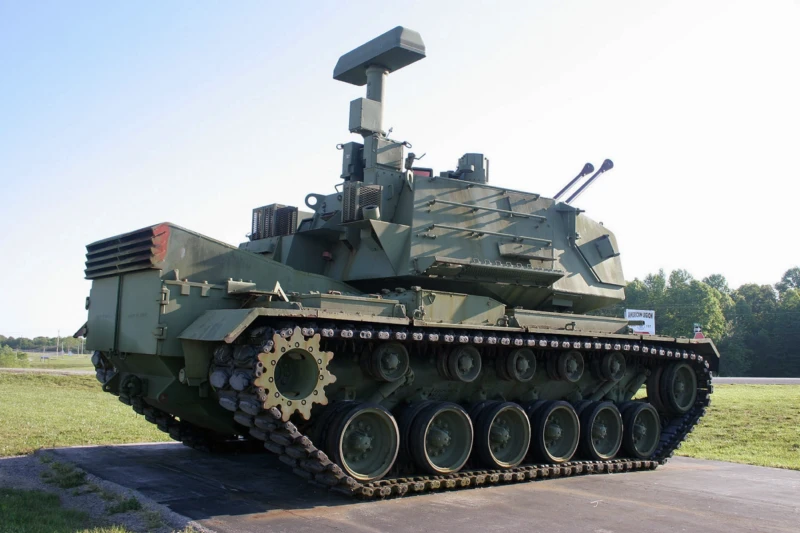
M247 Sargento York | |
|---|---|
| País | Eua |
| Papel | Canhão antiaéreo autopropulsado de 40 mm |
| concebido | 1977–1985 |
| Construído | 50 |
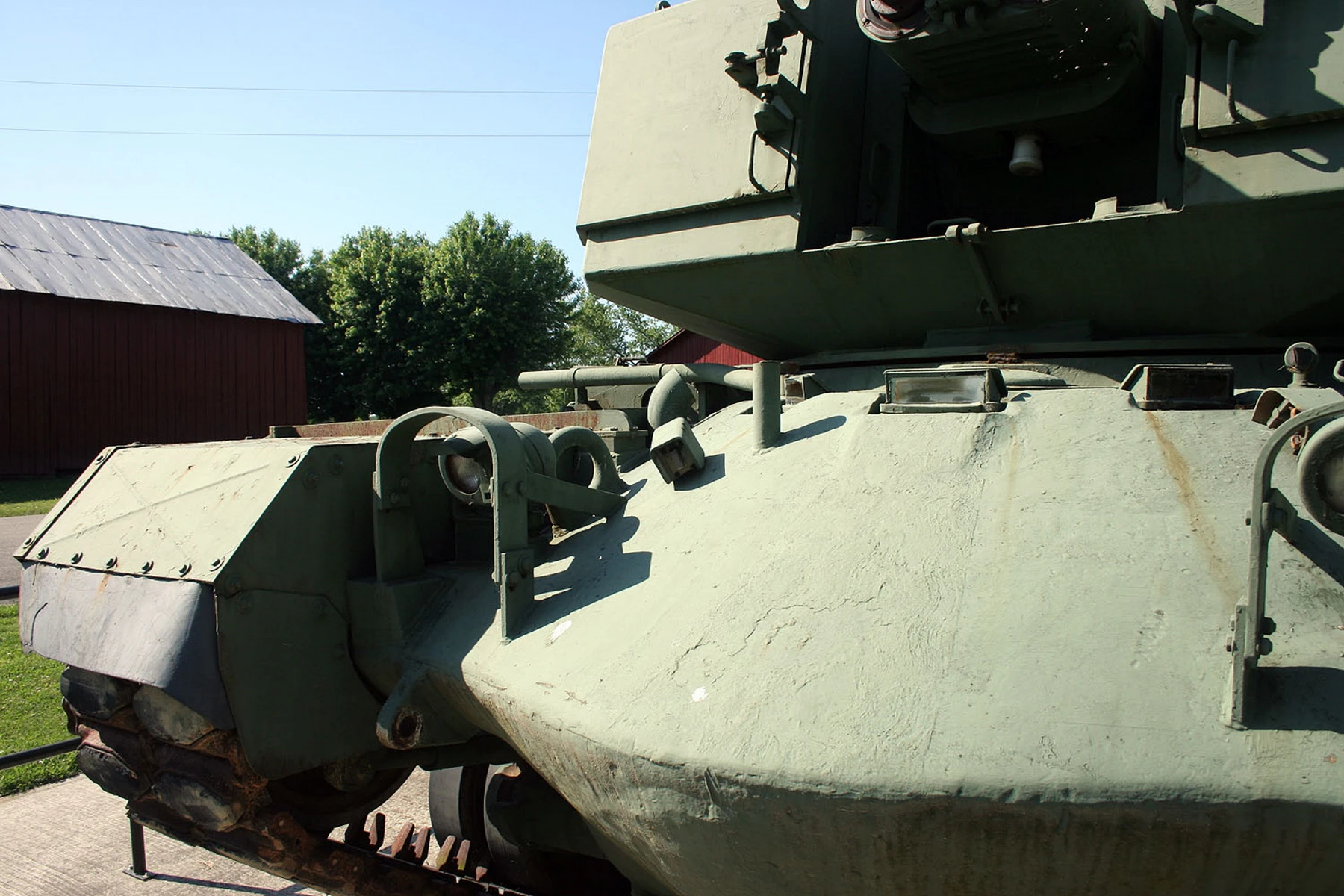
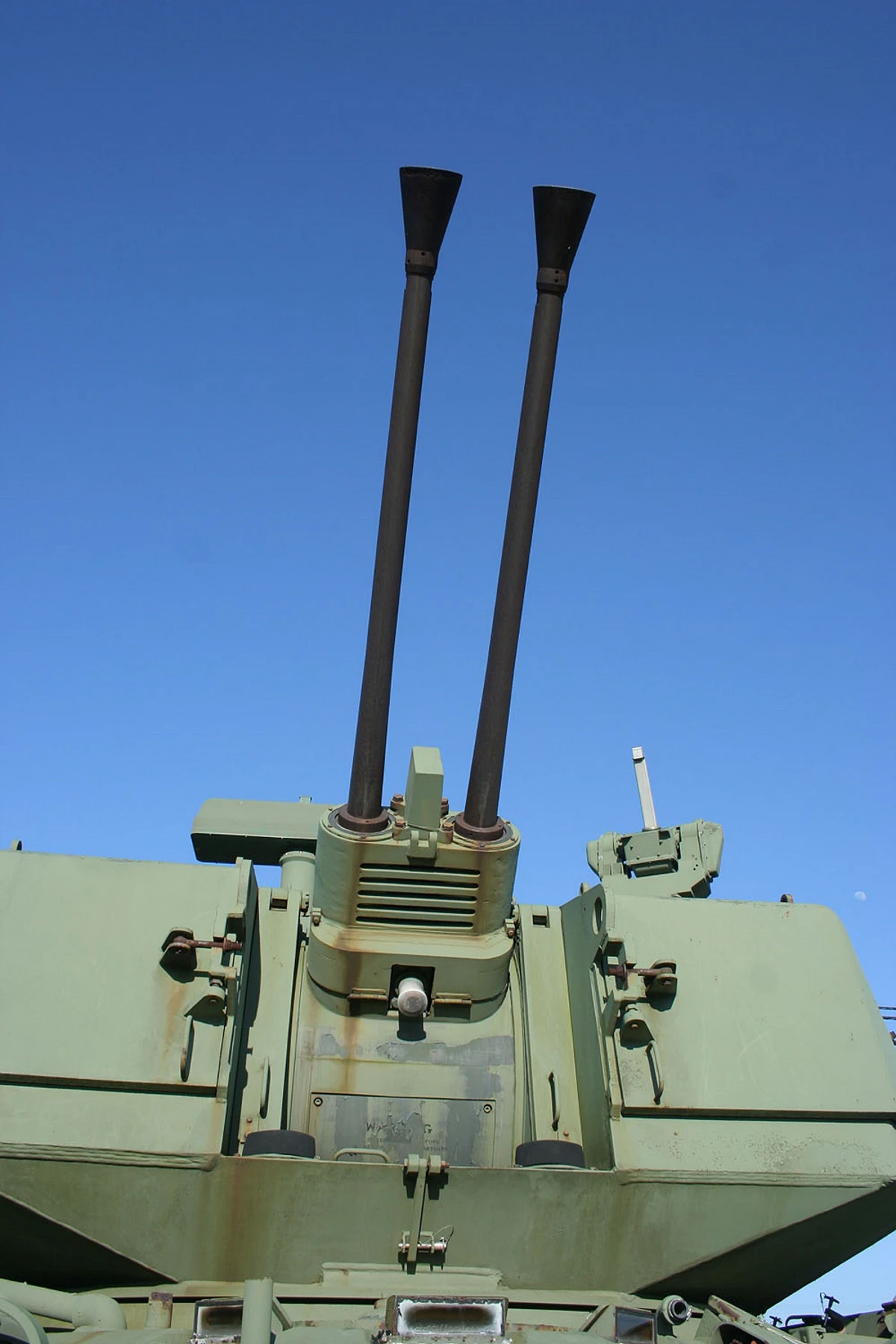
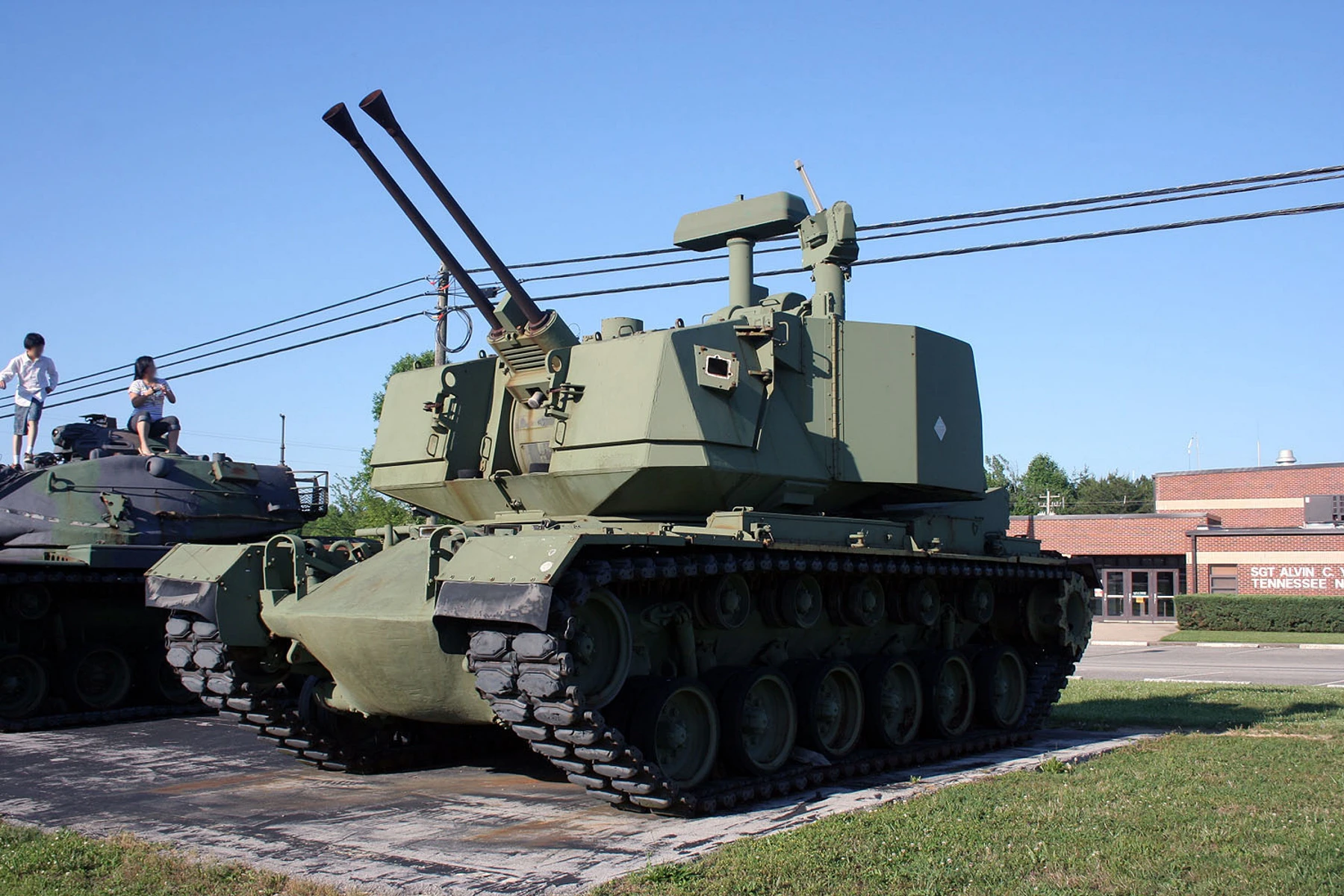
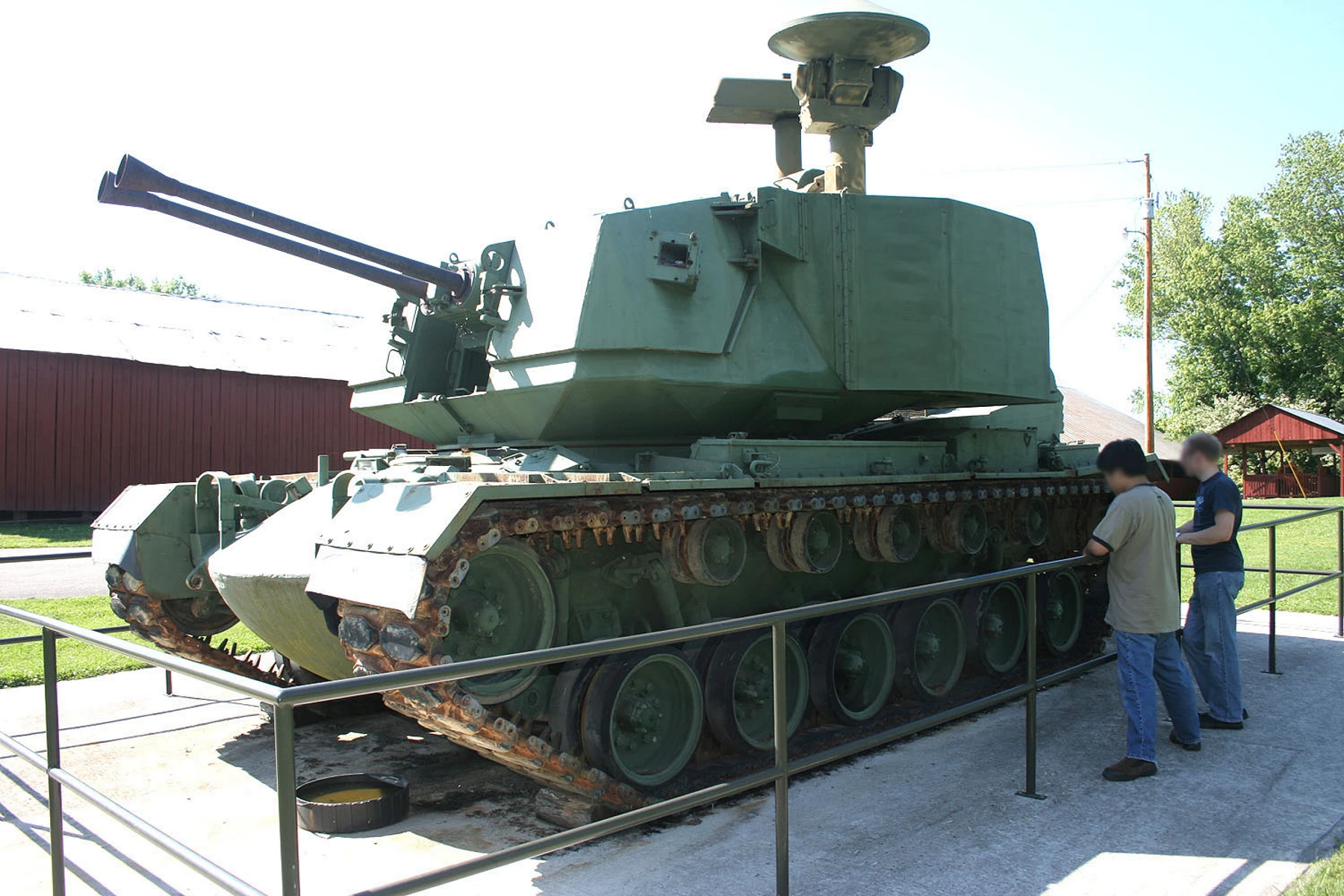
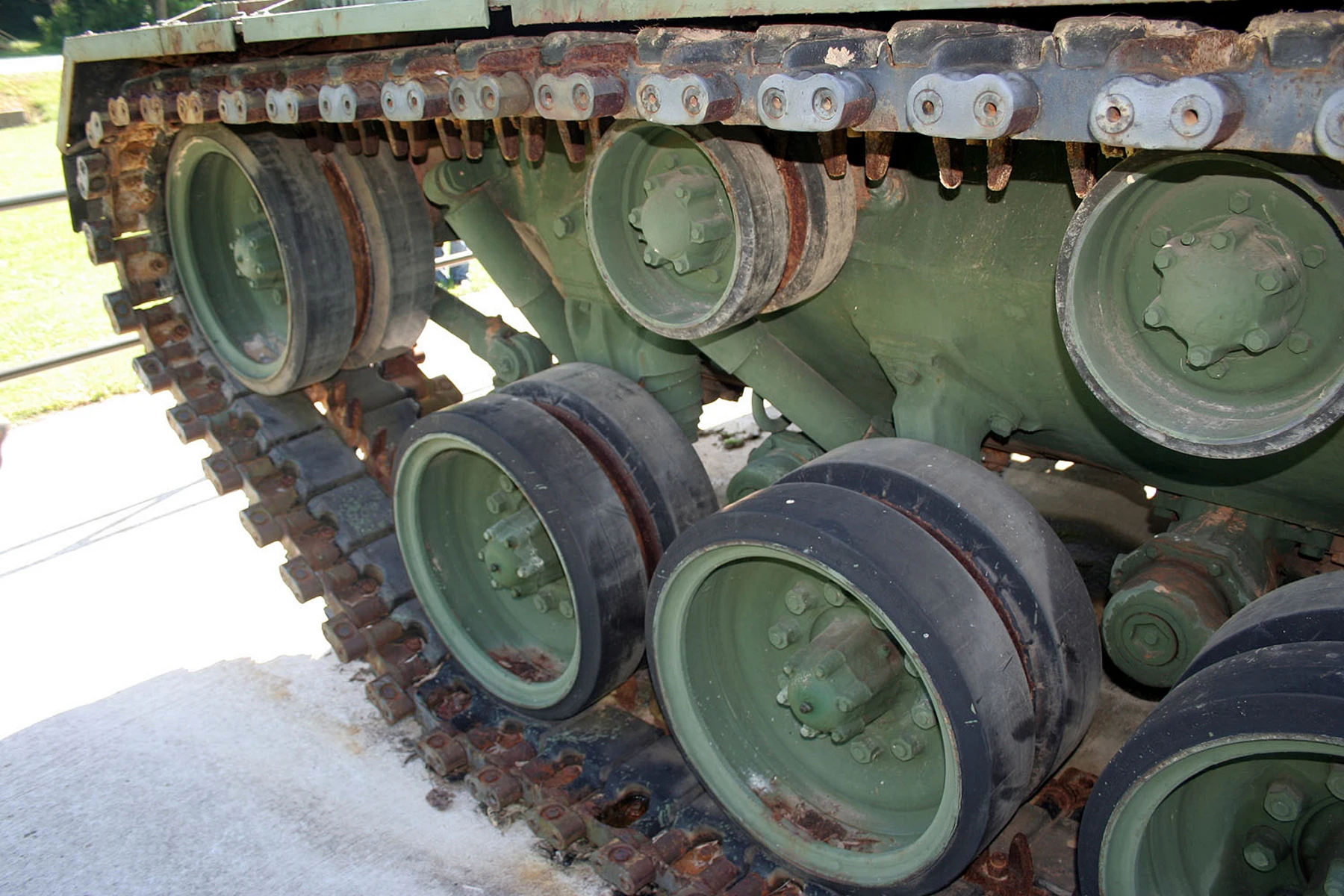
Galeria de fotos de um sargento M247 York, The M247 Sargento York é baseado no chassi do tanque médio M48A5 Patton. É alimentado pelo motor diesel Continental AVDS-1790-2D, desenvolvendo 750 cavalos de potência. O M247 está equipado com canhões antiaéreos Bofors duplos de 40 mm totalmente estabilizados. Essas armas melhoraram a cadência de tiro. O veículo pode disparar com precisão em movimento. O M247 dispara projéteis HE e HE-FRAG contra alvos aéreos e projéteis AP contra veículos blindados. Um total de 580 cartuchos são realizados. O recarregamento leva menos de 15 minutos.
Fonte: M247 na Wikipédia
| M247 Sergeant York | |
|---|---|
| Fotógrafo | Unknow |
| Localização | Desconhecido |
| Fotos | 93 |
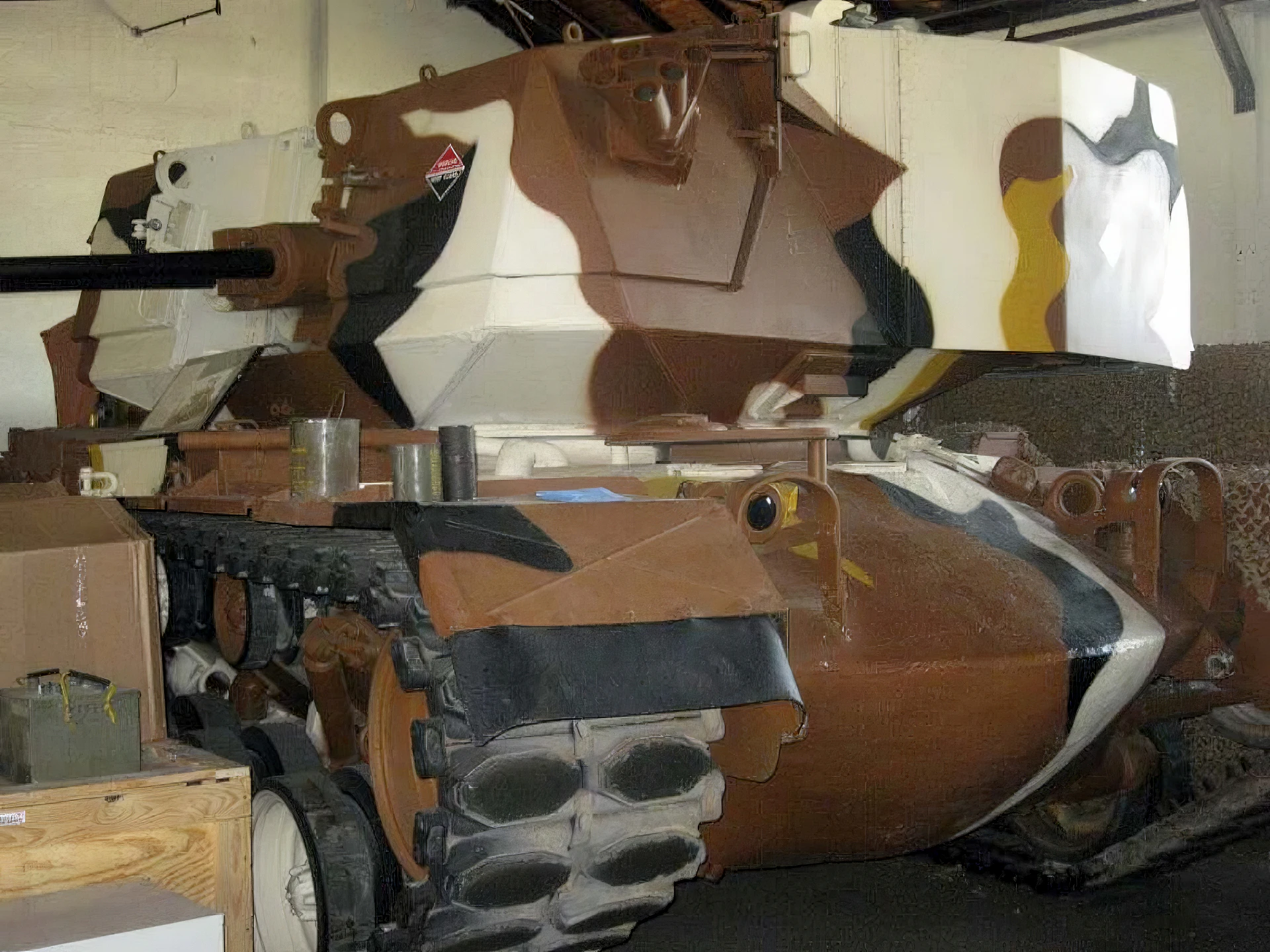
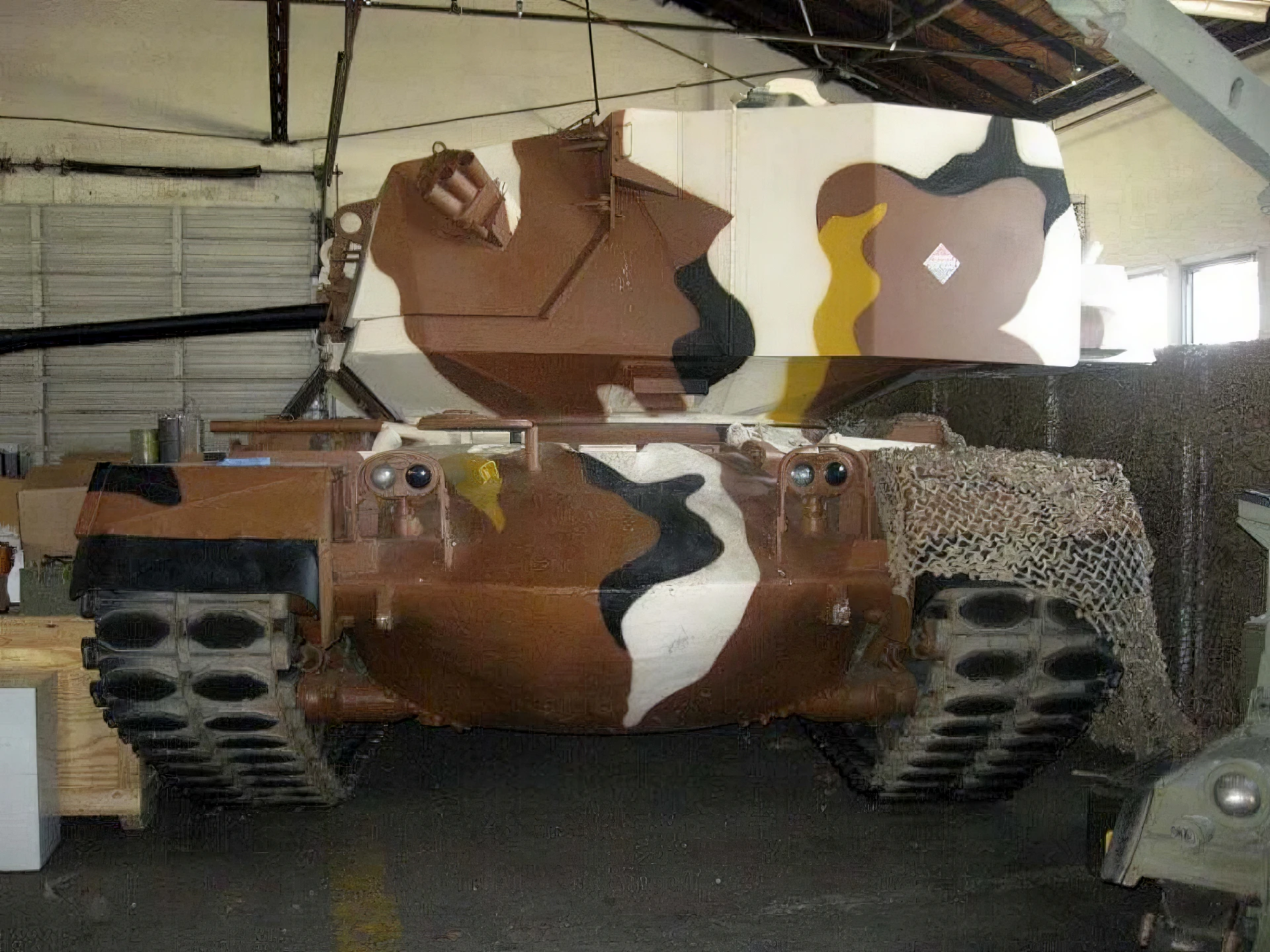
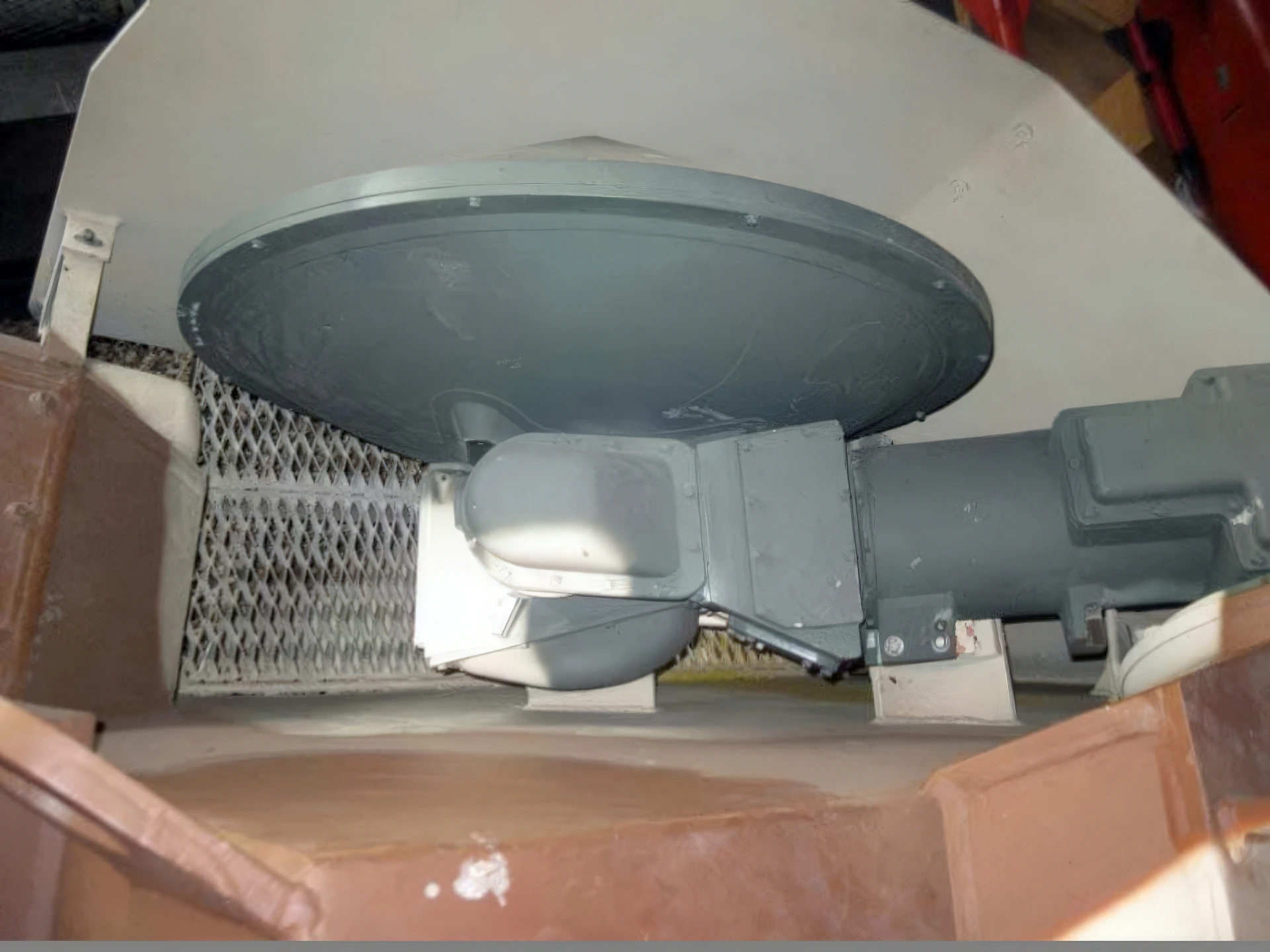
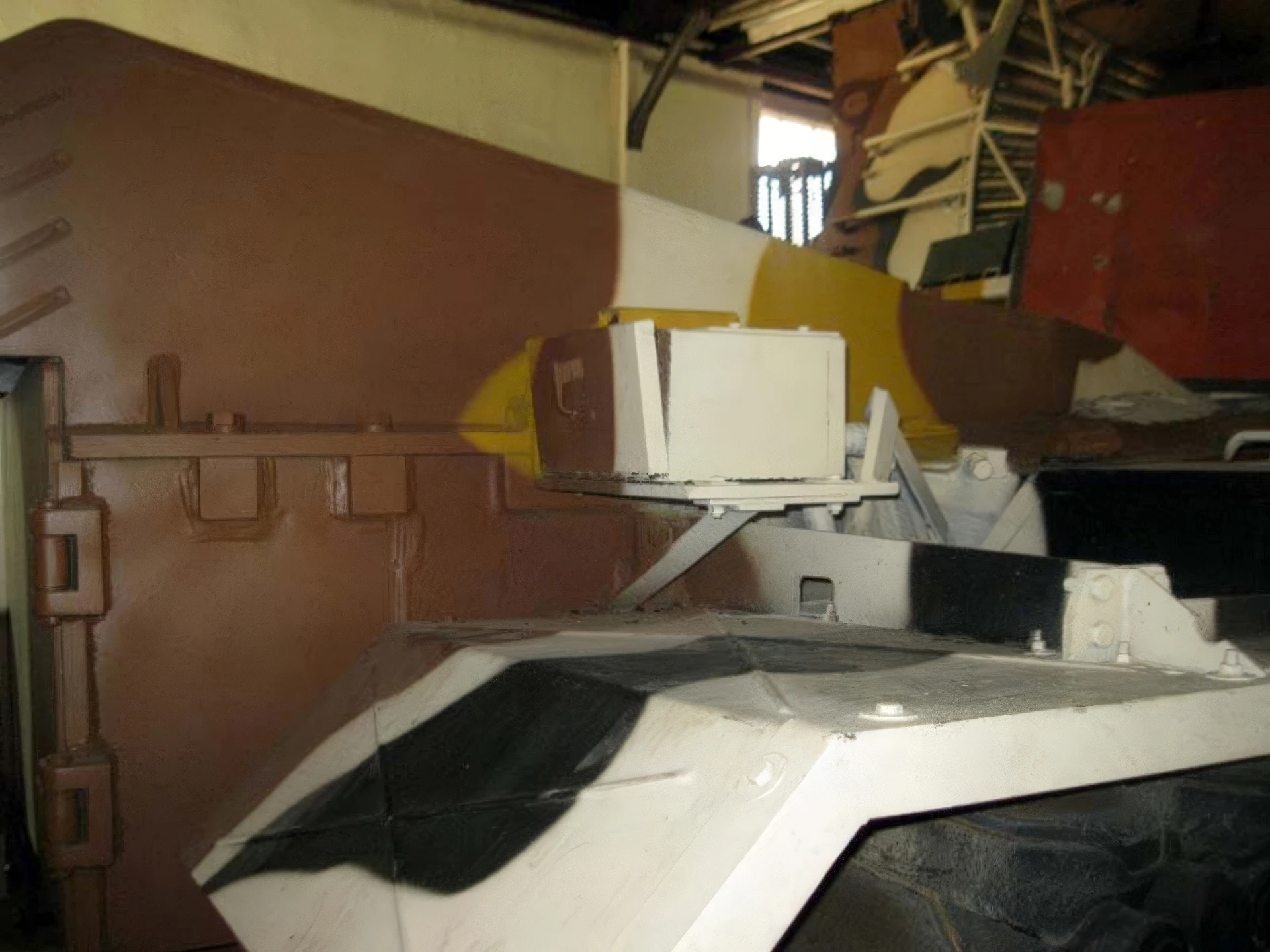
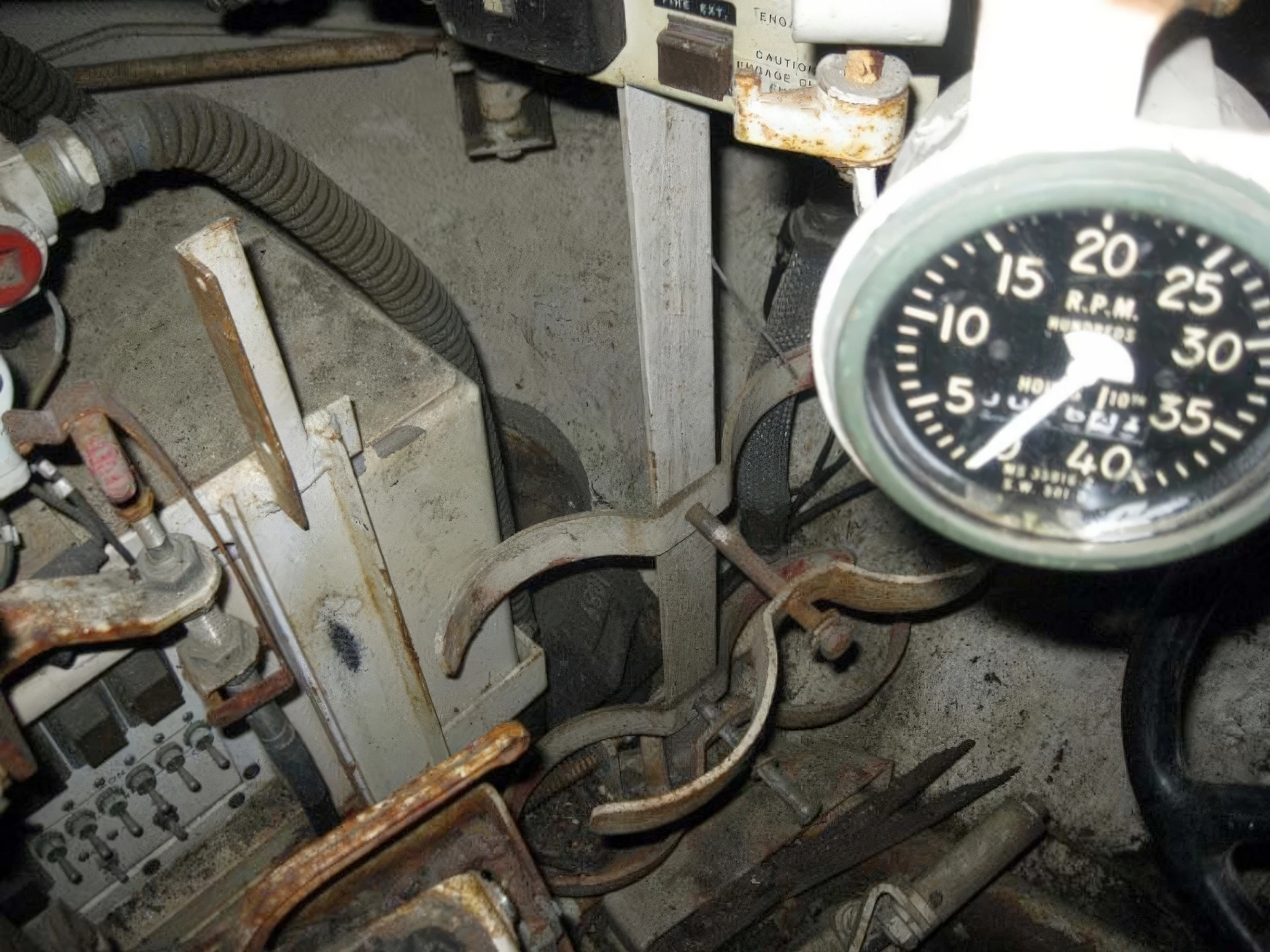
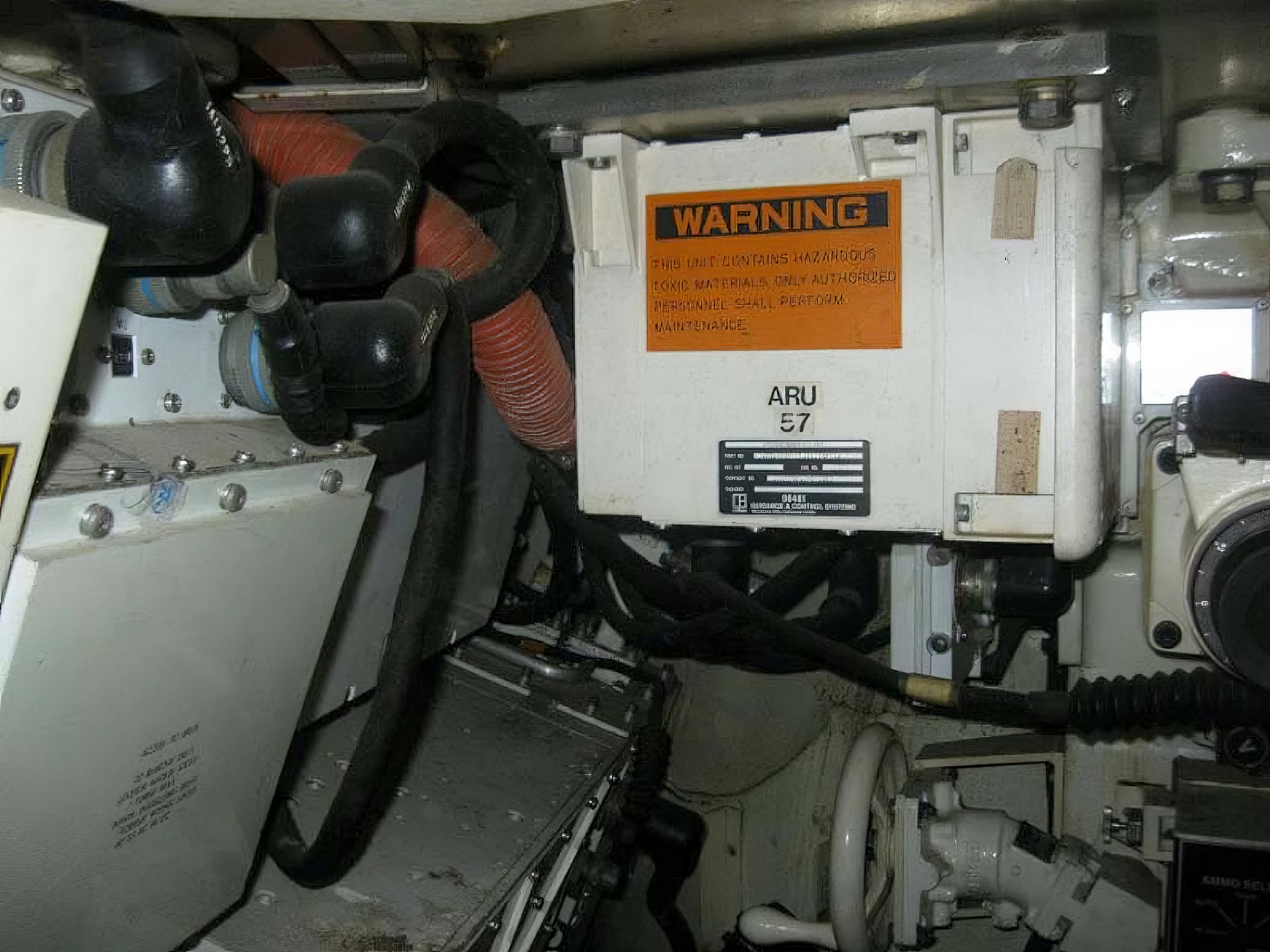
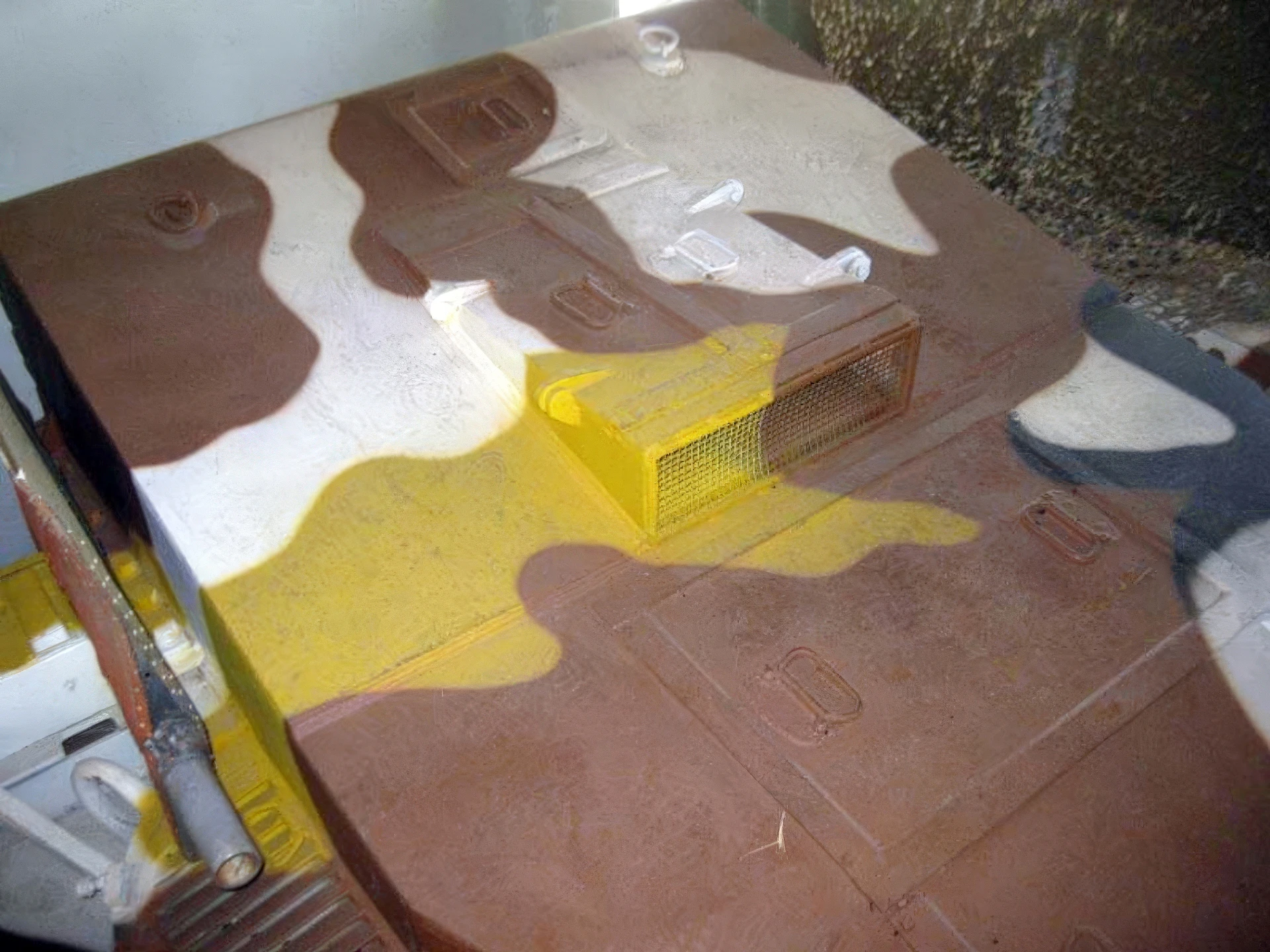
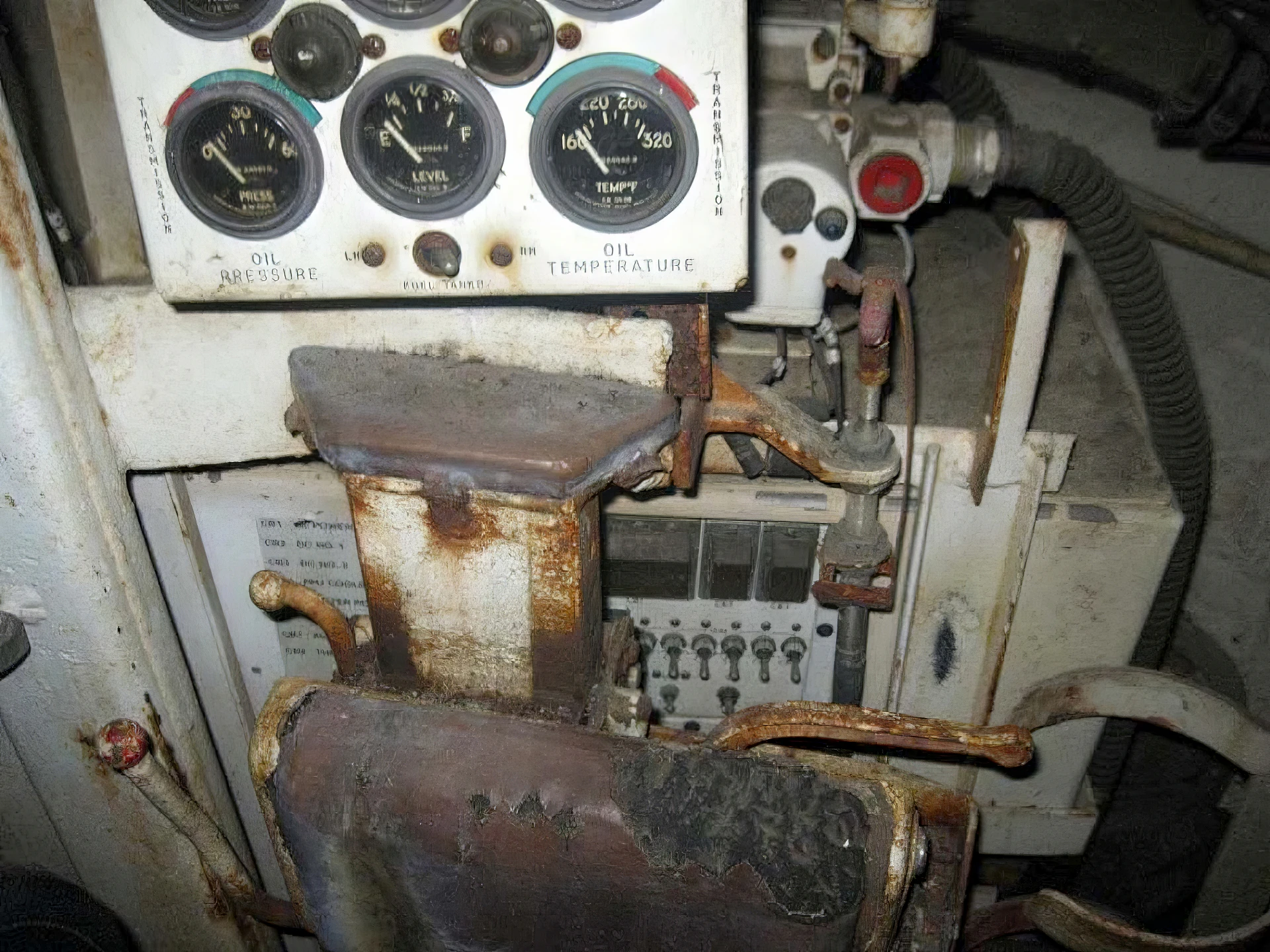
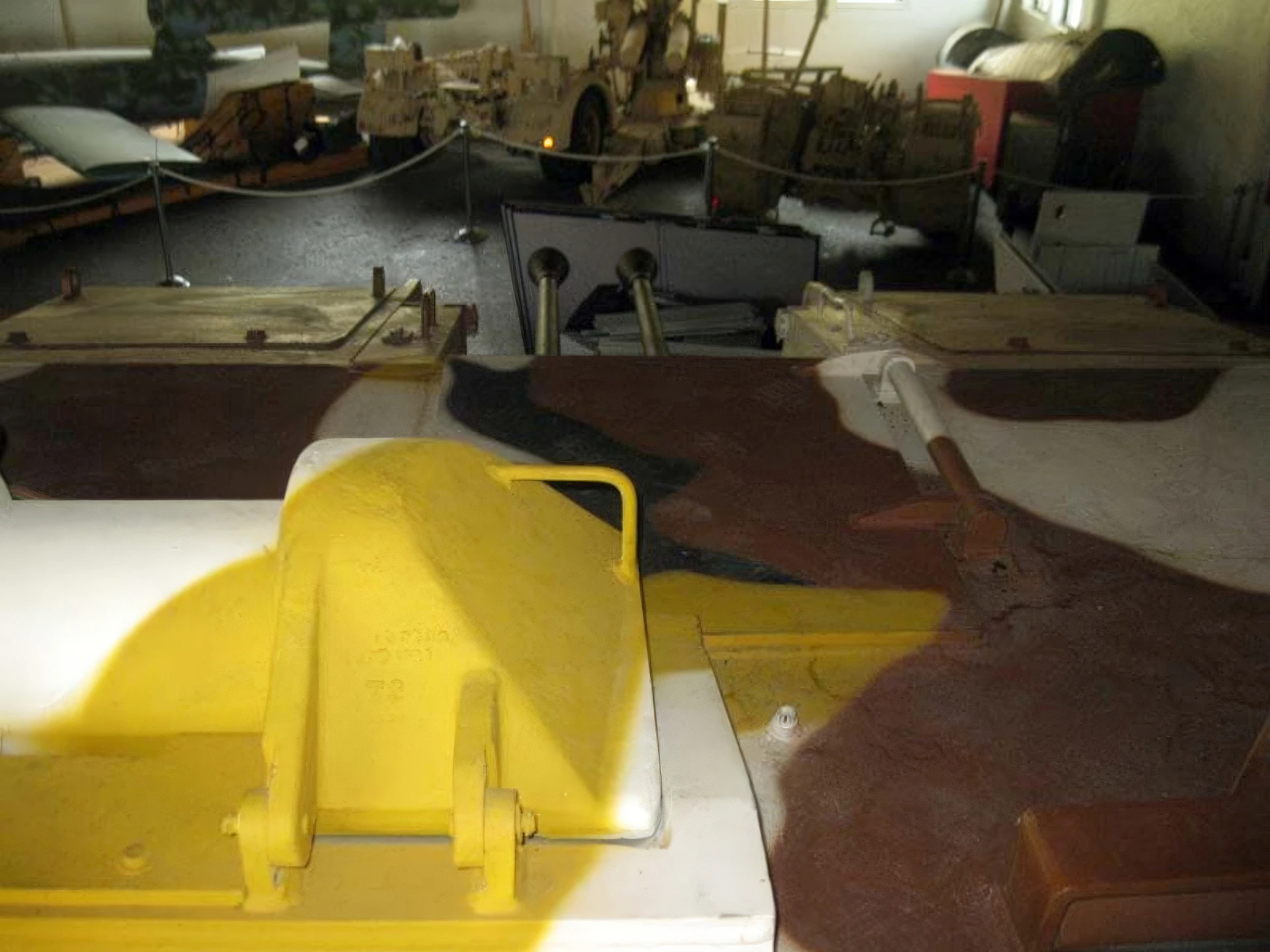

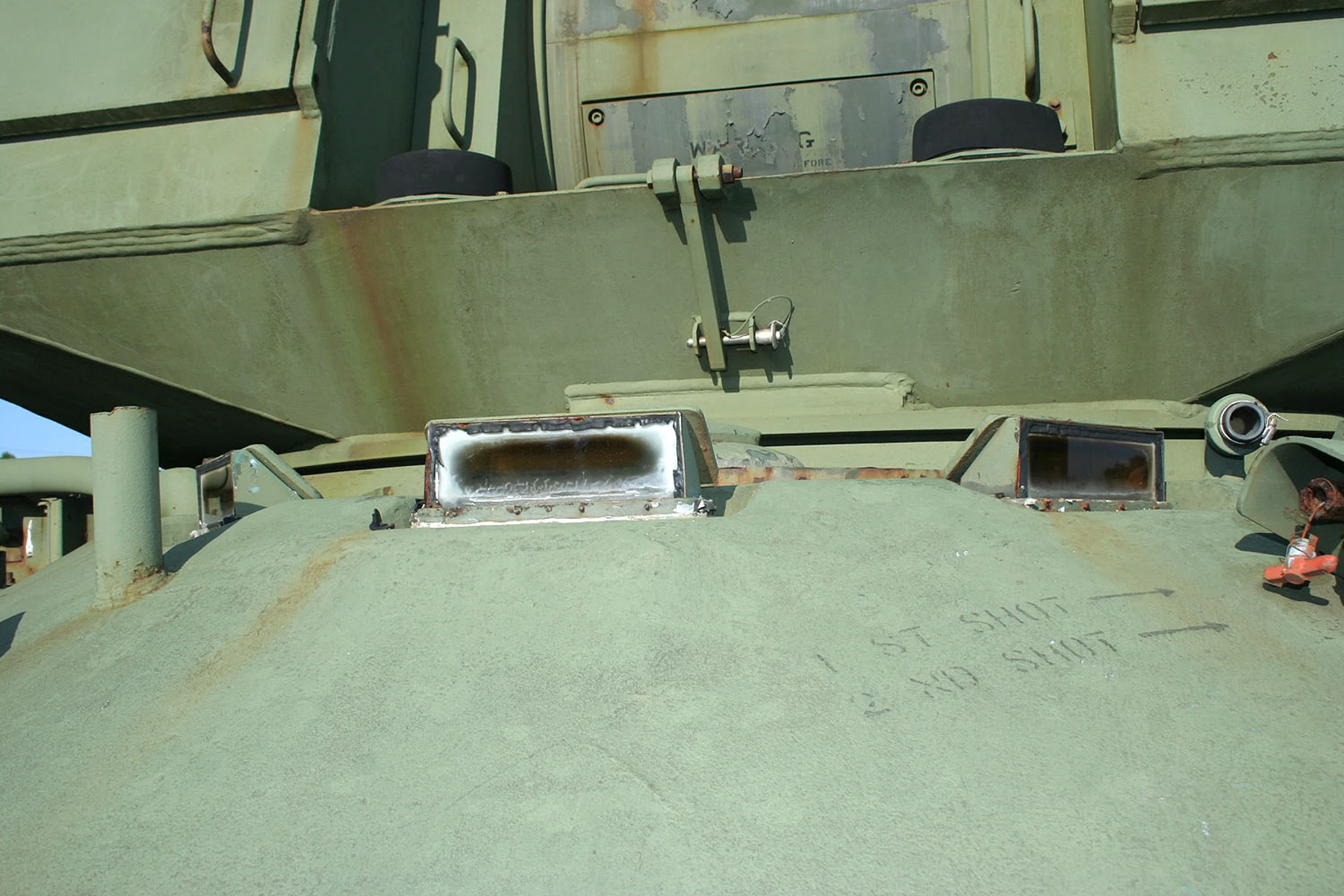
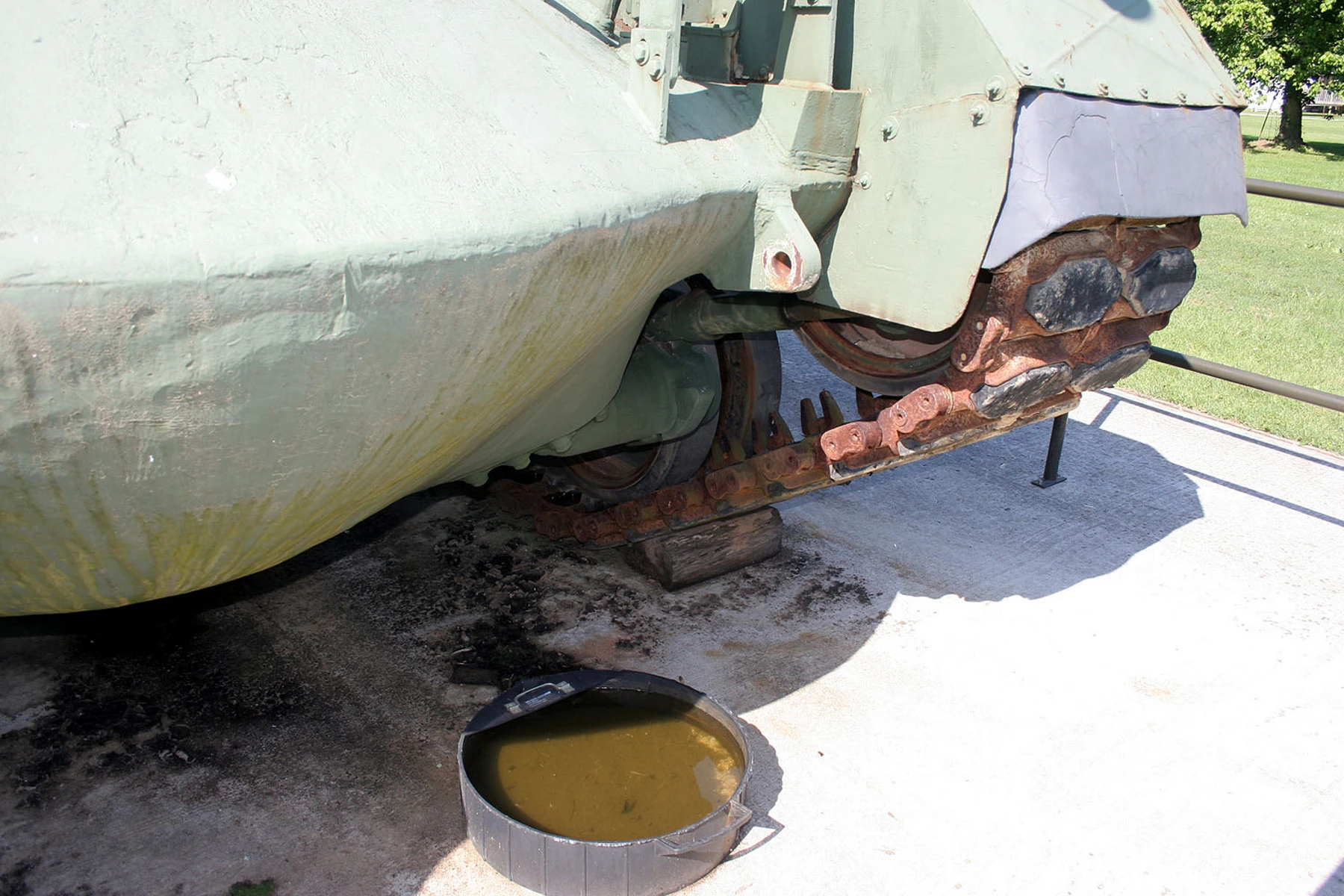
| M247 Sergeant York Walk Around | |
|---|---|
| Fotógrafo | Cal Cochran |
| Localização | Desconhecido |
| Fotos | 47 |
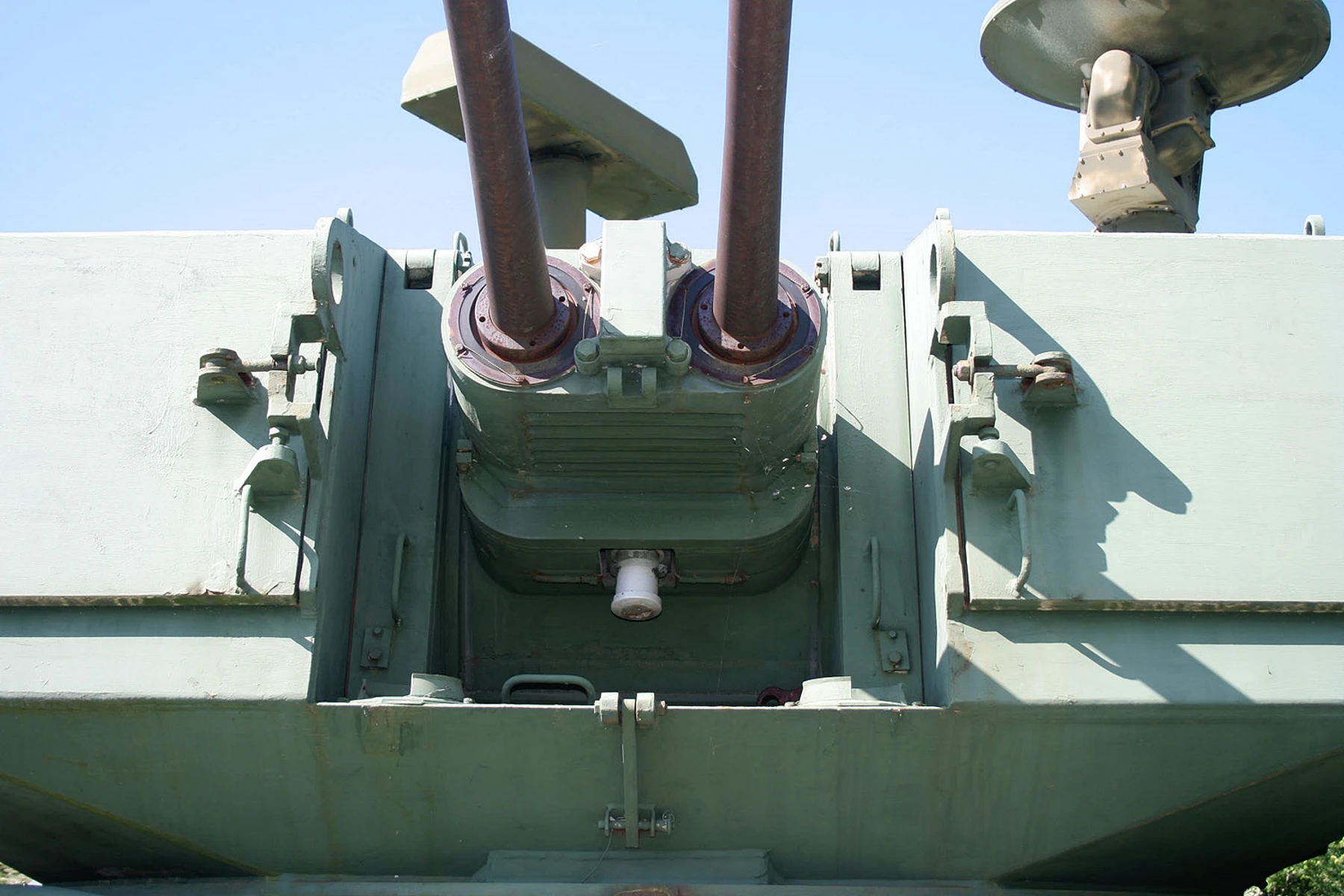
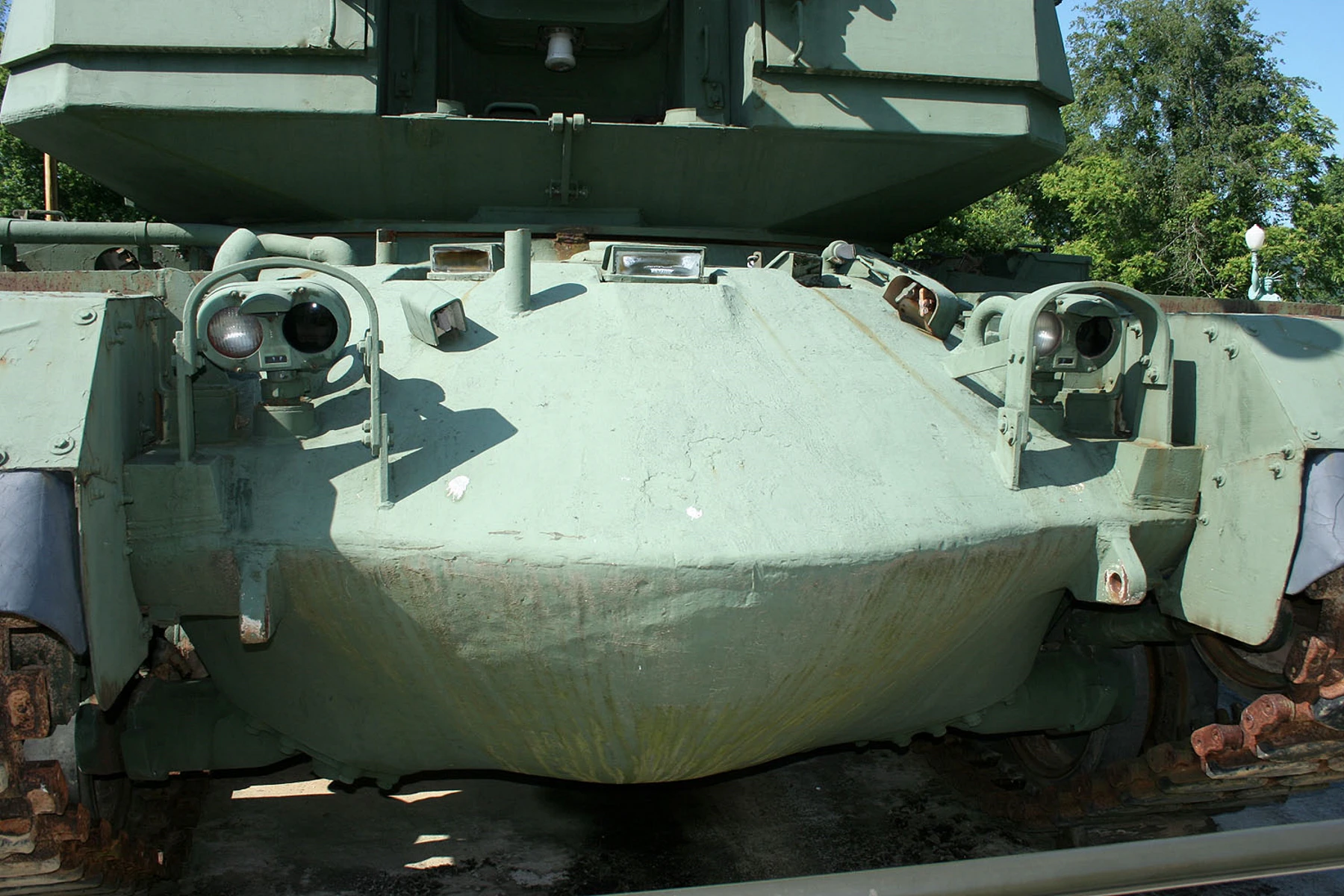
Veja também:


The Shield that Never Stood
O M247 Sargento York is one of the most famous “what-if” failures in US military history. Designed in the late 1970s to protect mechanized divisions from Soviet attack helicopters and jets, it combined an M48 Patton tank chassis with twin 40mm Bofors cannons and a radar system derived from the F-16 fighter. While it looked formidable, the project was plagued by technical glitches, massive cost overruns, and embarrassing performance during live-fire trials. It was ultimately canceled in 1985 by Secretary of Defense Caspar Weinberger after only 50 units were produced.
| Attribute | Technical Specification (M247) |
|---|---|
| Papel | Self-Propelled Anti-Aircraft Gun (SPAAG) |
| tripulação | 3 (Comandante, Artilheiro, Motorista) |
| Main Armament | 2 × 40 mm Bofors L/70 autocannons |
| Chassis | Modified M48A5 Patton tank hull |
| Radar System | Westinghouse AN/APG-66 (Pulse-Doppler) |
| Rate of Fire | 600 rounds per minute (combined) |
| Motor | Continental AVDS-1790-2D V12 diesel (750 hp) |
| estado | Project canceled in 1985 |
Design Engineering: Frankenstein’s Turret
- The F-16 Radar Graft: To save money, Ford Aerospace used the AN/APG-66 radar from the F-16. However, a radar designed for the sky struggled to differentiate between low-flying helicopters and ground clutter (trees, hills, and even latrine fans).
- Proximity Fuzed Ammo: The Sergeant York was intended to use advanced 40mm shells that didn’t need a direct hit; they would explode near a target to shred it with shrapnel. This made the 40mm Bofors far more lethal against agile helicopters than traditional “hit-to-kill” rounds.
- Chassis Mismatch: Using the aging M48 Patton chassis was a double-edged sword. It was readily available, but it was much slower than the M1 Abrams and M2 Bradley it was supposed to protect, meaning the anti-aircraft shield would have been left behind in a fast-moving armored dash.
- Turret Weight: The massive armored turret was so heavy that it strained the M48’s hydraulic traverse systems, leading to slow response times when trying to track high-speed jets.
A History of Trials and Errors
- The “Latrine” Incident: During a high-profile demonstration for officials, the M247’s radar reportedly locked onto a spinning exhaust fan on a nearby latrine instead of the target drone, highlighting its inability to filter out ground interference.
- Target Tracking Failures: In live-fire tests, the system struggled to hit targets that were moving even slightly, and in one infamous test, it reportedly aimed its guns at the reviewing stand where the brass was sitting.
- The Legacy of Failure: The M247’s cancellation left the US Army without a heavy gun-based air defense system for decades. This gap was eventually filled by the M6 Linebacker (a Bradley with Stinger missiles) and later the M-SHORAD Stryker.
- Museum Pieces: Almost all M247s were used as targets on firing ranges. Only a few survive today in museums, such as the Sgt. York at the Sargeant York State Historic Park in Tennessee.
Visualizações : 4830
Você pode ver também:
 K30 Biho – Fotos e Vídeos
 M53/59 Praga – Fotos e Vídeo
 M42A1 Duster – Fotos e Vídeo
 US 90mm M2 Anti-Aircraft Gun – Fotos & Vídeo
 75mm M51 Skysweeper – WalkAround
 20mm antiaérea arma "Oerlikon" – WalkAround
 Arma antiaéreo alemã de 20mm "Oerlikon" – WalkAround
 ZU-23 23mm – WalkAround
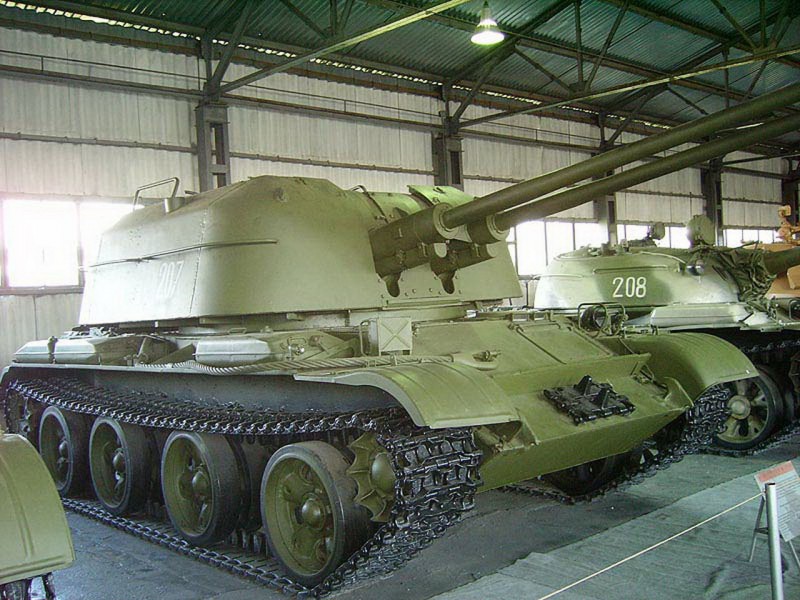 ZSU-57-2 - WalkAround
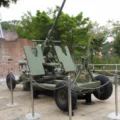 Bofors 40 mm – Ande por aí