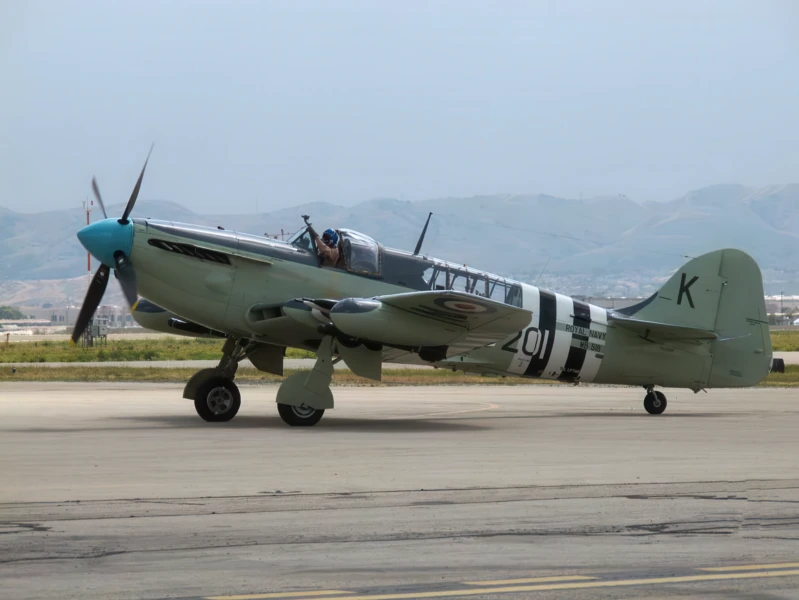
Fairey Vagalume AS Mk 6 | |
|---|---|
| País | Reino unido |
| Papel | Caça-bombardeiro |
| Primeiro voo | 22 de dezembro de 1941 |
| Construído | 1702 |
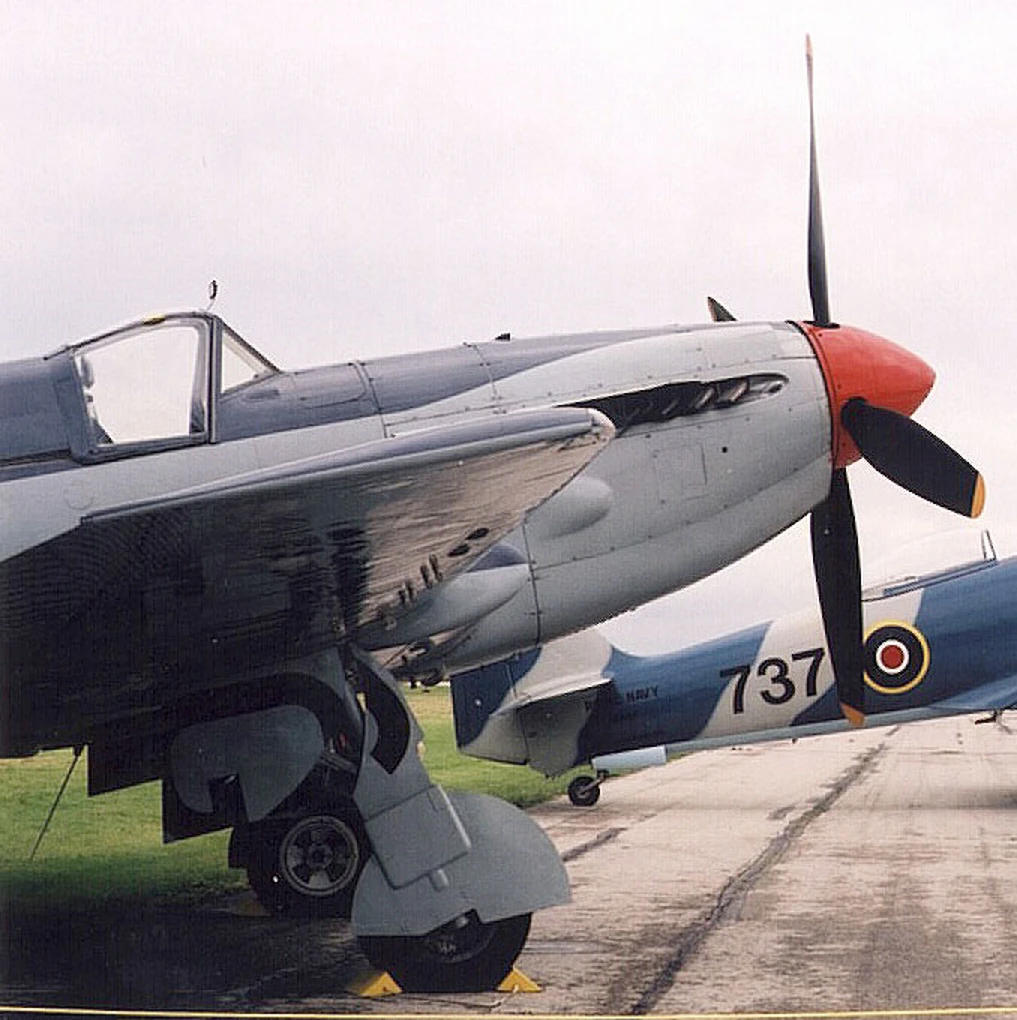
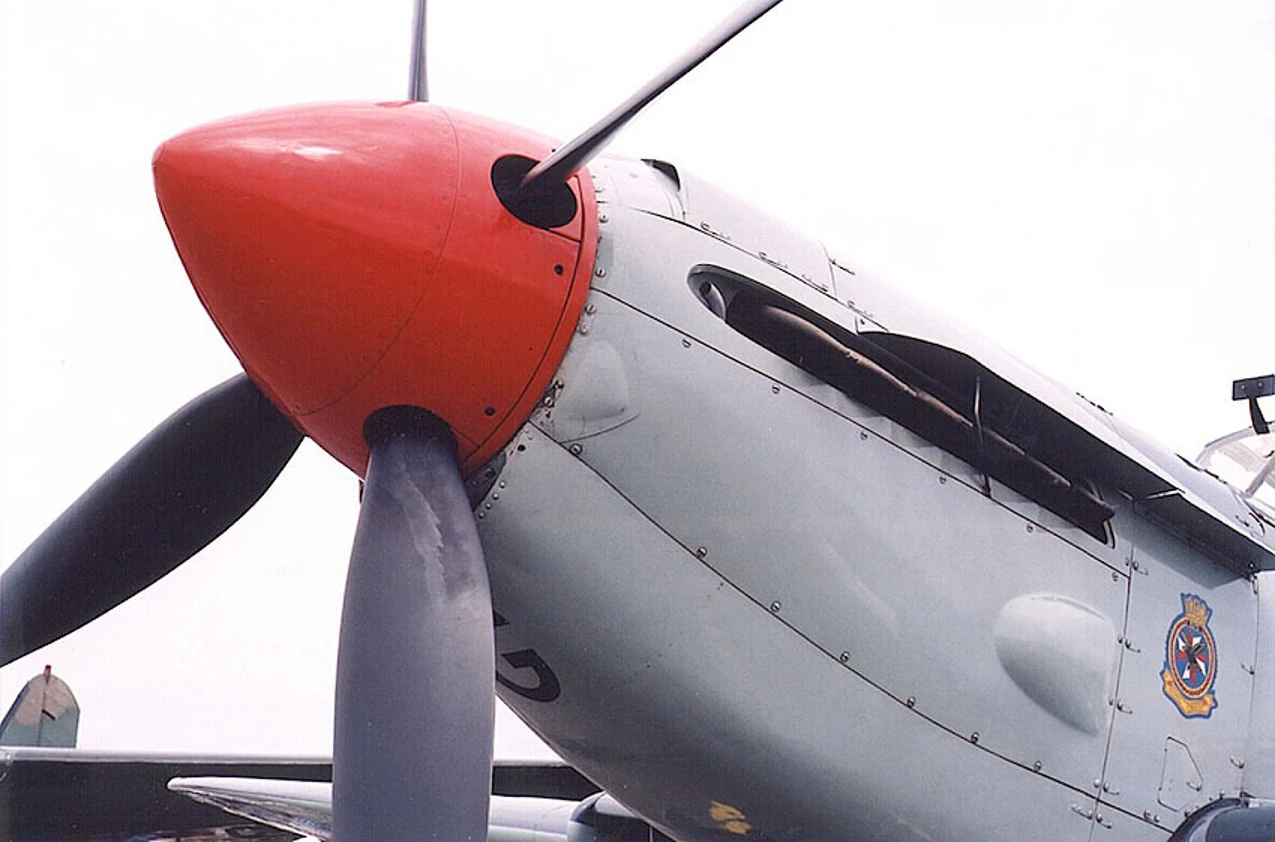
O Fairey Vagalume foi um caça britânico da Segunda Guerra Mundial e antissubmarino da Fleet Air Arm (FAA). Projetado para o conceito contemporâneo da FAA de um reconhecimento/caça de frota de dois assentos, o piloto e o navegador/oficial de armas foram alojados em estações separadas. Era superior em desempenho e poder de fogo ao seu antecessor, o Fulmar, mas entrou em serviço operacional apenas no final da guerra, quando já não era competitivo como caça. As limitações de um único motor em uma fuselagem pesada reduziram seu desempenho, mas ele provou ser resistente, de longo alcance e dócil em operações de transporte.
Fonte: Fairey Firefly na Wikipédia
| Fairey Firefly AS Mk 6 | |
|---|---|
| Fotógrafo | Desconhecido |
| Localização | Desconhecido |
| Fotos | 36 |
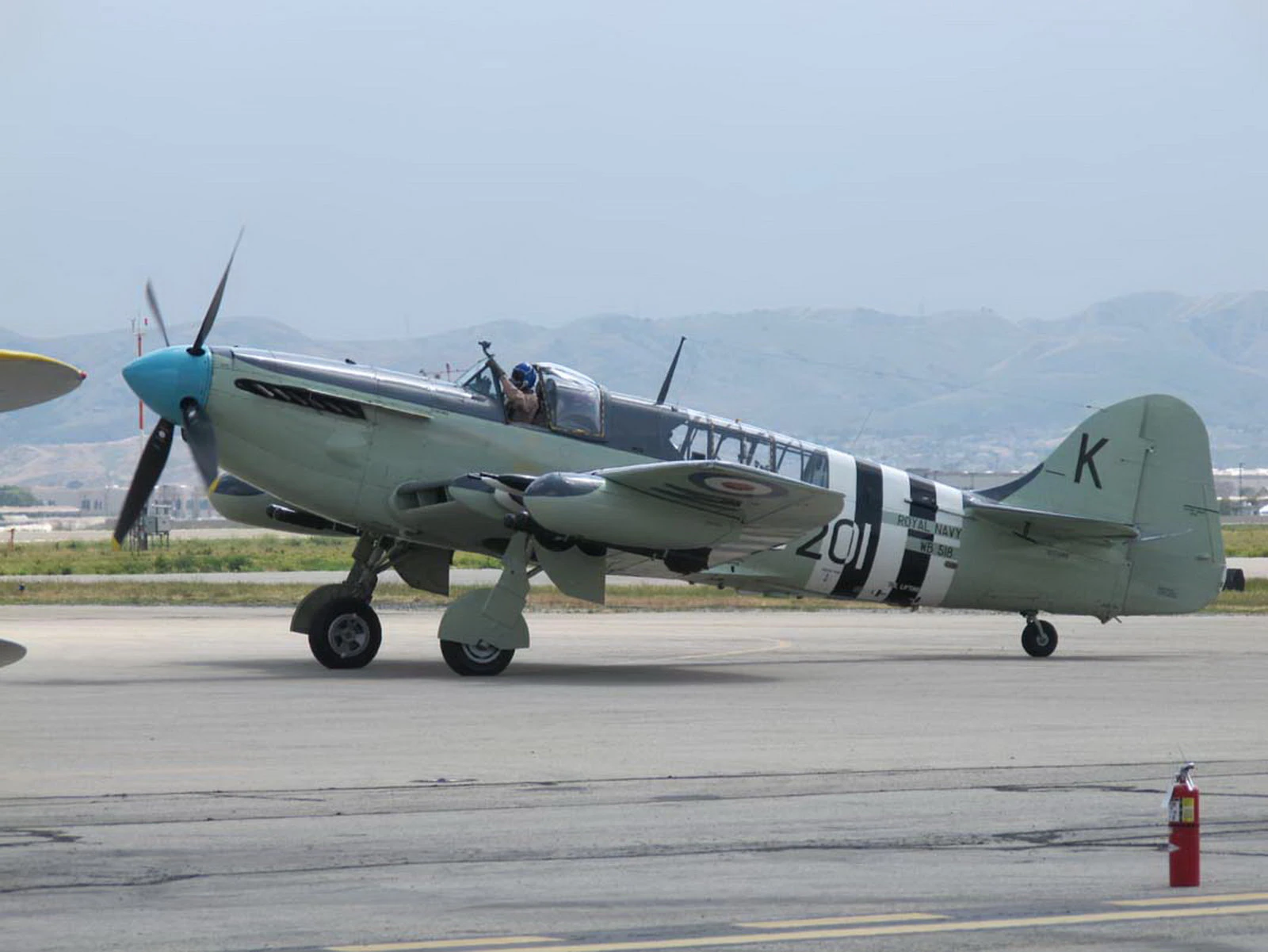
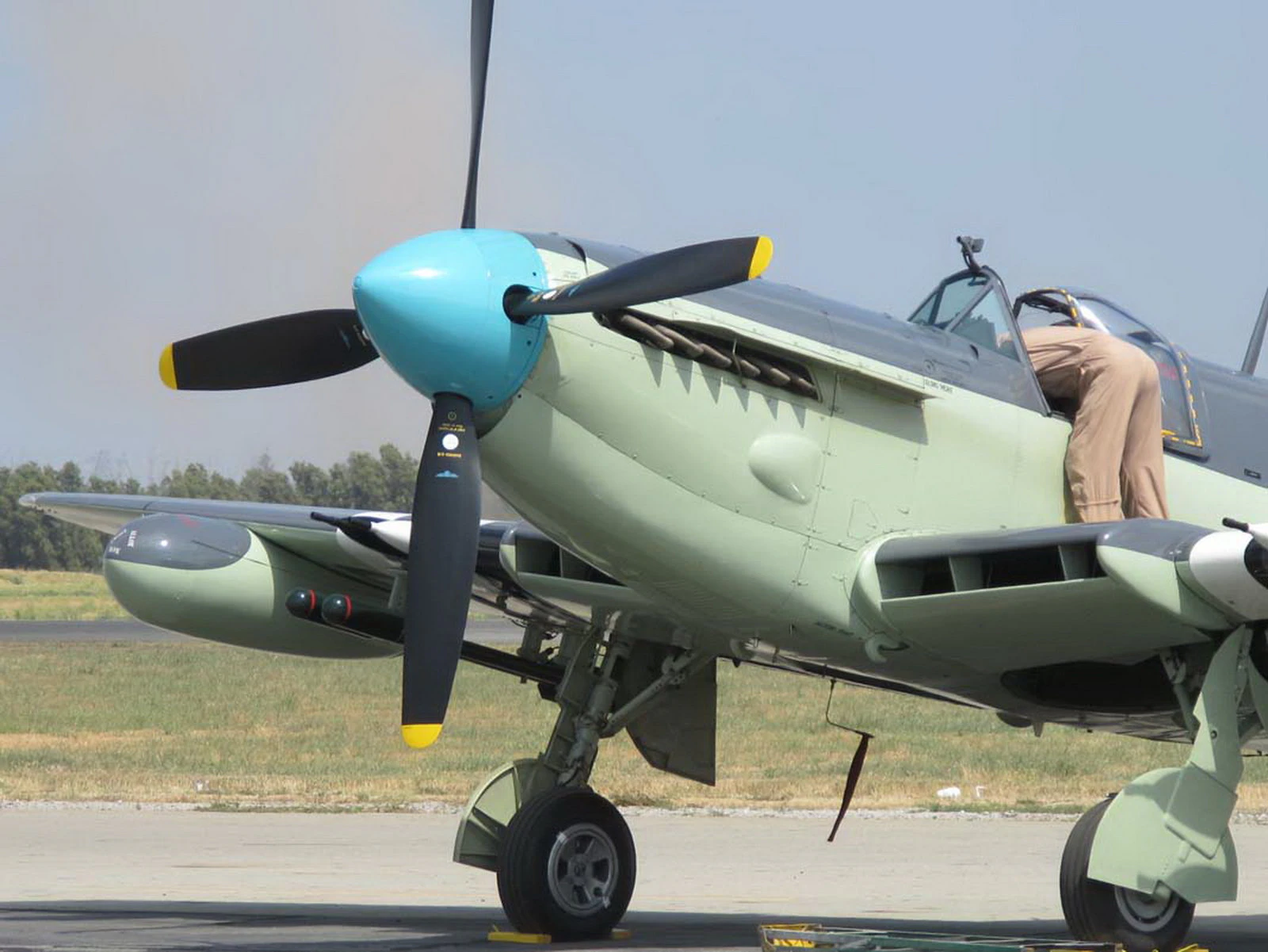
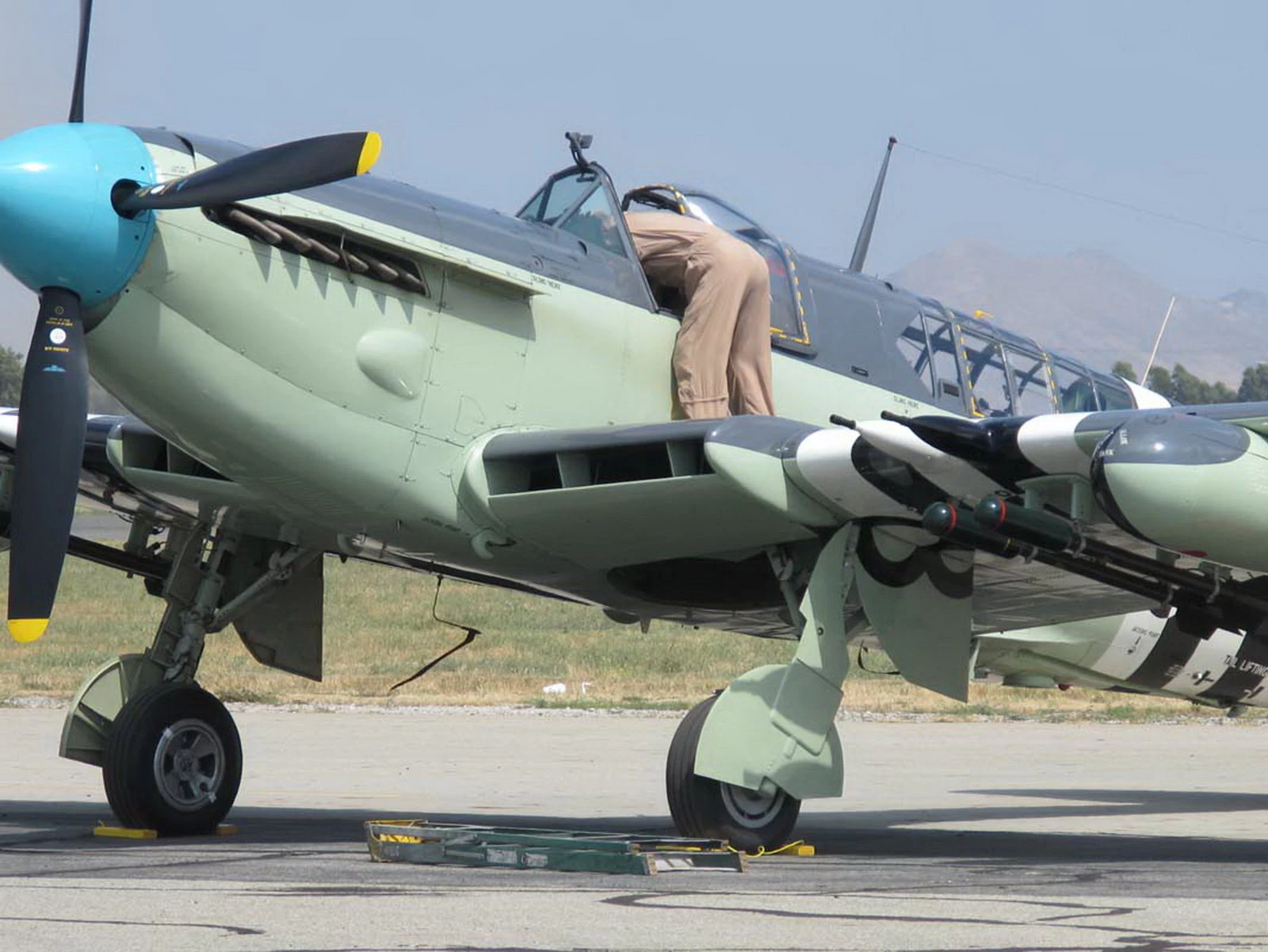
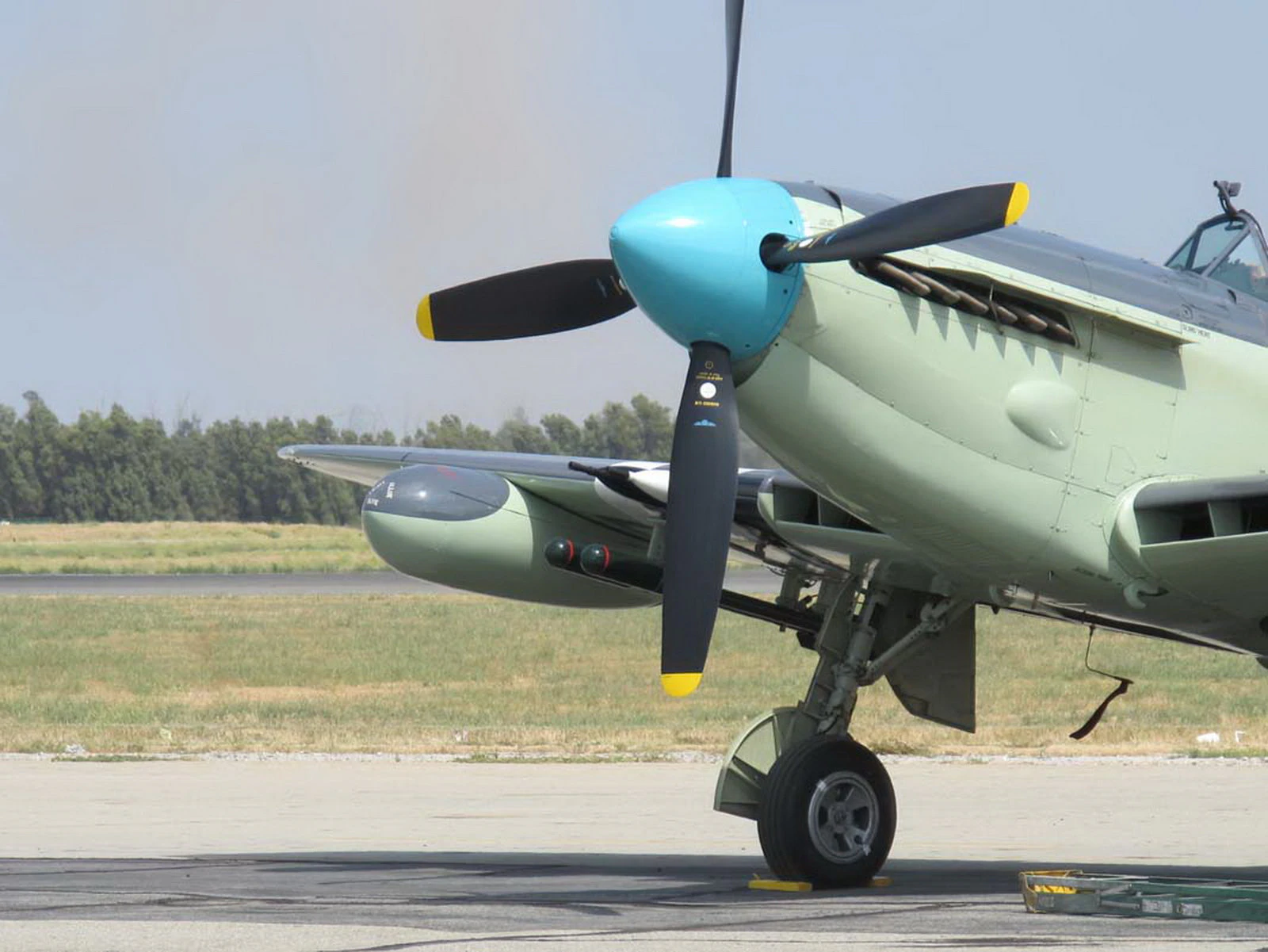
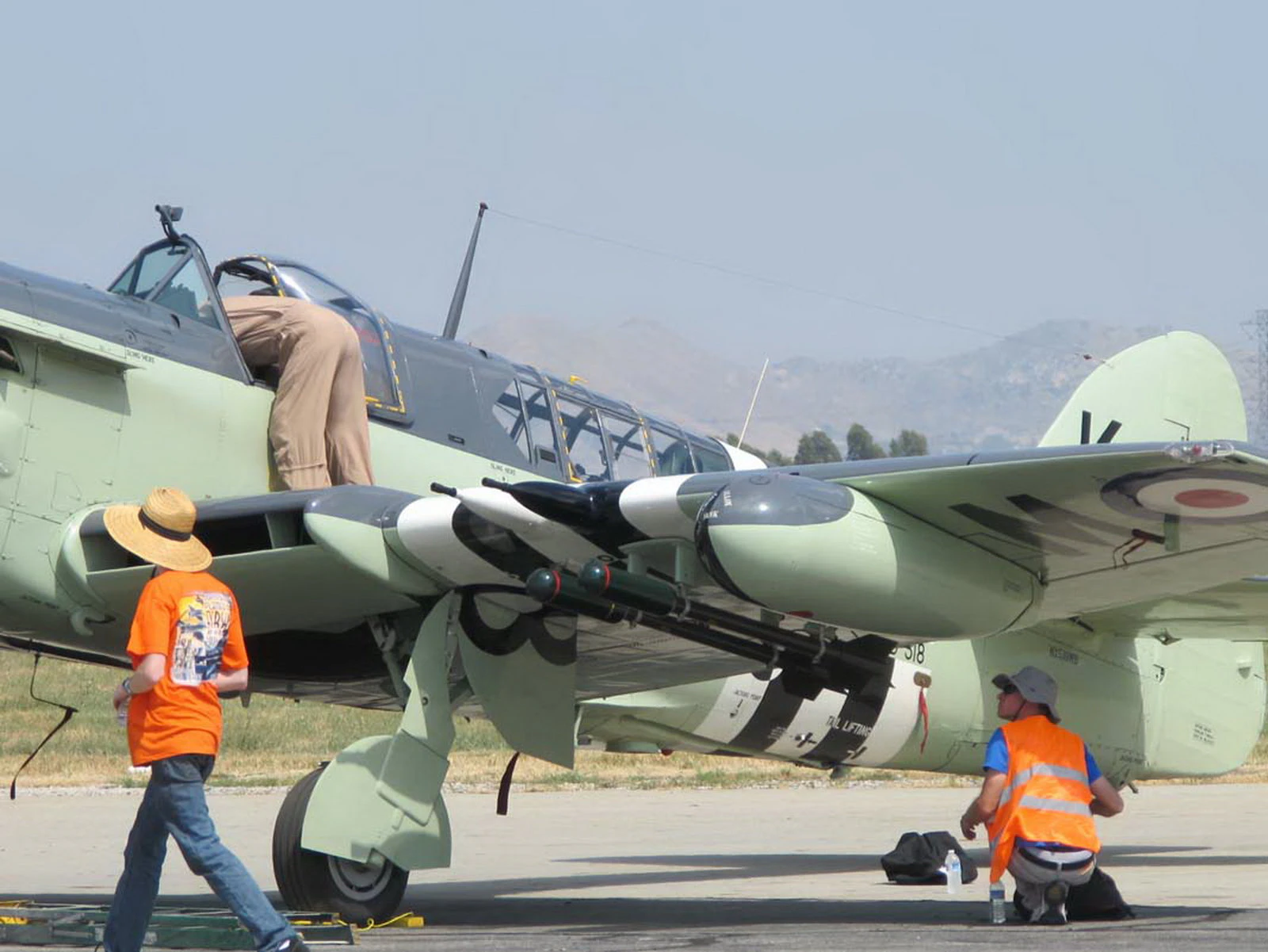
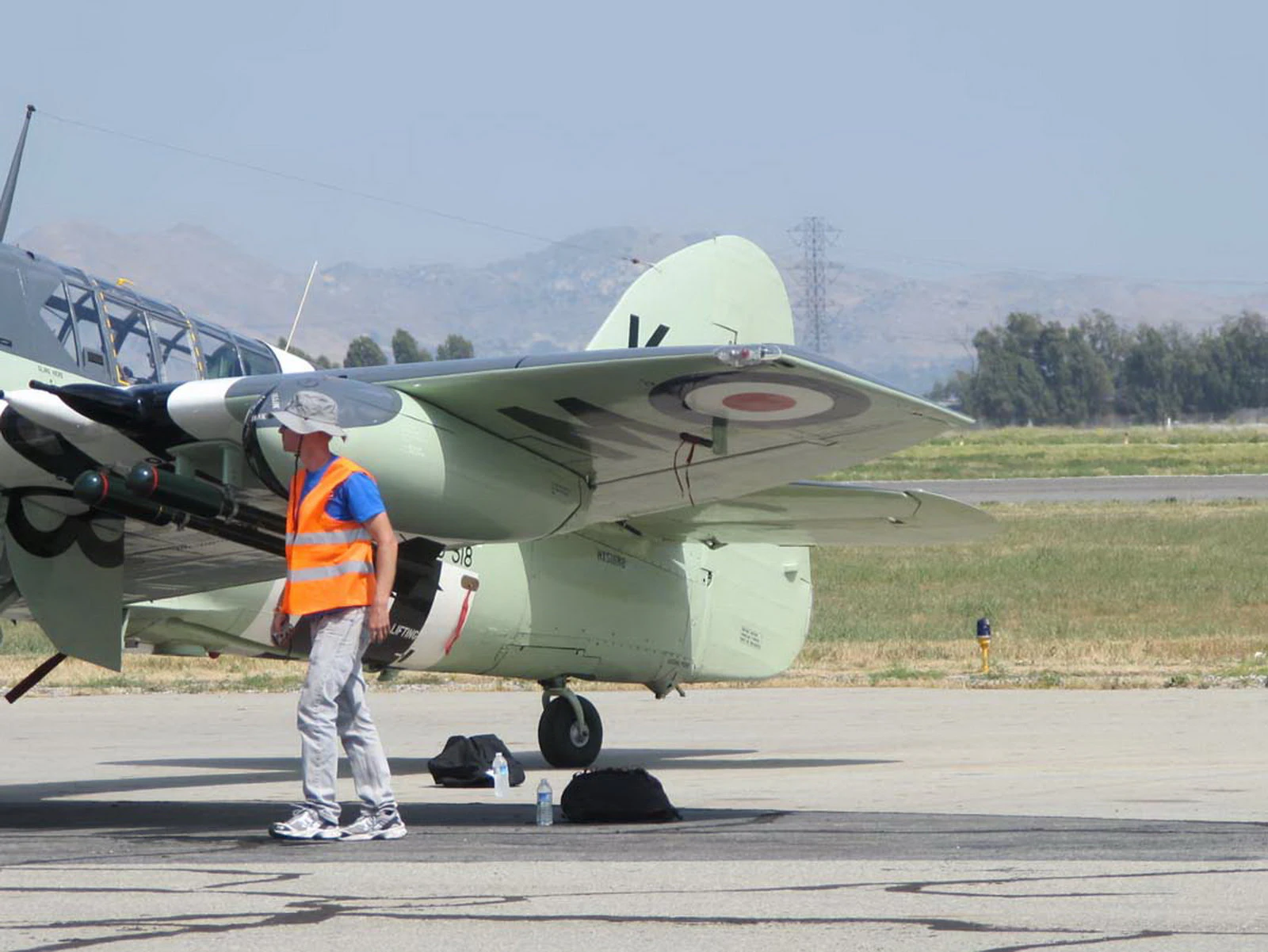
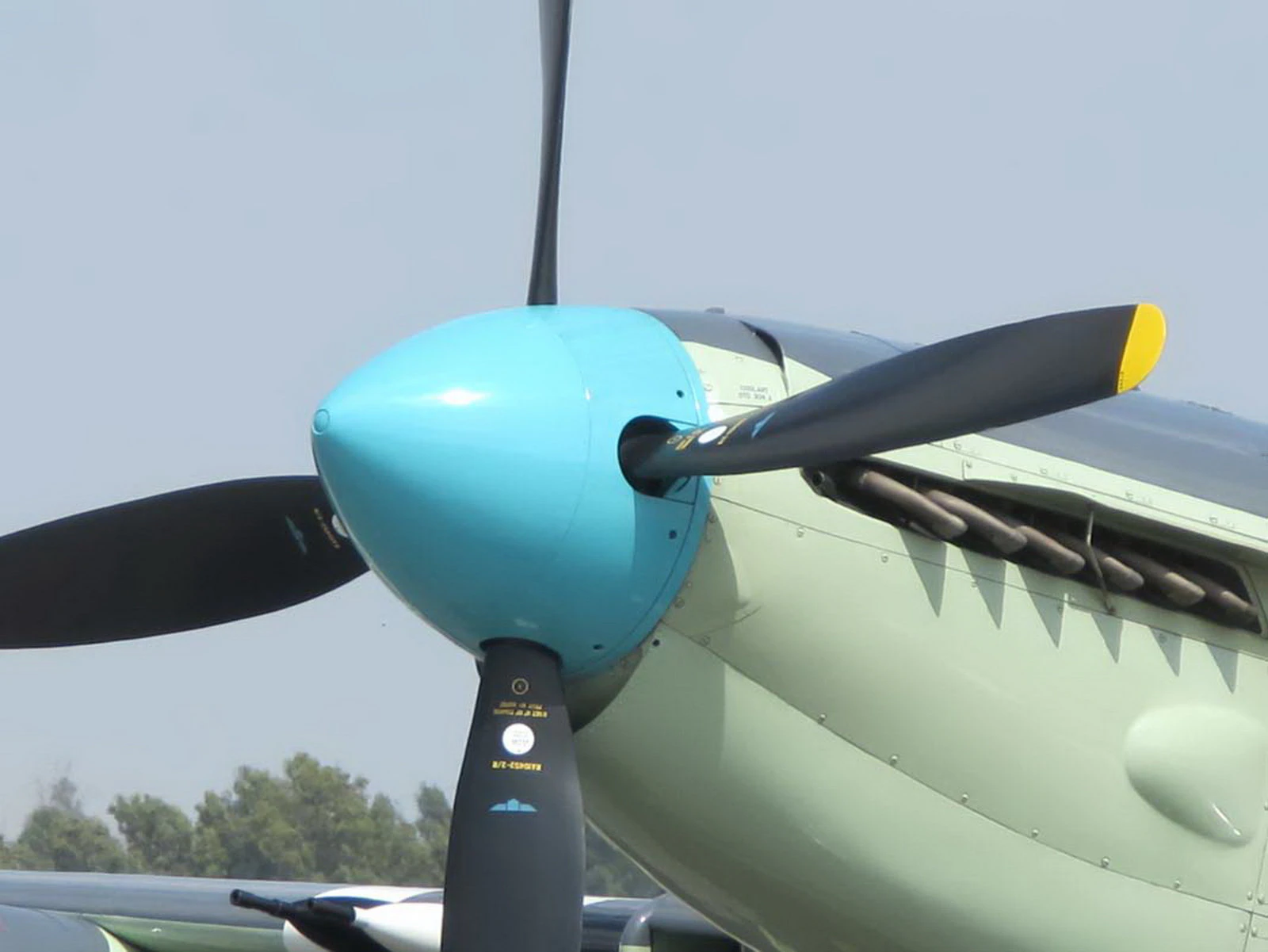
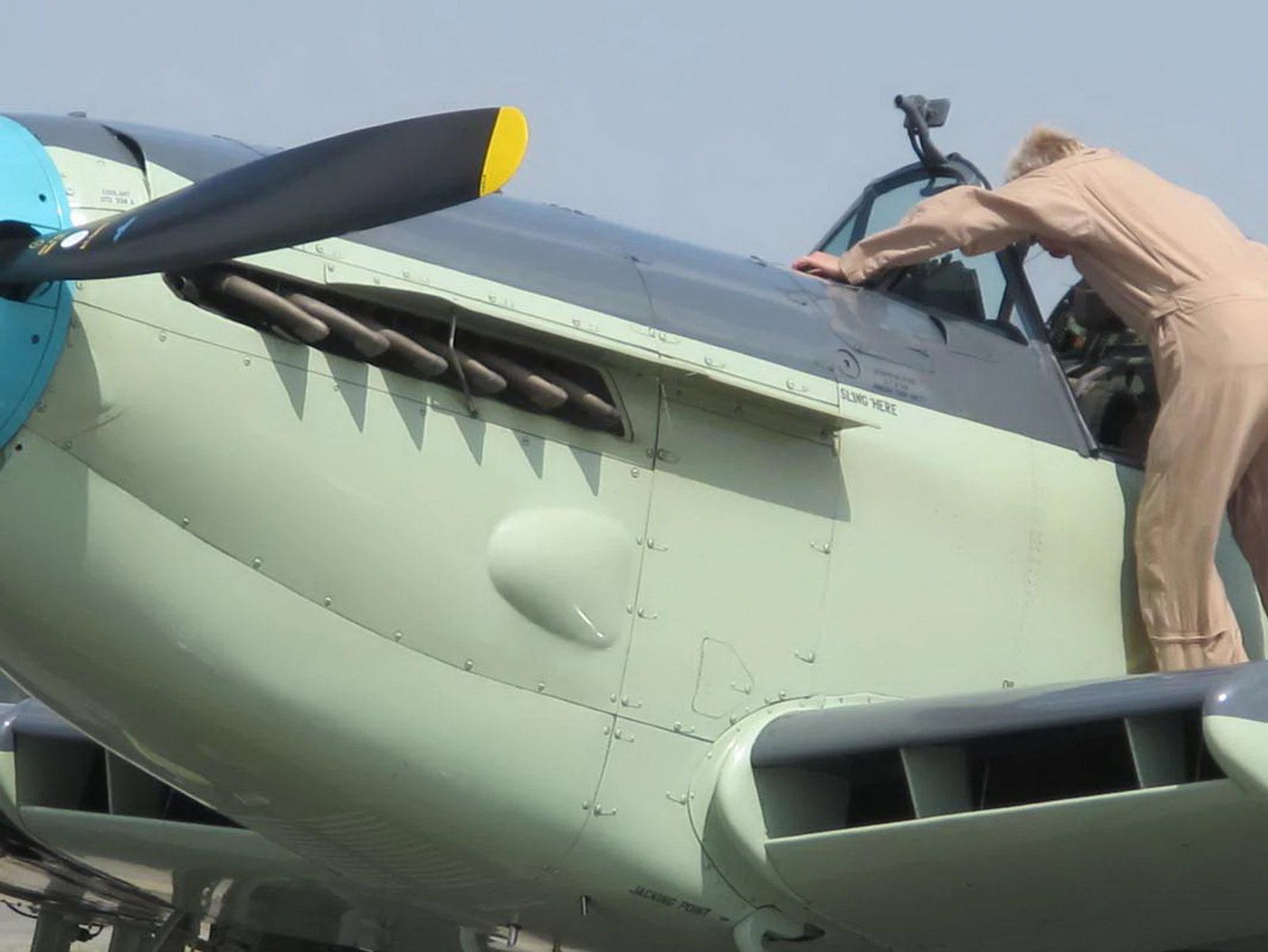
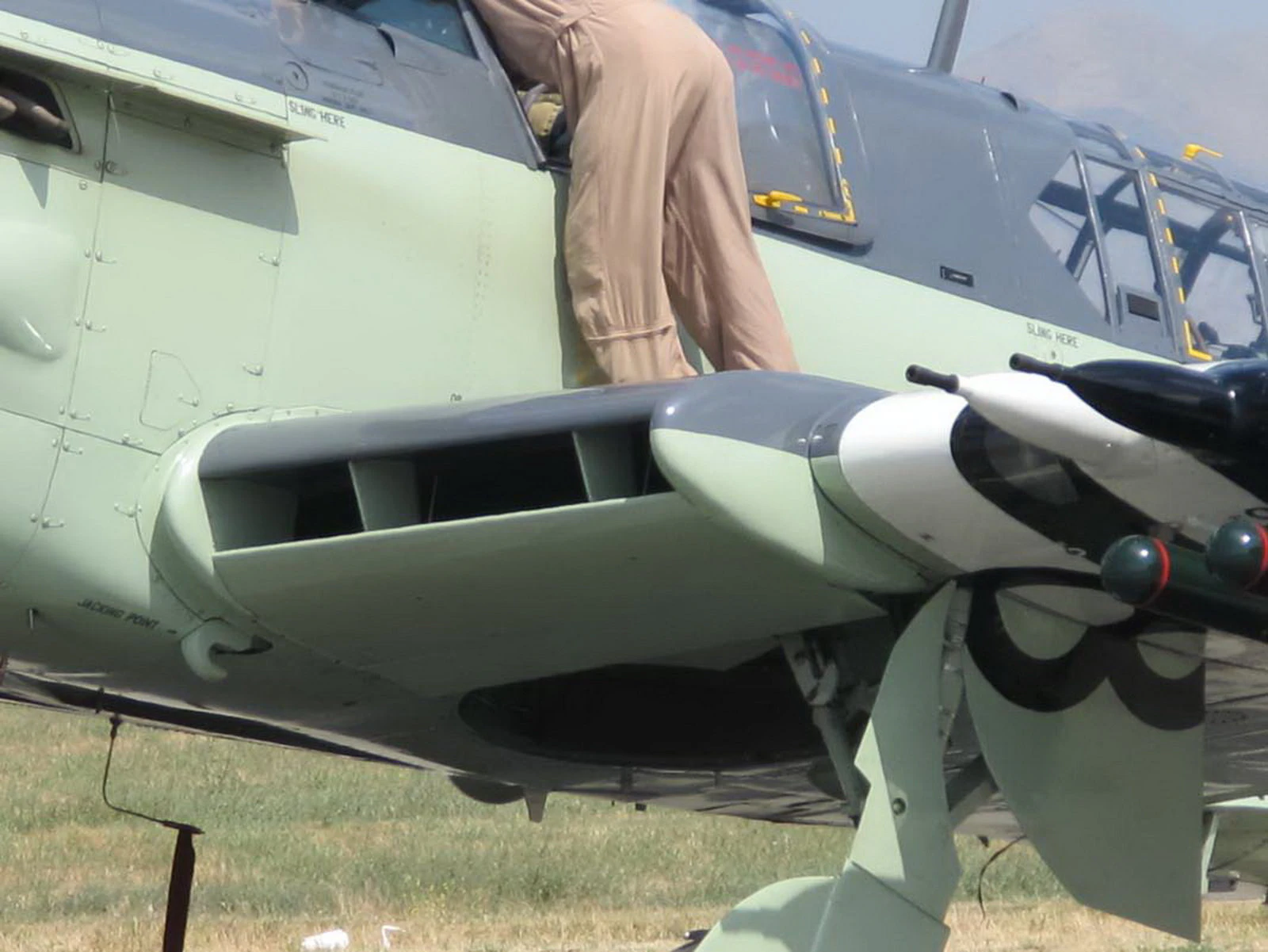

| Fairey Firefly Walk Around | |
|---|---|
| Fotógrafo | Derek Pennington |
| Localização | Desconhecido |
| Fotos | 30 |
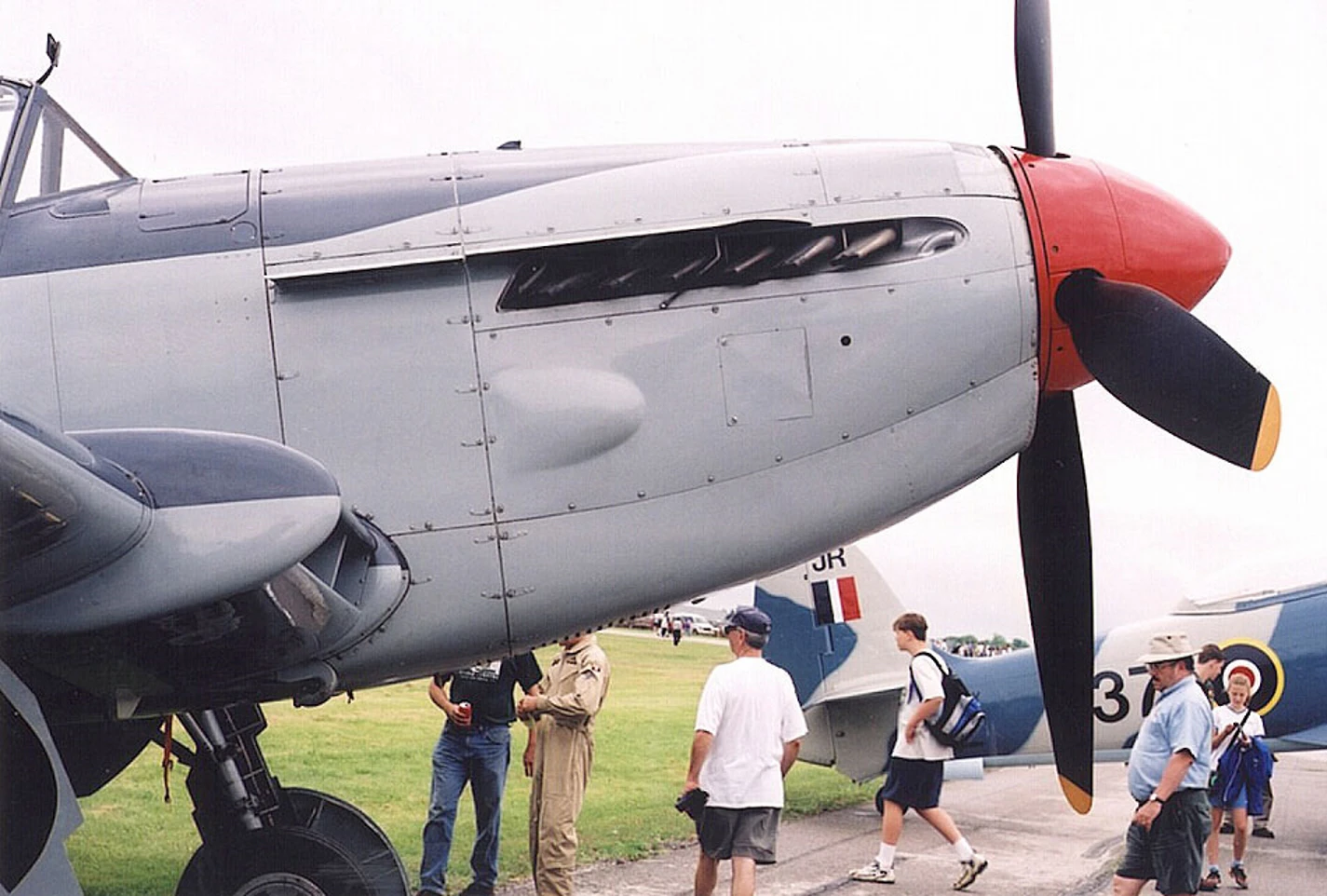
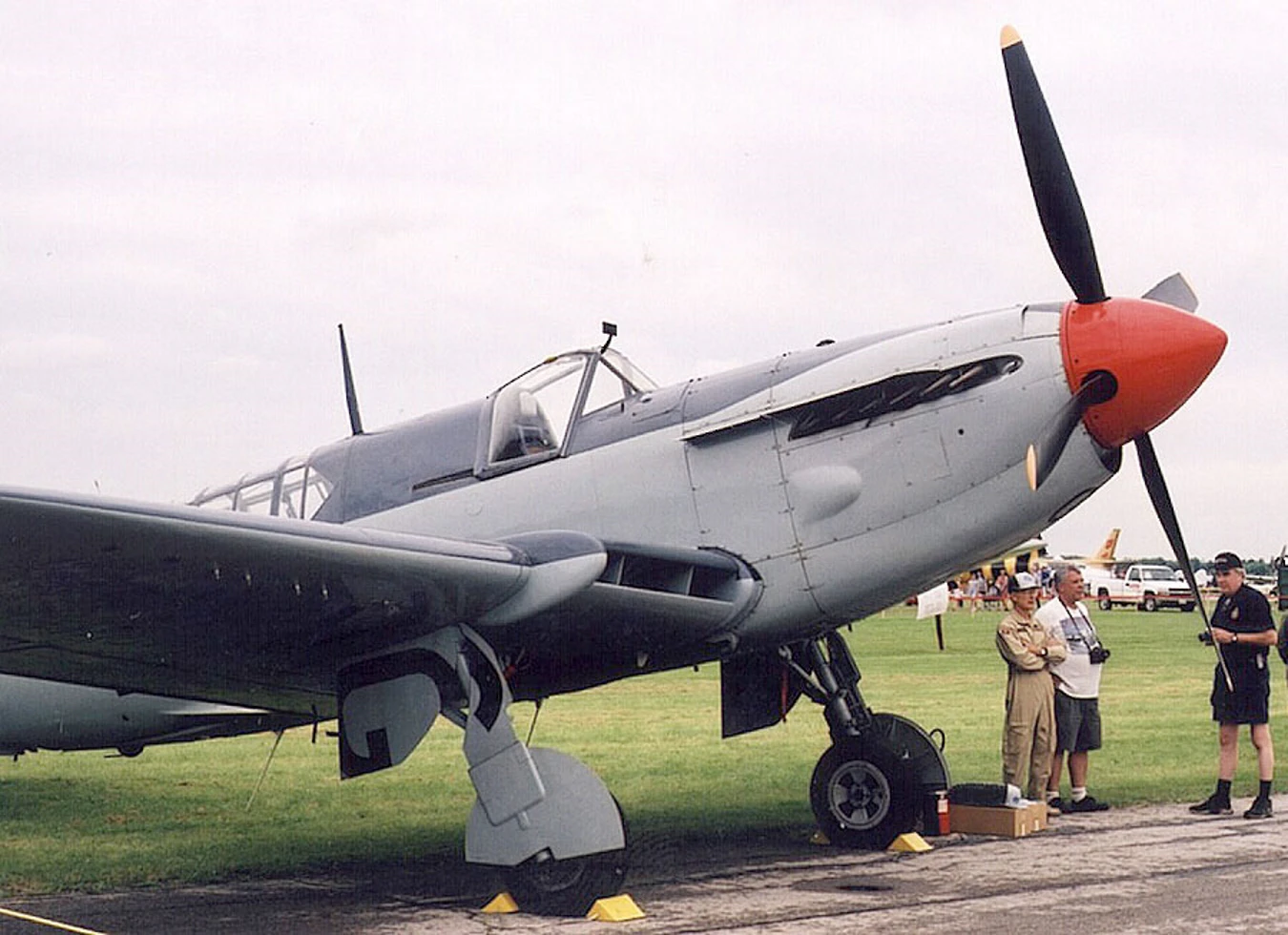
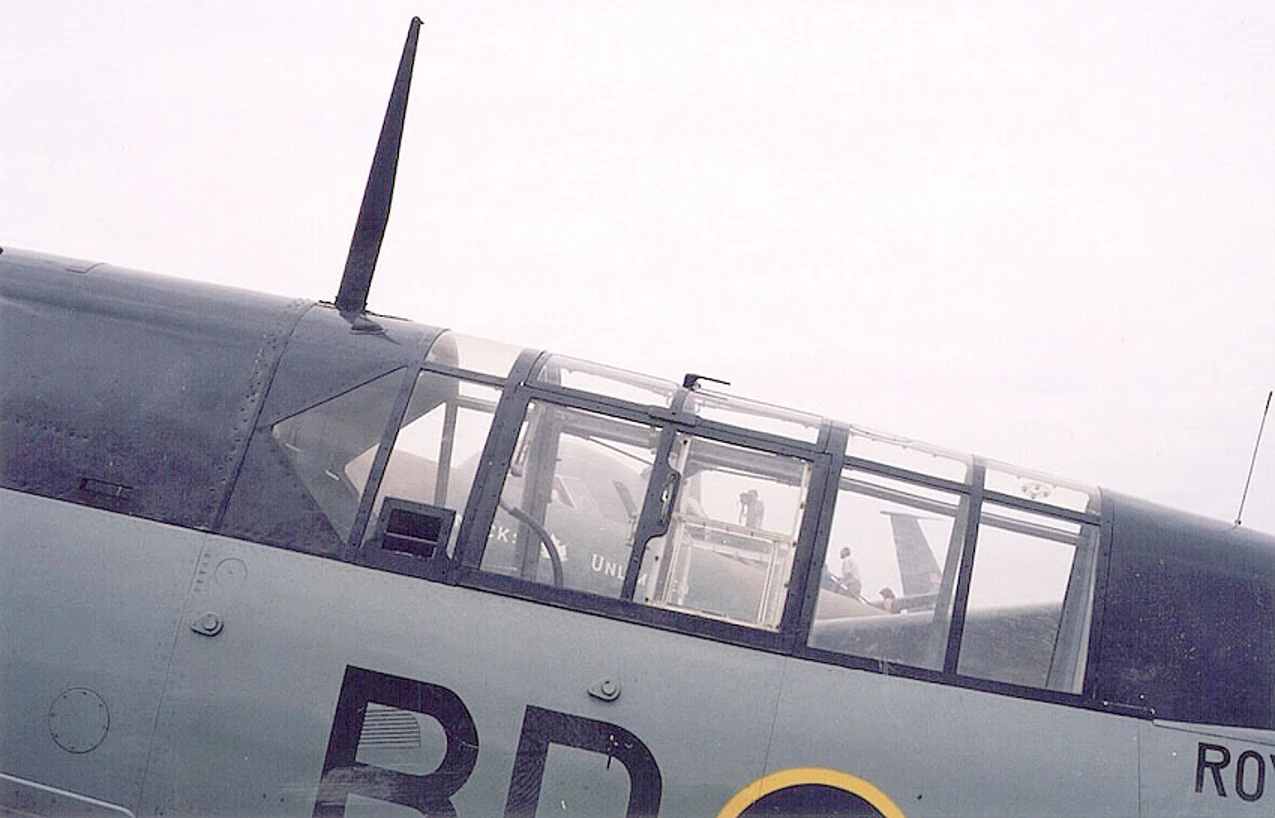
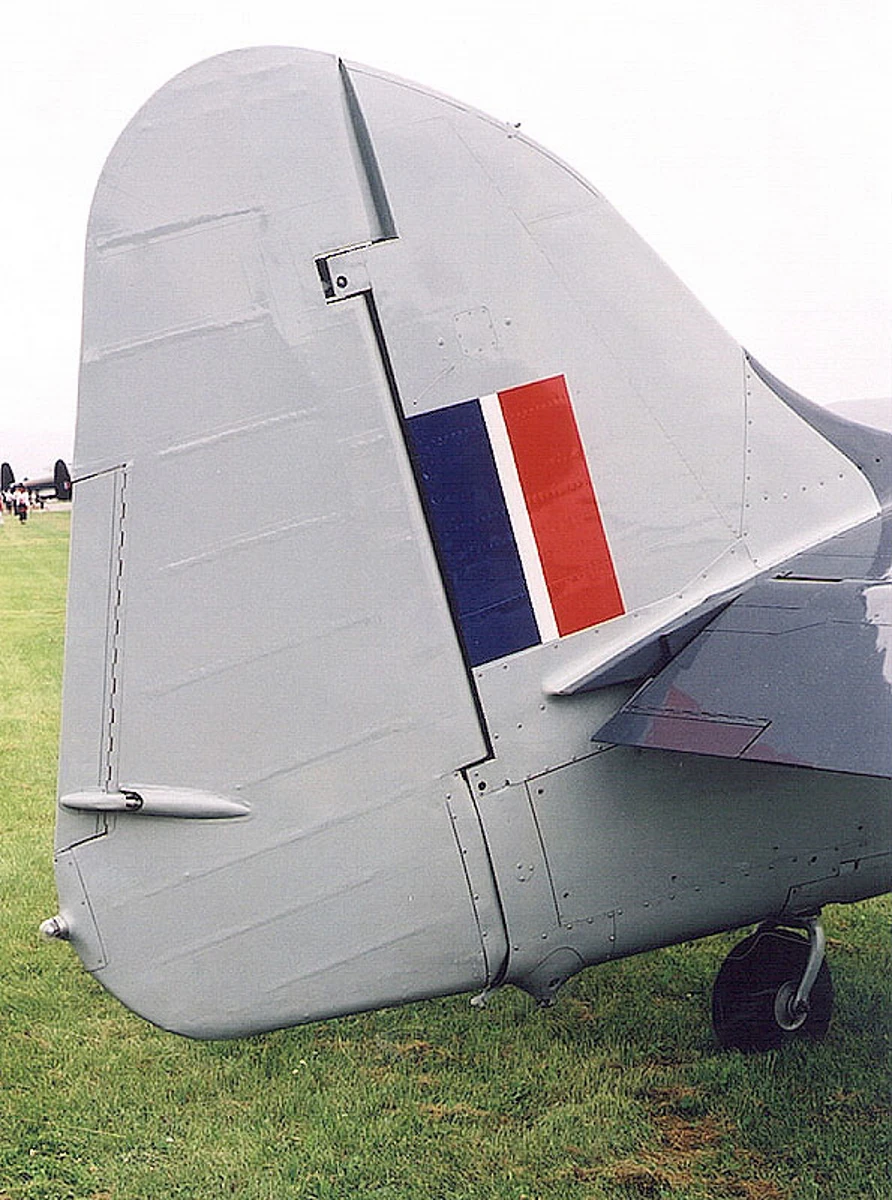
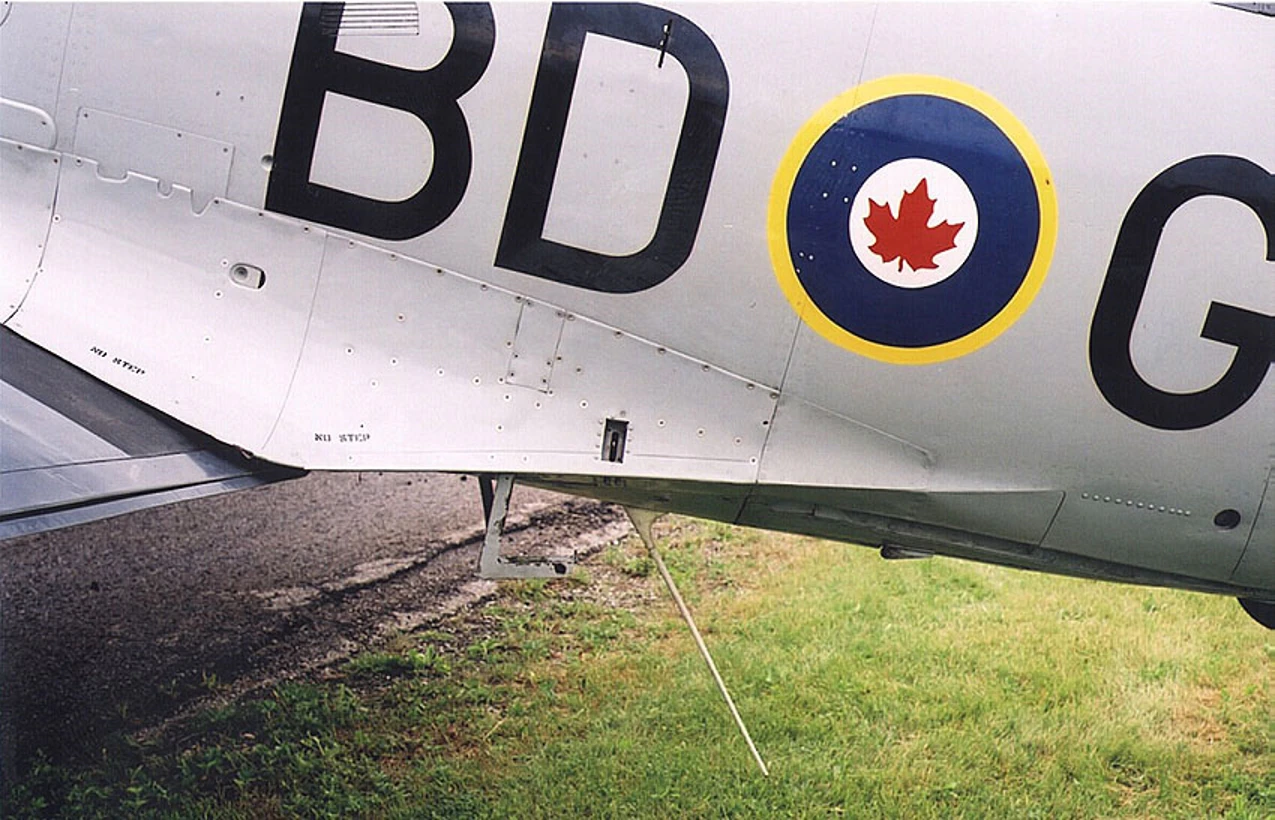
Veja também:


Evolution of a Naval Thoroughbred
O Fairey Vagalume AS Mk 6 represents the peak of the Firefly’s evolution as a specialized Anti-Submarine (AS) platform. Originally designed during WWII as a two-seat fighter-reconnaissance aircraft, the post-war variants traded their cannons for sensors. By the time the Mk 6 arrived in the early 1950s, the threat had shifted from Axis ships to Soviet submarines. This version was the first to be entirely “gunless,” dedicated solely to the detection and destruction of sub-surface threats using an array of sonobuoys, radar, and depth charges.
| Attribute | Technical Specification (AS Mk 6) |
|---|---|
| Papel | Anti-Submarine Warfare (ASW) |
| tripulação | 2 (Pilot and Observer/Radar Operator) |
| Motor | 1 × Rolls-Royce Griffon 74 V12 (2,100 hp) |
| Maximum Speed | 526 km/h (327 mph) at 14,000 ft |
| Cruise Speed | 336 km/h (209 mph) |
| Armamento | None (Internal cannons removed for equipment/fuel) |
| Underwing Stores | Sonobuoys, 2 × 1,000 lb bombs, or Depth Charges |
| Special Equipment | ASH Radar in starboard wing pod |
Design Engineering: The Griffon and the “Youngman” Flaps
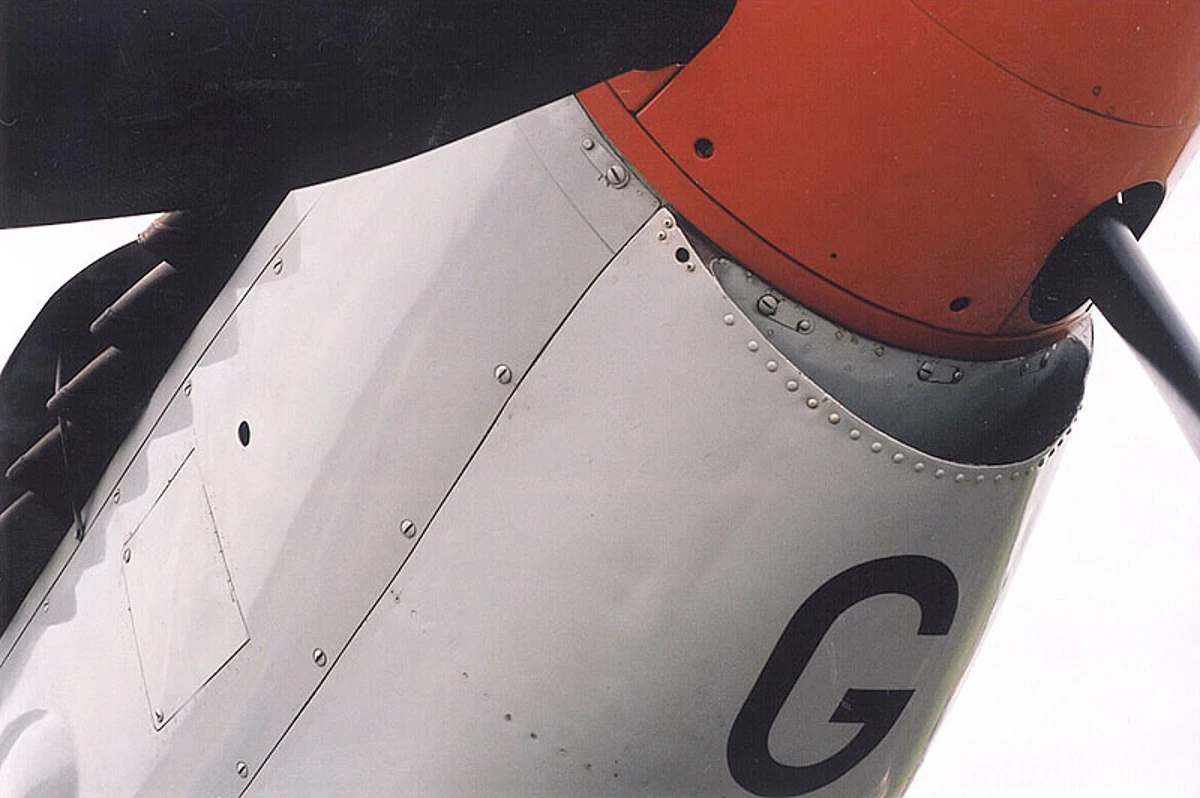
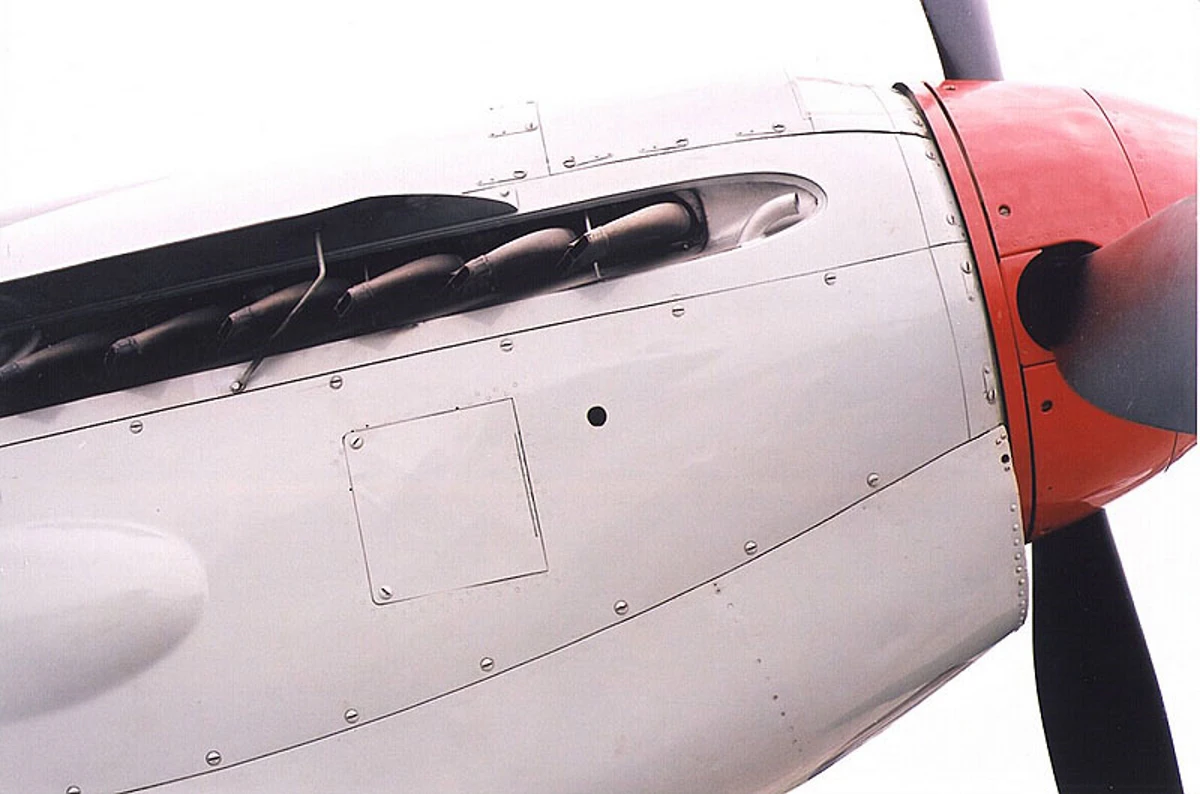
- The Griffon Engine: Replacing the older Merlins, the massive Rolls-Royce Griffon drove a four-blade propeller. The Griffon gave the Firefly the low-end torque required to lift heavy anti-submarine gear off the short decks of British Light Fleet Carriers.
- Youngman Flaps: These were the Firefly’s secret weapon. These complex flaps could be extended below the wing not just for landing, but for cruising and combat. In the “cruise” position, they increased lift and allowed the plane to fly very slowly while loitering over a suspected submarine contact.
- The “Gunless” Mk 6: Unlike the Mk 5 which retained four 20mm cannons, the Mk 6 removed them entirely. This allowed for more internal fuel and specialized radio gear, turning the aircraft from a hybrid fighter into a dedicated, long-endurance hunter.
- Tandem Cockpits: The pilot sat forward, while the observer sat in a separate, secluded cockpit behind the trailing edge of the wing. From there, the observer managed the “ASH” radar and monitored the sonobuoy drops, essentially acting as the brains of the hunt.
Operational History: The Korean War and Beyond
- The Korean War: Fireflies (mostly Mk 5s and 6s) were workhorses in Korea, flying from carriers like HMS Theseus e Ocean. While the Mk 6 was specialized for ASW, they were often used for “armed reconnaissance,” spotting targets for the fleet’s big guns and hunting North Korean coastal traffic.
- International Hunter: The AS Mk 6 was exported to several allies, most notably Austrália. The Royal Australian Navy (RAN) operated them from HMAS Sydney, where they were highly regarded for their reliability in the harsh Pacific environment.
- The Transition to Jet Power: The Firefly AS Mk 6 served as the vital bridge for the Fleet Air Arm, holding the line until the turboprop-powered Fairey Gannet could take over the specialized anti-submarine role in the mid-1950s.
- The Blue Hen: Because of the observer’s cramped, window-heavy cockpit in the rear, the aircraft was sometimes jokingly compared to a “flying greenhouse.”
Visualizações: 3311
Você pode ver também:
 Antonov An-28 – Photos & Video
 Fuji T-3 – Photos & Videos
 Waco 10 – Fotos e Vídeos
 Handley Page Victor – Fotos e Vídeo
 Dassault Super Mystere B.2 – Fotos e Vídeo
 Supermarine Spitfire MK. XIV – Fotos e Vídeo
 North American AT-6D Texan – Fotos e Vídeo
 Lockheed F-35 Lightning II – Fotos e Vídeo
 Grumman F-11A Tiger – Fotos & Vídeo
 Cessna Dragonfly – Fotos e Vídeo