
Russian cruiser Aurora | |
|---|---|
| Kraju | Radzieckiego |
| Klasa i typ | Krążownik chroniony typu Pallada |
| Uruchomiony | 11 maja 1900 |
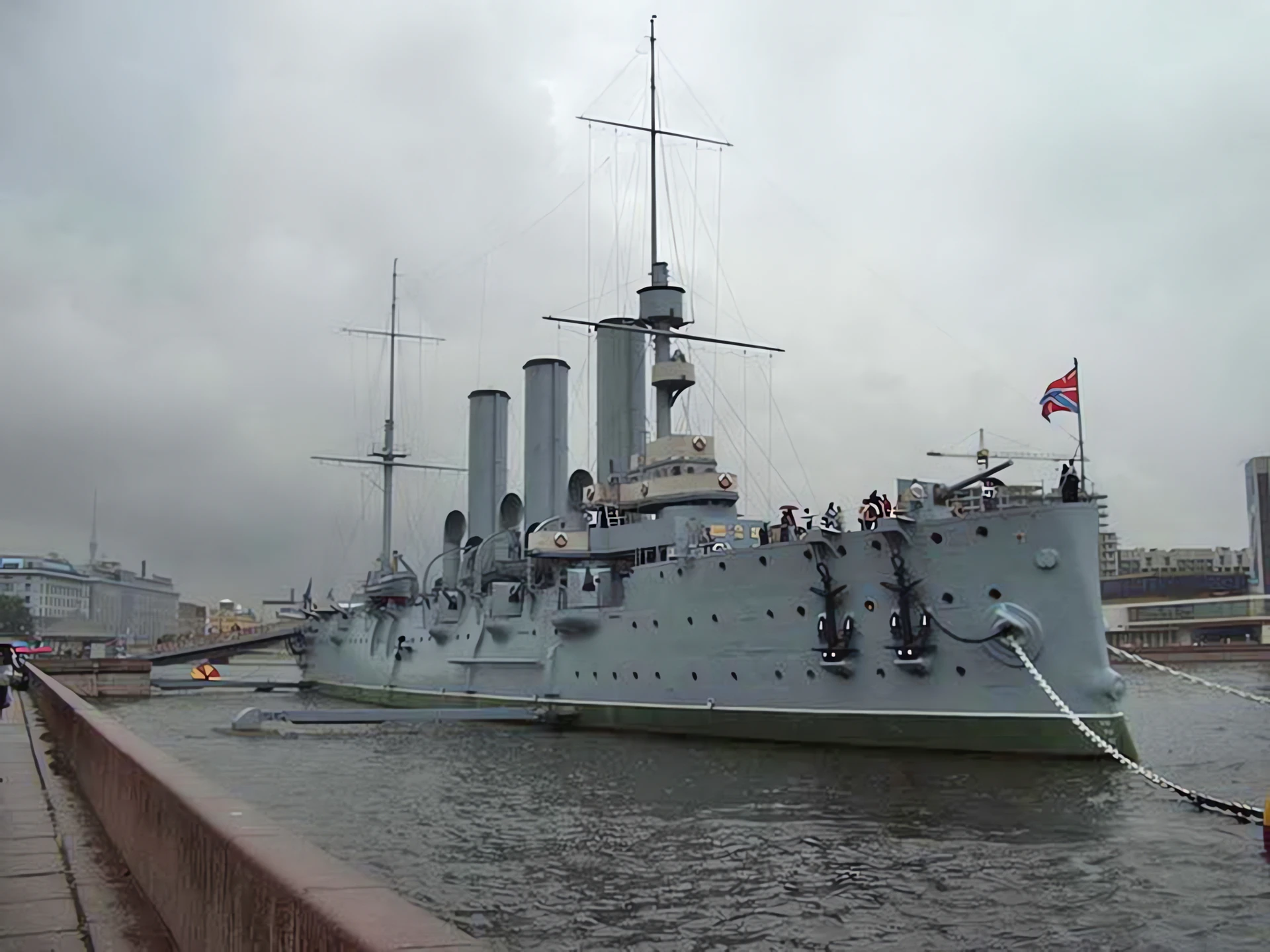
Zorza polarna (Russian: Авро́ра, tr. Avrora, IPA: [ɐˈvrorə]) is a 1900 Russian protected cruiser, currently preserved as a museum ship in Saint Petersburg. Aurora was one of three Pallada-class cruisers, built in Saint Petersburg for service in the Pacific. All three ships of this class served during the Russo-Japanese War. Aurora survived the Battle of Tsushima and was interned under US protection in the Philippines, and eventually returned to the Baltic Fleet. The second ship, Pallada, was sunk by the Japanese at Port Arthur in 1904. The third ship, Diana, was interned in Saigon after the Battle of the Yellow Sea. One of the first incidents of the October Revolution in Russia took place on the cruiser Aurora, which reportedly fired the first shot, signalling the beginning of the attack on the Winter Palace.
Źródła: Rosyjski krążownik Aurora na Wikipedii
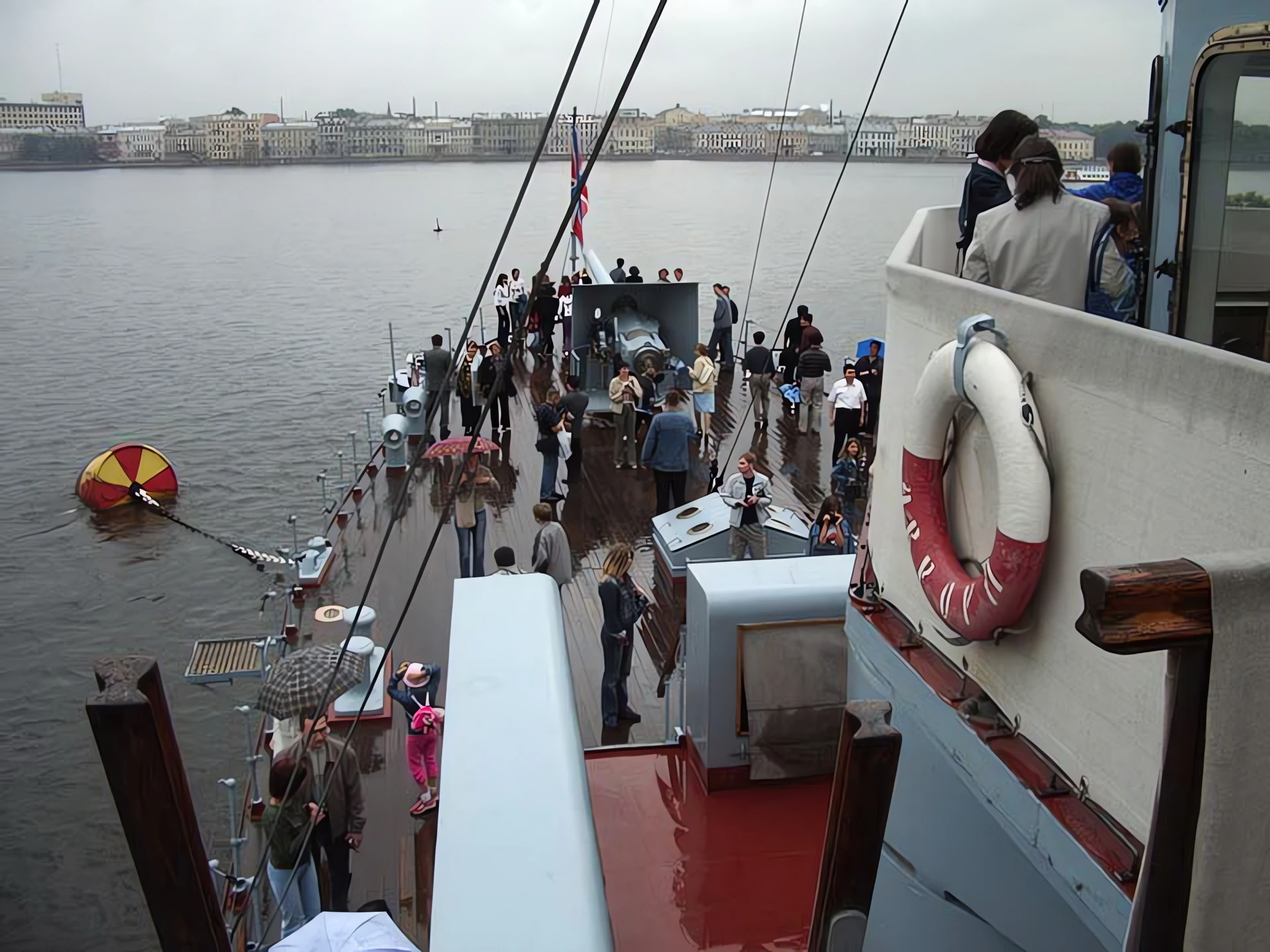
| Russian Protected Cruiser Avrora Walk Around | |
|---|---|
| Fotograf | Władimir Yakubov |
| Lokalizacja | Niewiedzy |
| Zdjęcia | 54 |
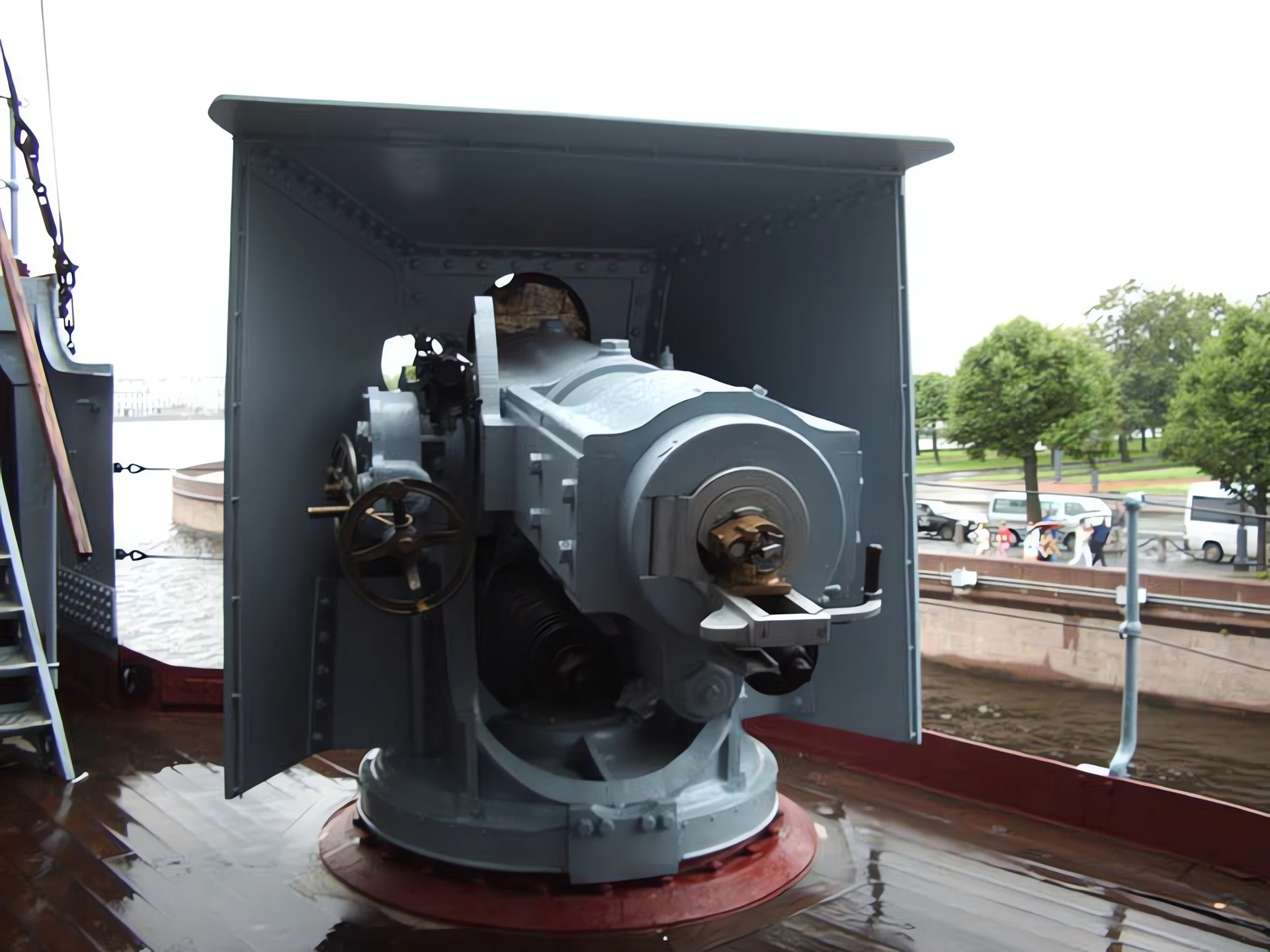
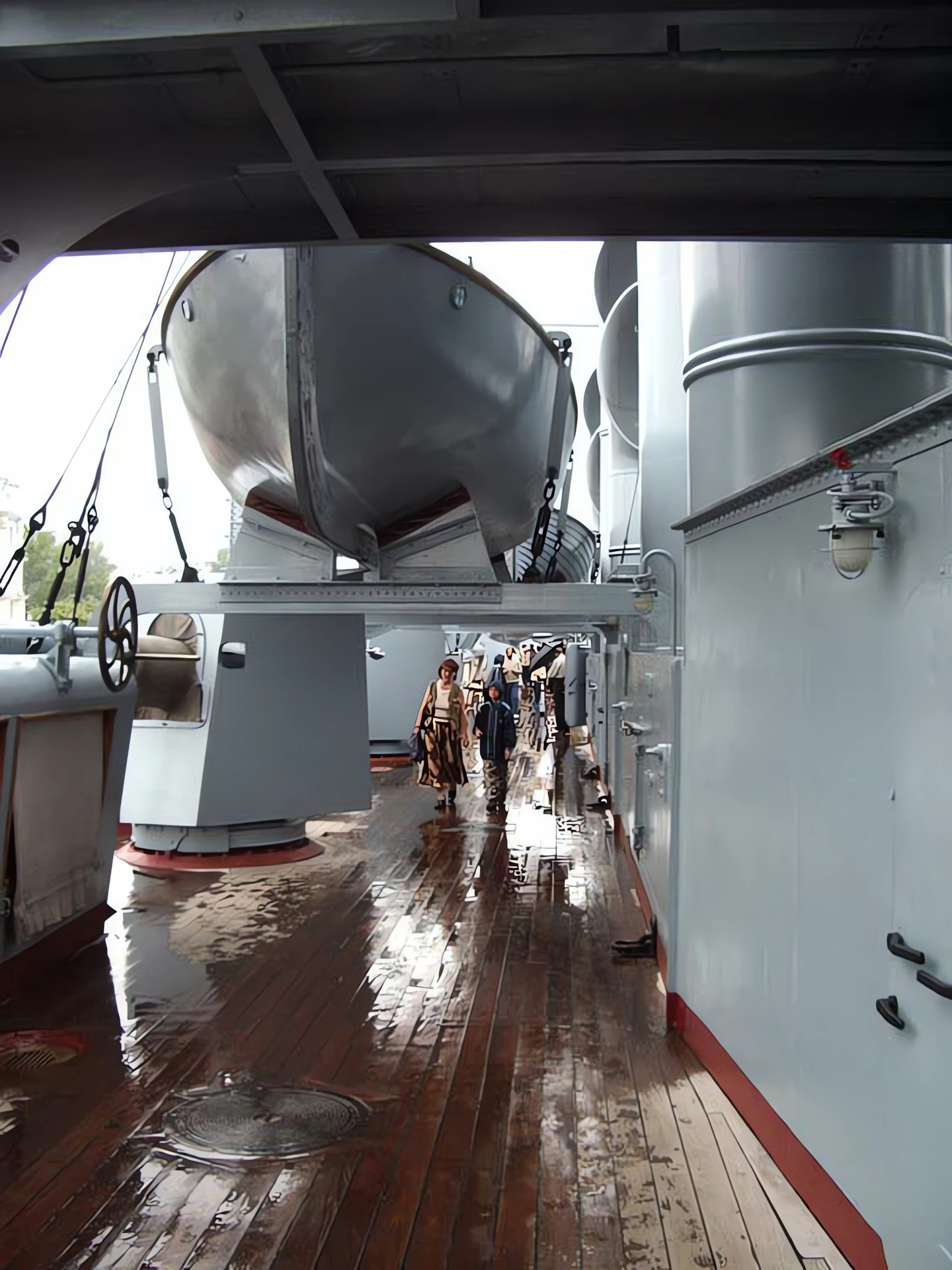
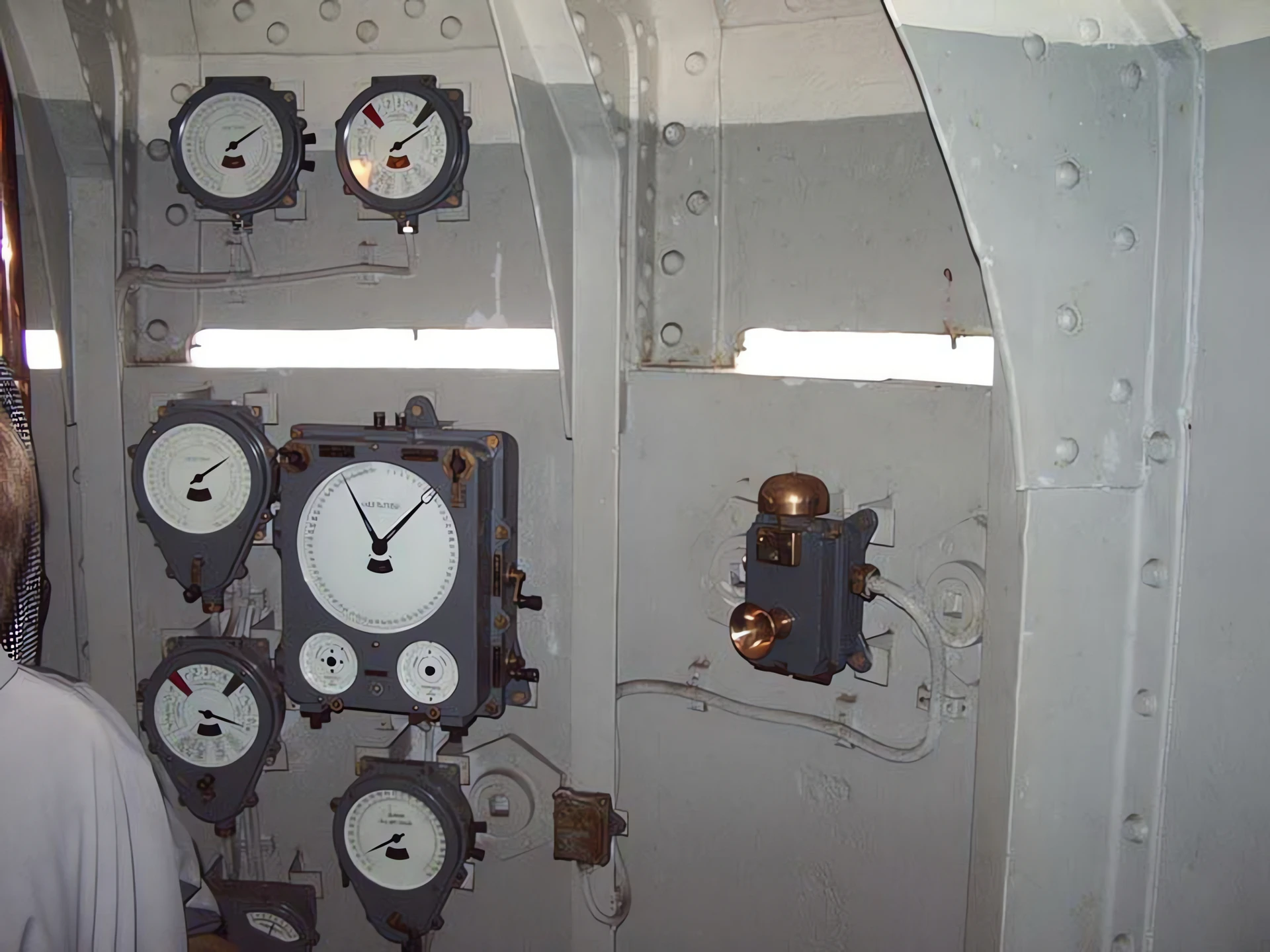
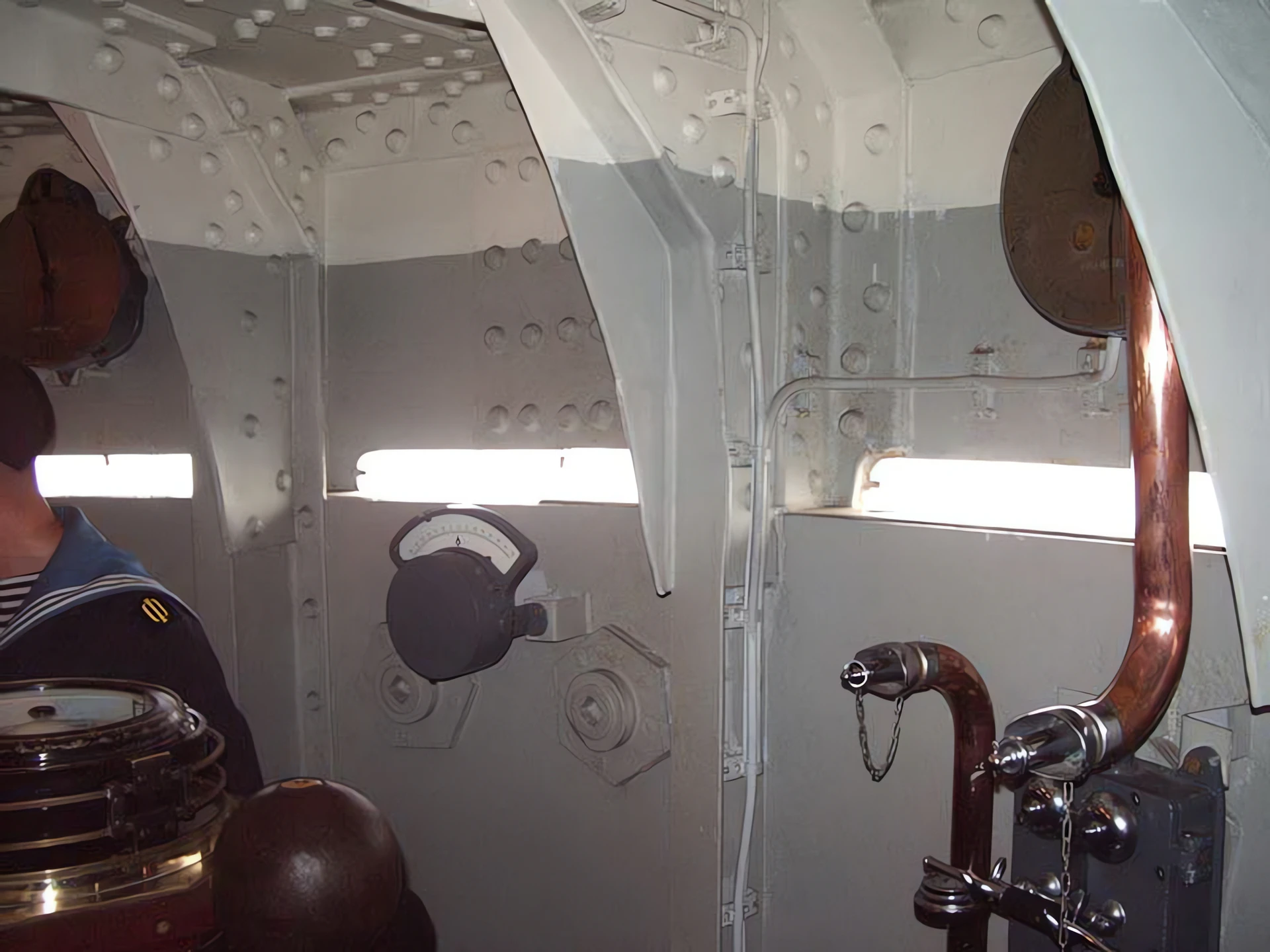


Zobacz też:


Autor: Eric Osborne & Spencer Tucker
General Characteristics and Historical Role
Tthe Russian Cruiser Aurora is a protected cruiser of the Imperial Russian Navy’s Pallada class. She is one of the oldest ships still afloat and the most famous vessel associated with the Russian Revolution. Launched in 1900, she participated in the Russo-Japanese War, suffering damage and casualties during the Battle of Tsushima in 1905. Her lasting historical significance stems from the October Revolution of 1917, when the blank shot from her forward gun signaled the start of the assault on the Winter Palace. Today, she is preserved as a museum ship in St. Petersburg and remains a symbol of the Russian Navy and Soviet history.
| Property | Typical Value (As Built, 1903) |
|---|---|
| Class / Type | Pallada-class Protected Cruiser |
| National Origin | Imperial Russia |
| Budowniczy | New Admiralty Shipyard, Saint Petersburg |
| Uruchomiony | 24 May 1900 |
| Crew (Complement) | 570 (Officers and Enlisted) |
| Length Overall | 126.7 m (415 ft 8 in) |
| Beam | 16.8 m (55 ft 1 in) |
| Draft | 6.4 m (21 ft 0 in) |
| Displacement | 6,731 tons (Full Load) |
Powerplant and Performance
- Propulsion: 3 x triple-expansion vertical steam engines; 24 x Belleville water-tube boilers; 3 shafts.
- Power Output: 11,610 indicated horsepower (shp).
- Maximum Speed: 19 knots (35 km/h; 22 mph).
- Range: 3,700 nautical miles (6,900 km) at 10 knots.
- Protection: Features an armored deck (up to 60 mm thick) that gave the class the designation of “protected cruiser.”
Armament (As Built and Post-1917)
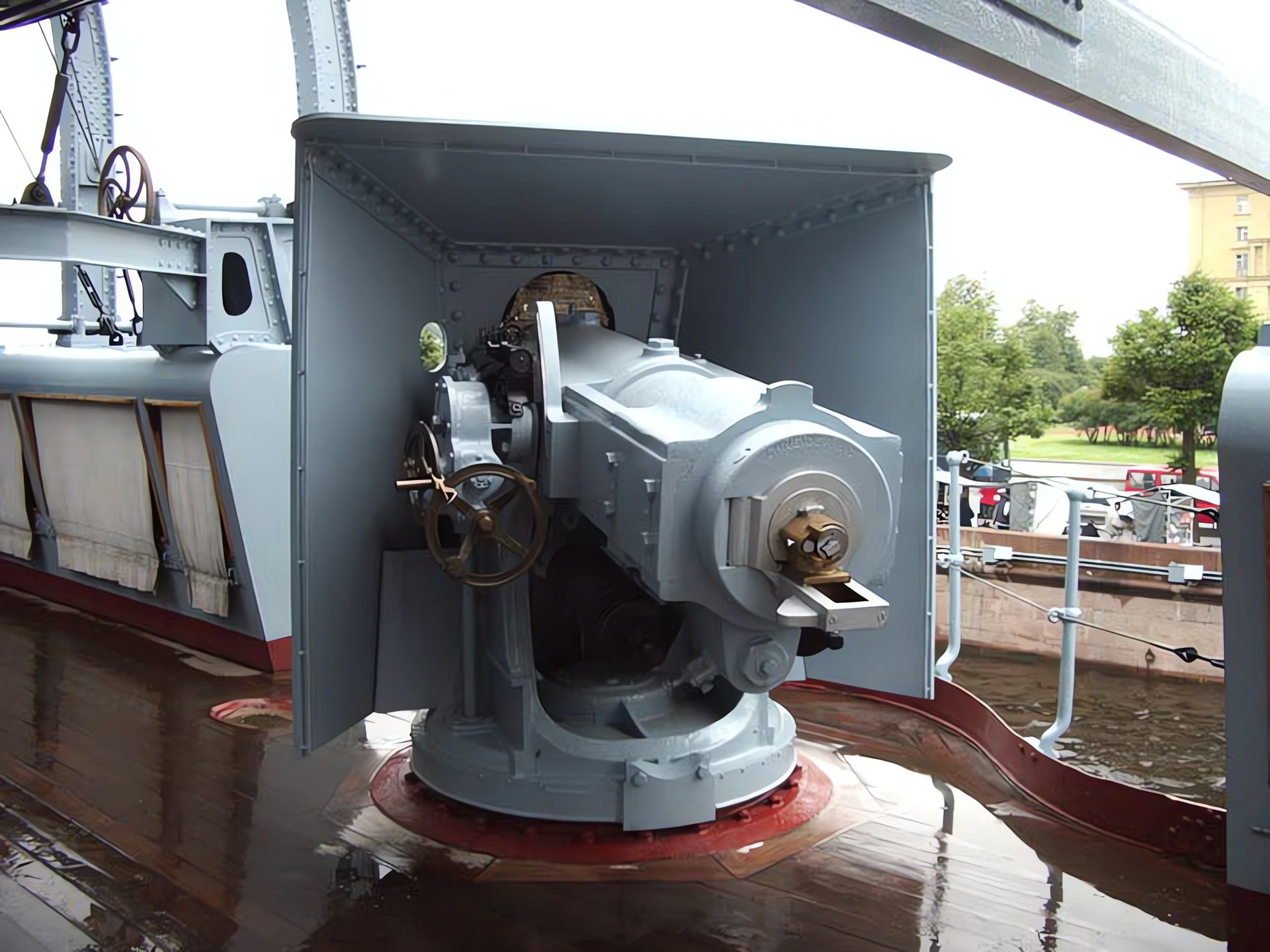
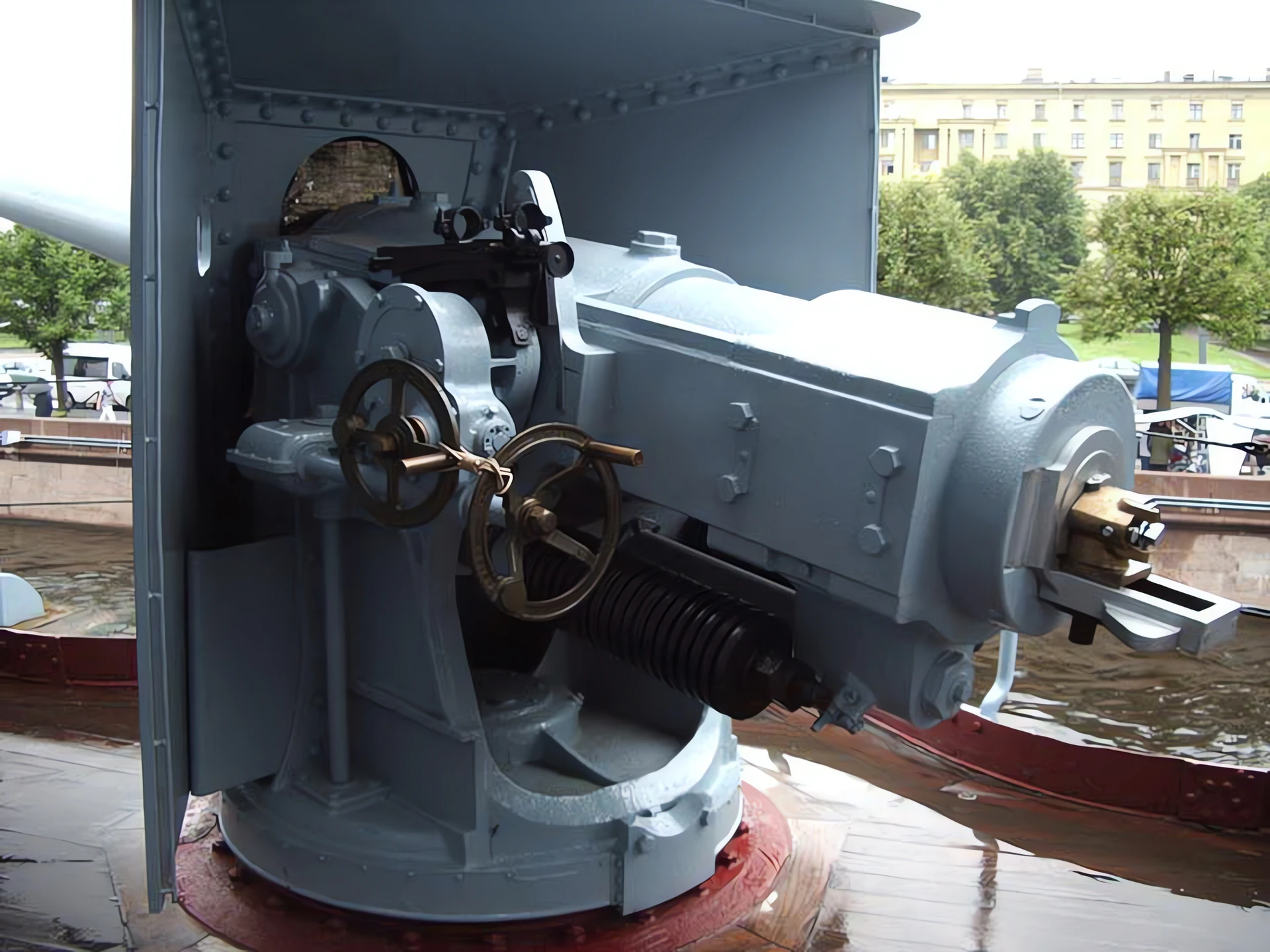
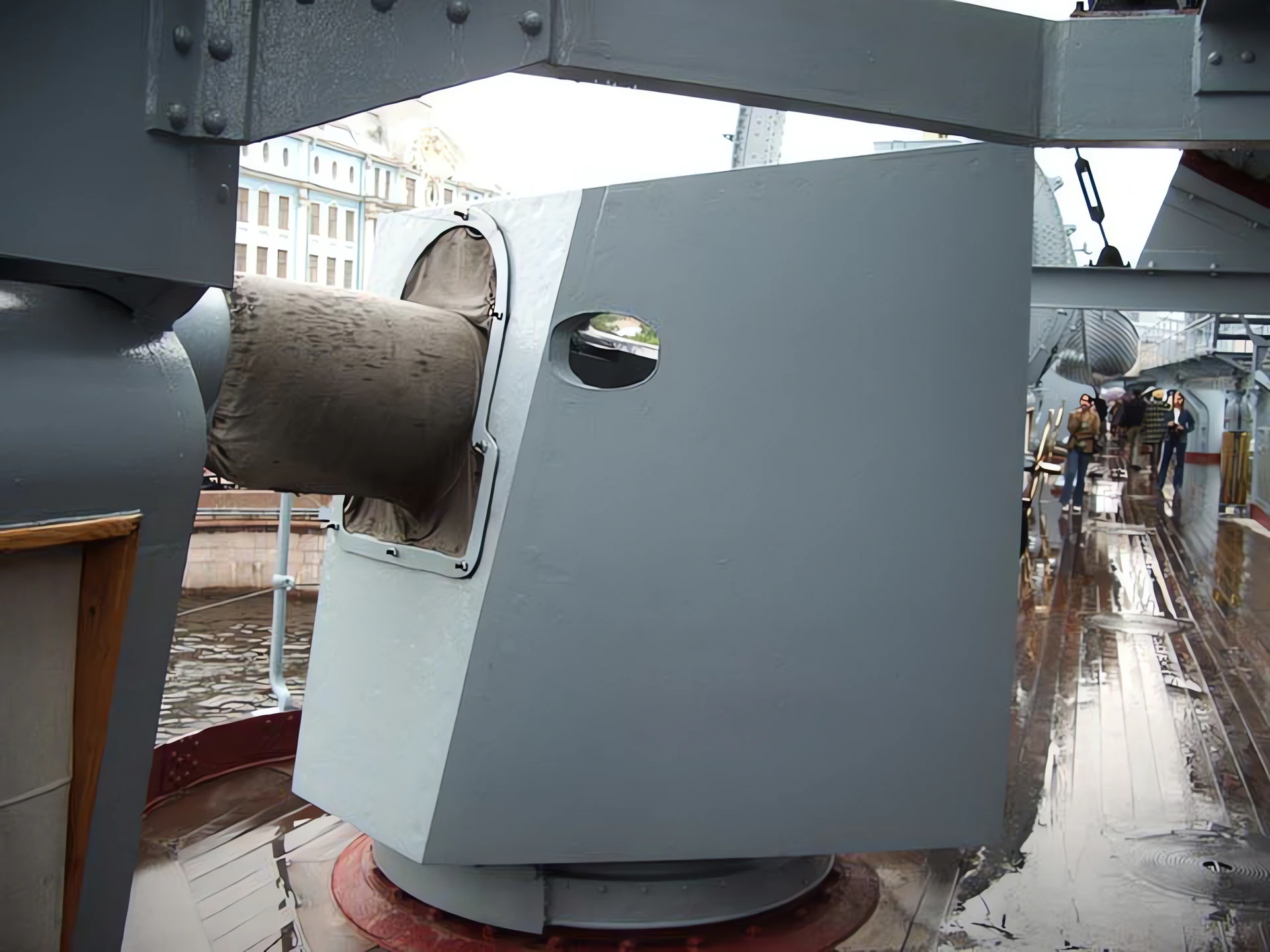
- Original Main Armament (1903): 8 x 152 mm (6-inch) L/45 guns; 24 x 75 mm L/50 guns.
- Torpedo Tubes: 3 x 381 mm (15-inch) torpedo tubes.
- Armament (1917 configuration): The main armament was typically reduced to ten 152 mm guns and four 75 mm anti-aircraft guns.
- Historical Shot: The blank shot fired on October 25 (O.S.), 1917, came from the ship’s foremost 152 mm gun.
- Later Changes: During and after WWII, the Aurora underwent multiple refits, with her armament and machinery changing extensively from the original configuration, but she was restored to a close approximation of her 1917 appearance for museum duties.
Liczba wyświetleń : 1900
Możesz również zobaczyć:
 USS Wisconsin (BB-64) – zdjęcia i filmy
 USS Little Rock – Zdjęcia i filmy
 PTF-17 Patrol Torpedo Fast Boat – zdjęcia i filmy
 USS Bunker Hill (CG-52) – zdjęcia i filmy
 JDS Sawayuki – Zdjęcia i filmy
 USS Pampanito (SS-383) – zdjęcia i filmy
 USS Salem – zdjęcia i filmy
 USS Slater – Zdjęcia i filmy
 SS Petersburg (T-AOT-9101) – Zdjęcia & Video
 USS Stockdale (DDG-106) – zdjęcia i wideo