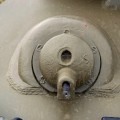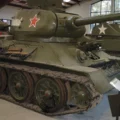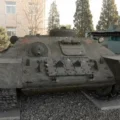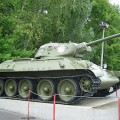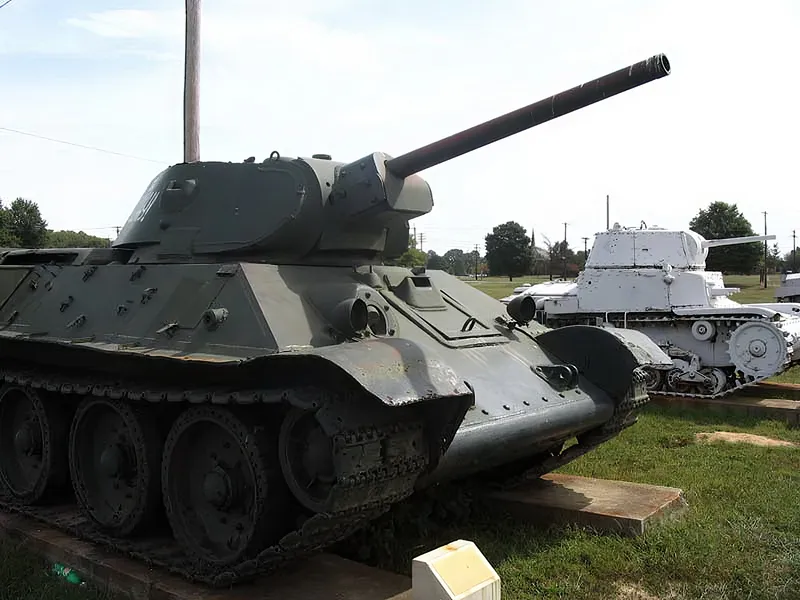
T-34/76 Model 1941 | |
|---|---|
| Płaci | Urss ( urss ) |
| Typu | Czołg średni |
Tthe T-34 – czołg średni, który wszedł do służby w 1940 roku w Armii Czerwonej. W tym czasie była to niezwykła równowaga między trzema głównymi czynnikami, które określały jakość pojazdu opancerzonego: siłą ognia, ochroną i mobilnością. Sukces ten uczynił go jednym z atutów Związku Radzieckiego w obliczu inwazji na Wehrmacht. Aby temu przeciwdziałać, będzie musiała zrewidować swoją opancerzoną politykę projektową, rozwijając na przykład Panzer-V "Panther", która zapożyczyła niektóre z jego cech technicznych z T-34. Mimo że została szybko wyprzedzona przez zagraniczne produkcje, T-34 nadal będzie produkowana od 1940 do 1958 roku, a łączna liczba wyprodukowanych jednostek szacowana jest na 84 070, co czyni go drugim najczęściej produkowanym zbiornikiem wszech czasów, tuż za jego następcami, T-54 i T-55.
Źródła: Tank T-34/76 na Wikipedii
| T-34/76 Modèle 1941 | |
|---|---|
| Fotograf | Unknow |
| Lokalizacja | Niewiedzy |
| Zdjęcia | 26 |
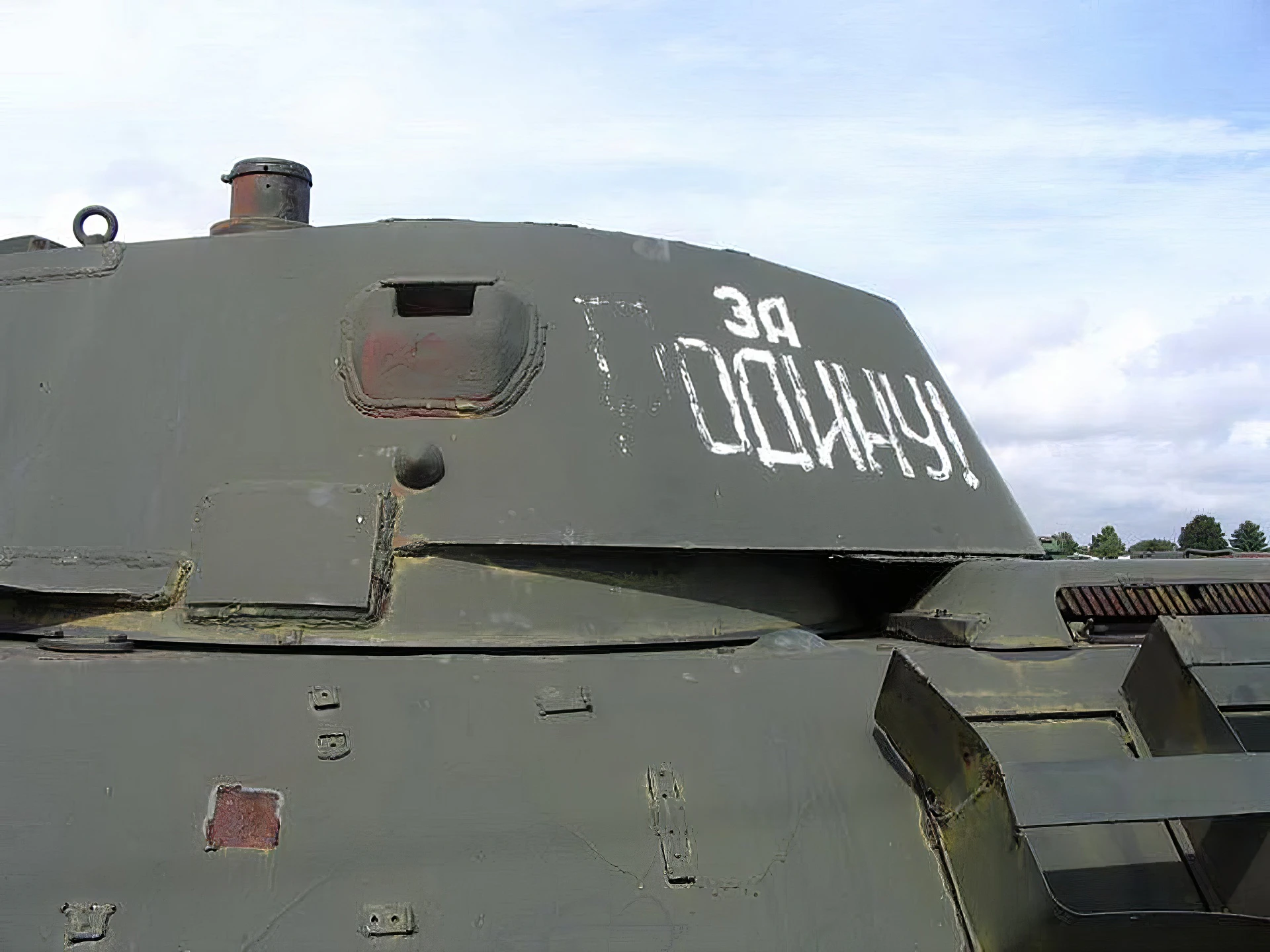
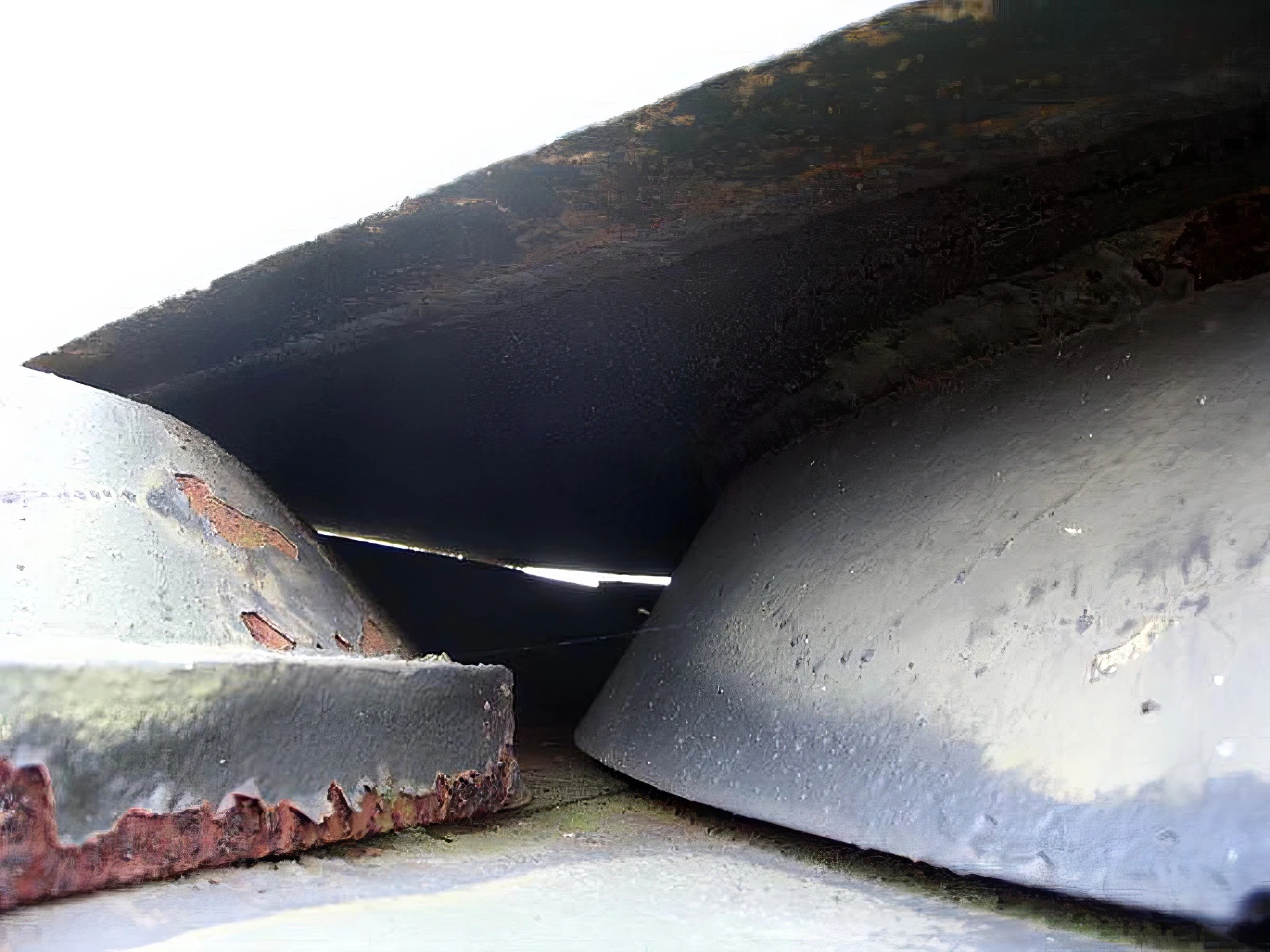
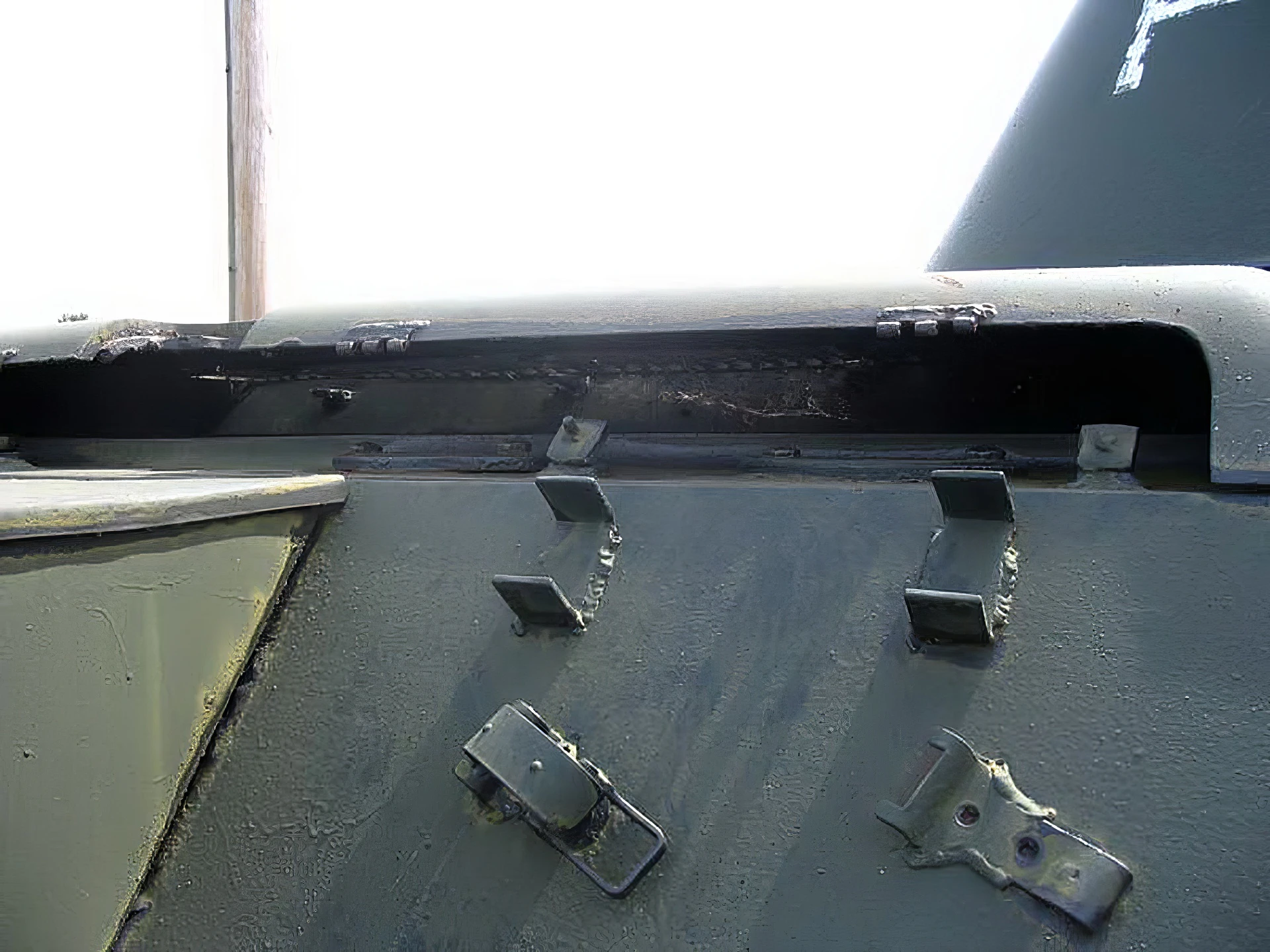
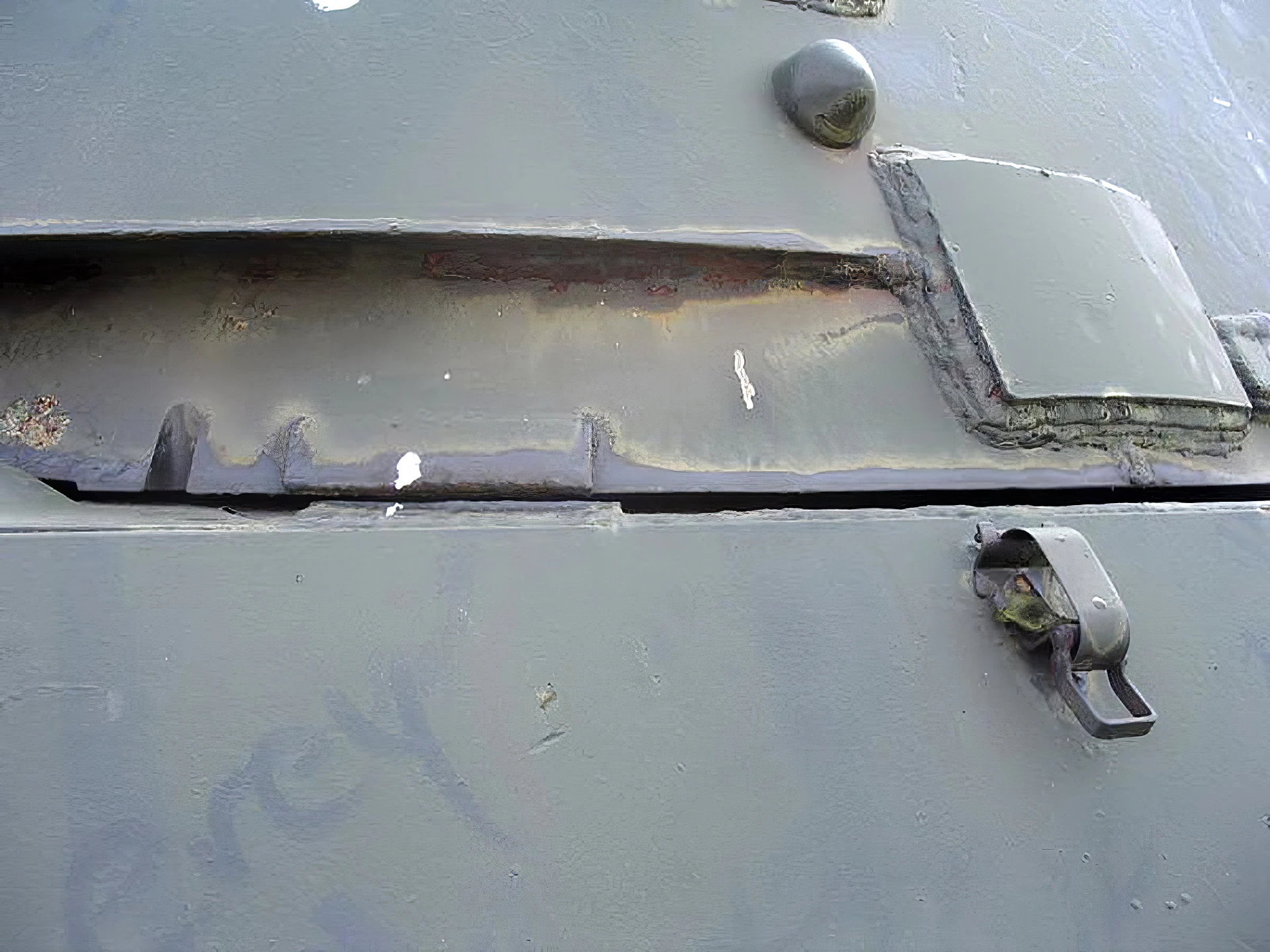
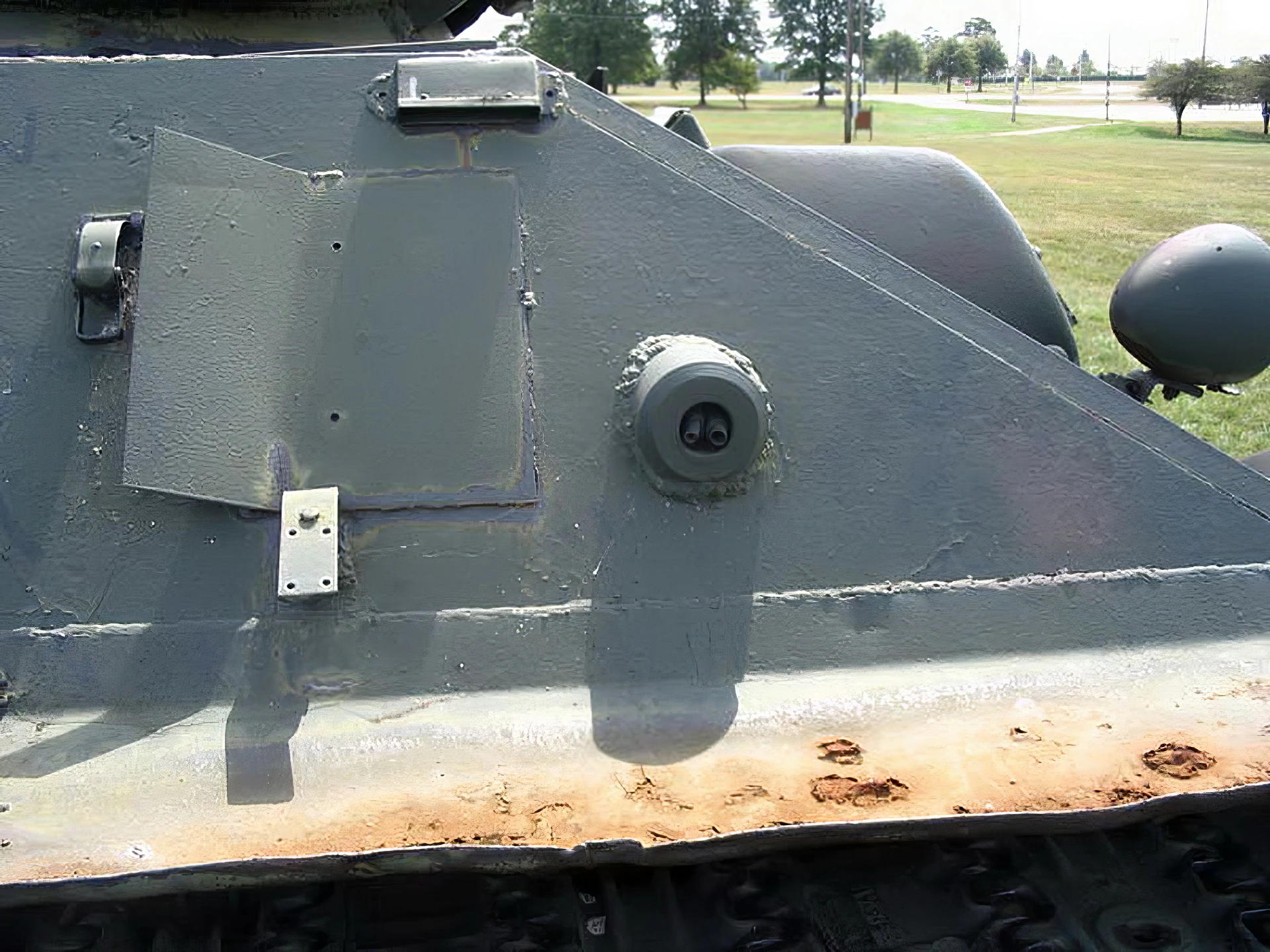
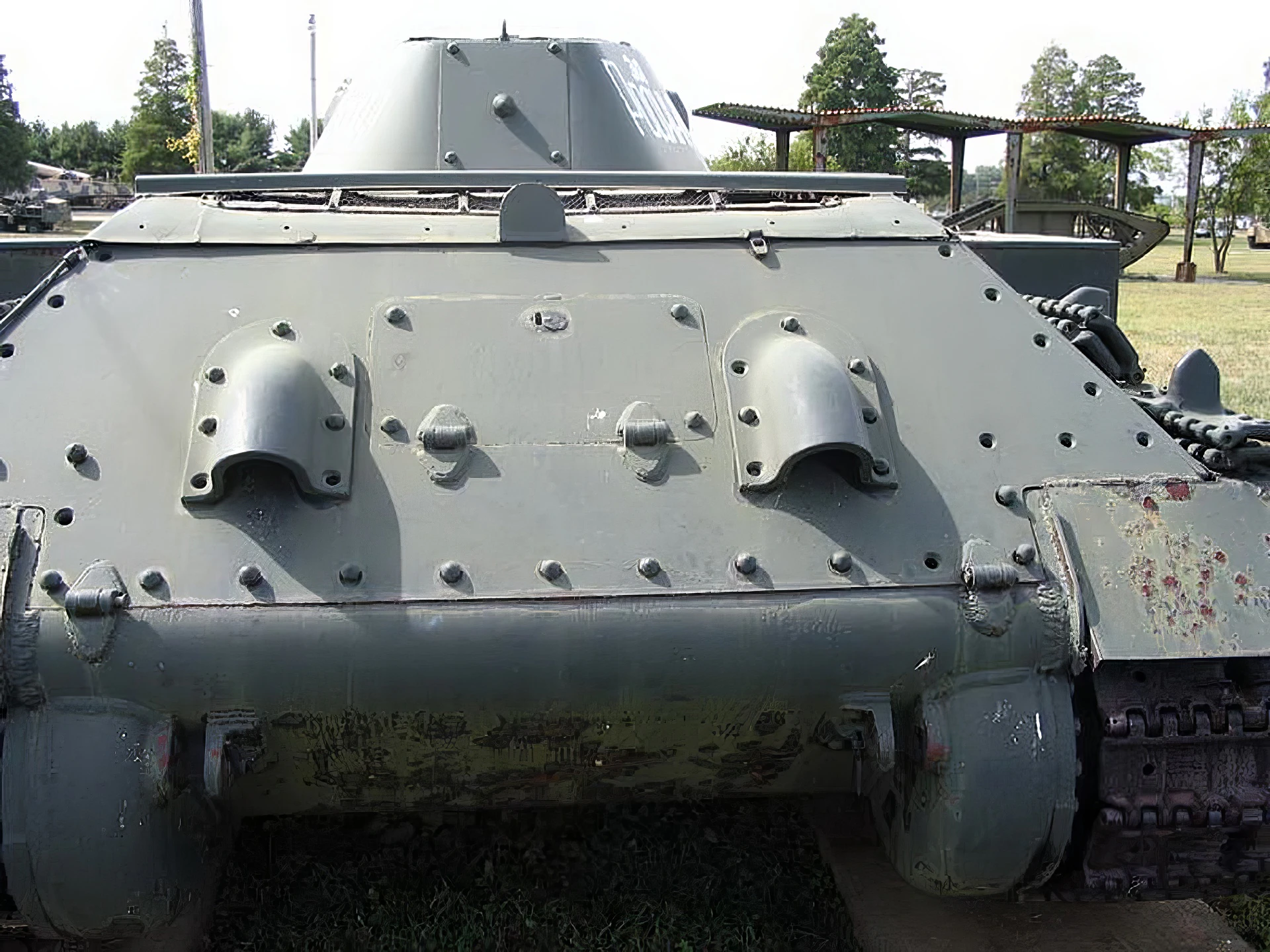
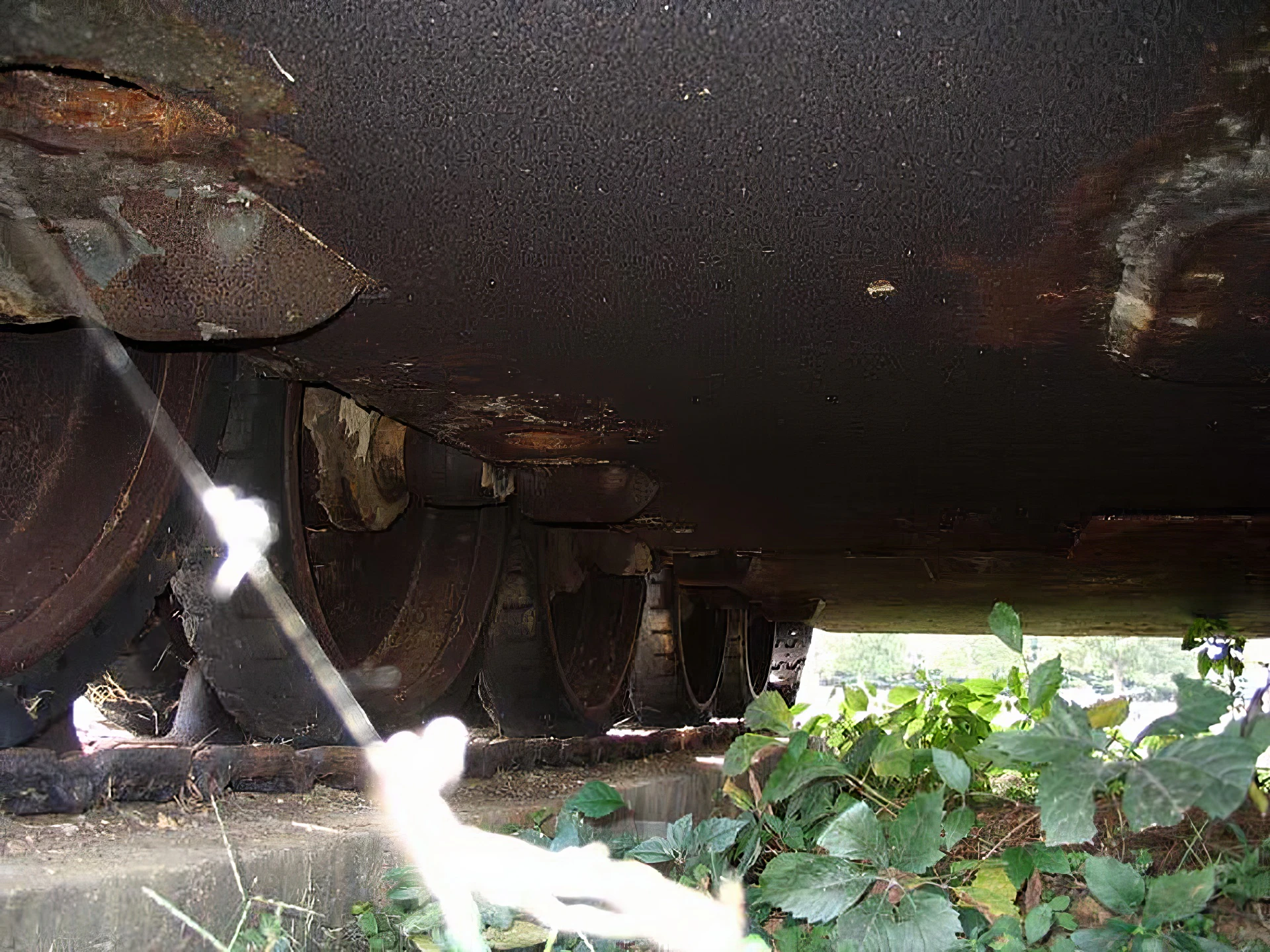
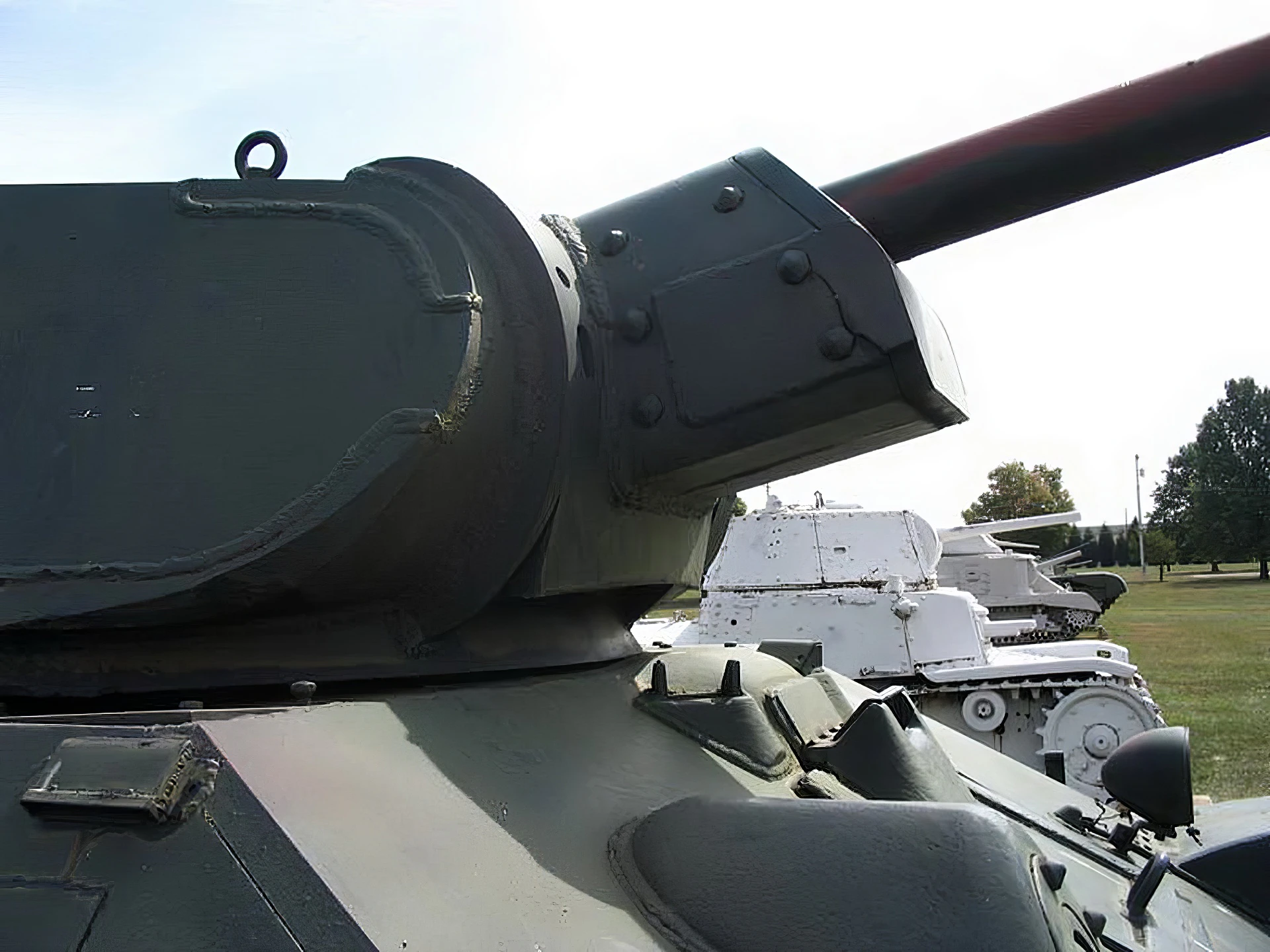

| T-34-76 | |
|---|---|
| Fotograf | Unknow |
| Lokalizacja | Niewiedzy |
| Zdjęcia | 12 |
| T-34-76 Mod. 1943 Walk Around | |
|---|---|
| Fotograf | Unknow |
| Lokalizacja | Niewiedzy |
| Zdjęcia | 43 |
Zobacz też:


Tthe T-34/76 was a Soviet medium tank introduced in 1940. It is widely regarded as one of the most important and influential tank designs of World War II, combining revolutionary sloped armor, a powerful diesel engine, and a capable 76.2 millimeter gun, which gave it a major edge over contemporary German tanks in 1941.
Key Specifications (Model 1941/42)
| Cecha | Detail |
|---|---|
| Roli | Czołg średni |
| Załogi | 4 (Commander/Gunner, Loader, Driver, Radio Operator/Hull Machine Gunner) |
| Uzbrojenie główne | 76.2 millimeter F-34 Tank Gun |
| Silnika | V-2 Diesel Engine, 500 horsepower (approx.) |
| Armor Thickness (Hull Front) | 45 millimeter sloped at 60 degrees |
| Prędkość maksymalna | 53 kilometers per hour (33 mph) |
| Waga | Around 26.5 metric tonnes |
Revolutionary Design Elements
The T-34’s initial success stemmed from three primary innovations:
- Sloped Armor: The highly angled armor plating greatly increased the effective thickness and deflected incoming rounds, making it difficult for early German anti-tank guns to penetrate.
- V-2 Diesel Engine: This engine provided superior power-to-weight, excellent range, and used diesel fuel, which was less flammable than the gasoline used by most contemporary German and Western Allied tanks.
- Wide Tracks: The broad tracks and Christie suspension gave the tank superior mobility over the mud, snow, and poor roads of the Eastern Front, where German tanks often struggled.
Production Priority: Due to the desperate need for tanks following the German invasion (Operation Barbarossa), the Soviet government prioritized rapid, mass production over quality control, leading to high numbers of tanks but also initial issues with reliability, particularly with the gearbox and engine.
Liczba wyświetleń: 4414