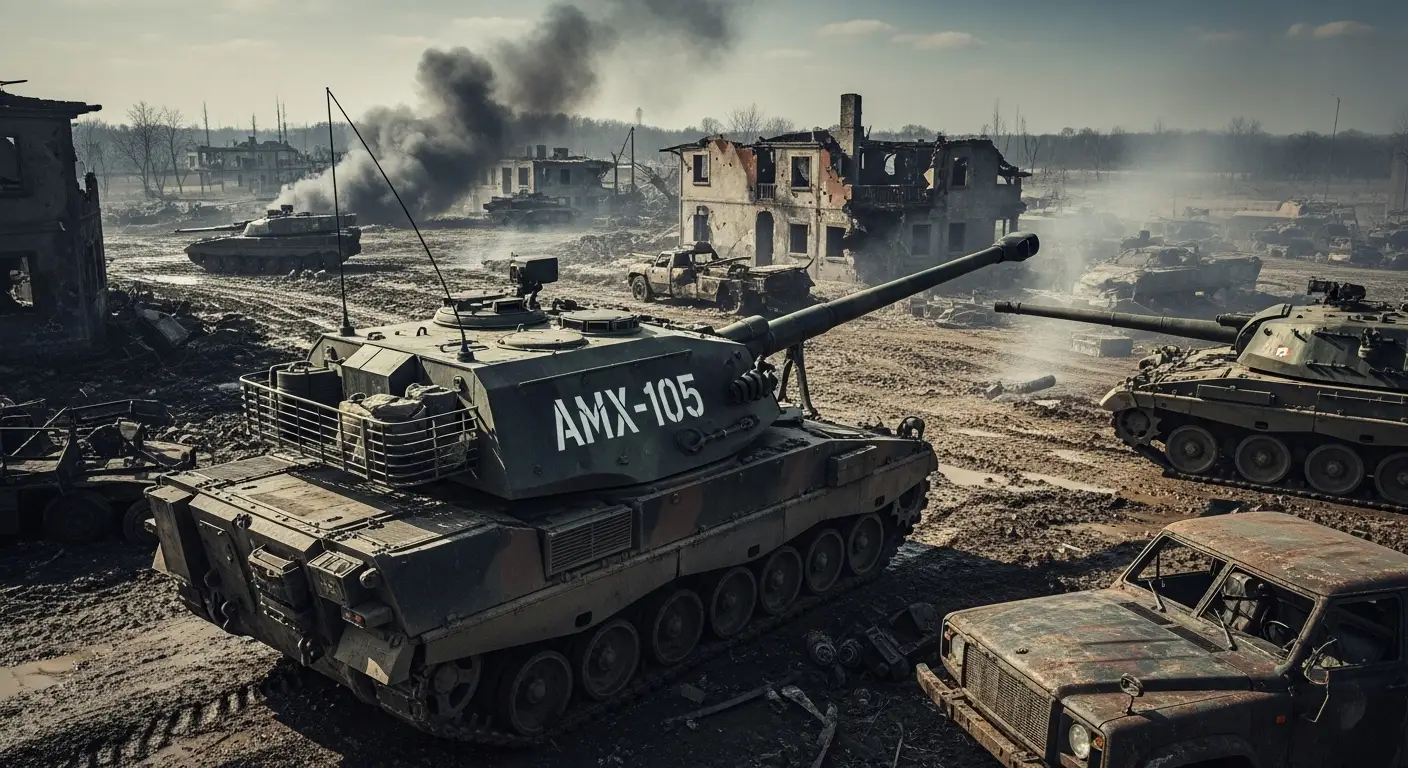
AMX-105 |
|
|---|---|
| Country | France |
| Role | Self-propelled howitzer |
| Production | 1950s |
| Built | 430+ |
The Mk 61 105 mm self-propelled howitzer was a French self-propelled artillery piece designed and built during the late 1950s for the French Army.
Source: AMX-105 on Wikipedia
| AMX-105 Walk Around | |
|---|---|
| Photographer | David Lueck |
| Localisation | Unknow |
| Photos | 78 |
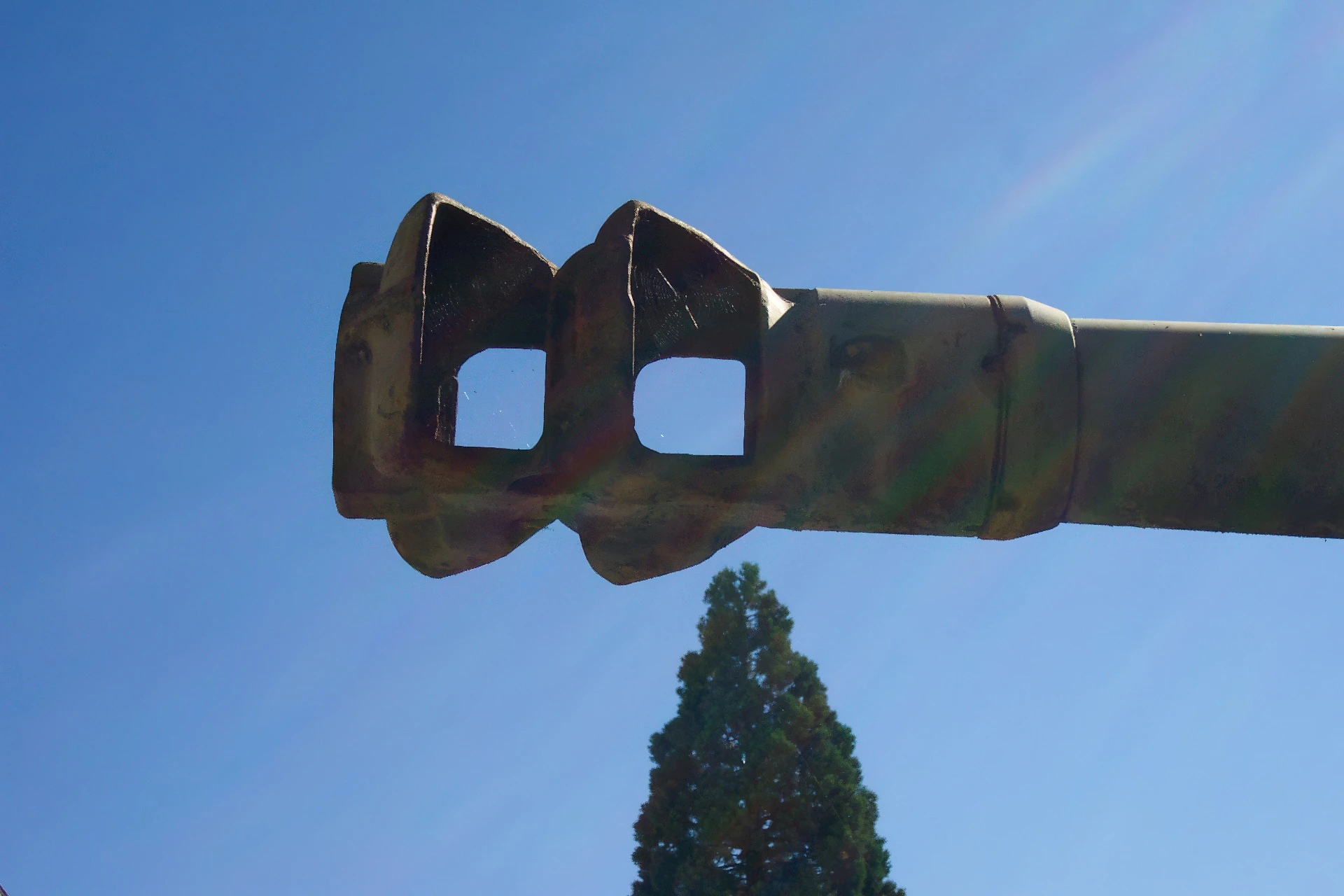
AMX-105 01
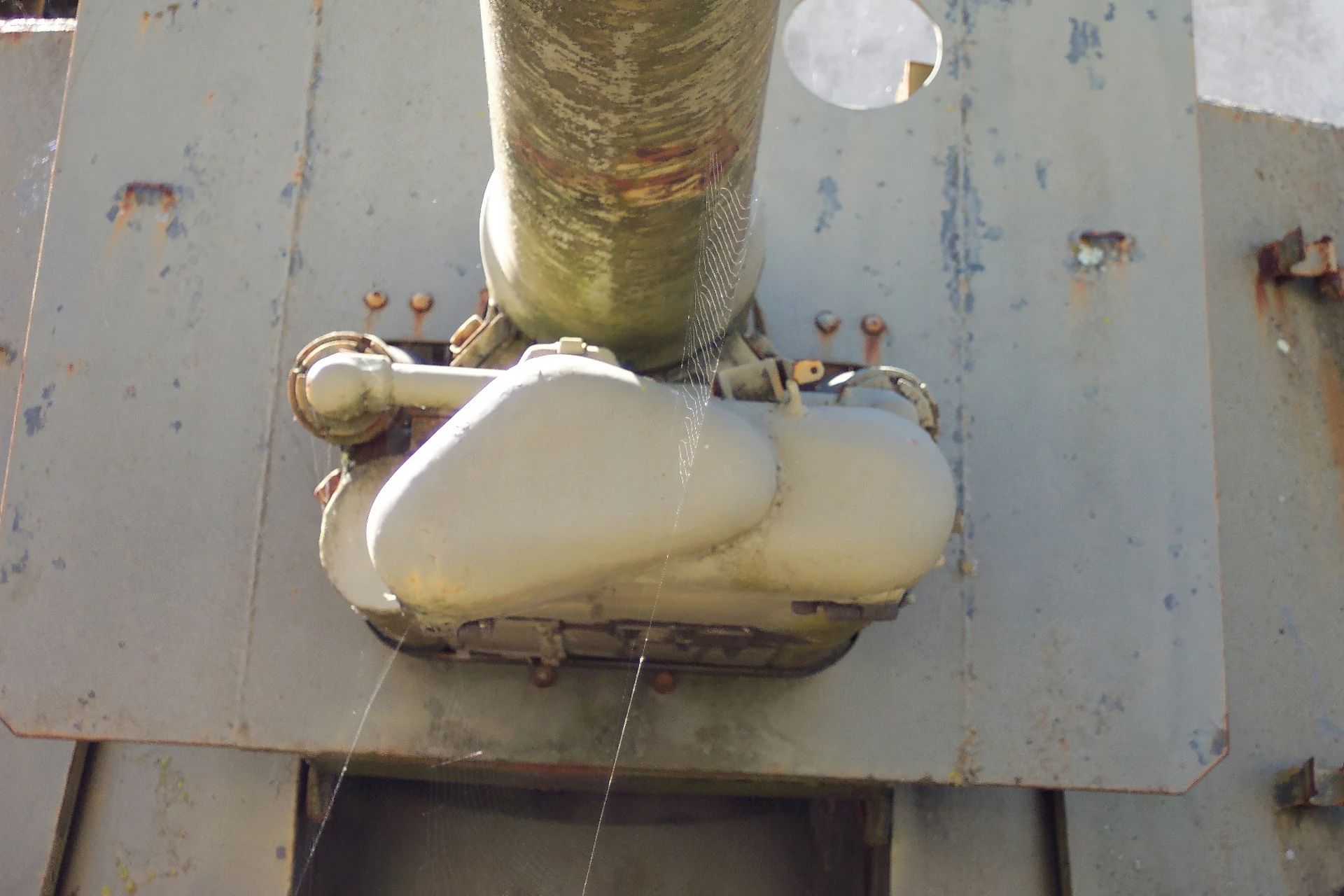
AMX-105 03
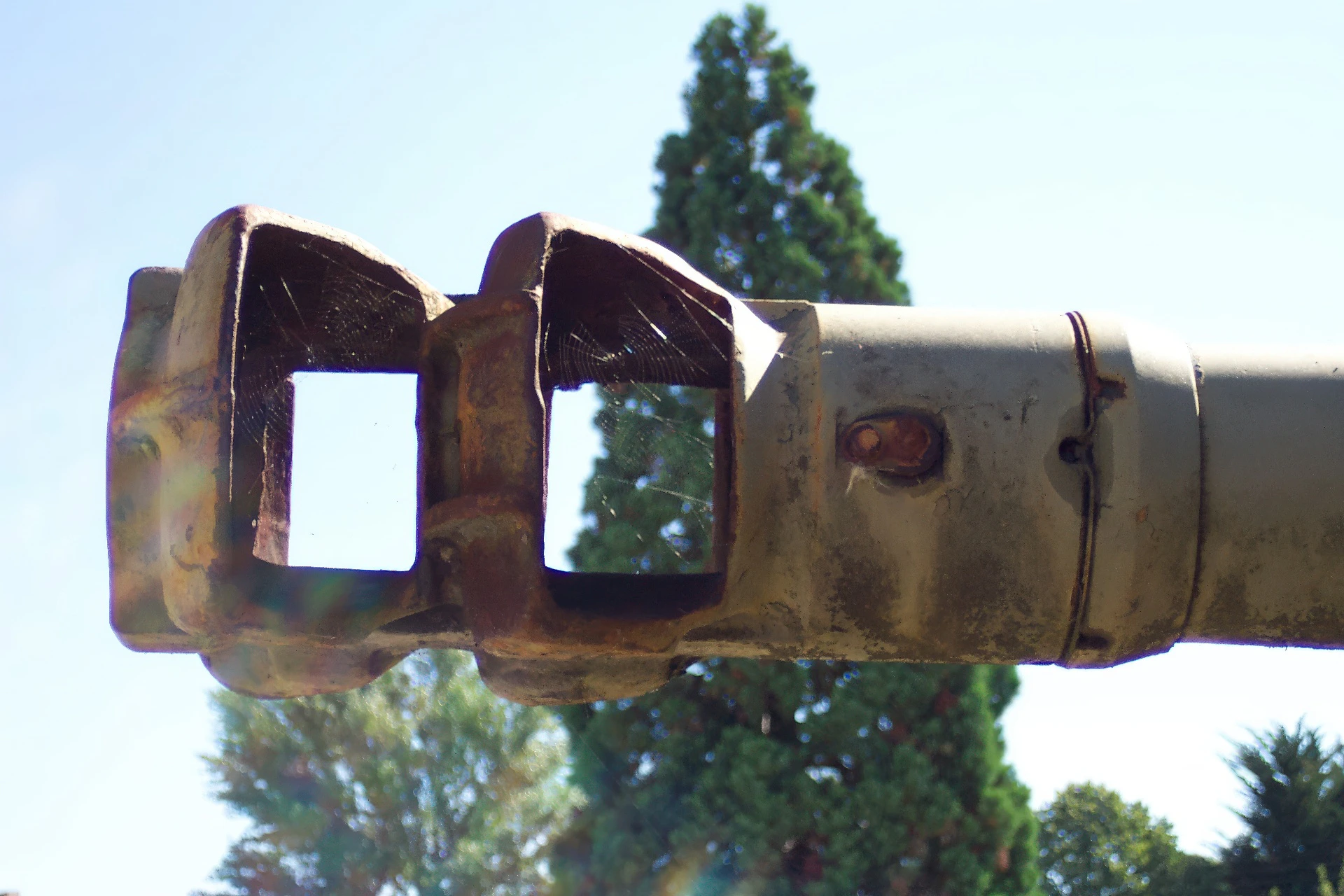
AMX-105 02
AMX-105 04
AMX-105 05
AMX-105 06
AMX-105 07
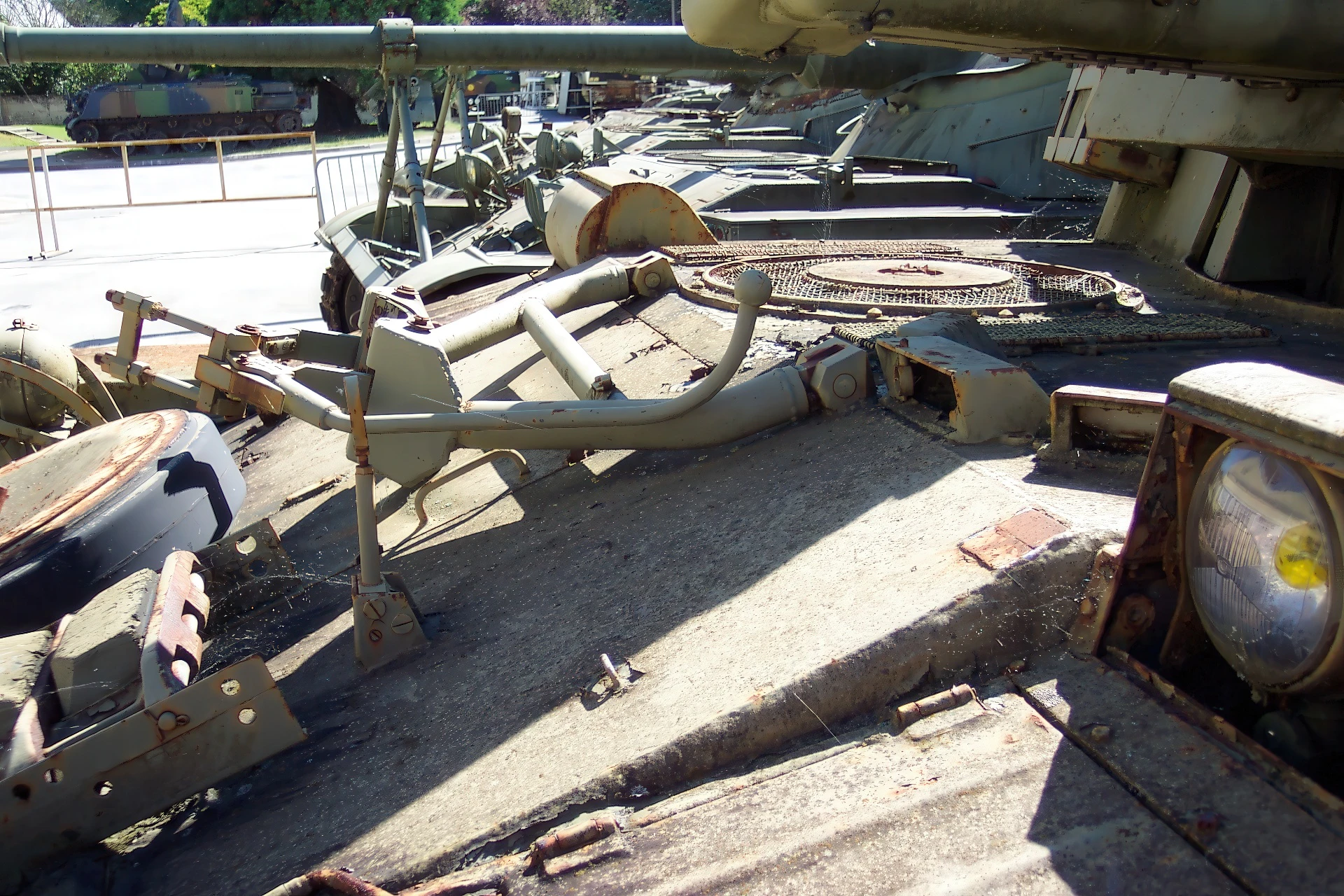
AMX-105 09
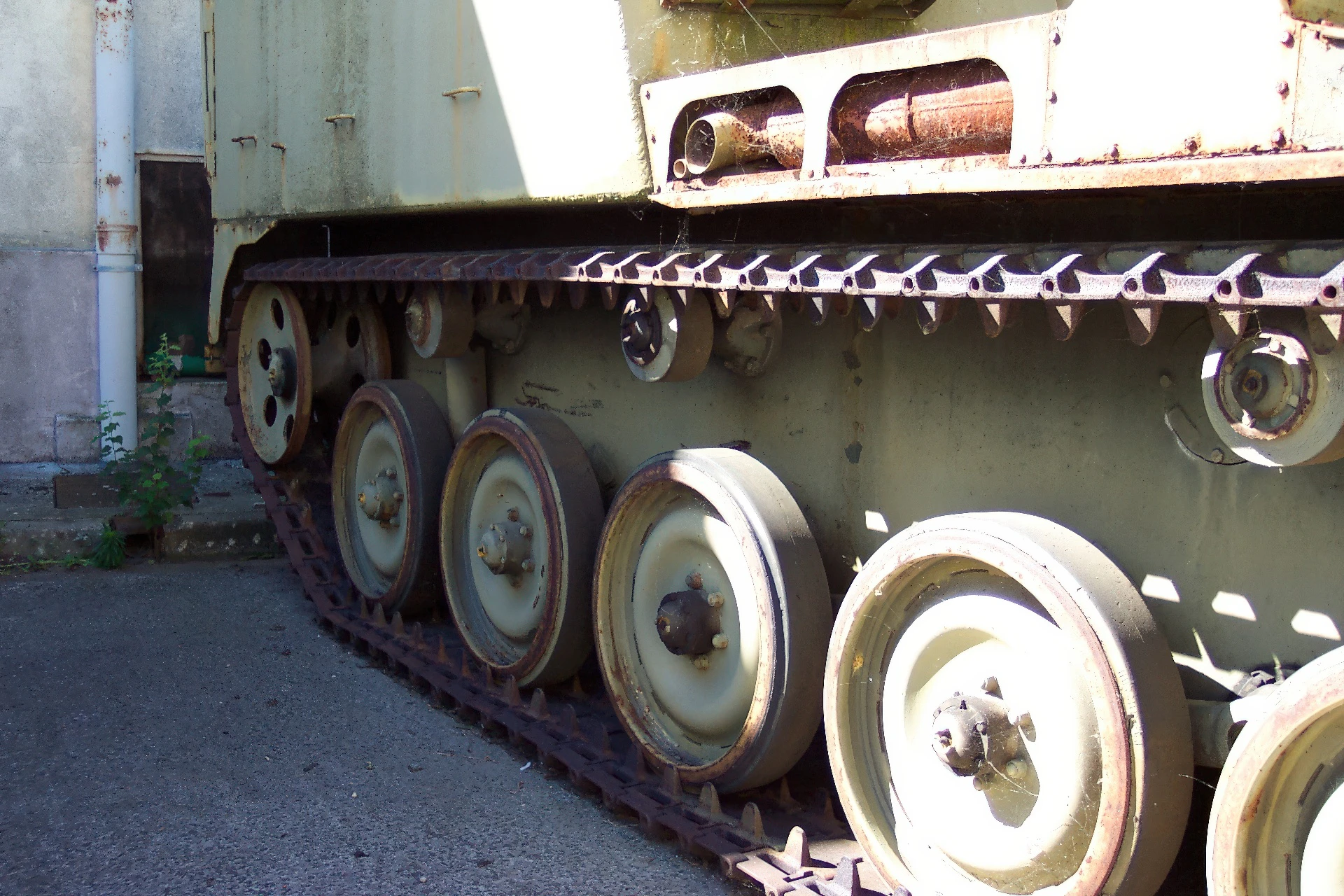
AMX-105 08
Wait, Searching AMX-105 for you…


See also:


Design Concept and Evolution
The AMX-105 was a self-propelled howitzer developed by France in the early 1950s. Built on the highly successful chassis of the AMX-13 light tank, it was designed to provide rapid, mobile artillery support to armored and motorized divisions. Unlike the AMX-13 tank which used an oscillating turret, the AMX-105 featured a large, fixed (non-rotating) superstructure or a semi-traversable turret to house its 105mm howitzer. It represented the French doctrine of high mobility and air-transportability, becoming a popular export to nations such as Israel, Morocco, and the Netherlands.
| Attribute | Standard Specification (AMX-105 Mk 61) |
|---|---|
| Role | Self-Propelled Howitzer (SPH) |
| Crew | 5 (Commander, Gunner, Driver, 2 Loaders) |
| Main Armament | 105 mm L/30 Howitzer |
| Secondary Armament | 7.5 mm or 7.62 mm AA Machine Gun |
| Ammunition Capacity | 56 rounds |
| Maximum Range | 15,000 meters (approx. 9.3 miles) |
| Combat Weight | 16.5 Tonnes |
| Max Road Speed | 60 km/h (37 mph) |
Firepower and Internal Systems
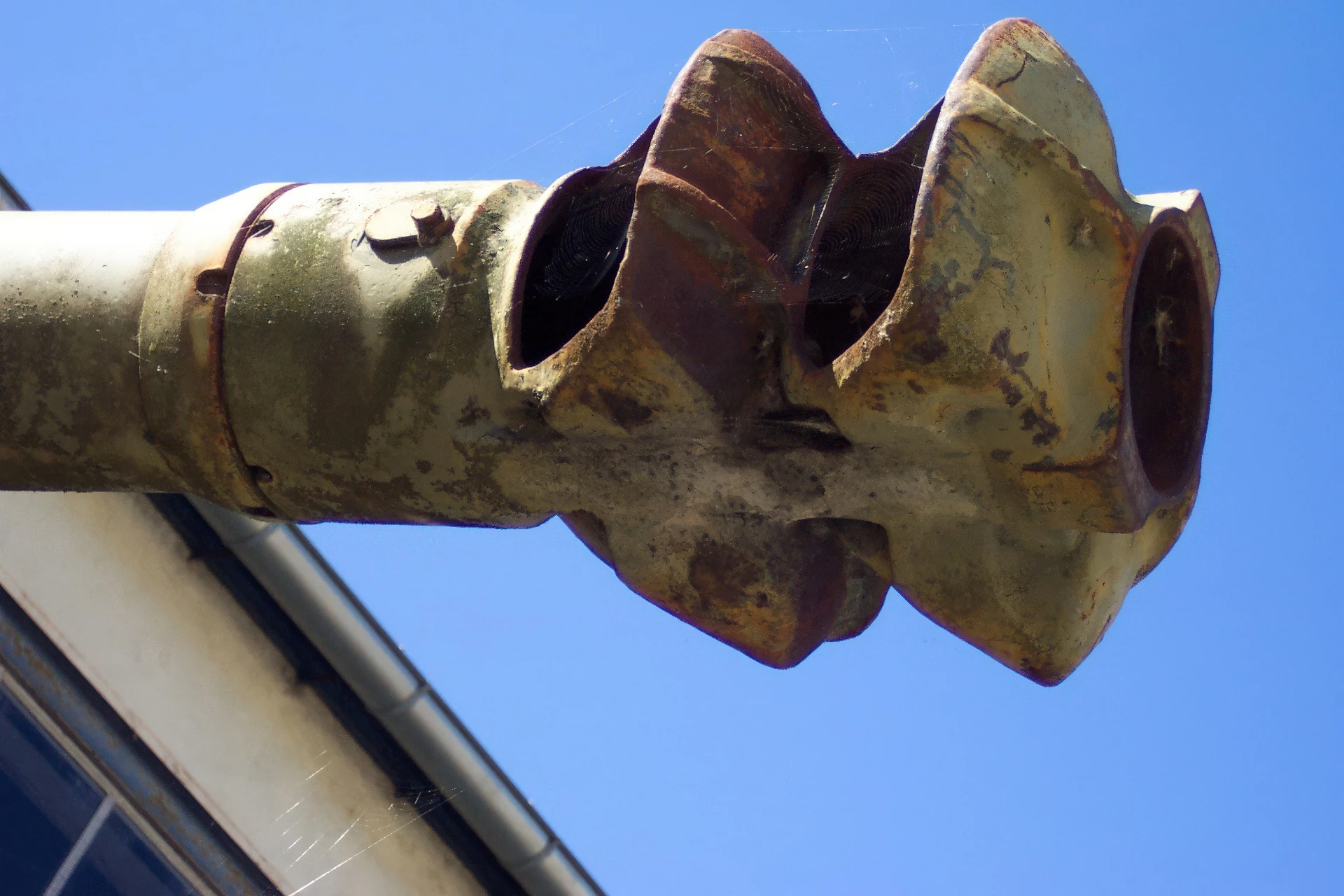
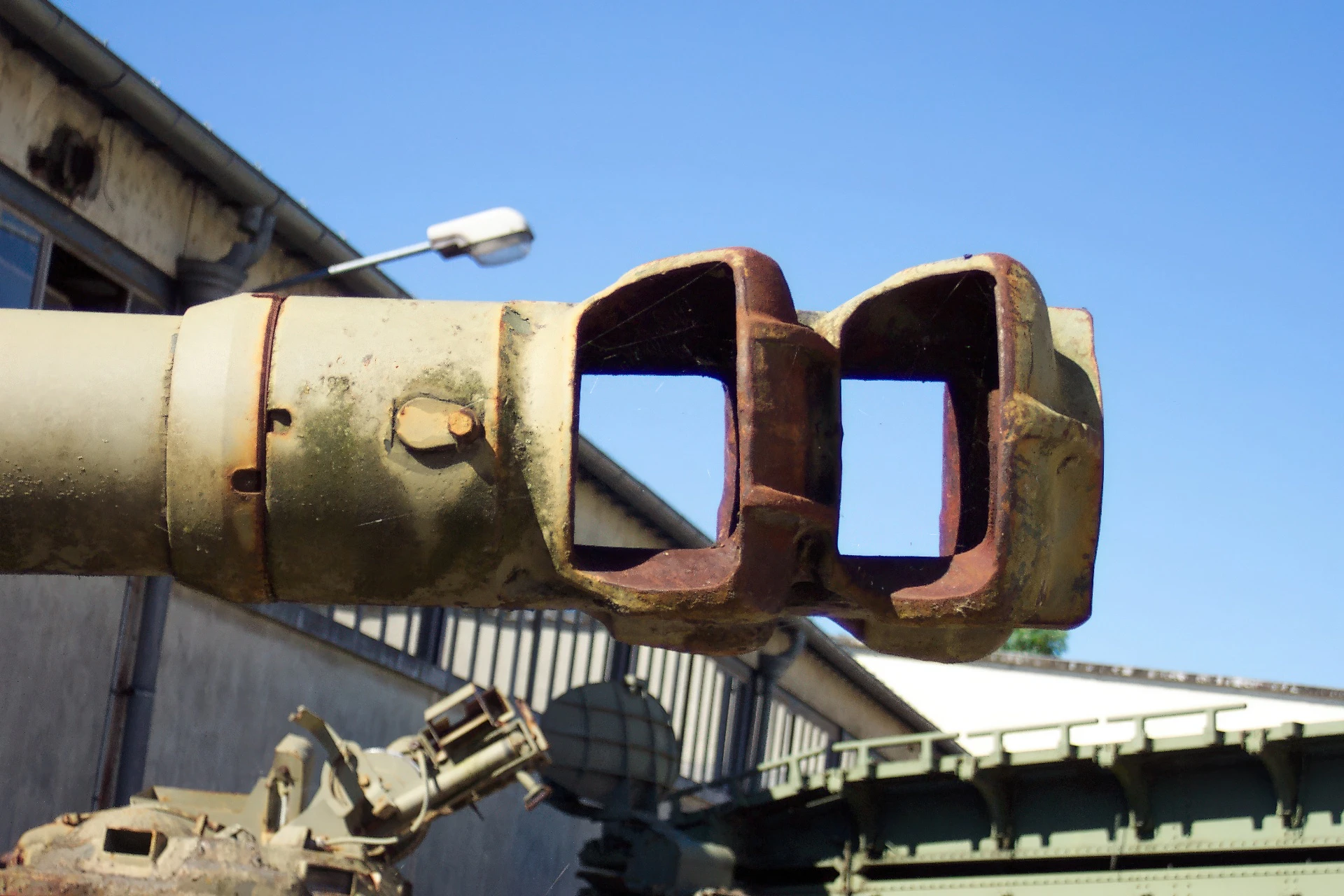
- The 105mm Gun: The primary weapon could fire a standard high-explosive (HE) shell weighing 16 kg. It featured a double-baffle muzzle brake to reduce the intense recoil on the light chassis.
- Elevation and Traverse: In the Mk 61 variant, the gun was mounted in a fixed superstructure with a limited manual traverse of 20 degrees to each side, and an elevation range from -4 to +70 degrees.
- Rate of Fire: A well-trained crew could achieve a sustained rate of fire of 8 rounds per minute, thanks to the spacious (relative to the light tank) interior compartment.
- Fire Control: Equipped with a panoramic telescope for indirect fire and a direct-fire sight for self-defense against tanks.
Mobility and Protection
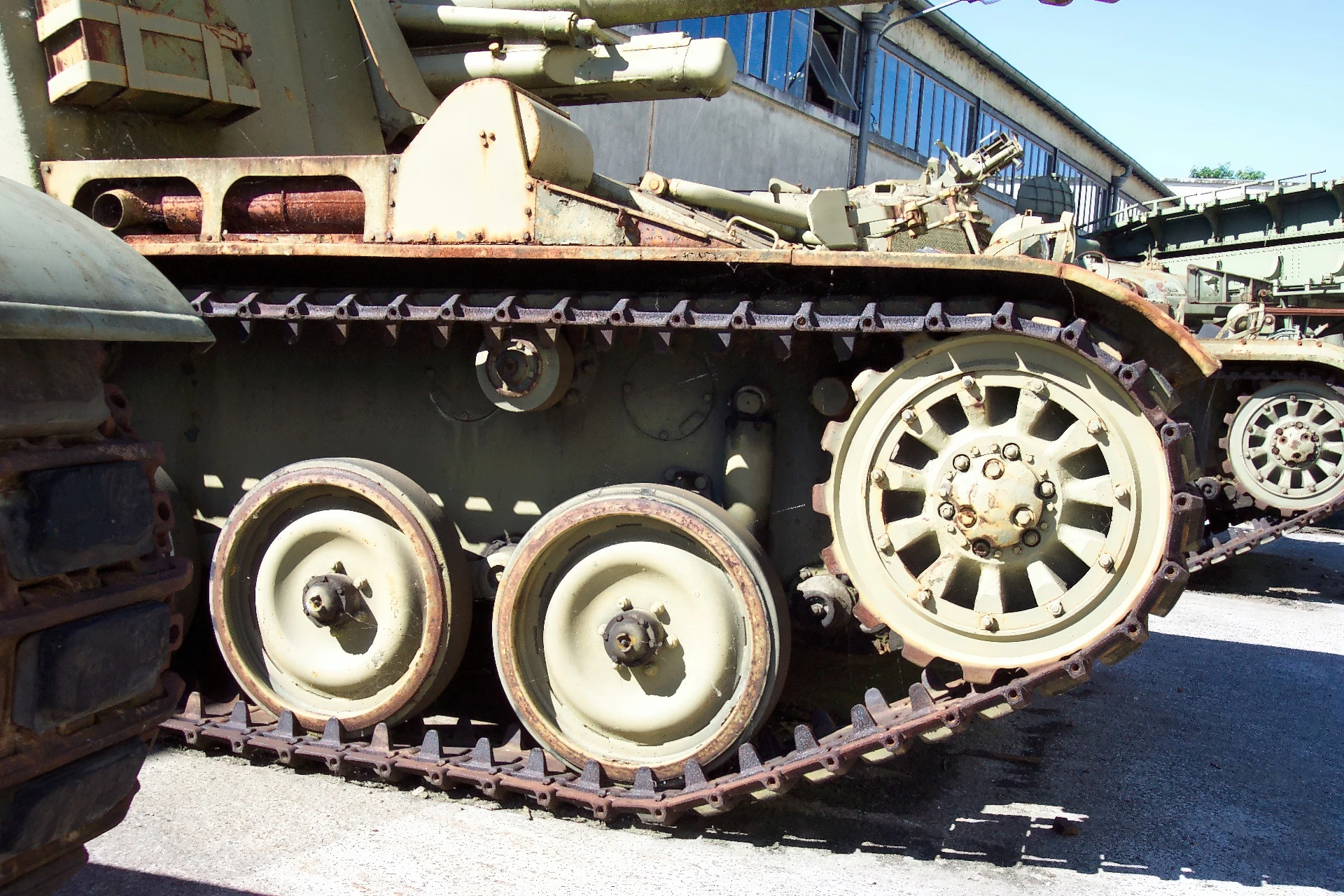
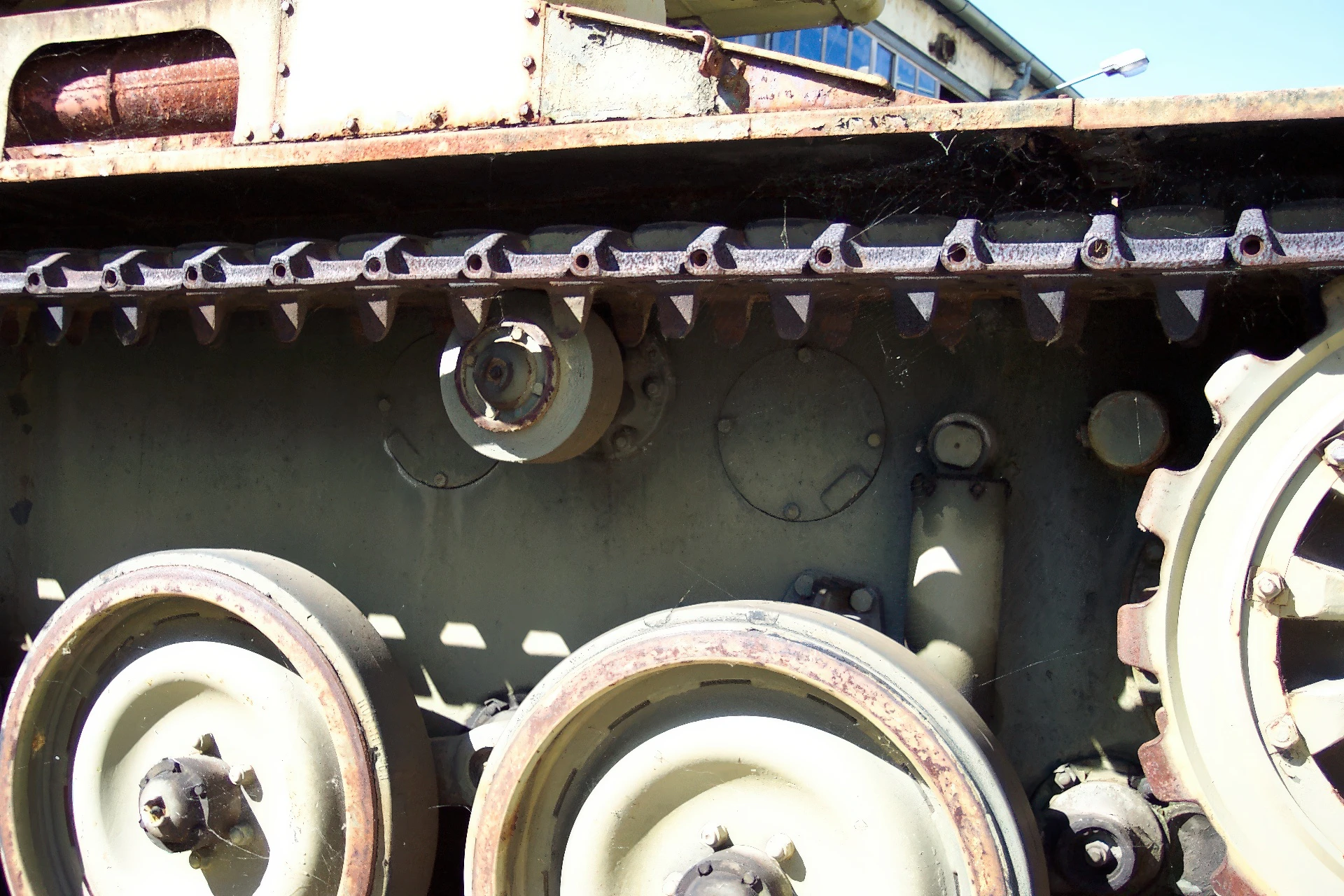
- Chassis Sharing: By using the AMX-13 chassis, the French Army simplified logistics, as many engine and suspension parts were interchangeable with the light tank and APC versions.
- Armor: The vehicle was protected by welded steel armor up to 15mm thick, designed to protect the crew from small arms fire and shell splinters, but not against anti-tank weaponry.
- Engine: Powered by a SOFAM Model 8Gxb 8-cylinder water-cooled petrol engine producing 250 hp.
- Operational Range: It had a road range of approximately 350 km, allowing it to keep pace with rapid armored advances.
Variants and Export Success
- AMX-105 AM (Mk 61): The most common production version with a fixed superstructure.
- AMX-105 Turreted: An experimental variant featuring a fully rotating turret, though it was heavier and less stable during firing.
- Dutch Service: The Netherlands was a major user, modifying their versions with a longer 30-caliber barrel to increase range.
- Combat History: Used extensively by the Israeli Defense Forces (IDF) during the 1960s and 70s, where it was valued for its ability to traverse difficult desert terrain that bogged down heavier artillery.
Views : 371
