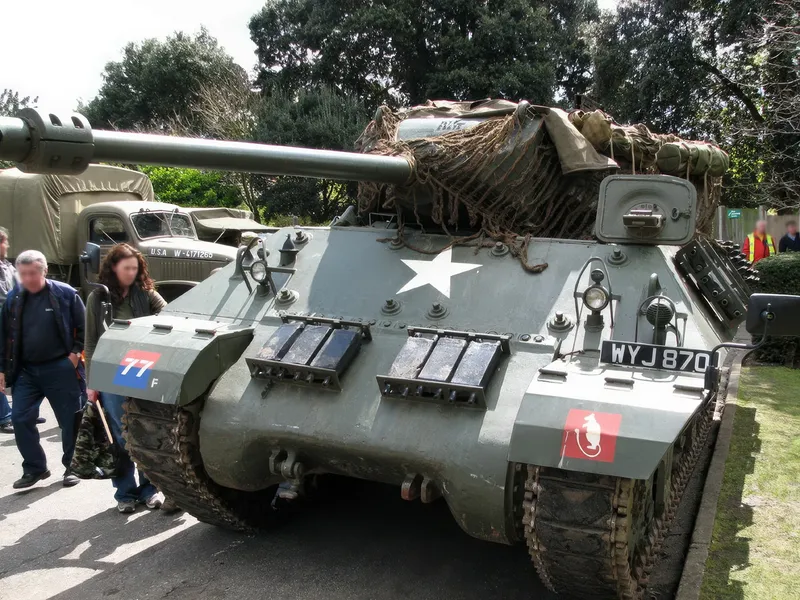
Akilles IIC | |
|---|---|
| Land | Storbritannia |
| Type | Tank destroyer |
Fotogalleri på en Achilles IIC tank, Den britiske versjonen, M10 Akilles, er lett å skille takket være snutebremsen til 17-punderpistolen.
Kilde: Wikipedia
| ACHILLES IIC – Walk Around | |
|---|---|
| Fotograf | Unknow |
| Lokalisering | Unknow |
| Bilder | 102 |
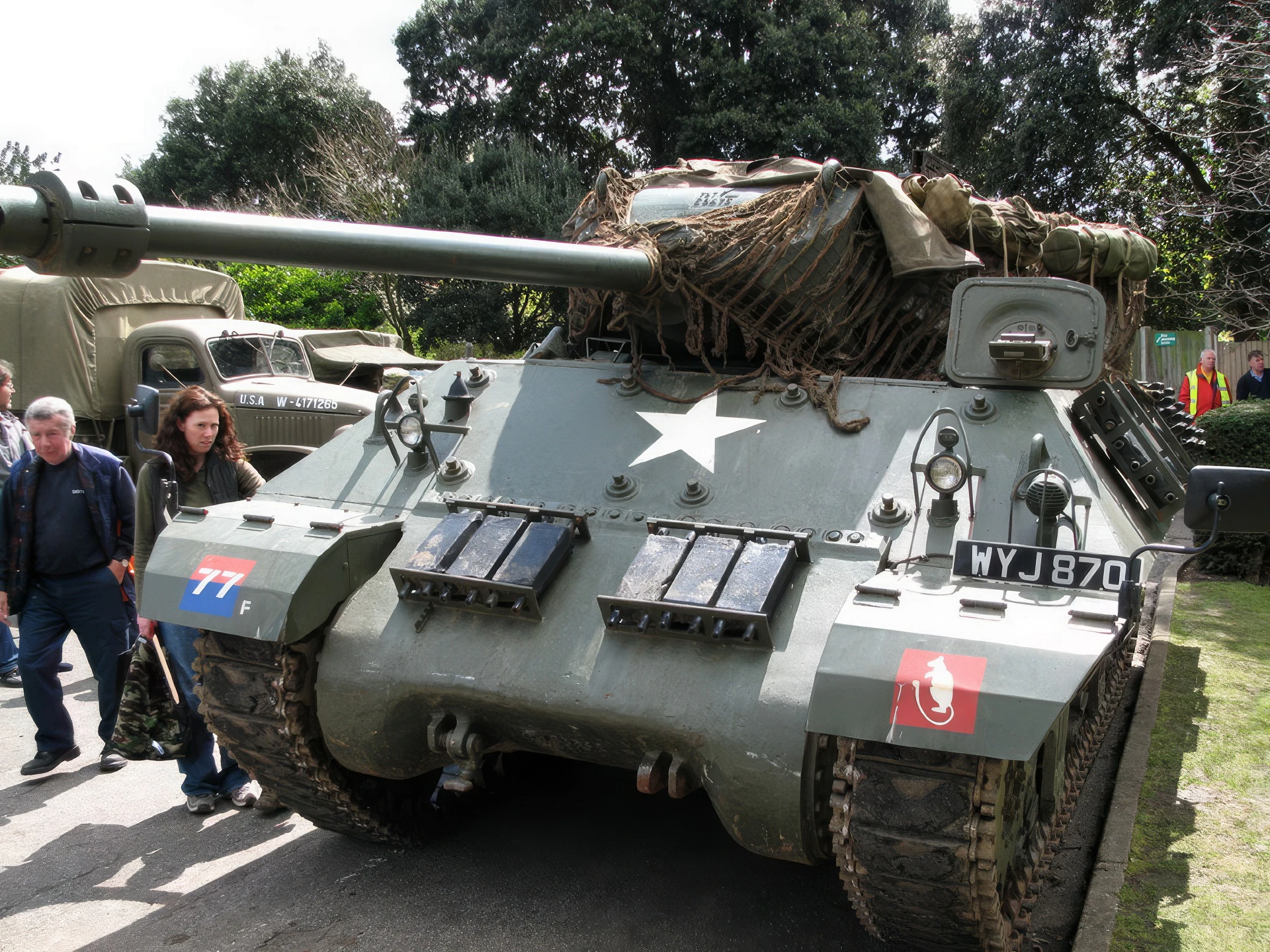
Achilles IIc 001

Achilles IIc 002
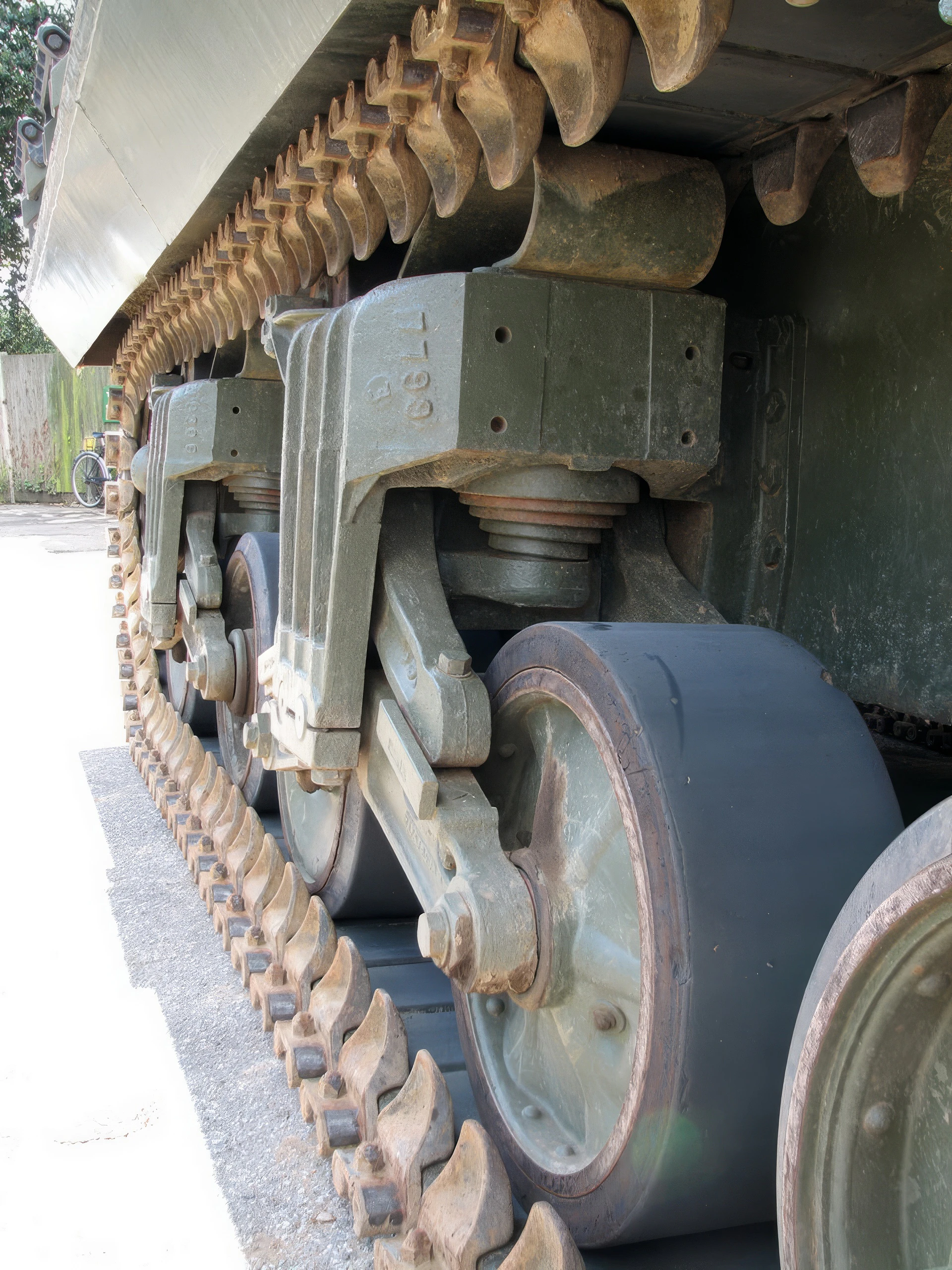
Achilles IIc 004
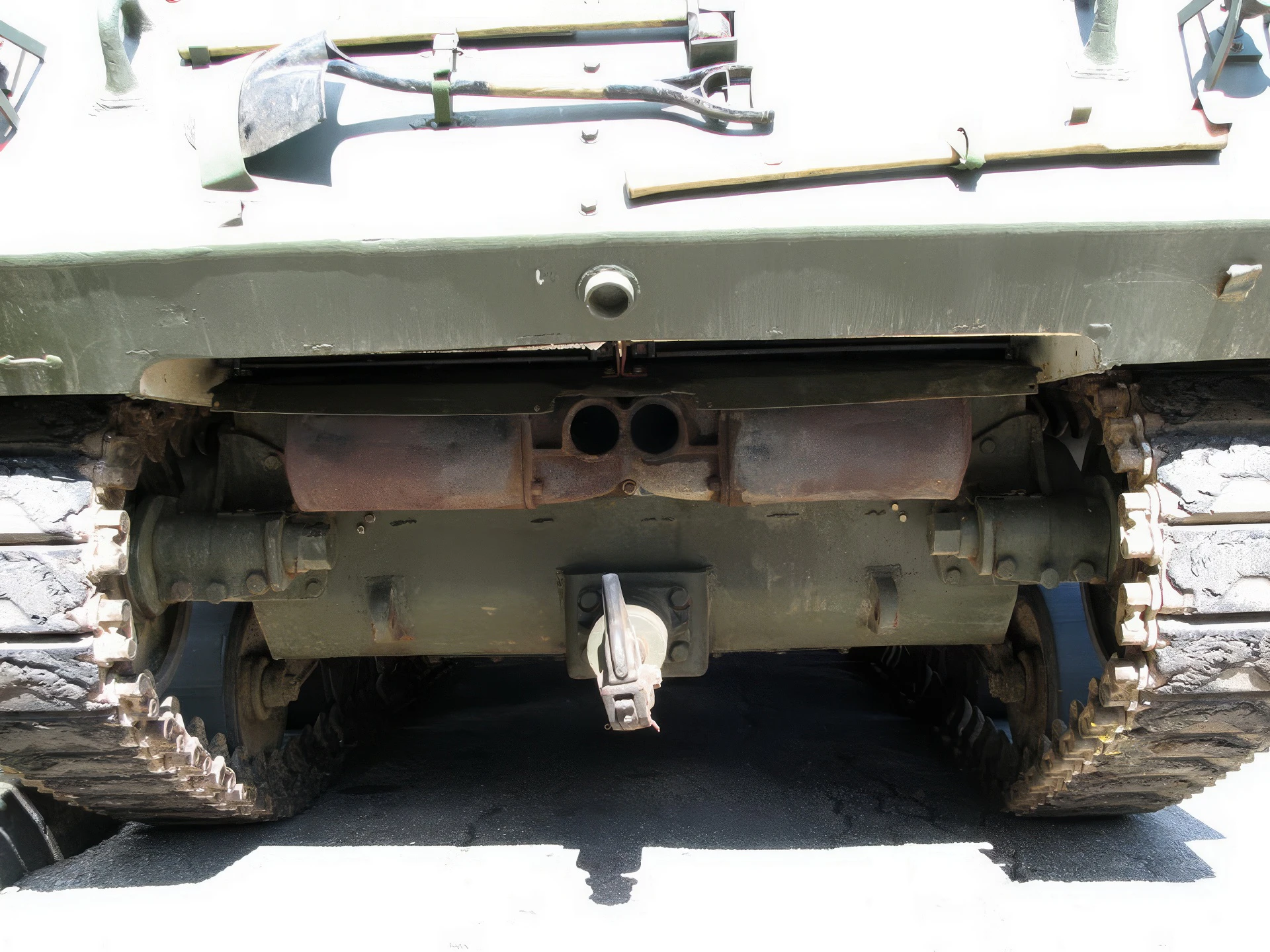
Achilles IIc 003
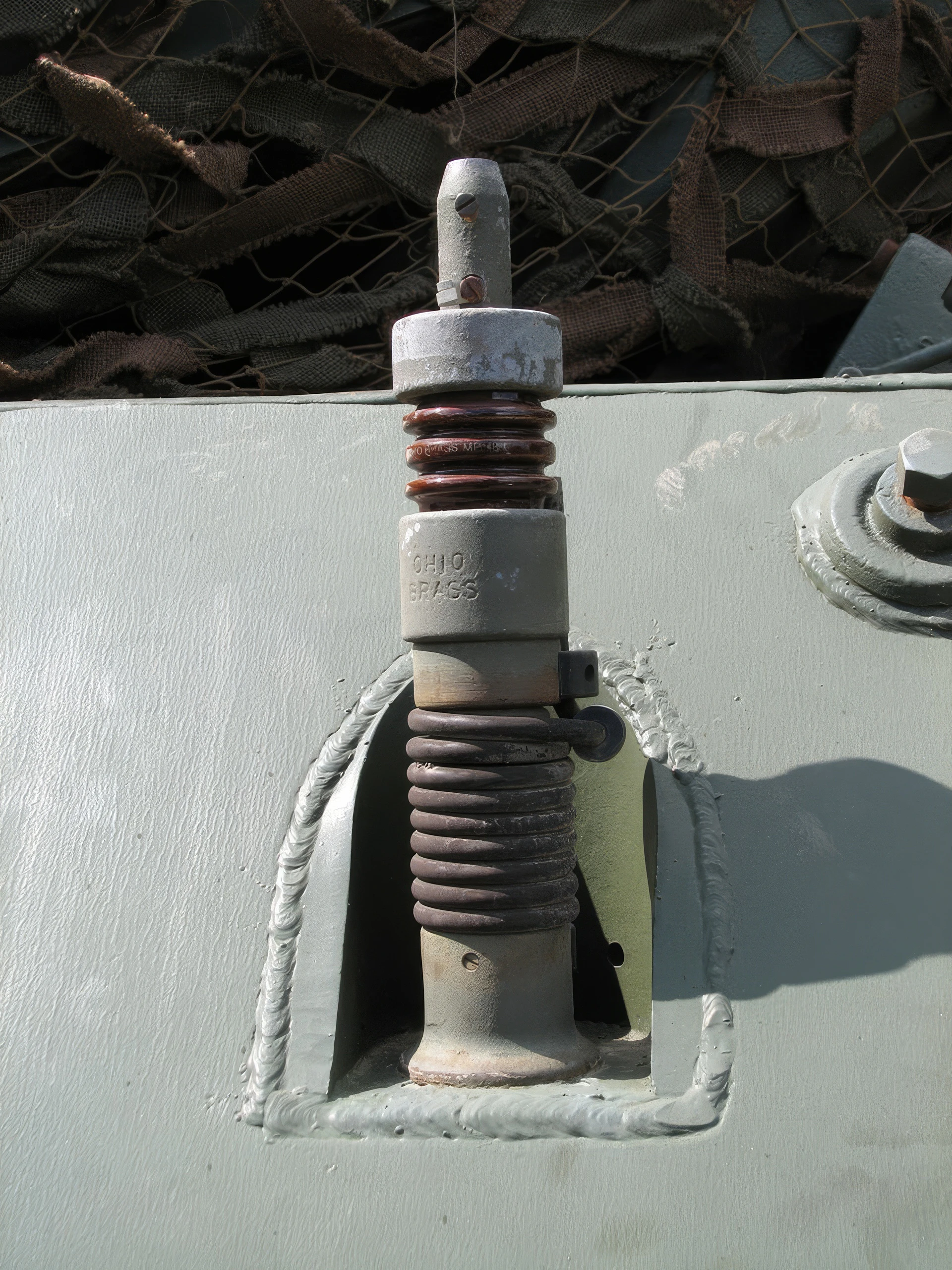
Achilles IIc 006
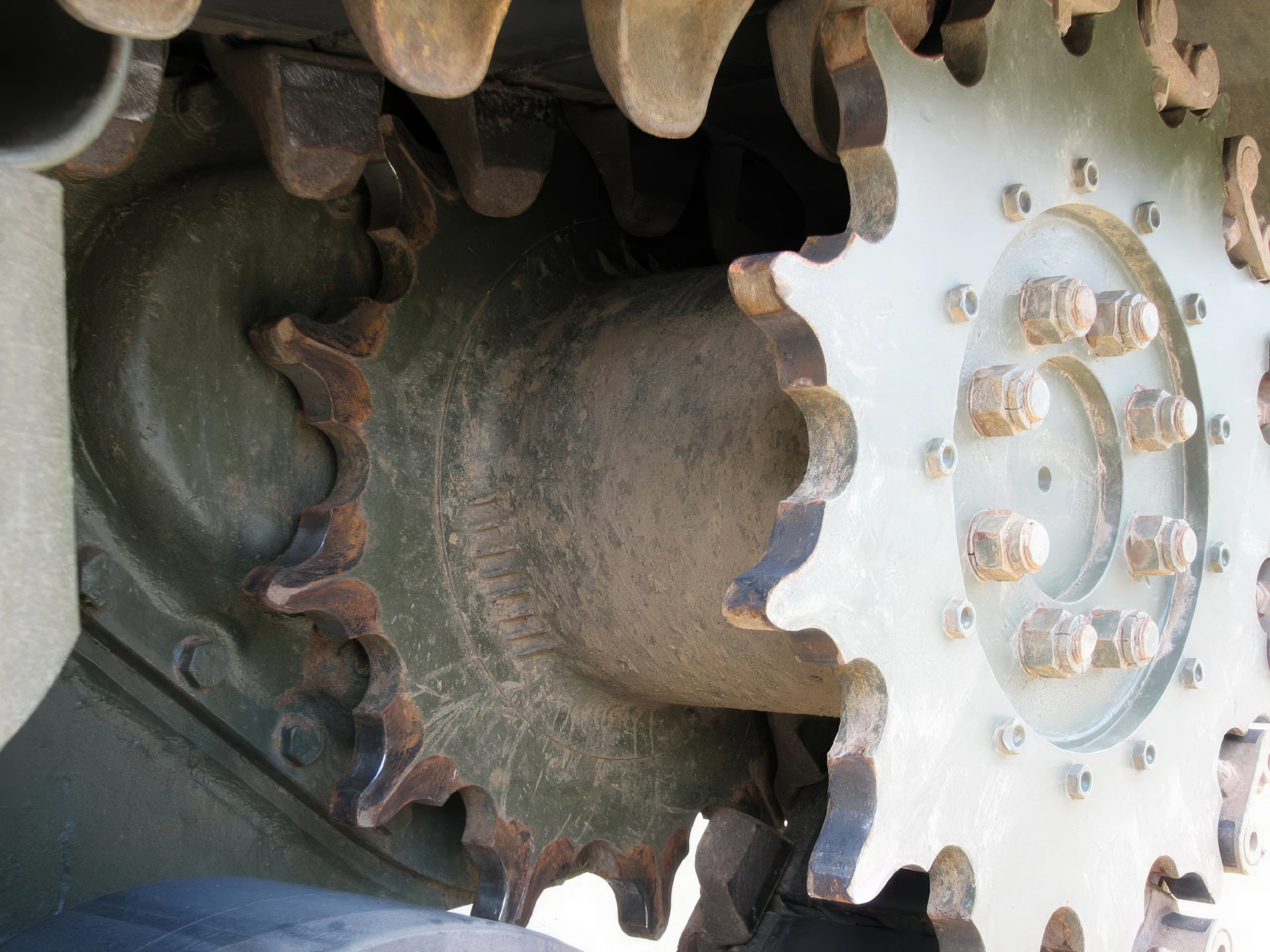
Achilles IIc 005
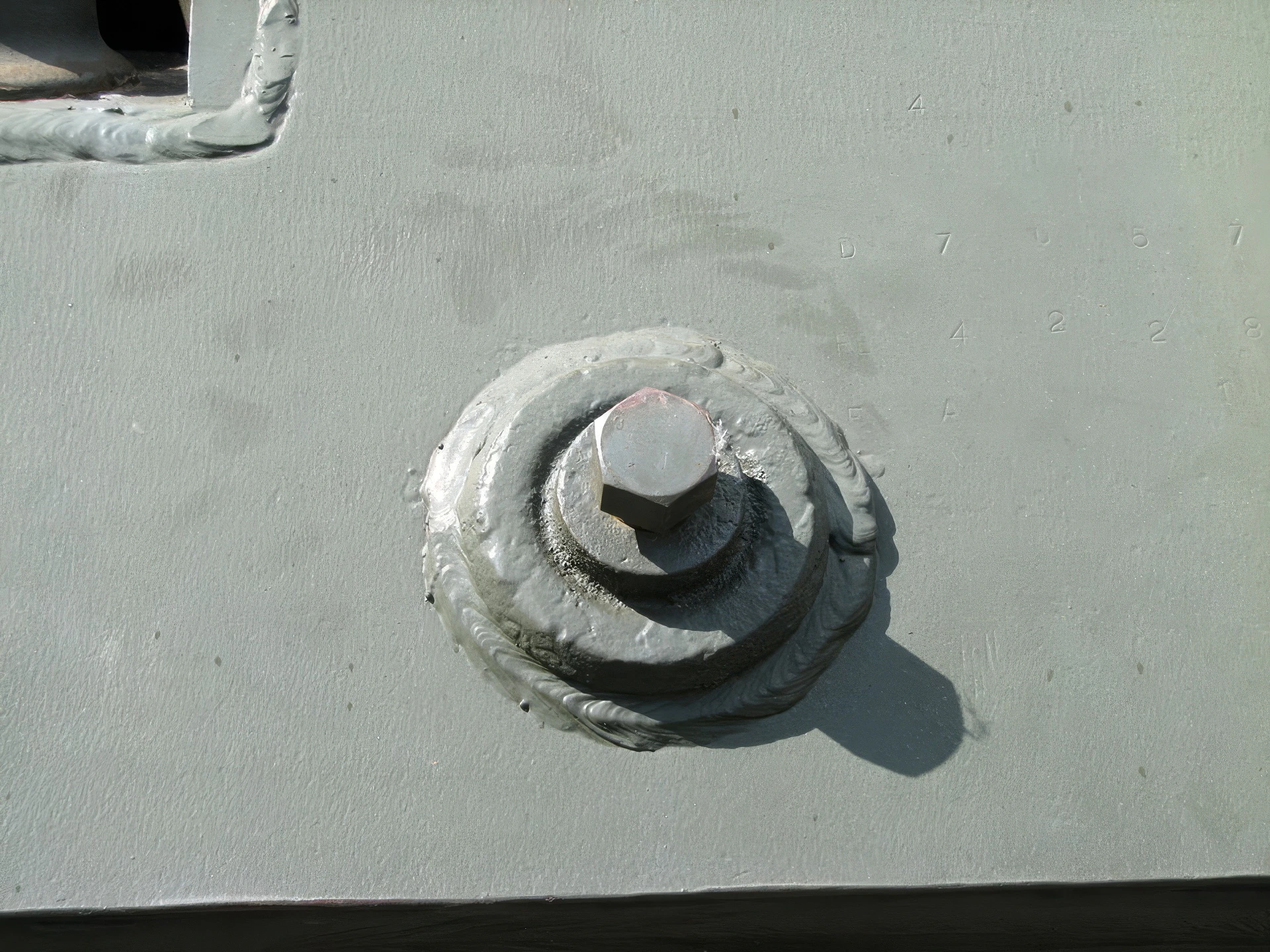
Achilles IIc 007
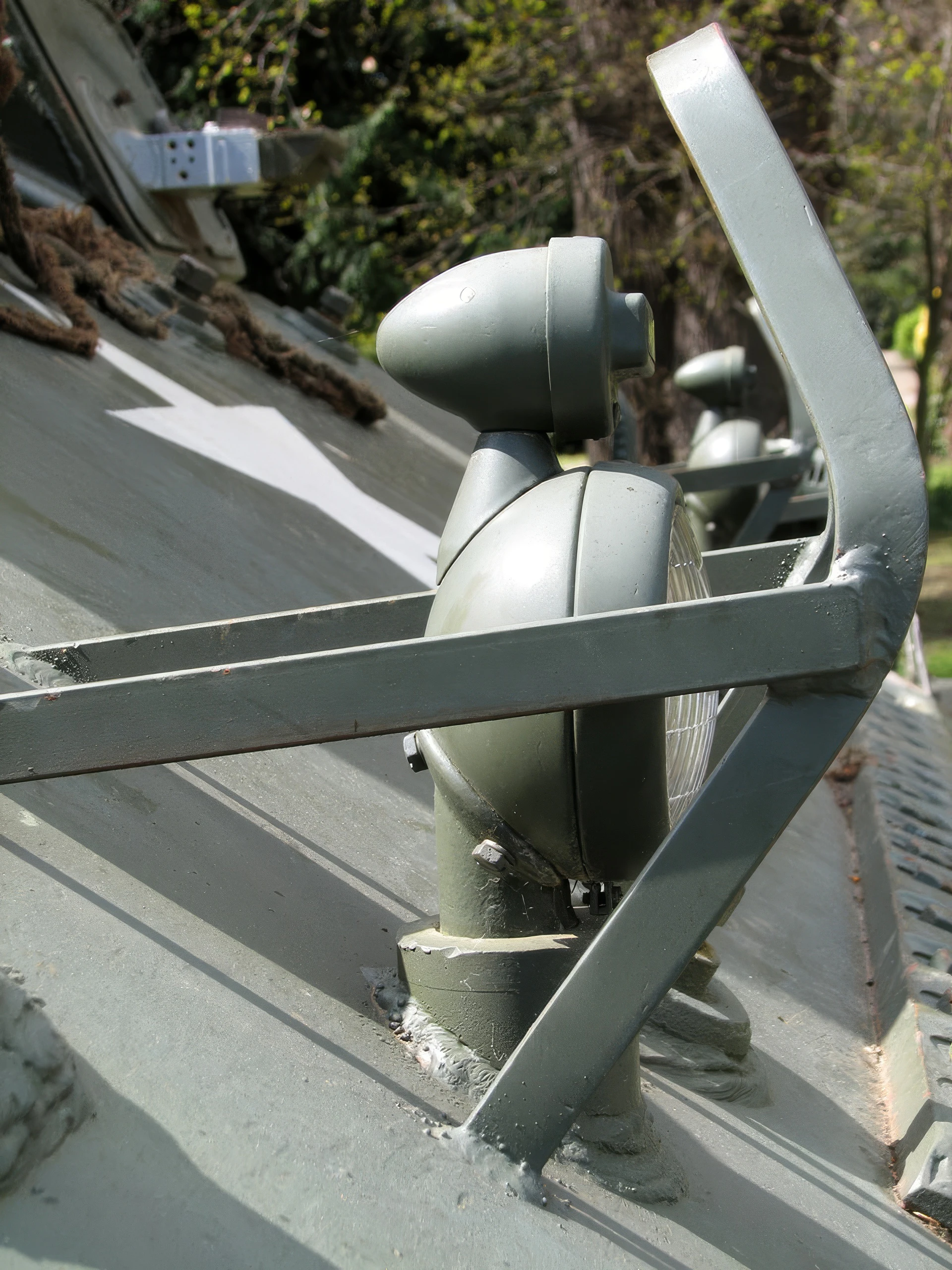
Achilles IIc 009
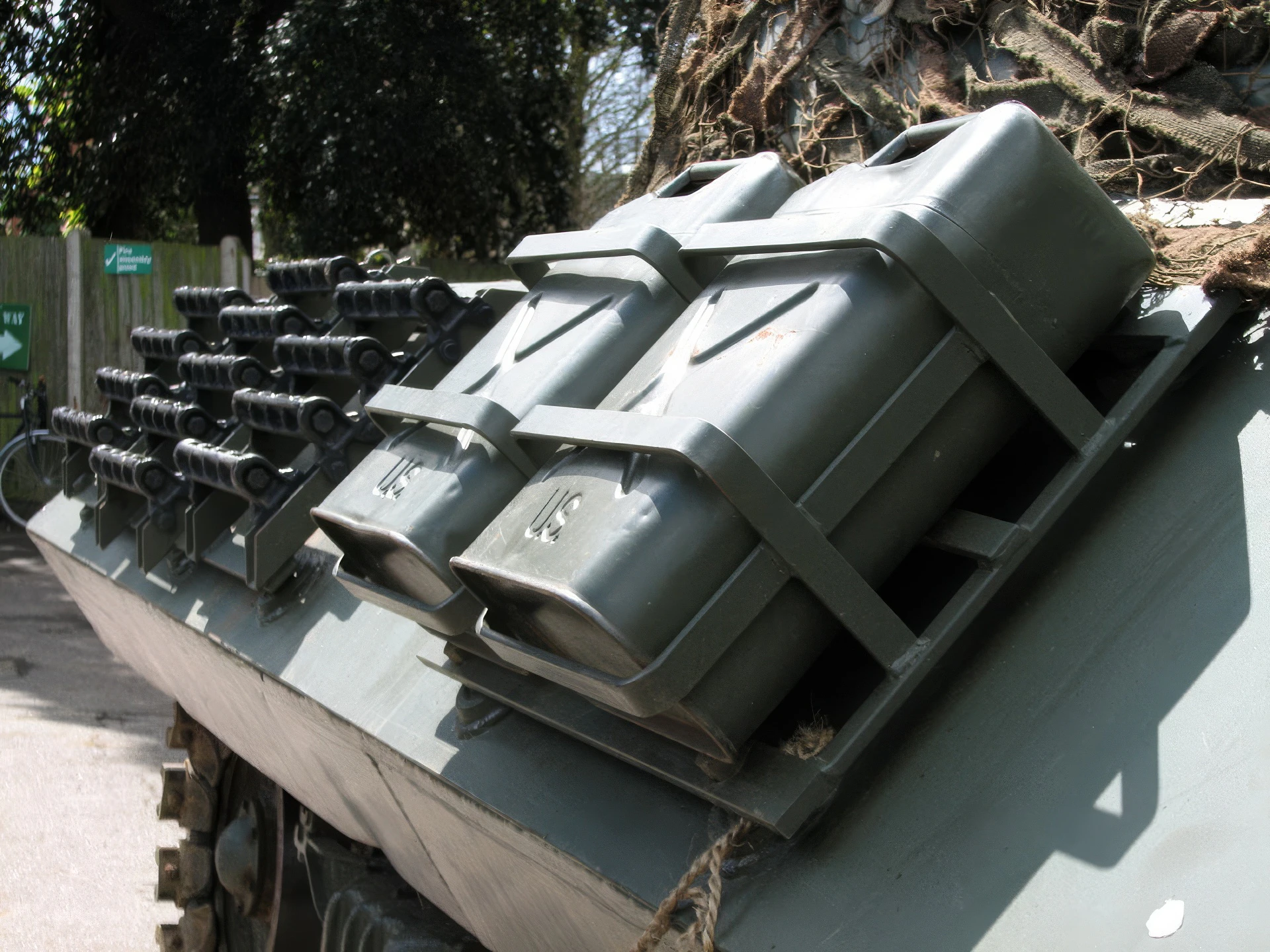
Achilles IIc 008
Wait, Searching ACHILLES IIC photos for you…

| M10 Achilles | |
|---|---|
| Fotograf | Unknow |
| Lokalisering | Unknow |
| Bilder | 36 |
| Tank Destroyer ‘Achilles’ M10 Walk Around | |
|---|---|
| Fotograf | Unknow |
| Lokalisering | Unknow |
| Bilder | 29 |
Les også:


Wait, Searching Tank destroyer for you…
The Achilles was essentially an American vehicle, the M10 Gun Motor Carriage, that was extensively modified by the British to significantly boost its anti-tank capability.
The Achilles IIC: Key Features
| Trekk | Beskrivelse |
|---|---|
| Original Base | Amerikaneren M10 Tank Destroyer (specifically the late-production M10 II variant). |
| Main Armament | Britene Ordnance QF 17-pounder gun (76.2 mm), one of the most powerful and effective Allied anti-tank guns of the war. |
| Designation | The official designation was 17 pounder, Self-Propelled, Achilles. The ‘Ic’ and ‘IIc’ nomenclature denoted the type of M10 chassis used, with the ‘c’ signifying a vehicle equipped with the 17-pounder gun. The Achilles IIC was a conversion of the diesel-engined M10 II (M4A2 chassis). |
| Rolle | Tank Destroyer. Its high-velocity 17-pounder gun was specifically intended to knock out the heavily armored German tanks, like the Tiger Og Panter, which the standard American 75 mm and British 75 mm guns struggled against. |
| Rustning | Light and Sloped. Following American Tank Destroyer doctrine, the armor was relatively thin (ranging from 9 mm to 57 mm), prioritizing speed and gun power over heavy protection. The turret was open-topped, a design choice to save weight and improve crew visibility, though this made the crew vulnerable to artillery, mortars, and infantry fire. |
| Combat Effectiveness | Excellent Firepower. The 17-pounder, especially when firing APCBC (Armour-Piercing, Capped, Ballistic-Capped) or the potent but scarce APDS (Armour-Piercing Discarding Sabot) rounds, gave the Achilles the hitting power necessary to deal with any German tank it encountered. |
Conversion and Service
- The Need: By 1943, Allied forces realized their primary tank armament was being outperformed by the armor on new German tanks. The British had developed the superb 17-pounder gun, but needed a mobile platform to mount it.
- The Solution: The American-built M10 was available via Lend-Lease, and its turret ring was large enough to accommodate the massive 17-pounder. The British Royal Arsenal, Woolwich, carried out the conversion.
- Modifications:
- The American 3-inch gun was replaced with the longer, heavier 17-pounder.
- A large, distinctive counterweight was added to the rear of the open-topped turret to balance the weight of the new, heavier gun.
- In some cases, applique armor plates were added to the hull and turret sides for slightly better protection.
- In Battle: The Achilles IIC served with distinction, particularly in the later stages of the war in North-West Europe following the D-Day landings in June 1944, and also in the Italian Campaign. It was often deployed in anti-tank regiments of Armoured Divisions or Corps formations.
The Achilles IIC, often simply referred to as the “17pdr M10,” was, after the Sherman Firefly, the second most numerous armored fighting vehicle to carry the decisive 17-pounder gun, with around 1,100 units converted.
Views : 12930
Du kan også se :
 Semovente da 90-53 – Gå Rundt
 SdKfz 135 Marder I - Bilder og Video
 M36 tank destroyer - Bilder & Videoer
 B1 Centauro – Bilder og videoer
 ELC-prosjekt - Bilder og videoer
 Sturer Emil - Bilder &; Videoer
 SdKfz 135 Marder I - Bilder og Video
 Sturmgeschutz 40 – WalkAround
 M10 Wolverine – WalkAround
 Nashorn – Gå Rundt