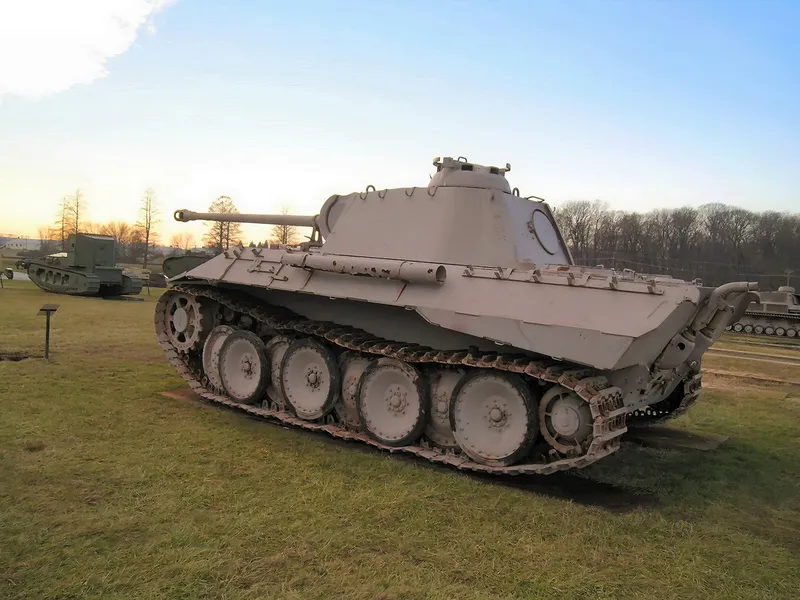
Panter – Sdkfz.171 | |
|---|---|
| Betaalt | Nazi-Duitsland |
| Role | Middelgrote tank |
| In gebruik | 1943–1945 |
| Gebouwd | 6000+ |
De Panther Is een Duitse medium tank die tijdens de Tweede Wereldoorlog werd ingezet aan de Oost- en Westfronten in Europa van medio 1943 tot het einde van de oorlog in 1945. Het had de ordnance inventarisbenoeming van Sd.Kfz. 171. Het werd tot 27 februari 1944 aangewezen als de Panzerkampfwagen V Panther, toen Hitler beval dat het Romeinse cijfer "V" werd geschrapt. [citaat nodig] Hedendaagse Engelstalige rapporten verwijzen er soms naar als de "Mark V".
| Panther Ausf.D | |
|---|---|
| Fotograaf | Unknow |
| Lokalisatie | Onbewust |
| Foto 's | 59 |
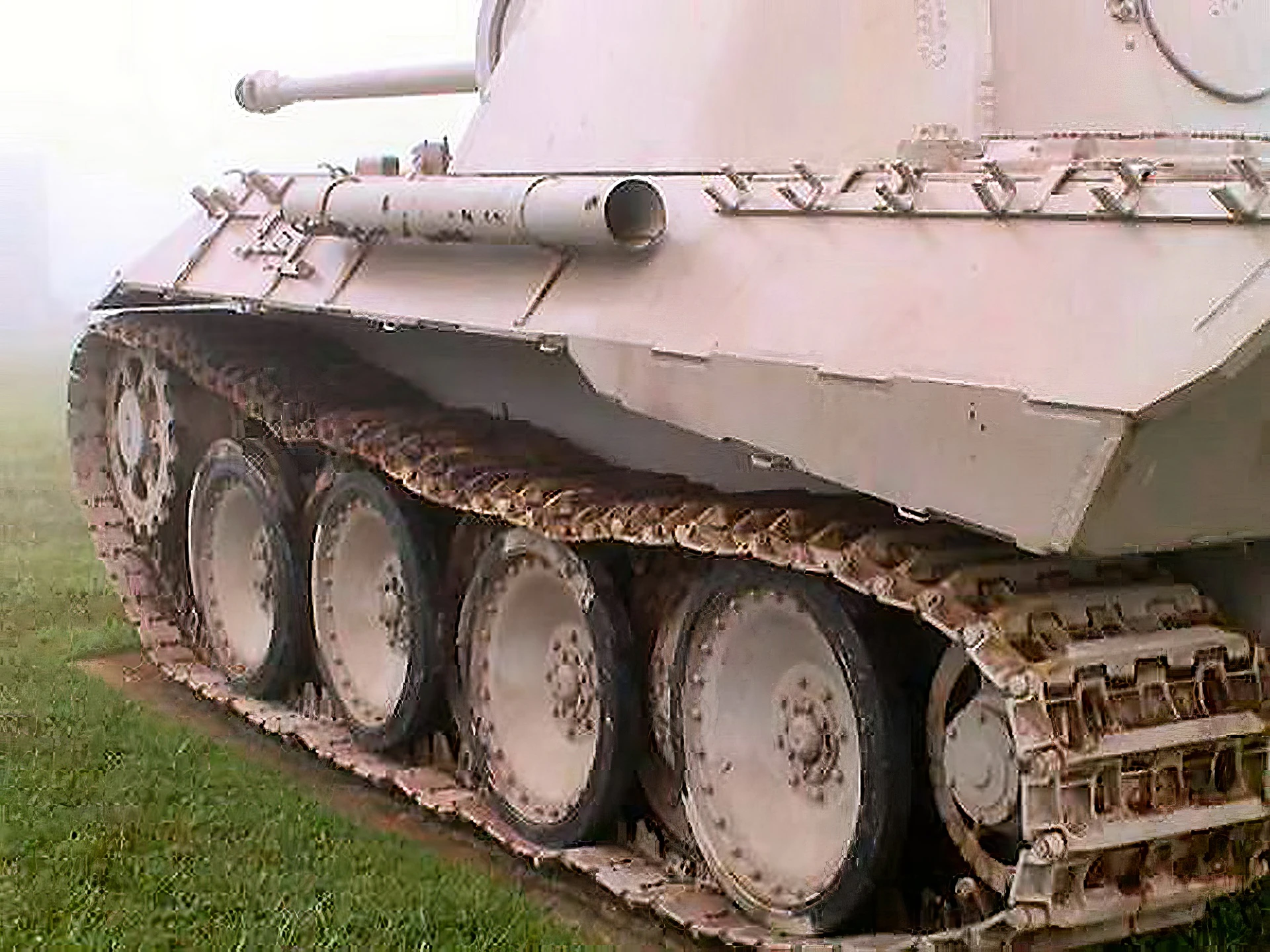
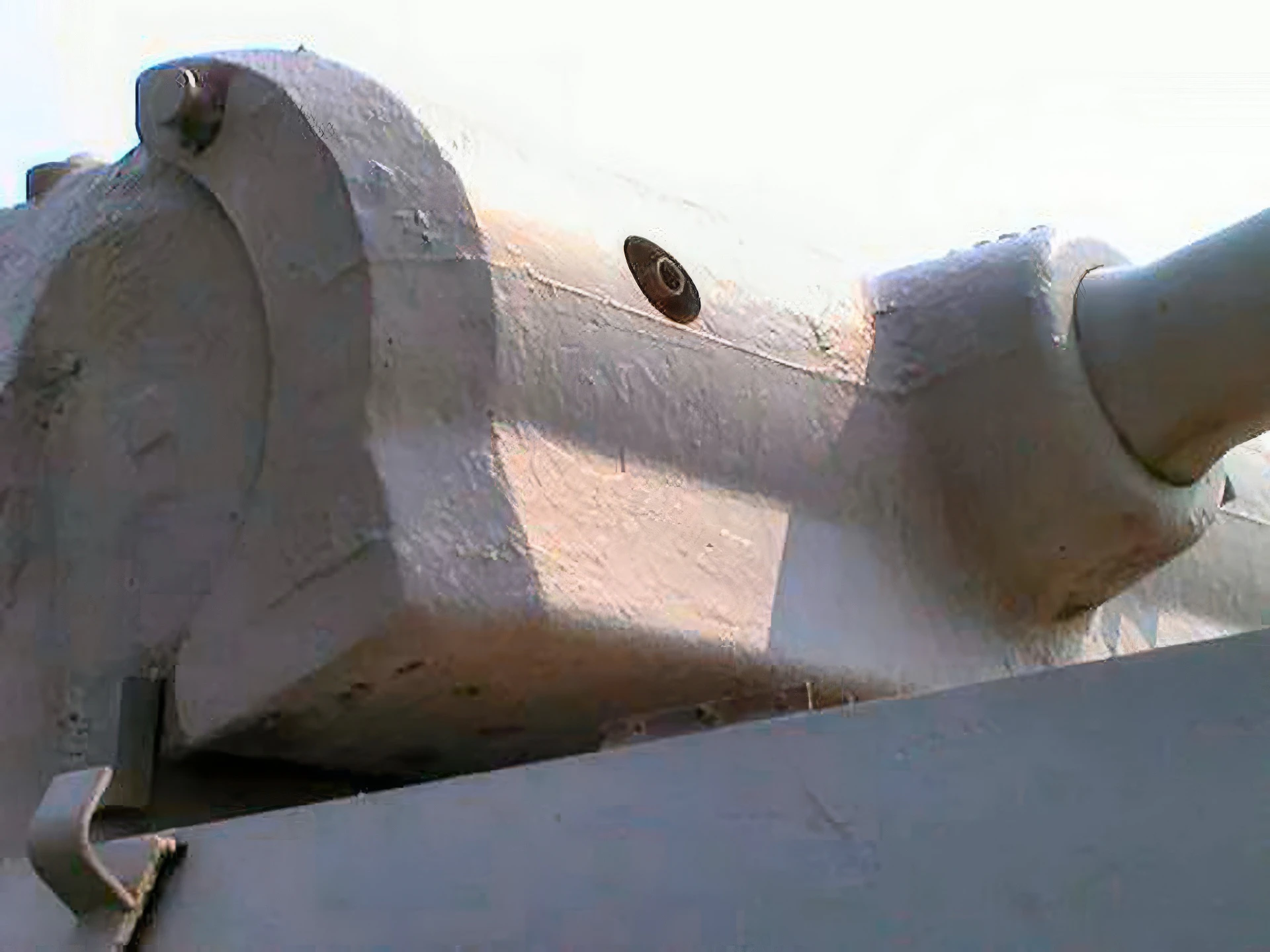
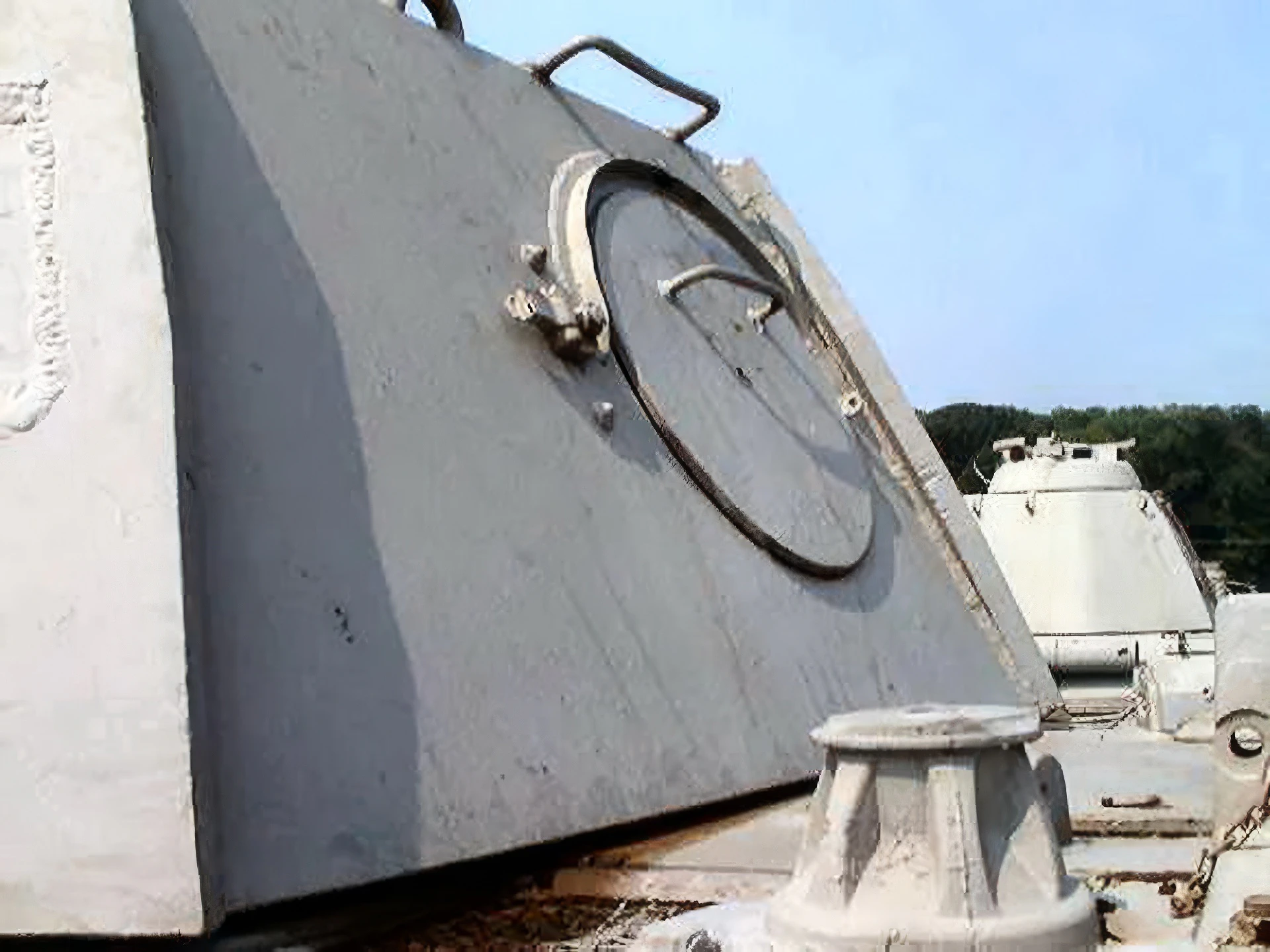
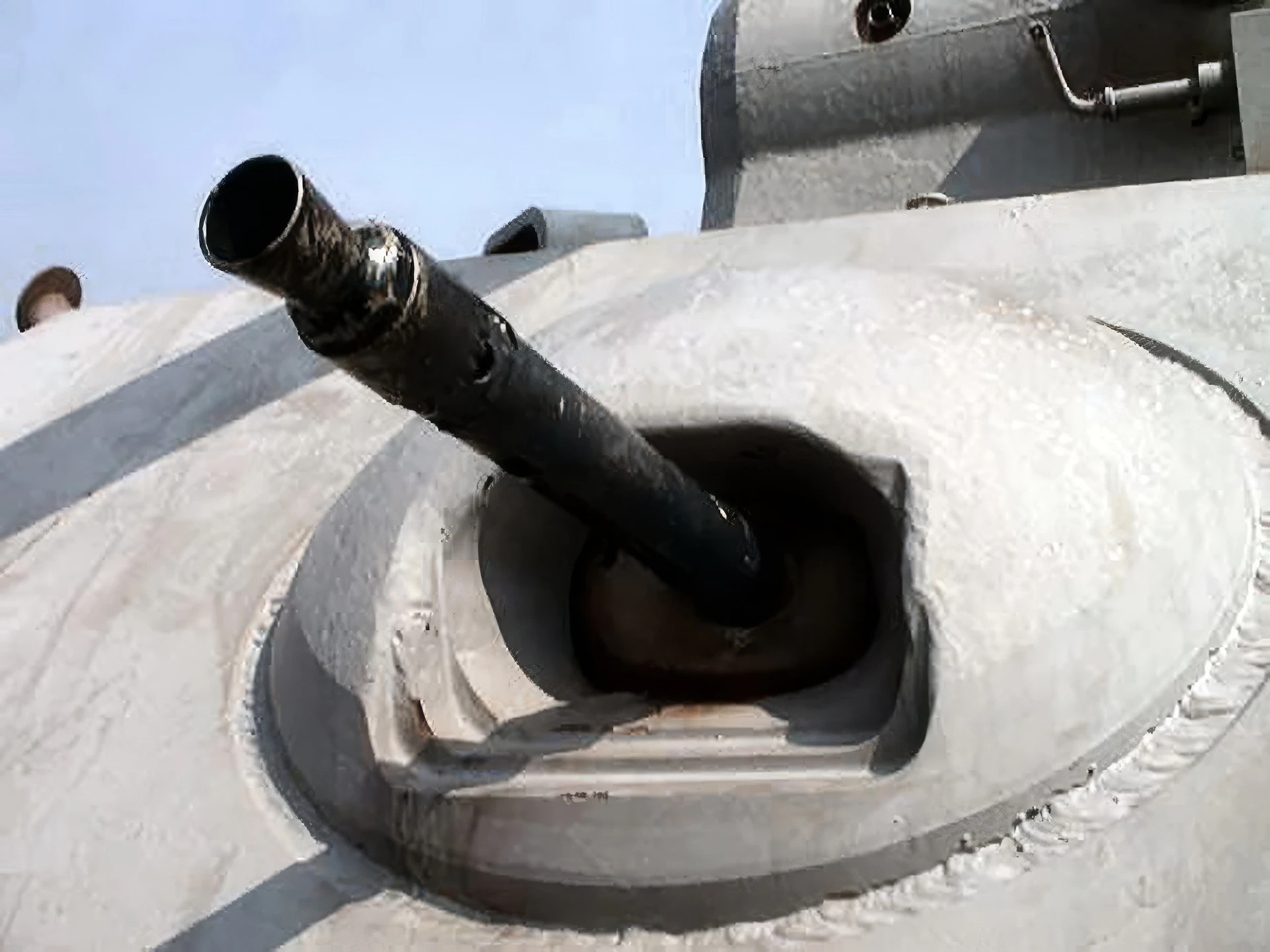
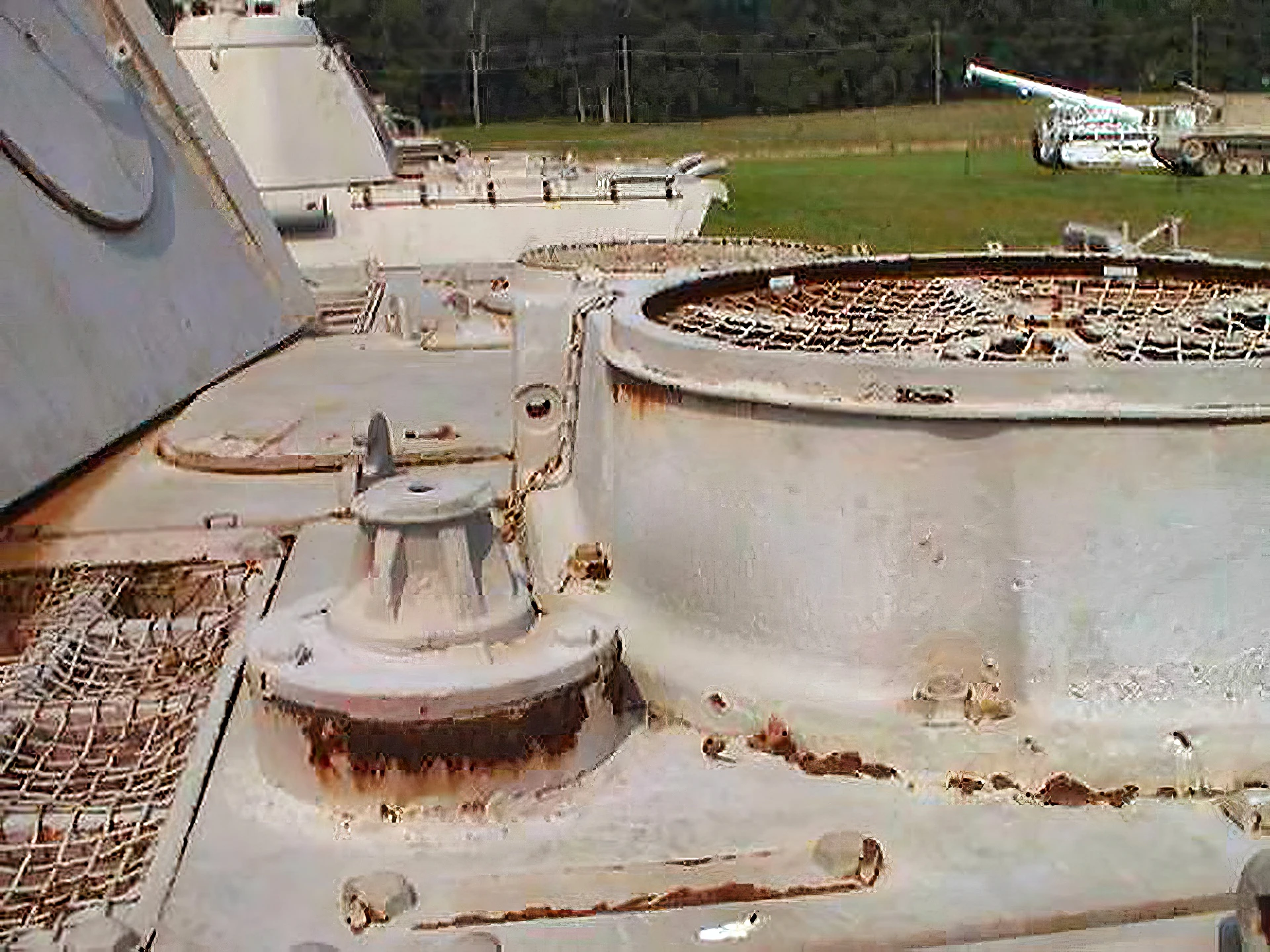
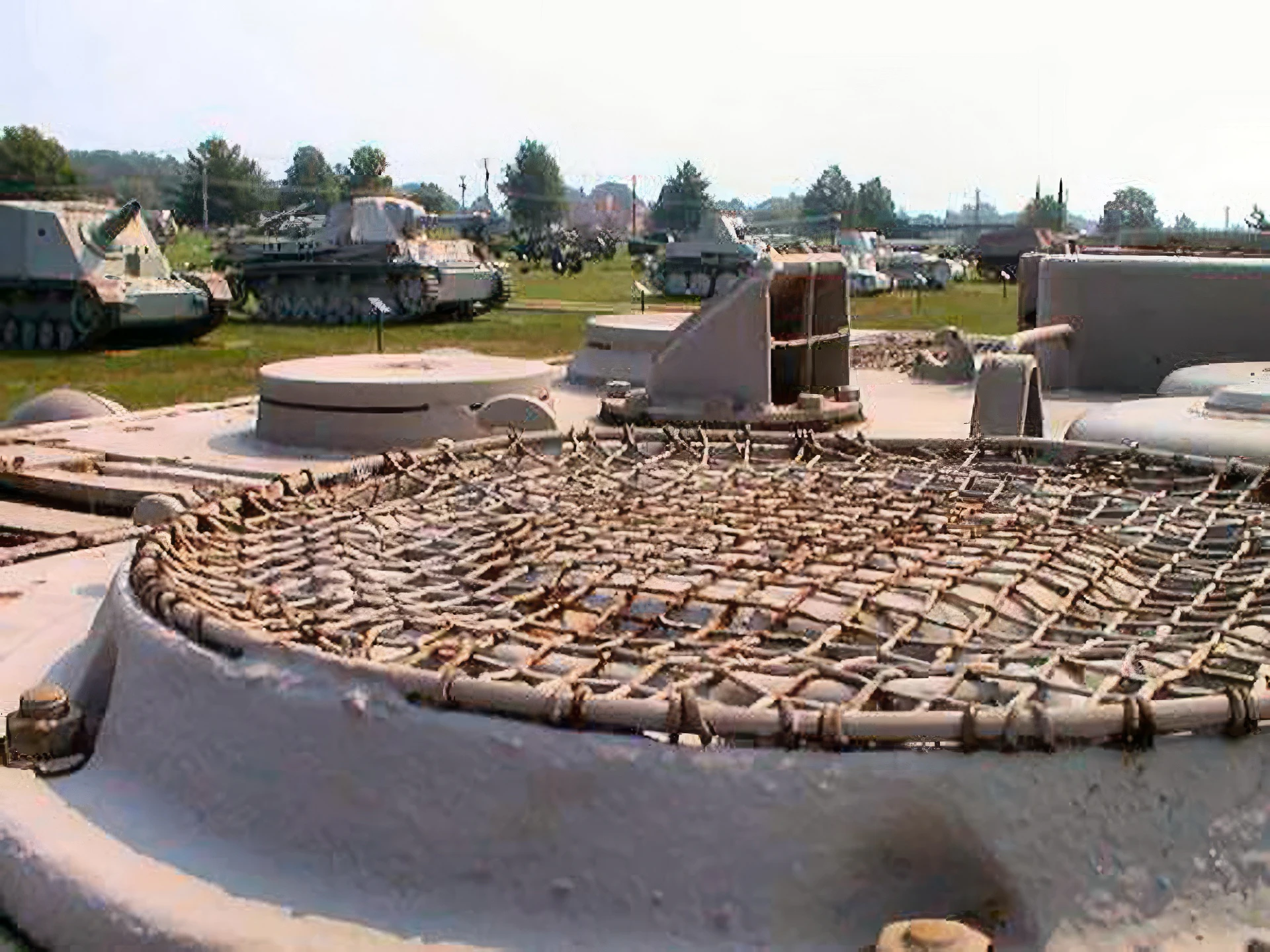
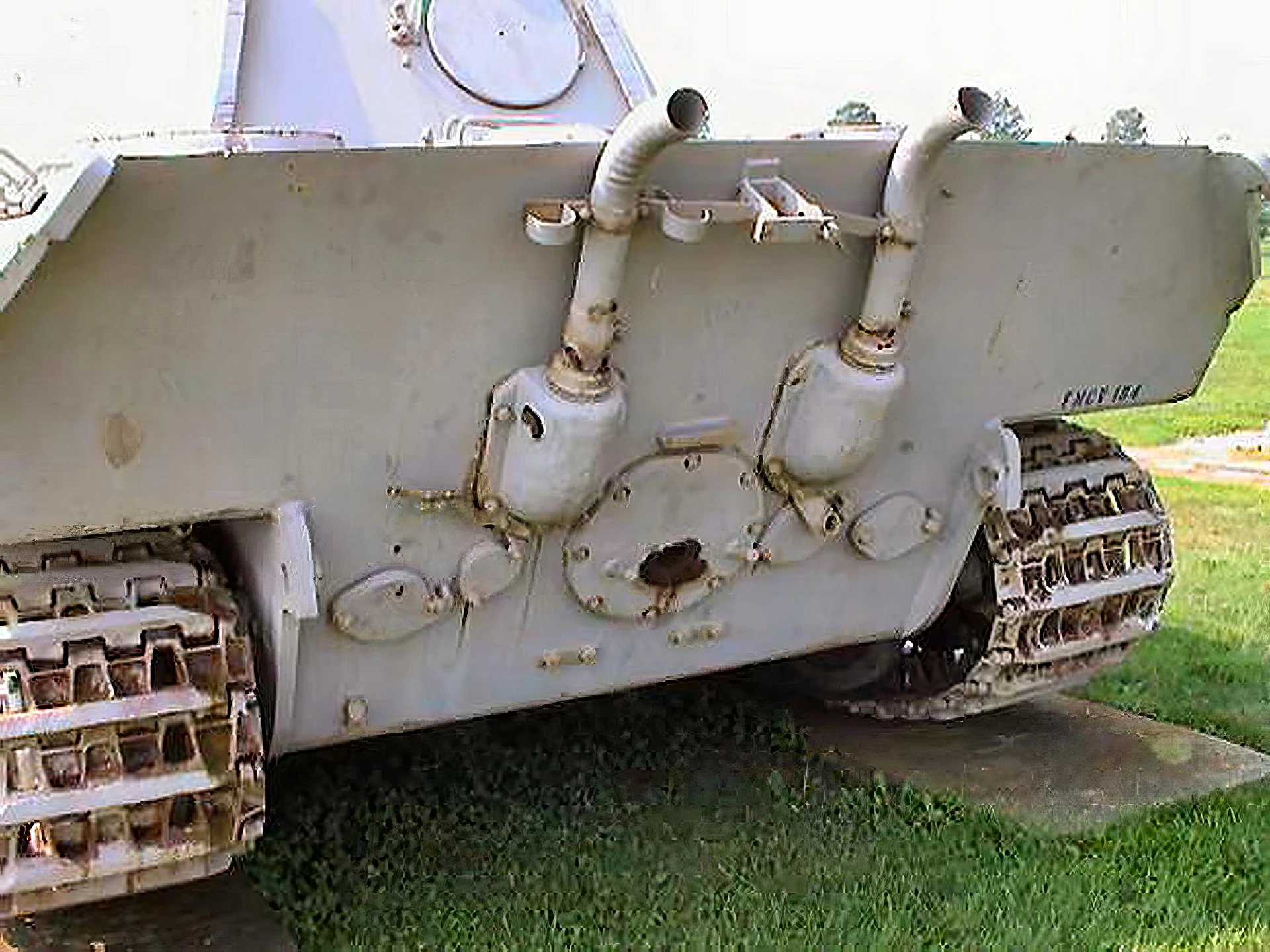
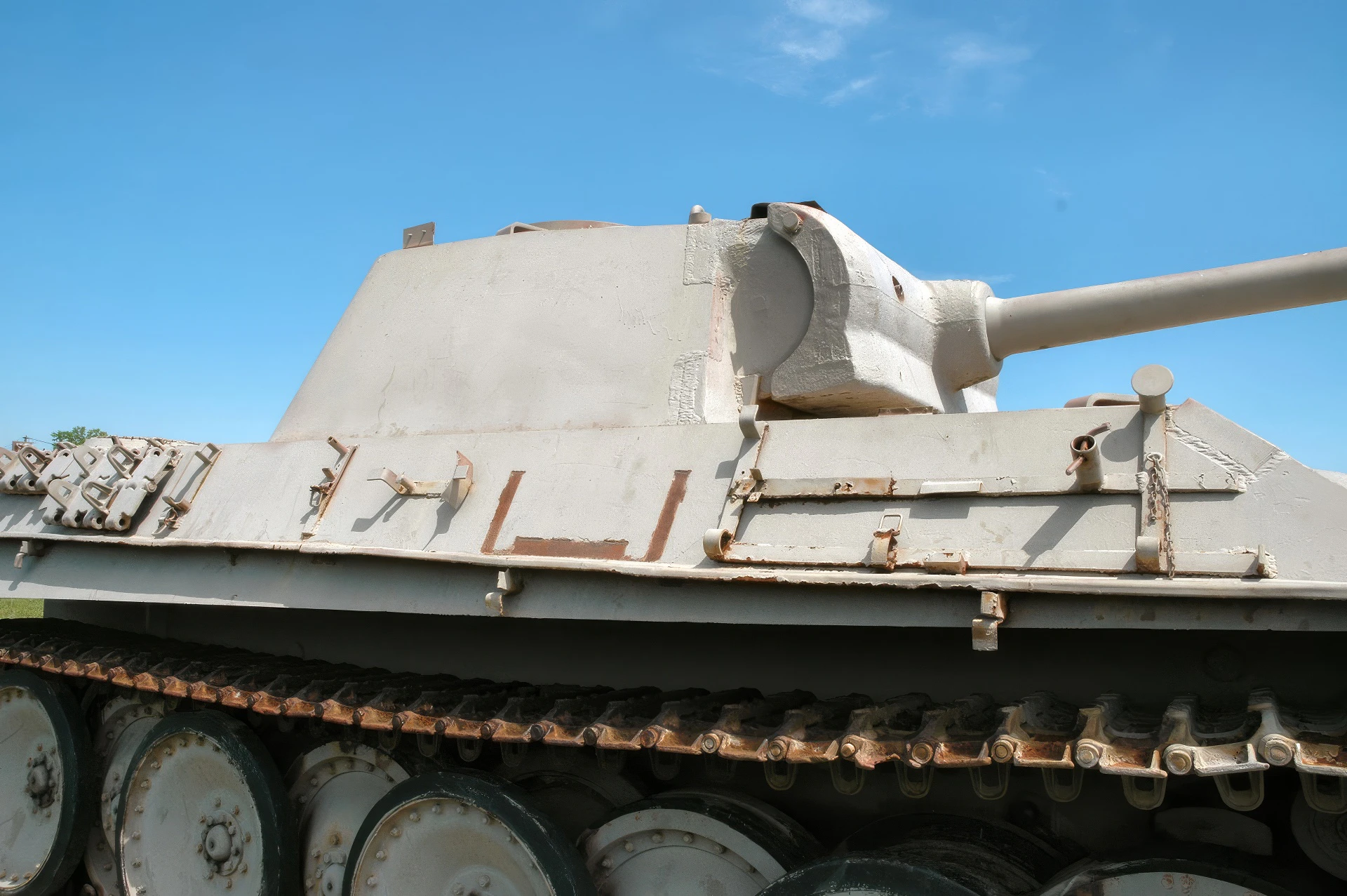
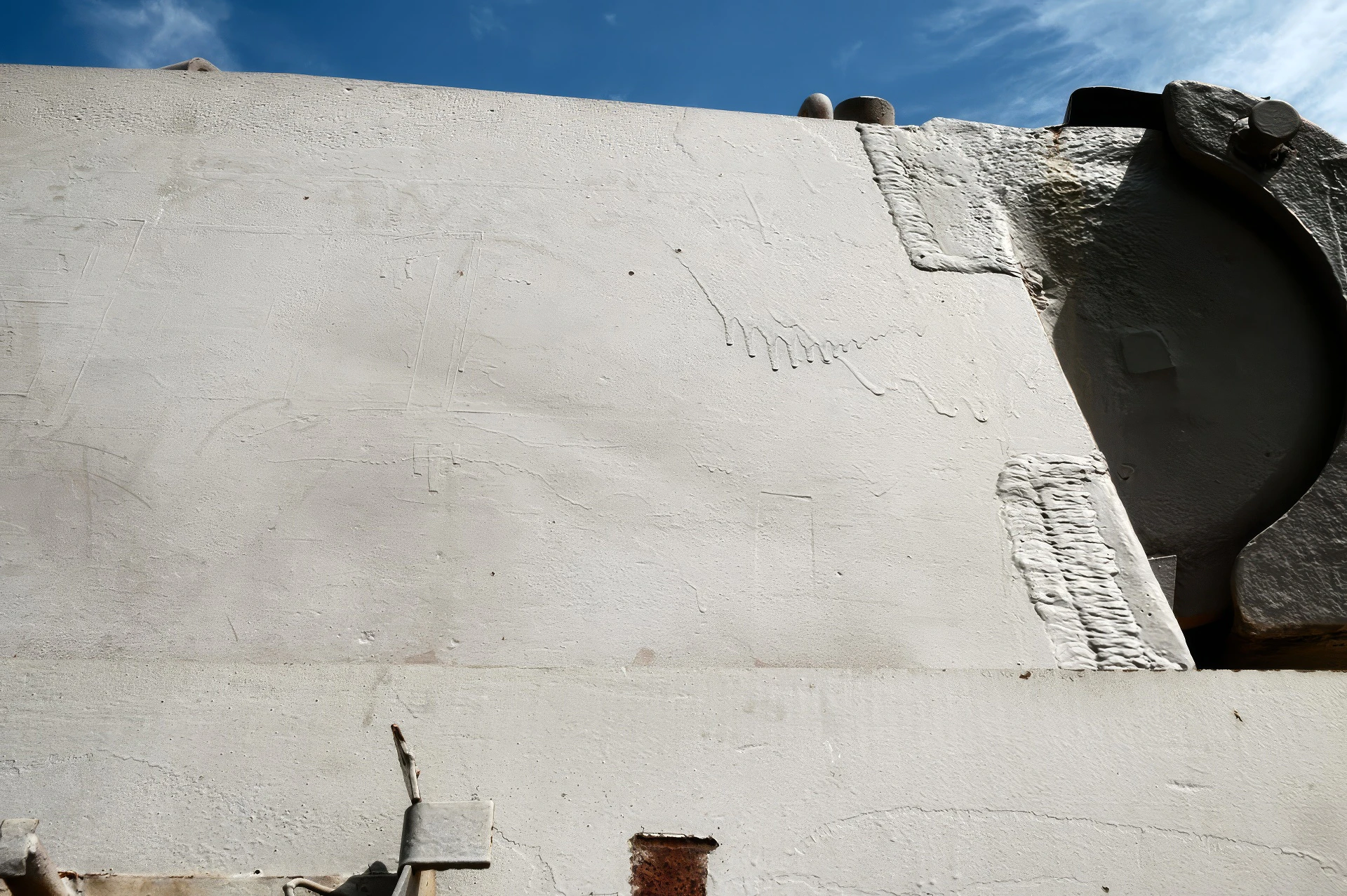

| Panther Ausf.D Breda, Netherlands Walk Around | |
|---|---|
| Fotograaf | Daan Uiterwaal |
| Lokalisatie | Onbewust |
| Foto 's | 31 |
Zie ook:


General Characteristics and Role
The Panzerkampfwagen V Panther (Sd.Kfz. 171) was a German medium tank deployed during World War II. It was designed as a direct response to the powerful Soviet T-34, which had surprised German forces on the Eastern Front. The Panther is widely considered one of the best tanks of the war, successfully blending protection, mobility, and firepower. The Ausführung A (Ausf. A) was the second major production version and introduced several key improvements over the initial Ausf. D, including a redesigned, cast commander’s cupola and an improved ball-mounted machine gun port in the glacis plate. It was intended to serve as a fast, highly effective medium tank, supplementing the heavier Tiger I and eventually replacing the older Panzer III and Panzer IV models in the primary tank role.
| Property | Typical Value (Panther Ausf. A) |
|---|---|
| Type | Middelgrote Tank |
| National Origin | Nazi-Duitsland |
| Fabrikant | MAN, Daimler-Benz, MNH, Henschel |
| Entered Service (Ausf. A) | August 1943 |
| Bemanning | 5 (Commander, Gunner, Loader, Driver, Radio Operator) |
| Combat Weight | Approx. 45.5 tonnes |
| Length (Gun Forward) | 8.66 m (28 ft 5 in) |
| Hoogte | 2.99 m (9 ft 10 in) |
Powerplant and Firepower
- Engine: 1 x Maybach HL 230 P30 V-12 water-cooled petrol engine.
- Engine Power: 700 hp (522 kW).
- Maximum Road Speed: Approx. 46 km/h (29 mph).
- Main Armament: 1 x 7.5 cm KwK 42 L/70 cannon (79 rounds). This long-barreled, high-velocity gun was extremely effective against nearly all Allied tanks.
- Secondary Armament: 2 x 7.92 mm MG 34 machine guns (one coaxial, one hull-mounted).
- Armor (Glacis Plate): 80 mm (3.15 in) angled at 55 degrees, providing effective protection equivalent to a much thicker plate.
- Transmission: ZF AK 7/20 seven-speed transmission.
Service History and Legacy
- First Major Action: The Panther tank debuted during the Battle of Kursk (Operation Citadel) in July 1943, where initial mechanical unreliability marred its performance.
- Improvements: The Ausf. A variant solved many of the transmission and engine reliability issues present in the initial Ausf. D, turning the Panther into a reliable and deadly fighting vehicle.
- Influence: The sloped armor design of the Panther, which maximized effective thickness and promoted projectile deflection, was highly influential, shaping post-war tank development worldwide.
- Production Numbers: Approximately 2,200 Ausf. A tanks were produced, making it the most numerous variant until the introduction of the Ausf. G.
- The Eastern and Western Fronts: The Panther saw extensive combat on both the Eastern Front against Soviet forces and the Western Front, playing a critical role in battles like the Battle of the Bulge.
Views : 14139
U ook zien :
 Sdkfz 179 Bergepanther – Foto's &Video
 PzKpfw V ausf. A – Rond te lopen
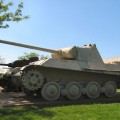 Panther vol3 – Rond te Lopen
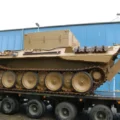 Bergepanther – Rond te Lopen
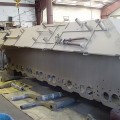 Panther Restauration – Rond te Lopen
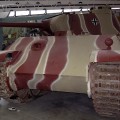 Panther Ausf.G – Rond te Lopen
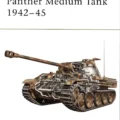 Panther Medium Tank 1942-45 – NIEUWE VANGUARD 67
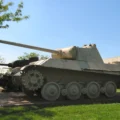 Panter – Rond te Lopen
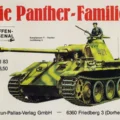 Panther Familie – Waffen Arsenal 083
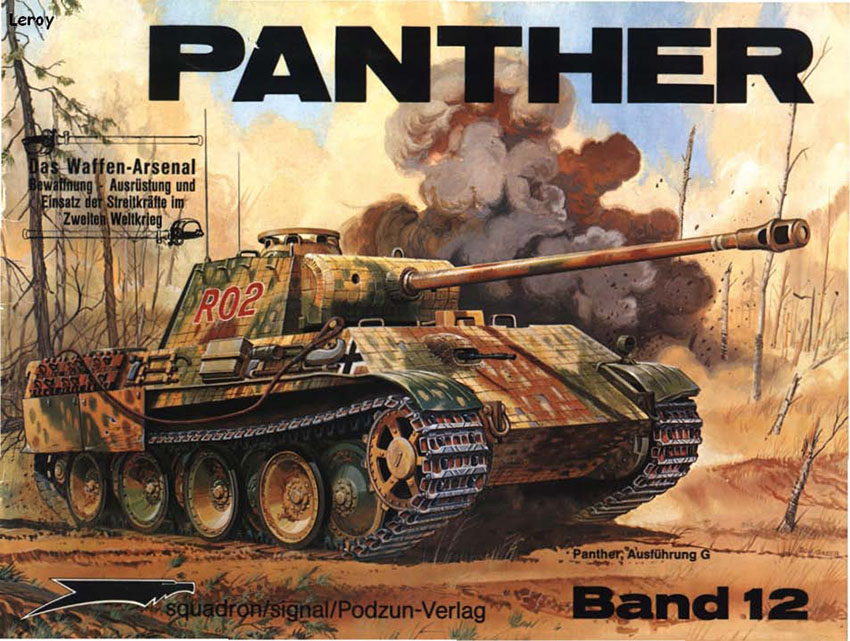 Panter – Waffen Arsenal 012
Das kein Panter D
🙂