Jagdpanther - Sdkfz.173 | |
|---|---|
| Land | Duitsland |
| Type | Tankvernieteraar |
| In gebruik | 1944–1945 |
| Gebouwd | 415 |
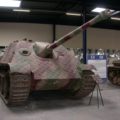
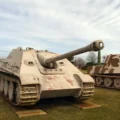
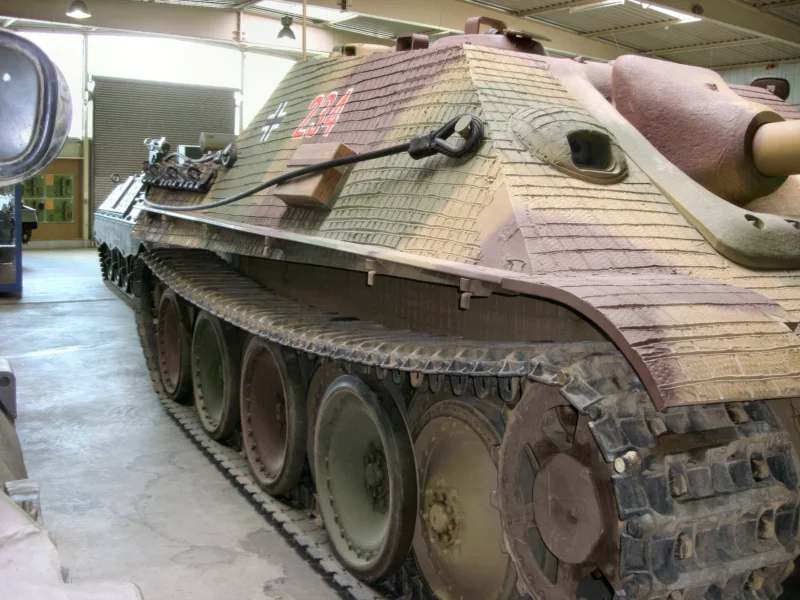
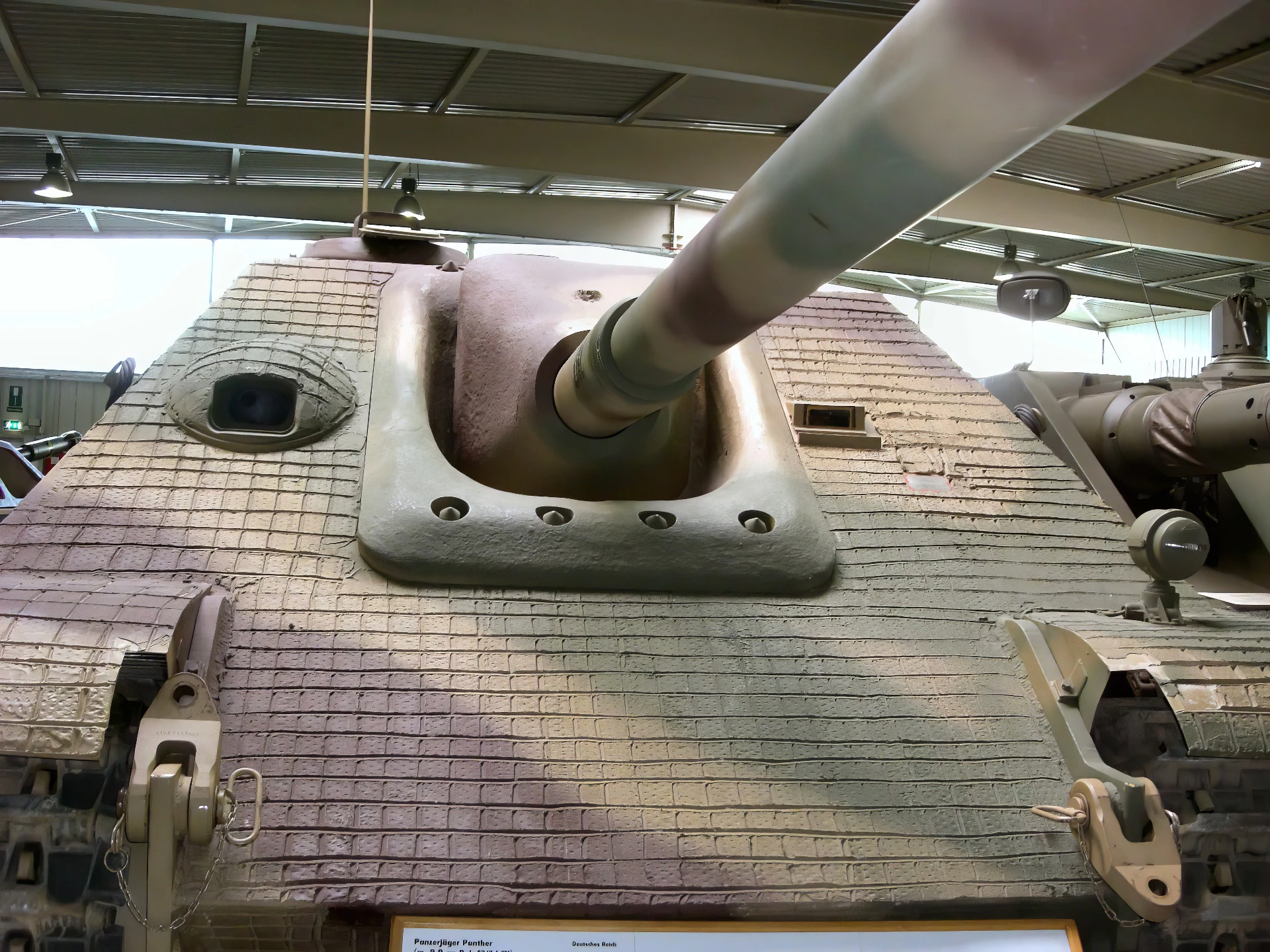
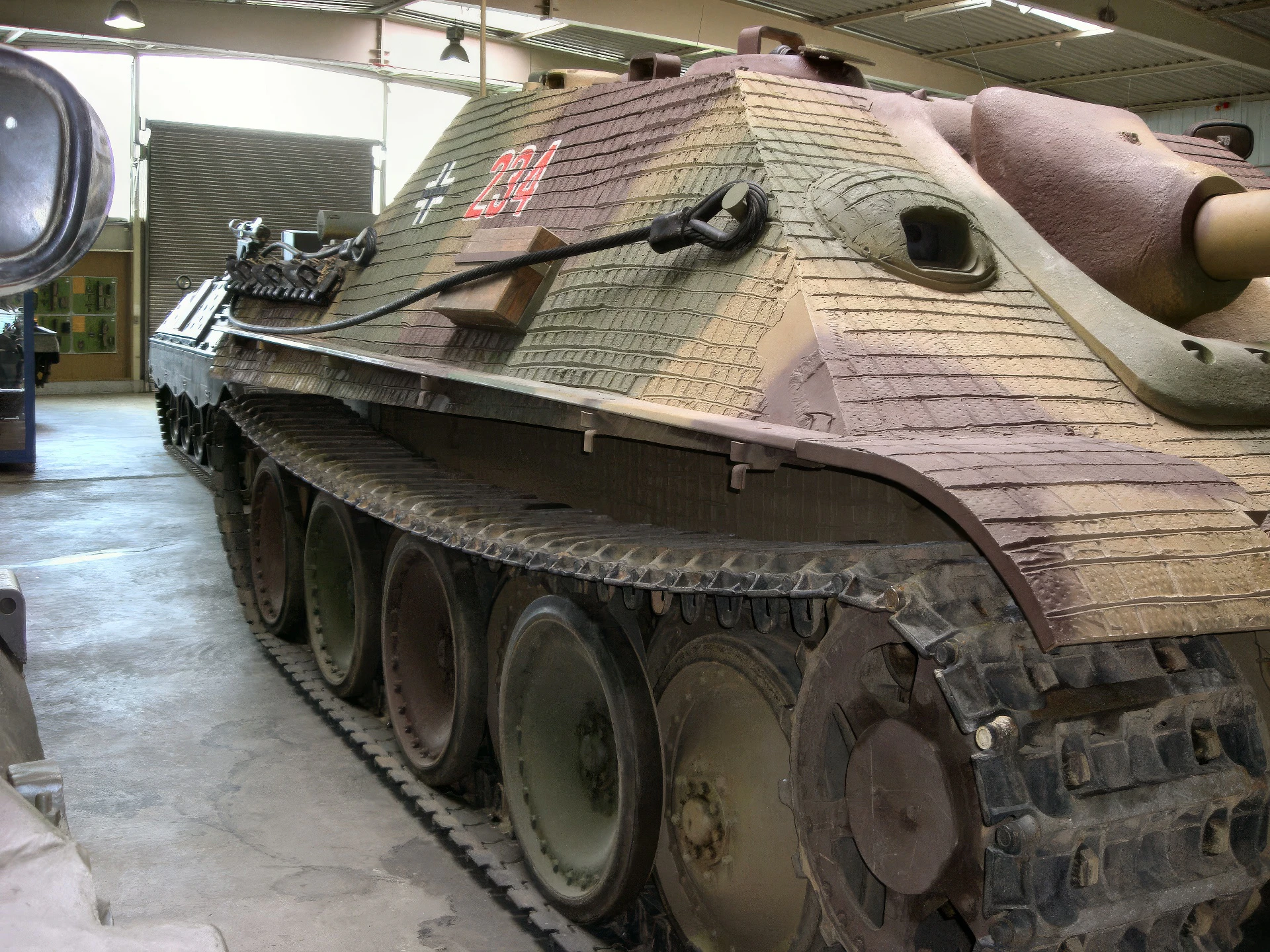
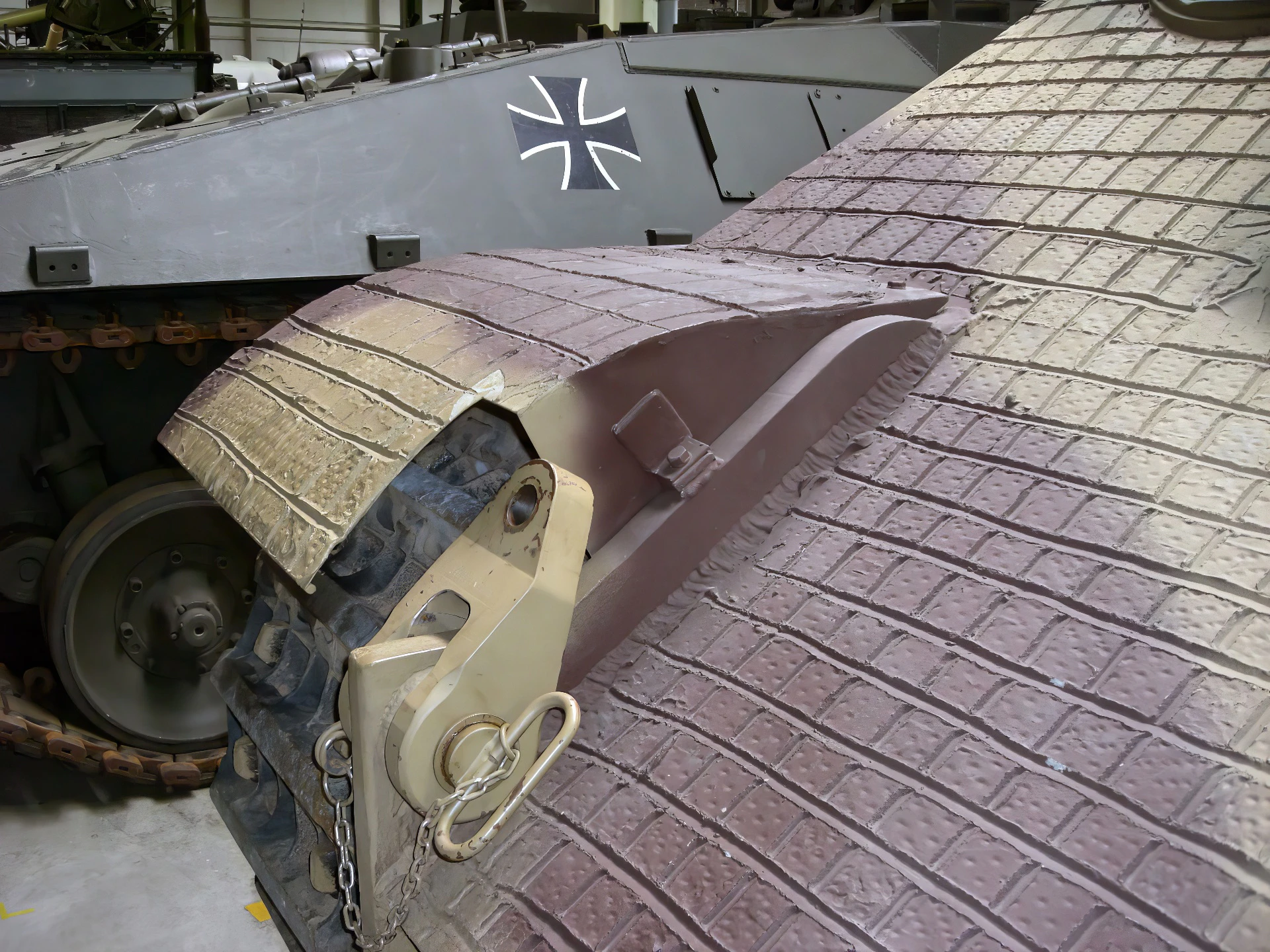
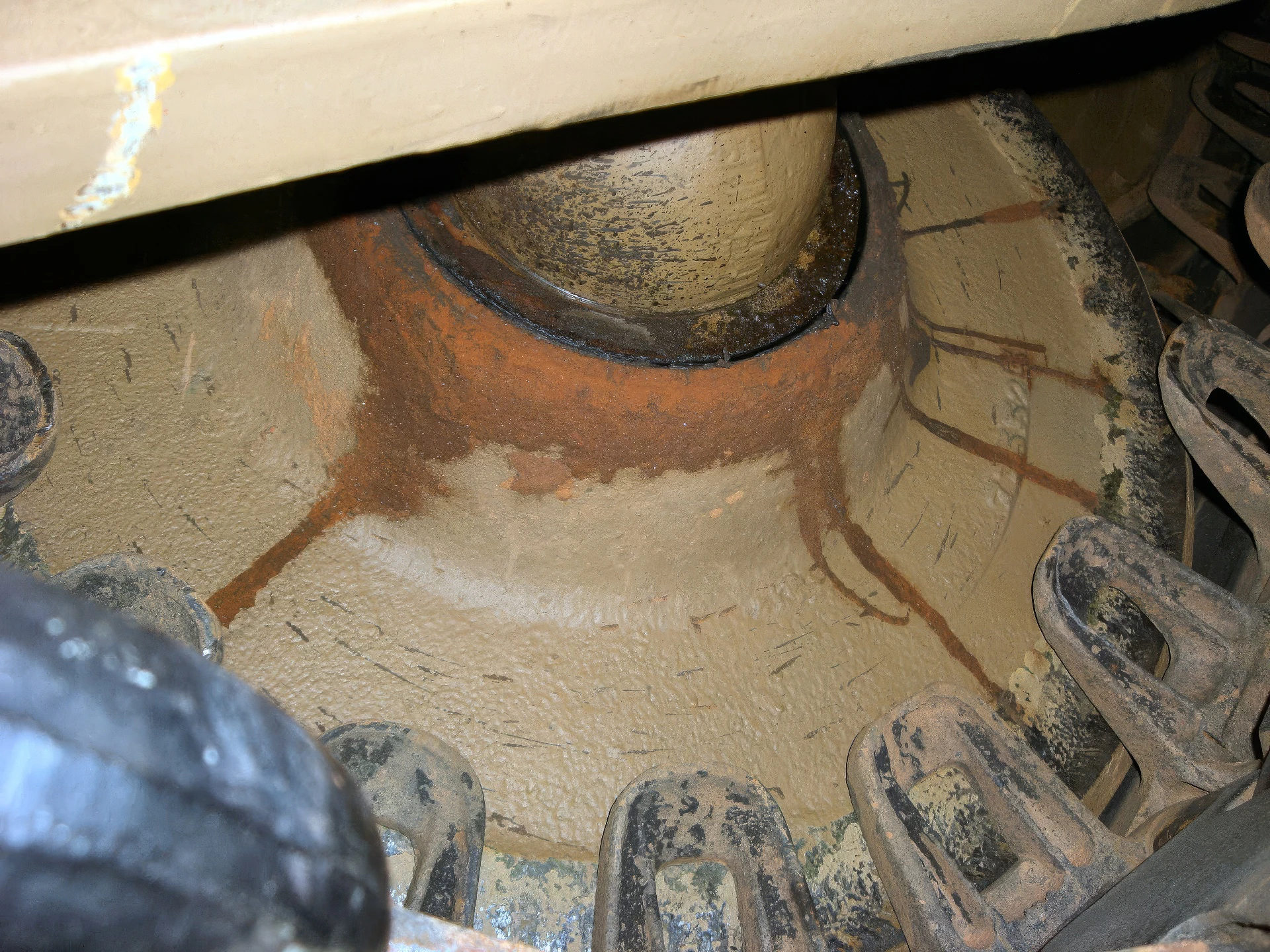
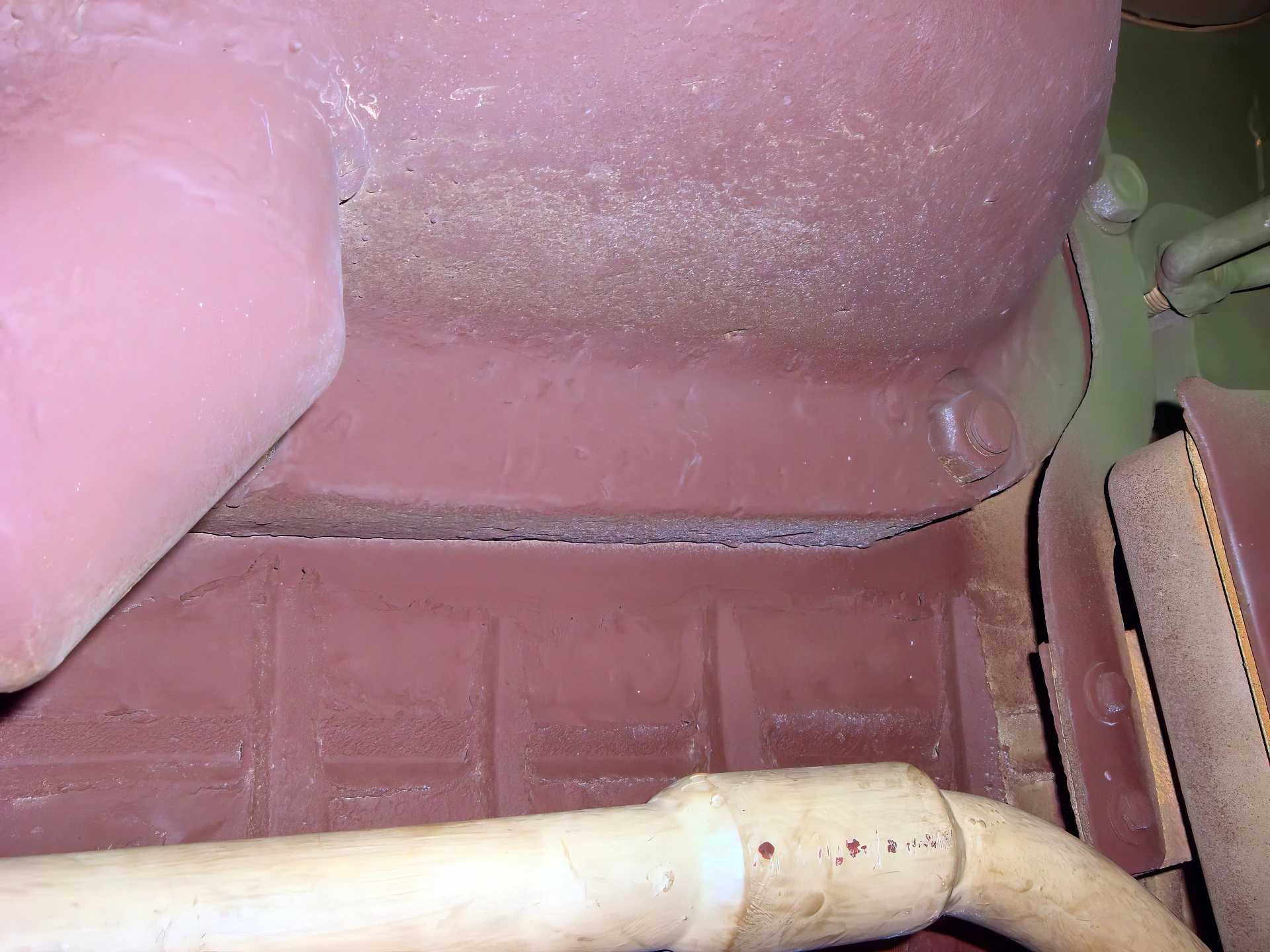
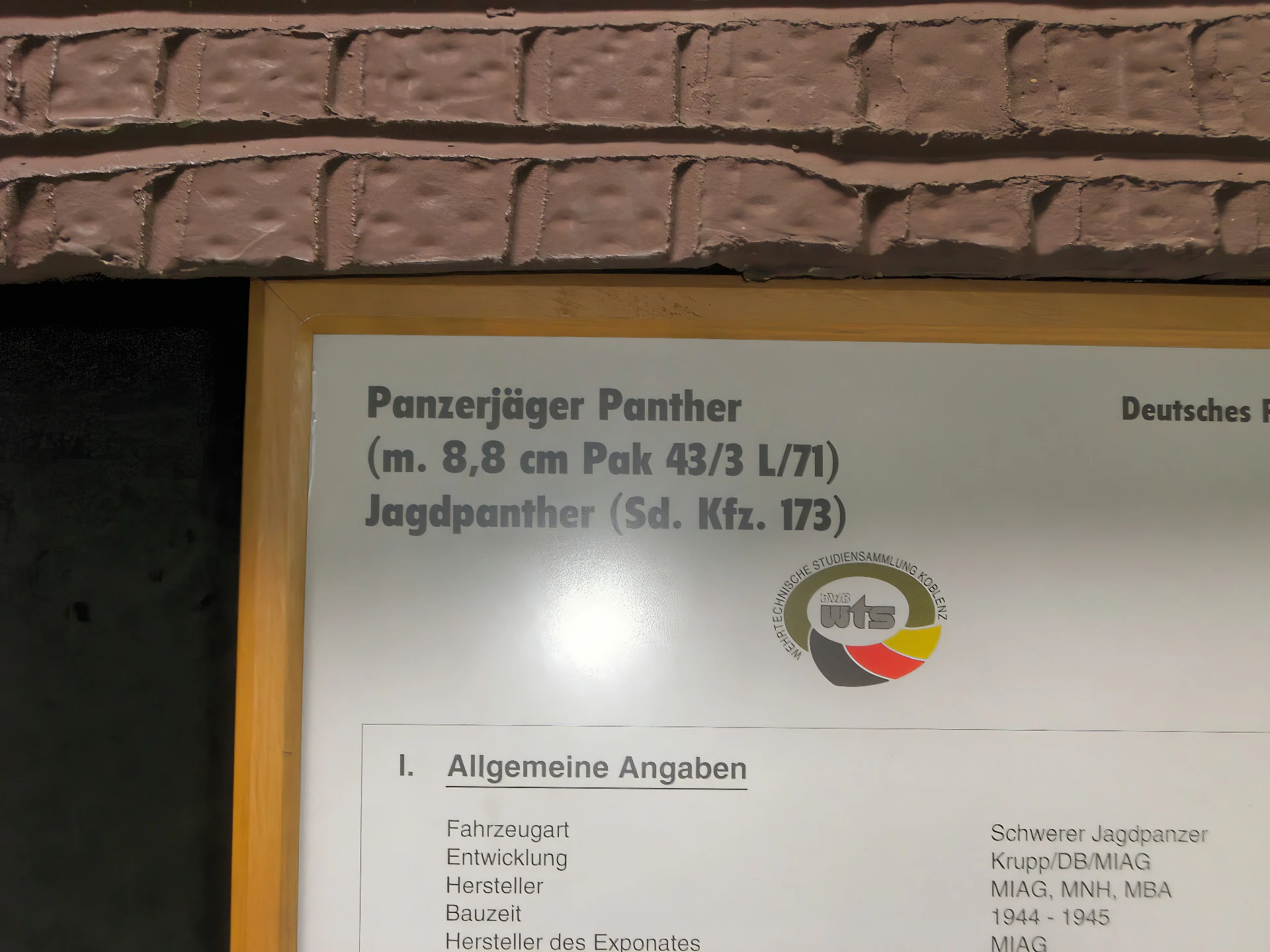
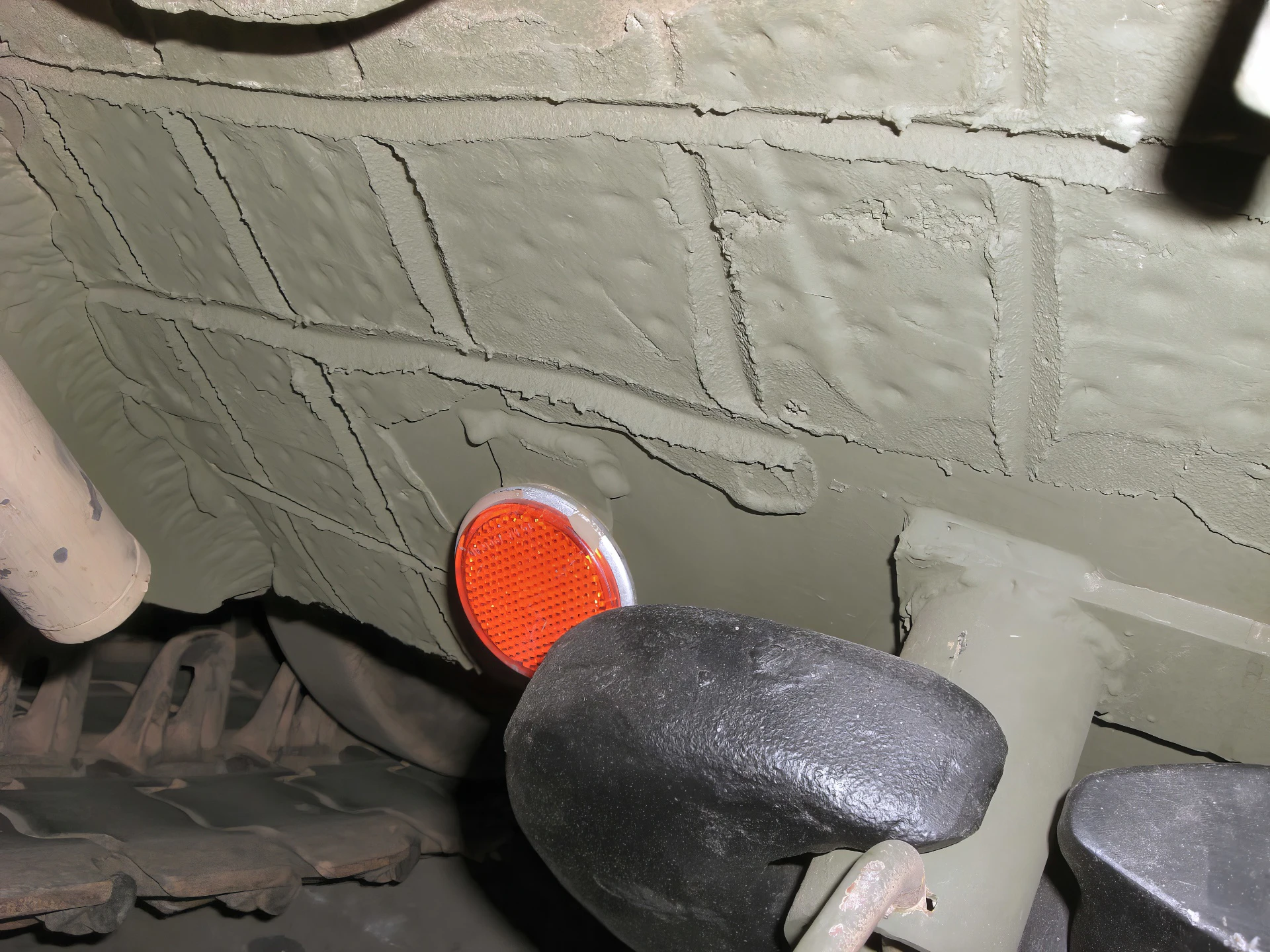
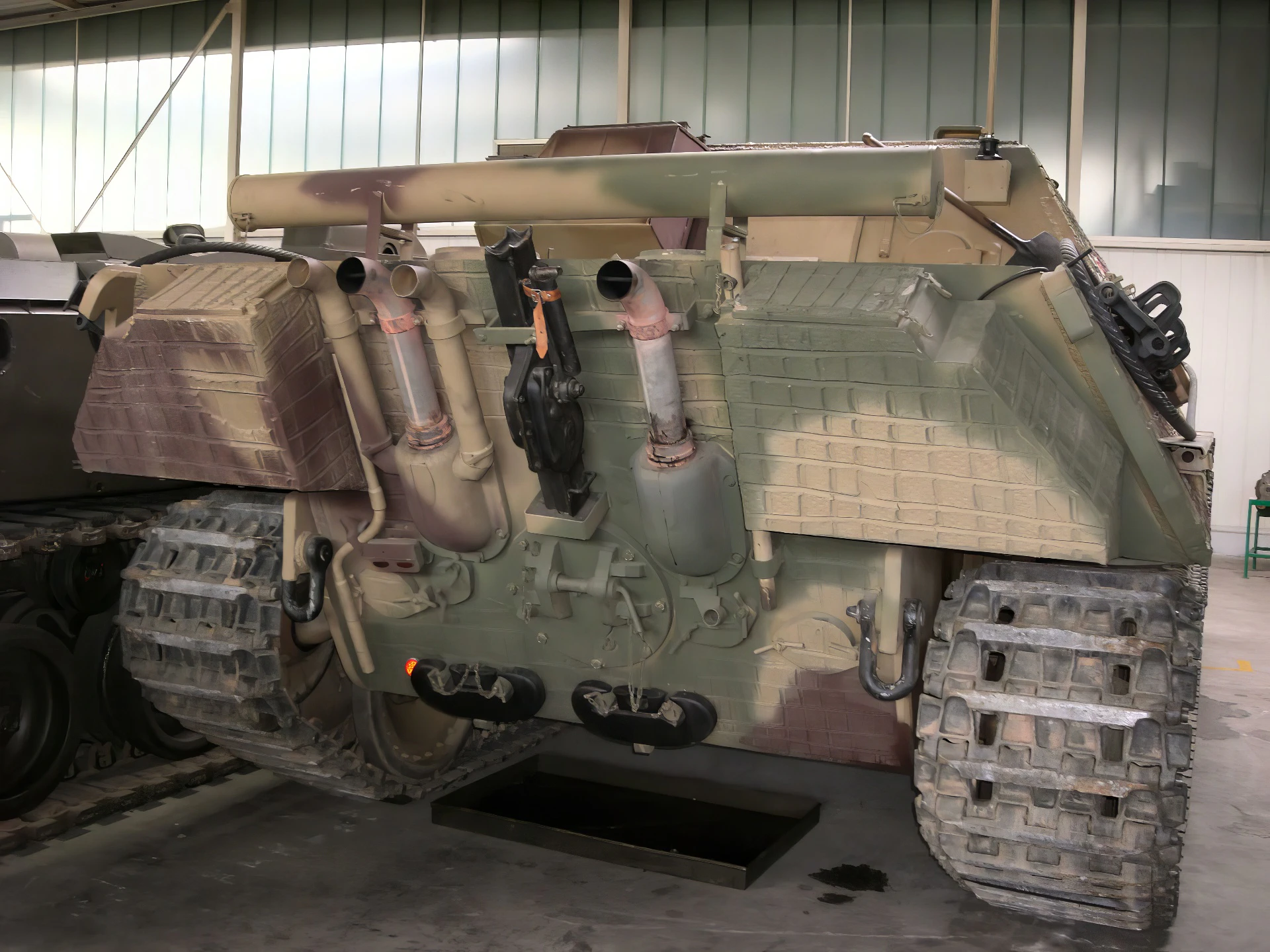
Fotogalerij van een Jagdpanther, De Jagdpanther (Duits: "jachtpanter") was een tankjager gebouwd door nazi-Duitsland tijdens de Tweede Wereldoorlog op basis van het chassis van de Panther-tank. Het kwam laat in de oorlog (1944) in dienst en zag dienst aan het oost- en westfront. De Jagdpanther combineerde het zeer krachtige 8,8 cm PaK 43 kanon van de Tiger II en de karakteristieke uitstekende bepantsering en ophanging van het Panther-chassis, hoewel het leed onder de algemene slechte staat van Duitsland in het latere deel van de oorlog, wat resulteerde in kleine productieaantallen, tekort aan reserveonderdelen en slechte training van de bemanning.
| Jagdpanther | |
|---|---|
| Fotograaf | Onbewust |
| Lokalisatie | Onbewust |
| Foto 's | 83 |

Zie ook:


German Jagdpanther Tank Destroyer
The Jagdpanther (Sd.Kfz. 173) was a German heavy tank destroyer (Jagdpanzer) of World War II, widely considered one of the most effective armored fighting vehicles produced by the Wehrmacht. It successfully combined the potent main gun of the Tiger II with the efficient chassis of the Panther medium tank.
The Jagdpanther’s design philosophy was to maximize firepower and frontal protection while maintaining good mobility, making it an ideal defensive weapon, particularly effective in ambush roles.
Key Characteristics
Firepower
- Main Gun: It was armed with the formidable 8.8 cm Pak 43 L/71 anti-tank gun, which was capable of penetrating the armor of virtually any Allied tank at long range. This gun had a very long barrel, giving it high muzzle velocity and outstanding accuracy.
- Limited Traverse: As a turretless tank destroyer, the gun was mounted in a fixed, sloped casemate. This limited the gun’s traverse to only **12 degrees** left or right, meaning the entire vehicle often had to be turned to aim at targets outside of this narrow arc.
- Secondary Armament: A single 7.92 mm MG 34 machine gun was mounted in a ball mount on the right side of the front glacis plate for close-in defense.
Armor and Protection
- Chassis: The design utilized the reliable and robust chassis and suspension of the **Panther tank**.
- Sloped Armor: It featured exceptional use of sloped armor, a characteristic inherited from the Panther. This sloping greatly increased the effective thickness of the armor and enhanced the chance of incoming shells ricocheting.
- Frontal Armor: The upper frontal plate (glacis) was approximately **80 mm** thick, but its steep angle made it extremely difficult to penetrate.
- Casemate: The superstructure, or casemate, was built into the hull, eliminating the weight and complexity of a turret. This allowed for the mounting of the massive 88 mm gun and contributed to the vehicle’s relatively sleek, modern profile.
Technische specificaties (algemeen)
| Specificatie | Detail |
|---|---|
| Type | Heavy Tank Destroyer (Jagdpanzer) |
| Bemanning | 5 (Commander, Gunner, Loader, Driver, Radio Operator/Machine Gunner) |
| Gewicht | Approximately 45.5 metric tonnes |
| Motor | Maybach HL 230 P30 V-12 petrol engine, 700 hp |
| Maximum Speed | Approx. 46 km/h (29 mph) on roads |
| Operational Range | Approx. 260 km (160 mi) on roads |
| Productie | Around 415 units built from 1944 to 1945 |
Varianten
There were two primary production variants:
- G1: Featured an earlier Panther Ausf. A engine deck design and a small, welded-on gun mantlet.
- G2: Used the later Panther Ausf. G engine deck and a larger, externally-bolted gun mantlet, along with some internal changes.
Though produced in limited numbers due to material shortages and Allied bombing, the Jagdpanther proved to be a highly formidable and respected anti-tank platform on both the Eastern and Western Fronts from its introduction in 1944.
Bekeken : 6249