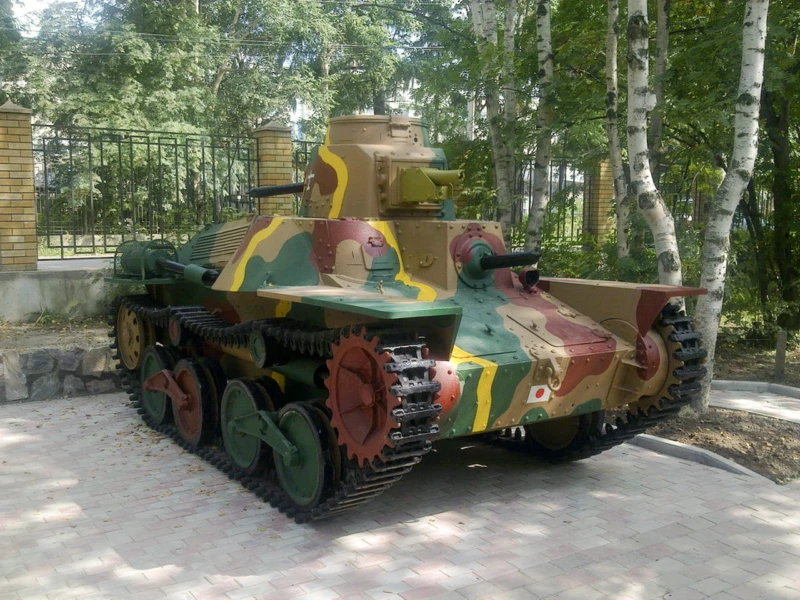
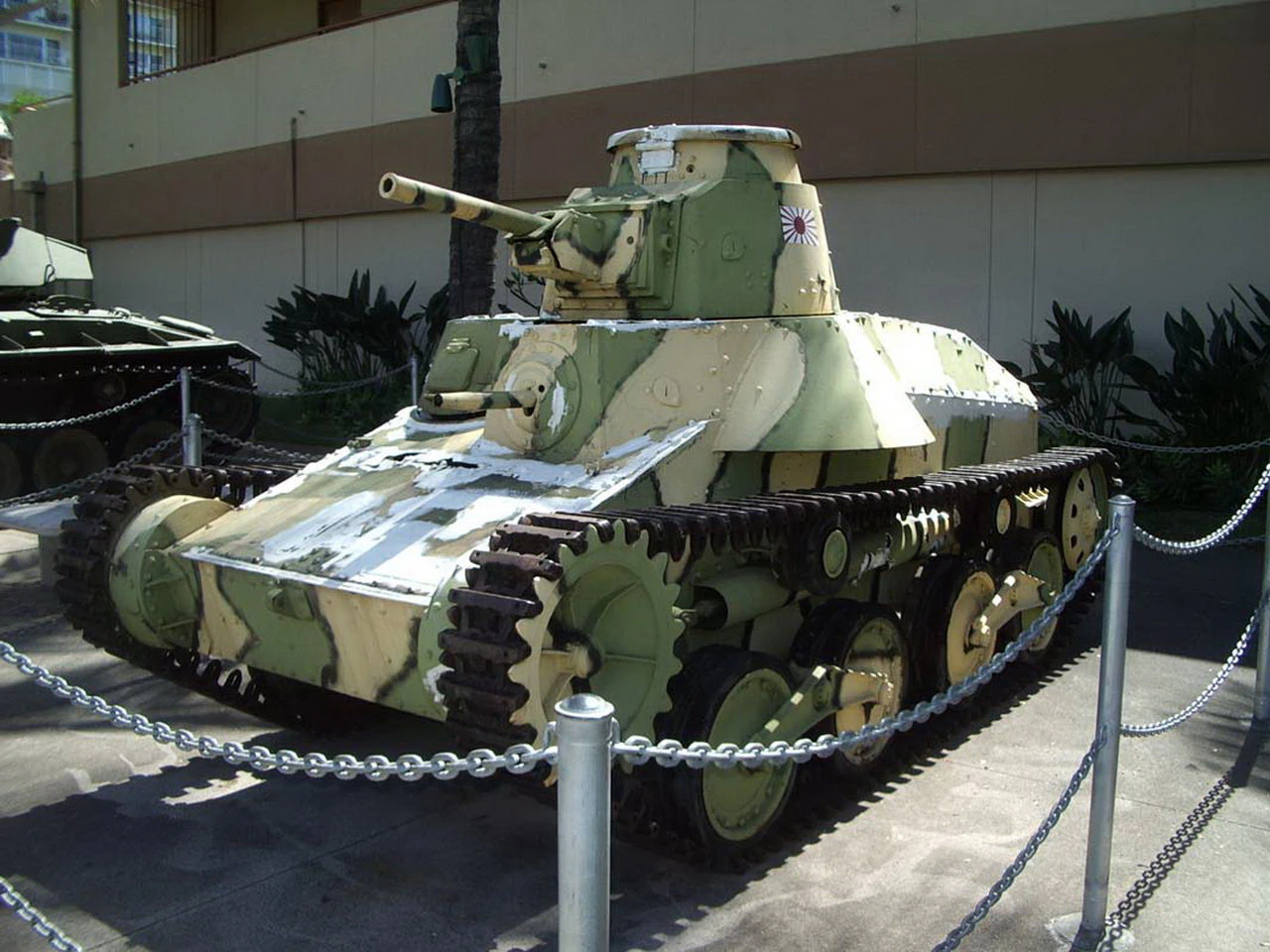
Type 95 Ha-Go lichttank | |
|---|---|
| Betaalt | Japan |
| Type | Lichte tank |
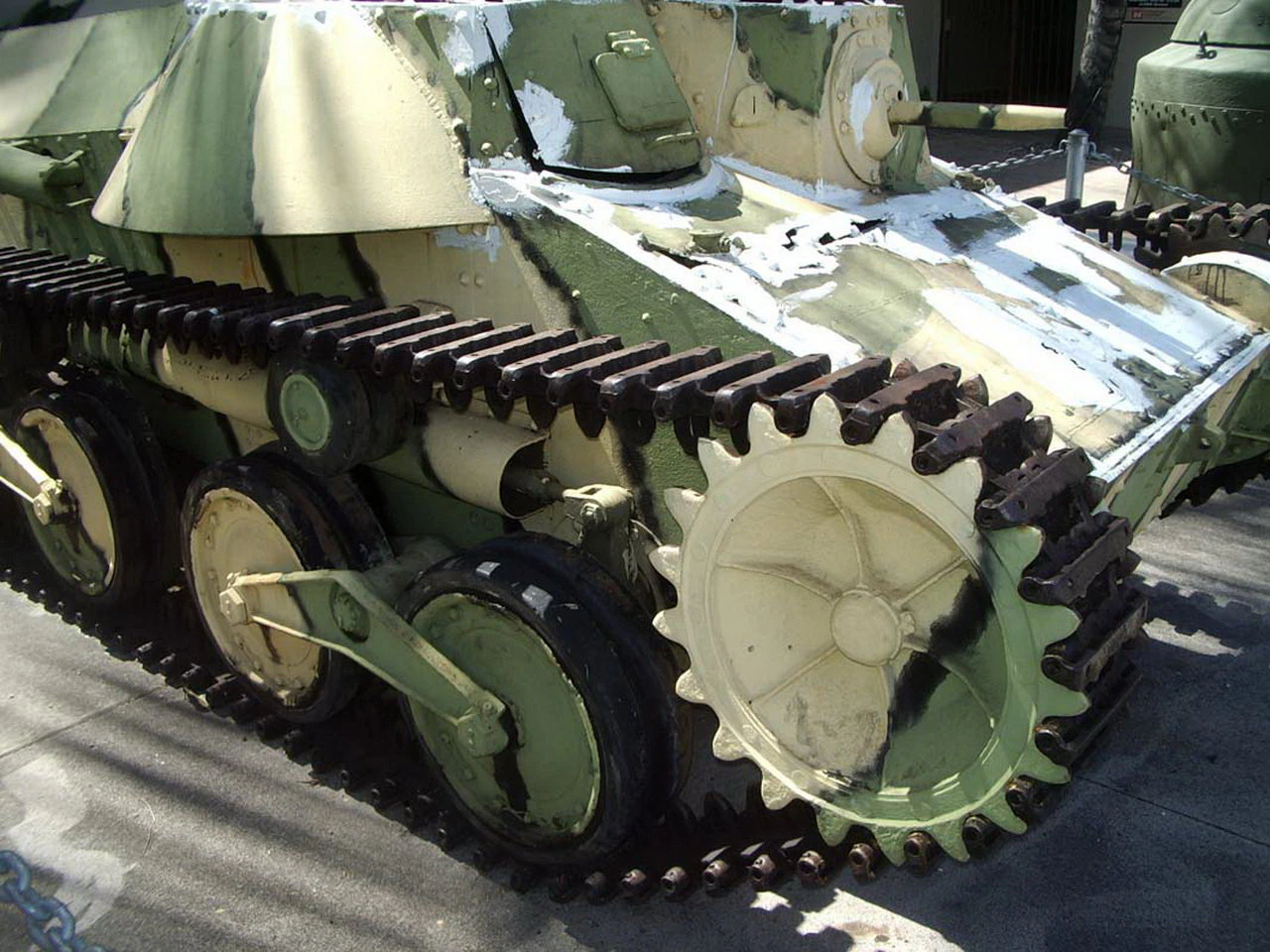
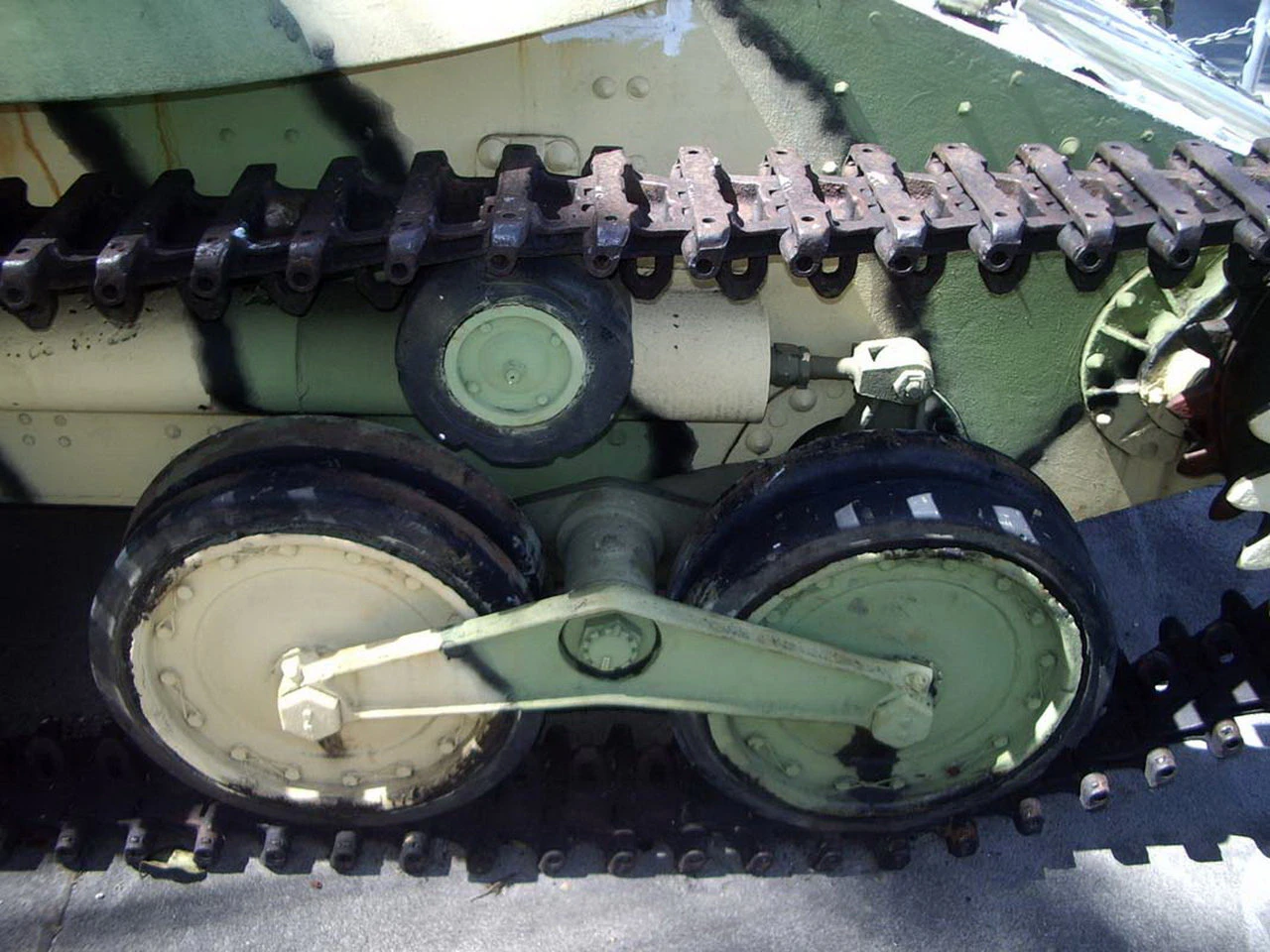
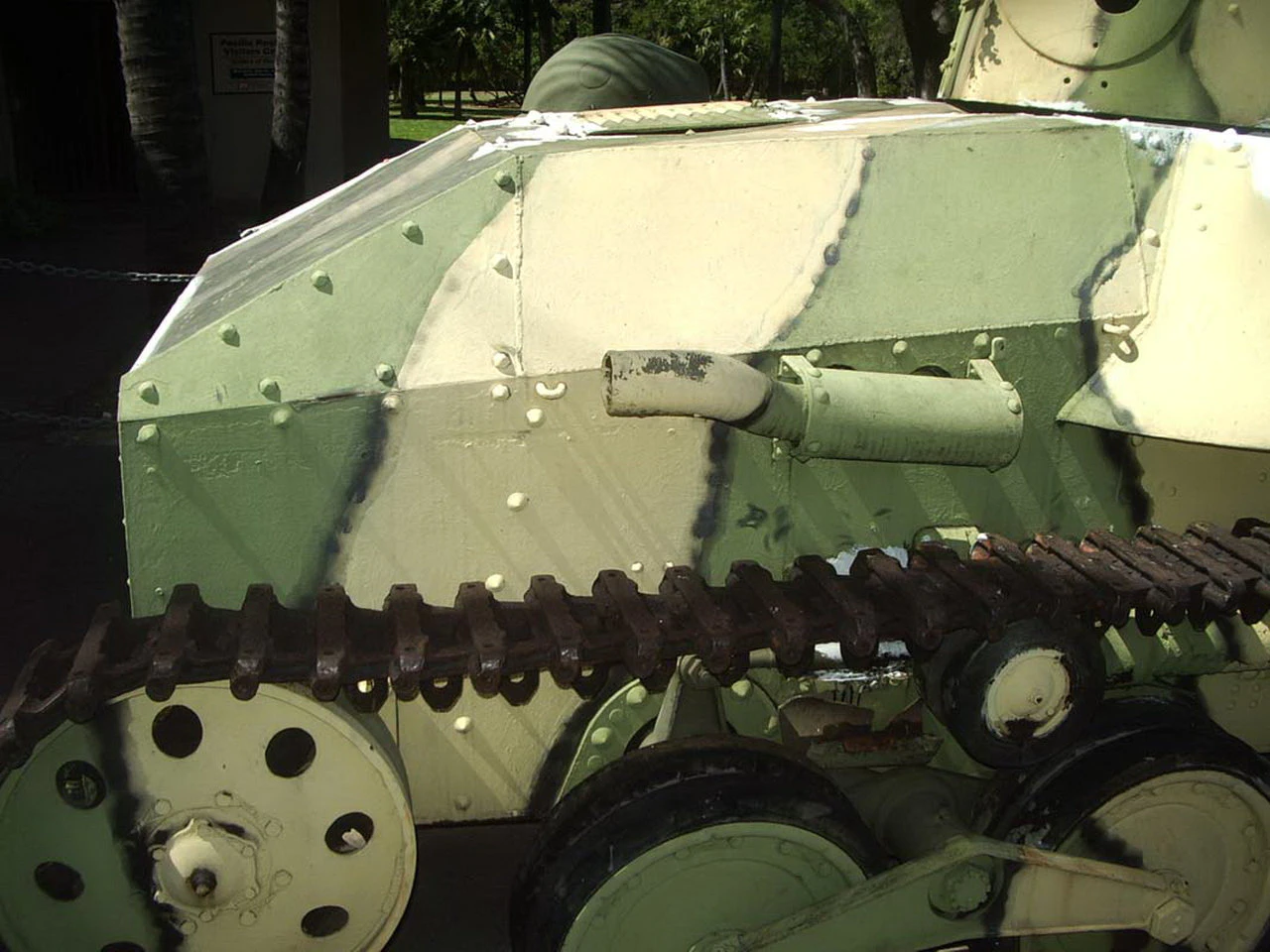
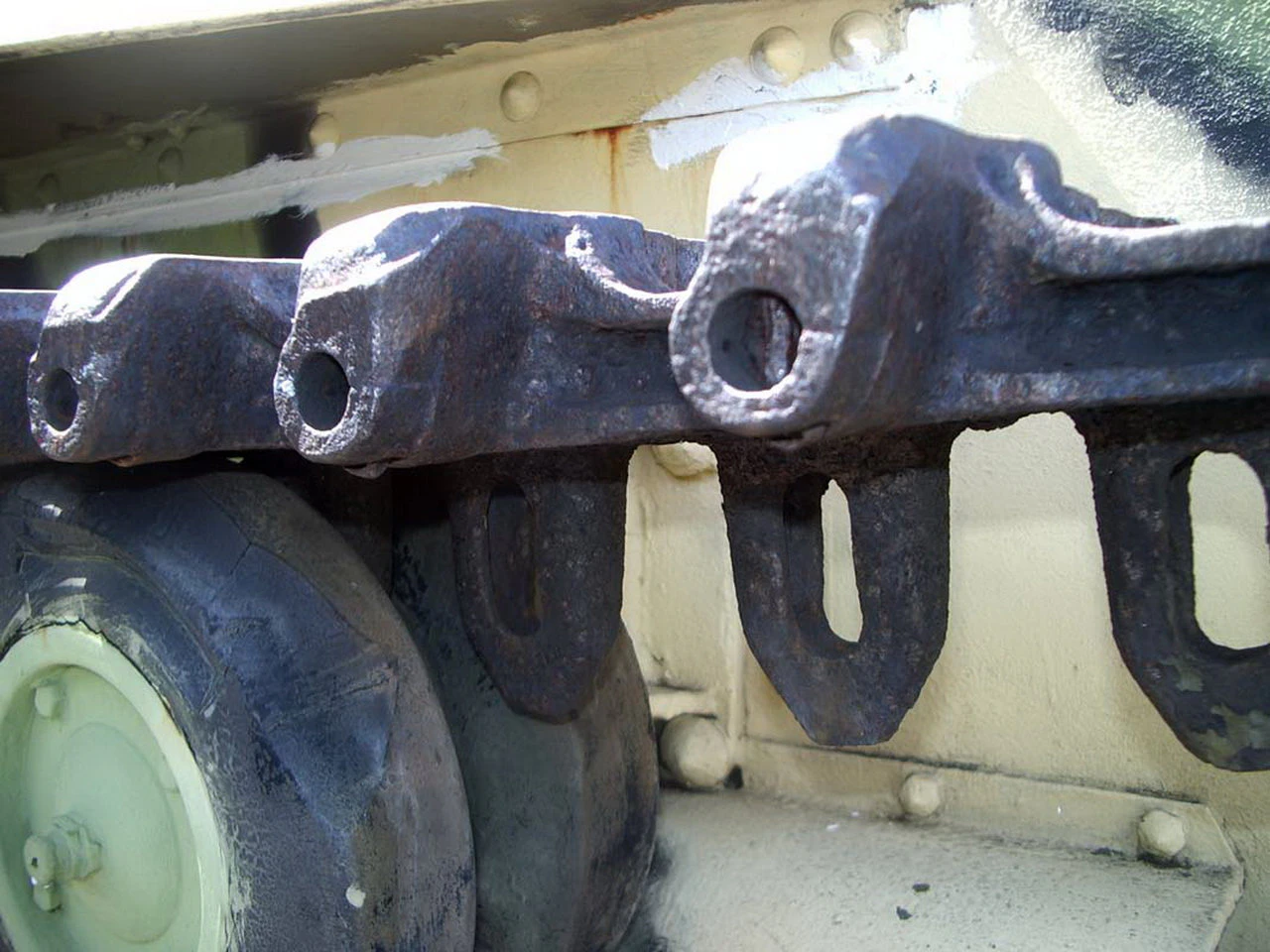
| Beschrijving | Album 63 walk-around foto's van de lichttank "Type 95 Ha-Go" |
Fotogalerij van een Type 95 Ha-Go Tank, The Light Tank Soort 95 Ha-Gō was een lichte tank die werd gebruikt door het Keizerlijke Japanse Leger tijdens de Tweede Chinees-Japanse Oorlog en de Tweede Wereldoorlog.
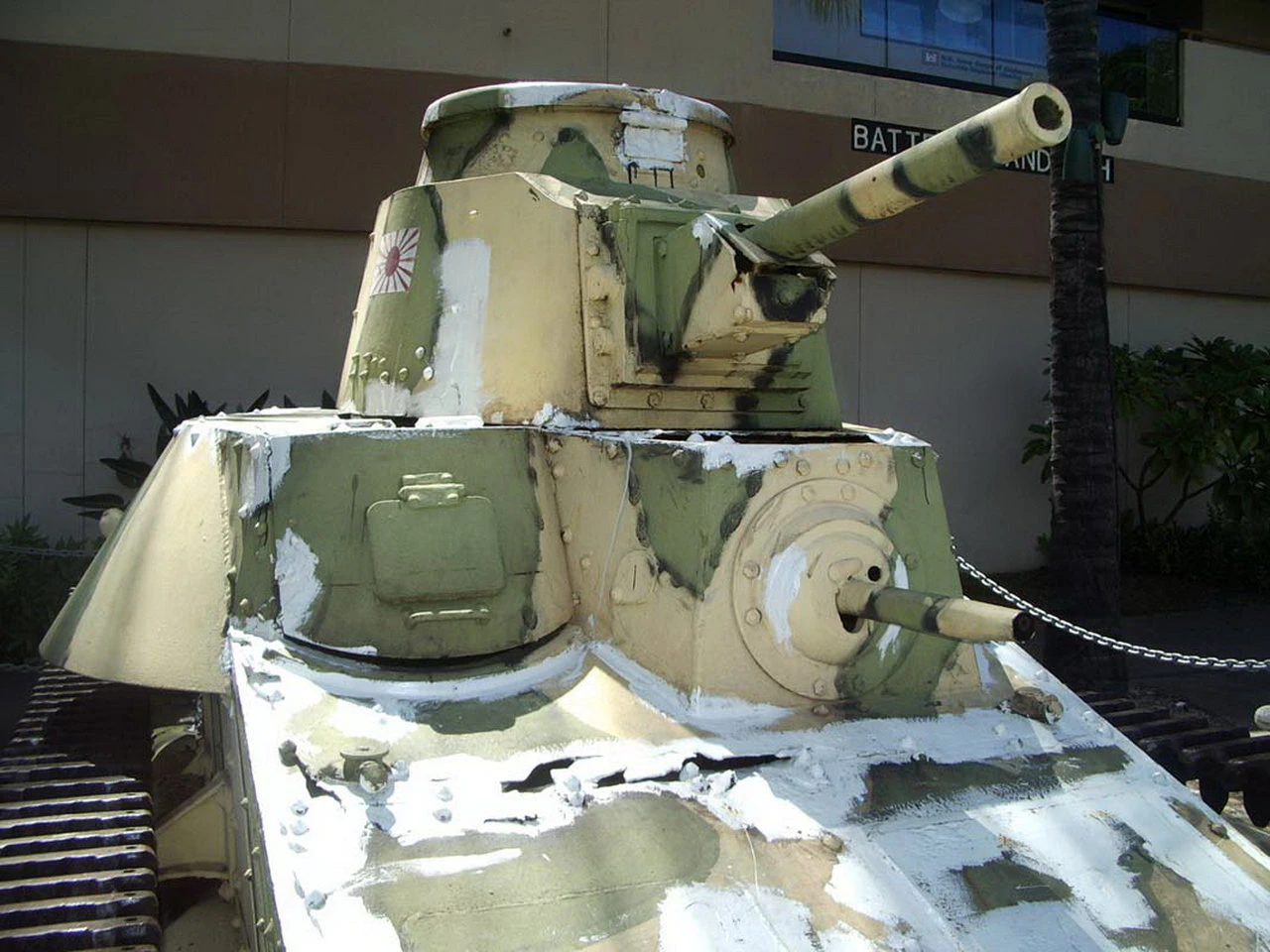
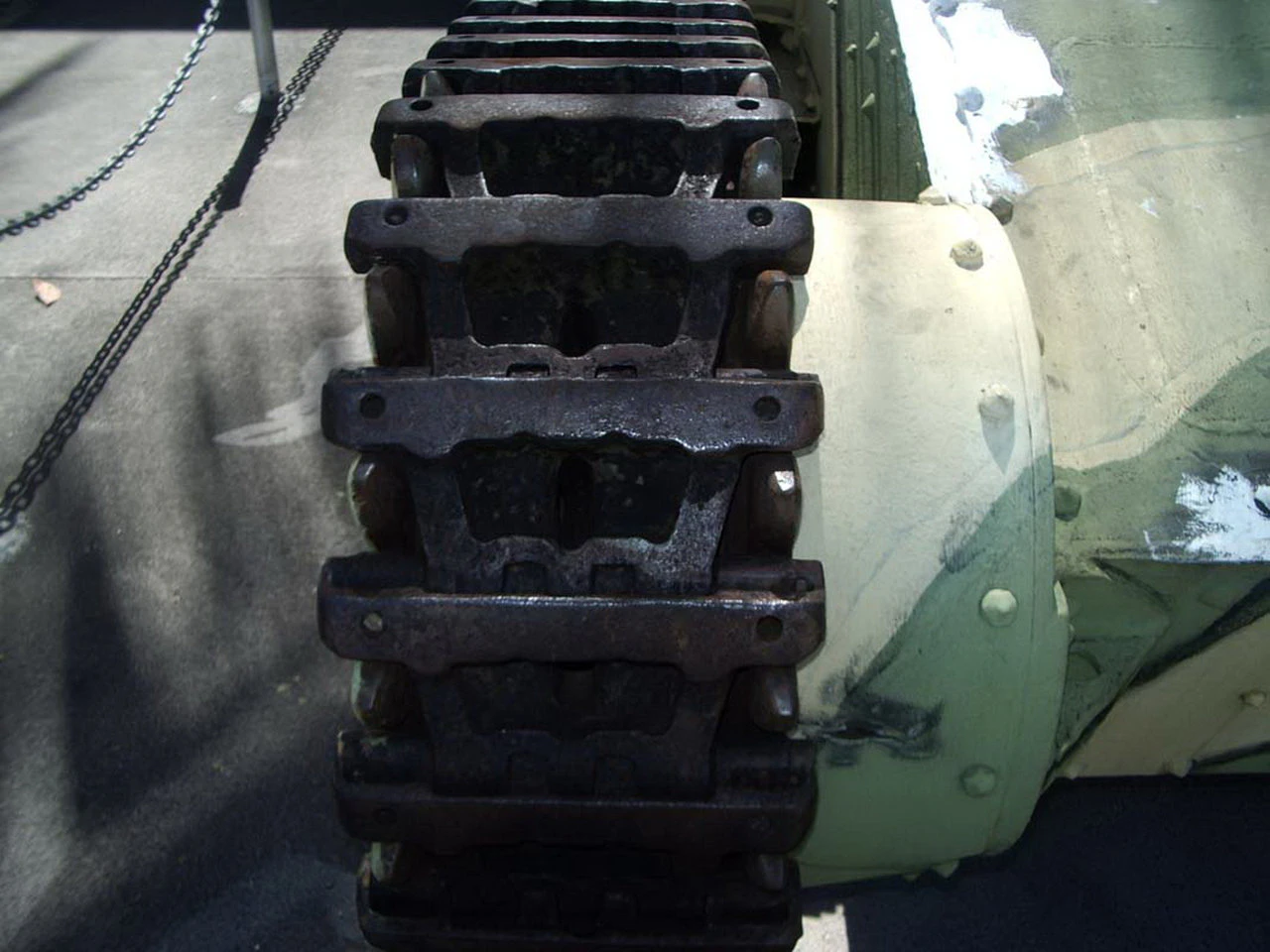
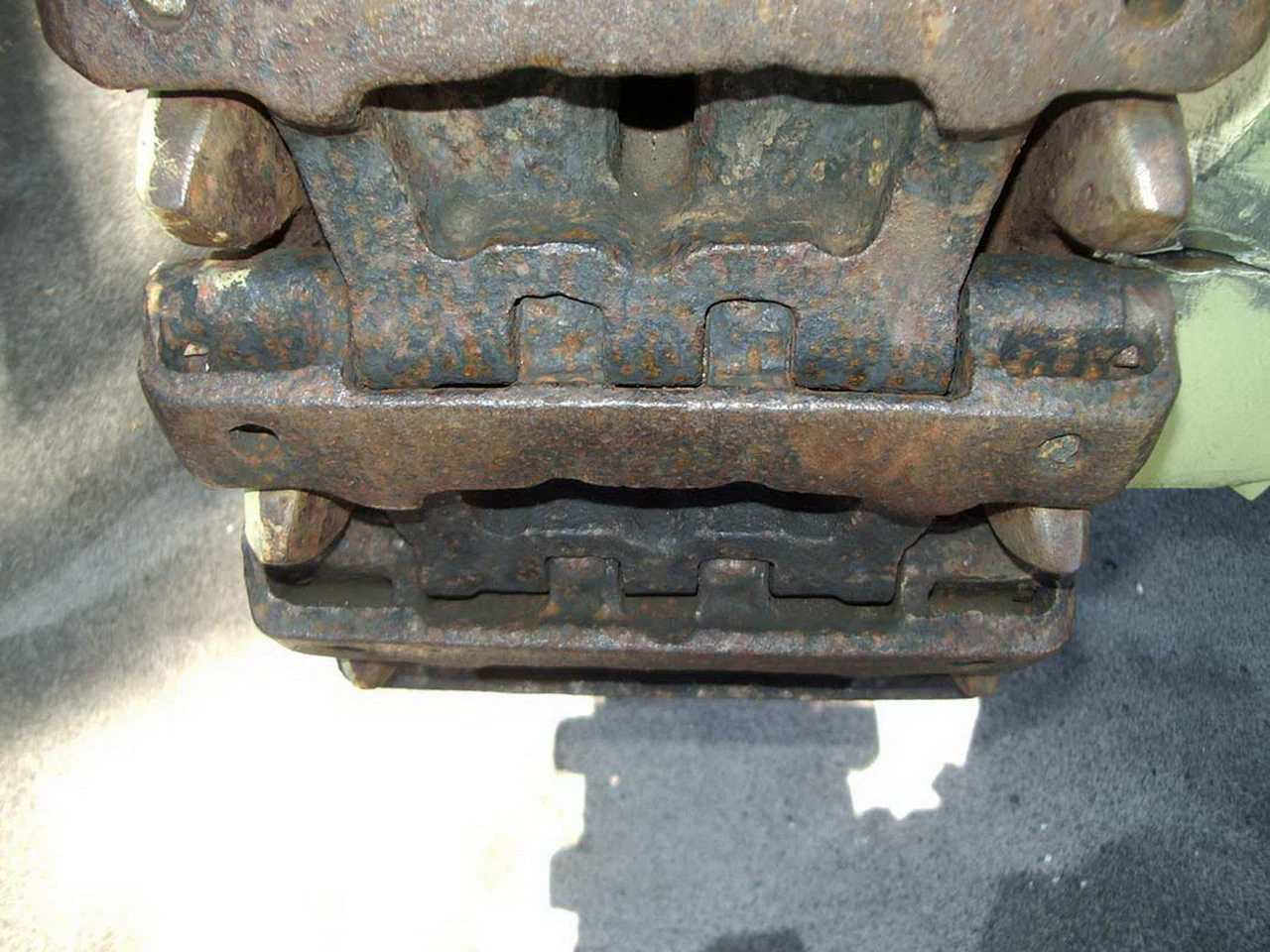
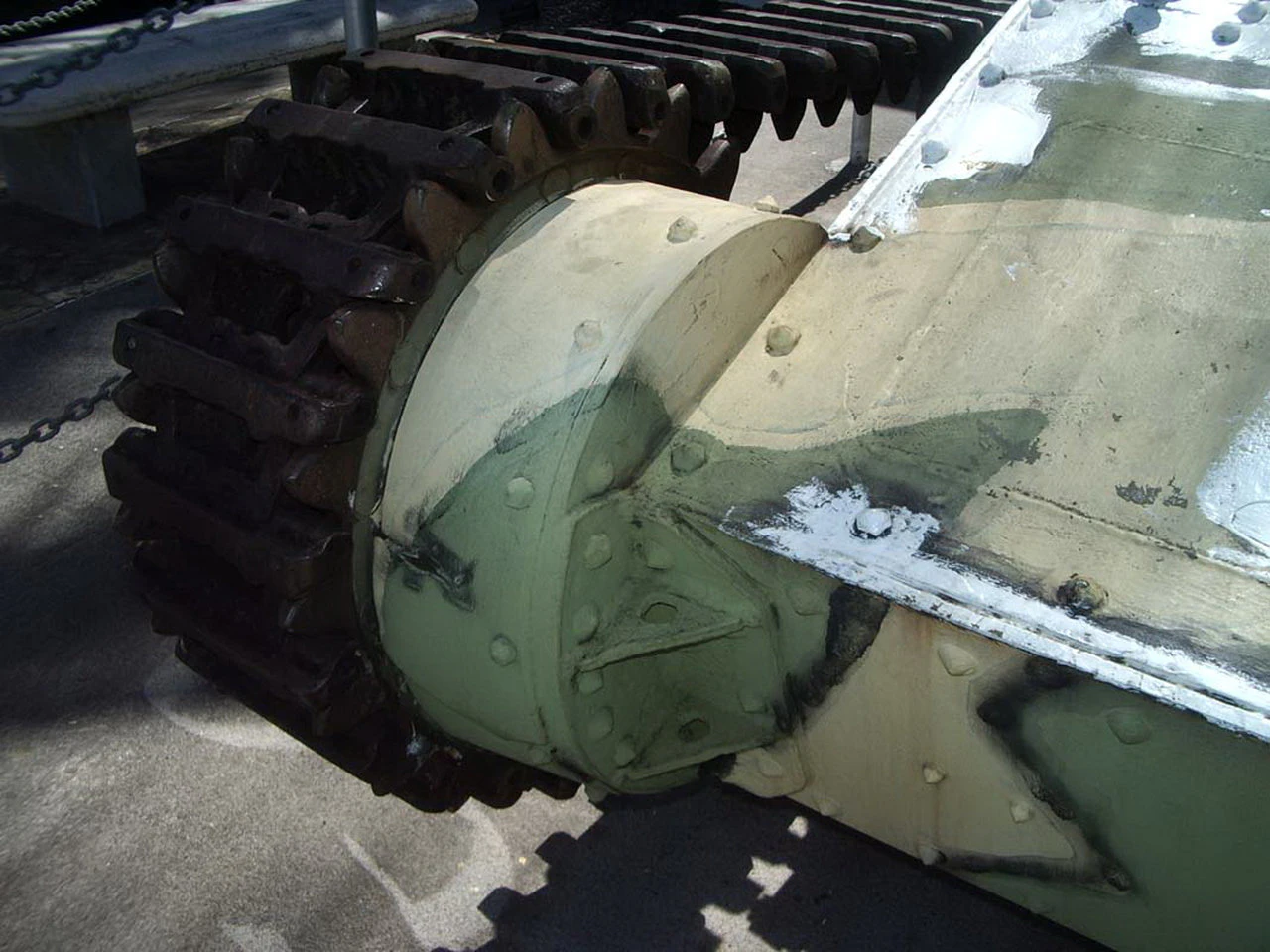

Zie ook:


The Rapid Scout of the Imperial Japanese Army
De Type 95 Ha-Go was the most heavily produced and widely deployed armored fighting vehicle used by the Imperial Japanese Army (IJA) during World War II. Designed in the early 1930s by Mitsubishi Heavy Industries, the Ha-Go was engineered purely as a lightweight, high-speed cavalry support weapon. It was optimized for infantry assistance and reconnaissance rather than dueling enemy armor. In the vast, roadless expanses of Manchuria and during the initial blitzkrieg across the jungle-choked environments of Malaya and the Philippines, the Ha-Go proved remarkably successful. Its featherweight chassis could easily navigate swamps and narrow dirt paths that would completely bog down heavier Western armor. However, as the war progressed, its wafer-thin armor and underpowered gun left it tragically outclassed when forced into desperate defensive stands against heavy American M4 Sherman tanks.
| Attribute | Technical Specification (Type 95 Ha-Go Production Baseline) |
|---|---|
| Role | Light Tank / Cavalry Support & Reconnaissance (Ke-Sensha) |
| Bemanning | 3 (Commander/Gunner, Hull Machine Gunner, Driver) |
| Krachtbron | 1 × Mitsubishi A6120VDe 14.3-liter 6-cylinder air-cooled diesel engine (120 hp) |
| Maximum Speed | 45 km/h (28 mph) on roads | 26 km/h (16 mph) cross-country |
| Combat Weight | 7.4 metric tons (8.2 short tons) |
| Operational Range | ~250 km (160 miles) on roads |
| Primary Armament | 1 × Type 94 or Type 98 37mm tank gun (approx. 119 rounds carried) |
| Secondary Armament | 2 × 6.5mm Type 91 or 7.7mm Type 97 machine guns (one in the hull front, one facing backward in the turret) |
| Armor Thickness | 6mm minimum to 12mm maximum (Rivet-and-bolt construction) |
| Production Legacy | ~2,300 units built between 1936 and 1943, making it Japan’s most numerous tank |
Design Engineering: Air-Cooled Diesels and Asymmetrical Turrets
- Pioneering Air-Cooled Diesel Power: Japan was an early pioneer in implementing diesel engines for armored forces. The Ha-Go’s 120-horsepower Mitsubishi engine was completely air-cooled, entirely removing the need for a heavy radiator, water pump, or liquid coolant reserves. This setup eliminated the danger of the engine freezing during brutal Manchurian winters or boiling dry in the sweltering heat of equatorial Pacific islands, while using diesel fuel drastically reduced the risk of catastrophic fires when the tank was hit.
- Interior Asbestos Layering: Because the compact air-cooled engine sat in close proximity to the crew compartment, the internal cabin could quickly become an oven. To protect the three crew members from heat exhaustion and engine noise, the entire interior hull was lined with thick sheets of woven asbestos. While highly toxic by modern safety standards, it provided vital thermal insulation during long operations through tropical jungles.
- The Rear-Facing Machine Gun Turret: The Ha-Go featured a highly unusual, asymmetrical turret design. Instead of mounting the secondary machine gun alongside the main 37mm cannon, the 7.7mm Type 97 machine gun was placed at a roughly 120-degree angle facing out the *back right* quadrant of the turret. If the commander wanted to switch from the main gun to the machine gun, they had to manually unlock the turret, spin it halfway around, and fire to the rear.
- The Minimalist Tomonaga Suspension: To keep production costs low and mechanical weight down, the tank utilized a simple bell-crank suspension system designed by Major General Tomonaga. The four main road wheels on each side were paired up into bogies and attached to large coil springs running horizontally along the exterior hull. This simple design was easy to fix in the field, but it created an incredibly bouncy, violent ride at higher speeds, making it almost impossible for the gunner to aim accurately while moving.
Operational History: Jungle Blitzkriegs and the Tragic Clashes of Guadalcanal
- The Malayan Jungle Dash (1941): During the invasion of British Malaya, Allied planners confidently assumed tanks could not operate through the dense, roadless tropical rainforests. The IJA shattered this assumption by deploying the light Ha-Go. Because the tanks weighed only 7.4 tons, Japanese engineers could quickly repair blown bridges with simple timber logs, allowing the armor to aggressively bypass British defensive lines and capture Singapore far ahead of schedule.
- The Overwhelming Overburdened Commander: The Ha-Go’s biggest battlefield flaw was its tiny, one-man turret. The tank commander was forced to simultaneously act as the spotter, loader, gunner, and platoon leader. Amid the chaotic noise of combat, a single person had to manually hoist 37mm shells, aim the telescope, crank the turret gears, and fire the weapon, all while attempting to direct the driver via foot signals or shouts, leading to severe combat fatigue and slow target reaction times.
- The Disaster at the Tenaru River (Guadalcanal): In October 1942, during the grueling campaign for Guadalcanal, a company of Ha-Go tanks attempted to spearhead a night breakthrough across the mouth of the Tenaru River. The thin 12mm armor plates proved completely useless against dug-in US Marine defenses. Hidden 37mm anti-tank guns utilizing high-explosive canister shot and heavy .50 caliber machine guns tore the lightweight Japanese tanks to pieces within minutes, highlighting the vehicle’s obsolescence against modern Western weaponry.
- The Ultimate David vs. Goliath Matchups: By 1944, the Ha-Go was hopelessly outdated. American M4 Shermans out-armored and out-gunned the Japanese light tanks in every metric; a standard 75mm Sherman shell could cleanly punch through a Ha-Go from front to back, while the Ha-Go’s 37mm rounds simply bounced off the Sherman’s thick sloped frontal armor plates. In response, desperate Japanese crews began burying their Ha-Gos up to the turret in dirt, turning them into camouflaged stationary bunkers along the beaches of Tarawa, Peleliu, and Iwo Jima.
Views : 1929