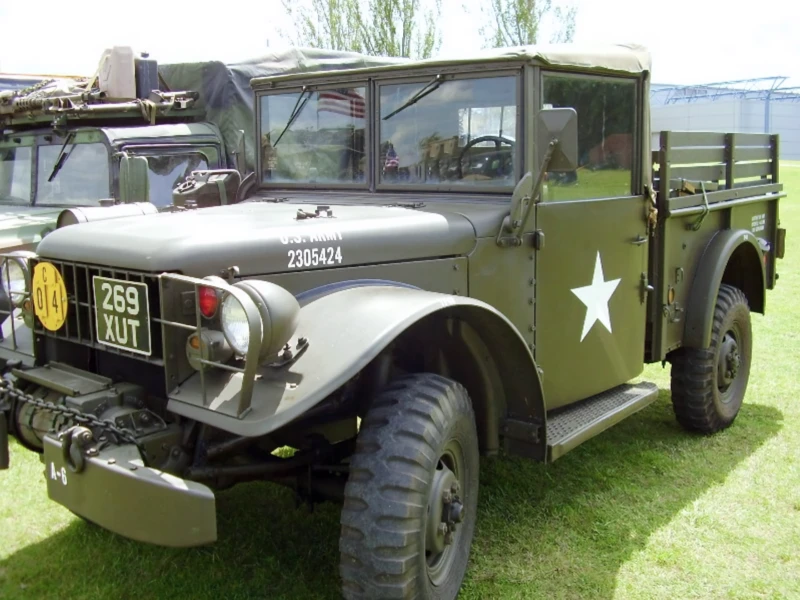
Dodge M37B1 | |
|---|---|
| Paese | Usa |
| digitare | Camioncino a grandezza naturale |
| Produzione | 115838 (1951–1968) |
| Argomento | Album di 14 foto di un camion Dodge M37B1 |
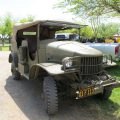
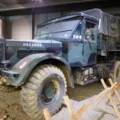
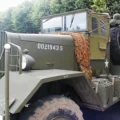
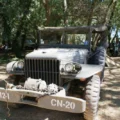
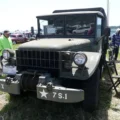
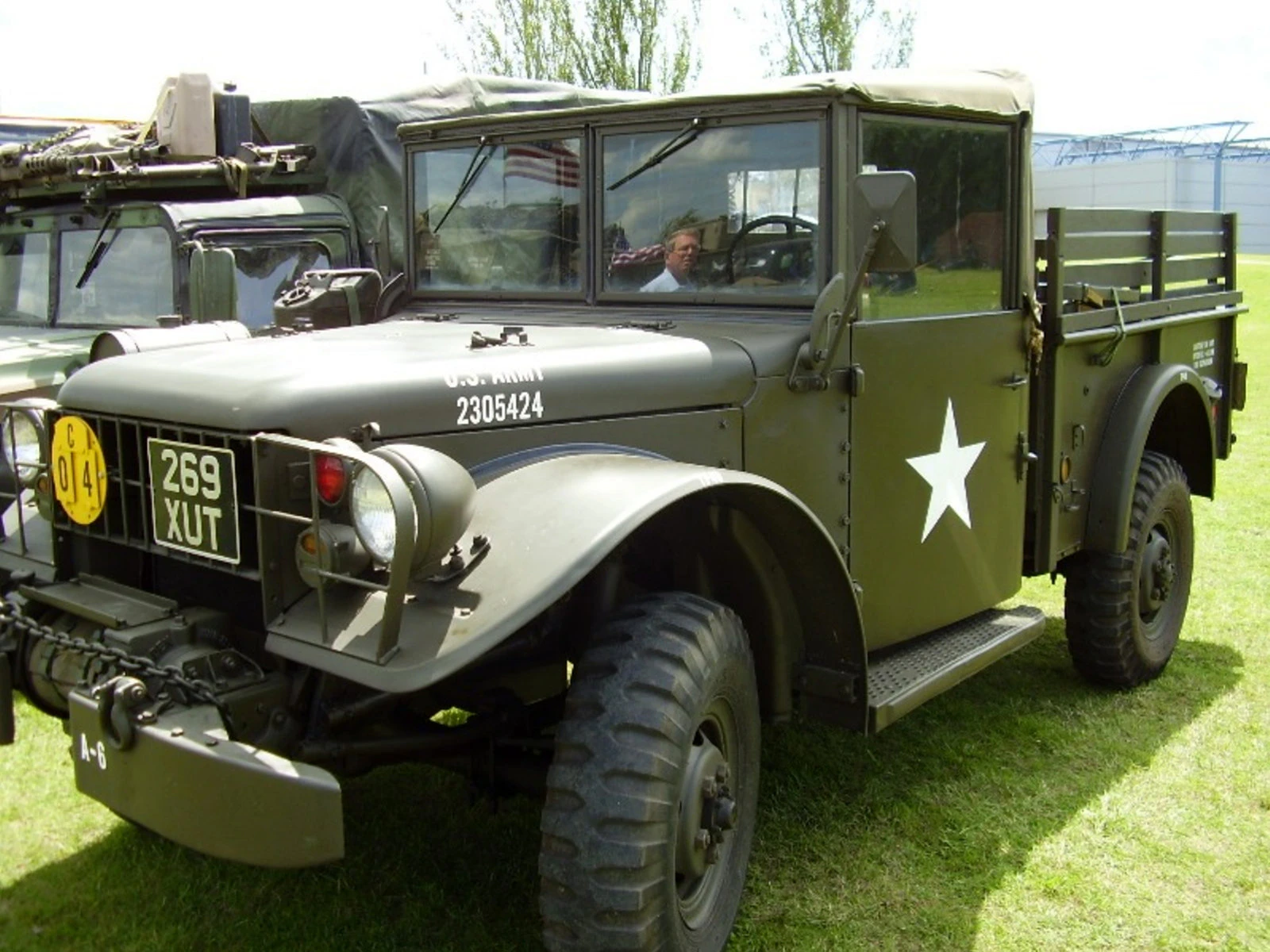
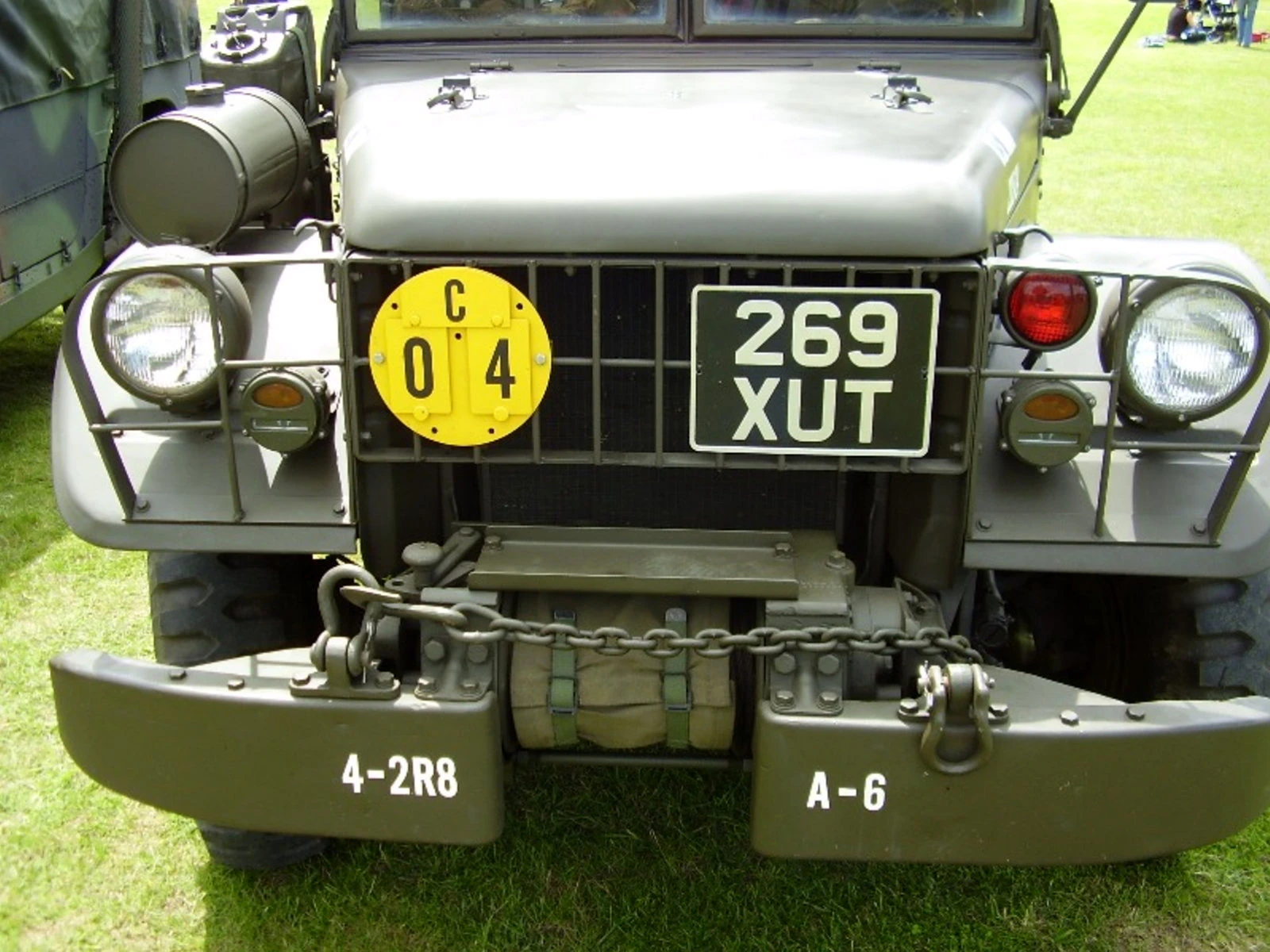
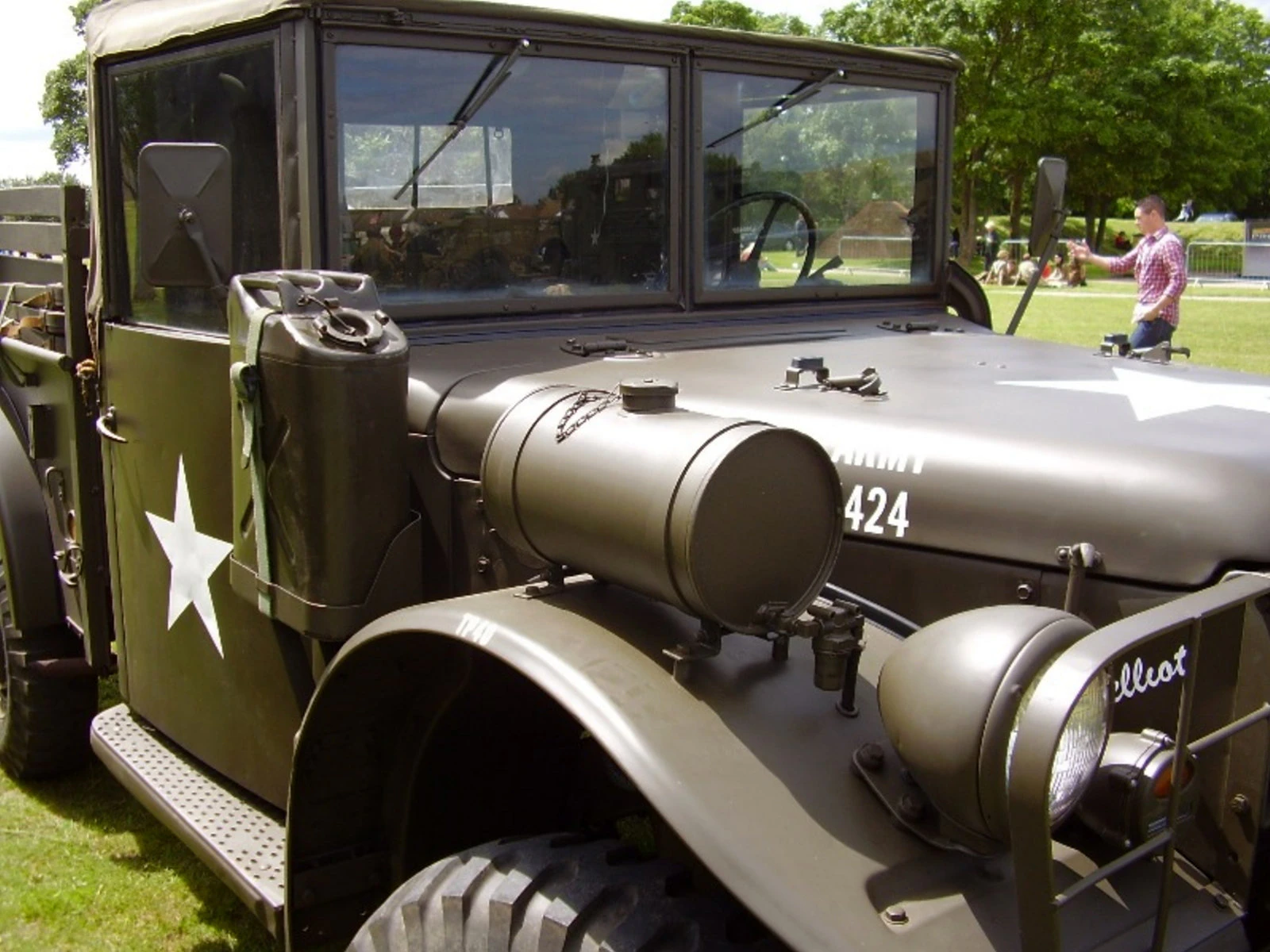
Photo gallery of a truck Dodge M37B1, The Dodge M37 was a three-quarter ton four-wheel drive truck staffing in the US Army.
Dodge M37B1 01
Dodge M37B1 02
Dodge M37B1 03
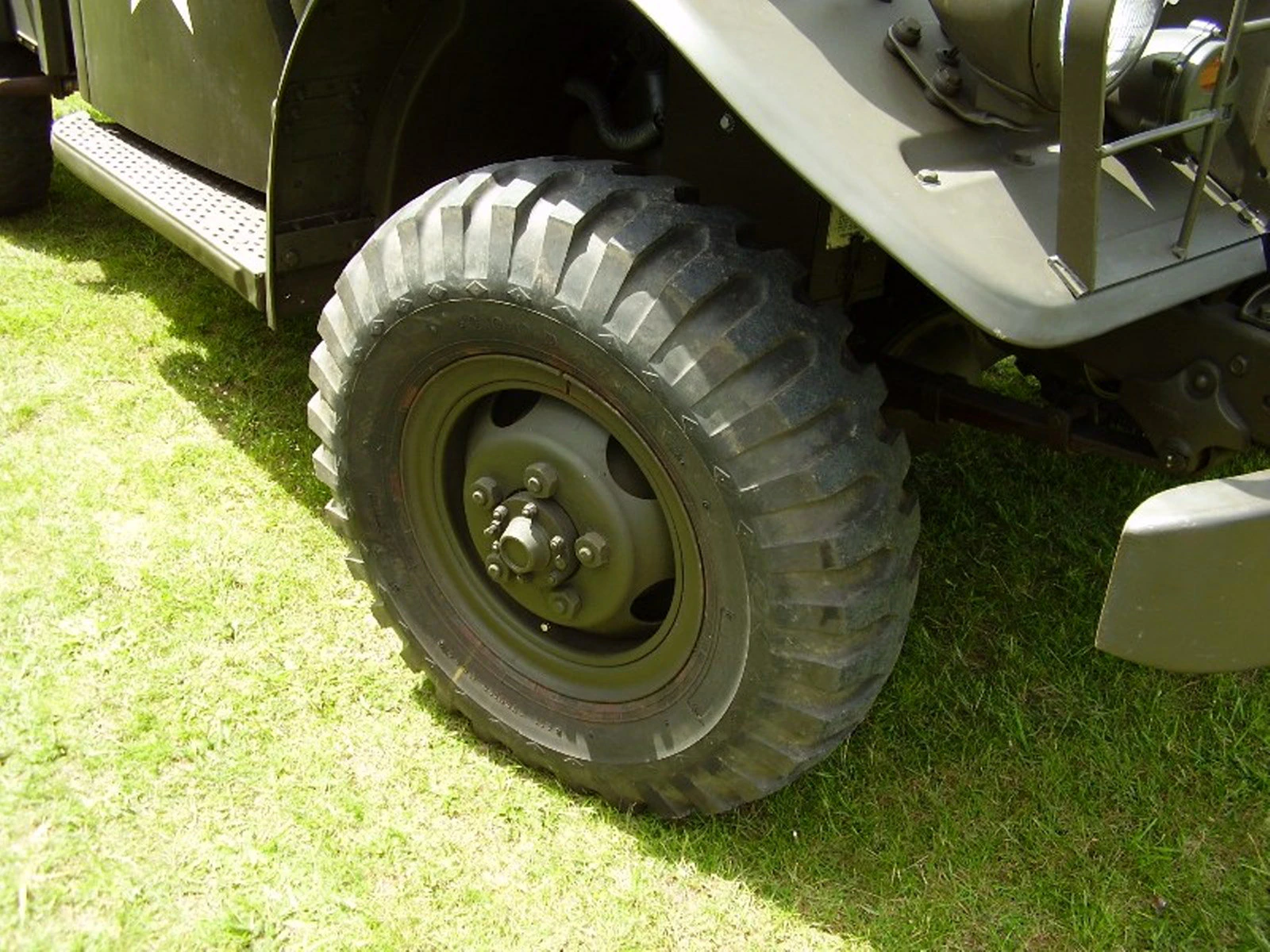
Dodge M37B1 04
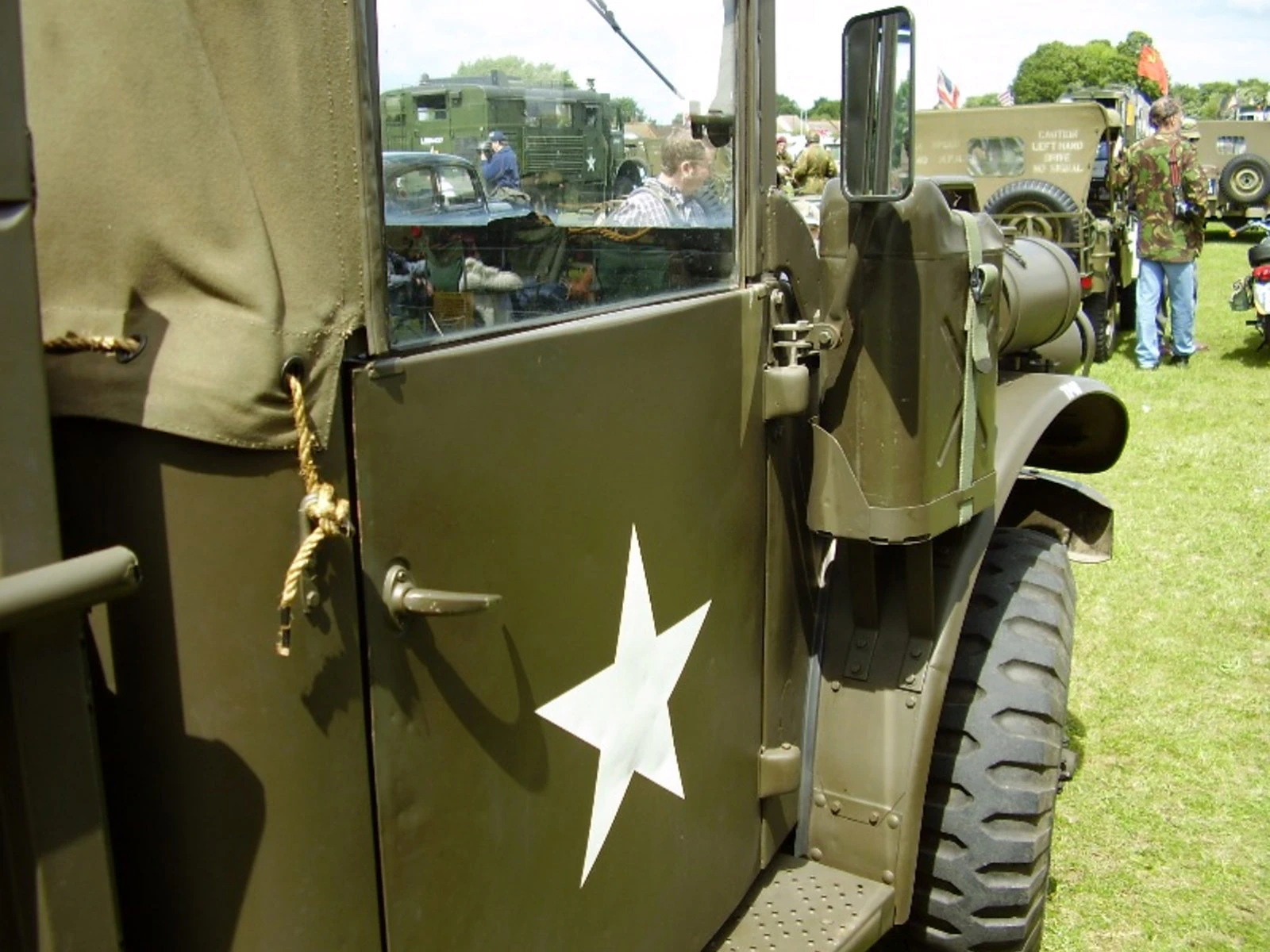
Dodge M37B1 05
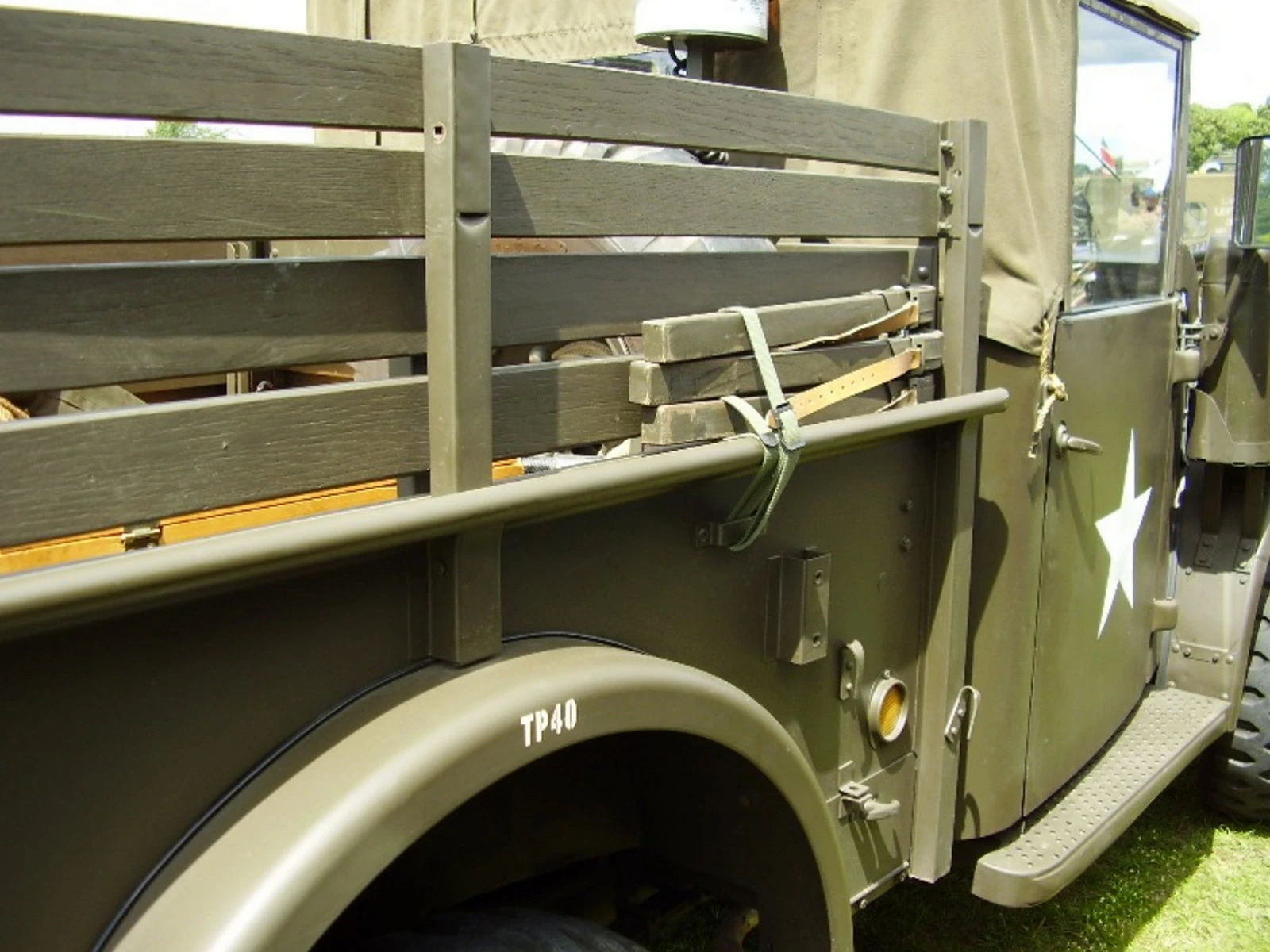
Dodge M37B1 06
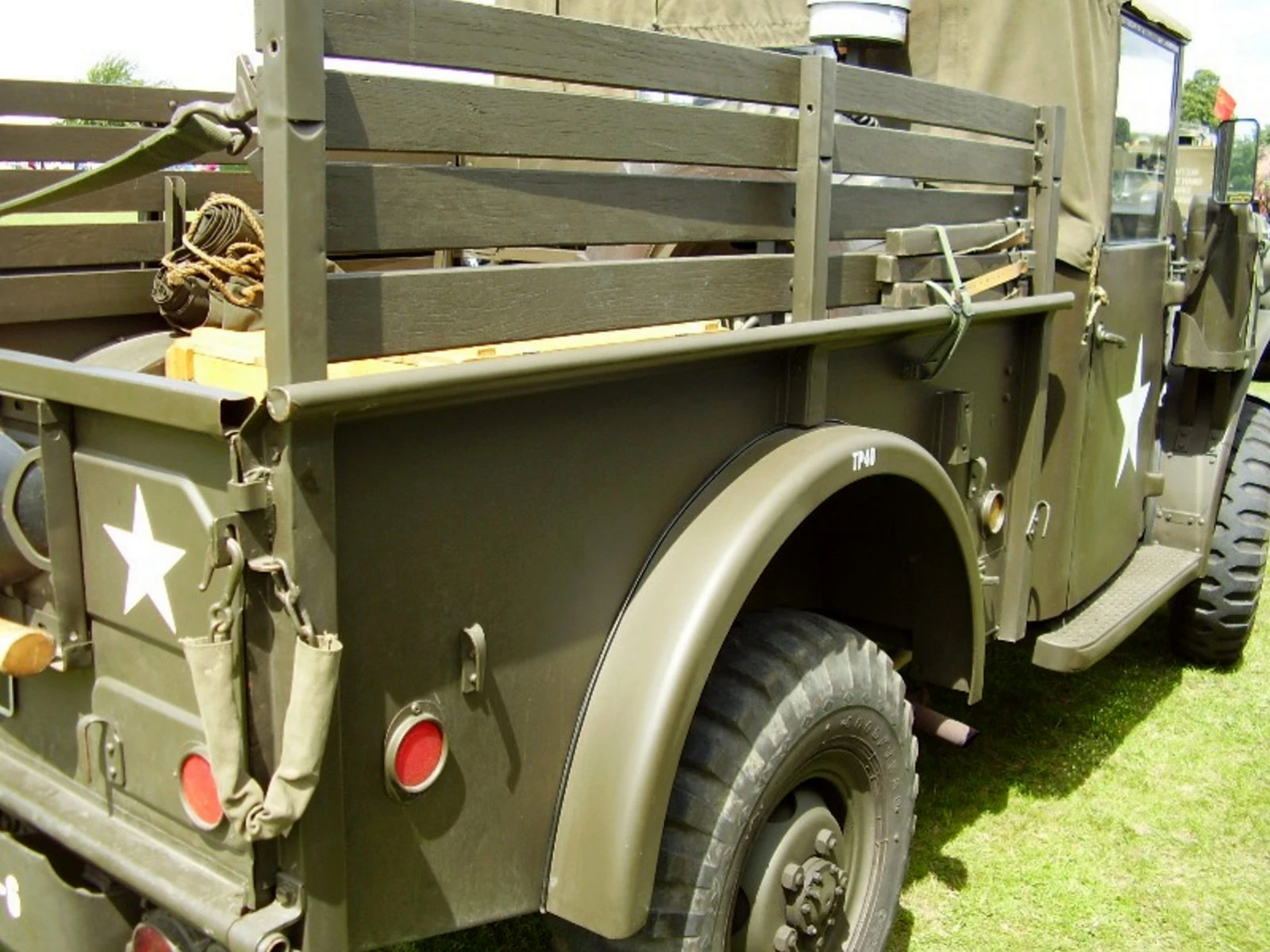
Dodge M37B1 07
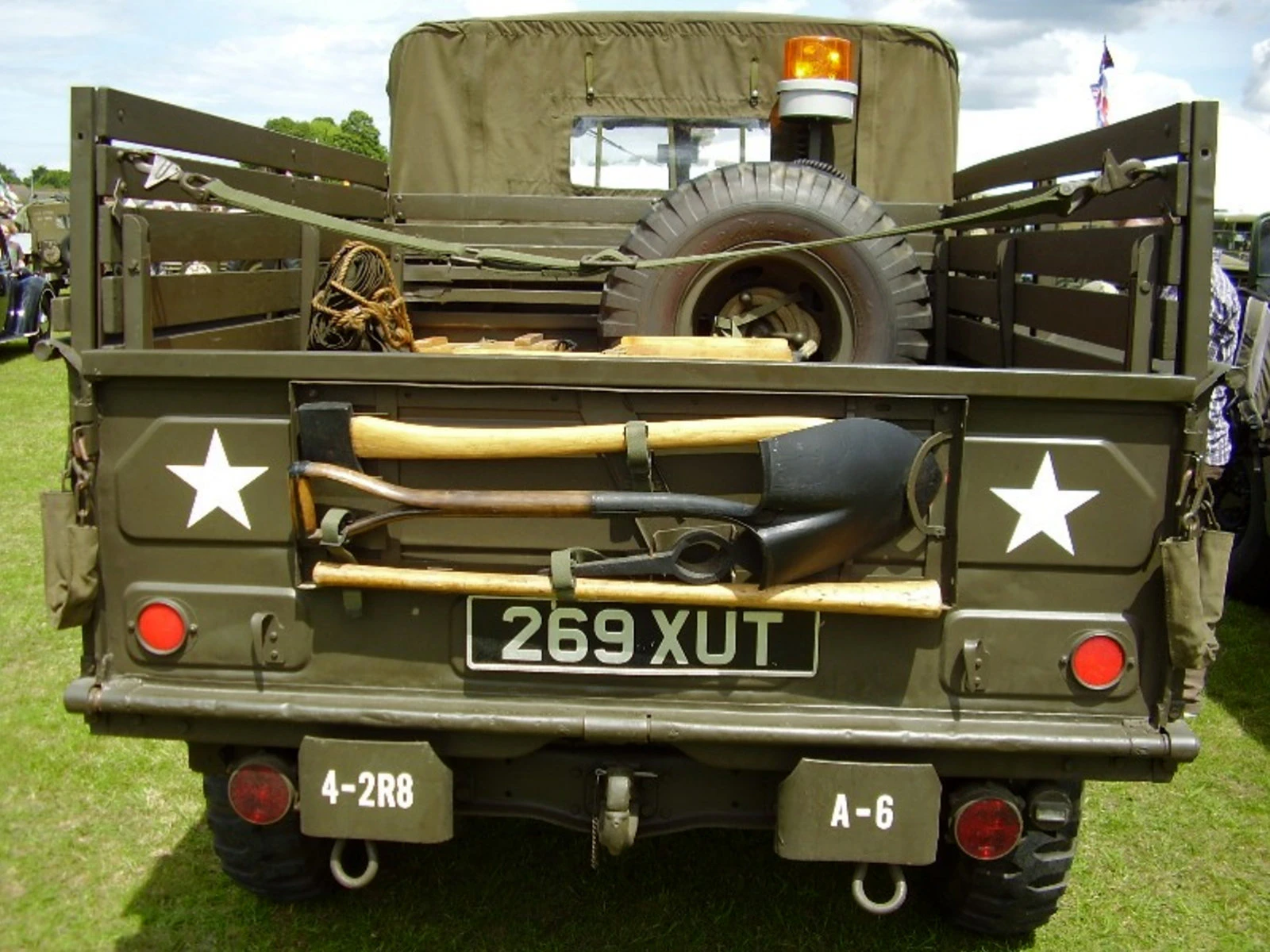
Dodge M37B1 08
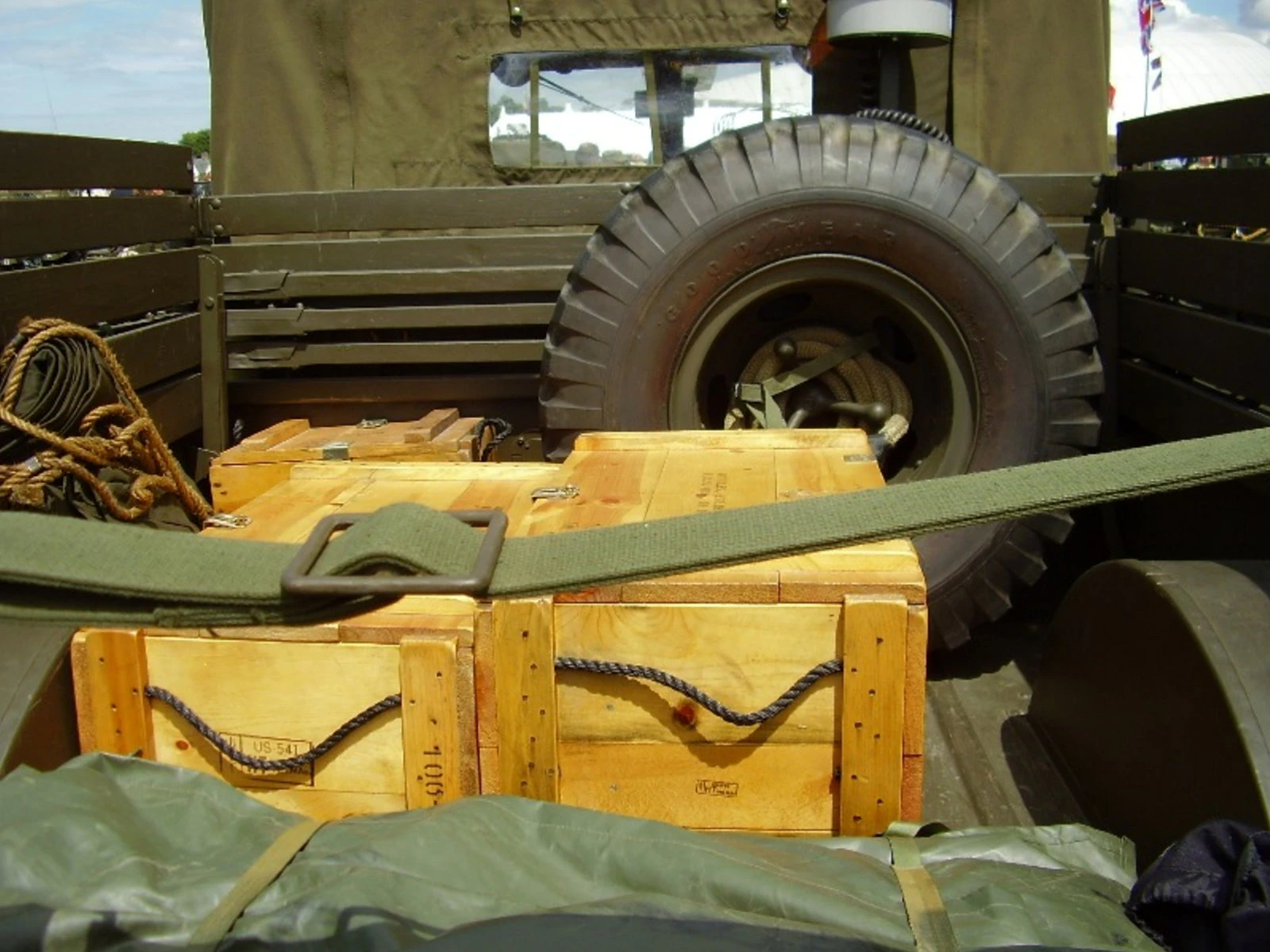
Dodge M37B1 09
Wait, Searching Dodge M37B1 photos for you…

Storia
Type : 3⁄4 ton (680kg) 4×4 Cargo truck
Place of origin : United States
Manufacturer : Dodge
Produced : Jan 1951-Jul 1954 Feb 1958-1968
Number built : 115,838
Indicazioni
Weight : 2,684 kg empty
Length : 4.81 m
Width : 2.10 m
Height : 2.20 m
Engine : Dodge T-245 58 kW
Transmission : 4 spd. x 2 range trf. case
Suspension : Beam axles on leaf springs
Fuel capacity : 91l
Operational range : 362.1 km
Speed : 89 km/h
Vedi anche:


The Quintessential Tactical Truck
Le Dodge M37B1 was the mid-century evolution of the legendary WWII Dodge WC series. Introduced in the early 1950s and refined in the 1960s, the M37 was designed to be a “¾-ton” tactical truck that could go anywhere a Jeep could, but with three times the cargo capacity. The B1 variant introduced key refinements for the Vietnam era, including improved electrical systems and the relocation of the spare tire to the door for better bed space. It was the backbone of US military logistics for two decades, serving as a cargo carrier, ambulance, and mobile command post.
| Attribute | Technical Specification (M37B1) |
|---|---|
| Ruolo | Light Tactical Cargo Truck (4×4) |
| Equipaggio | 2 (Driver + Passenger) + 6–8 in the bed |
| Motore | Dodge T-245 L-Head 6-cylinder (78 hp) |
| Transmission | 4-speed manual / 2-speed transfer case |
| Velocità massima | 88 km/h (55 mph) |
| Payload Capacity | ~680 kg (1,500 lbs) Off-road / 900 kg On-road |
| Electrical System | 24-volt Waterproof system |
| Weight (Empty) | 2,680 kg (5,910 lbs) |
Design Engineering: Overbuilt for the Bush
- The Waterproof 24V System: Unlike civilian trucks, the M37B1 featured a fully waterproofed ignition and electrical system. Combined with a deep-fording kit (snorkel and exhaust extension), the truck could drive through water nearly 2 meters deep without the engine stalling.
- Full-Floating Axles: To handle the brutal terrain of Korea and Vietnam, the M37 used heavy-duty full-floating axles. If an axle shaft snapped, the wheel would stay attached to the truck, and the vehicle could still be towed or even driven if the front-wheel drive was engaged.
- The Spare Tire Relocation: On the original M37, the spare tire was inside the bed, taking up valuable cargo room. On the B1, it was moved to a reinforced mount on the driver’s side door, a signature visual trait of the later models.
- The “Flathead” Engine: The T-245 engine was an old-fashioned design even for the 1950s, but it was chosen for its extreme reliability and “low-end grunt.” It produced maximum torque at very low RPMs, which was perfect for pulling itself out of thick mud.
Operational History: The Logistics Legend
- Vietnam Utility: The M37B1 was everywhere in Vietnam. It hauled ammunition to firebases, acted as a “Gun Truck” with pintle-mounted M60 machine guns for convoy escort, and served as the M43 ambulance variant, saving countless lives.
- The “Beaver” Tail: Some M37s were modified with specialized communication shelters or even M42 chemical-biological laboratory units, showcasing the versatility of the chassis.
- Transition to the M715: By the late 1960s, the M37 was being phased out by the Jeep M715 “Five-Quarter” truck, but many soldiers preferred the Dodge for its superior off-road handling and mechanical durability.
- Civvie Life: After retirement, thousands of M37s were sold to forest services and fire departments. Their rugged 4×4 systems made them the perfect “Brush Trucks” for fighting wildfires in areas where modern trucks couldn’t reach.
Visualizzazioni : 3982